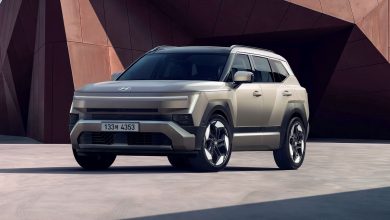
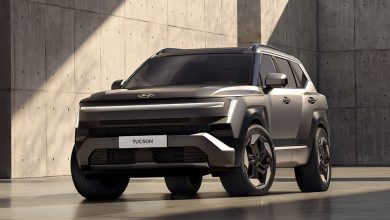
Hyundai has outlined one of its biggest product rollouts to date, confirming more than 100 new or updated vehicles will be introduced globally between now and 2030.
Among the more interesting announcements is the first Hyundai extended-range electric vehicle (EREV), which will be based on the Santa Fe and launch in the first half of 2027.
Unlike a conventional plug-in hybrid, an EREV is designed primarily around electric propulsion, with a petrol engine used to extend the available driving range, acting as a generator rather than send direct power to the wheels. Hyundai is targeting around 965km of combined range.
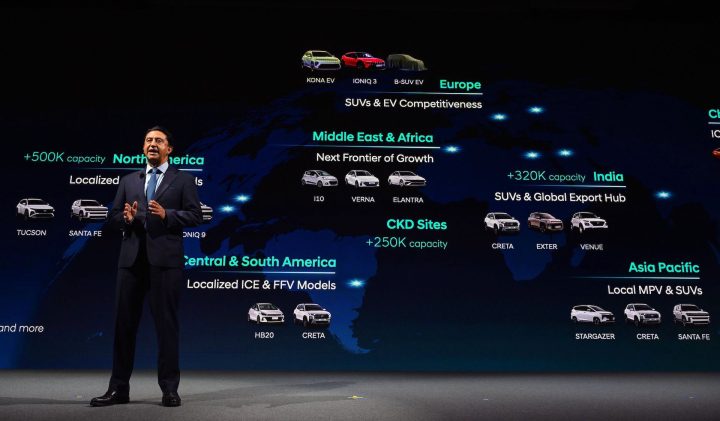
The company has also confirmed several new models arriving much sooner. These include the all-new Elantra, recently revealed fifth-generation Tucson and Tucson Hybrid, IONIQ 3, a new global B-segment SUV and another small SUV developed specifically for Europe.
The new Tucson will begin launching in selected markets during the fourth quarter of 2026, although Australian timing is yet to be announced.
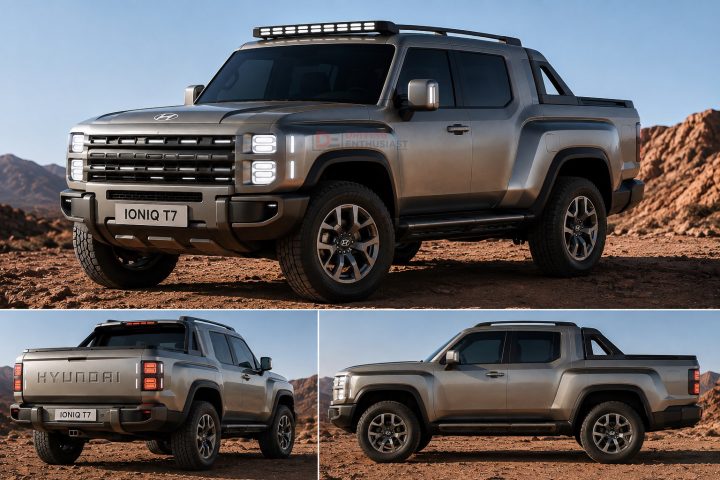
More significantly, Hyundai is planning to enter vehicle segments where it currently has little or no presence. Body-on-frame vehicles are specifically mentioned in the company’s future plans, including a new mid-size pickup/ute (speculative rendering below), while light commercial vehicles are also on the agenda.
The N performance range isn’t being left behind either. Hyundai says additional N models are coming as it targets 100,000 annual performance-car sales by 2030. The company also plans to introduce another, higher-volume performance tier alongside the existing N range, with talk of an all-new rear-wheel drive (RWD) model being part of that plan.
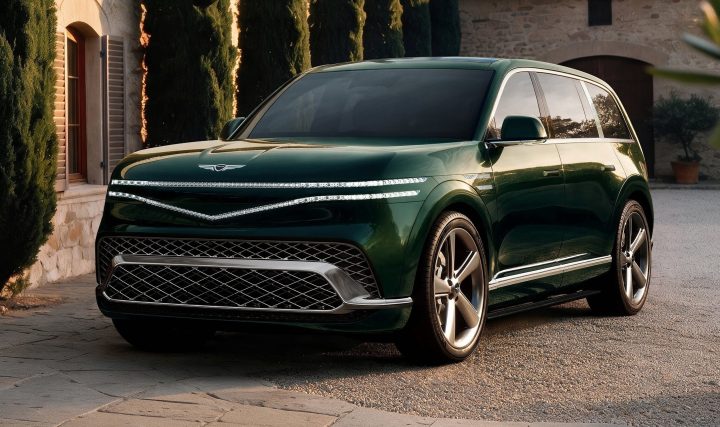
Genesis has some significant new products on the way as well. The GV90 will arrive as the brand’s new flagship SUV, while the GV80 Hybrid will become its first hybrid model when it launches later this year. An extended-range Genesis SUV is then scheduled for early 2027, with the company targeting more than around 1030km of total driving range.
Battery technology will also change across Hyundai’s upcoming EV range. New electric models launching in 2027 are set to adopt lower-cost mid-nickel NCM batteries, while Hyundai says its newly developed high-performance battery cells can charge around 40 per cent faster than its previous high-nickel technology.
The Genesis GV90 will also debut a new Thermal Runaway Protection system designed to prevent heat spreading between battery cells in the event of a failure.
Hyundai hasn’t confirmed which of the broader range of future models will make it to Australia, but with more than 100 launches and updates planned globally by 2030, the local lineup is likely to undergo some significant changes over the next few years.