

An unsung Aussie hero recently celebrated its 40th anniversary, the Mitsubishi Magna, and if attendance and news coverage of the MAGNA40 event in SA was any indication, there is still plenty of love for it decades after production stopped.
There’s plenty of folklore emanating from the halls of Tonsley Park; after all, the mighty Valiant Charger was built there before Mitsubishi took over in the 1980s. It stands to reason, then, that there would be plenty of one-offs, limited run and unique examples. Some of these came about due to Mitsubishi’s healthy export program from the early 1990s to 2000s.
Did you know Magna wagons were exported to Japan as early as 1988? Such honour. Left-hand drive versions were sent to the USA as the Diamante, with moderate success too.

As part of a new series we are trying out at Driving Enthusiast, we sought out the ‘secret menu’ Magnas, Veradas and 380s. What is secret menu? Well, as some of you may be aware, the KFC app has a ‘secret menu’ with concoctions that combine menu items to create something great (for example, the ‘Chipster’). We are applying that logic to Aussie automotive lore, but the definition is stretched to include non-factory versions of cars that look like they could’ve come from the factory.
Here, in no particular order, are a selection of secret menu Aussie Mitsubishis. If you’re a Magna maniac and think we missed one, please let us know.
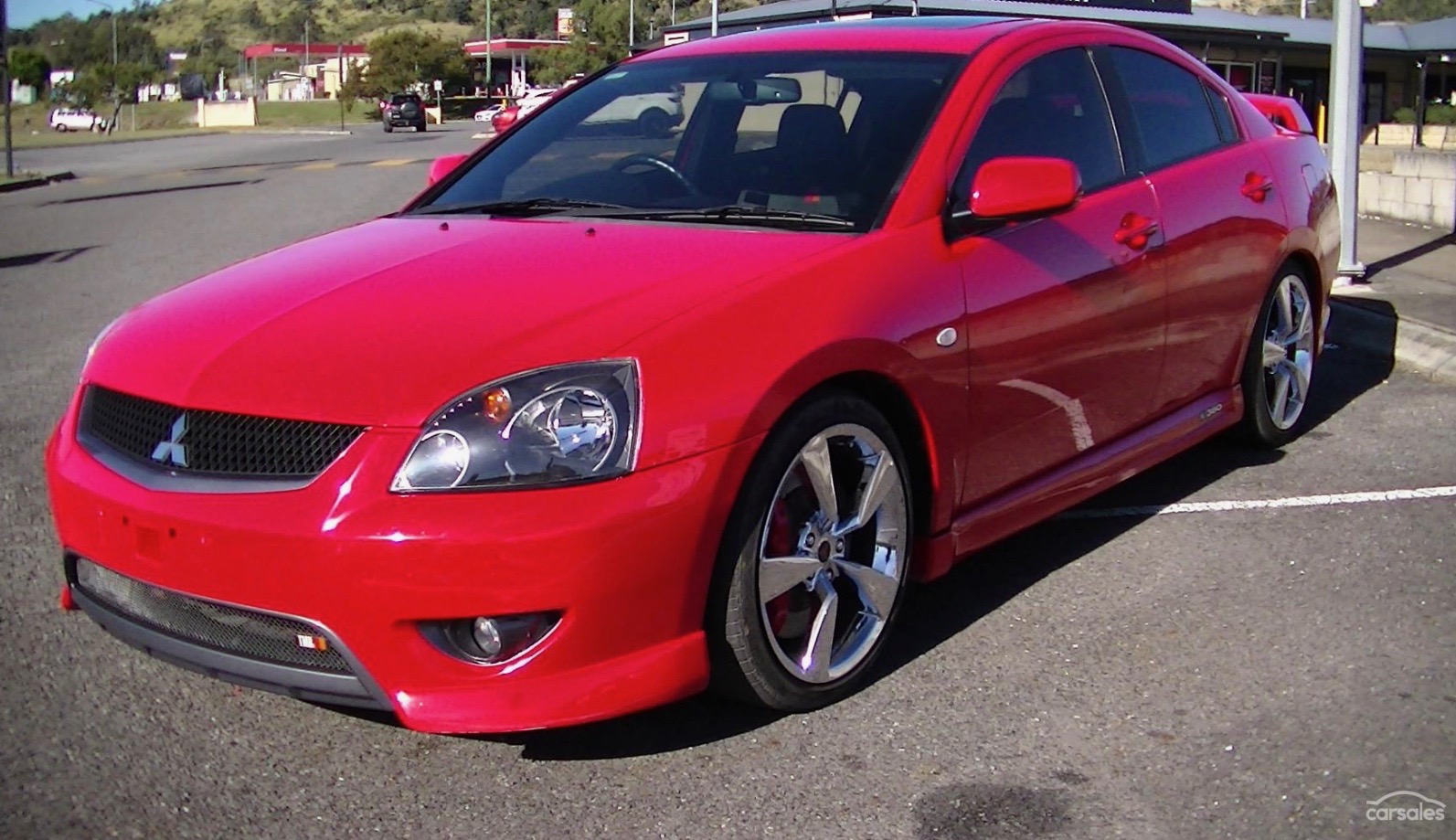
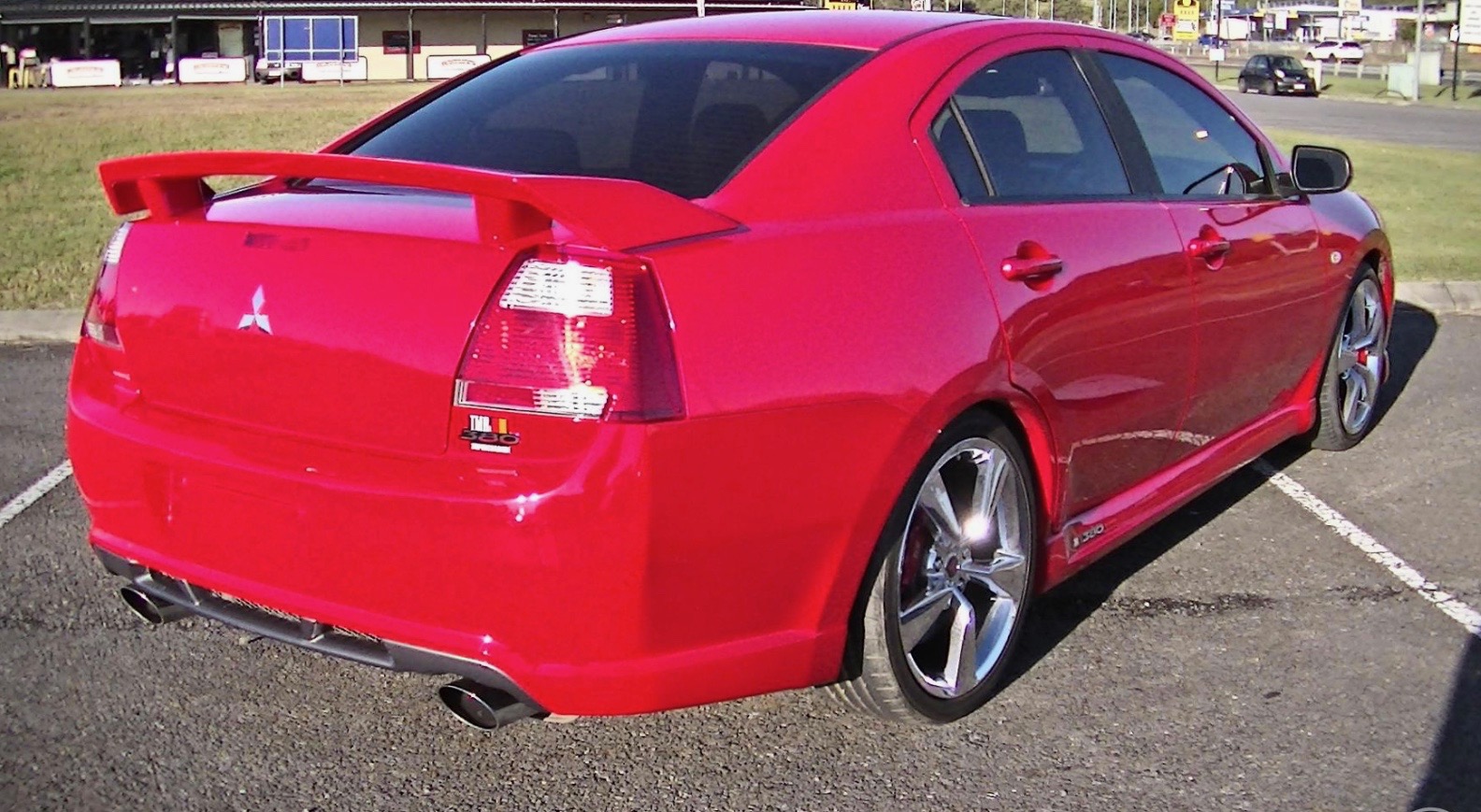
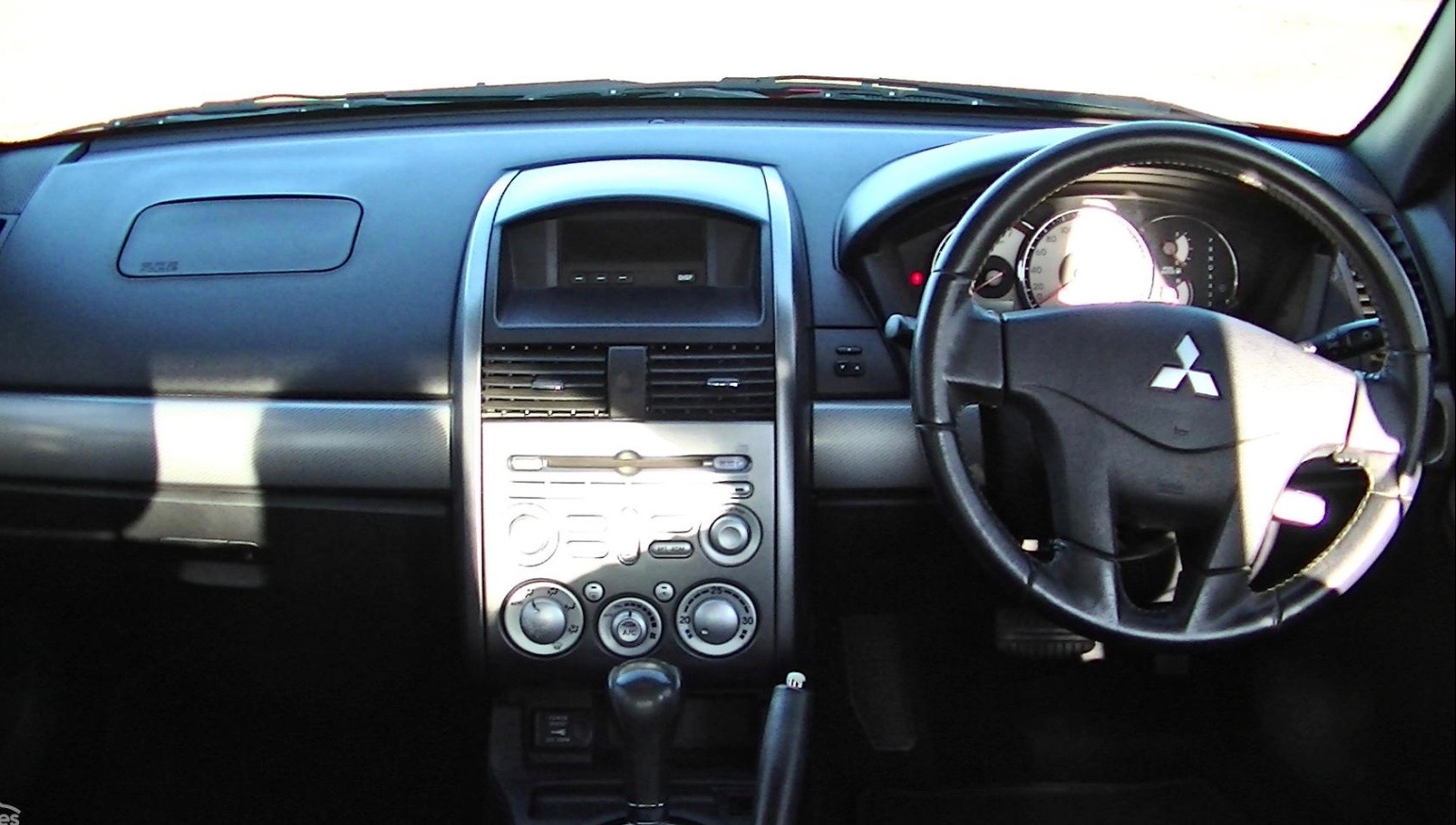
1. TMR 380
Just before the gates were closed forever in 2008, Tonsley Park brewed a spicy, supercharged send-off.
The TMR 380 was developed by Team Mitsubishi Ralliart under motorsport legend Alan Heaphy as a last hurrah after the Tonsley Park factory had officially closed. It represents everything Mitsubishi Australia could have been – if only the business case stood up. Apparently a long wheelbase version of the 380 was planned to bolster exports, but computer said no.
Of the 20 units produced, 18 went to Mitsubishi dealers as promotional vehicles, car #001 was retained by Heaphy himself, and then-CEO Rob McEniry purchased another. Most ended up in private collections immediately, with only three sold for regular road use. When they surface today, they trade for $45,000-$50,000. This was the most serious effort to combat HSV and FPV (and TRD), aside from the TJ Ralliart.
Specifications:
Engine: 3.8L SOHC V6 (6G75) with Sprintex S3/335 supercharger + intercooler
Power: 230kW @ 5250rpm
Torque: 442Nm @ 4000rpm
Drivetrain: FWD with helical limited-slip differential on manual
Transmission: 5-speed manual or 5-speed INVECS II automatic
0-100 km/h: ~6.0 seconds (estimated)
Price when new: $56,990
Production: 20
2. 2002-2003 Magna Ralliart
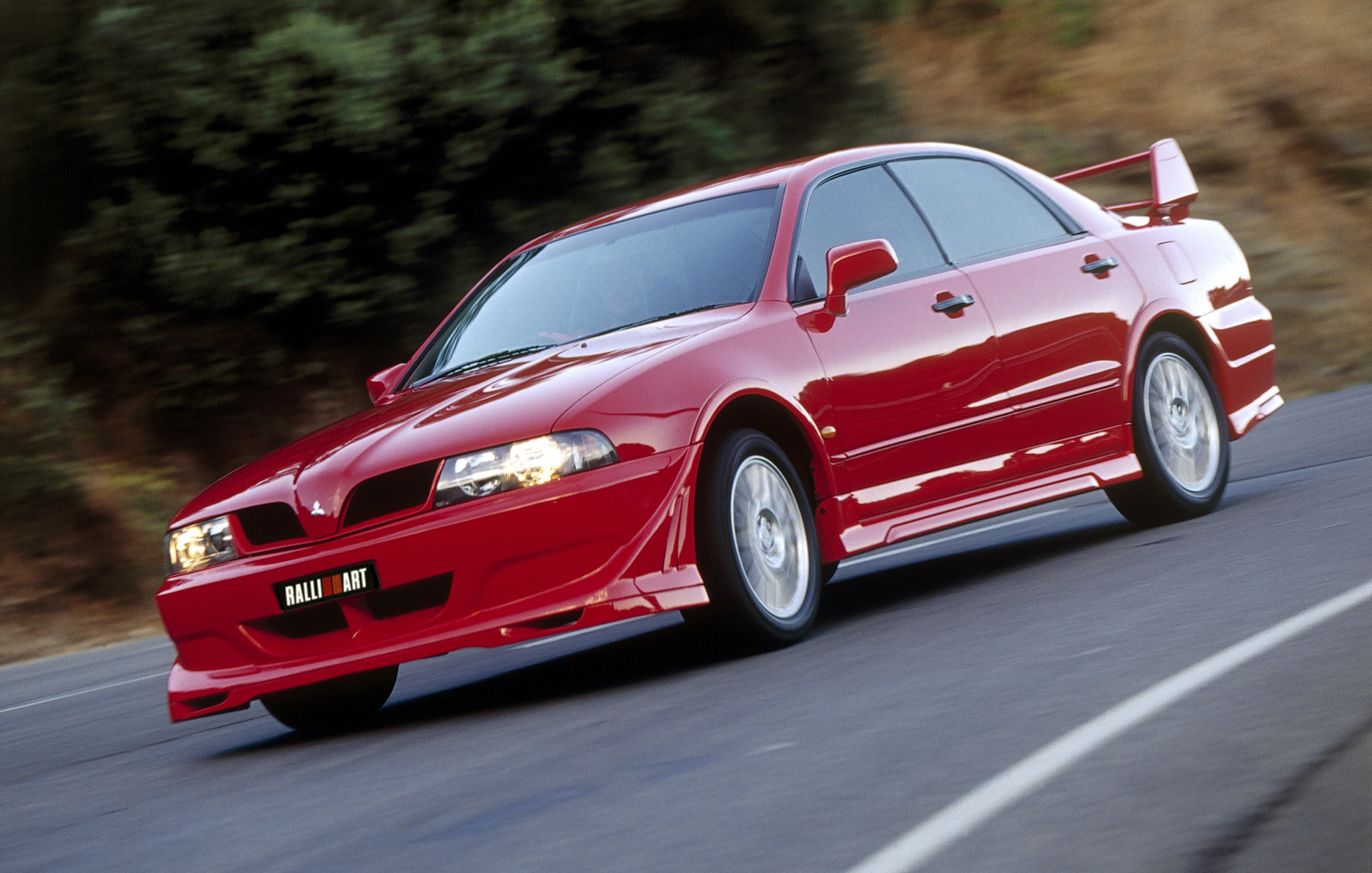
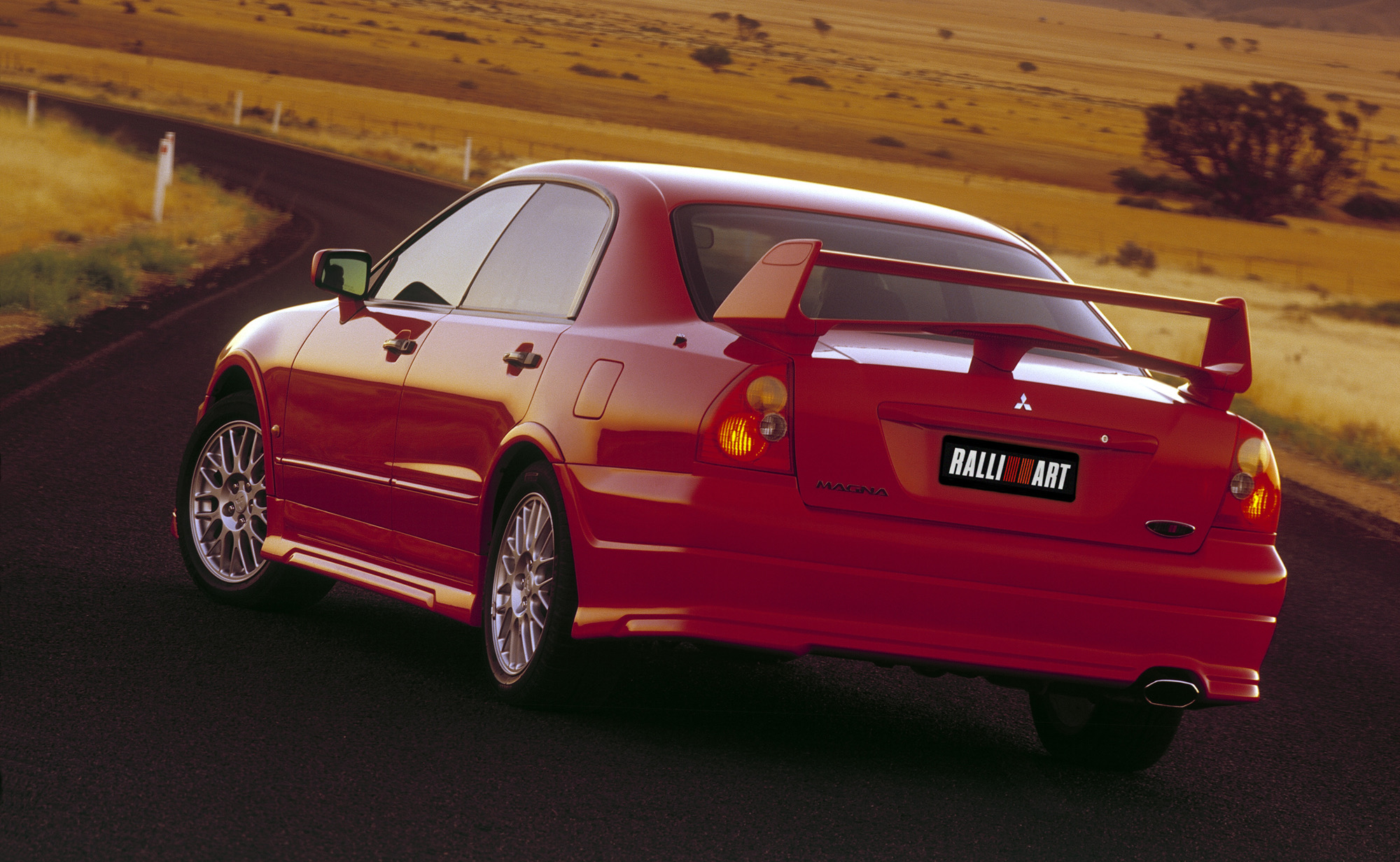
Ford and Holden (let alone their Tickford/HSV divisions) had the outright performance edge with their V8 engines and rear-drive platforms, but a little known fact is the Magna had what was widely considered to be the most responsive V6 and its FWD traction meant it was faster out of the gates than its six-cylinder rivals. A 2002 Wheels comparison between the AUII XR6 VCT, HSV VX XU6 and TJ Magna Ralliart resulted in a victory for the Mitsi, with its fettled, 180kW V6.
Around this time, loud and lairy colours were starting to re-emerge on the colour palate of Aussie cars and the Magna was no exception. A limited run of 50 VR-Xs in Wasp Yellow were made, but four of the 500 cars were in Wasp Yellow, meaning you have something extraordinarily rare if you are lucky enough to own one.
Specifications:
Engine: 3.5L SOHC V6 (6G74)
Power: 180kW @ 5500rpm (up from 163kW standard)
Torque: 333Nm @ 4000rpm (up from 317Nm standard)
0-100 km/h: 7.2 seconds
Drivetrain: FWD
Transmission: 5-speed manual (with LSD) or 5-speed INVECS-II auto (no LSD)
Price when new: $48,590
Production: 500 (4 in Wasp Yellow)
3. 2002 Magna Commonwealth Games VR-X concept
To commemorate Australia’s participation in the 2002 Commonwealth Games, Mitsubishi commissioned a striking one-off show car in Green and Gold Chromaflair paint – the paintjob alone was said to be worth around $7500 (a lot, at the time).
Mitsubishi was ahead of its time with this one, as Ford launched two Chromaflair colours with the BF Falcon in 2005 (Obsession and Fantasy). Recently, Shannons ran an article about the one-of-one vehicle, which ended up in North Queensland, where the relentless sun cooked its rooftop. It was then rescued at a Pickles auction and has been doing the show rounds ever since.
Specifications (same as VR-X):
Engine: 3.5L SOHC V6 (6G74)
Power: 163kW @ 5250rpm
Torque: 317Nm @ 4000rpm
Drivetrain: FWD
Transmission: 5-speed manual or 5-speed auto
Price when new: Not for sale
Production: 1

4. 1990 Magna Grand Tourer
The first-generation Magna was never known for its presence – but the Grand Tourer changed that. Released in September 1990 as a dress-up special with genuine flair, the Grand Tourer gave the humble TP Magna an upmarket edge that previewed where Mitsubishi would take the Verada luxury line.
Unique features included; Large-diameter gold alloy wheels, gold pinstripe decals, Elante suspension settings for improved handling, EFI, full bodykit including rear spoiler, and special interior trim. The hero combination was Riviera Blue with gold wheels and gold striping. Only 250 were built in this colour, and survivors command strong collector interest among first-gen Magna enthusiasts.
Specifications:
Engine: 2.6L Astron II inline-four (4G54)
Power: 83kW @ 5200rpm
Torque: 205Nm @ 2400rpm
Drivetrain: FWD
Transmission: 4-speed auto or 5-speed manual
Price when new: $19,990 manual, $21,296 auto
Production: 1000 units (500 white, 250 wine, 250 Riviera Blue)
5. 1994 Magna V6Si
Before the VR-X, before the Ralliart, there was the V6Si – the car that proved Mitsubishi could build a credible sports sedan from the second-generation Magna platform.
Released as a limited run in August 1994, the V6Si brought visual aggression and a chassis tune that made the Magna genuinely fun to punt down a back road. Only 400 were built, and the manual cars are now the most sought-after. This model previewed the TF Magna Sports – the first Australian car with a +/- tiptronic style transmission, giving them a novel alternative to XR6 and S.
Unique features included decals, 15-inch alloys, body-coloured grille, spoiler, dual exhaust, ABS, aircon and special trim.
Specifications:
Engine: 3.0L SOHC V6 (6G72)
Power: ~140kW (approximate – exact figure varies by source)
Torque: ~260Nm
Drivetrain: FWD
Transmission: 5-speed manual or 4-speed auto
Price when new:
Production: 400 units (120 manual, 280 auto). Available in three colours: Sarajevo White, Mirage Silver, and Calypso Red.

6. Tom Phillips KL Verada GTVi AWD
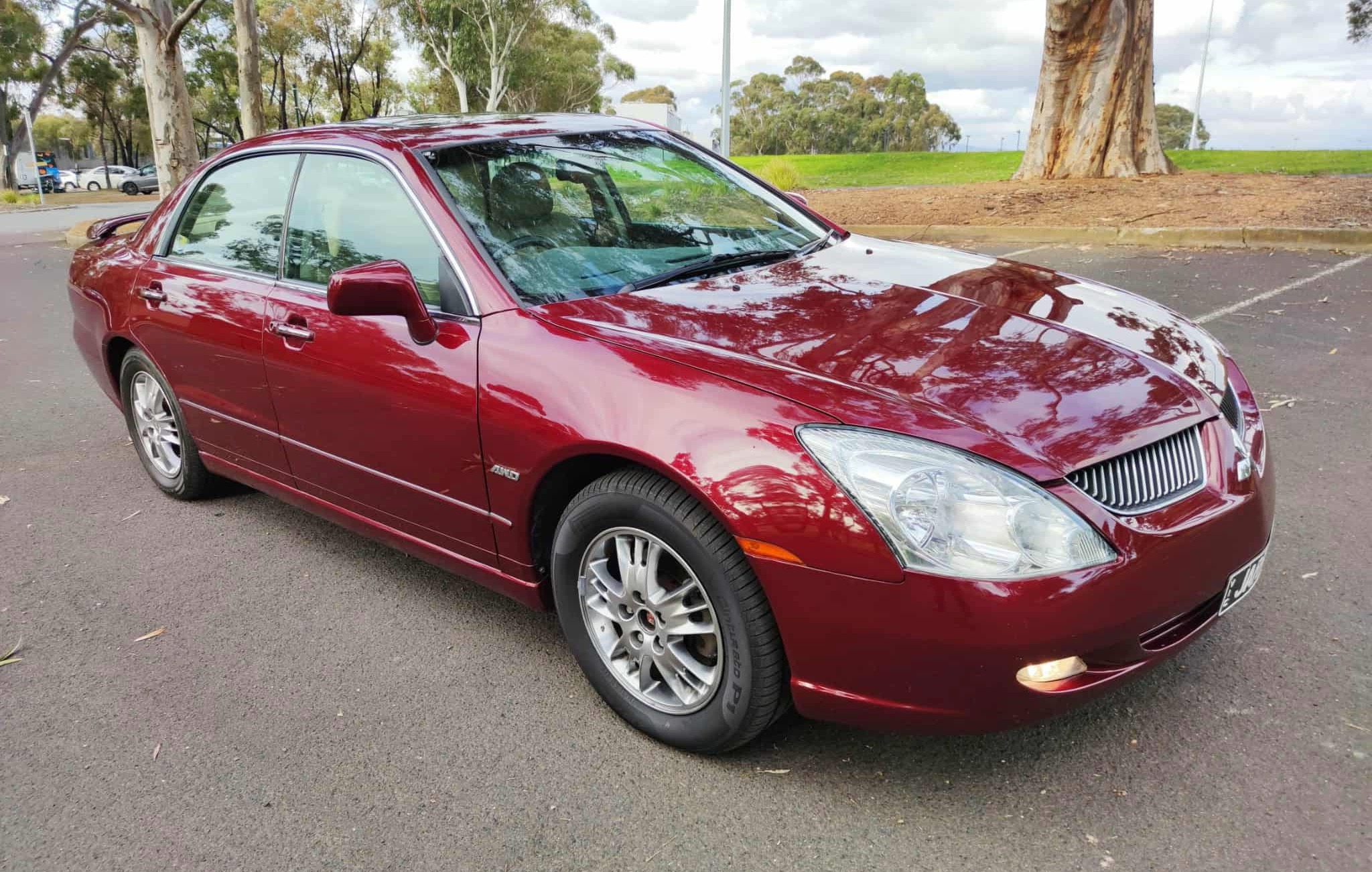
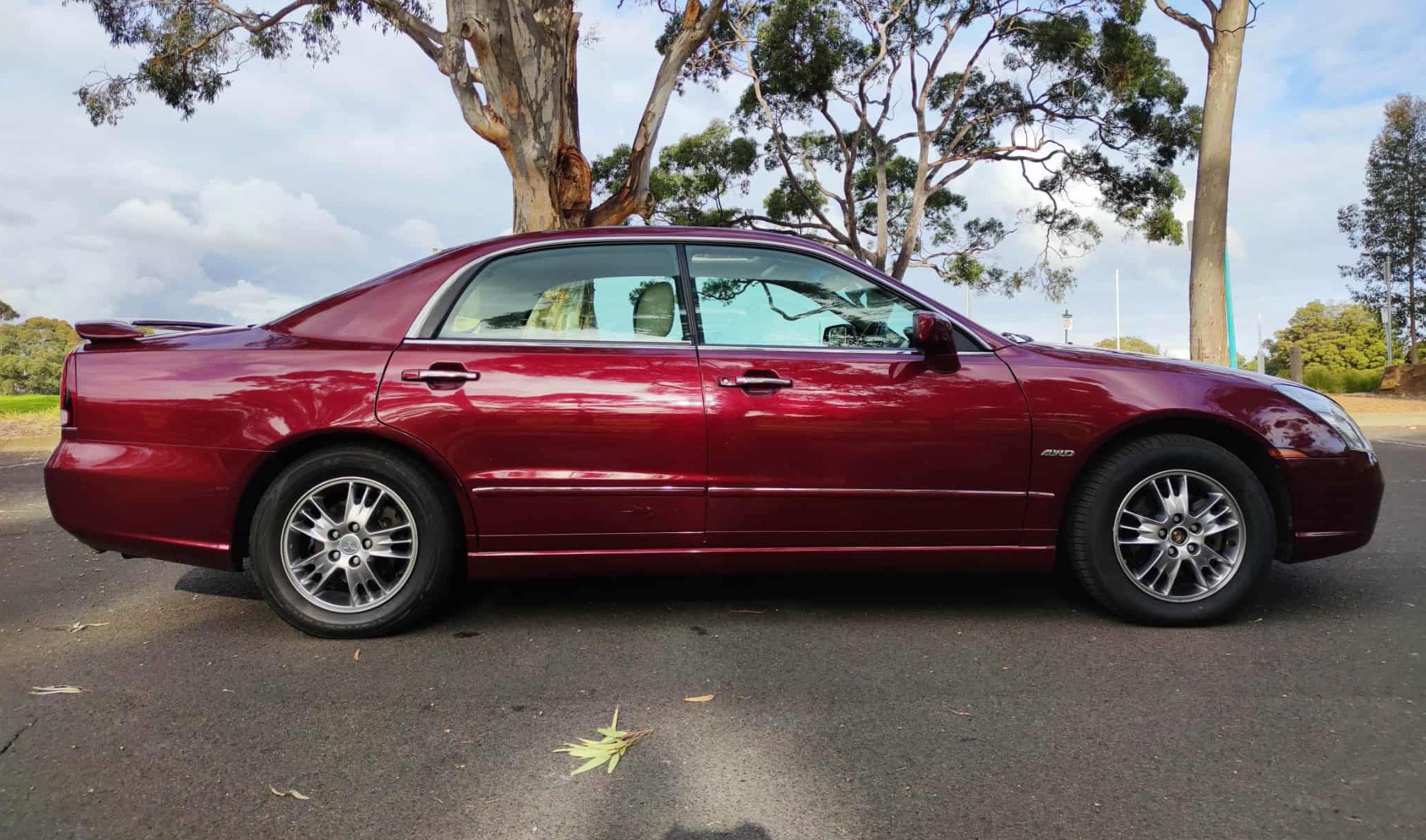
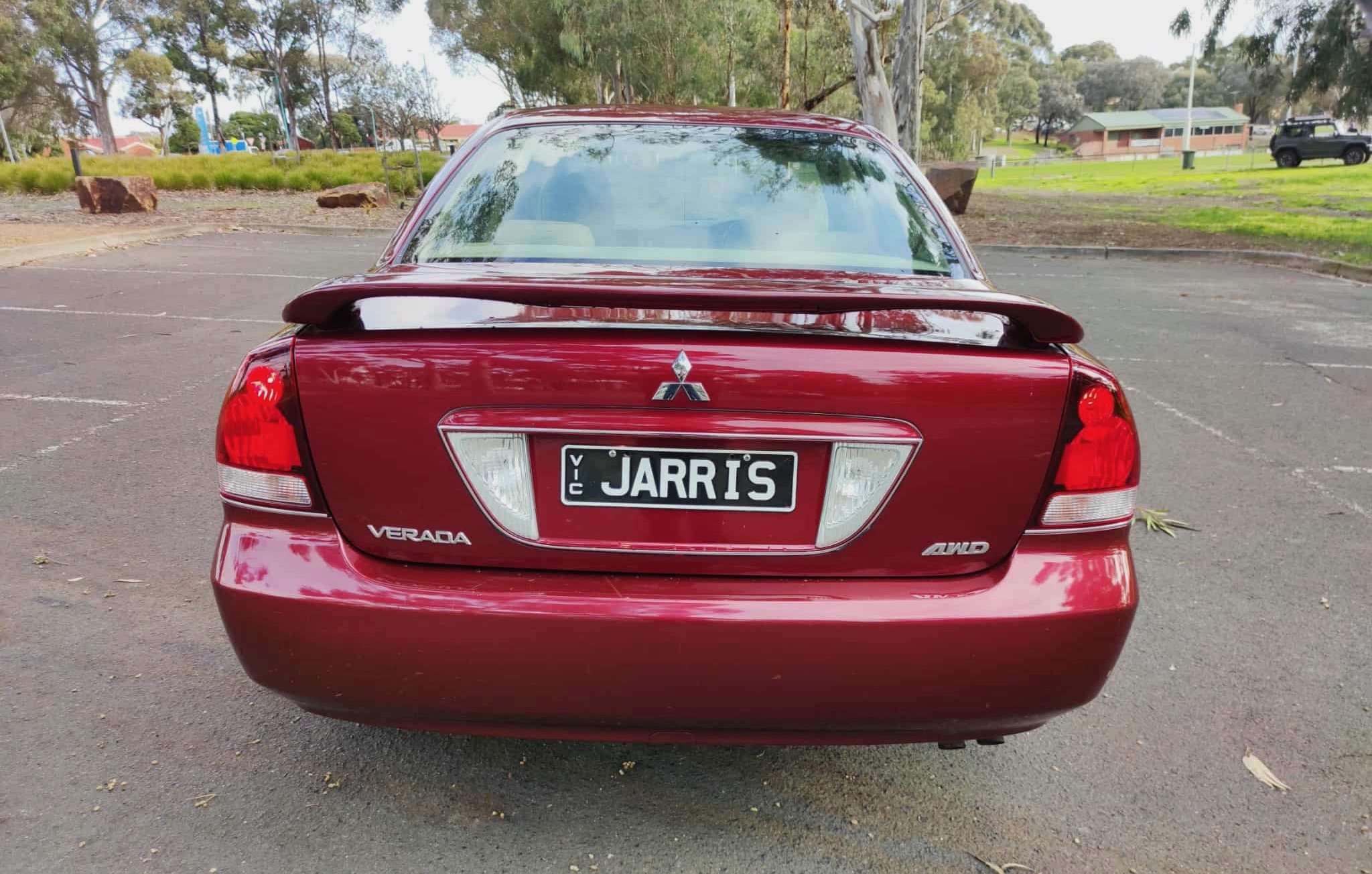
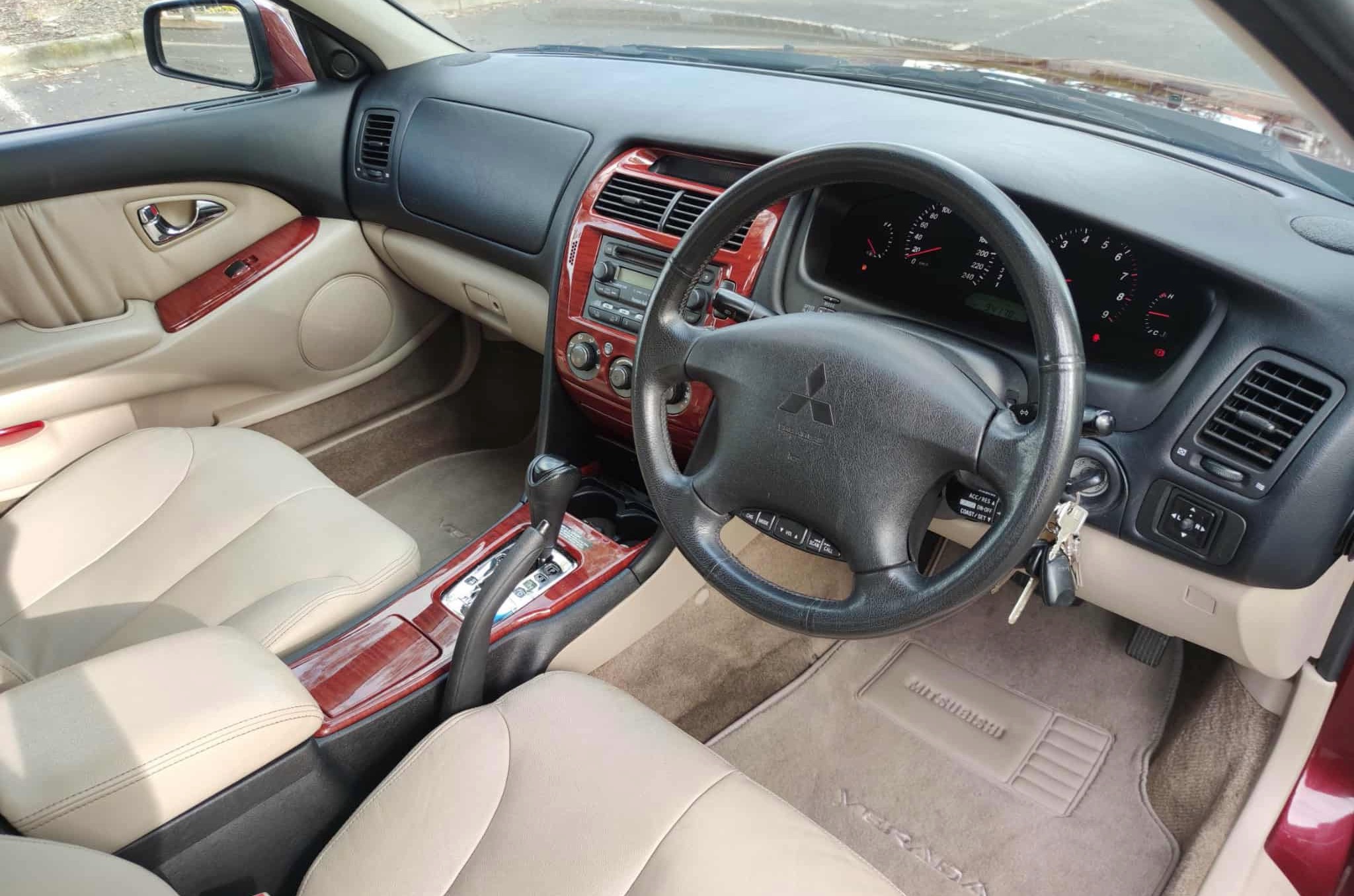
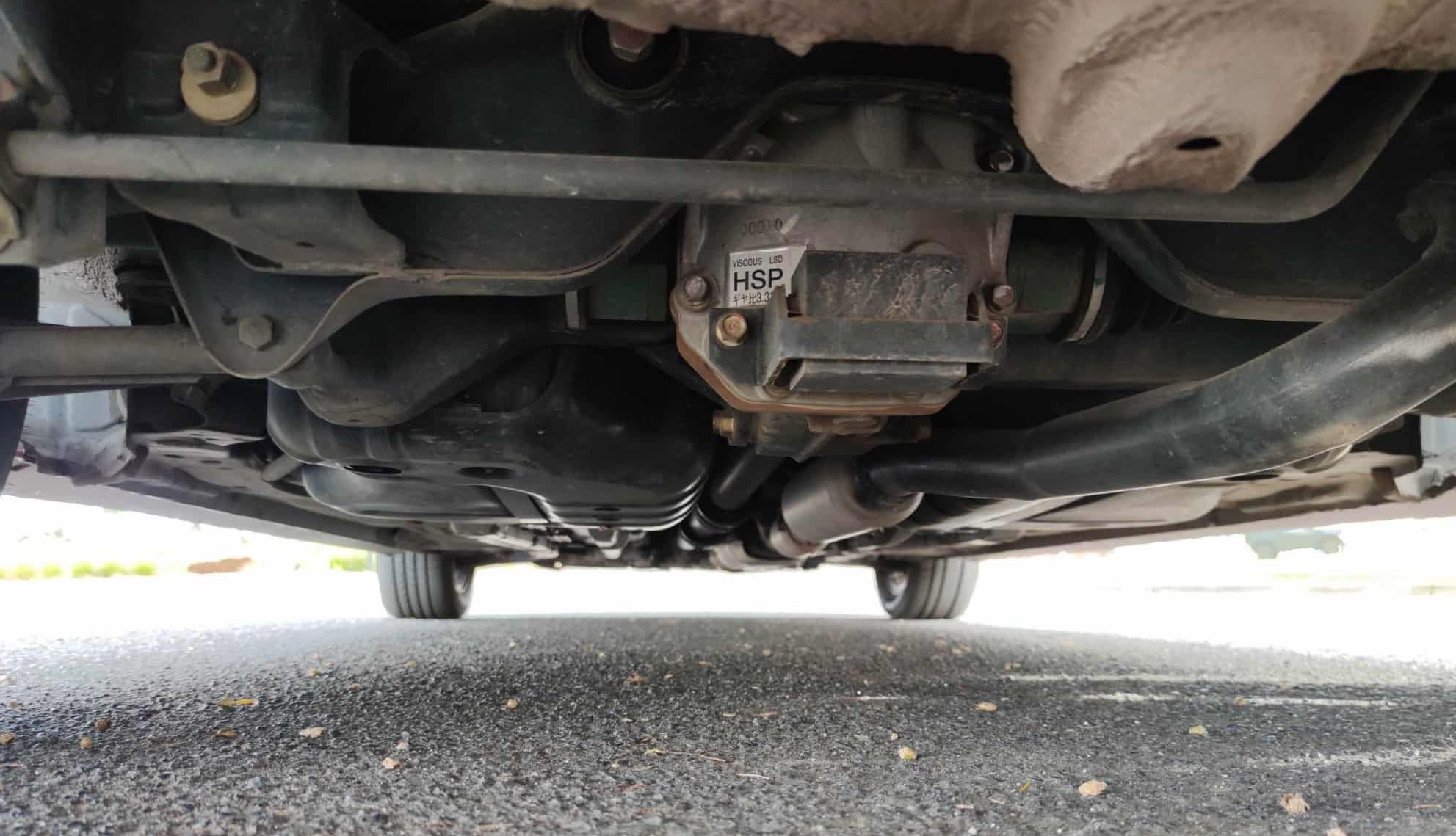
This is essentially the inspiration for this whole article and the truest distillation of a ‘secret menu’ car. When you’re the CEO, you get to have any combination you want. You can pick-and-choose engines, trim and wheels from the domestic and export catalogue and that’s what Tom Phillips did.
Phillips oversaw the $600 million development of the 380, introduced the Ralliart program, and famously stated: “To say this model is life or death for Mitsubishi Australia is an understatement.”
As CEO, he had “some leeway when it came to specially commissioned cars for private use” – meaning his KL Verada likely featured bespoke trim or options not available on the showroom floor. It had a power bump to Ralliart spec but with the more subdued exhaust of the Verada, as well as a light leather trim not available on other models.

Current owner James Harris purchased the car via Carsales in January 2020 for just $5500 with registration, RWC, and under 92,000km on the clock – more details in this Magna History Facebook post. While not 100% confirmed through factory build sheets, the provenance strongly suggests this was Phillips’ personal vehicle. Phillips passed away on 1 July 2024 at age 78.
Interestingly, these models were so South Australian, they had cup holders designed to hold a popular Farmers Union iced coffee carton.

Specifications:
Engine: 3.5L SOHC 24-valve V6 (6G74)
Power: 175kW @ 5250rpm
Torque: 343Nm @ 4000rpm
Drivetrain: Full-time all-wheel drive (AWD system derived from Lancer Evolution components)
Transmission: 5-speed INVECS-II Sports Mode automatic only (no manual offered)
Price when new: $46,990 (base GTVi AWD)
Production: 414 units
7. Mitsubishi Diamantes
Here’s the irony: Mitsubishi built the Magna in Adelaide, exported thousands as left-hand-drive Diamantes to the USA, then years later those same cars came back to Australia – because Hollywood needs LHD “American” cars when filming Down Under.
Between 1992 and 2004, Tonsley Park shipped approximately 95,000 left-hand-drive Diamantes to North America, New Zealand, Puerto Rico and the Middle East. When Marvel Studios rolled into Brisbane to film Thor: Ragnarok in 2016, the production dressed the CBD as New York City – and needed a fleet of LHD background vehicles to sell the illusion. Among them? An Adelaide-built Diamante, registered in Australia under special film industry exemptions.
Picture Car Solutions (Australia’s leading supplier of LHD vehicles to the film and TV industry) maintains several ex-USDM Diamantes specifically for this purpose. These cars hold conditional registration or unregistered vehicle permits (UVPs) that allow them to be driven legally during production shoots.
The full-circle moment: An Australian-designed car, built in Adelaide with local engineering input, shipped to America as an export, then reimported decades later because it’s the “wrong” hand drive. Peak irony.
Specifications (typical USDM Diamante LS):
Engine: 3.0L or 3.5L SOHC V6 (6G72 or 6G74)
Power: 141-153kW (depending on year)
Drivetrain: FWD, 4-speed automatic
8. TJ/TL Magna VR-X Limited Edition
The VR-X Limited Edition wasn’t just one car, it was a matrix of options that created wildly different production numbers depending on how you spec’d it. While standard VR-X sedans were relatively common, certain combinations became accidental unicorns.
One verified example; a Flame Red TL VR-X with five-speed manual, leather trim, and factory sunroof. It was confirmed by Mitsubishi Motors Australia Limited as one of only three ever produced in that exact specification.
The interchangeability of Magna parts across model years means enthusiasts can theoretically build your own really special Magna from all the different components from all the different iterations, but finding a genuine factory oddball spec is the real prize.
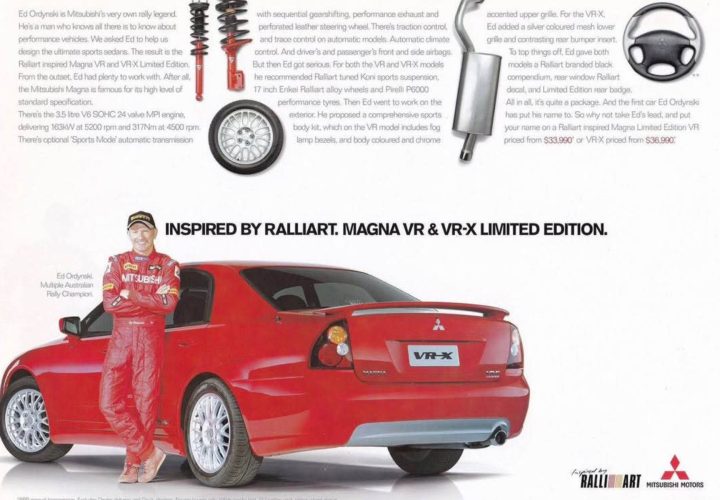
Standard VR-X Limited Edition equipment:
- Koni shock absorbers
- Ralliart Enkei 17-inch alloy wheels
- Limited Edition black-and-silver leather steering wheel
- Full sports body kit with rear wing
- VR-X embossed white-faced gauges
- Choice of five-speed manual or INVECS-II five-speed automatic
Specifications (TJ/TL VR-X):
Engine: 3.5L SOHC V6 (6G74)
Power: 163kW @ 5250rpm
Torque: 317Nm @ 4000rpm
Drivetrain: FWD
Transmission: 5-speed manual or 5-speed Sports Mode auto
Price when new: TJ from $41,820, TL from $36,990
Production: Varied. Some combinations produced in single digits
Example verified: Flame Red manual with sunroof and leather; 1 of 3 built

9. 1983 Magna prototype
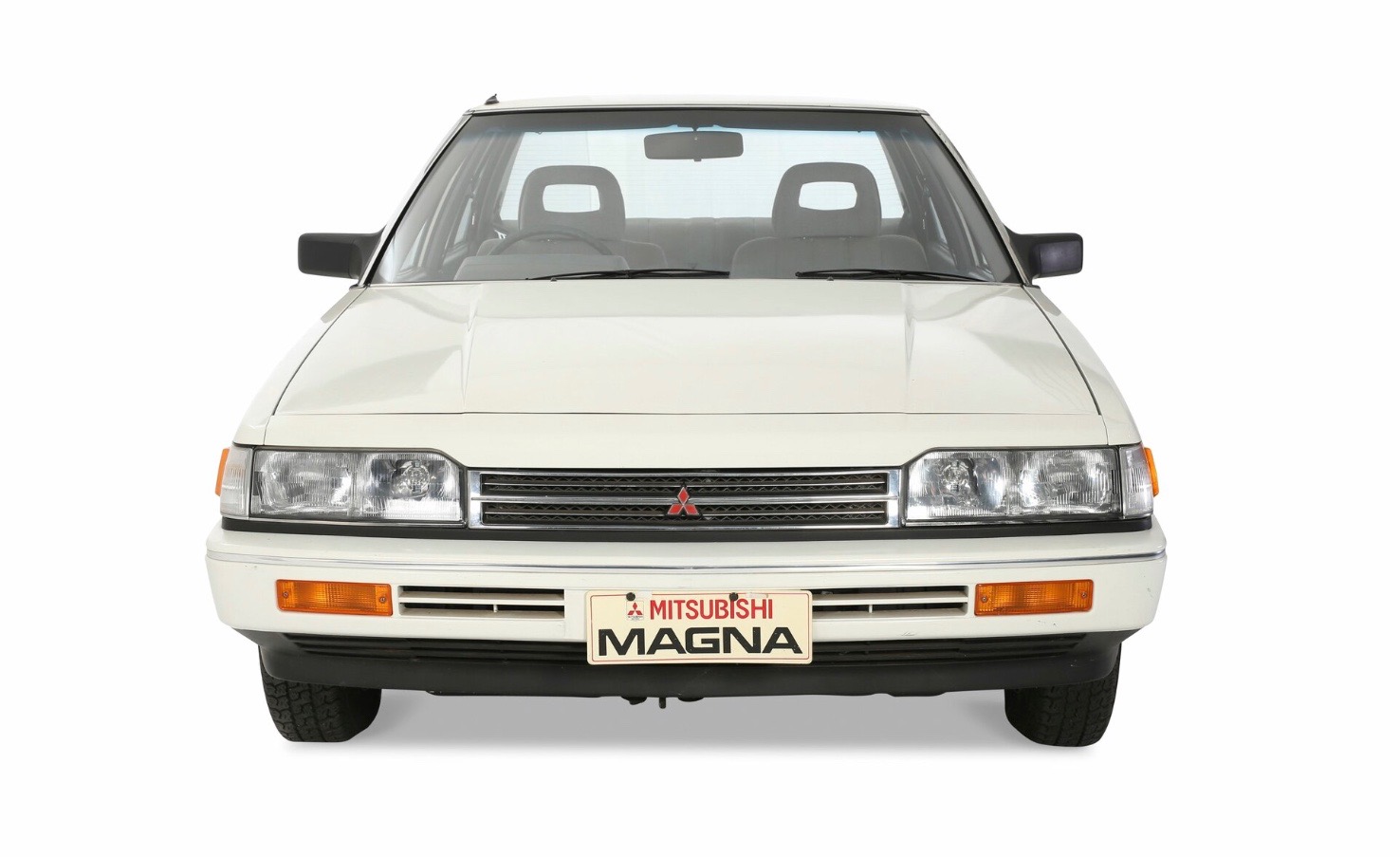
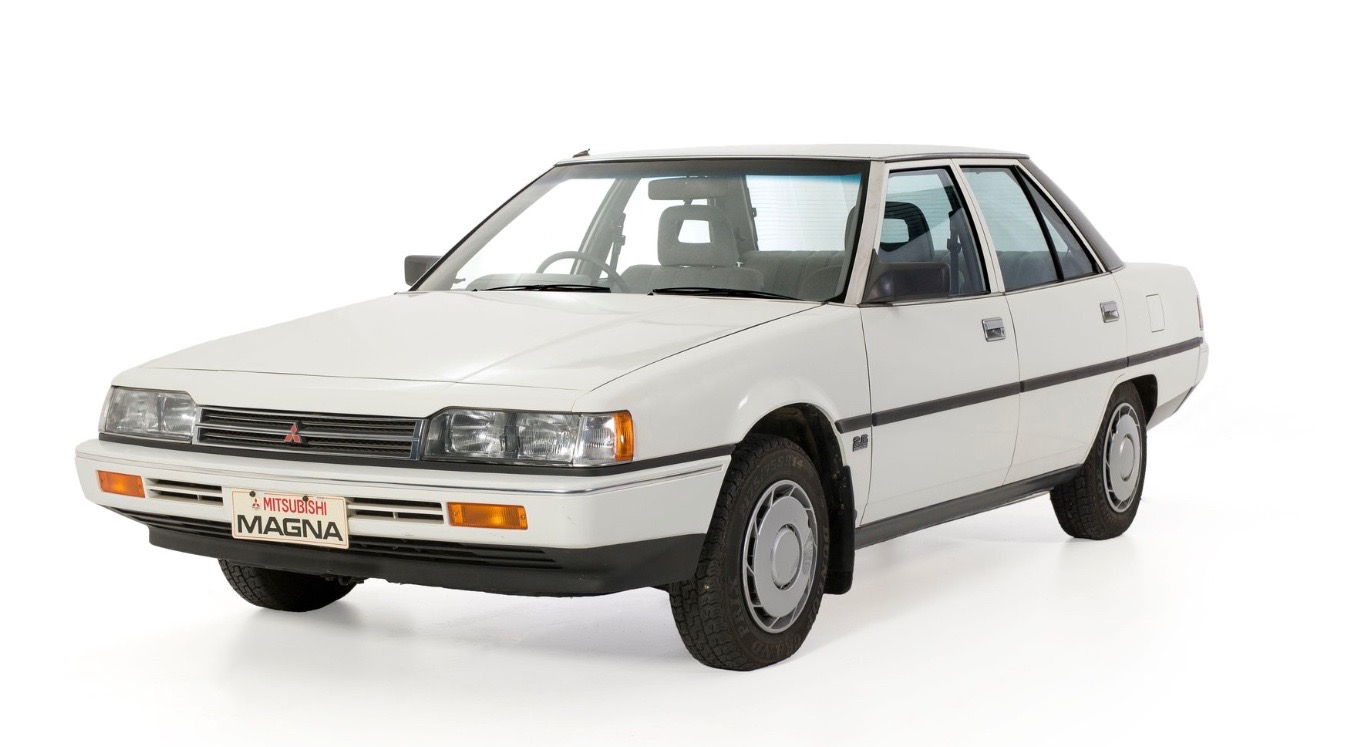
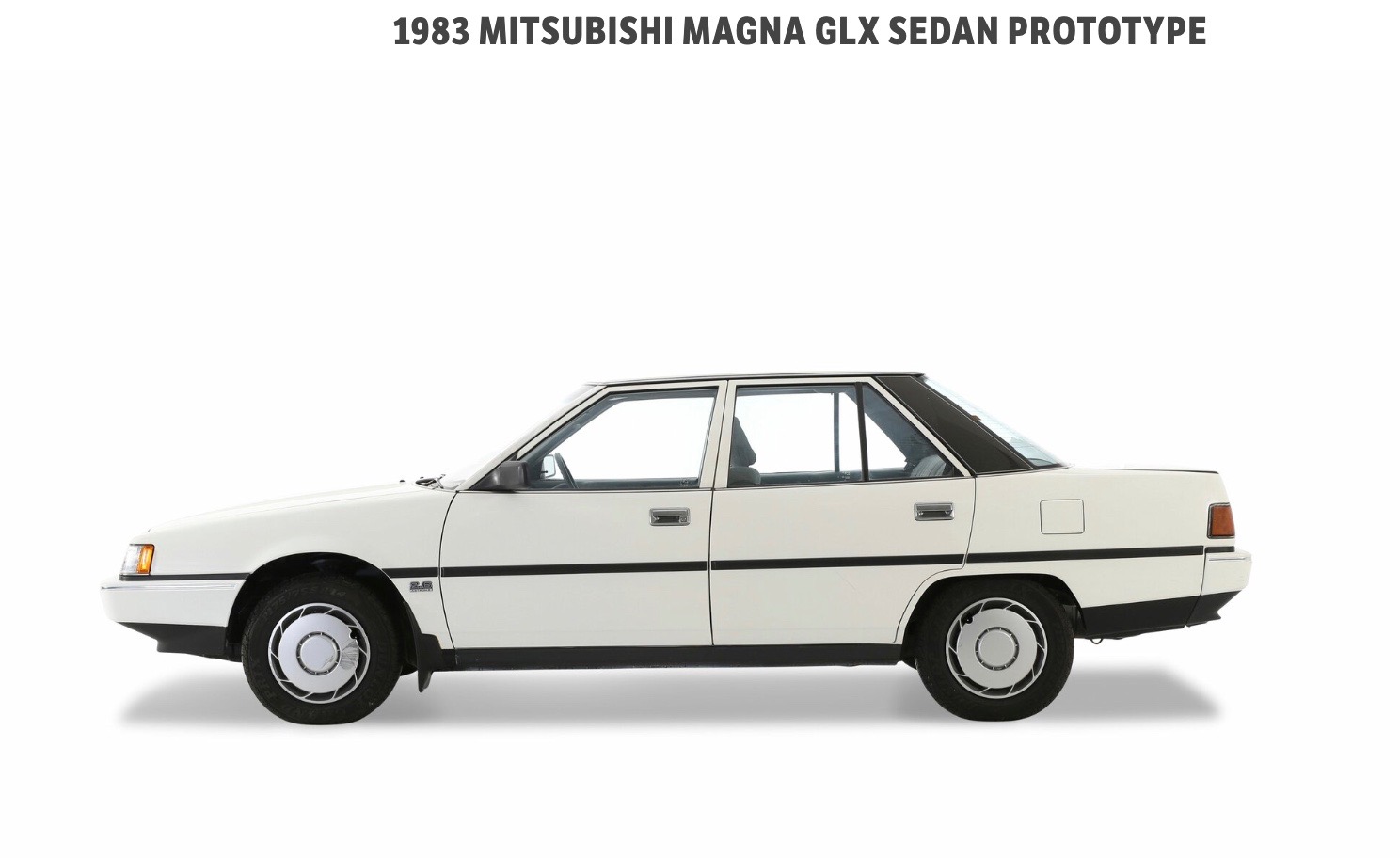
Long before any of these special editions, one-off paint jobs or CEO specials existed, there was a very different kind of secret Magna. In 1983, Mitsubishi built a batch of widened, Australianised Galant mules to prove that a front-wheel drive family sedan could survive local conditions. One of those cars, a 1983 Magna GLX prototype, now lives at the National Motor Museum in Birdwood, South Australia.
At a glance it looks like an early production Magna, but it predates the 1985 launch and carries the scars of durability testing; changes to axles, transmissions and cooling hardware that came out of half-a-million kilometres of abuse on rough Australian roads.
It’s right-hand drive, runs the familiar 2.6-litre Astron four, and represents the moment Mitsubishi stopped simply importing cars and started genuinely engineering them for this market. If there’s a true original secret menu Mitsubishi, this is it.
Specifications (1983 Magna GLX prototype, as displayed at Birdwood):
Engine: 2.6L Astron inline-four (4G54)
Power: approx. 82–93kW depending on tune
Drivetrain: FWD
Transmission: 5-speed manual
Price when new: Not sold
10. V3000 “Flying Wedge”
Finally, a car that isn’t strictly a Magna but shares enough DNA to earn a seat at the table. The V3000 was New Zealand’s take on the widened Sigma/Magna formula; a locally-assembled sedan with a 3.0-litre Cyclone V6 under the bonnet. Introduced in 1988, it gave Kiwi buyers the smooth six-cylinder option Australians wouldn’t see in a Magna until the second generation.
Its most famous role was in uniform. The Ministry of Transport and later the New Zealand Police adopted fleets of V3000s as traffic and pursuit cars, where they quickly earned the nickname “Flying Wedge”. Contemporary officers recall them as quicker and more agile than the heavier Falcon and Commodore sixes of the time, and footage of a restored MoT car today shows why enthusiasts are starting to pay attention.
Production figures are hard to pin down, but period sources and fleet records suggest several thousand V3000s were built in total, with police and MoT cars making up a few hundred of those.
Specifications (V3000, police/Executive spec):
Engine: 3.0L SOHC V6 (Cyclone 6G72)
Power: approx. 110kW
Drivetrain: FWD
Transmission: 5-speed manual or 4-speed automatic

Taken together, these cars trace a line from the very first Magna prototype through to the supercharged TMR 380 swansong, with oddballs, exports and executive specials in between. For every fleet-spec four-cylinder automatic that wore a Magna badge, there was at least one car that broke the rules – and those are the ones that keep the legend alive.

