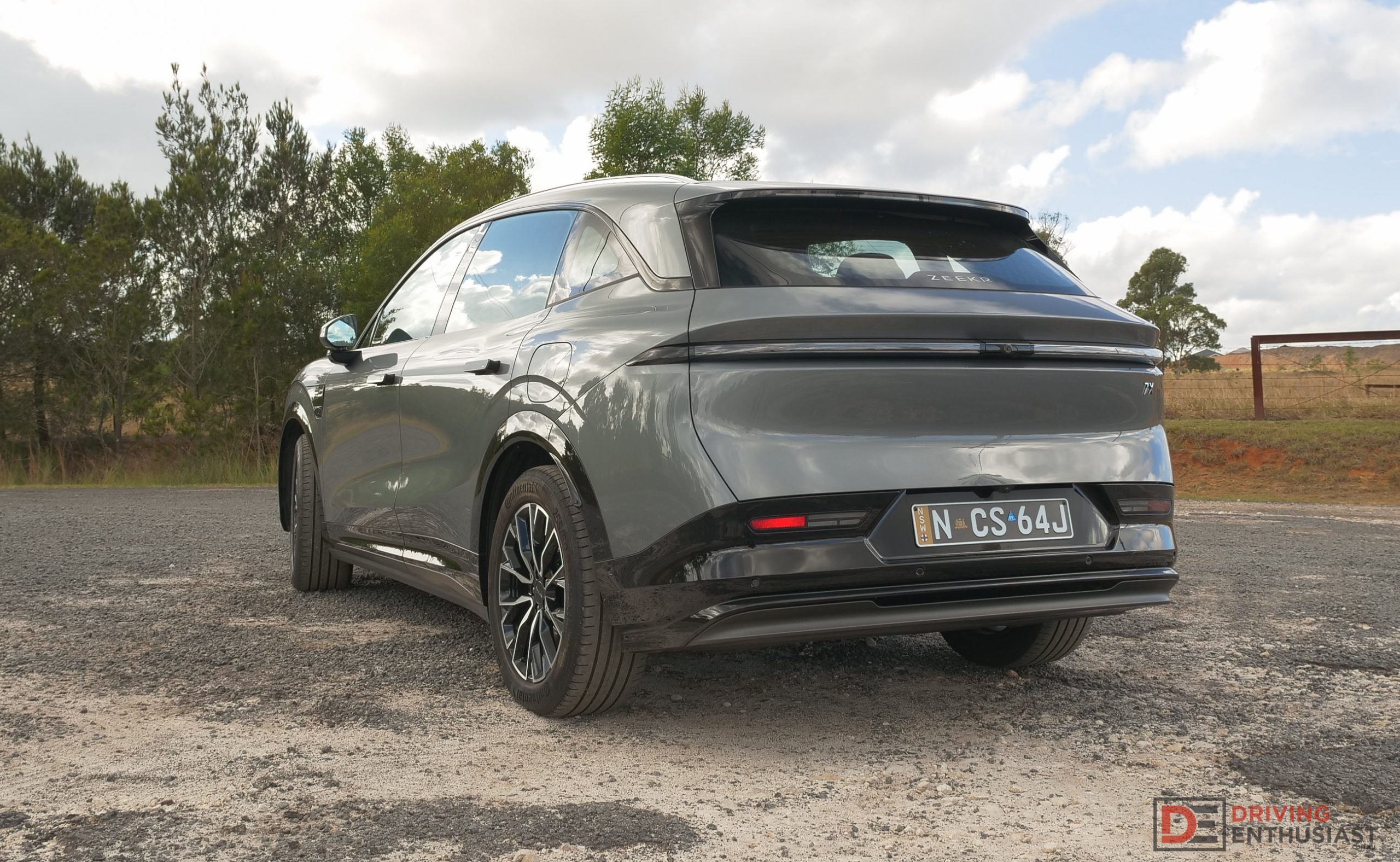
Chinese mega-conglomerate Geely isn’t mucking around with its premium offshoot, Zeekr. The brand’s product roadmap includes the upcoming 8X and a Cullinan-sized 9X flagship. In Australia, the numbers speak for themselves.
According to VFACTS figures, the Zeekr 7X racked up 7424 sales in Australia so far this year (through July), regularly trading blows with the Tesla Model Y for the segment lead. It offers a more premium platform than most rivals and a sharp price tag that makes legacy offerings look exorbitant.
But massive sales volume doesn’t automatically make it a perfect fit for everyone. The 7X brings some serious hardware to the table, but a week behind the wheel reveals a highly digital, screen-first philosophy that will heavily depend on your personal preferences.
2026 Zeekr 7X Long Range: Specifications
Battery: 100kWh NMC battery
Output: 310kW / 440Nm
Gearbox: Single-speed auto
Drive type: Rear-wheel drive
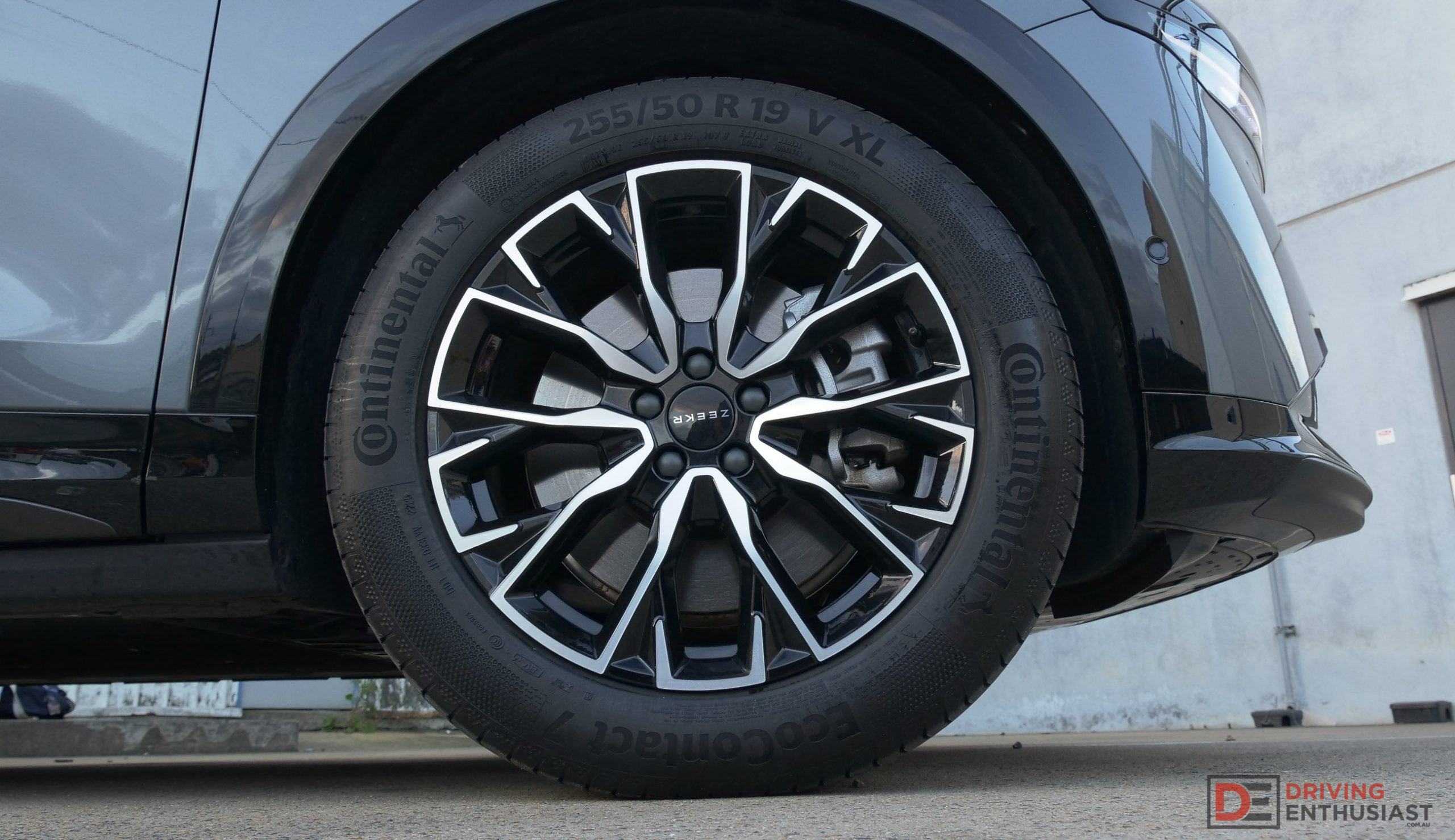
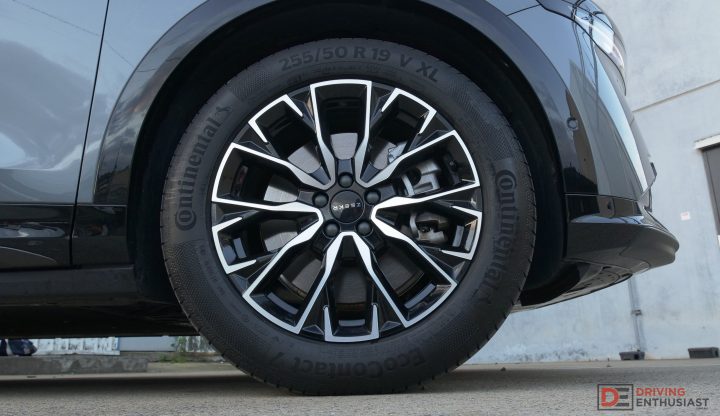
Wheels: F & R: 19×8.0, 255/50
Kerb weight: 2265kg
Power-to-weight: 7.30:1 (kg:kW)
Official range (WLTP): 615km
Max charging AC/DC: 11kW/420kW0-60km/h: 3.33 seconds*
0-100km/h: 5.63 seconds*
60-110km/h: 2.92 seconds*
1/4 mile: 13.67 seconds at 179.3km/h*
Max acceleration: 0.845g*
100-0km/h braking: 37.20m in 3.22 seconds*
Max deceleration: -1.490g*
Starting price: $63,900
*Figures as tested by Driving Enthusiast on the day. Manufacturers’ claims may be different
2026 Zeekr 7X Long Range: How much does it cost?
The 2026 Zeekr 7X range opens with the standard RWD variant from $57,900. Our focus for this test is the mid-tier Long Range RWD, which asks $63,900. If you want the twin-motor Performance AWD you’ll need to hand over at least $72,900 (all excluding on-road costs).
The ownership experience is competitive. Zeekr provides a five-year, unlimited-kilometre vehicle warranty, while the high-voltage battery is covered for eight years or 160,000km. Scheduled service intervals are a convenient 12 months or 20,000km. Expect to pay $2400 for the first five years of capped-price servicing (at the time of writing).
2026 Zeekr 7X Long Range: Interior & packaging
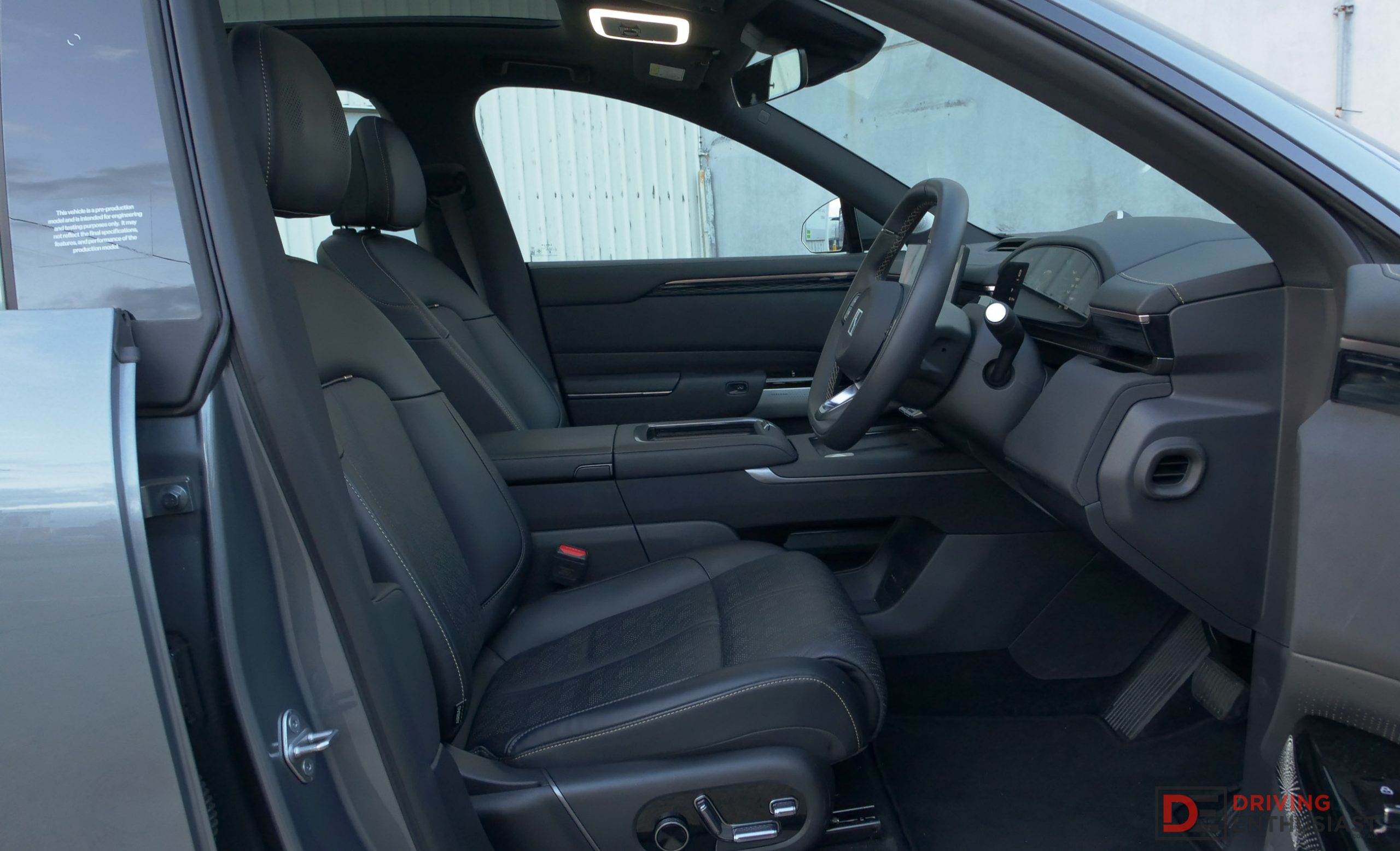
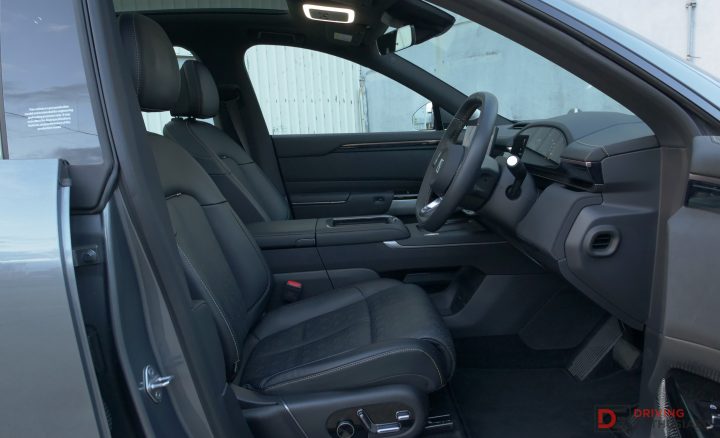
For an asking price comfortably south of $65,000, the amount of standard kit in the Long Range RWD is impressive. The cabin is trimmed in premium finishes, featuring a 3D geometric pattern along the dashboard and doors that refracts the ambient LED lighting. Both the driver and front passenger get 14-way power-adjustable seats with heating, ventilation, and an eight-point massage function.
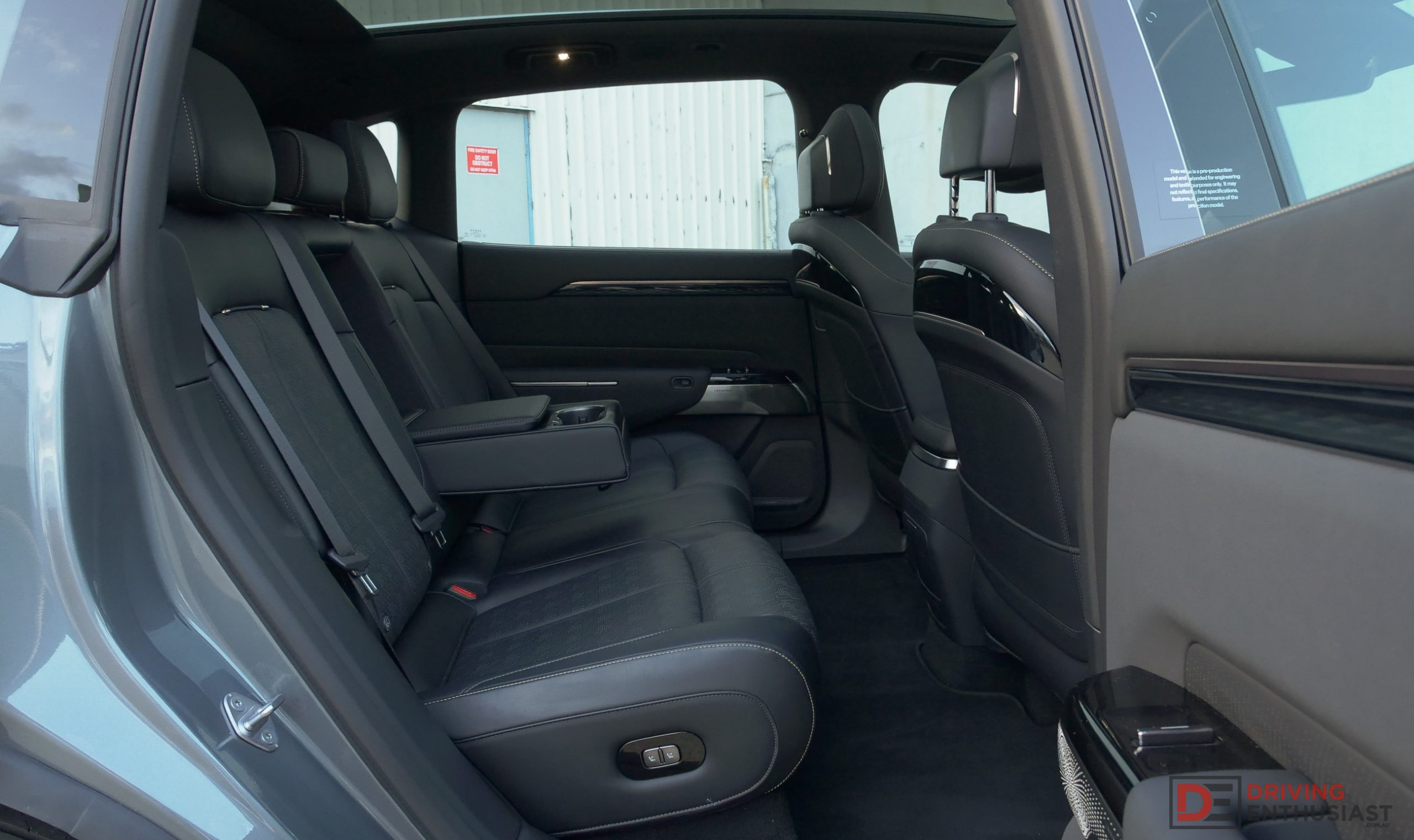
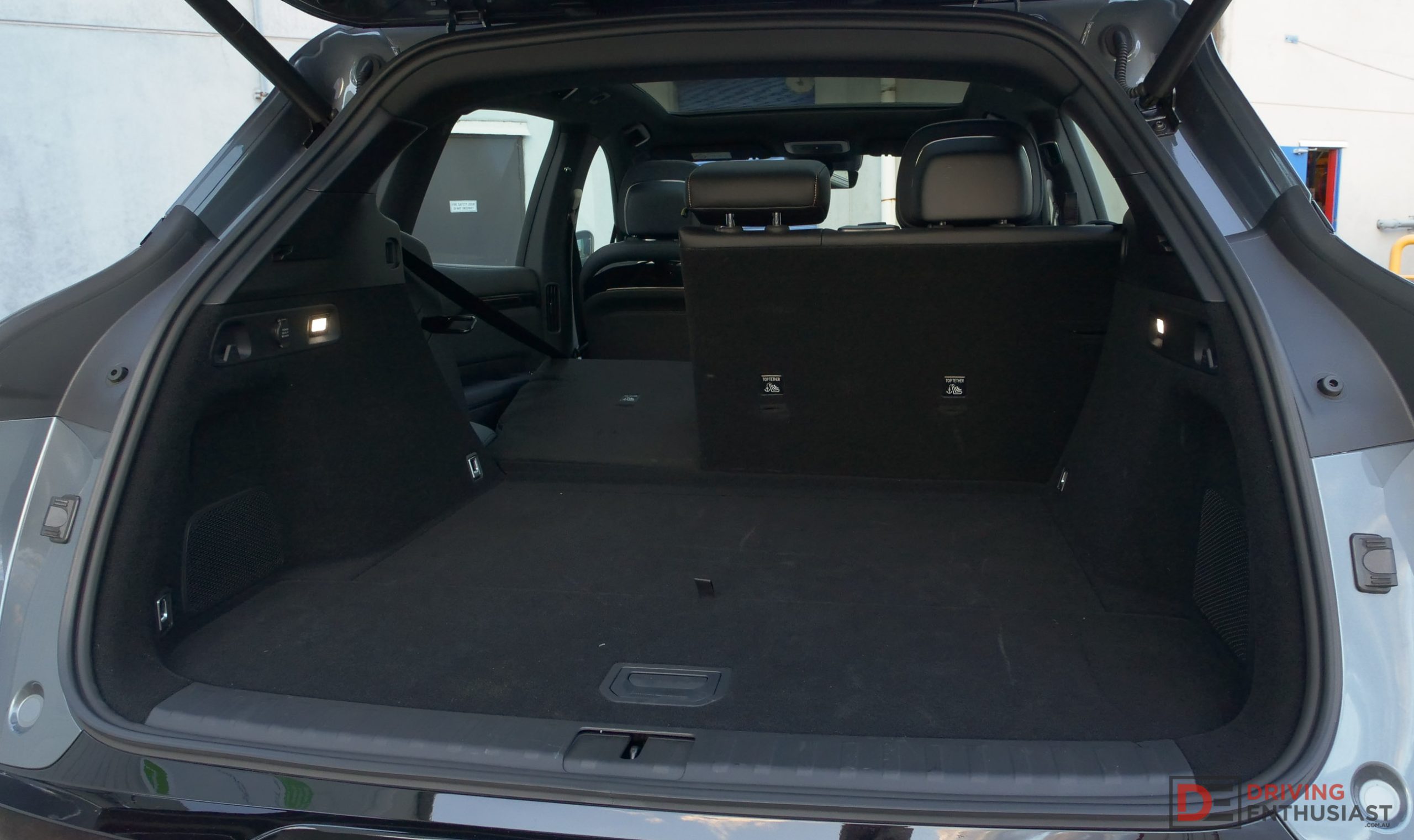
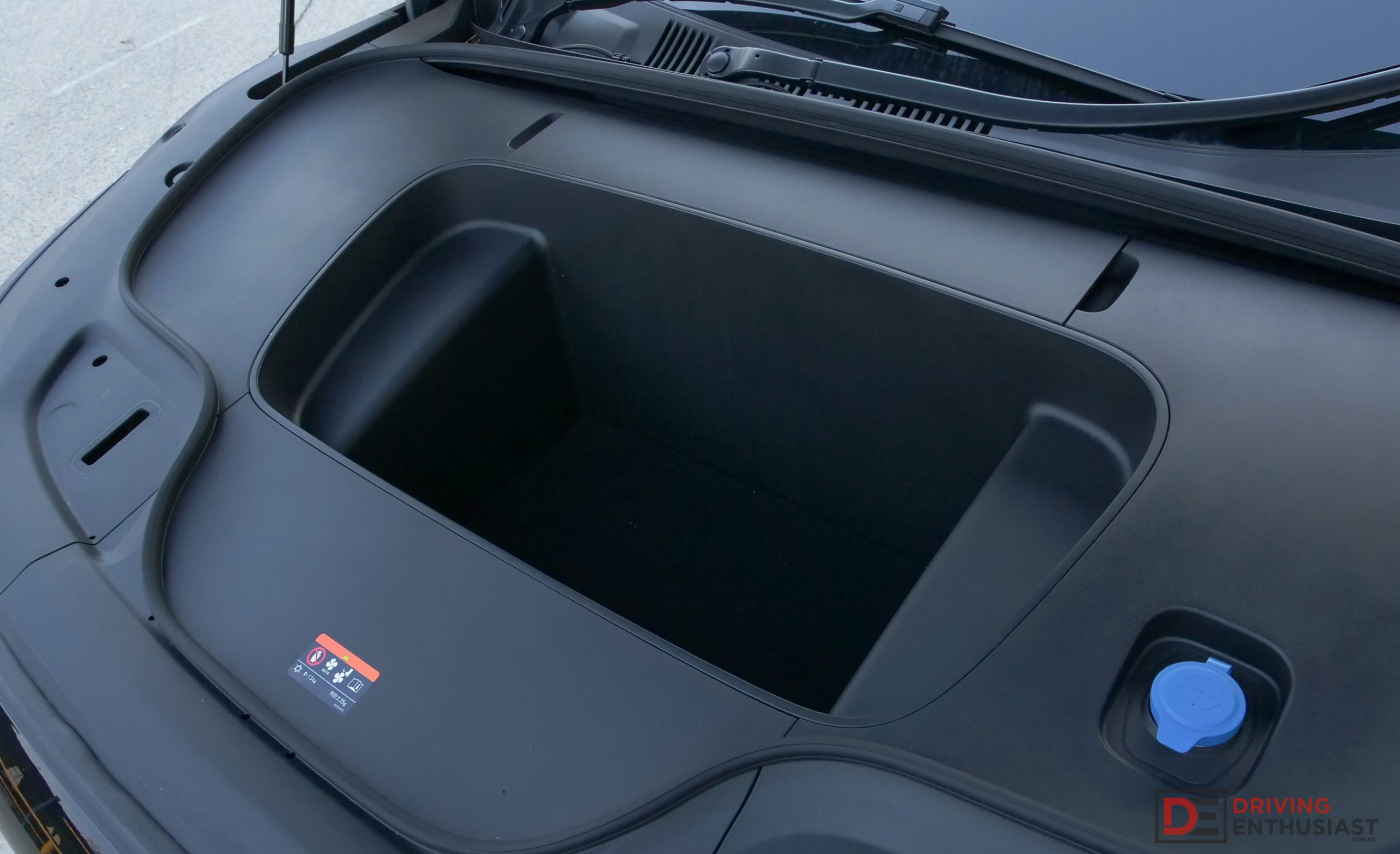
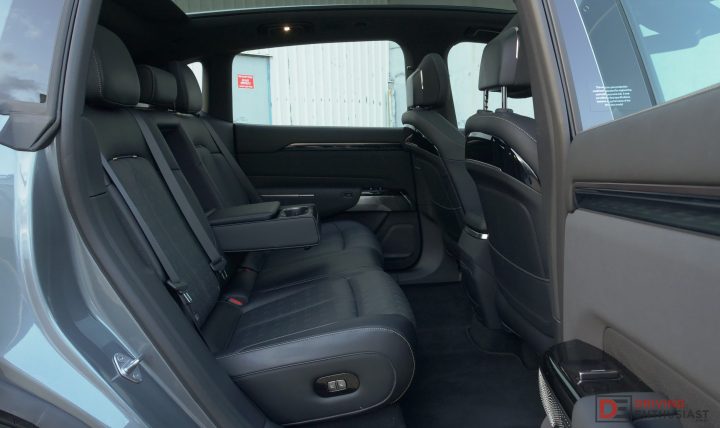
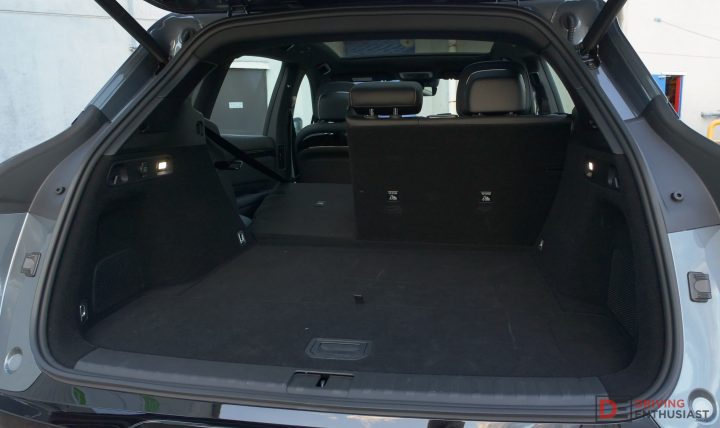
Dimensionally, the Zeekr 7X measures 4787mm long, 1930mm wide, and 1650mm tall, riding on a lengthy 2900mm wheelbase. This creates a massively spacious cabin, offering genuine lounging room in the rear and a practical 539-litre boot, which expands to 1978L with the rear seats folded. No spare wheel, which is sadly de rigeur for the overwhelming majority of EVs now.
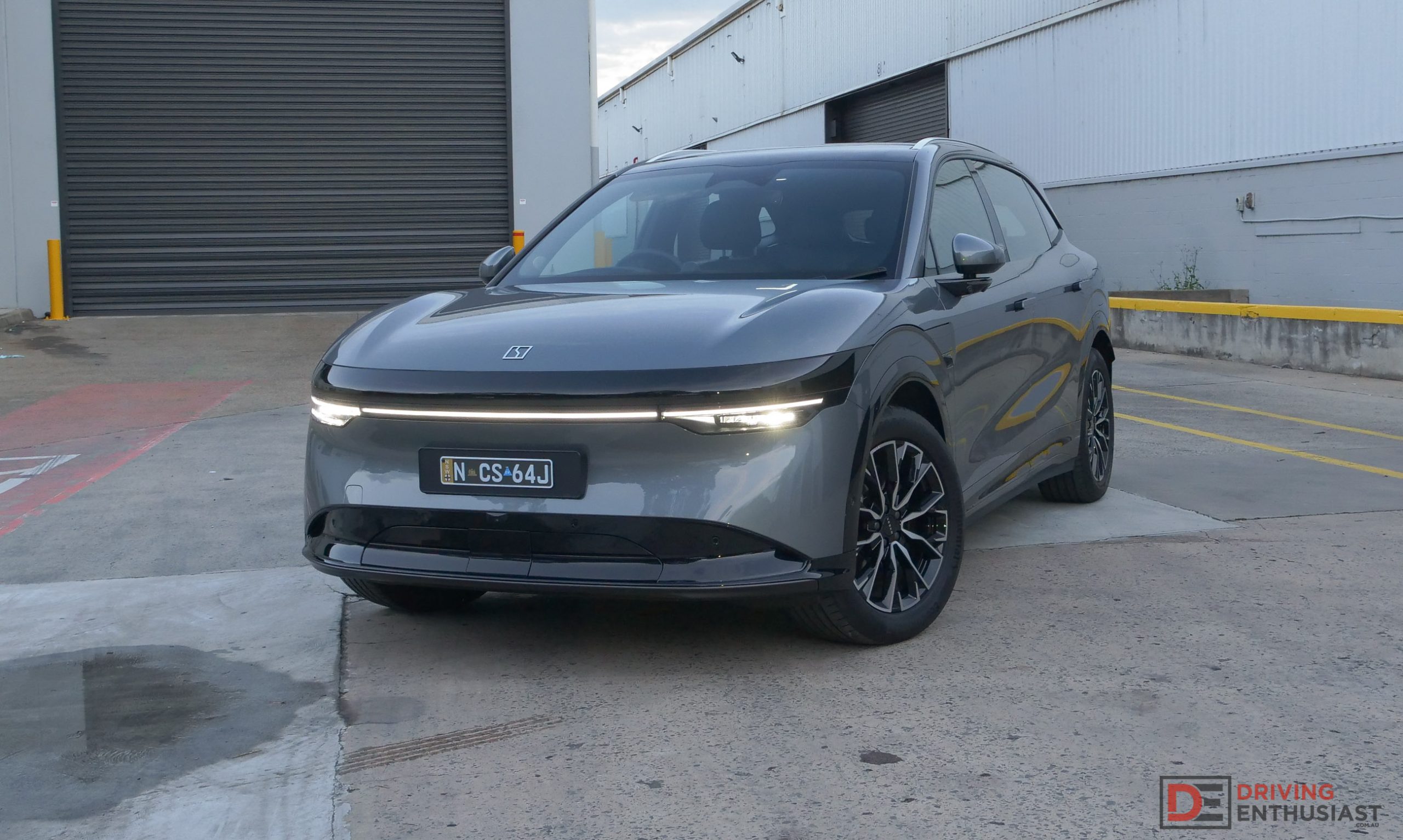
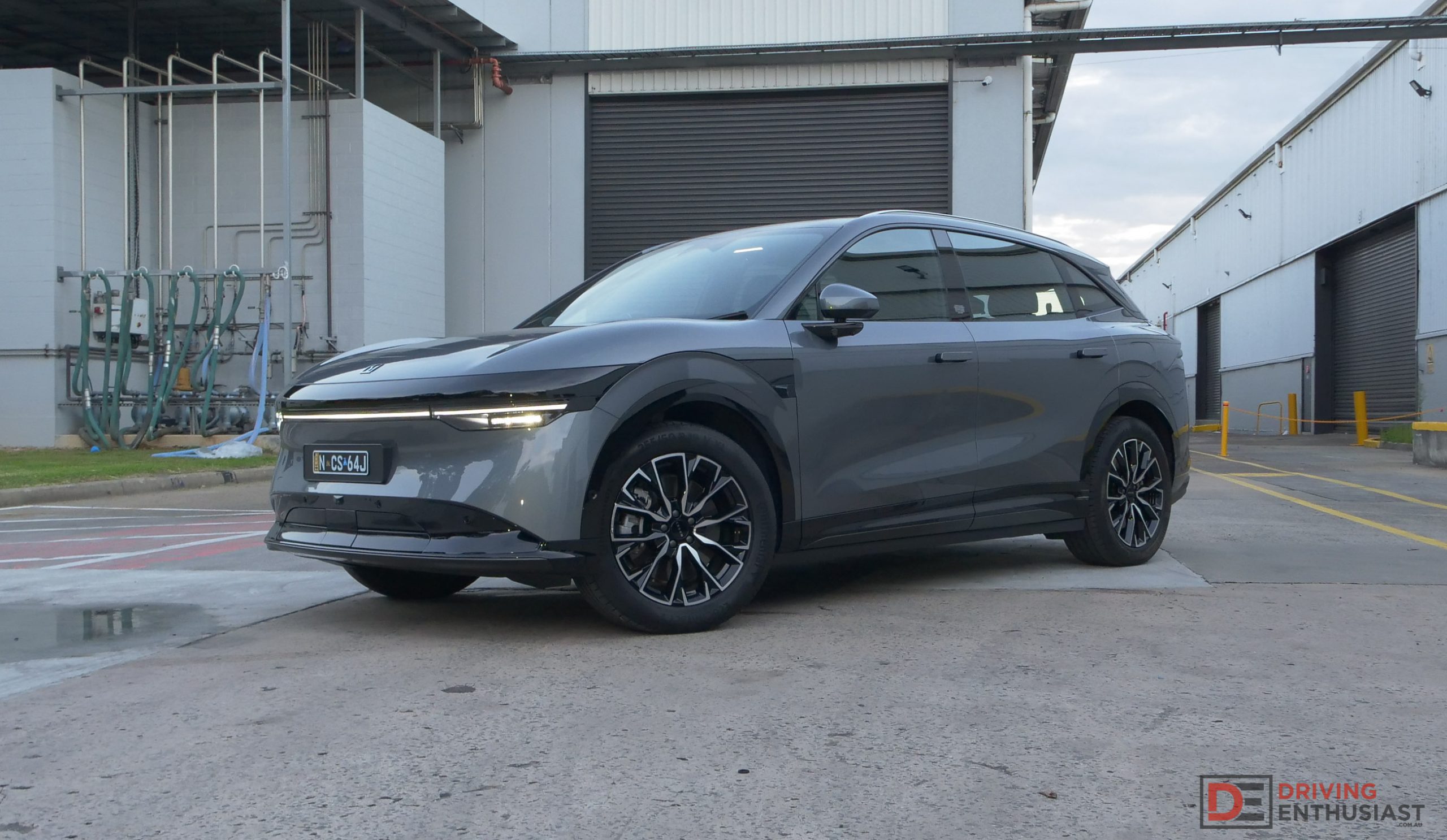
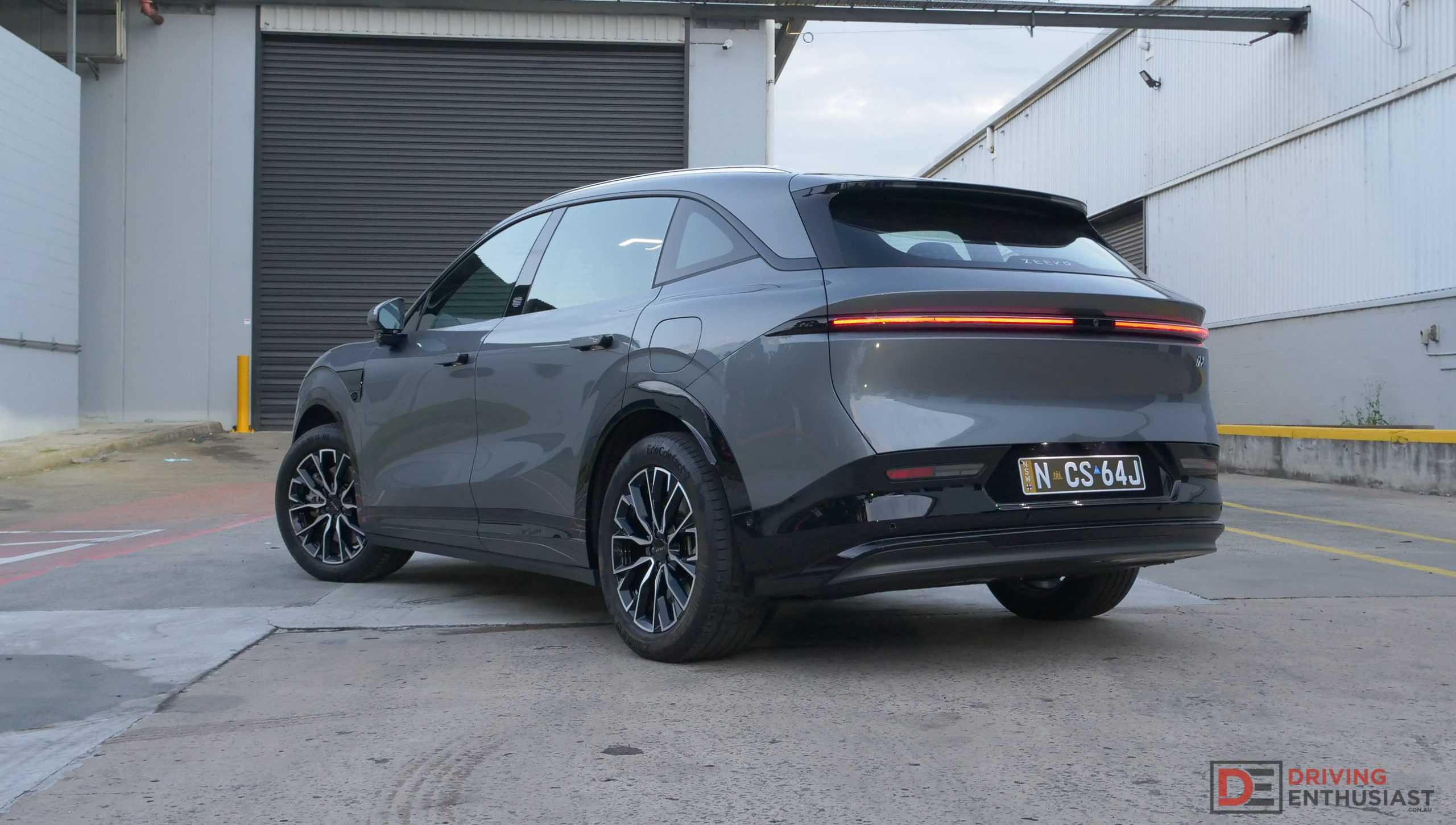
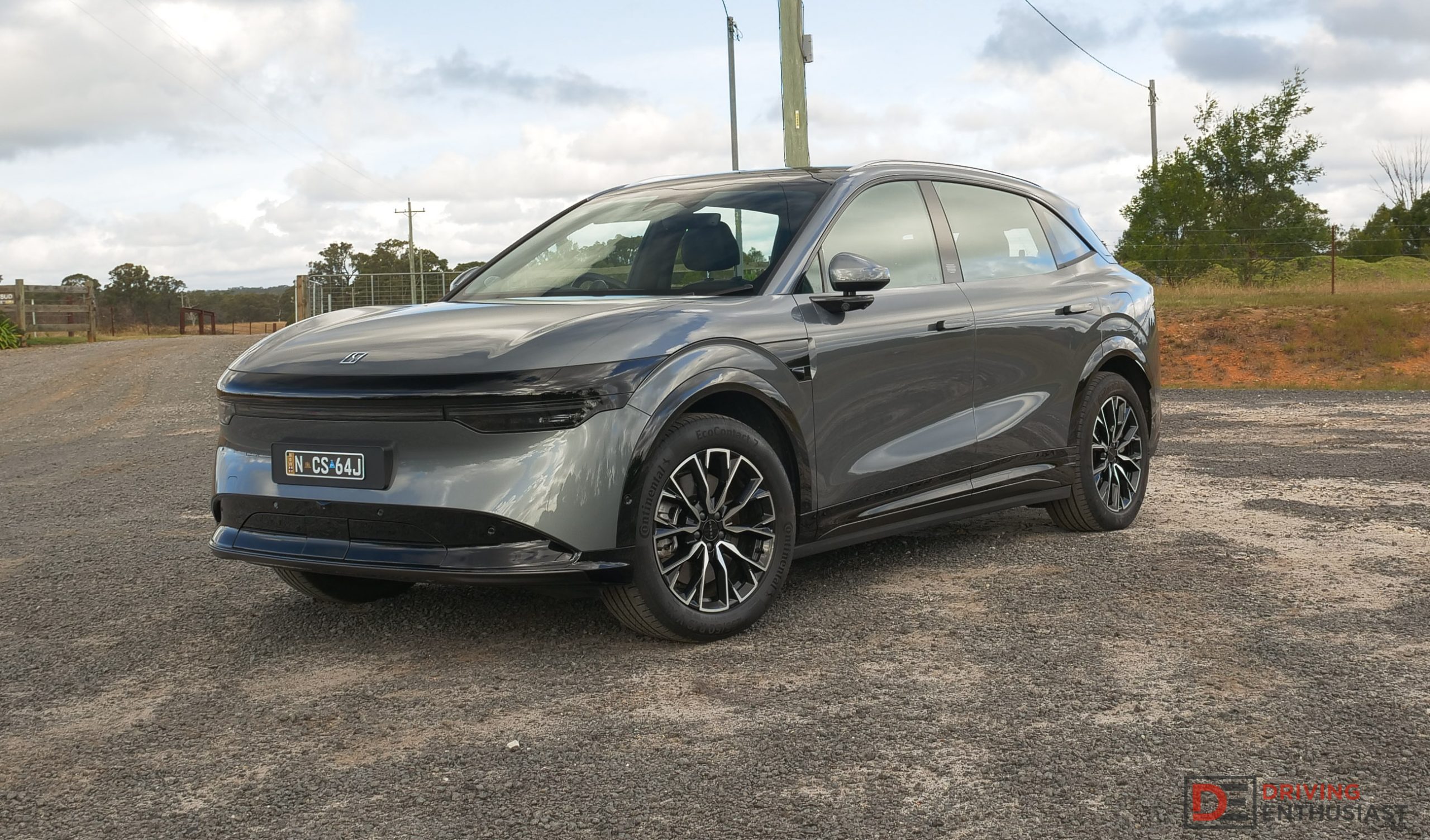
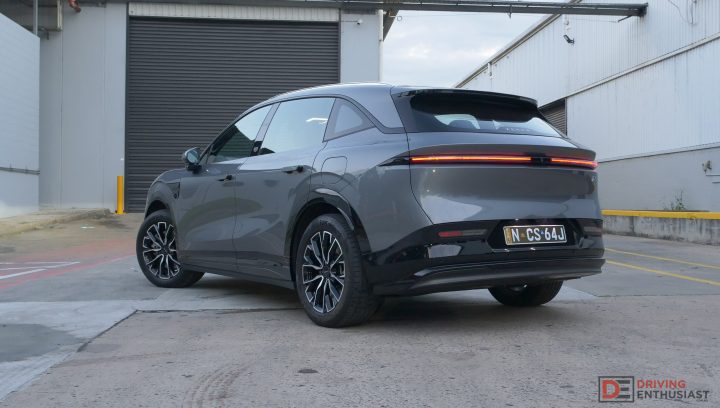
Aesthetically, the exterior is sharp and modern, highlighted by a great front light signature. However, the overall silhouette borders on generic; it looks premium, but more like a high-tech appliance than a piece of automotive design.
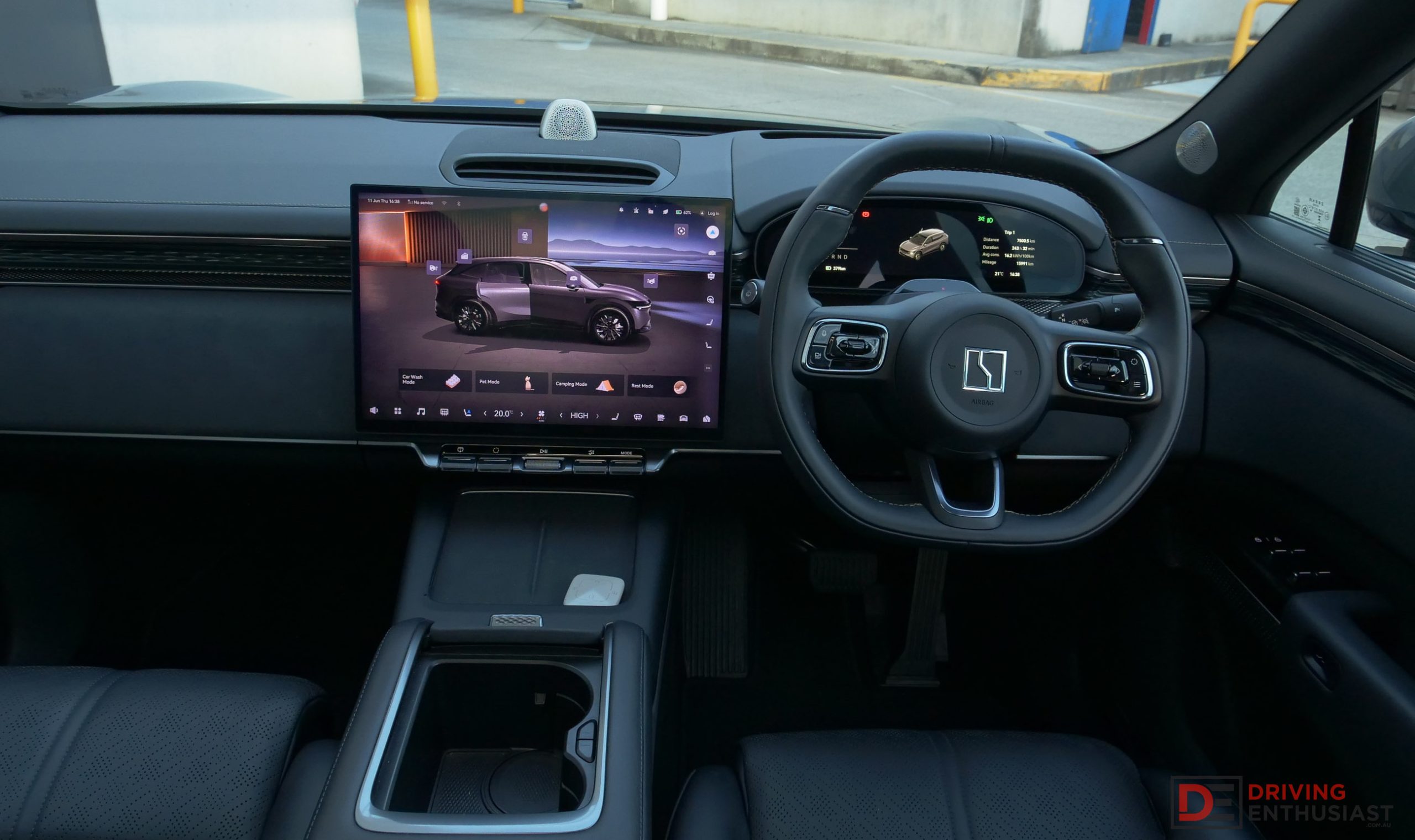
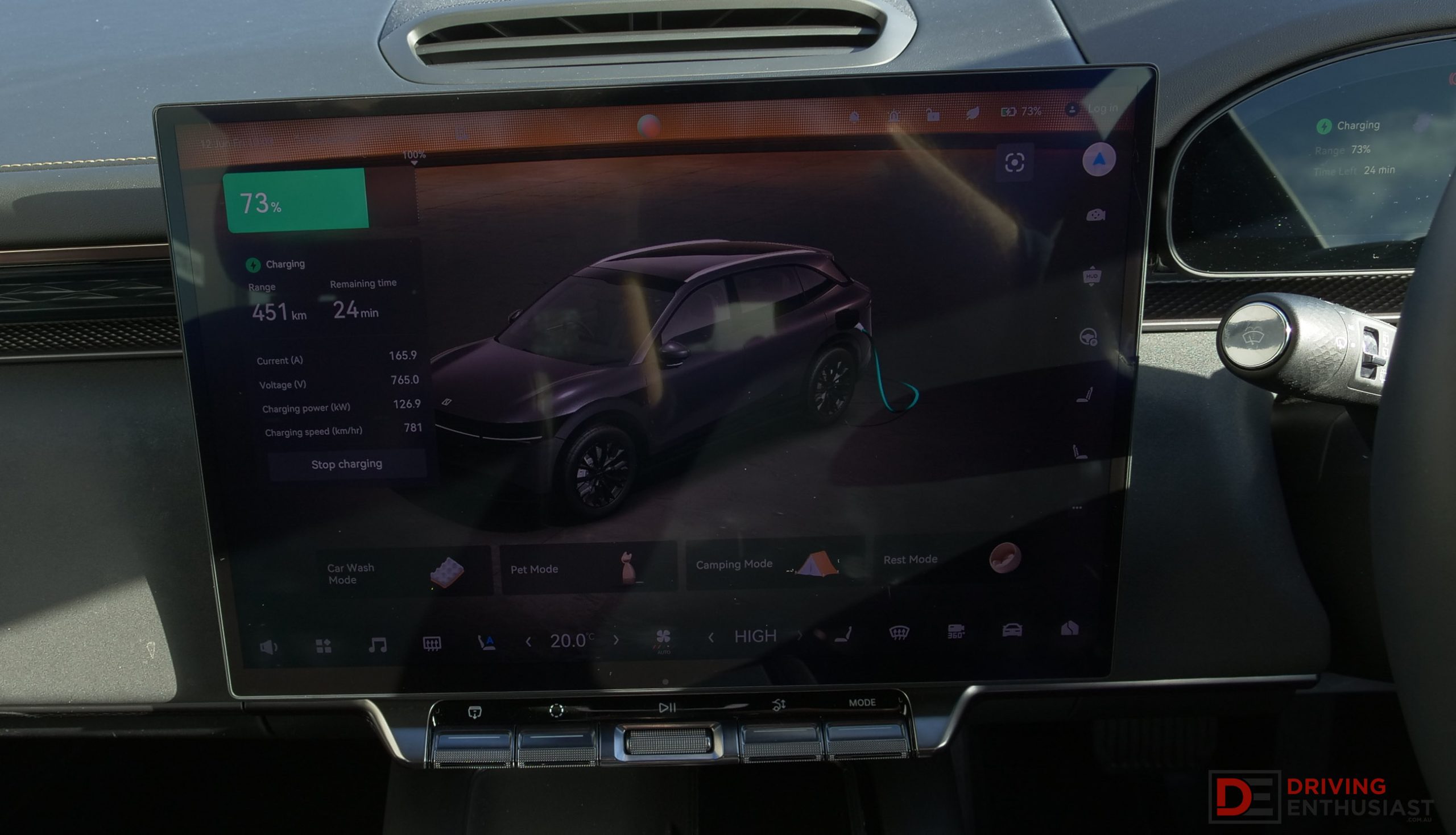
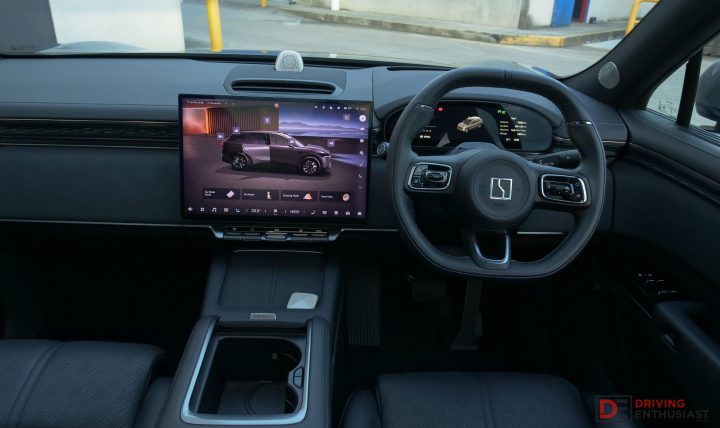
Inside, the finishes easily elevate the 7X above direct rivals, but our experience was marred by ergonomic issues. The interior is afflicted by the frustrating trend initiated by Tesla; burying basic functionality within sub-menus. Almost every control is packed into the central 16-inch 3.5K mini-LED touch-screen, powered by a blazing-fast Qualcomm Snapdragon 8295 processor on a 5nm architecture. It delivers lag-free swiping, excellent high-contrast daylight visibility, and a buttery-smooth refresh rate – because that’s what’s important in a car these days, apparently.
There are a row of shortcut keys including volume, tailgate, drive modes and glovebox (sigh). Consequently, it’s worth spending time setting up the vehicle in the menu before you actually drive it.
This over-reliance on the screen creates some major ergonomic sins. The exterior mirrors and the electrically adjustable steering column can only be tweaked via the touch-screen in tandem with the steering wheel toggles. This completely defeats the luxury aspect of an electric column, placing it below a manual lever for basic convenience. Ergonomically, it is inferior to the physical switchgear in equivalent BYD products.
The physical touchpoints also suffer. The indicator stalk lacks a discernible mechanical detent, sharing a frustratingly vague action with the GWM Tank 300 and 500, and early BMW models. As a result, when cancelling a lane change, it’s all too common to accidentally activate the opposite indicator. Not exactly safe for two reasons; indicating with no intention, and a distraction to cancel it.
Then there is the theatrics. We desperately perused menus to disable the welcome and goodbye jingle; a loud, cringeworthy song that makes bystanders stare. While this might be a status symbol to some, we found it extremely embarrassing – I died a little inside whenever I approached or left the vehicle. If an override function exists, it was buried too deeply to find. Audio quality, however, is outstanding, courtesy of a 21-speaker Zeekr Sound Pro system.
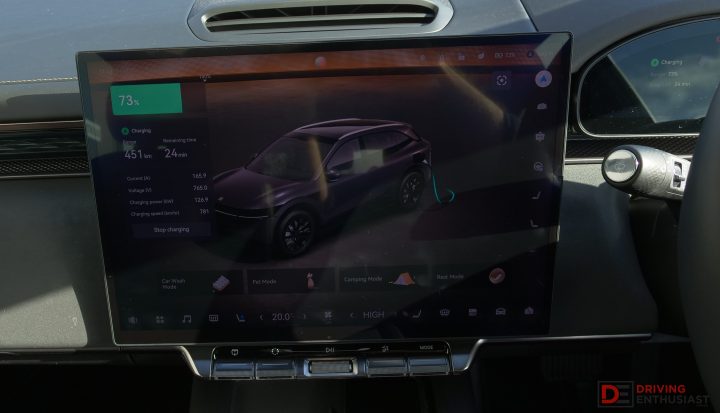
To compensate for the screen-heavy layout, Zeekr has integrated a voice control system. It isn’t as intuitive as BYD’s or Tesla’s software, lacking the conversational latitude and self-learning capability to make up for the ergonomic shortcomings.
While the 14-way front seats offer good adjustment, the lower cushion’s thigh support doesn’t effectively take the load off the lower back on extended drives. For drivers with recurrent disc bulging – an issue highly salient to this writer – the seating doesn’t offer short orthopaedic relief offered by the IM6 or Hyundai IONIQ 5. In all fairness, the massage setting goes a long way to help alleviate this.
How safe is the 2026 Zeekr 7X? Very. The premium electric SUV has been awarded a maximum five-star ANCAP safety rating, achieving an impressive 91 per cent for Adult Occupant Protection, backed by a solid 87 per cent for Child Occupant Protection. In terms of active crash avoidance and external safety, it recorded 78 per cent for Vulnerable Road User Protection and an equal 78 per cent for Safety Assist. This is one area where 7X’s rigid chassis helps it excel.
2026 Zeekr 7X Long Range: Powertrain & handling
Beneath the floor, the Long Range RWD utilises an 800-volt high-voltage architecture and a 100kWh Nickel Manganese Cobalt (NMC) battery pack. This feeds a single rear-mounted motor generating a muscular 310kW of power and 440Nm of torque. It dispatches the benchmark 0-100km/h sprint in a brisk 6.0 seconds, and we clocked it in 5.63 seconds using a Vbox.
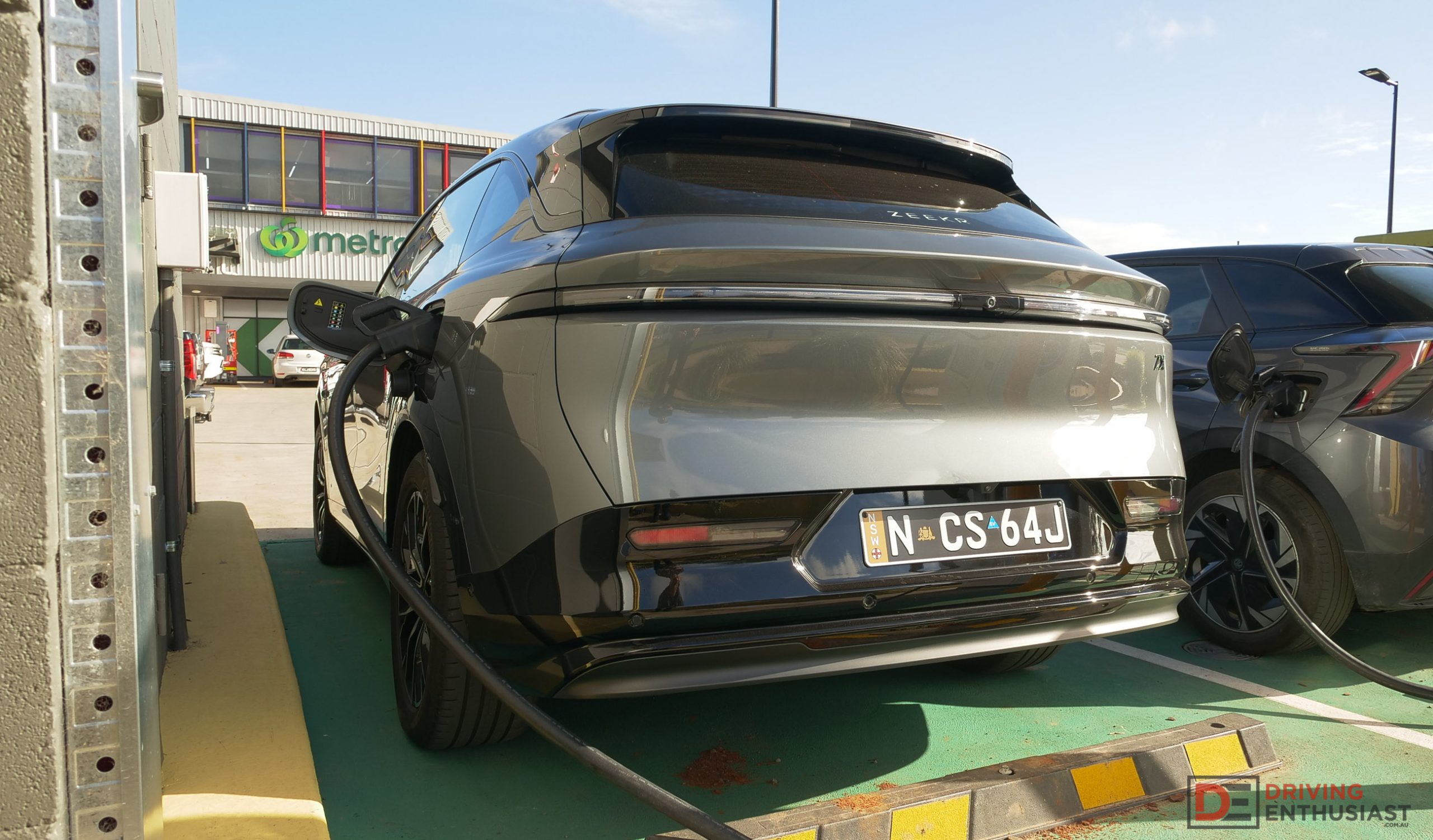
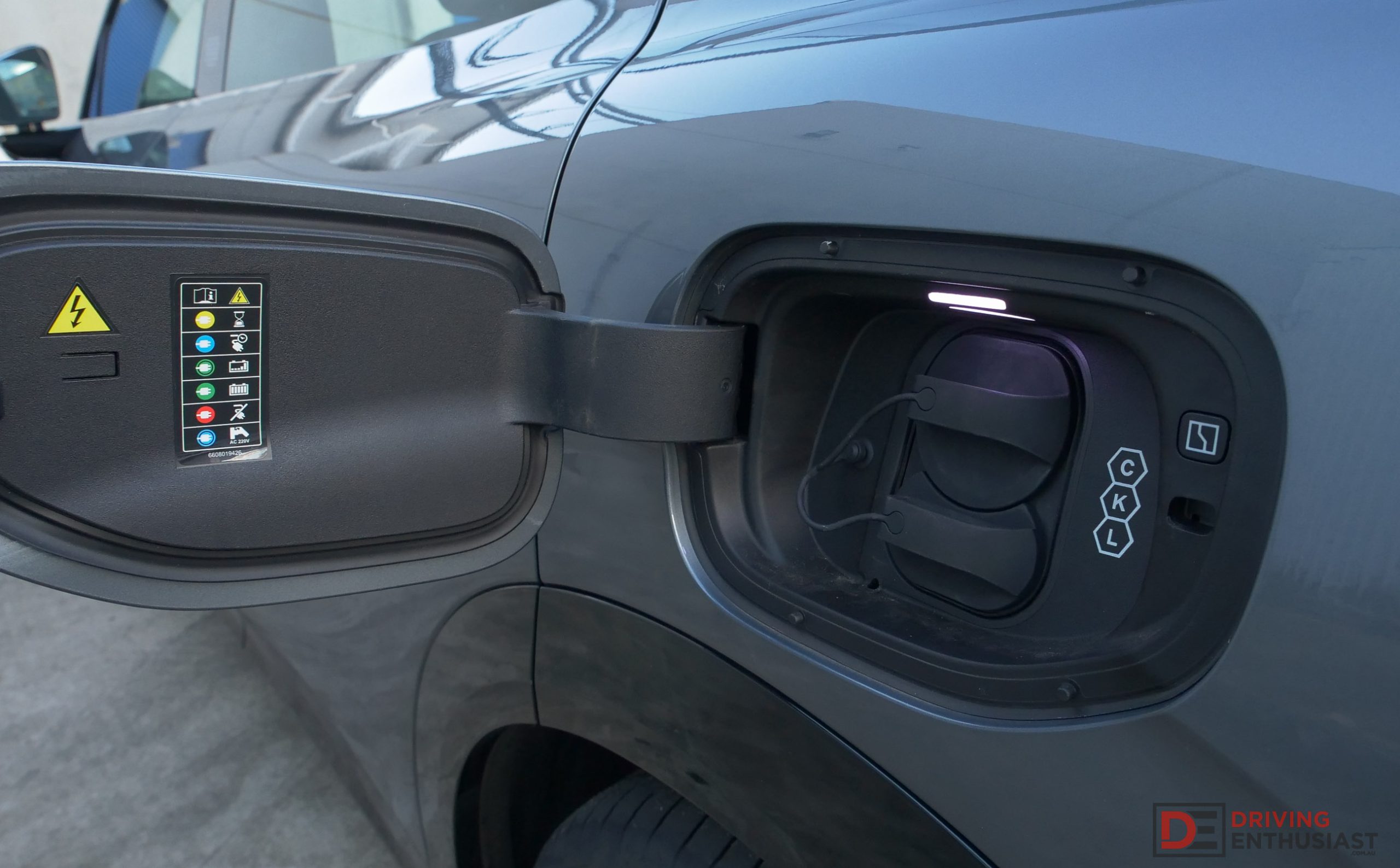
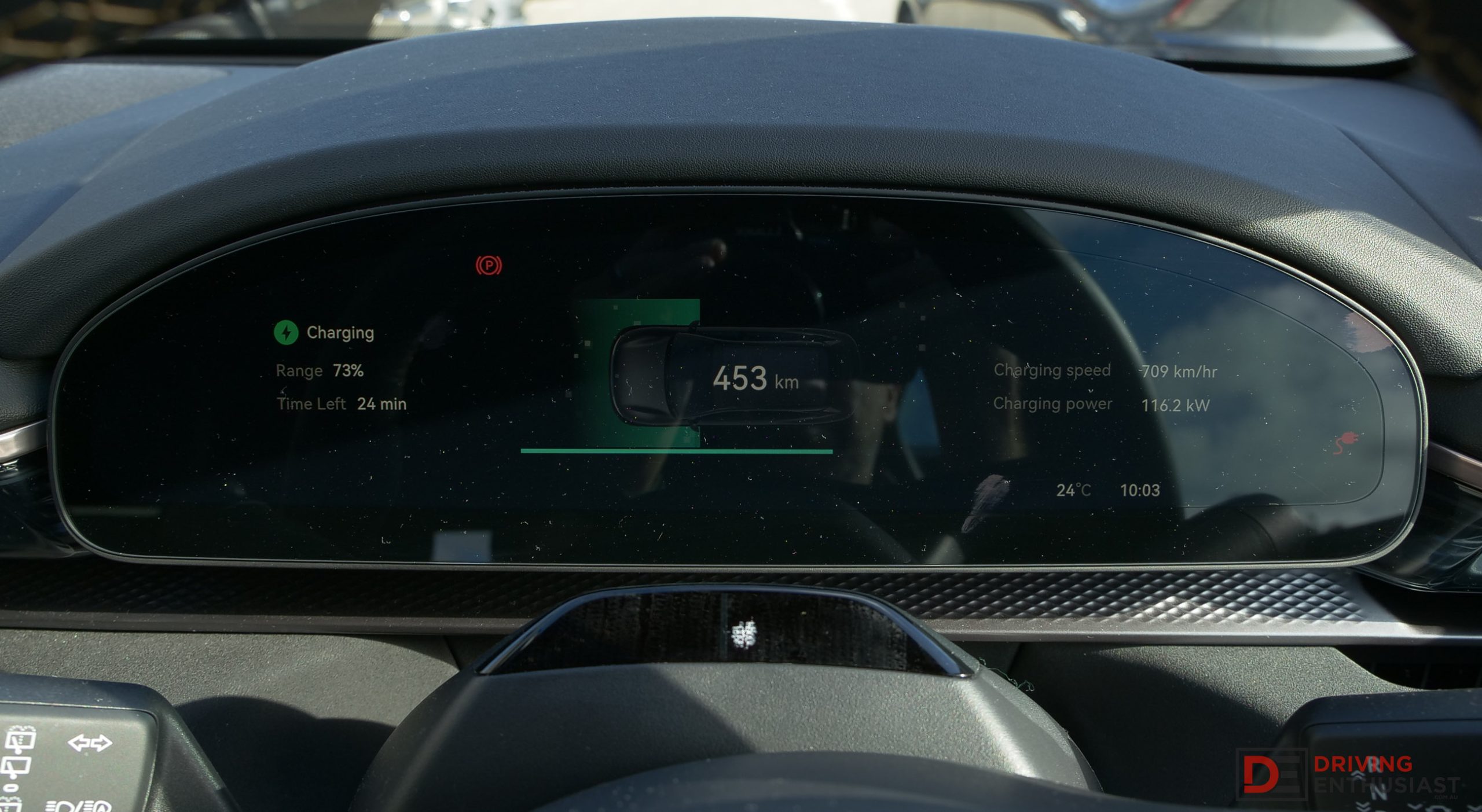
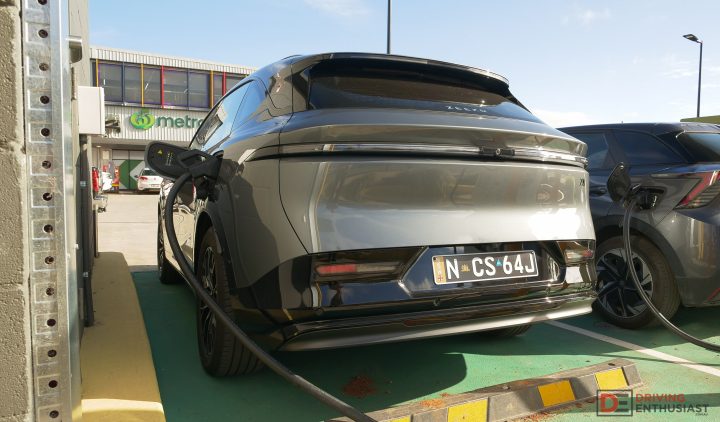
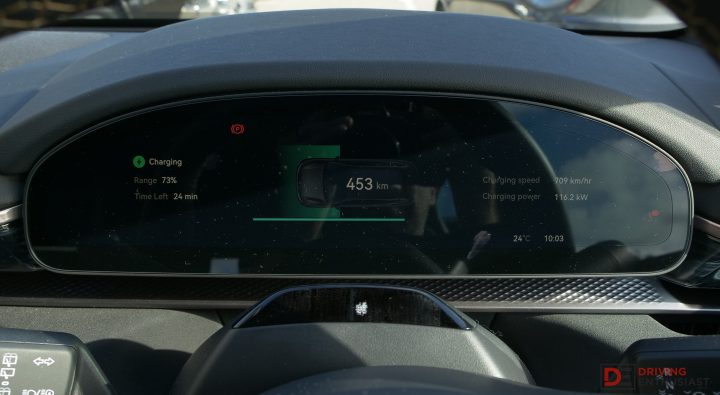
The 800-volt architecture also enables rapid charging capabilities. Hooked up to a compatible DC ultra-fast charger, the 7X accepts maximum speeds up to 420kW, replenishing the battery from 10 to 80 per cent in just 16 minutes, although, such chargers are very rare in Australia. Official WLTP energy consumption is rated at a respectable 15.3 kWh/100km.
The real engineering marvel is the chassis, as the 7X utilises a massive single-piece die-casted rear aluminium component – commonly known as gigacasting. This advanced manufacturing technique affords the vehicle an immense 41,000 Nm/degree of torsional rigidity. This level of structural sophistication is profoundly impressive for the price bracket.
Out on the road, that rigidity translates to unexpectedly good dynamics. Power delivery is perfectly calibrated, and the chassis balance has that characteristic RWD feel. Aided by premium 255/50 R19 tyres, it can confidently wag its bum out of corners with a bit of an extra bootful.
The steering rack features a fast ratio and feels nicely direct, anchoring itself to that ultra-stiff chassis. Like 95 per cent of Chinese cars, it doesn’t offer much in the way of proper mechanical feedback from the front axle, but is pleasant enough in feel. The calibration seems to lean towards a NOA-native (Navigation on Autopilot) design philosophy, prioritising the low-effort isolation favoured by Chinese domestic buyers over Western dynamic engagement.
Despite the numb steering, the mechanical ride quality is brilliant. The suspension setup delivers a supple, comfortable, and confidence-inspiring ride on the freeway. It is a quality high-speed cruiser, as long as you don’t need to adjust anything on the fly.
2026 Zeekr 7X Long Range: Key attractions/reasons to buy
- Formidable structural integrity: Features an immense 41,000 Nm/degree of torsional rigidity supported by advanced gigacasting.
- Rewarding rear-drive dynamics: The 310kW Long Range RWD setup delivers a surprisingly tail-happy and catchable chassis balance.
- Rapid charging architecture: The 800-volt system allows for up to 420kW DC fast charging.
- Exceptional safety: Per ANCAP, the 7X fares extremely well in all facets of safety (except motorcycle recognition).
- Value: From $63,900 for this Long Range, it puts many rivals to shame when you factor in equipment, range, and power/performance.
2026 Zeekr 7X Long Range: Key considerations before you buy
- Infuriating ergonomics: Mirror and steering column adjustments are needlessly buried in the touch-screen, defeating the purpose of luxury electric toggles.
- Flimsy switchgear: The indicator stalk lacks a proper mechanical detent, frequently causing accidental opposite-direction activations when cancelling.
- Seating geometry: The front seat thigh support fails to properly alleviate lower back strain on long journeys.
- Chinese soap opera jingle: Gross and saccharine corporate jingle at approach and exit gets old very quickly (there must be a way of disabling it).
2026 Zeekr 7X Long Range: Video