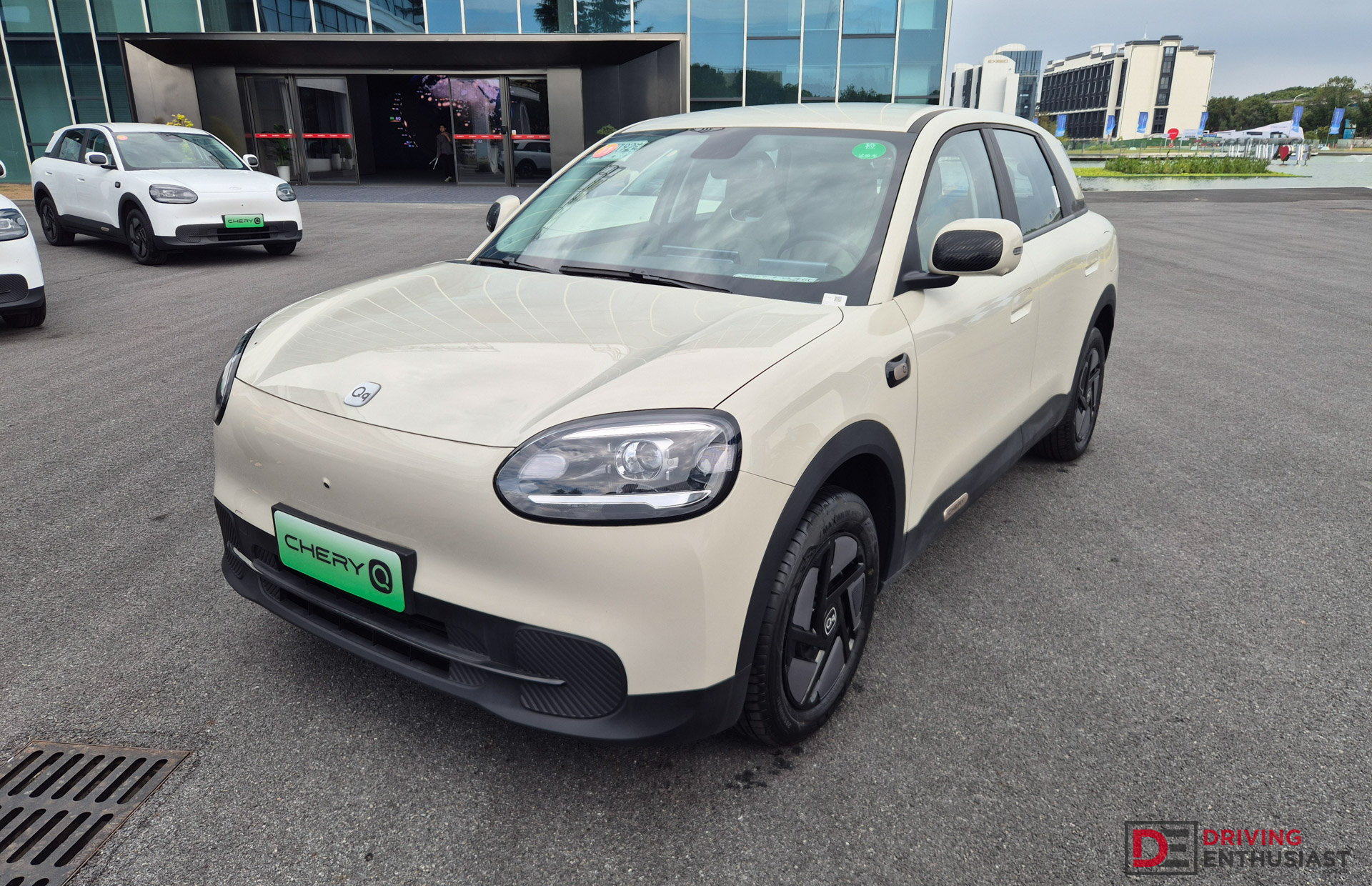
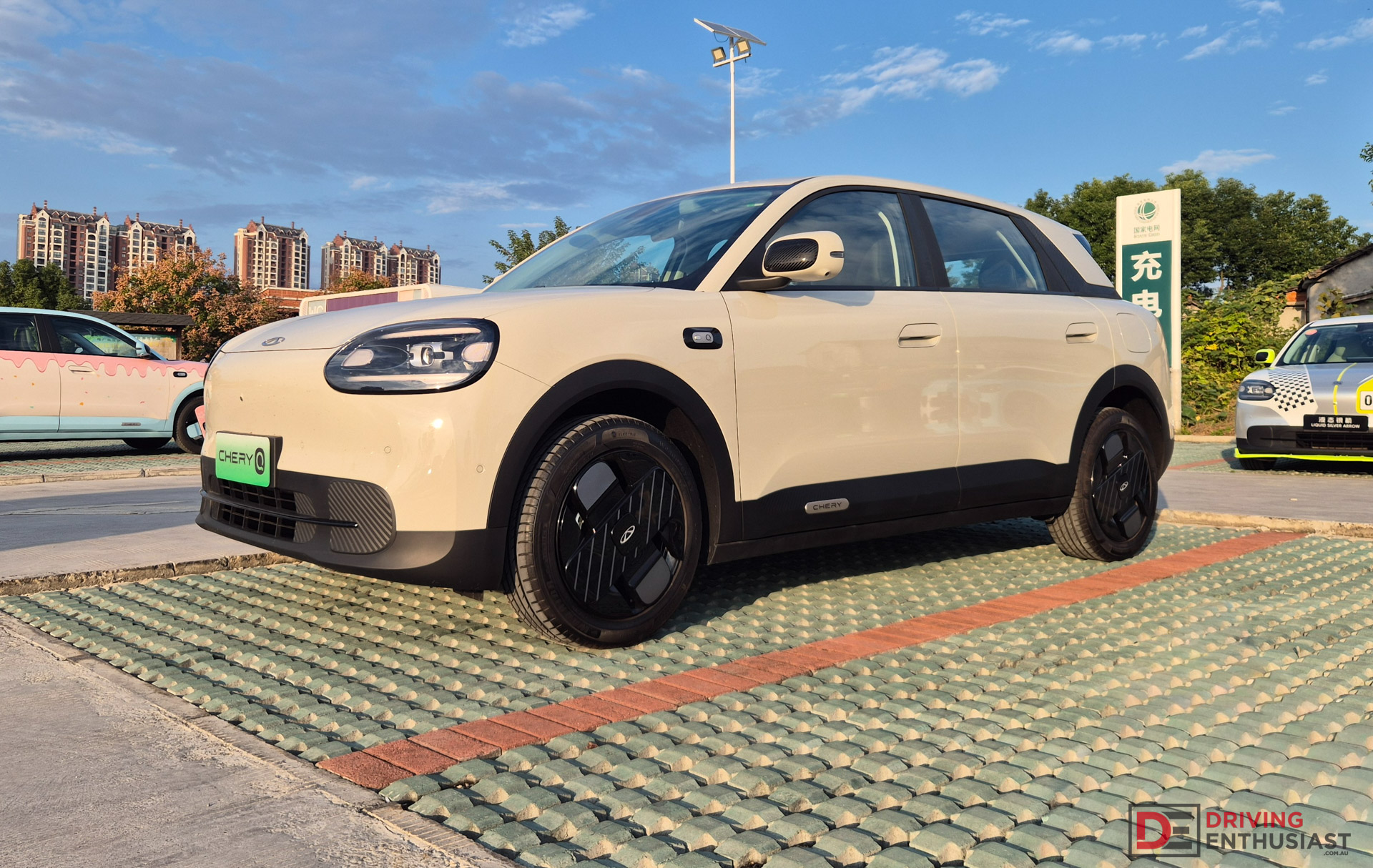
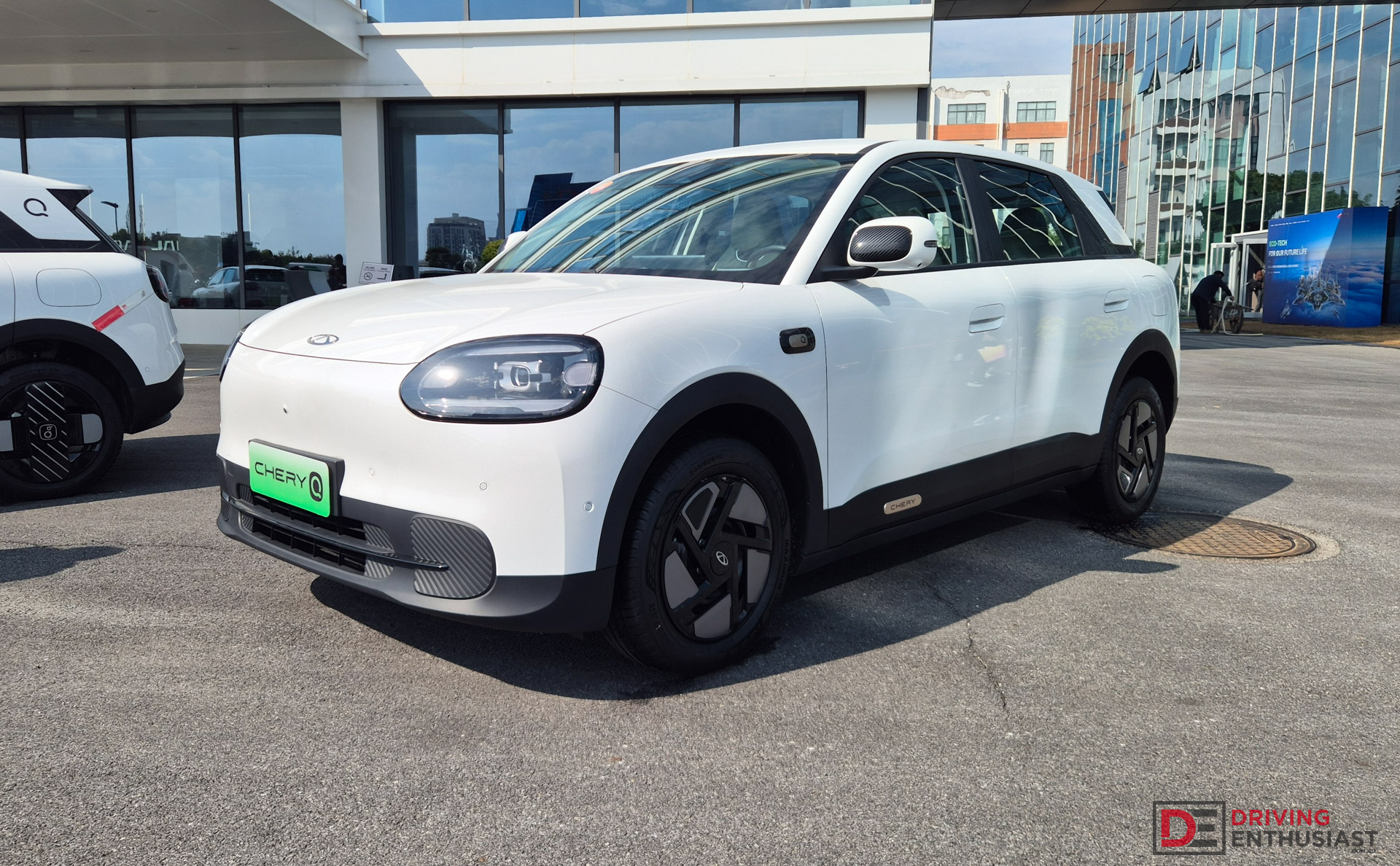
The affordable electric car segment is about to become even more competitive in Australia, with Chery preparing to introduce its new Q electric hatchback in 2027 (also known as the QQ3).
Set to compete against the BYD Atto 1 and Geely EX2, the Chery Q is a compact, rear-wheel-drive electric vehicle designed primarily for urban transport. However, its biggest advantage might not be performance, technology or even driving range. It’s practicality.
We recently had an opportunity to drive an overseas-spec Chery Q EV400 during an international launch event. Although Australian pricing and final specifications are yet to be confirmed, our brief experience suggests this could become one of the most practical and affordable electric cars on the market.

2027 Chery Q: Specifications (overseas spec)
Electrical: 41.2kWh LFP battery
Output: 90kW / 115Nm
Gearbox: Single-speed auto
Drive type: Rear-wheel drive
Tare weight: 1360kg (approx.)Power-to-weight: 15.11:1 (kg:kW)
Official range: 400km
Claimed 0-100km/h: 13.5 seconds
Max charging AC/DC: 6.6kW/85kW
Starting price: TBC
2027 Chery Q: How much does it cost?
Pricing is yet to be confirmed for Australia, but it will ultimately determine how successful the Chery Q becomes. We suspect an entry-level version could be positioned close to the base BYD Atto 1, potentially around $20,000 (excluding on-roads).
Even if this ‘EV400’ longer-range version arrives at approximately $25,000–$26,000, it could represent exceptional value given its interior space and equipment. For now, though, these figures remain estimates only so we’ll have to wait and see.
2027 Chery Q: Interior & packaging
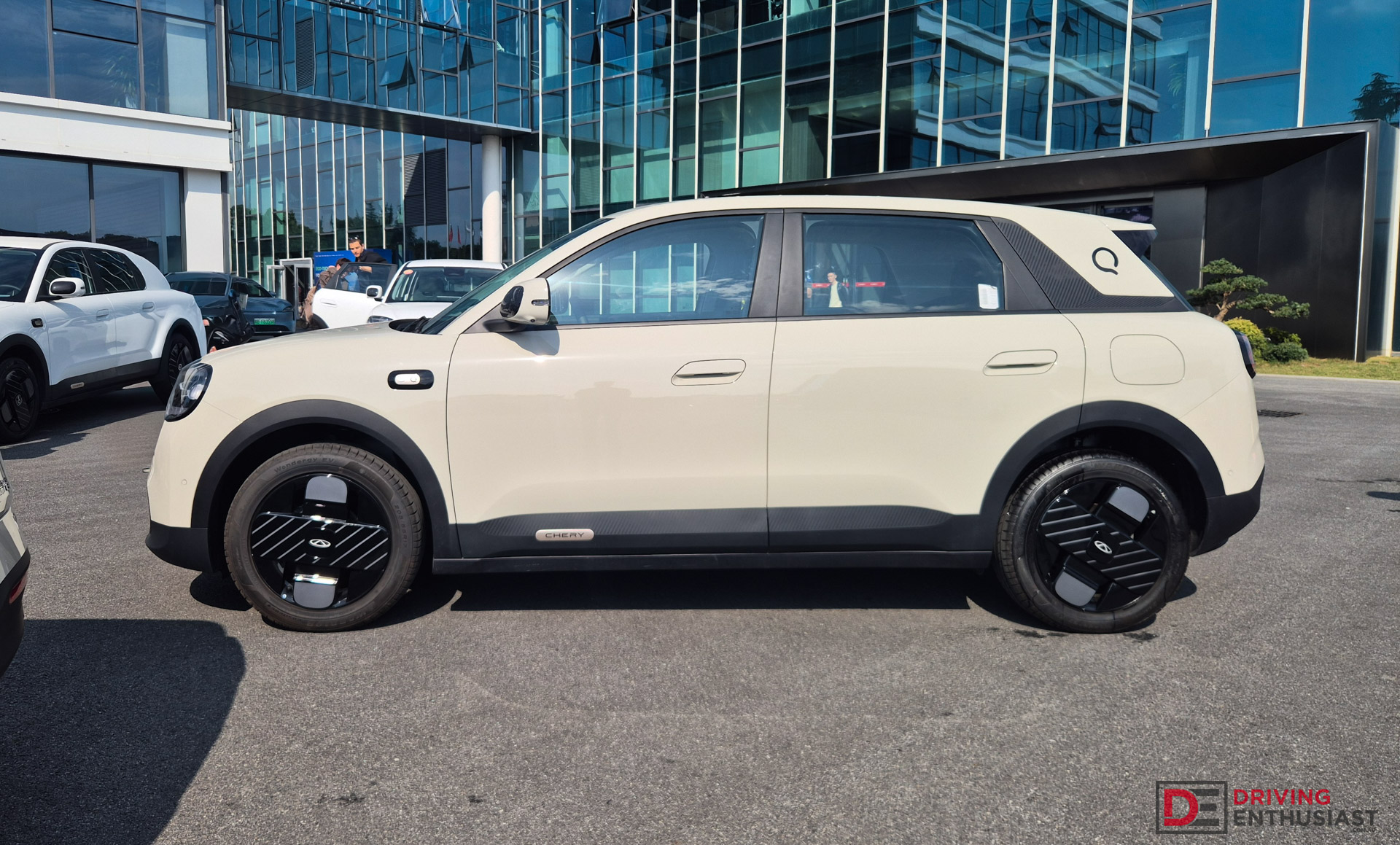
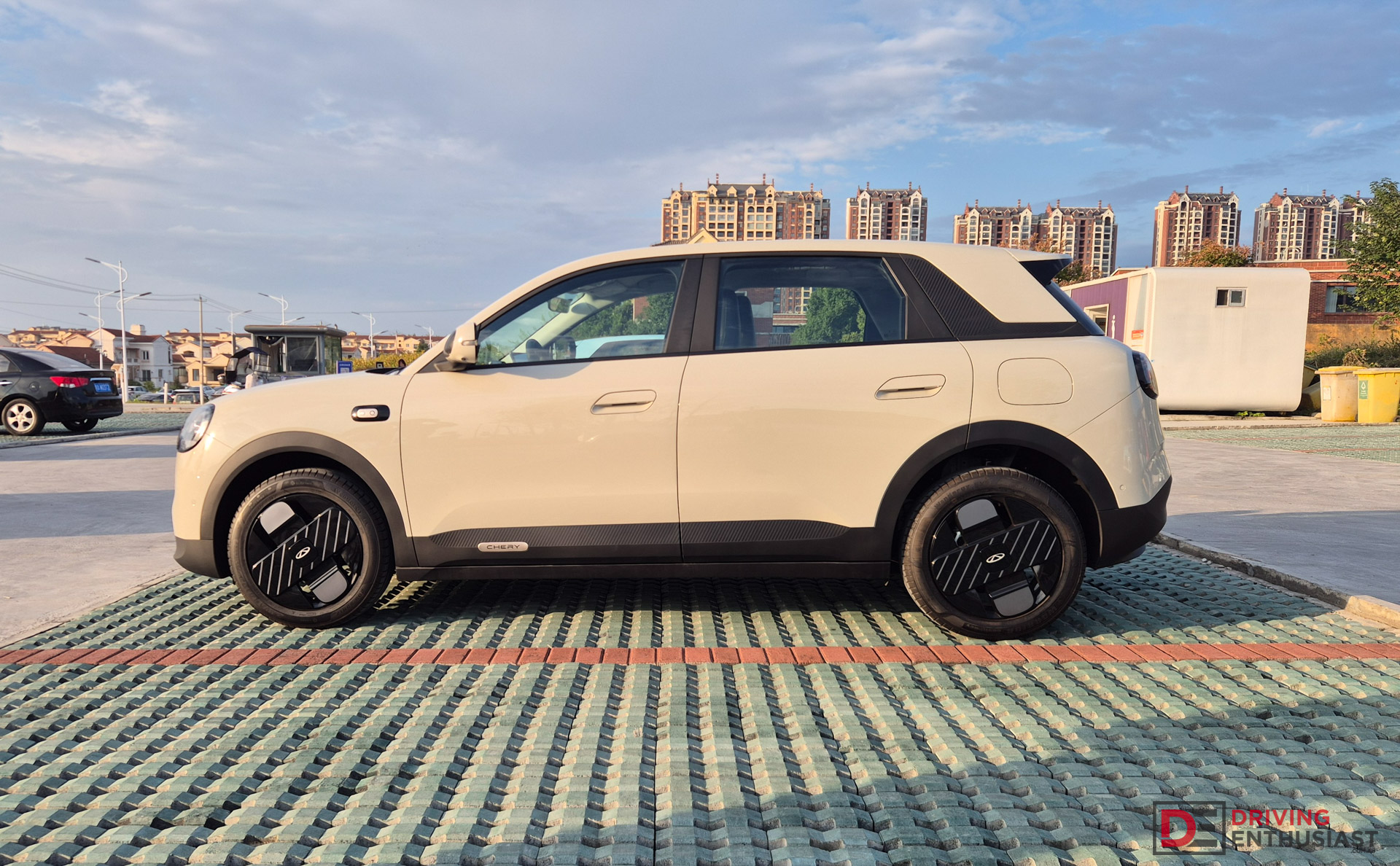
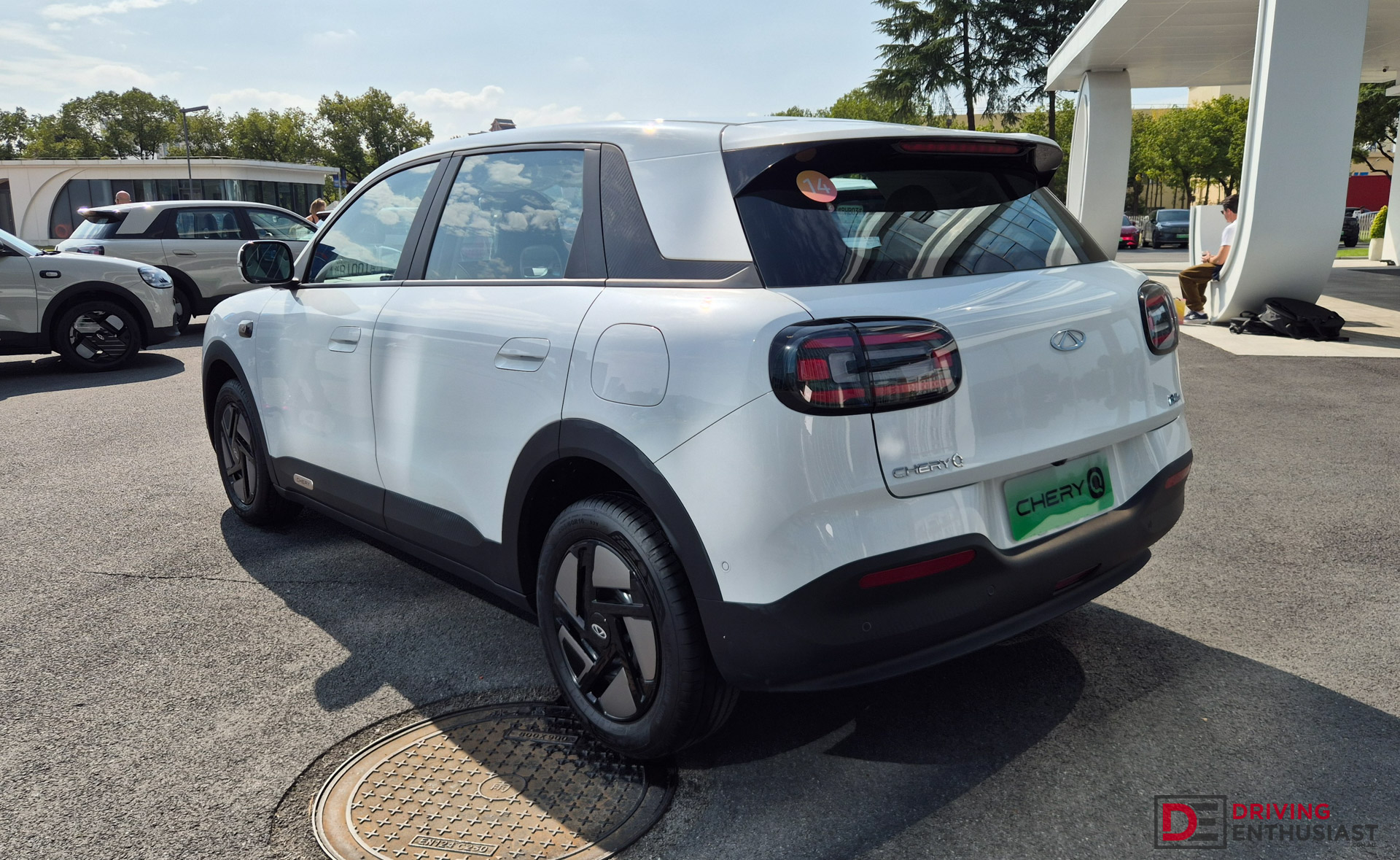
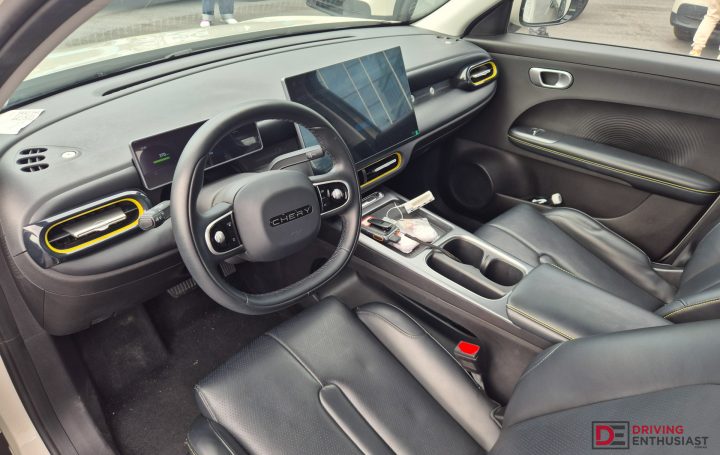
One of the Chery Q’s biggest strengths is unquestionably its interior space. Despite its compact exterior dimensions, measuring 4195mm long, 1811mm wide, and 1569mm tall, there’s an enormous amount of room inside, particularly in the second row. That’s thanks to the 2700mm wheelbase – that’s not far off mid-size SUVs such as the Mazda CX-5 (2815mm). It is longer and wider than both the Geely EX2 and BYD Atto 1.
In fact, rear legroom is the best in this class, exceeding those rivals quite easily. Four adults can travel comfortably in this, making the Q more versatile than its city-car positioning might suggest.
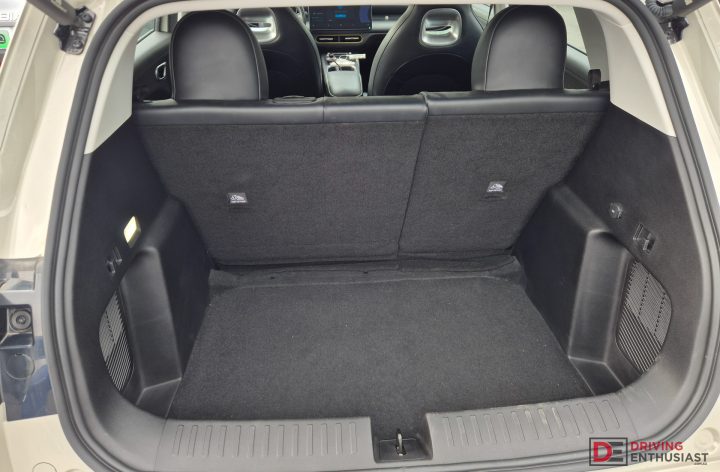
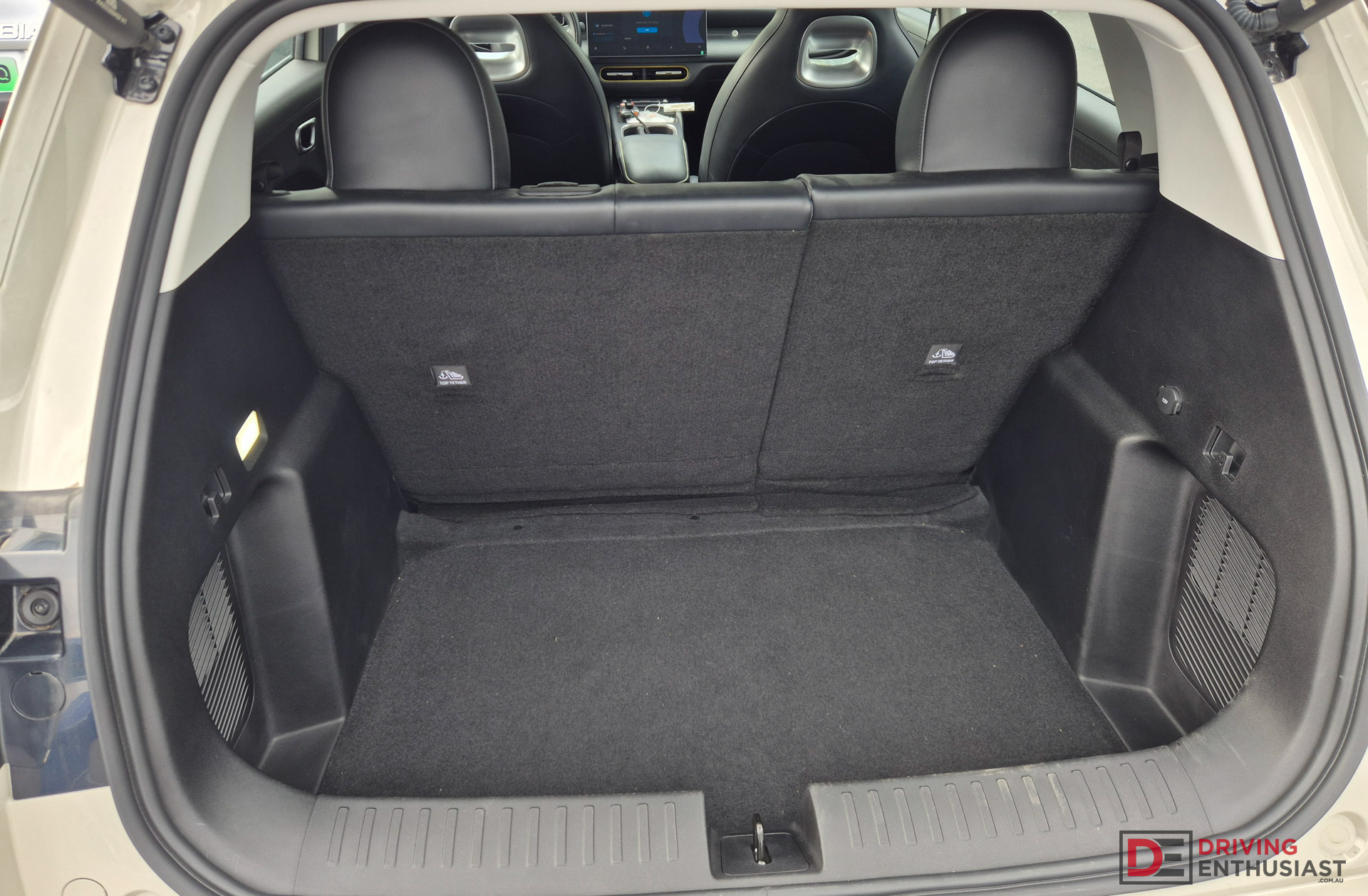
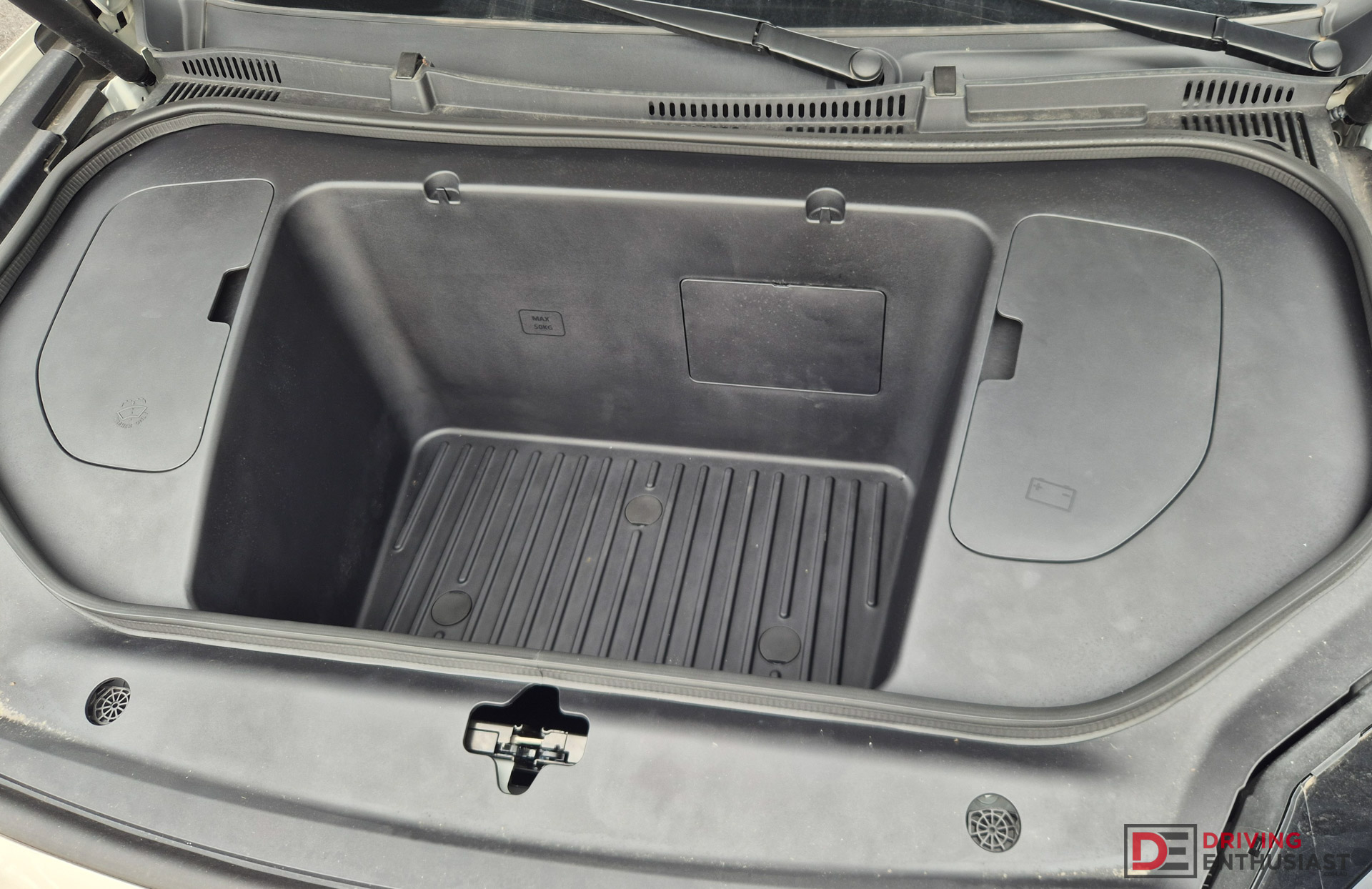
Luggage capacity is equally impressive. The rear boot offers 375 litres of space, expanding to 1450L with the 60:40 rear seats folded. Thanks to the rear-wheel drive layout, there’s also a 70L front boot, providing additional storage for smaller bags or charging cables. That’s a particularly useful combination for a vehicle intended to spend much of its life around town.
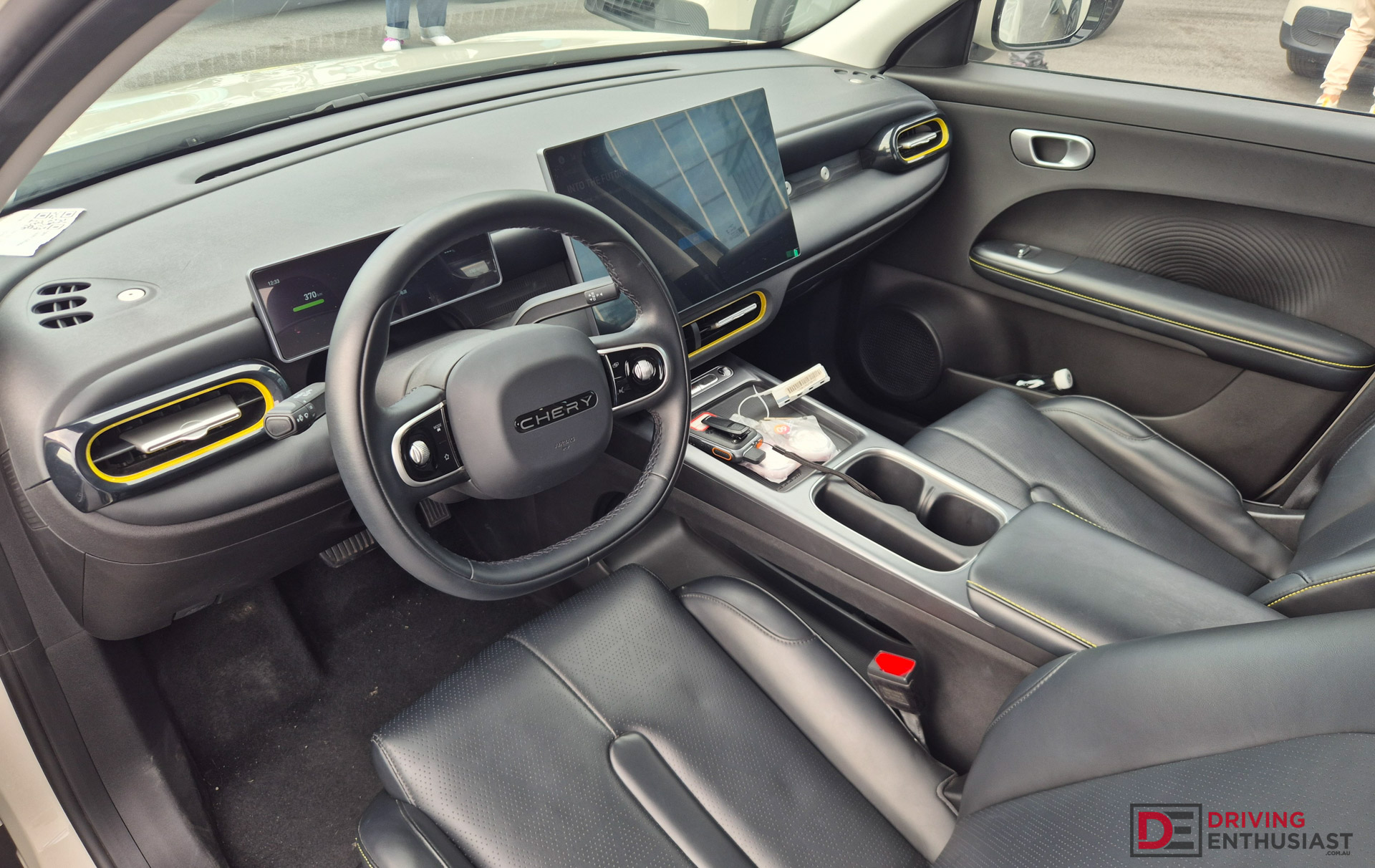
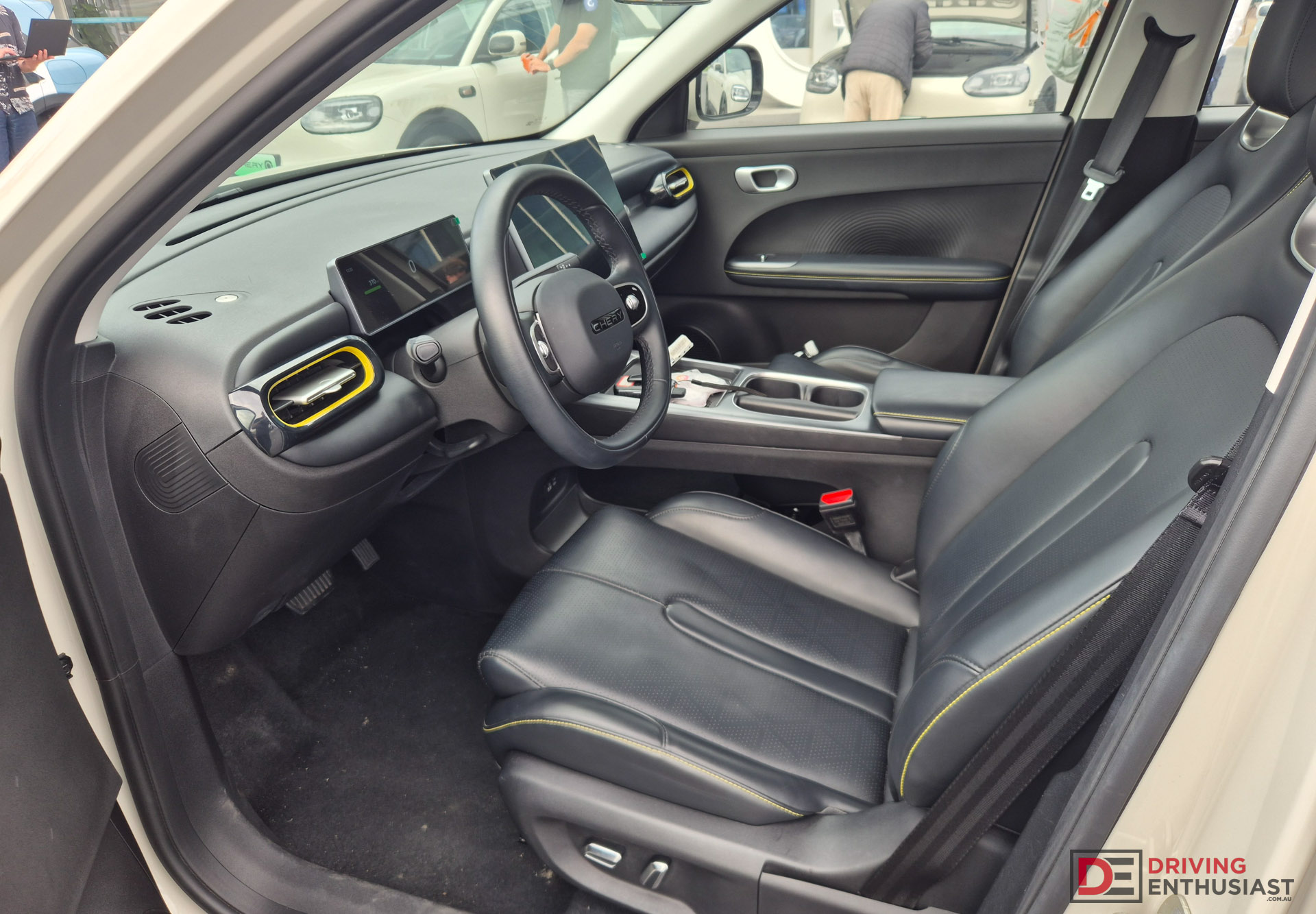
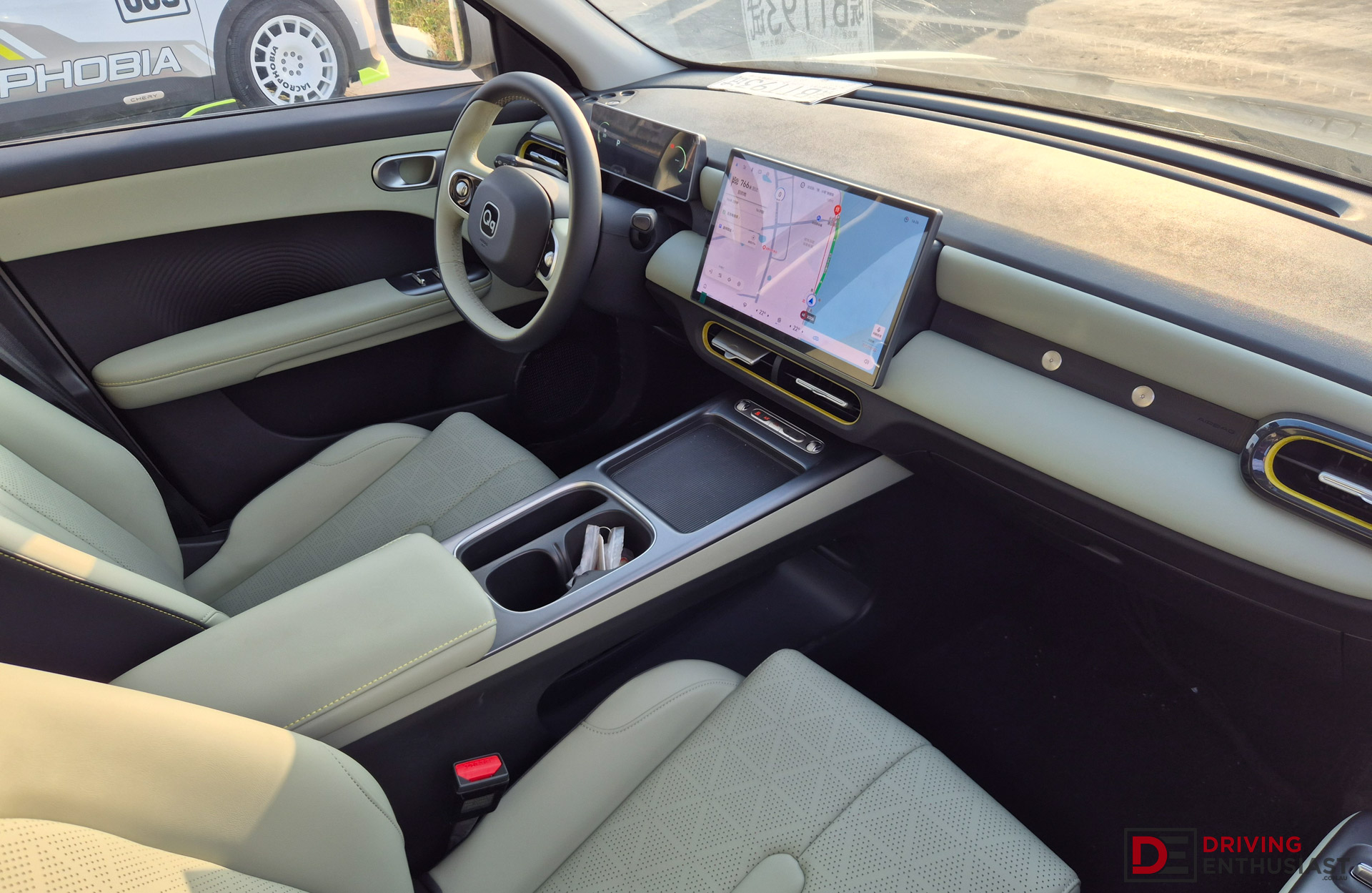
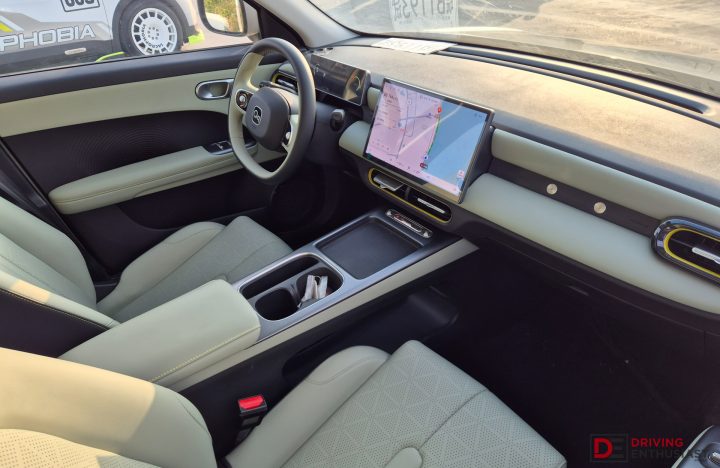
Equipment levels on our overseas test vehicle were also surprisingly generous. Highlights included a powered tailgate, power adjustable driver’s seat, large central touch-screen and comprehensive connectivity features and in-built apps.

A detailed surround-view camera system is another standout, including a transparent view to help position the car around obstacles, while the blind-spot camera activates when indicating. You can even swipe and move the blind-spot view window on the screen for a better position, depending on what content you already have on the screen, such as maps.
These are features normally associated with considerably more expensive vehicles, so seeing them in a small entry-level EV is impressive. But, some of this stuff is contrasted by pretty cheap plastics used throughout the cabin. Plastic leather is used for the seats, which is great for mucky kids or ride-sharing duties, but yes, it can feel like a taxi in here; purely functional rather than comforting.
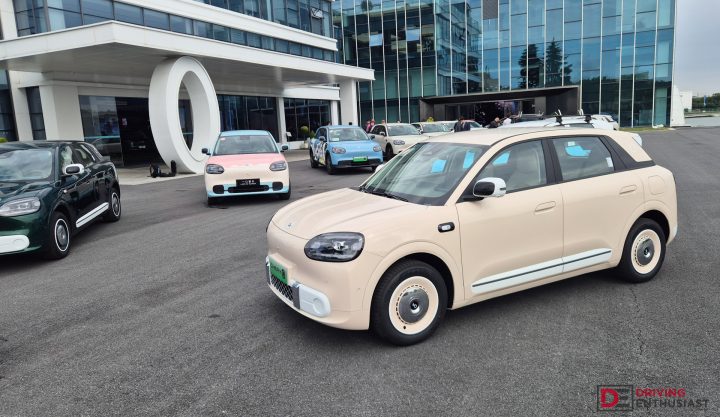
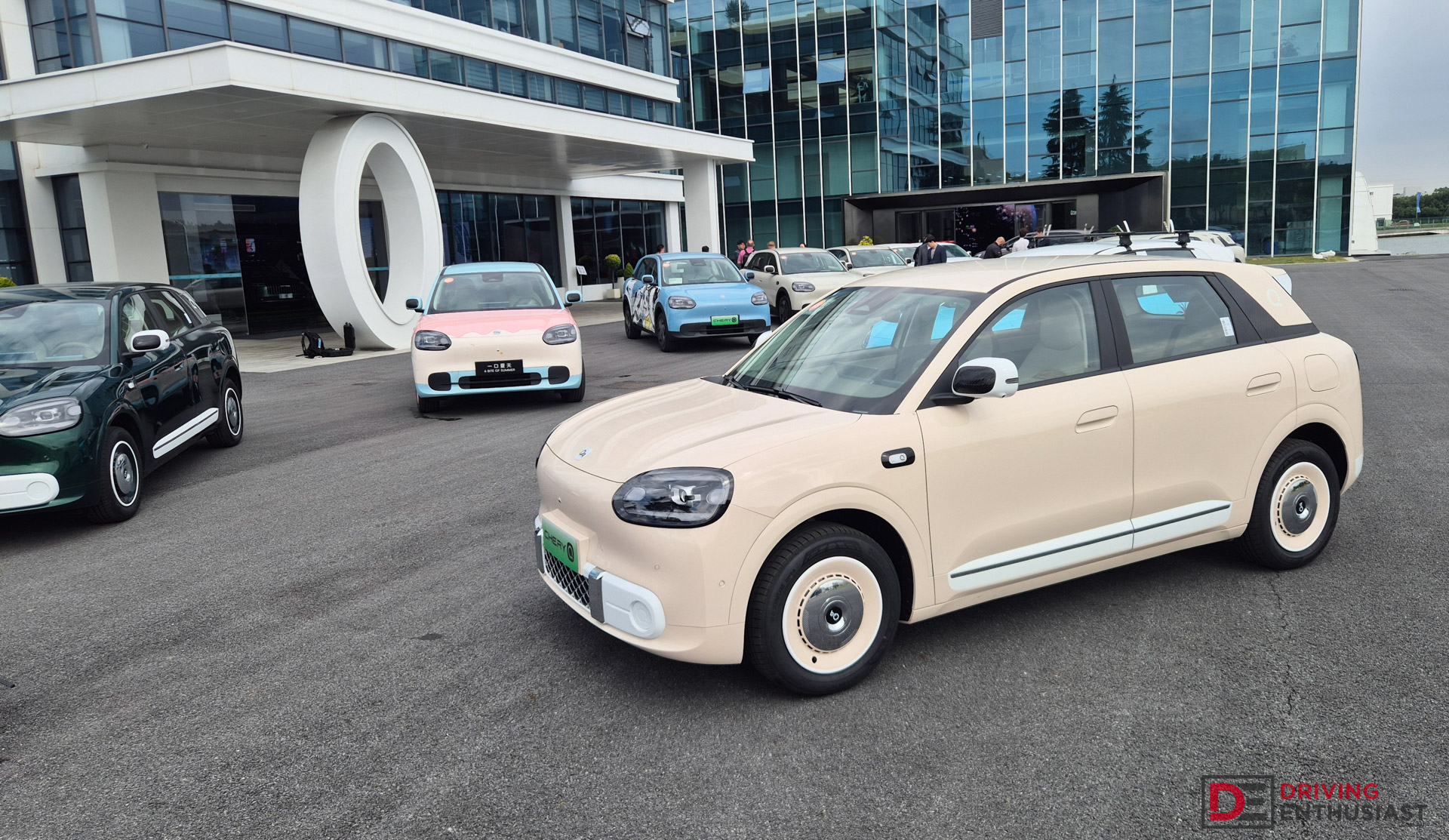
We did notice there were a few test cars showcasing a two-tone theme and they did seem to offer a bit more luxury and quality, even if just a perception. There were also some interesting exterior styling packages on show, perhaps showing the customisation potential of the car.
Again, Chery is yet to confirm any specs or features or accessories for Australian models. The final local specification could differ considerably from the vehicles tested here, or they could be exactly the same.
2027 Chery Q: Powertrain & handling
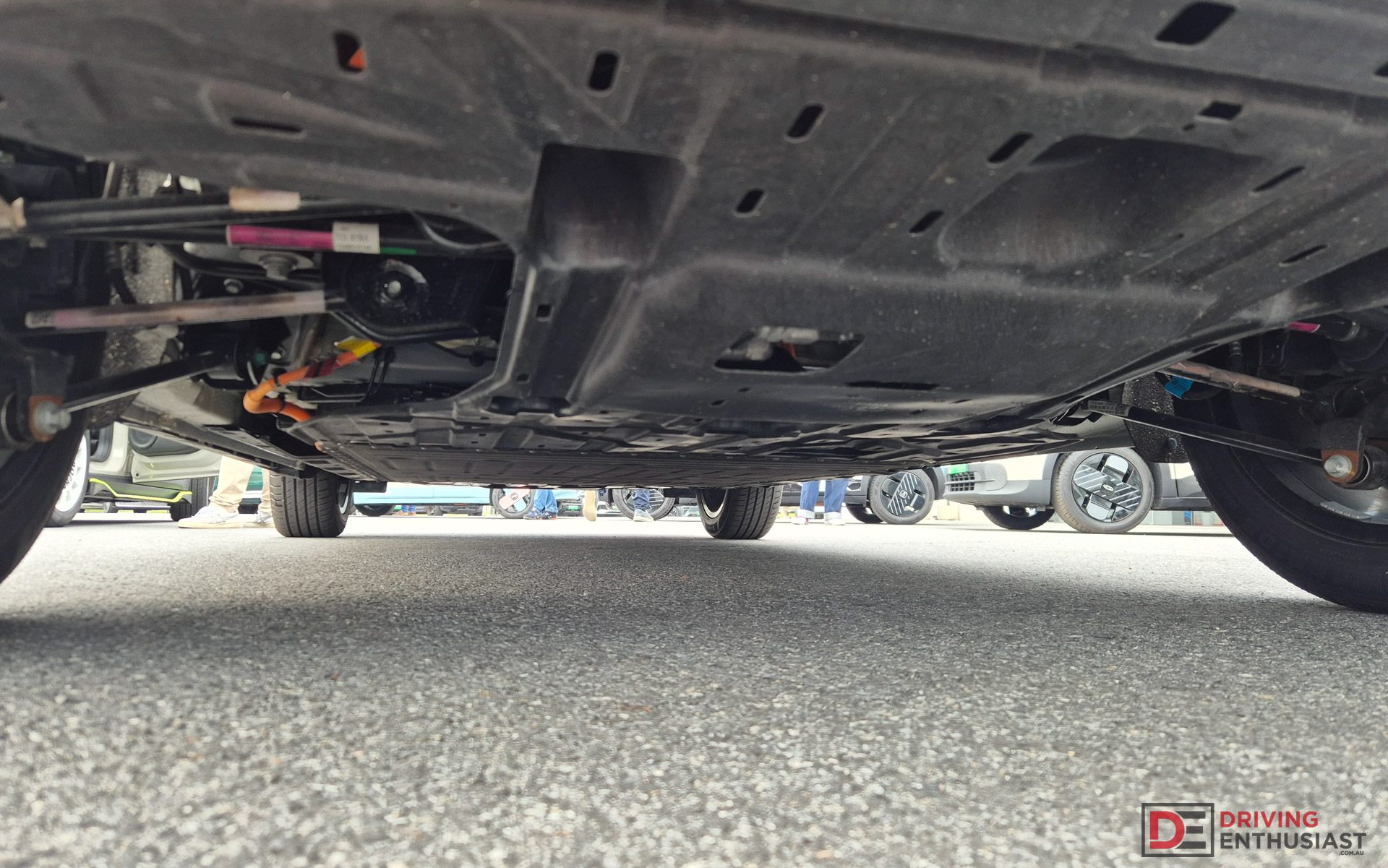
In EV400 spec, it comes with a 41.2kWh battery providing a range of 400km, although the equivalent WLTP figure is yet to be confirmed. Even allowing for differences between testing procedures, that should provide more than enough range for most urban commuters.
We understand the Australian lineup could include two battery options, potentially around 29.4kWh and this 41.2kWh setup. The EV400 features a rear-mounted electric motor producing 90kW and 115Nm, with a claimed 0-100km/h time of 13.5 seconds. Although, 0-60km/h and 40-80km/h feels about the same as vehicles that do 0-100km/h in around 8-9 seconds. This simply doesn’t have a strong top end, with a top speed of 135km/h.

Either way, that’s certainly not quick by modern EV standards, particularly compared with the more powerful BYD Atto 1 variant. However, outright acceleration isn’t really the point of a vehicle like this. Around town, the Q feels perfectly adequate. Electric motors provide immediate response from low speeds, and the Chery picks up speed without feeling particularly strained in normal urban driving.
We had four adults on board during our test as well, and it still felt responsive enough for everyday use. There’s a Sport mode that sharpens throttle response, although it obviously doesn’t increase the motor’s maximum output.

The driving experience is refreshingly straightforward. Visibility is good, the controls are easy to understand and the compact yet straight-forward dimensions (it’s not a weird coupe-like SUV, for example) make it simple to manoeuvre through traffic and tight spaces.
There are some refinement issues, however. From the rear seat, we noticed a degree of motor whine and mechanical whirring that wasn’t particularly apparent from the front. There was also some booming and echoing through the rear of the cabin when travelling over sharper bumps, suggesting the rear suspension and associated sound insulation could benefit from further enhancement.
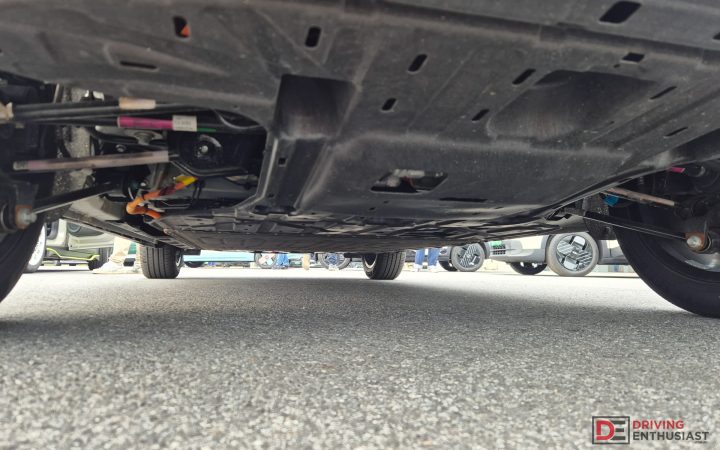
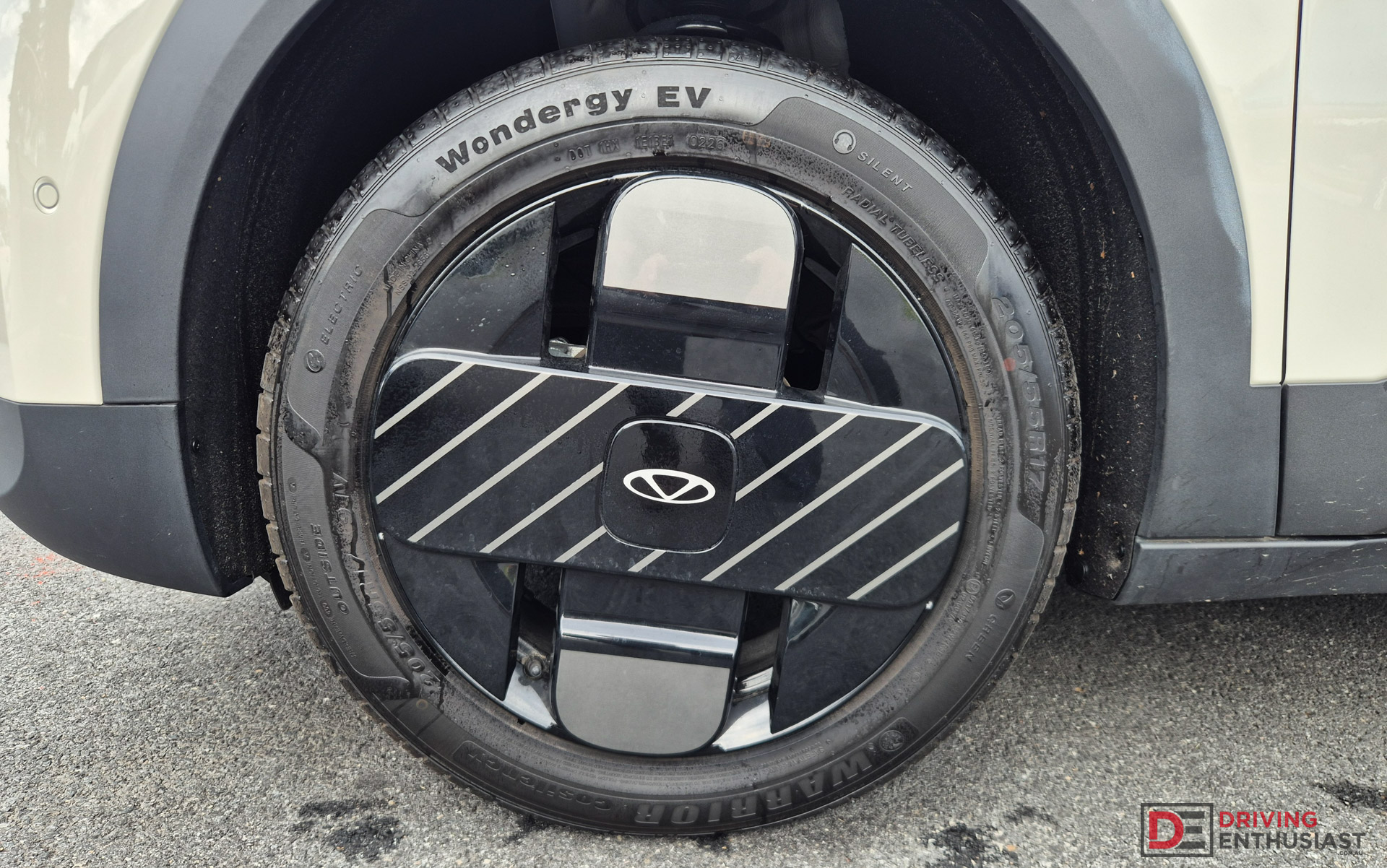
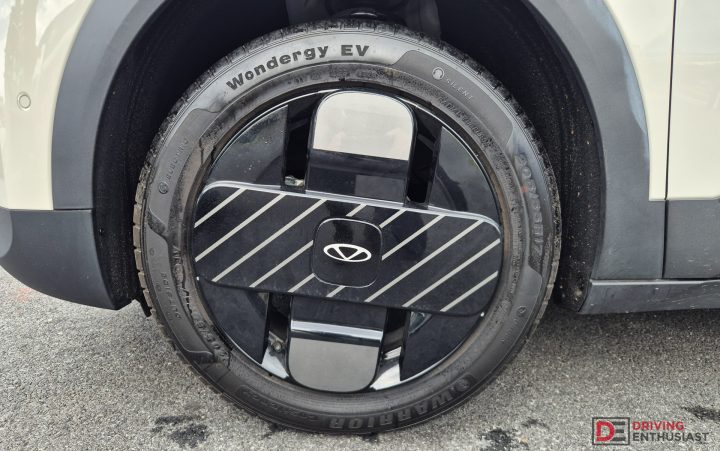
Our test vehicle was also fitted with fairly ordinary tyres, which may have contributed to some of the vibration and road noise entering the cabin. It’s important to remember that this is an overseas-spec.
Australian vehicles may receive different tyres and suspension calibration, so we’ll reserve judgement until we can test the final local version. Otherwise, the Q feels exactly as a small urban EV should; light, easy to drive and approachable.
2027 Chery Q: Key attractions/reasons to buy
The 2027 Chery Q makes a strong first impression, particularly in terms of packaging and practicality. Its enormous rear legroom, generous boot capacity and additional front storage put it ahead of key rivals, while the equipment fitted to our overseas test vehicle was unusually comprehensive for an entry-level EV.
Performance is modest on the highway, but the 90kW motor feels perfectly adequate around town, even with four adults on board. Some rear suspension noise and motor whine could use improvement, although Australian-spec vehicles may address this.
Ultimately, the Q looks ideally suited to buyers wanting an inexpensive second car for commuting and errands, or even a practical ride-sharing vehicle. It’s easy to drive, spacious, and potentially capable of travelling around 350km-plus between charges. If Chery can deliver it at the prices we’re anticipating, particularly around $25,000 for the longer-range version, it could become one of the best-value small electric cars on sale in Australia.
2027 Chery Q: Video