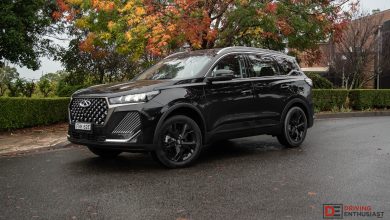
Chery’s rise in the Australian market has been driven by a simple formula; aggressive pricing, long warranties, and generous standard equipment. The Tiggo 4 sits right at the heart of that strategy, positioned as a compact SUV aimed squarely at first-time buyers, down-sizers, and anyone chasing value above all else. With petrol versions already selling strongly, hybrid power is a logical next step. It promises lower fuel consumption and improved city efficiency without abandoning affordability.
In Ultimate trim, the Tiggo 4 Hybrid represents the most premium variant (the Urban is the cheaper option), yet it still undercuts the majority of hybrid rivals by a significant margin. It’s an enticing proposition.
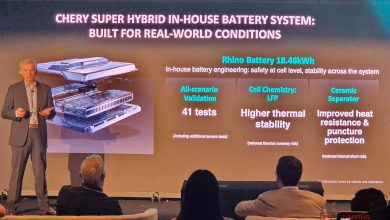
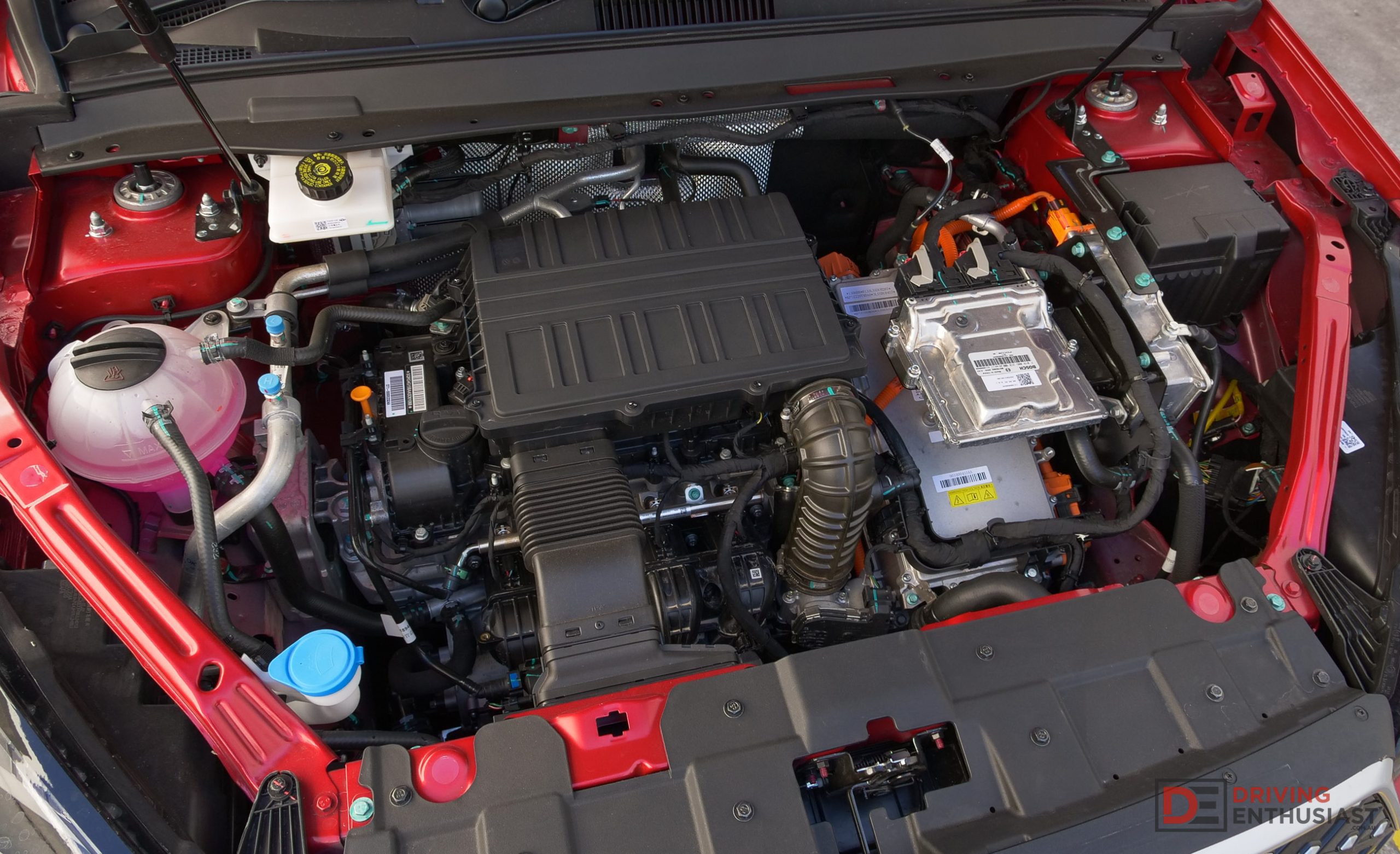
Chery’s new series-parallel hybrid system combines a 1.5-litre petrol engine with a 150kW/310Nm electric motor. Around town, the Tiggo 4 Hybrid leans heavily on its electric motor, helping reduce fuel use in traffic and short trips. However, hybrid technology also raises expectations around smoothness, refinement, and calibration; and that’s where budget-focused offerings often reveal their compromises. Here are our top 5 pros and cons.

2026 Chery Tiggo 4 Hybrid Ultimate: Specifications
Engine: 1.5-litre four-cylinder petrol hybrid
Output: 150kW / 310Nm
Gearbox: CVT hybrid auto
Drive type: Front-wheel drive
Wheels: F & R: 17×6.5, 215/60
ANCAP: Five stars
Tare weight: 1490kg
Power-to-weight: 9.93:1 (kg:kW)
Official consumption: 5.4L/100km
Our consumption: 5.1L/100km
Fuel tank/Fuel type: 51L/91 RONPower efficiency: 27.7kW:L/100km
0-60km/h: 3.94 seconds*
0-100km/h: 7.70 seconds*
60-110km/h: 5.04 seconds*
1/4 mile: 15.88 seconds at 143.1km/h*
Max acceleration: 0.619g*
100-0km/h braking: 43.55m in 3.16s*
Max deceleration: -1.114g*
Decibel at idle: 38*
Peak decibel at 60-100km/h: 84*
Starting price: $34,990
*Figures as tested by Driving Enthusiast on the day. Manufacturers’ claims may be different
2026 Chery Tiggo 4 Hybrid: Pros
1. Outstanding value for a hybrid
The Tiggo 4 Hybrid remains one of the most affordable hybrid SUVs available in Australia, even in its highest trim level. Prices start from $29,990 for the Urban hybrid and $34,990 for the Ultimate hybrid (drive-away). While it carries a noticeable premium over the non-hybrid Tiggo 4 (from $23,990), it still comes in cheaper than comparable hybrid offerings from Toyota, Hyundai, or Mazda.
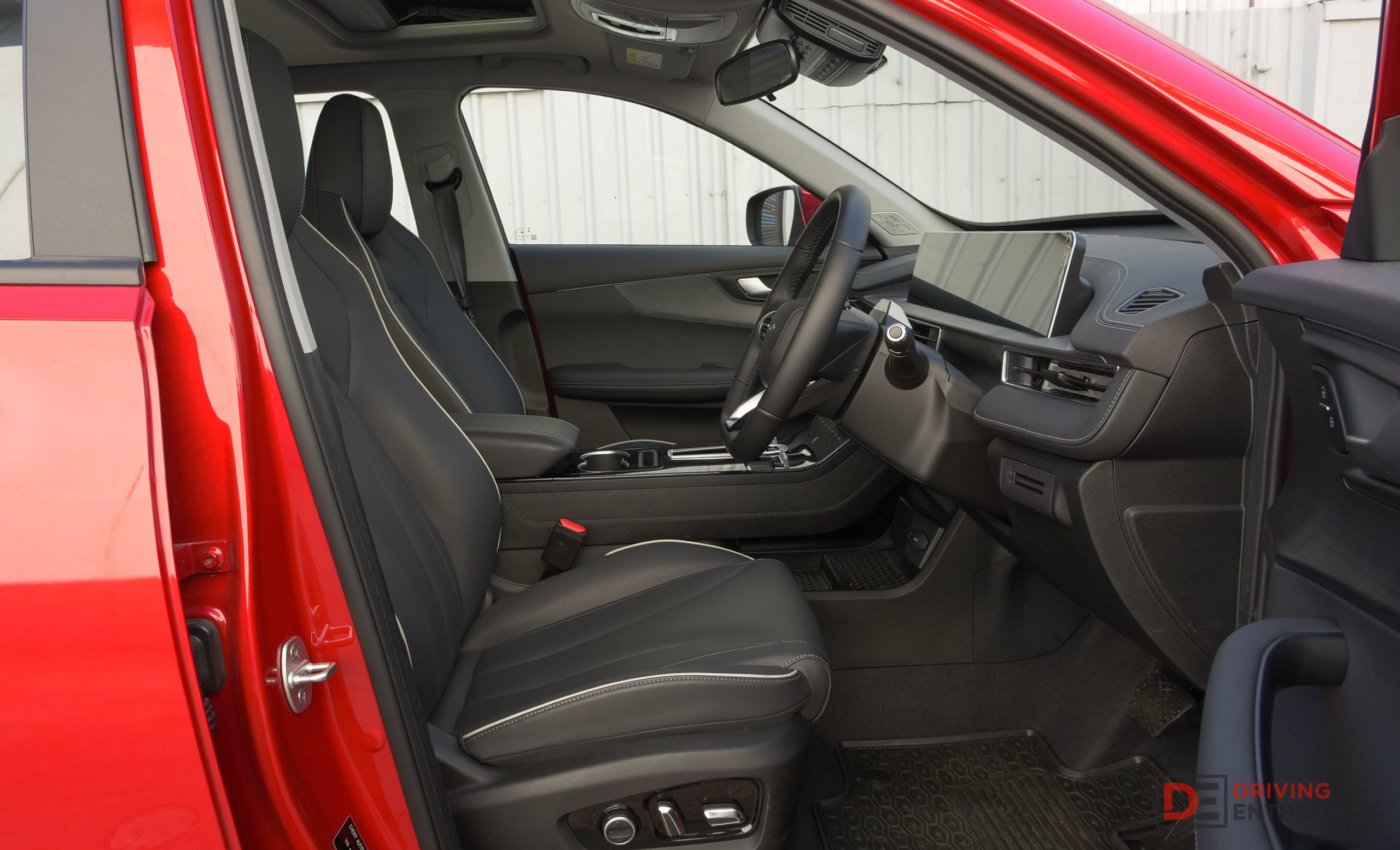
When you factor in its generous standard equipment list, including heated seats, a panoramic sunroof, 360-degree camera, and synthetic leather upholstery, the value proposition becomes difficult to ignore, especially for buyers focused on upfront cost.

2. Much-improved usability
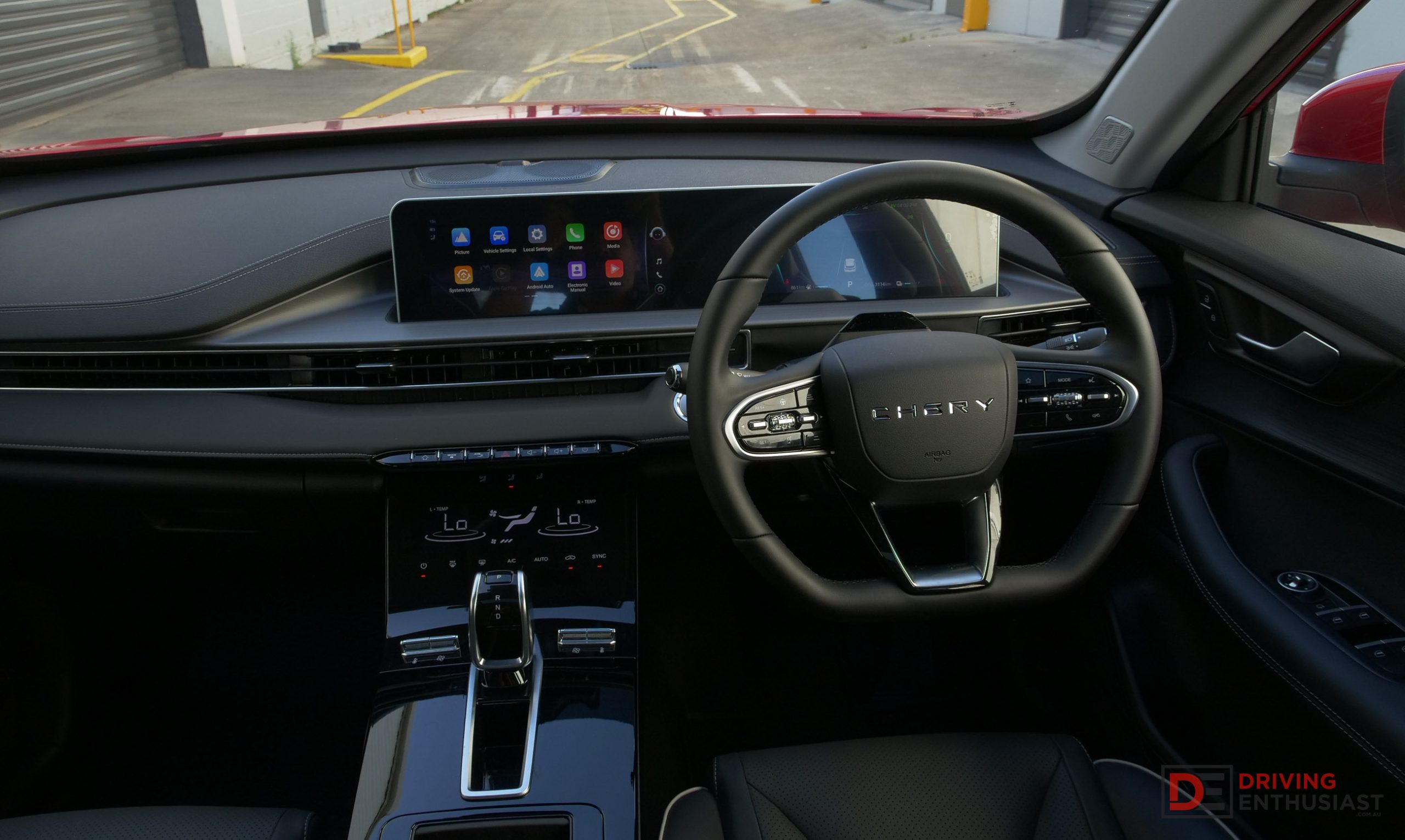
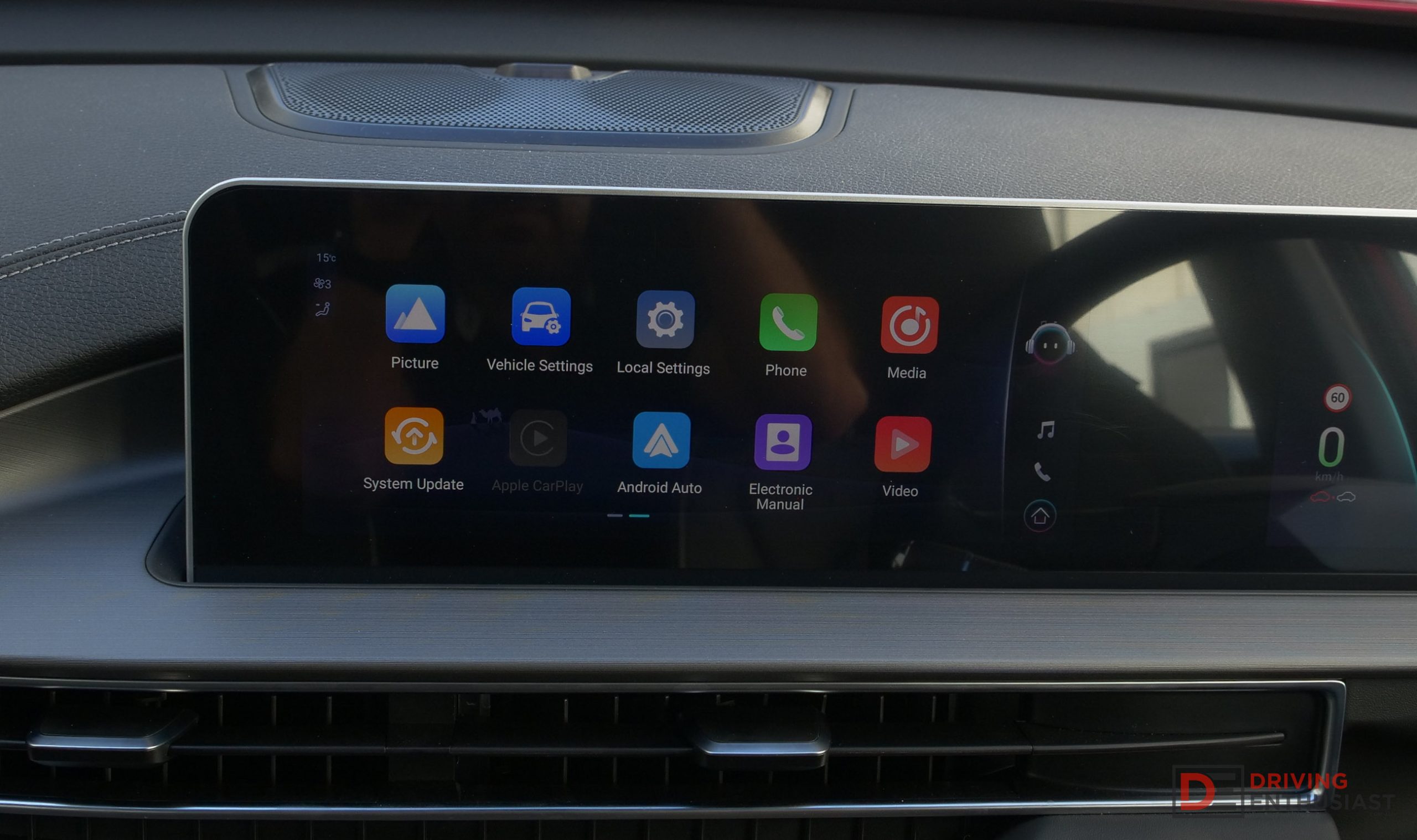
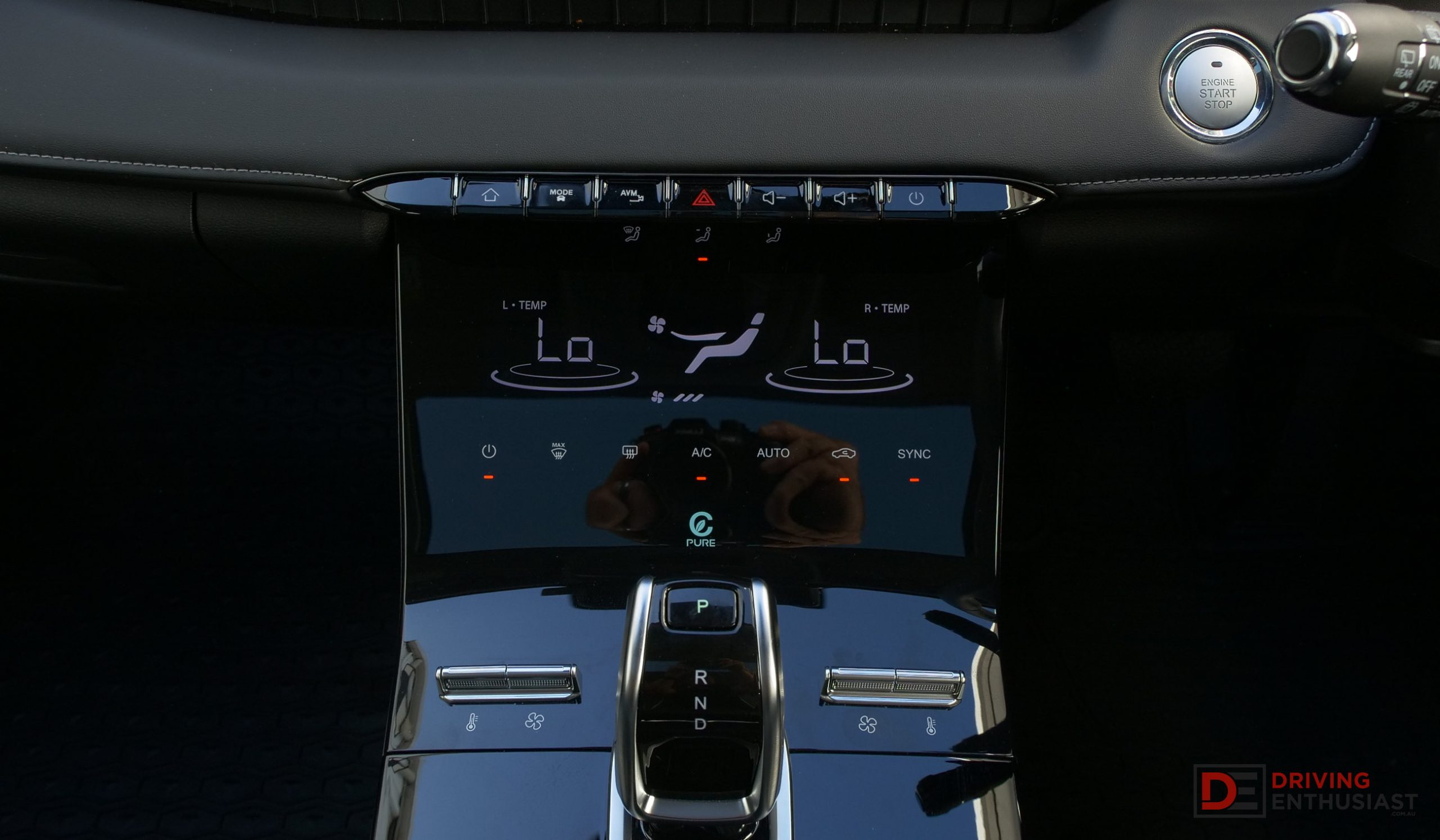
One of the biggest steps forward comes in the user interface. Unlike earlier Chery systems that buried key functions within touch-screen menus, the Tiggo 4 Hybrid introduces a dedicated climate control panel with physical buttons that are easy to reach and intuitive to use. Common functions are sensibly laid out, reducing distraction while driving. We also see better customisation of digital instrument cluster layouts compared with other Chery models. It’s a clear improvement over previous Chery interiors, and shows the brand is listening to customer feedback.
Driver monitoring and assistance systems have also improved mildly from the brand. For example, they seem a tad less intrusive and more accurate than seen the Tiggo 7 we reviewed in 2025.
3. Good fuel efficiency in real-world use
During our week of testing, the Tiggo 4 Hybrid proved to be quite efficient in the real world. Using a manual calculation method, our Tiggo 4 Hybrid test model returned 5.1L/100km. That’s better than its official claim of 5.4L/100km. Our testing involved more suburban driving, where this kind of powertrain setup is most fuel efficient. Expect a slightly higher average if you’re spending more time on the highway.
4. Modern, well-proportioned exterior design
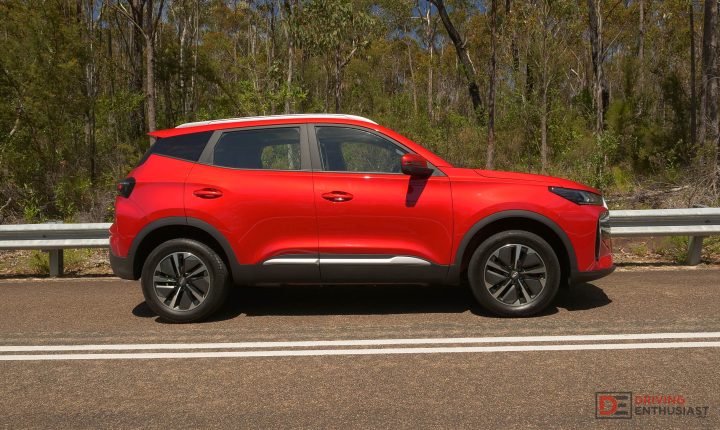
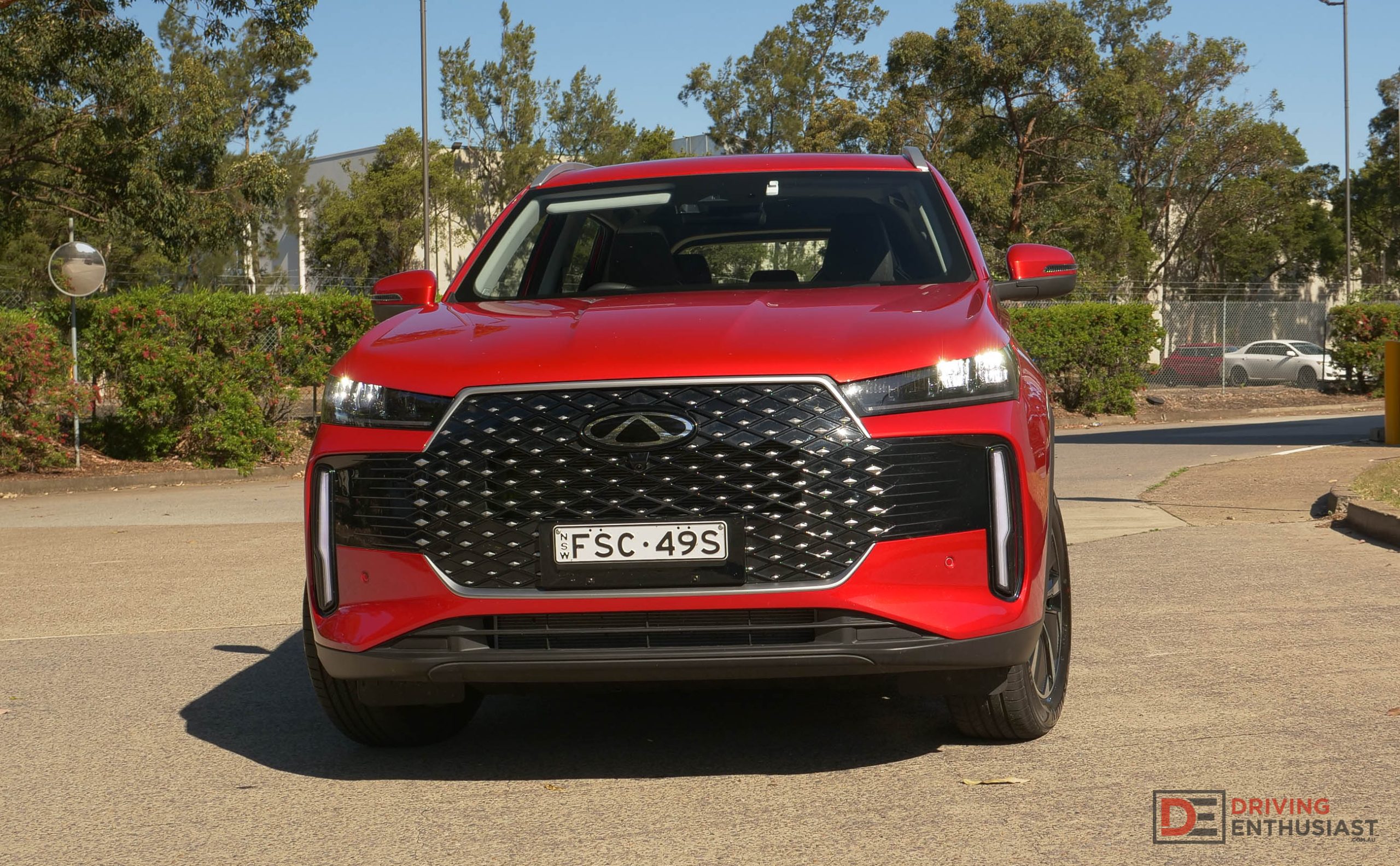
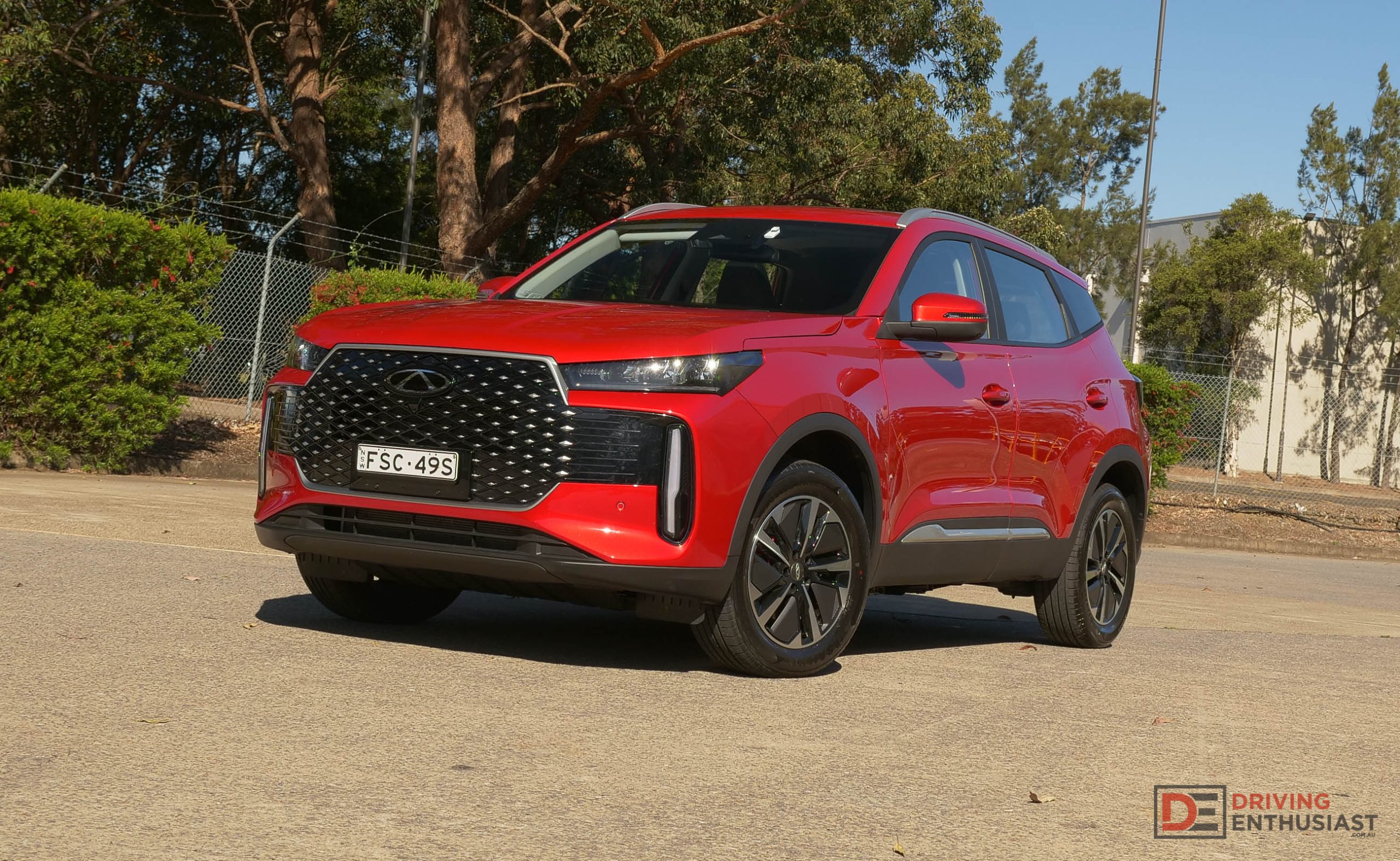
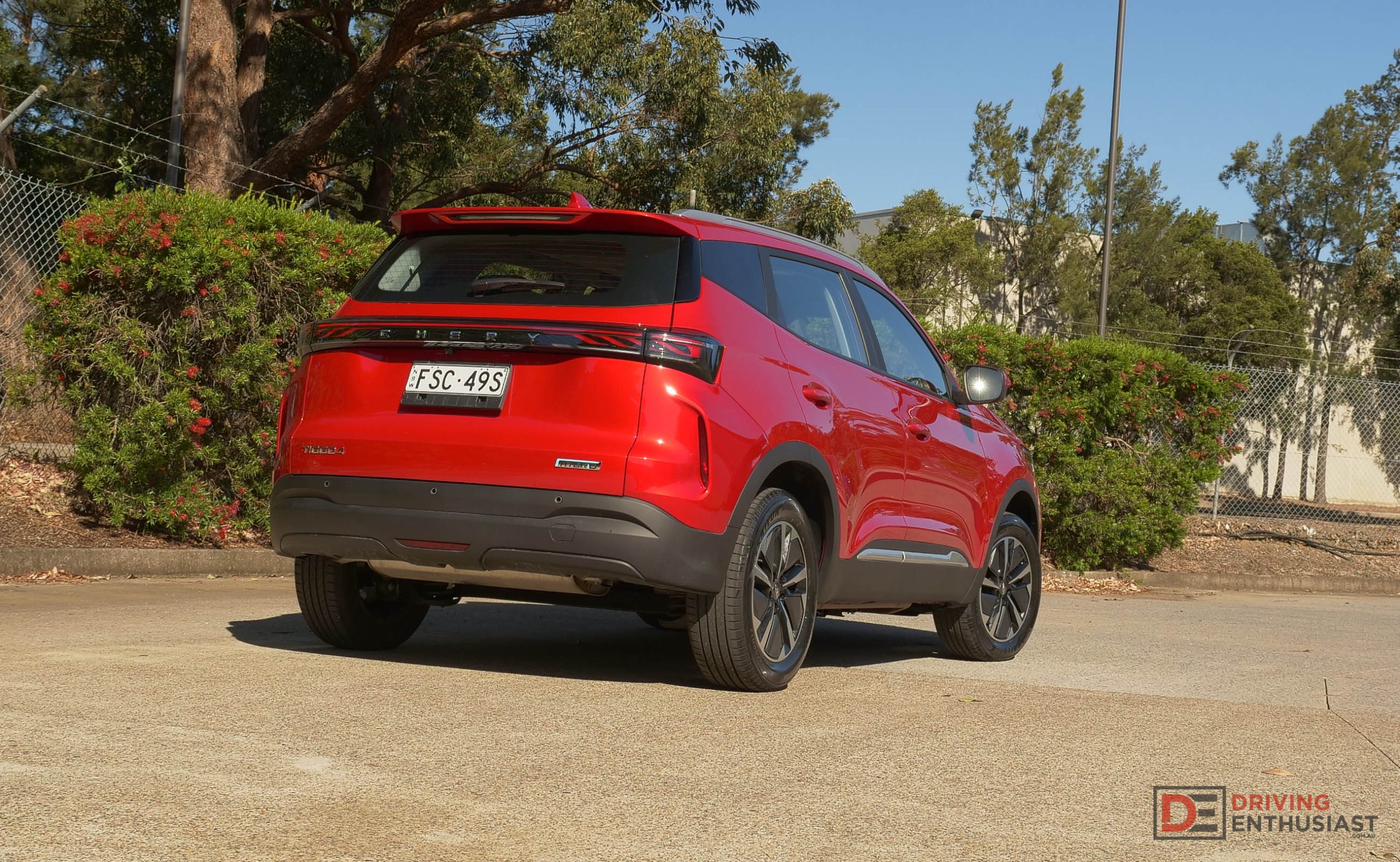
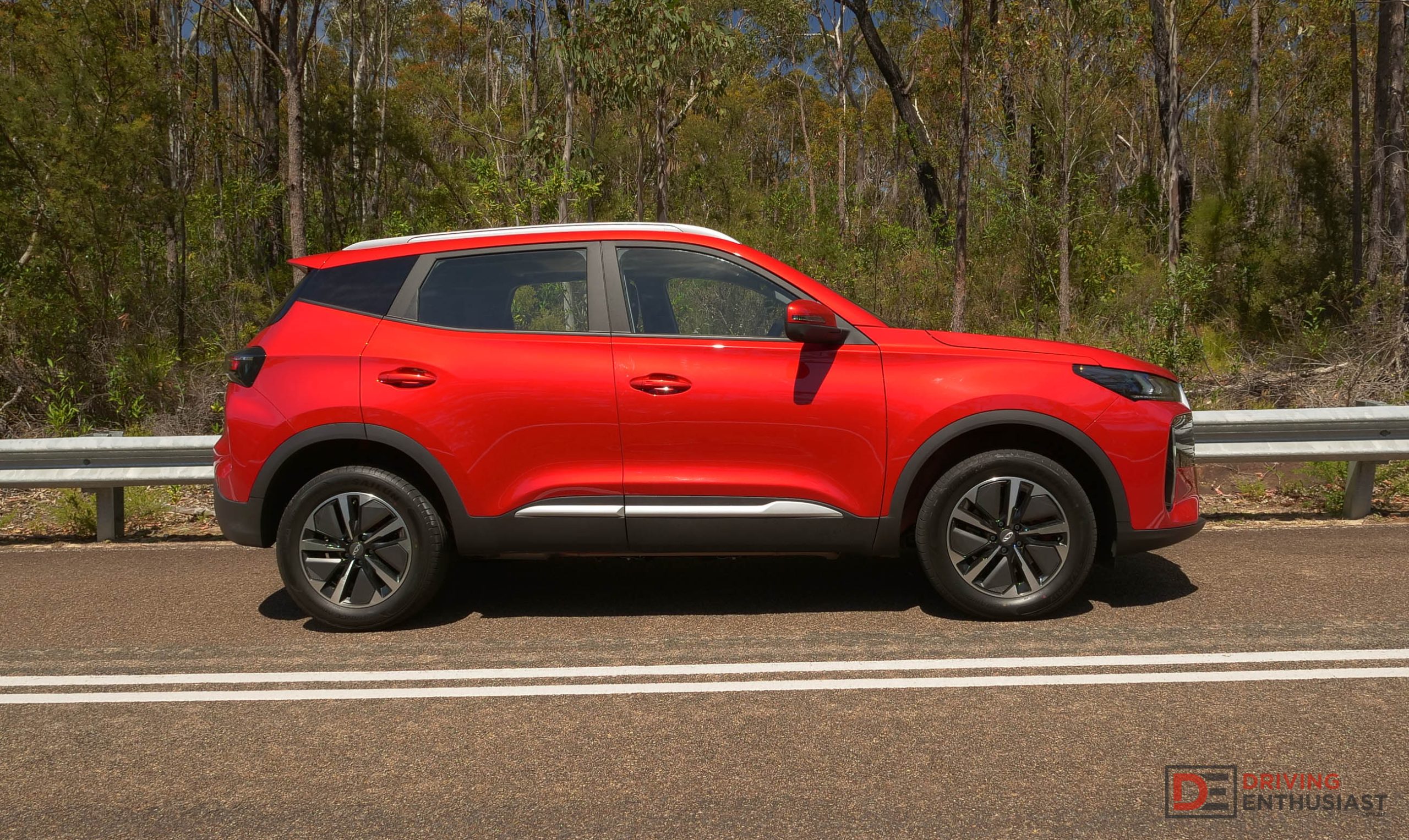
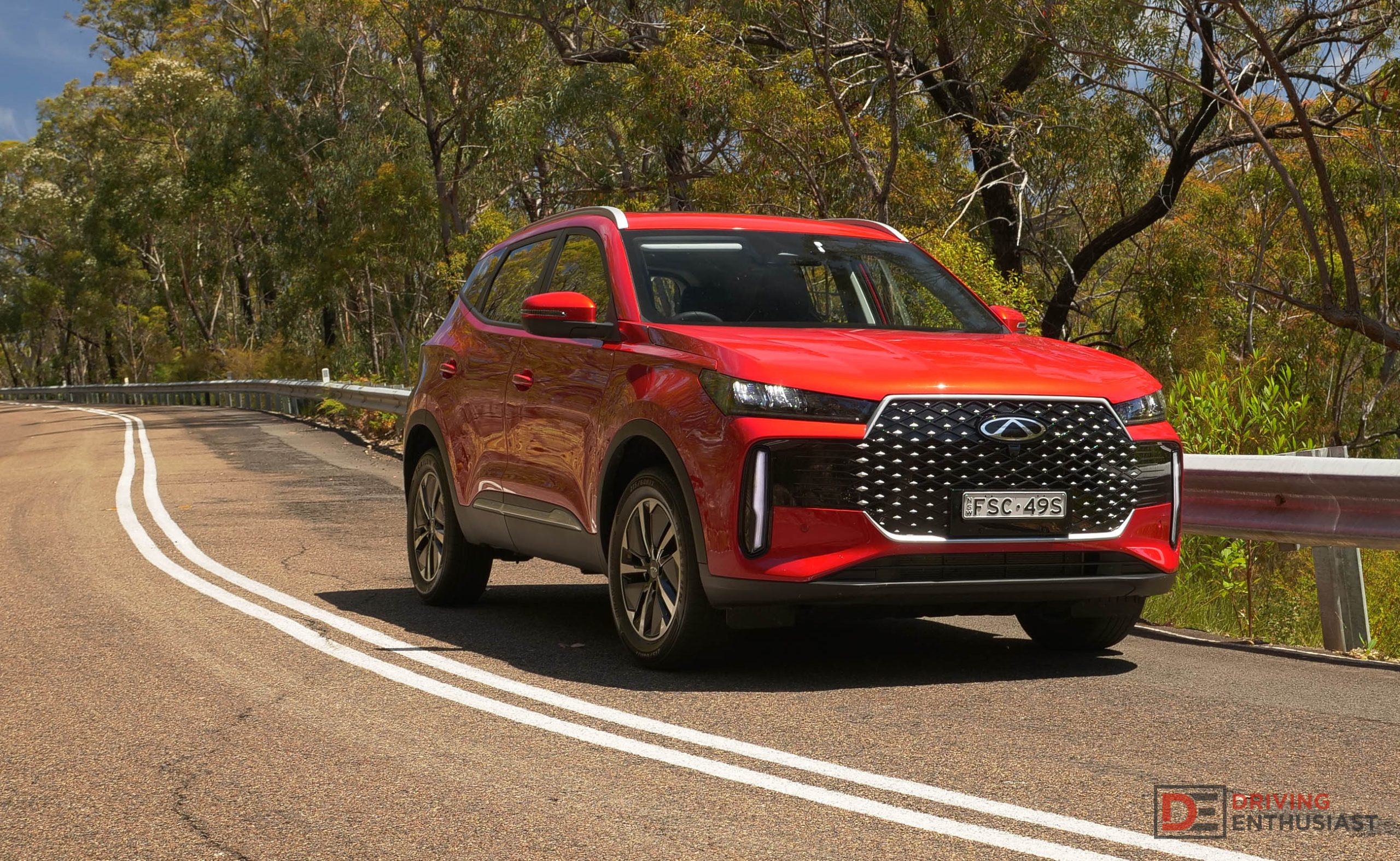
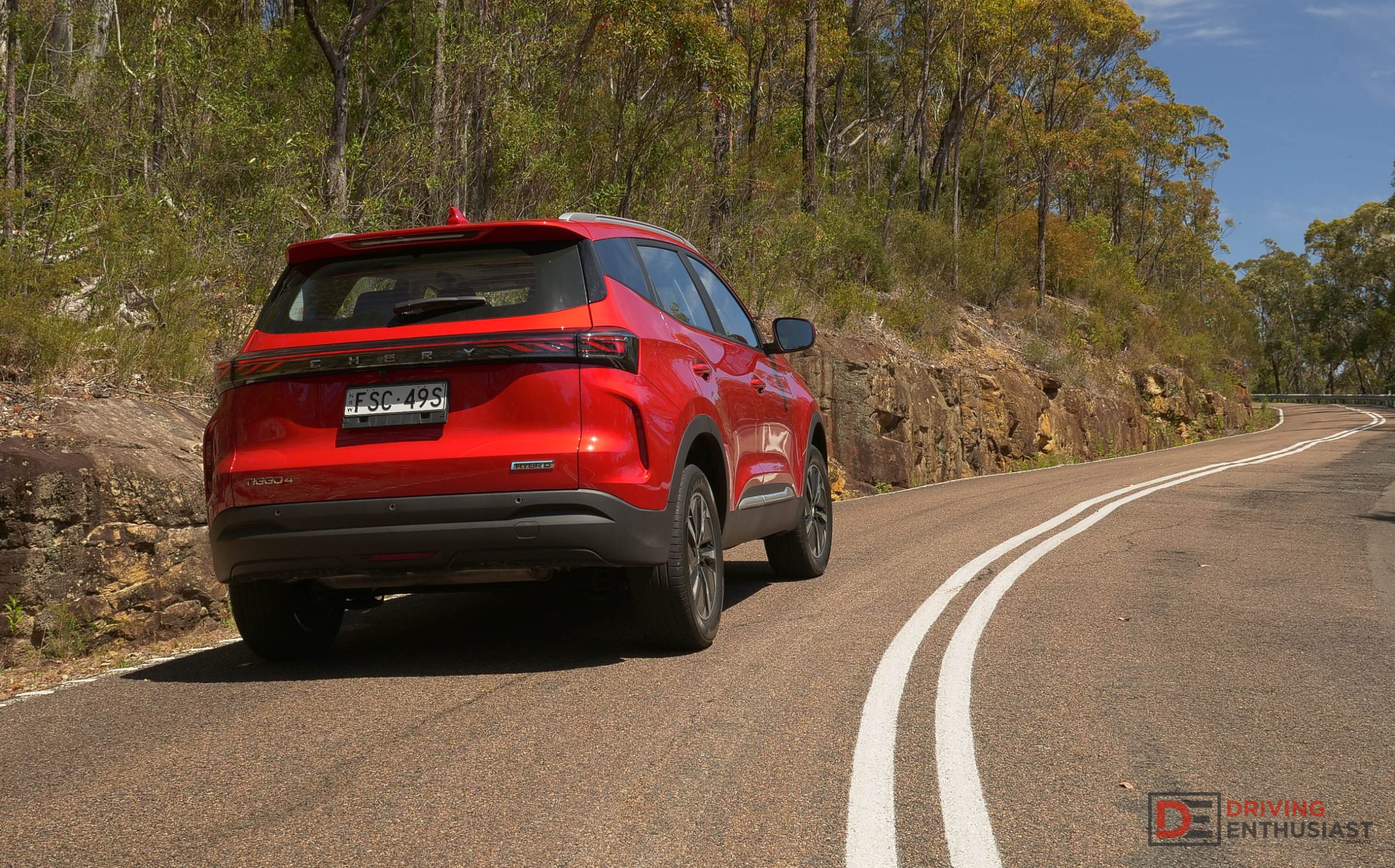
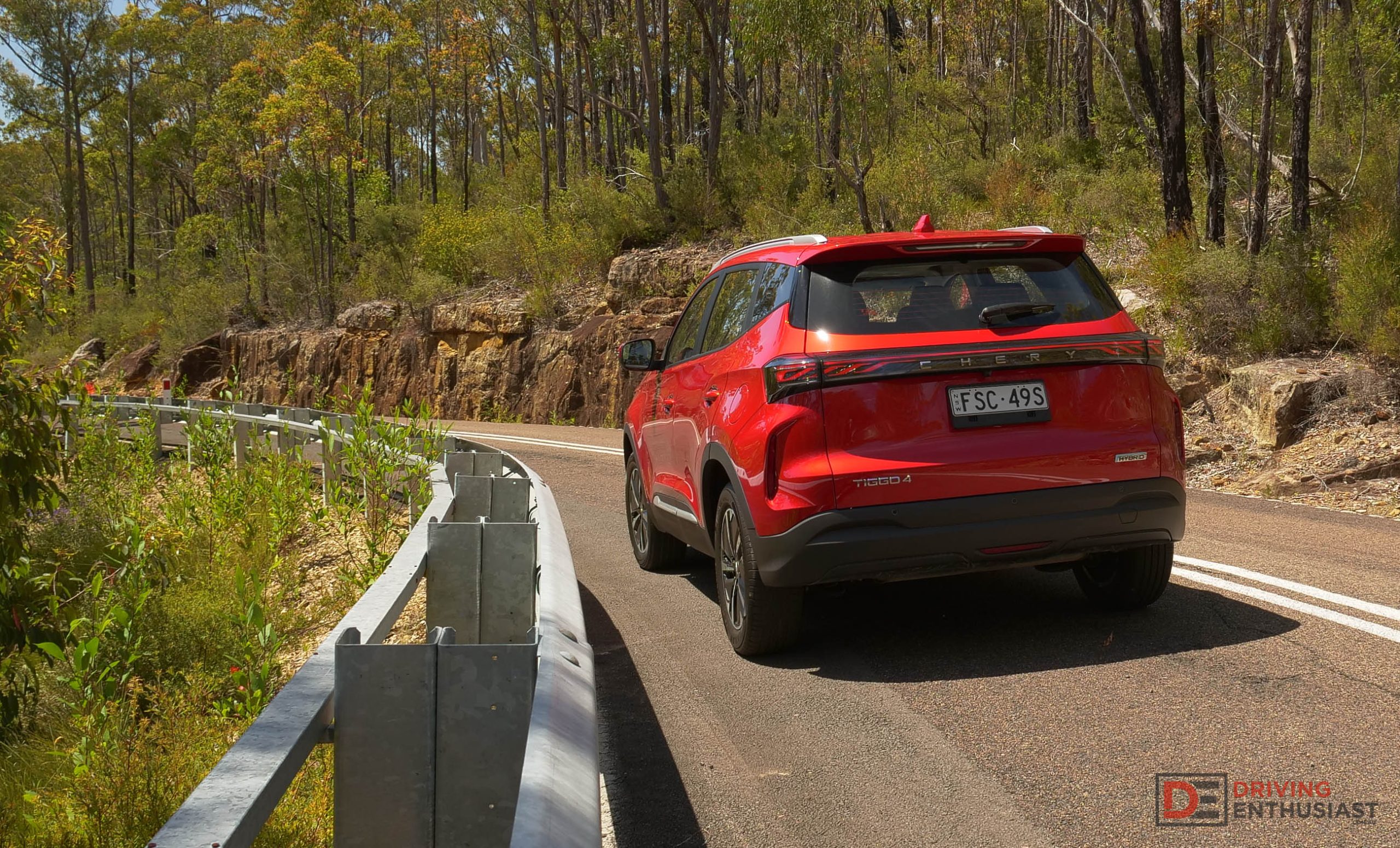
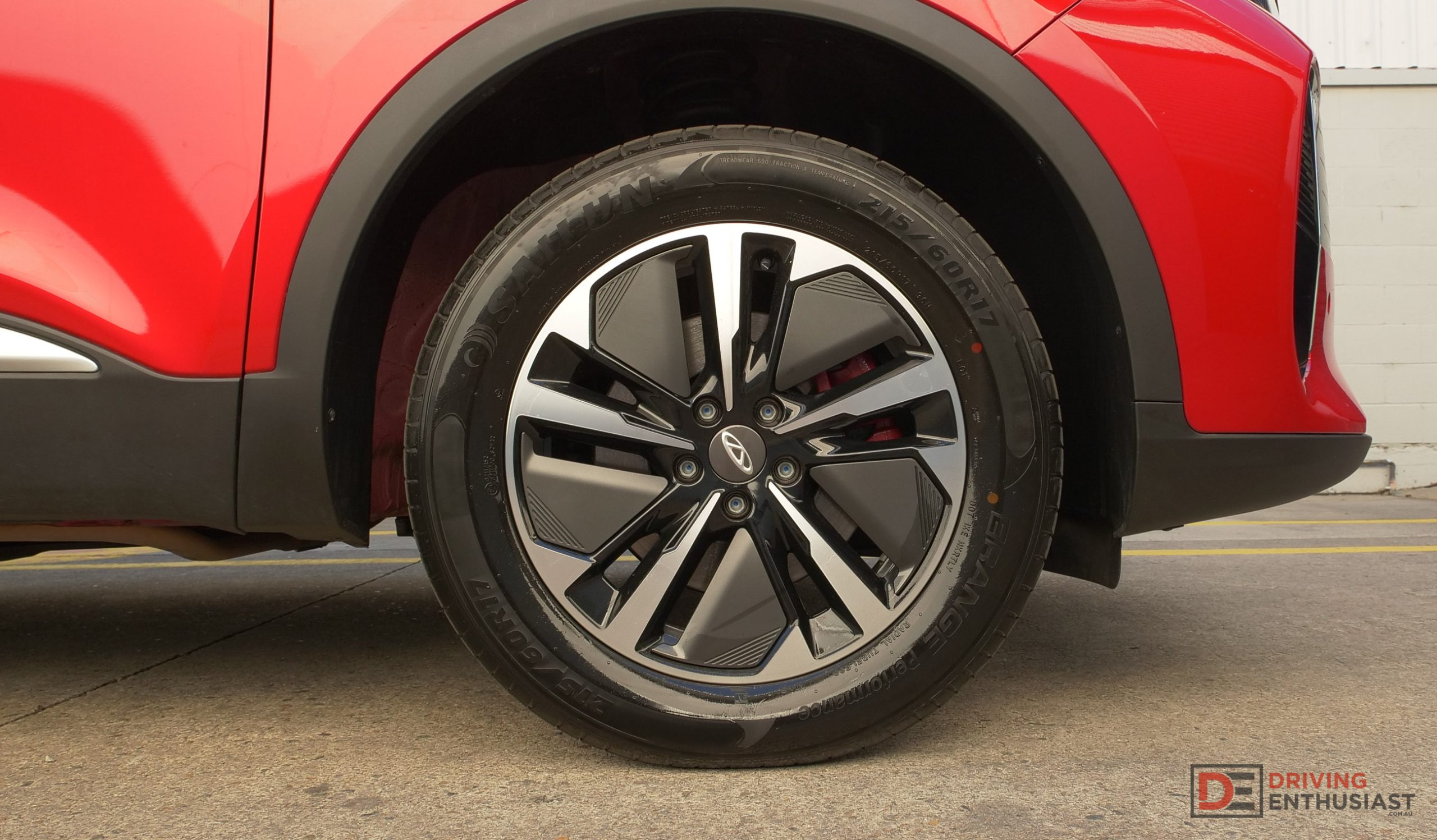
Visually, the Tiggo 4 Hybrid Ultimate punches above its price point. The exterior design is clean, cohesive, and well proportioned, avoiding the awkward styling cues that sometimes plague budget SUVs. Subtle sporty touches, 17-inch alloy wheels, and crisp lighting elements help the Ultimate blend seamlessly into traffic alongside far more expensive rivals.
5. Comprehensive ownership coverage
The Tiggo 4 Hybrid is backed by a 7-year, unlimited-kilometre warranty (8 years on the battery), 7 years of capped-price servicing, and up to 7 years of roadside assistance. The first five services cost $299, then $736.62 and $287.84 for the sixth and seventh service. That totals $2519.46. Servicing is required every 15,000km or 12 months. For buyers wary of long-term ownership costs, this level of coverage provides reassurance that surpasses some of the established rivals.
2026 Chery Tiggo 4 Hybrid: Cons
1. Lack of drivetrain refinement
While efficient, the hybrid system lacks the polish found in more established competitors. Transitions between electric and petrol power are noticeable, particularly when climbing hills or accelerating harder. When the petrol engine engages, the drop-off in smoothness is obvious, and the engine often sounds strained and breathless, producing a droning note that undermines overall refinement.
2. Unsettled handling and vague steering
The suspension does an okay job of soaking up sharp bumps and holes, but struggles to maintain composure when the road becomes twisty. Combined with overly light and sensitive steering, the Tiggo 4 can feel nervous, wandering within its lane and lacking the secure, planted feel expected from a modern SUV. It prioritises comfort over control, sometimes to its detriment.

3. Too much power for the grip and chassis
150kW is a lot for a small SUV, and with pretty ordinary 215/60 Sailun tyres and front-wheel drive, it doesn’t offer the balance and composure of many rivals. Performance is good, but only when you have traction. In the wet, taking off on a hill, it’s actually a challenge to move off without any wheelspin.
4. Interior execution and practicality gaps
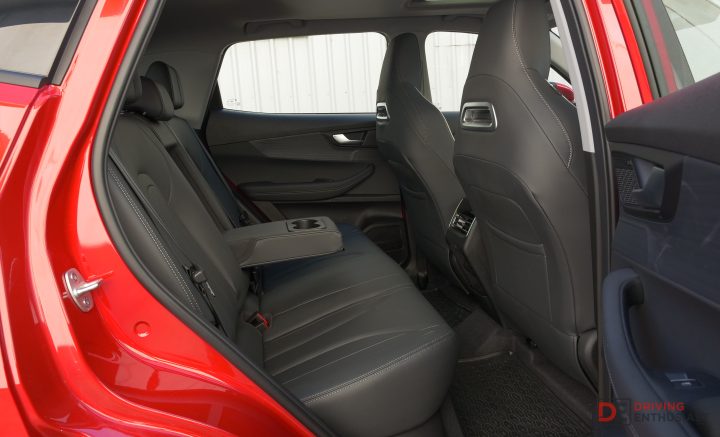
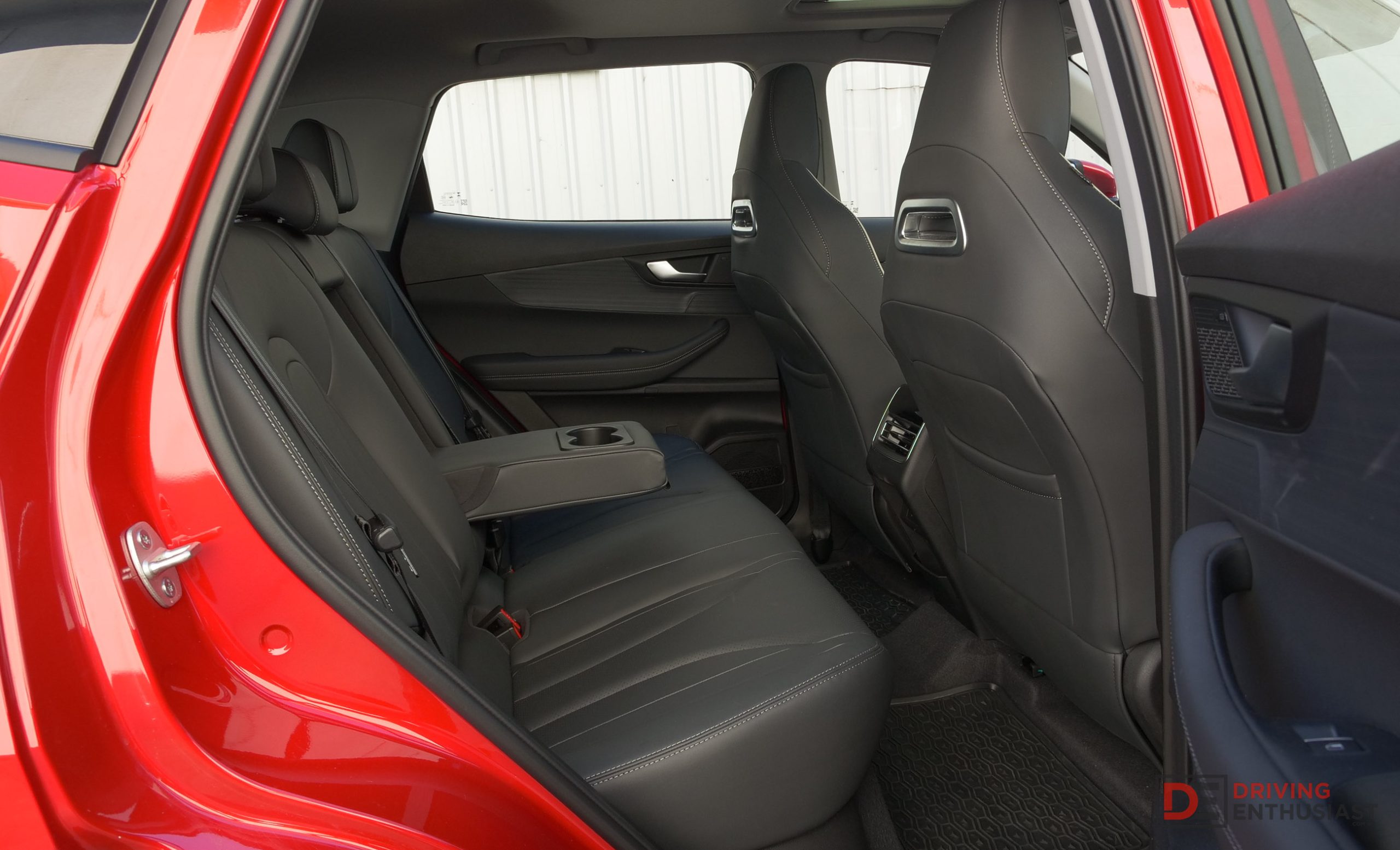
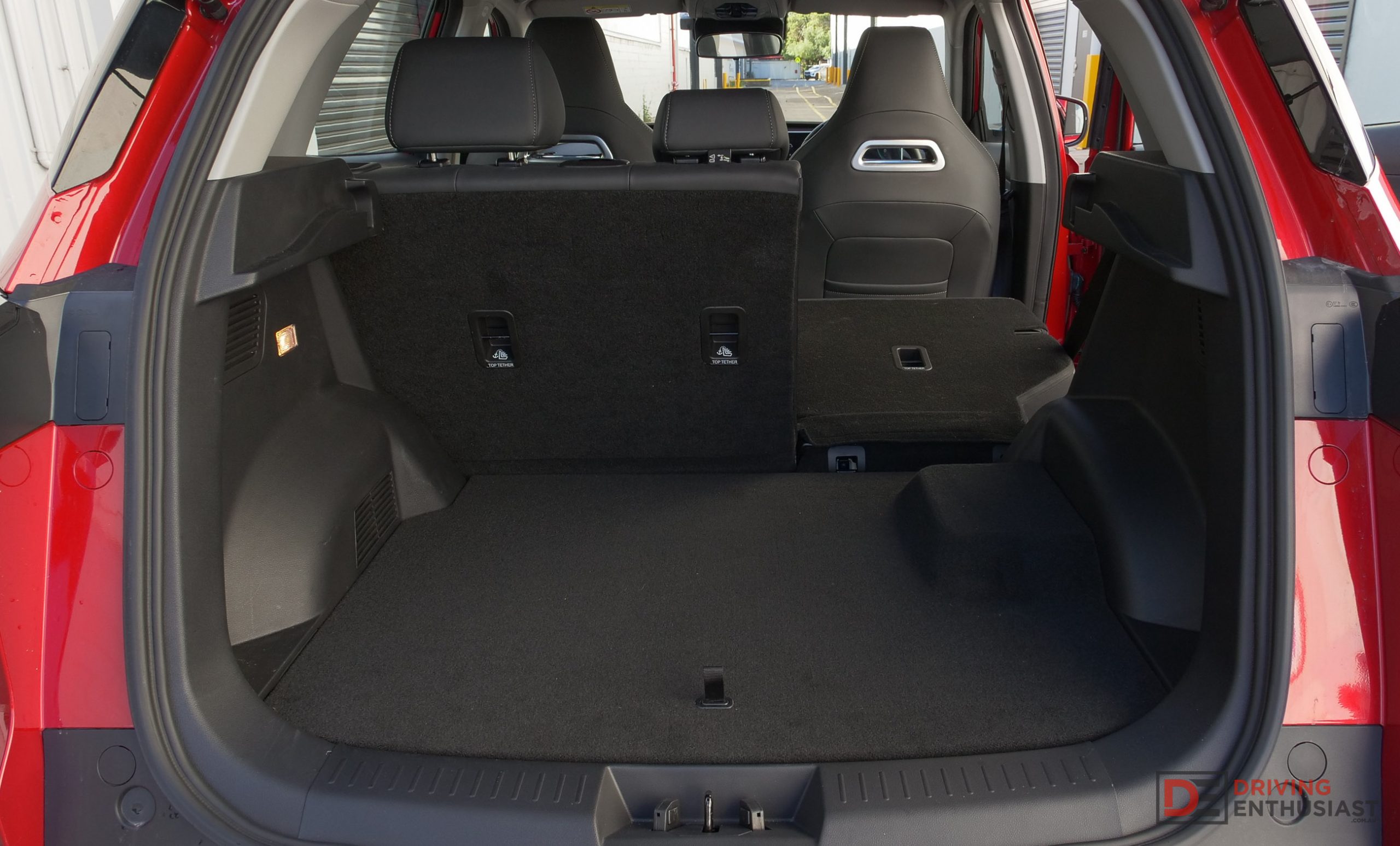
Although the cabin menu and button layouts are decent, there are still missed opportunities. Storage around the centre console is limited, with several blank surfaces near the gear shifter that could have been better utilised. The rear seats lack adjustability, there’s only a single rear air vent, and a noticeable hump in the boot floor reduces outright cargo practicality. Minor rattles and creaks from the dashboard were audible in our test vehicle, which weakened perceived quality.

5. Inconsistent brake feel
Brake calibration is another weak point. The pedal lacks progression, making smooth stops harder than they should be. Initial bite can feel abrupt, and modulation at low speeds requires extra care – an issue that’s particularly noticeable in stop-start traffic where hybrids usually feel most comfortable. Braking performance isn’t very good either; we timed 100-0km/h in 43.55m (we typically see under 40m from small SUVs).
2026 Chery Tiggo 4 Hybrid: Video
How does it rate against its rivals?
-
Price
-
Quality look & feel
-
Interior tech
-
Powertrain performance
-
Ride & handling
-
X-factor (does it stand out in its class?)
Final word
The 2026 Chery Tiggo 4 Hybrid Ultimate delivers on its core promise; affordable hybrid motoring with generous features, and outstanding warranty. It’s cheap to buy, economical to run, and more liveable than earlier Chery offerings thanks to meaningful improvements in cabin layout and safety technology. However, refinement, handling confidence, and powertrain smoothness could be improved.