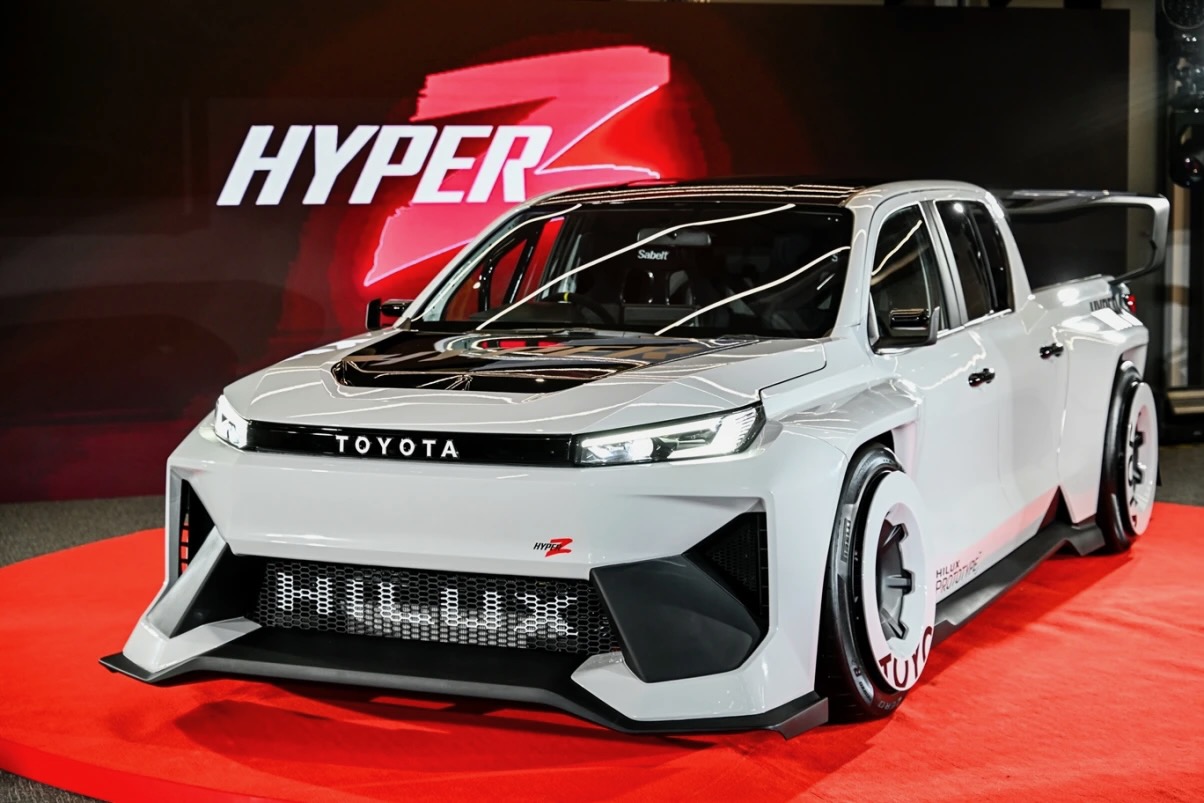
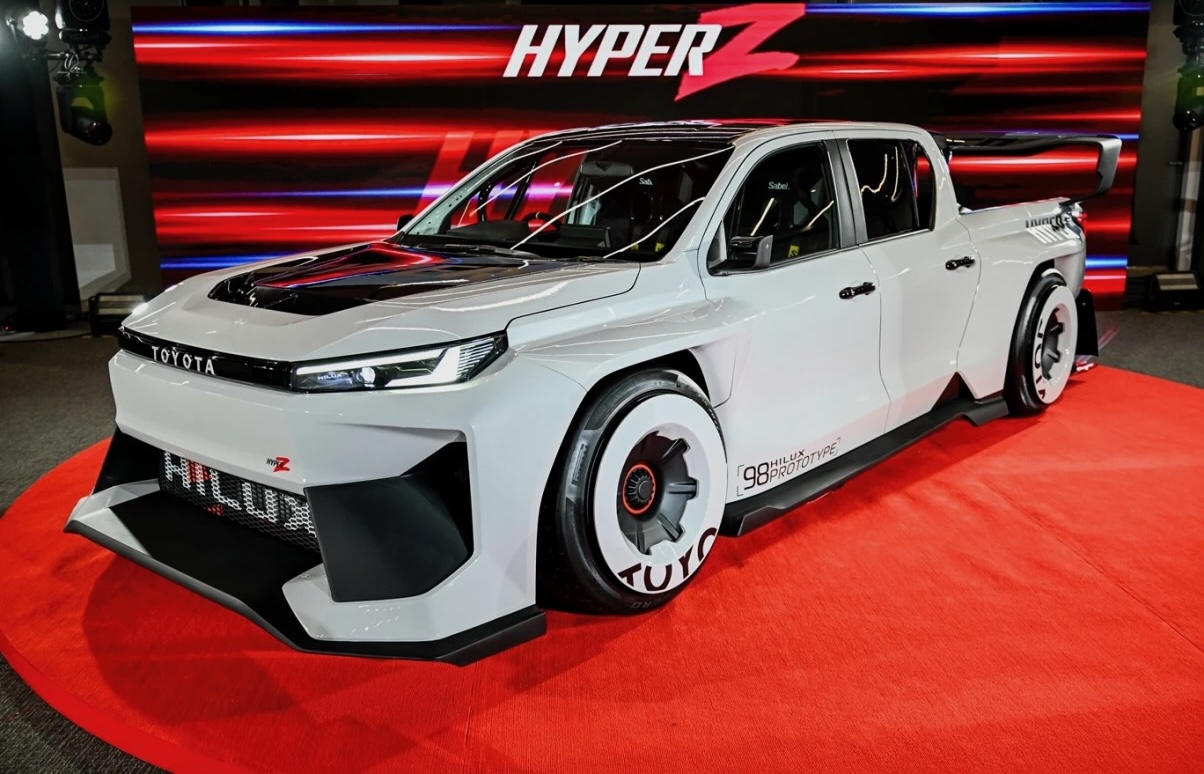
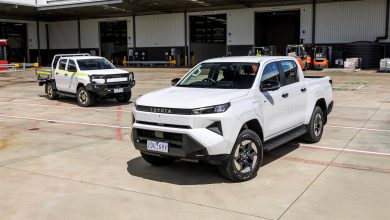
Toyota has revealed its wildest dual-cab concept since the 2017 Tonka, pulling the covers off the slammed, wide-body HiLux Hyper Z in Bangkok, and confirming it was co-developed by Toyota Design Australia.
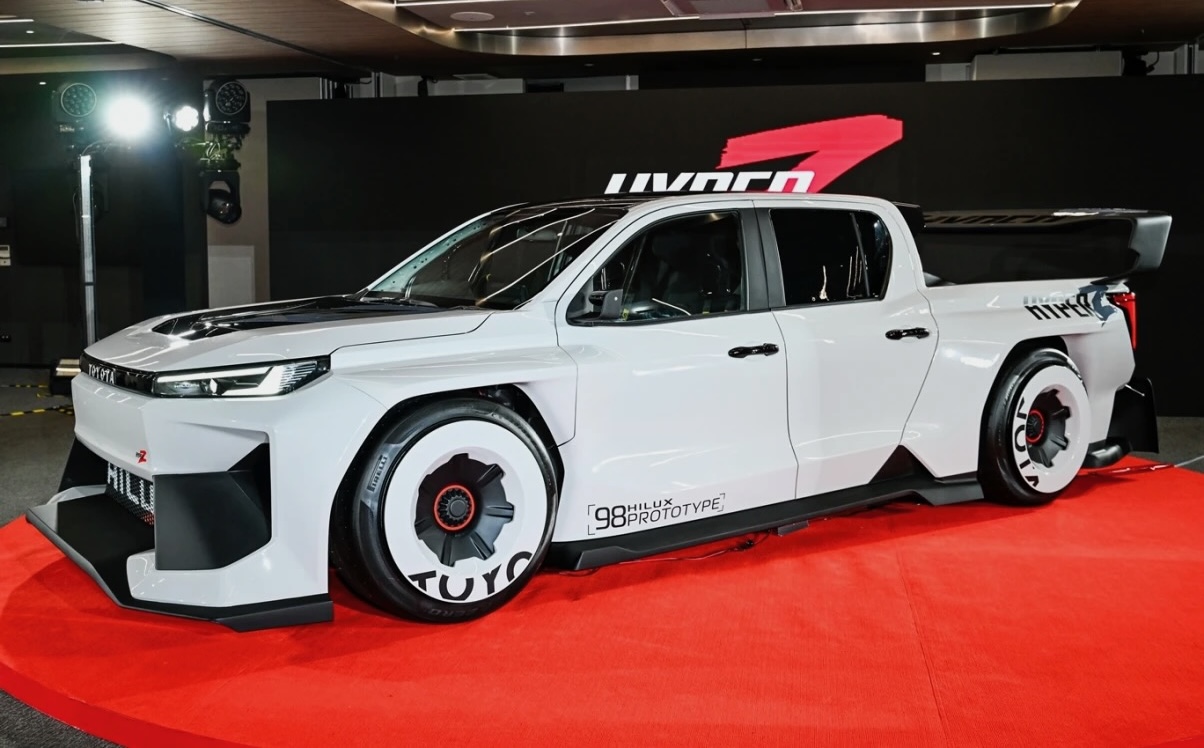
Unveiled alongside the production Thai-market ninth-generation HiLux Travo Z Edition, the one-off Hyper Z is a full-blown tribute to Thailand’s lowered, two-wheel drive street ute scene, developed jointly by Toyota Motor Thailand and the Australian studio that led the new HiLux’s exterior design. Initiated in 2024, the project completely abandons traditional off-road dual-cab duties, stretching 5360mm long and a toweringly wide 2203mm across while dropping roof height by 302mm to just 1513mm on the standard 3085mm wheelbase.
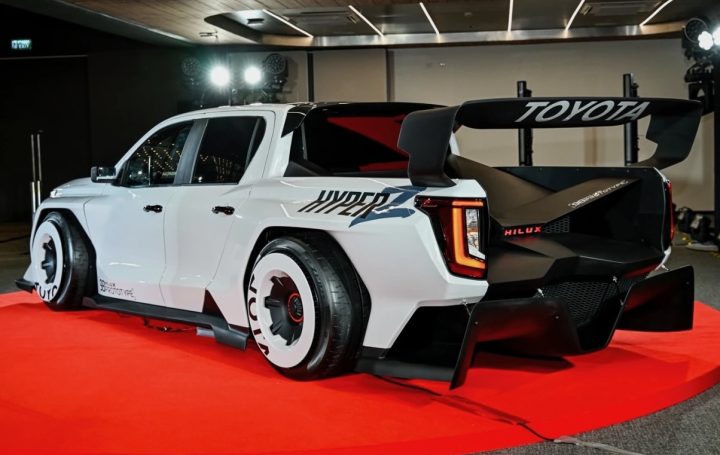
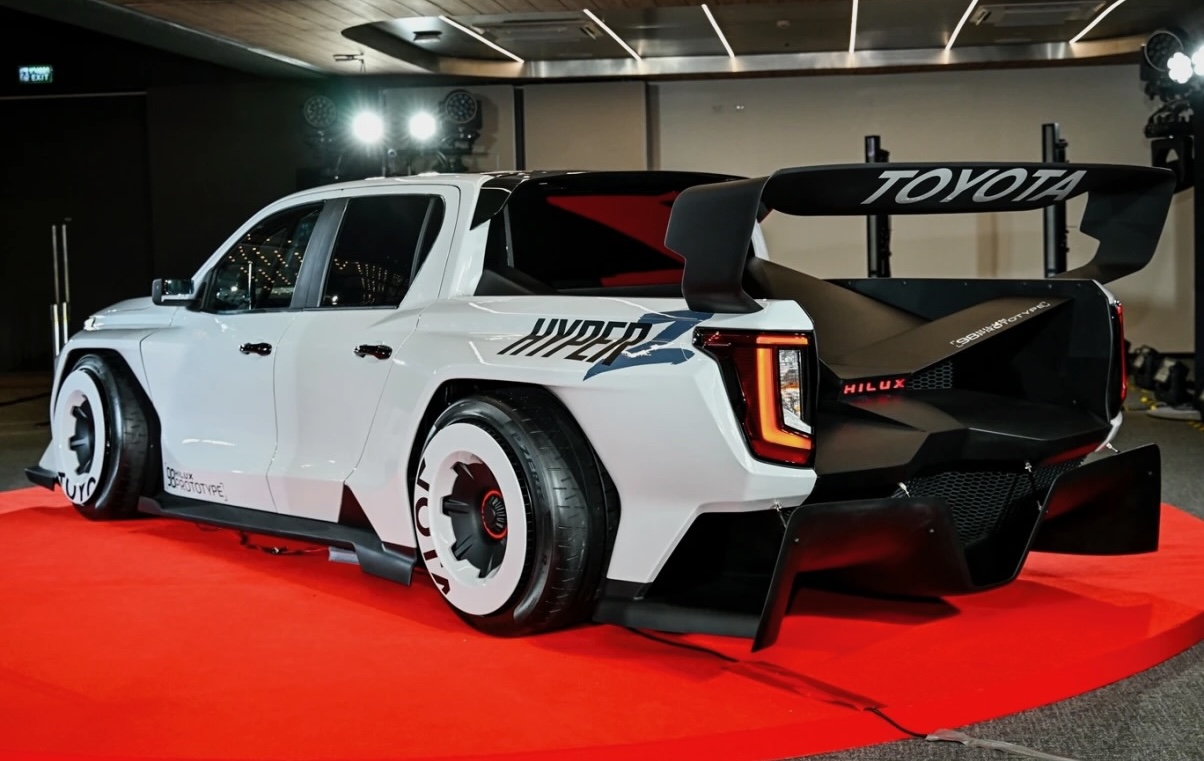
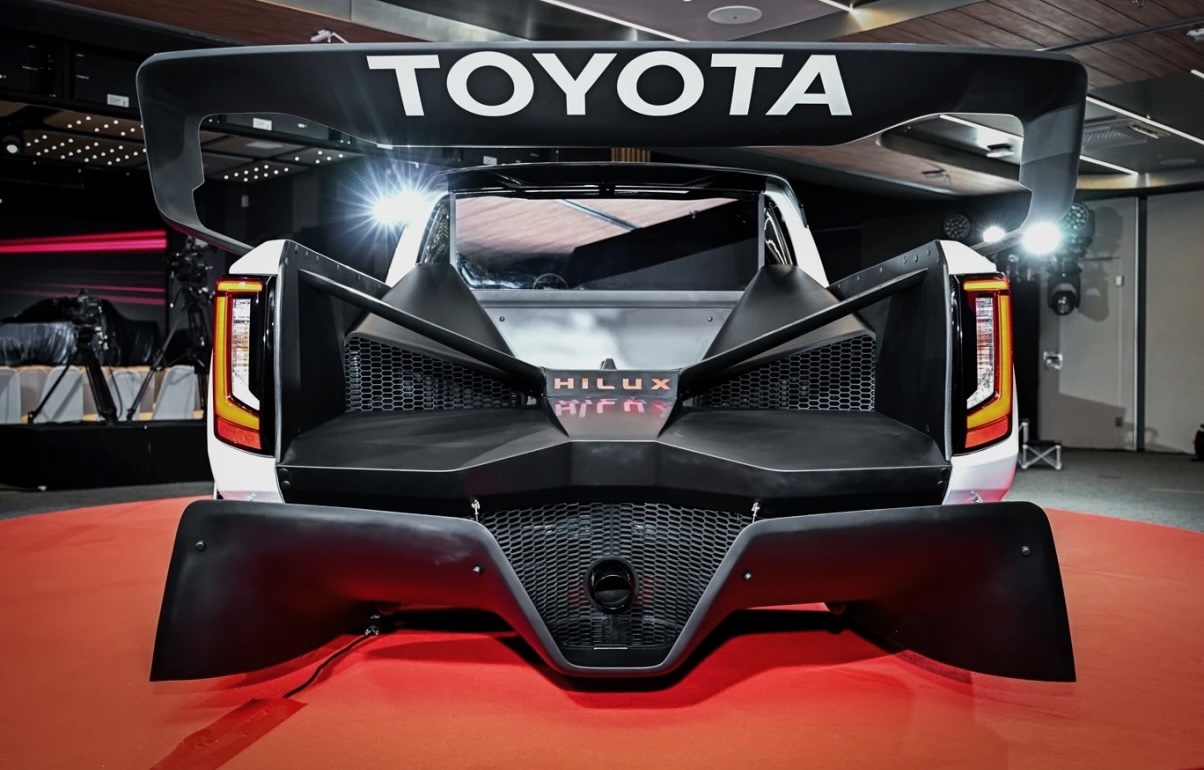
In fact, the Hyper Z has ditched the core point of a ute altogether; both the tailgate and conventional load tub are gone. In their place sits a sculpted black aerodynamic deck featuring integrated vents, an illuminated HiLux badge, and massive uprights supporting a Formula 1-style fixed rear wing.
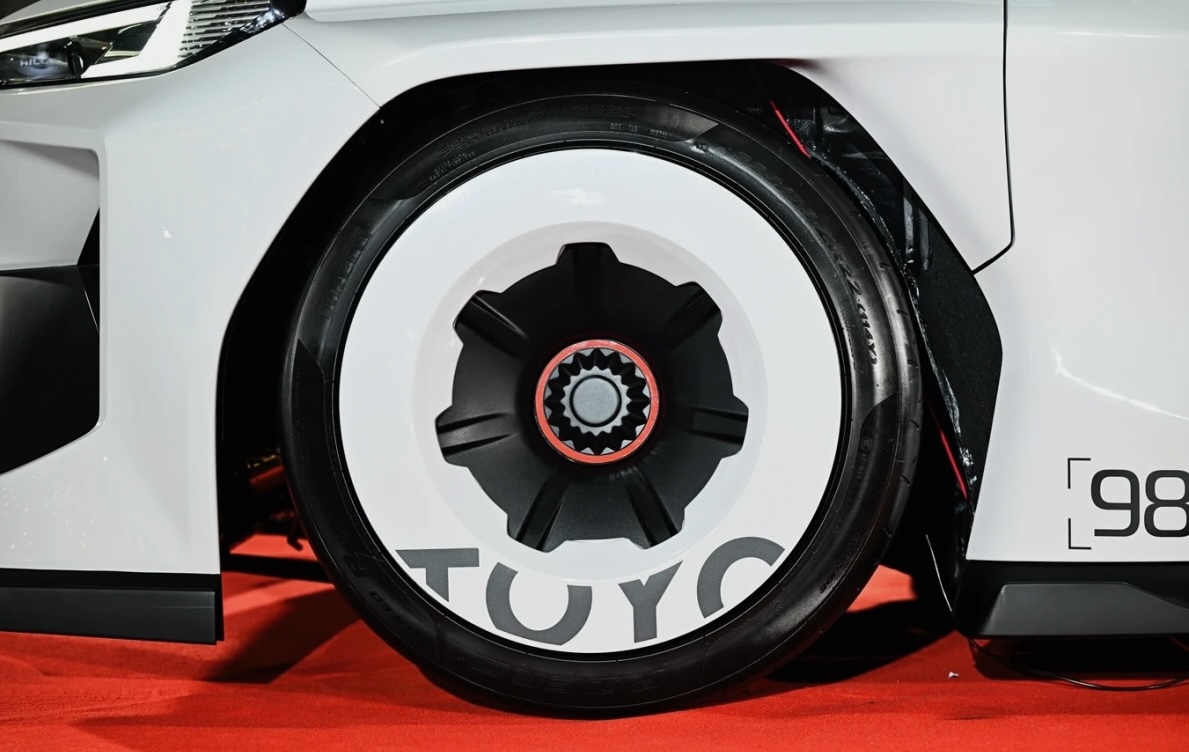
That joins a deep front splitter, ground-effect underbody, giant rear diffuser, flying buttresses extending from the rear quarter windows, and flared guards swallowing 22-inch wheels with white aero covers wrapped in 325/35 R22 tyres.
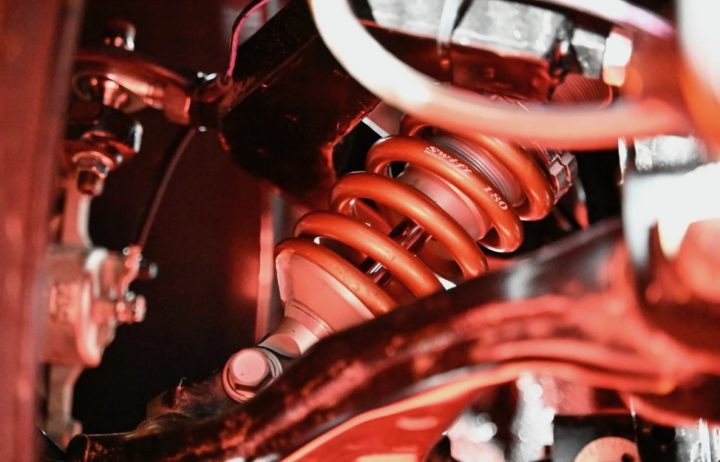
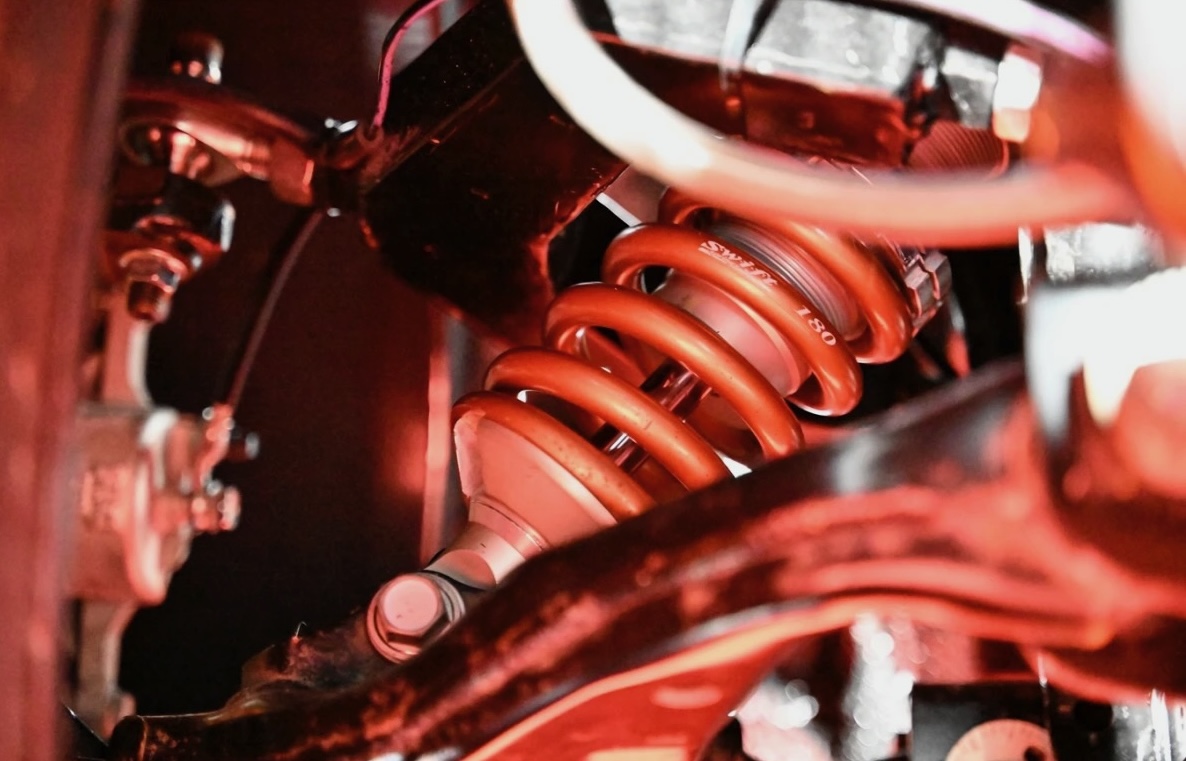
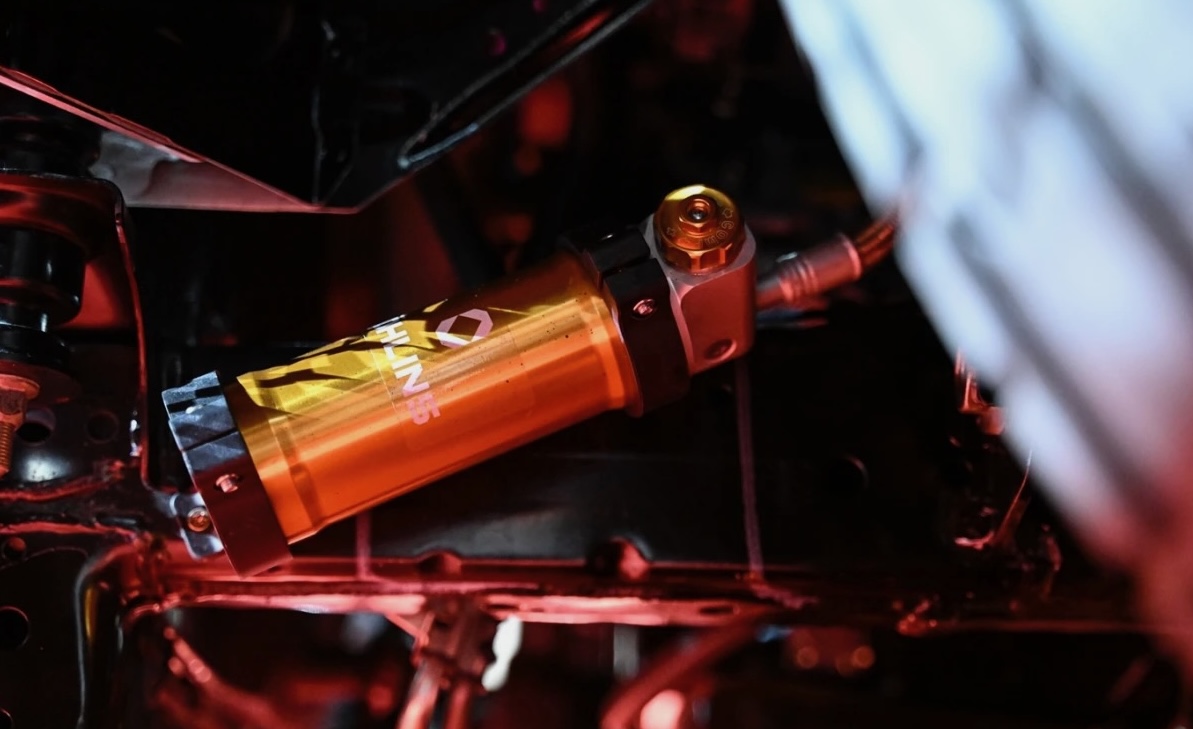
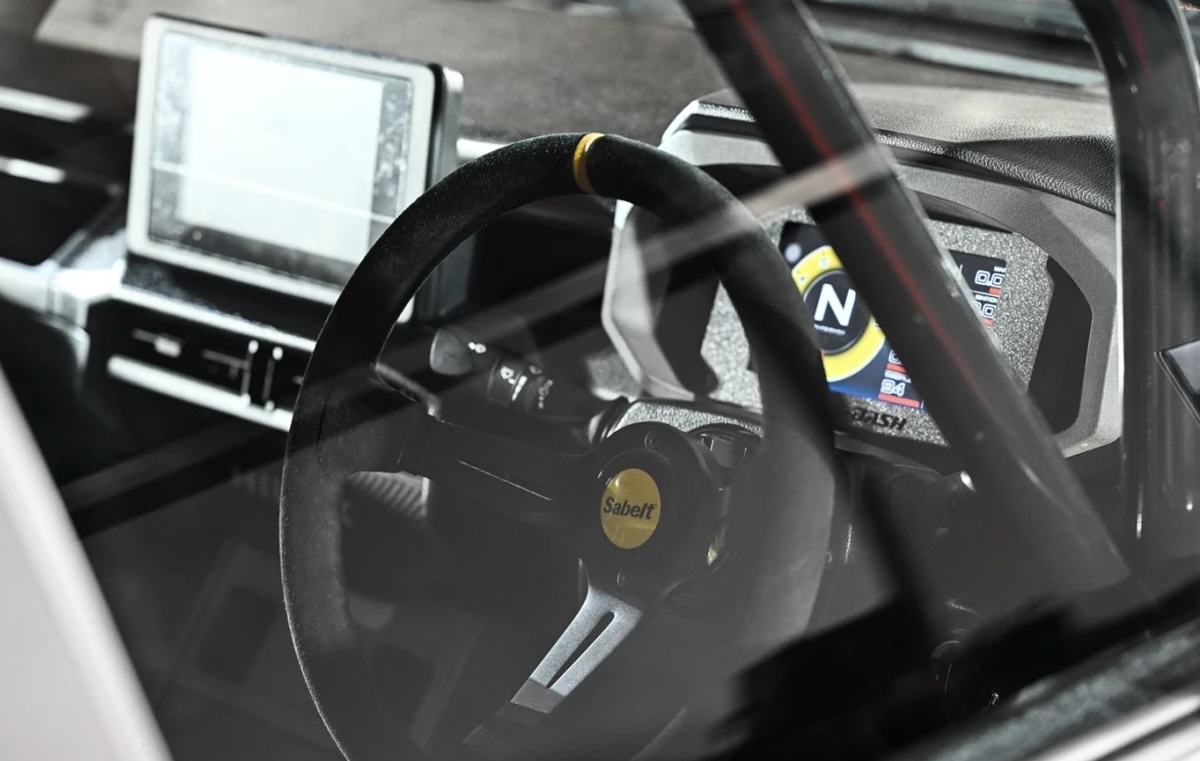
Beneath the ladder-frame chassis sits proper track hardware rather than simple lowering blocks, with widened tracks (1692mm front, 1780mm rear), Ohlins remote-reservoir coilovers, Swift springs, upgraded suspension arms, and noticeable negative front camber. Inside, the cabin is stripped for circuit duty with a full roll cage, Sabelt racing bucket seats and yellow harnesses, a three-spoke steering wheel, and a Race Dash digital instrument cluster.
Toyota has kept quiet on what sits under the bonnet, releasing no engine or output figures beyond a visible rear exhaust tailpipe confirming internal combustion power. For reference, the production low-riding RWD Travo Z Edition uses Thailand’s 2.4-litre (110kW) and 2.8-litre (150kW) turbo-diesel engines.
Strictly a one-off showpiece – though Toyota says it could inspire future accessories or motorsport projects – the Hyper Z is not slated for production, and neither the concept nor the lowered Travo Z Edition have been confirmed for an Australian appearance.