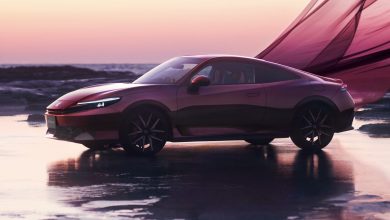
After more than 25 years away, the Honda Prelude has returned, bringing back one of the Japanese manufacturer’s most recognisable sports coupe nameplates. However, this time there’s a rather different approach to sportiness and innovation.
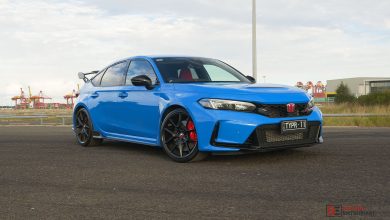
Instead of a high-revving petrol engine and manual transmission, the sixth-generation Prelude features a 2.0-litre hybrid powertrain borrowed from the Civic hybrid, combined with suspension and braking hardware derived from the mighty Civic Type R. It’s a contrasting concoction, albeit very appealing because it pairs excellent economy with serious cornering fun.
But does that make it a genuine sports car or simply a sportier alternative to an already-excellent conventional hybrid hatchback? And should you pay $65,000 for it?
2026 Honda Prelude: Specifications
Engine: 2.0-litre four-cylinder hybrid
Output: 135kW / 315Nm
Gearbox: CVT auto
Drive type: Front-wheel drive
Wheels: F & R: 18×8.0, 235/40
ANCAP: Five stars
Tare weight: 1465kg
Power-to-weight: 10.73:1 (kg:kW)
Official consumption: 4.3L/100km
Our consumption: 5.8L/100km
Fuel tank/Fuel type: 40L/91 RONPower efficiency: 31.39kW:L/100km
0-60km/h: 3.45 seconds*
0-100km/h: 7.41 seconds*
60-110km/h: 5.24 seconds*
1/4 mile: 15.67 seconds at 142.0km/h*
Max acceleration: 0.653g*
100-0km/h braking: 35.93m in 2.84 seconds*
Max deceleration: -1.288g*
Starting price: $65,000
*Figures as tested by Driving Enthusiast on the day. Manufacturers’ claims may be different
2026 Honda Prelude: How much does it cost?
The 2026 Honda Prelude is offered in a single specification, priced from $65,000 drive-away. It’s not the most affordable two-seater in the entry sports car segment, but it isn’t the most expensive either. Key rivals include the Ford Mustang EcoBoost (from $72,990) and the Nissan Z (from $76,800), with the Toyota GR86 (from $46,340) and Subaru BRZ (from $47,890) sitting in underneath. All except the Honda exclude on-road costs.
Honda provides a five-year, unlimited-kilometre warranty with the Prelude, with five years of roadside assistance and five scheduled services, priced from $199 each. Servicing is every 12 months/10,000km.
2026 Honda Prelude: Interior & packaging
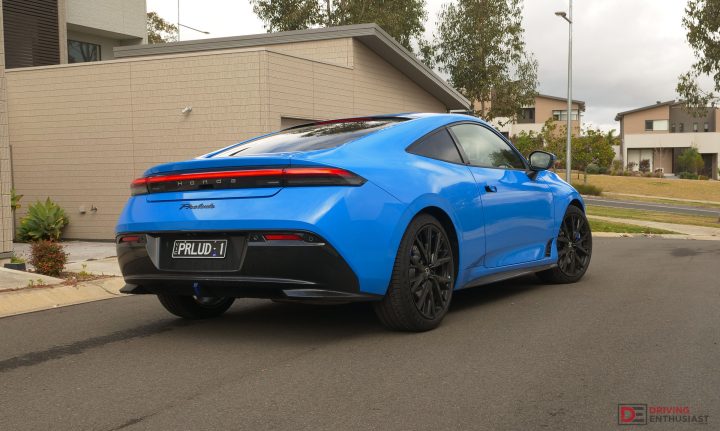
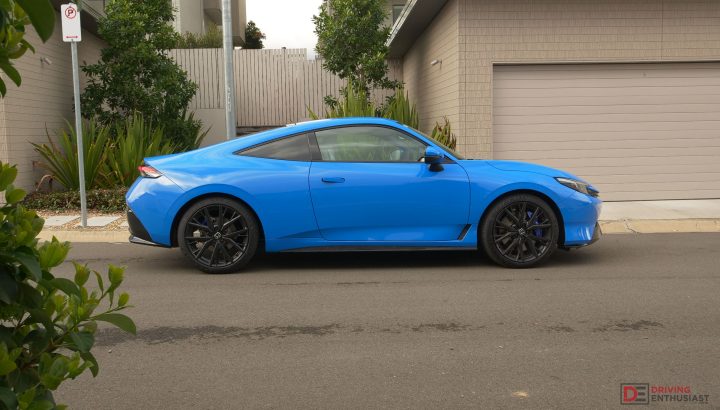
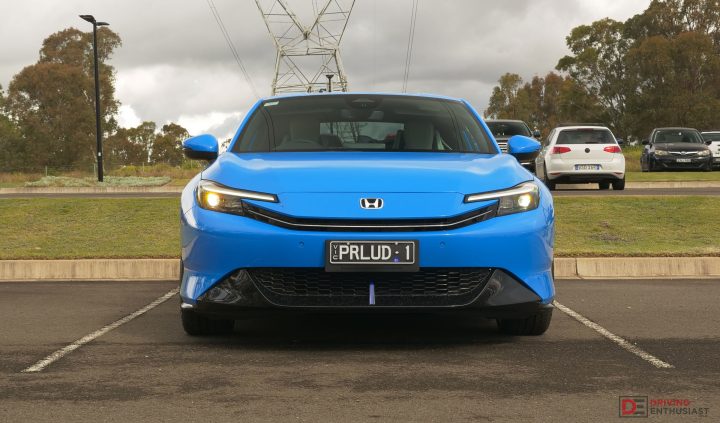
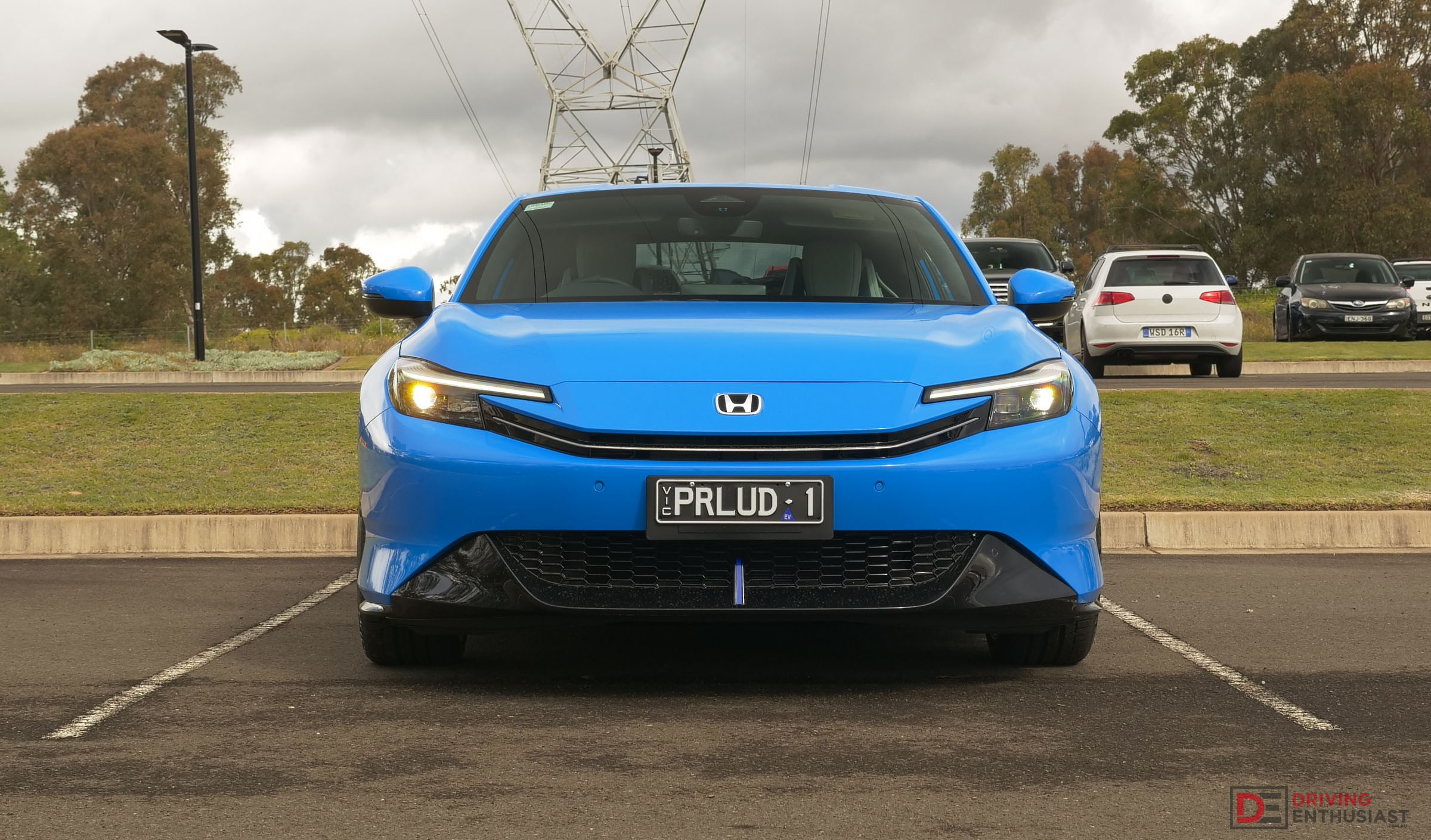
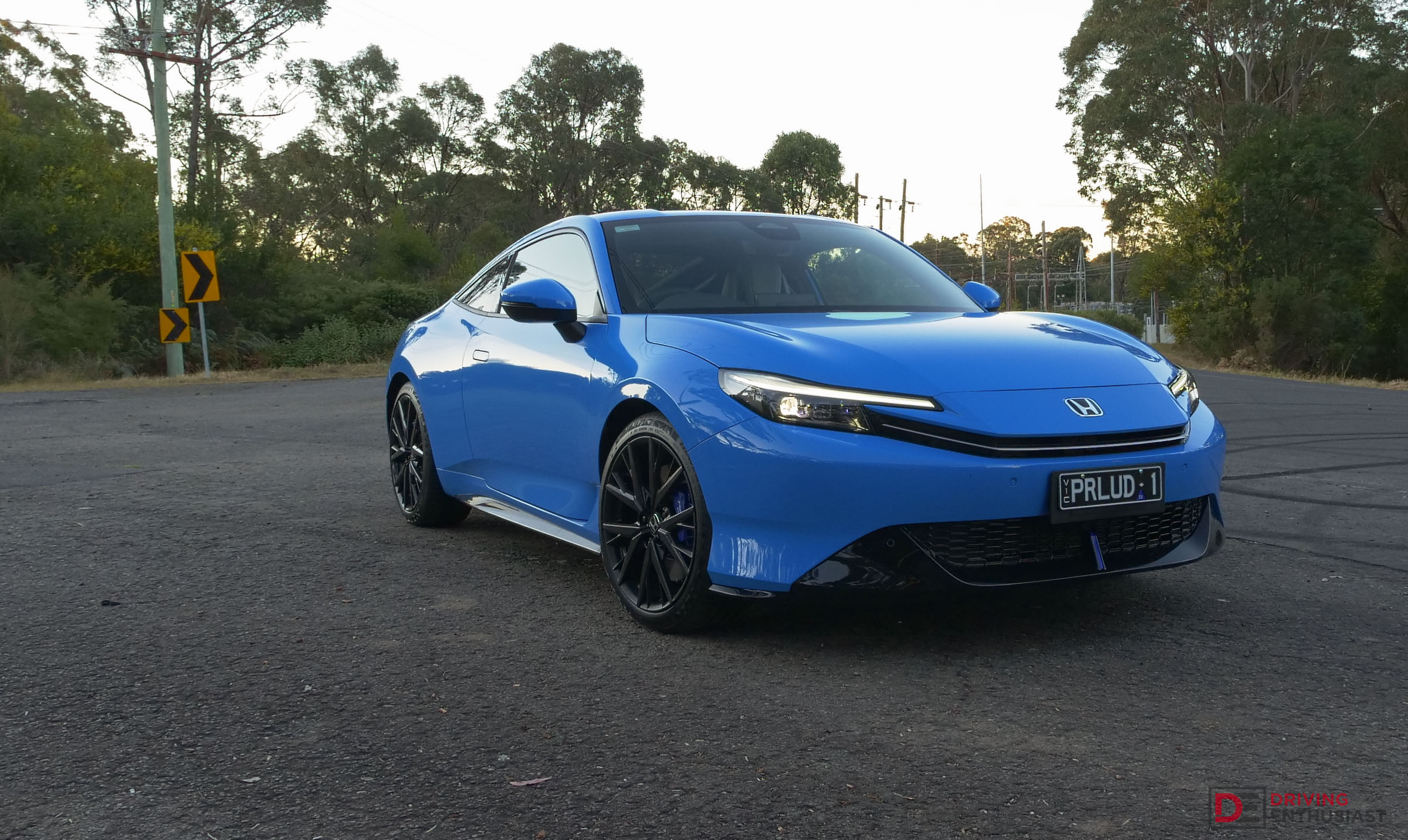
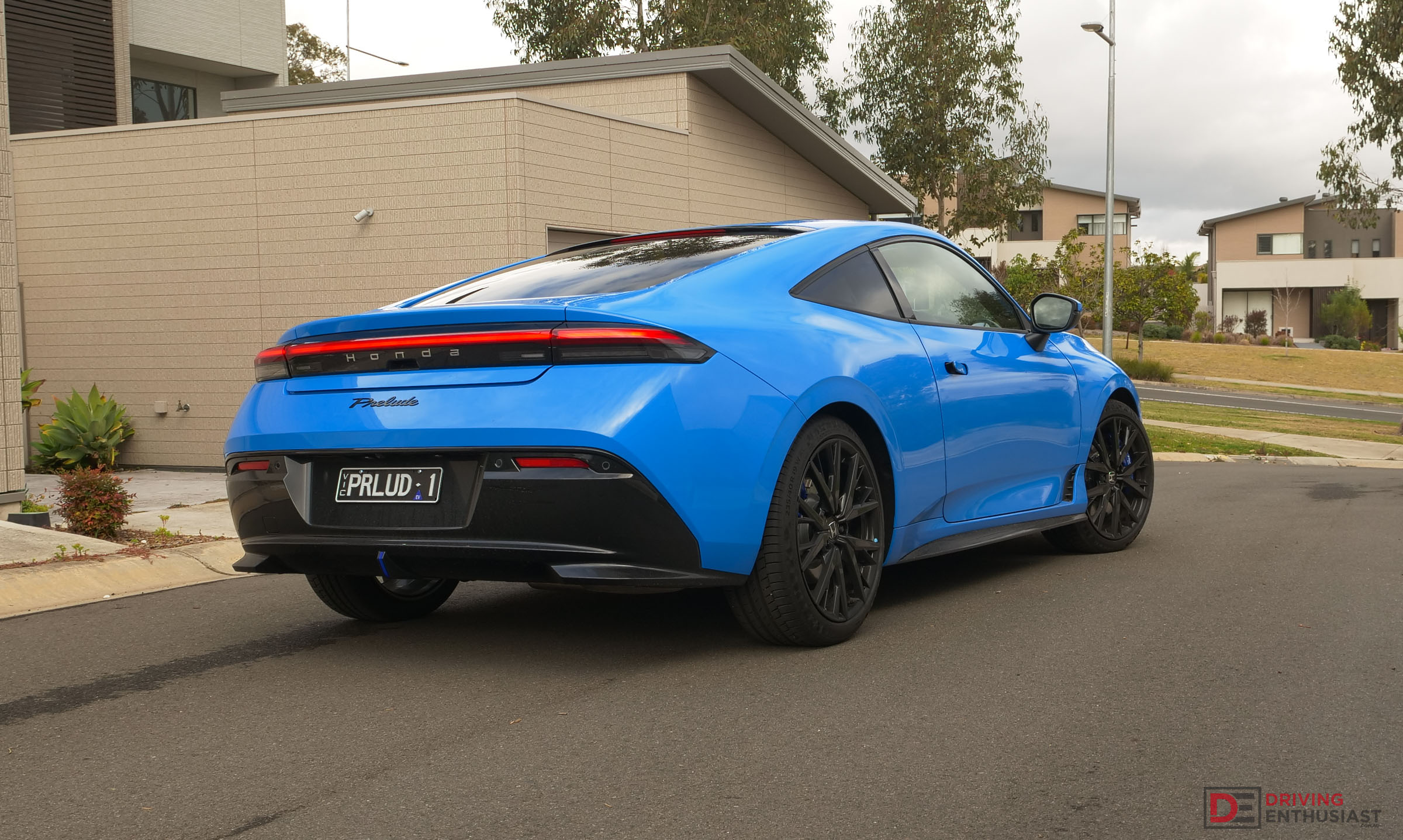
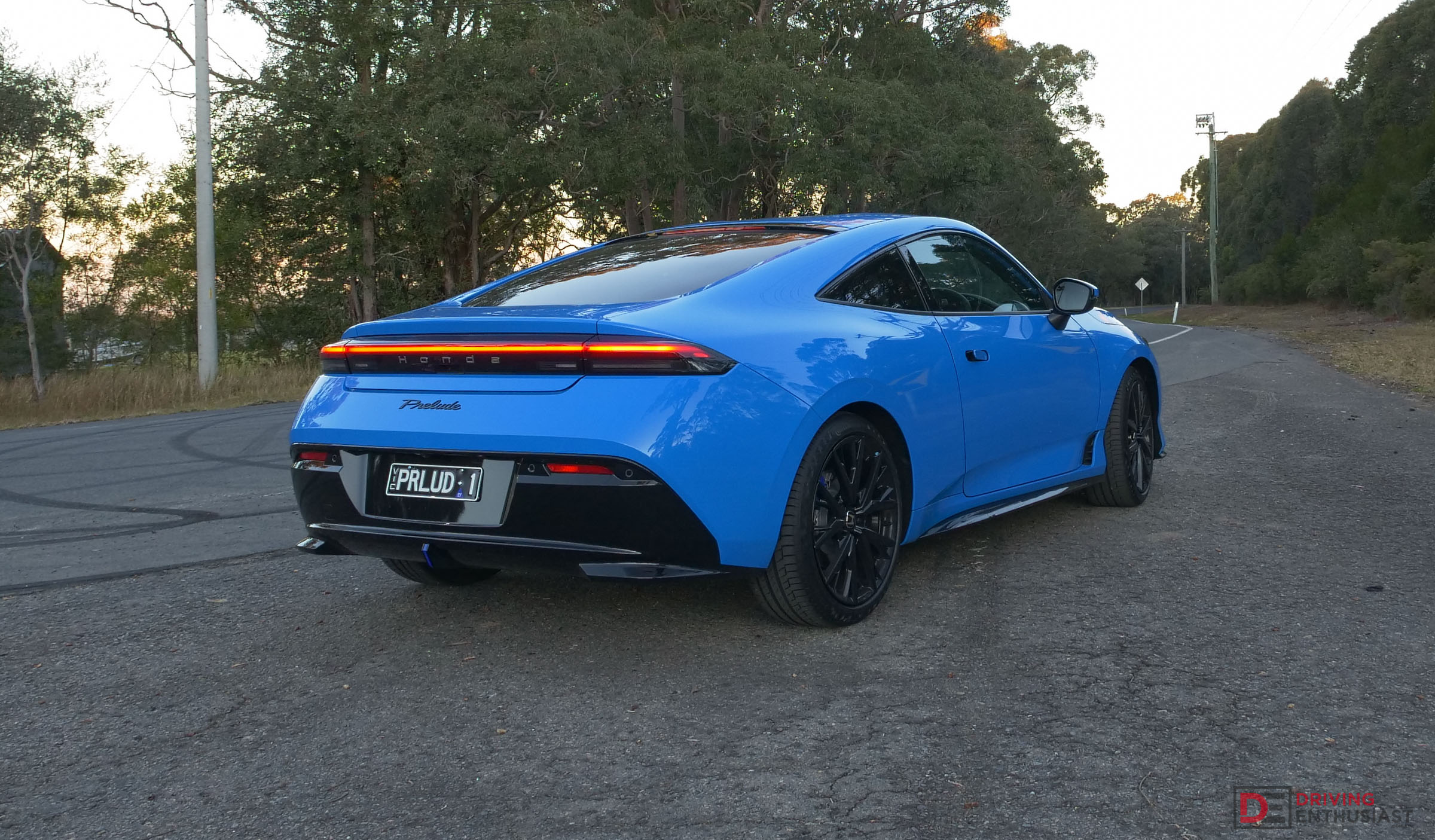
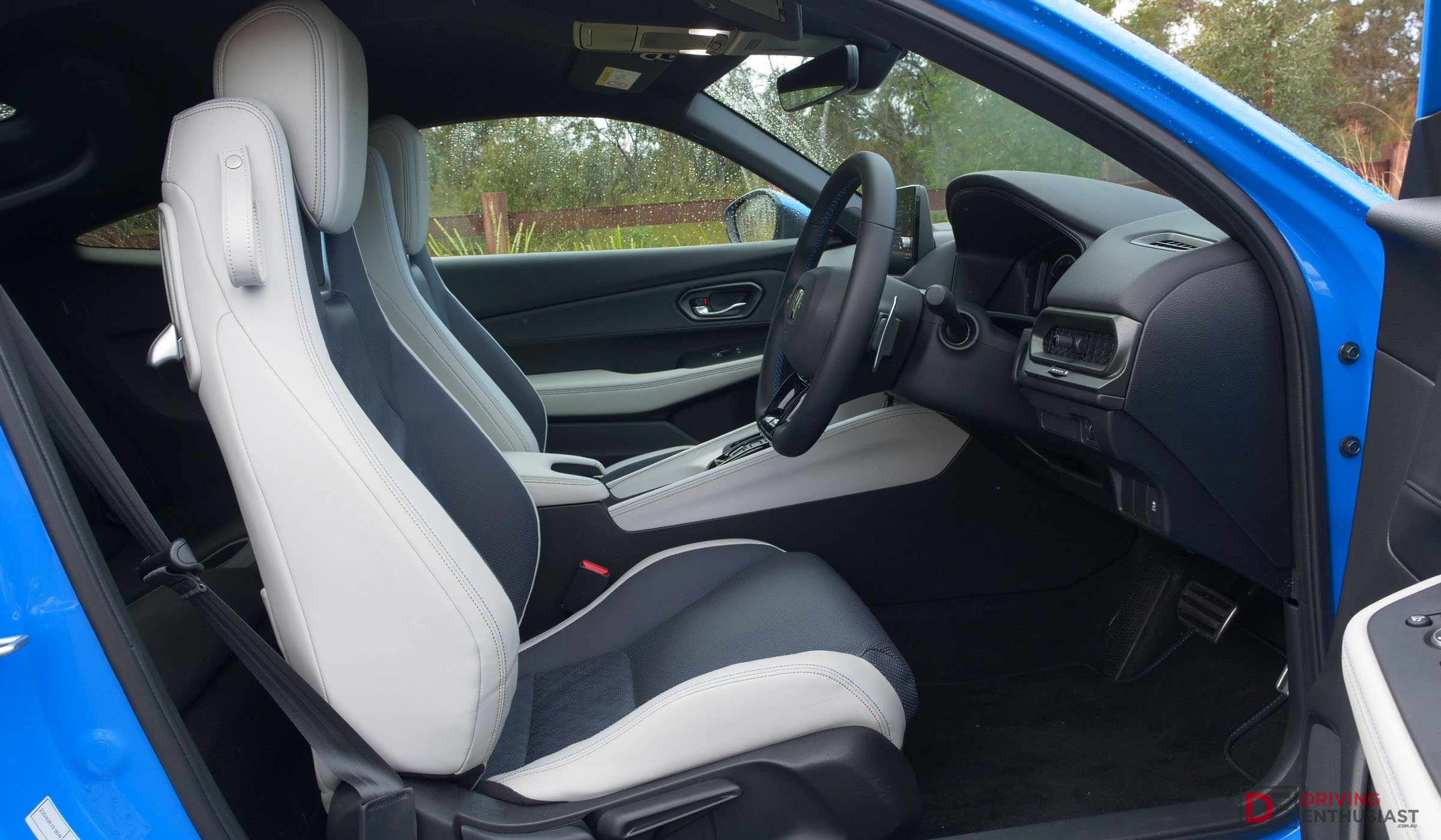
One of the Prelude’s biggest strengths is its design. It’s a fantastic-looking coupe, with sleek proportions, a low roofline and a distinctive theme that stands apart from the increasingly familiar shapes of modern SUVs and hatchbacks.
It also successfully captures some of the character of previous Prelude generations without relying too heavily on retro styling. There’s something refreshingly Honda about it. Although, it would have been a cool throwback to see pop-up headlights return – not likely to pass ADR.
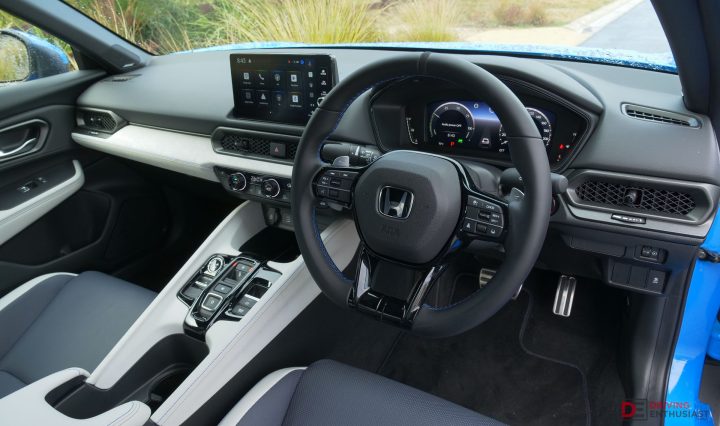
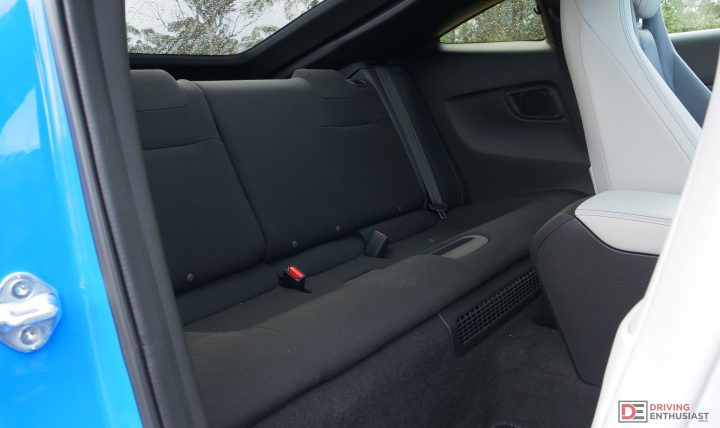
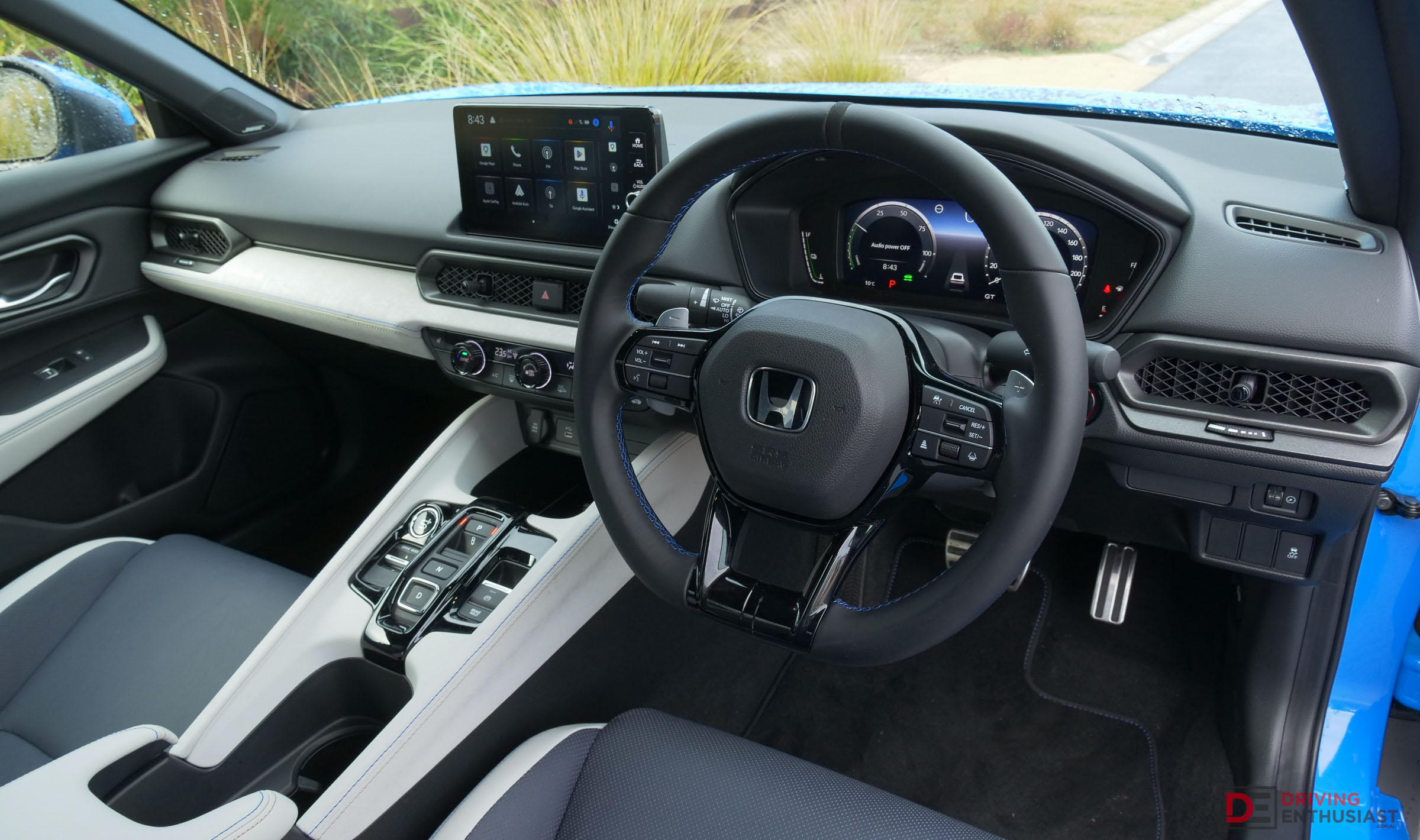
Inside, the cabin is tight and intimate, as you’d expect from a low-slung sports coupe. The driving position feels spot-on, with the controls positioned within easy reach and a relatively straightforward dashboard layout. You have a 2+2 seating arrangement, although the rear seats are better suited to occasional use rather than regularly carrying adults.
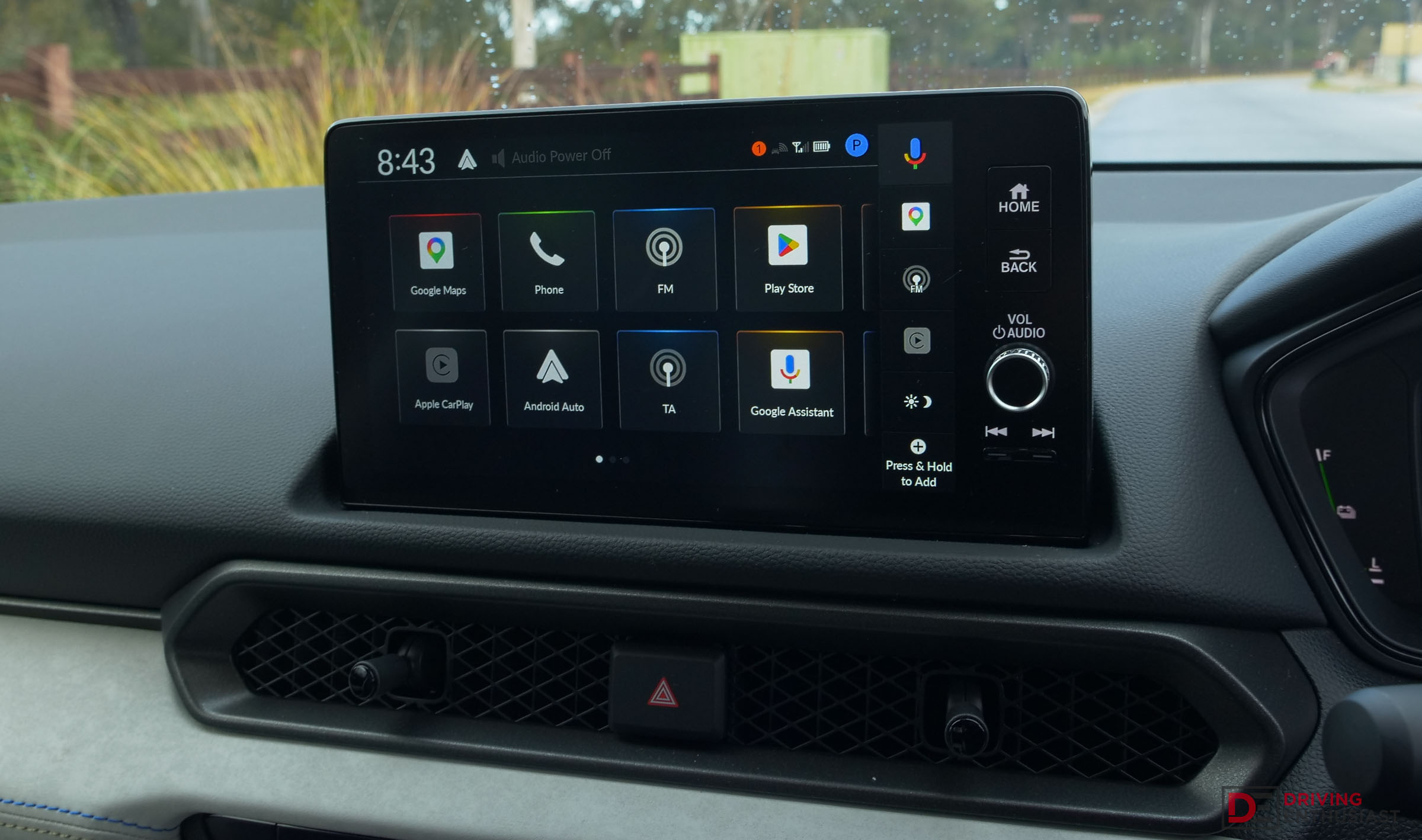
And then up on the dash is a 10.2-inch digital cluster, showcasing clear and simple graphics, with a pretty basic 9.0-inch touch-screen media system. By basic I mean relatively mono-tone graphics and menu flow, but at least it is user-friendly. It also features Google built-in functionality so you can talk to it, as well as wireless Android Auto and Apple CarPlay. An eight-speaker Bose sound system is also standard.
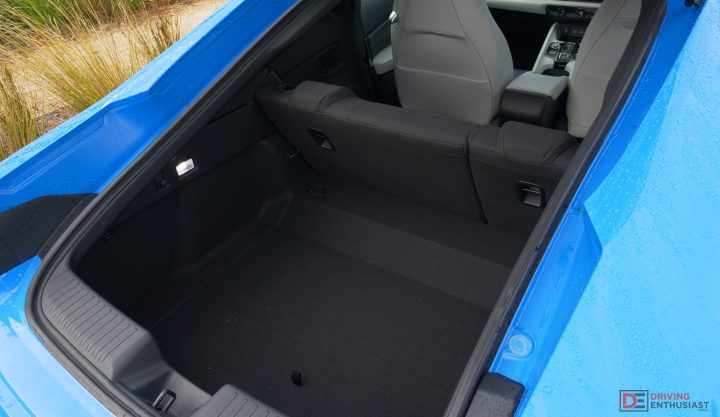
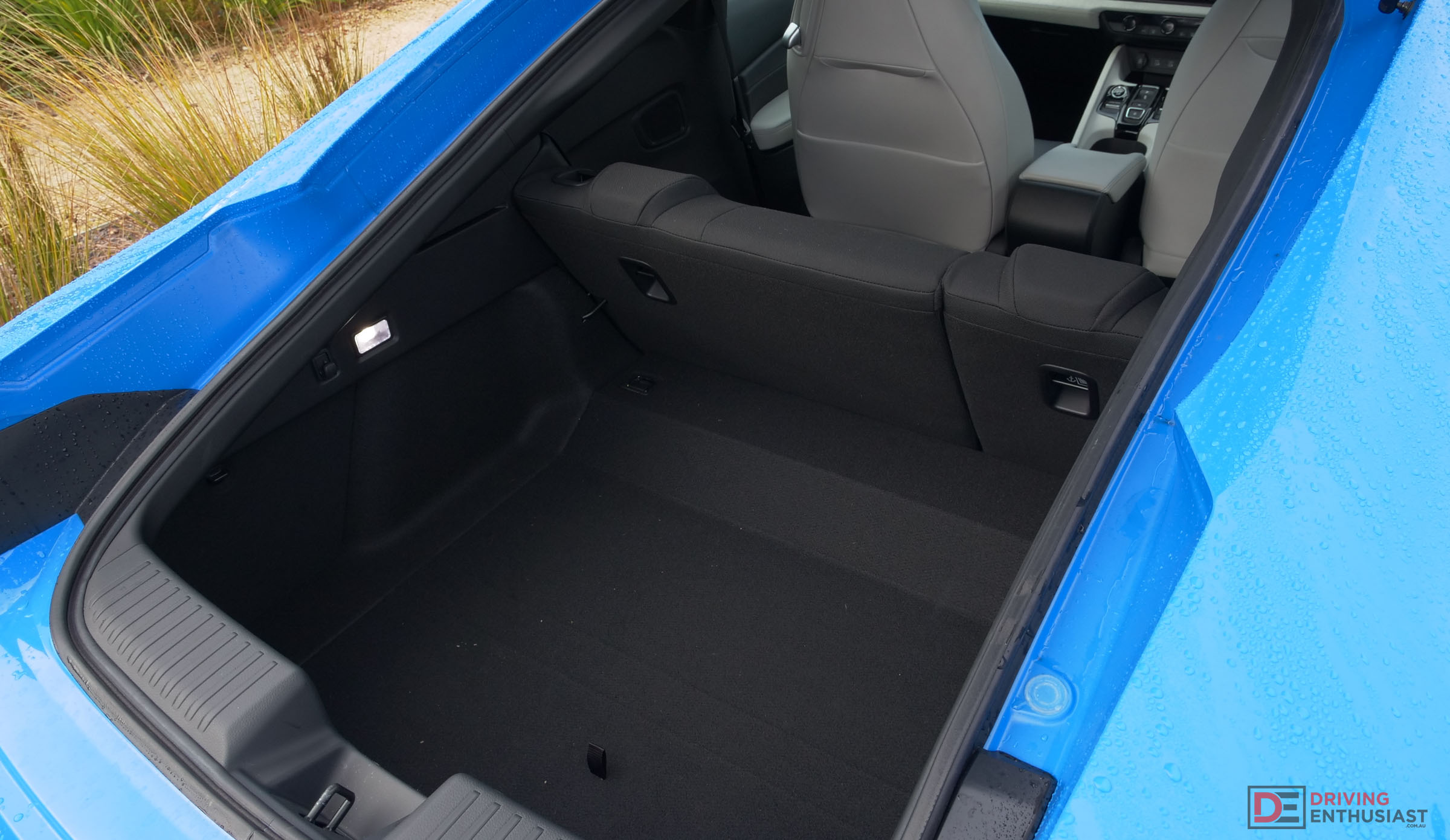
Practicality is reasonable for this type of vehicle. The boot offers 264 litres, which isn’t particularly generous, but its long, shallow shape provides useful space for flat cases and everyday items. Folding the rear seats expands capacity to as much as 760L when loaded to the roof. It’s certainly not as versatile as a Civic hatchback, but that’s hardly the point of a vehicle like this.
2026 Honda Prelude: Powertrain & handling
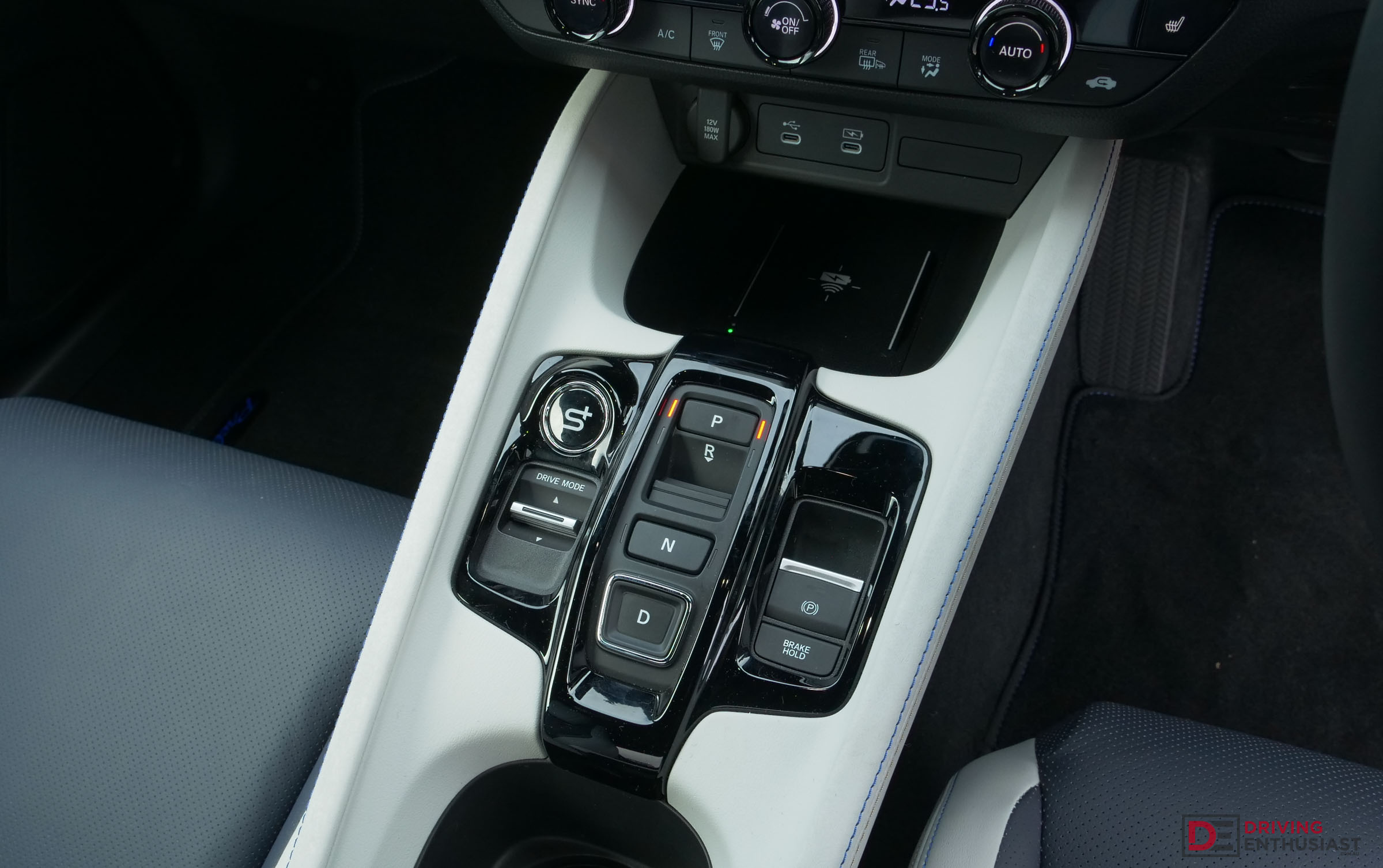
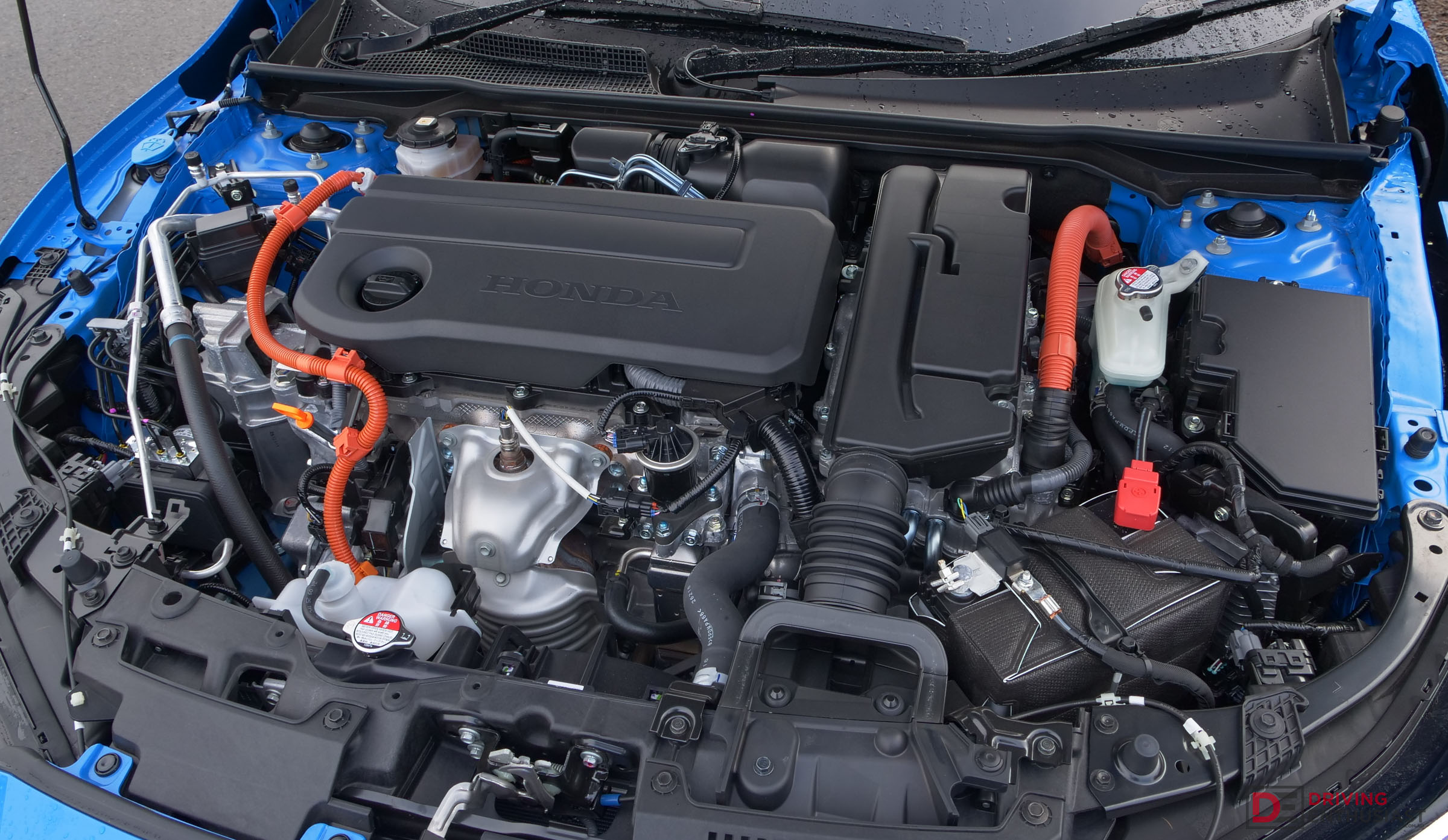
The Prelude combines a 2.0-litre naturally aspirated four-cylinder petrol engine with Honda’s e:HEV hybrid system, producing a maximum output of 135kW and 315Nm. Power is delivered to the front wheels through an electronic continuously variable transmission, although, this runs pretty much like an electric vehicle. Honda has introduced a new feature called S+ Shift to make the driving experience more engaging.
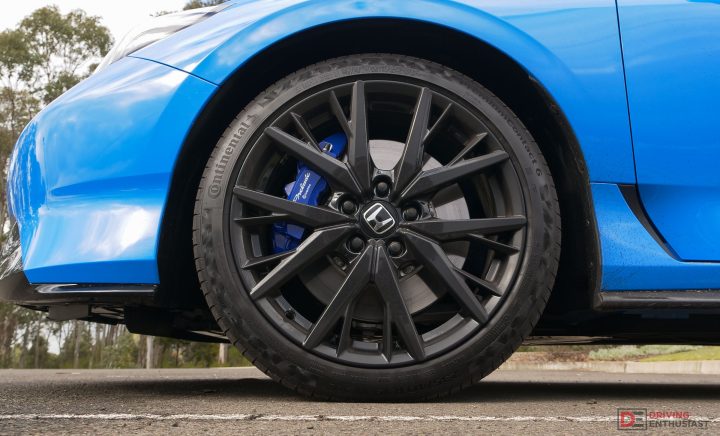
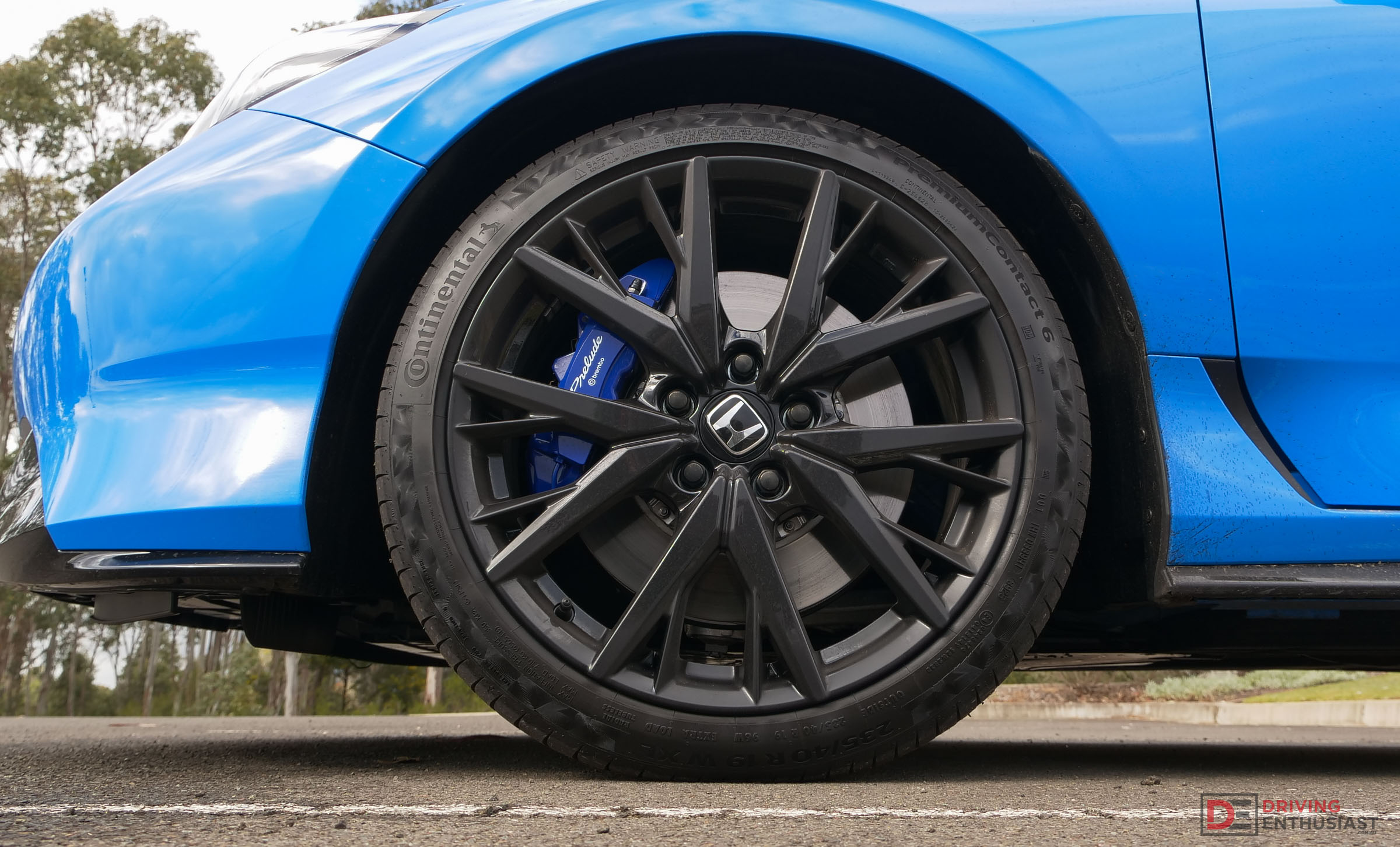
Before getting to that, however, let’s discuss the chassis, because this is where the Prelude really shines. Honda has borrowed extensively from the Civic Type R, including installing its dual-axis front suspension arrangement, adaptive dampers and substantial braking hardware. The front brakes incorporate 350mm ventilated discs with four-piston Brembo calipers, providing enormous stopping performance and confidence when driving enthusiastically.
Through corners, the Prelude is outstanding. Turn-in response is exceptionally sharp, pointing in exactly when and where you direct it. There’s huge grip available from the 235/45 Continental PremiumContact 6 tyres too, allowing the car to generate impressive cornering forces while remaining composed and predictable.
Even better, the suspension keeps body movement tightly controlled but somehow there is enough compression range to absorb some of the nasty bumps we have on Aussie backroads. So, essentially, the steering and chassis work together to provide the sort of precision we’ve come to expect from Honda’s best performance models.
In fact, the chassis is so capable that it raises an interesting question about the powertrain. With Type R-derived suspension and Brembo brakes, the Prelude feels like a serious sports car through corners. Yet when you accelerate out of them, the relatively modest hybrid system doesn’t quite deliver the same level of excitement.
That’s not to say it’s slow or unpleasant. The electric assistance provides smooth, responsive acceleration, and there’s enough performance for everyday driving. But the powertrain doesn’t feel particularly special compared with the chassis beneath it. We timed 0-100km/h in a fairly modest 7.41 seconds, which is about as quick as the first-gen Toyota 86 before it received a power bump with the 2.4L engine.
Fortunately, Honda’s S+ Shift system helps address some of that disconnect. Rather than relying on the usual CVT-like engine behaviour, with a continuous whine (although the VTEC engine does have a good note), S+ Shift introduces simulated gearshifts, accompanied by changes in engine sound and throttle response.
The result is surprisingly convincing. It gives the driver a greater sense of involvement, particularly when using the paddle shifters. It’s not quite as crisp or theatrical as the simulated gearshifts found in Hyundai’s IONIQ 5 N/IONIQ 6 N, but that’s not necessarily a criticism. Honda has taken a more refined approach, blending the artificial effects with the actual sound of the petrol engine.
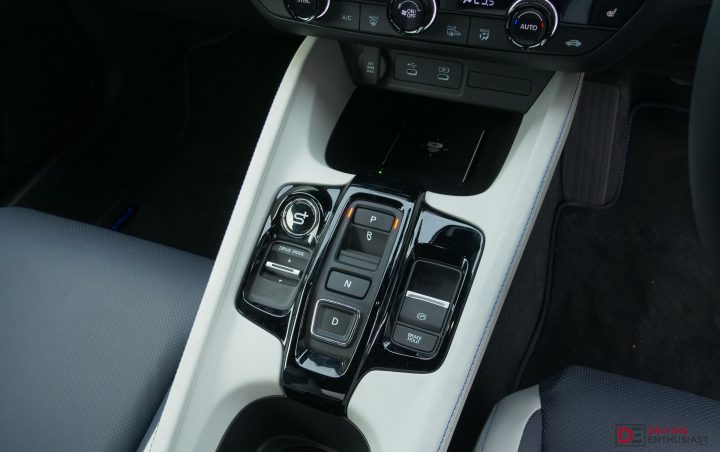
It doesn’t become excessively loud or resemble a computer game, which makes the system feel more natural and raw. It’s a worthwhile addition that genuinely improves the driving experience in our opinion, rather than simply introducing another gimmick. On a tight winding road, as shown in the video below, it can be thoroughly enjoyable roaring through the ‘gears’ and banging away on the paddles.
Official combined fuel consumption is rated at just 4.3L/100km, which is impressive for a coupe with this level of handling capability. During our testing we averaged 5.8L/100km, and that wasn’t just pottering about; it included numerous performance testing runs, spirited road driving, and general fanging around. Expect an easy 5.0L/100km with regular driving. It’s worth noting it is compatible with 91 RON petrol as well, which could save you money.
2026 Honda Prelude: Key attractions/reasons to buy
- Outstanding handling: Sharp turn-in, enormous cornering grip and excellent body control make it one of the most rewarding to drive in this class.
- Distinctive design: A beautiful low-slung coupe that successfully revives the Prelude’s identity in a modern way.
- Engaging S+ Shift: Simulated gear changes and roaring ‘VTEC’ sound enhancement add character without becoming excessive.
- Fuel economy: Just 4.3L/100km officially and an easy 5.0-6.0L/100km in the real world even when driven hard.
2026 Honda Prelude: Key considerations before you buy
- Underwhelming powertrain for a sports car: The 135kW hybrid, while refined and economical, comes from a conventional Civic. The last generation Prelude produced 143kW, in 2001, and it was about 140kg lighter (1308kg tare, now 1449kg).
- Expensive proposition: At $65,000 drive-away, there are more powerful performance alternatives available if that’s what you want.
- Limited practicality: Tight rear accommodation, as per typical in this class, and a shallow boot restrict its usefulness compared with conventional hatchbacks… such as the equally impressive and more affordable Civic hybrid.
2026 Honda Prelude: Key considerations before you buy





How does it rate against its rivals?
- Price
- Quality look & feel
- Interior tech
- Powertrain performance
- Ride & handling
- X-factor (does it stand out in its class?)
Final word
The new Prelude is an unusual combination of serious performance chassis engineering and a relatively conventional hybrid powertrain. Its handling, braking and overall agility are exceptional, while the S+ Shift system adds some much-needed character to the driving experience. However, the modest output and relatively high price make it difficult to understand exactly where Honda wants to position this car.