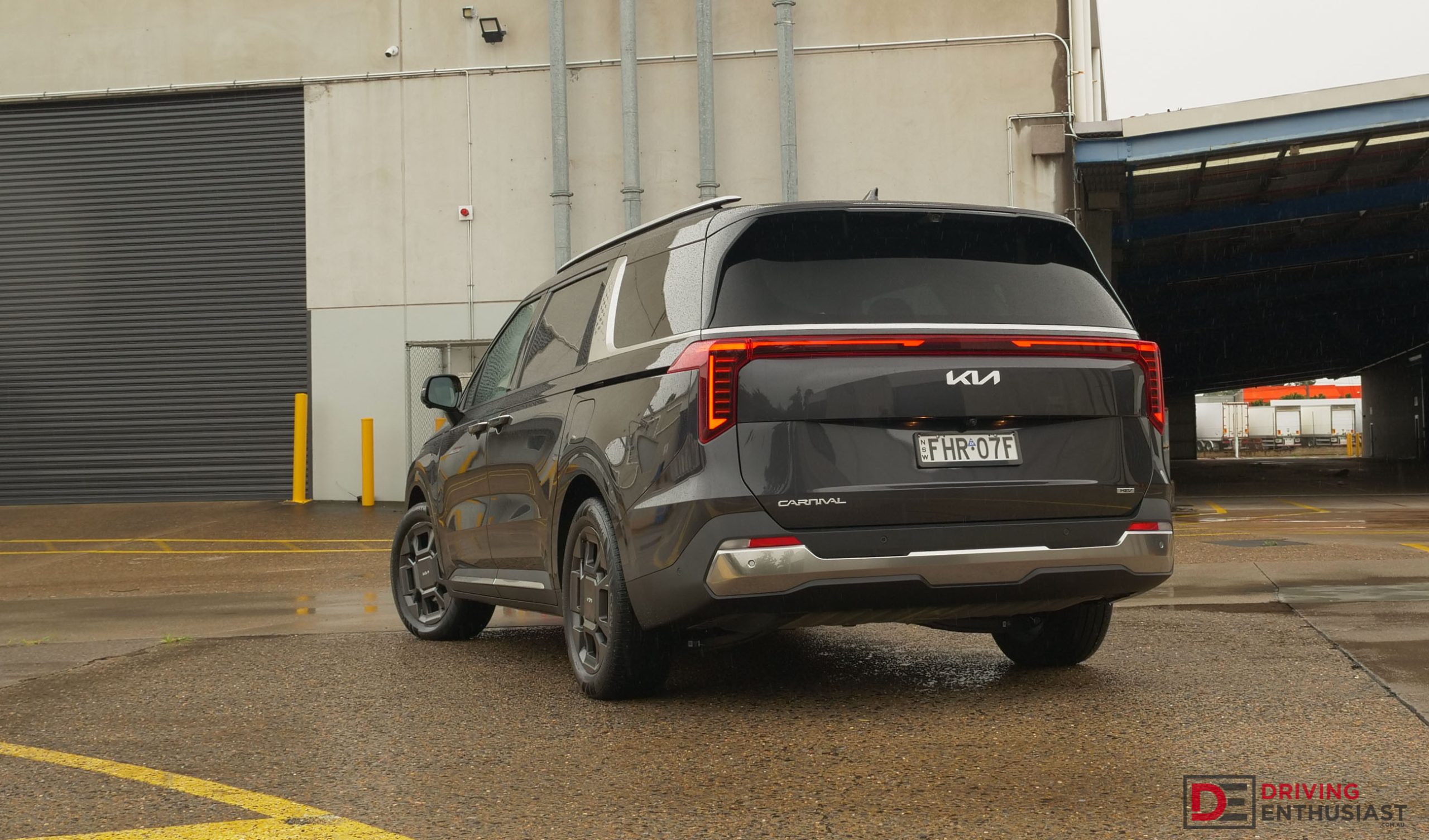
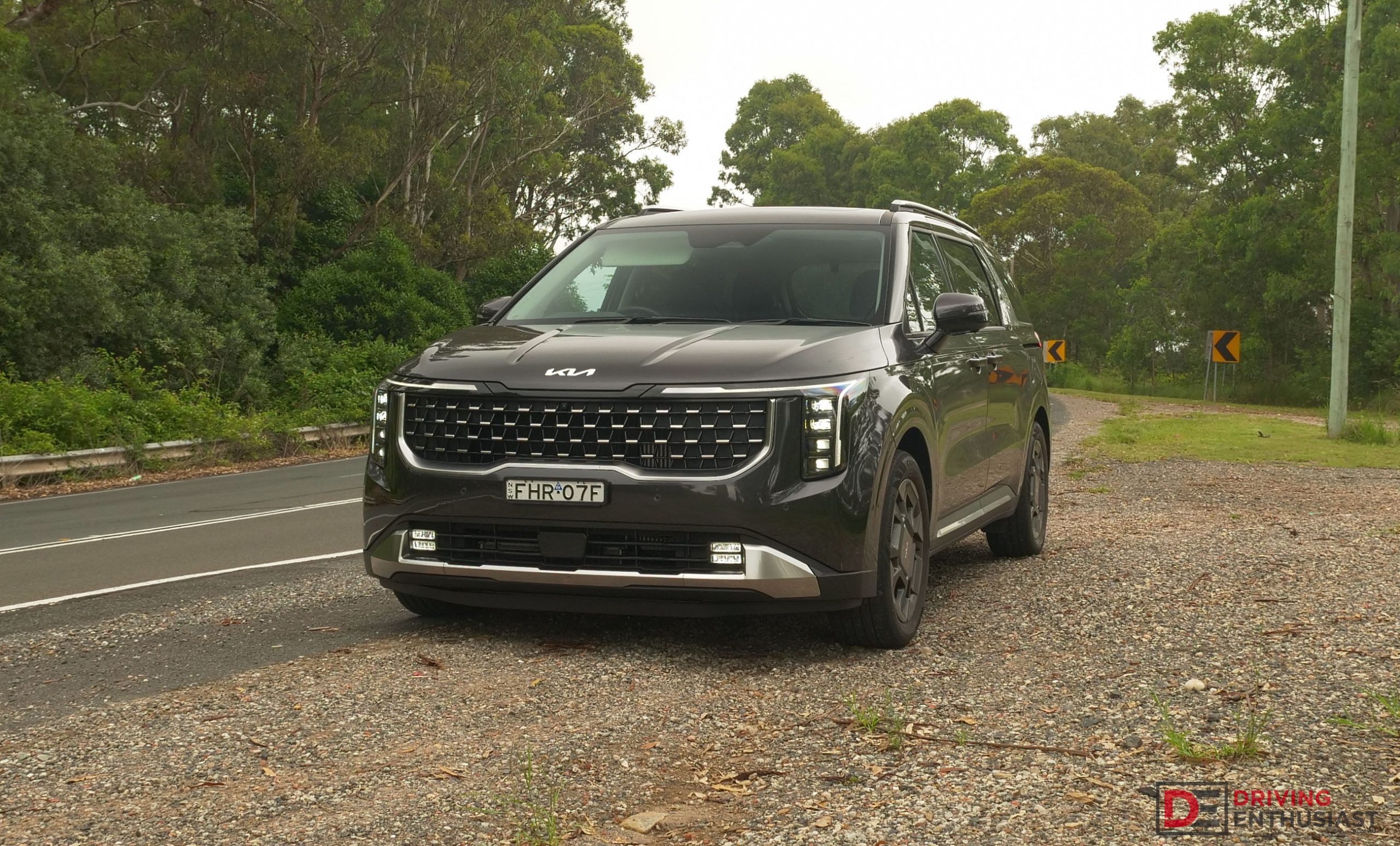
Historically, the people mover segment hasn’t been well known for its kerb appeal. For decades, its primary mission has been to squeeze as many bodies as possible into a box on wheels, often sacrificing design and comfort in the process.
But the Kia Carnival has been slowly bucking this trend. In 2026, not only does it bring the creature comfort levels of other segments, it also comes in hybrid form. We spent a week with the top-spec Carnival GT-Line HEV (hybrid) to see what it’s like.
It’s still a big front-wheel drive 8-seater van at heart. But it provides genuine performance and efficiency, a more refined driving character, and enough polish to elevate it beyond pure function. Here is our summary in the form of top five pros and cons.
2026 Kia Carnival GT-Line Hybrid: Pros
1. Exceptionally versatile and spacious interior
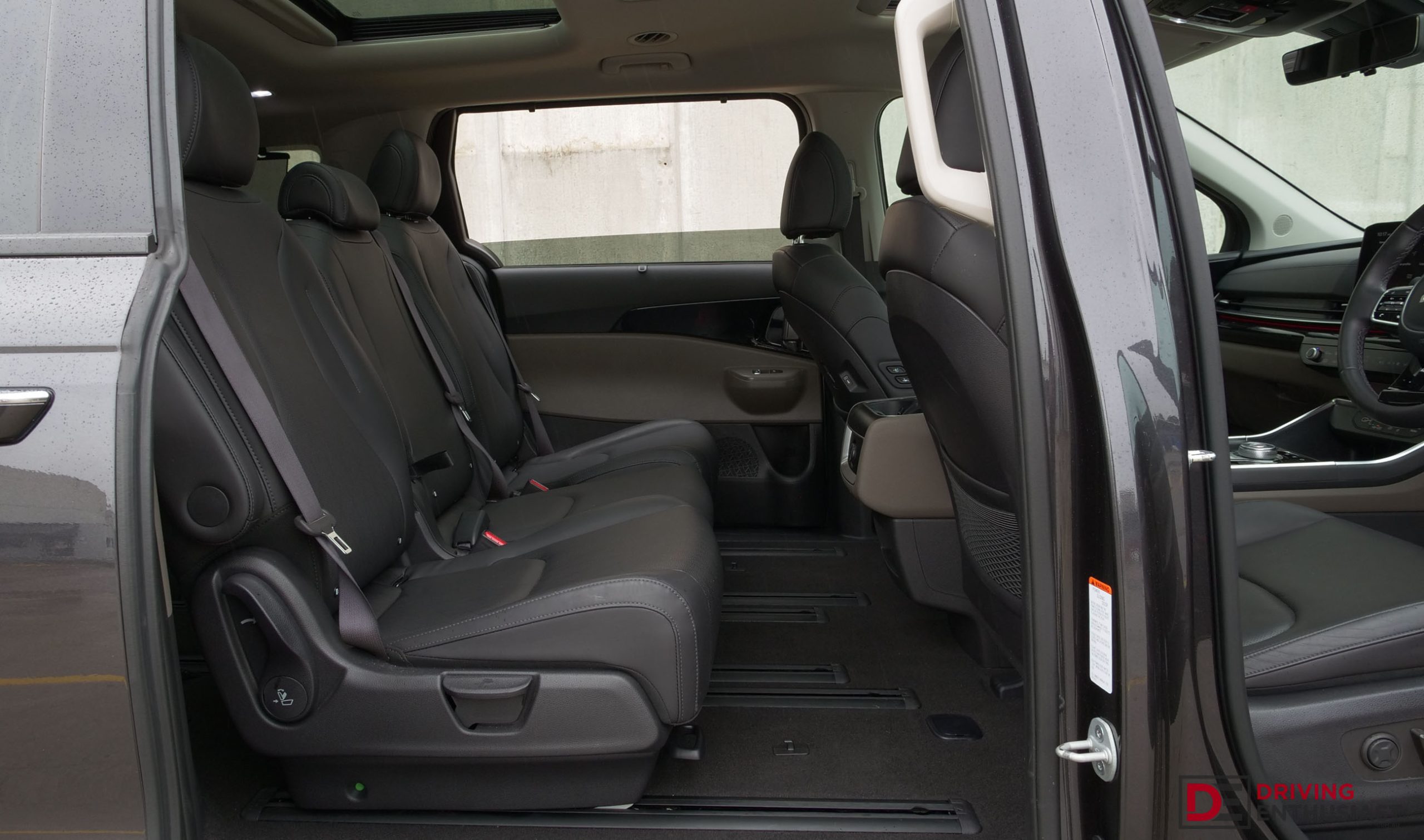
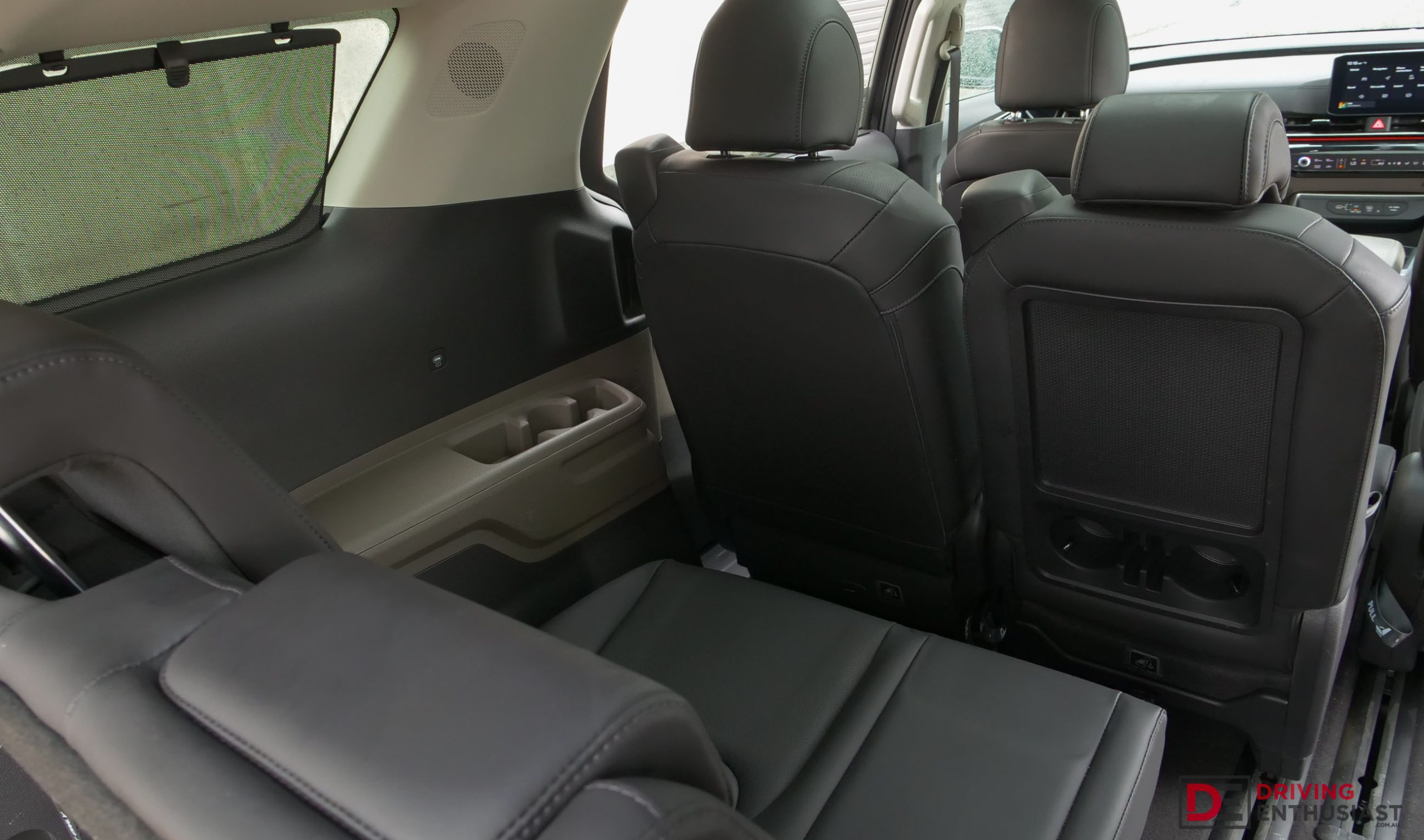
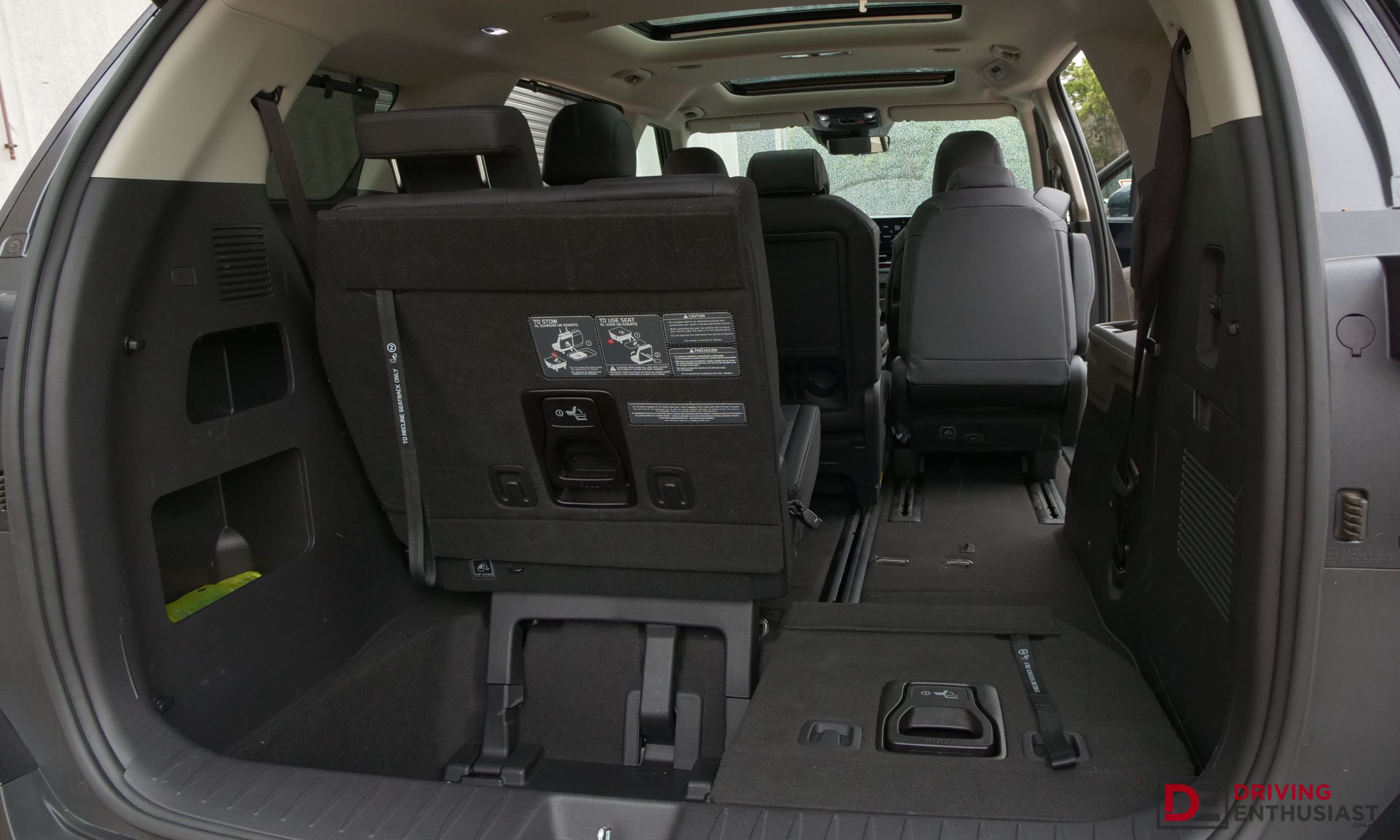
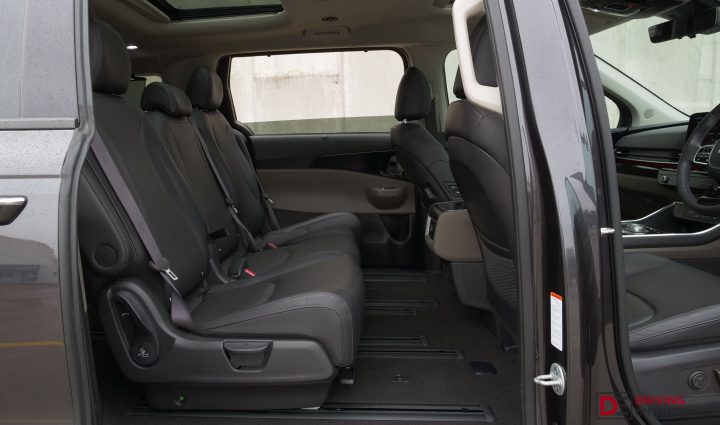
Space is the Carnival’s defining trait, and it absolutely delivers. The cabin feels enormous in all three rows, with a clever seating system that allows the second row to slide extensively. You can even turn around or move the middle seat backwards toward the third row, opening up a walkway through the centre, making accessing the rear far easier than large SUVs.
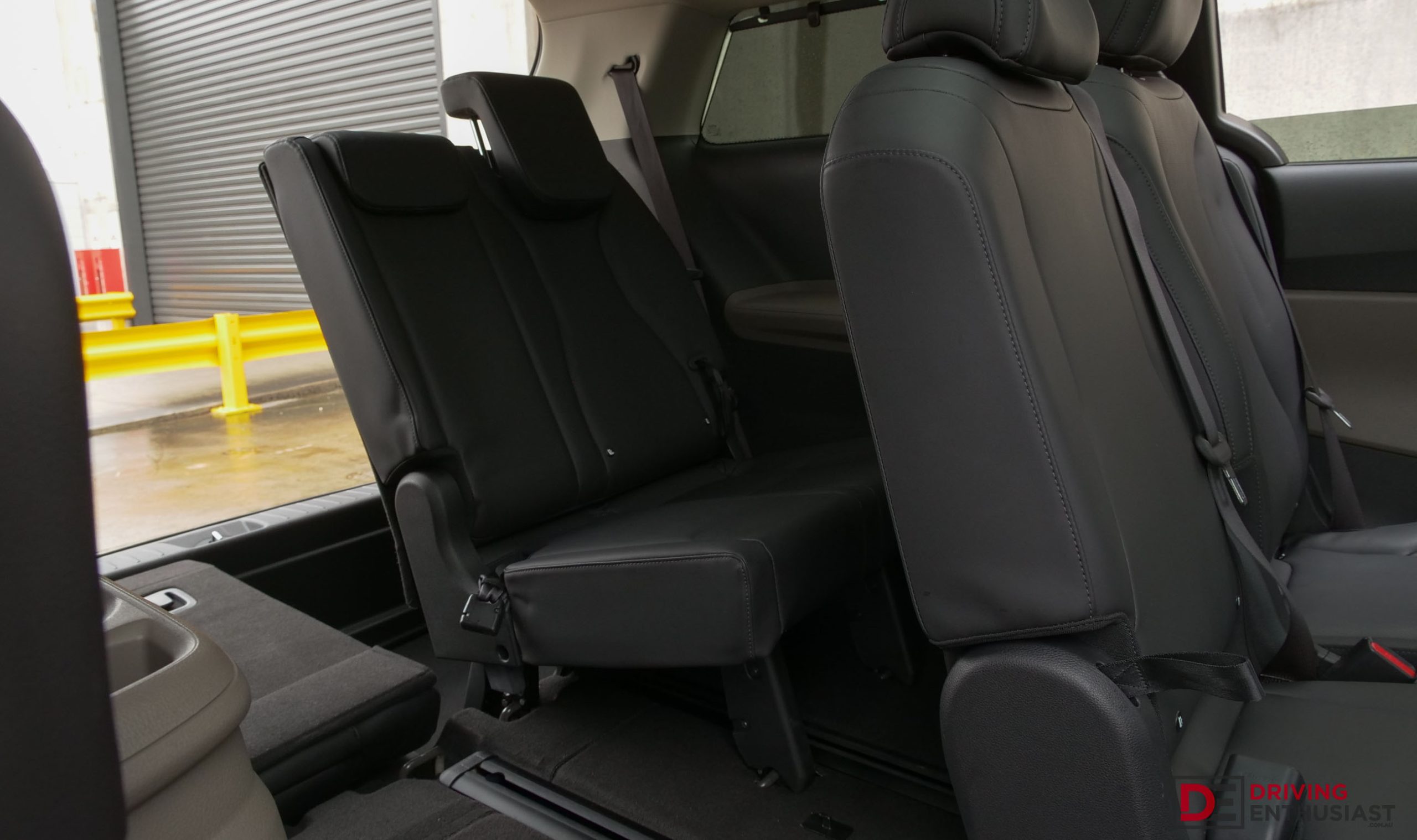
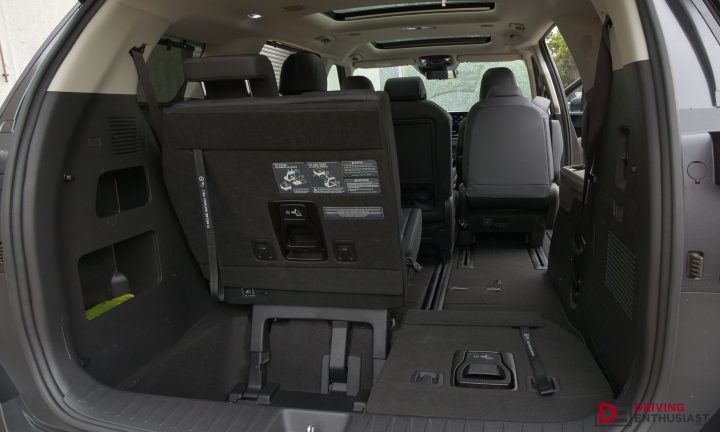
The third row is just as well thought out. It folds flat deep into the floor with one hand, revealing a large storage cavity when the seats are in use. Even with all seats up, there’s still a surprising amount of usable space. The boot can swallow 627 litres of luggage when all rows are in use. And opting for the hybrid does not diminish space compared with the non-hybrid variants. It’s one of the few vehicles where carrying seven or eight occupants doesn’t feel like a compromise.
2. Comfort and usability for all passengers:
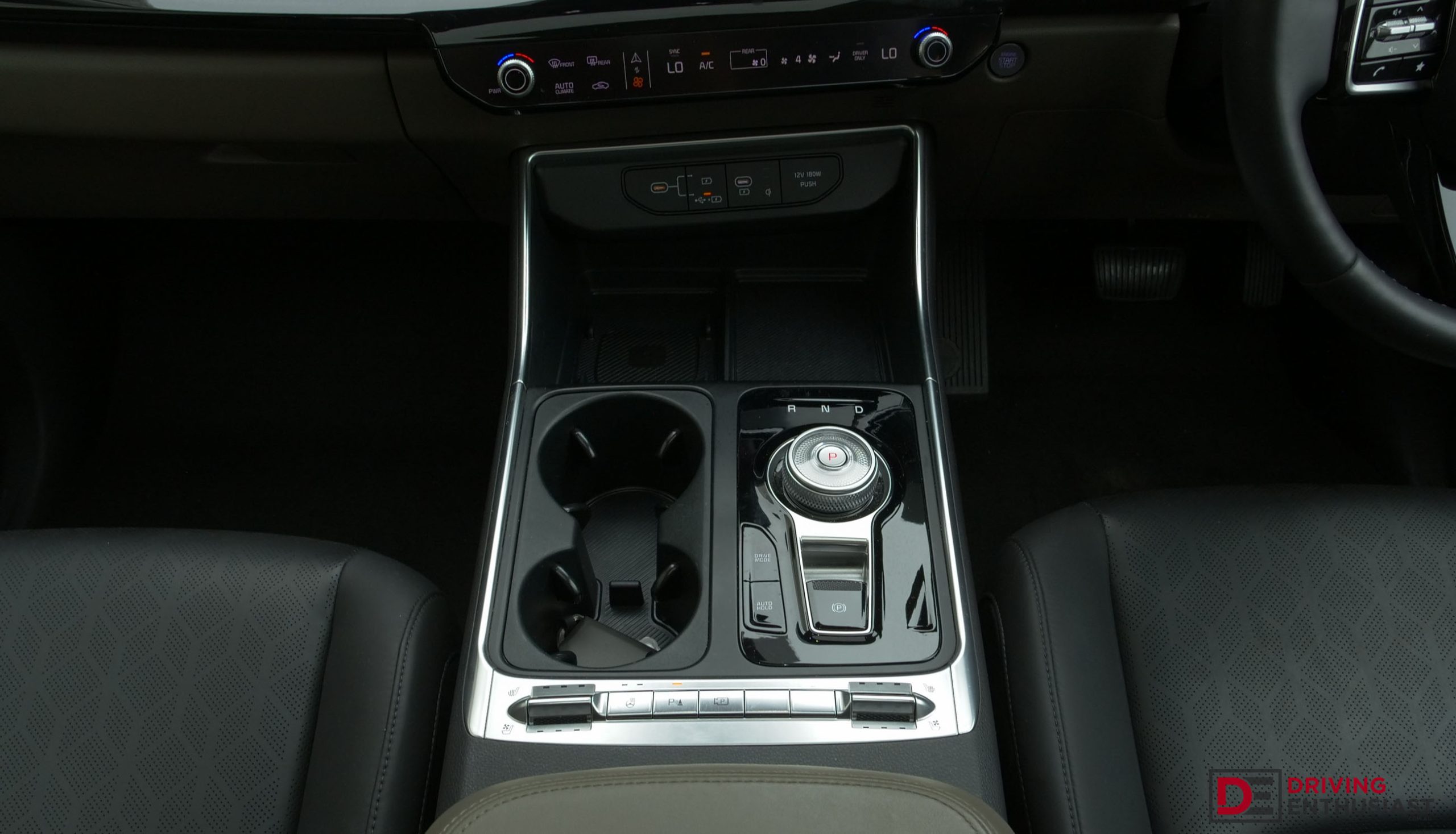
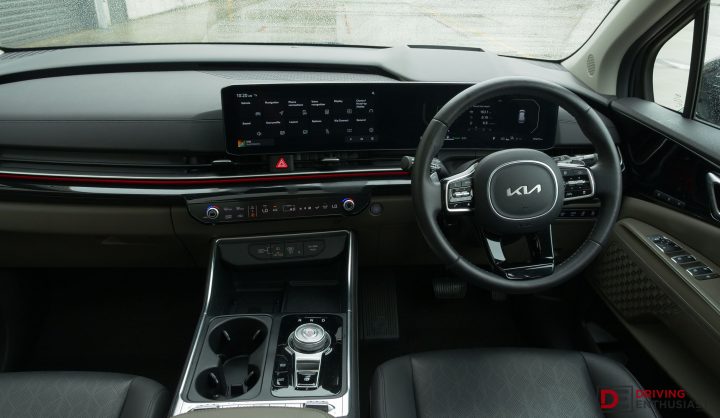
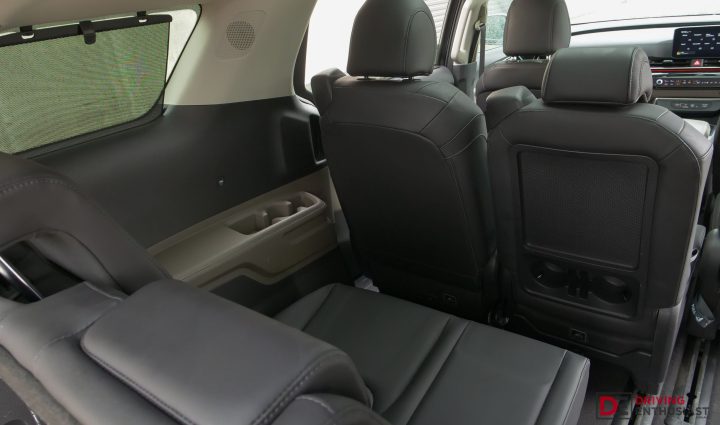
The Carnival in GT-Line form isn’t just about space, it’s about how well that space is used. Every row gets USB-C ports, air vents, cup holders, reading lights, and adjustable backrests. The second row even has its own climate control panel, while dual sunroofs help keep the cabin feeling airy wherever you’re sitting.
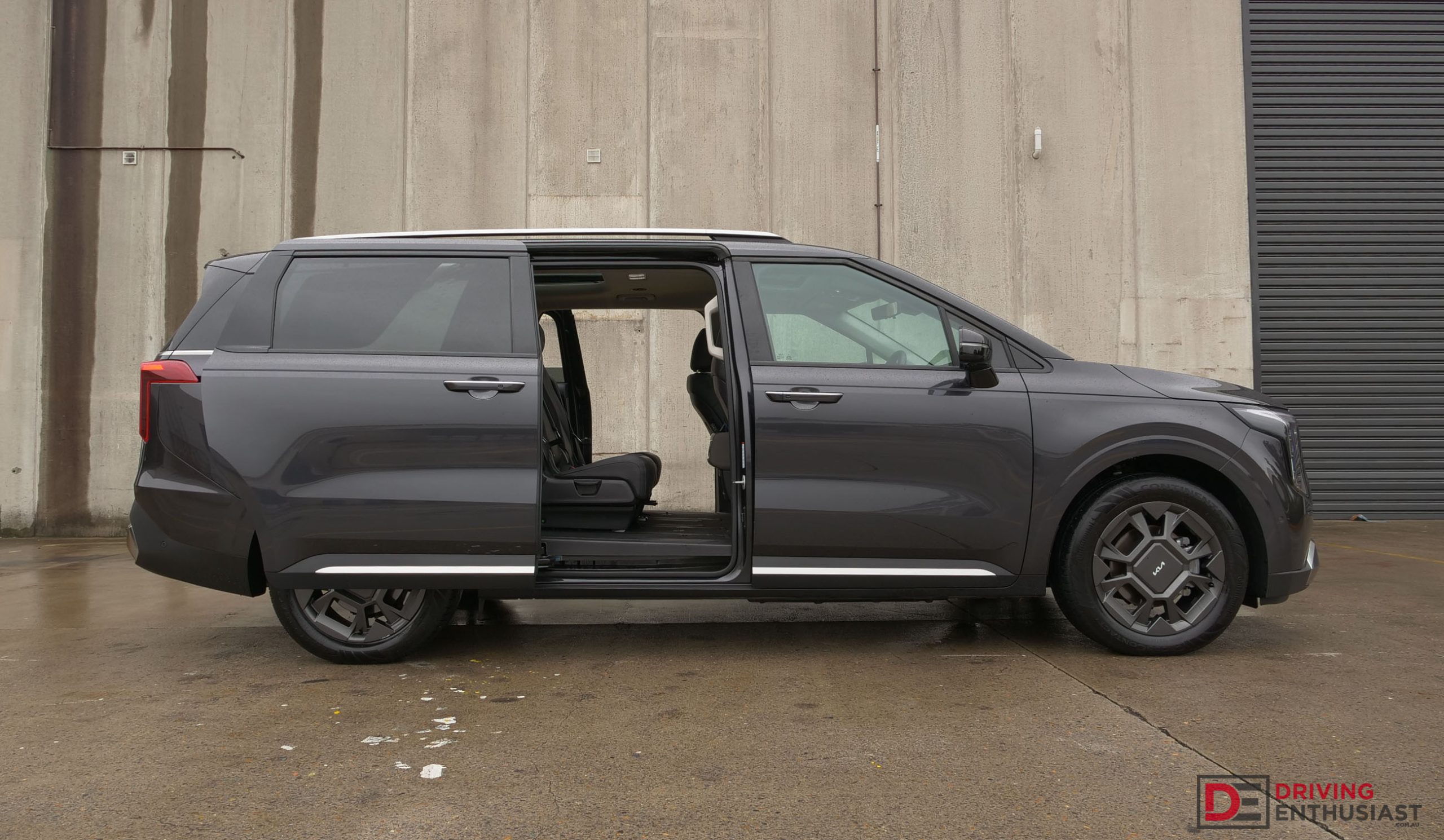
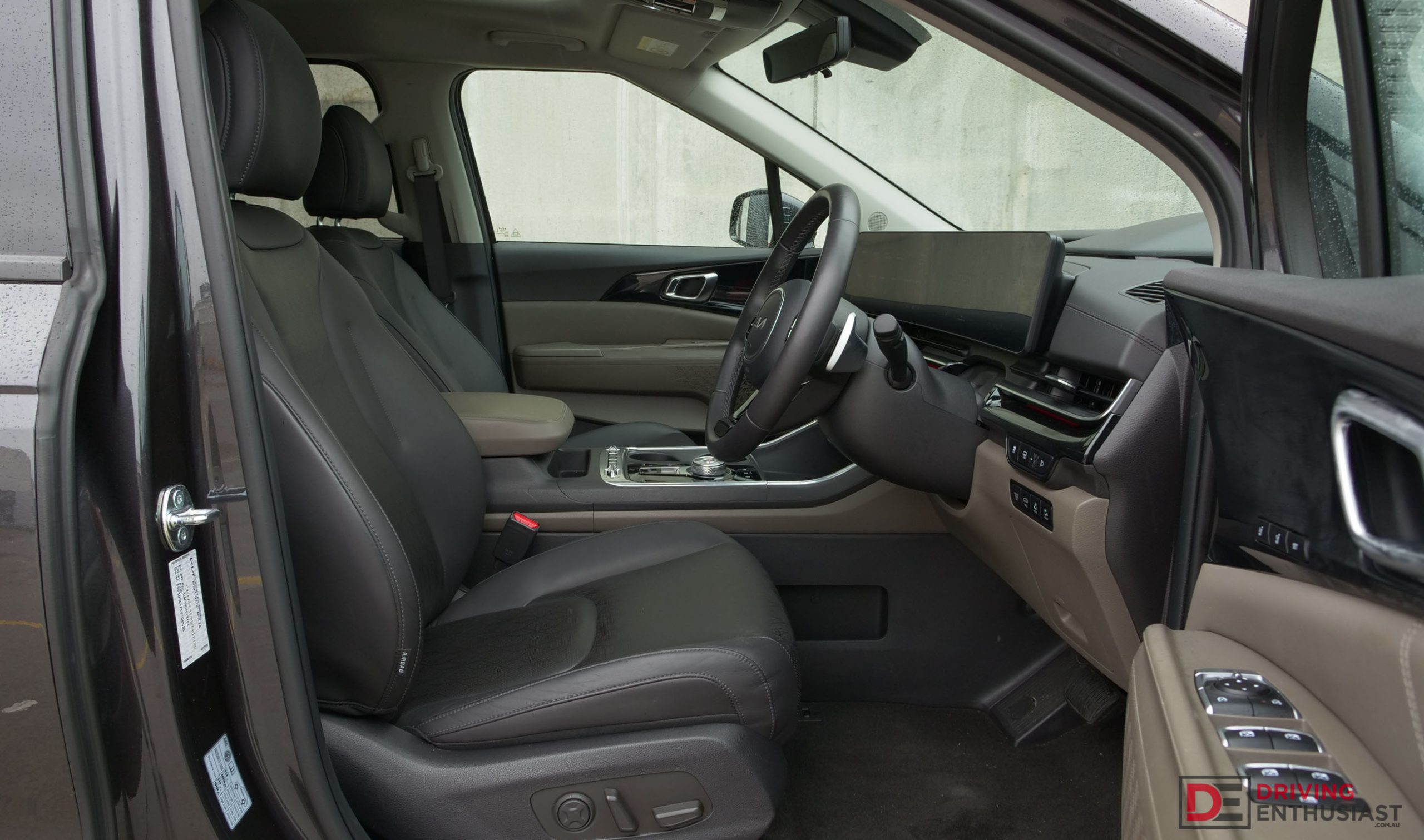
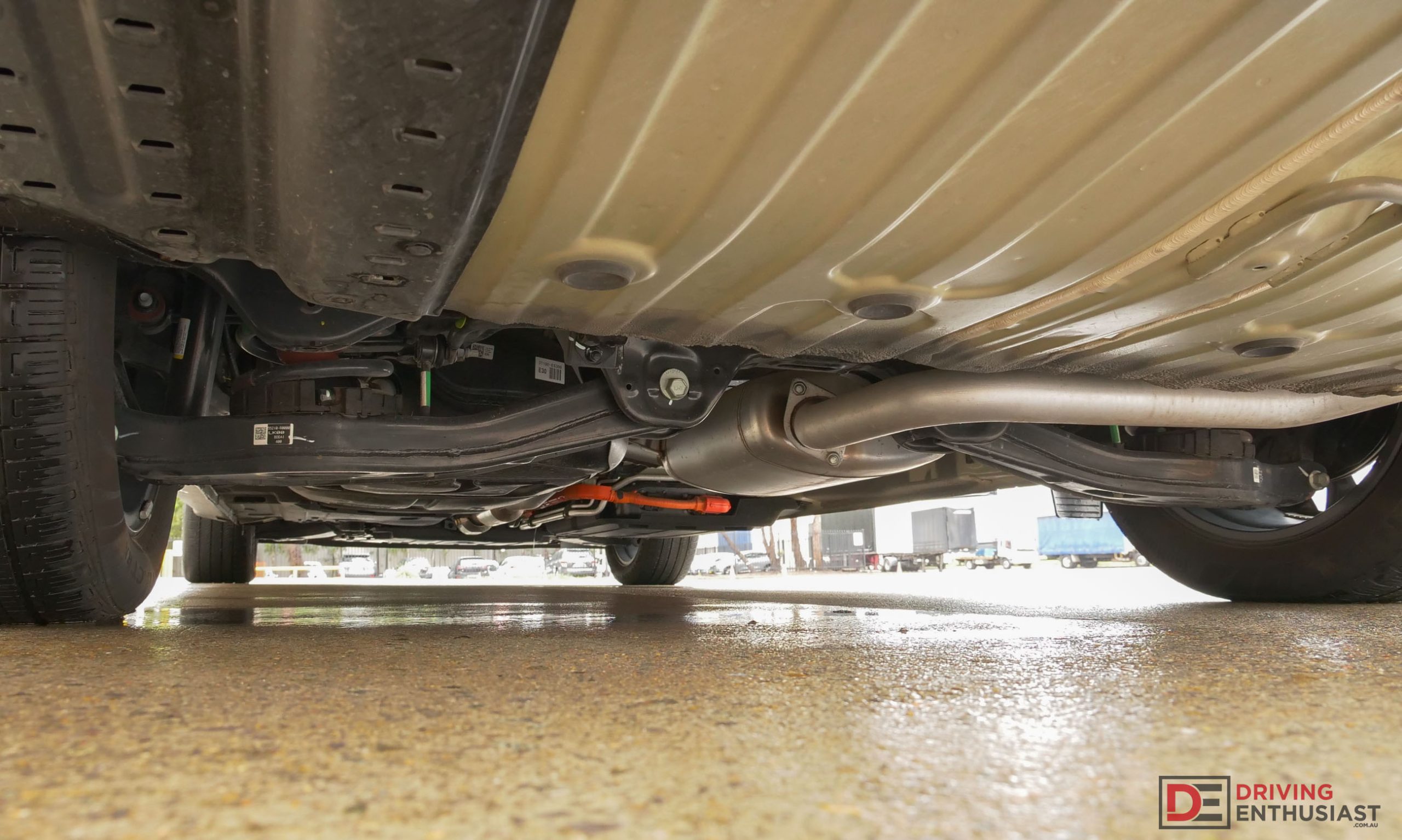
Getting in and out is also effortless thanks to a low 172mm ground clearance and wide electric sliding doors, and a flat floor with no awkward step or lip. The seats themselves are well-bolstered and supportive across all rows, making long-distance travel very comfortable rather than something to endure.
3. Strong hybrid performance with impressive efficiency:
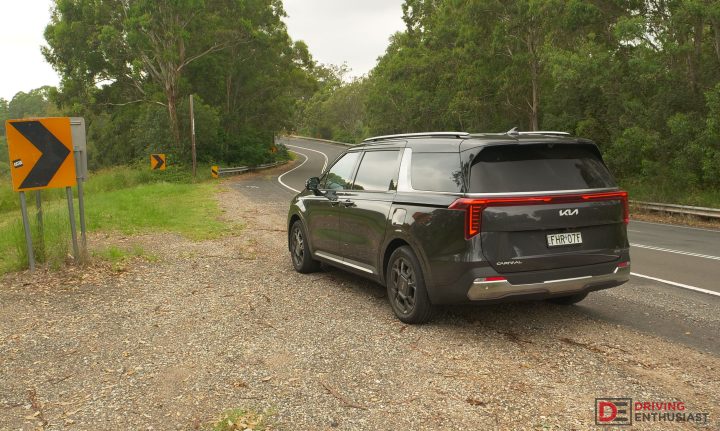
For a vehicle of this size and weight (2288kg), the 1.6-litre turbo-petrol hybrid system, producing 180kW, delivers surprising punch. There’s plenty of low-speed torque from the 54kW electric motor, making it easy to get moving smoothly, even with a full load of passengers. In fact, you can comfortably accelerate from 0–40km/h on electric assistance alone thanks to the 1.5kWh battery without traffic banking up behind you. We also timed getting from 0-100km/h in XX seconds. And performance seems fairly consistent, unlike some PHEV setups out there that drop noticeably in performance as the battery level reduces. A conventional six-speed auto will also be a welcome touch for those who enjoy driving compared with the CVT options out there.
The petrol engine and electric motor also work together seamlessly, giving the Carnival a confident and effortless feel on the move. We know this 1.6-litre turbo engine can produce 150kW without the electrified side in other Kia models. But the hybrid advantage really makes sense here. Even before realising the fuel efficiency gains.
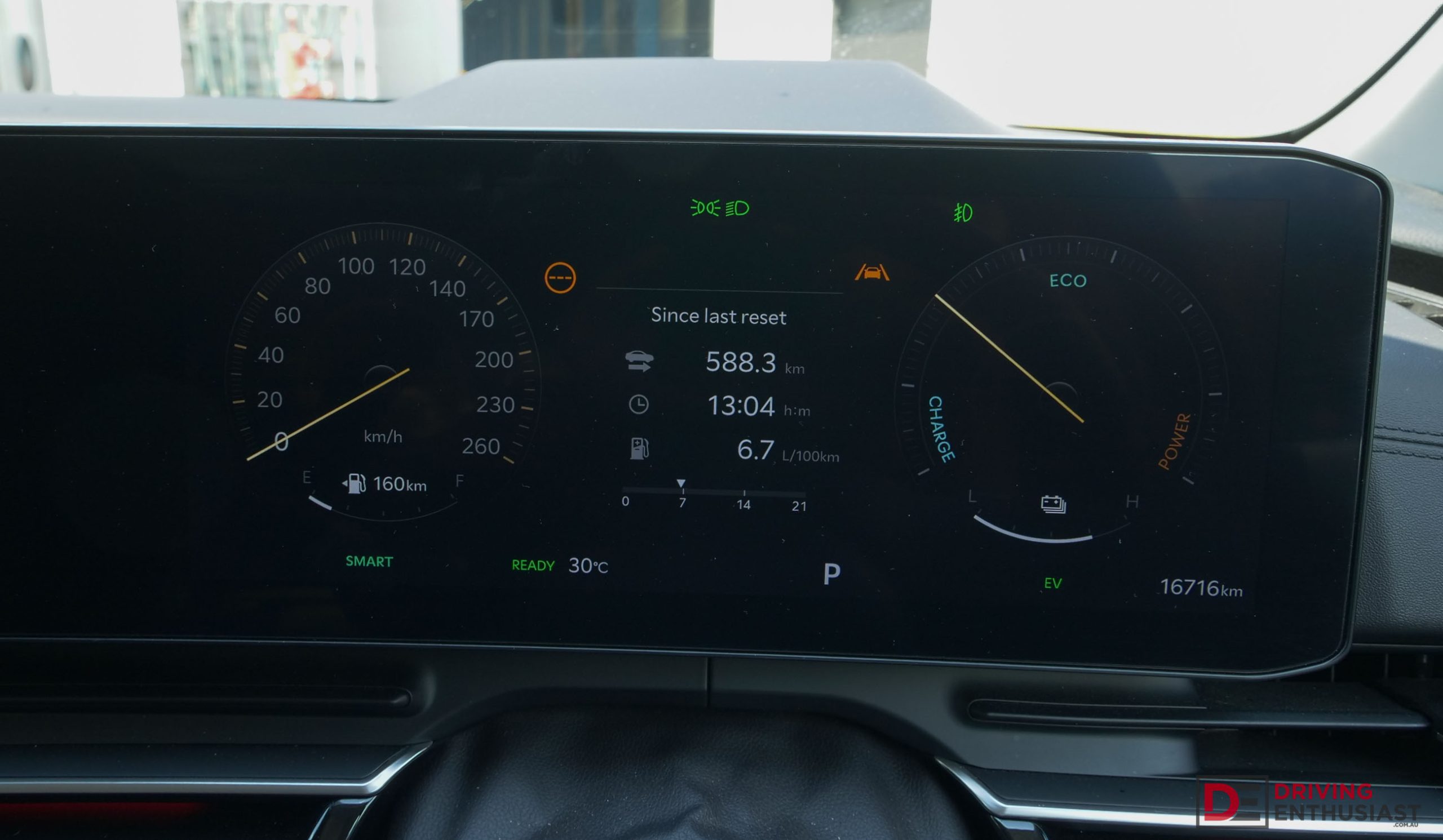
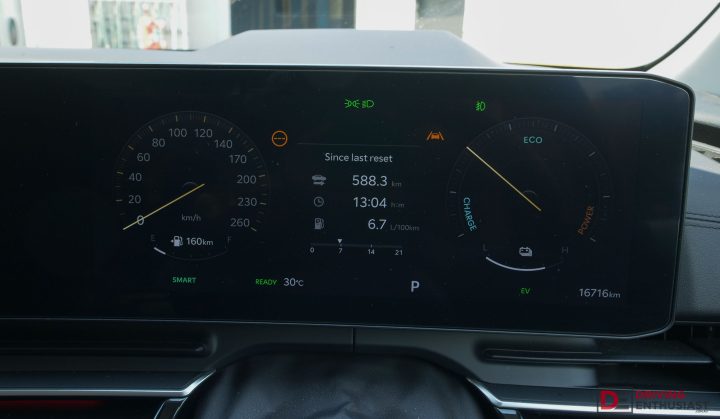
An official 5.8L/100km is a brilliant average for something this large, heavy and powerful. It outdoes the diesel’s official 6.5L/100km figure, and brings in more power. In the real world, we also averaged a close 6.3L/100km over a 430km test. Combined with a sizeable 72-litre fuel tank, it makes for excellent long-distance touring capability. Over 1000km on a tank is easily within reach. To help the hip pocket, it can also run on the cheaper 91 RON and E10 blended petrol.
4. Easy to drive despite its size:
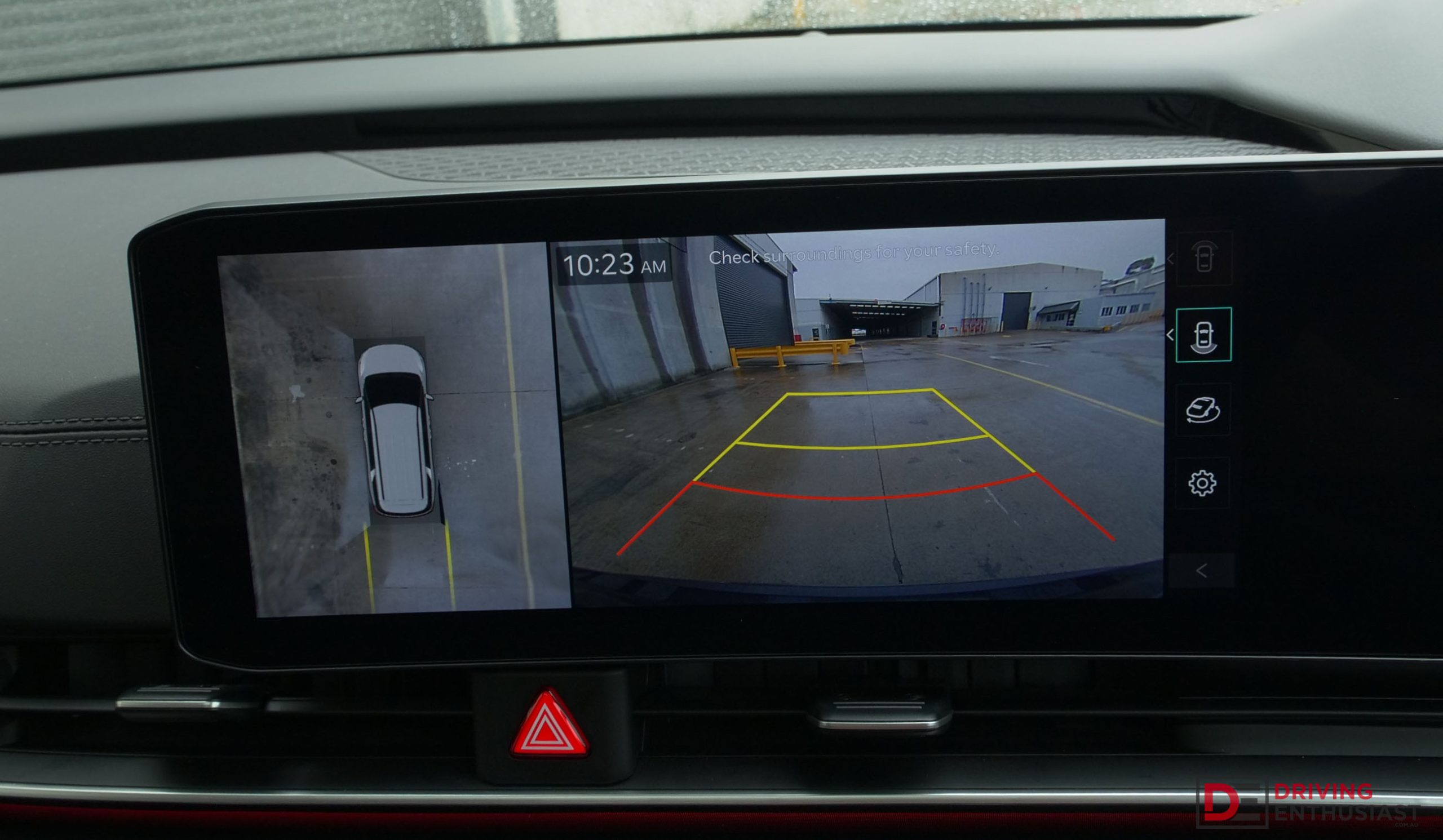
You might expect this to feel like you’re driving a bus – but it doesn’t. Visibility is strong, the driving position feels SUV-like and somewhat sunken in, and a reasonable 11.8m turning circle helps in urban environments. Add in a 360-degree camera system and manoeuvring becomes surprisingly stress-free.
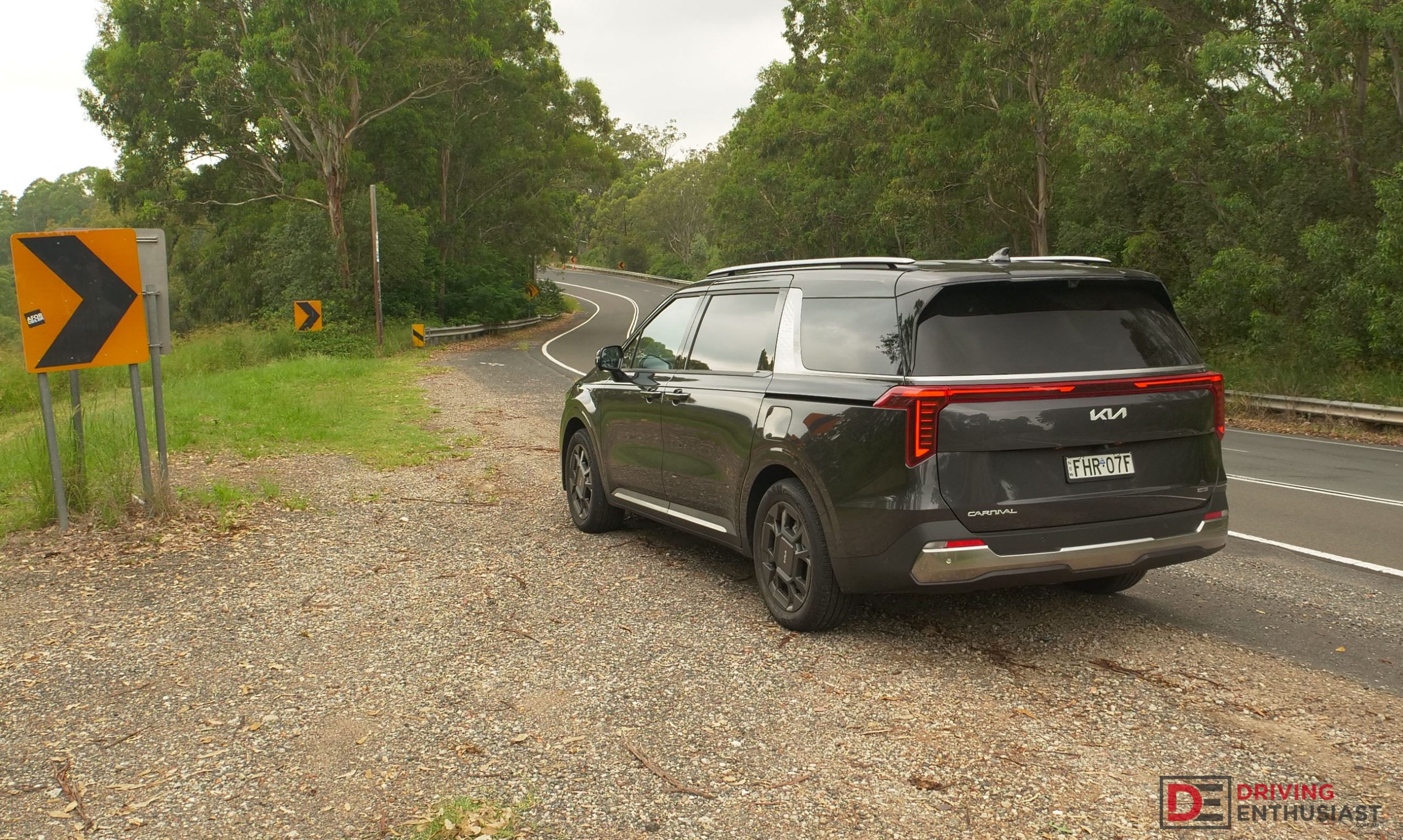
Out on the road, the suspension is well sorted. It absorbs bumps cleanly without feeling floaty, and body control is managed in a secure and confident way. You can guide it through roundabouts and tighter corners with more confidence than most people movers. It doesn’t feel sporty, but it feels composed and predictable.
5. Modern, SUV-inspired design and solid tech offering:
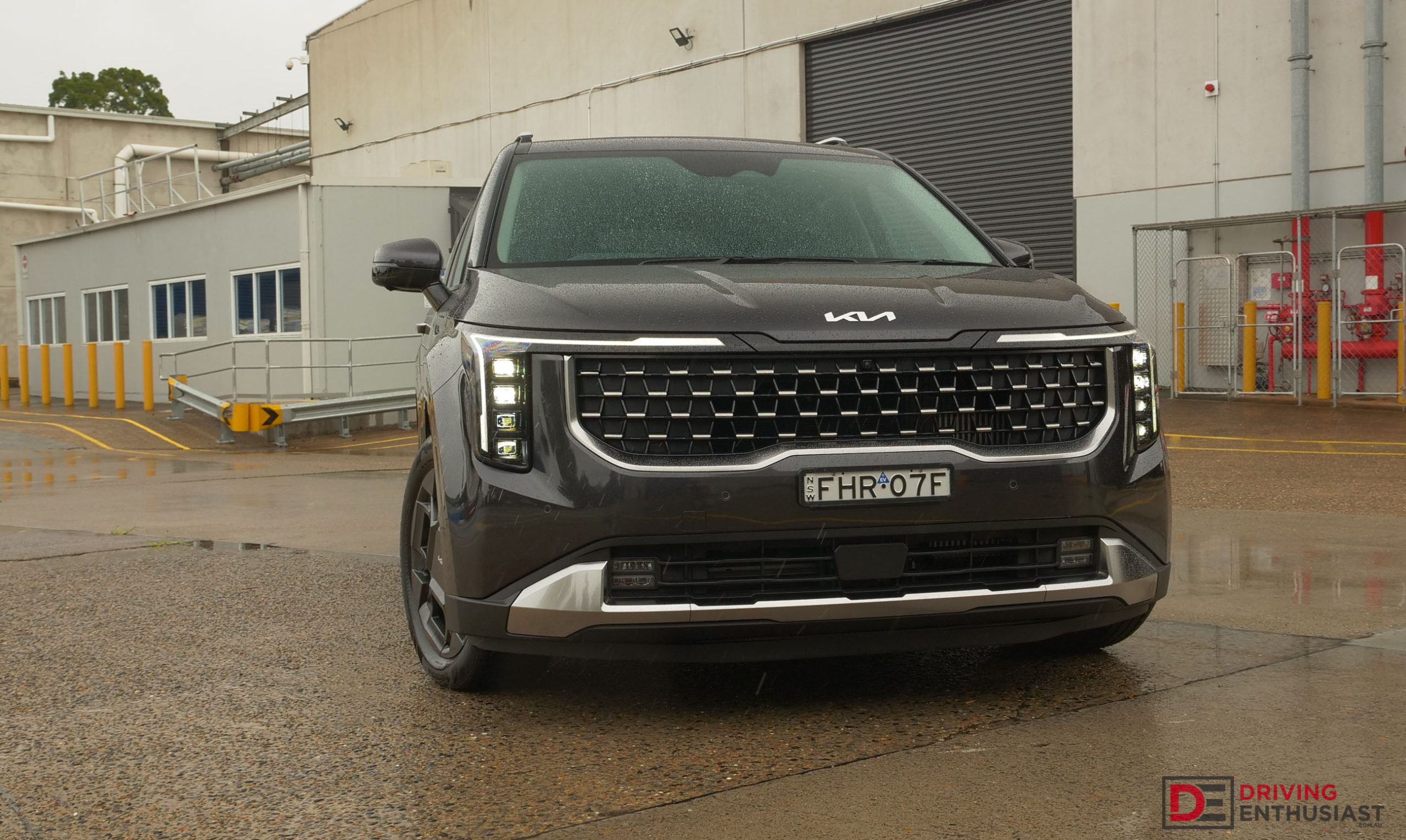
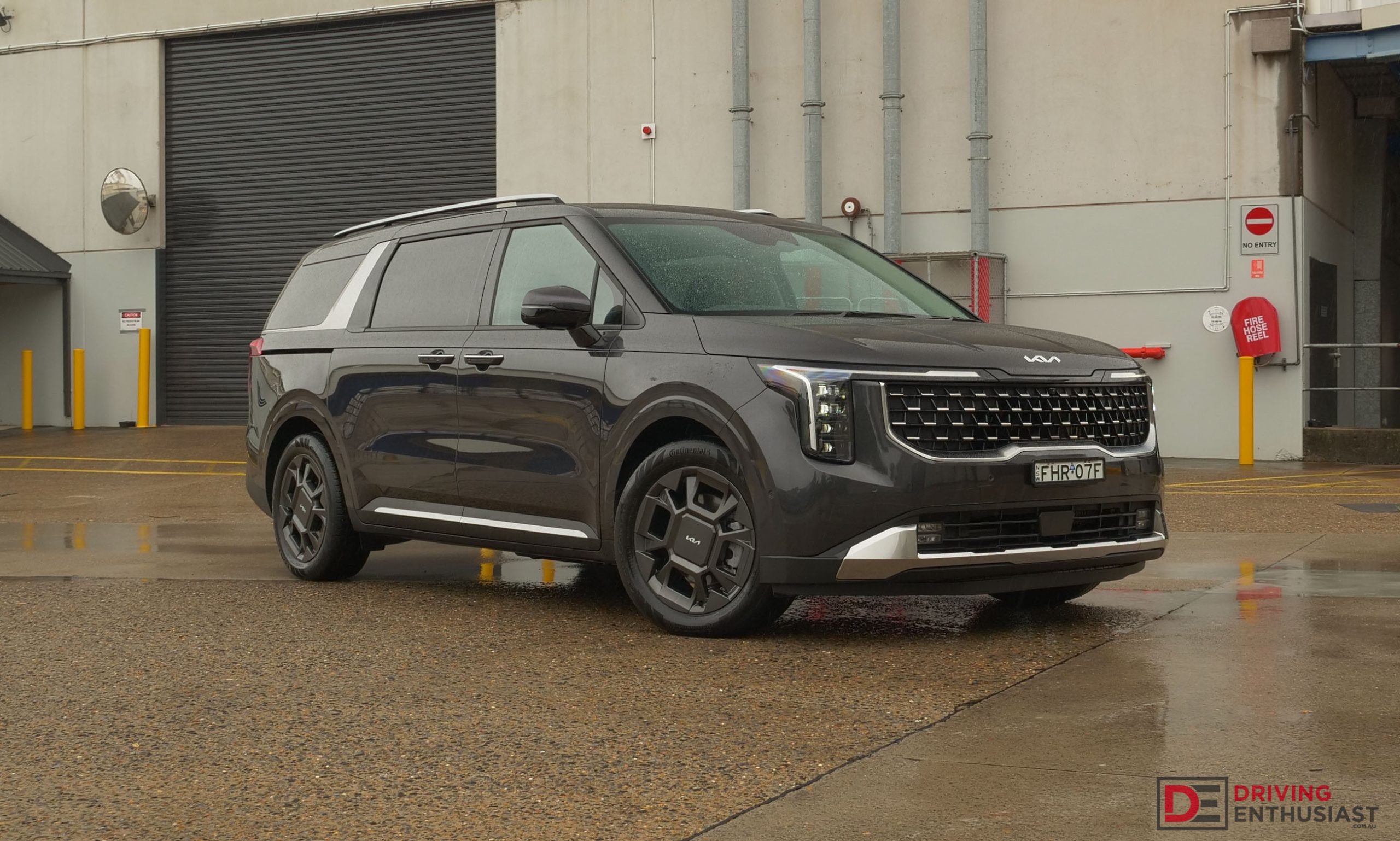
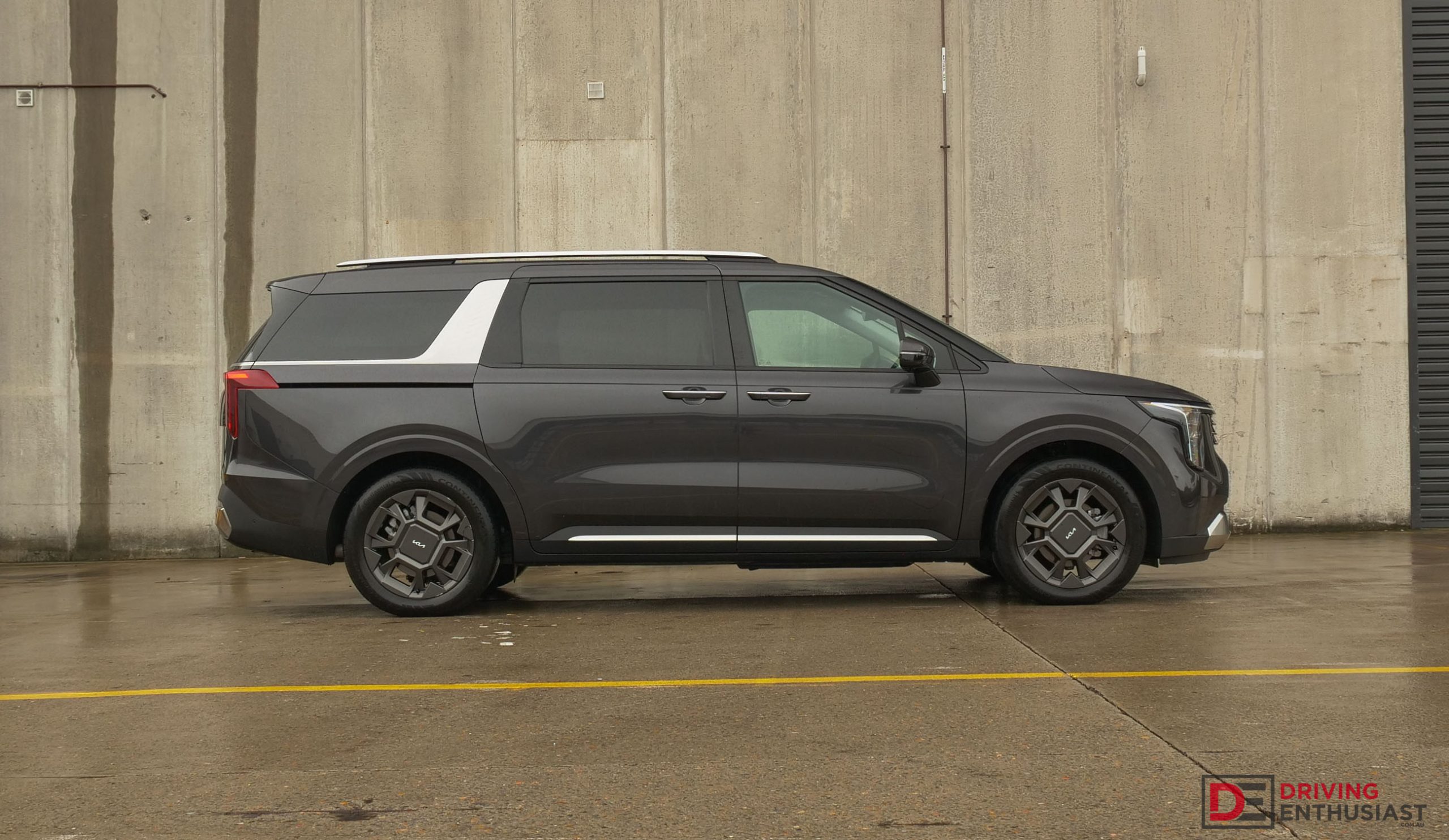
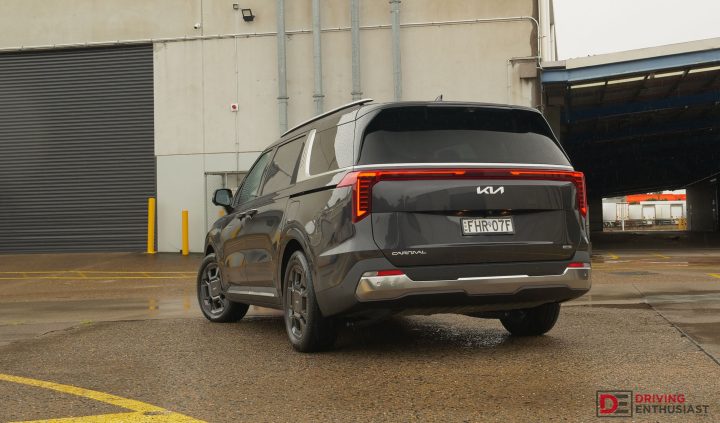
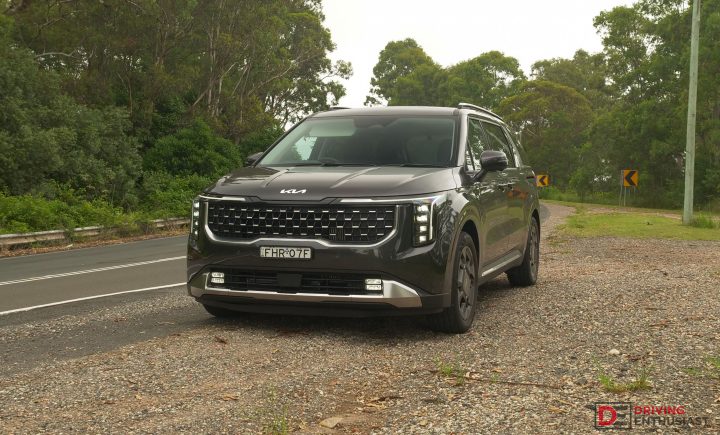
Kia has done a commendable job disguising the traditional van shape. The exterior styling leans heavily toward SUV cues, with a more sculpted front end and lower body than some, and a stance that resembles models like the Kia Sorento. From most angles, it avoids looking like a boxy people mover – only the sliding doors give it away.
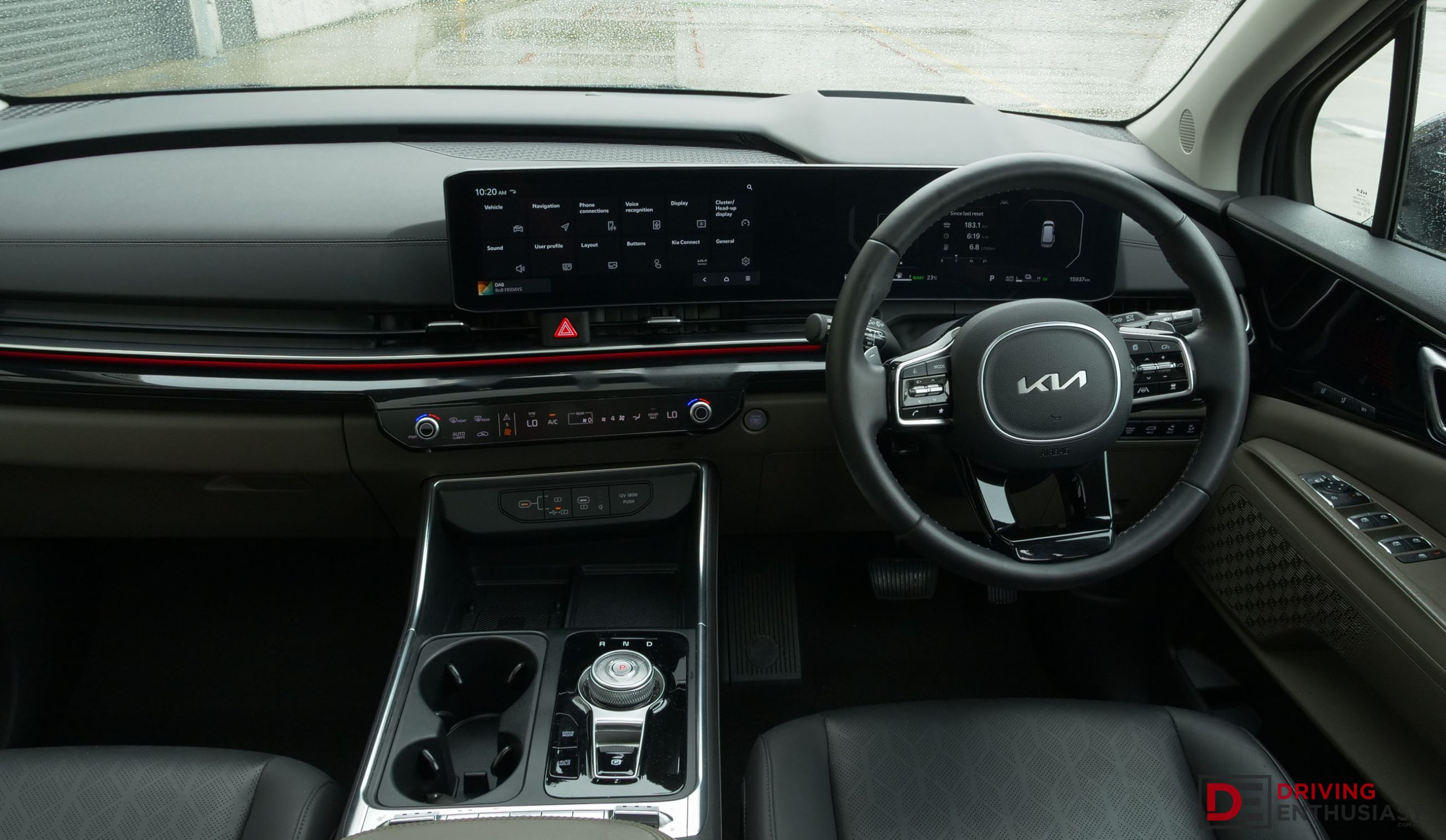
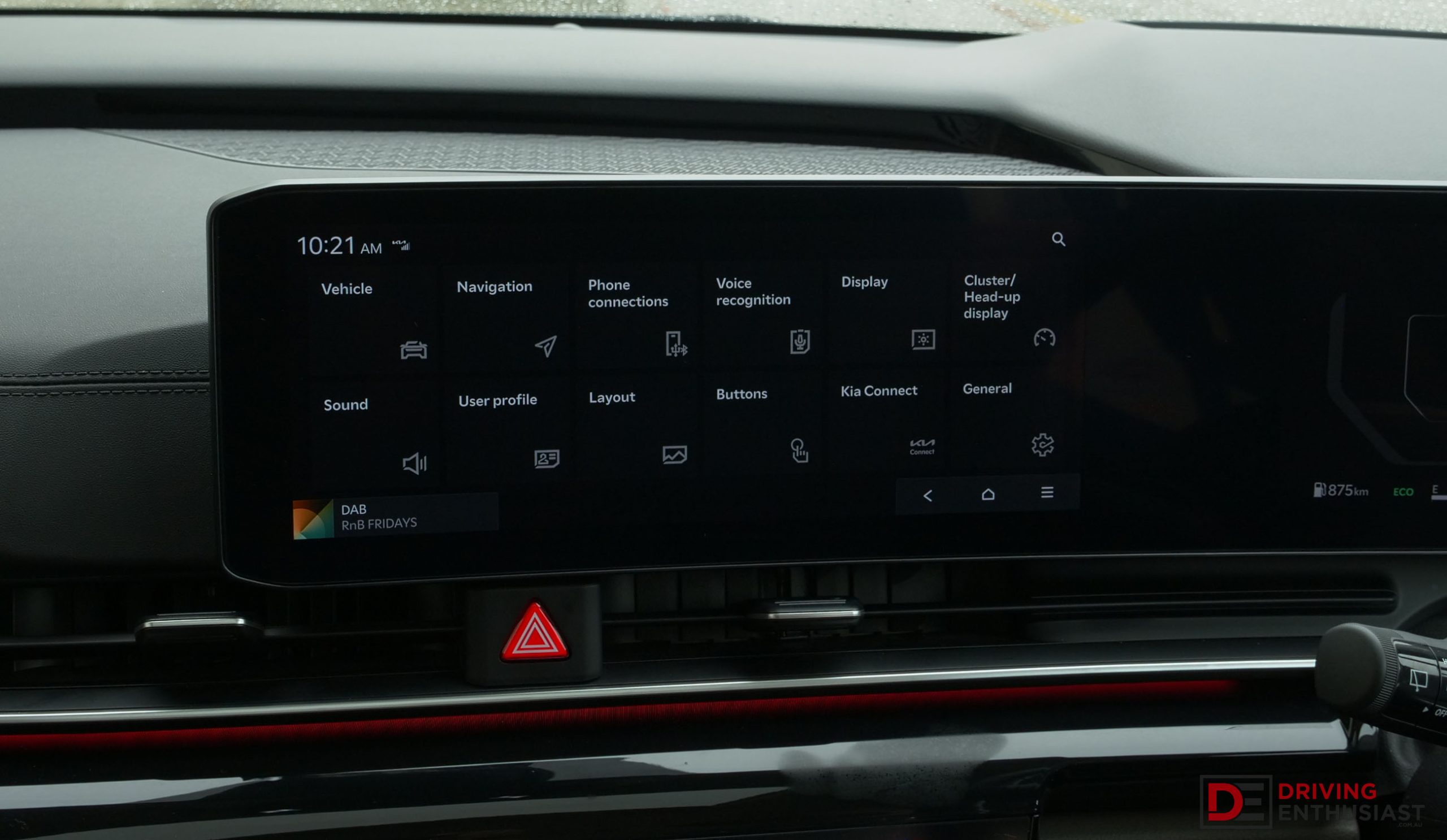
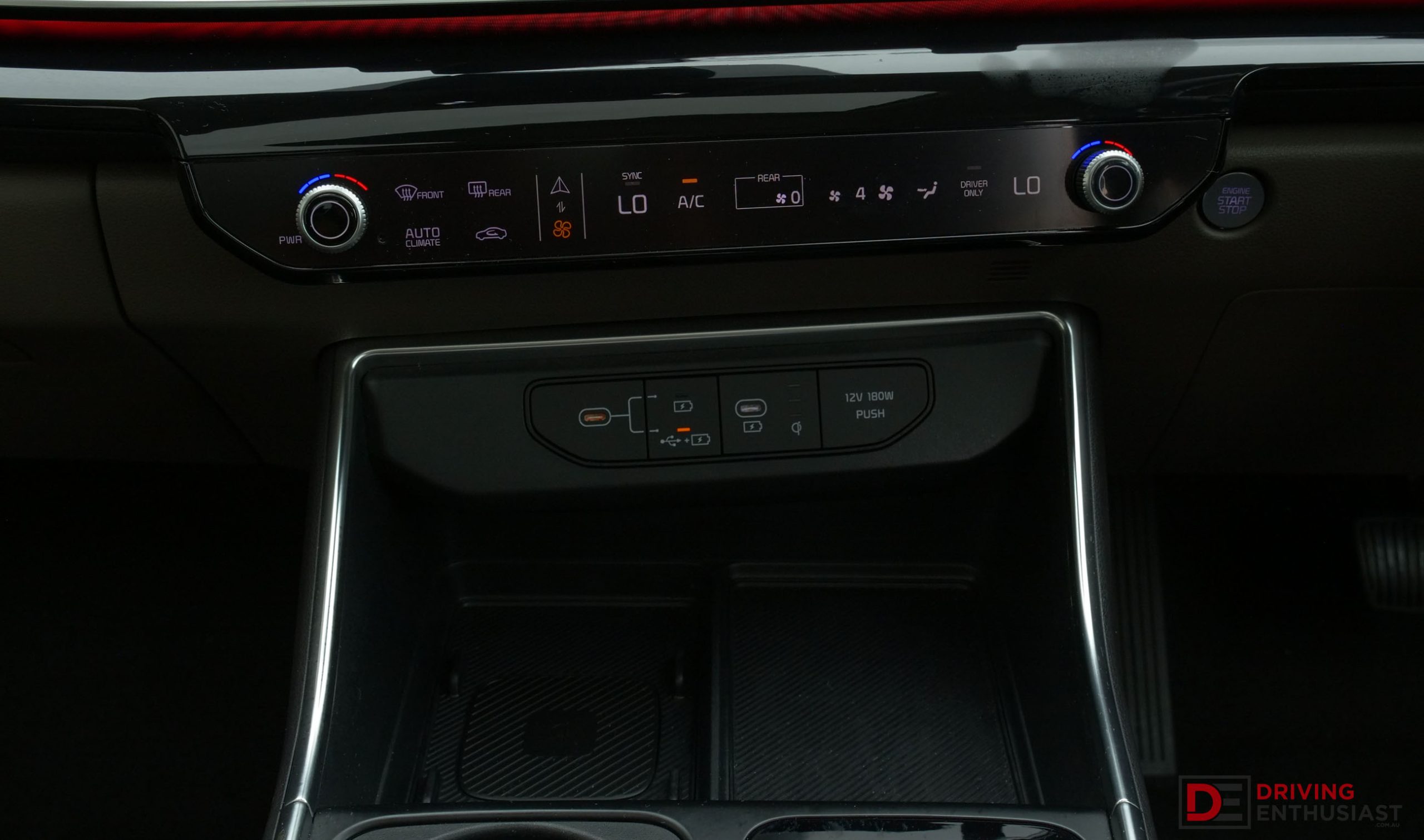
Inside, the tech is modern and easy to use. The infotainment system is responsive, the displays are clear, and the overall layout is intuitive. It feels contemporary and functional, which suits the Carnival’s role as a family workhorse. The GT-Line brings a generous level of equipment, including heated and ventilated front seats and steering wheel, heated second row seats, two large 12.3-inch digital displays, a 12-speaker Bose sound system with subwoofer, Kia Connect telematics, wireless app connectivity, mood lighting, and a wireless phone charging pad, to name a few.
2026 Kia Carnival GT-Line Hybrid: Cons
1. Front-wheel drive traction limitations:
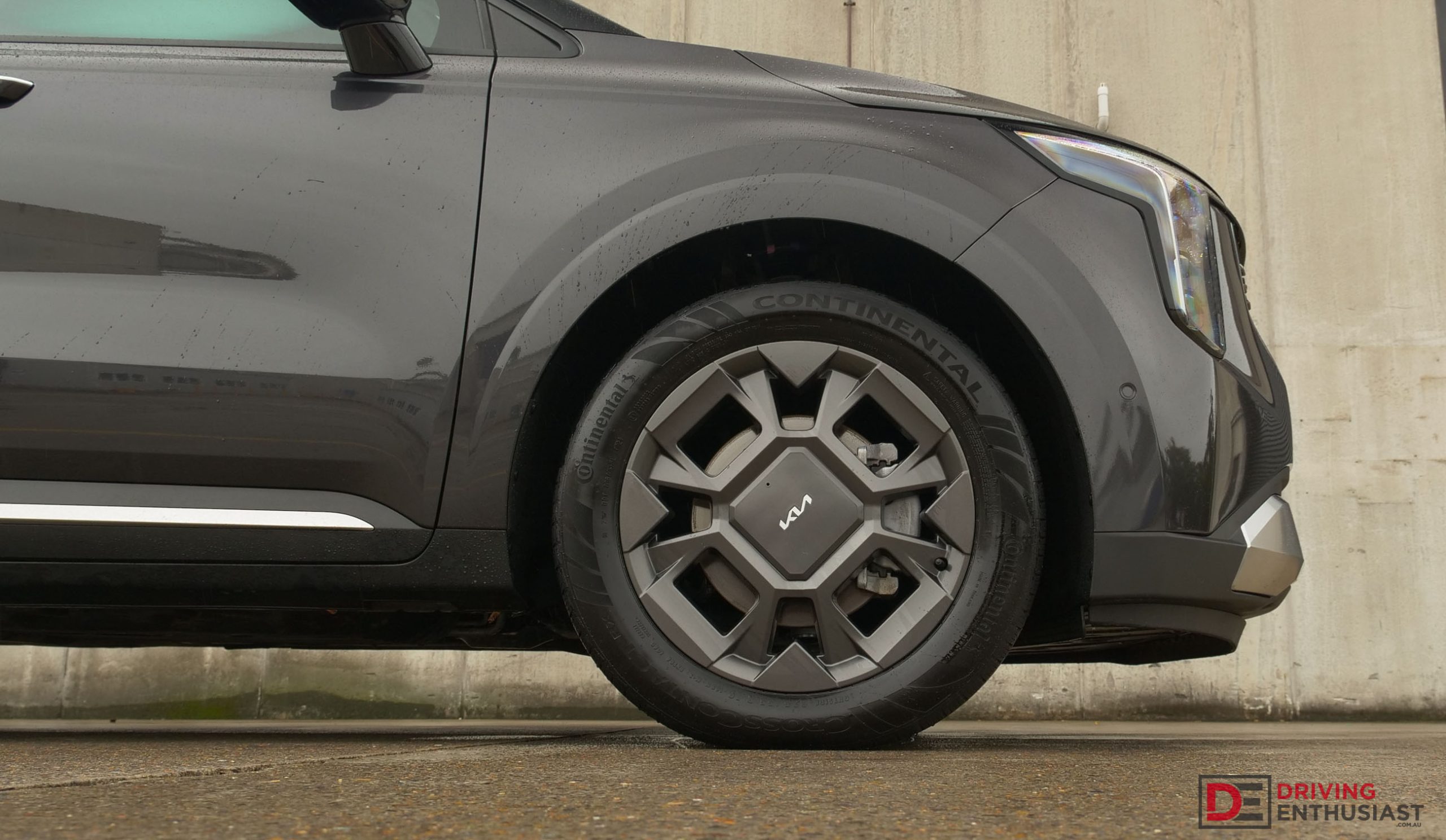
With all that torque going through the front wheels, and a lot of weight to move, it’s easy to spin the tyres, particularly in wet conditions. Step on the throttle too eagerly and the front wheels can scrabble for grip. It’s not dangerous, but it does highlight the limitations of a front-wheel drive setup in a vehicle this large and powerful. Being equipped with wide-ish 235/55 tyres is a good start, but 245s or even 255s might help.
2. Interior materials don’t quite match the GT-Line badge:
While the layout is practical and well thought out, material quality doesn’t fully live up to the premium expectations of a GT-Line model. There’s a noticeable presence of hard plastics throughout the cabin. To be fair, this is likely intentional. This is a vehicle designed to haul families, kids, pets and luggage. And there is a lot more surface area to cover in this large van than a typical SUV. But at this price point, some buyers might expect a bit more softness and visual richness, particularly for a GT-Line.
3. Pedal positioning feels slightly awkward:
It’s a small detail but one that becomes noticeable over time. The pedals sit a little higher off the floor than usual, which can feel unnatural depending on your driving position. It’s not a deal-breaker, but it does take some getting used to.
4. Still very large in tight urban environments:
While it is easier to drive than expected, there’s no escaping its sheer size and 5155mm length. Tight multi-storey carparks, narrow streets, and older urban areas can feel restrictive. You’ll rely heavily on the cameras and sensors in those situations. You wouldn’t want to be driving it around all the time in the city unless you really need the room.
5. Blurred lines between the Carnival and large SUVs:
Many three-row SUVs can now do everything the Carnival can do, as well as add off-road abilities. The Carnival will accommodate eight passengers with more space and easier sliding door access than those SUVs. But some SUVs can offer 8 seats with a tighter squeeze. If room for eight is only required part time you might like a more traditional wagon/SUV driving feel, and if you see yourself venturing off road every now and then a large SUV might be better suited.
2026 Kia Carnival GT-Line Hybrid: Specifications
Engine: 1.6-litre turbo 4-cylinder hybrid
Output: 180kW
Gearbox: Six-speed auto
Drive type: Front-wheel drive
Wheels: F & R: 19×7.5, 235/55
ANCAP: Five stars
Tare weight: 2288kg
Power-to-weight: 12.71:1 (kg:kW)
Official consumption: 5.8L/100km
Our consumption: 6.3L/100km
Fuel tank/Fuel type: 72L/91 RONPower efficiency: 31.03kW:L/100km
0-60km/h: 4.03 seconds*
0-100km/h: 8.45 seconds*
60-110km/h: 5.74 seconds*
1/4 mile: 16.29 seconds at 143.1km/h*
Max acceleration: 0.613g*
100-0km/h braking (damp): 42.40m in 3.31 seconds*
Max deceleration: -1.224g*
Peak decibel at 60-100km/h: 77*
Starting price: $76,840
*Figures as tested by Driving Enthusiast on the day. Manufacturers’ claims may be different
2026 Kia Carnival GT-Line Hybrid: Specifications