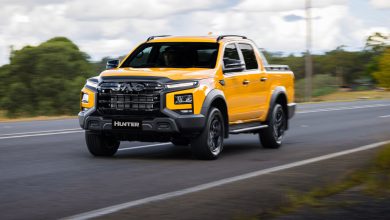
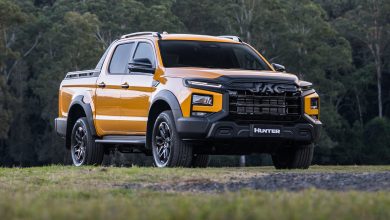
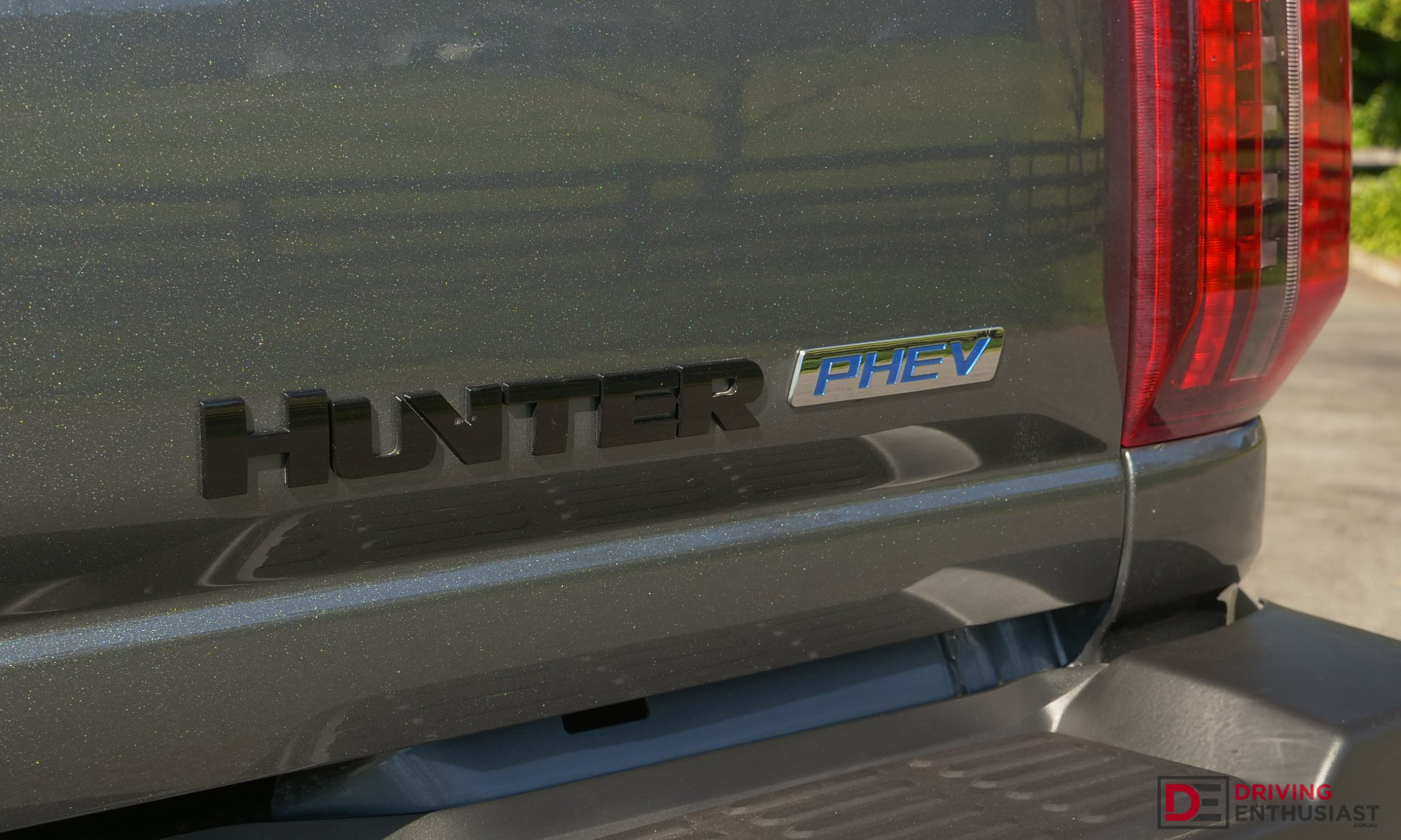
The plug-in hybrid (PHEV) ute market is suddenly becoming crowded in Australia, but the JAC Hunter arrives with one very significant advantage: price.
Starting from $49,988 before on-road costs for the Hunter Pro, it is currently the most affordable PHEV ute on sale in Australia. The better-equipped Hunter X tested here starts from $54,844, which still places it well below key rivals.
That shouldn’t give the Hunter a free pass for any shortcomings. A cheaper vehicle still needs to be properly engineered, reliable and pleasant to drive. But the price does need to remain in the back of your mind when assessing the overall package. This is a dual-cab 4×4 based on the T9, with a plug-in hybrid system offering up to 100km of electric range, 3500kg towing and, in Hunter X form, front and rear diff locks for less than some conventional diesel utes.
JAC has also put considerable effort into preparing it for Australia. More than 100,000km of local testing was carried out before launch, while Australian vehicle dynamics engineer Michael Barber worked on the suspension and steering tune. According to JAC, the resulting setup was adopted in full for Australian production vehicles.
2026 JAC Hunter X: Specifications
Engine: 2.0-litre turbo four-cylinder PHEV
Electrical: 31.2kWh battery, 100km electric range
Output (combined): 360kW / 1010Nm
Gearbox: Four-speed hybrid auto
Drive type: Four-wheel drive, dual-range
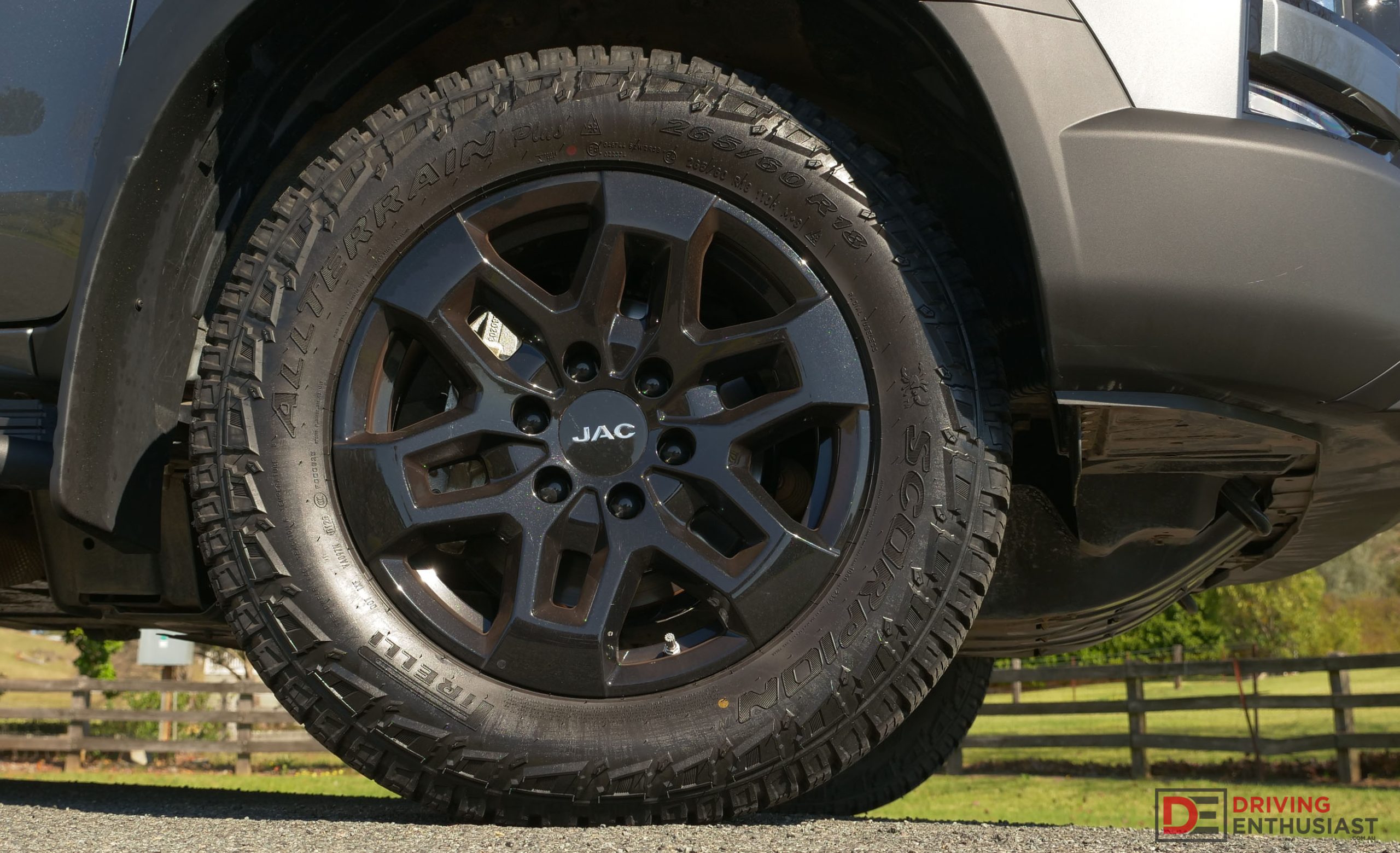
Wheels: F & R: 18×8.0, 265/60
ANCAP: Five stars
Kerb weight: 2555kg
Power-to-weight: 7.09:1 (kg:kW)
Max charging AC/DC: 11kW/46kW
Official consumption: 1.6L/100kmOur consumption: 9.0L/100km
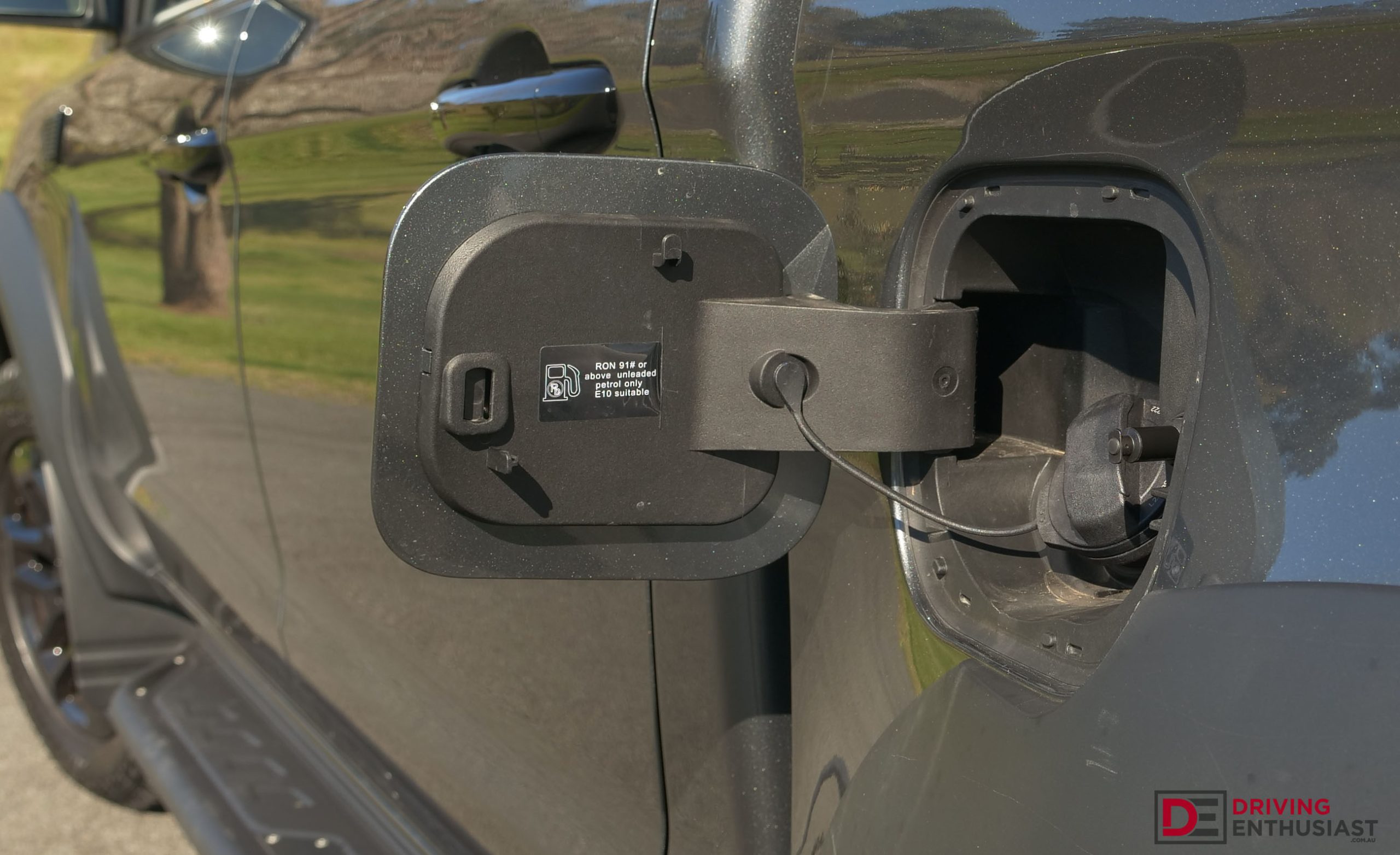
Fuel tank/Fuel type: 77L/91 RON
Power efficiency: 225kW:L/100km
0-60km/h: 3.75 seconds*
0-100km/h: 6.52 seconds*
60-110km/h: 3.62 seconds*
1/4 mile: 14.71 seconds at 157.0km/h*
Max acceleration: 0.706g*
100-0km/h braking: 45.32m in 3.67 seconds*
Max deceleration: -1.217g*
Starting price: $54,844
*Figures as tested by Driving Enthusiast on the day. Manufacturers’ claims may be different
2026 JAC Hunter X: How much does it cost?
The Hunter Pro starts from $49,988 before on-road costs, while the Hunter X is priced from $54,844. For the extra money, we’d be tempted by the X. Along with its additional comfort and convenience features, getting front and rear differential locks as standard substantially improves its appeal for buyers intending to use the vehicle properly off road. It might also return a higher resale value down the track.
The Pro can be fitted with those lockers for another $1888, however, which still leaves it at a very competitive price. JAC also provides a 7-year/unlimited kilometre warranty, with one year roadside assistance, and 15,000km/12 month service intervals.
2026 JAC Hunter X: Interior & packaging
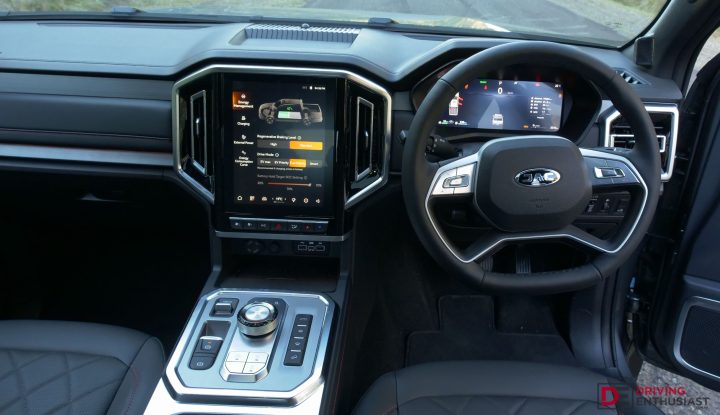
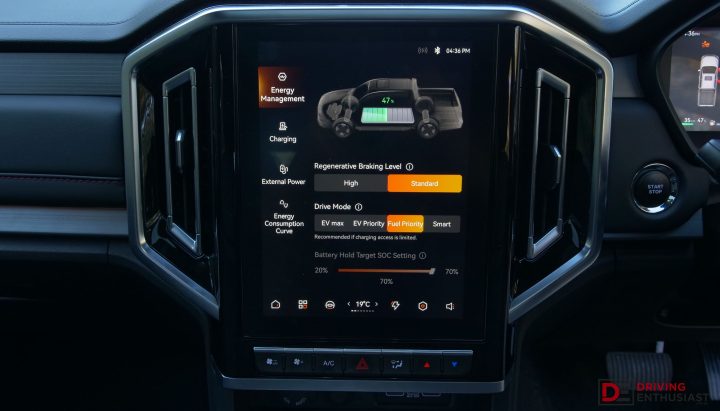
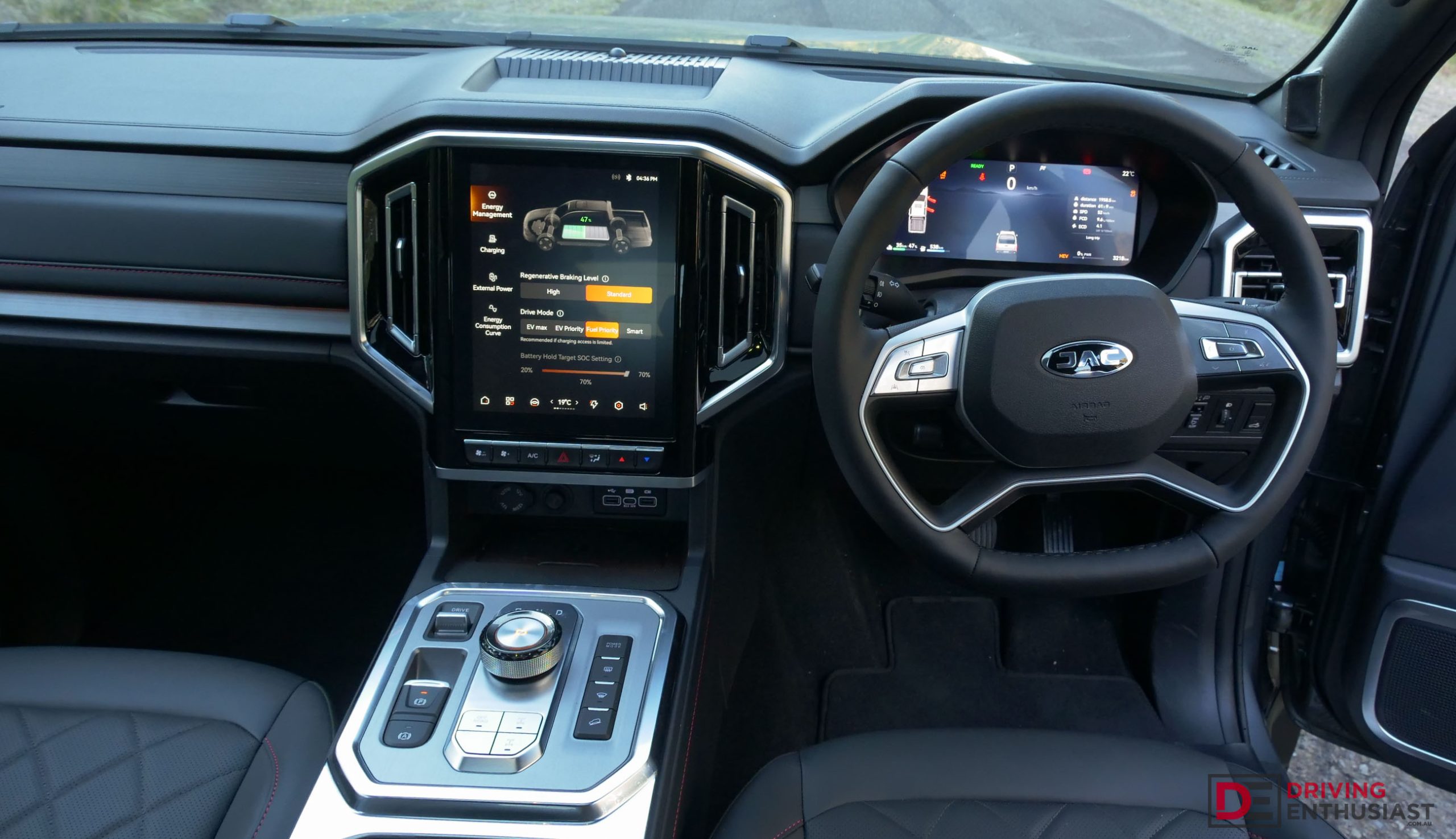
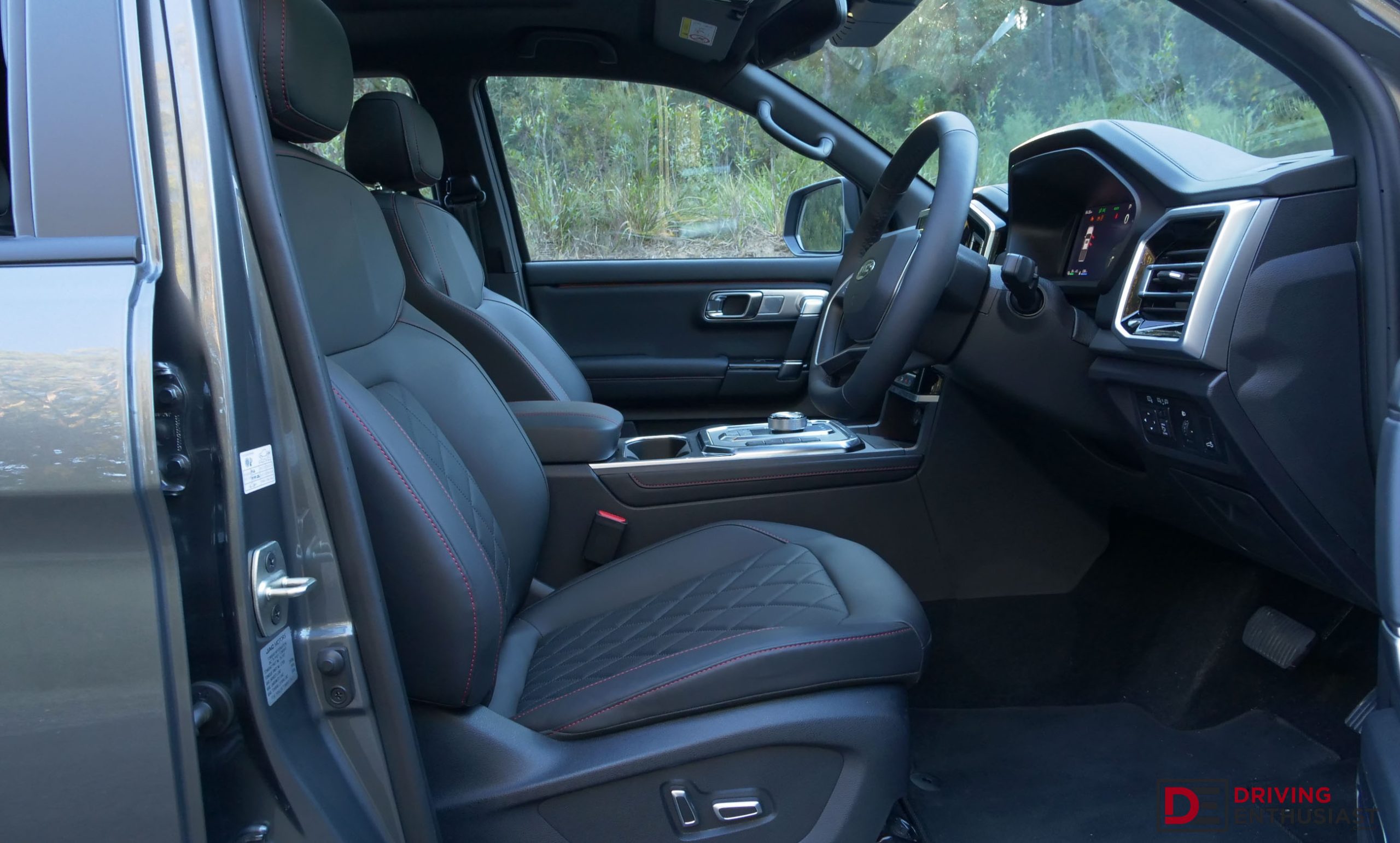
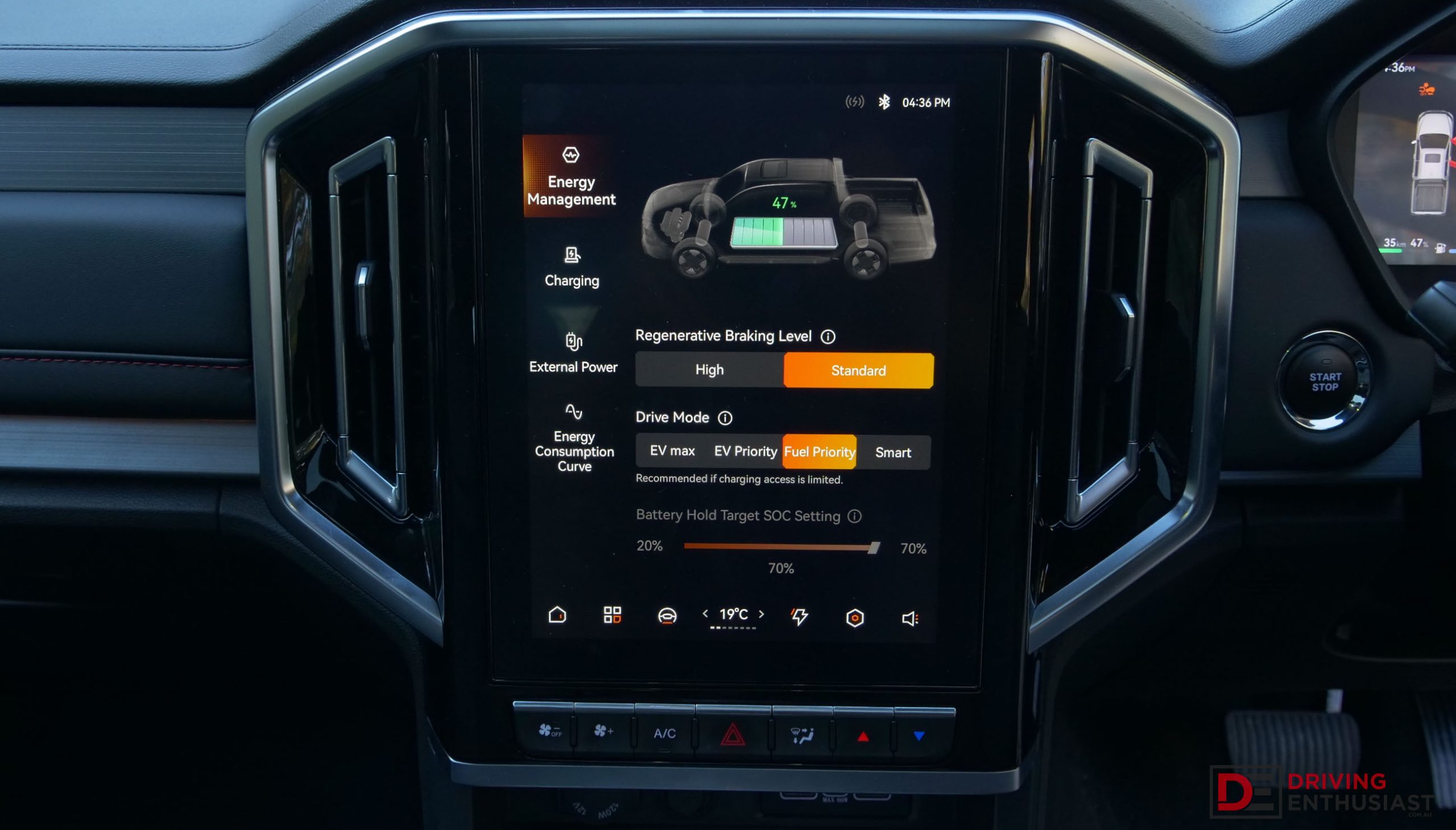
Inside, the Hunter takes a relatively conventional approach compared with some of the more futuristic new-generation utes entering the market. That’s not necessarily a bad thing. The 10.4-inch touch-screen system is particularly straightforward. Menus are reasonably logical and it doesn’t feel unnecessarily complicated, which means you can generally find what you’re looking for without digging through multiple layers of submenus.
Cabin space is decent without being class-leading. There’s enough room in the second row for adults, but some of the physically larger utes provide more rear legroom and an overall greater sense of space if that’s what you need. There is a trade-off here, though.
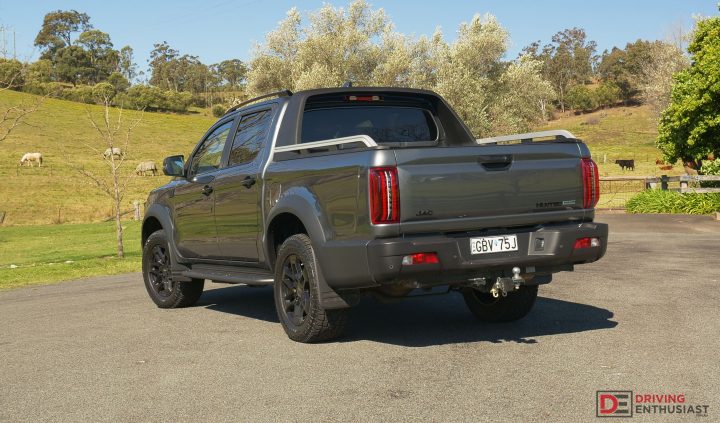
The Hunter isn’t as cumbersome around town as some of those larger alternatives. Depending on whether you regularly carry tall adults in the back or spend more time trying to fit into shopping centre parking spaces, that might actually work in its favour. Overall length stands at 5330mm, which is a touch shorter than most, with 1635mm width also narrower than many.
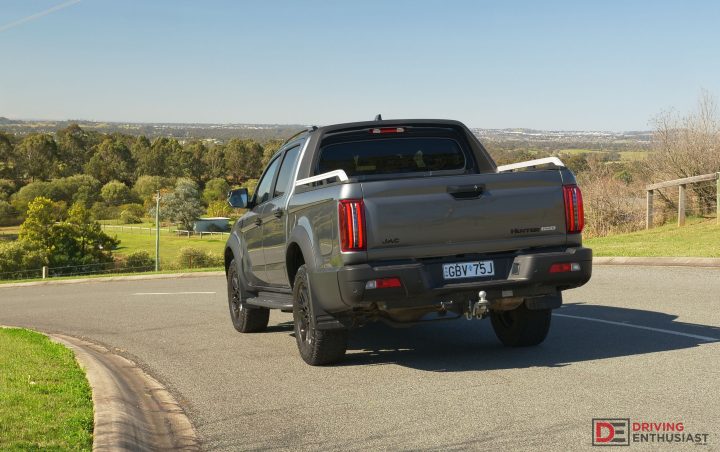
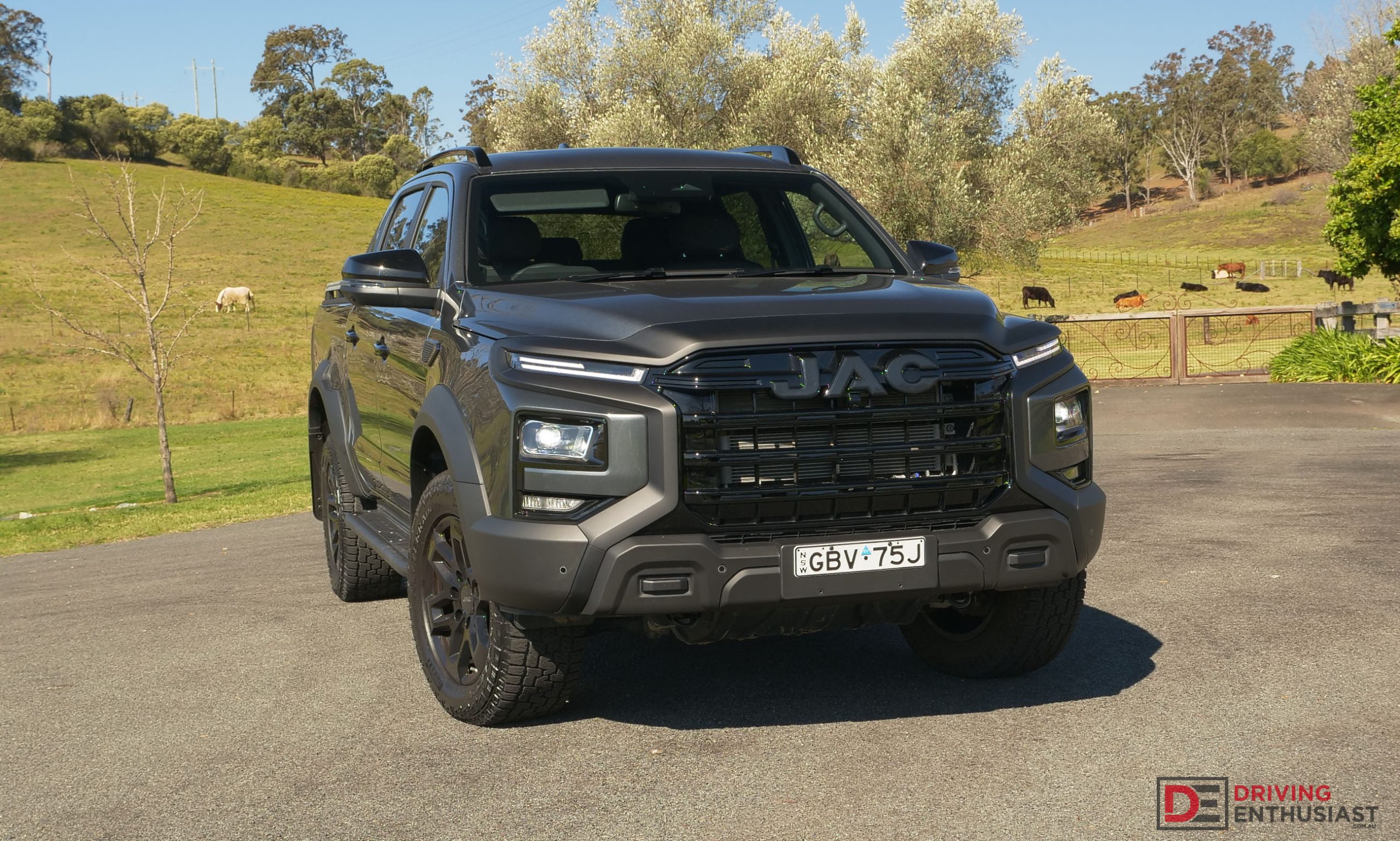
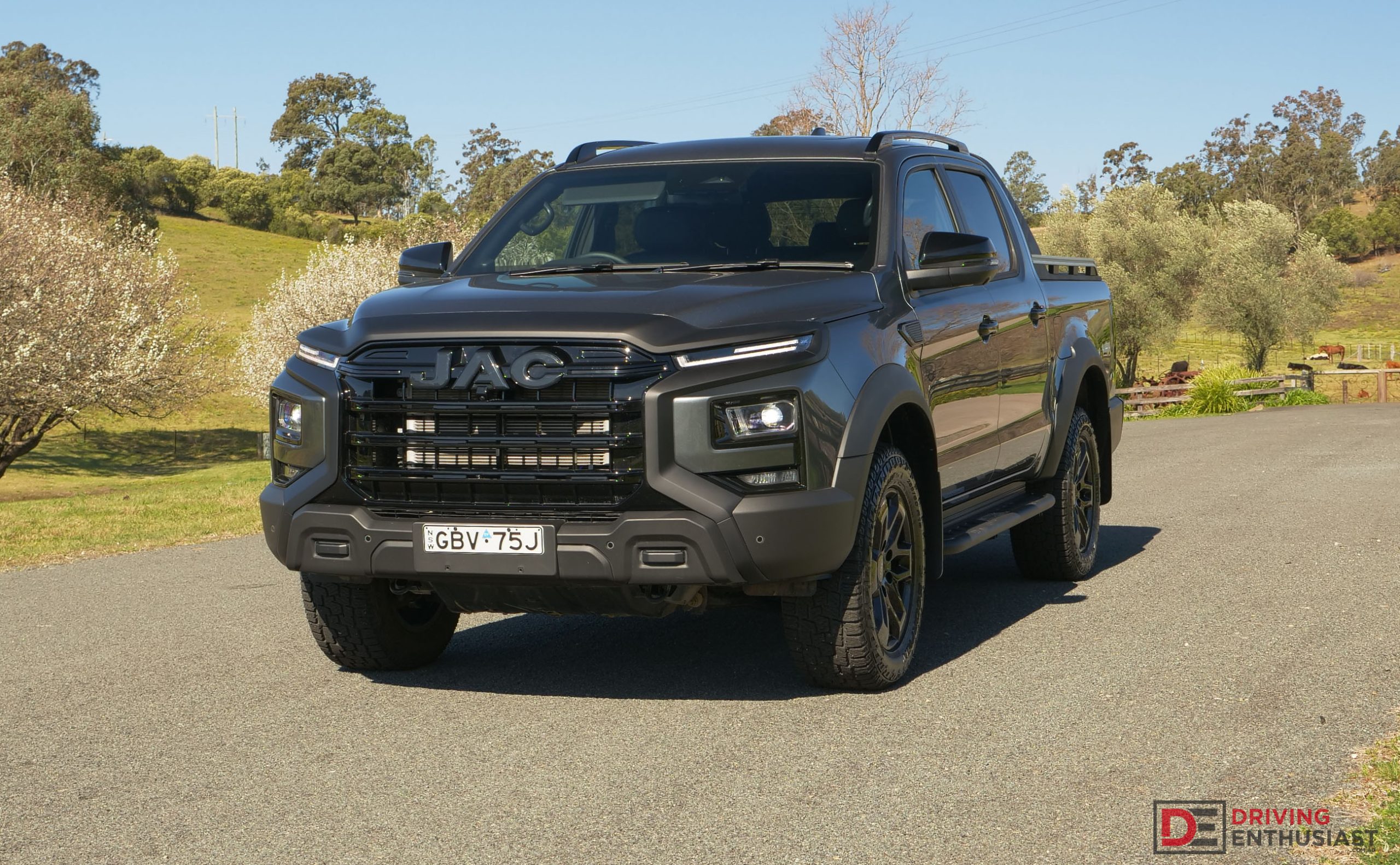
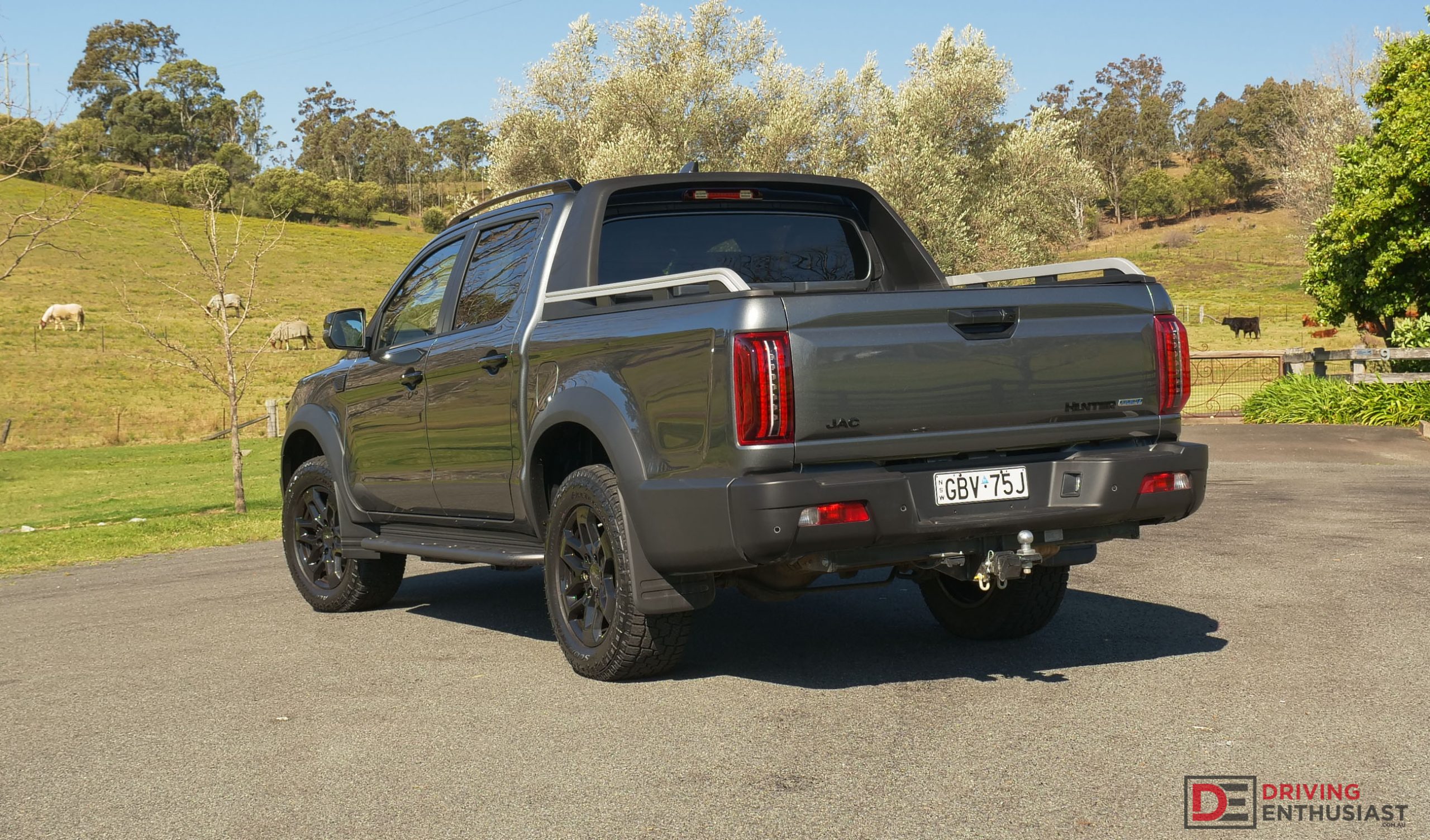
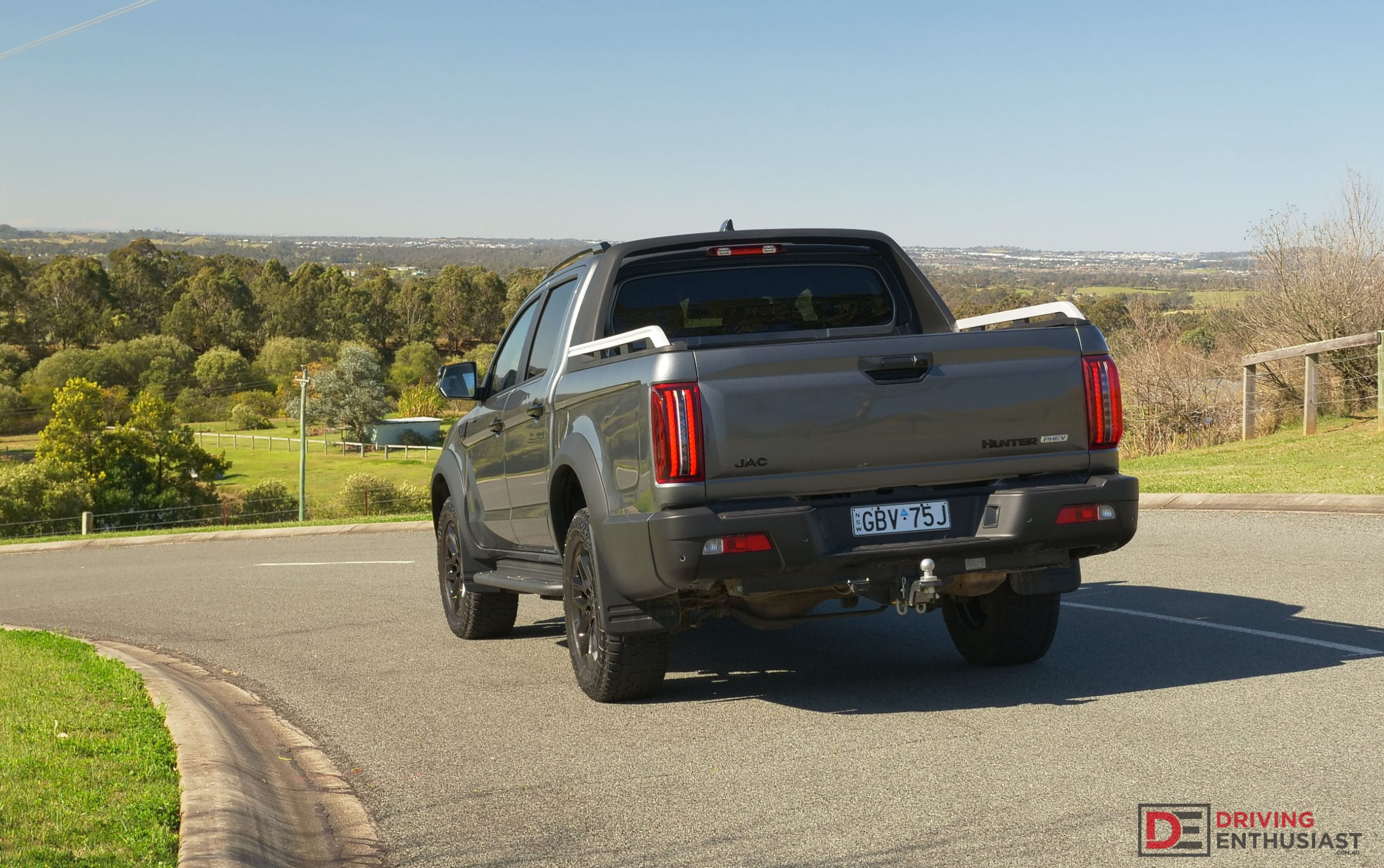
It’s a handsome enough exterior design with fairly conventional proportions, but it already looks slightly dated alongside some of the latest, more adventurous designs in our opinion. On the other hand, there’s nothing particularly offensive about it. It blends into traffic like a traditional dual-cab ute… from 2020, with its big headlights and flat panels, which some buyers might prefer.
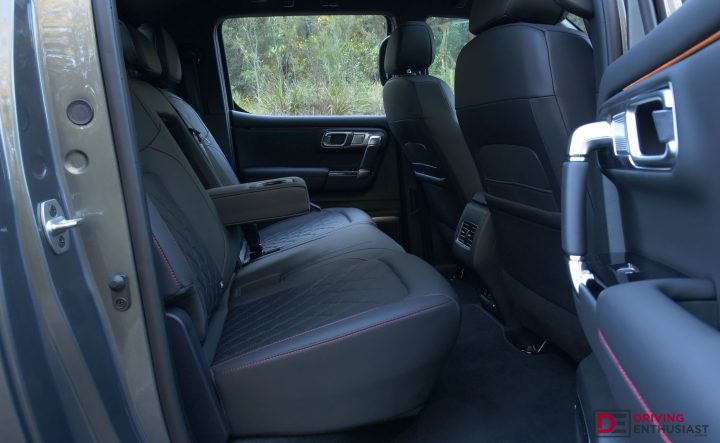
Going for the Hunter X adds heated front seats, a power-adjustable passenger seat, surround-view camera system, front parking sensors, folding mirrors, rear privacy glass, and a 220V rear power outlet. That’s on top of the front and rear diff locks as standard.
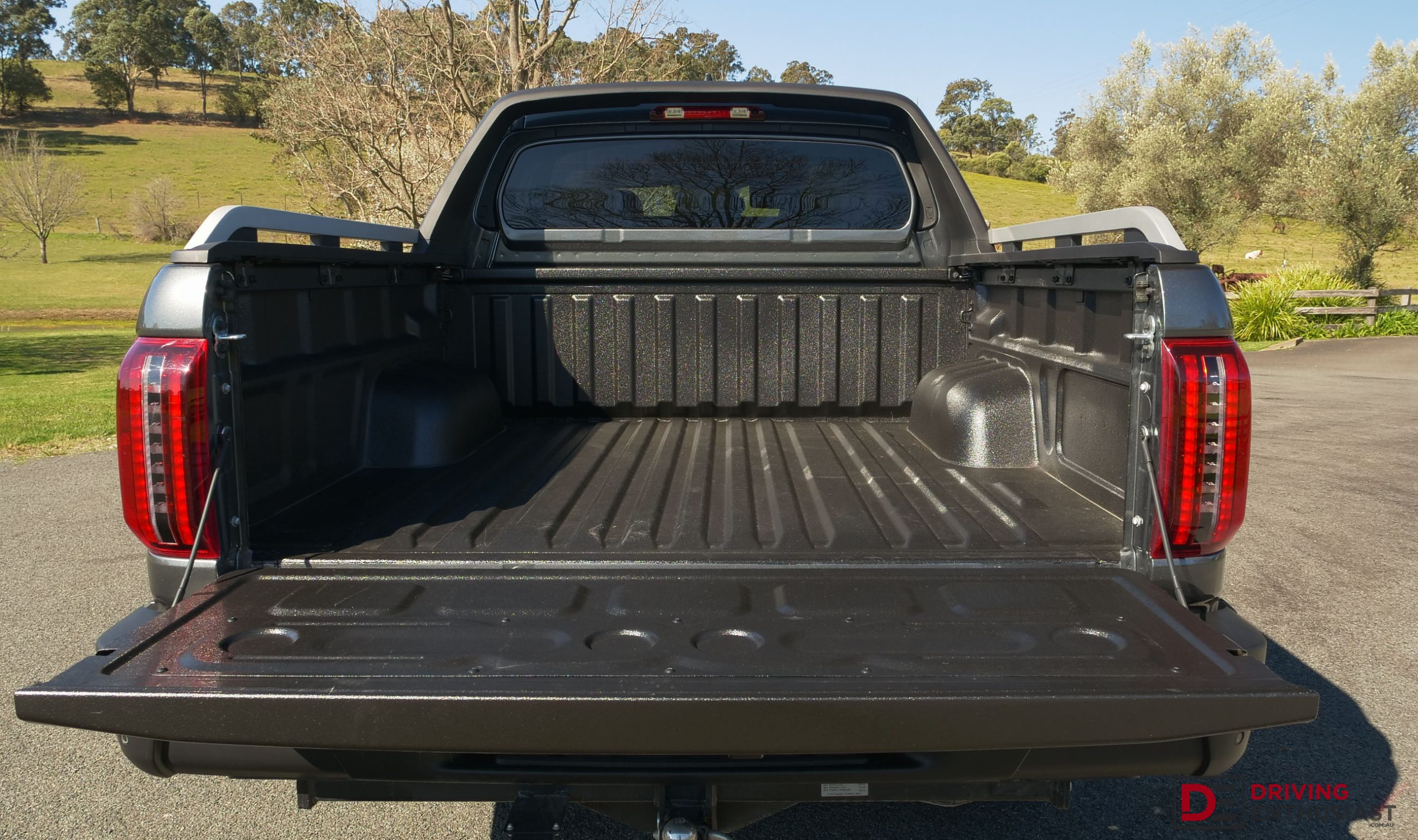
Towing capacity is at 3500kg braked and has a maximum payload of 915kg. More importantly, the 3470kg GVM leaves 565kg of payload for passengers and cargo at 3500kg towing (with 350kg download, excluding tow bar and any accessories). However, you’ll run into the 6430kg GCM first, minus the 2555kg kerb weight and 3500kg towing, leaving 375kg.
That’s not terrible but not that impressive either. It means you could tow 3500kg with three people on board and potentially some cargo, depending on how fat everyone is, or isn’t. For reference, the new BYD Shark 6 Performance offers 375kg leftover GCM and GVM at 3500kg as well. Meanwhile, a Toyota HiLux SR5 48V auto offers 615kg of leftover GVM at 3500kg towing, or 645kg of GCM (it runs into the GVM first).
2026 JAC Hunter X: Powertrain & handling
This is where things become more complicated. JAC quotes outputs of 360kW and 1010Nm from the Hunter’s plug-in hybrid system. Those are enormous figures, particularly for something starting below $50,000. However, they need some context.
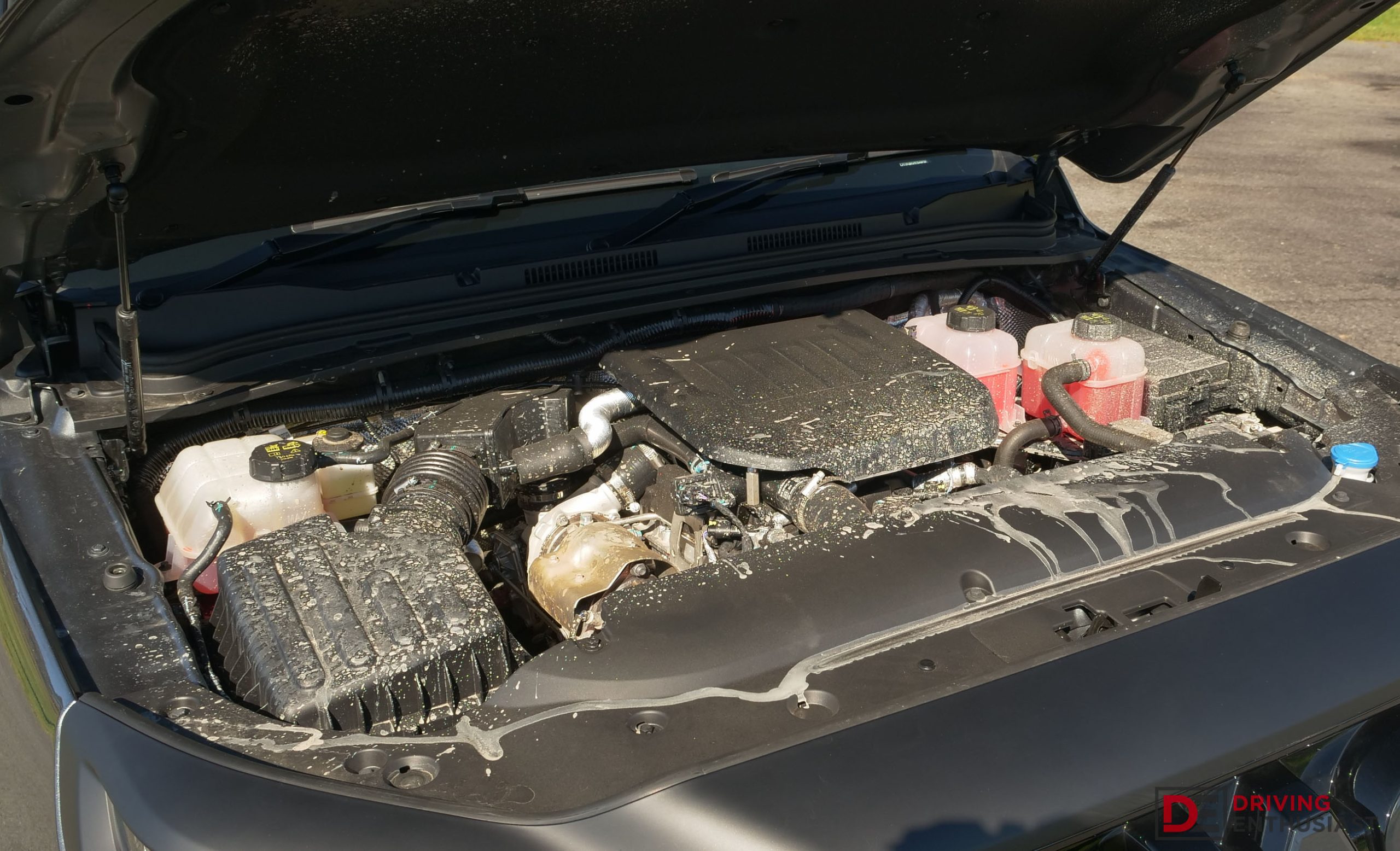
The quoted torque figure is derived by combining the individual outputs of the 2.0-litre turbo-petrol engine and electric motors; 370Nm from the engine, 300Nm from the front motor and 340Nm from the rear motor. That’s not necessarily representative of the maximum torque that can actually be delivered to the road simultaneously, because peak torque from the petrol engine and from the motors doesn’t arrive at the same time. Not many other car manufacturers will claim a combined figure like this.
The real-world performance reinforces that point. We’ve previously drag raced the Hunter against the BYD Shark 6 Performance, which has lower quoted power and torque (350kW and 700Nm) figures and is substantially heavier, yet the BYD was a lot quicker. We timed 0-100km/h in 6.52 seconds, with the Shark 6 Performance stopping the clock in 5.5 seconds.
If the Hunter could genuinely deploy 360kW and 1010Nm in the conventional sense buyers might reasonably interpret those numbers, you’d expect the opposite result. There’s another issue with the hybrid system that becomes apparent during everyday driving. The transition between electric and petrol propulsion. It isn’t smooth.
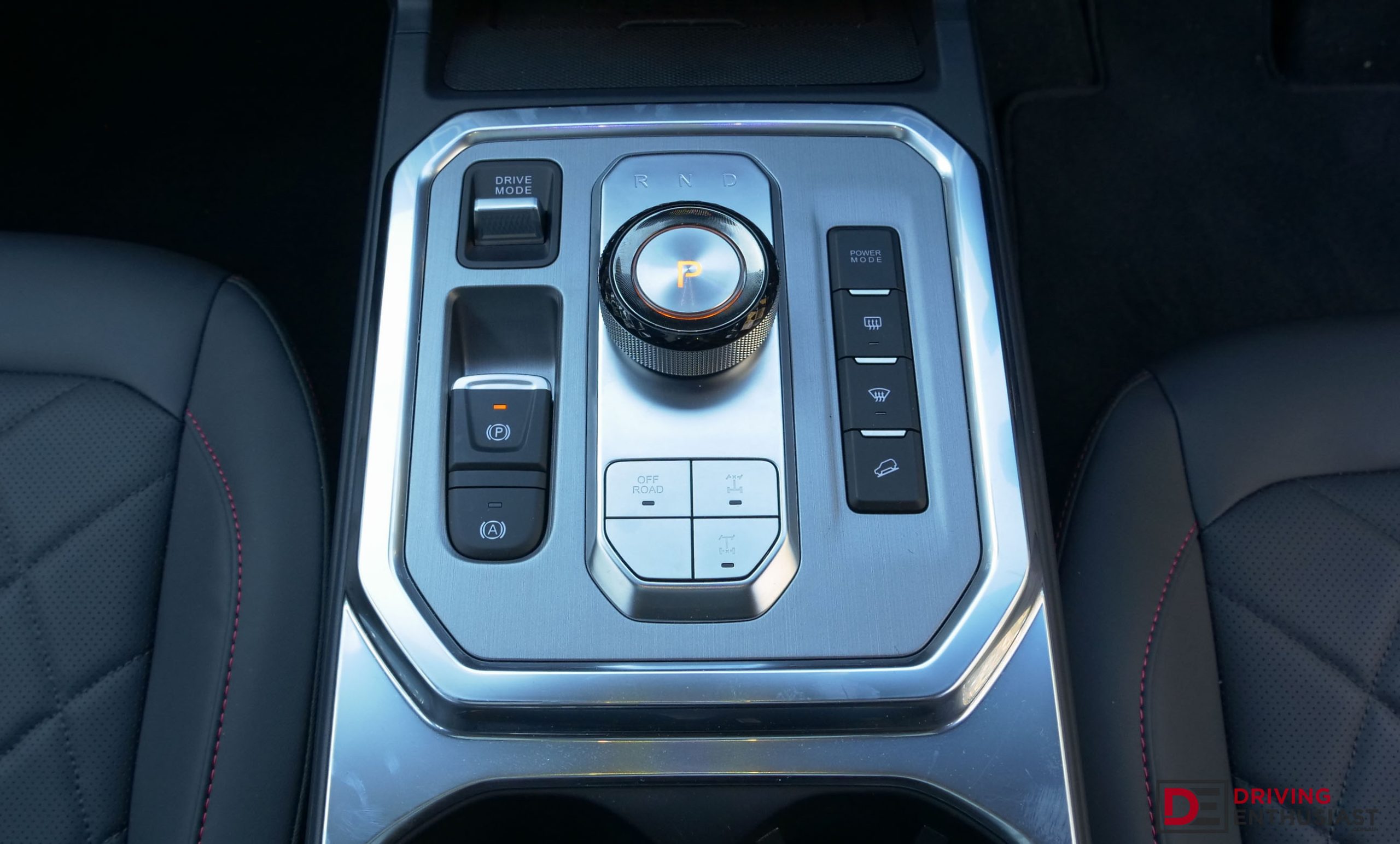
You have various settings and modes to play around with, including two regenerative braking pressures, EV max and EV priority, and a Smart mode, as well as a battery charging target mode that forces the petrol engine to work a bit harder to charge the battery. And then it holds the battery at the percentage you set.
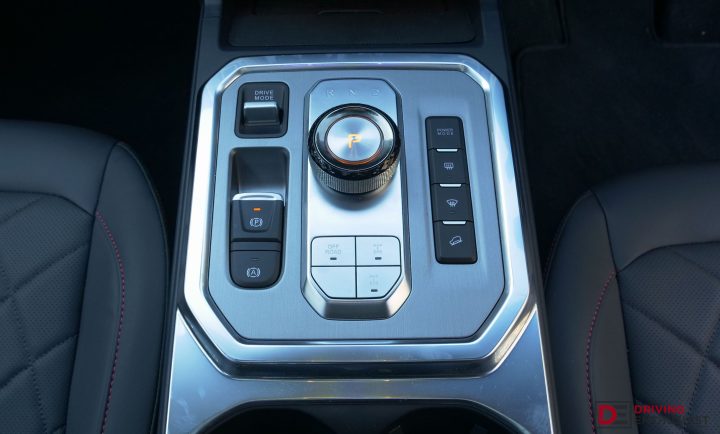
You can clearly hear the petrol engine starting and engaging with the drivetrain, but more importantly, you can physically feel it. At times there’s a noticeable jerk as the powertrain changes operating modes, and if the battery level is low, the engine will rev quite high, automatically. Modern hybrid systems can make these transitions almost imperceptible, so the Hunter’s behaviour stands out.
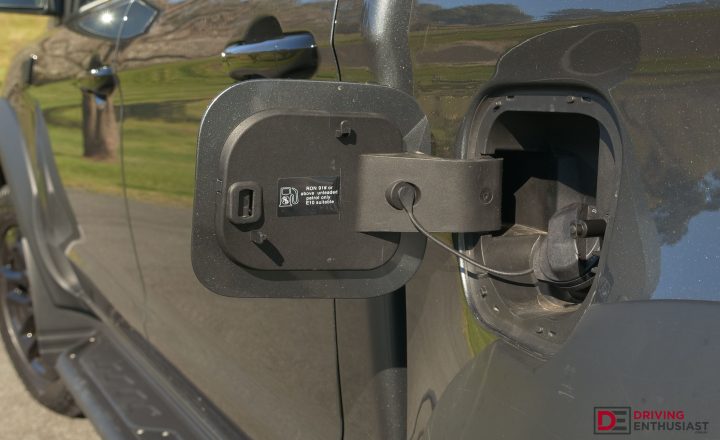
That’s disappointing because the underlying concept is appealing. Around town you can potentially complete shorter journeys using the claimed 100km electric range (more like 70-80km in the real world), while the petrol engine provides the flexibility required for long-distance touring and towing. JAC claims more than 1000km of combined range under the NEDC testing procedure. It offers 11kW AC charging, which is impressive for a PHEV, and 46kW DC fast charging. The engine can also run on the cheapest 91 RON petrol as well.
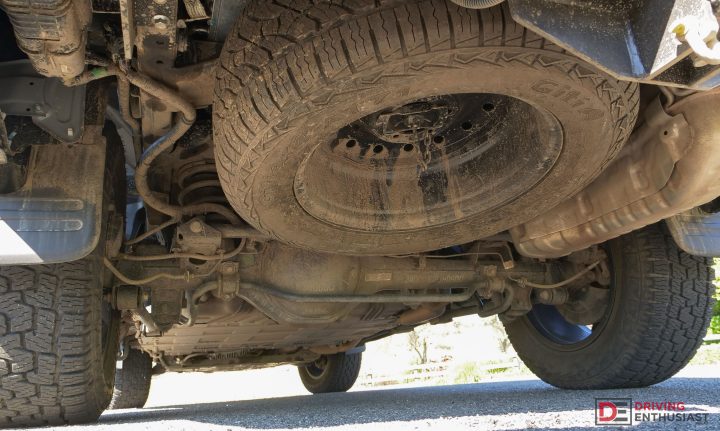
The locally tuned suspension is much more convincing. Ride comfort is actually among the better examples in the dual-cab class, with coil springs front and rear and a live axle at the rear. It deals nicely with smaller bumps and broken surfaces and generally avoids the stiff, jittery behaviour that can affect unloaded commercial utes. It’s not perfect. On undulating country roads, the front end can develop a noticeable bouncing motion, and overall handling is fairly average rather than particularly sharp or engaging.
But that’s arguably the right priority for this type of vehicle. Most Hunter owners are likely to appreciate comfort over ultimate cornering precision, particularly if they’re travelling long distances or regularly using rough regional roads.
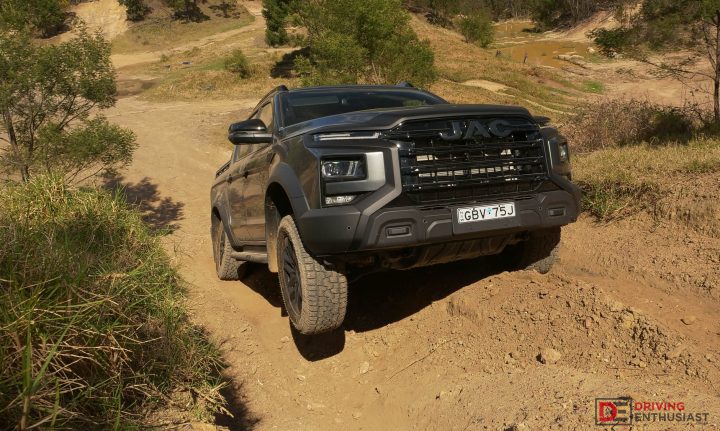
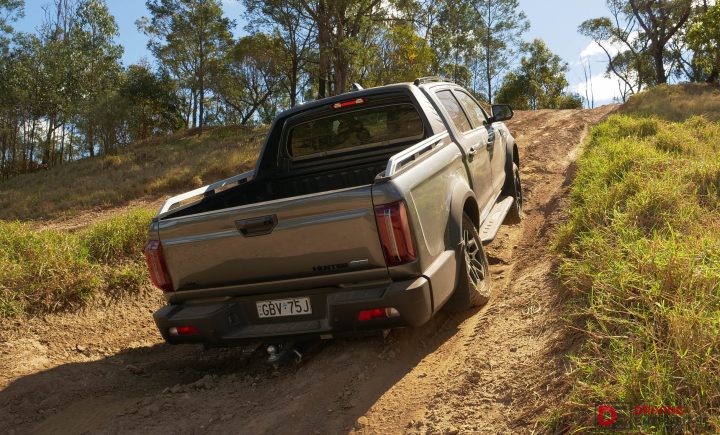
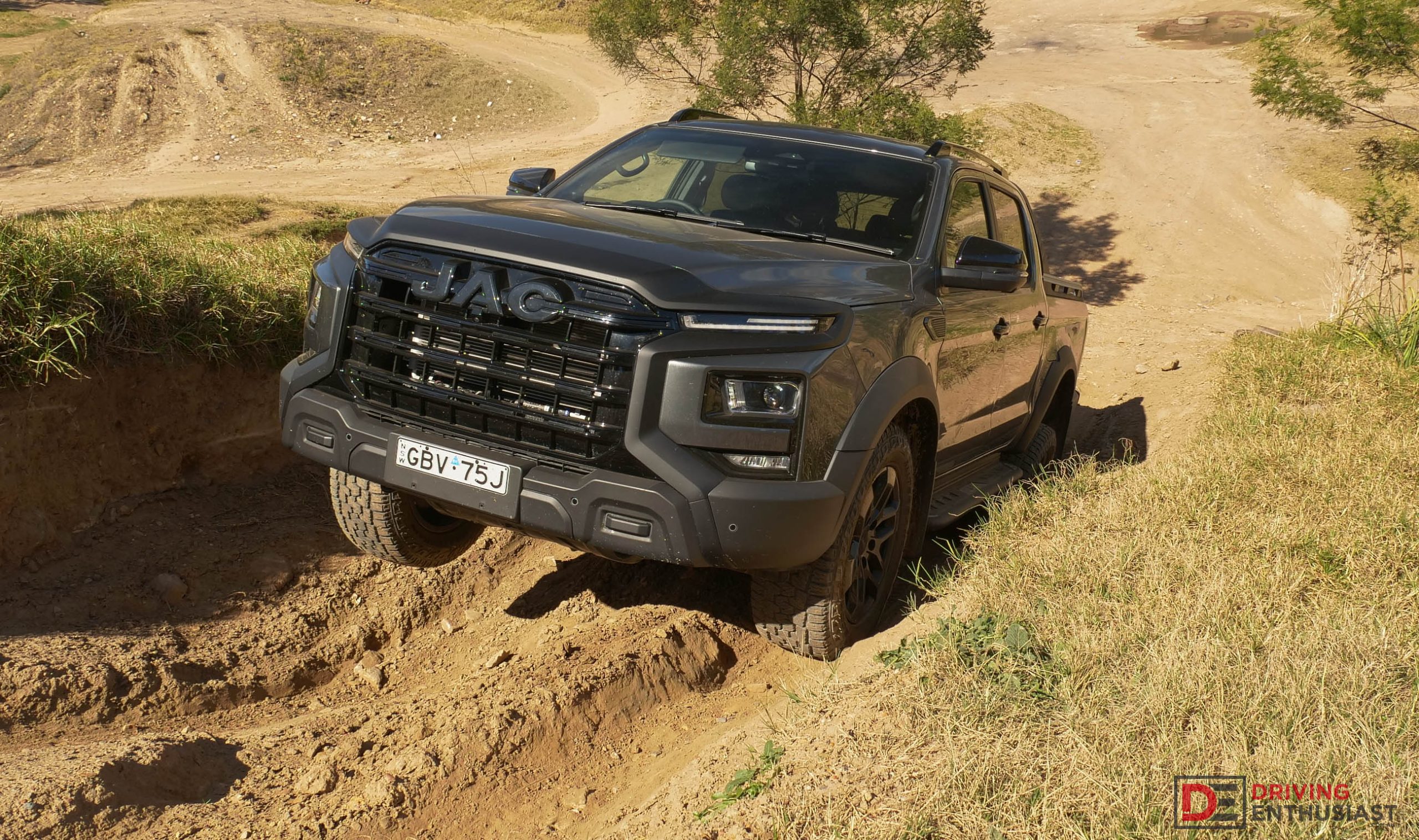
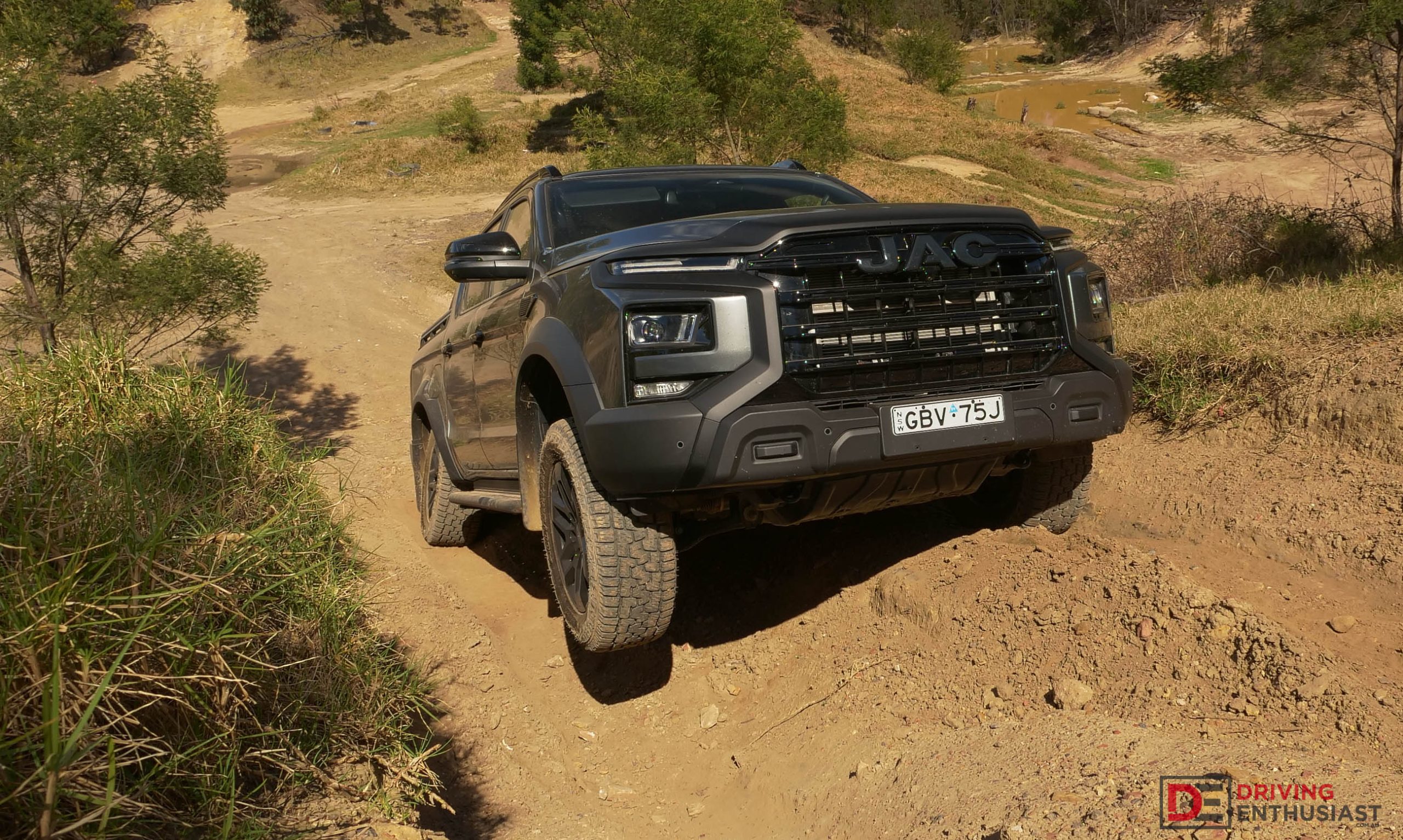
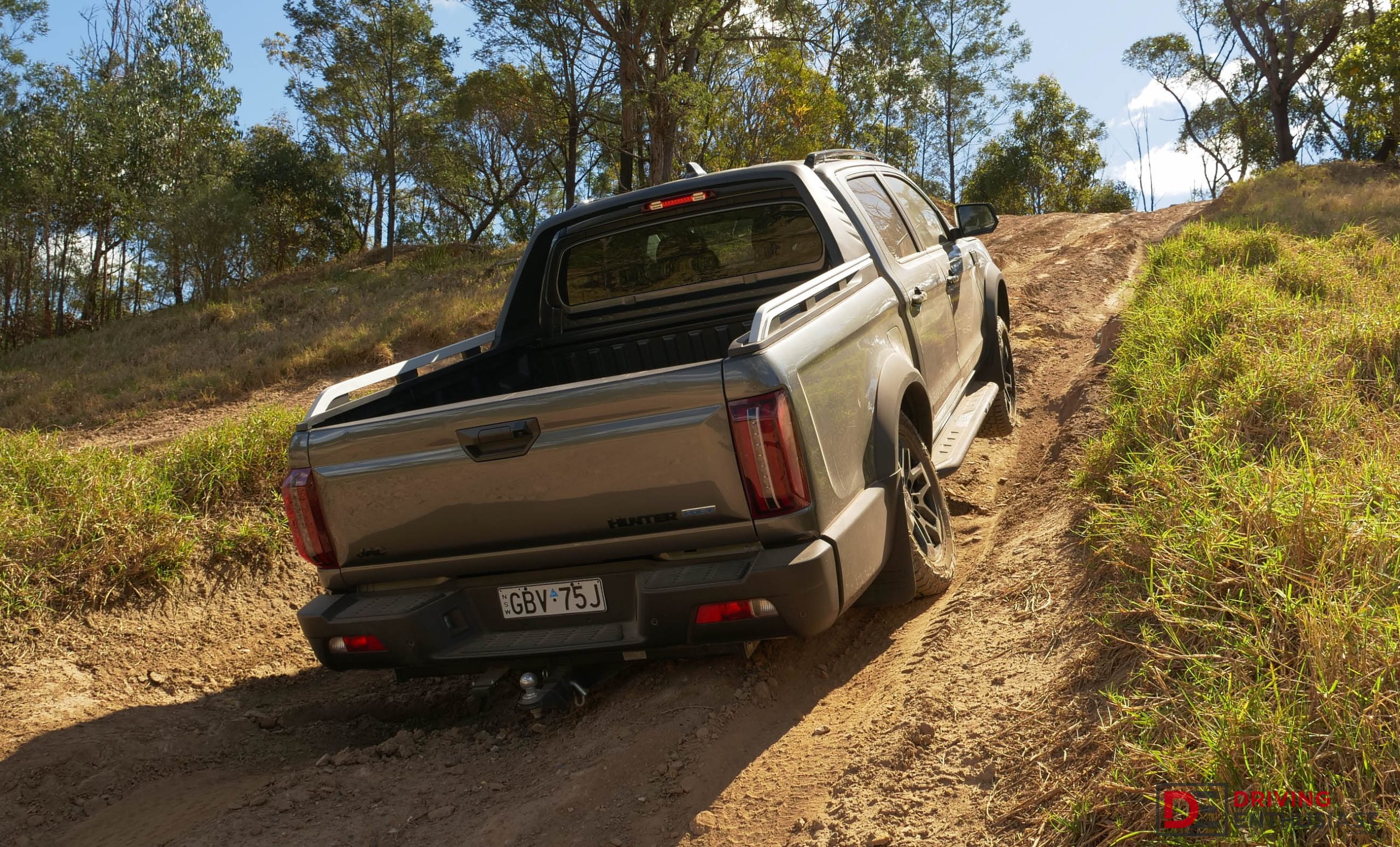
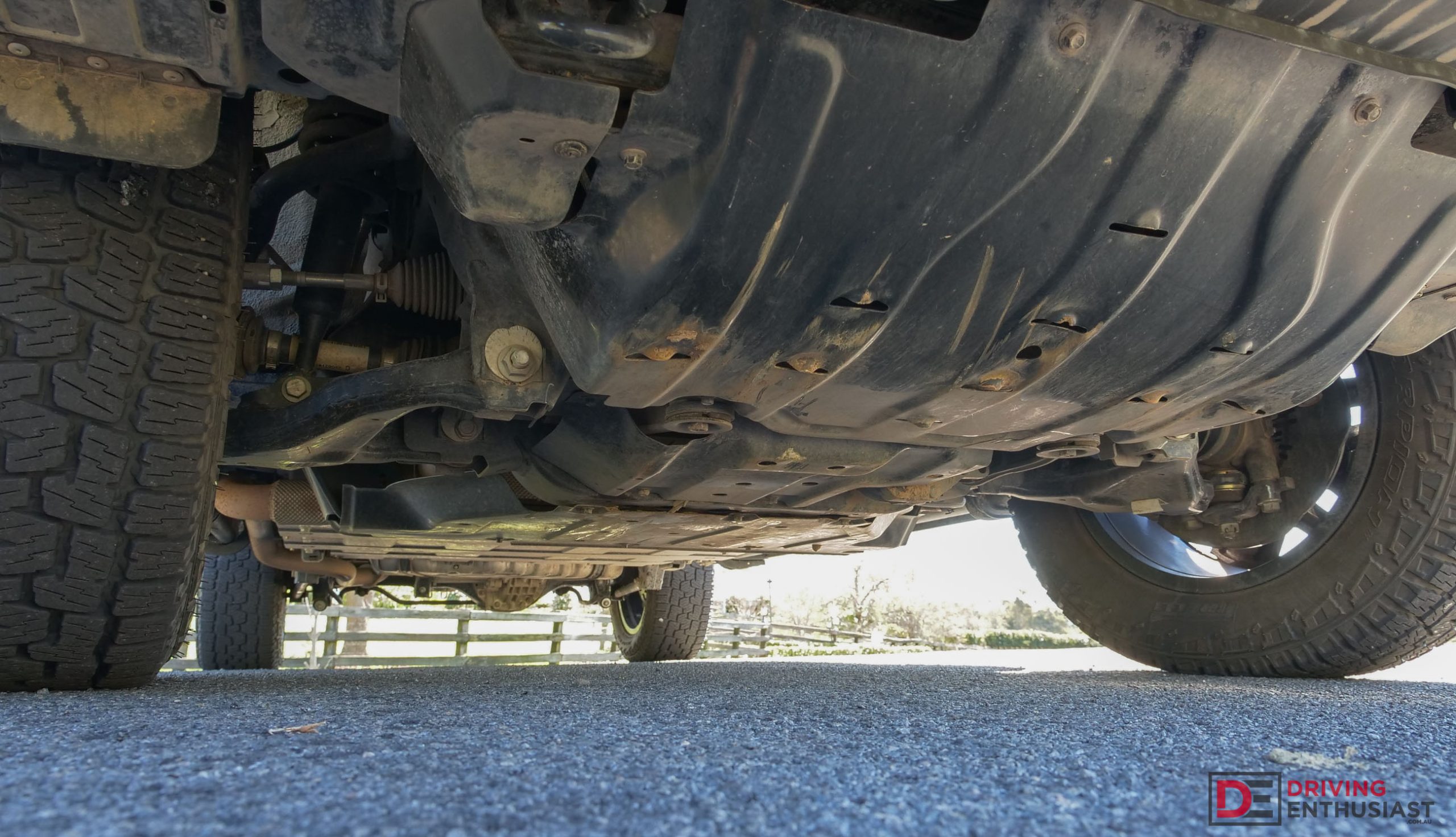
The Hunter also redeems itself considerably once the bitumen ends. In Hunter X form, front and rear differential locks provide a huge advantage in difficult terrain. Rather than relying entirely on electronic traction management to control wheelspin, both axles can be mechanically locked providing relentless progression in tough conditions. It conquered all of our usual hill climb lines without any struggle at all. For reference, the BYD Shark has struggled the same lines.
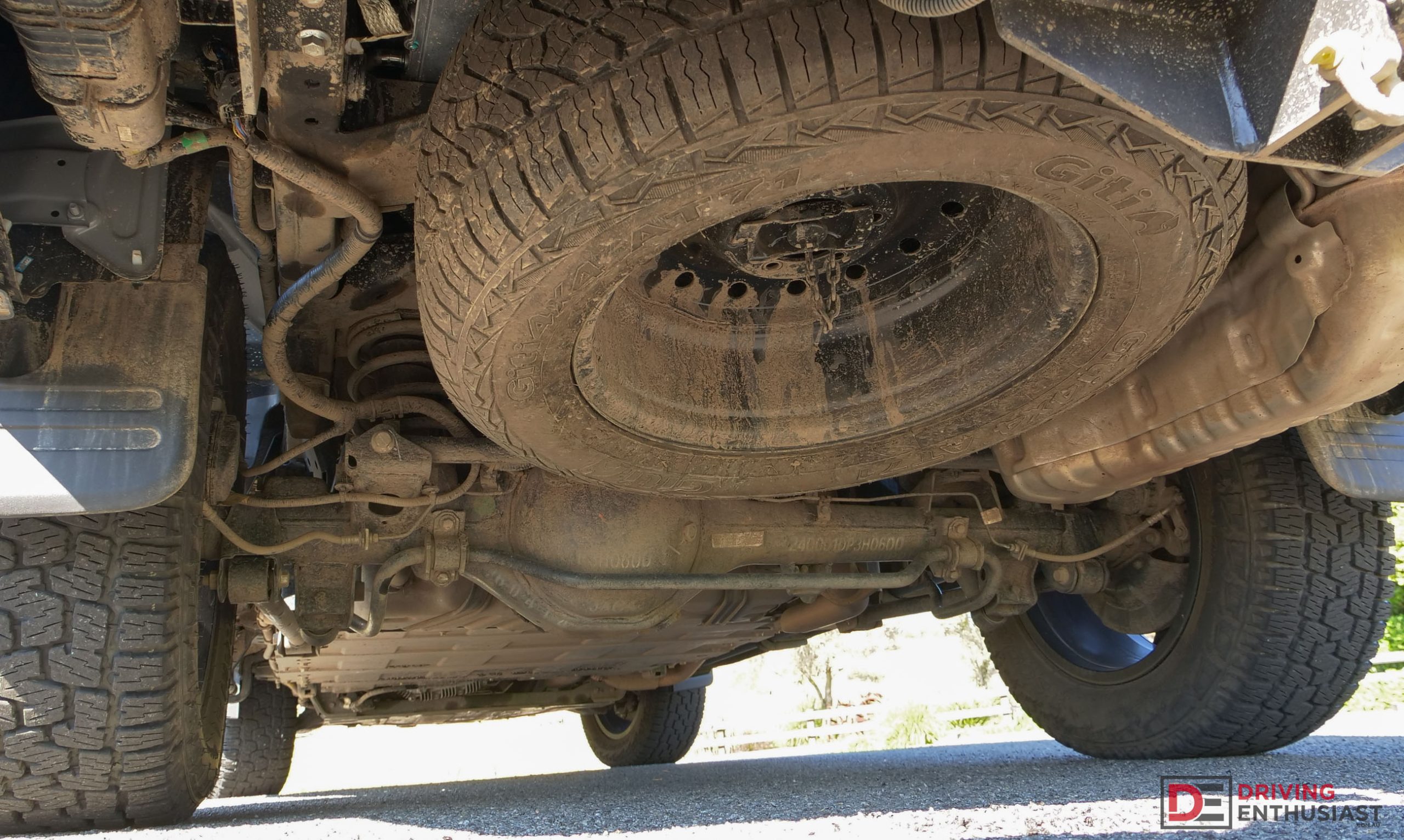
With genuinely strong off-road ability, it will be appealing to those interested in regular off-road stuff. All-terrain tyres are also available as a dealer option, as fitted here. Although the the standard Giti highway tyres will negatively impact rough terrain performance, the lockers mean it should be similarly as capable, albeit a bit slower at making climbs due to increased wheel slip.
2026 JAC Hunter X: Key attractions/reasons to buy
- Excellent value: A sub-$50,000 starting price makes the Hunter considerably better value than many dual-cab utes on the market, in terms of spec, equipment and capability.
- Very good off road: Front and rear differential locks on the Hunter X provide serious capability when the terrain becomes difficult.
- Australian suspension tune: The locally developed setup provides one of the more comfortable rides in the dual-cab class, although the front end is a touch too soft in some conditions.
2026 JAC Hunter X: Key considerations before you buy
- Clunky hybrid operation: The transition between electric and petrol propulsion can be heard and felt, making the drivetrain feel less polished than key rivals.
- Headline outputs need context: The quoted 360kW and 1010Nm figures don’t translate into the straight-line performance those numbers might suggest. JAC has simply combined the individual outputs of the petrol engine and electric motors, which is not the way most do it.
- Ownership remains an unknown: JAC’s relatively small dealer and service network, combined with limited long-term reliability history in Australia, makes buying one more of a risk than choosing an established rival.
2026 JAC Hunter X: Videos


How does it rate against its rivals?
-
Price
-
Quality look & feel
-
Interior tech
-
Powertrain performance
-
Ride & handling
-
X-factor (does it stand out in its class?)
Final word
While the price tag is attractive there are some wrinkles here that need to be ironed out before it could be considered a serious 4×4 ute contender. The clunky hybrid powertrain and lackluster performance for the claimed outputs leave a untrusting after-taste, and the basic design inside and out mean it doesn’t stand out as much as it could. However, off-road performance is excellent in top-spec X form and the ability to run on electric power alone is without doubt a bonus in this class.