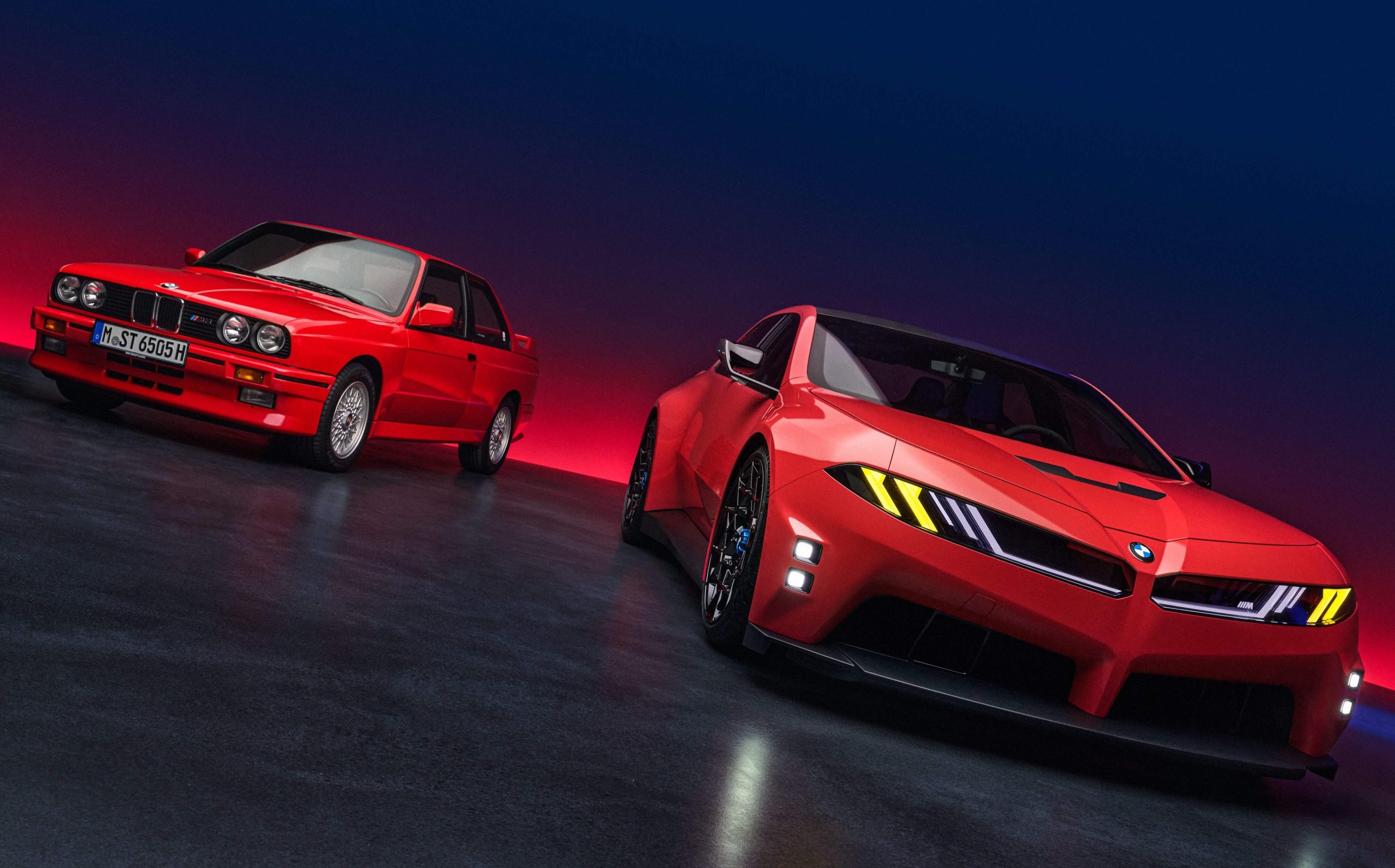
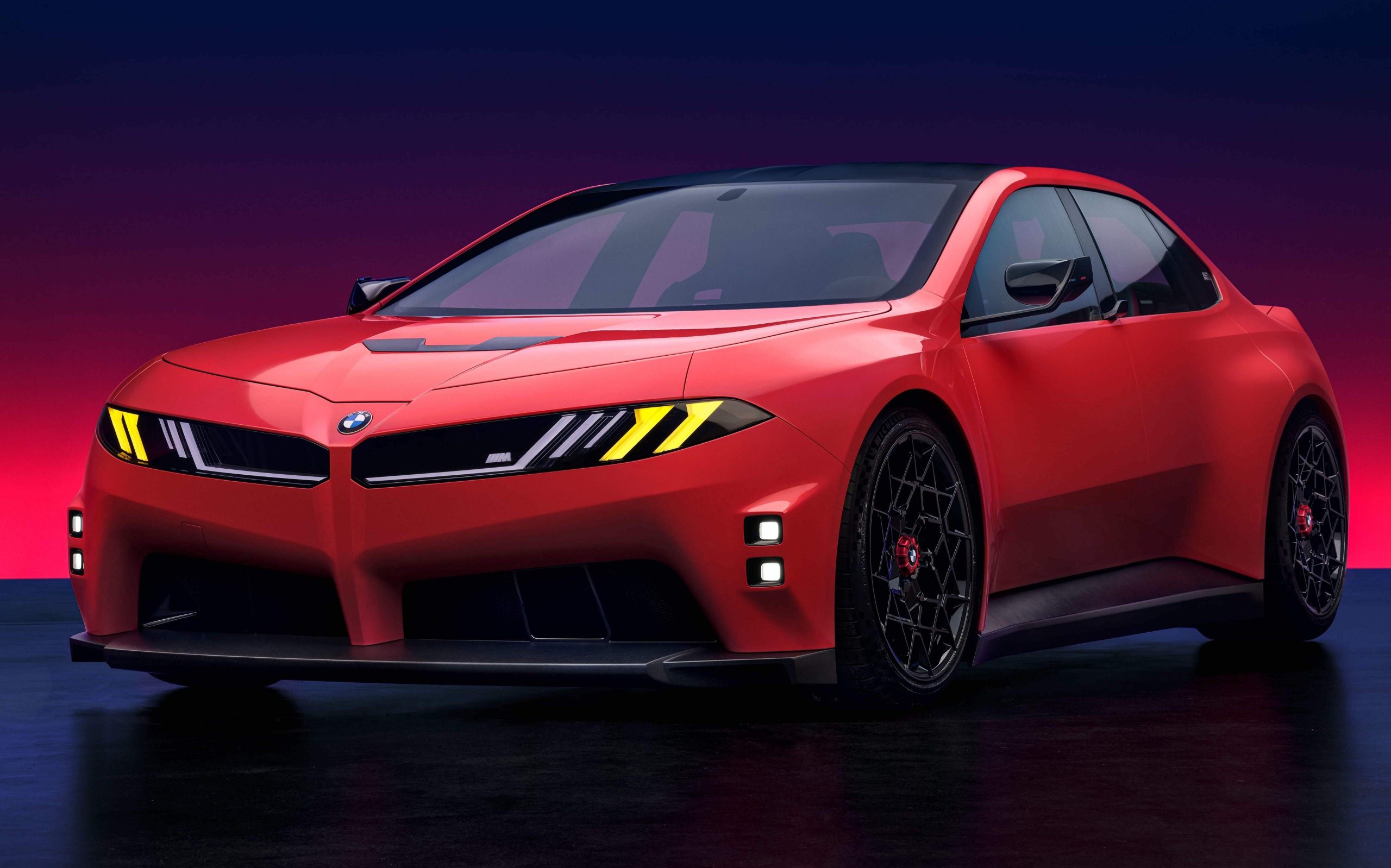
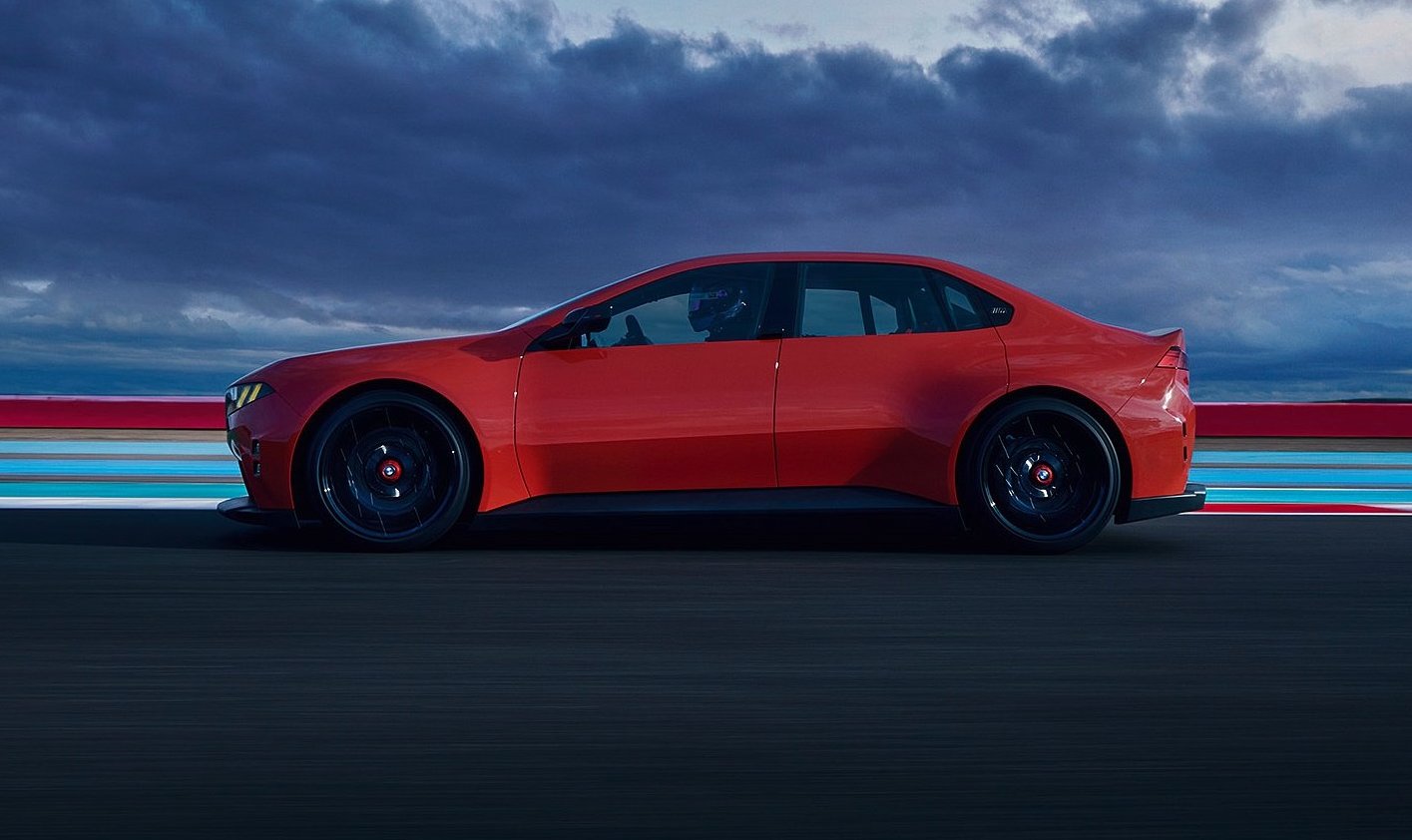
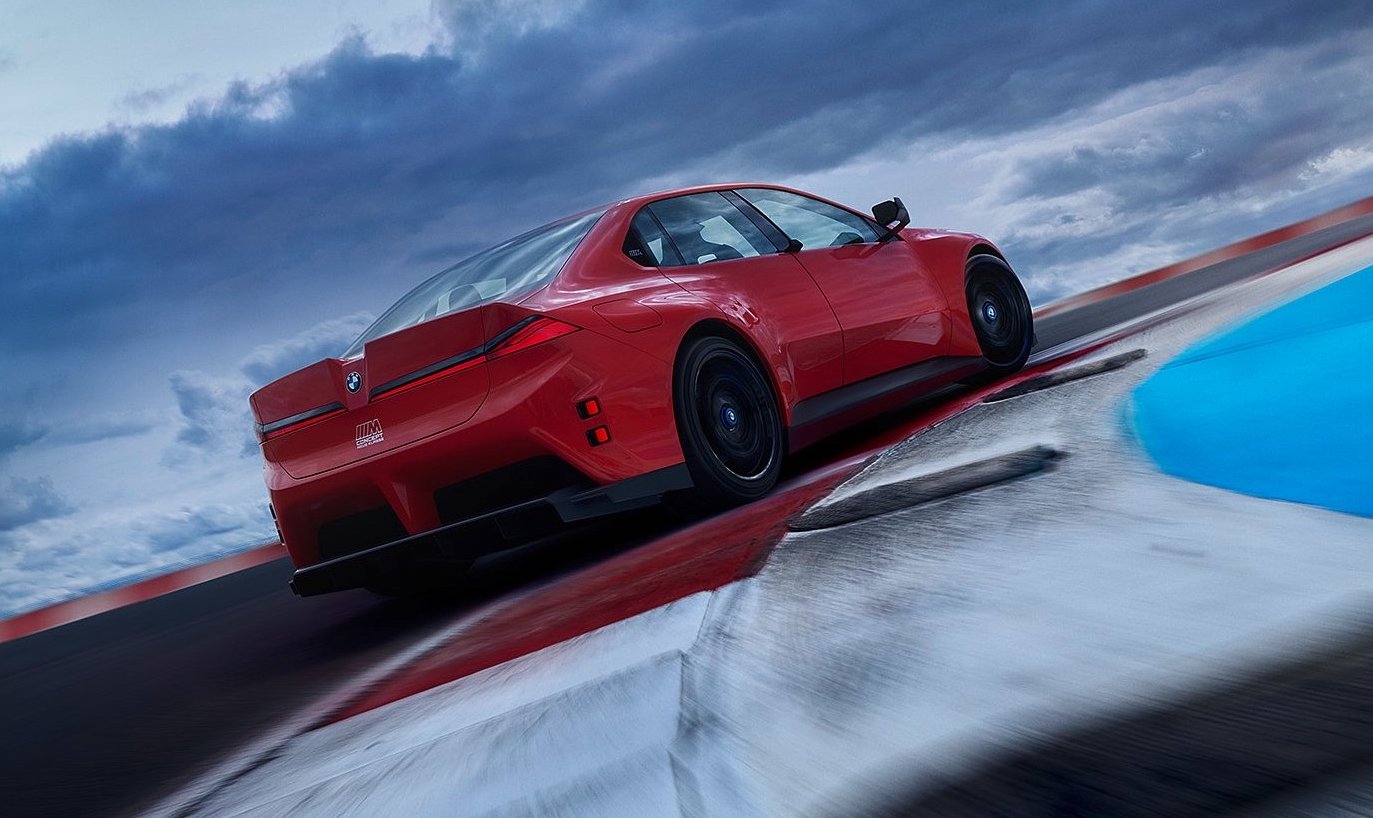
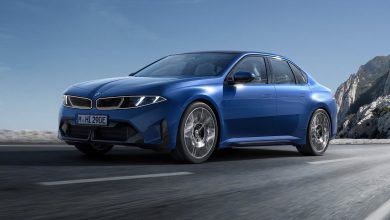
The absolute benchmark for sports sedans is about to undergo the most radical transformation in its 40-year history, and the initial blueprint looks spectacularly aggressive. BMW has used the 24 Hours of Le Mans to rip the covers off the M Neue Klasse concept, providing a near-production preview of the highly anticipated all-electric M3 (previously nicknamed iM3).
While officially badged as a design concept, the Monza Red prototype serves as a direct preview of the upcoming 2027 electric performance sedan, widely expected to carry the i3M name (ZA0 internal designation). Built upon the new Neue Klass i3 architecture, the M division has heavily widened the vehicle’s track, completely redesigning the bodywork with aggressively flared arches, a deep front splitter, and a massive rear ducktail spoiler that channels the aerodynamic profile of the classic E30 M3.
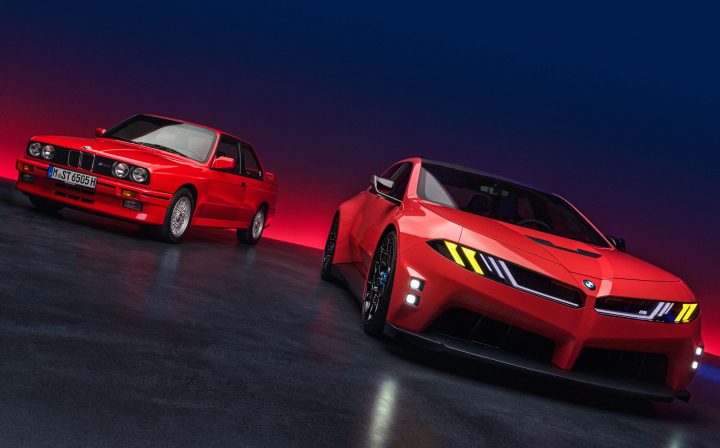
Beneath the widened carbon-fibre bodywork sits a powerful quad-motor electric drivetrain operating on an 800-volt architecture. While BMW has kept official performance metrics closely guarded, industry sources indicate the final production model will utilise a 100kWh battery pack to deliver a total system output between 596kW and 670kW.
The core of the electric M3’s dynamic capability lies in a centralised processing system that BMW dubs the ‘Heart of Joy’. This single control unit oversees both the powertrain and the vehicle dynamics, calculating torque vectoring for each individual wheel within milliseconds. By independently managing the output of all four electric motors, the software is engineered to replicate the signature rear-biased agility of a traditional M3 while providing unprecedented levels of traction out of corners.
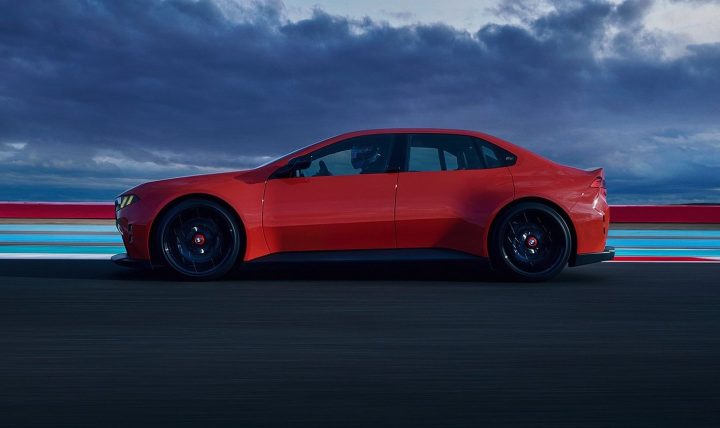
Visually, the concept introduces several exclusive design signatures that are expected to transition to the production model. The front end features yellow-tinted daytime running lights – a hallmark typically reserved for top-tier CS variants – alongside centre-lock racing wheels and a natural-fibre composite aerodynamic kit.
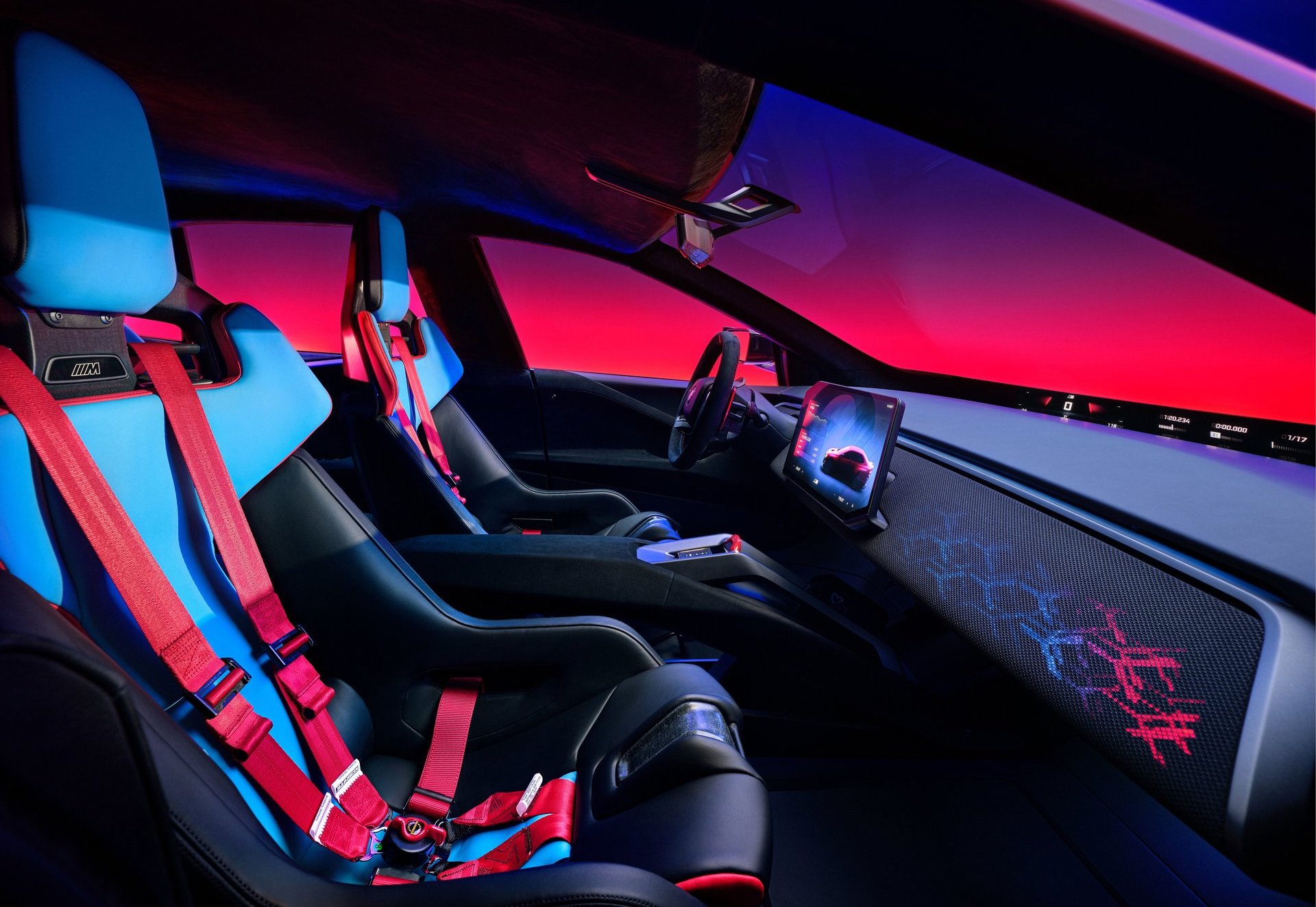
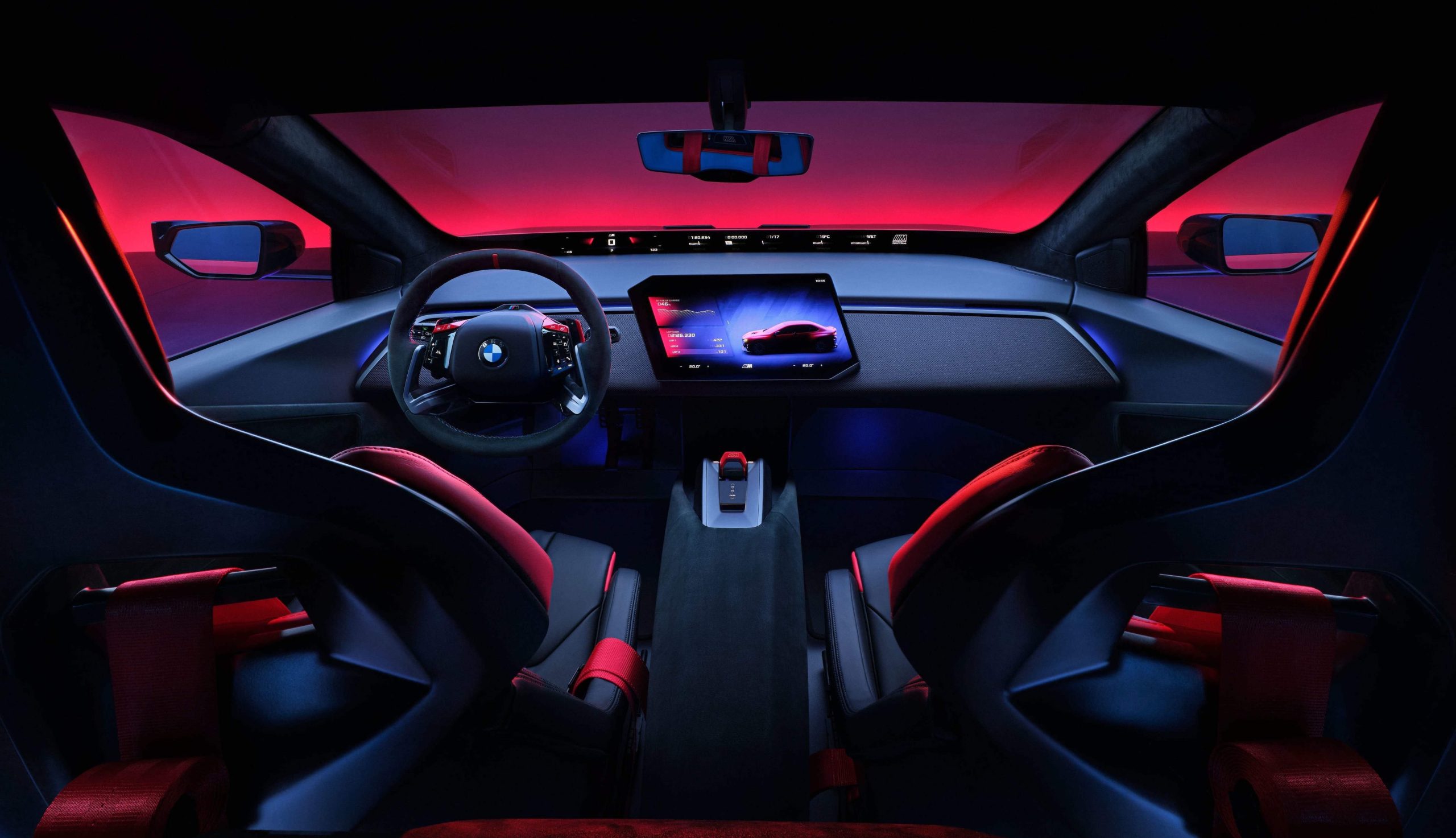
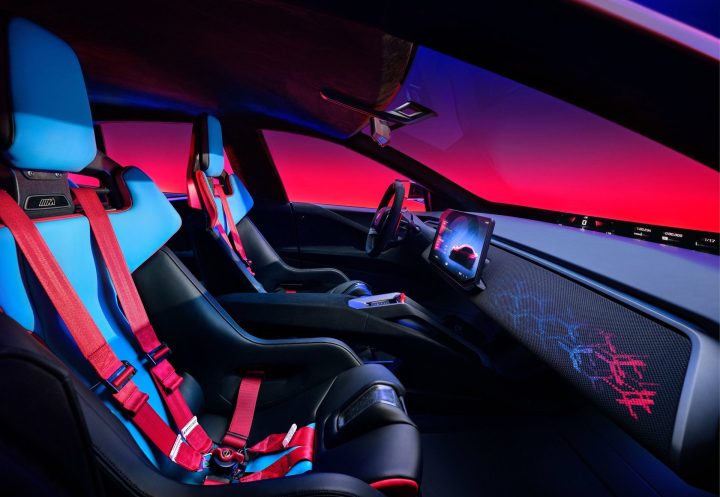
Inside, the cabin retains the sweeping panoramic display of the standard i3 but replaces the standard hardware, with heavily bolstered carbon-fibre racing buckets and four-point harnesses.
For purists concerned about the immediate death of the internal combustion engine, BMW management used the concept’s debut to confirm the electric super-sedan will be sold concurrently alongside a petrol-powered M3.
The Munich brand is currently overhauling its existing 3.0-litre twin-turbo inline-six engine to meet strict Euro 7 emissions standards, ensuring the mechanical lineage survives well into the electric era.