For 2026, a milestone in automotive history has been reached. With the launch of the Atto 1 (nee Seagull), BYD has ushered in the era where EVs have pricing parity with their petrol counterparts. Low $20k for a brand new EV is wild.
In 2025, the MG4 and BYD Dolphin both proved there’s real volume in affordable electric hatches, and the next wave is all about pushing electric cars under $30k and even under $25k territory.
To that end, we’re focusing on the cheapest new EVs you can buy now (or that are confirmed for Australia for 2026). Although all but one of these cars have confirmed pricing and local specs, we will update our current estimates as they land.

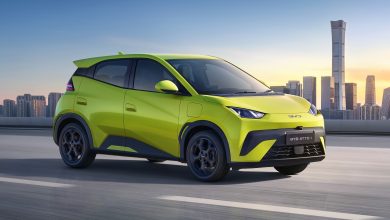
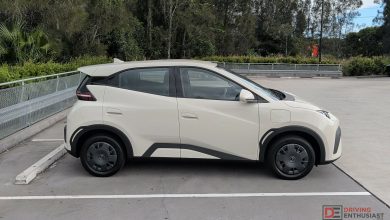
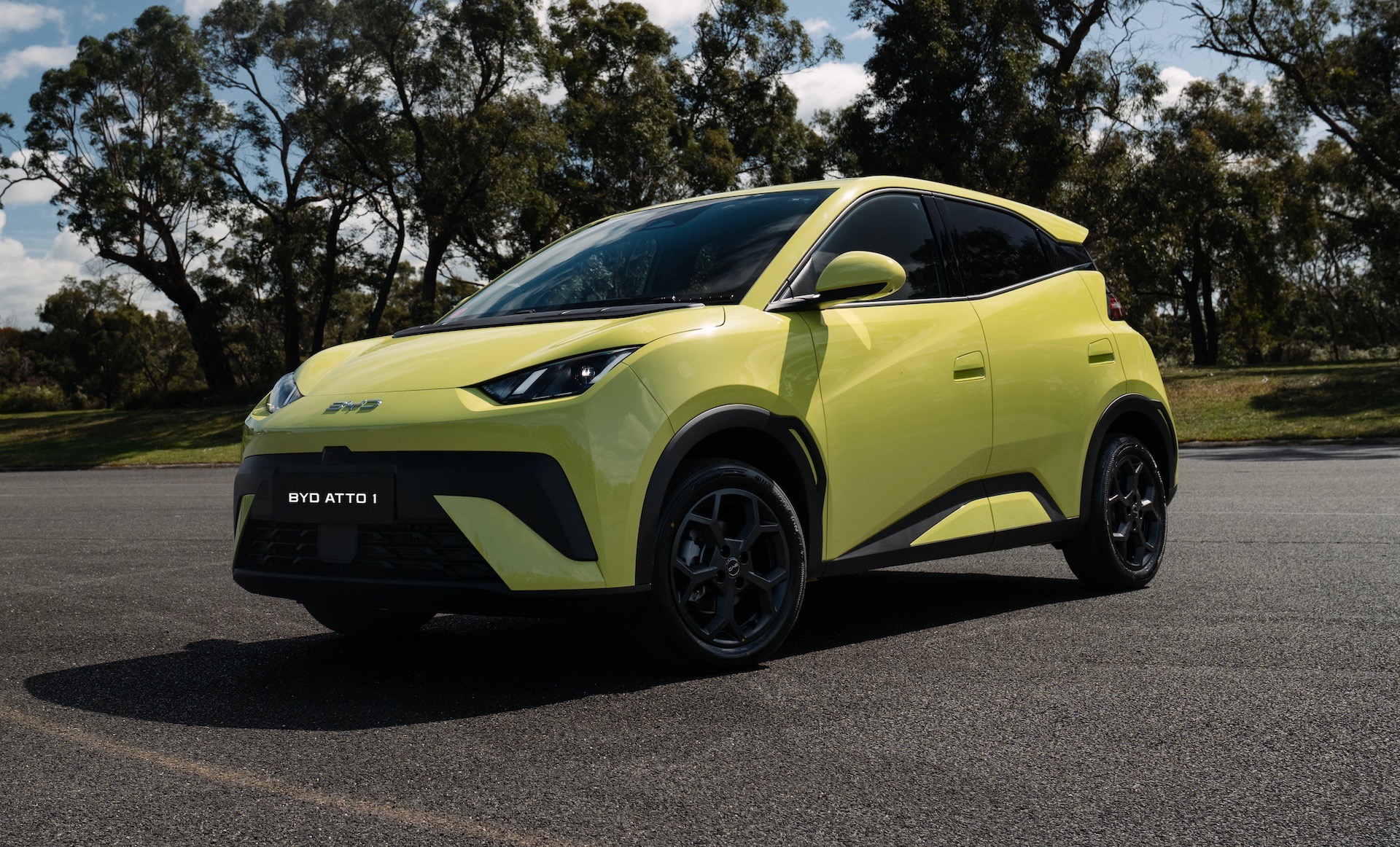
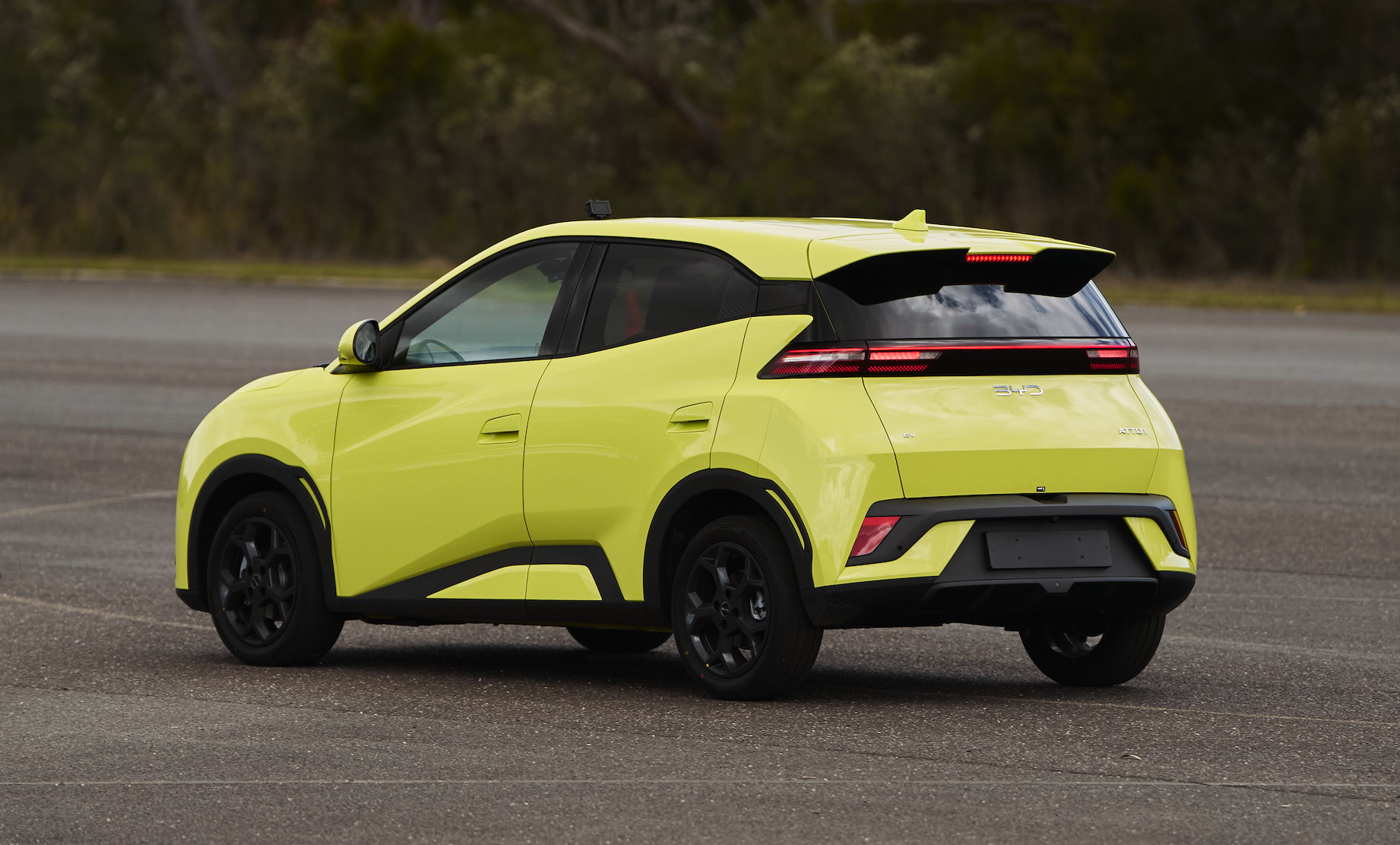
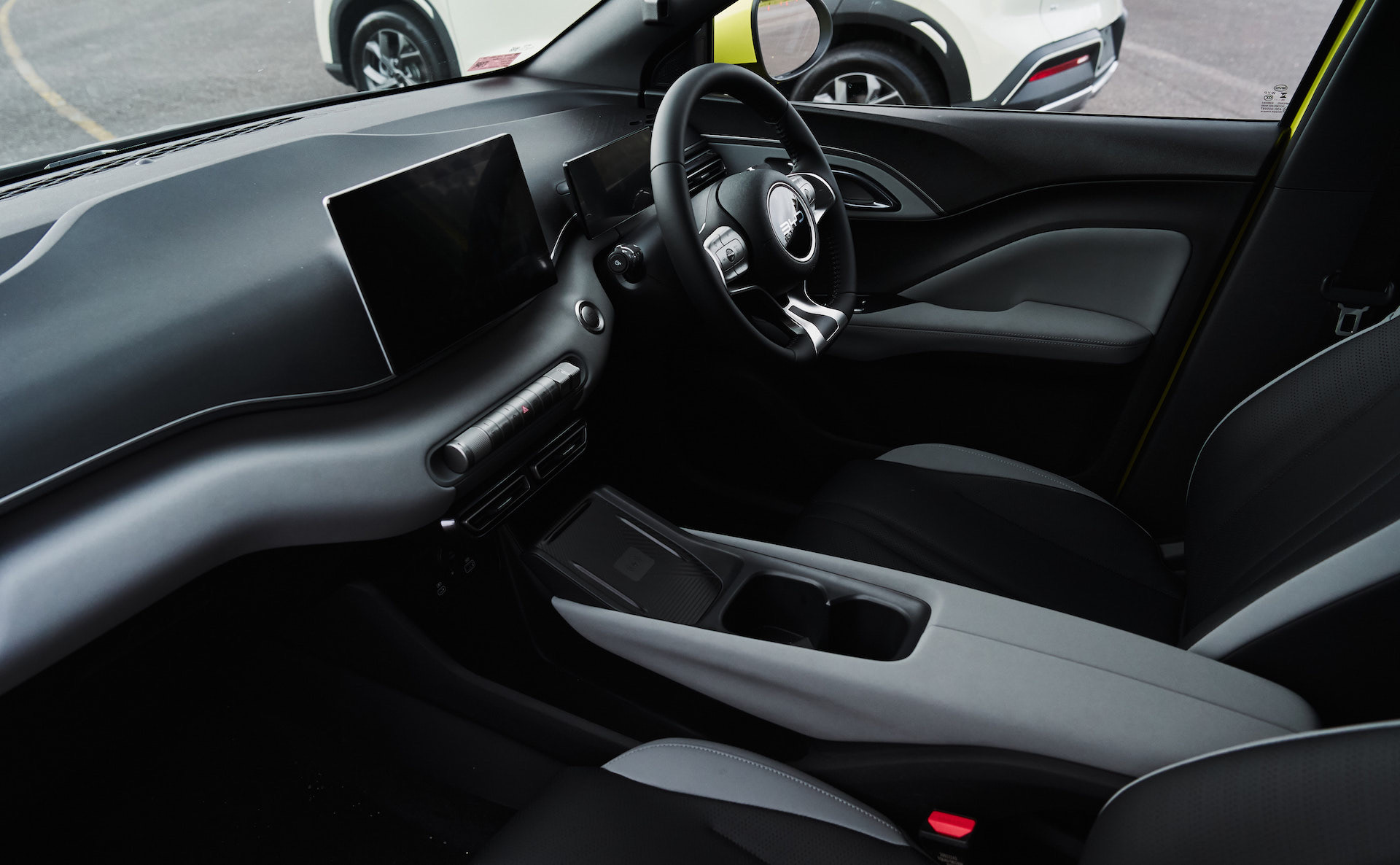
BYD Atto 1
If your search history is basically ‘best EV under $25k’ and ‘cheapest electric car Australia’, the Atto 1 is the current reference point. It’s priced like a light car, it looks like a mini Lambo, and the spec strategy is simple; one shape, two batteries, two tunes.
The entry Essential is the one most shoppers will land on first, because it’s the line in the sand for this whole segment. The Premium exists to solve the obvious use-case problem; more battery, more urge. But, the core pitch stays the same.
Where the Atto 1 really matters for mainstream buyers is safety. It’s been awarded a five-star ANCAP rating already, so it hits ground running, figuratively speaking of course.
BYD Atto 1 key specs:
Price from: $23,990 (plus on-road costs)
Dimensions (L x W x H): 3990mm, 1720mm, 1590mm
Wheelbase: 2500mm
Boot volume: 308L/1037L
Powertrain: Single-motor electric, FWD; Essential 65kW/175Nm; Premium 115kW/220Nm
Battery (capacity/chemistry): Essential 30kWh and Premium 43.2kWh, LFP
Official range: Essential 220km (WLTP); Premium 310km (WLTP)
Max charging (AC/DC): TBC11kW/65kW-85kW
Kerb weight: From 1294kg
ANCAP safety: 5 stars (Adult 82%, Child 86%, Vulnerable Road User 76%, Safety Assist 79%)
Warranty: 6-year/150,000km
Pros:
- The current price benchmark for cheap EV in Australia
- Five-star ANCAP with strong percentage scores for the money
- Two-battery strategy gives buyers a choice, albeit with a $5k gap
Cons:
- BYD still a growing brand in Australia; not the biggest footprint in terms of servicing and parts supply
- Entry-range WLTP number is city-friendly, not set-and-forget for regional driving
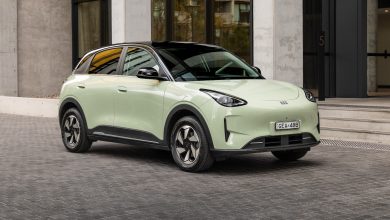
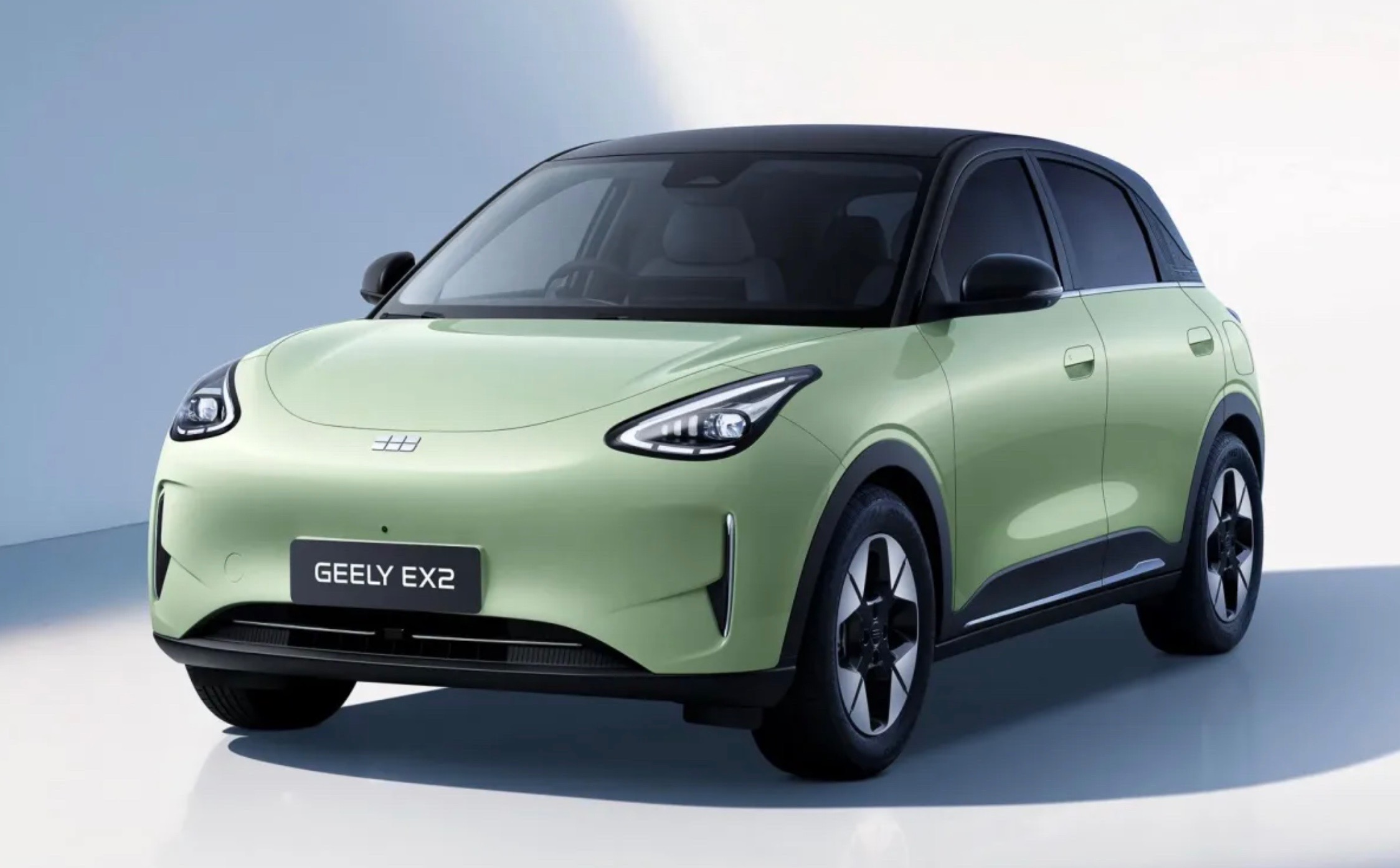
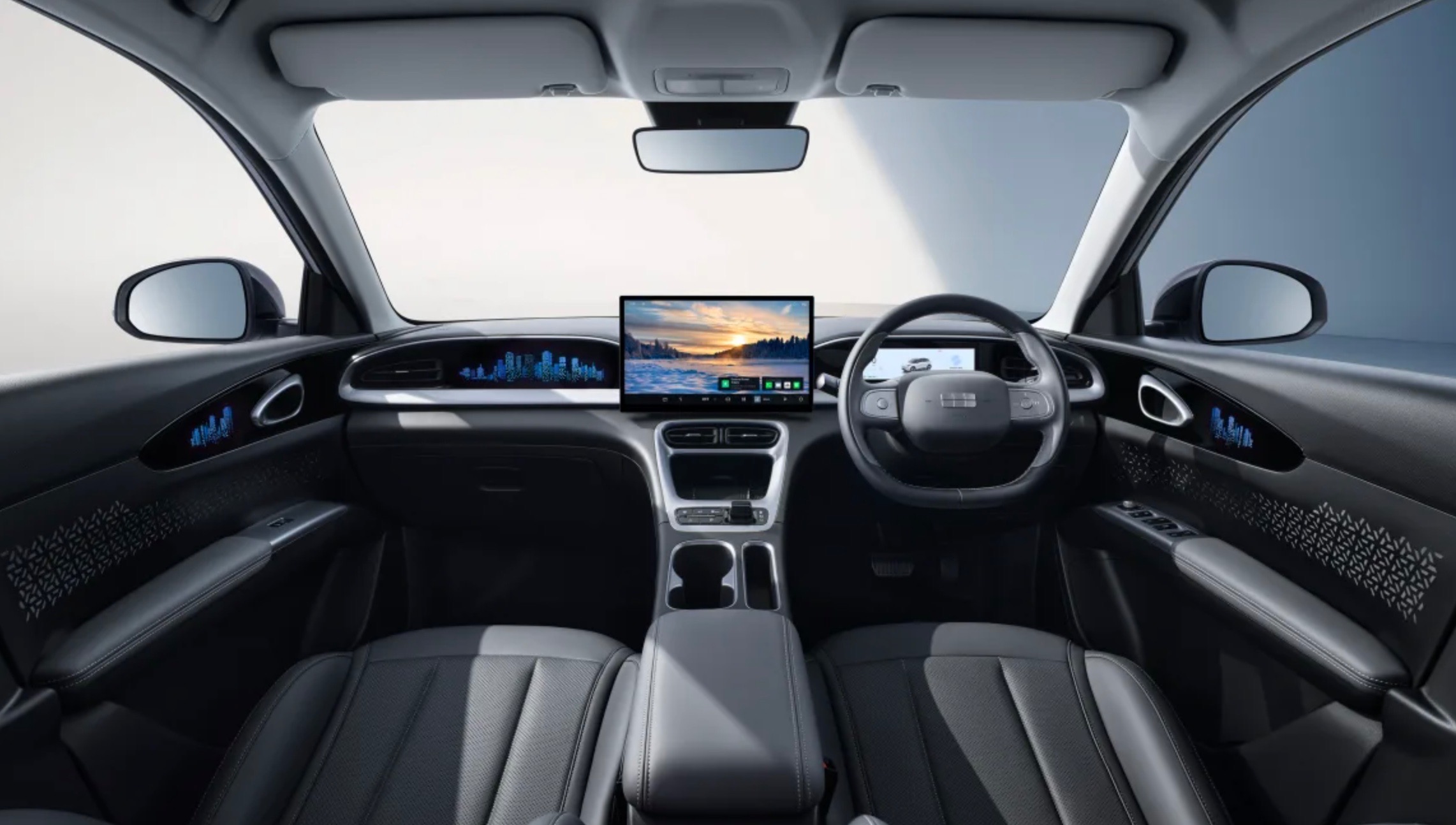
Geely EX2
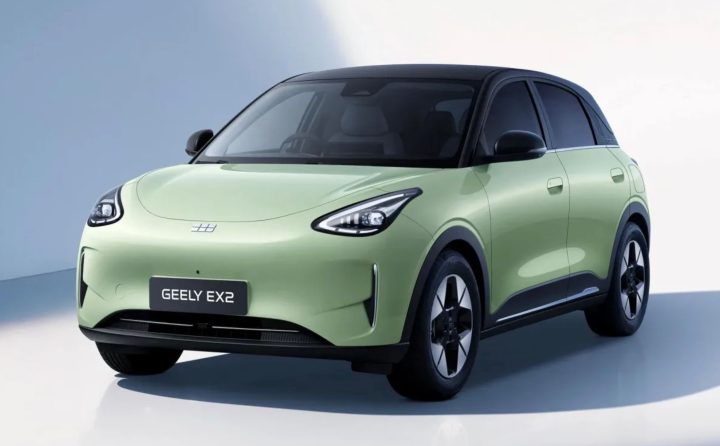
Geely’s EX2 is interesting because it’s not just another bargain EV. It’s rear-wheel drive in a segment where most rivals default to FWD, and it’s already been confirmed for Australia in the second half of 2026.
In China, it’s sold as the Xingyuan (Star Wish), and Geely has been explicit about the platform flexibility and packaging. For buyers, that hopefully translates into a car that feels a bit more car-like than you’d expect at this end of the market, especially if local specs and tyre choice are sensible.
Pricing is still the unknown, but the intent is obvious; it’s being positioned to fight the Atto 1’s ‘cheapest EV’ crown, not sit above it.
Geely EX2 key specs:
Price from (estimate): $25,000–$30,000 (Geely Australia pricing not yet announced)
Dimensions (L x W x H): 4135mm, 1805mm, 1570mm (final AU spec TBC)
Wheelbase: 2650mm (overseas-spec)
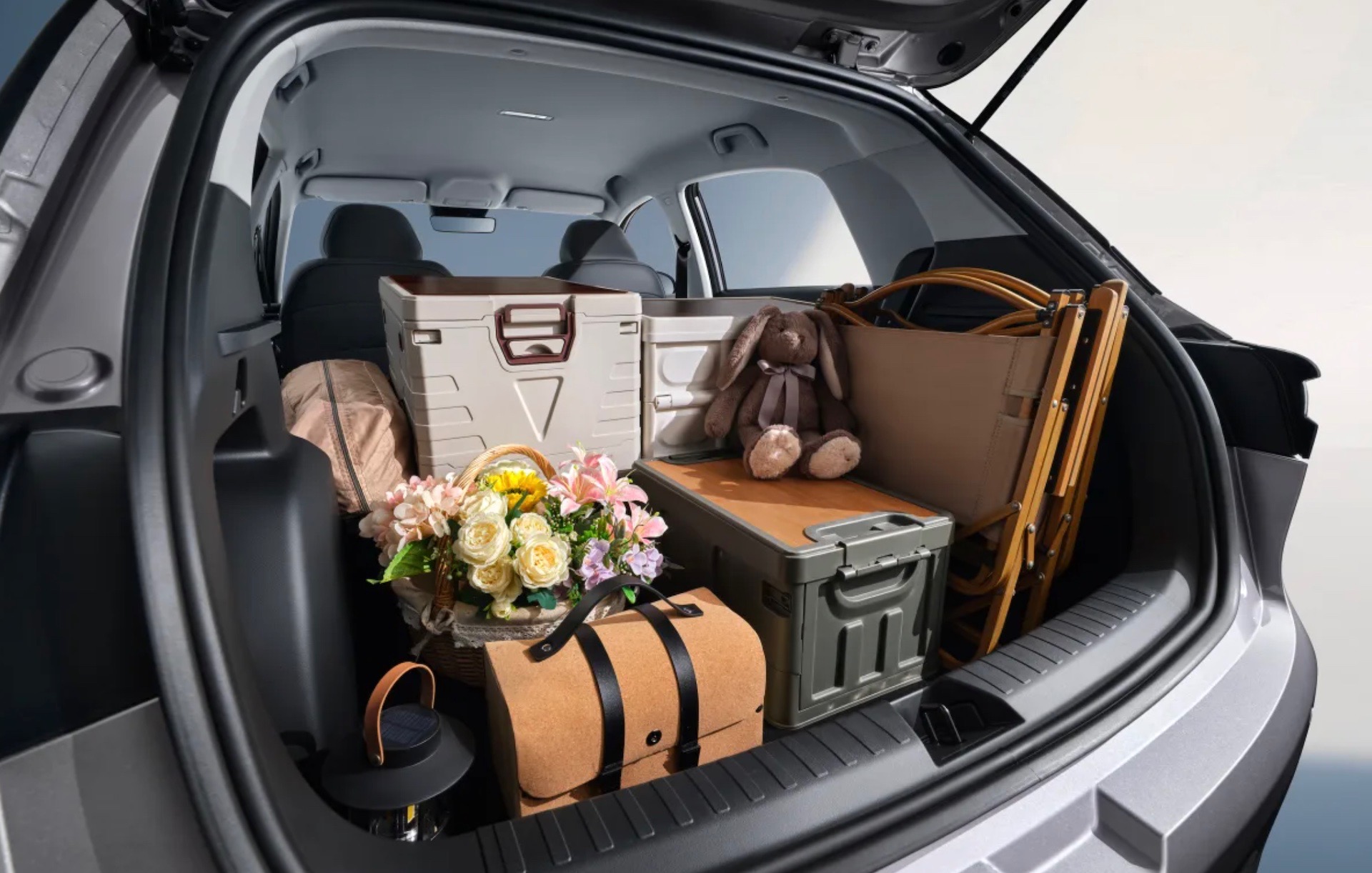
Boot volume: 375L/1320L (front boot: 70L)
Powertrain: Single-motor electric, RWD; China-market outputs quoted as 58kW/130Nm (base) and 85kW/150Nm (higher)
Battery (capacity/chemistry): 30.12kWh (base) or 40.16kWh (higher), LFP
Official range: 310km (CLTC) base; 410km (CLTC) higher grade
Max charging (AC/DC): TBC
Kerb weight: TBC
ANCAP safety: Not yet tested
Warranty: TBC (Geely Australia offers 7-year/unlimited km on other models)
Pros:
- RWD layout is a point of difference in the cheap-EV class
- Battery sizes and claimed ranges look well targeted for city and suburban duty
- Pricing intent is clearly aimed at the Atto 1
Cons:
- Too many ownership variables (local pricing, charging, servicing) still unconfirmed
- No ANCAP rating yet, which matters for small EV shoppers
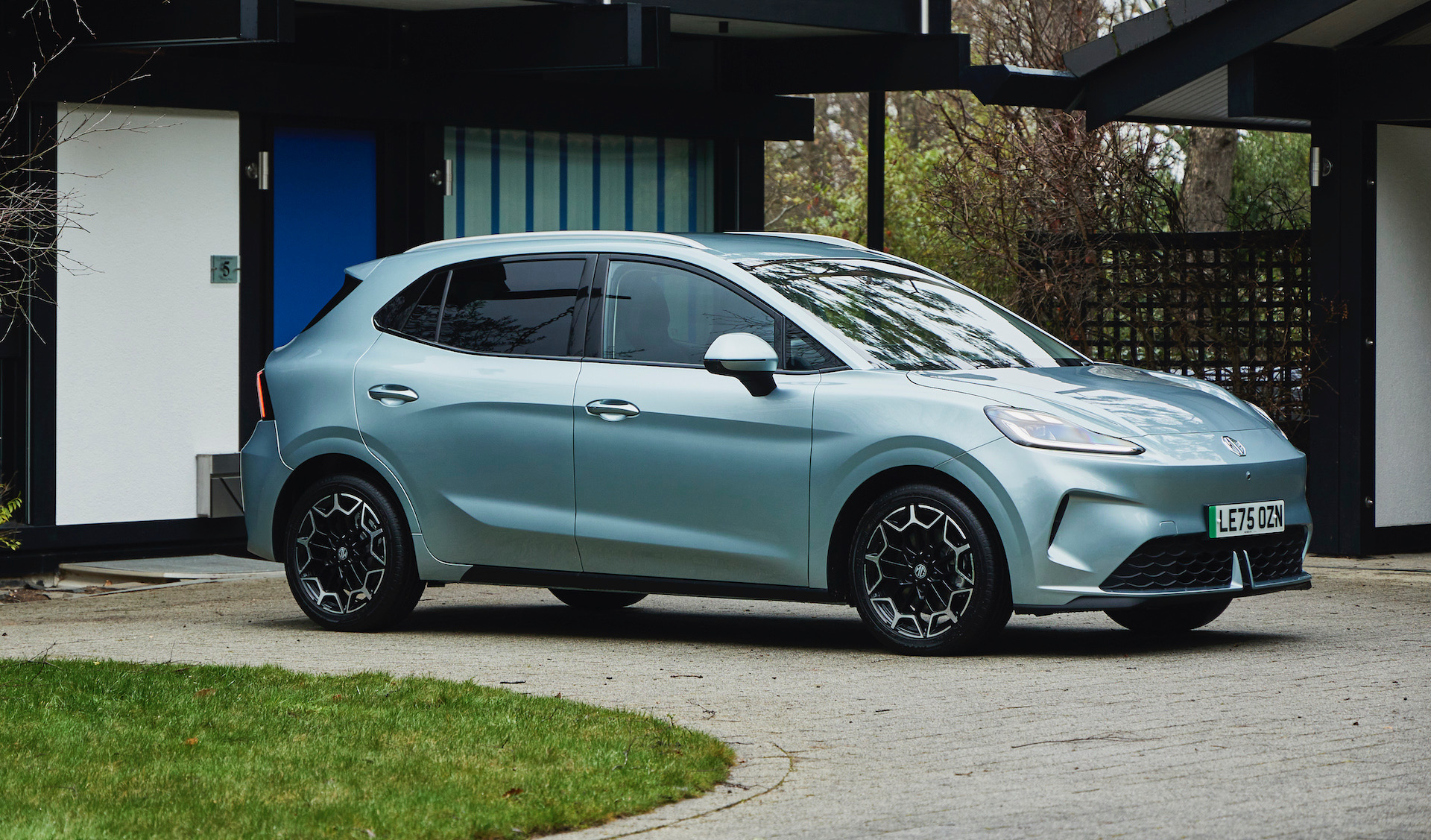
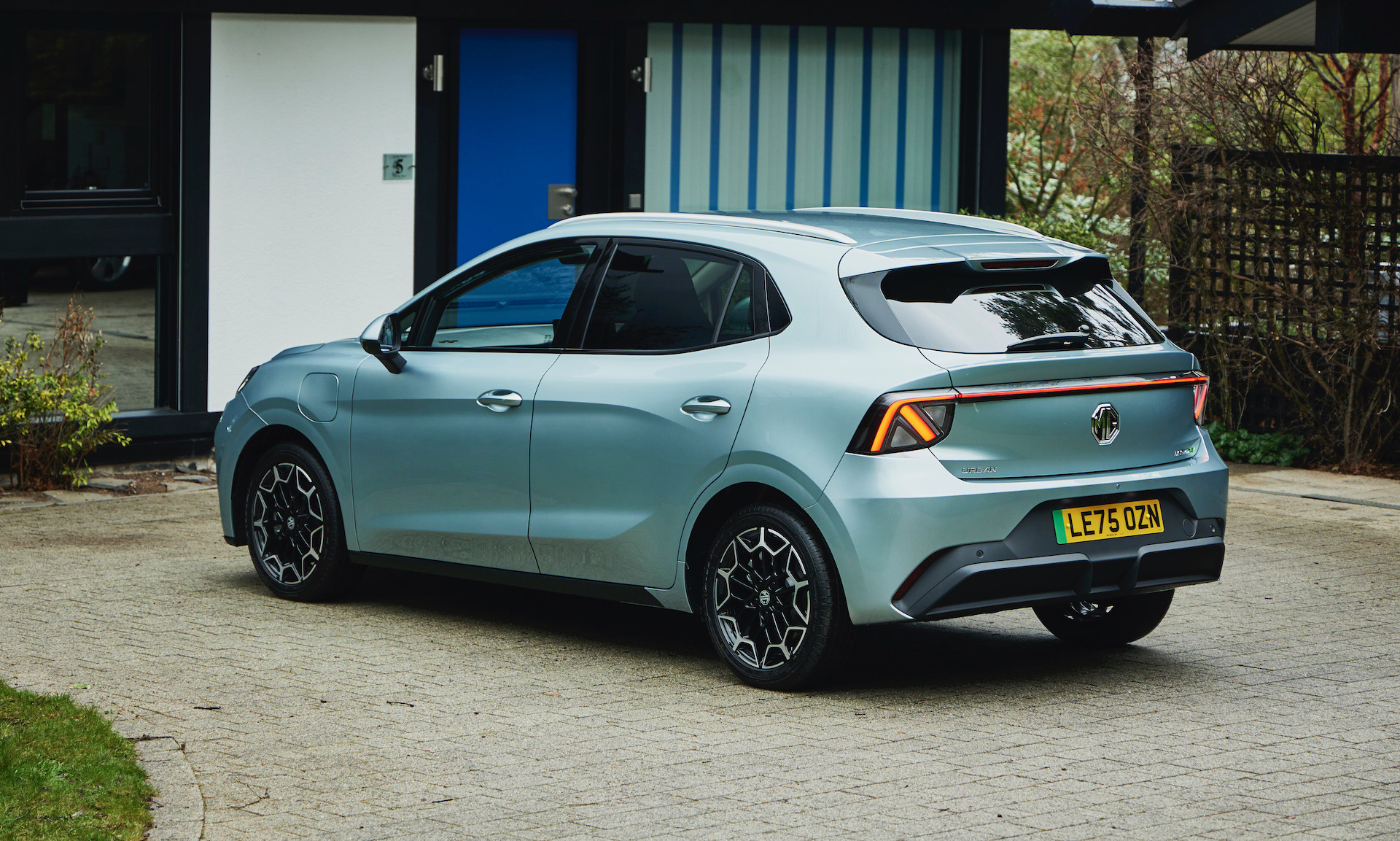
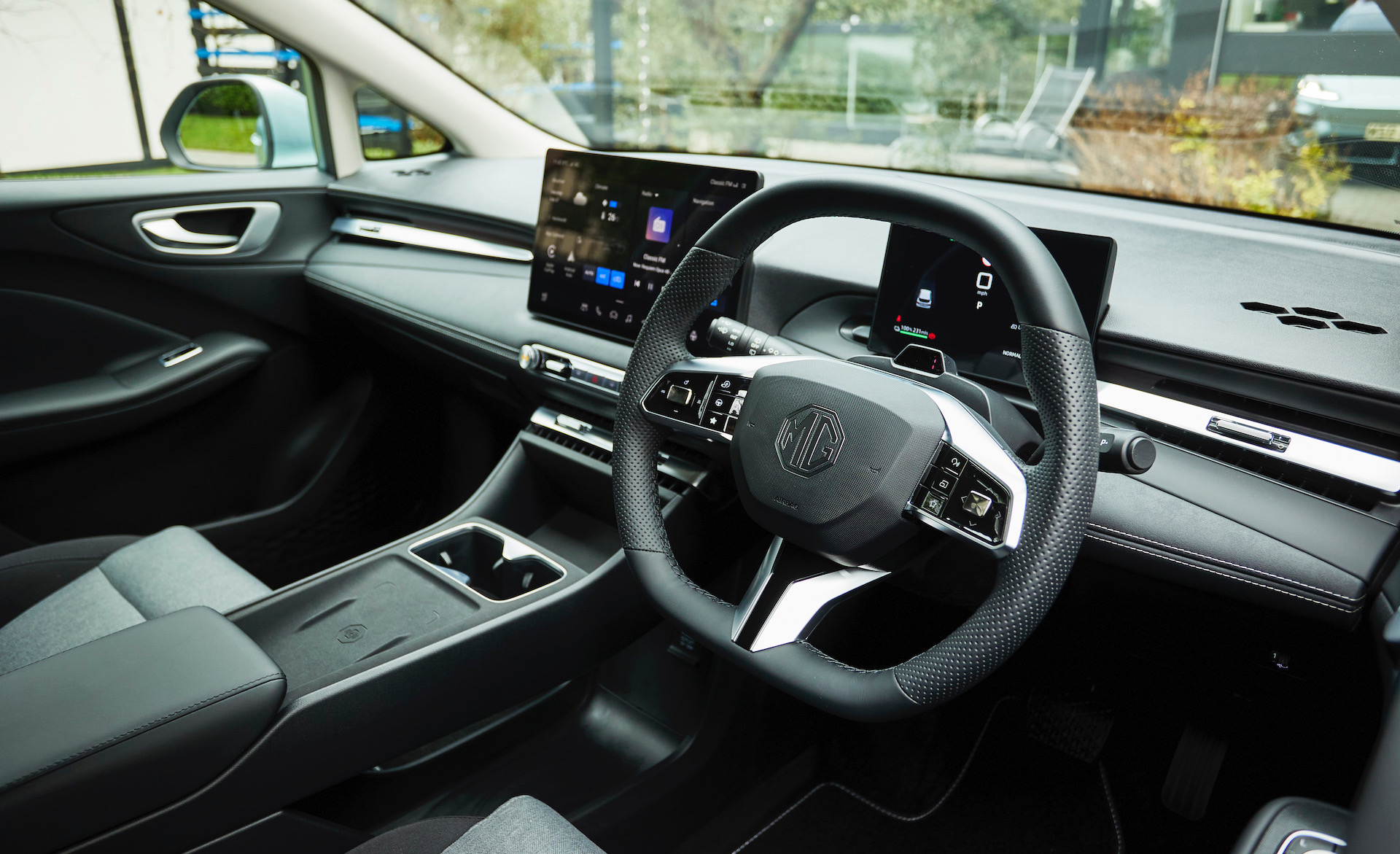
MG4 Urban
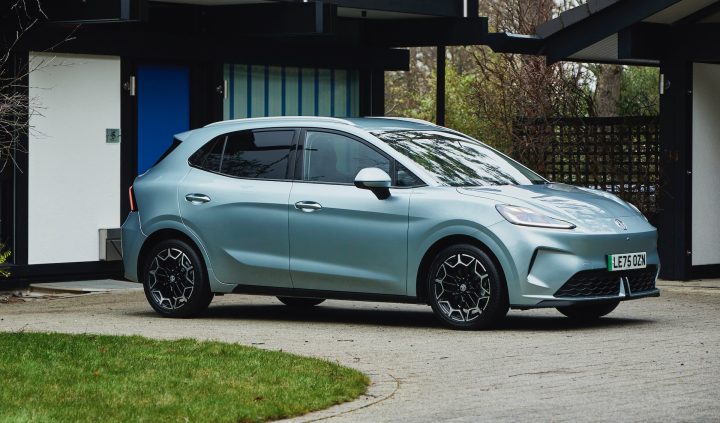
The existing MG4 is one of our favourite driver’s EVs (especially the XPower), but for 2026, the range bifurcates into two model lines, with the MG4 Urban aimed at the best EV under $30k search criteria. MG has openly framed it as a front-wheel drive complement to the existing MG4 range, designed to reduce cost and broaden appeal. The existing MG4 is set to continue with the MGS5’s interior and a new colour palate (among other changes). Hopefully the XPower is retained as well.
China-market pricing gives a clue to the strategy; MG has talked about a cheaper FWD approach, and Australian commentary has repeatedly pointed to a realistic shot at around the $30k mark, depending on timing, exchange rates, specification and how aggressive MG decides to be.
If it lands where MG seems to be aiming, the Urban becomes the space and performance alternative to an Atto 1 – especially for buyers who want a bigger footprint and stronger open-road manners without stepping up into mid-$30k pricing.
MG4 Urban key specs:
Price from (estimate): $29,990–$32,990 (MG Australia not yet confirmed; frequently tipped as a $30k-class contender)
Dimensions (L x W x H): ~4.4m long (market-dependent; final AU spec TBC)
Wheelbase: 2750mm (overseas spec)
Boot volume: 471L (market-dependent)
Powertrain: Single-motor electric, FWD; ~110kW (SR) / ~118kW (LR)
Battery (capacity/chemistry): 42.8kWh or 53.95kWh, LFP
Official range: Up to 437km (CLTC) / 530km (CLTC) depending on battery (market-dependent)
Max charging (AC/DC): 11kW/140kW (AU spec TBC)
Kerb weight: ~1415–1485kg (overseas, AU spec TBC)
ANCAP safety: Not yet tested
Warranty: TBC (MG Australia offers 10 years/250,000km on other models)
Pros:
- If MG lands the price, it becomes the pragmatic “bigger car for similar money” option
- Battery sizing looks more generous than the cheapest-city-EV set
- MG’s long warranty remains a genuine ownership lever in this price band
Cons:
- AU pricing and final charging figures are everything — and they’re not locked yet
- No ANCAP rating for this specific model at time of writing

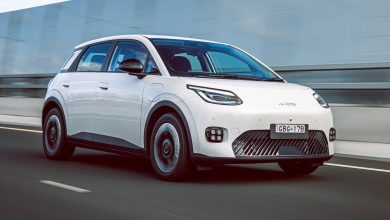
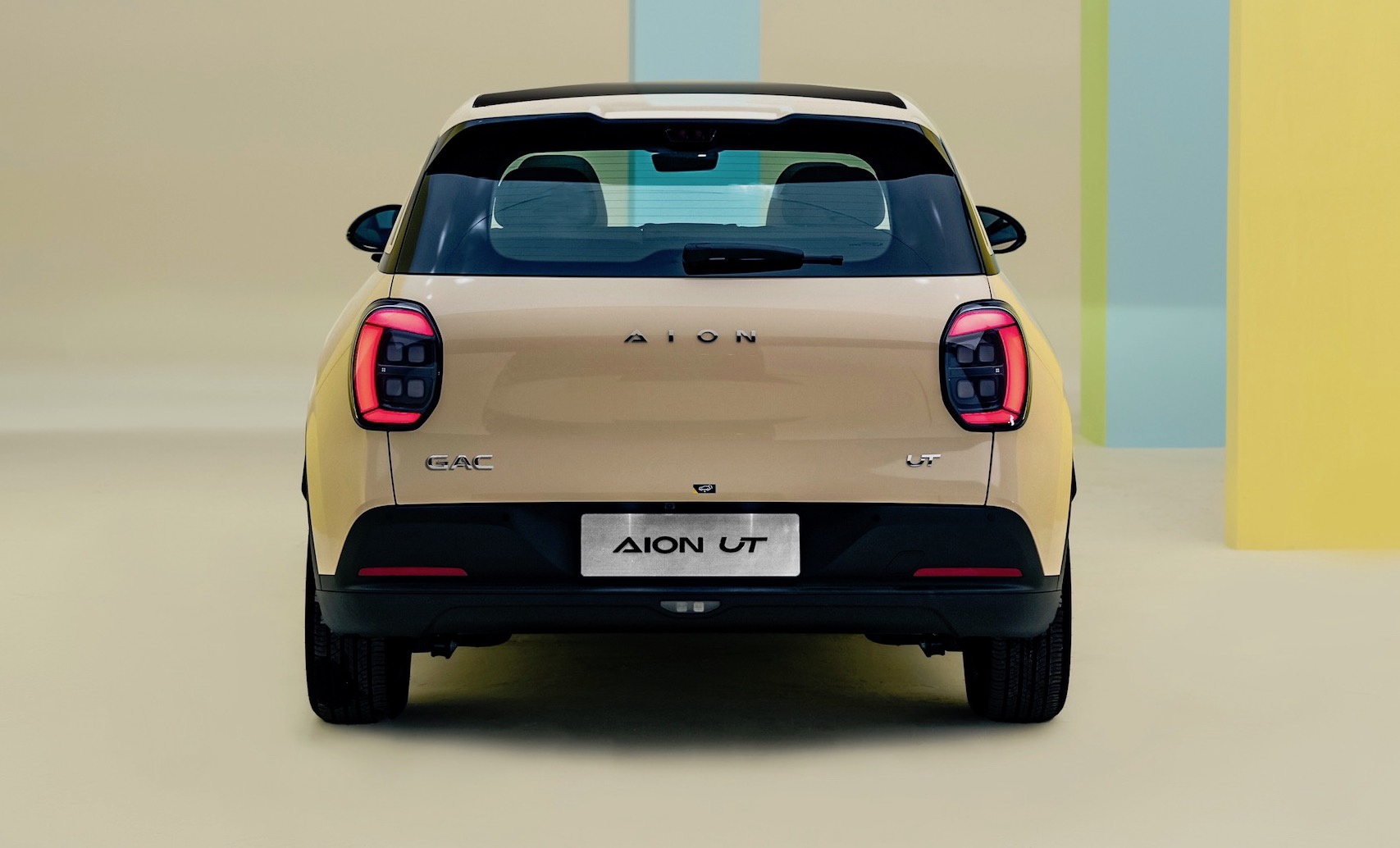
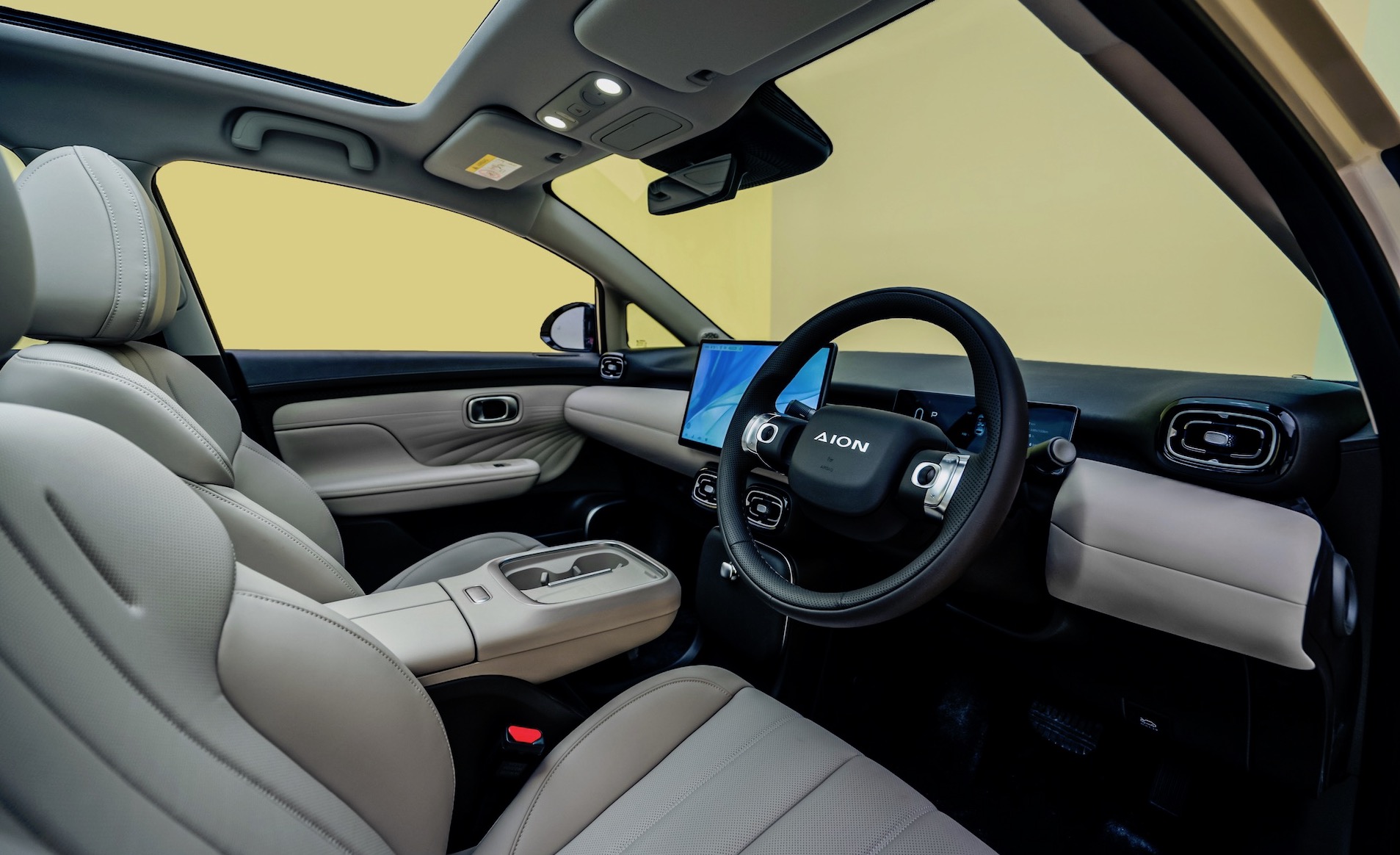
GAC Aion UT
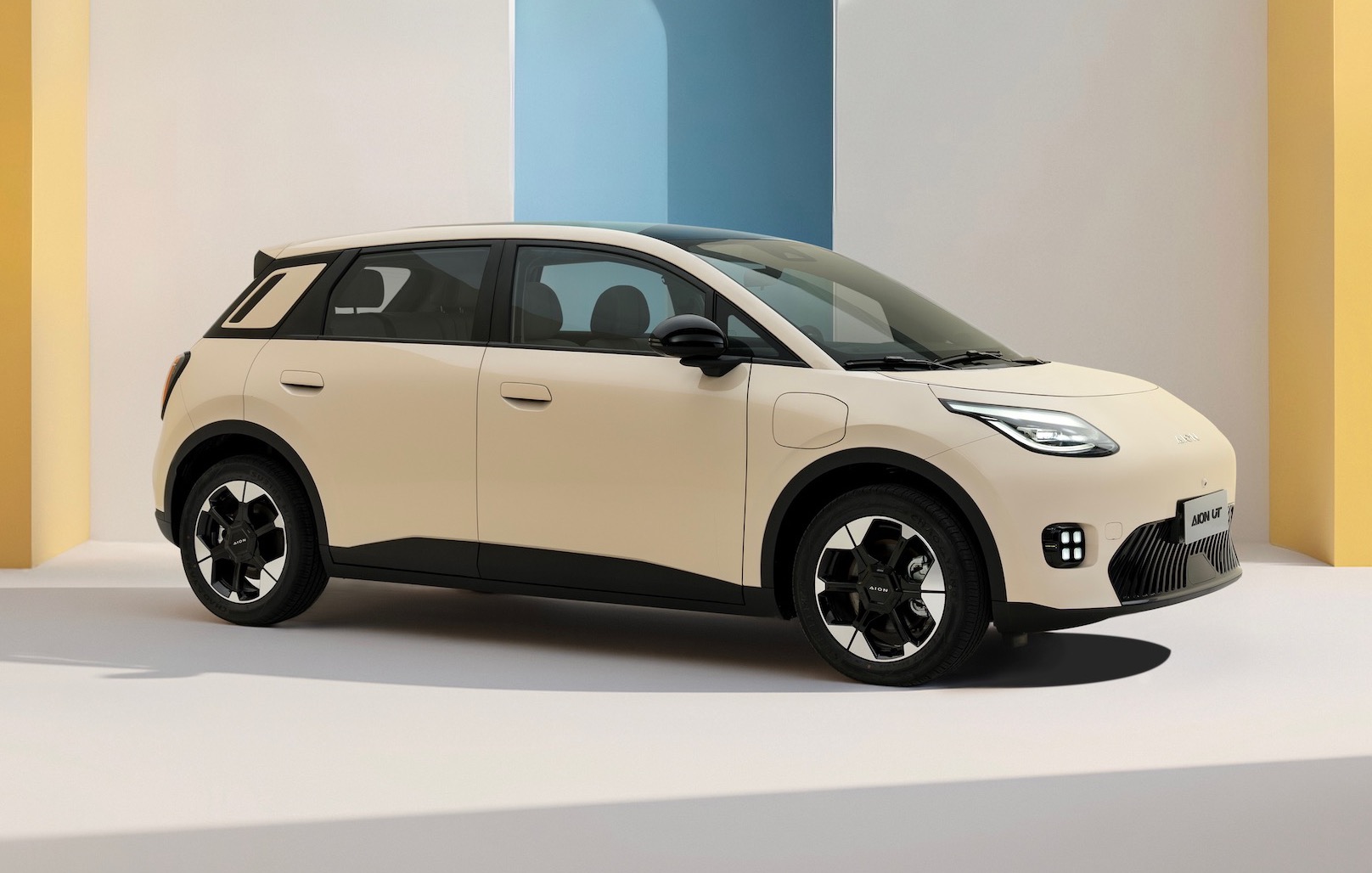
The Aion UT is the wildcard, not because the numbers are bad, but because it needs an Australian pricing and support story to make sense. On paper (and in official market documentation), it’s a properly modern small EV with meaningful battery choices, respectable kerb weight, and clear charging performance targets. Cab-forward styling could potentially point to best-in-class packaging, too.
China-market pricing suggests GAC understands exactly where this product sits; it’s built to fight in the sub-100,000 yuan EV market, which is where Australia’s next cheap EV wave is likely to keep drawing from.
If GAC (or its local distributor) brings it here with sharp drive-away pricing and a credible ownership package, the UT could be the ‘spec-sheet disruptor’, but until that’s confirmed locally, it sits behind the established players for most risk-averse buyers.
GAC Aion UT key specs:
Price from (estimate): $25,000–$32,000 (Australia TBC; China starting price reported from ~69,800 yuan)
Dimensions (L x W x H): 4270mm, 1850mm, 1575mm
Wheelbase: 2750mm
Boot volume: 440L/1600L
Powertrain: Single-motor electric; 100kW/145Nm (base) or 150kW/210Nm (higher)
Battery (capacity/chemistry): 44.12kWh or 60.0kWh, LFP
Official range: 400km or 500km (final AU spec TBC)
Max charging (AC/DC): 6.6kW/130kW
Kerb weight: 1540kg (44kWh) / 1700kg (60kWh)
ANCAP safety: Not yet tested
Warranty: TBC (GAC Australia offers 8 years/unlimited km on other models)
Pros:
- Decent DC charging figure for the class
- Boot volume and wheelbase suggest strong packaging
- Battery sizes make sense for Australian usage if local range figures translate well
Cons:
- Australia pricing, warranty and aftersales support are the make-or-break items
- No ANCAP rating yet
Verdict: Which cheap EV should you buy in 2026?
If you’re buying right now and you want the cleanest, least-risk path to an affordable EV, the BYD Atto 1 is the pick. It sets the price benchmark and backs it up with a five-star ANCAP rating and strong category scores.
If you can wait, and if MG lands Urban pricing where it’s been widely tipped, the MG4 Urban has the potential to be the more rounded only-car choice (bigger footprint, likely stronger open-road behaviour, and MG’s long warranty). But the recommendation hinges on final Australian pricing and final local spec.
The Geely EX2 is the one to watch if you want something a bit different dynamically (RWD) and you’re comfortable waiting until the second half of 2026, but it needs confirmed local pricing and safety positioning before it can be a default recommendation.
The GAC Aion UT looks promising on paper, but it has the highest amount of ‘unknowns’ in an ownership-sensitive price bracket. It’s a good one to keep on your radar, but probably not the one to jump straight in and sign up for, just yet anyway.
Honourable mentions:
Hyundai Inster: Already in Australia, but it generally sits above the ‘ultra-cheap EV’ brief once you compare like-for-like drive-away pricing and specs. Interestingly, Hyundai recently slashed pricing.
Chery (QQ/QQ3 rumours): Nothing credible or confirmed for an Australian on-sale program as at Feb 2026, but could be one to watch.
Nio Firefly: A properly premium little city car with ‘iPhone camera’ style light motifs and multi-link IRS. This will be competing more in a MINI Cooper Electric space but bang-for-buck will no doubt be exceptional.