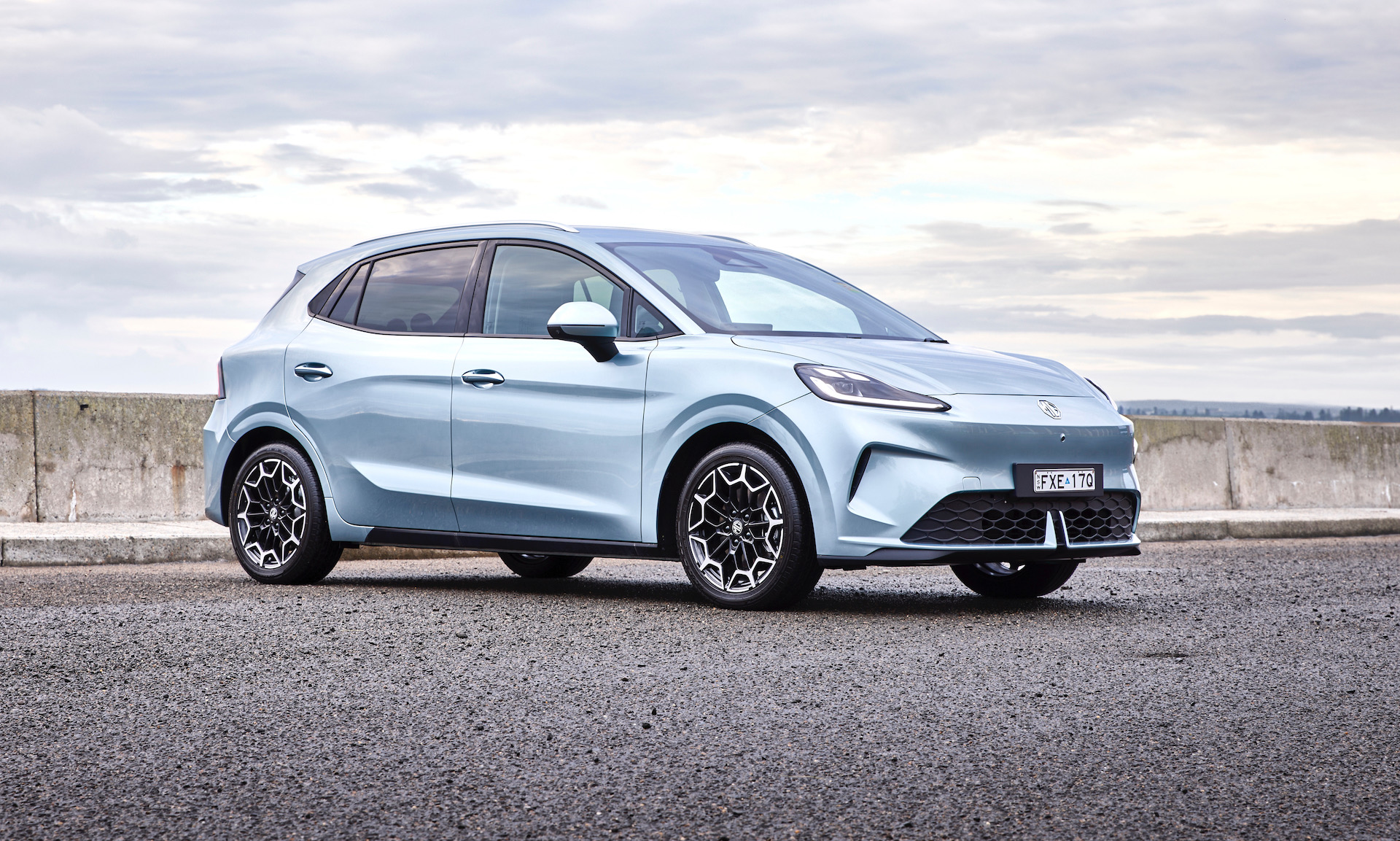
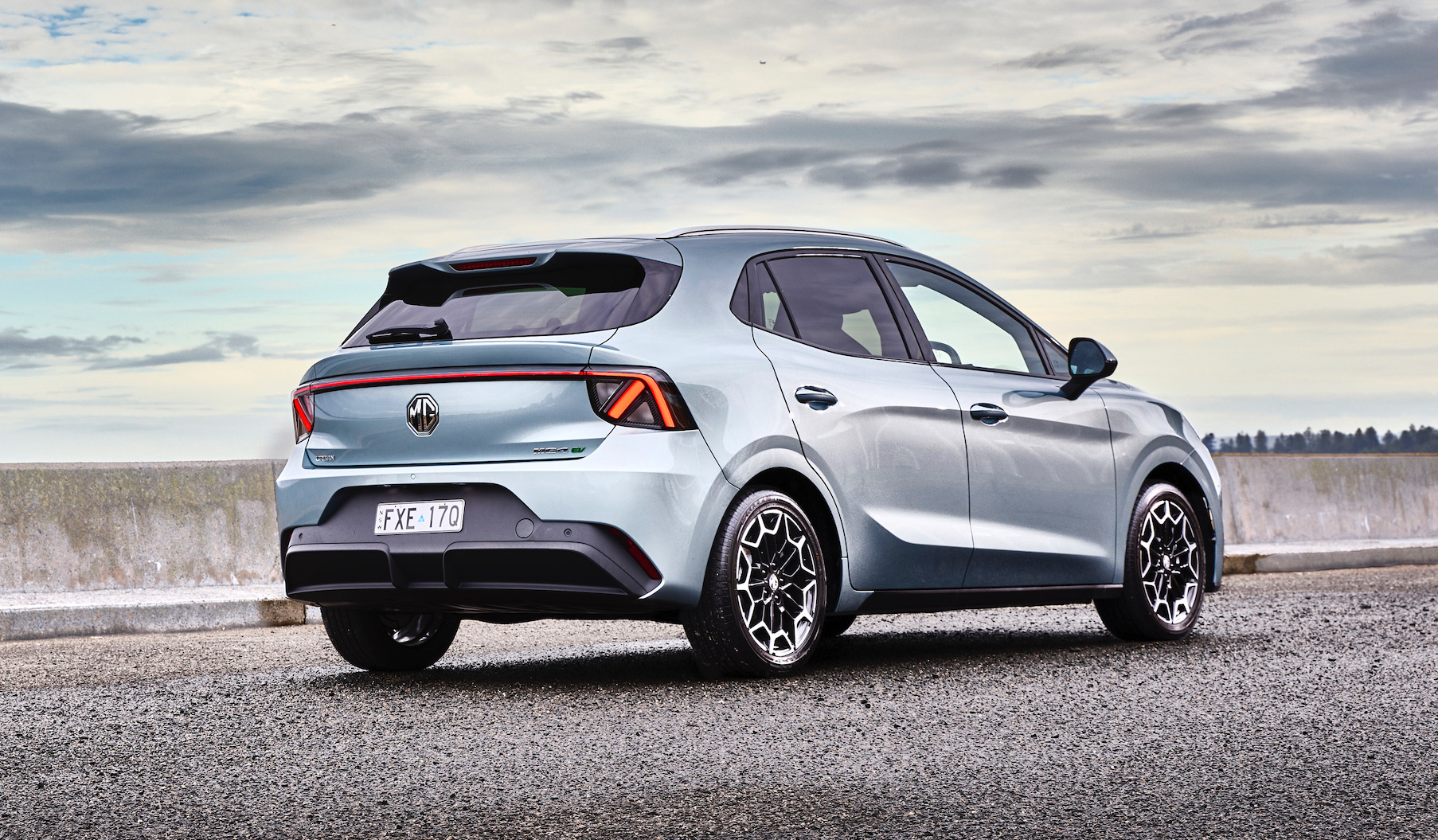
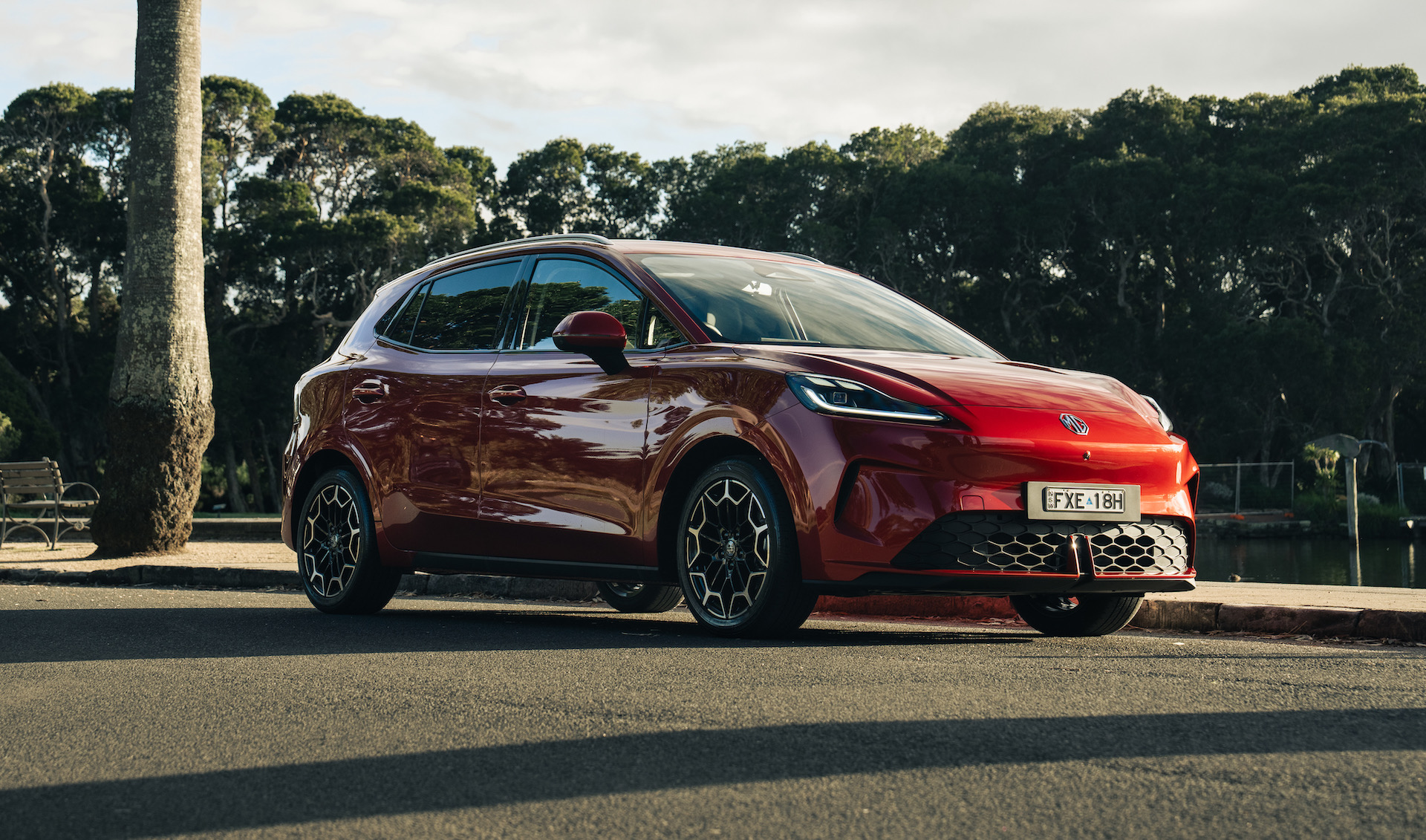
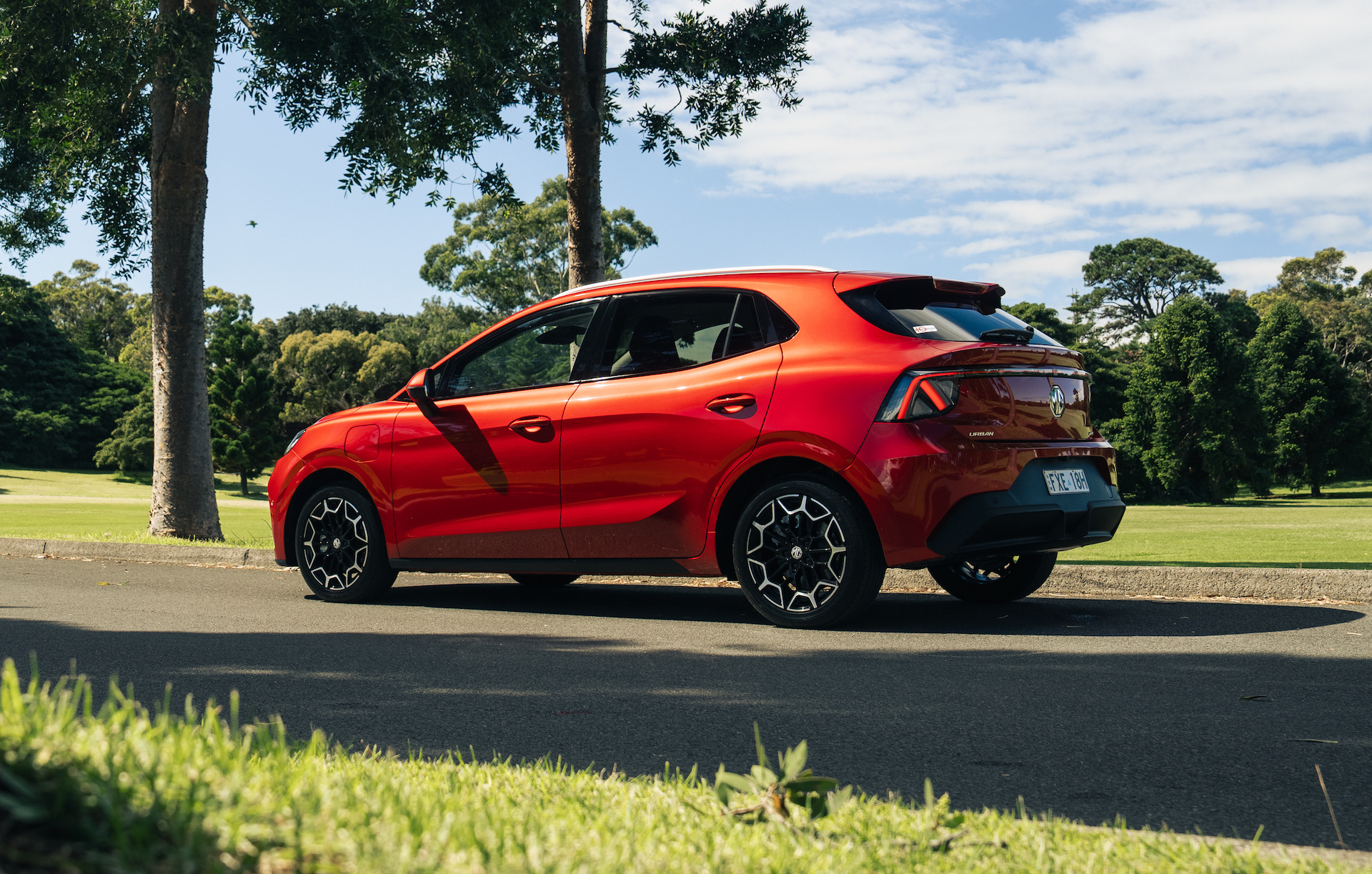
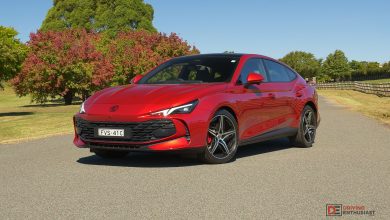
The MG4 Urban arrives with a very clear brief; make electric driving accessible to more Australians. And unlike many EV launches that lean heavily on ambition, this one seems to follow through on the brief.
Starting from just $31,990 drive-away, it undercuts much of the EV market and lands right in the meaty territory of equivalent petrol hatchbacks.

2026 MG4 Urban Essence 54: Specifications
Electrical: 54kWh battery, 1x electric motor
Output: 118kW / 250Nm
Gearbox: Single-speed auto
Drive type: Front-wheel drive
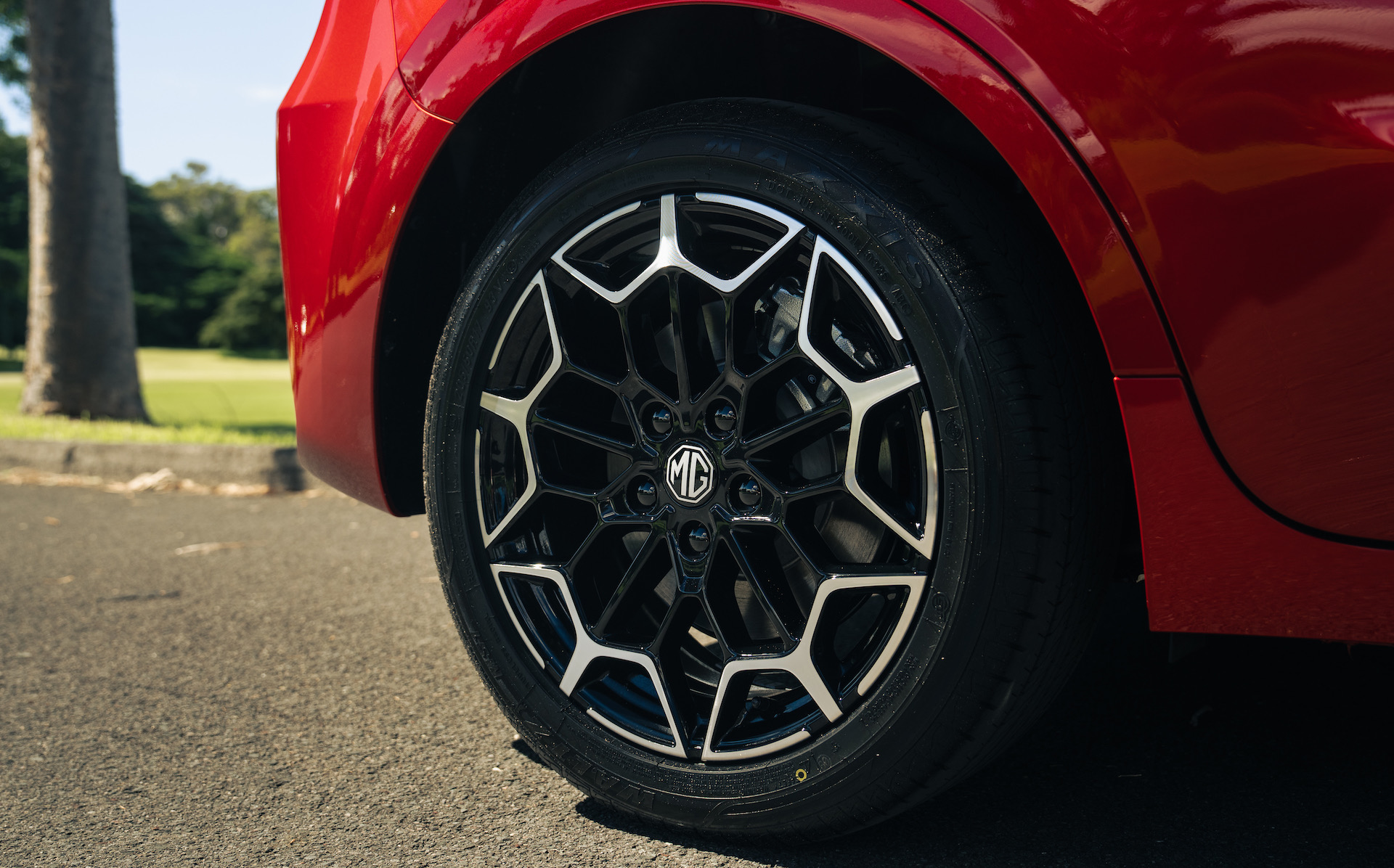
Wheels: F & R: 17in, 205/50
ANCAP: Not testedKerb weight: 1520kg
Power-to-weight: 12.88:1 (kg:kW)
Official average range: 405km
Max charging AC/DC: 6.6kW/150kW
0-100km/h: 8.7 seconds (claimed)
Starting price: $34,990
2026 MG4 Urban: How much does it cost?
Two variants make up the range, including the Essence 43 and Essence 54. They are packaged identically in terms of features and luxuries, with only the battery size and range separating the two.
Prices start from $31,990 and $34,990 drive-away, respectively. That makes it one of the cheapest EVs on sale right now, and certainly for its size and specs. Range is listed at 316km and 405km for each variant.
2026 MG4 Urban: Interior & packaging
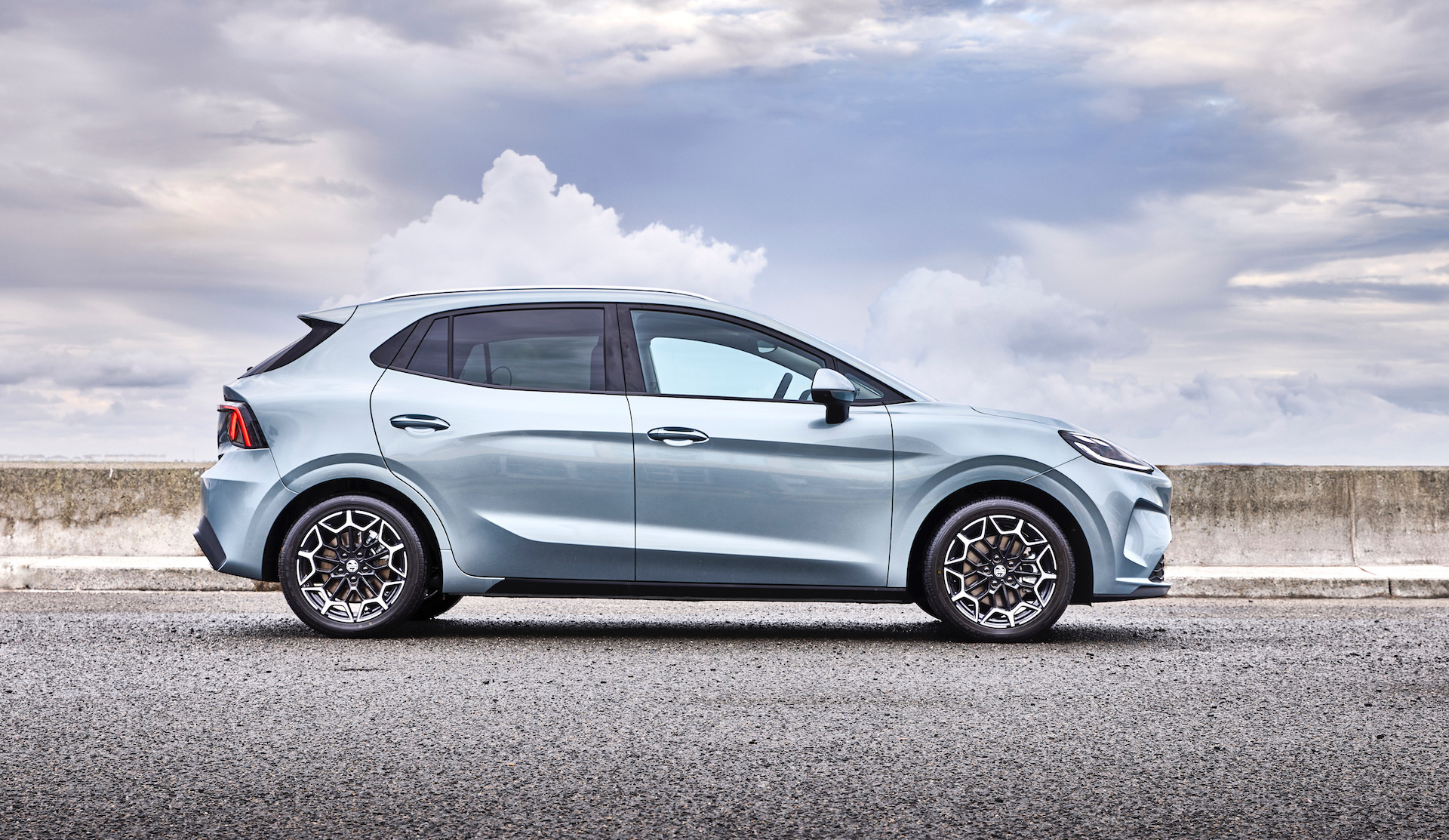
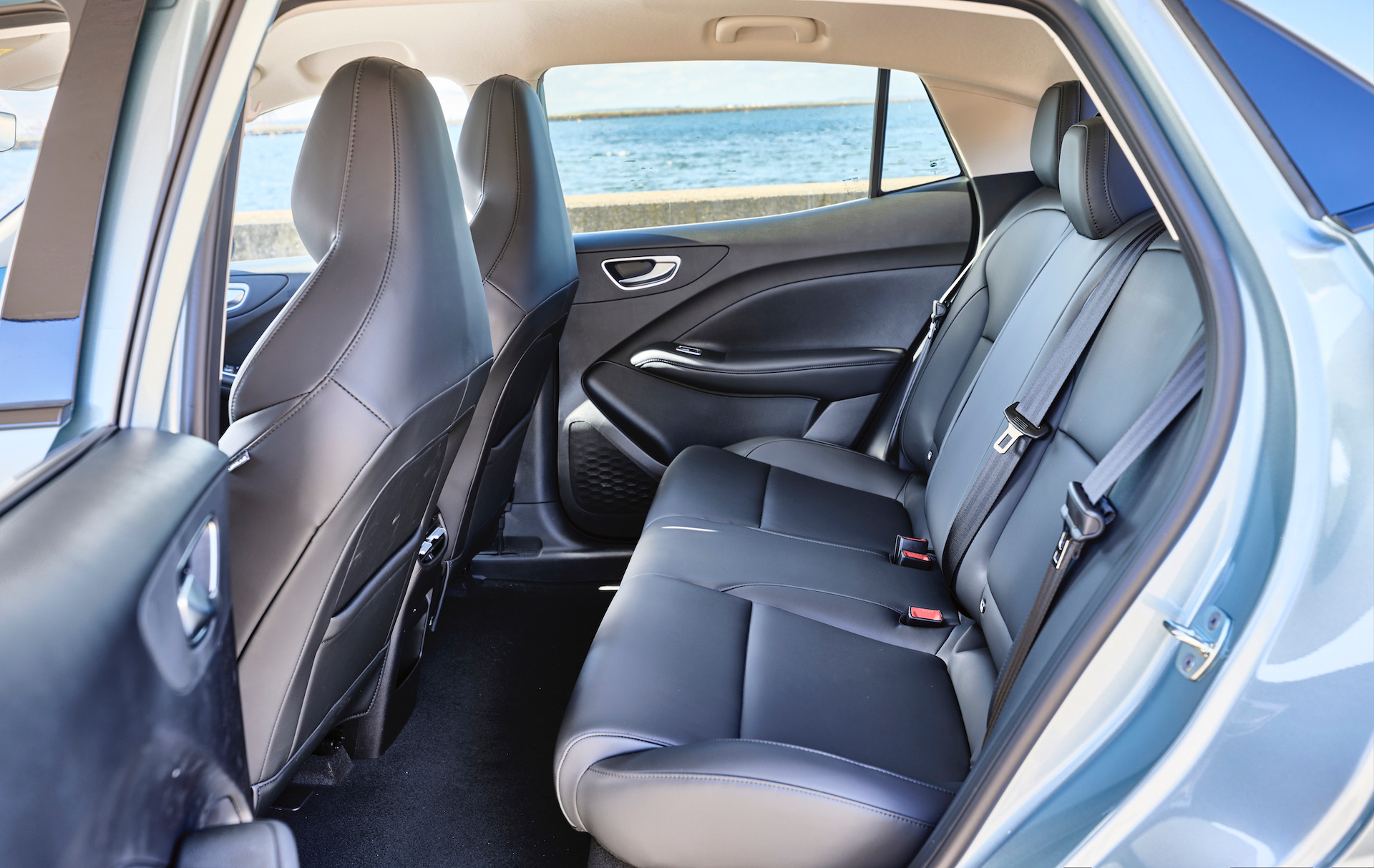
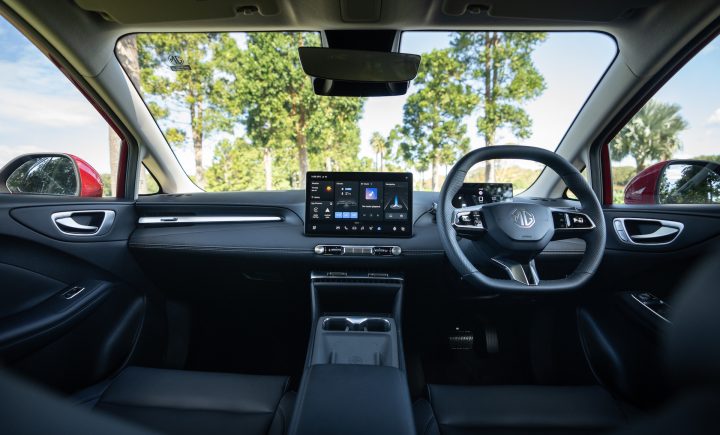
Despite its compact exterior measuring 4395mm long and 1842mm wide, the cabin is impressively space-efficient. Rear seat accommodation in particular stands out, with generous legroom that rivals larger vehicles in the segment. It’s the kind of packaging that makes you question how much space you actually need day-to-day.
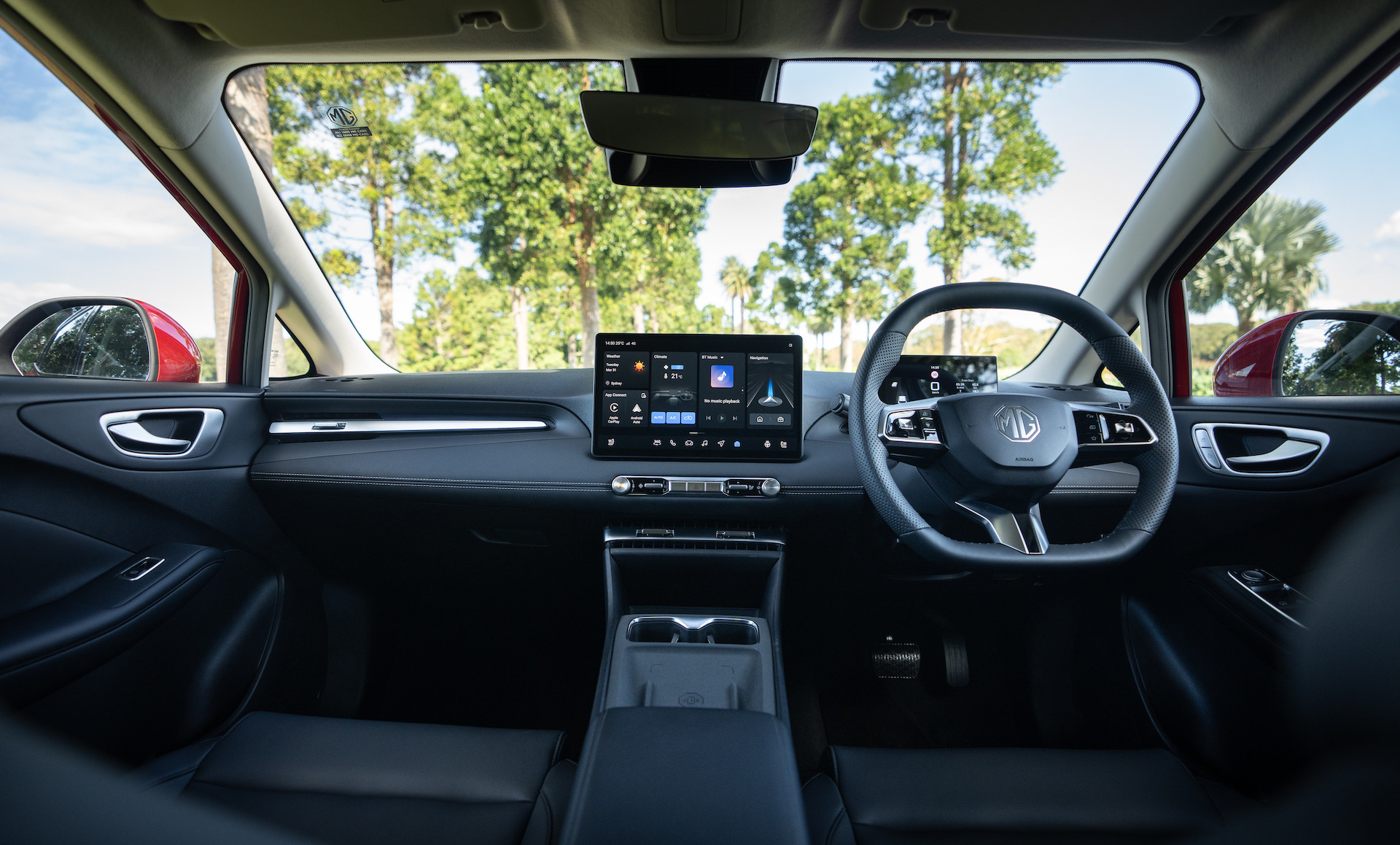
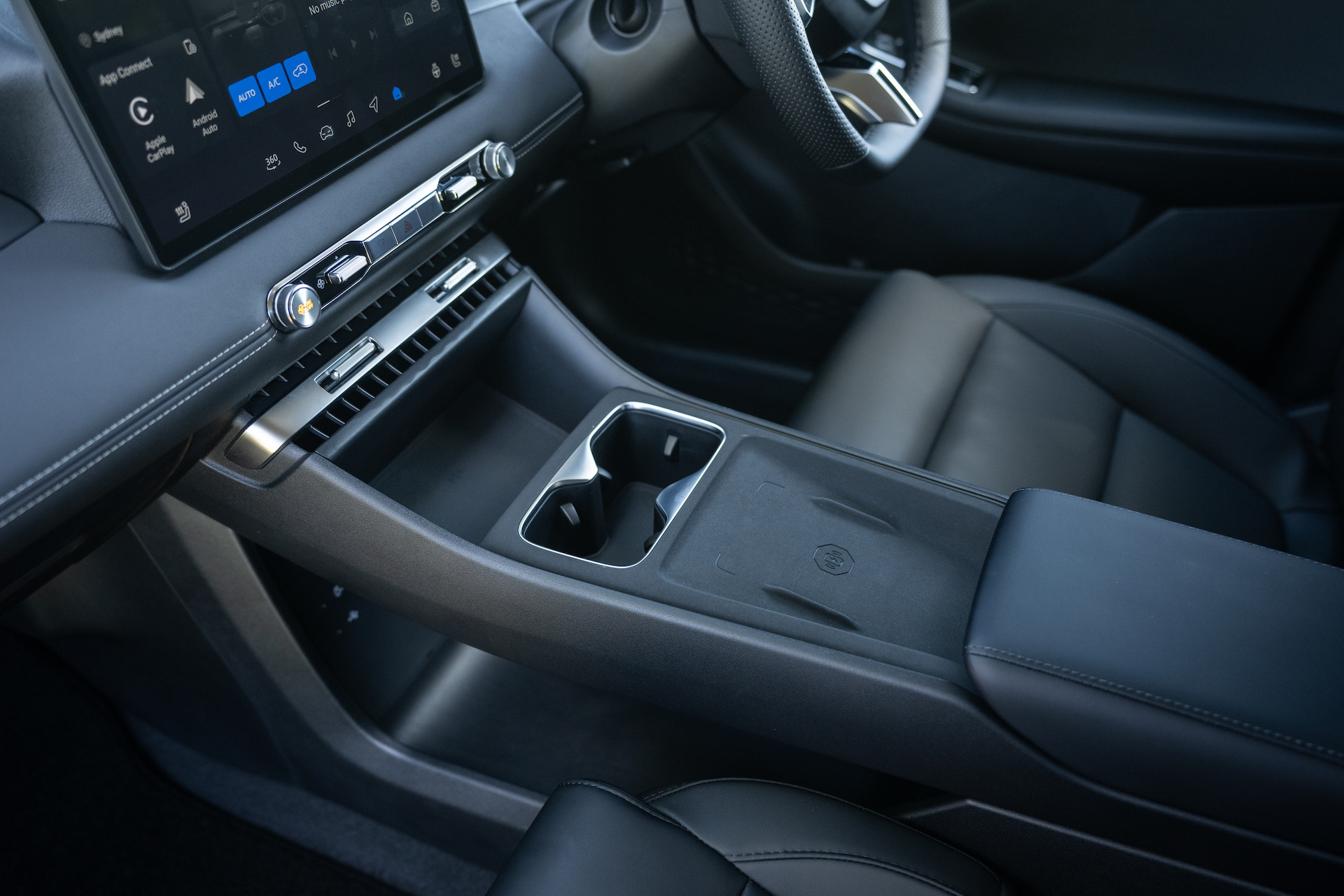
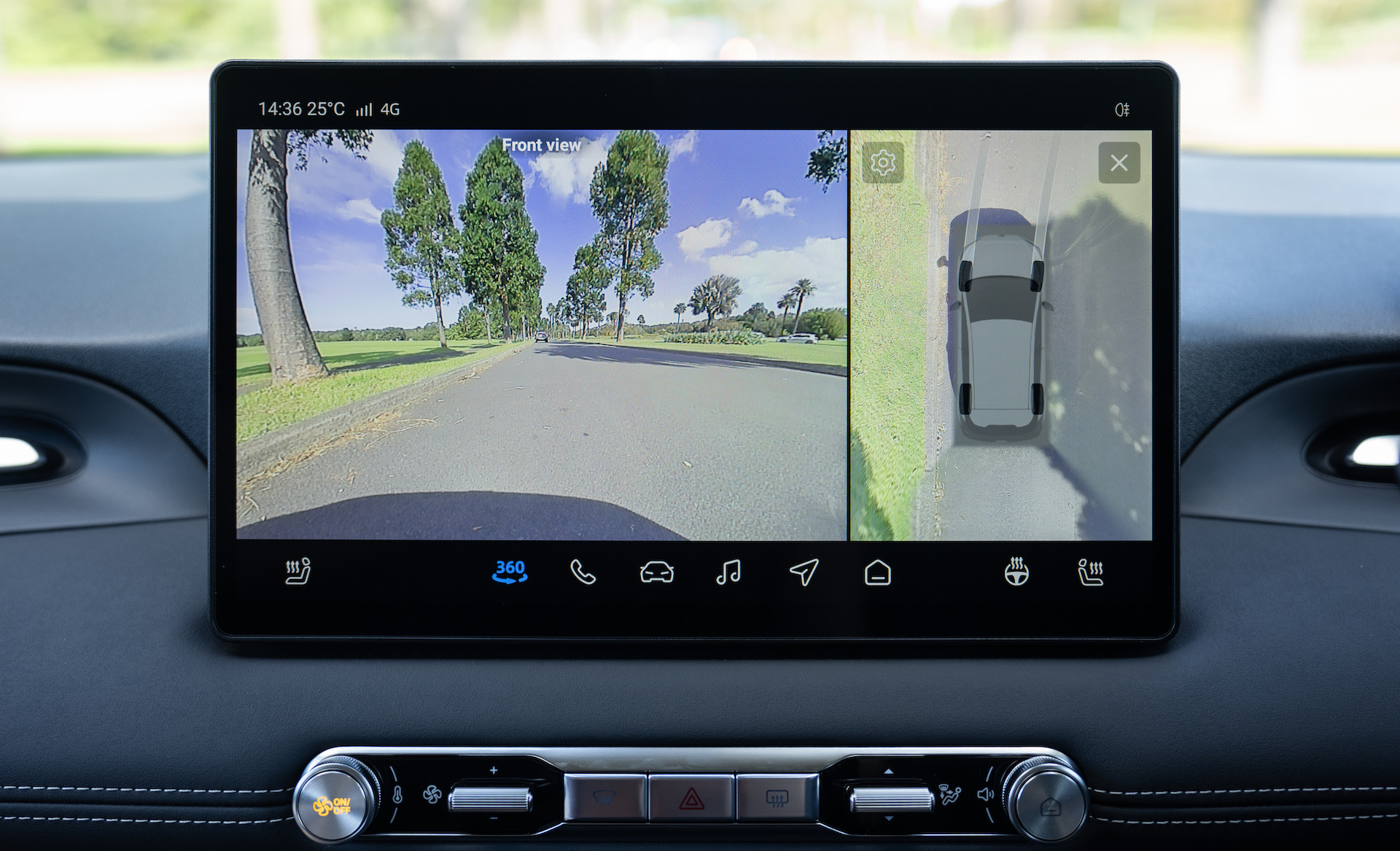
Storage is well considered, too, with practical compartments scattered throughout the cabin to handle everyday items, including a floating centre console and under-tray. The layout is clean and minimalistic, centred around a 12.8-inch touch-screen infotainment system.

Physical controls are minimal, which can cause some frustrations when you need to operate simple functions, but there is a climate control panel with proper buttons and a volume knob, so that’s great to see. The touch-screen itself is fairly intuitive in terms of menu flow and graphics, with wireless Android Auto and Apple CarPlay included as standard. That’s a big plus at this price point.
Importantly, whether you opt for the 43kWh or 54kWh version, you’re not sacrificing equipment – only the range. That simplicity makes it easier to choose the model that best fits your lifestyle and budget. Standard features include a pretty basic six-speaker stereo (fair enough for this price), single-zone climate control, tilt and reach steering column adjustment, a wireless phone charger, in-built sat-nav and digital radio.

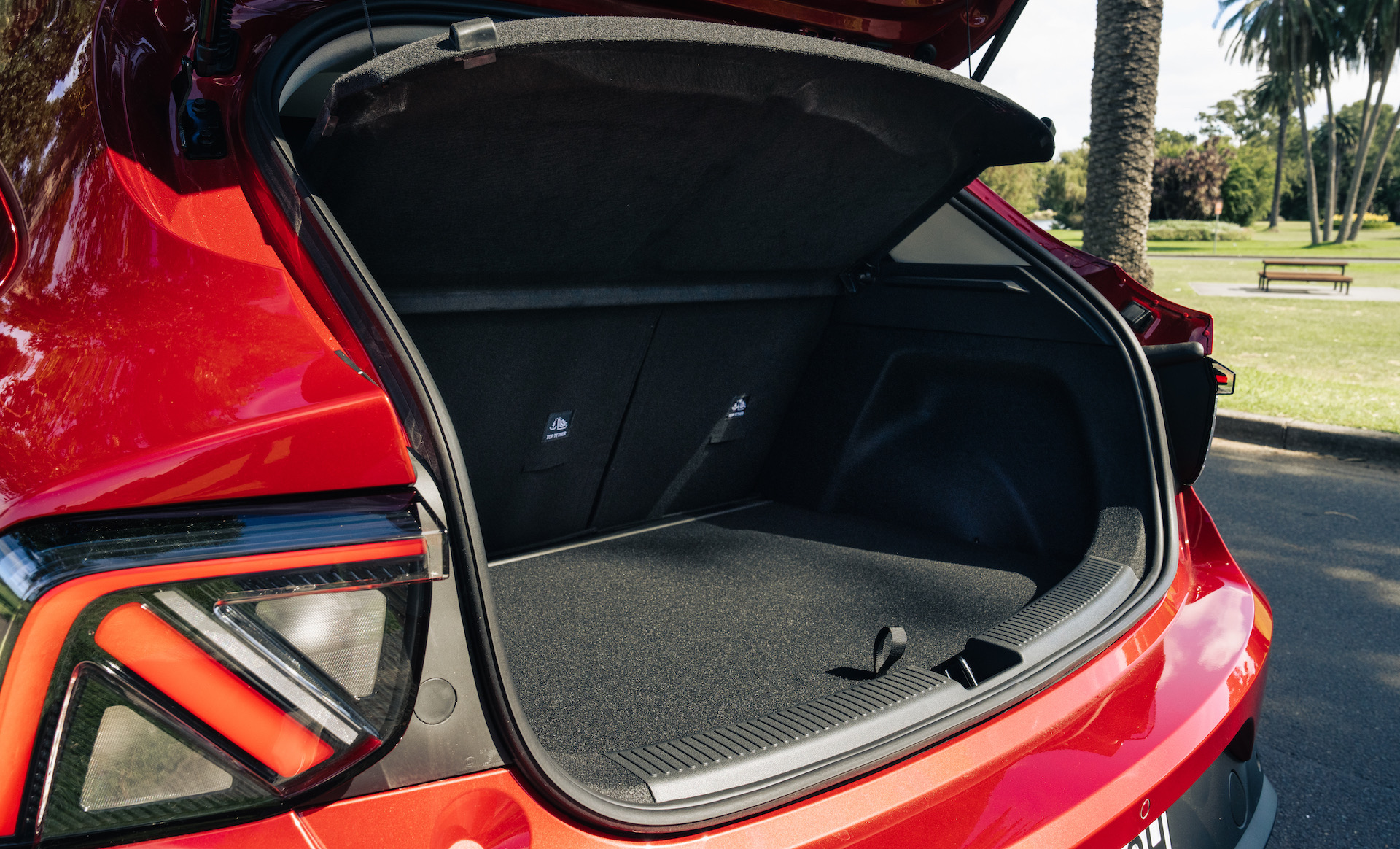
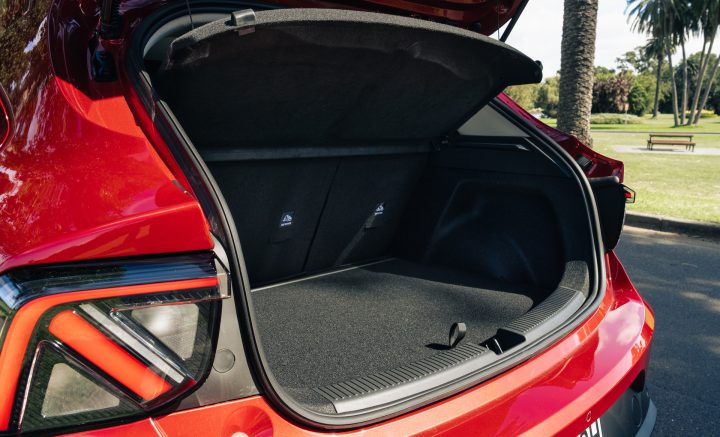
Up at the back, the boot measures in at a handy 382L, expanding to 1266L with the rear seats folded. There’s an extra 98L under the boot floor as well, which is actually quite big. But it means there is no spare tyre only a repair kit. There is no additional storage under the bonnet either, like in some EVs.
2026 MG4 Urban: Powertrain & handling
On the road, the MG4 Urban delivers exactly what you’d expect from in an entry-level EV. It’s smooth, quiet, and easy to drive, with a level of refinement that feels well sorted for commuting duties. There’s very little in the sense of cheapness in the way it moves (no creaks or rattles), just a solid, consistent driving experience.
It’s also relatively light by EV standards, tipping the scales at up to 1520kg. That plays a role in how it feels from behind the wheel, contributing to a decent sense of agility and responsiveness that is sometimes missing in heavier electric vehicles.
The rear suspension setup, a torsion beam, might be a bit old school and crude, especially given sophisticated multi-link systems can be found elsewhere in the EV space. But in this case, it works. For a vehicle of this size and weight, it delivers a compliant and predictable ride, without feeling overly basic or unsettled. Push beyond this weight class and you’d likely want something more advanced. But here, at least in city conditions, it feels appropriately matched.

Performance is adequate rather than thrilling. In top spec form the front-mounted electric motor produces 118kW and 250Nm, and 110kW/250Nm in the base model. MG claims 0-100km/h in 8.7 seconds for the top model and 9.0 seconds for the entry. That’s about as quick as an equivalent petrol vehicle in this class, or even slightly quicker depending on the model. But it is slow compared with some EVs in this vehicle size category.
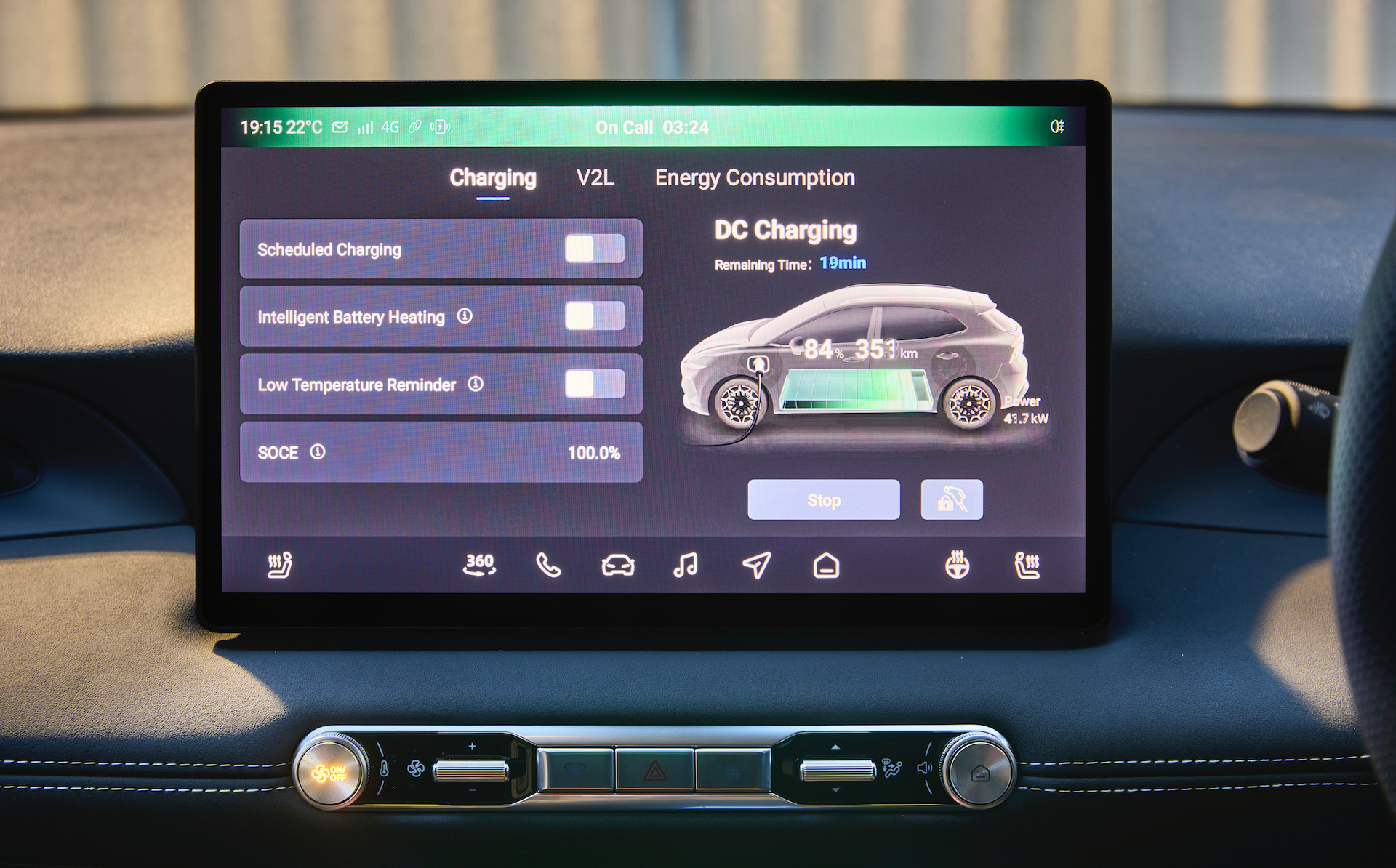
Charging speeds are reasonable. A peak DC rate of 150kW isn’t class-leading, but with a relatively small battery, charging times remain adequate. MG claims a 10–80 per cent recharge in around 30 minutes.
Range, too, is realistic. With up to around 405km on the larger battery, it strikes a sensible balance between usability and efficiency. Again, reinforcing the idea that this car is built for how urban-living motorists actually drive. The entry Essence 53 is listed at 316km; likely not enough for many buyers.

2026 MG4 Urban: First impressions
The MG4 Urban’s biggest strength lies in its value proposition. It brings EV pricing into line with comparable petrol-powered cars, which is a significant shift for the segment and makes it one of the most accessible electric vehicles on the market. It’s spacious, comes with plenty of features, and offers decent driving dynamics for what it is.
There are, however, a few trade-offs to be aware of. Charging speeds, while adequate, aren’t quite at the forefront compared with some newer rivals, even if the smaller battery helps offset this in real-world use. The torsion beam rear suspension is also a more basic setup than the multi-link systems seen elsewhere, although it performs well enough given the vehicle’s weight and intended purpose. And while the performance is perfectly suited to daily driving, it lacks the instant push that keen drivers might request from an EV. We also experienced some software-based glitches during our short test drive – these could be ironed out with updates in the future.
2026 MG4 Urban: Video