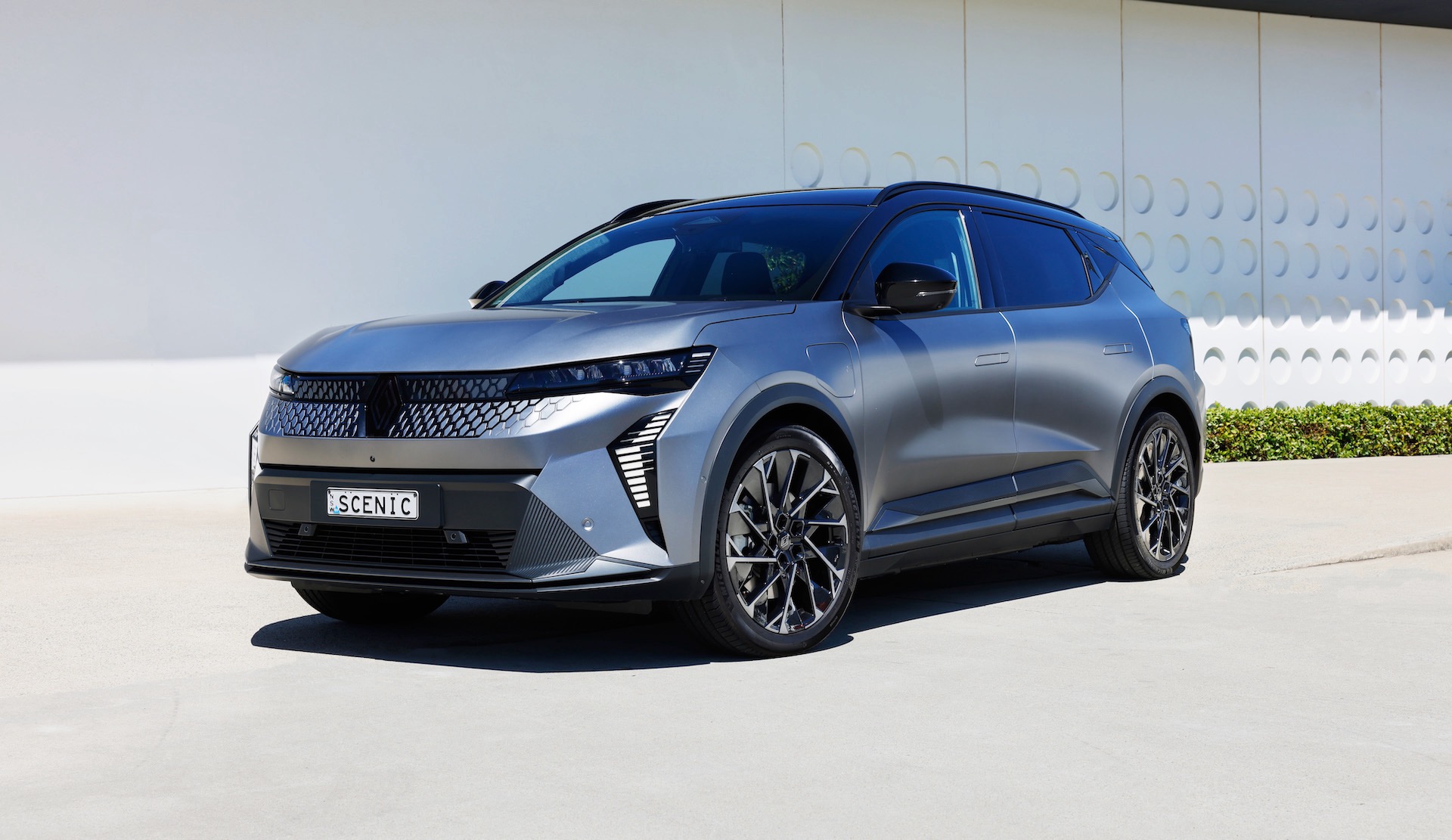
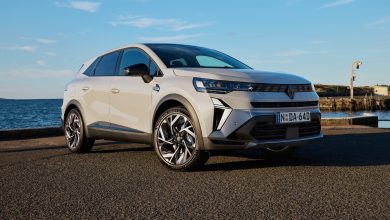
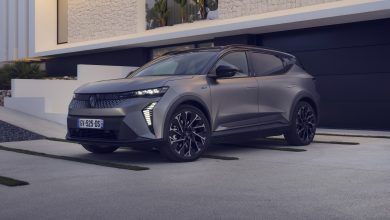
The Renault Scenic name returns to Australia in a very different form to what buyers might remember. No longer a people mover, the latest iteration sits in the competitive mid-size SUV segment.
It’s a segment that’s quickly filling with similarly shaped EVs, but the Scenic E-Tech stands out by leaning heavily into design and usability, rather than simply chasing headline specs and wow-factor screens.

2026 Renault Scenic E-Tech Esprit Alpine: Specifications
Electrical: 87kWh NMC battery, 1x electric motor
Output: 160kW / 300Nm
Gearbox: Single-speed auto
Drive type: Front-wheel drive
Wheels: F & R: 20×8.0, 235/45
ANCAP: Not tested
Weight: 1870kg
Power-to-weight: 8.20:1 (kg:kW)
Official range (WLTP: 625kmMax charging AC/DC: 11kW/150kW
0-60km/h: 4.39 seconds*
0-100km/h: 7.91 seconds*
60-110km/h: 4.59 seconds*
1/4 mile: 16.12 seconds at 149.1km/h*
Max acceleration: 0.682g*
100-0km/h braking: 36.65m in 2.85 seconds*
Max deceleration: -1.367g*
Starting price: $65,990
*Figures as tested by Driving Enthusiast on the day. Manufacturers’ claims may be different
2026 Renault Scenic E-Tech: How much does it cost?
Three main variant lines are on sale in Australia, spanning from the Techno, Techno Long Range, to the flagship Esprit Alpine. And yes, that name ‘Alpine’ is a connection to Renault’s sports car division, however, here, it brings mainly cosmetic inspiration.
Prices range from $55,990, $59,990, and top out at $65,990 (excluding on-road costs). It is a bit pricier than some rivals, particularly those from new Chinese brands. But look at it this way, the equivalent price in the UK is actually on par or higher than our prices after a straight currency conversion. And that doesn’t factor in import, tax and ADR compliance costs.
Renault Australia provides a five-year, 100,000km warranty, which is down on some rivals that offer unlimited distance and/or an extra year or two. There’s also eight years coverage for the battery.

2026 Renault Scenic E-Tech: Interior & packaging
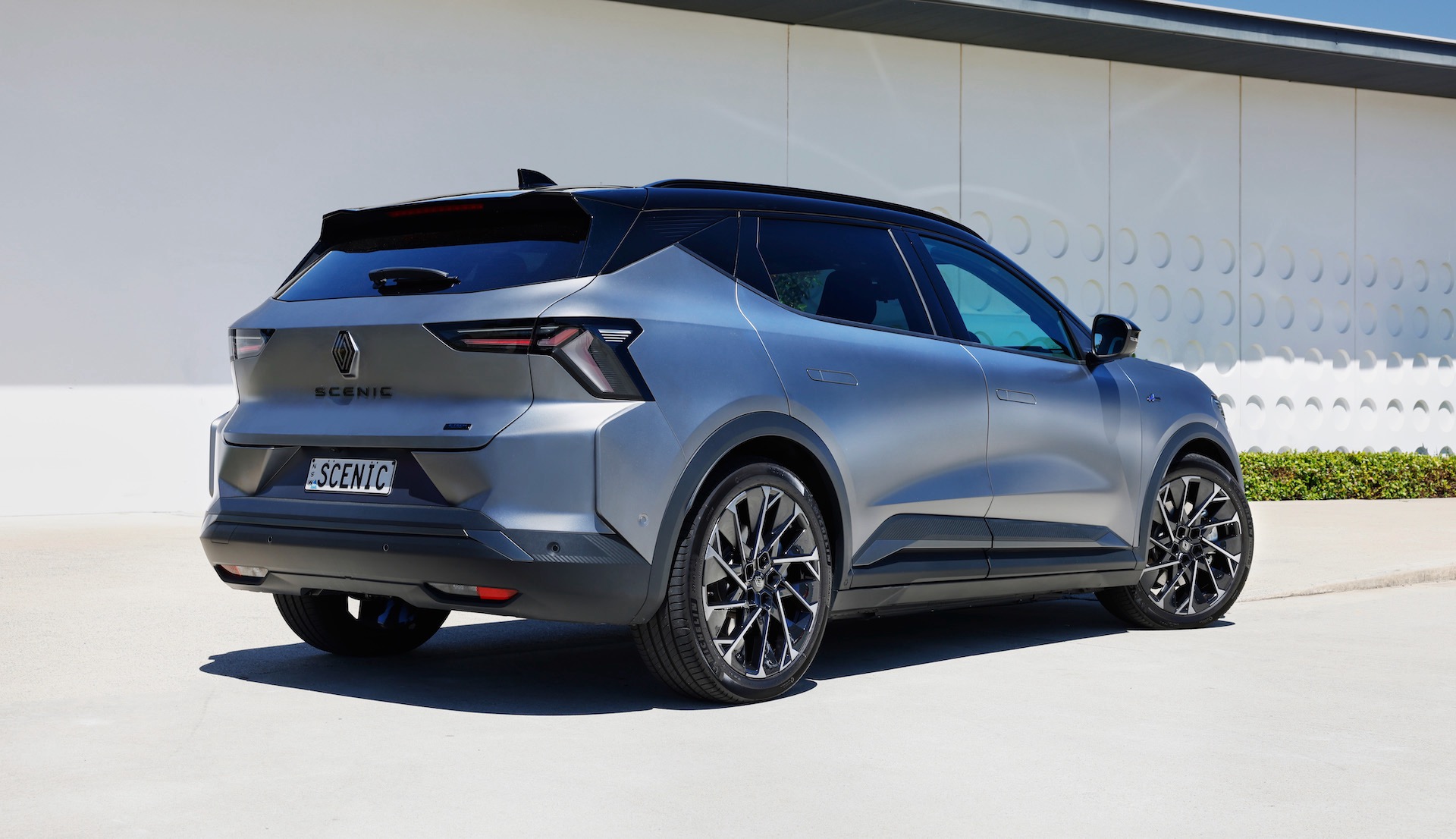
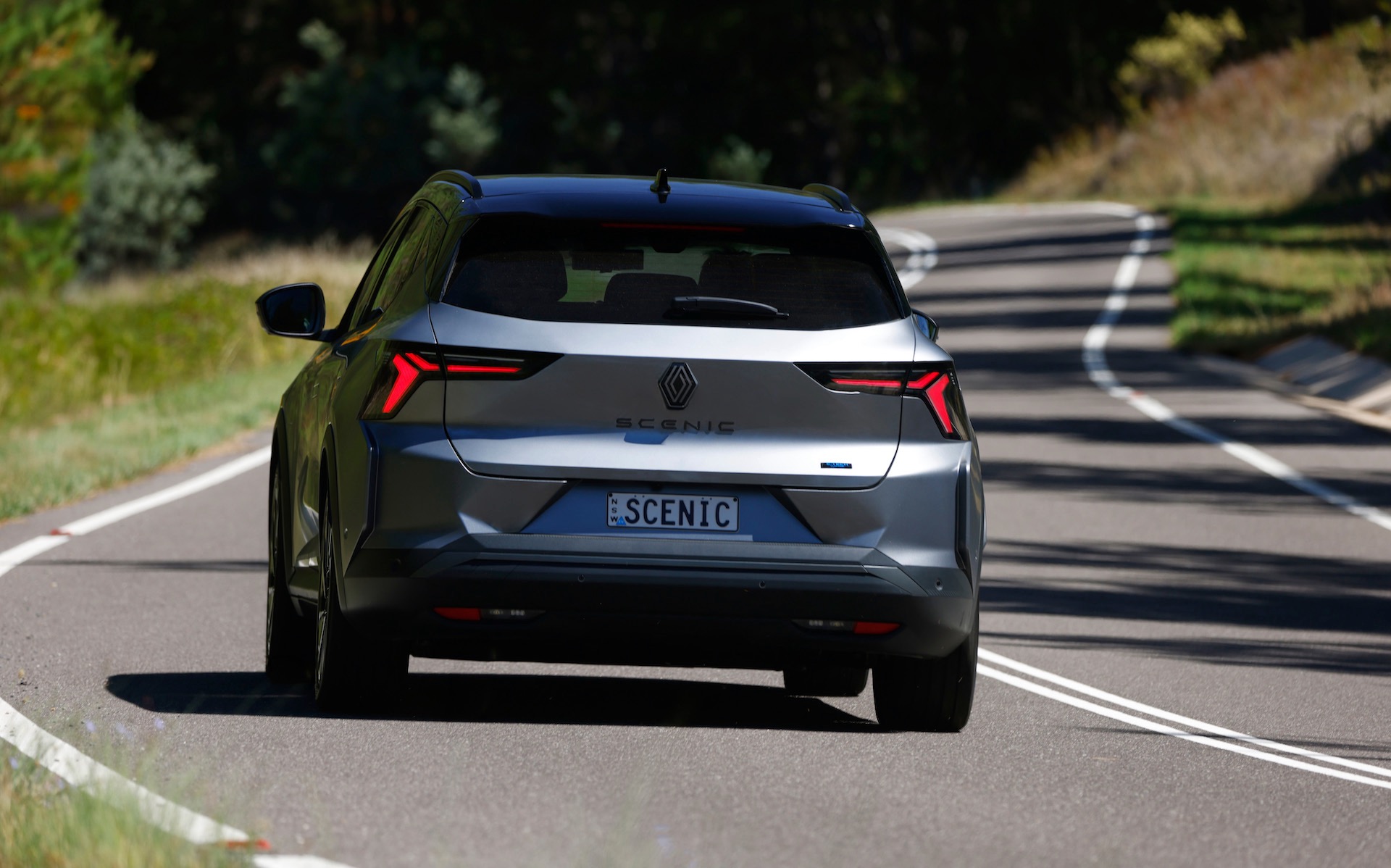
The Scenic E-Tech brings a level of design flair that feels increasingly rare. Both inside and out, there’s a clear sense of identity, with styling that avoids the generic look of many electric SUVs. This is edgy, aggressive, and sophisticated.
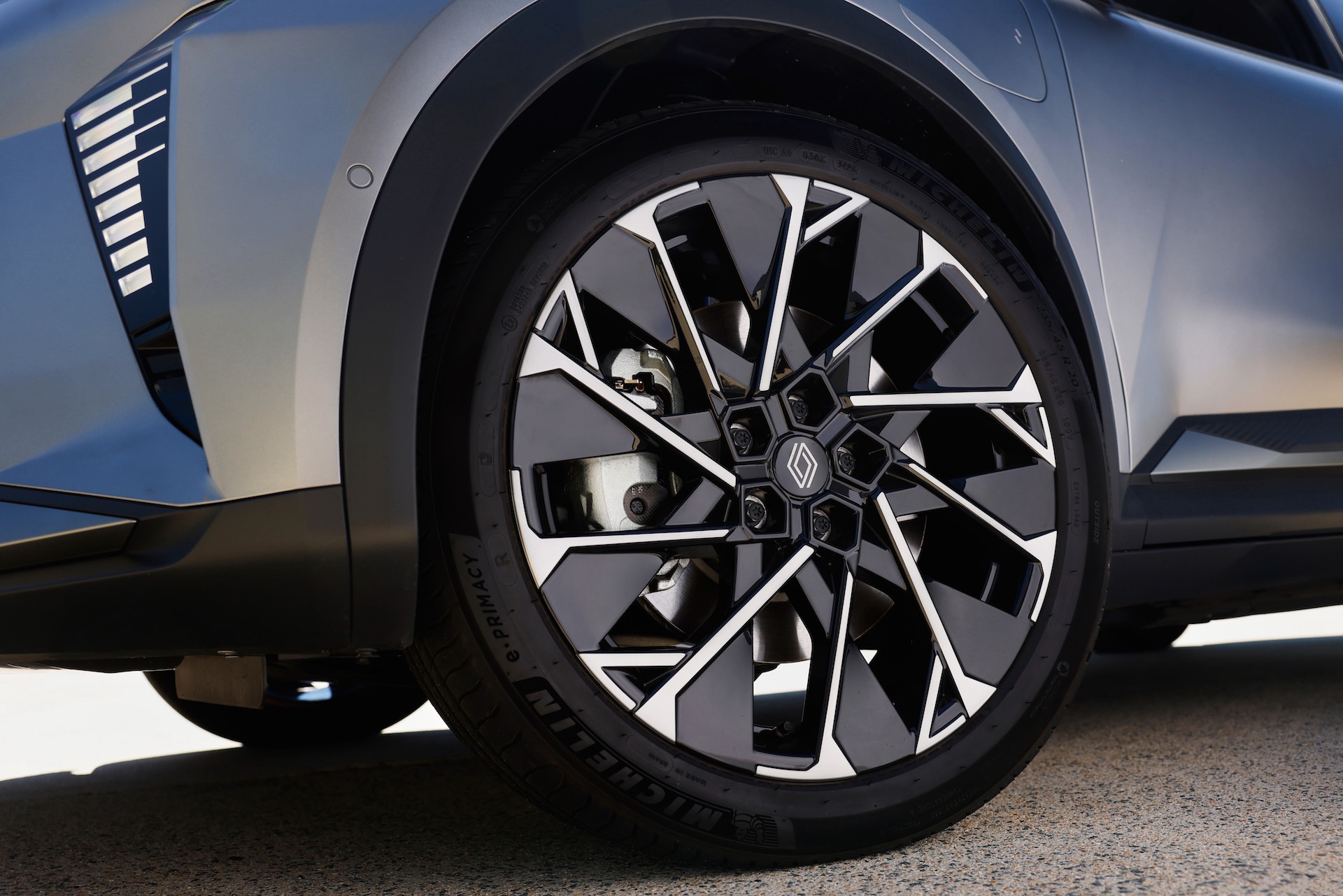
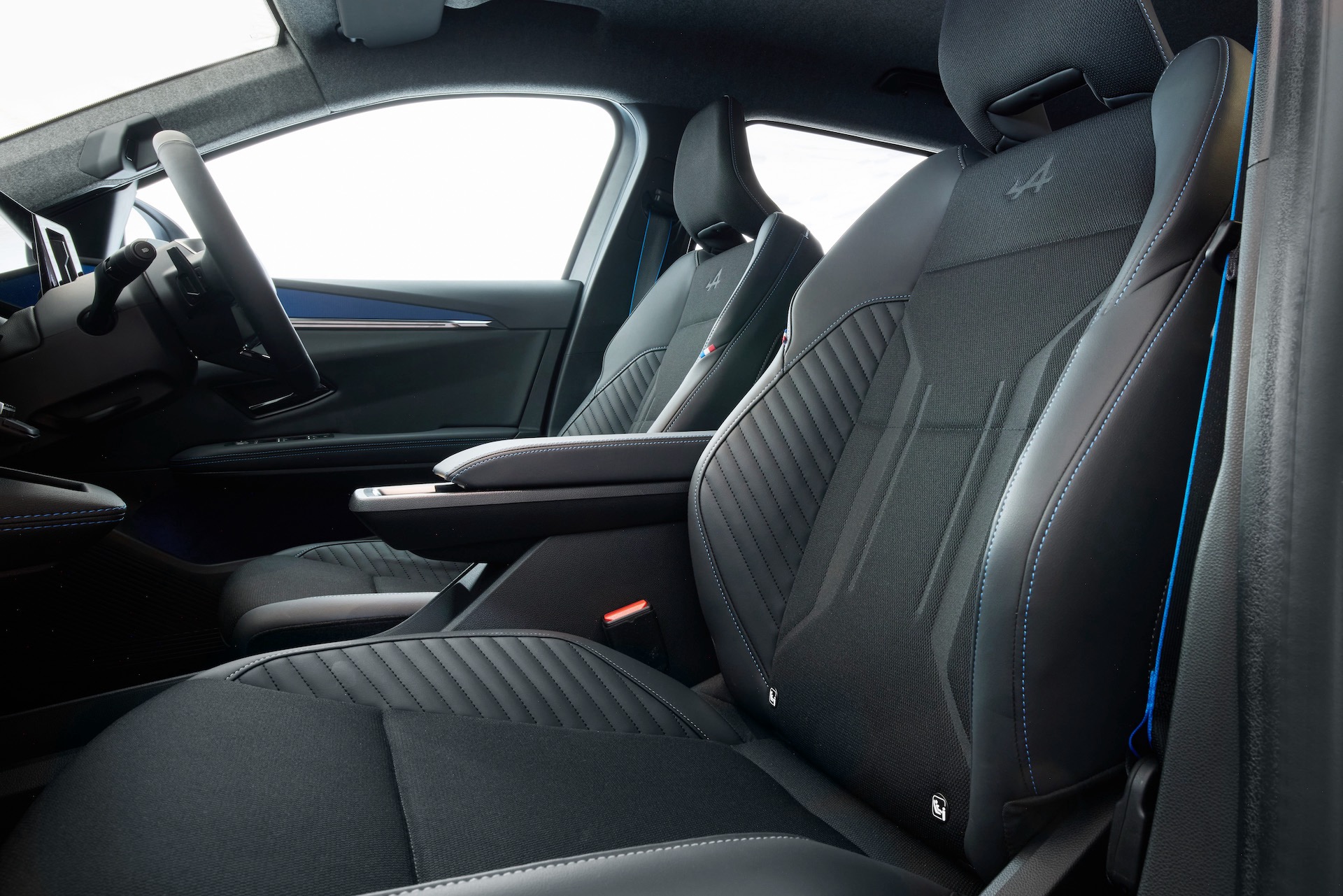
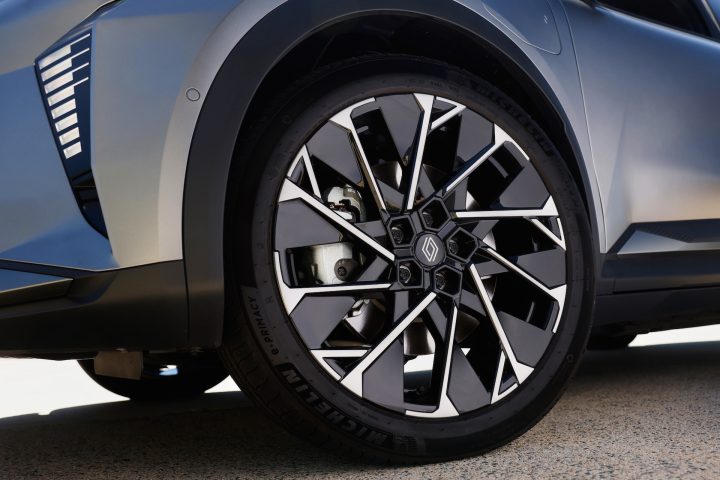
Going for the Esprit Alpine adds subtle performance-inspired touches, such as 20-inch alloy wheels, a bespoke Alpine front grille theme and door trimmings. It also opens up the possibility of the optional matt ‘Shadow Grey’ paintwork and black roof.

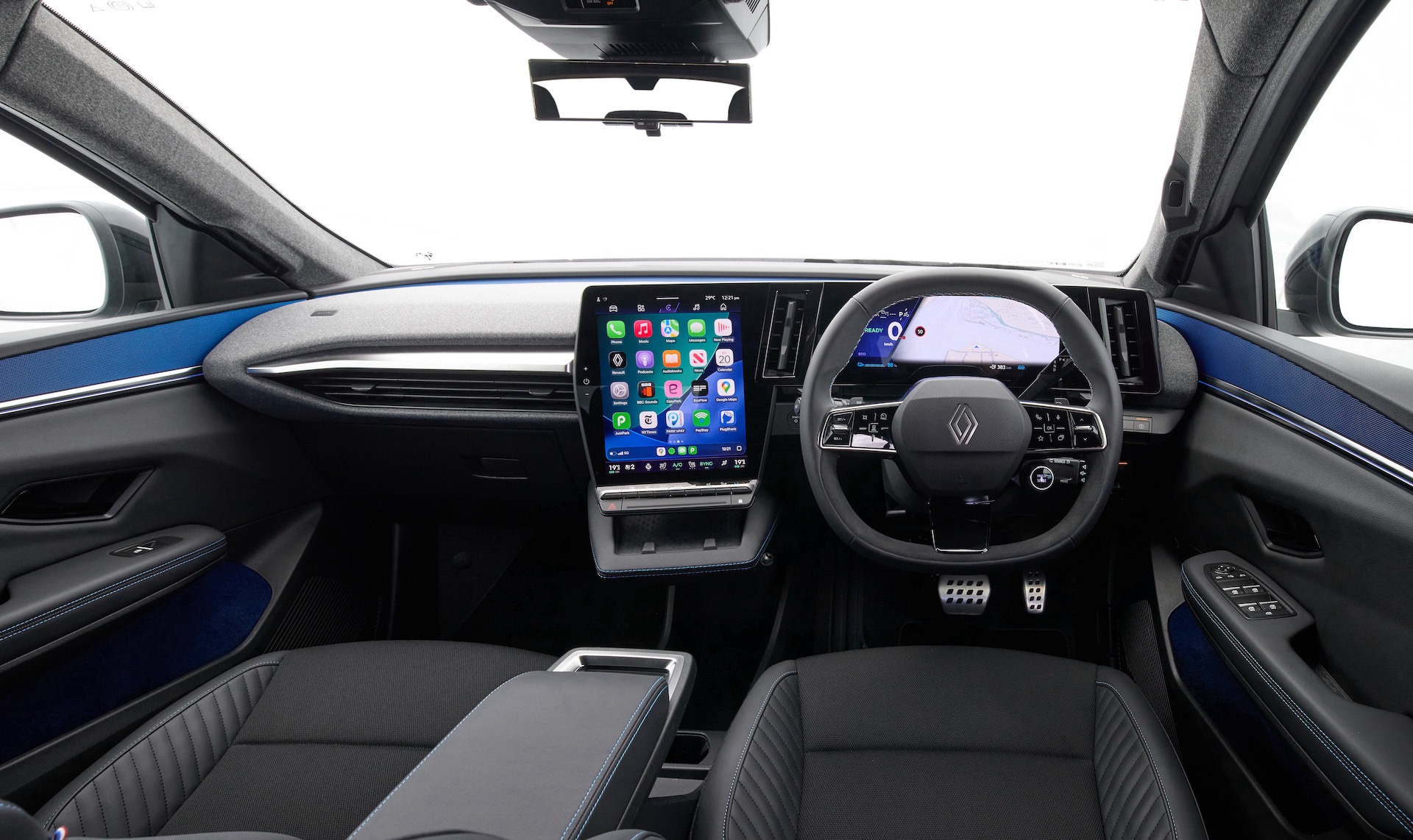
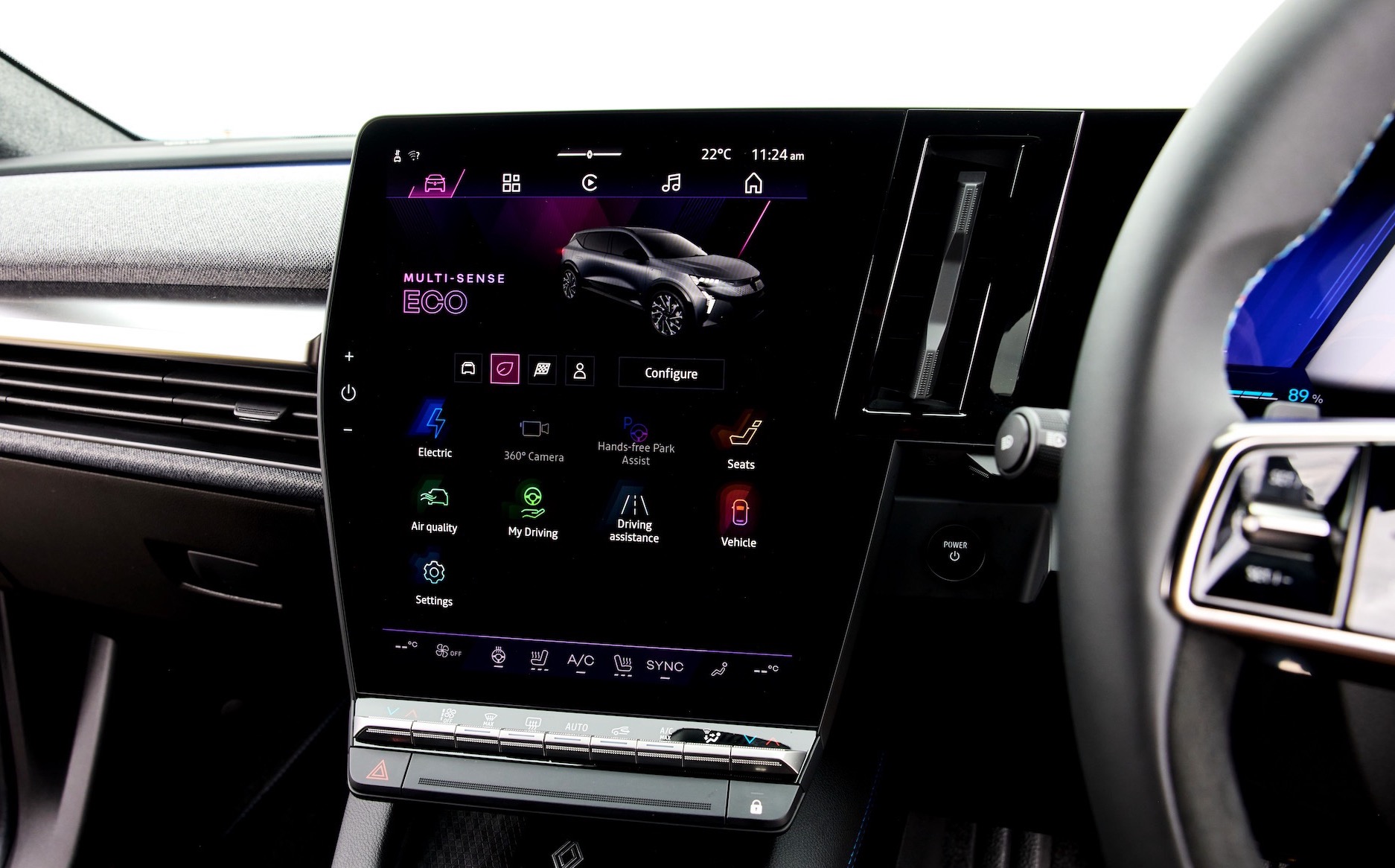
Step inside and the Scenic E-Tech immediately feels engaged and connected with its passengers. This is not a sterile, hospital waiting room. Unlike many EVs that rely almost entirely on large screens, Renault has integrated its displays into the dashboard in a way that feels cohesive rather than dominant.
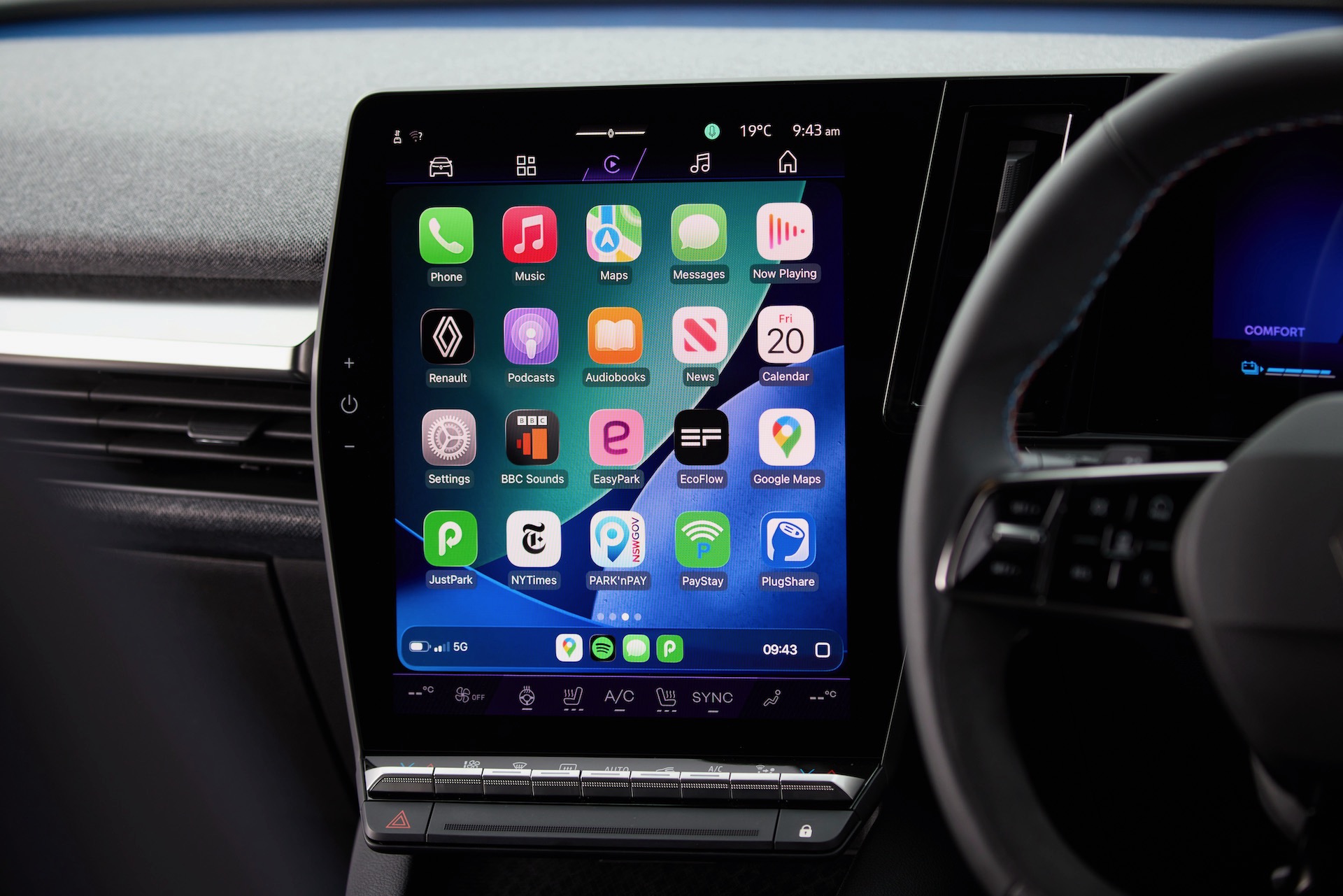
The 12-inch vertical-style touch-screen and 12.3-inch instrument cluster are housed on a wrap-around binnacle, tilted slightly toward the driver. Crucially, there are still physical controls for key functions, which makes everyday usability far less frustrating than some rivals that bury everything in screen menus.

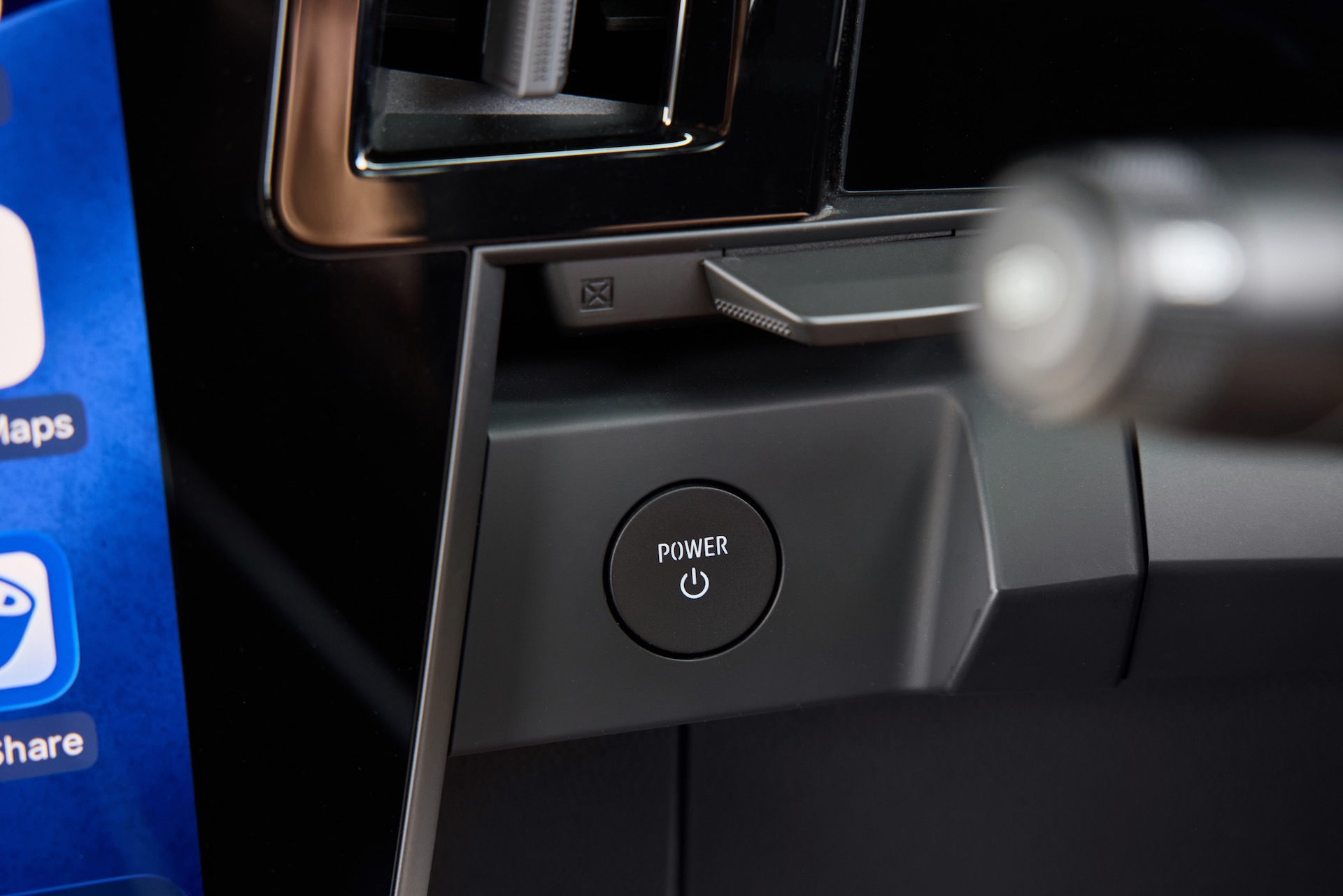
Even some of the ADAS features can be preset into one button, which then requires a simple double-press, located to the right of the steering wheel. And there’s an on/off button. So many EVs out there have no button. Instead, you get in and it’s automatically turned on. But then when you get out, it turns off, with all of your air-con and ADAS settings. Not here. If you leave it on for a moment while you retrieve letters from your letterbox or adjust cargo in the boot, when you get back in, it’s still on and so are all of your settings.
Material quality is solid throughout, and the Esprit Alpine variant adds a subtle sporty edge with unique trims and finishes, including modern textured fabric across the dash, deep purple/blue carpet lining for the door pockets and matching door card highlights. It’s a cabin that feels new without trying too hard to be futuristic.

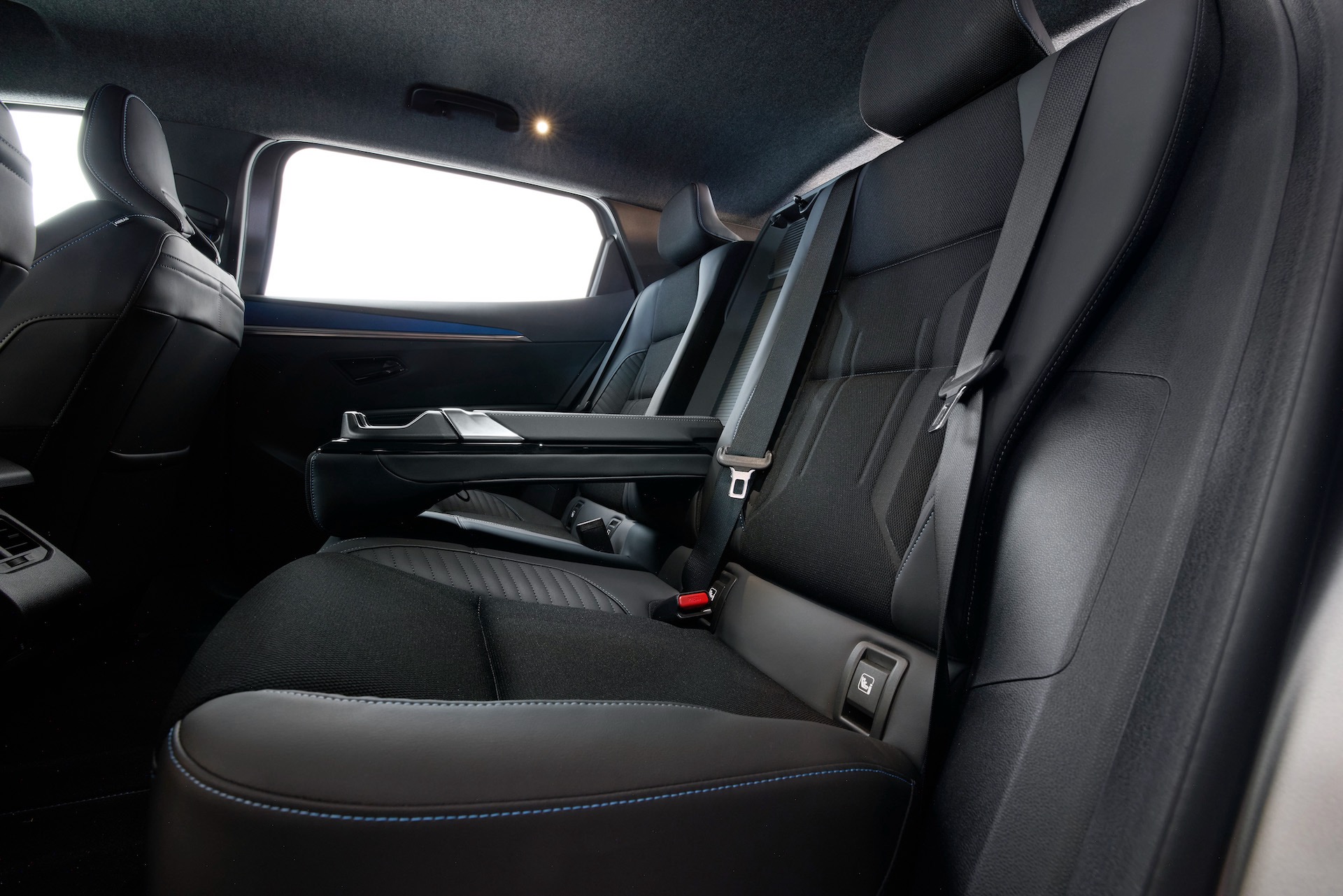
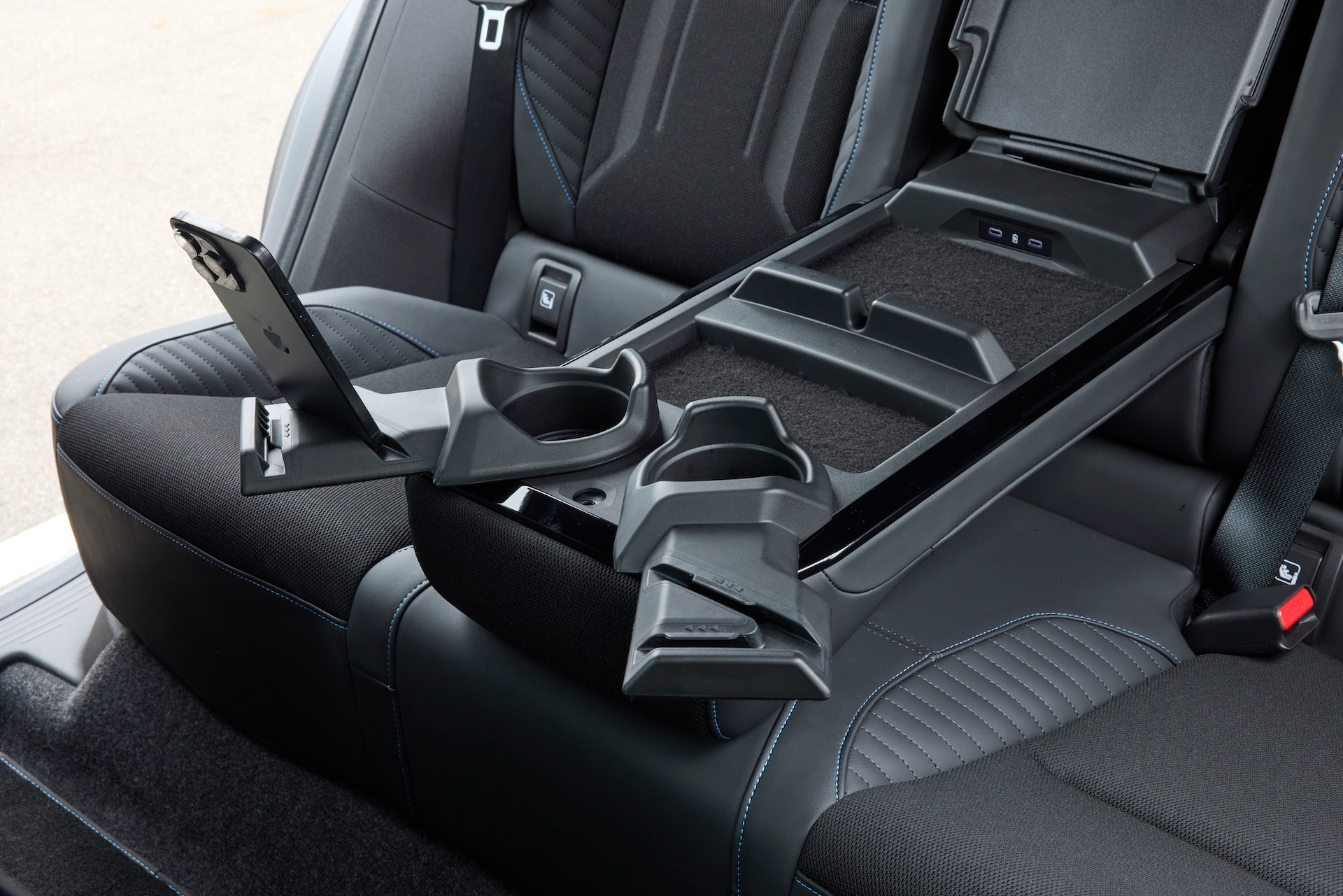
Practicality is another strong point. There’s ample passenger space, particularly in the back, and the flat floor typical of EV platforms helps maximise comfort. A big flip-down centre armrest in the back also features an innovative spin-around cup holder system, with slots to hold tablets or phones. You’ve even got four USB ports just in the back.
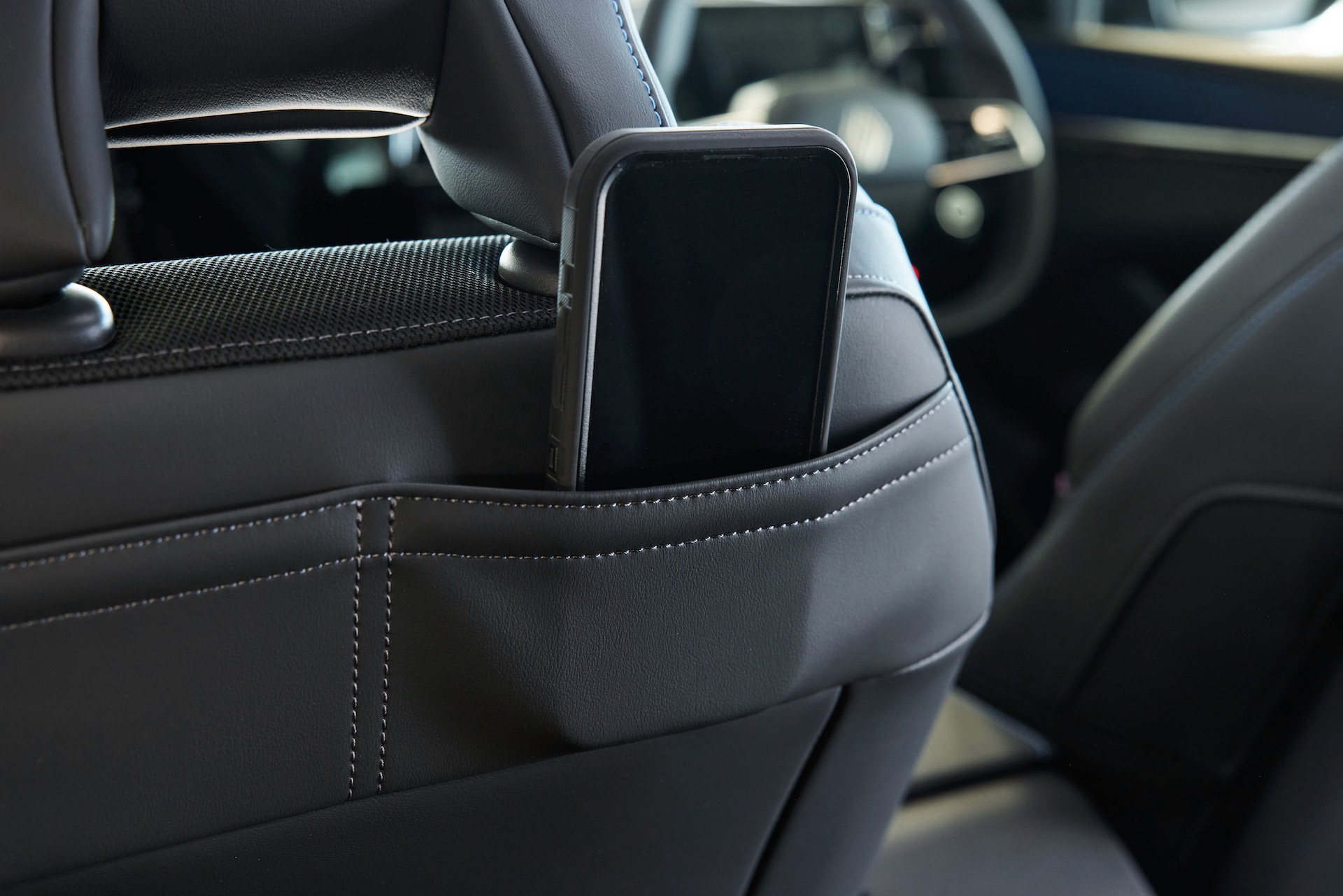
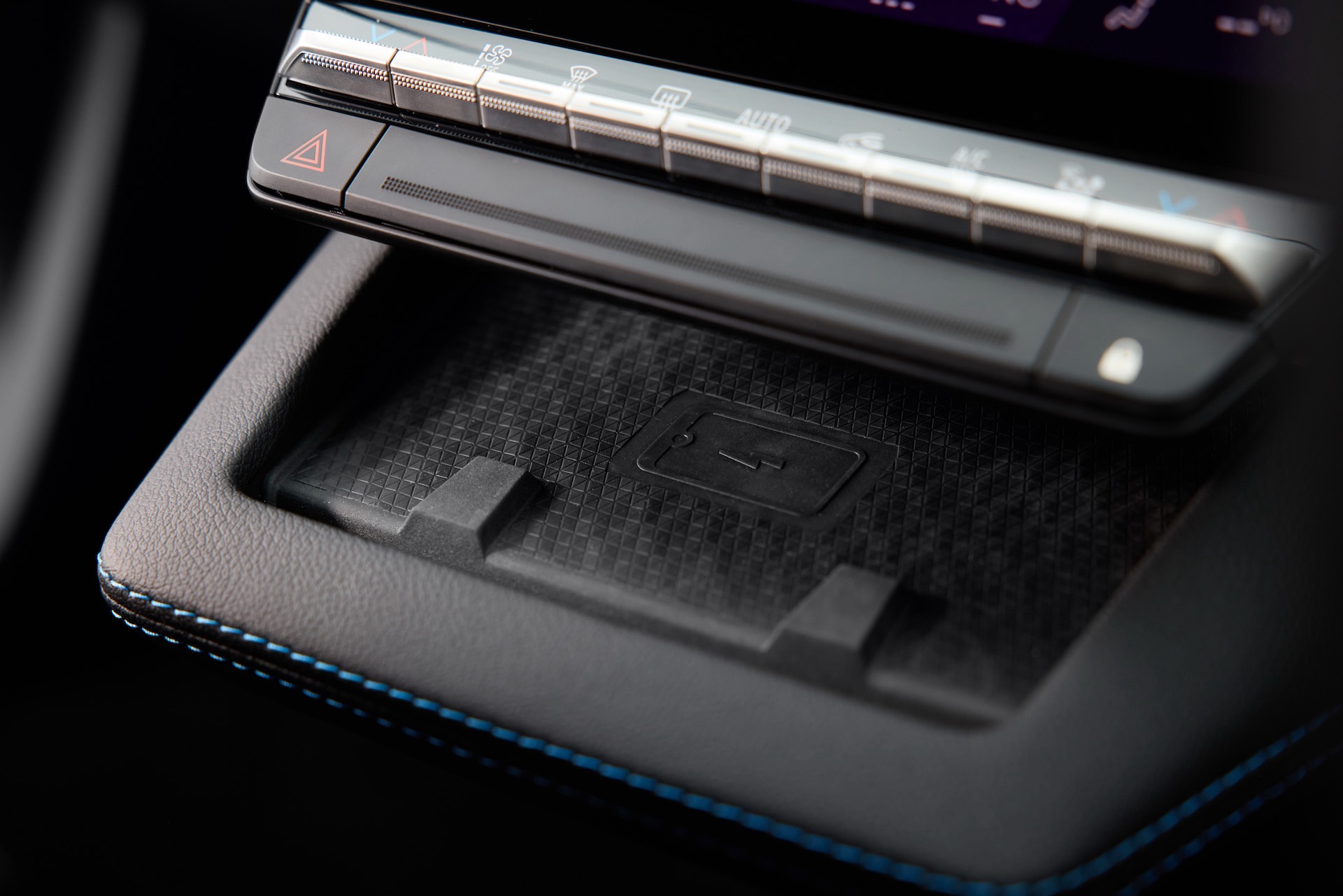
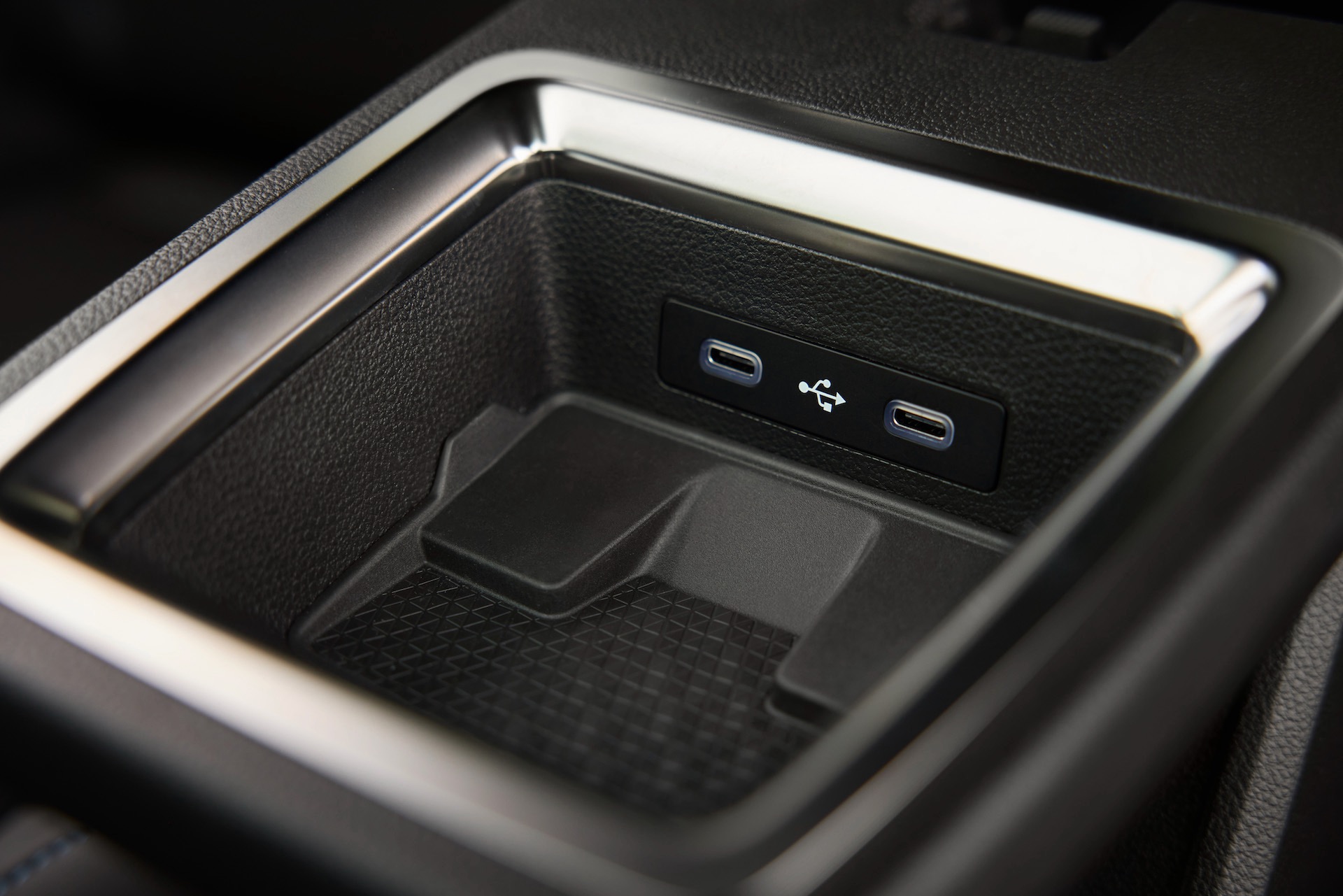
Storage solutions are well thought out in the front as well, with a long trough segmented with a cup holder, and it’s rubber-lined so your stuff doesn’t scratch about at every corner. There’s also a wireless phone charger slot with rubber studs to hold your phone in place.
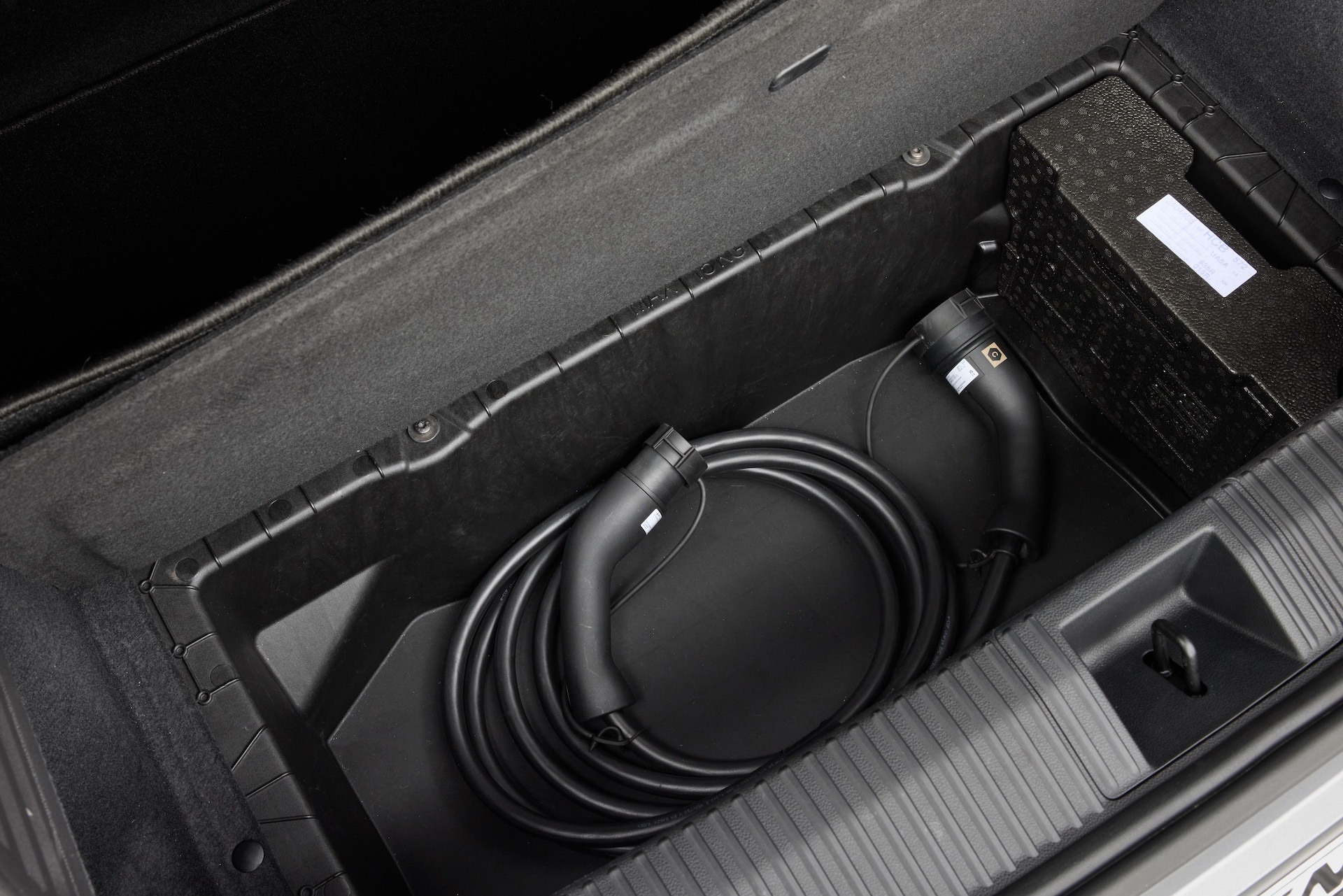
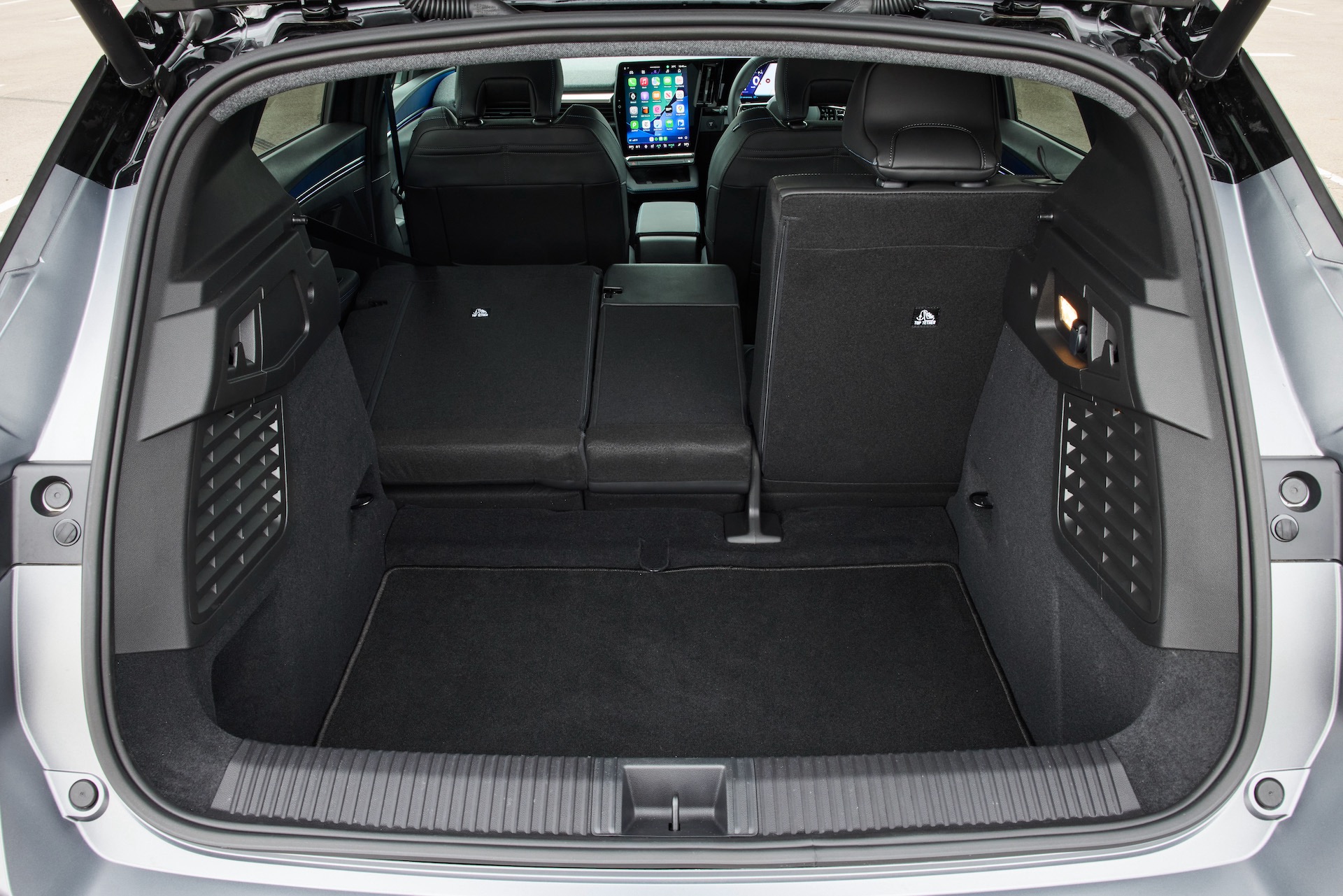
One omission worth noting is the lack of a front boot; something that is becoming more common among EVs in this class. It’s not a deal-breaker, but it does feel like a missed opportunity given the front-drive-only layout. At the back the boot measures in at a respectable 545L, expanding to 1670L with the 40:20:40 split-fold seats folded down.

2026 Renault Scenic E-Tech: Powertrain & handling
One of the Scenic E-Tech’s biggest strengths is its driving range. With up to 625km (WLTP) available in the two top long-range variants, it positions itself as one of the more capable EVs not just in its segment, but across the market. That’s thanks to its 87kWh battery, with the entry 60kWh version providing a range of 430km.
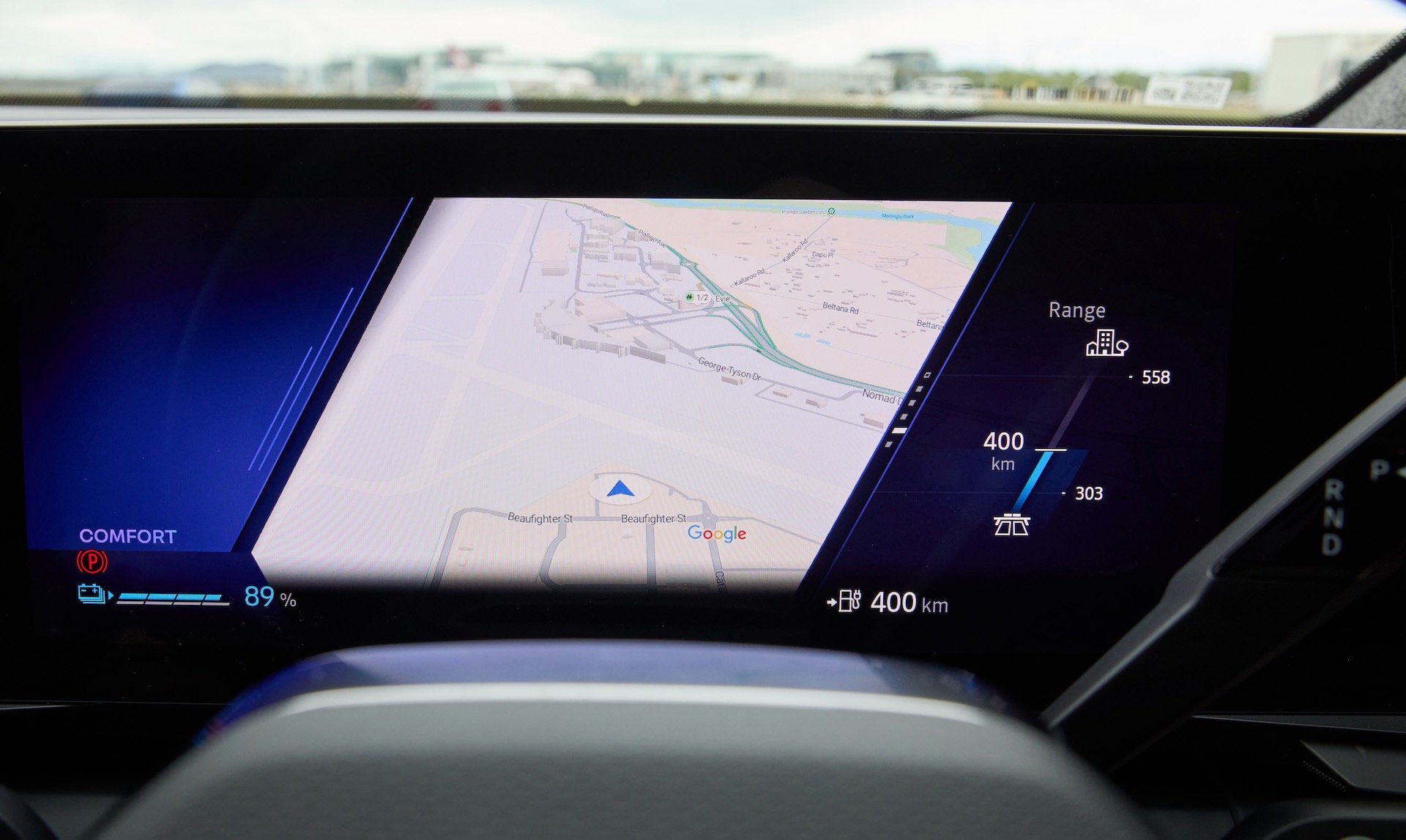
That kind of real-world usability will be a major drawcard for buyers who are still hesitant about making the switch to electric. And to further reduce any anxieties, the on-board range calculator doesn’t just show a single number. Instead, it’s a moving scale between city driving and highway driving, with the needle balancing out depending on your current driving style. In the city, it provides the best range figure, while on the highway, where EVs are usually at their worst, it provides a realistic expectation (see image below, on the right of the display).

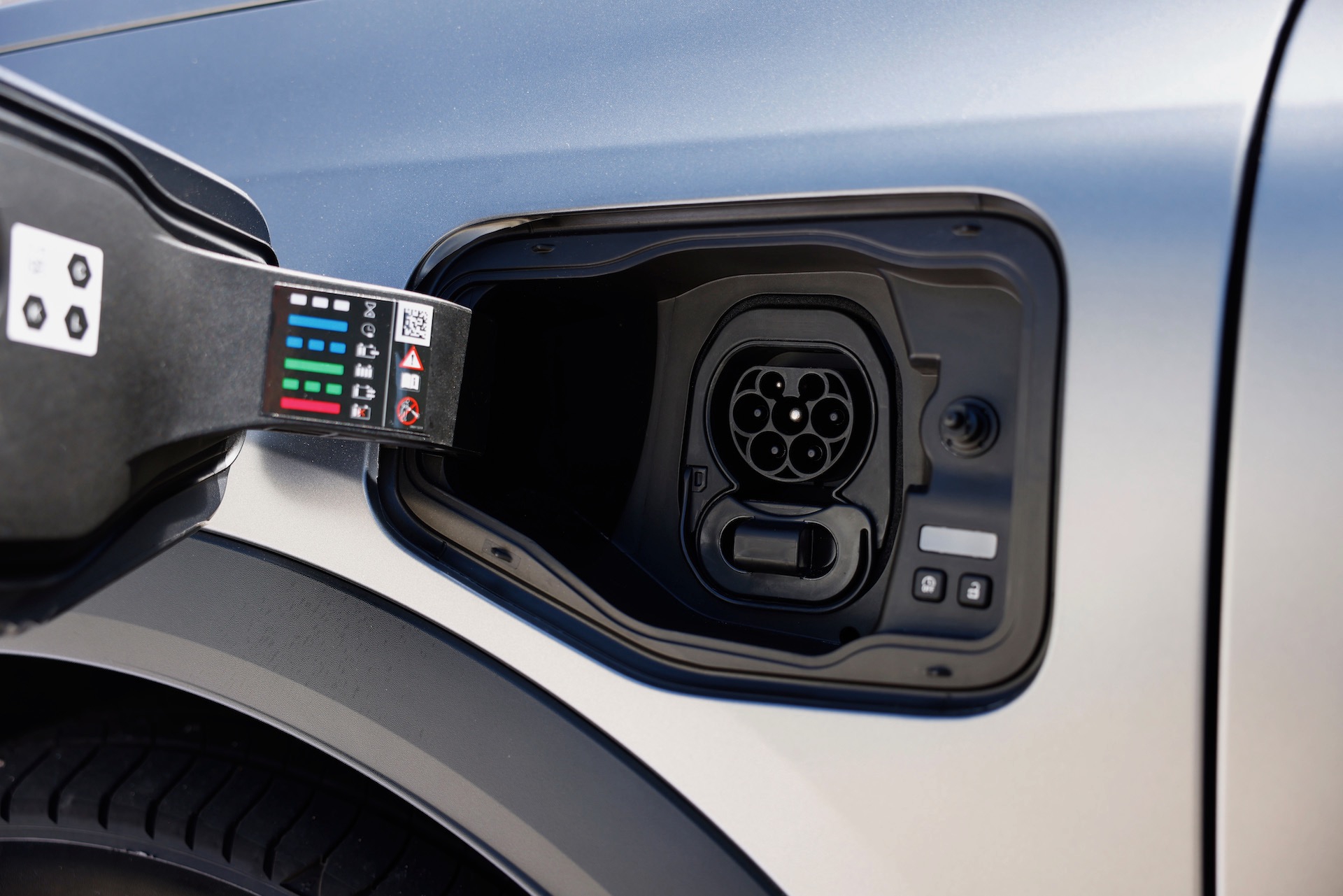
Charging performance, however, is less appealing. With a maximum DC charging rate of 150kW in the top models and 130kW in the entry model, it falls short of some newer rivals that are pushing well beyond 200kW. It’s still perfectly usable for most scenarios, and most public charging stations in Australia are around 150kW anyway. But it is worth noting if speed is important to you.
All Scenic E-Tech variants are built on the AmpR Medium platform, shared with vehicles such as the Nissan Ariya, new LEAF and Mitsubishi Eclipse Cross (not sold in Australia), as well as the Renault Megane E-Tech. For the Scenic it is front-drive only, showcasing a 160kW and 300Nm electric motor.

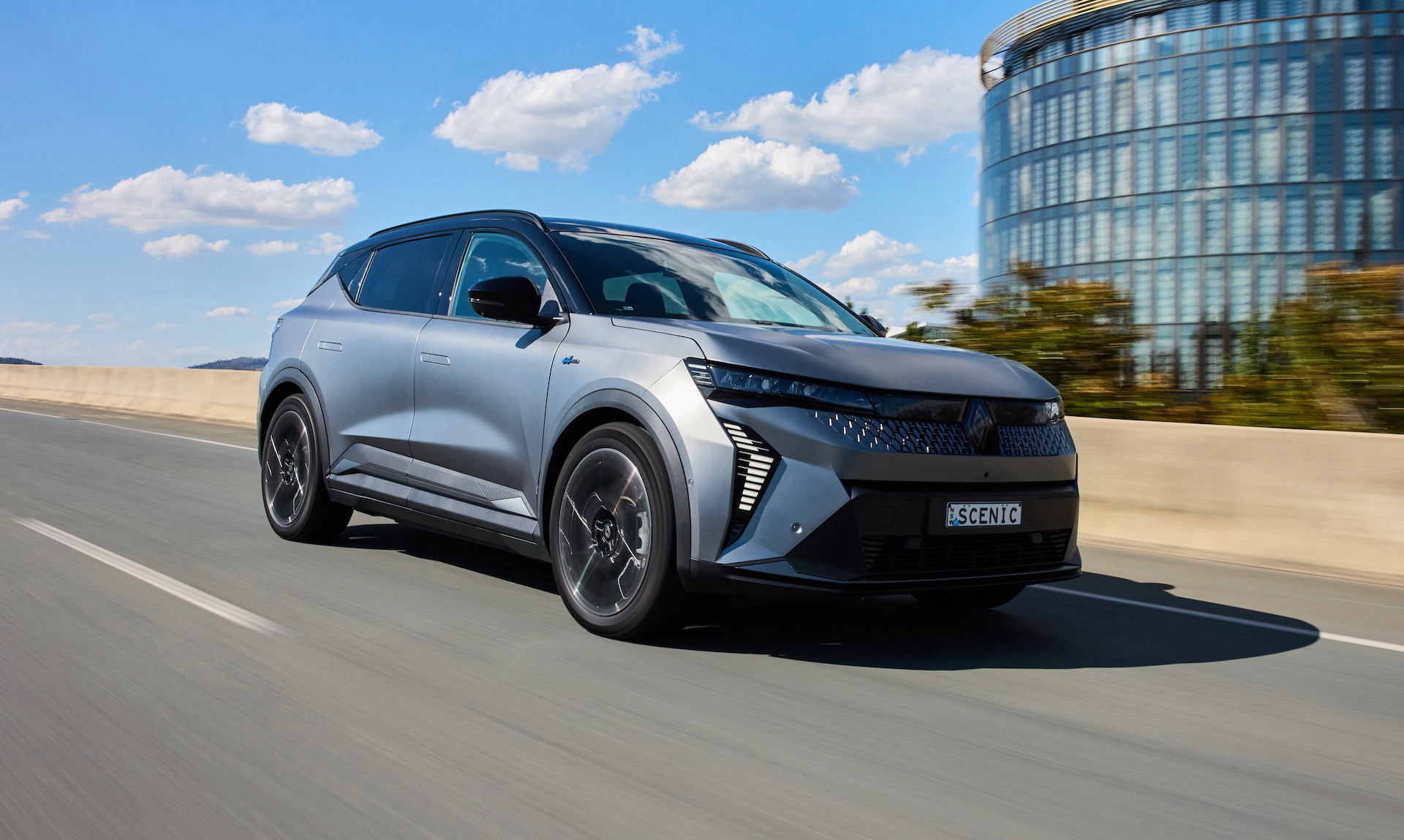
On paper, those outputs are fairly typical for the segment, with 0-100km/h coming up in a claimed 7.9 seconds – we timed 7.91 seconds with the Vbox. It’s not as quick as some EVs in this price range, but this hasn’t been designed purely for acceleration.
This takes off in a smooth and linear fashion, rather than the typical on/off switch feel of some EVs. You’ve got Eco mode for a more relaxed throttle sensitivity, as well as a Sport mode to sharpen things up if you prefer. There’s also a custom mode that you can configure.
Unfortunately, the Esprit Alpine doesn’t come with adaptive dampers or any major mechanical enhancements over the regular variants. Not that it really needs it, but it would be nice to have further distinction in our opinion. Given the platform, the Apline heritage could also be an opportunity to provide a twin-motor AWD setup, like the Ariya.

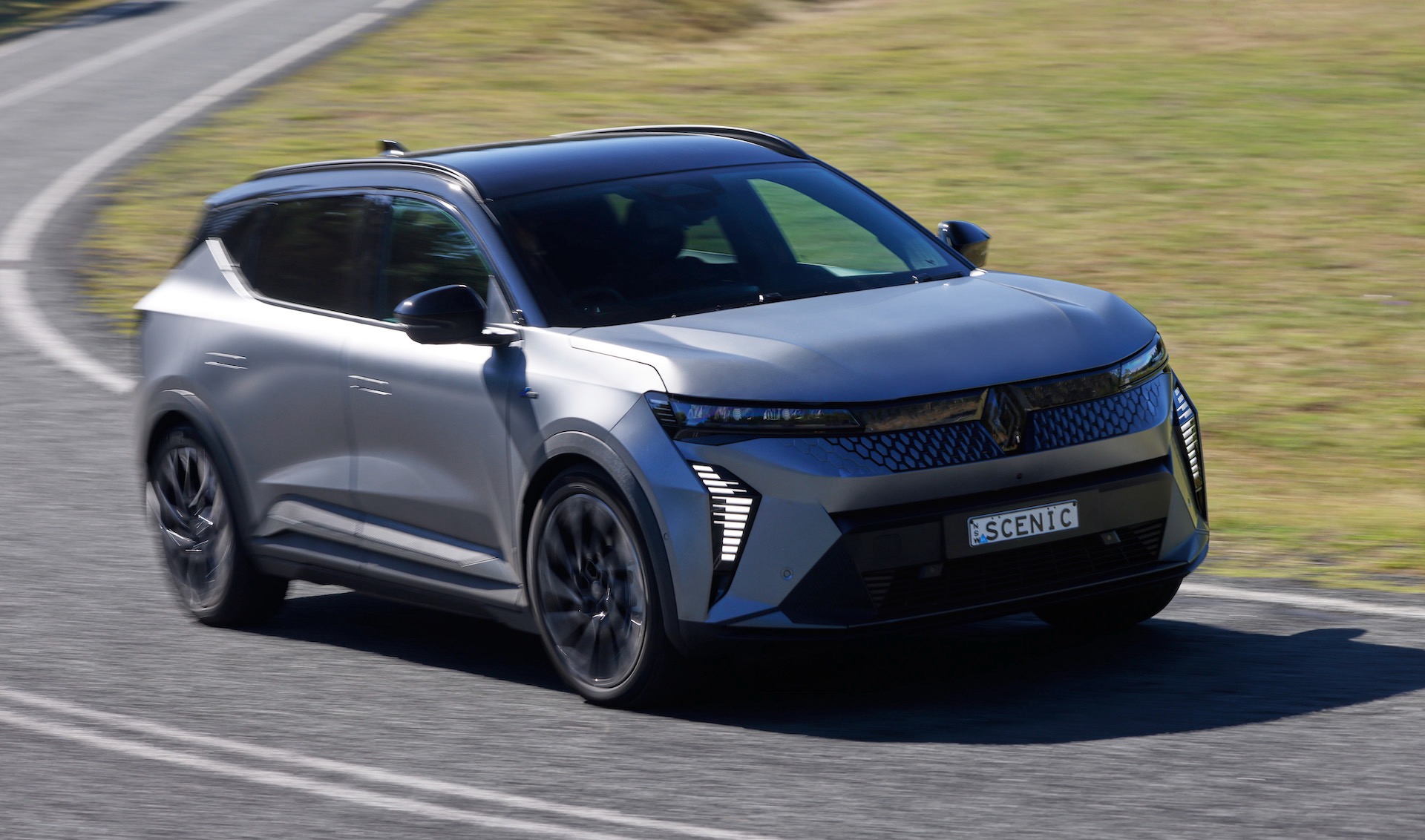
Driving dynamics seem to be focused on an agile and engaging experience, with quick steering allowing fast transitions between corners, and a low and flat ride giving that hot-hatch go-kart feel. It’s fun to drive on a spirited road, which is not something I’d usually say about an EV.
Ride quality is balanced, offering enough compliance for Australian conditions without feeling overly soft. It is perhaps skewed more towards sportiness than outright, slow-reacting comfort. But it suits the energetic and animated character the rest of the vehicle portrays.
Grip levels are generally solid, although the Michelin e-Primacy 235/45 tyres, clearly chosen with efficiency in mind, can struggle in wet conditions. Despite their reasonably generous width, they don’t offer the same confidence as more performance-oriented options, likely due to the ‘eco’ rubber within the tread.
2026 Renault Scenic E-Tech: First impressions
The 2026 Renault Scenic E-Tech makes a strong first impression as a distinctive and thoughtfully executed electric SUV. It combines impressive driving range, a genuinely engaging driving experience, and a well-designed interior that prioritises usability over wow-factor screens.
It’s not without its drawbacks, though. Charging speeds could be quicker, and tyre choice limits wet-weather confidence in our opinion. A sportier AWD option would also be nice. But these are relatively minor in the broader context.
In a segment where many EVs can feel interchangeable, the Scenic E-Tech stands out as something different. It maintains excellent practicality yet it has clearly been designed with passion and purpose.
2026 Renault Scenic E-Tech: Video