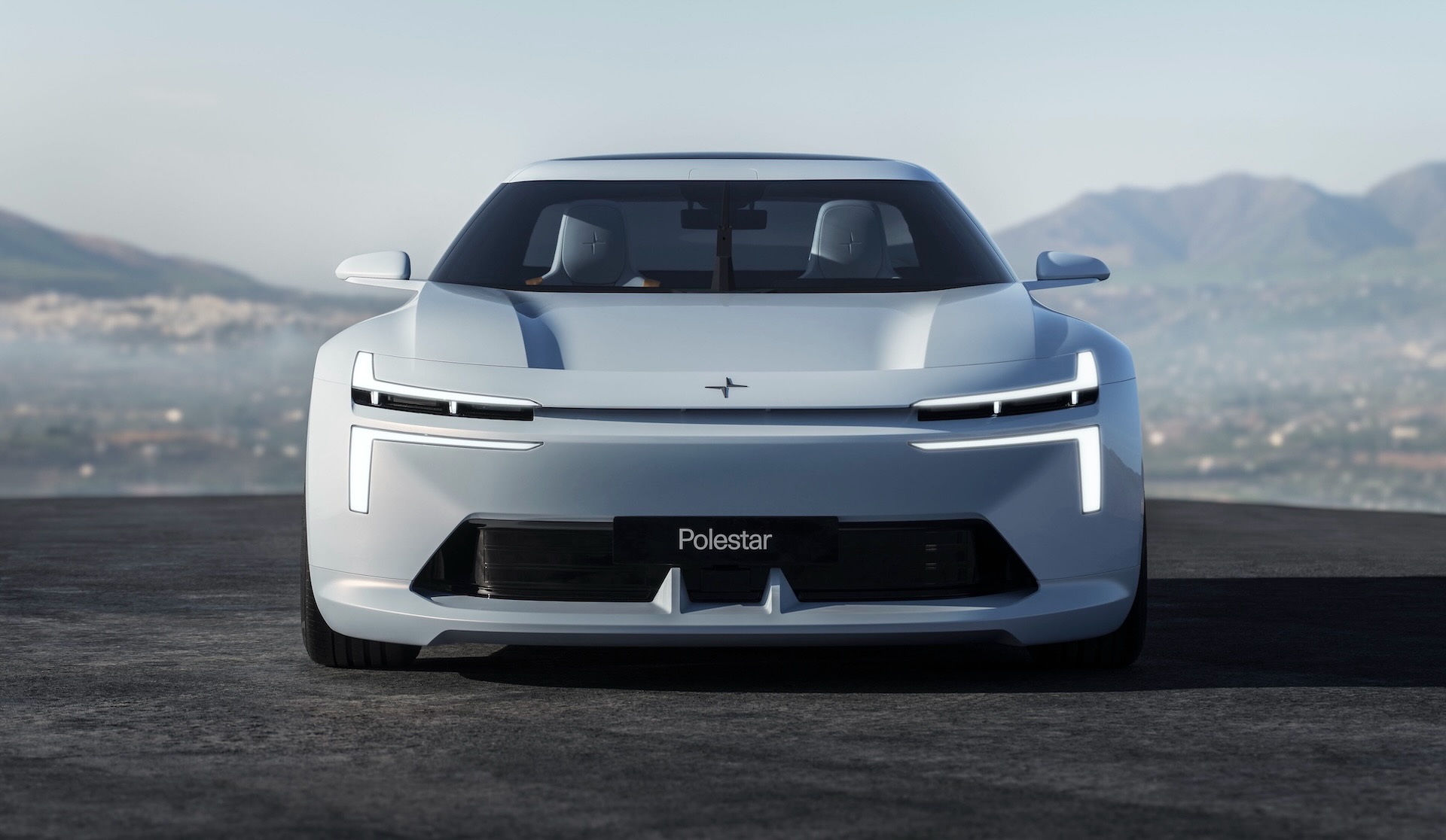
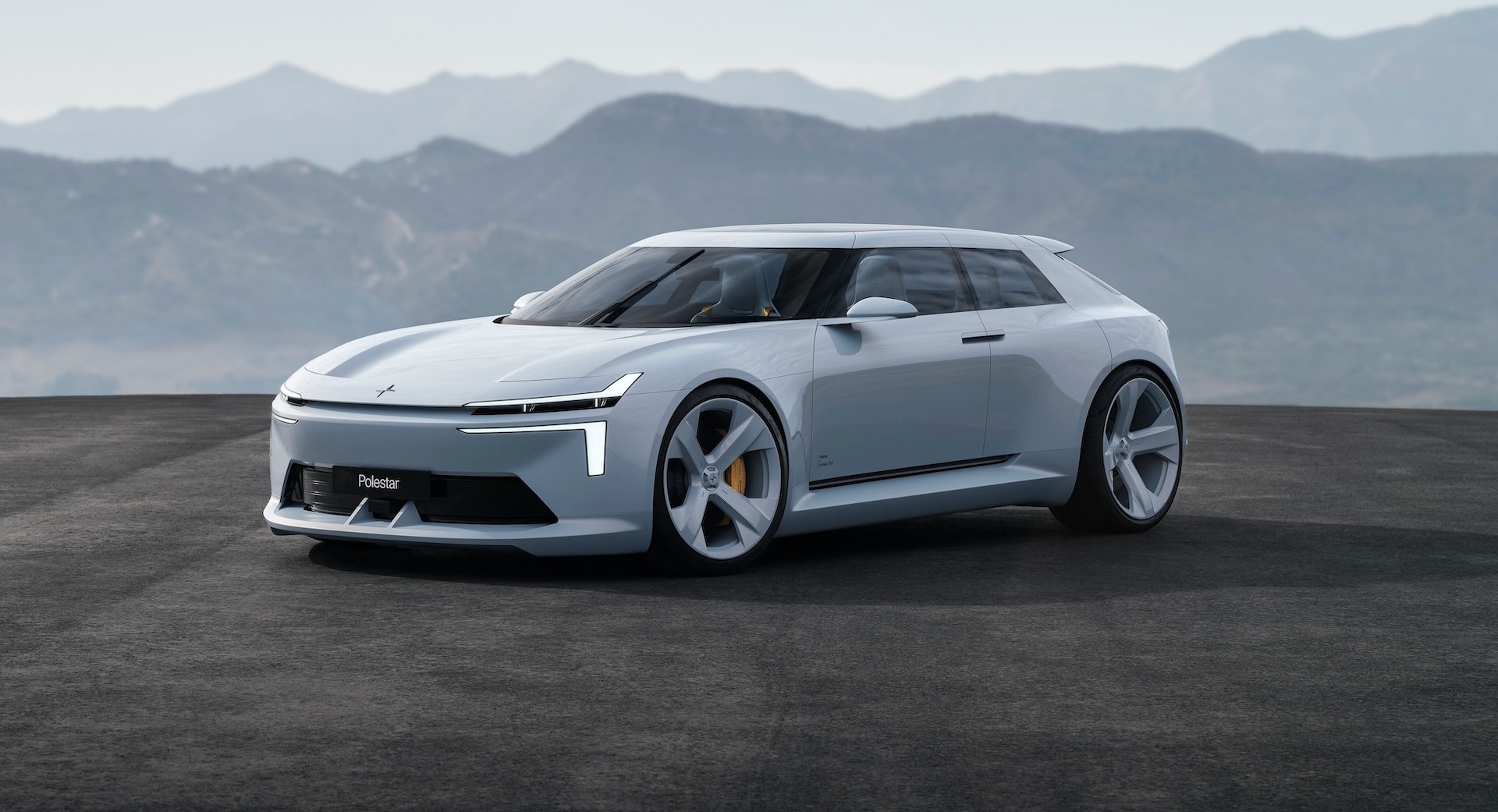
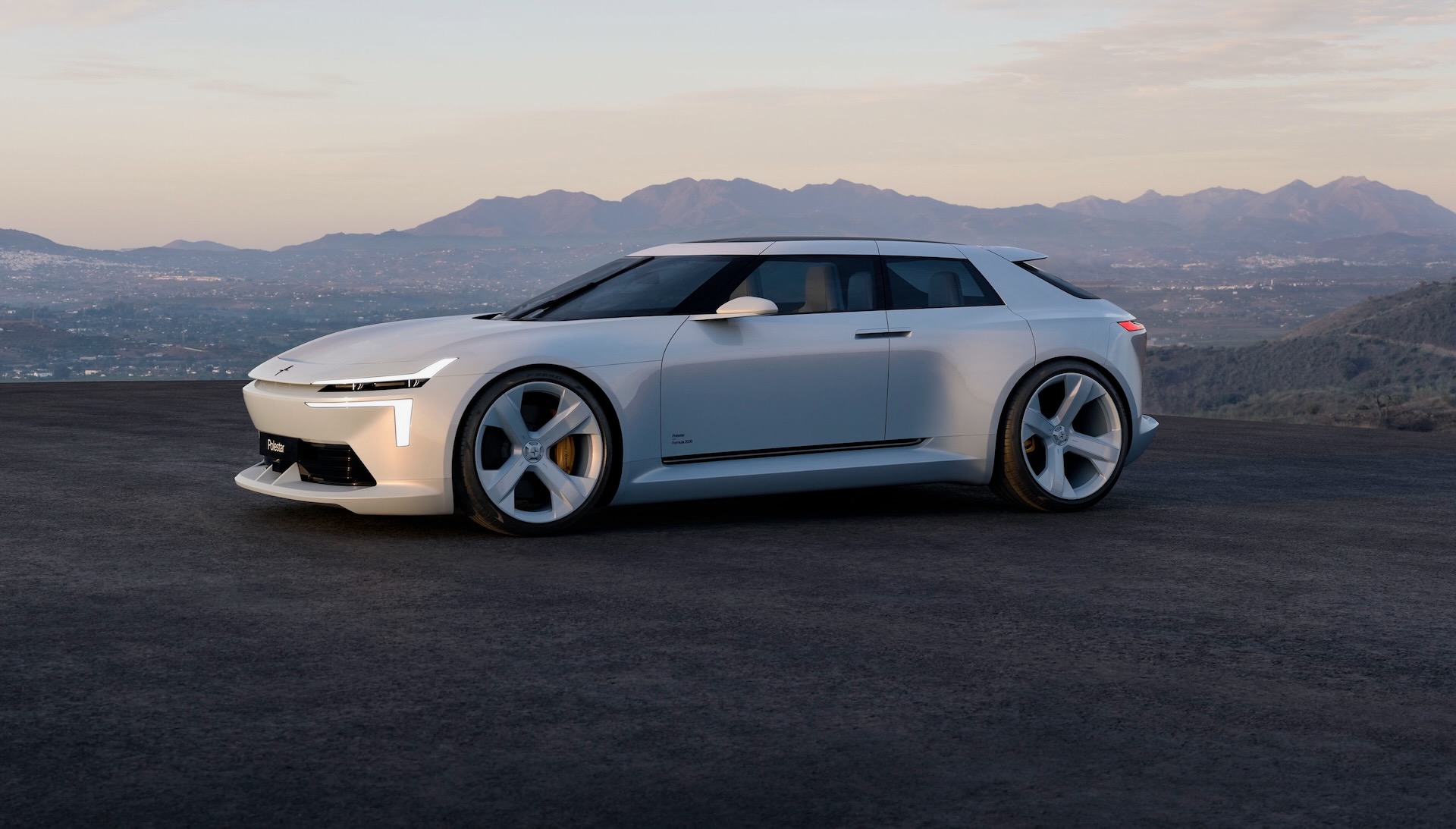
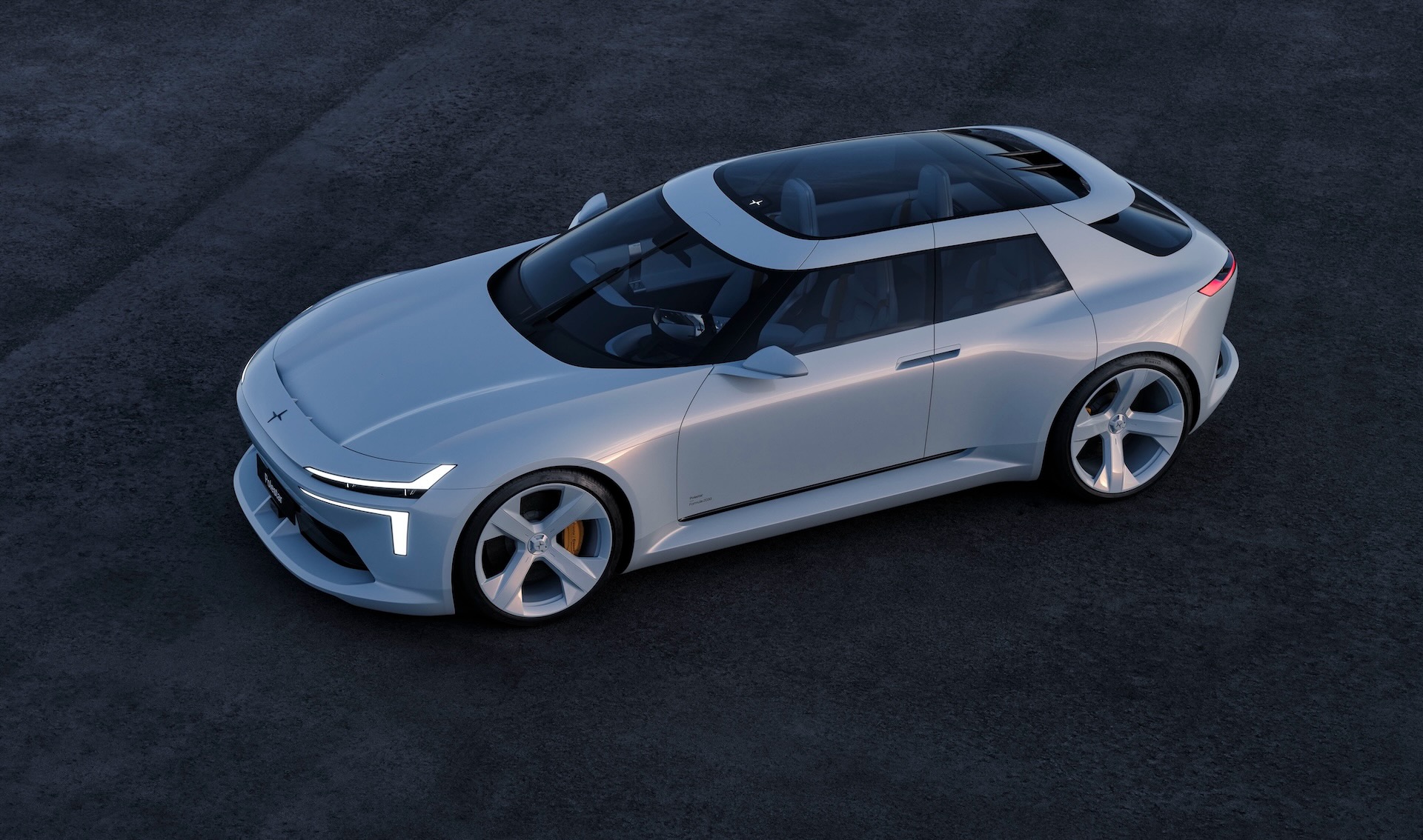
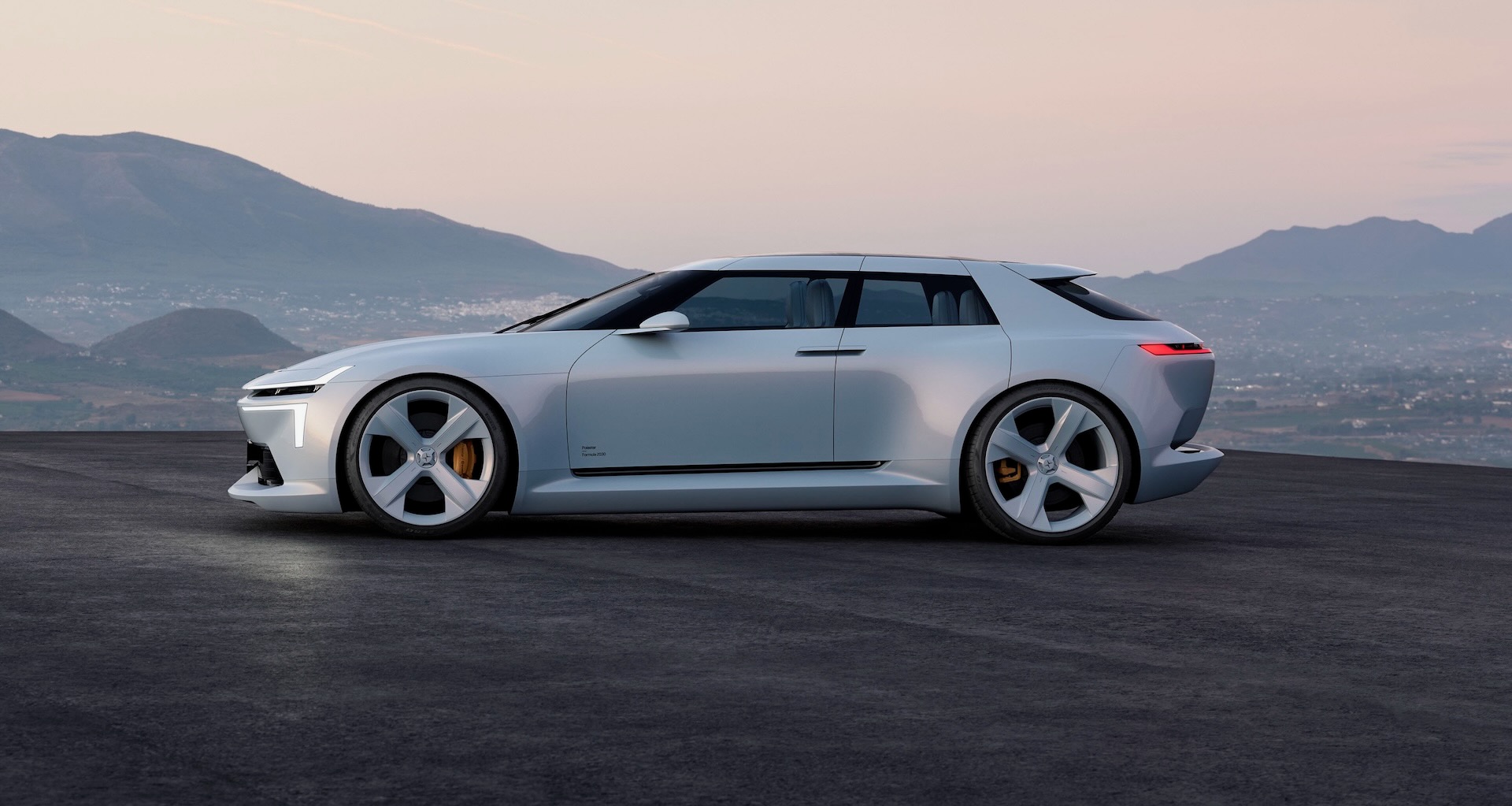
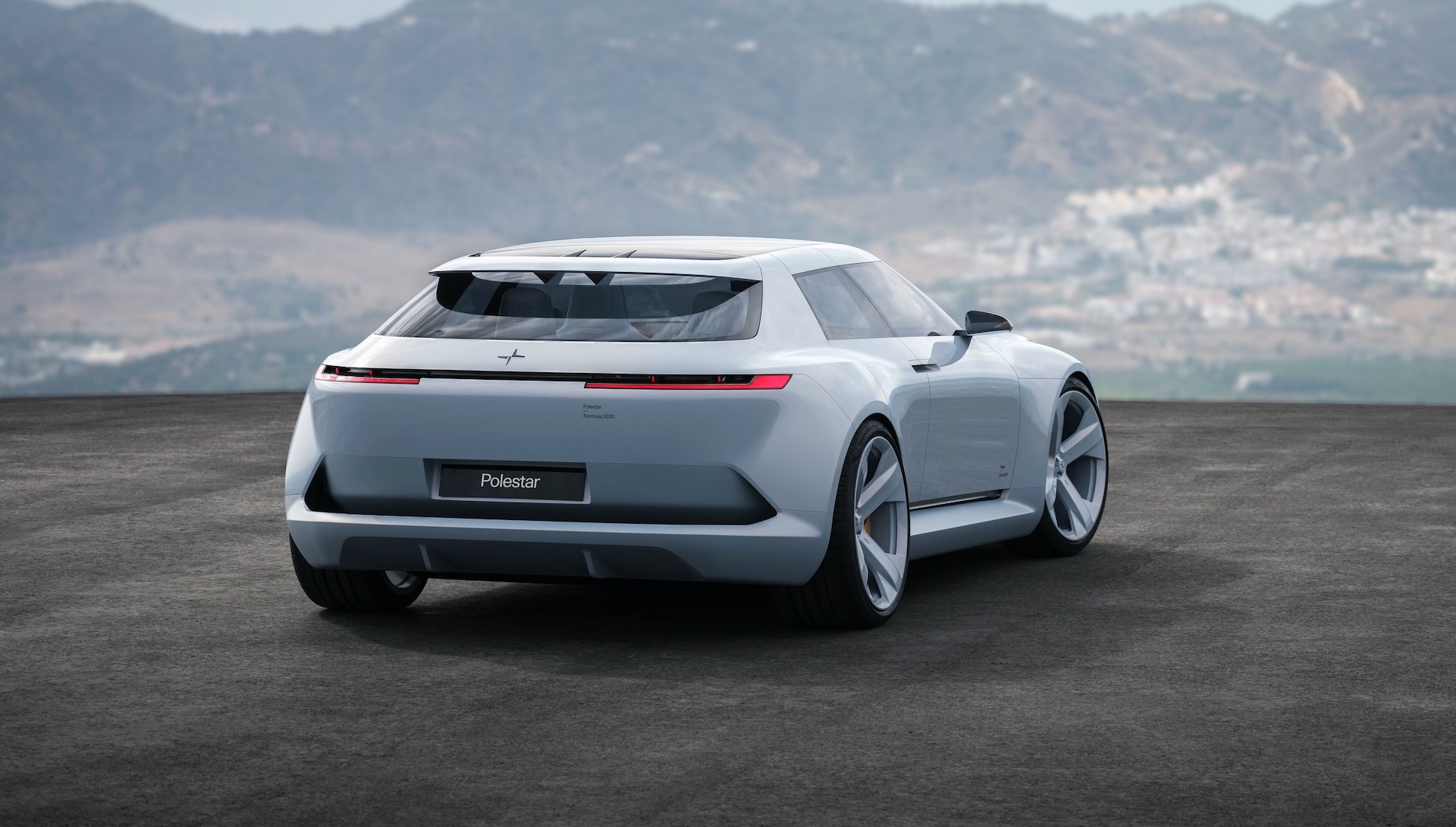
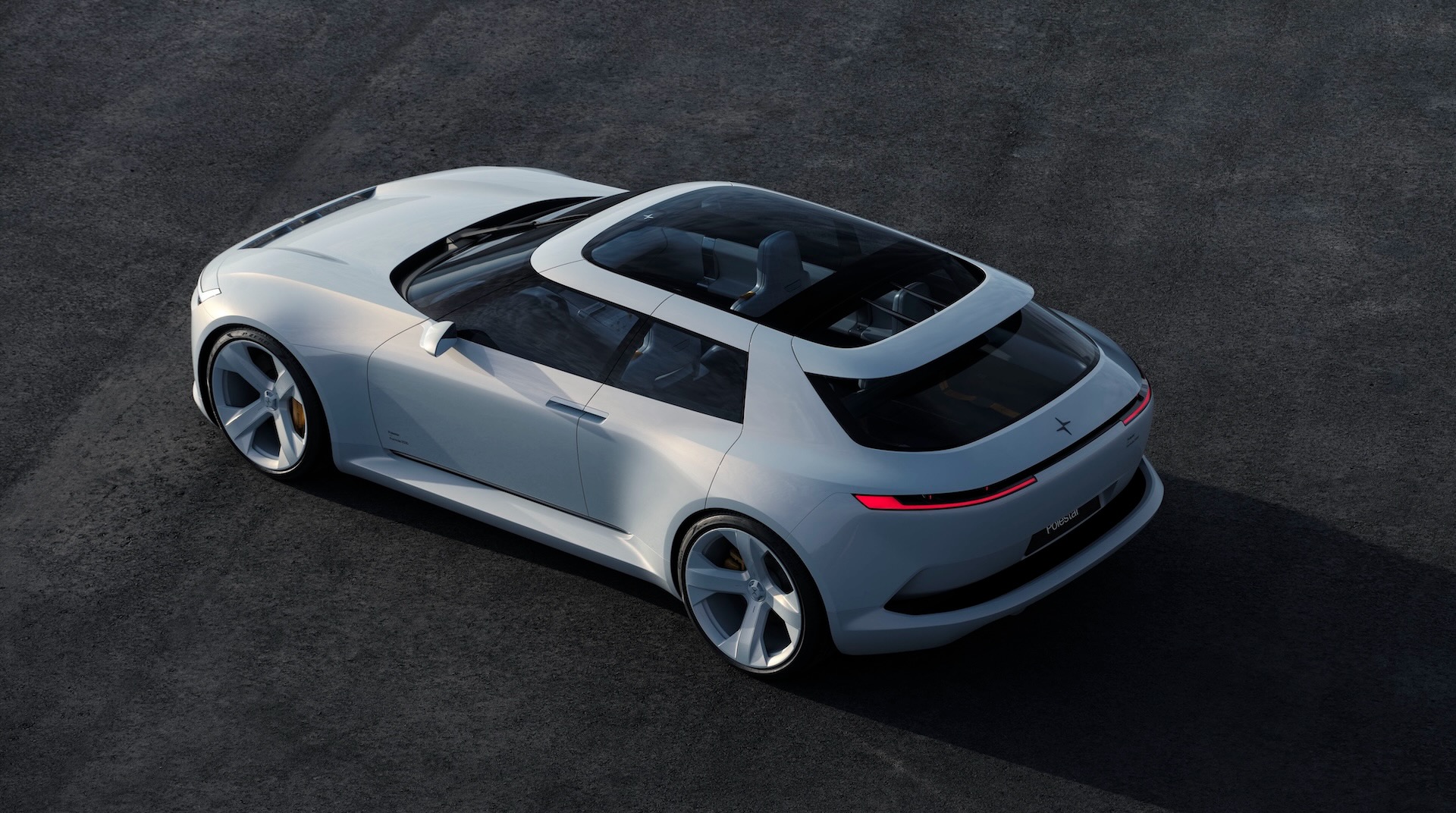
Polestar has pulled the covers off its radical Formula 2030 concept; a low-slung, widebody electric shooting brake that previews the Swedish marque’s upcoming design language and signals a welcome return to tactile physical cabin controls.
Serving as the first major design statement under head of design Philipp Römers, since he took the reins in early 2025, the Formula 2030 is billed as a “four-door sports car” and hot hatch hybrid that directly previews key styling cues for the second-generation Polestar 2, due in 2027, and the Polestar 7, a compact crossover slated for 2028.
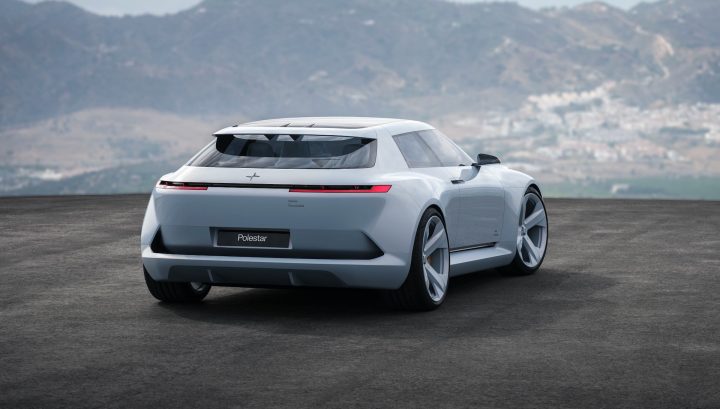
Dimensionally, the concept boasts an aggressive, ground-hugging stance. It measures 4680mm long, a massive 2021mm wide, and just 1350mm tall – making it even lower than the sleek Polestar 5 four-door GT – while riding on a 2780mm wheelbase. The body is finished in a bespoke ‘Nitrogen’ pearlescent white paint that shifts between blue and orange undertones in natural light, matched to deep-dish, body-coloured 22-inch centre-lock alloy wheels housing Swedish Gold Brembo brake calipers.
Up front, an evolved ‘Dual Blade’ headlight signature and front aero wing preview the face of the 2027 Polestar 2, paired with a wraparound windscreen and a single, vertically-parked central wiper blade. Out back, the muscular haunches and ‘Single Blade’ taillight signature – which finally abandons the industry’s ubiquitous full-width light bar – is set to transition onto the 2028 Polestar 7.
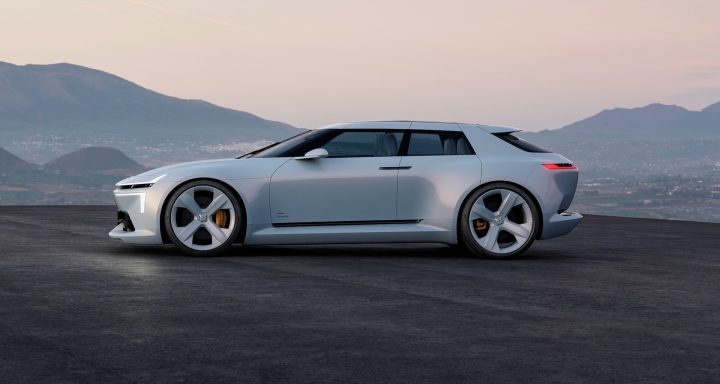
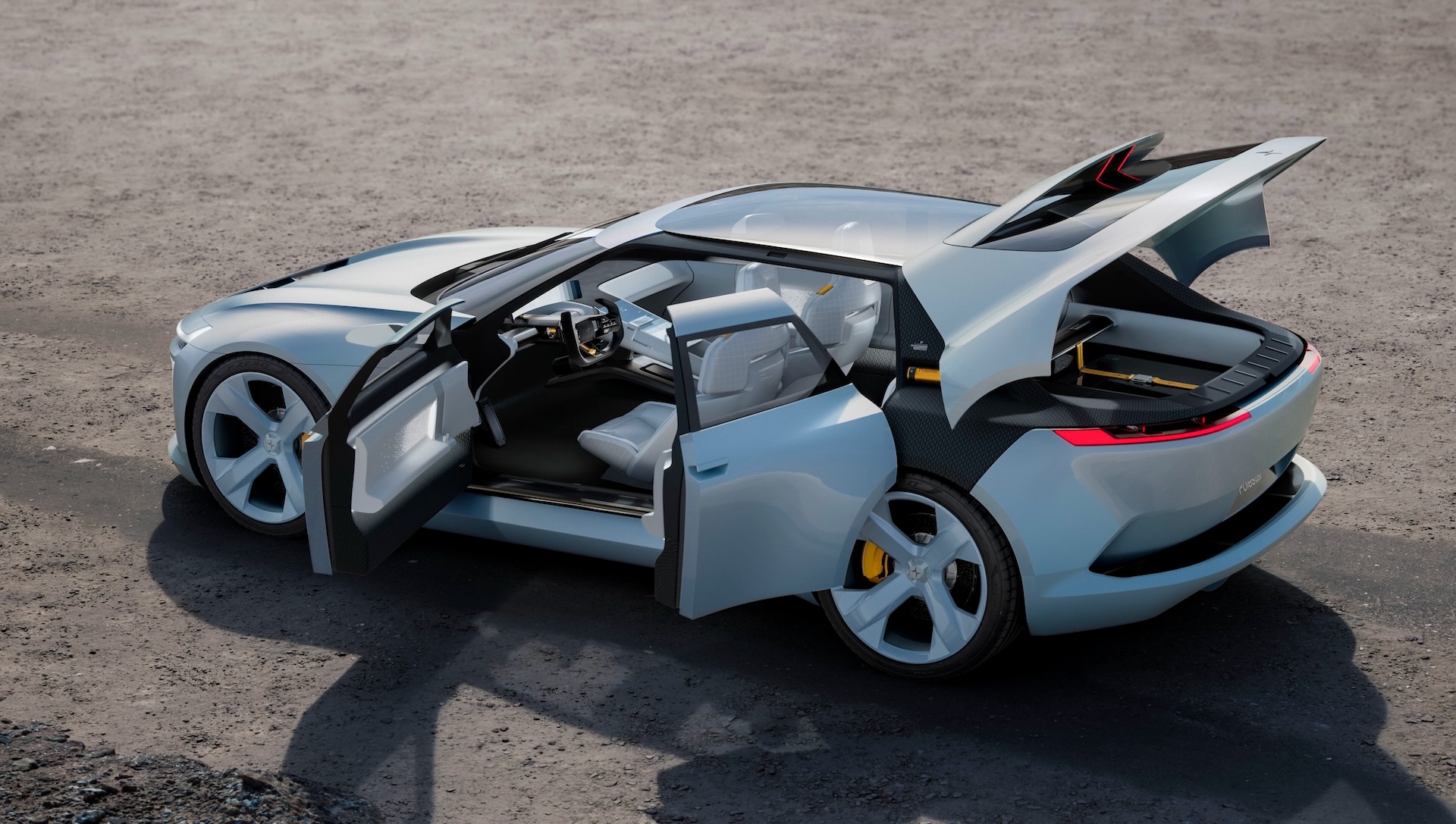
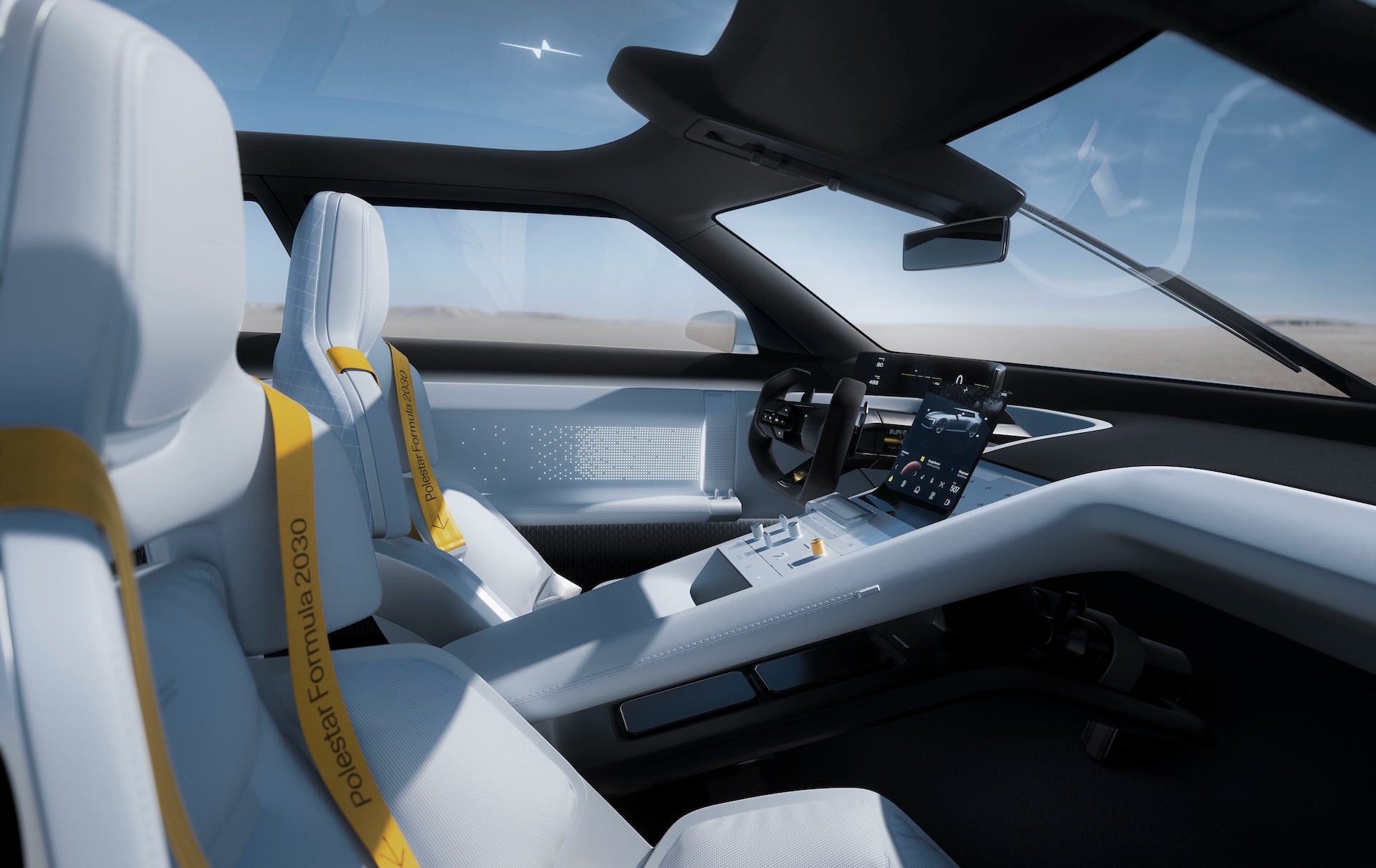
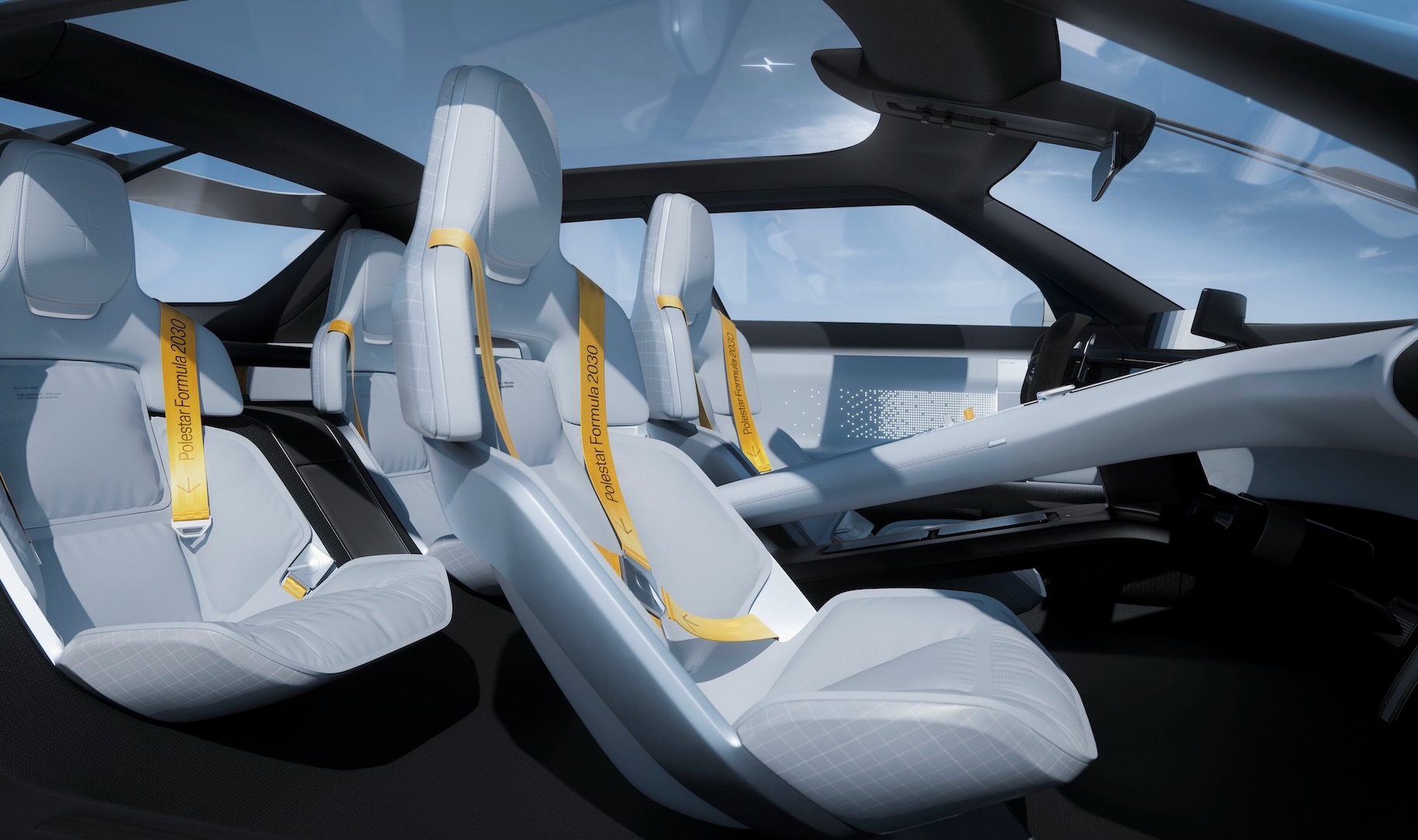
Entry to the pillarless four-seat cabin is via opposing rear-hinged coach doors. Inside, Polestar has pushed back against pure touch-screen minimalism by introducing a row of eight customisable ‘mechatronic’ physical controls on the centre console. Owners can physically swap between rotary dials, toggle switches, and rocker buttons, and digitally assign each switch to their most-used vehicle functions.
Ahead of the driver sits a yoke-style steering wheel and a steering-column-mounted 20-inch curved ‘HyperDIM’ instrument display, complemented by a 12.2-inch central touch-screen running Google Built-in and Gemini AI. Depending on whether the sliding drive selector is set to Performance, Normal, or Autonomous mode, the central screen physically rises or sinks flush into the console, while the steering column and seats automatically adjust their distance.
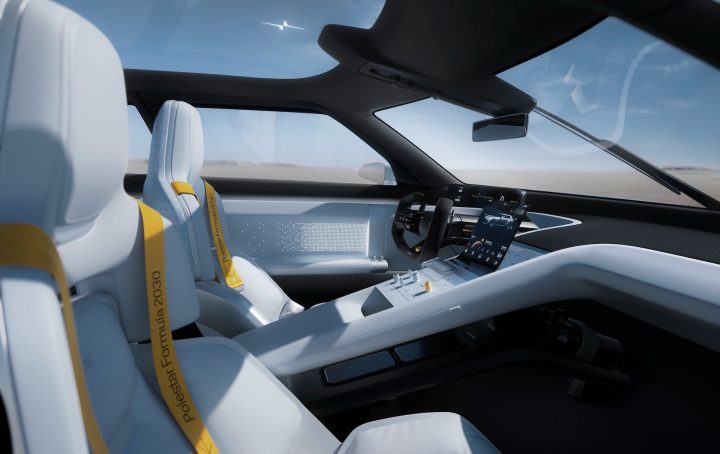
In a nod to Polestar’s sustainability push, the cabin uses exposed low-emission galvanised steel seat frames, inflatable seat bolsters, and seatbacks crafted from European flax and bio-based polypropylene.
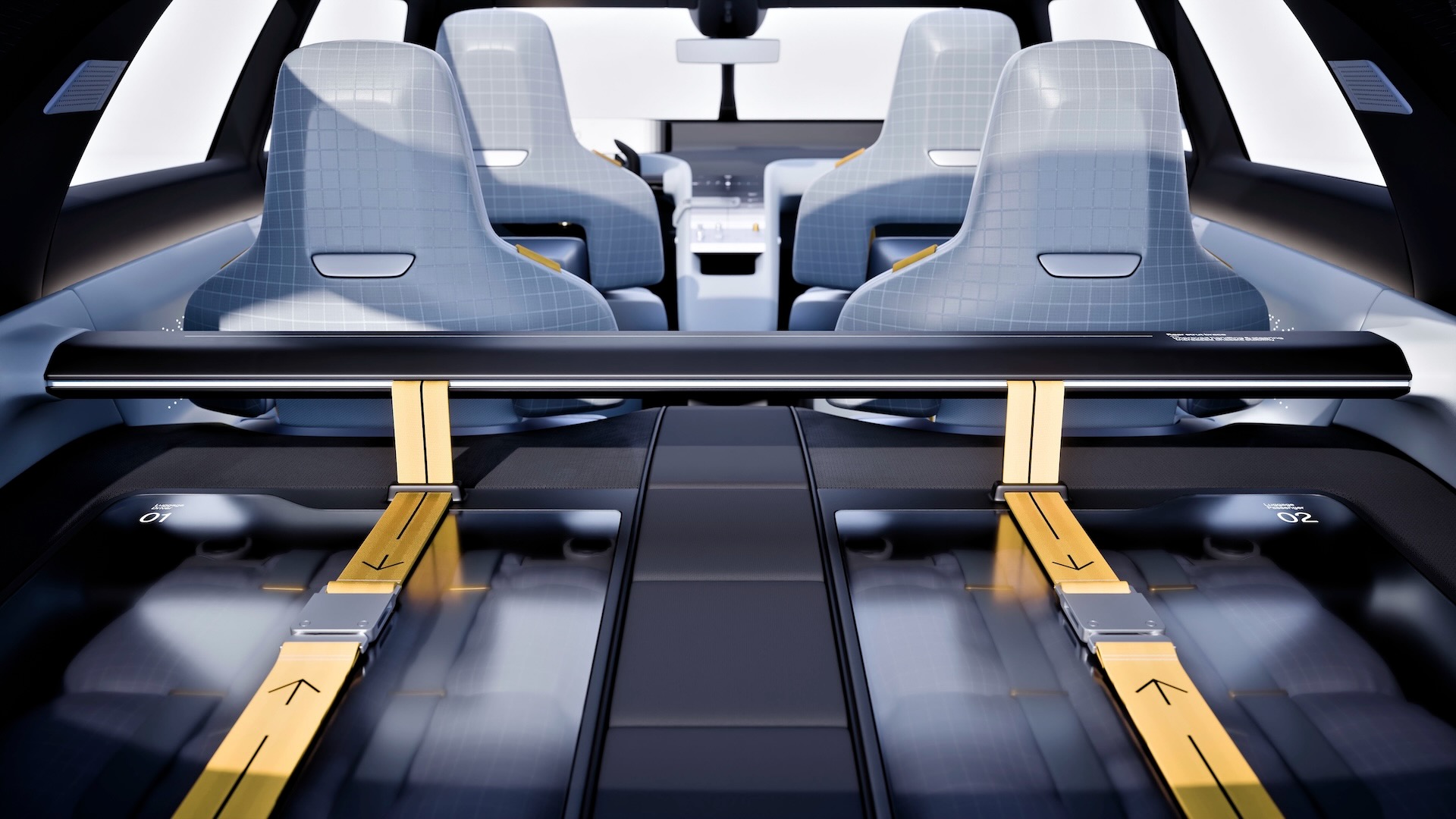
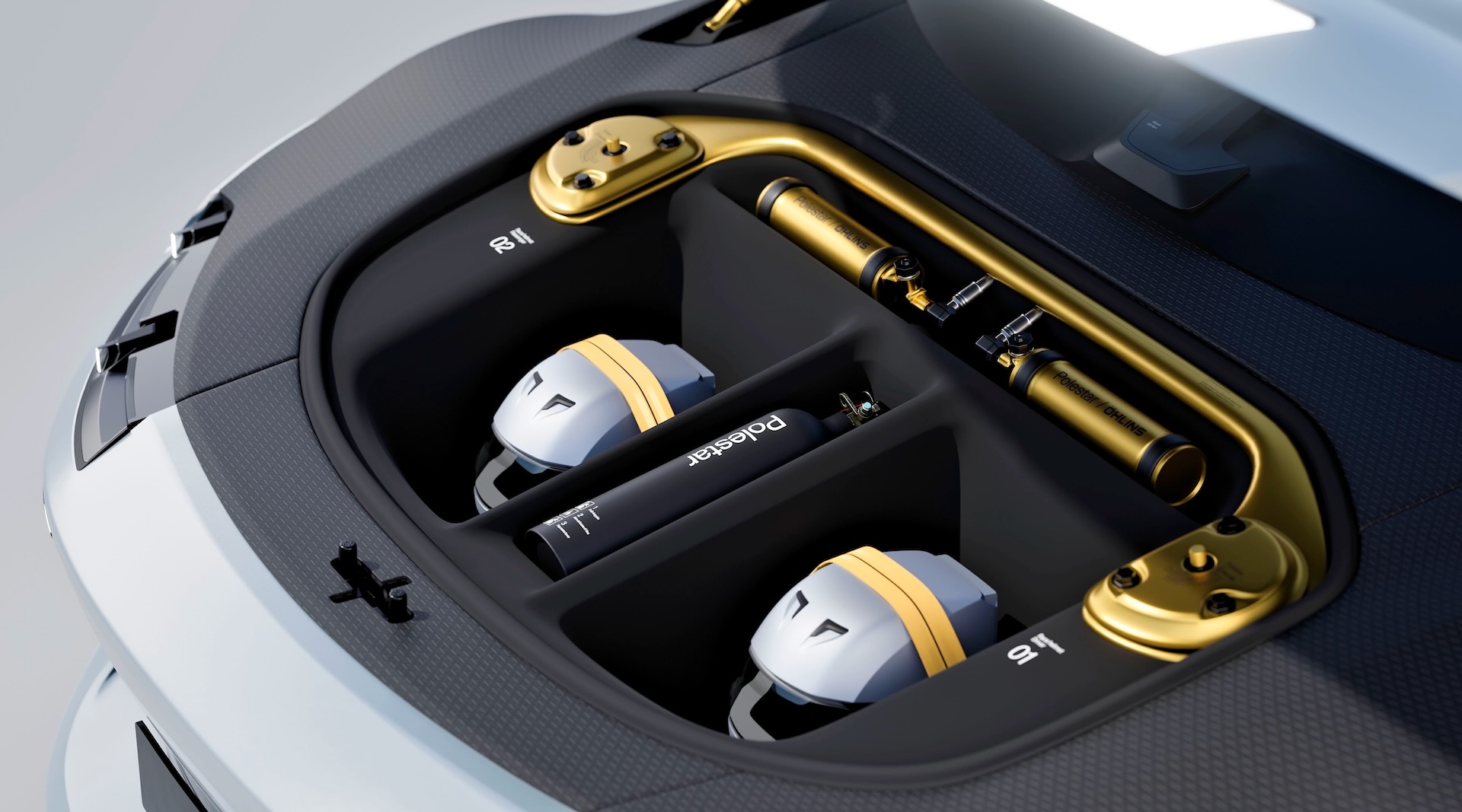
While battery and motor outputs remain undisclosed, the concept showcases its performance intent through a transparent rear boot floor and an open front trunk – sized specifically for two race helmets and a fire extinguisher – which expose inboard race-spec Ohlins dampers, Bcomp natural-fibre composites, and a Swedish Gold front strut brace.