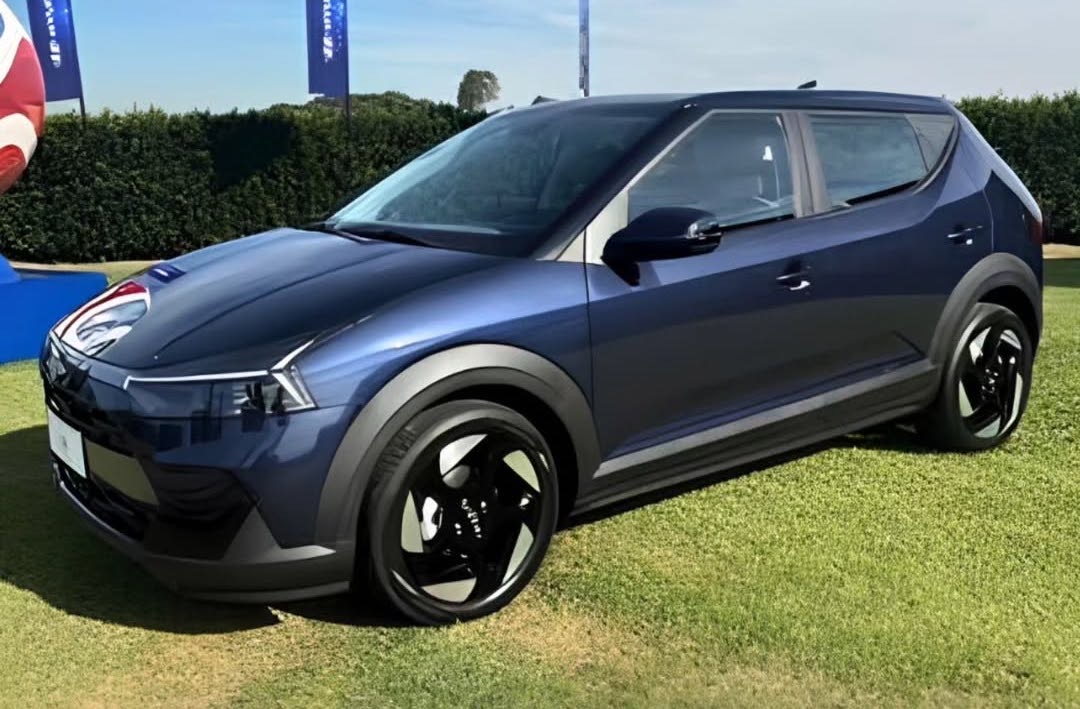
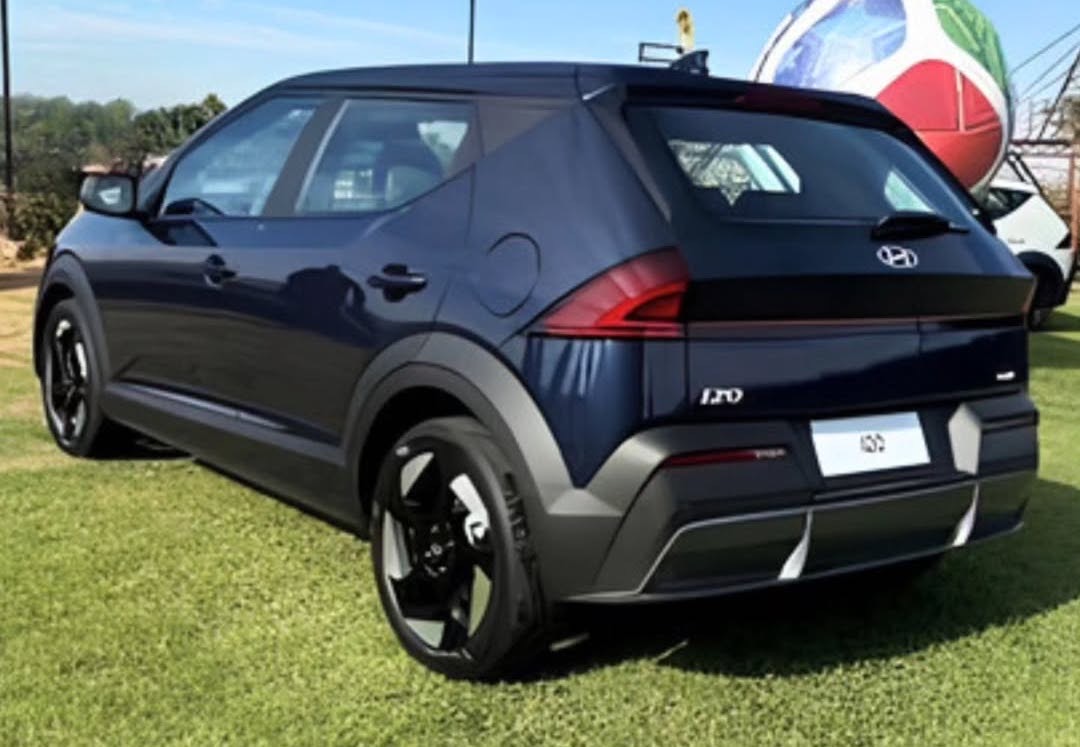
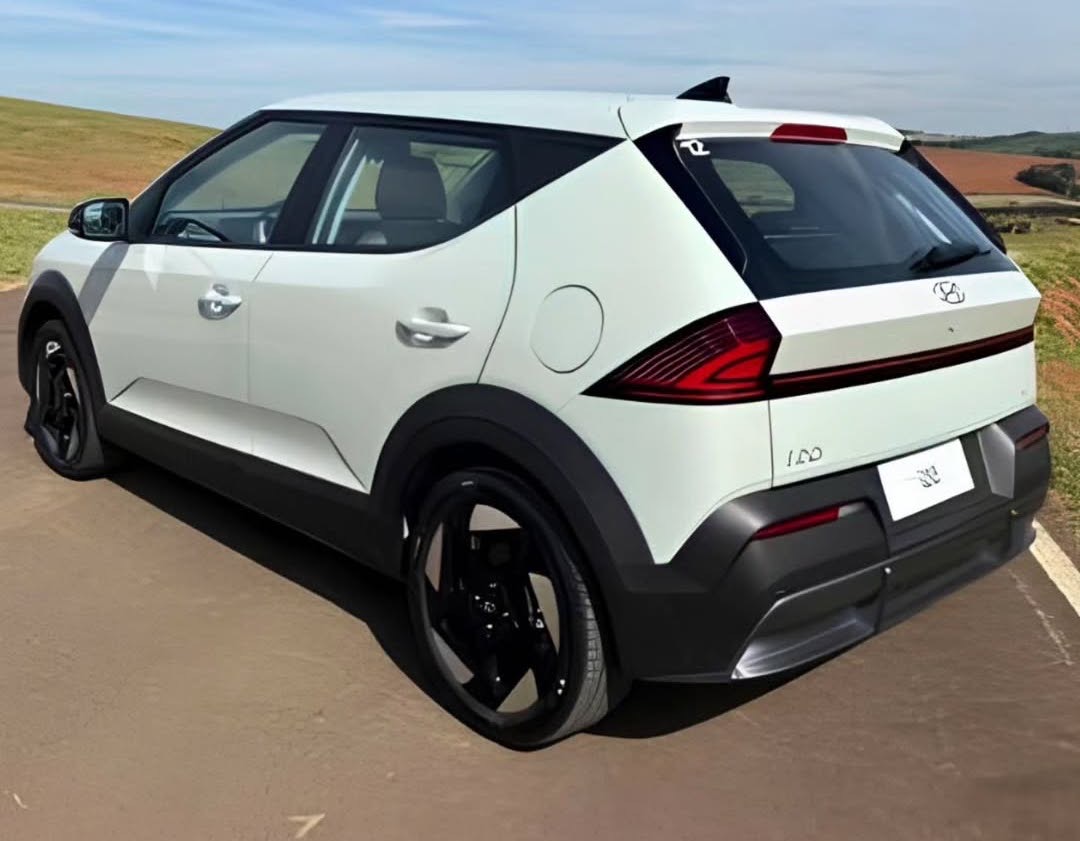
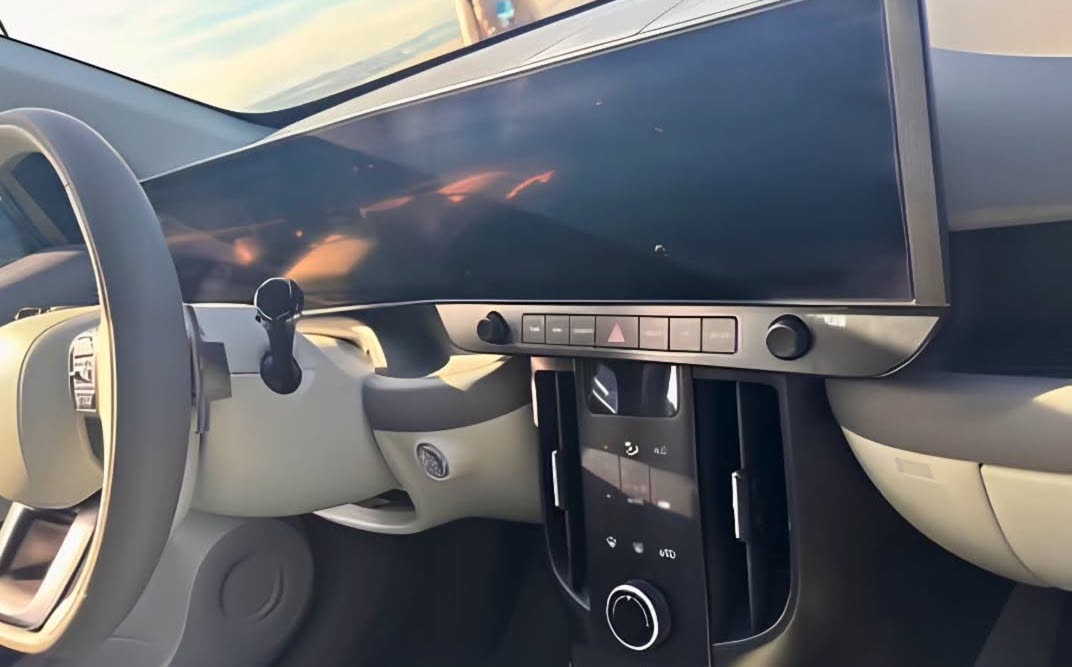
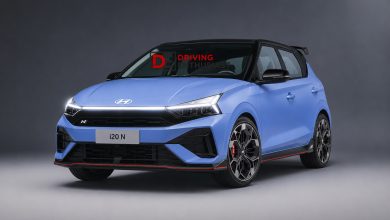
The next chapter of Hyundai’s pocket-rocket lineage is slowly coming into focus. Fresh leaks of the next-generation, standard 2027 Hyundai i20 have just hit the web, providing our absolute clearest look yet at the exact canvas that Hyundai’s N Division will use to build its highly anticipated, hybrid-powered i20 N successor.
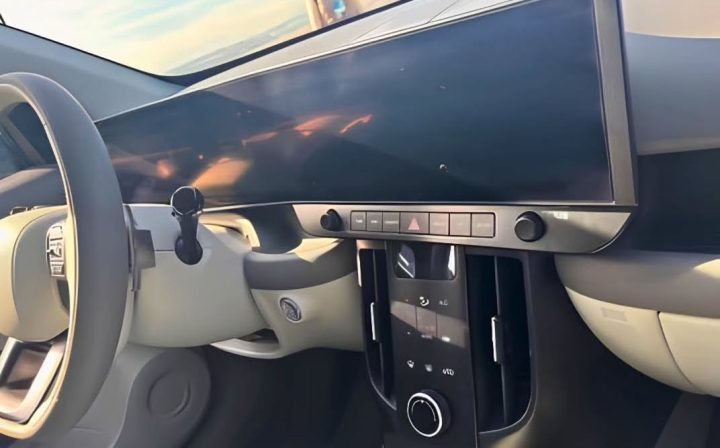
These images, appearing on Instagram, show the production body in full. The heavily revised exterior styling adopts a squarer, more crossover-adjacent silhouette, highlighted by a full-width LED light bar connecting sharp, Y-shaped daytime running lights. Inside, the cabin receives a massive digital overhaul, integrating a curved dual-screen layout heavily inspired by the brand’s larger SUVs.
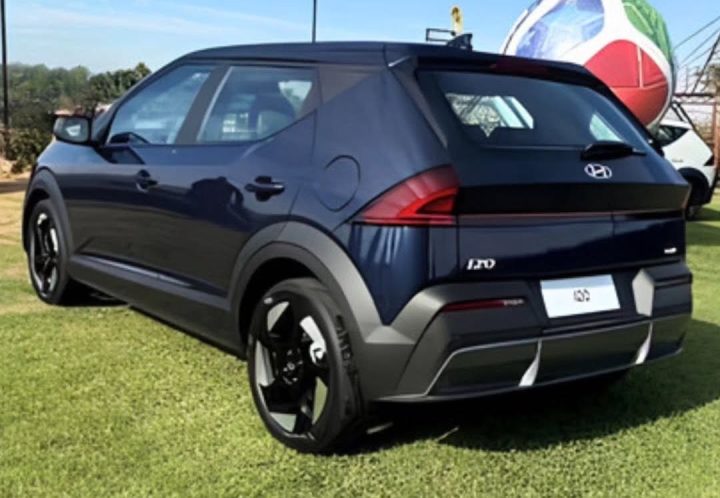
While the standard i20 remains an important volume player globally, for local driving enthusiasts, this leak serves purely as a crystal ball for the next-generation i20 N.
Hyundai executives have already stated that N Division is currently engineering dedicated performance hybrids to survive tightening European emissions regulations. The new i20 N is slated to be the first genuine hybrid hot hatch in the segment. It is expected to retain its 1.6-litre turbocharged four-cylinder engine, paired with an electric motor and an onboard battery pack.
This mechanical shift brings massive implications for performance. Industry speculation suggests the electric hybrid boost could push the total system output closer to the 200kW mark, which would be a heavy jump from the current model’s 150kW peak. However, the engineering complexity of integrating a full hybrid system means the beloved six-speed manual gearbox will almost certainly be axed. Because the vehicle’s computers need to seamlessly switch between petrol and electric power without driver interference, the next i20 N is tipped to arrive exclusively with an automatic transmission – likely an upgraded dual-clutch unit.
The addition of an electric motor, battery pack, and a heavier automatic transmission will also introduce a significant weight penalty. The current 1210kg kerb weight is expected to swell beyond 1350kg, fundamentally altering the featherweight dynamic character that defined the original car.
Furthermore, the integration of advanced hybrid architecture will undoubtedly push the entry price upward. With the current combustion-only i20 N starting from around $35,500 before on-road costs, it is highly conceivable that the electrified successor will demand an asking price north of the $40,000 threshold when it arrives later this decade.