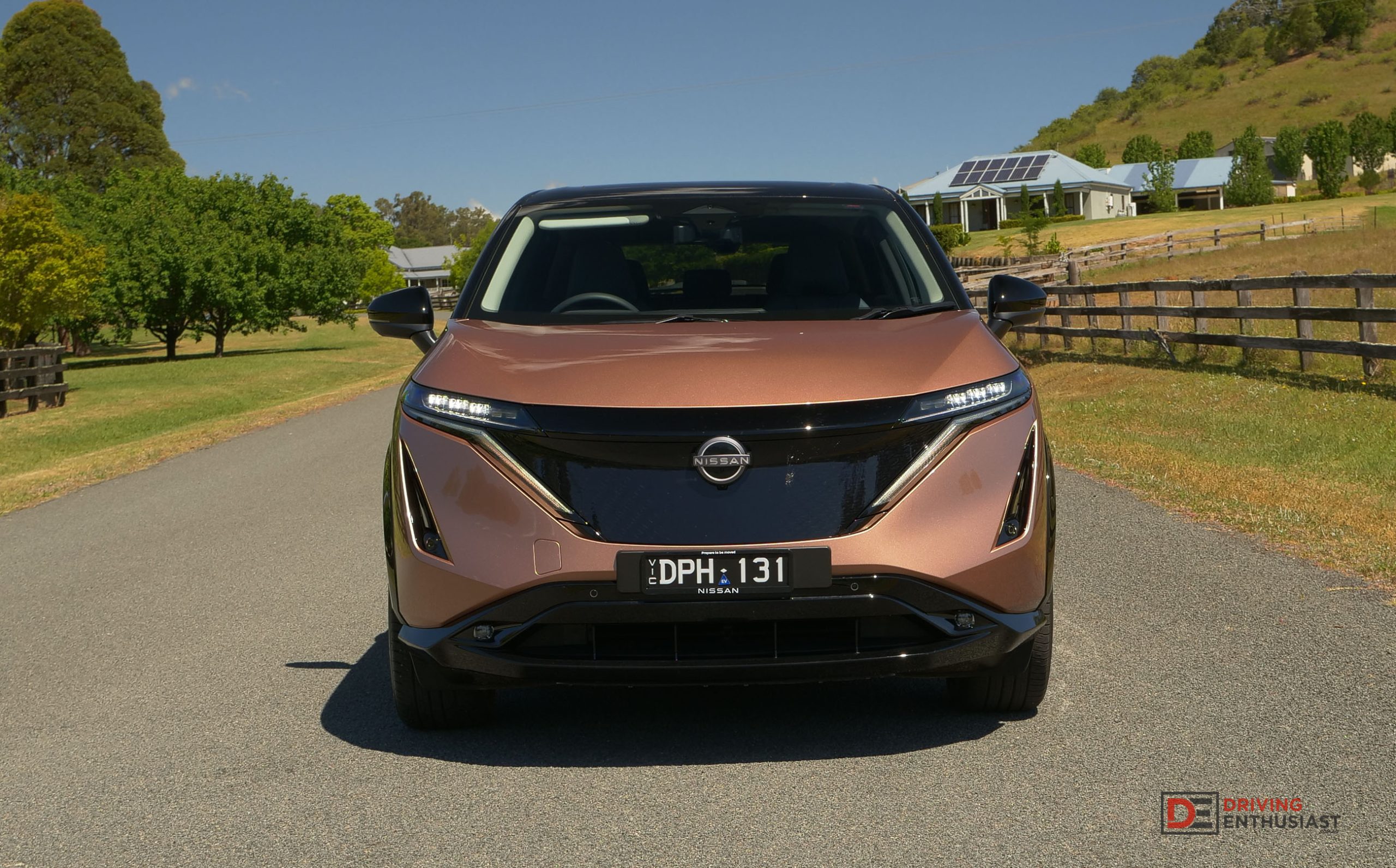
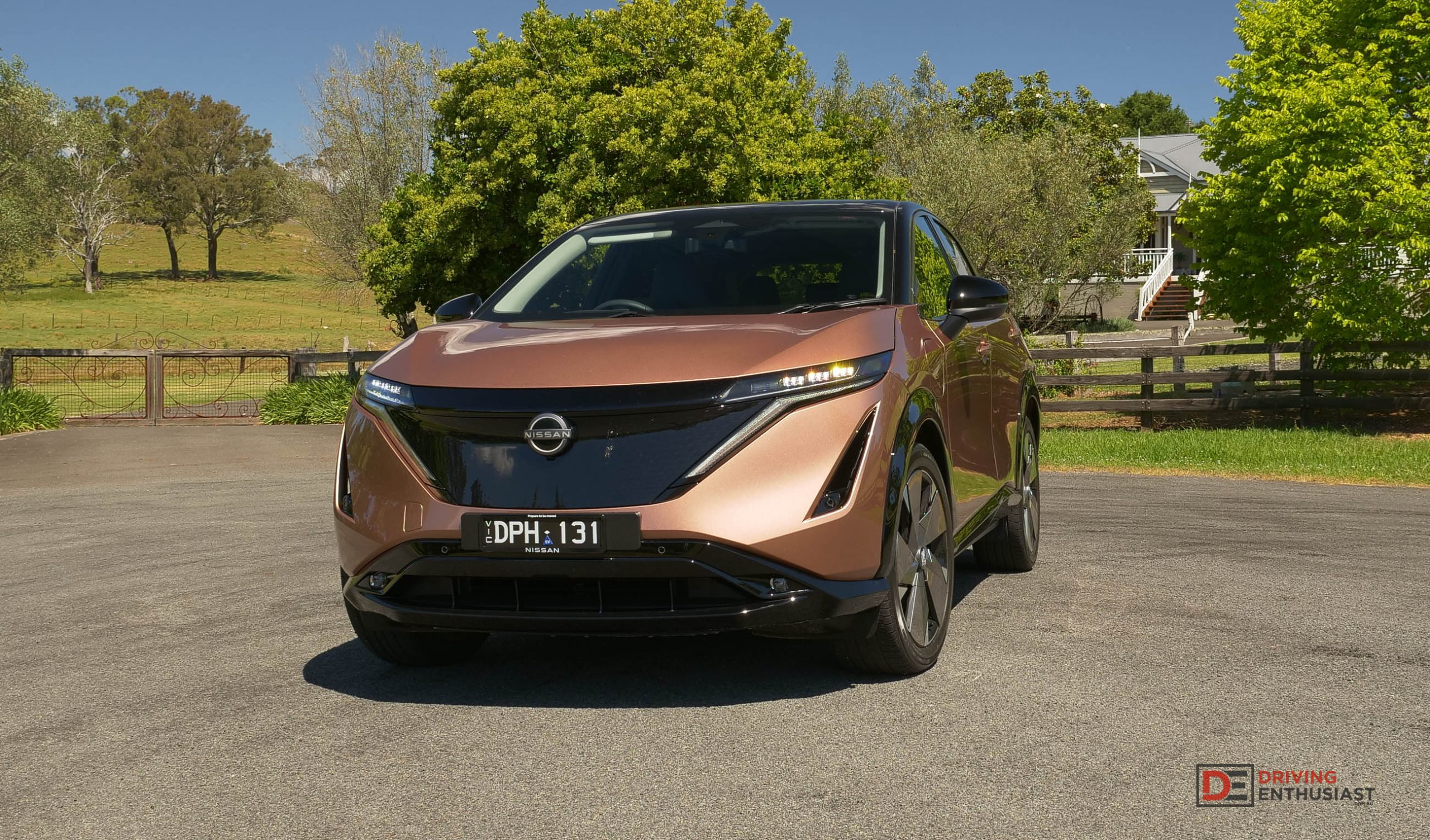
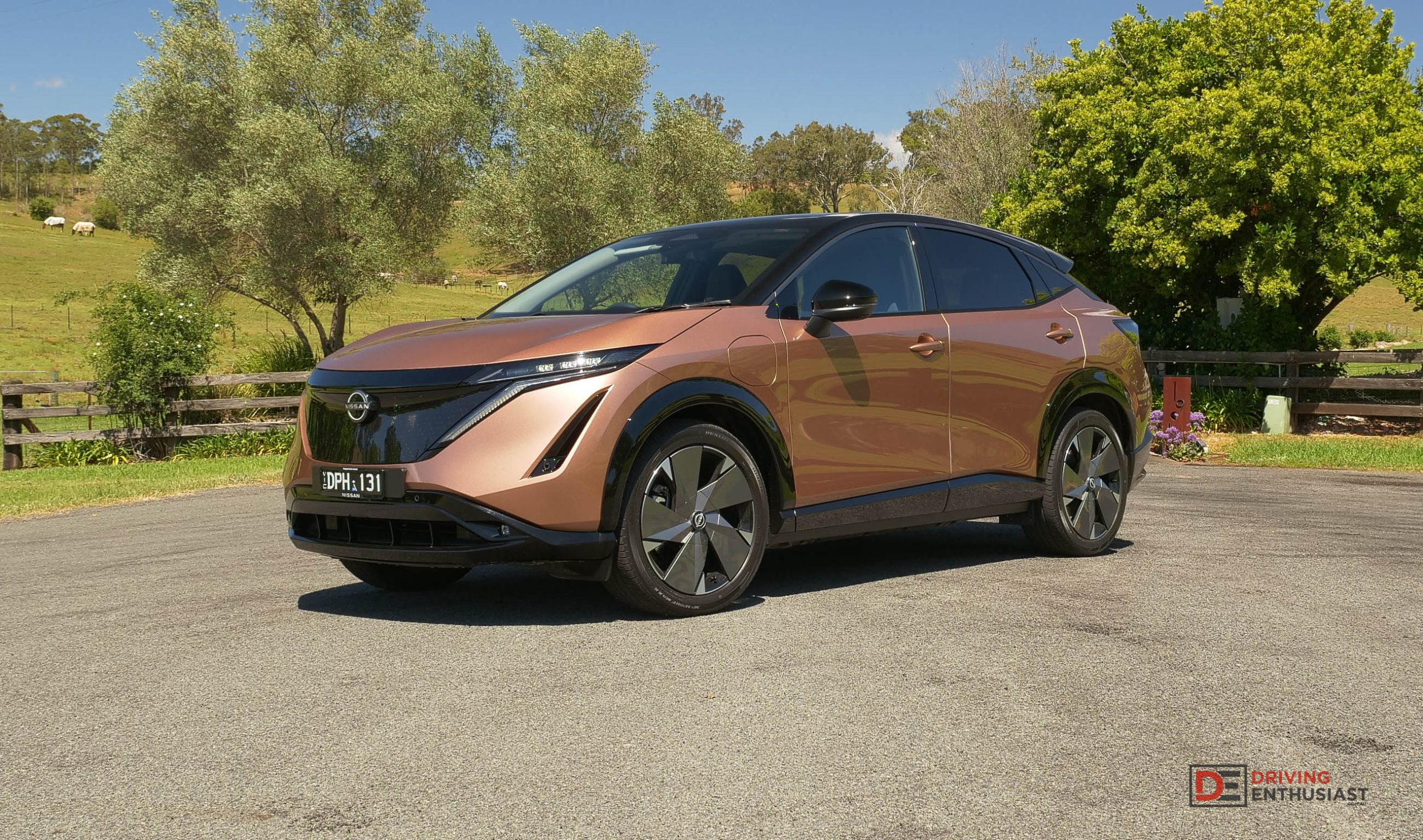
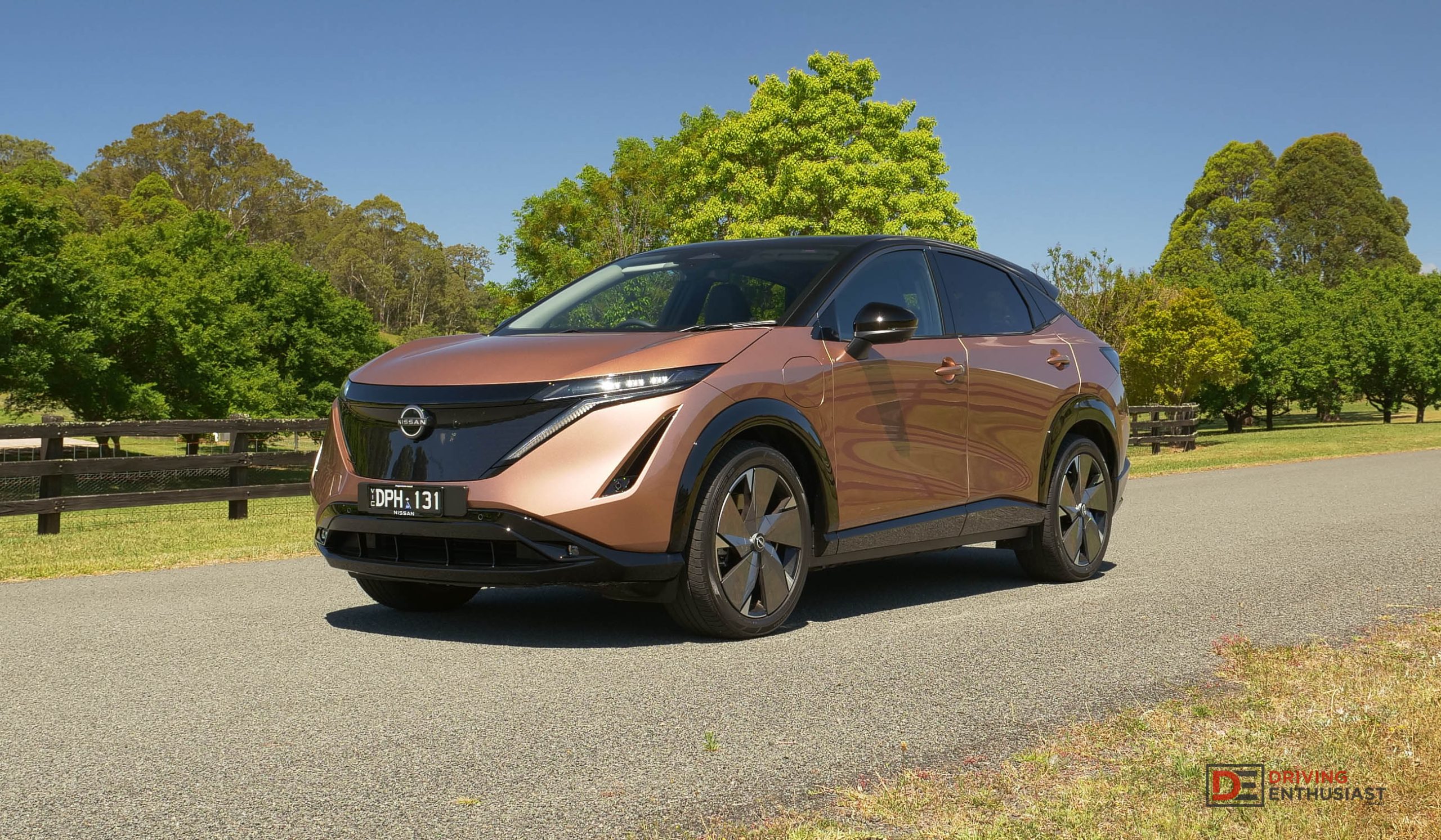
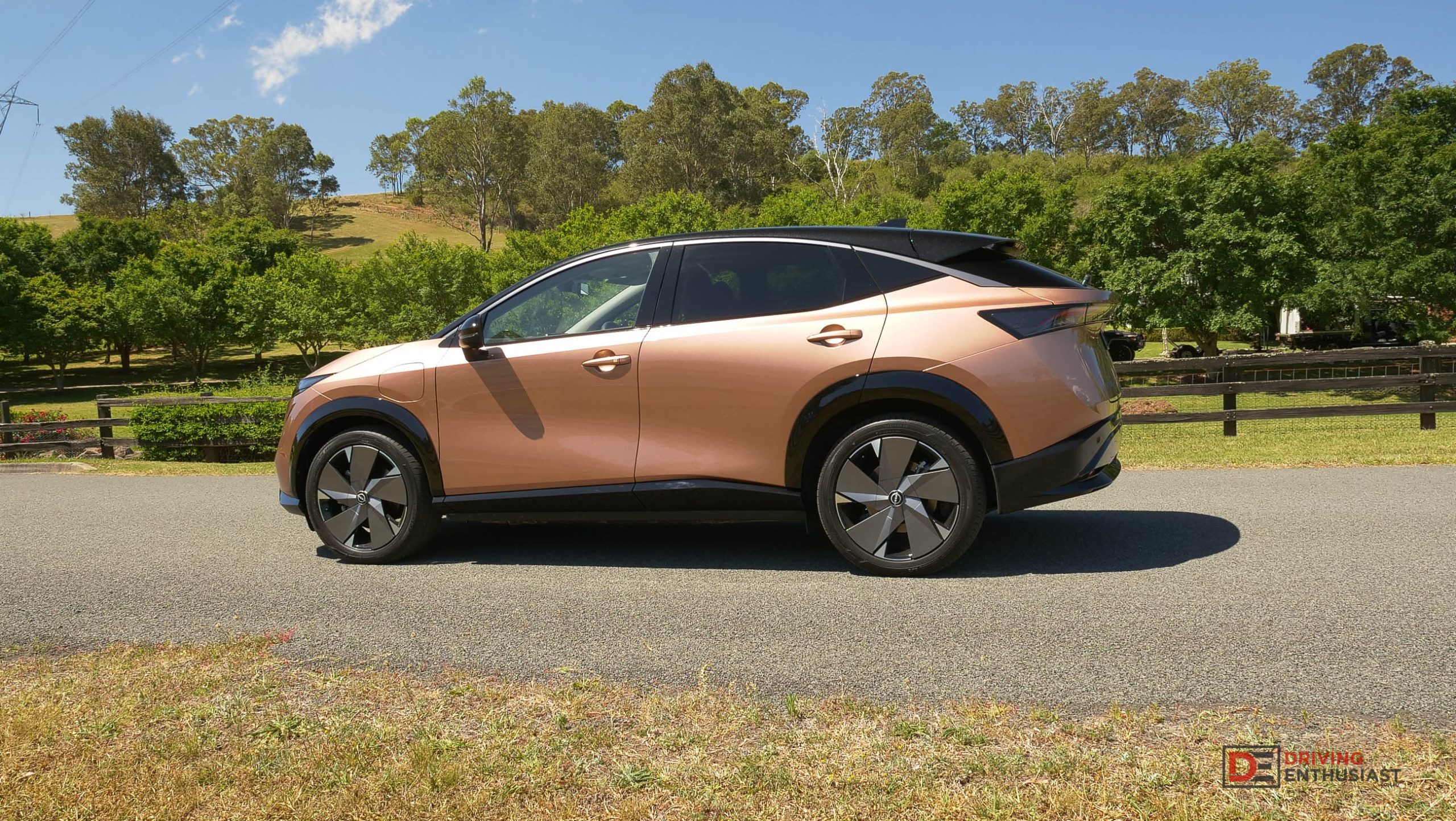
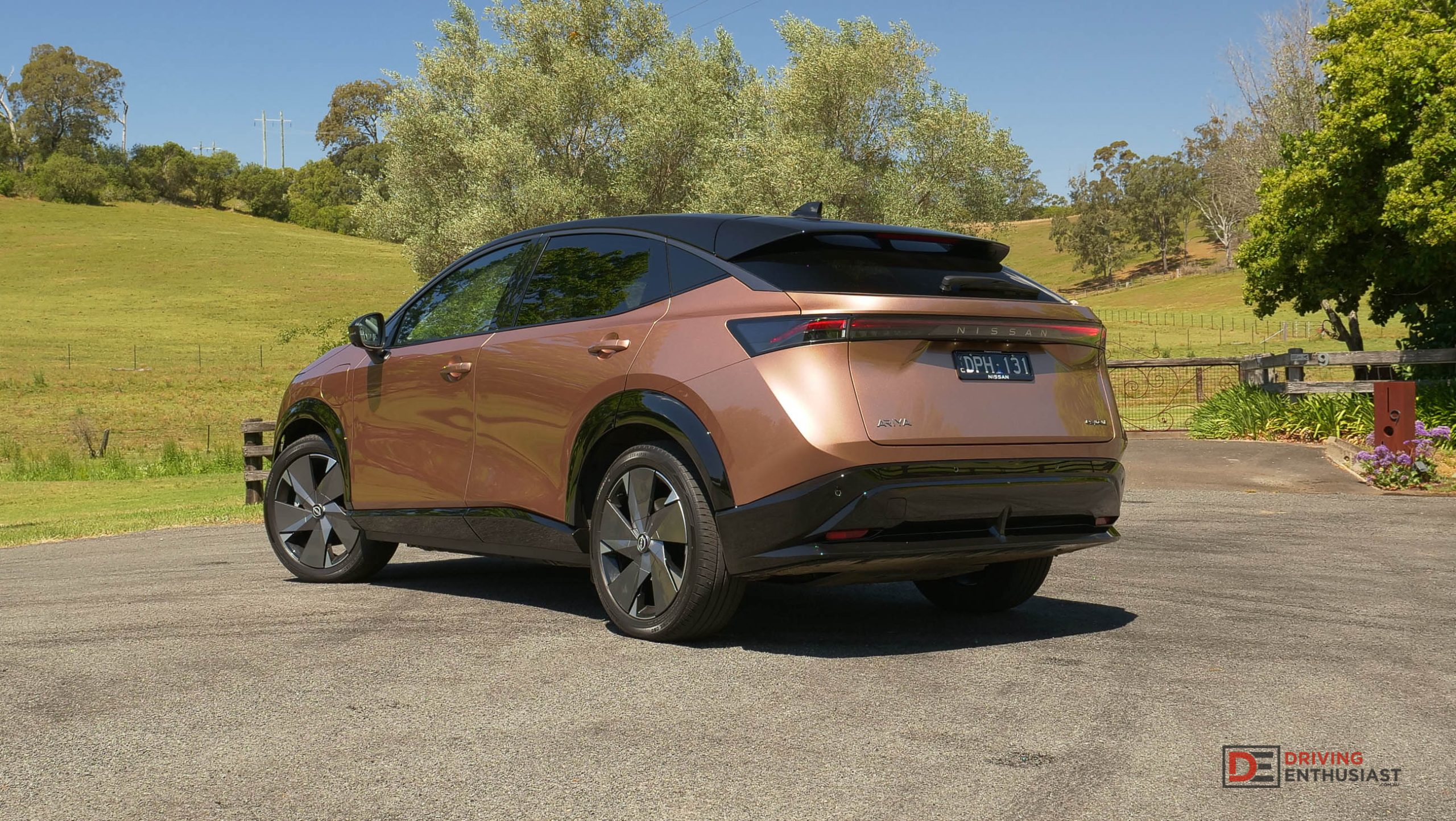
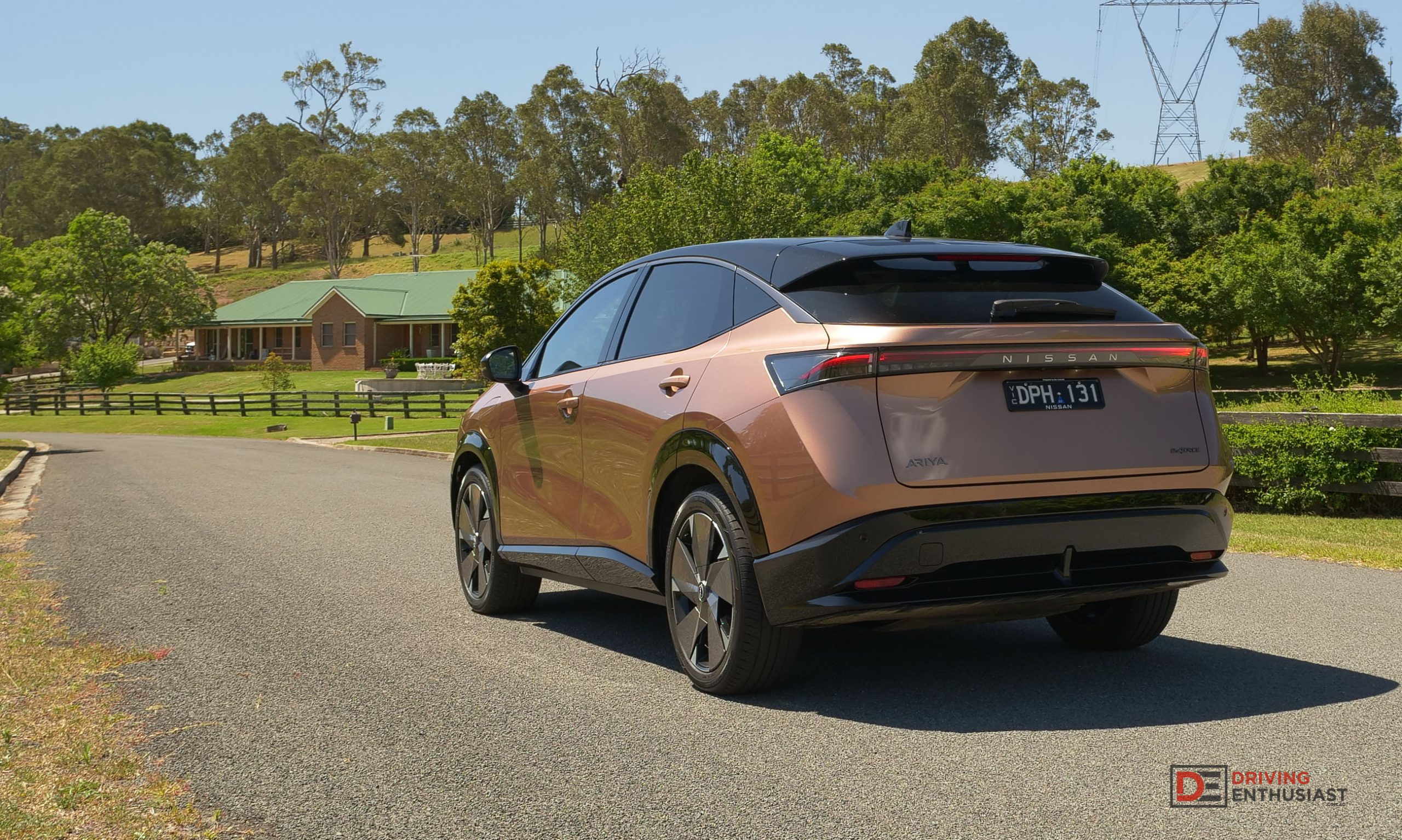
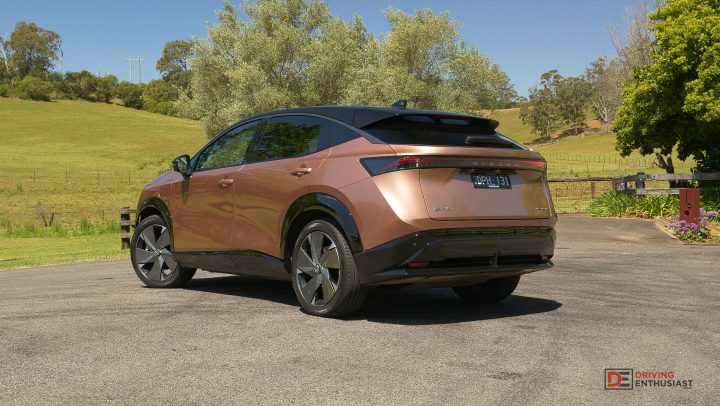
The Nissan Ariya took its sweet time getting to Australia, and now that it’s finally here, it’s facing a massive crowd of newer, sharper EVs that offer either more range, more value, or more performance. Or, in some cases, all three.
After spending some proper time behind the wheel, it definitely splits opinion. On one hand, it’s a seriously nice, premium thing to sit in, and it feels built to last. On the other hand, because it took a few years to land on our shores, some of the tech and performance specs already feel a bit dated compared to what else you can get for similar cash. If you’re looking at jumping into one, here are our top 5 pros and cons that are worth considering.
2026 Nissan Ariya Evolve e-Force: Pros
1. Cabin refinement
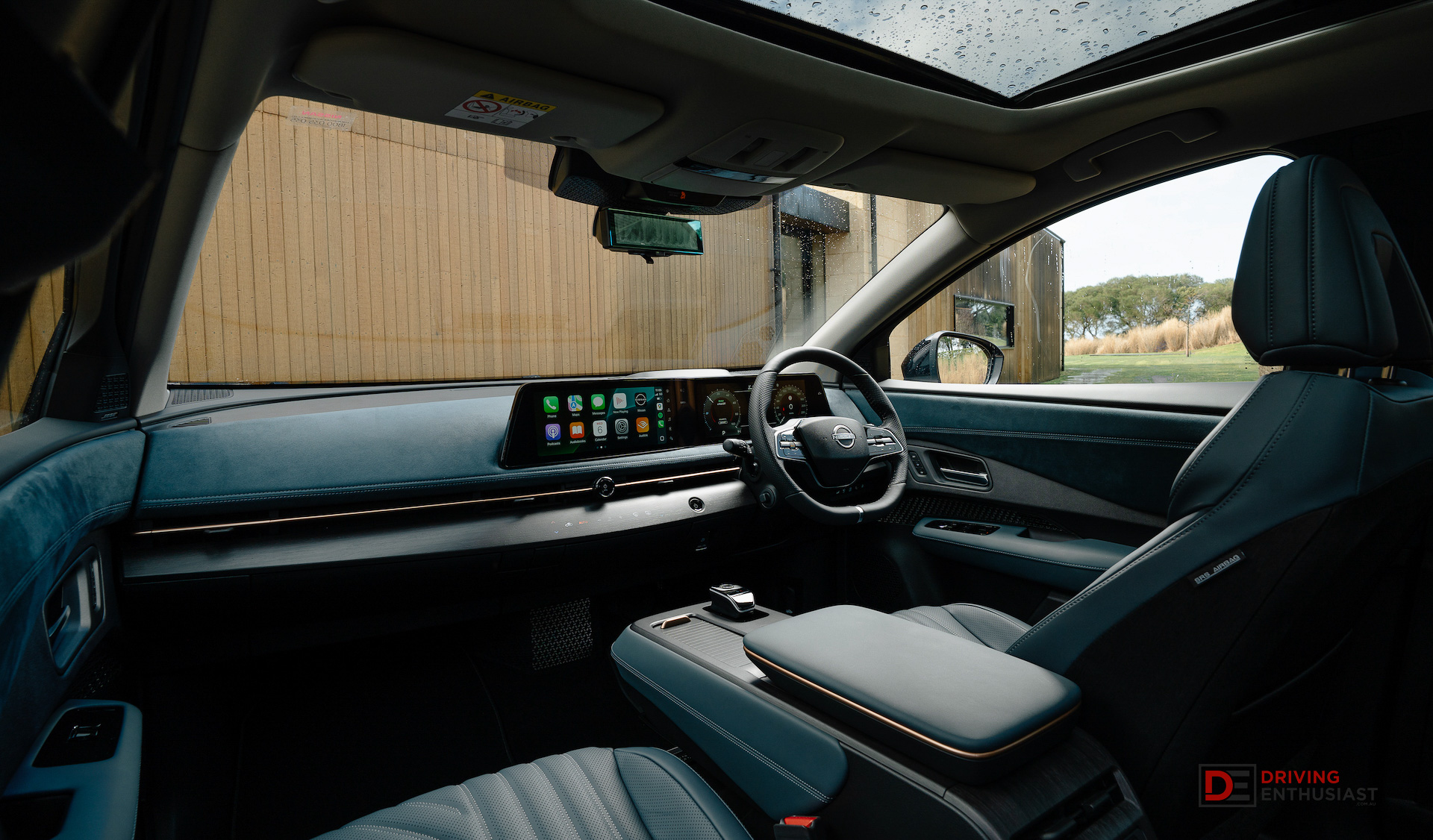
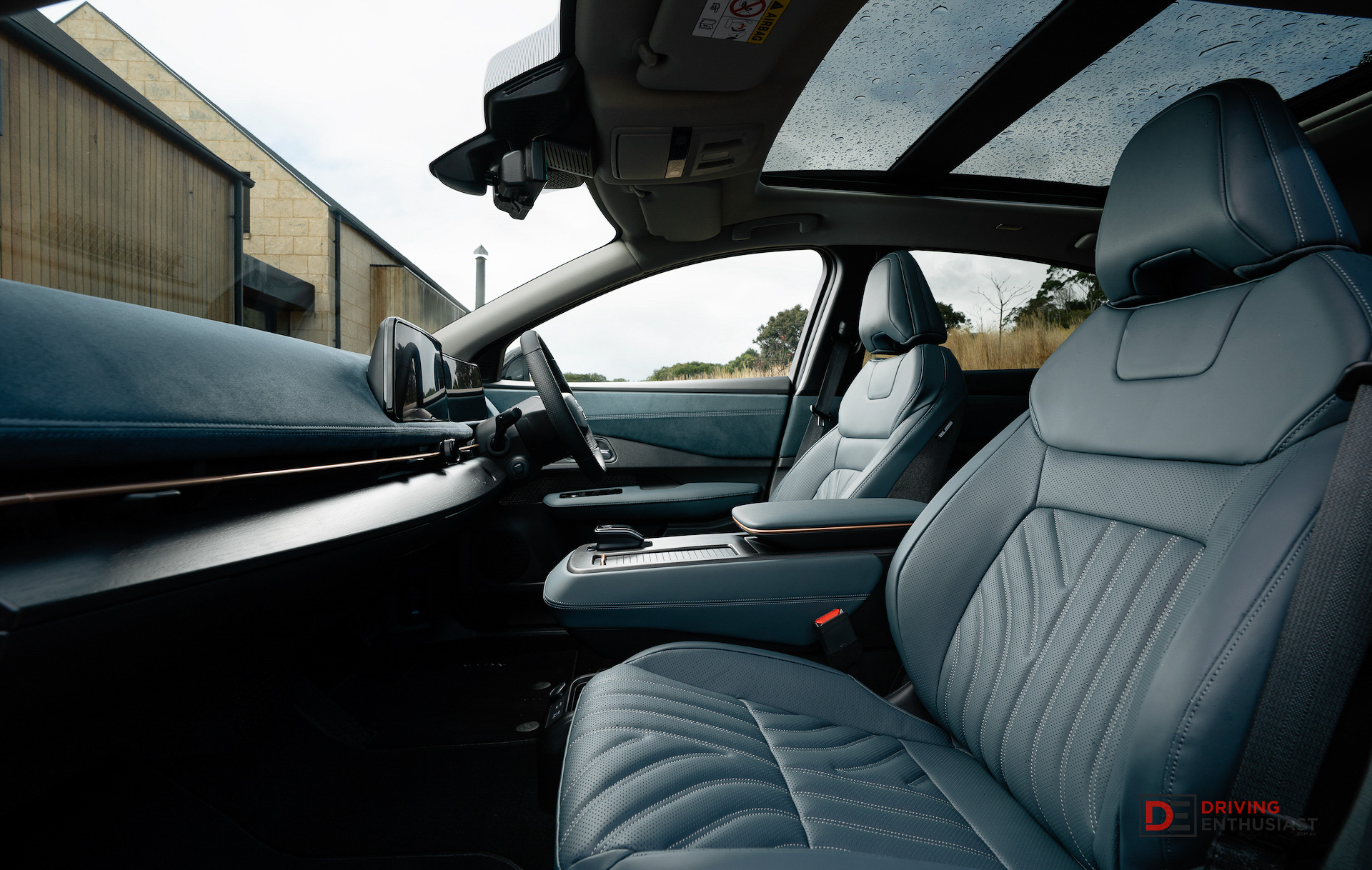
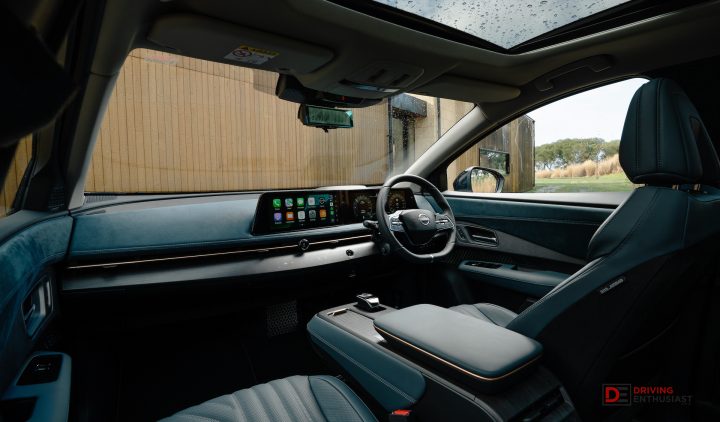
Step inside this thing and it doesn’t feel like your average, plastic-heavy electric car. I love what Nissan has done with the cabin, using a heap of premium synthetic suede across the dash and doors that makes it feel more like a high-end Tokyo boutique hotel. Designers have also applied this really cool, mellow Japanese lantern style lighting behind the panels. It’s an incredibly quiet, relaxing place to sit on a long drive, and the insulation does a killer job of shutting out all of that annoying wind and tyre noise on the highway.
2. Warranty
Nissan Australia is playing a massive trump card here by offering a conditional 10-year or 300,000km vehicle warranty. If you are still a bit on the fence about long-term EV reliability, mechanical gremlins, or battery life, that is massive peace of mind. It’s pretty much unmatched in our market right now. The only real catch, you have to stick to your regular logbook servicing at an official Nissan dealership to keep that full 10-year coverage active.
3. Clever front-seat space
Because the engineers shoved the bulky air conditioning gear out of the cabin and under the bonnet, the front floor is completely flat. There’s no annoying transmission tunnel hump, which makes the whole front seat area feel massive and airy. If you opt for the higher-spec models, you even get a centre console that slides back and forth electronically at the push of a button. It’s a clever trick that lets you easily adjust the space between the front and back rows depending on who’s climbing in.
4. AWD confidence
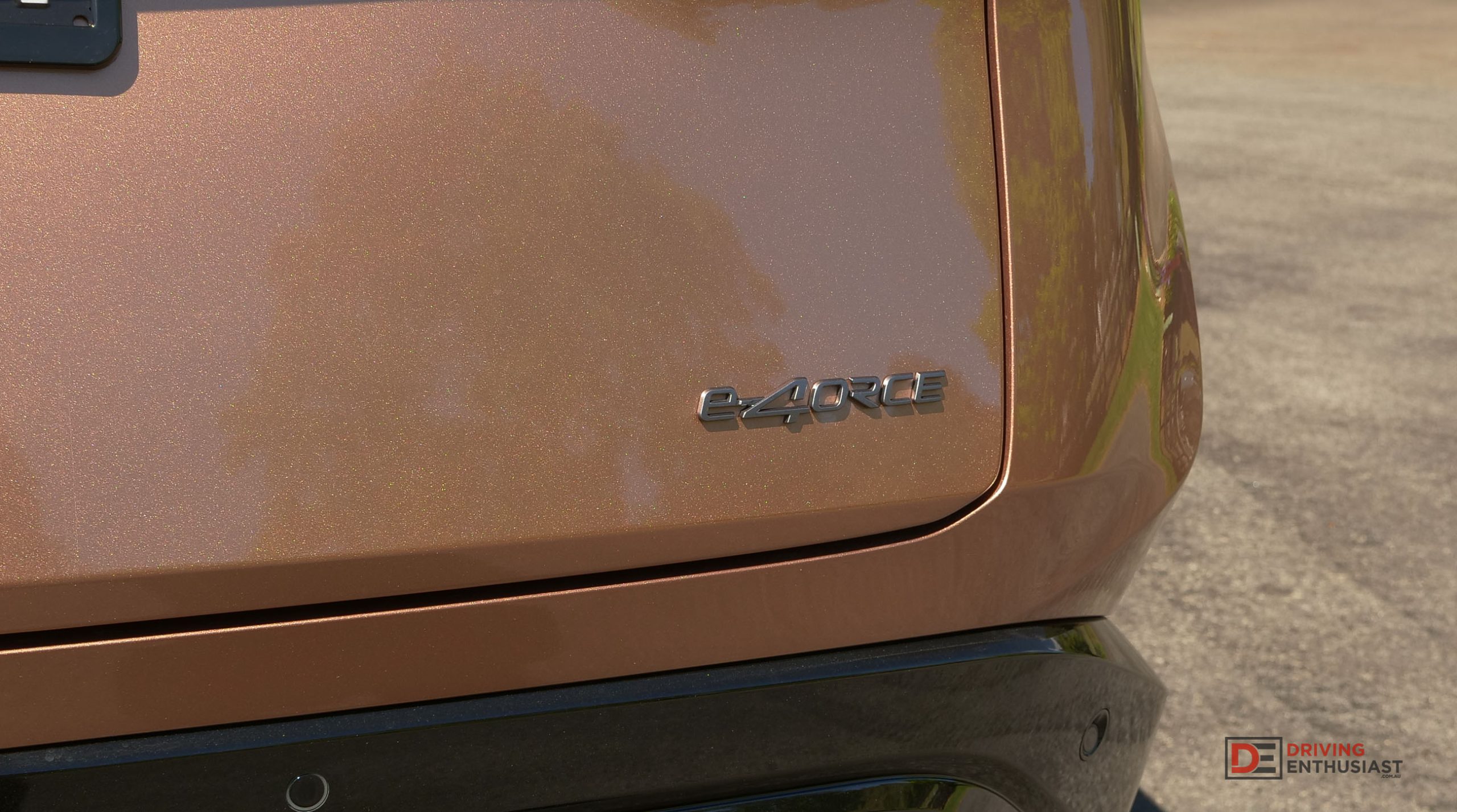
If you opt for the top-tier dual-motor Evolve model with Nissan’s e-4ORCE all-wheel drive, you’re in for a surprise. It handles way better than a heavy, 2.2-tonne SUV has any right to. The clever torque system manages the weight perfectly through tight corners, keeping the car flat and predictable without any nasty body roll. It basically grips the road and pulls you through the turns with tons of confidence, making it a genuinely fun drive when you’re hitting the loud (or not so loud) pedal.
5. Separate climate controls
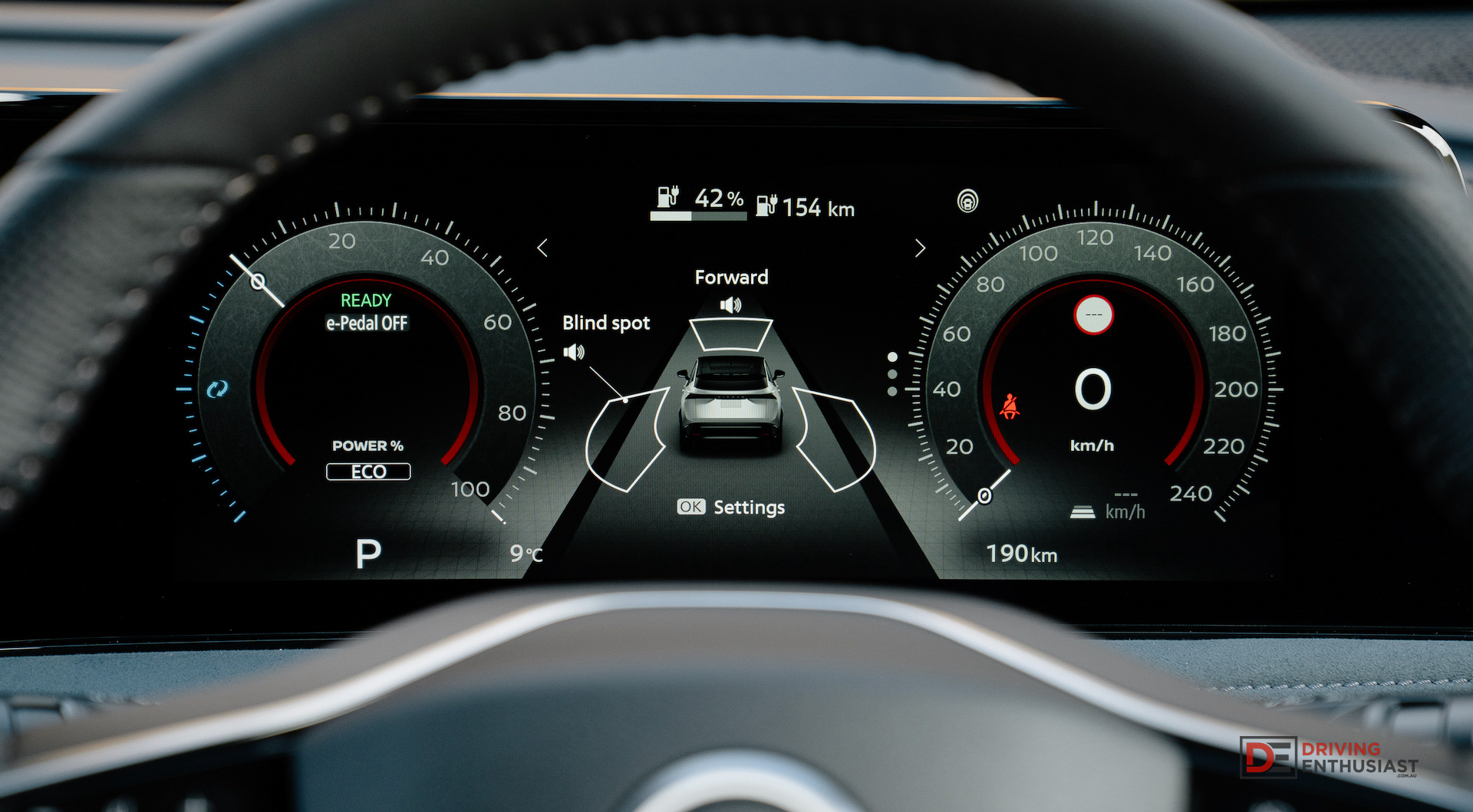
A lot of modern electric cars make you dive through three different touch-screen menus just to turn down the fan speed, which drives me absolutely crazy when I’m behind the wheel. Nissan hasn’t done that. It has integrated the climate controls right into the wood-look dash trim. They look seamless but they give you a little vibration feel when you press them, so you know it worked. The dual 12.3-inch screens also curve nicely toward the driver, meaning everything is right where your hands naturally want to drop.
2026 Nissan Ariya Evolve e-Force: Cons
1. Slow charging
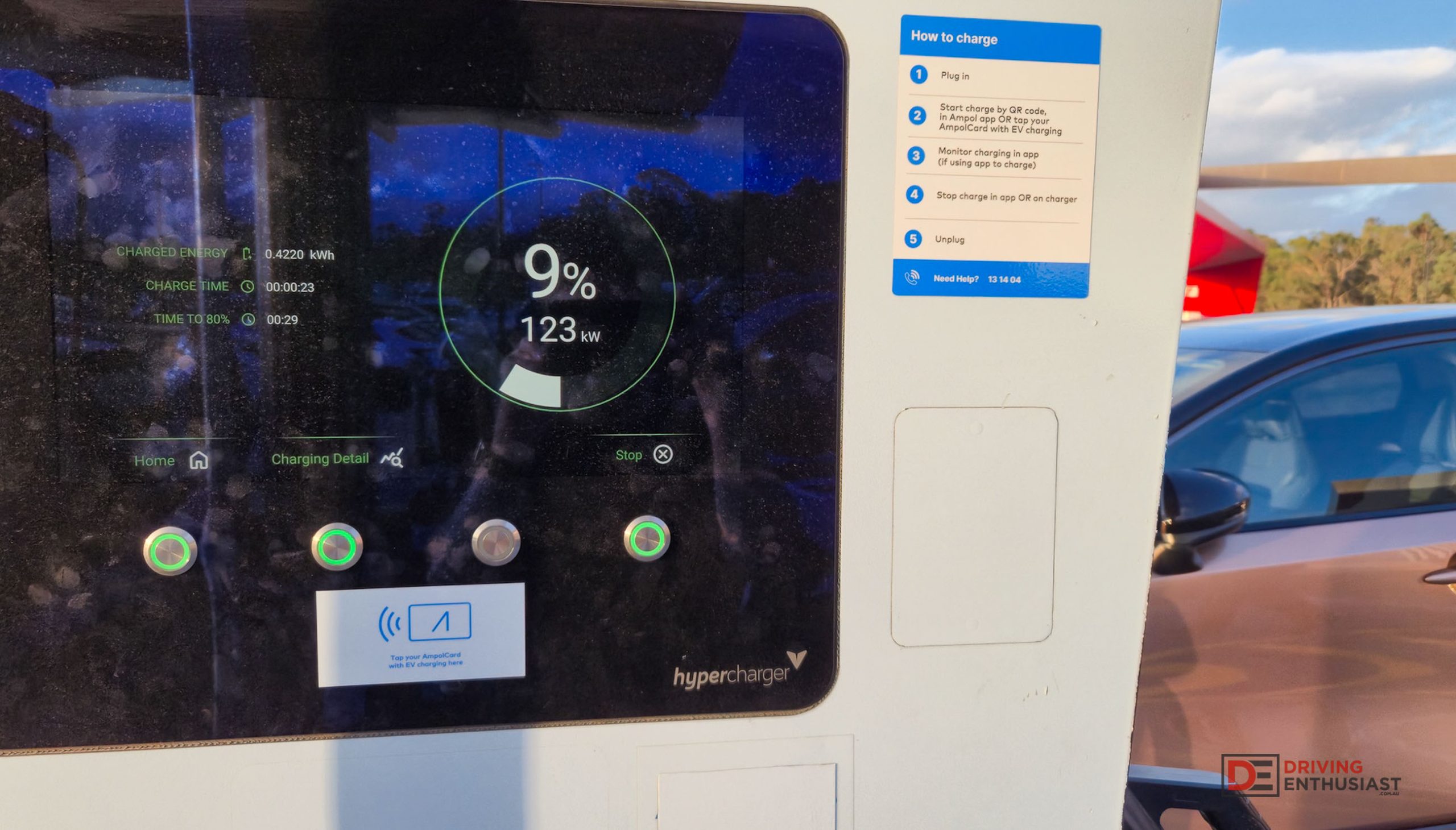
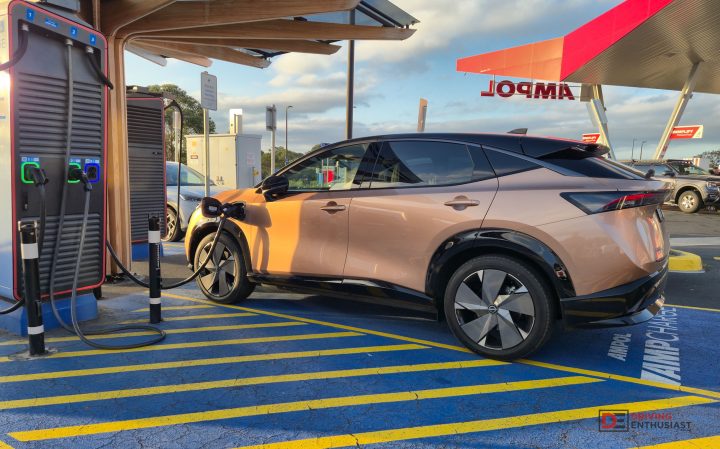
The biggest letdown by far is that the Ariya is capped at 130kW for DC fast charging. In a world where newer rivals can smash out a highway top-up in under 20 minutes, the Nissan takes more like 35 to 40 minutes just to get from 10 to 80 per cent. If you’re someone who loves a big interstate road trip, that extra time sitting around at a highway charging station is going to get annoying pretty quickly. It’s a step behind the current pace.
2. Choppy ride
While it cruises beautifully on smooth, fresh asphalt, the Ariya can get pretty choppy on ordinary, bumpy suburban streets. The suspension is tuned quite firm to keep all that battery weight under control, but it means you feel a lot of the sharp edges, potholes, and corrugations around town. The rear end can feel a bit unsettled and jumpy over repeated bumps as well. For a family-hauler, it might miss the mark for some.
3. Small boot
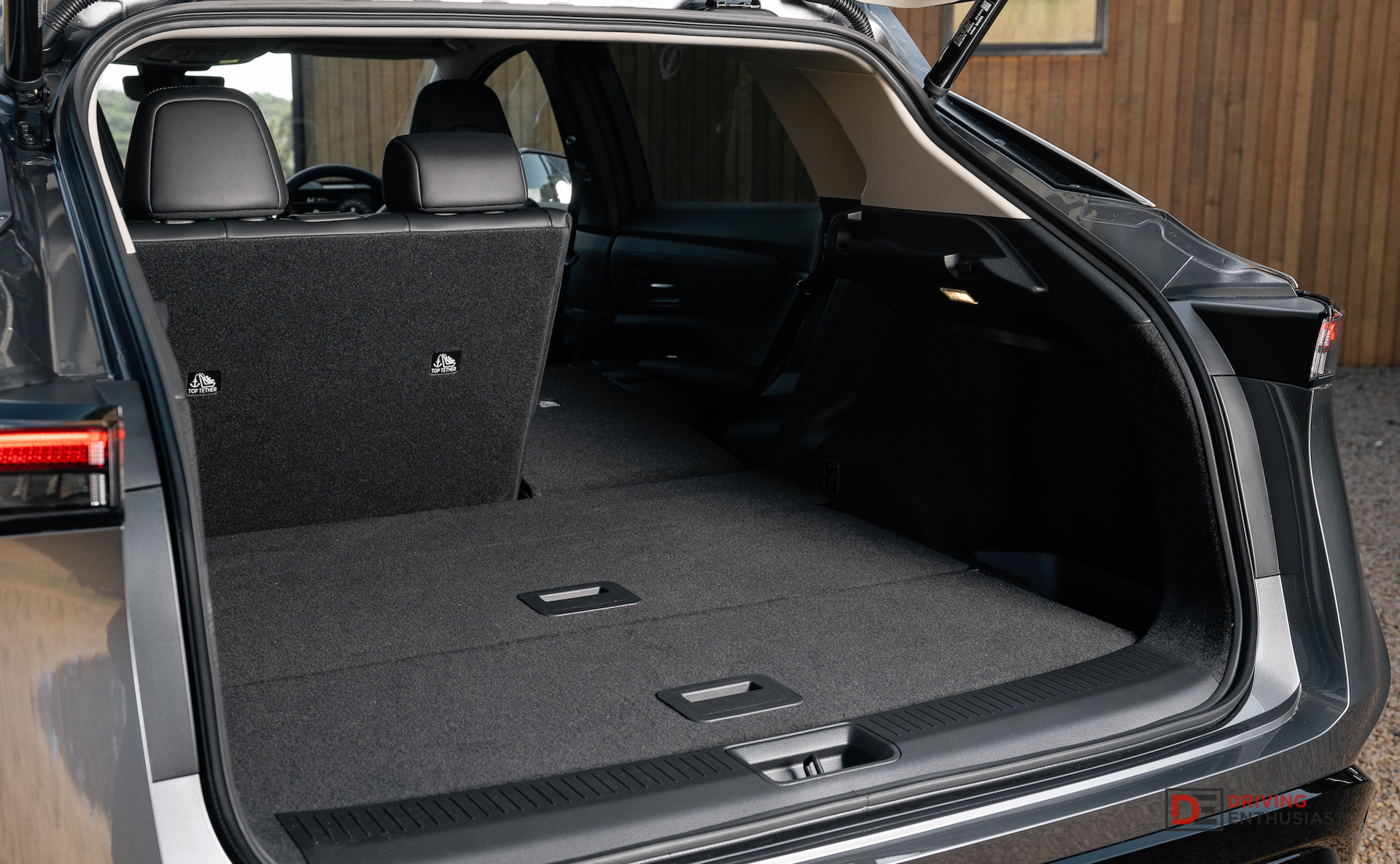
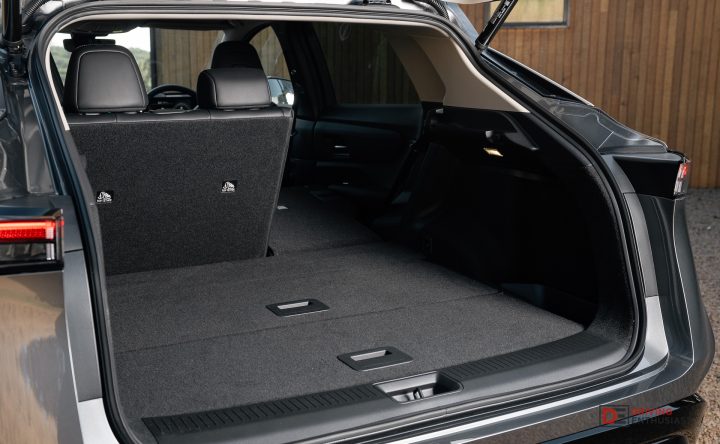
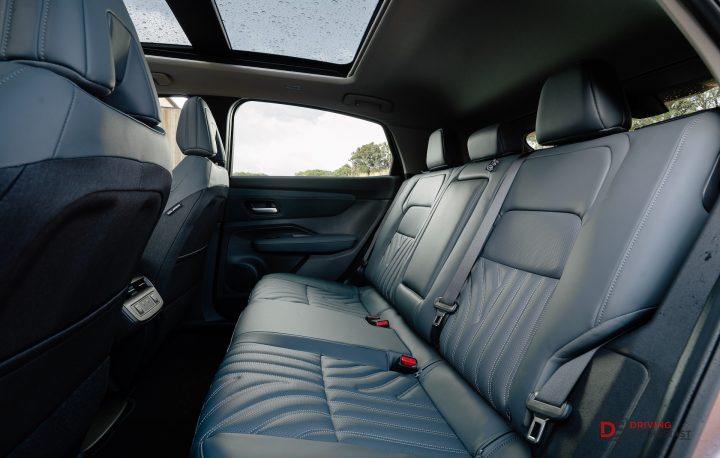
For a mid-size SUV, the cargo space is a bit underwhelming. Front-wheel drive models give you 466 litres, but if you get the all-wheel drive version, that drops down to just 408 litres because of the extra motor. The floor is also quite high, so stacking big holiday suitcases or a bulky pram can turn into a bit of a Tetris match. Plus, while there’s heaps of knee room in the back, you can’t really slide your feet under the front seats very easily.
4. No spare tyre
Like a lot of newer EVs, Nissan has completely skipped a spare tyre here, leaving you with just a basic tyre repair inflation kit. If you get a proper sidewall slash or a bad puncture out on a rural road, you’re pretty much stranded waiting for a tow truck – added on top of potentially waiting for a charger or finding one that works. On top of that, I find the infotainment system can be frustratingly laggy and slow to respond when you first fire it up, which gets old fast when you’re just trying to map a route or connect your phone – it feels very 2016.
5. Too expensive
The Ariya took so long to finally launch in Australia, and its price tag hurts, making it one of the least appealing EVs on sale, from an on-paper standpoint. With the top-spec models pushing well past seventy grand before you even factor in on-road costs, it commands a serious commitment. There are newer, faster options on the market that give you more driving range and sharper tech for less money. It makes the Nissan a bit of a tough sell on pure value alone. Other than this review car, I’ve not seen one on the road (yet). According to VFACTS for June, Nissan has sold just 186 units so far this year. It holds just 0.6 per cent market share in its segment.
2026 Nissan Ariya Evolve e-Force: Final word
The Nissan Ariya is a really well-made, comfortable, and stylish crossover, even if its delayed arrival means some of the tech feels a bit old. It’s definitely not the car for you if you want crazy acceleration or rapid highway charging. But look, if you just want a quiet, beautiful interior to commute in, and one with a bit of Japanese flair and European levels of quality, easy-to-use controls, made by a company that has been in Australia for decades, and the massive safety net of a 10-year factory warranty, it’s worth a look. And you know, it’s cool to be different among the sea of Teslas and BYDs.
2026 Nissan Ariya Evolve e-Force: Specifications
Battery: 87kWh lithium-ion
Output: 290kW / 600Nm
Gearbox: Single-speed auto
Drive type: Four-wheel drive
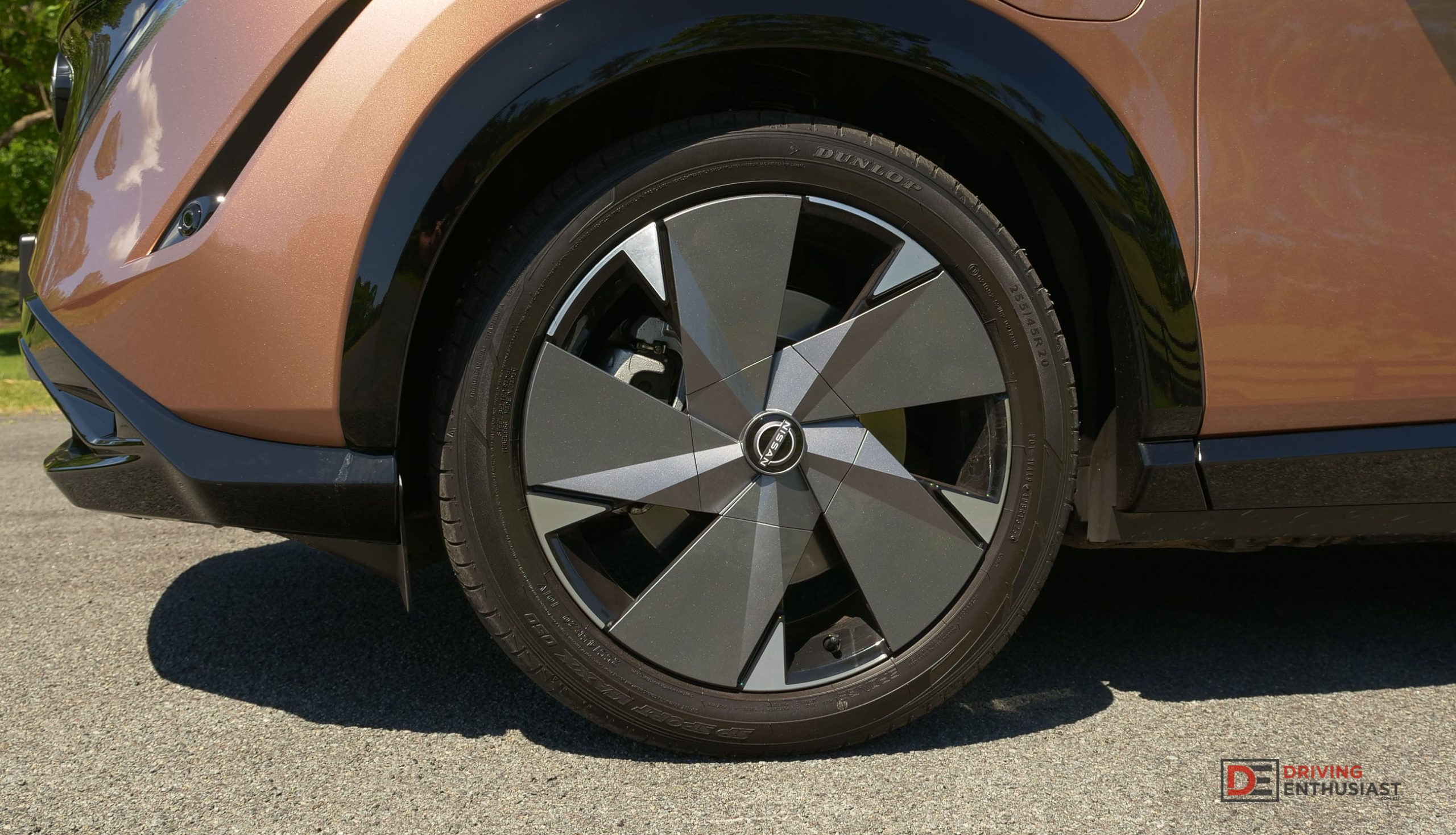
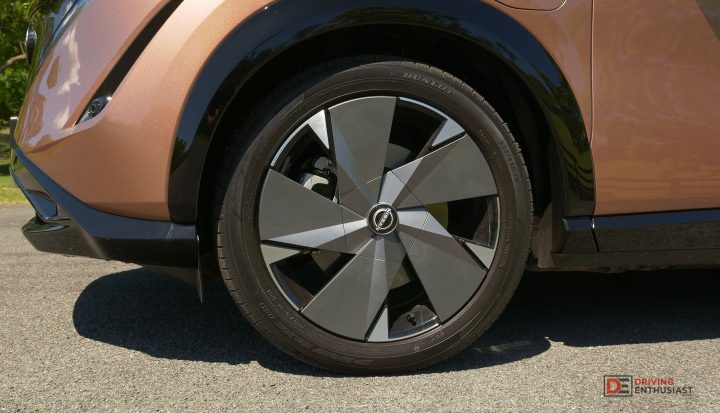
Wheels: F & R: 20×8.0, 255/45
Kerb weight: 2222kg
Power-to-weight: 7.66:1 (kg:kW)
Official range (WLTP): 487km
Max charging AC/DC: 7.4kW/130kW0-60km/h: 3.21 seconds*
0-100km/h: 5.51 seconds*
60-110km/h: 3.02 seconds*
1/4 mile: 13.86 seconds at 174.8km/h*
Max acceleration: 0.783g*
100-0km/h braking: 39.37m in 3.28 seconds*
Max deceleration: -1.355g*
Starting price: $71,840
*Figures as tested by Driving Enthusiast on the day. Manufacturers’ claims may be different
2026 Nissan Ariya Evolve e-Force: Video