It looks like MG is returning to European production, but not in England, confirming a 200-million-euro investment to construct a dedicated MG manufacturing facility in Galicia, Spain.
The heavy-hitting move is a calculated middle finger to the European Union’s recent protectionist measures. By shifting production inside the EU border, SAIC effectively sidesteps the brutal 35.3 per cent supplementary tariff slapped on its imported electric vehicles. When combined with the standard 10 per cent import duty, SAIC was staring down the barrel of a massive 45.3 per cent levy on Chinese-made EVs entering Europe.
Located near the port of Ferrol in northwestern Spain, the new facility is slated to break ground in 2027, with the first vehicles rolling off the line by late 2028. Once a secondary expansion phase is completed, the plant is expected to hit an annual production capacity of 120,000 vehicles.
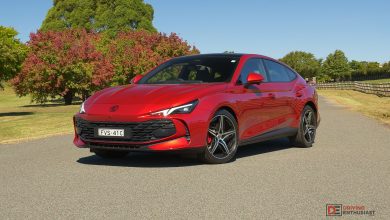
While MG has kept official product confirmation close to its chest, the factory’s primary mission of dodging EV tariffs dictates exactly what will roll down the line. The obvious first candidate for local assembly is the ultra-popular MG4 EV hatchback, which currently serves as the brand’s European volume spearhead and bore the brunt of the EU’s anti-subsidy penalisation.
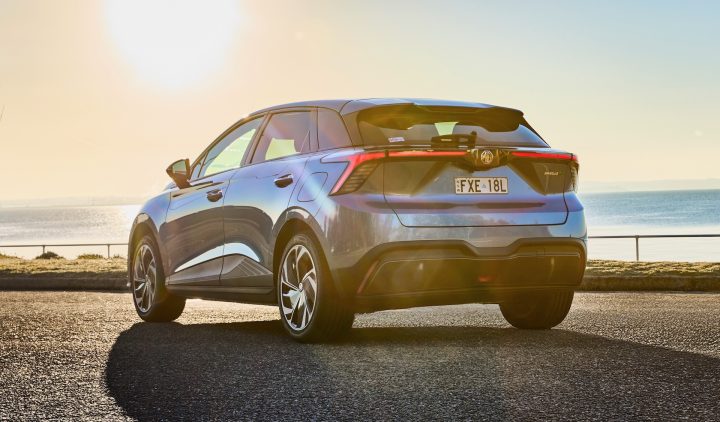
Beyond the hatchback, the plant will almost certainly focus on MG’s rapidly expanding crossover portfolio to combat the Tesla Model Y. This includes the newly launched MGS6 EV mid-size SUV and the smaller MGS5 EV, both of which utilise high-volume architectures that can easily be localised.
There is also strong speculation that next-generation compact architectures, designed to underpin affordable entry-level EVs to rival Renault and Volkswagen on their home turf, will be natively built at the Galicia site to keep logistics costs to an absolute minimum.
MG is currently the only Chinese brand to crack the top 20 for sales in Europe, shifting over 300,000 vehicles across the continent last year. While this Spanish facility won’t directly supply the Australian market – with our stock continuing to arrive from factories in China – it highlights the sheer financial muscle SAIC is willing to flex to protect its global market share from legislative roadblocks.
It’s unclear whether these European-built MG’s could make their way Down Under, as SAIC has no apparent benefit to changing the status quo for locally-sourced vehicles.