In recent years, Chinese car manufacturers in the Australian market have largely focussed on value, practicality and technology. Performance and driver engagement have rarely been central to the conversation. The new MG7 could signal a noticeably different direction.
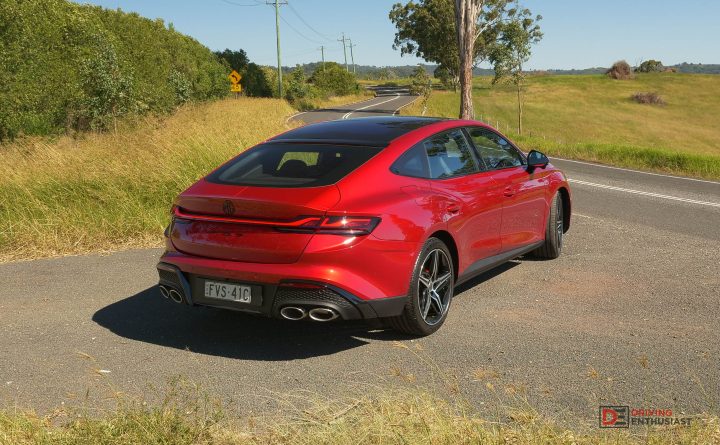
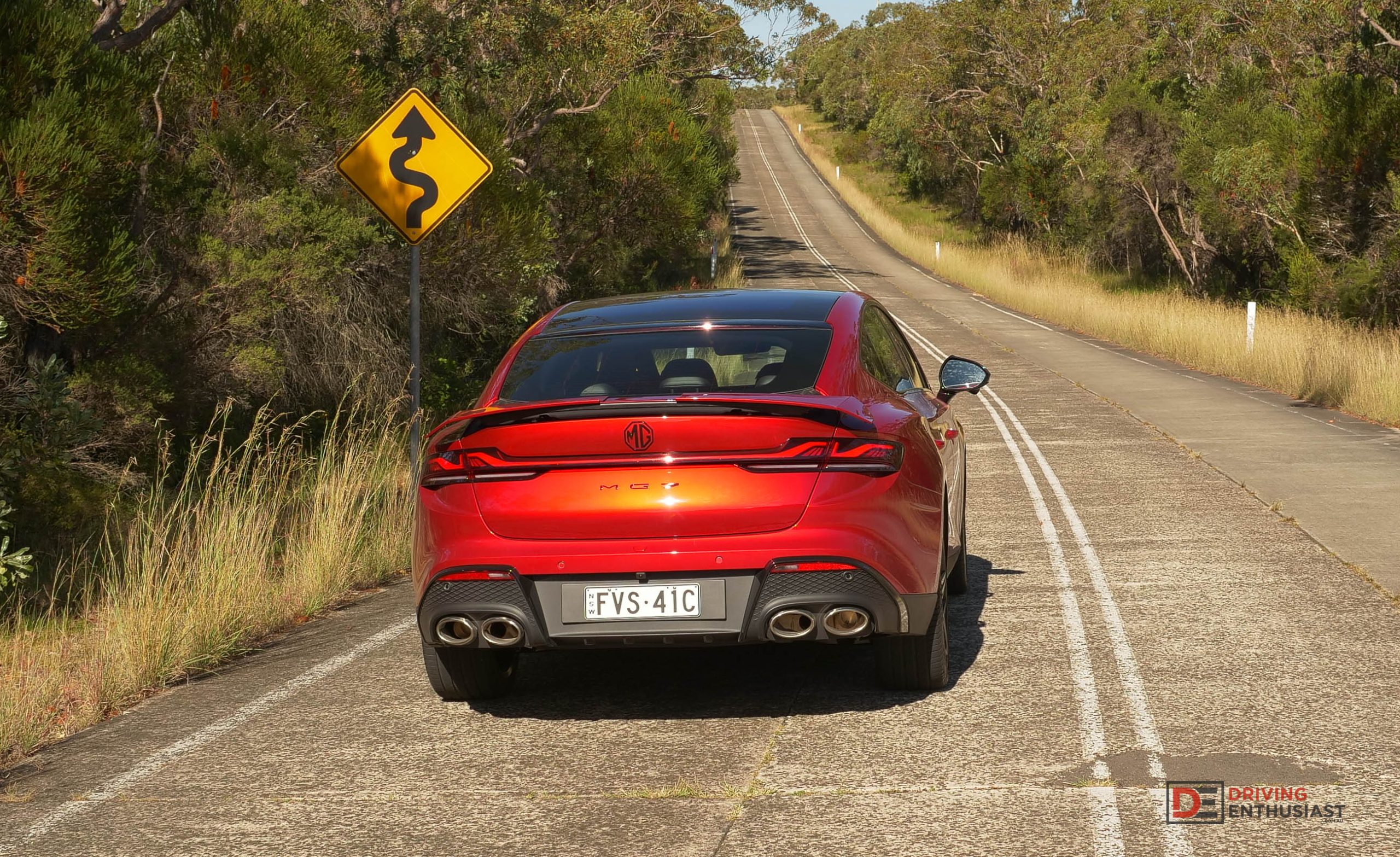
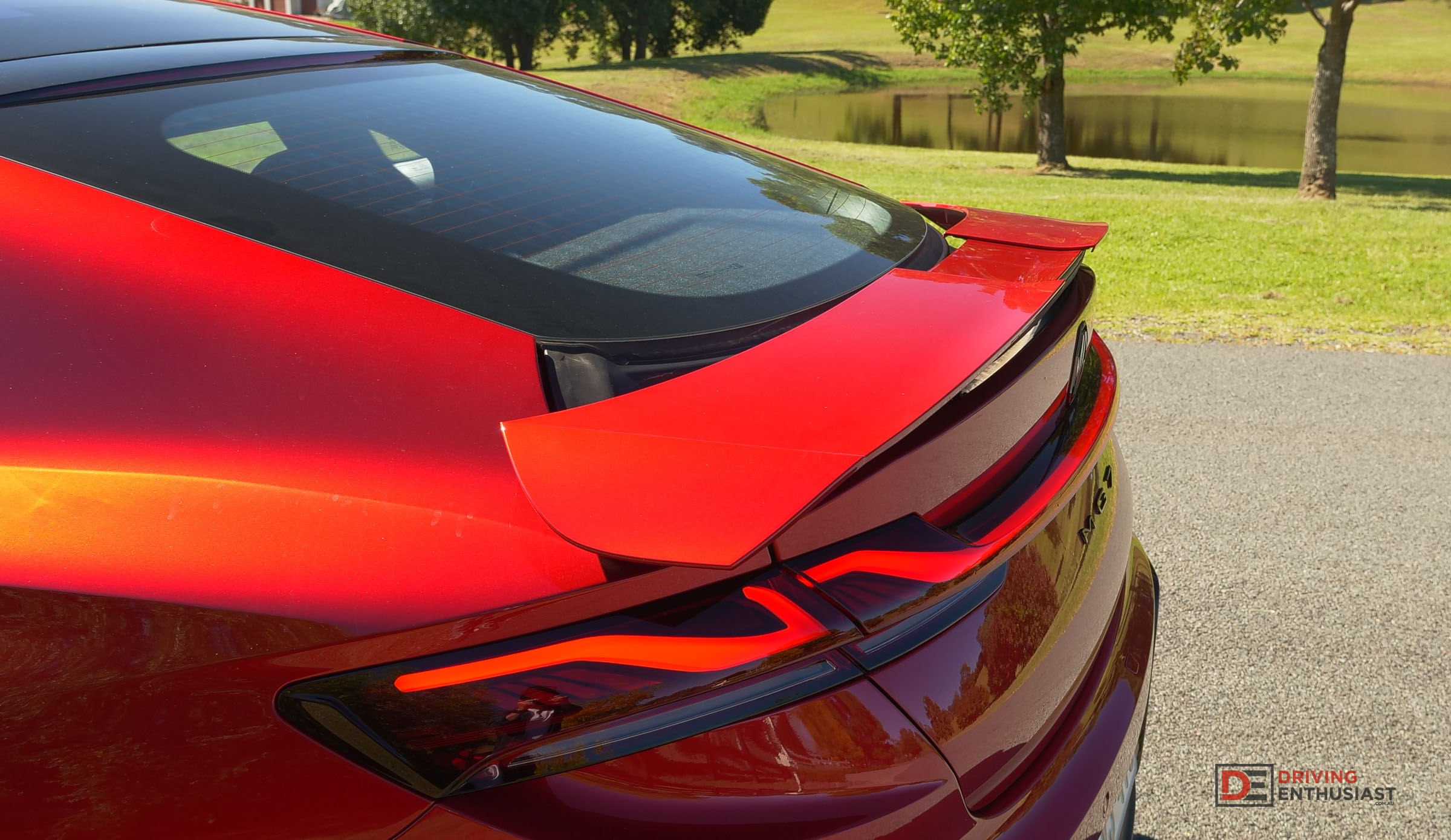
This is MG attempting to inject emotion back into the mainstream sedan segment and striving to prove a Chinese brand can build something sporty beyond a sharp price tag and oversized screens. With its sleek fastback silhouette, quad exhaust outlets, deployable rear spoiler and electronically controlled differential, the MG7 arrives talking a much bigger game than other newcomers have dared.
The spec sheet certainly sounds convincing. A 170kW turbocharged engine, adaptive suspension, Michelin tyres, and performance-focussed drive modes suggest there’s been real effort spent on dynamic ability. And the price?
2026 MG MG7 Essence: Specifications
Engine: 2.0-litre turbo four-cylinder
Output: 170kW@6000rpm / 380Nm@2500-3500rpm
Gearbox: Nine-speed auto
Drive type: Front-wheel drive
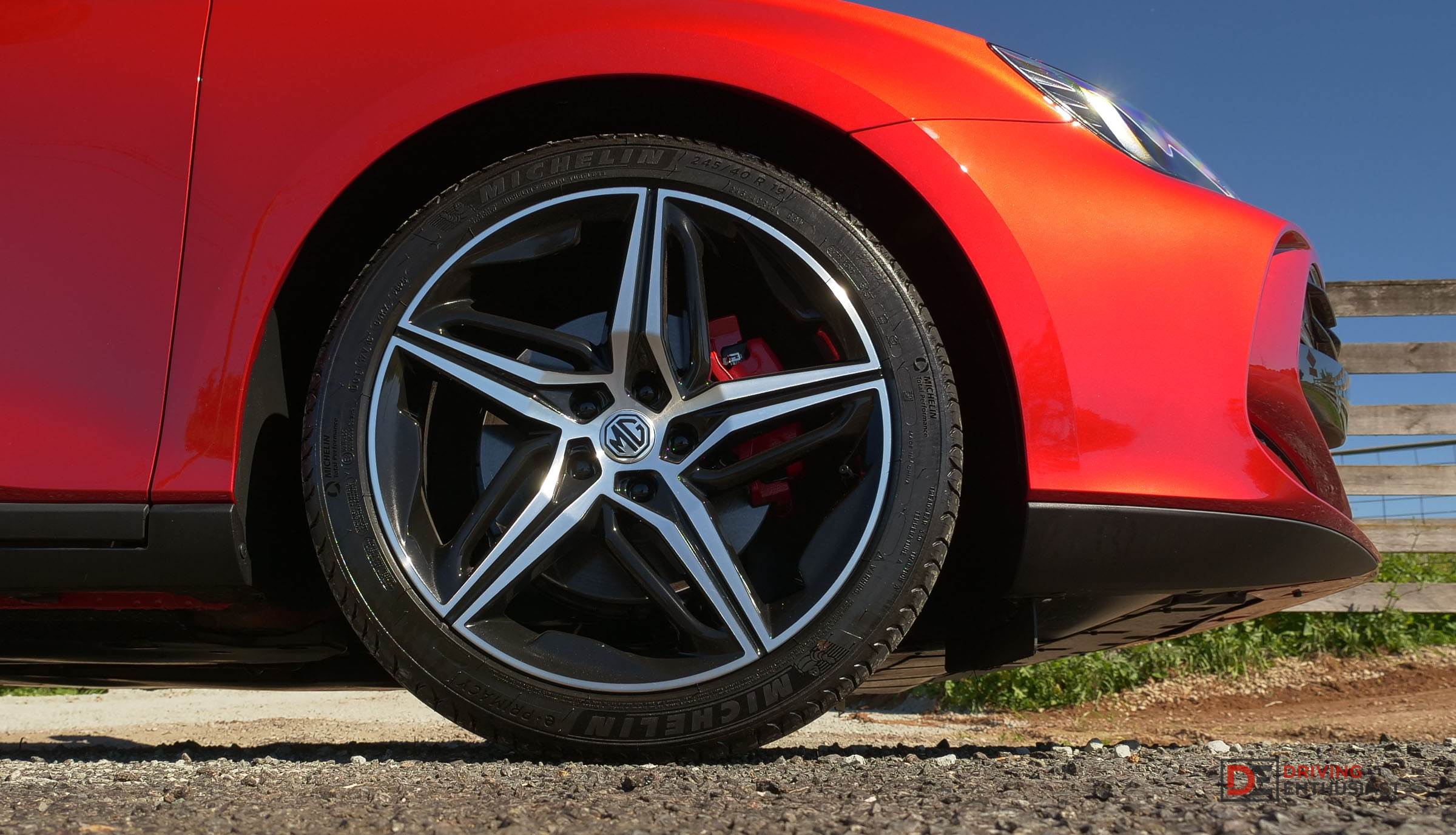
Wheels: F & R: 19×8.5, 245/40
ANCAP: Five stars
Tare weight: 1647kg
Power-to-weight: 9.68:1 (kg:kW)
Official consumption: 8.0L/100km
Our consumption: 7.8L/100km
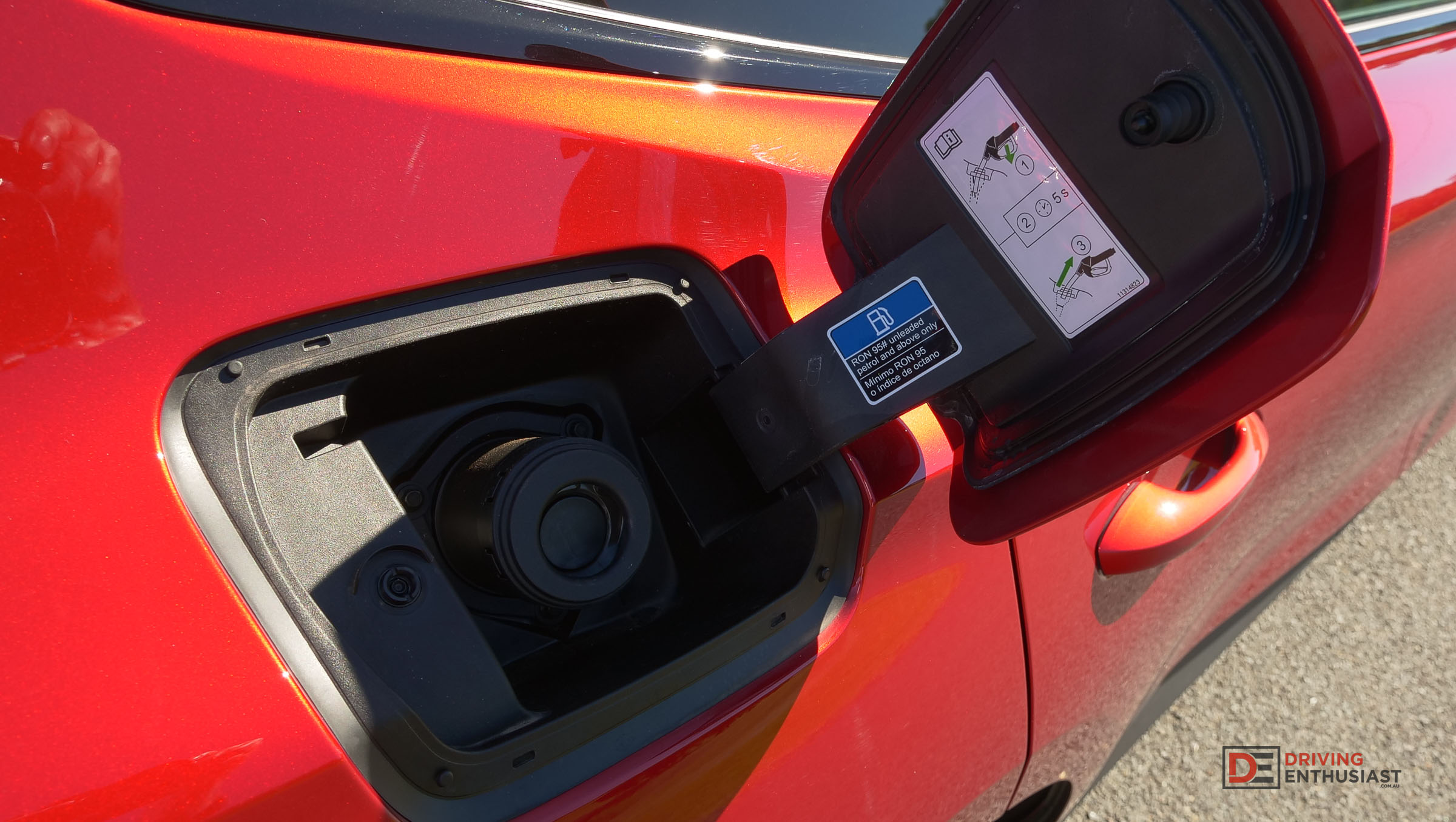
Fuel tank/Fuel type: 65L/95 RONPower efficiency: 21.25kW:L/100km
0-60km/h: 3.29 seconds*
0-100km/h: 6.89 seconds*
60-110km/h: 4.68 seconds*
1/4 mile: 15.24 seconds at 152.2km/h*
Max acceleration: 0.710g*
100-0km/h braking: 38.40m in 3.11 seconds*
Max deceleration: -1.131g*
Decibel at idle (/sport mode): 41/46*
Peak decibel at 60-100km/h: 83*
Starting price: $44,990
*Figures as tested by Driving Enthusiast on the day. Manufacturers’ claims may be different
2026 MG MG7 Essence: How much does it cost?
The MG7 arrives in Australia with just one ‘Essence’ variant, priced from just $44,990 (excluding on-road costs). It’s positioned in a niche corner of the market. Large mainstream sedans have largely disappeared, and most genuine sports sedans have drifted well beyond attainable pricing for many buyers.
At face value, the MG7 undercuts its closest performance-oriented alternative. The more powerful Hyundai Sonata N Line starts from $56,500. Then the European liftback Skoda Octavia RS creeps into the $62k mark. You might also consider a distant competitor could be the non-performance-focussed Toyota Camry. Starting from $39,990, it goes with the same 170kW power output but with very economical hybrid tech.
Ownership coverage is another strong point. MG backs the MG7 with a 10-year/250,000km warranty when serviced through MG’s dealer network, helping ease concerns buyers may hold toward long-term durability. Otherwise it’s a 7-year, unlimited kilometre warranty. Servicing is required every 12 months or 15,000km, but the costs are not advertised.
2026 MG MG7 Essence: Interior & packaging
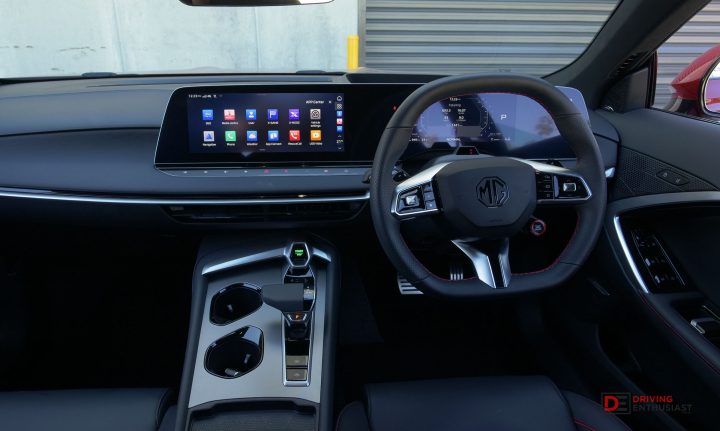
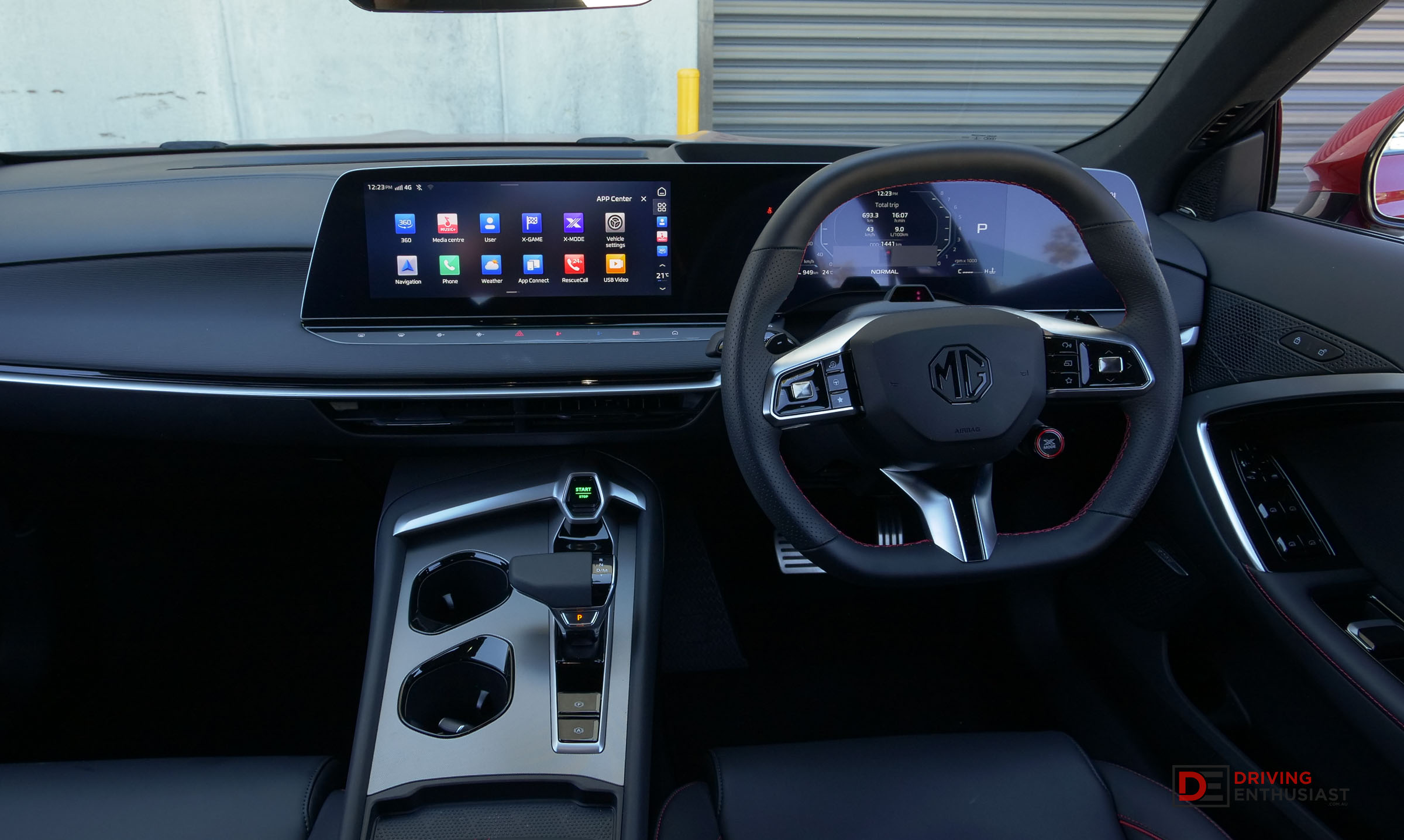
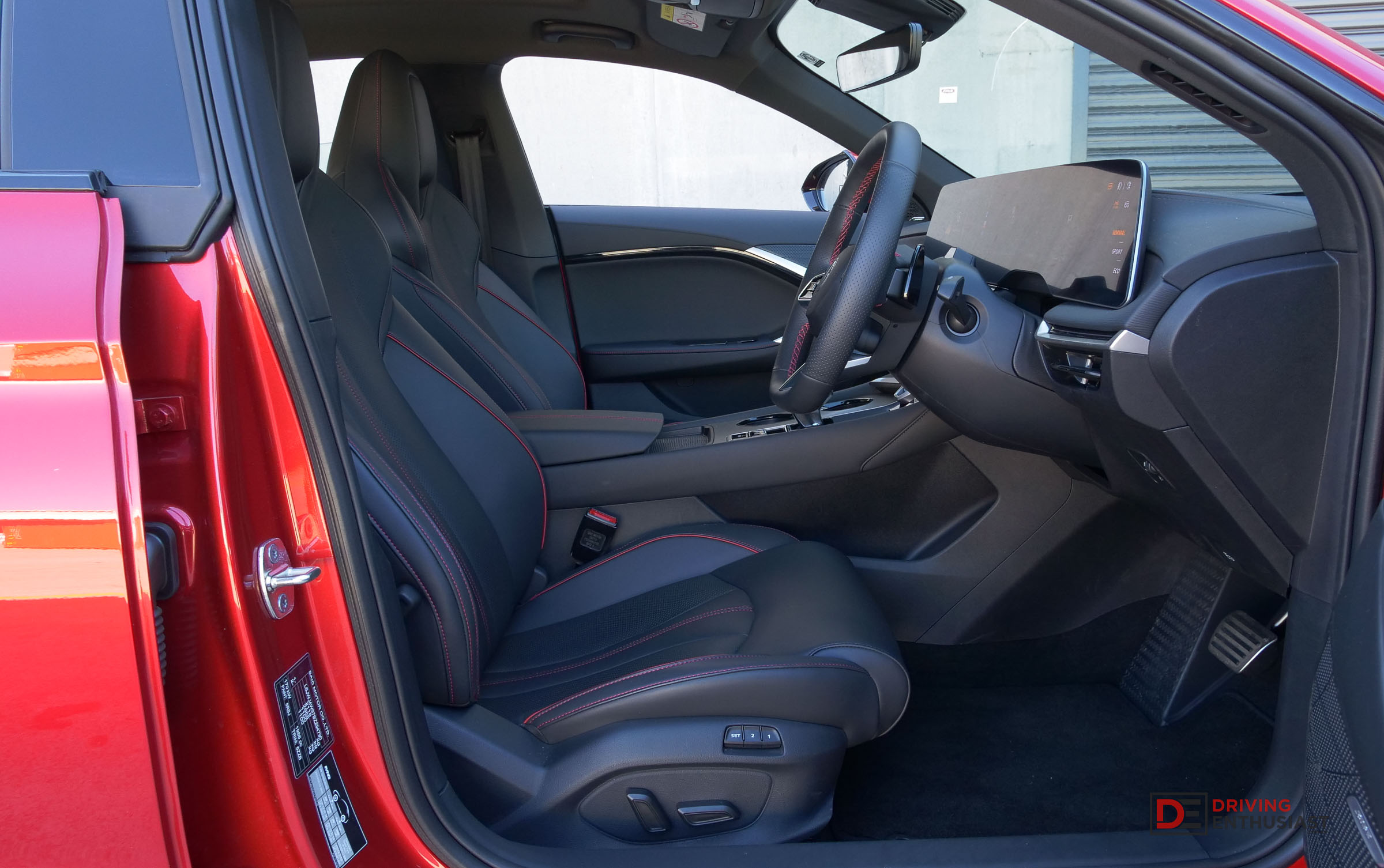
Slip into the MG7 and the cabin presents a more mature and premium atmosphere than many might expect from the badge. There’s a genuine attempt here to create a sporty grand tourer feel rather than simply throwing in red stitching and calling it performance.
The seats strike an excellent balance between comfort and support. Importantly, they avoid the overly aggressive bucket-style shaping that can become tiresome during longer drives. Front seats are covered in leather, heated and electrically adjustable. Soft-touch materials appear across key touchpoints, while the panoramic sunroof helps brighten what is otherwise a fairly dark cabin theme. You can also choose a Peacock green interior colour scheme, or for $695, a bold Bordeaux red theme is available with Alcantara front seats and microfibre roof lining. Its good to see some variation choices available.
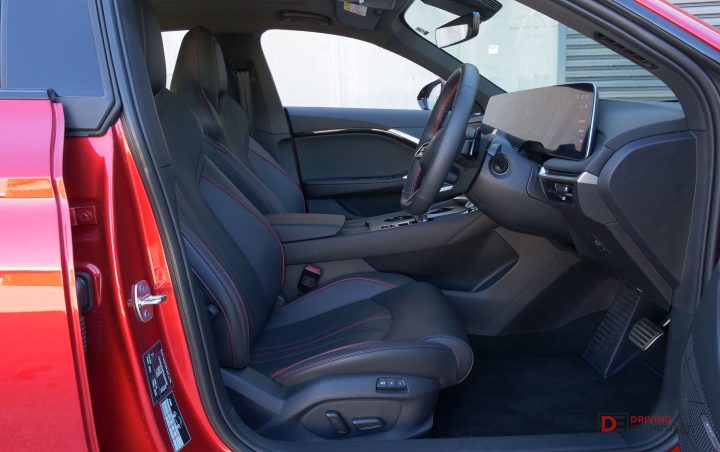
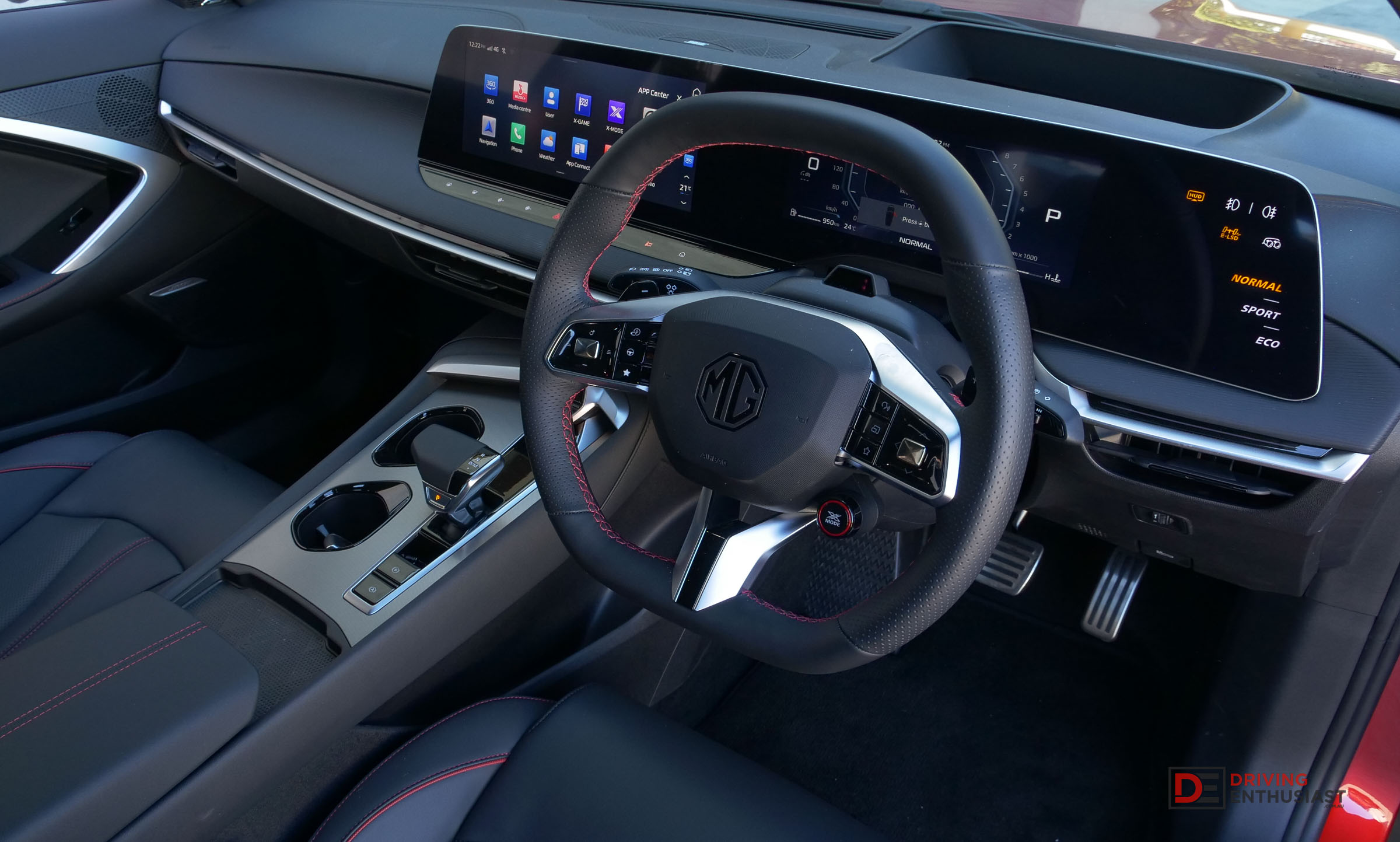
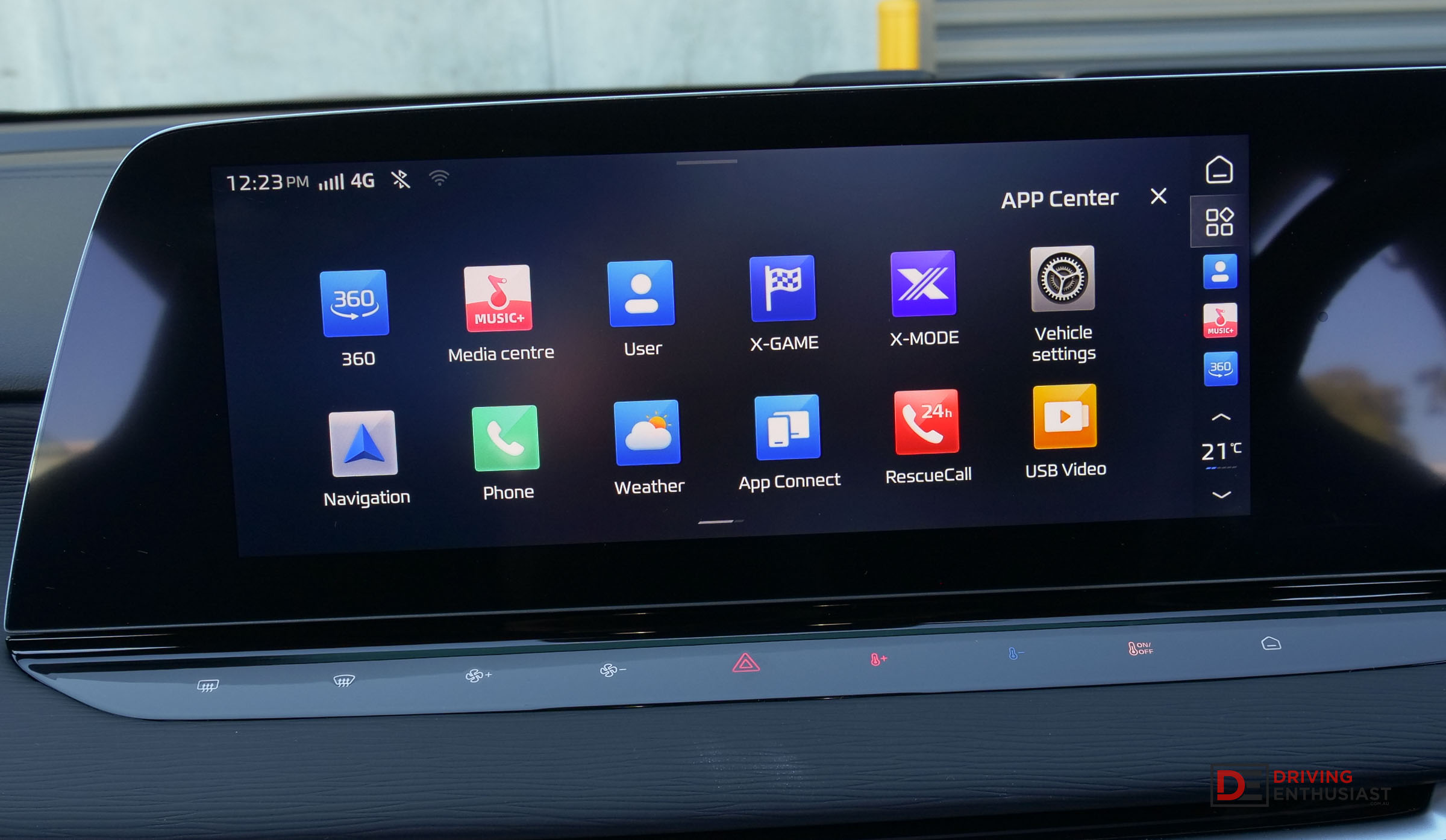
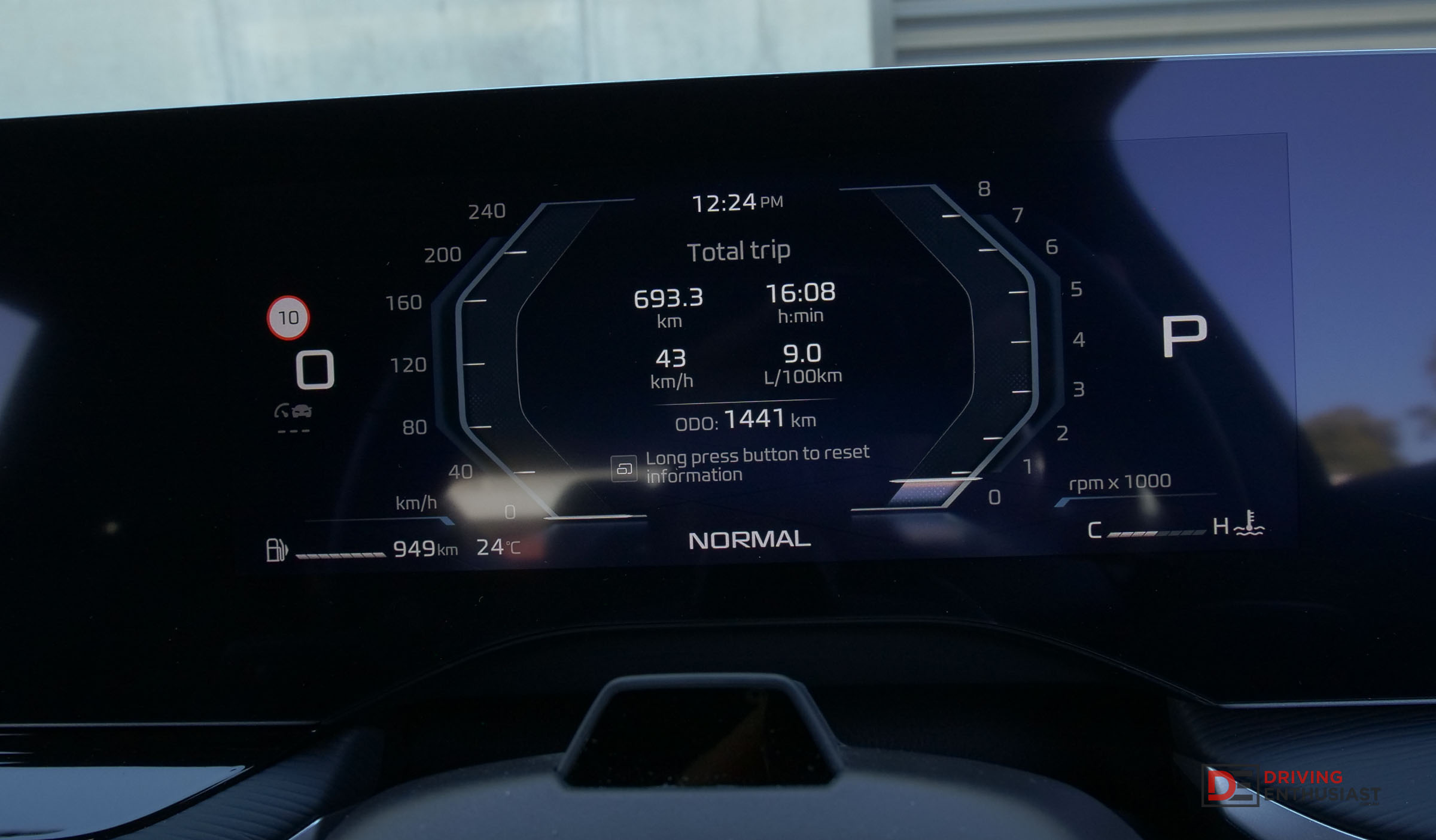
Technology presentation is certainly modern without becoming overwhelming. A 12.3-inch and 10.25-inch digital display dominate the dashboard in one sweeping integrated panel; and while the infotainment system is reasonably intuitive, the digital instrument cluster lacks personalisation. There’s effectively one primary layout, and for a vehicle that leans so heavily into customisable driving modes and sporty branding, additional display options would have elevated the experience further.
The amount of other tech inclusions is solid, with head-up display, a punchy 14-speaker Bose sound system, wired and wireless app connectivity, five USB ports, sat-nav, a wireless phone charging pad, 256-colour ambient interior lighting, and MG’s ‘iSmart’ remote vehicle connectivity phone app. Though, it only guarantees the first 12-month subscription for free.
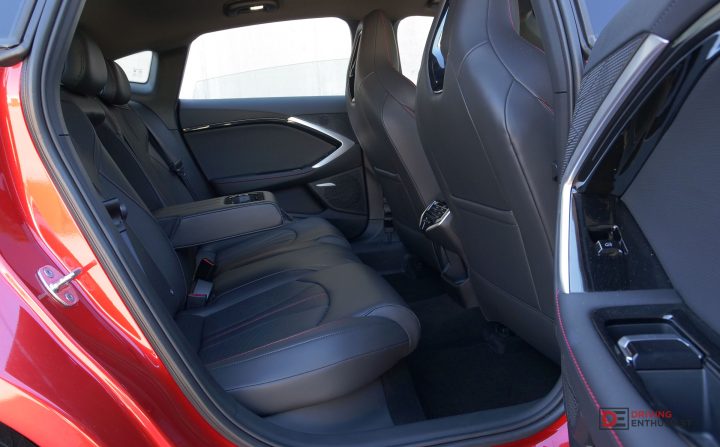
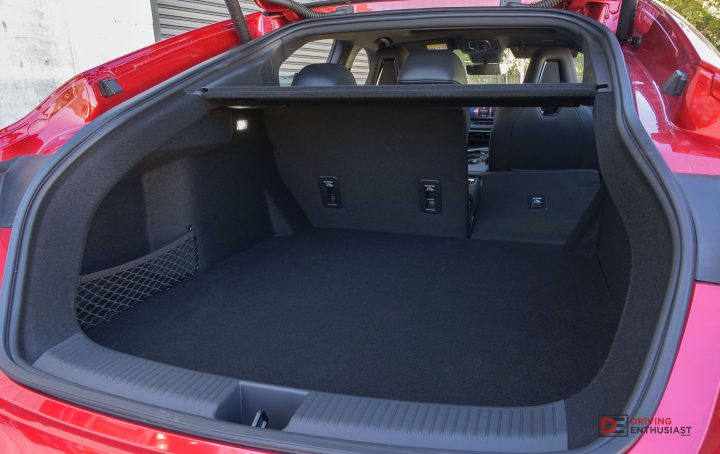
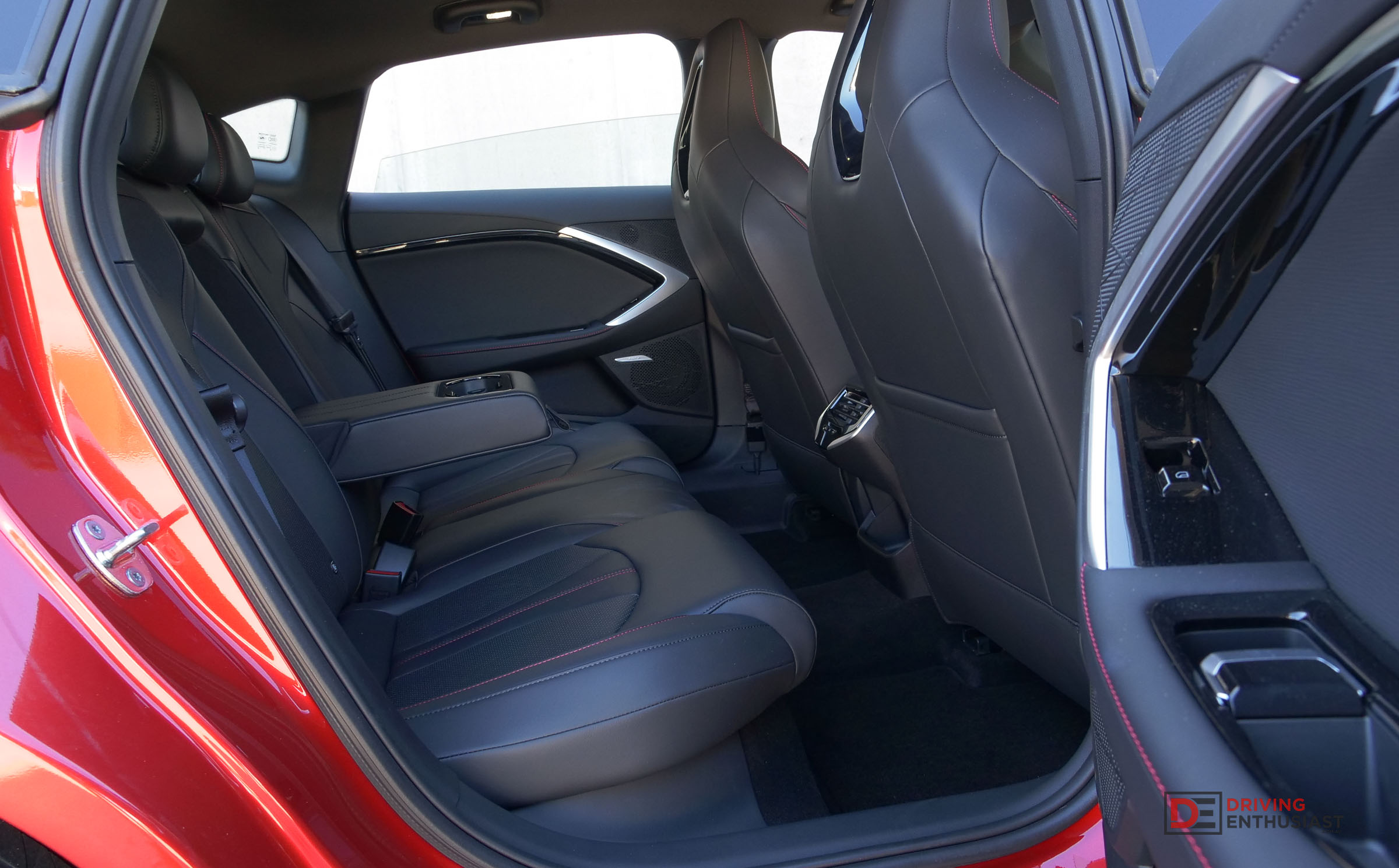
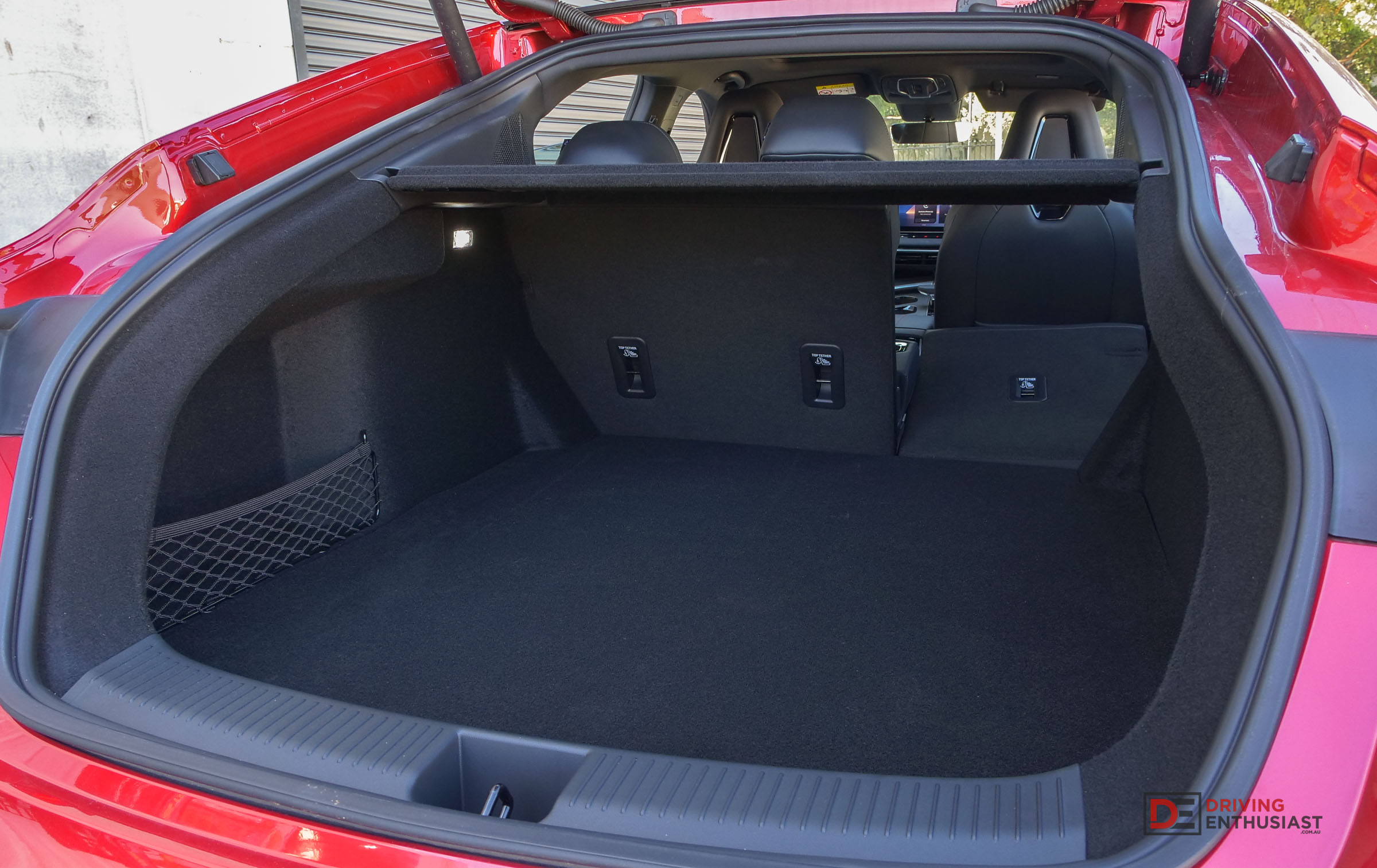
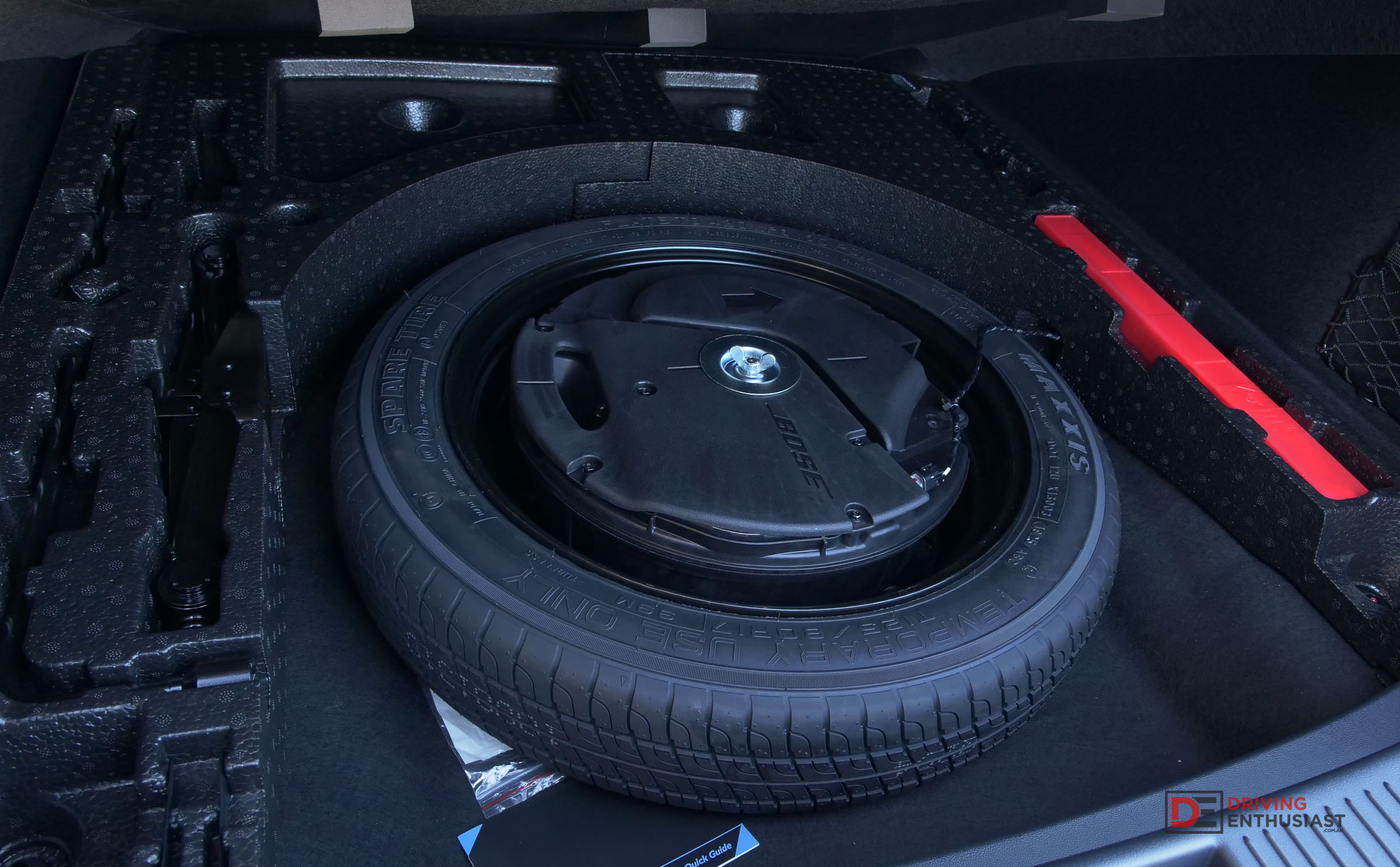
Practicality is better than the fastback shape might suggest. To give you an idea on space, the MG7 is 182mm longer than the Octavia RS sedan, and just 26mm shorter than the Sonata. All passengers receive respectable legroom, while the long boot opening creates a surprisingly usable cargo area. It can swallow 375 litres of luggage, or 1040L with the 60:40 split rear seats folded down. The liftback-style rear hatch also improves accessibility compared with traditional sedans that have smaller boot openings. And we think the electric opening and closing hatch is a rare offering.
Rear passengers are well-accommodated with dedicated air vents and two USB-C ports. In spite of a panoramic roof, there is still room for a sunglass holder, but height-adjustable front seatbelts are absent.
On the safety front, the MG7 arrives well equipped and has achieved a 5-star ANCAP safety rating. Standard equipment highlights include adaptive cruise, lane keeping assistance, blind-spot monitoring, front and rear cross-traffic alert, front and rear autonomous emergency braking, door opening warning, driver monitoring, traffic sign recognition, and a 360-degree camera system.
The driver assistance systems generally operate smoothly without feeling overly intrusive. Especially the driver monitoring, which was once too sensitive in earlier model MGs.
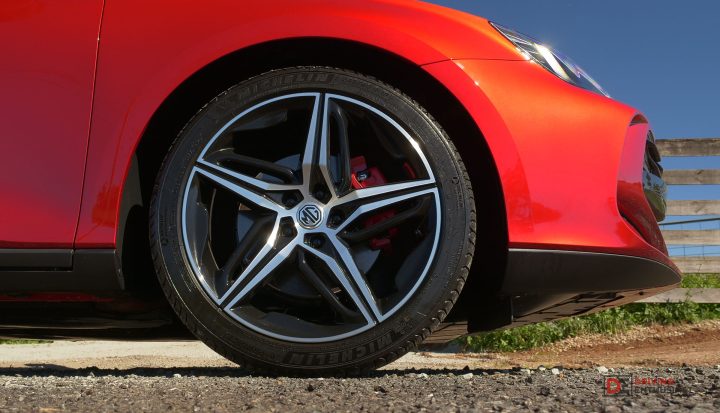
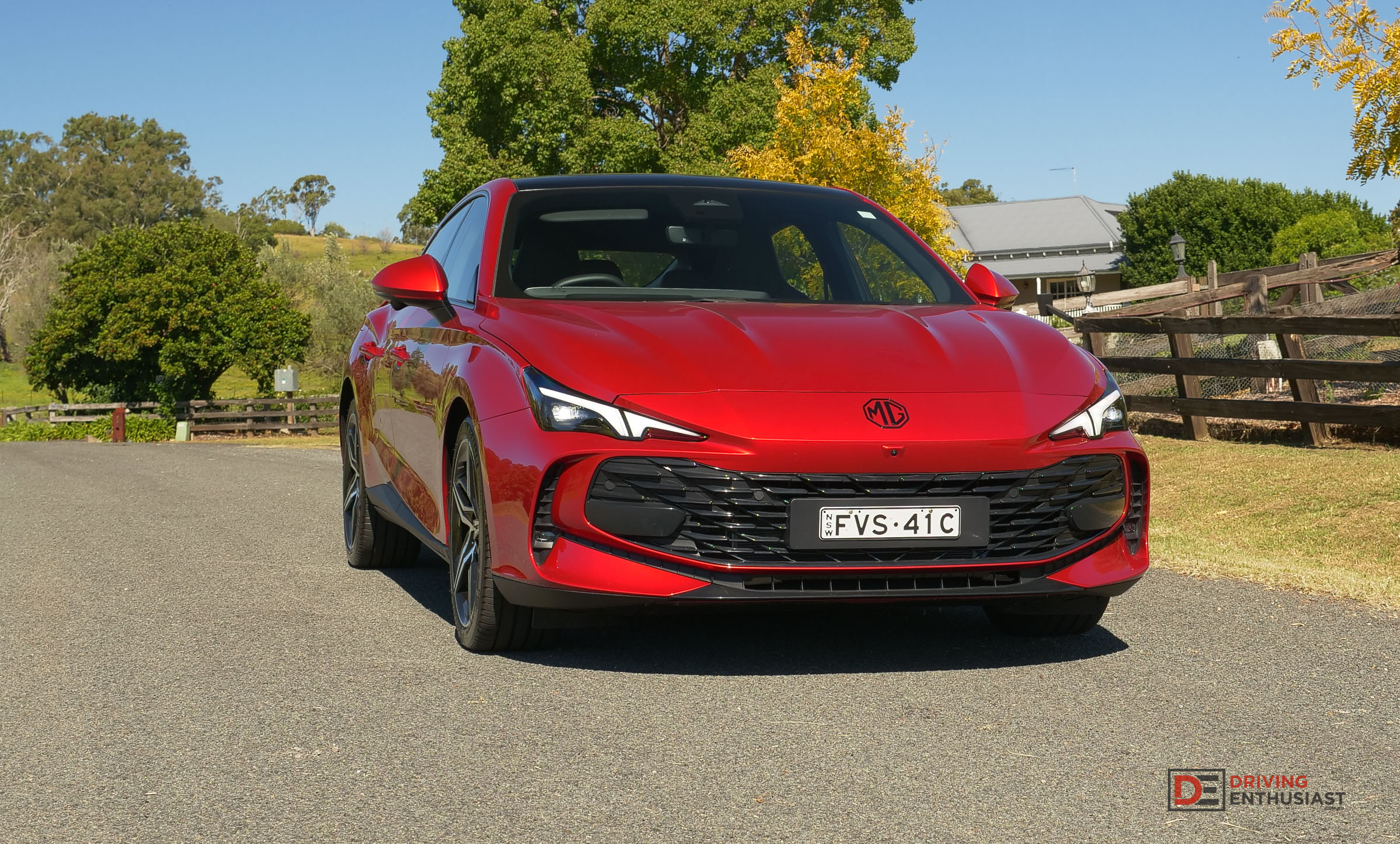
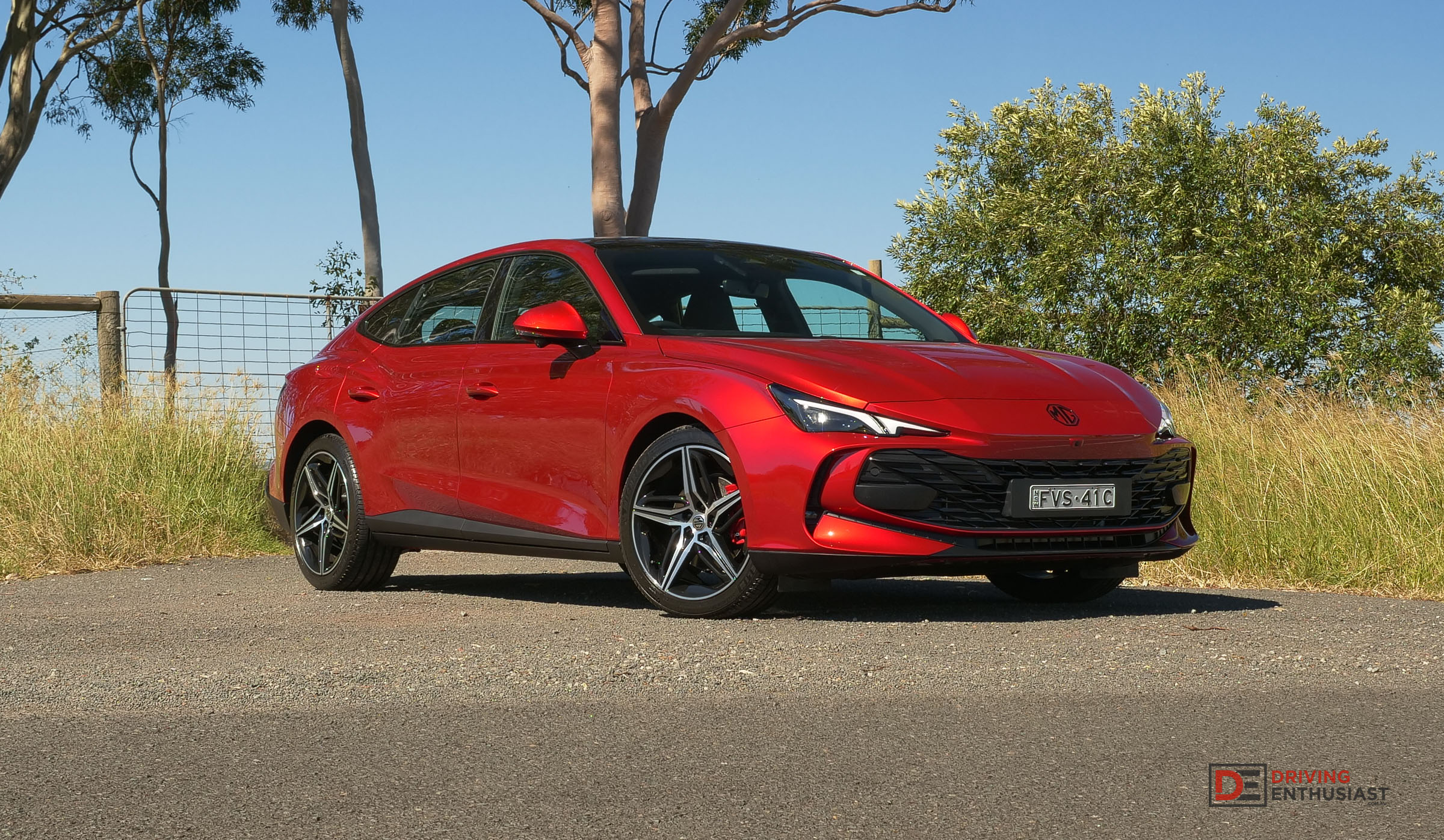
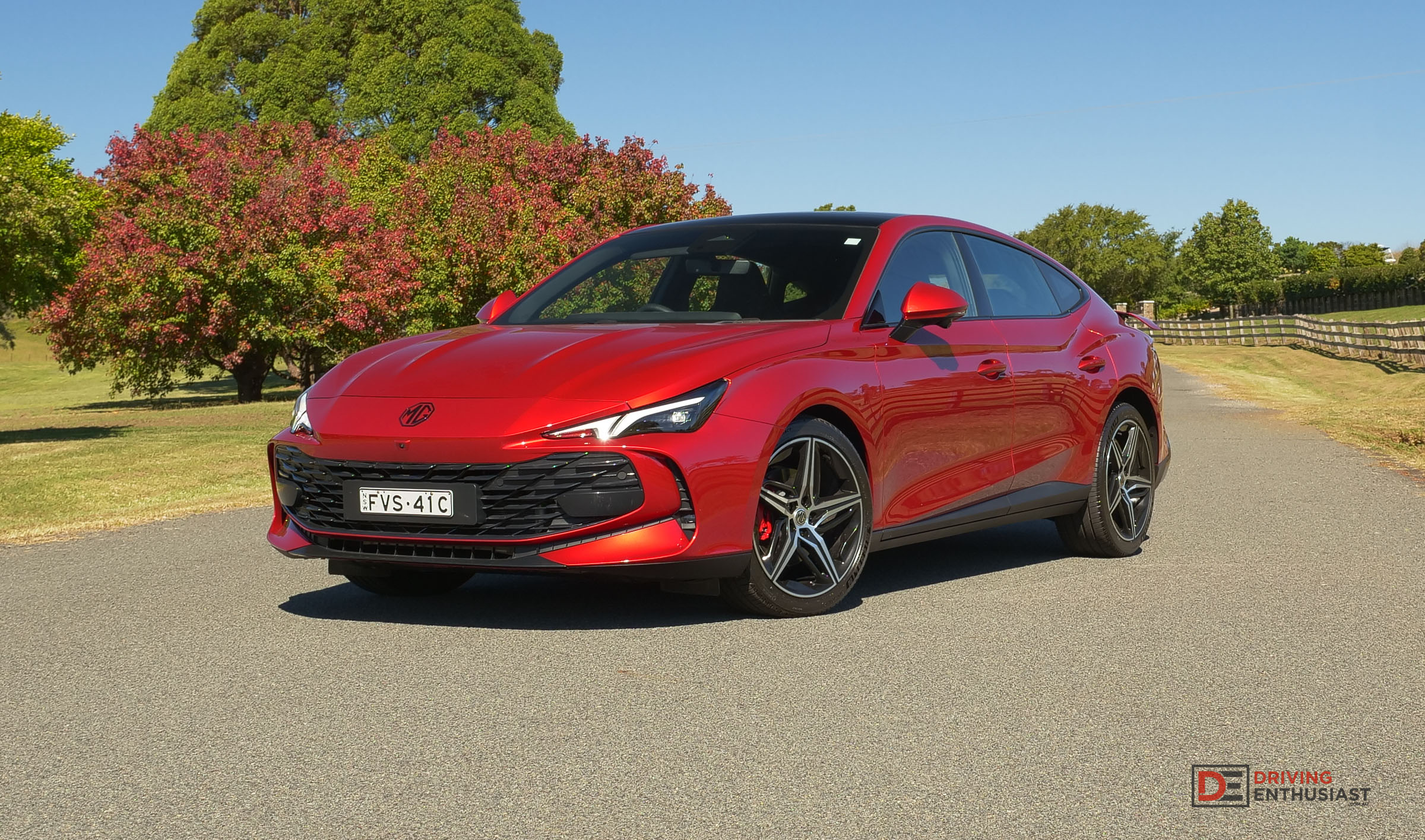
From the outside, the MG7 arguably makes its strongest impression. The low-slung fastback silhouette, contours that sweep through from front to rear to amplify aerodynamics, 19-inch five spoke sporty alloy wheels with red calipers behind, frameless doors and an active rear spoiler that electrically pops up and down certainly give it a genuine sense of theatre.
2026 MG MG7 Essence: Powertrain & handling
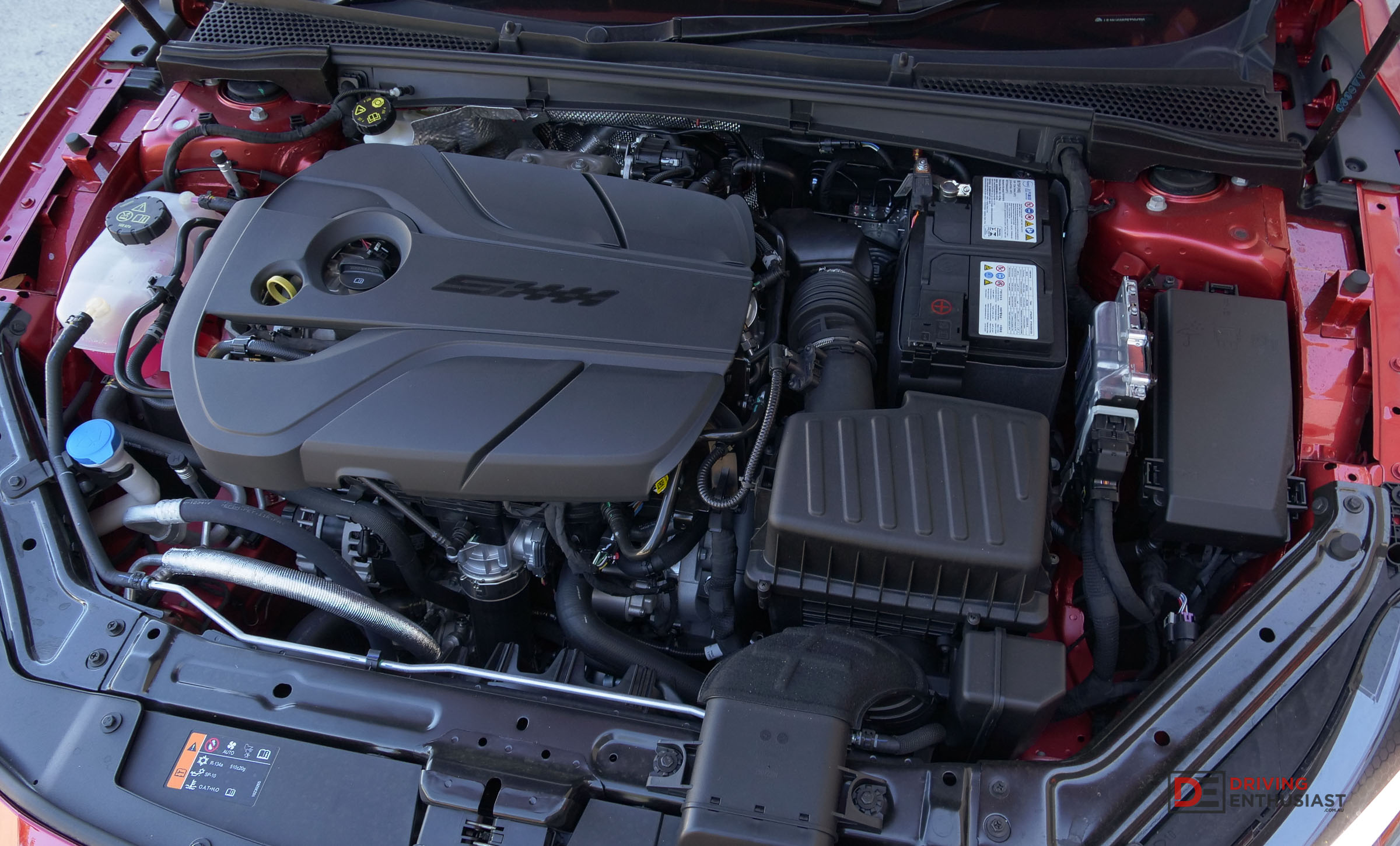
Sitting beneath the sleek bodywork is a 2.0-litre turbocharged four-cylinder petrol engine producing 170kW and 380Nm, paired with a unique nine-speed automatic transmission driving the front wheels through an electronic limited-slip differential. It’s a shame Australia misses out on the 192kW/405Nm tune offered overseas.
Even so, this powertrain impresses with its willingness. There’s strong power delivery right across the rev range, and unlike some turbocharged engines that feel peaky or hesitant, the MG7 delivers consistent torque with little lag. Peak torque is spread from 2500rpm to 3500rpm, with peak power achieved at 6000rpm.
Admittedly, outright power is lower than the Sonata’s 213kW, the Octavia’s 195kW, and just equal to the common Camry’s 170kW. But around town it feels eager and effortless, and open-road overtaking requires minimal planning. Acceleration across 0-100km/h took 6.89 seconds, according to our Vbox. That means it is slightly quicker than the Camry (7.28s), but behind the Sonata N Line (6.04s) and Skoda Octavia RS (6.10s).
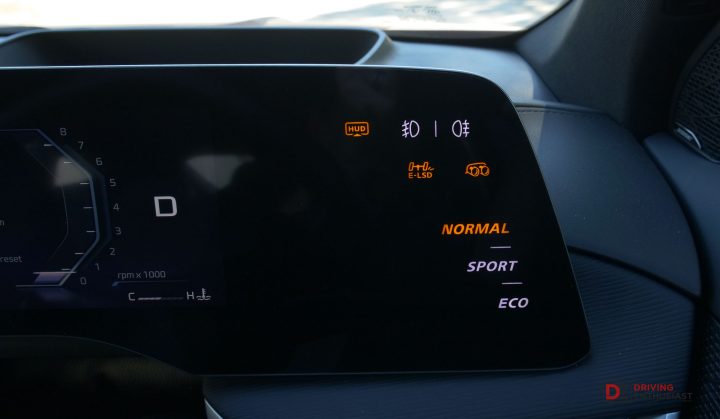
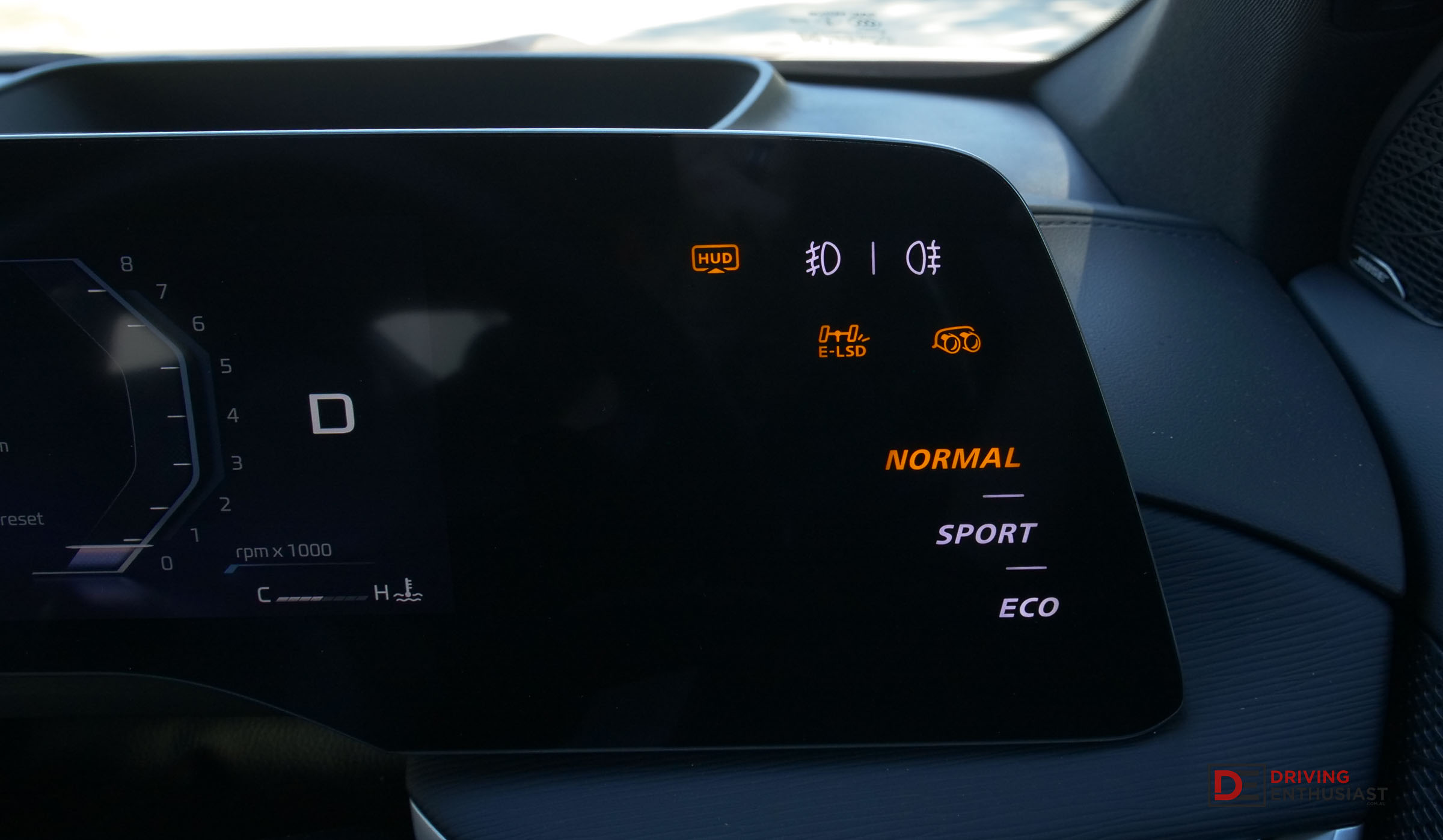
MG has also included an ‘X Mode’ on top of the usual Eco, Comfort, and Sport driving modes, which sharpens the vehicle’s responses and brings a more aggressive character to the drivetrain, suspension and exhaust system, with full customisation. It might sound gimmicky initially, but there’s a noticeable transformation in personality in each of the different configurable settings.
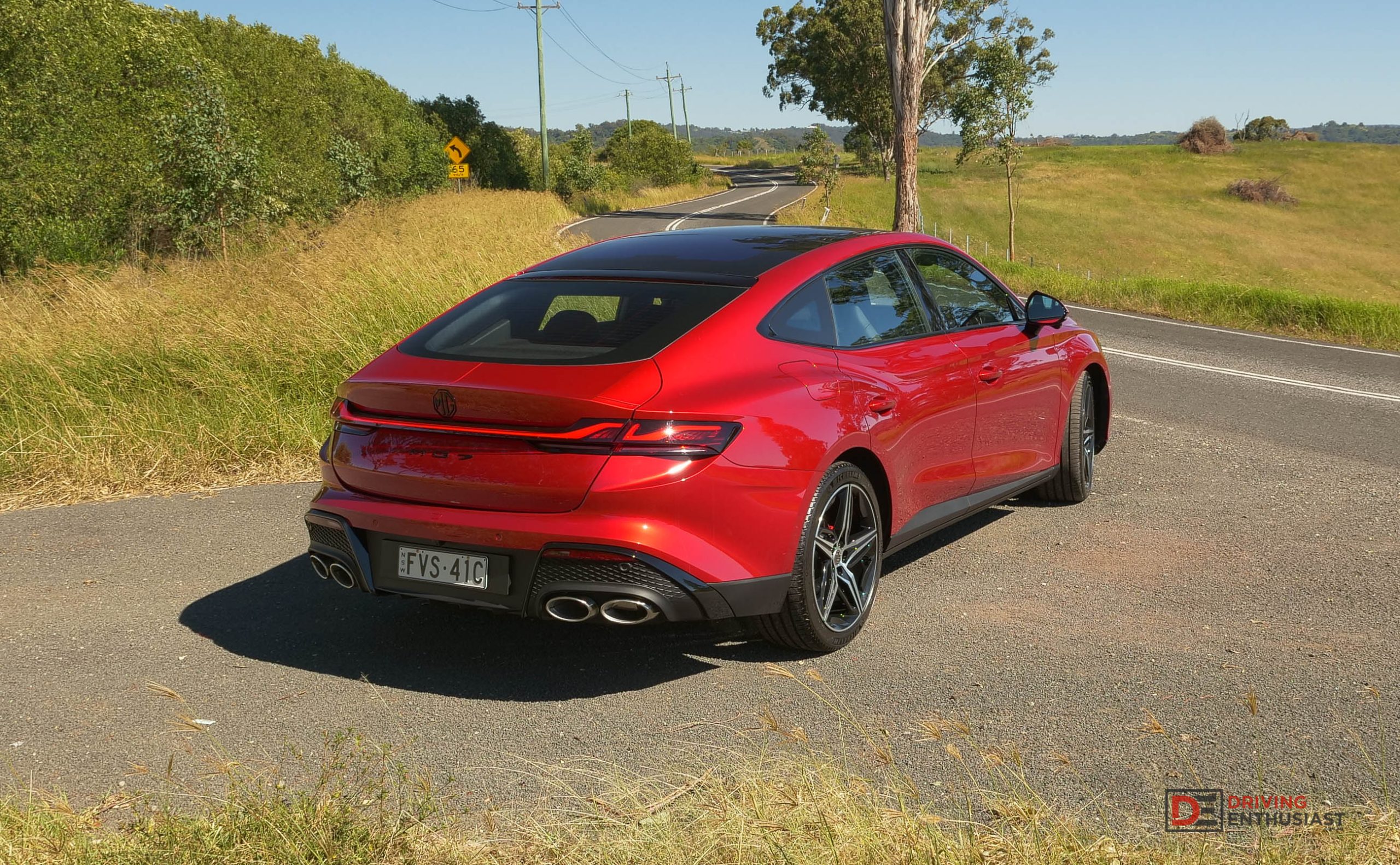
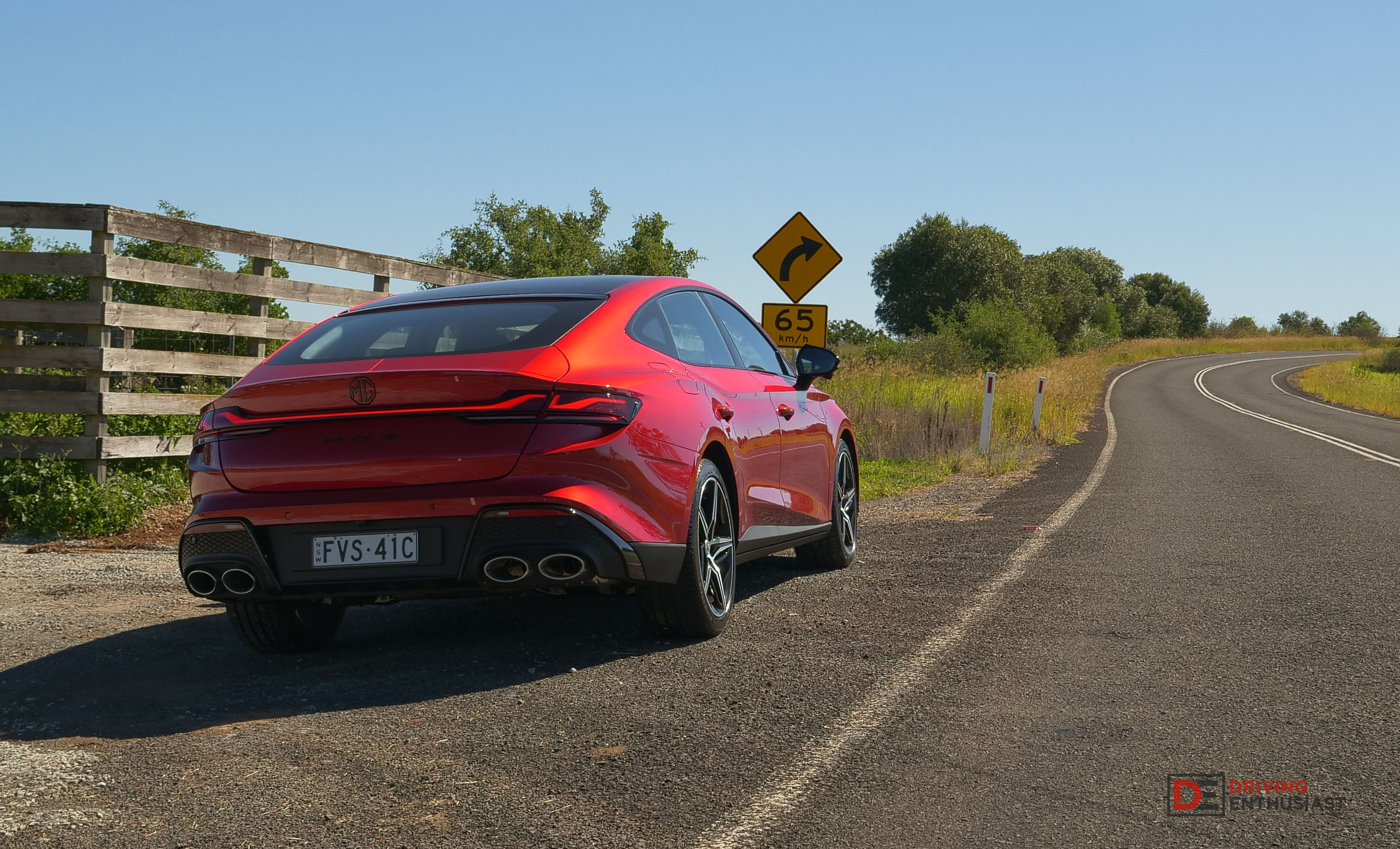
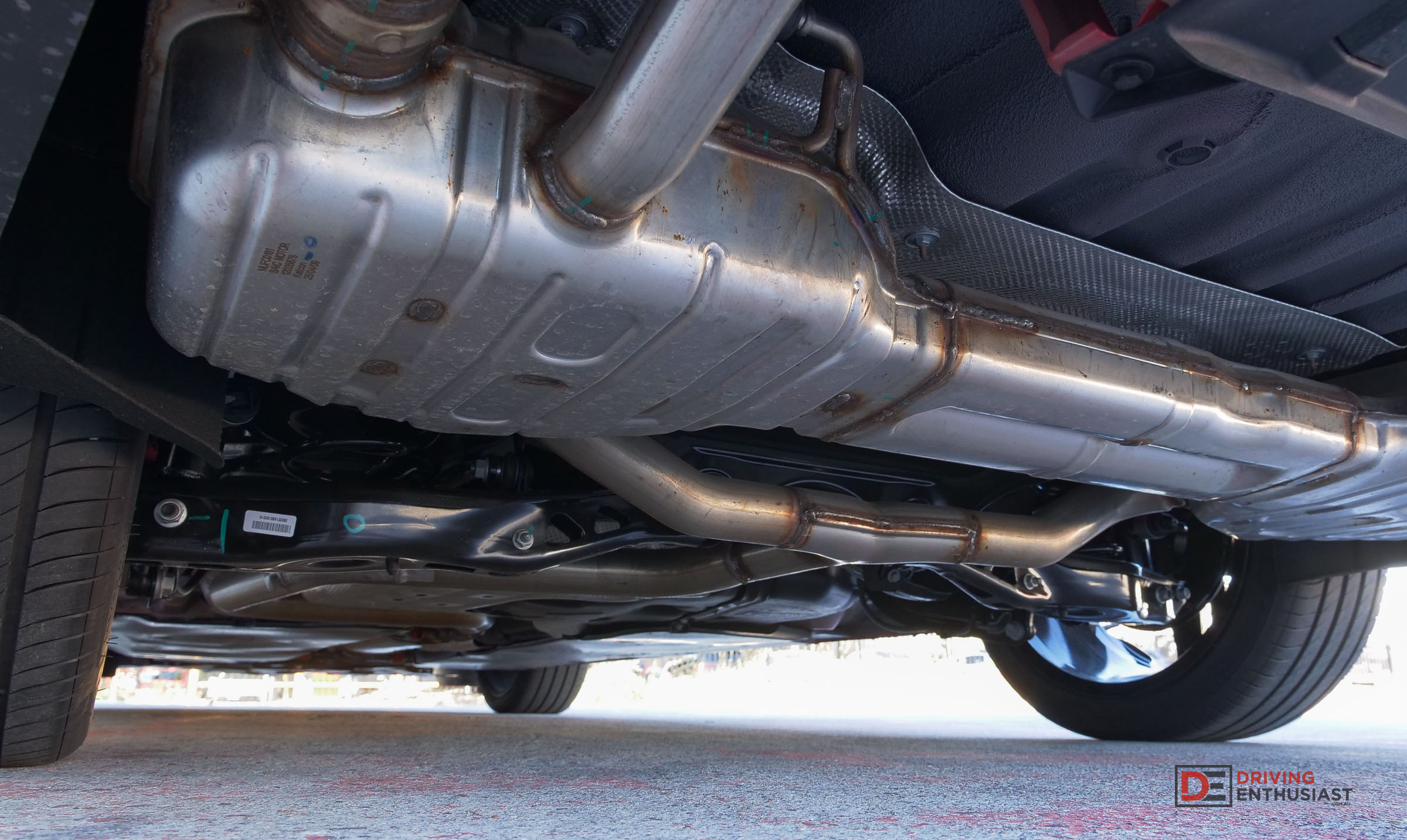
And yes, the variable quad exhaust system deserves mention. While it doesn’t quite deliver the spine-tingling soundtrack of your common Hyundai N performance sedan, it adds a welcomed, subtler layer of character that many mainstream turbocharged four-cylinders omit today.
What surprises us most, however, is the chassis tuning. The MG7 handles remarkably well. Adaptive suspension allows it to comfortably switch between relaxed cruising and firmer body control when pushing harder through corners. In softer settings it absorbs imperfections impressively for a low-slung sedan, while the firmer modes tighten everything up without becoming too crashy or harsh.
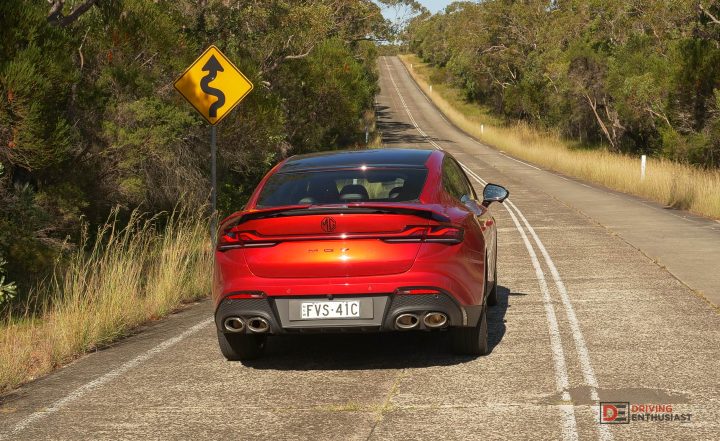
Grip levels are strong thanks to the Michelin E Primacy 245/40 tyres, and the electronic limited-slip differential helps pull the front end through tighter bends with confidence. Body control remains composed, steering response is sharp enough, and overall balance feels polished. In fact, there’s a level of engineering maturity here that many buyers likely won’t expect from MG.
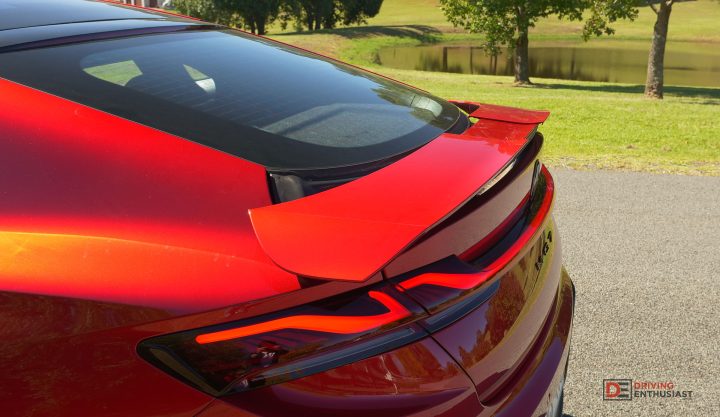
The adaptive three-stage rear spoiler adds another layer of distinctiveness. It certainly creates visual drama when deployed, though its operation timing seems to be rather random. Opening and closing in odd circumstances had us think it has a mind of its own. There is a manual activation button, but there always seemed to be a reason it denied the driver’s choice in timing. Taking a look at our external footage, showing the spoiler vibrating and shaking quite heavily, likely means this is more a visual enhancement than an aerodynamic one.
Fuel consumption is reasonable considering the performance focus and the lack of hybrid technology. The official average is 8.0L/100km, which is only just lower than the 213kW Sonata N Line with its 2.5L turbo (8.1L/100km), and much higher than the 195kW Skoda Octavia RS’s 2.0L turbo (7.0L/100km). It does have potential though as our real-world average was 7.8L/100km. It does require a minimum 95 RON diet.
2026 MG MG7 Essence: Key attractions/reasons to buy
- Genuinely engaging dynamics: Great chassis tuning, adaptive suspension and an electronic limited-slip differential create a surprisingly polished and sporty experience.
- Strong performance value: With 170kW, Michelin tyres, Bose audio, sunroof, 36-degree cameras, variable exhaust, and plenty of luxuries inside, all from just $44,990, you won’t see anything similar at this price point.
- Distinctive fastback styling: Frameless doors, ultra-aerodynamic contours, and a deployable rear spoiler give it real visual presence on the road.
- Comfortable long-distance cruiser: Supportive seats, decent ride comfort and a spacious cabin make it easy to live with daily.
2026 MG MG7 Essence: Key considerations before you buy
- Instrument cluster lacks variety: The digital driver display offers limited layout customisation, which feels restrictive in a car with such versatile attributes everywhere else.
- Active spoiler behaviour feels inconsistent: The electric rear spoiler adds theatre, though its deployment timing can feel random. And we doubt it adds any meaningful aero benefit as it vibrates quite harshly at speed.
- Still building brand credibility: Since MG shifted assembly and ownership to China, some buyers may remain hesitant about long-term durability, resale and refinement compared with established performance-oriented brands.
- Fuel economy: Although respectable at 8.0L/100km, the 213kW Hyundai Sonata N Line 2.5L turbo uses 8.1/100km, and the 195kW Skoda Octavia RS 2.0L turbo uses 7.0L/100km. Officially.
2026 MG MG7 Essence: Video
How does it rate against its rivals?
-
Price
-
Quality look & feel
-
Interior tech
-
Powertrain performance
-
Ride & handling
-
X factor (does it stand out in its class?)
Final word
Instead of relying on value alone, the MG7 shows real attention to the details that matter to keen drivers, with a well-sorted chassis, a characterful powertrain, and lots of customisation settings and modes to play with. The challenge for MG will be winning over car enthusiasts who still see the brand as primarily budget-focused.