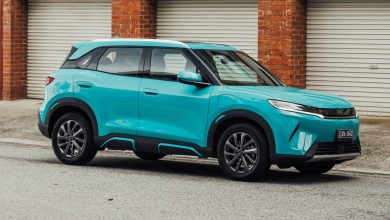
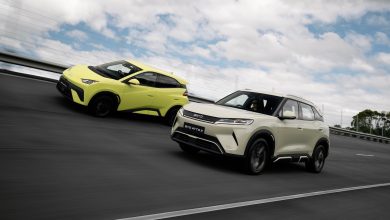
BYD is preparing a big overhaul for its entry-level Atto 2 compact SUV – known domestically as the Yuan UP – with recent Chinese spy shots and government homologation filings confirming a radical shift from front-wheel drive to a dedicated rear-wheel drive platform.
The mechanical pivot makes perfect sense for the Australian market. With the updated Atto 3 EVO slated to arrive in local showrooms in the coming months boasting an all-new 800-volt RWD architecture and a massive bump in power, the smaller Atto 2 is simply following suit.
Given the standard lead times from Chinese domestic launch to right-hand drive export production, it is entirely natural to expect this RWD Atto 2 to land in Australia sometime in early 2027.
Under the skin, the revised Atto 2 ditches its front-mounted traction motor entirely. In China, the vehicle will be offered with either a 100kW or 120kW rear-mounted electric motor, representing a slight output dip compared to the 130kW and 150kW front-drive units currently offered in global export markets.
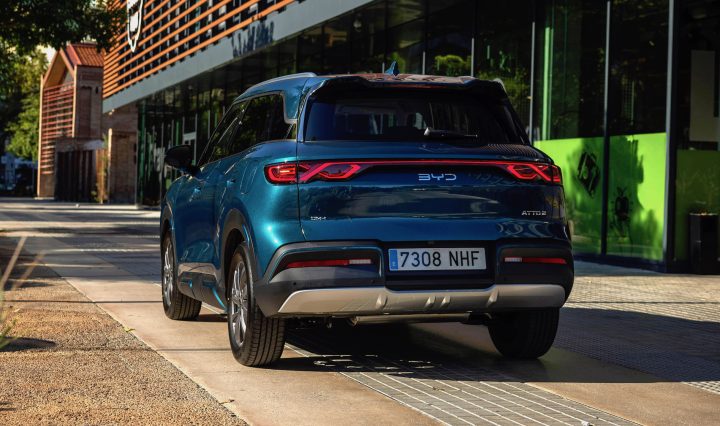
The chassis itself has been significantly revised to accommodate the rear-drive architecture, adopting a multi-link rear suspension setup that should comprehensively improve dynamic road-holding over the outgoing torsion-beam arrangement.
Visually, the most functional alteration is the relocation of the charging port. BYD has moved the plug from the front guard to the right-rear quarter panel – a direct response to owner complaints regarding the sheer annoyance of nose-in charging at public DC stations. The Chinese-market vehicles also gain the option of a roof-mounted LiDAR unit, integrating BYD’s advanced DiPilot 300 autonomous driving suite.
However, the updated powertrain brings a massive red flag regarding range and usability. Chinese Ministry of Industry and Information Technology (MIIT) filings indicate the RWD Atto 2 will utilise smaller 42.3kWh and 52.5kWh lithium iron phosphate (LFP) Blade battery packs, delivering an optimistic CLTC range of 410km and 505km.
More concerningly, it completely omits BYD’s latest high-speed flash-charging technology. If these smaller packs translate to the global models, the resulting drop in real-world WLTP range and sluggish DC fast-charging speeds could render the pure-electric Atto 2 uncompetitive against an onslaught of cheap Chinese rivals.
Fortunately for local buyers dealing with range anxiety, this electric-only update will have to share showroom floor space with the imminent Atto 2 DM-i (pictured). The plug-in hybrid variant is expected to arrive in Australia within months, combining a 1.5-litre four-cylinder petrol engine with an electric motor to effectively sidestep the charging infrastructure, while targeting the highly aggressive sub-$30,000 price segment.