

Love the idea of a stadium truck for the road? Well, the Deepal E07 Multitruck could be the closest thing; 600hp, long-travel and absorbent suspension, and properly fast.
Obviously the Ford Ranger Raptor is the closest thing for serious off-roading, but this is surprisingly enjoyable on the road. Once you understand (or get used to) its personality, which is actually hard to define; is it a ute or an SUV or a four-door coupe with extra ground clearance? Who knows.
Either way, there’s no denying it is interesting. You want to know more about it, don’t you? Because rather than squeezing into the crowded and tough dual-cab ute segment, this blends together other popular characteristics, such as efficiency, power, and practicality.

2026 Deepal E07 RWD: Specifications
Electrical: 90kWh NMC battery, 800V
Output: 252kW / 365Nm
Gearbox: Single-speed auto
Drive type: Rear-wheel drive
Wheels: F & R: 21×9.0, 265/45
ANCAP: Not tested
Tare weight: 2320kg
Power-to-weight: 9.20:1 (kg:kW)
Official average range (ADR/WLTP): 640km/550kmMax charging AC/DC: 7kW/240kW
0-60km/h: 3.84 seconds*
0-100km/h: 6.74 seconds*
60-110km/h: 3.86 seconds*
1/4 mile: 14.87 seconds at 162.9km/h*
Max acceleration: 0.627g*
100-0km/h braking: 38.49m in 3.04 seconds*
Max deceleration: -1.130g*
Starting price: $64,900
2026 Deepal E07 AWD Performance: Specifications
Electrical: 90kWh NMC battery, 800V
Output: 440kW / 645Nm
Gearbox: Single-speed auto
Drive type: All-wheel drive
Wheels: F & R: 21×9.0, 265/45
ANCAP: Not tested
Tare weight: 2450kg
Power-to-weight: 5.56:1 (kg:kW)
Official average range (ADR/WLTP): 590km/510kmMax charging AC/DC: 7kW/240kW
0-60km/h: 2.56 seconds*
0-100km/h: 4.32 seconds*
60-110km/h: 2.35 seconds*
1/4 mile: 12.61 seconds at 180.3km/h*
Max acceleration: 0.934g*
100-0km/h braking: 35.27m in 2.96 seconds*
Max deceleration: -1.458g*
Starting price: $73,900*Figures as tested by Driving Enthusiast on the day. Manufacturers’ claims may be different
2026 Deepal E07: How much does it cost?
Available in rear-wheel drive and all-wheel drive forms, and priced from just $64,900 and $73,900, respectively (excluding on-roads), it presents as a relatively accessible option given its size and fully electric underpinnings; EV alternatives typically command a significant premium over combustion-powered equivalents.
And this isn’t a half-arsed attempt like the LDV eT60 and upcoming HiLux EV with their minuscule ranges. This is stamped at 550km for the RWD and 510km for the AWD on the WLTP cycle. NEDC ratings are a bit higher, at 640km and 590km.
Obviously, the biggest potential concern is the brand. What is Deepal, how long will it be around in Australia, and what’s the service and parts network like? There’s also a question mark over resale value. But, if you’re willing to be a bit of a test guinea pig, this could be a fun and interesting package. Deepal provides a 7-year/160,000km warranty and one-year roadside assistance.

2026 Deepal E07: Interior & packaging
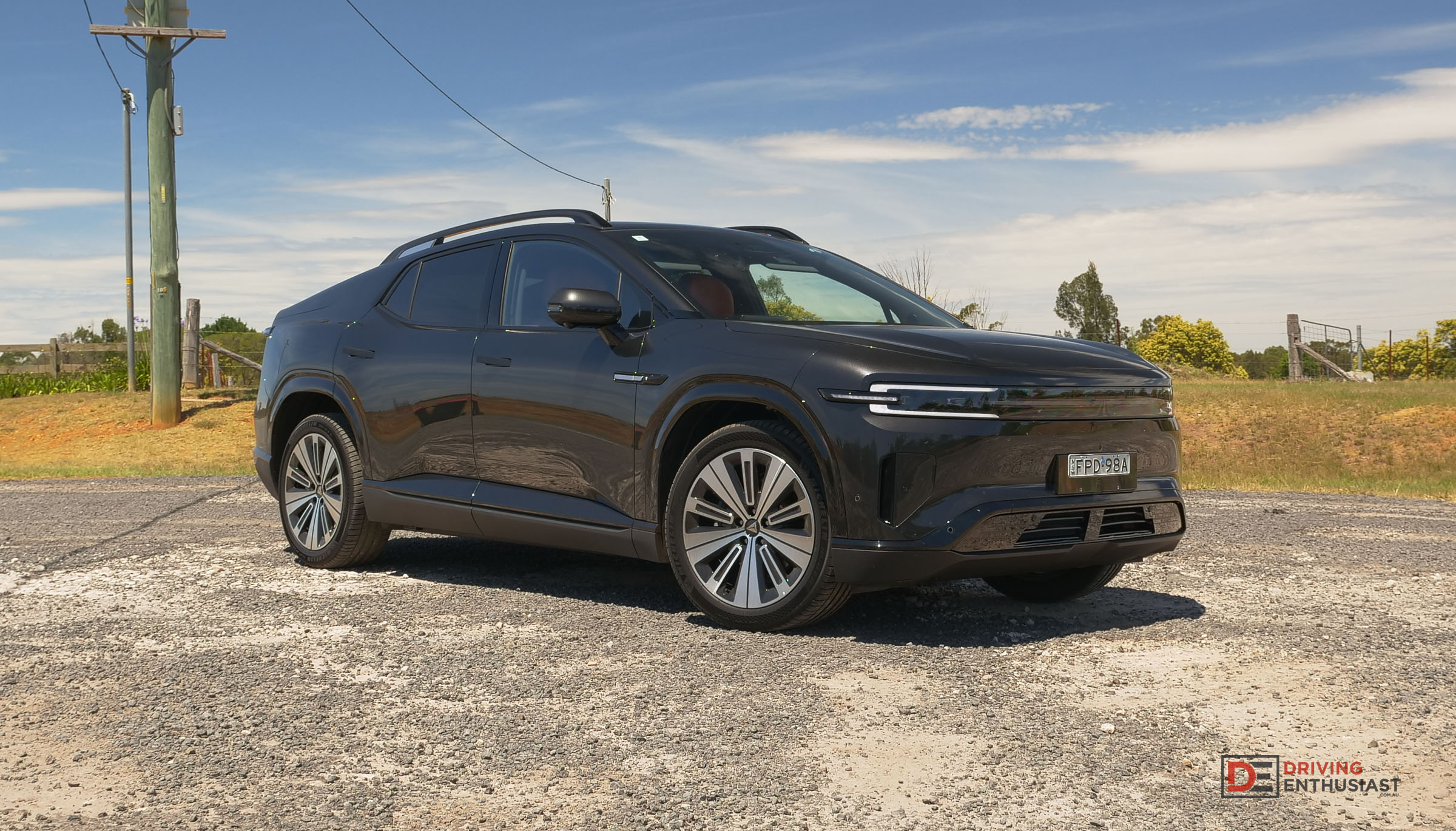
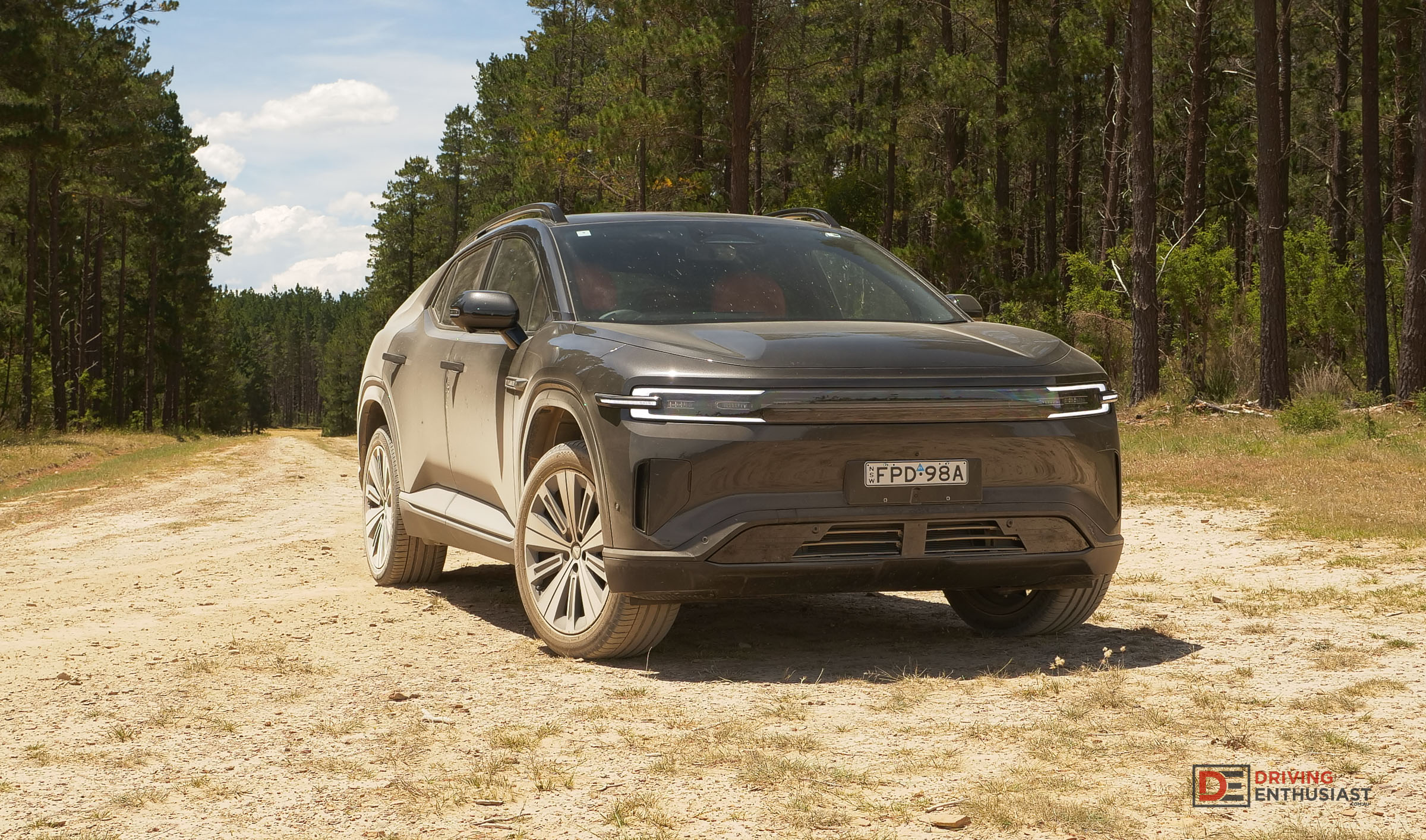
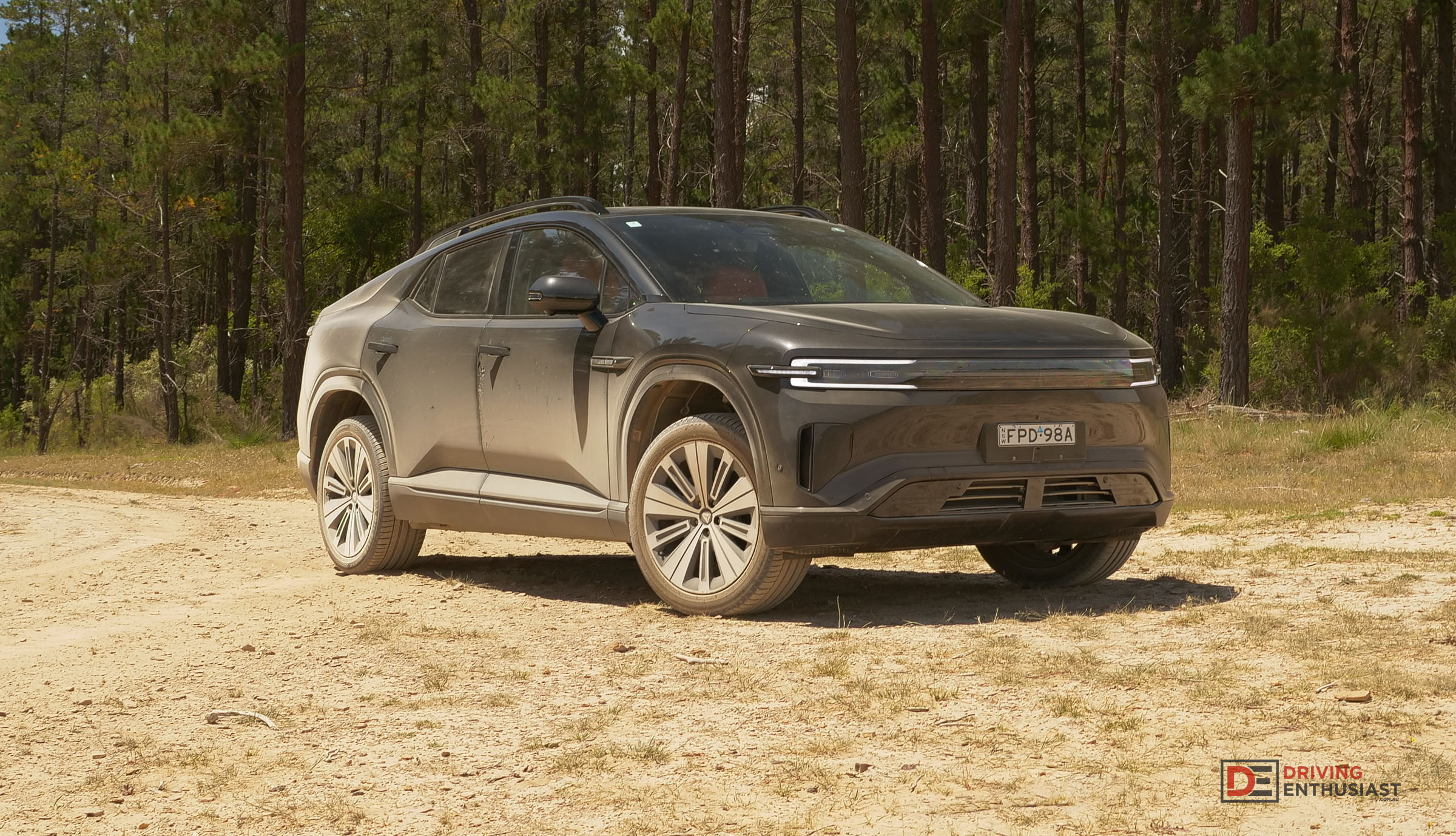
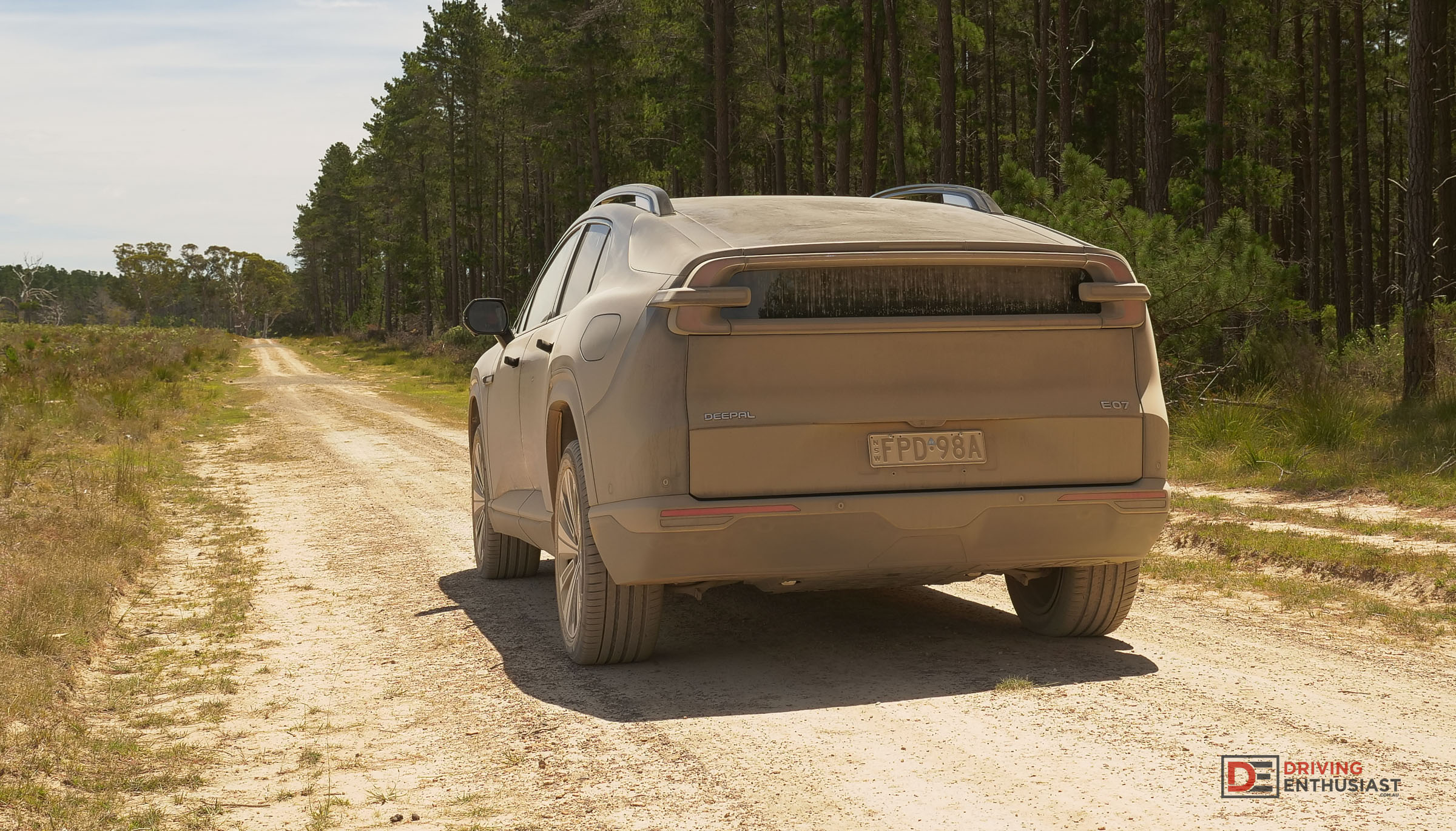
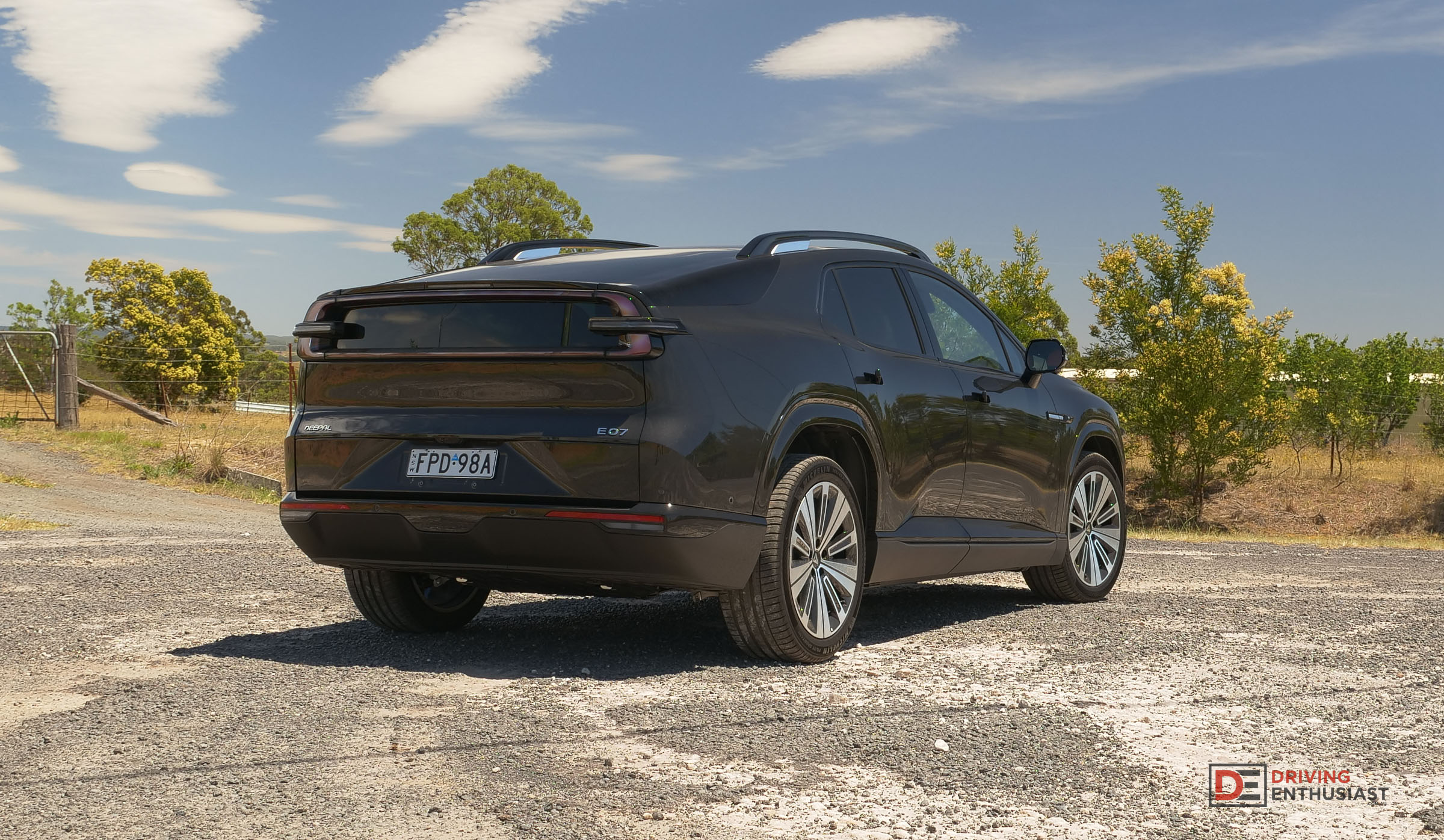
Visually, the E07 leans heavily into a coupe-SUV aesthetic, with a sleek roofline and relatively clean, modern panel contours. No awkward corners or unusual fixtures. It doesn’t look like a traditional ute, nor does it fully resemble a conventional SUV – which is very much the point.
More than anything, though, the design reflects its intended purpose. This is not a workhorse, despite the “Multitruck” label. Instead, it’s aimed at buyers who want versatility for lifestyle use. In other words, something that can carry sporting or camping gear on the weekend but remain comfortable and refined during the week. You can put your shopping in the back and it won’t smash around against a steel tub, like in conventional utes.
But then inside, the E07 immediately sets a strong impression. This is modern and surprisingly premium, with soft-touch materials everywhere and solid overall fit and finish. It leans more toward a lounge-like SUV environment than anything resembling a traditional ute interior.
Unfortunately, most controls and functions are found within the massive 15.6-inch laptop stuck on the dash. Changing the steering column adjustment, checking the vehicle speed, and adjusting pretty much anything involves diving into the screen and digging around in multiple menus. Not ideal, in our opinion, especially while on the go.

Seat comfort is superb, with plush cushioning and a natural driving position making it feel like a relaxed long-distance land yacht. Noise suppression is also impressive, with very little road or wind intrusion into the cabin, and very little in terms of trim rattles and squeaks. You’ve also got more than enough passenger space in the front and back; this is huge.
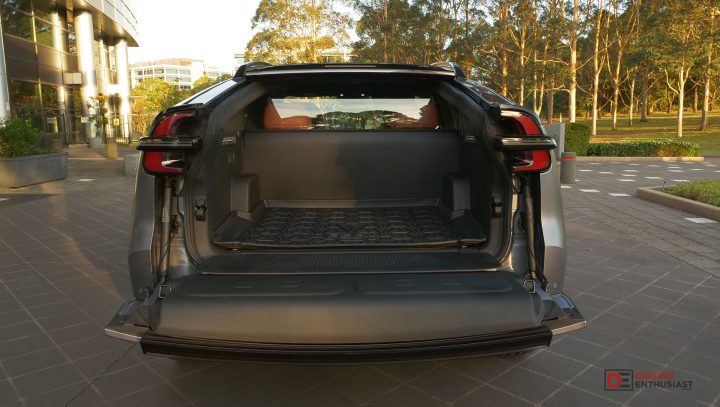
Where the E07 really differentiates itself is in its rear architecture. The transformable tailgate, folding bulkhead and canopy system is genuinely clever, allowing the vehicle to switch between enclosed SUV-style cargo space and an open, ute-like load area. It’s not intended as a heavy-duty work solution as you’ve got plastic boards and lining for the tub, but it seems durable enough for mucky sporting or camping gear and light tools.

With a modest 1500kg braked towing capacity and comparatively low GVM ratings (2930kg for RWD, 3050kg for AWD), and considering these are not light in weight (2320kg and 2450kg, respectively), most utes and large SUVs do offer better towing and carrying capability.
You’ve got a 524L ‘boot’, expanding to 1654L with the bulkhead folded down. Yes, you can fold down the rear bulkhead so the ‘tray’ or tub area essentially becomes part of the interior. It means you loose the rear seats, and if you have the canopy open, weather can get inside. But, say you’re transporting a mountain bike or surfboards, it means you can feed them through. Not something you can do in a standard ute.

2026 Deepal E07: Powertrain & handling
The E07 is offered with two distinct powertrains, and the difference between them is significant. The single-motor rear-wheel drive variant produces 252kW and offers strong, confident performance that feels more than adequate for a vehicle of this size. We clocked 0-100km/h in 6.74 seconds. It’s smooth, linear and easy to drive in everyday conditions.
Step up to the twin-motor all-wheel drive version, however, and the character changes dramatically. With a combined output of 440kW, it delivers genuinely serious acceleration – the kind that pushes you back into the seat with real force. It feels closer to a high-performance SUV, or even a super sports car from not that long ago, rather than anything resembling a ute. We timed 0-100km/h in 4.32 seconds with our Vbox.
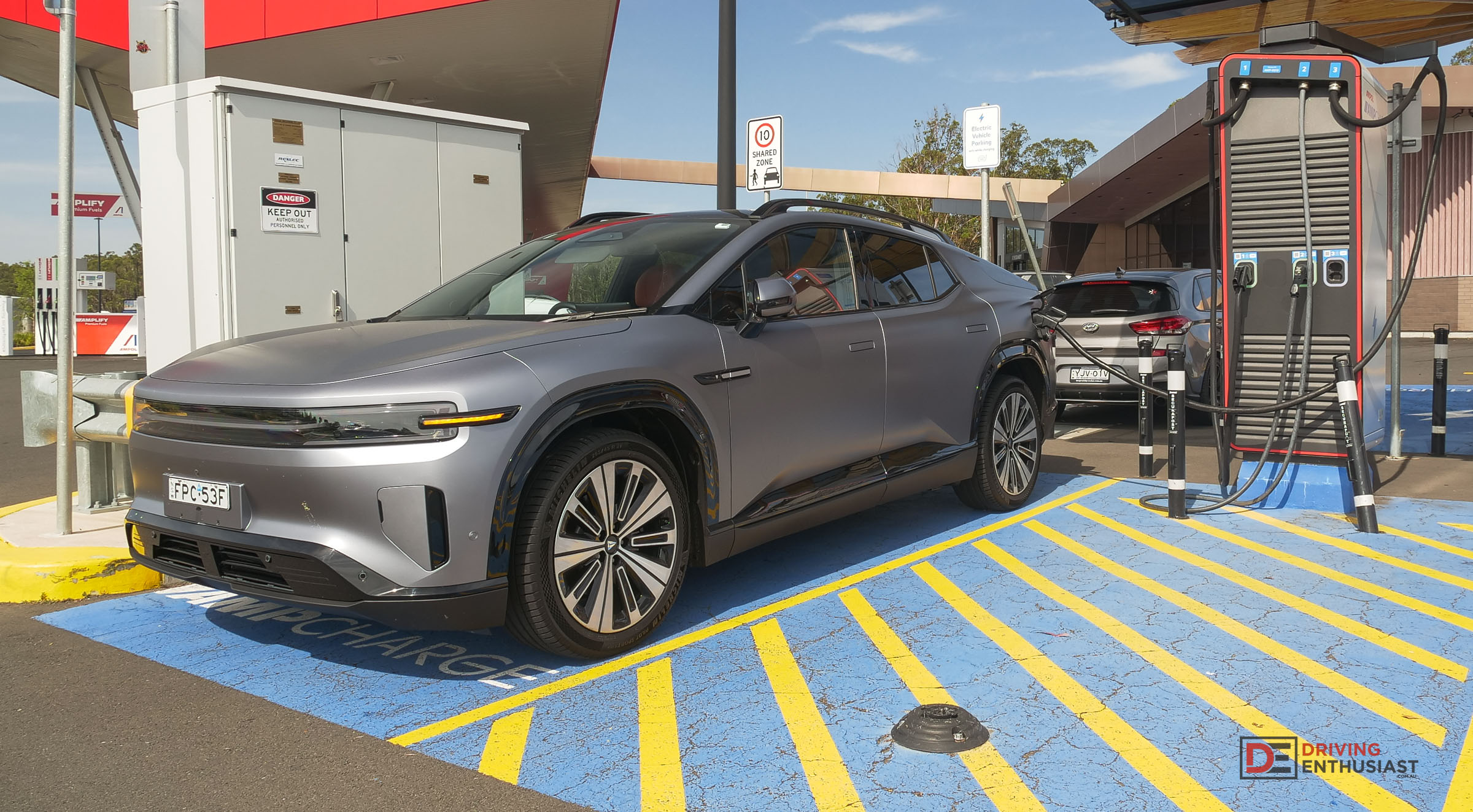
Both variants are underpinned by a 90kWh battery and an 800V electrical system, supporting fast charging up to 240kW and solid real-world usability. Given the vehicle’s size and performance potential, the overall efficiency and range figures appear competitive. And in the real world, the on-board range calculator seems to be quite realistic and not over optimistic like some EVs.

On the road, the E07 prioritises comfort. The suspension is notably soft, delivering a cushy ride that works well on Australian country roads and broken surfaces. It soaks up imperfections effectively and contributes to the E07’s relaxed cruising nature. However, that softness does come with trade-offs.
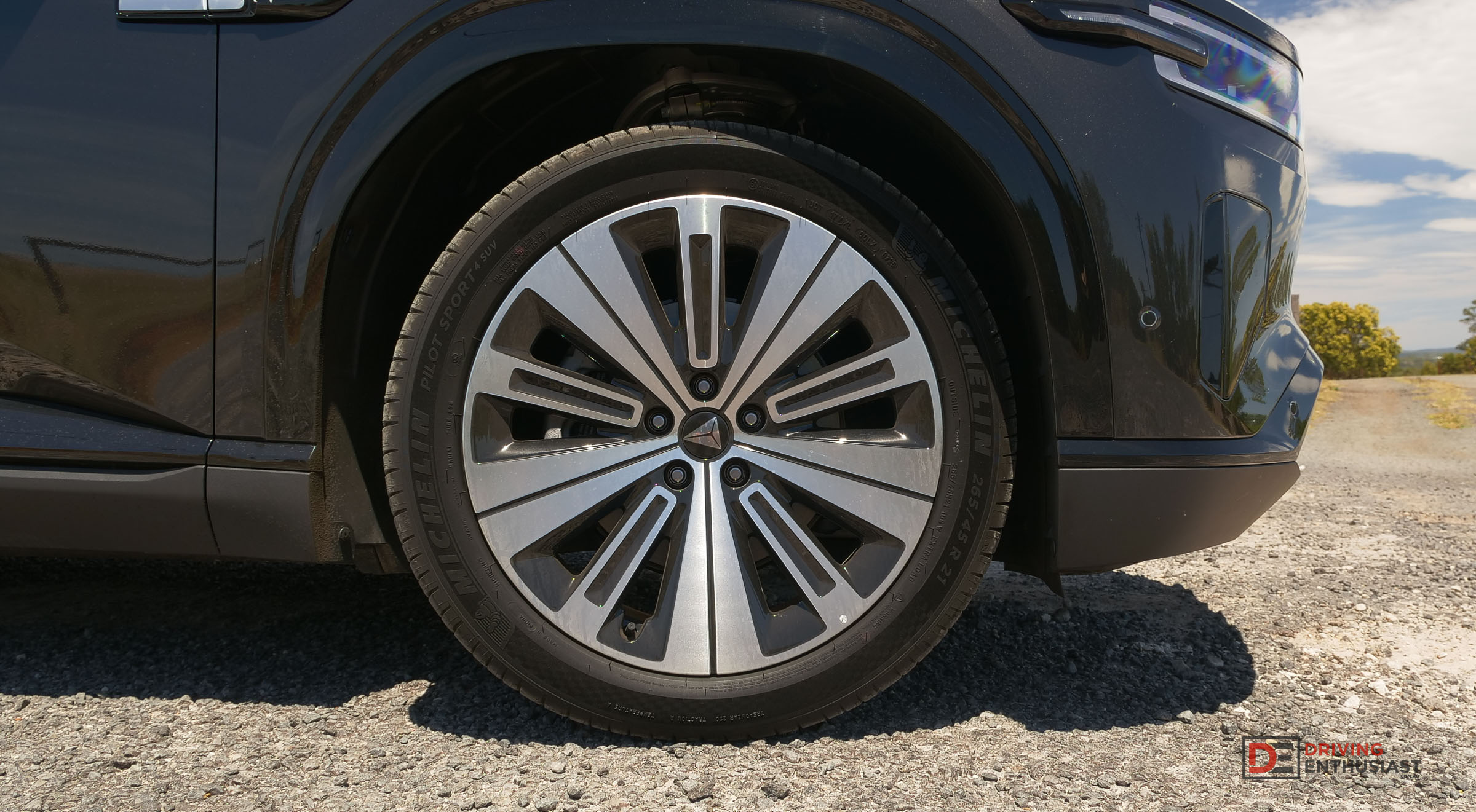
Under braking and through corners, there’s a noticeable amount of body movement, with the vehicle tending to pitch and lurch a lot. At times, it can feel reminiscent of a large, softly-sprung American pickup truck, particularly when driven with more intent. It’s good to see it does wear Michelin 265/45 tyres front and rear, on both variants, so there’s no shortage of grip. Even if you pin it right at the apex of a corner in the RWD model, with ESC off, it doesn’t budge.

The combination of large 21-inch wheels and low-profile tyres feels somewhat at odds with the vehicle’s supposed dual-purpose nature. For a vehicle that presents as part-ute, part-SUV, the setup is more road-focused than rugged. Even so we took the RWD model onto the dirt to see how it shaped up. And, aside from the crazy-fun slide angles that are achievable, the ride and grip levels seem well-suited. Because of the soft suspension, it can soak up little bumps and rough surfaces. And then due to the 2.3-2.4 tonne kerb weight, it always feels planted. You can raise the suspension for more ground clearance too, from within the touch-screen of course.
Some of the driver assist systems and safety warnings and all of that could do with further calibration in our opinion, as typical these days, and the adaptive cruise control has some delays and quirks. But, it is relatively easy to turn most of the safety stuff off from the main screen. But overall, it is sure-footed and feels safe and sturdy behind the wheel. Once you get used to the body movement, which does eventually hit a limit.

2026 Deepal E07: Key attractions/reasons to buy
- It is very interesting: In a sea of common EV mid-size crossovers and super-rugged 4×4 utes, the E07 lands somewhere in the middle. But it is genuinely interesting. You want to know more about it.
- Not expensive: For the power and performance, and sheer level of features and practicality, this is cheap.
- Space: One of the biggest ‘ute’ cabins on sale under the $100k mark. And lots of useable storage inside.
- Fast: Like most EVs, this is quick. Especially in 440kW AWD form.
2026 Deepal E07: Key considerations before you buy
- Deepal what? This is a very new brand in Australia, and with that there is very little reliability, resale value, parts and support network history to draw from.
- Boot or tray: The rear cargo area tries to blend the best of both worlds in terms of ute and SUV, but’s it’s kind of too big for your groceries and not heavy-duty enough for dirty tools.
- Body lean: It leans like a stadium truck, with lots of pitch and lurching during braking and accelerating. There is a ‘getting used to it’ period to go through.
- Safety systems: As usual, the calibration of the safety systems could do with fine-tuning.
2026 Deepal E07 Multitruck: Videos



How does it rate against its rivals?
-
Price
-
Quality look & feel
-
Interior tech
-
Powertrain performance
-
Ride & handling
-
X-factor (does it stand out in its class?)
Final word
It’s one of those vehicles that you’d love to hate, but you end up loving it. Mainly because it is so different, but functionally practical and trending (it’s almost a ute). And then inside is surprisingly refined and luxurious, yet its jack-hammer force puts a grin on your face (in AWD form). To top it off, it’s not actually that expensive. Could you imagine Ford or Toyota offering an equivalent package? Prices would be north of $100k.


