

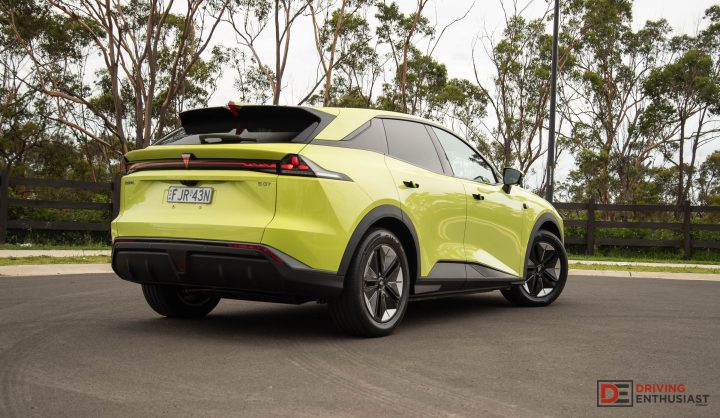
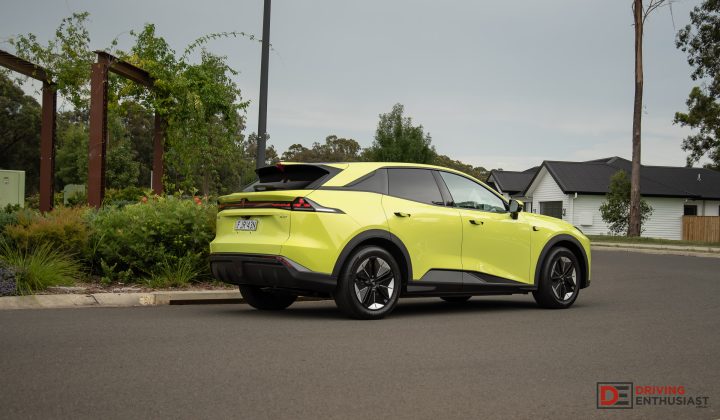
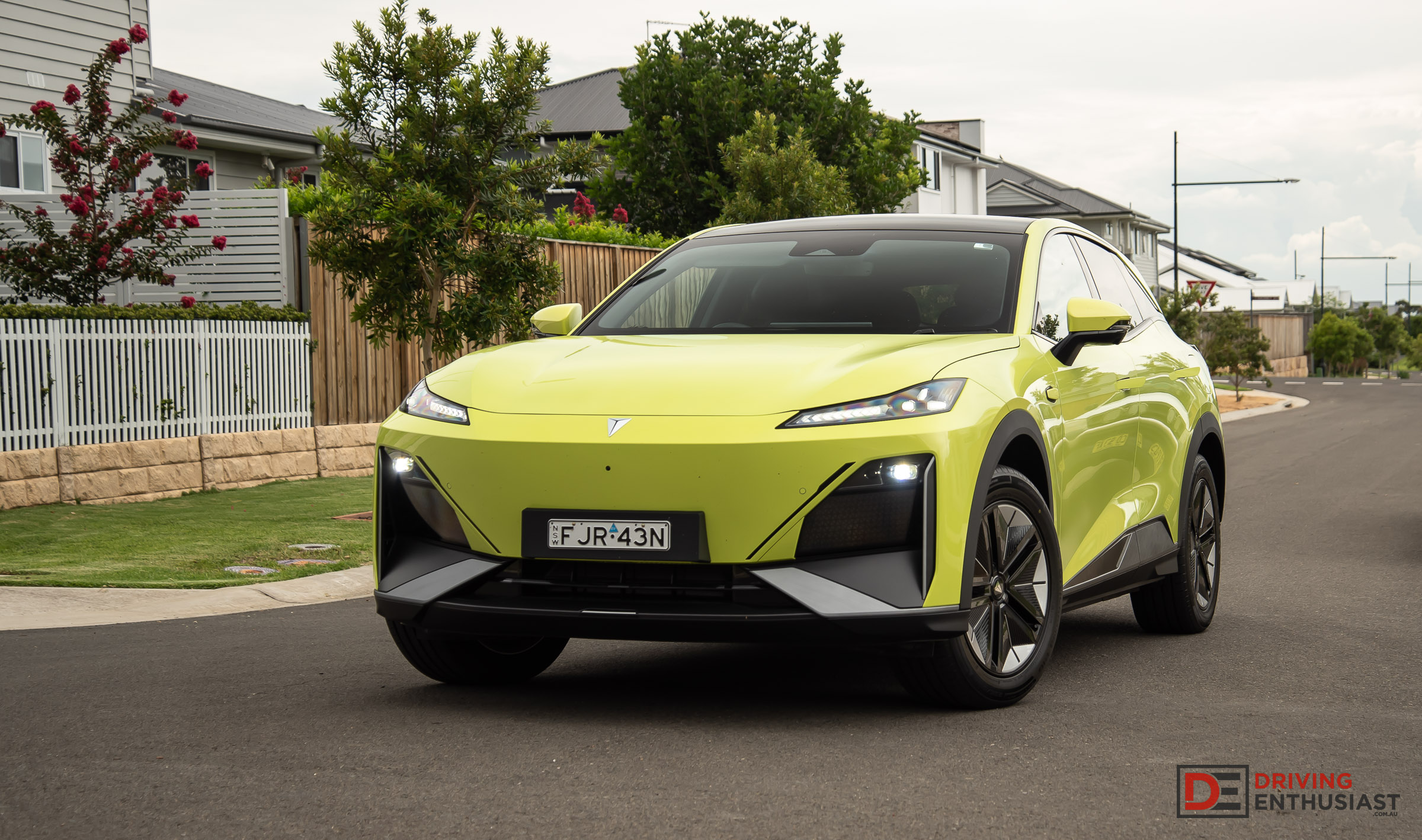
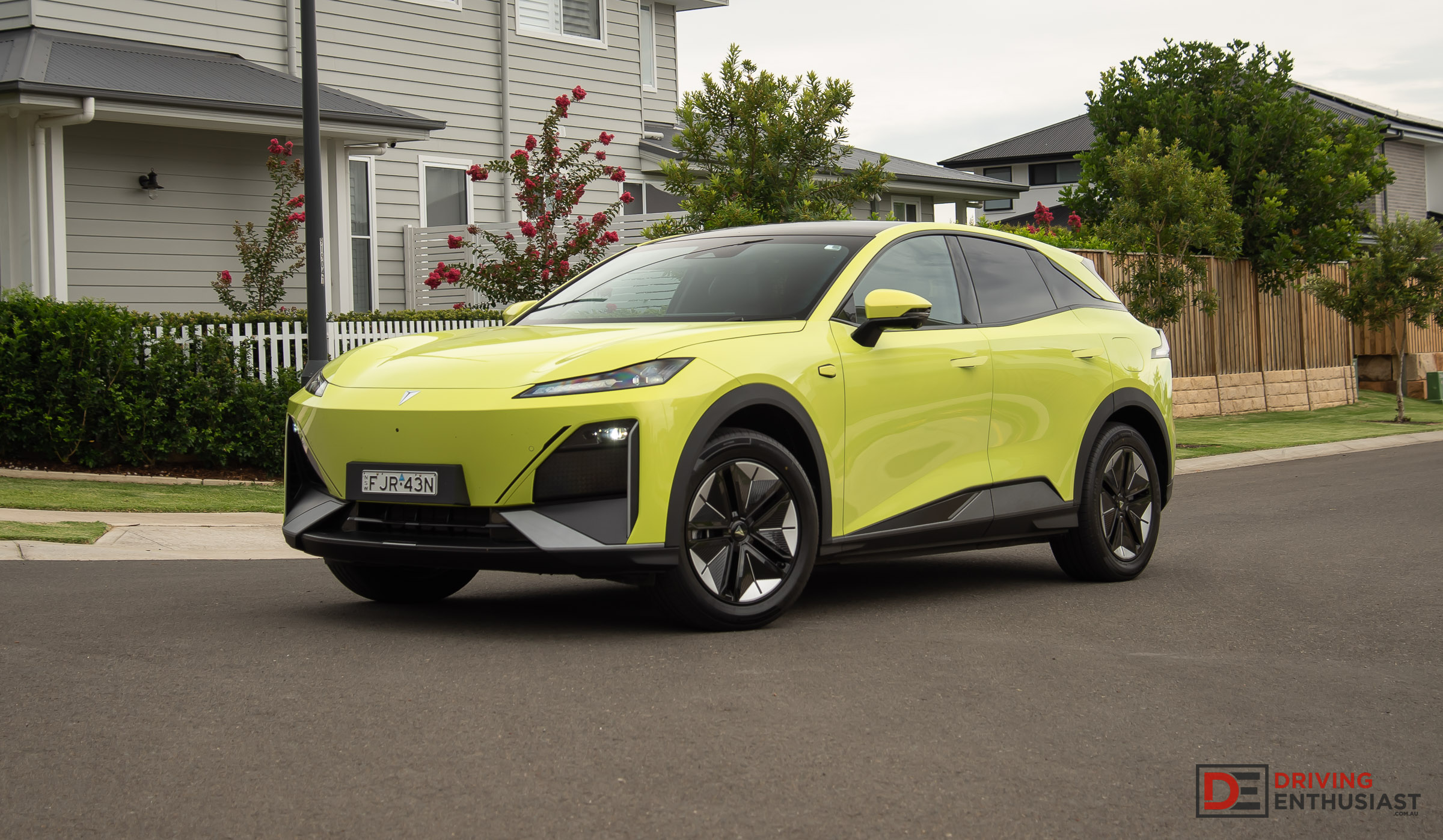
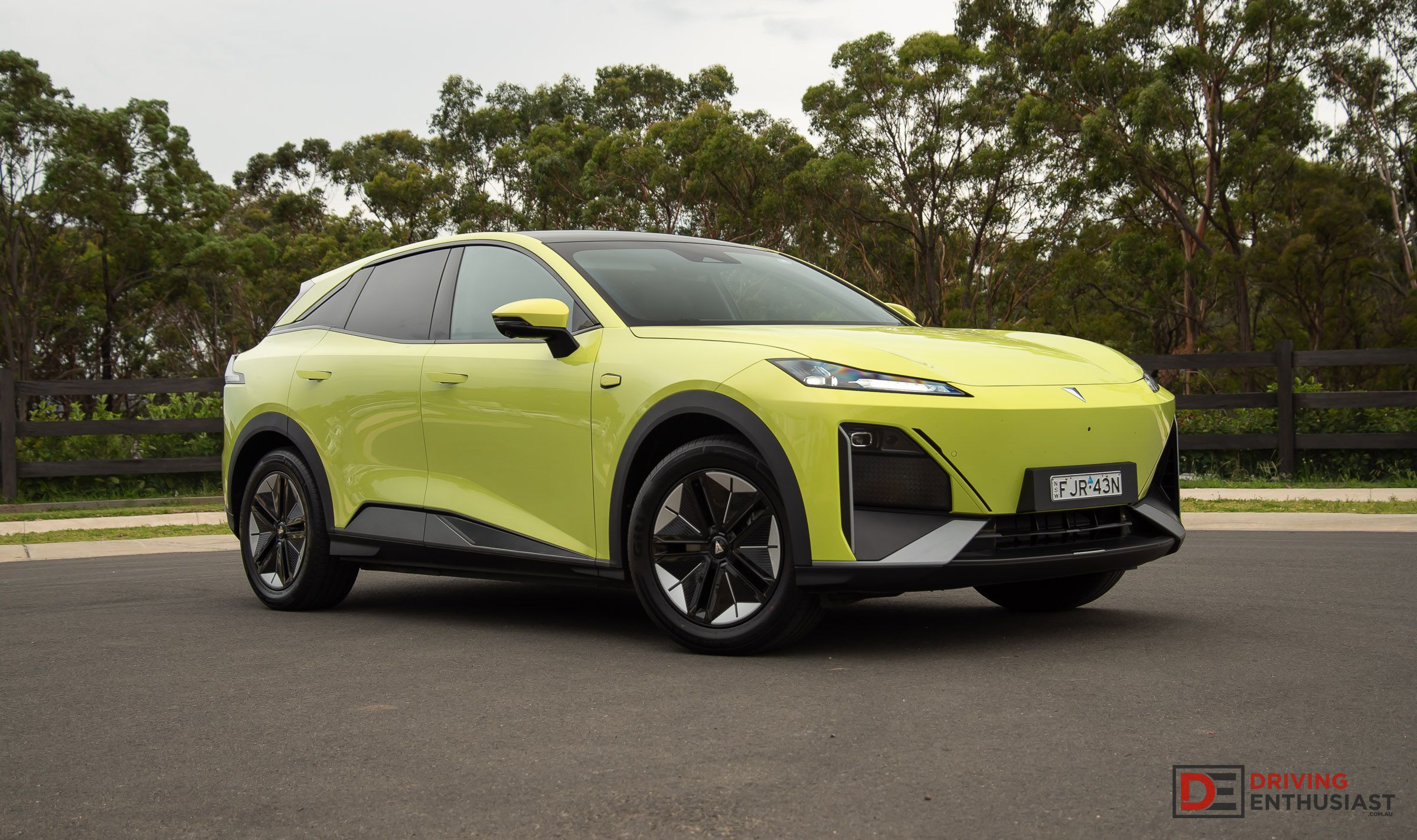
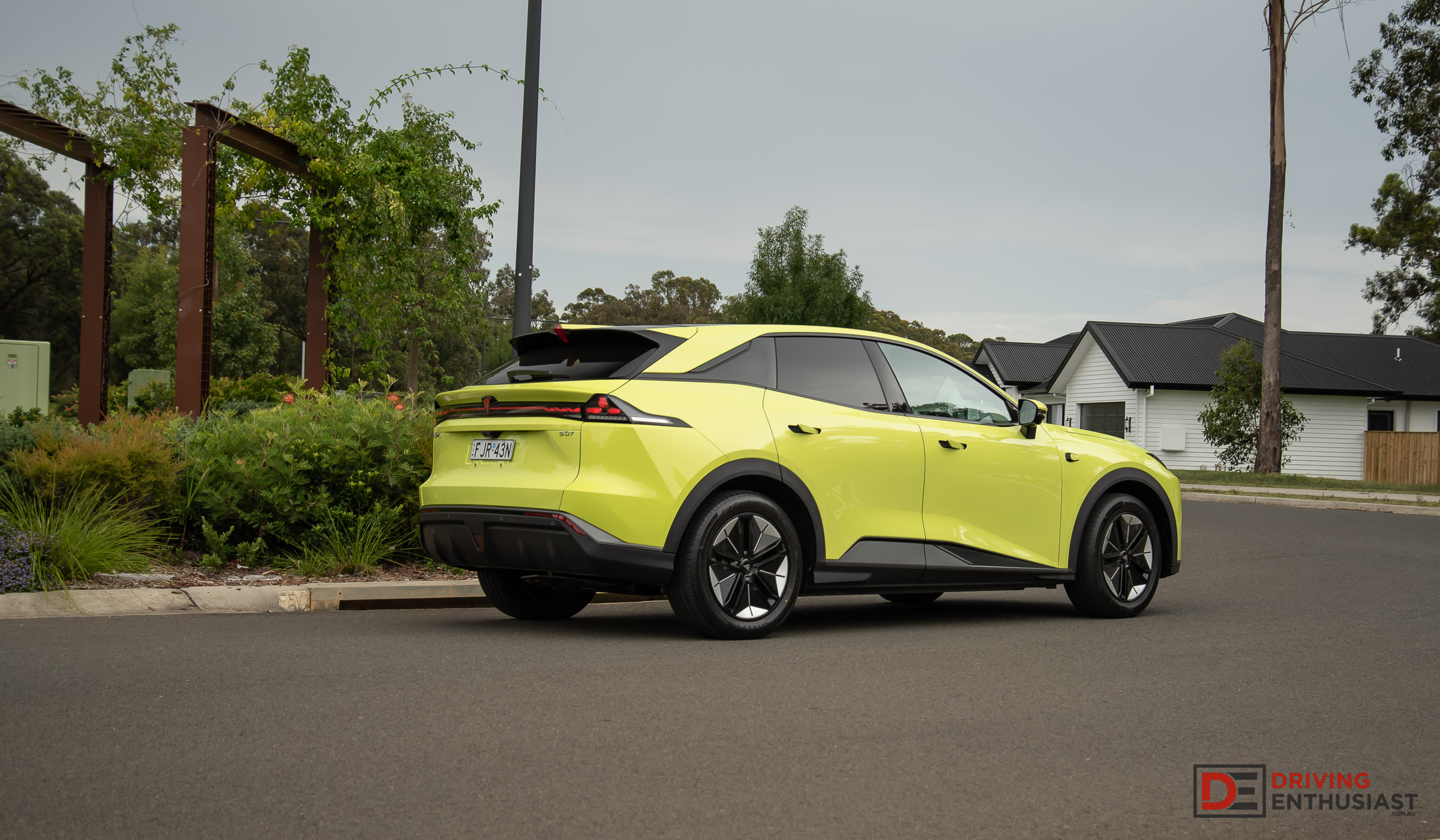
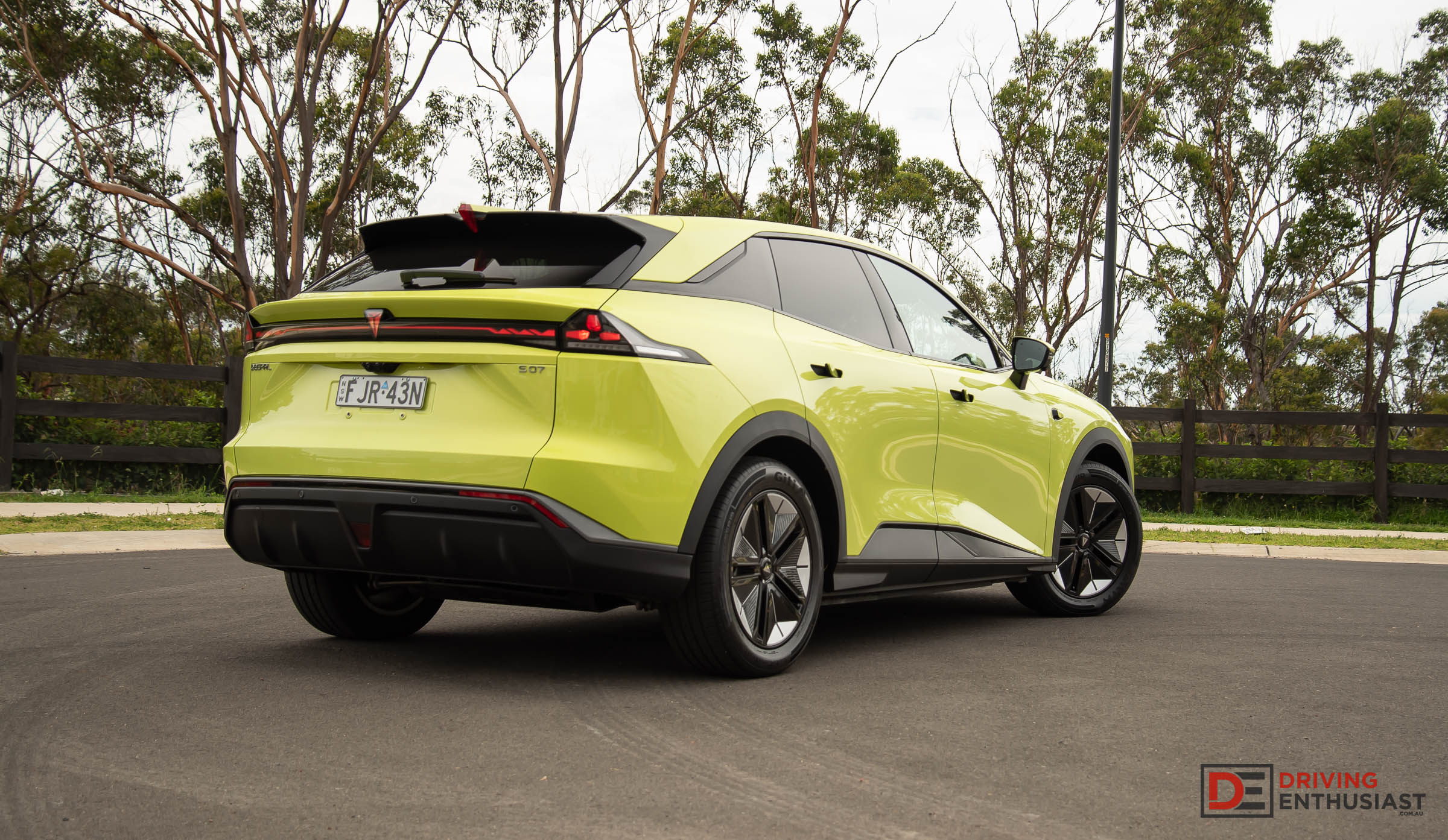
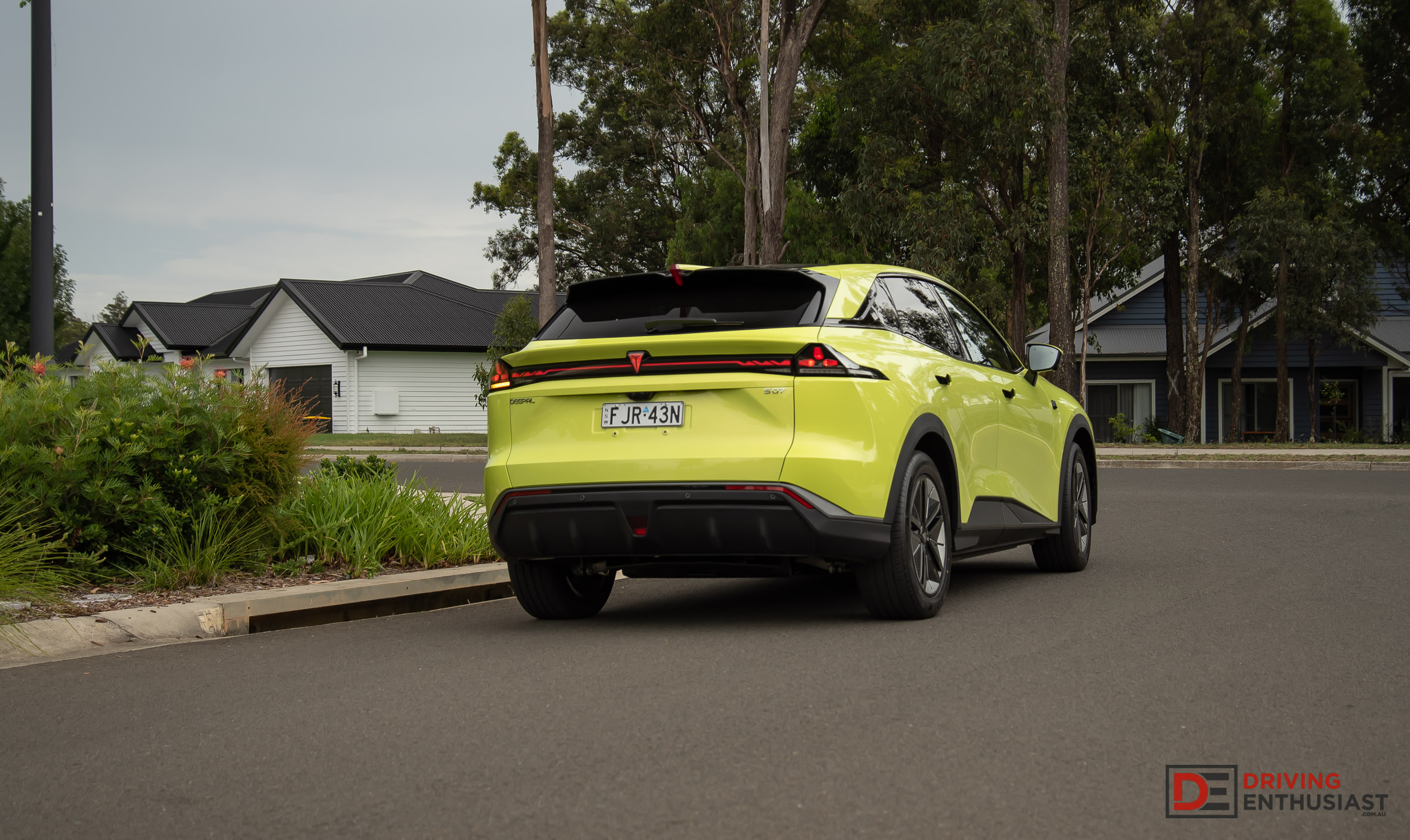
Yep, another new electric vehicle brand from China has landed in Australia. This one is called Deepal, and it is launching with an intriguing fully electric SUV called the S07.
Developed by automaker Changan Automobile, the S07 is a sporty-inspired mid-size electric SUV blending design, a technology-rich cabin, and competitive pricing. But does it have what it takes to stand out in what is becoming a very crowded segment?
2025 Deepal S07: Specifications
Battery: 79.97kWh
Output: 160kW / 320Nm
Gearbox: Single-speed auto
Drive type: Rear-wheel drive
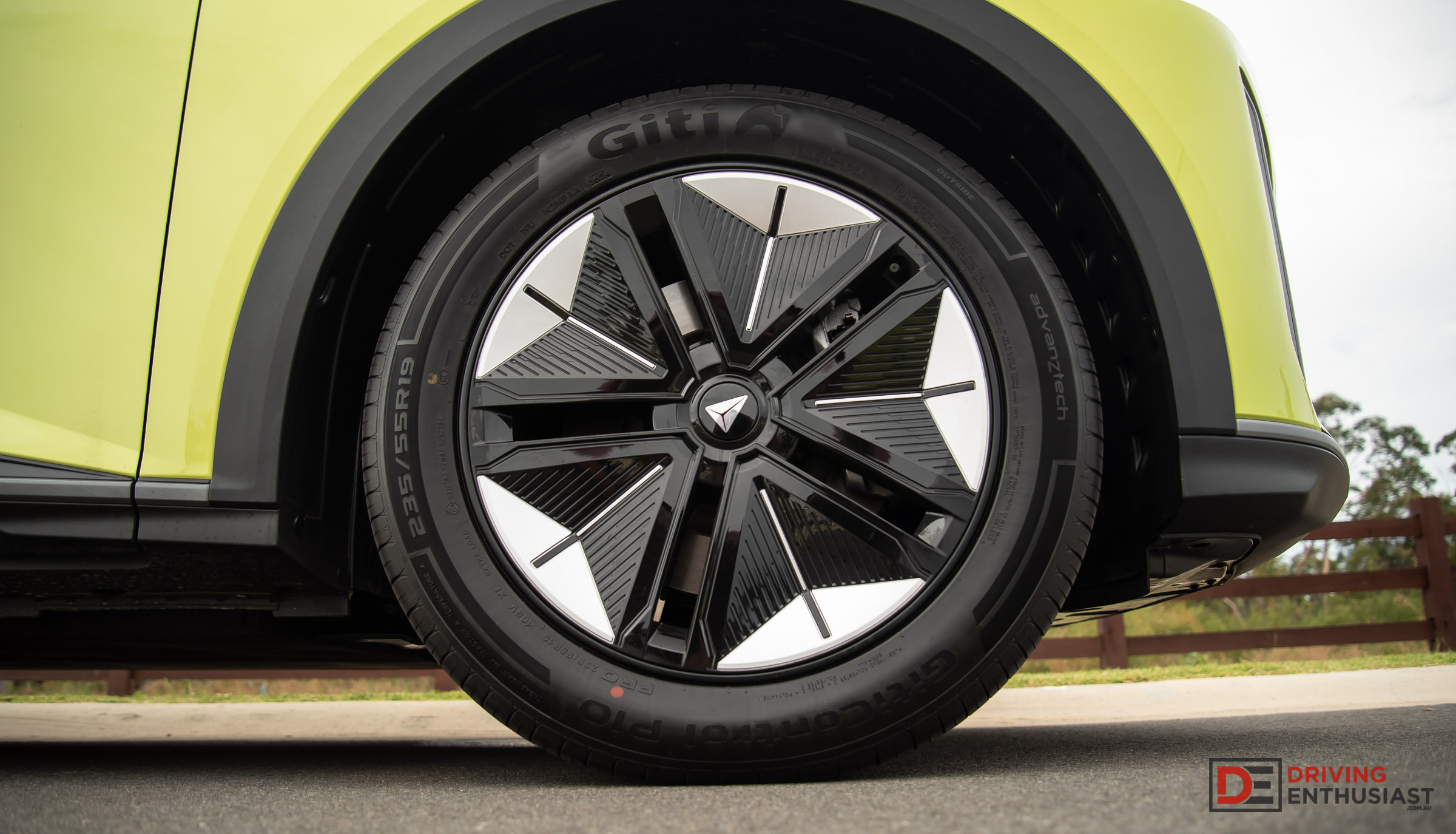
Wheels: F & R: 19×8.0, 235/55
ANCAP: Five stars
Tare weight: 2073kg
Power-to-weight: 12.95:1 (kg:kW)
Official range (WLTP): 475kmMax charging AC/DC: 11kW/92kW
0-60km/h: 3.94 seconds*
0-100km/h: 7.60 seconds*
60-110km/h: 4.96 seconds*
1/4 mile: 15.72 seconds at 146.4km/h*
Max acceleration: 0.856g*
100-0km/h braking: 40.75m in 3.28s*
Max deceleration: -1.265g*
Starting price: $53,900
*Figures as tested by Driving Enthusiast on the day. Manufacturers’ claims may be different
2025 Deepal S07: How much does it cost?
With just the single trim level and model line, the S07 showroom is as simple as it gets. Prices start from $53,990 (excluding on-roads). Deepal is providing a 7-year/160,000km warranty, 8-year/240,000km battery warranty, and 12 months road-side assistance.
Servicing is every 10,000km or six months, following an initial service at 5000km, with prices capped between $203 and up to $710 for 7.5 years or 75,000km, whichever comes first.
It’s a relatively competitive package, especially when you factor in the standard features and luxuries inside. Most rivals from established brands that offer an equivalent setup are priced from $60,000 or more.
2025 Deepal S07: Interior & packaging
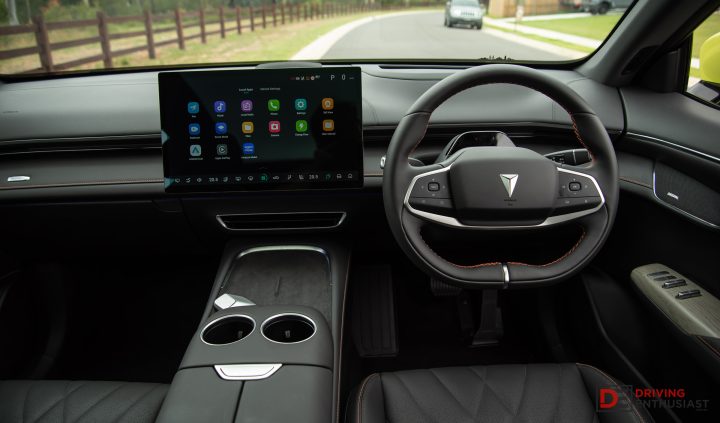
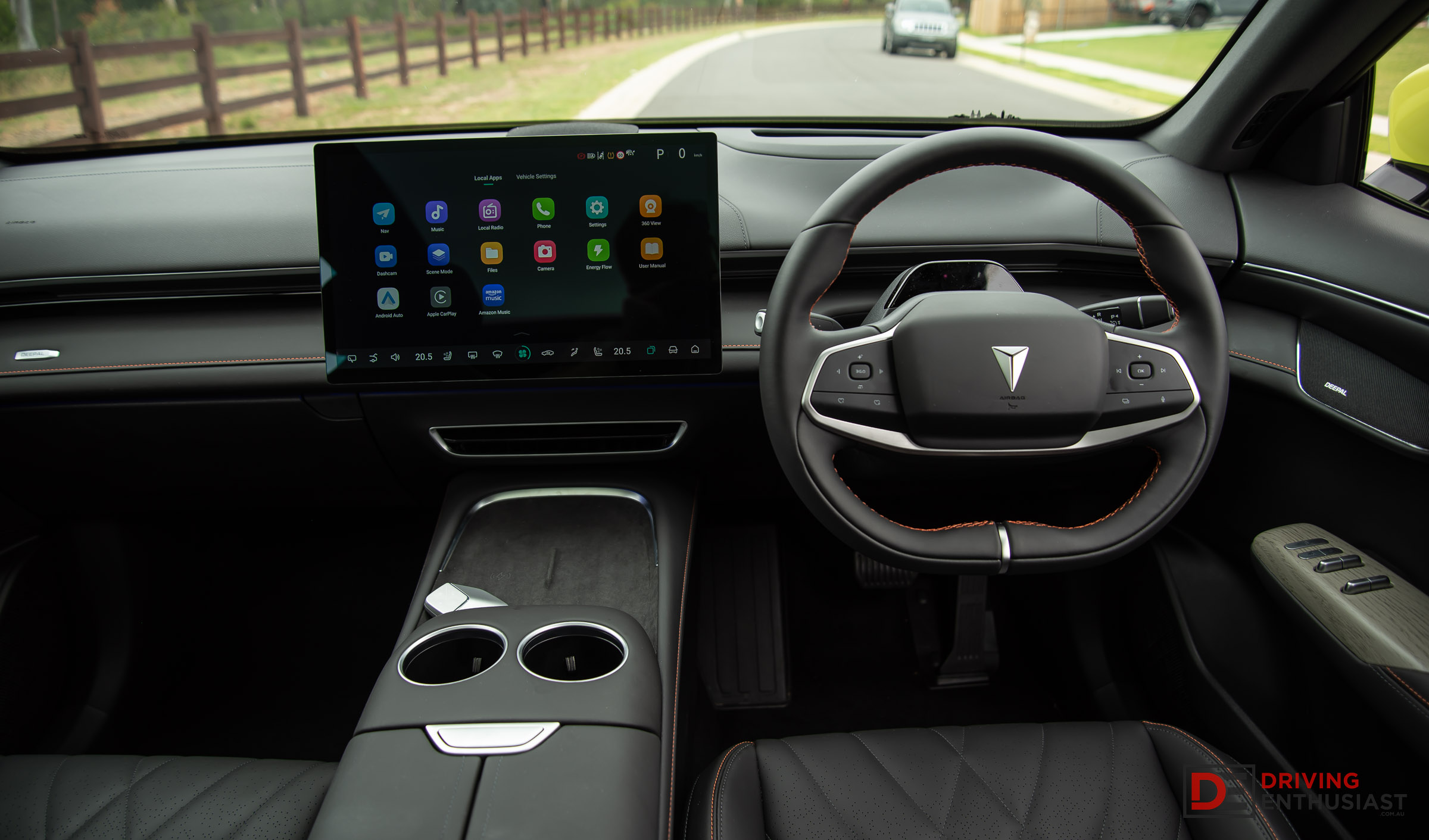
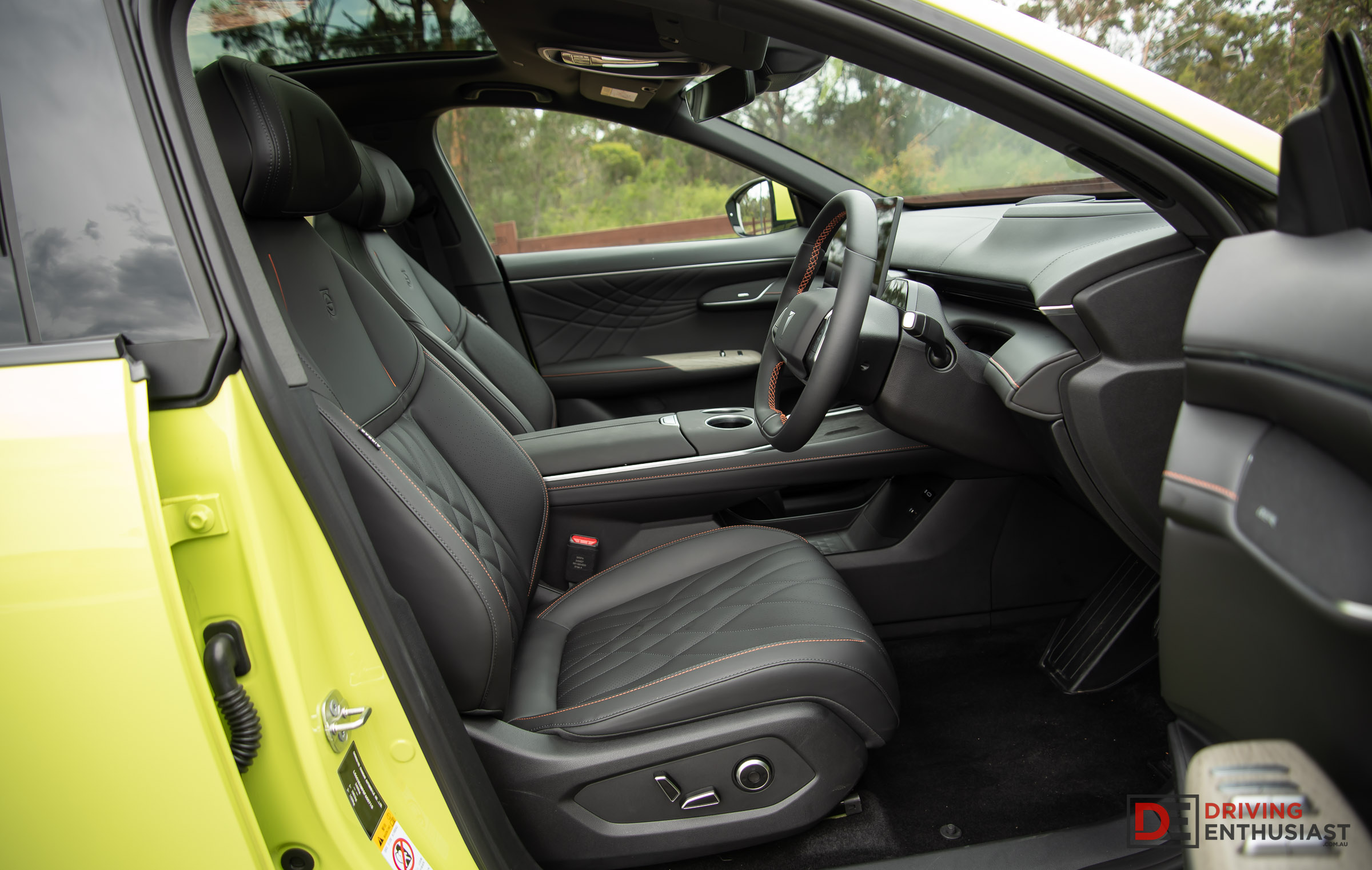
Step inside the Deepal S07, and it’s clear that the brand is positioning itself as a technology-driven proposition. The yacht-inspired interior carries a sleek, minimalist aesthetic, complemented by decent-quality materials and an array of tech-focused functions, such as button-operated door opening and toggle switches for the windows.
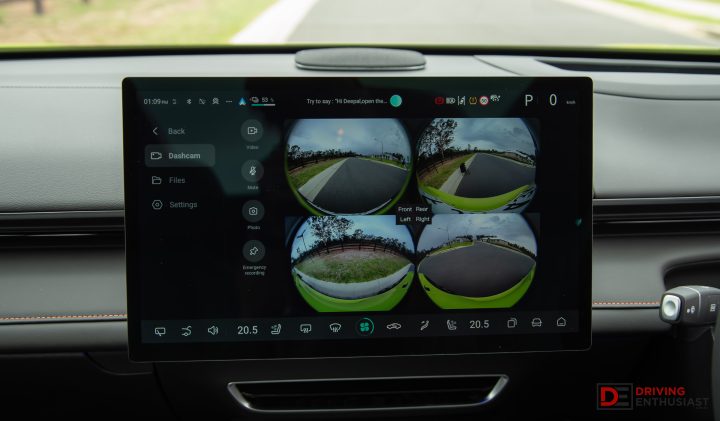
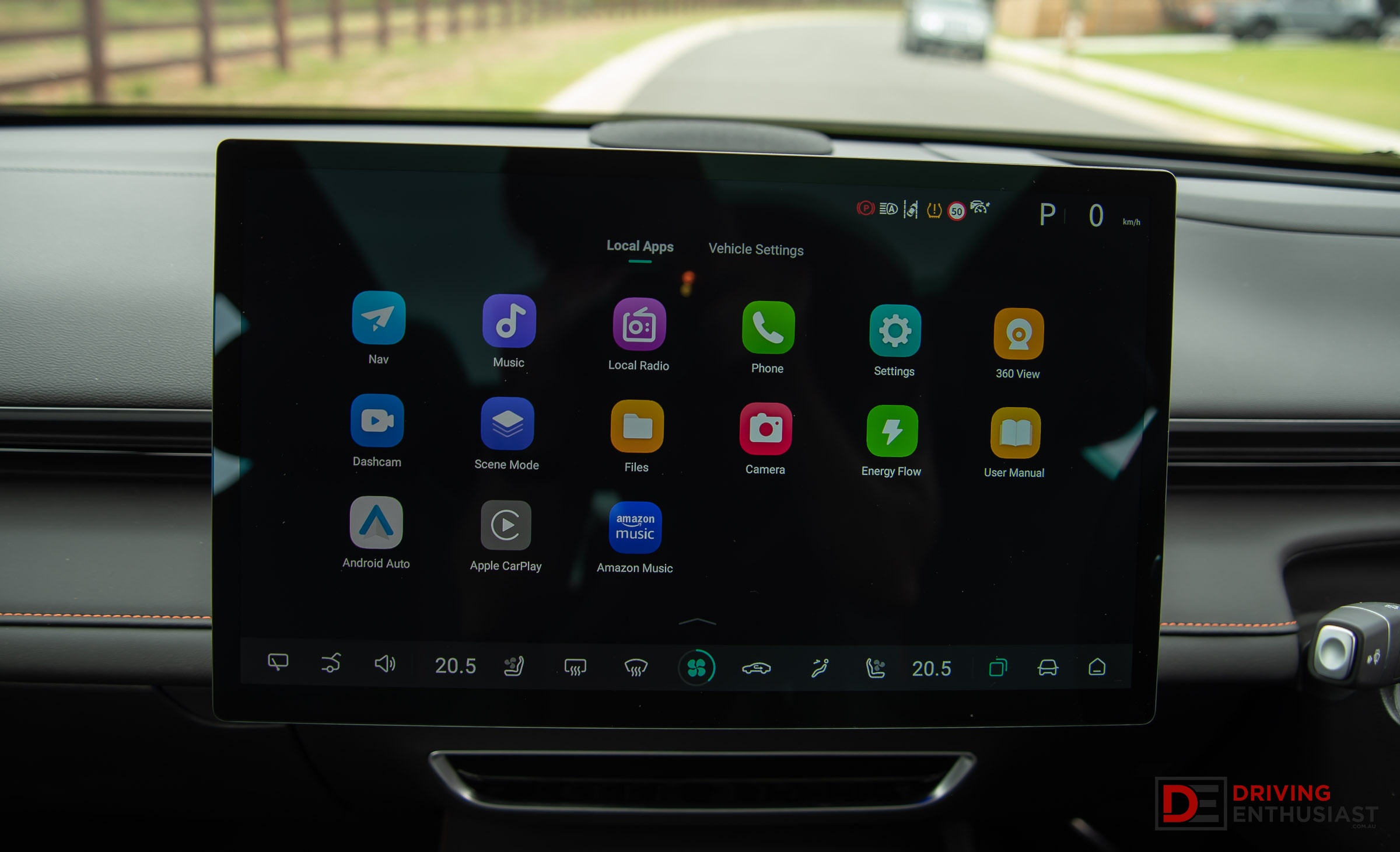
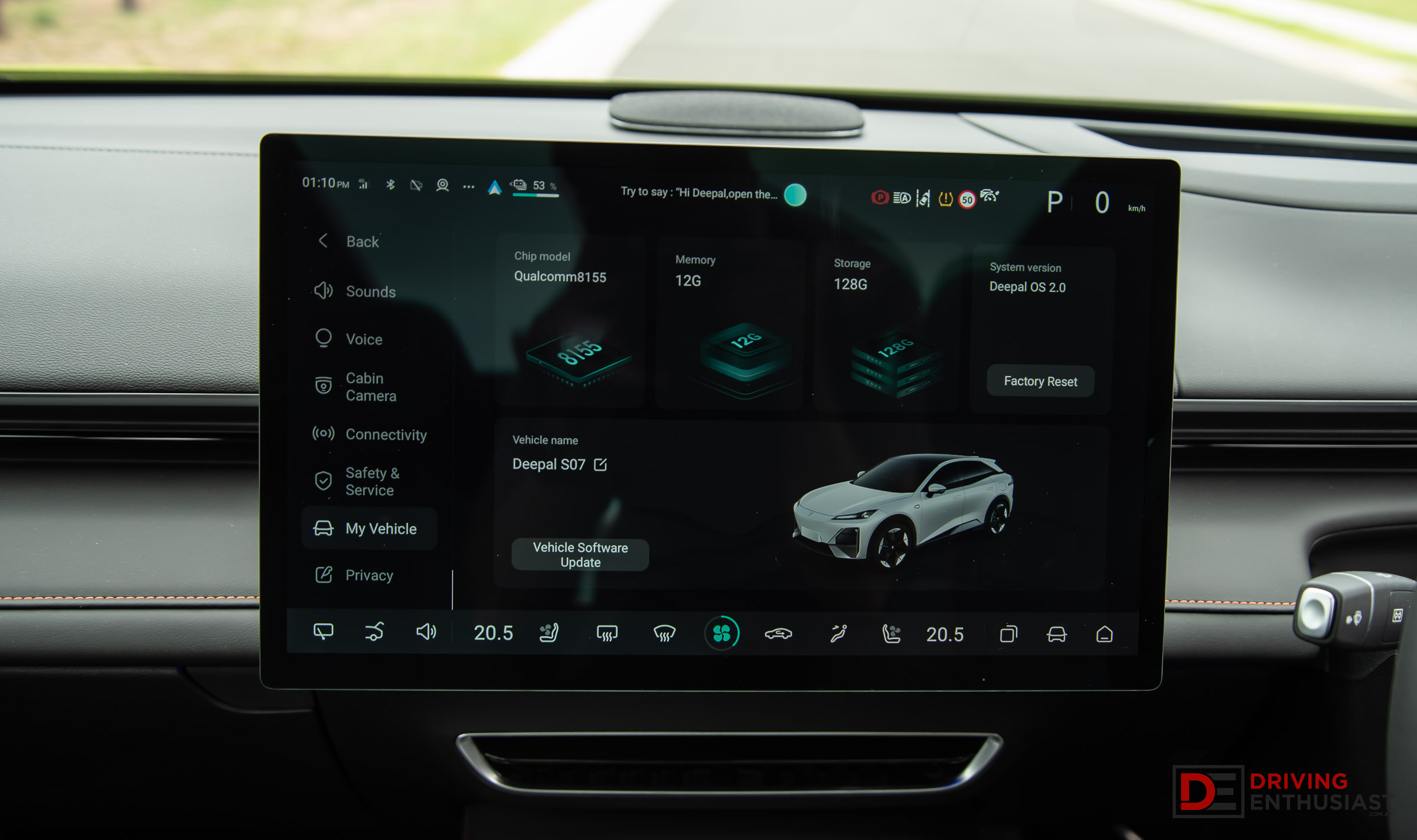
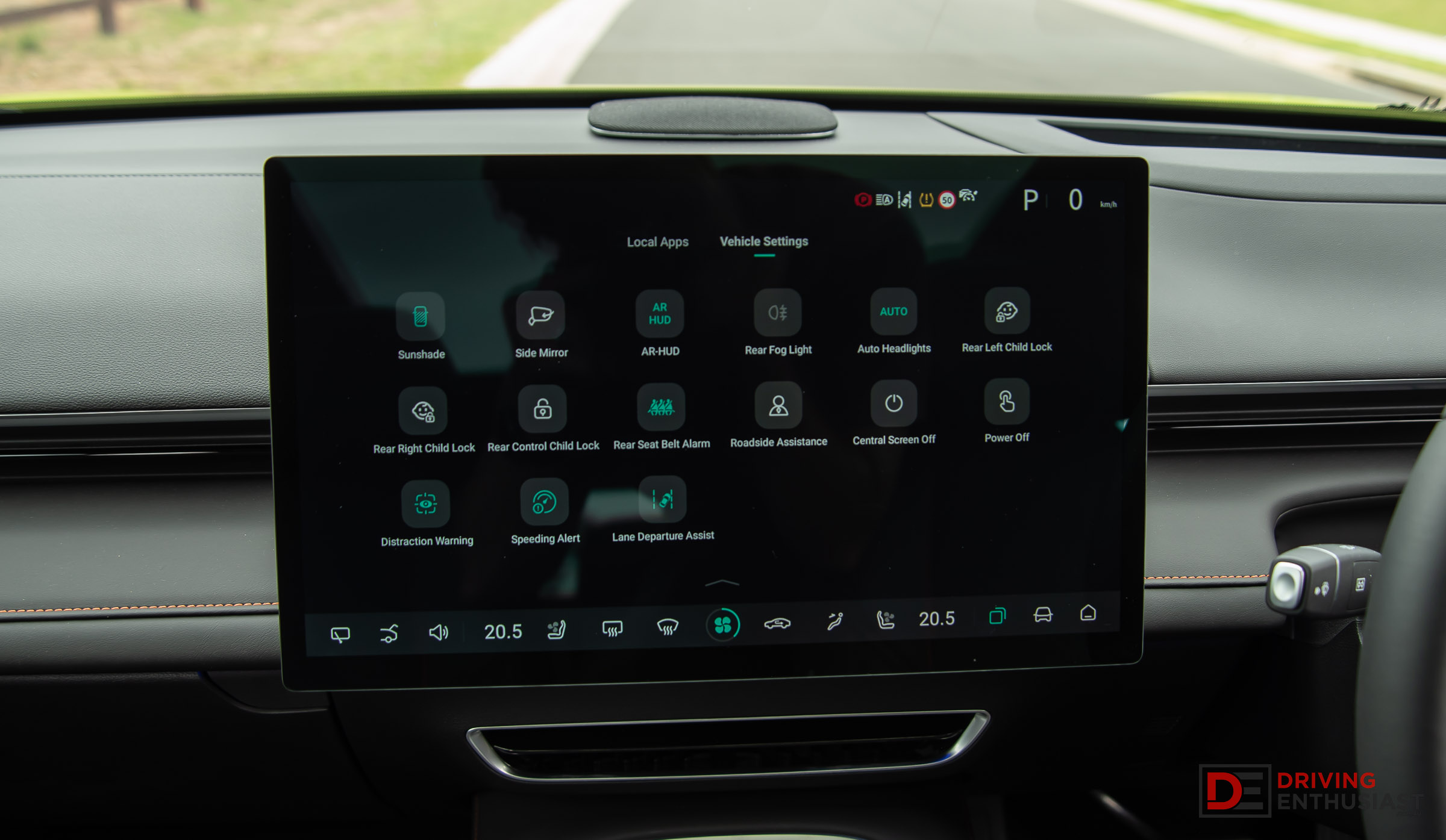
A 15.6-inch tilting central touch-screen dominates the dashboard, integrating all controls for navigation, entertainment, and climate settings, as well as car settings and status. That, unfortunately, includes the speed readout which is positioned in the top corner like in a Tesla and Volvo EX30.
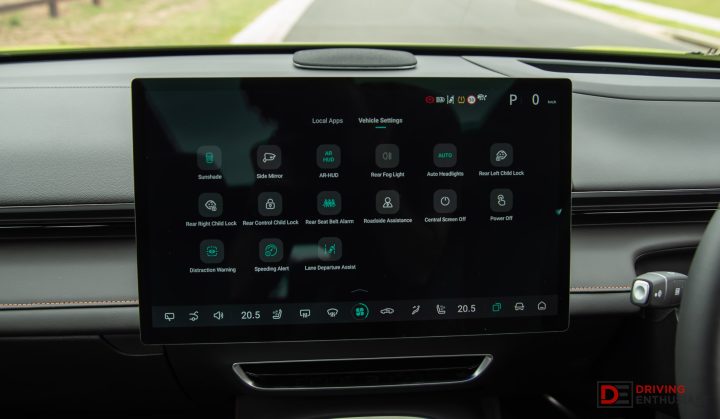
While an augmented reality head-up display projects key information onto the windscreen for the driver, packaging everything into the central screen poses a big distraction for the driver in our opinion. If you want to see anything regarding the vehicle’s status, you have to turn your head to the side.
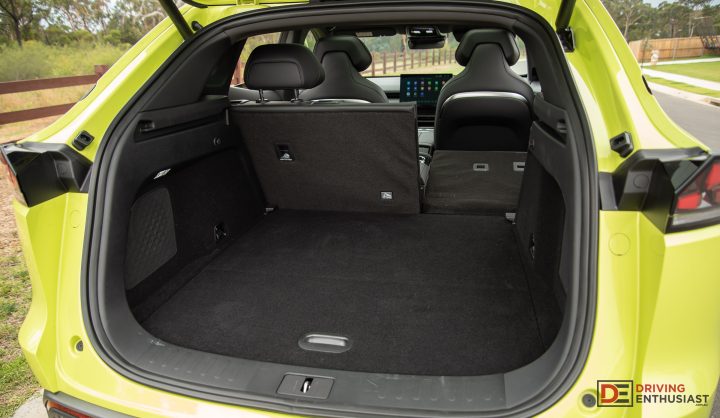
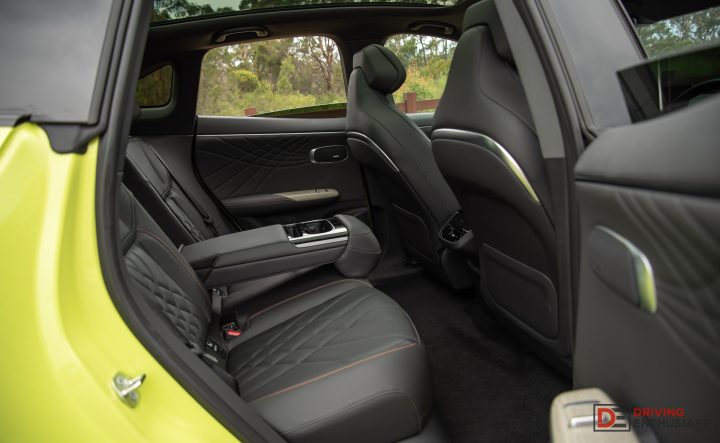
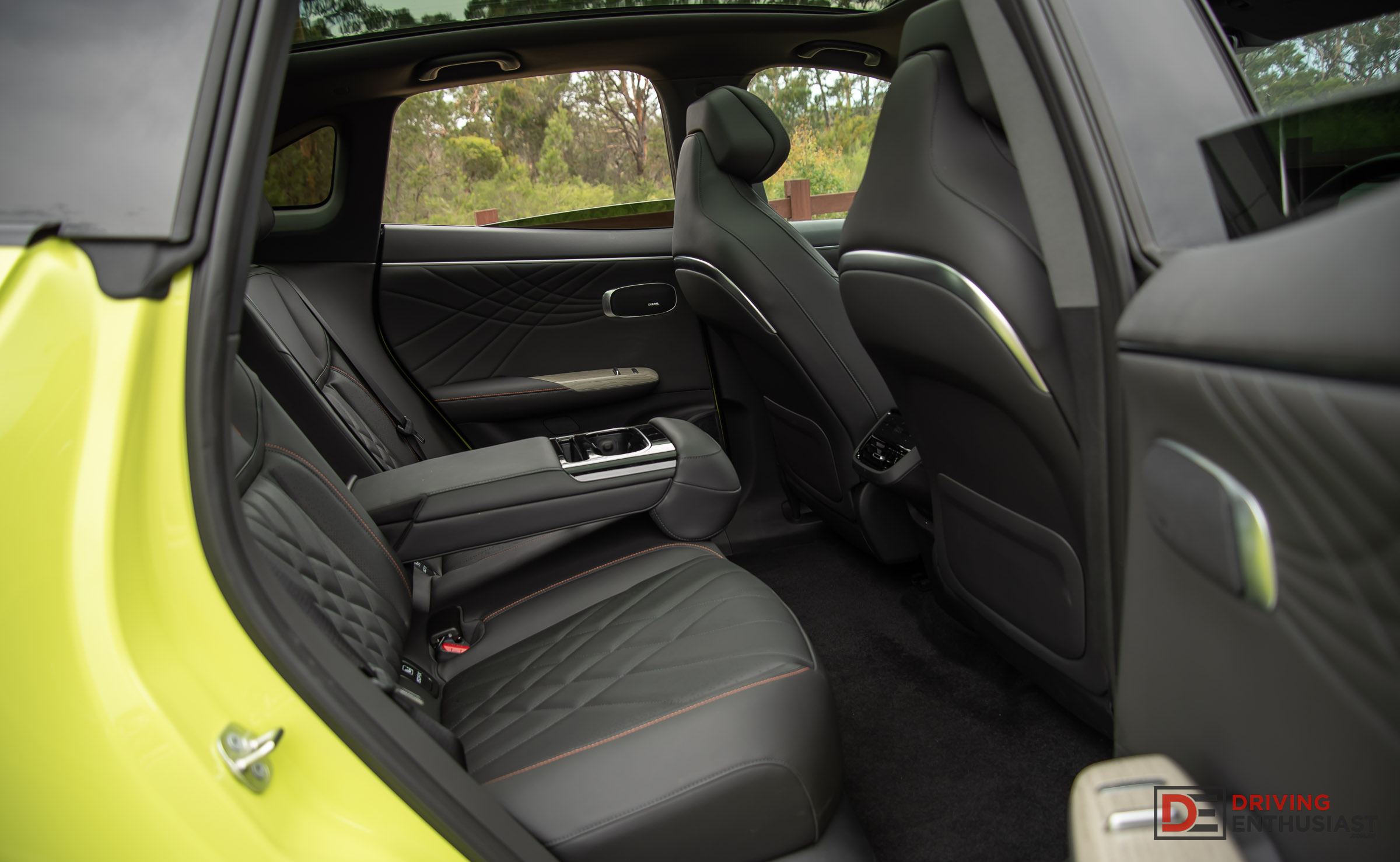
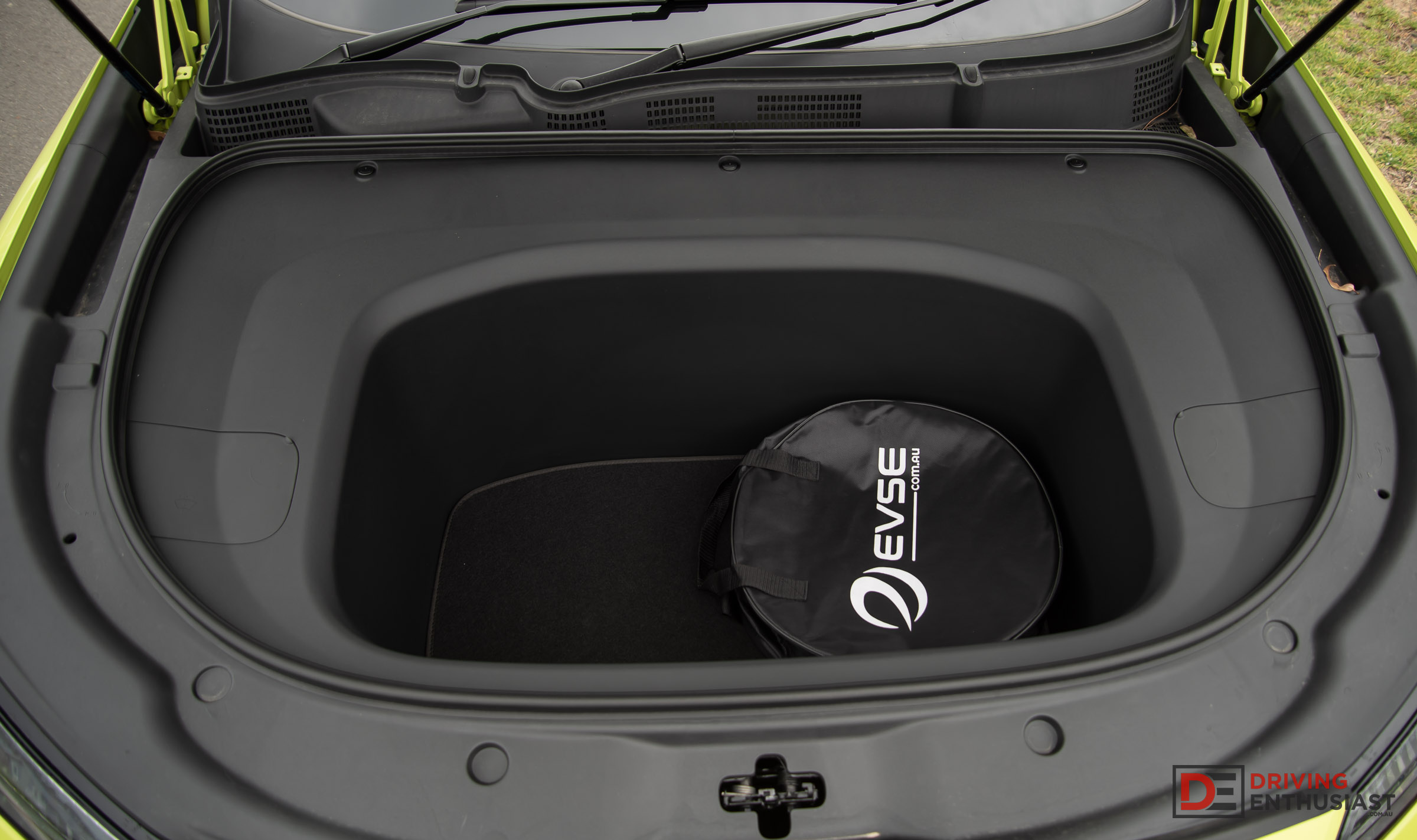
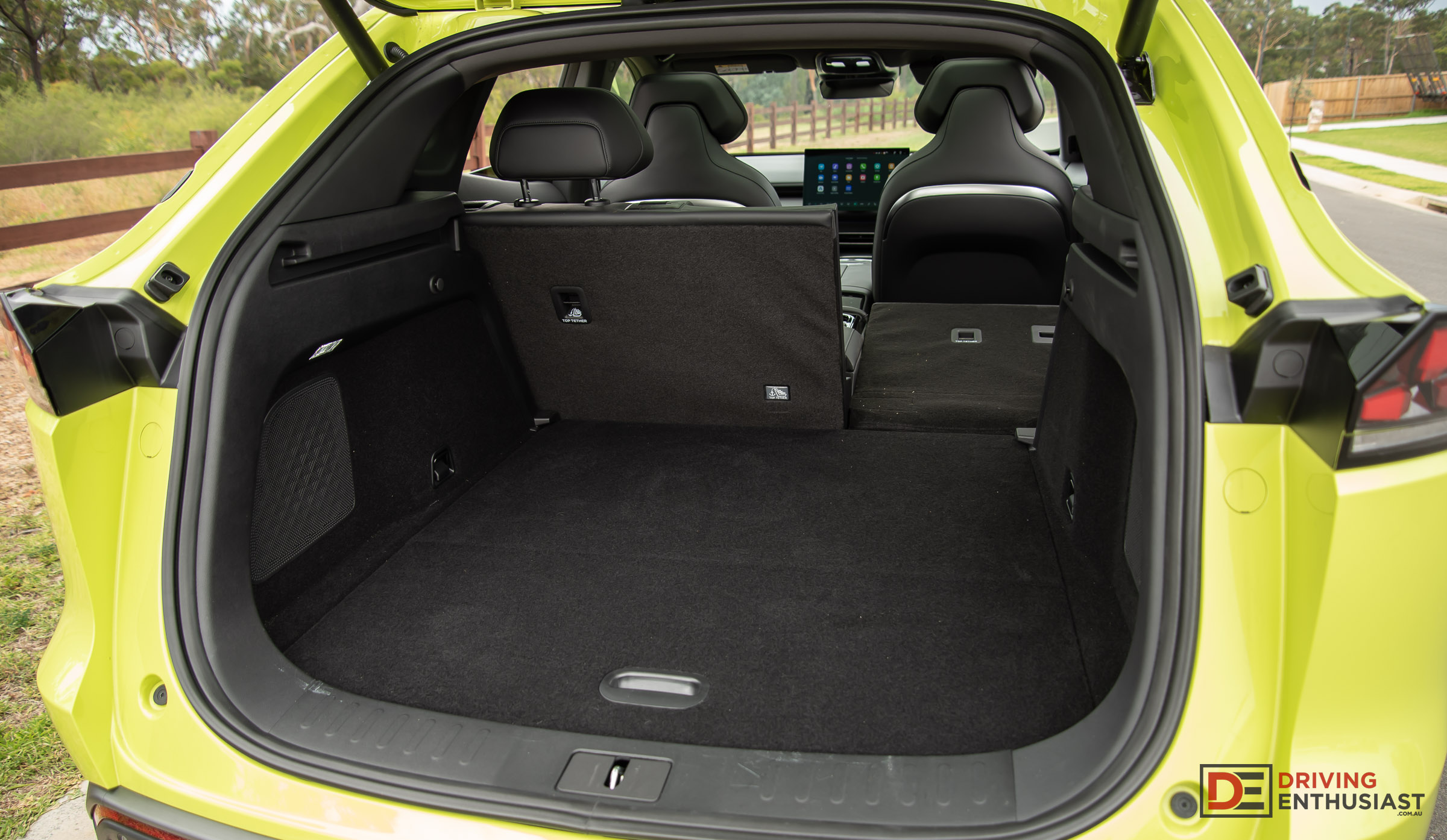
Passenger space is generous, with ample legroom and headroom for both front and rear occupants. Storage capacity is also competitive, with a 445L boot expanding to 1385L when the rear seats are folded, plus an additional 125L front boot for added practicality.
While the overall cabin ambiance is impressive, some of the touch-sensitive controls feel finicky to use, and the reliance on digital interfaces for core functions may not suit all buyers. However, comfort levels are high, thanks to electronically adjustable, heated and ventilated front seats, and a big sunroof.
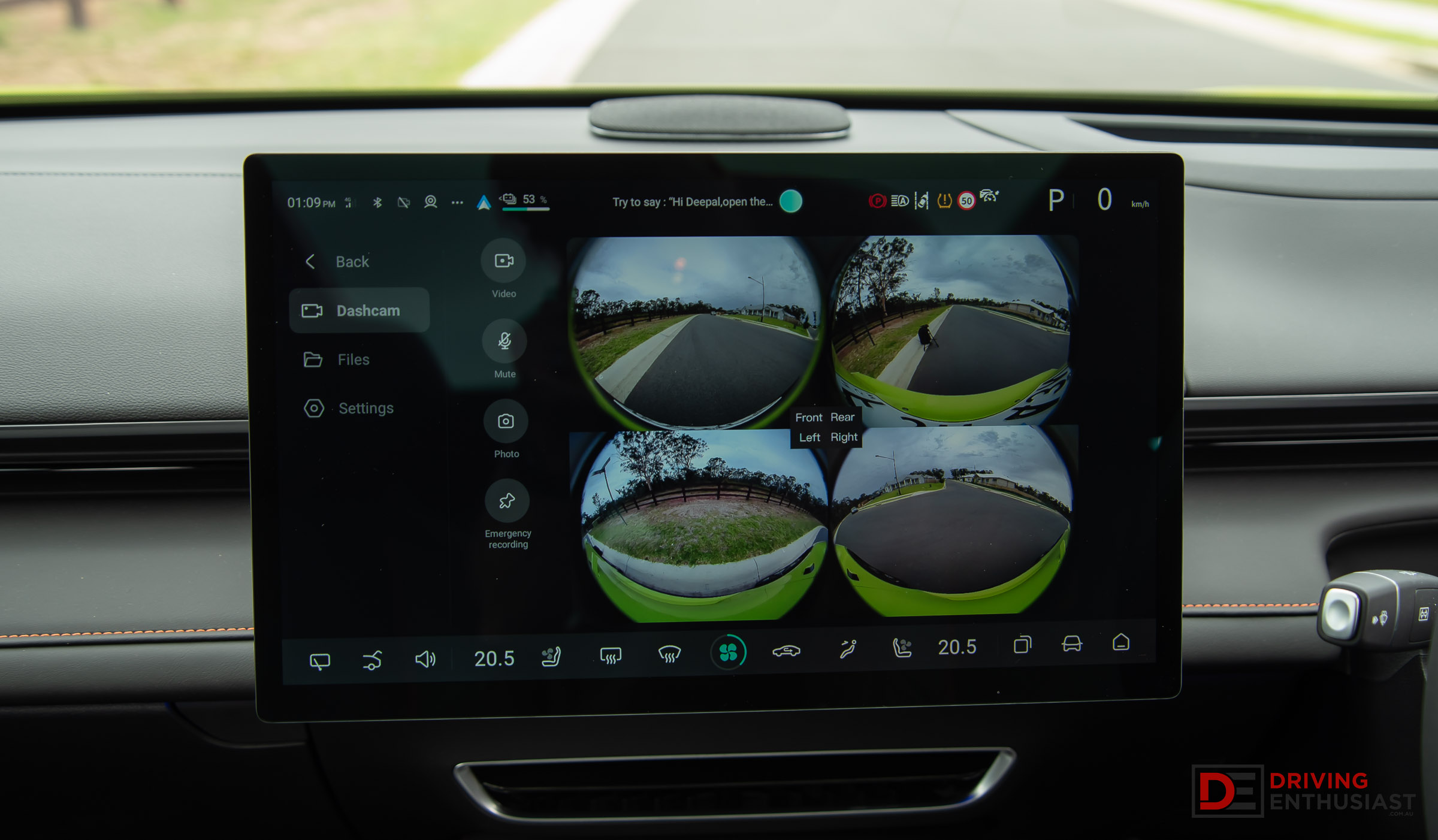
Other standard features that help increase value-for-money include a 40W wireless phone charger, surround-view camera system with on-board dash cams with front, side and rear views, 128GB storage for the dash cam footage, a premium 14-speaker Sony sound system, wireless Android Auto and Apple CarPlay, and a comprehensive safety suite with a five-star ANCAP rating.
Speaking of safety systems, this features a driver monitoring camera which, in our opinion, is one of the most annoying on the market. It is way too sensitive, and often sends off warnings if you simply scratch your head while driving, or, ironically, turn your head to glance at the speed on the central screen.
Switching most of the safety systems off doesn’t work either, because they will turn back on automatically if it thinks you’re not paying attention. The best fix we found was literally putting black gaffer tape over the driver monitoring camera.
2025 Deepal S07: Powertrain & handling
Under the body, the Deepal S07 packs a 79.97kWh battery powering a single rear-mounted motor setup producing 160kW and 320Nm. The claimed WLTP range of 475km is competitive, though real-world figures will depend on driving conditions and usage.
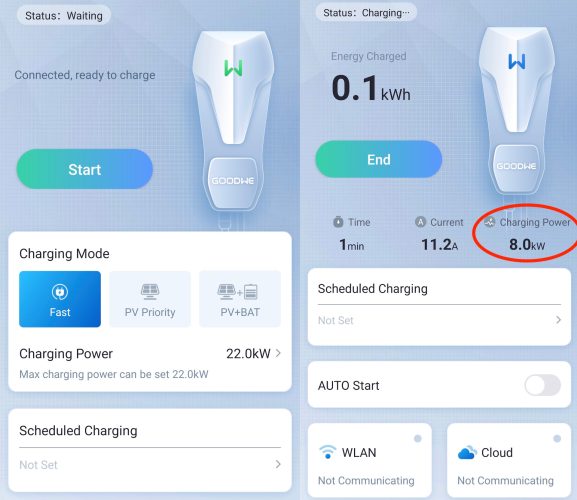
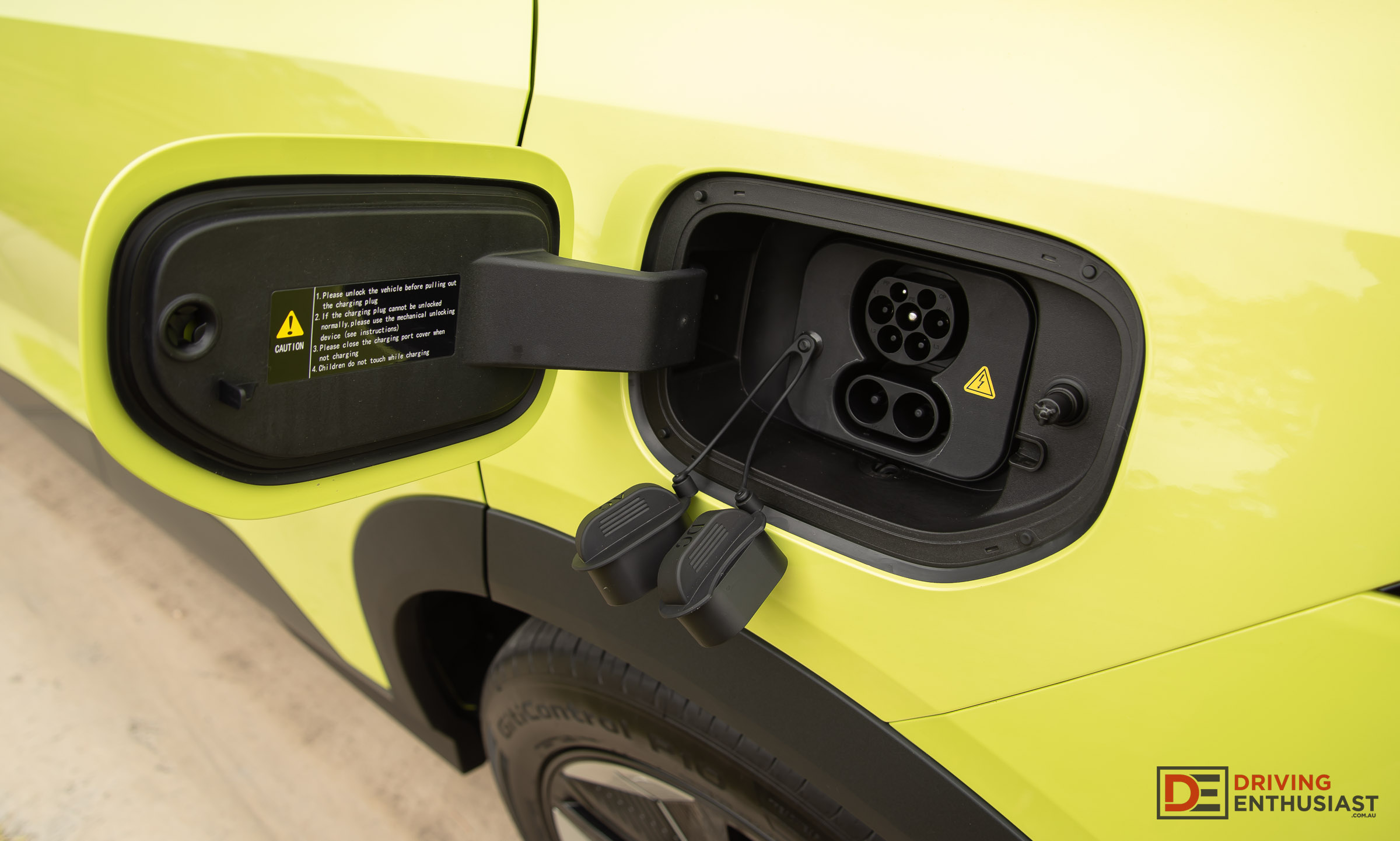
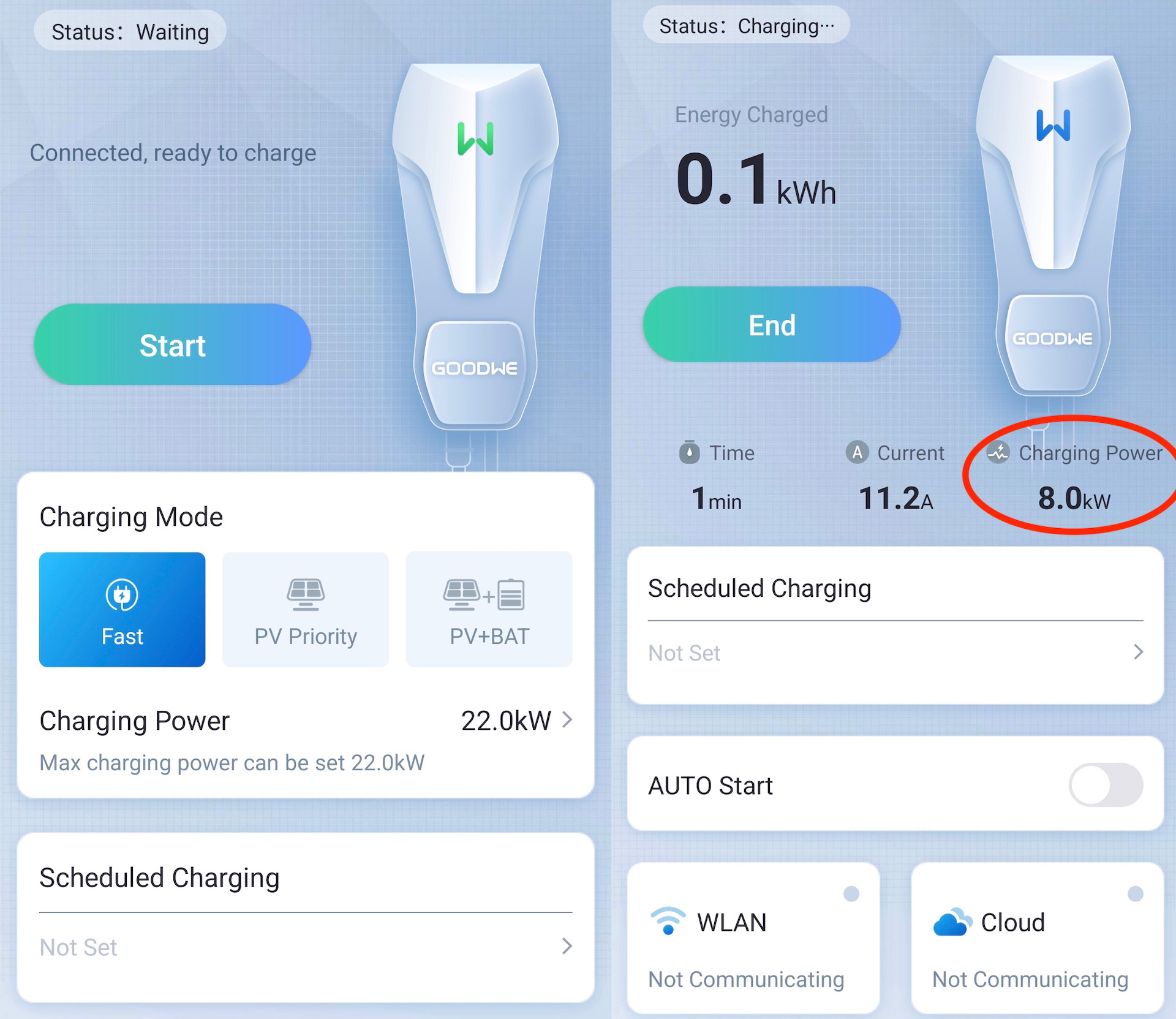
Charging times are not that impressive, with a DC max of 92kW translating to a charge from 30-80 per cent in around 35 minutes. A full charge via an 11kW AC charger takes approximately eight hours. Using a 22kW three-phase home charger, this test car maxed out at 8kW for us. That’s below the 11kW standard.
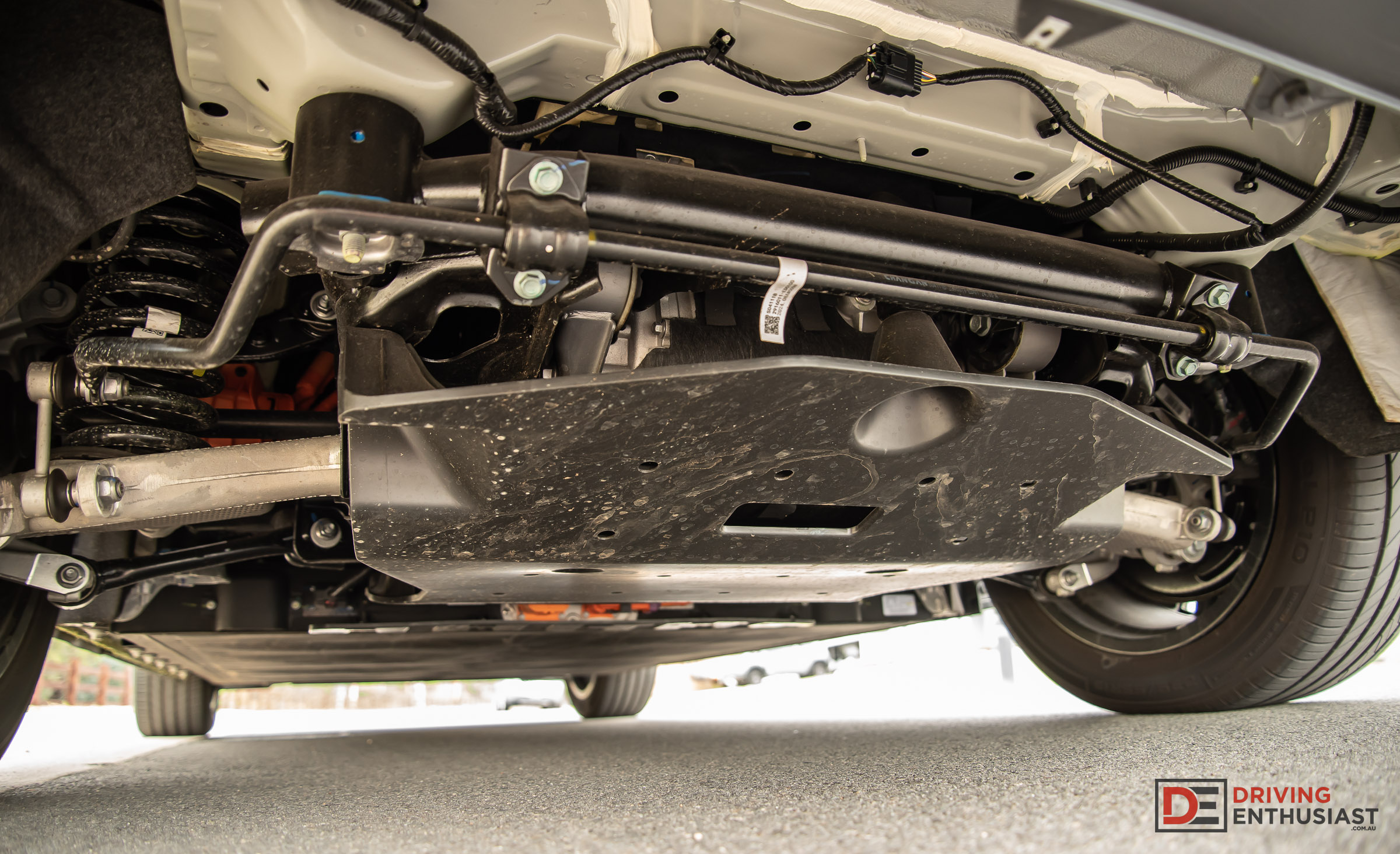
Out on the road the ride quality is taut initially, particularly over rough surfaces, and it feels pretty good down a winding road. Throw some undulations into the mix and turn up the speed a bit and it starts to boing around. The suspension seems to spring and bounce to try and contain the 2073kg kerb weight. Nonetheless, it is surprisingly fun to drive – it’ll even kick the tail out under power with the stability control off (see video below).
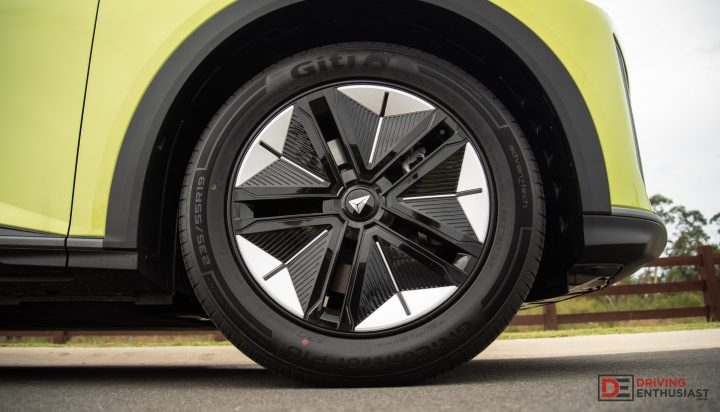
The steering offers a nice light-weighted feel, making urban manoeuvrability a breeze. It is reasonably engaging and communicative during spirited drives, although, the Giti 235/55 tyres stretch and scramble for grip fairly early. Some better tyres would no doubt improve feel and cross country performance.
With 160kW and 320Nm, acceleration is about average. There are a heap of new EVs on the market right now and so many of them produce 160kW as well. Deepal claims 0-100km/h in 7.9 seconds. Our testing with a Vbox saw results of 7.60 and 7.66 seconds, using different launch methods. That’s a respectable time but there is none of that wow-factor you usually get from an EV. The throttle mapping is decent, offering a natural and progressive character.
Overall, this has the makings of an interesting bit of kit. It’s enjoyable to drive on a winding road and the performance is respectable. We’d like to see a tightened-up suspension tune, better tyres, and perhaps more power, because a sports variant would be quite nice with this mould.
2025 Deepal S07: Key attractions/reasons to buy
- Advanced technology suite: Gesture recognition, headrest audio for the driver, Sony 14-speaker sound system, tilting 15.6-inch touch-screen, all impressive for the price.
- Competitive pricing: Starting from $53,900, it undercuts some rivals, including established petrol models in terms of spec-for-spec features.
- Warranty: Seven-year/160,000km vehicle warranty, eight-year/240,000km battery warranty.
- Handling: Although the suspension is too soft on bumpy country roads, with some tweaks and extra tuning this could be a decent-handling package. It feels like it has good foundations.
2025 Deepal S07: Key considerations before you buy
- Suspension tune: It is bouncy and isn’t able to compose body control very well on country roads, except at very low speeds.
- Heavy reliance on digital interface: For all core controls you need to engage with the big central touch-screen, which may require a learning curve for some. It can be a distraction for the driver, too.
- Deepal is a relatively new brand in Australia: Uncertain resale value, still-developing service/dealer network, long-term support considerations… these all cause some level of buyer anxiety.
2025 Deepal S07: Video
How does it rate against its rivals?
-
Price
-
Quality look & feel
-
Interior tech
-
Powertrain performance
-
Ride & handling
-
X factor (does it stand out in its class?)
Final word
It’s a brand-new vehicle from a brand-new company (in Australia), so there is likely to be some teething concerns. But it is reasonably priced compared with like-minded rivals, and the handling and driving feel is pretty good. The technology showcase is also impressive, but it can be a downside as well depending on where you stand with driver aids and stuff like that.


