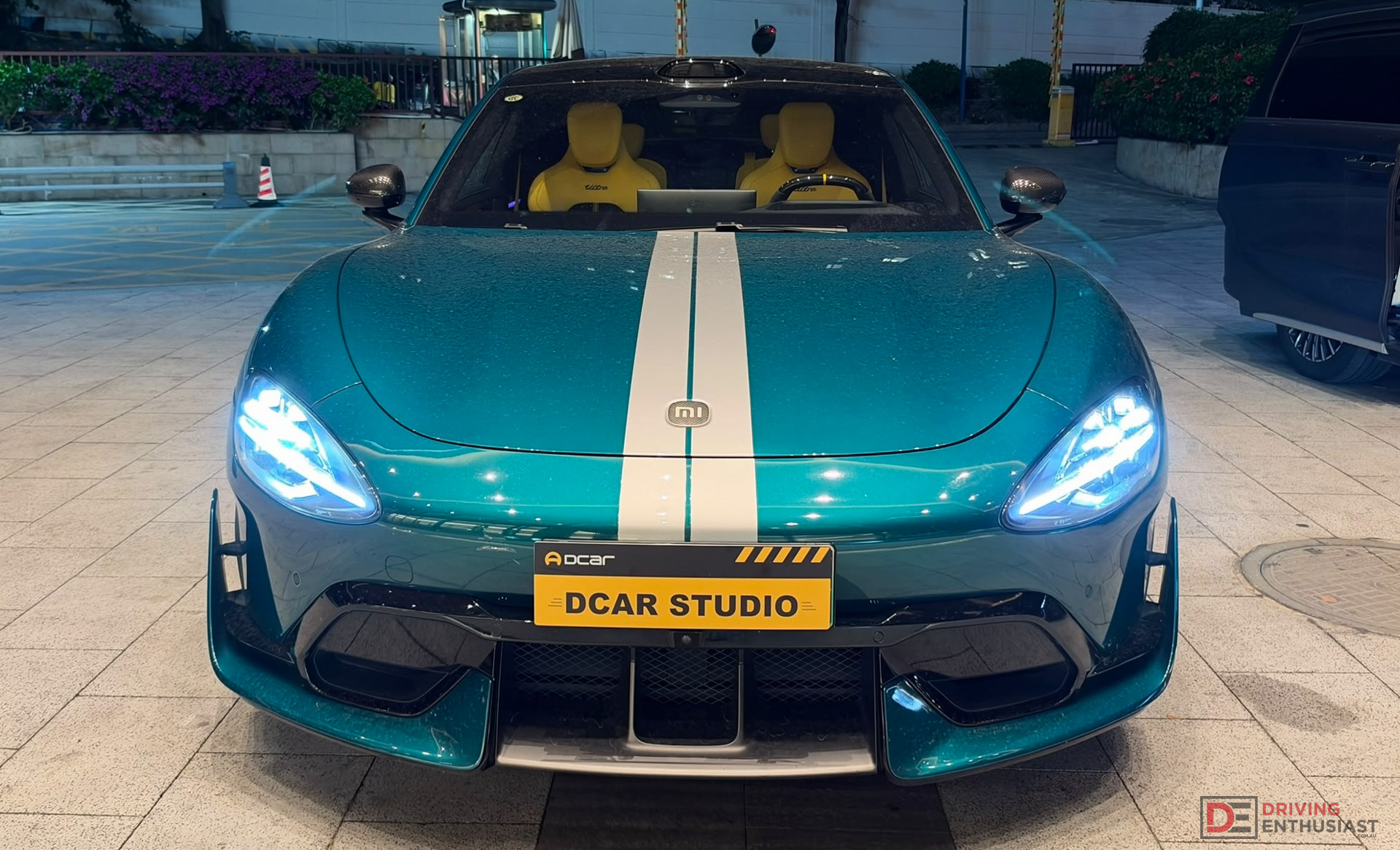
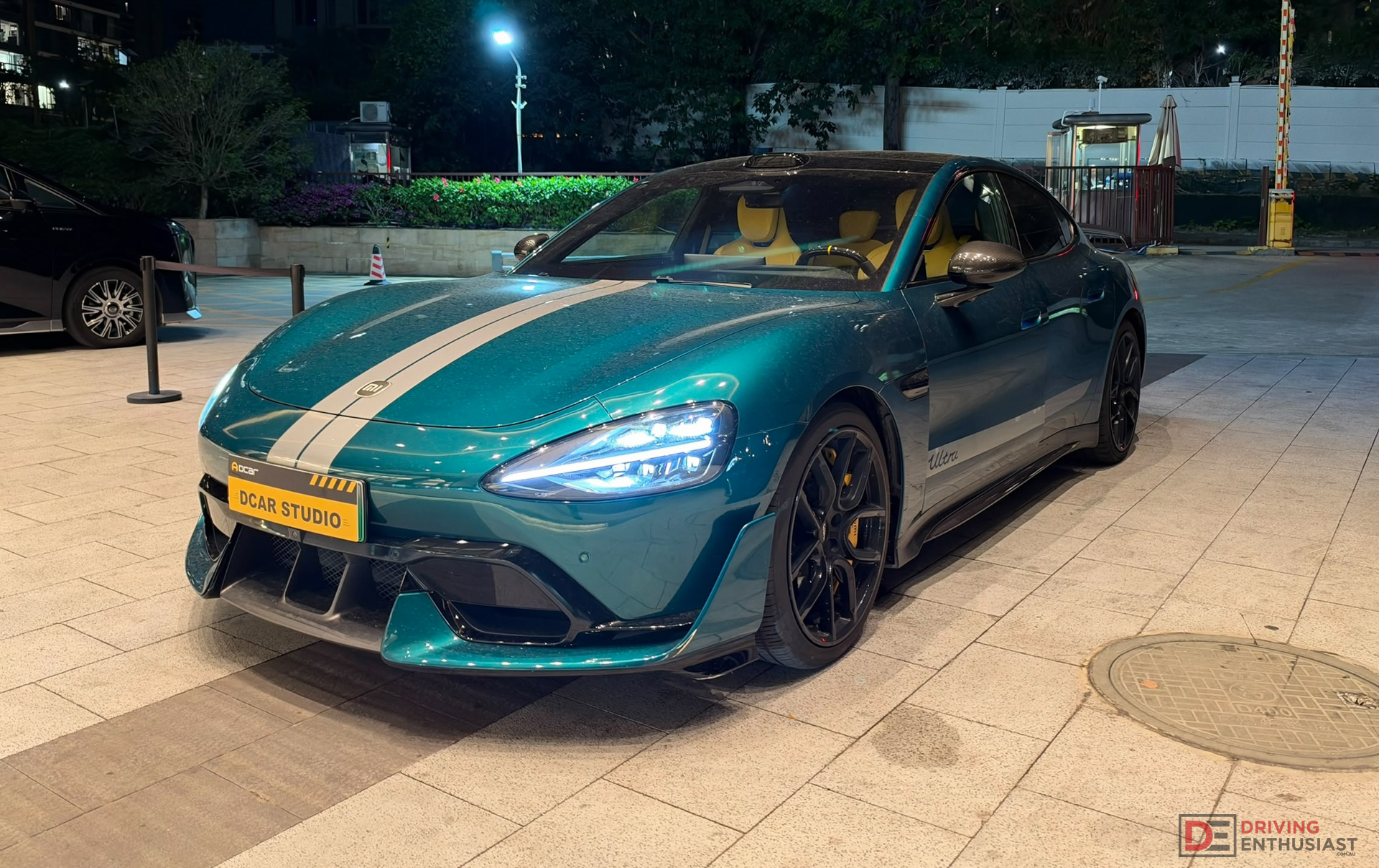
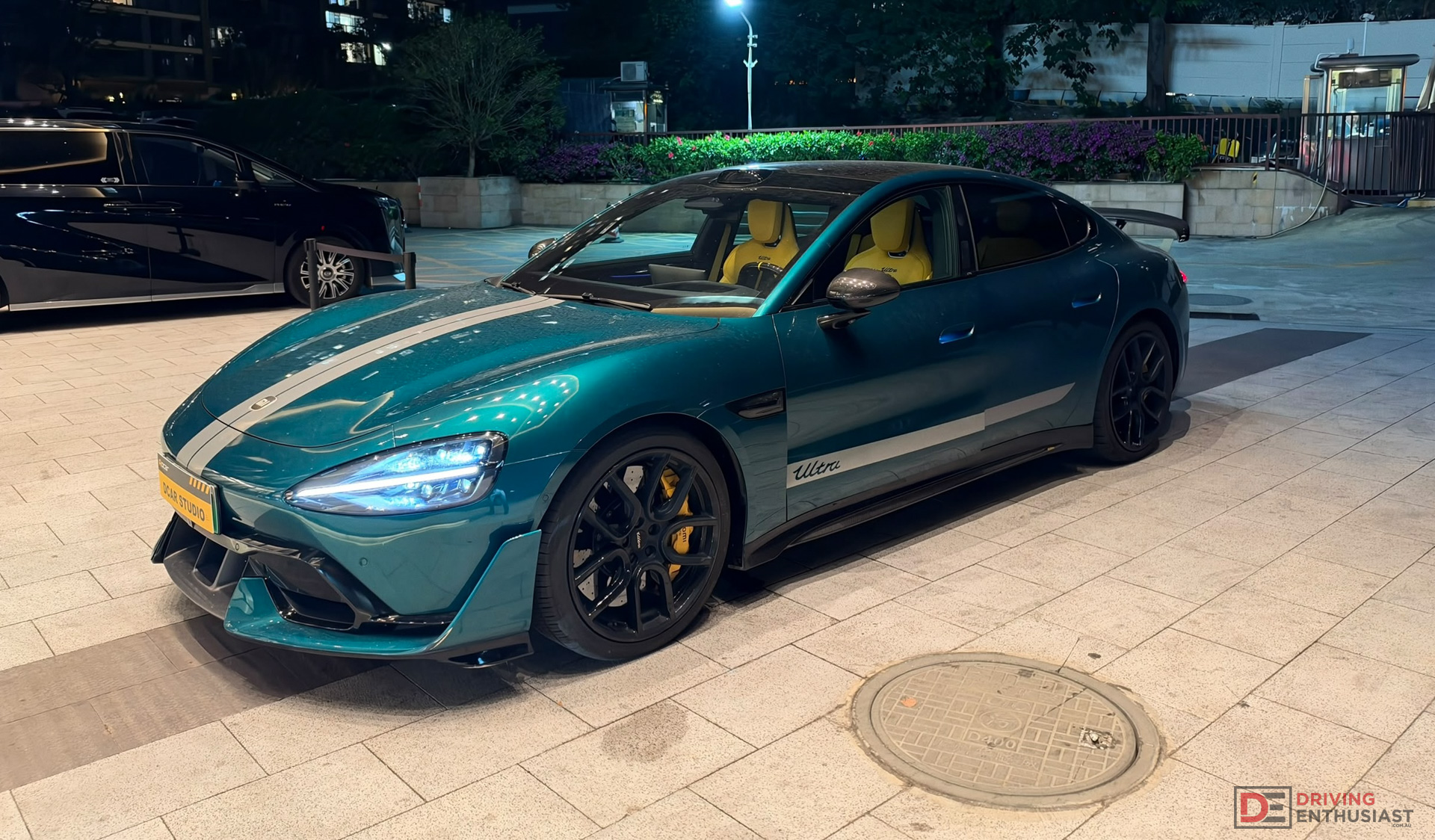
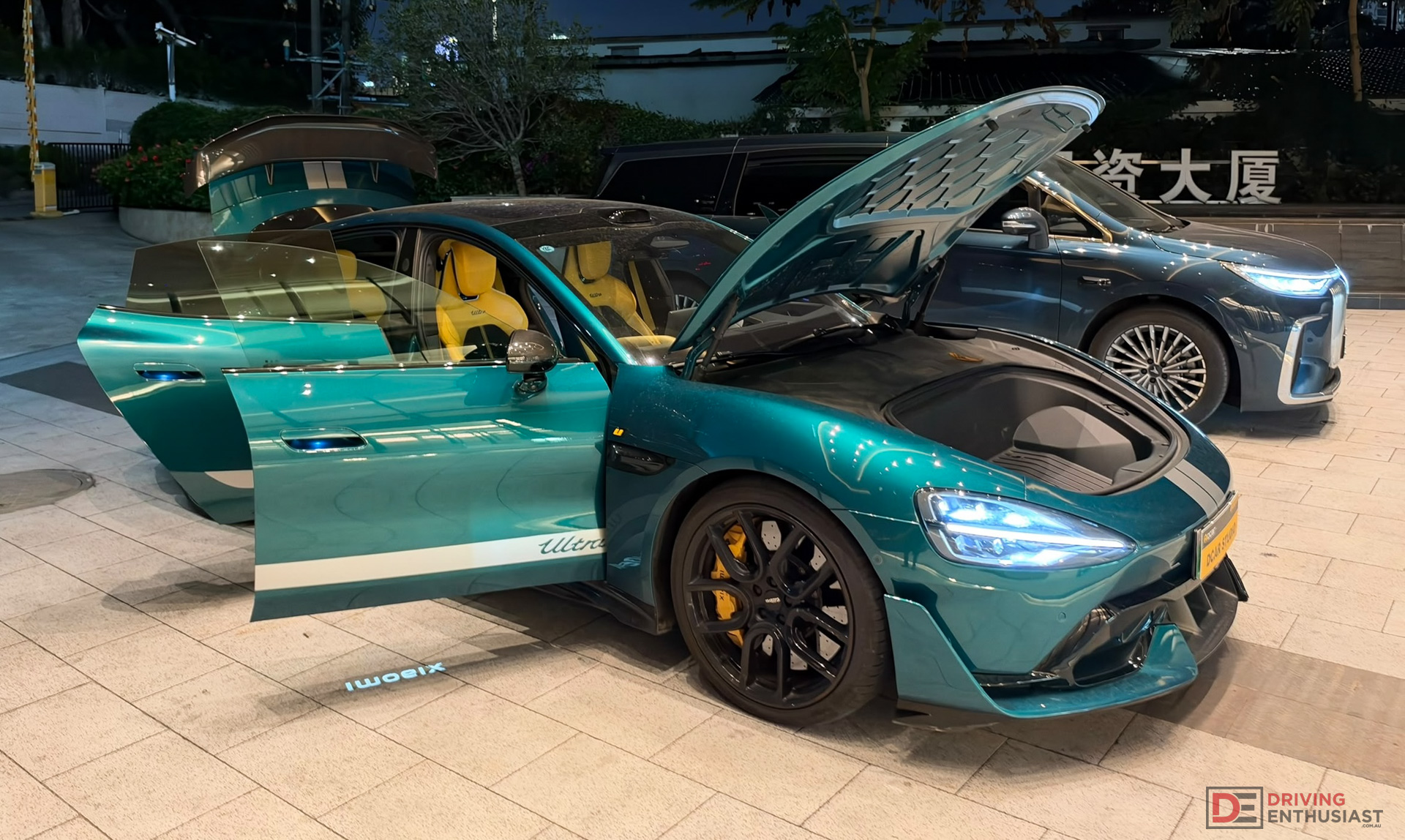
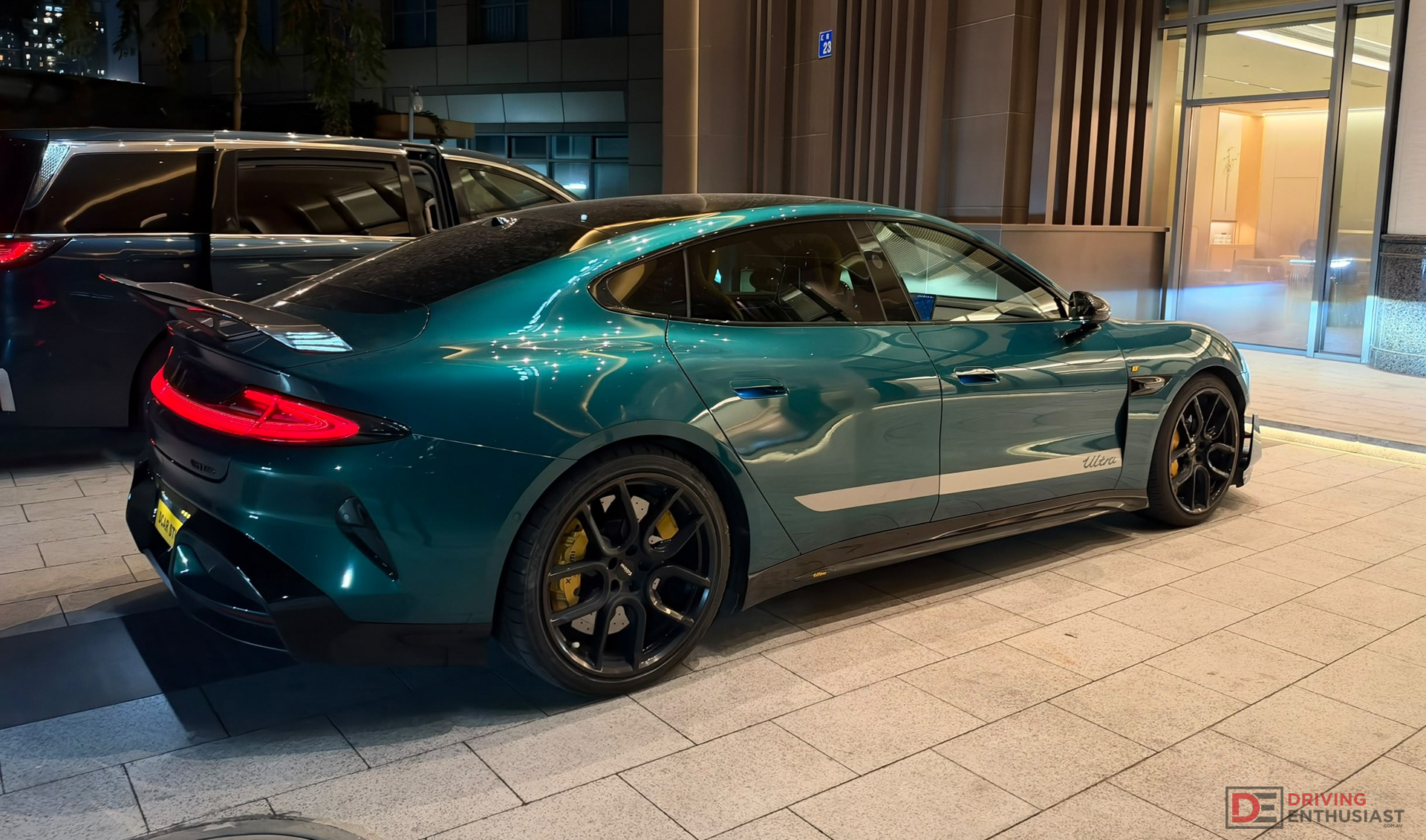
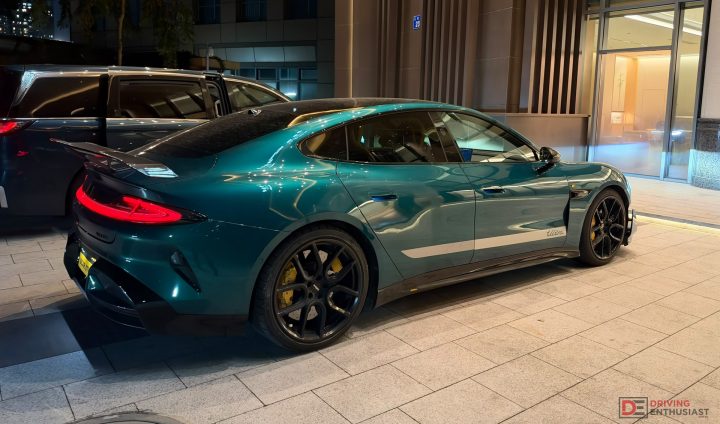
It’s approaching midnight in China and we’ve just been handed the keys to a four-door sedan built by a smartphone manufacturer. Except this particular sedan produces more power than a Bugatti Veyron Super Sport and can accelerate from 0-100km/h in less than 2.0 seconds. Welcome to the Xiaomi SU7 Ultra.
Perhaps more impressive than its straight-line performance is the fact that a production SU7 Ultra managed to lap the Nurburgring in 7:04.957 in 2025, bettering the Porsche Taycan Turbo GT with Weissach package by around 2.5 seconds. Porsche has since fought back with an even quicker Manthey-enhanced version.
Considering Xiaomi only started delivering cars in 2024, it’s a remarkable achievement. But what’s it actually like to drive? We managed to squeeze in a short late-night drive of a Chinese-spec example, thanks to our friends at DCar Studio, during a recent trip to China to find out.
2026 Xiaomi SU7 Ultra: Specifications
Electrical: 93.7kWh CATL Qilin 2.0 battery, 900V
Output (max): 1138kW / 1770Nm
Gearbox: Single-speed auto
Drive type: All-wheel drive
Wheels: F: 21×9.5, 265/35 R: 21×11, 305/30
Kerb weight: 2360kg
Power-to-weight: 2.07:1 (kg:kW)Official range: 630km (CLTC)
Max charging AC/DC: 11kW/460kW
0-100km/h: 1.98 seconds*
0-200km/h: 5.86 seconds*
1/4 mile: 9.23 seconds*
100-0km/h braking: 30.8m*
Starting price: RMB529,900 (approx. AU$115,000)
*Claimed figures or reported figures from real-world testing
2026 Xiaomi SU7 Ultra: How much does it cost?
Three motors (two for the rear axle) draw energy from a 93.7kWh CATL Qilin 2.0 lithium-ion battery, providing a claimed driving range of 630km under China’s CLTC testing protocol. That translates to around 515km under the WLTP cycle.
It uses an 800V electrical architecture supporting DC charging at up to 480kW, with Xiaomi claiming a 10–80 per cent recharge time of just 11 minutes under ideal conditions.
Perhaps the most extraordinary figure, though, is the price. The SU7 Ultra was launched in China at 529,900 yuan, which translates to roughly AU$115,000. That’s a fraction of what you’d normally expect to pay for this calibre of performance. For reference, the similar (albeit slower around Nurburgring) Porsche Taycan Turbo GT started from $416,700 with the Weissach Package.
Unfortunately, there are no confirmed plans to introduce the SU7 Ultra in Australia at this stage. However, it’s understood Xiaomi is planning to enter the local market with some models by the end of 2028. Full details and timing are yet to be officially announced.
2026 Xiaomi SU7 Ultra: Interior & packaging
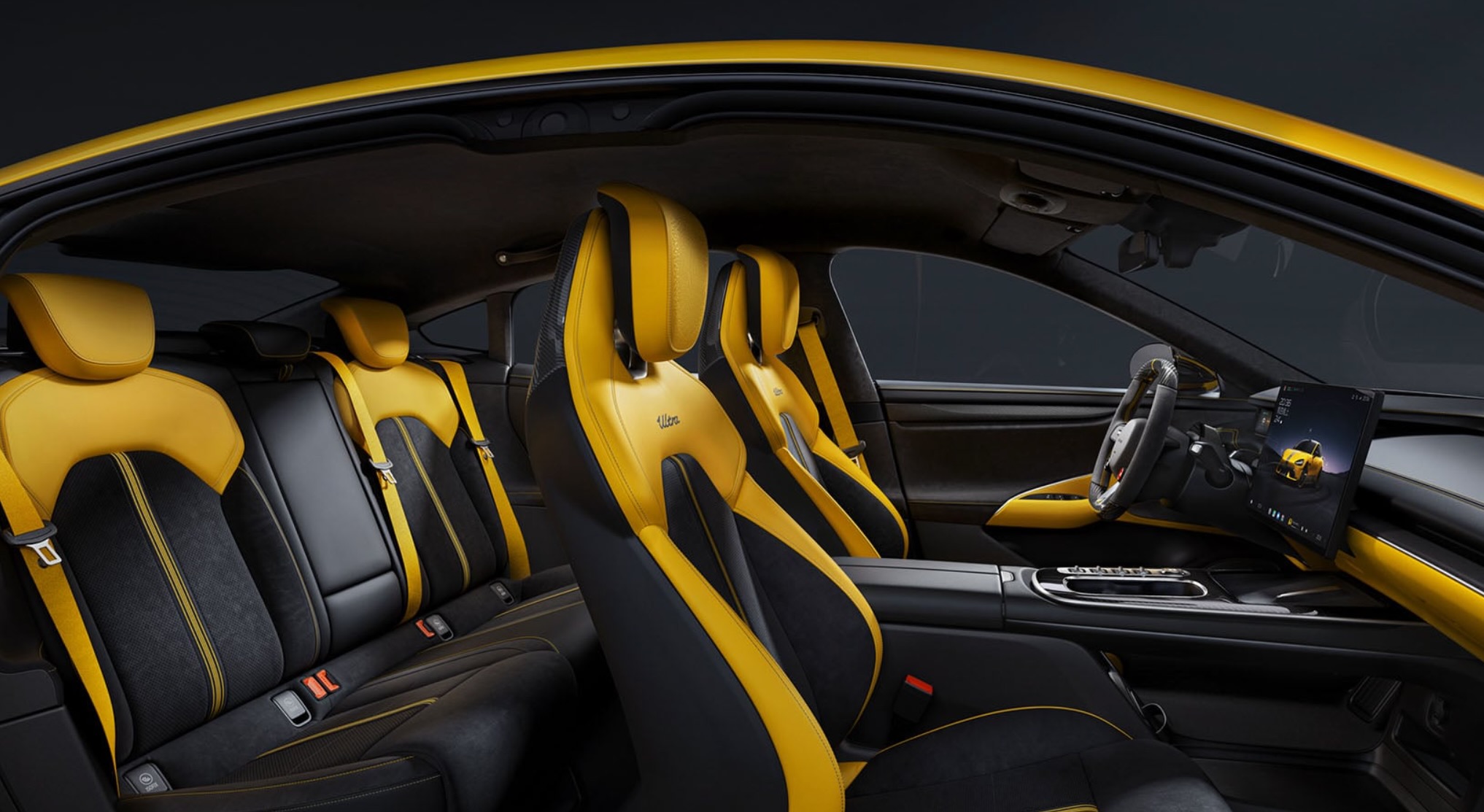
Despite its supercar-rivalling performance figures, the SU7 Ultra is still fundamentally a large, five-seat sedan. It measures 5070mm long, 1970mm wide and 1465mm tall, with a generous 3000mm wheelbase.
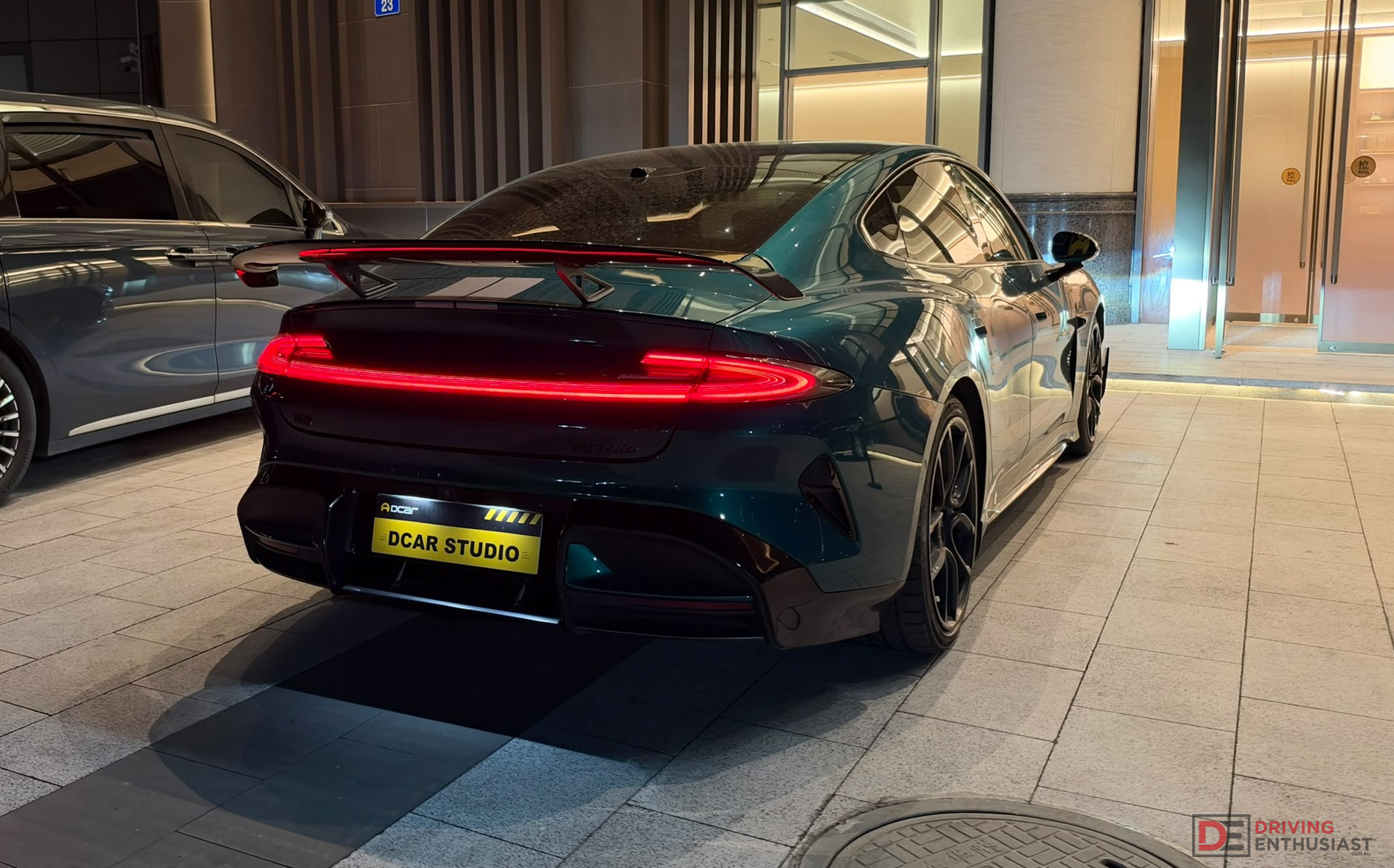
The exterior design is perhaps a little reminiscent of the Porsche Taycan, but the Ultra adds considerable aggression through its aerodynamic enhancements, such as GT3-style rear wing, race-ready rear diffuser, and extensive use of carbon fibre. In ideal conditions, the aero features provide up to 285kg of downforce, which is enough to make a big difference in corner grip.
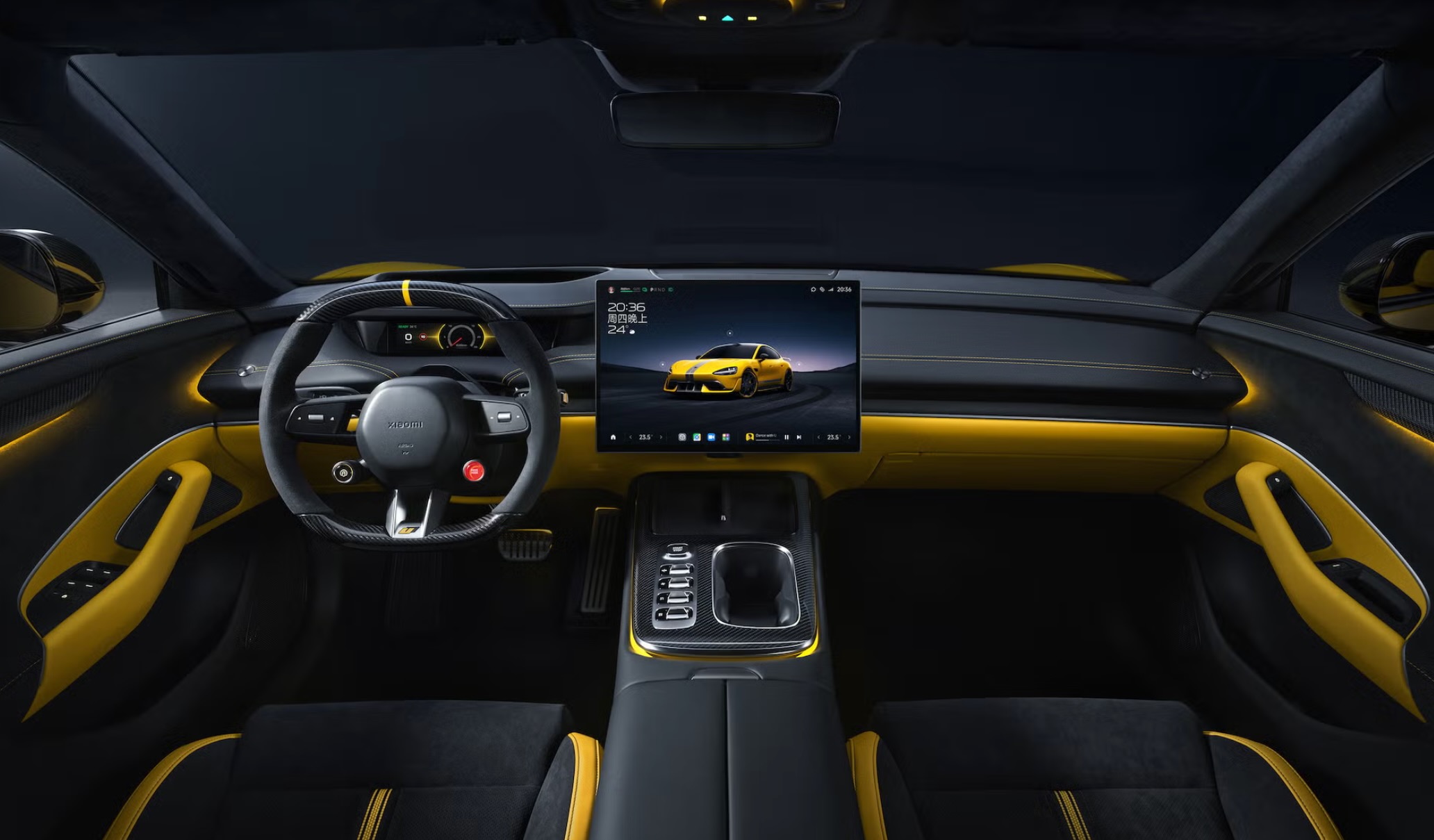
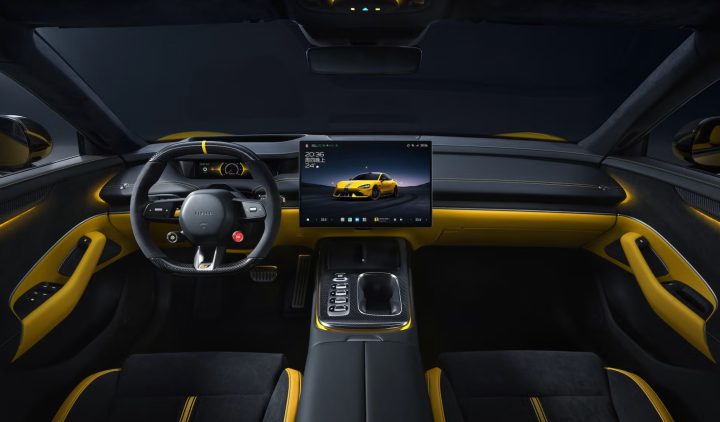
Inside, the Ultra receives a more performance-oriented treatment than the regular SU7, with liberal use of Alcantara and carbon fibre throughout the cabin. Given Xiaomi’s background in consumer electronics, it’s hardly surprising that digital technology forms a major part of the interior experience.
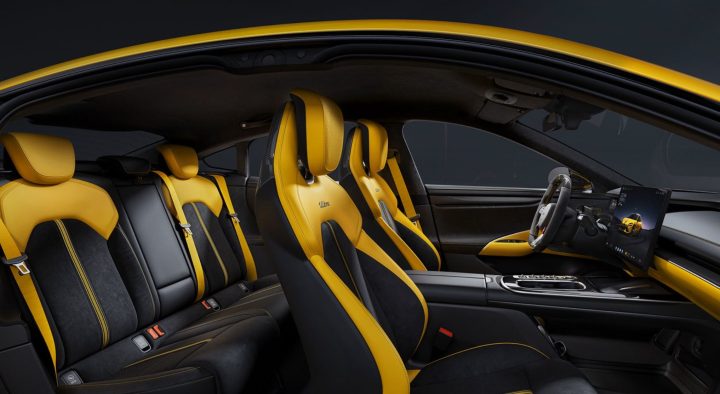
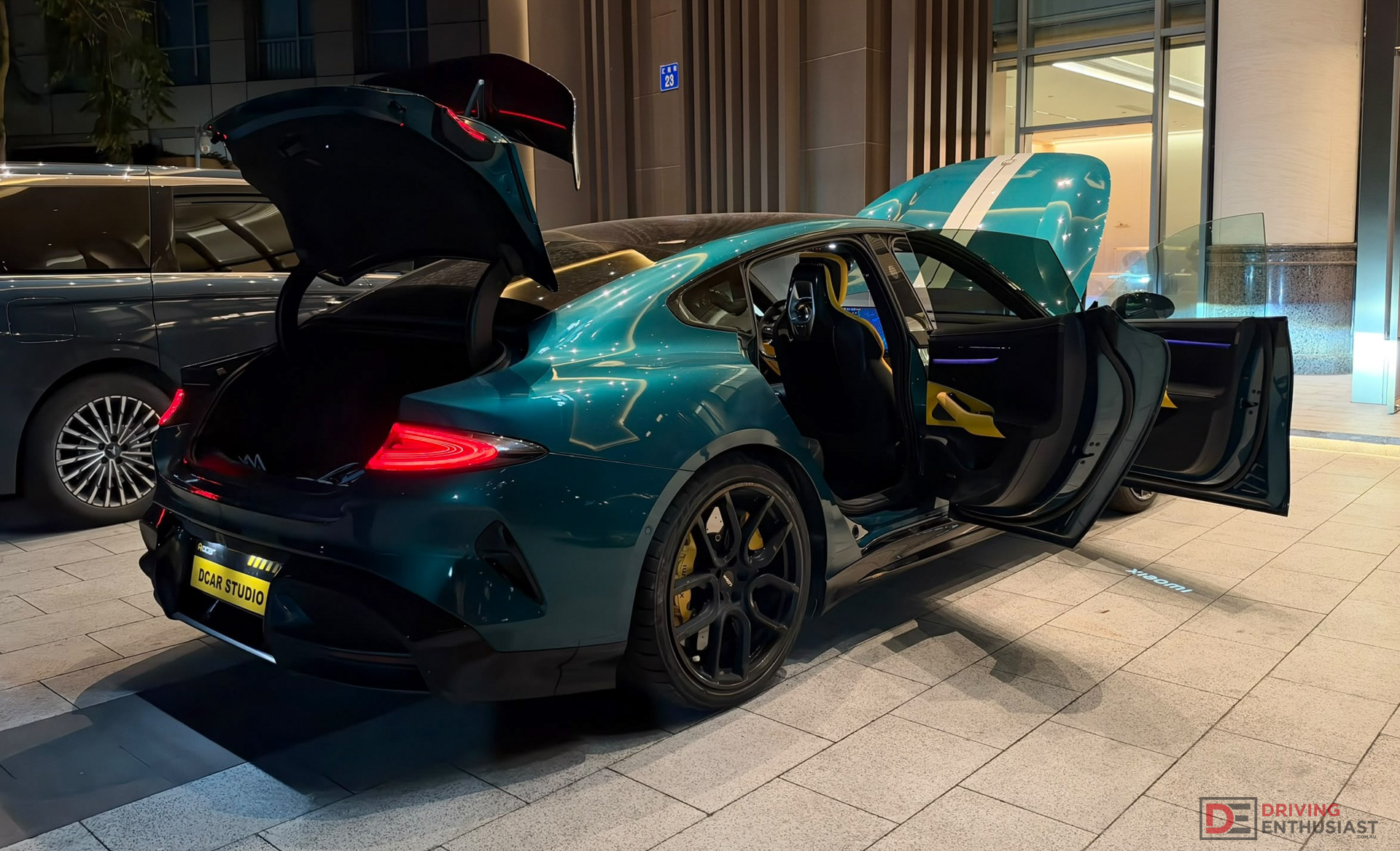
This test car we drove featured a suitably flamboyant black and yellow interior theme, with carbon-back bucket seats in the front, and carbon steering wheel. Even so, it feels like a regular modern sedan; reasonably comfortable seat cushioning, an ergonomic driving position, and good rear legroom thanks to a flat floor and that expansive wheelbase.
We can’t really comment on the digital interface as it was all in Chinese, however, we want to note the cool rotary dial on the steering wheel for the driving modes. Each mode selection is accompanied by a racing simulator inspired audio alert. It has a certain atmosphere or theatre about it overall. In other words, it feels like you’re sitting in a special car, but without compromise to space or comfort.
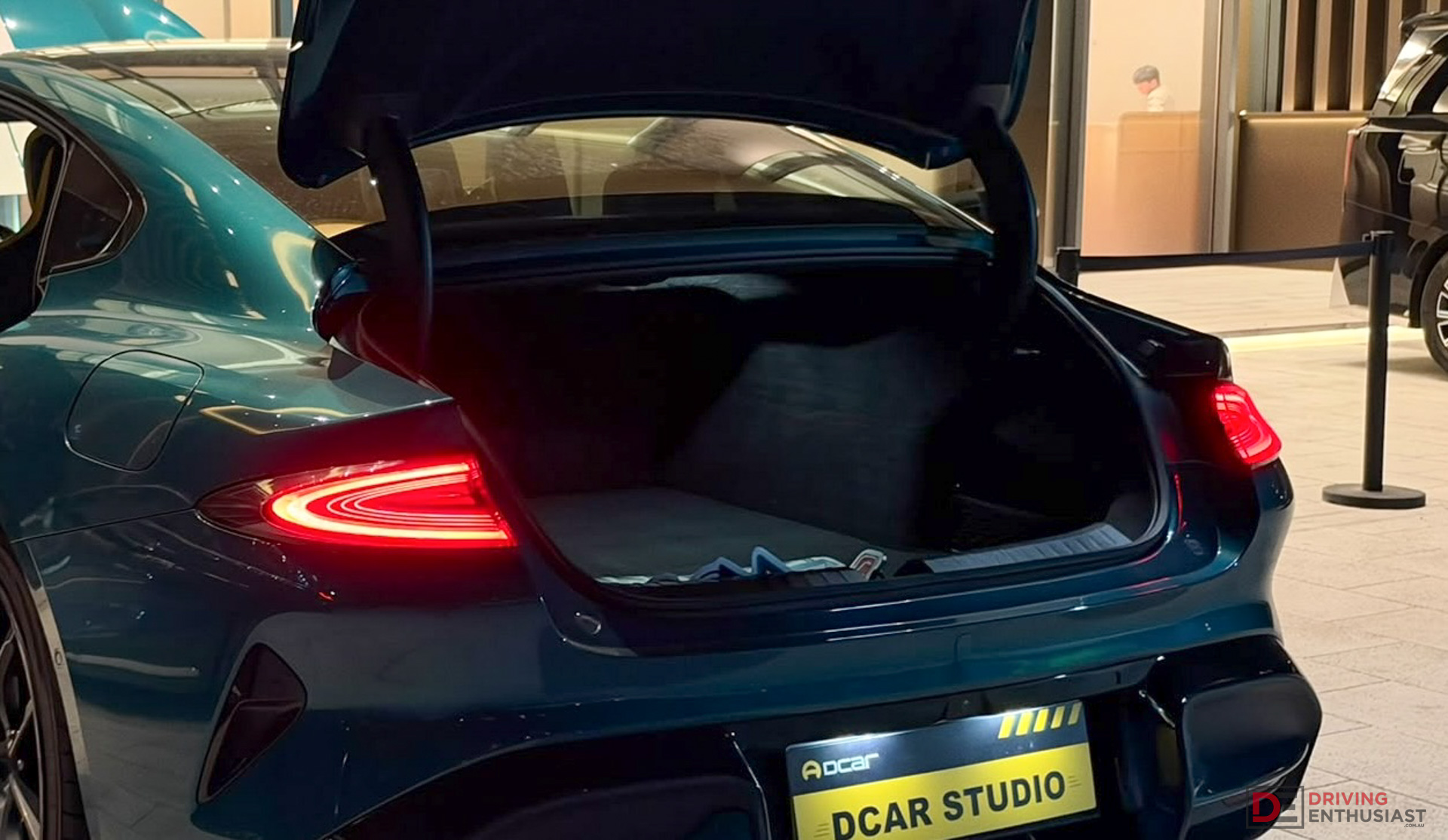
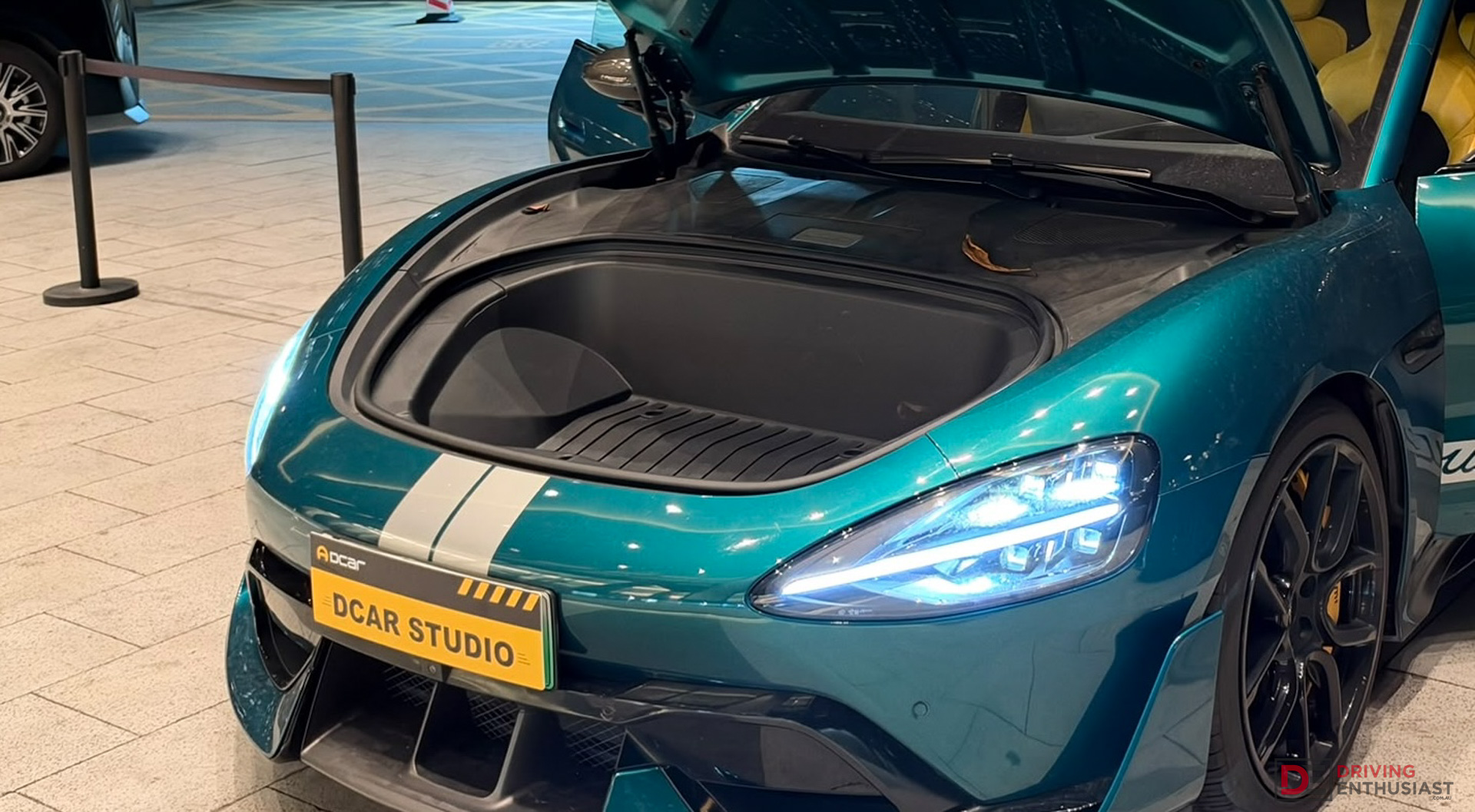
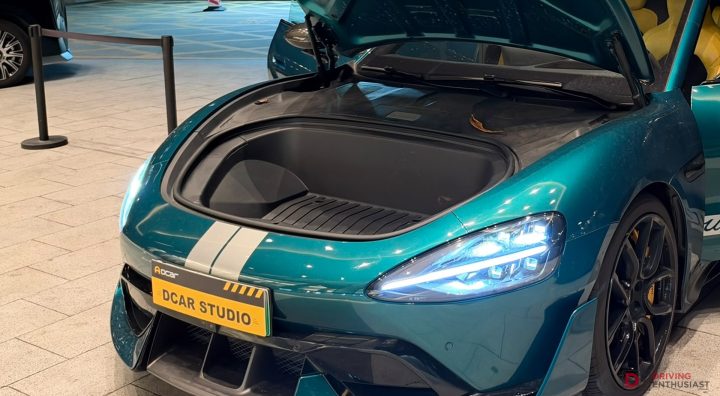
There’s even a decent-size boot, offering 454L and an additional 105L boot under the bonnet at the front. So, yes, you could use this 1500hp car as a daily driver.
2026 Xiaomi SU7 Ultra: Powertrain & handling
This is where things get particularly interesting. While most performance EVs feature an electric motor at each axle for all-wheel drive, Xiaomi has incorporated two high-performance HyperEngine V8s units for the rear (one for each wheel), and a single V6s motor for the front.
Combined, the system develops a colossal 1138kW (1548PS) and 1770Nm in Track mode. For perspective, that’s more power than three BMW M3 Competition sedans combined. Despite weighing around 2360kg, Xiaomi claims 0-100km/h in 1.98 seconds and 0-200km/h in an astonishing 5.86 seconds, with the quarter mile crossed in an unbelievable 9.23 seconds. And acceleration doesn’t run out like most EVs. This has a top speed of around 350km/h.
Of course, there’s more to developing a genuinely fast electric car than simply installing some powerful motors. Managing heat, distributing torque and maintaining consistent performance under sustained heavy loads are equally important. Xiaomi has developed a dedicated cooling system for the Ultra, designed to cope with consecutive hot laps of the Nurburgring.
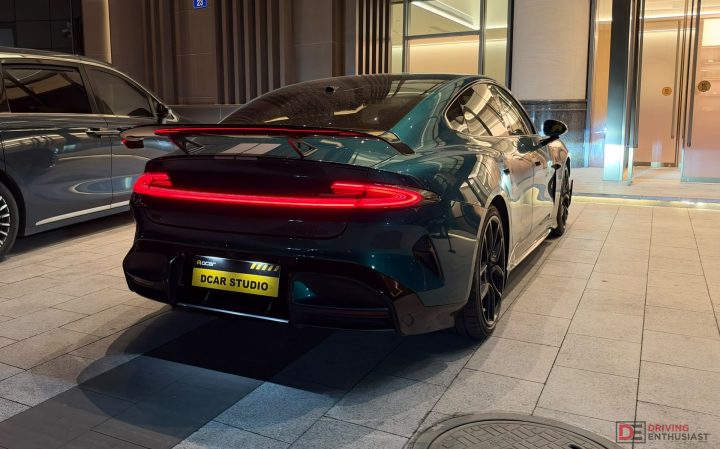
The tri-motor arrangement also enables individual torque distribution across the rear wheels to assist with cornering. So, a bit like a limited-slip differential, the system can direct torque to each side to improve cornering force. But, unlike an LSD, the control breadth here is almost infinite, and instant.
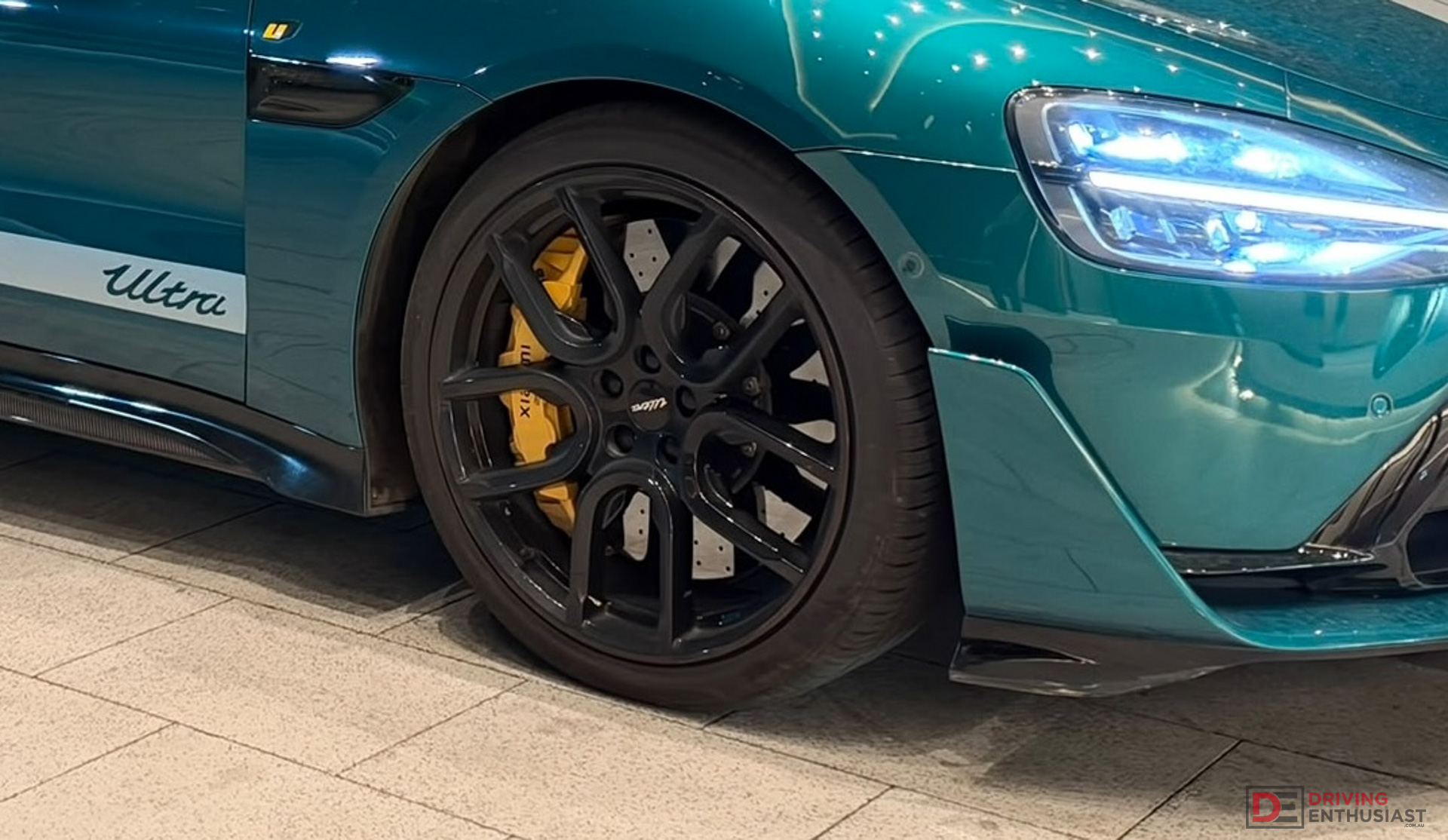
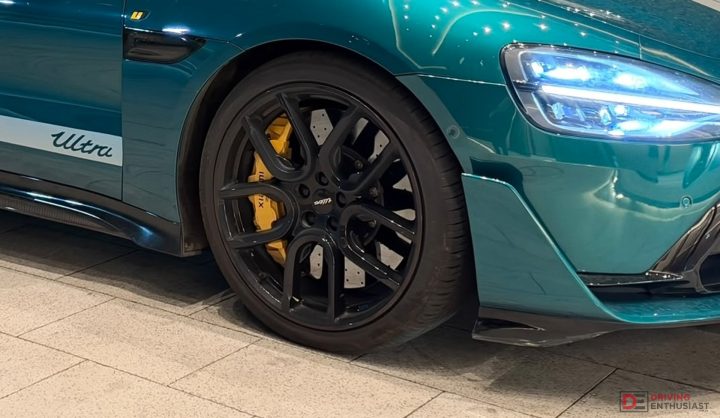
You’ve also got dual-chamber air springs and electronically controlled adaptive dampers providing surprisingly high levels of comfort and compliance, even in the sportier modes, while the braking package comprises enormous 430mm carbon-ceramic front discs with six-piston Akebono calipers. Xiaomi claims a 100-0km/h stopping distance of just 30.8 metres. This is not mucking around.
During our brief midnight drive, we experimented with the Normal, Sport and Sport Plus driving modes to get an idea of how the car’s character changes. In Normal model, it is quite a pleasant cruiser, with relaxed throttle response making it easy to drive about in the city; it’s not intimidating at all, despite the mega stats.
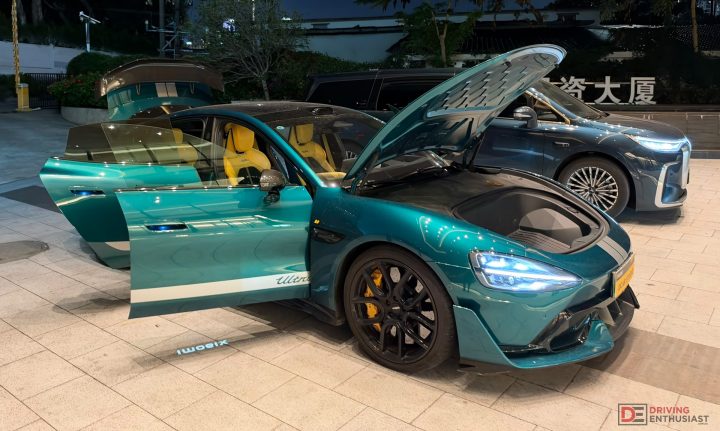
Sport Plus mode certainly sharpens things up. It’s actually not comprehensible for us regular humans to interpret how quickly it builds speed. Watch the video below where I casually apply about 50 per cent throttle from around 40km/h, and the speedo instantly jumps to 65-68km/h. Like, instantly. From behind the wheel it was so quick that I don’t think my body/brain even had time to feel the speed change. As in, I only knew the speed climbed because the dashboard said so.
We also tried out the artificial engine sound system. As is often the case with these systems, it sounds a little strange and futuristic, rather than convincingly replicating a conventional combustion engine. We didn’t get a chance to find out if there are multiple sound modes to toggle through.
However, there’s something to be said for having an audible reference point when driving a performance car. For those of us accustomed to using engine noise as a subconscious indicator of acceleration and speed, it can add another dimension of feedback to what would otherwise be an unusually quiet experience. I look forward to the time where, especially these technology-based manufacturers, simply incorporate a genuine V8 or V12 sound file instead of these futuristic spaceship noises.
2026 Xiaomi SU7 Ultra: Key attractions/reasons to buy
It’s difficult not to be impressed by what Xiaomi has achieved in such a short period of time. The SU7 Ultra is not simply another ridiculously powerful electric car designed to dominate 0-100km/h times. You can’t stumble upon deriving perfect Nurburgring credentials by accident or by cheating; it takes extensive chassis and powertrain engineering and sophisticated braking and cooling systems to produce a 7-min lap time.
Our midnight run in China was only a brief introduction to the car, and we’d love to spend more time with one, particularly on a circuit where its capabilities could be properly explored. Regardless, the fact that a company better known for making smartphones is now challenging some of the world’s most respected performance car manufacturers is quite extraordinary.
2026 Xiaomi SU7 Ultra: Video