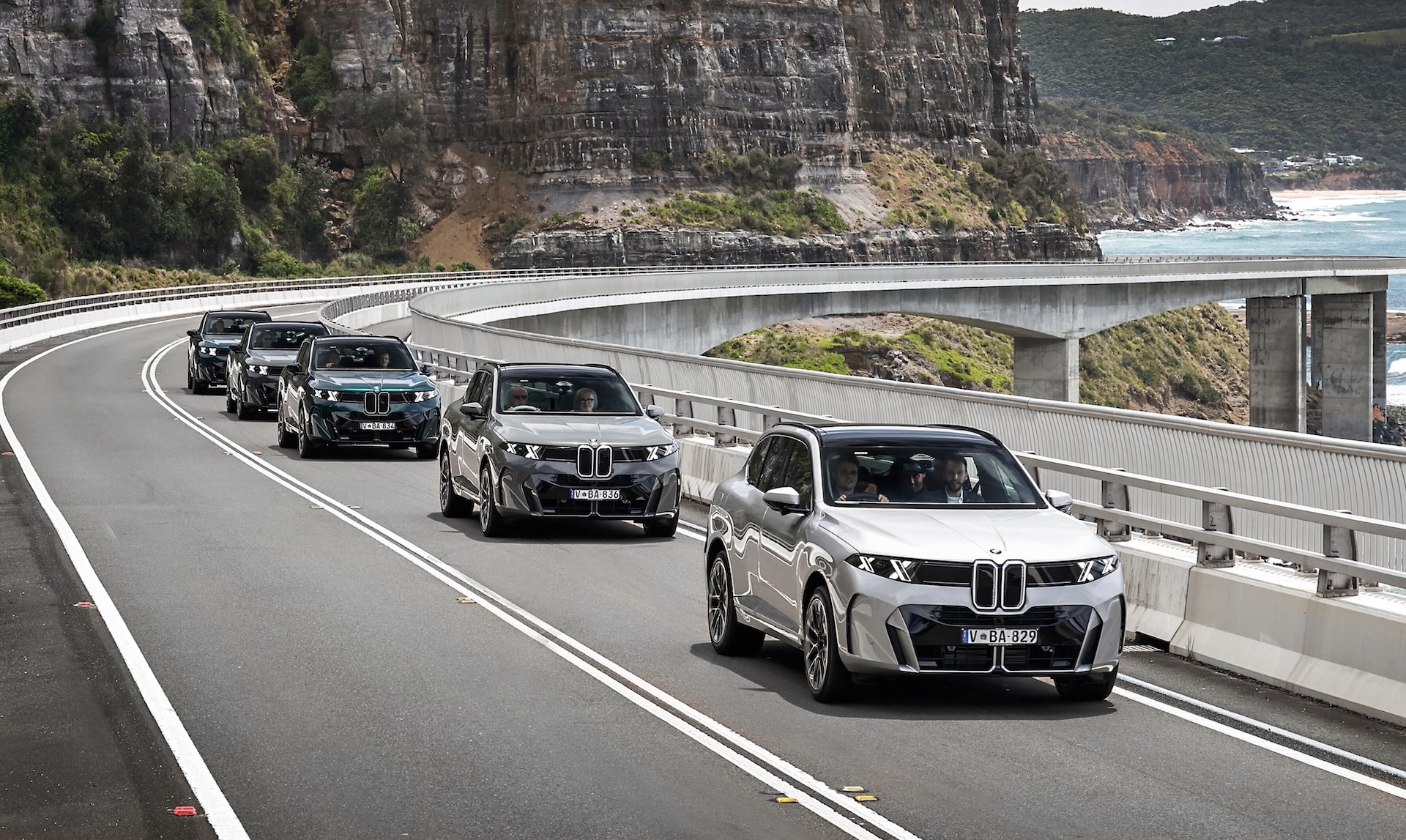
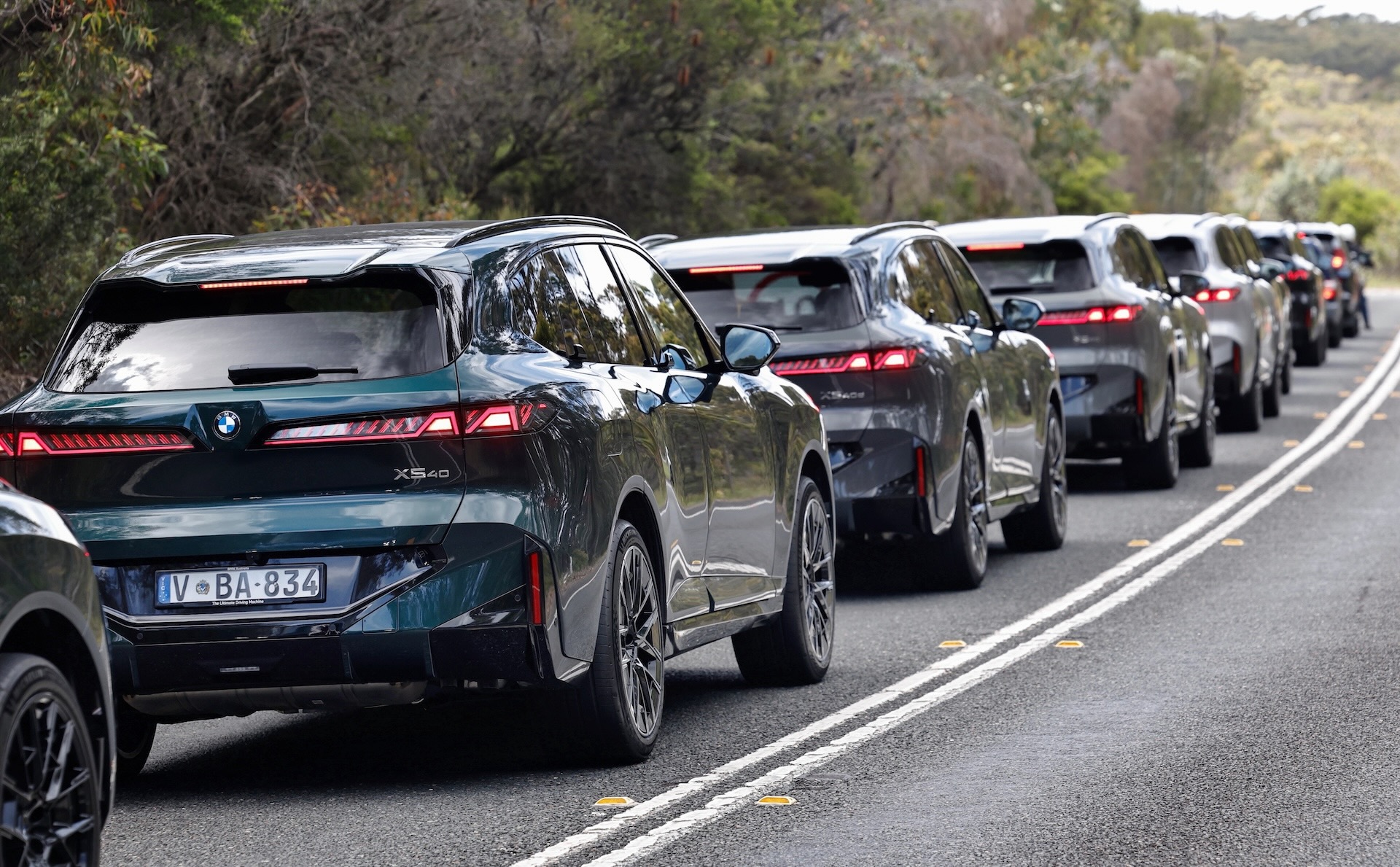
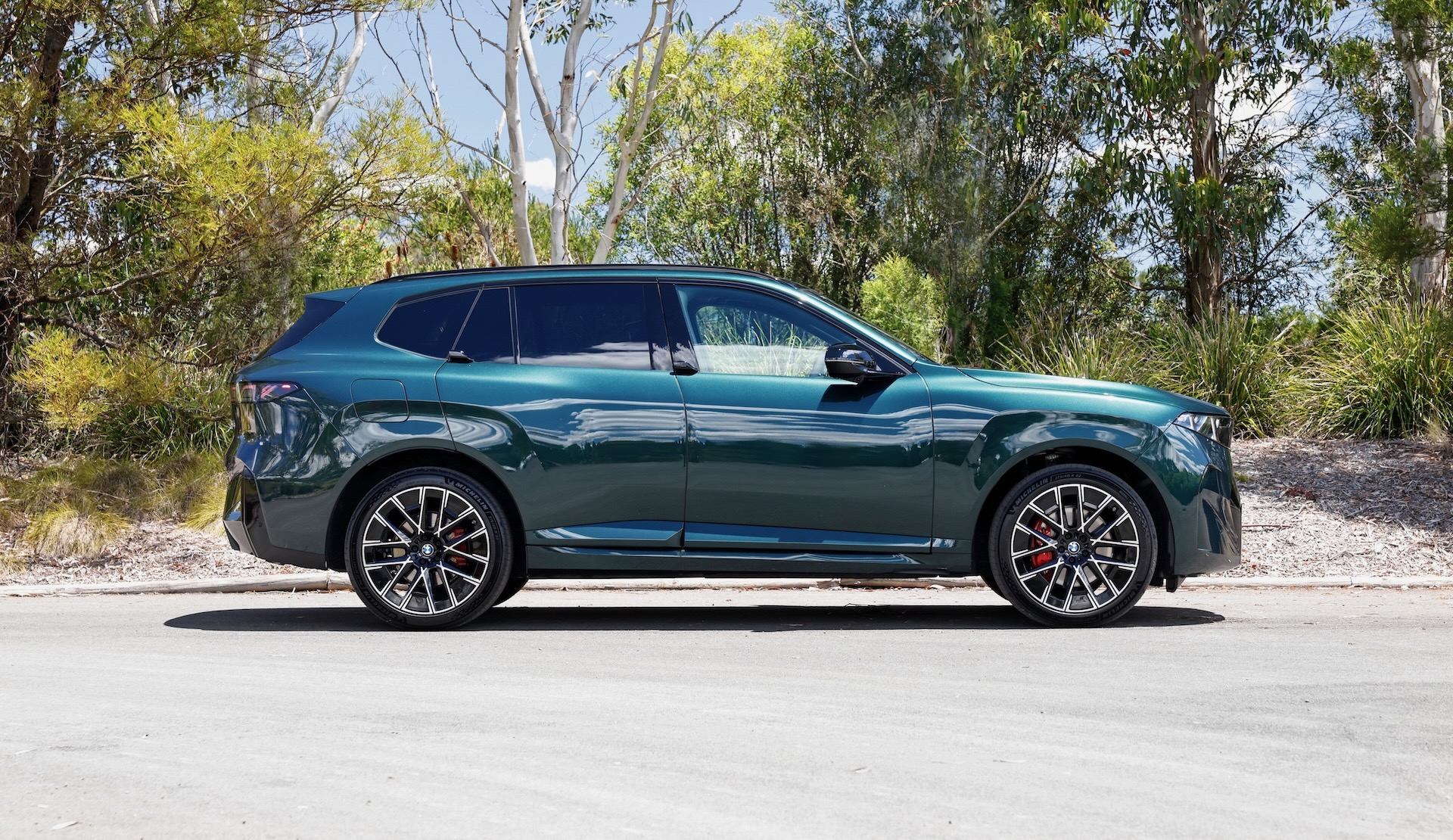
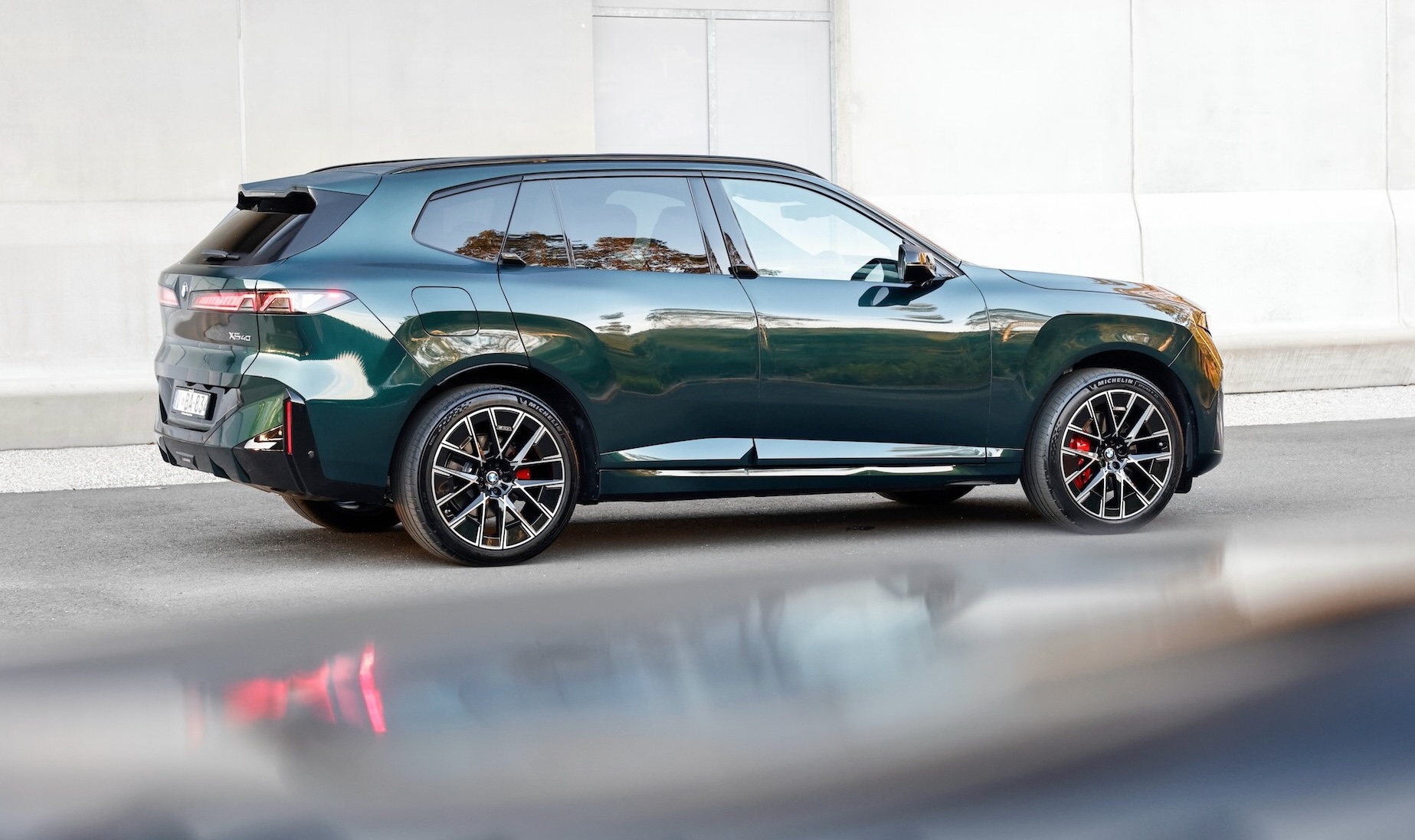
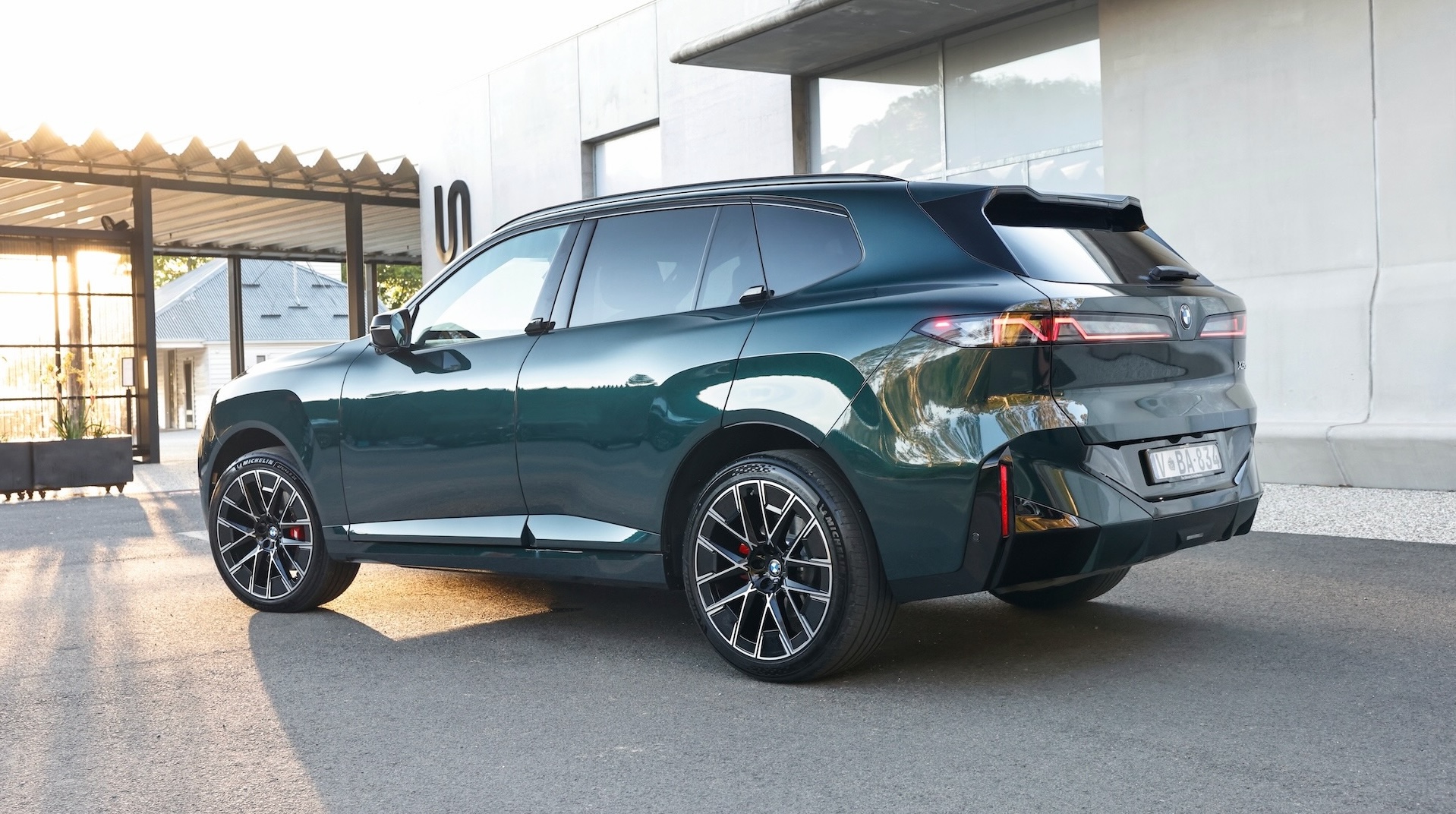
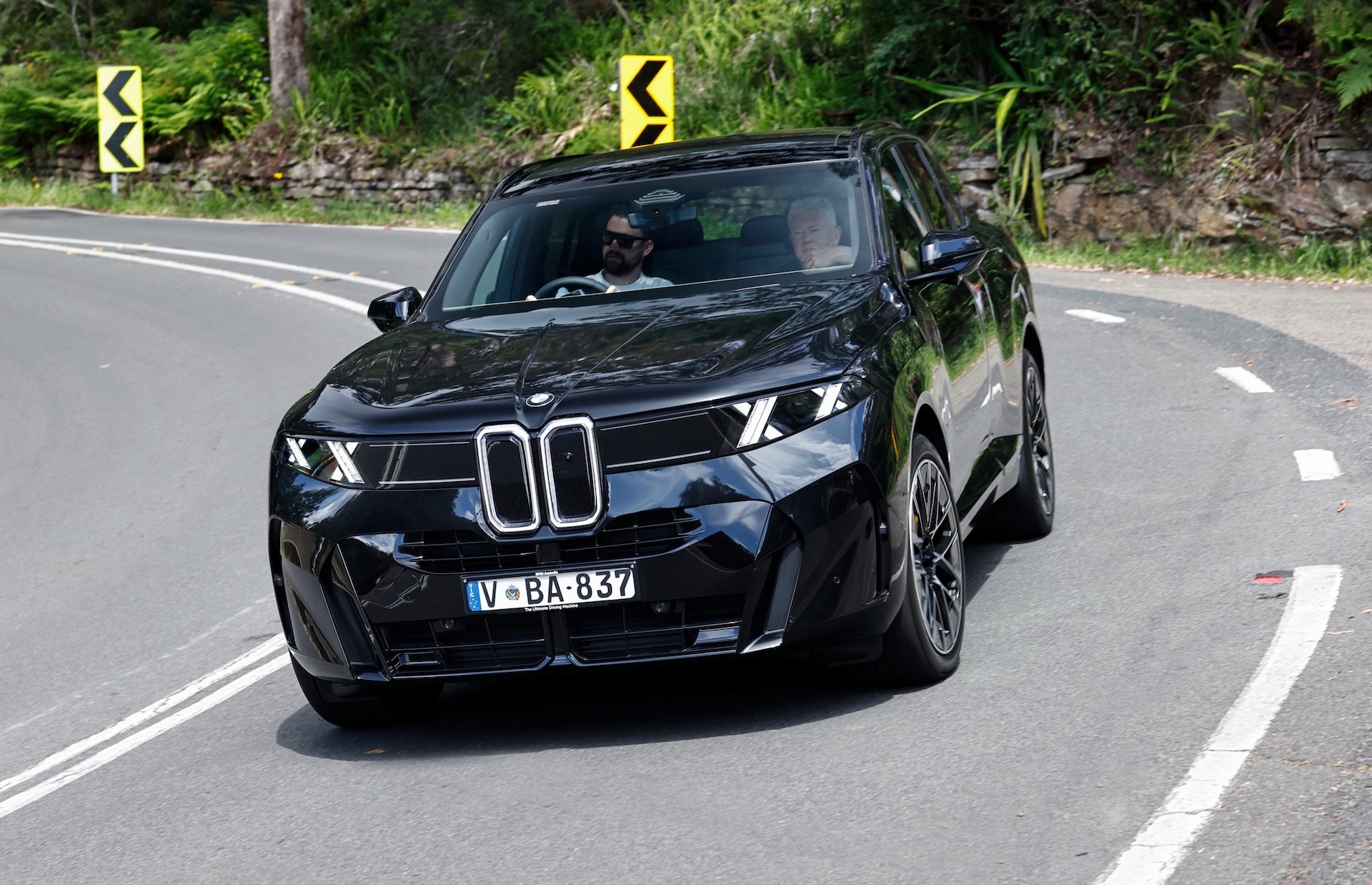
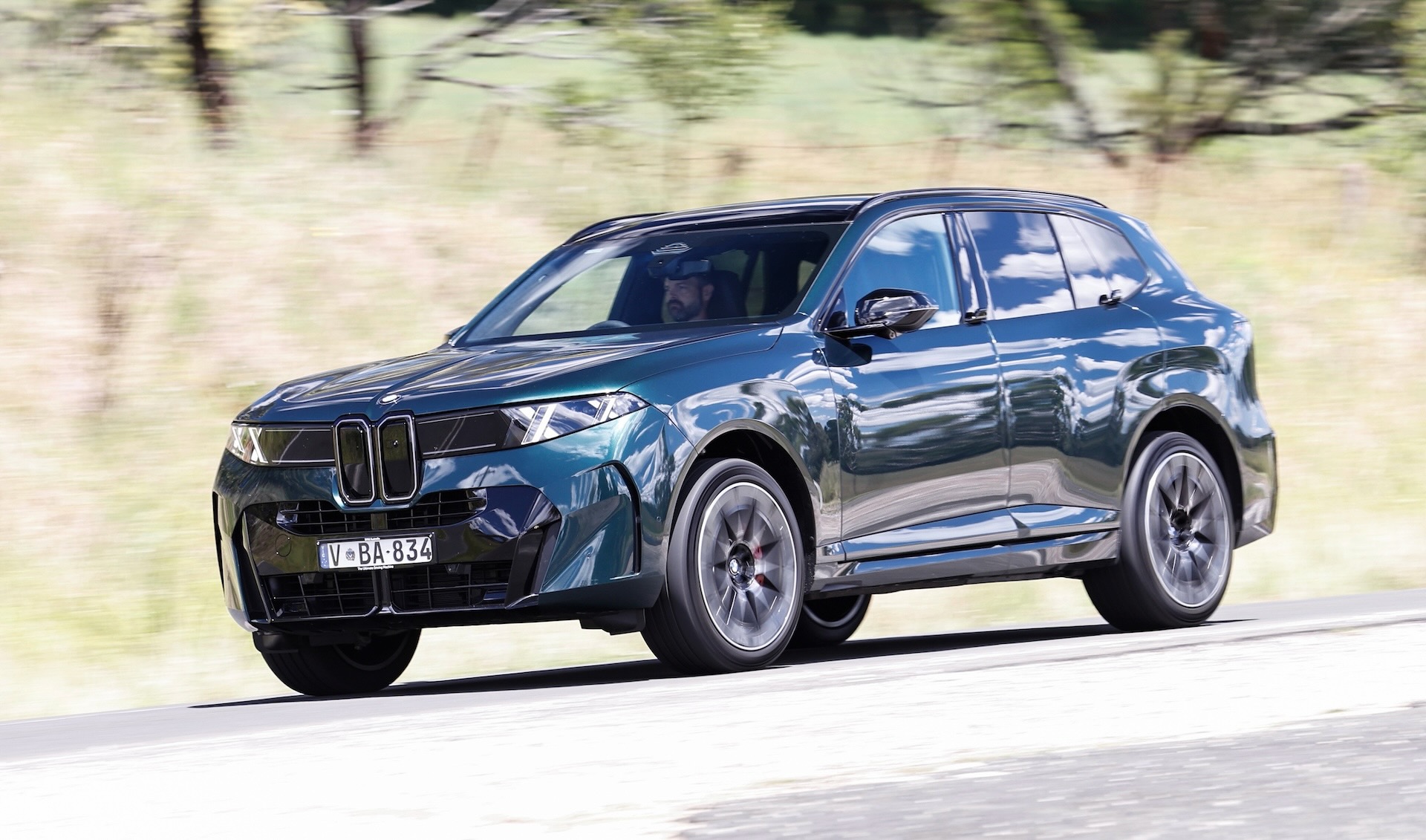
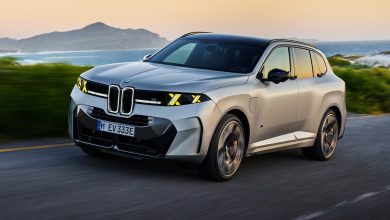
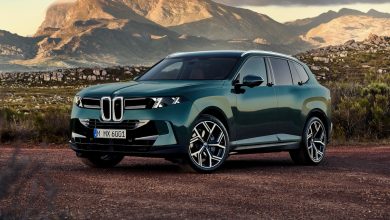
Like other automakers, BMW knows it needs to come out swinging at this crucial apex of time. Chinese carmakers are iterating with the relentless, recursive speed of an AI outpacing its human creators, which is why the 2027 BMW X5 G65 is the biggest generational change, inside and out, in the nameplate’s lineage.
Underpinning the fifth-generation X5 is a heavily revised version of BMW’s Cluster Architecture (CLAR), incorporating a new zonal electrical architecture and much of the technology we’ve seen debut in the Neue Klasse iX3. Measuring 4994mm long, 2000mm wide and 1751mm tall, it rides on a 3035mm wheelbase.
Rather than putting all its eggs in the electrification basket, BMW is offering an unprecedented breadth of powertrain options. The six-cylinder X5 40 xDrive petrol and 40d xDrive diesel arrive in Australia first, with the 50e plug-in hybrid and fully electric iX5 60 xDrive – the latter packing an enormous 141kWh battery – joining the range in 2027. A V8 is also in the pipeline, although its Australian arrival is yet to be confirmed.
Driving Enthusiast sampled both six-cylinder variants at the Australian launch to see if BMW has done enough to stay at the pointy end of this increasingly competitive segment.
2027 BMW X5 40d: Specifications
Engine: 3.0-litre turbo-diesel six-cylinder
Output: 230kW@4000rpm / 670Nm@1500-2500rpm
Gearbox: Eight-speed auto
Drive type: All-wheel drive
Tare weight: 2301kgPower-to-weight: 10.0:1 (kg:kW)
Official consumption: 7.0-7.3L/100km
Fuel tank/Fuel type: 75L/Diesel
0-100km/h (claimed): 6.1 seconds*
Starting price: $143,900
2027 BMW X5 40: Specifications
Engine: 3.0-litre turbo-petrol six-cylinder
Output: 294kW@5200-6500rpm / 540Nm@1980-5000rpm
Gearbox: Eight-speed auto
Drive type: All-wheel drive
Tare weight: 2235kgPower-to-weight: 7.60:1 (kg:kW)
Official consumption: 8.6-9.3L/100km
Fuel tank/Fuel type: 83L/95 RON
0-100km/h (claimed): 5.3 seconds*
Starting price: $145,900
2027 BMW X5: How much does it cost?
Pricing starts from $143,900 for the 40d xDrive and $145,900 for the 40 xDrive (excluding on-road costs). Considering the extent of the changes, price increases are quite modest. The petrol is only $2000 dearer than its predecessor, while the diesel commands an additional $4000 over the outgoing xDrive30d, but gains 20kW and 20Nm in the process. It also undercuts its six-cylinder diesel Mercedes-Benz GLE counterpart by around $10,000.
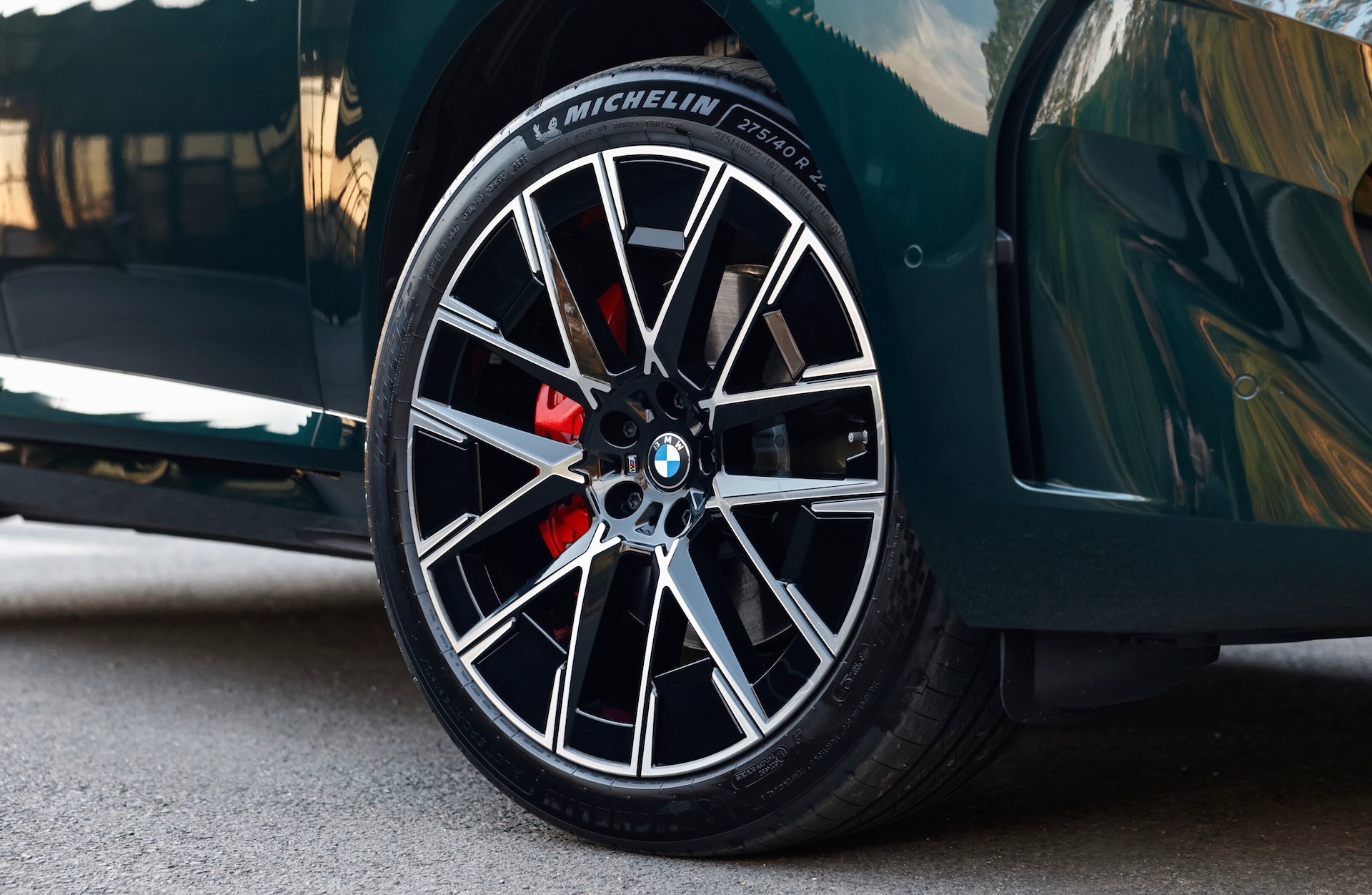
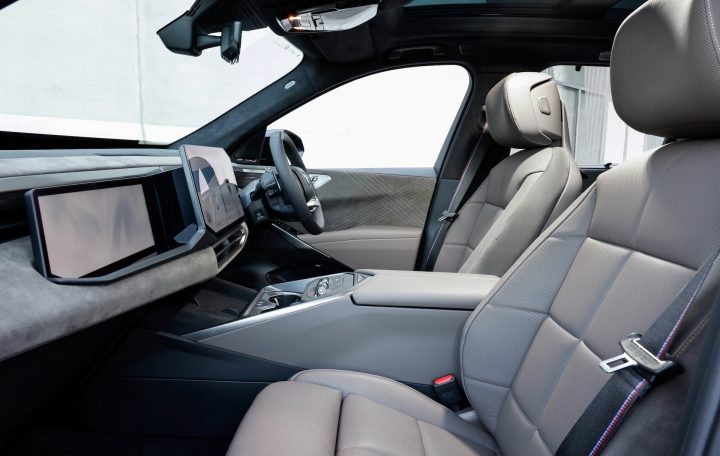
Both variants come standard with the M Sport package, 21-inch alloy wheels, Adaptive M Suspension, heated, ventilated and massaging front seats, a heated steering wheel, panoramic sunroof, soft-close doors, an 18-speaker Bowers & Wilkins sound system and a separate infotainment screen for the front passenger.
Some noteworthy options include the rather fetching Clear&Bold glass and slate console treatment ($1900), Comfort Package ($2300), M Sport Pro package ($3600), 22- and 23-inch alloys (up to $5400), and Adaptive Chassis Control incorporating air suspension and rear-wheel steering ($7000).
As with all new BMWs in Australia, the X5 is covered by a five-year, unlimited-kilometre warranty.
2027 BMW X5: Interior & packaging
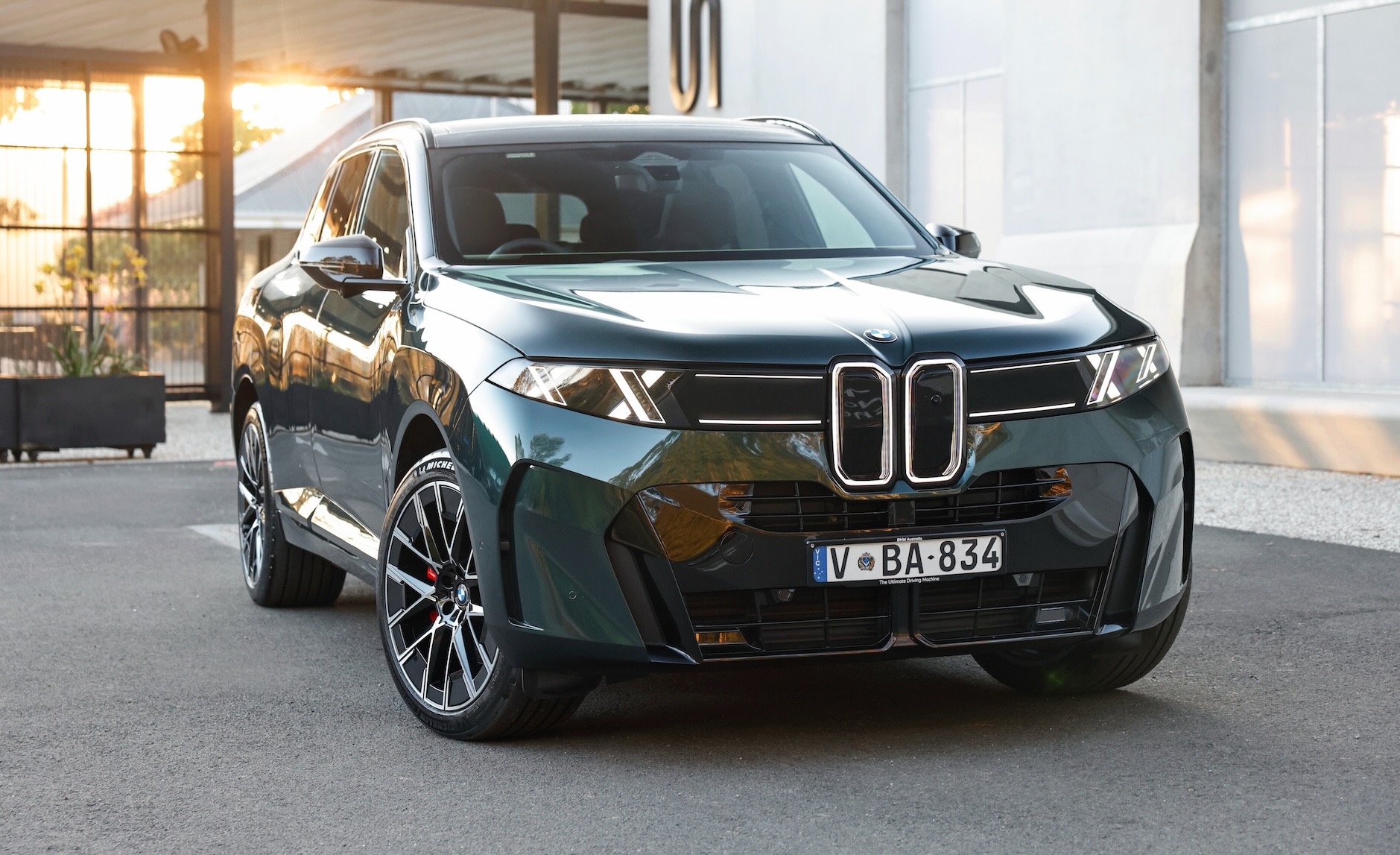
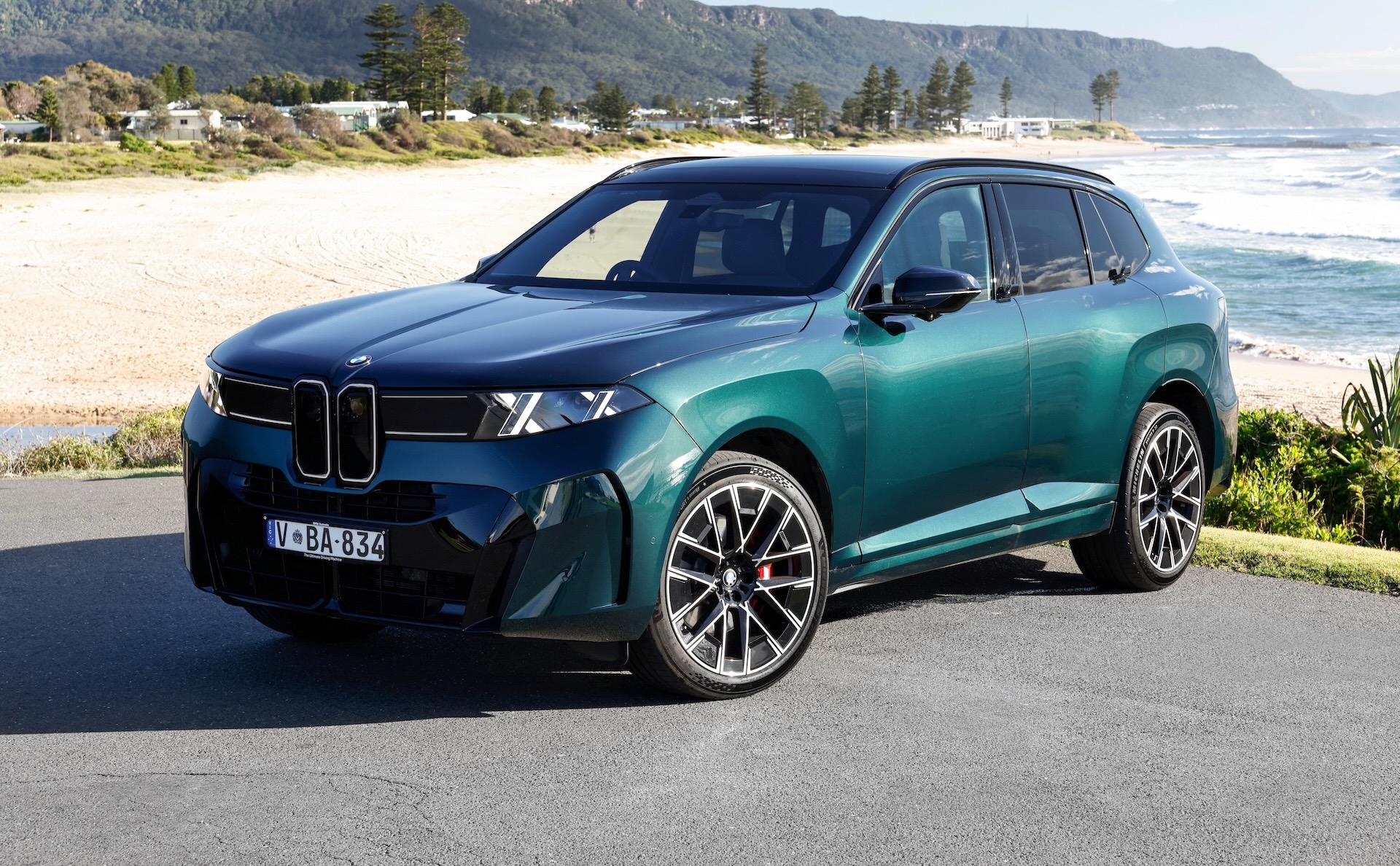
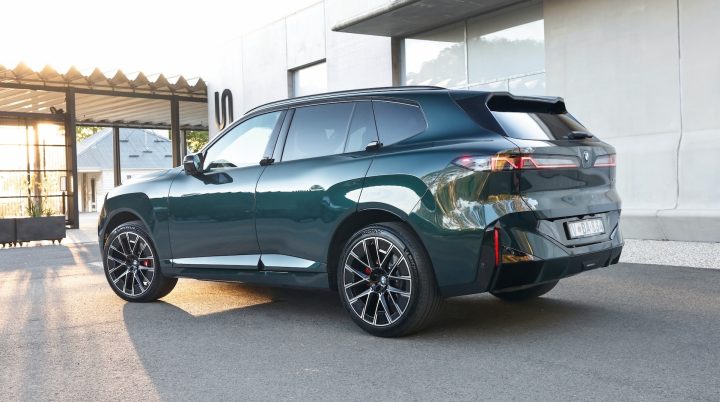
The Neue Klasse styling works well on a car of this size, in our view. Of particular interest are the winglet-style door handles, which allow for much cleaner surfacing along the flanks. These are very similar to those on the Ford Mustang Mach-E.
Two casualties of the generational change are the optional third row seat, and the split tailgate – the latter has been an X5 staple since 1999 and will no doubt be missed by some owners.
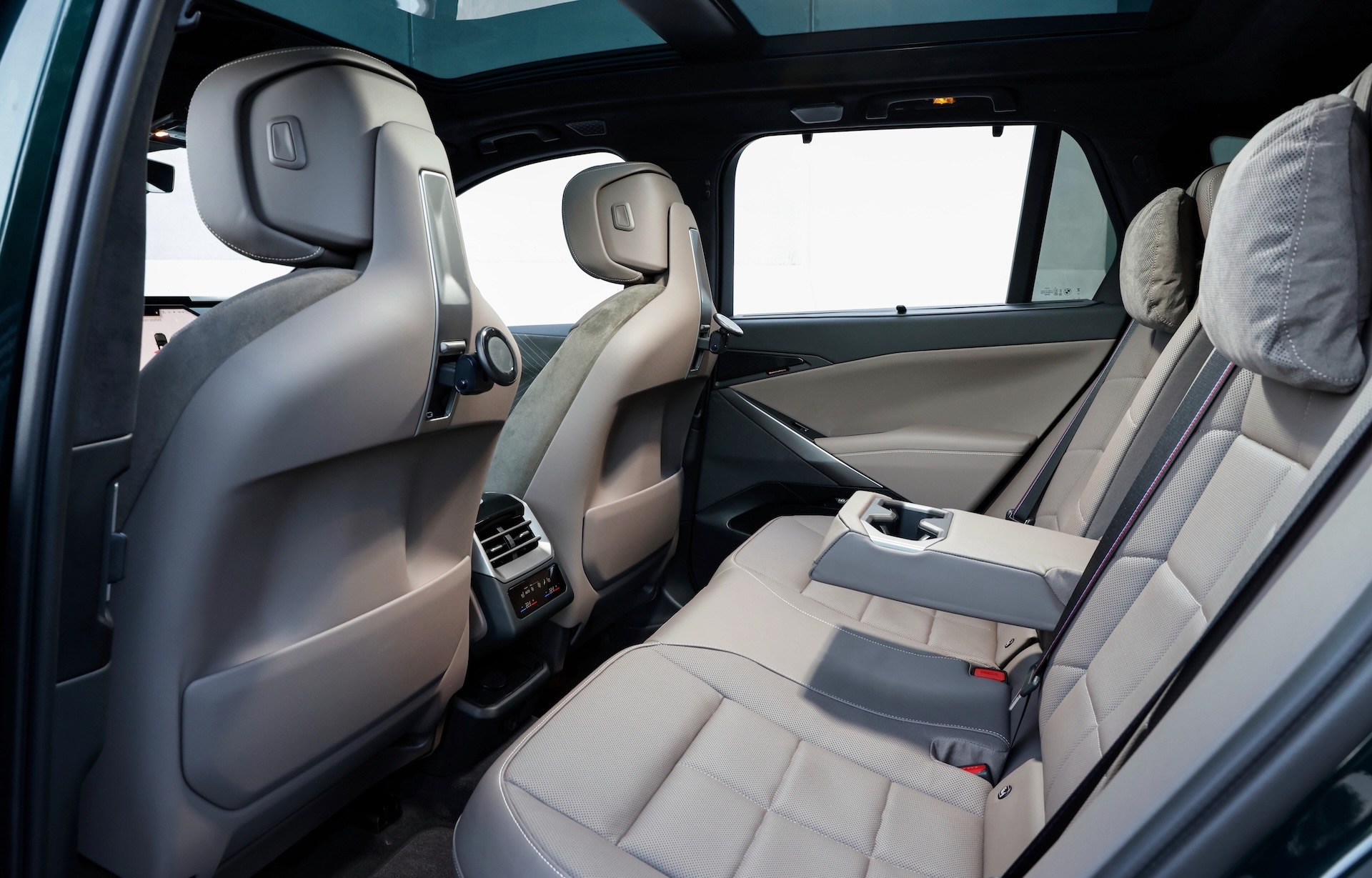
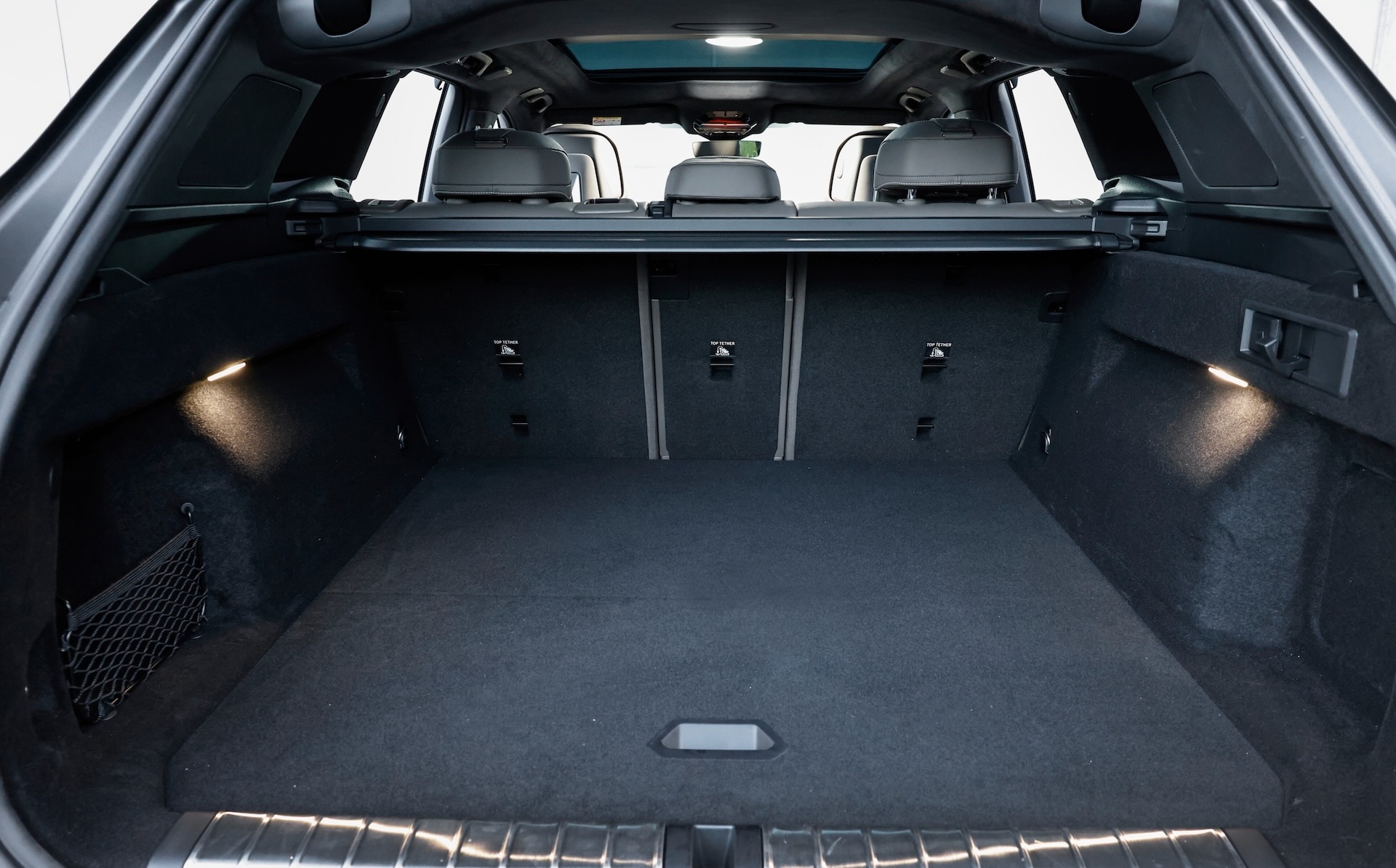
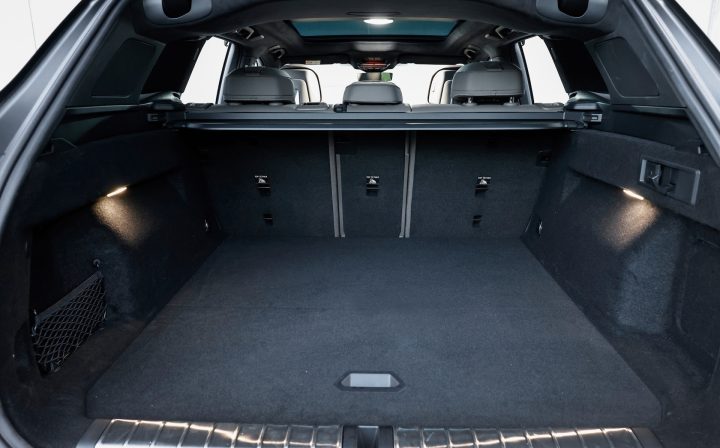
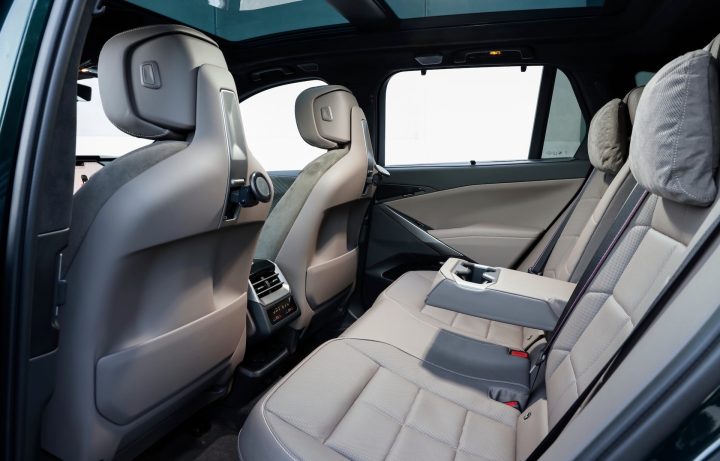
Boot space is generous at 655 litres, expanding to 1850 litres with the rear seats folded. Rear-seat accommodation is excellent, particularly in terms of footroom. A set of soft pillows before the headrests are a nice touch.
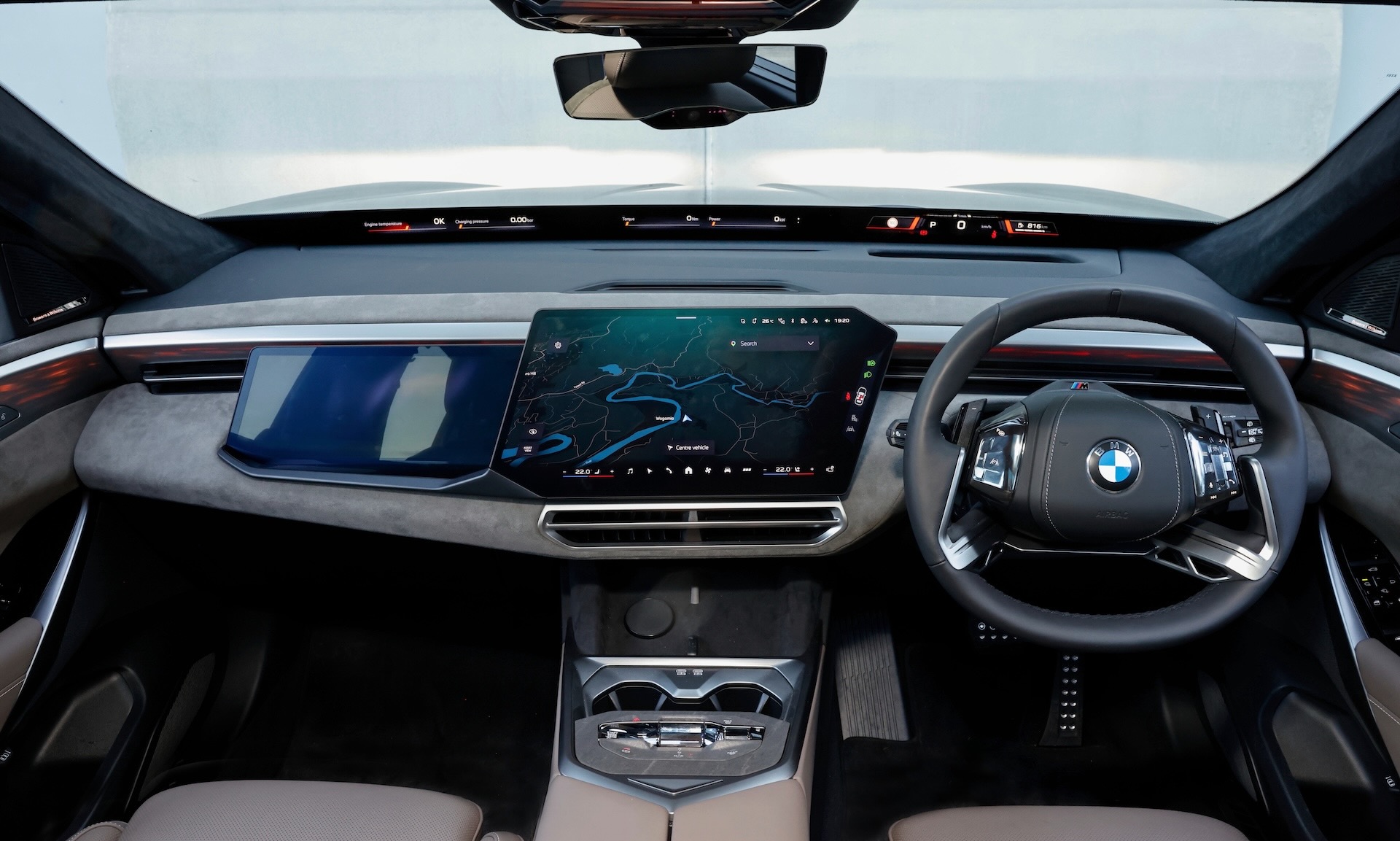
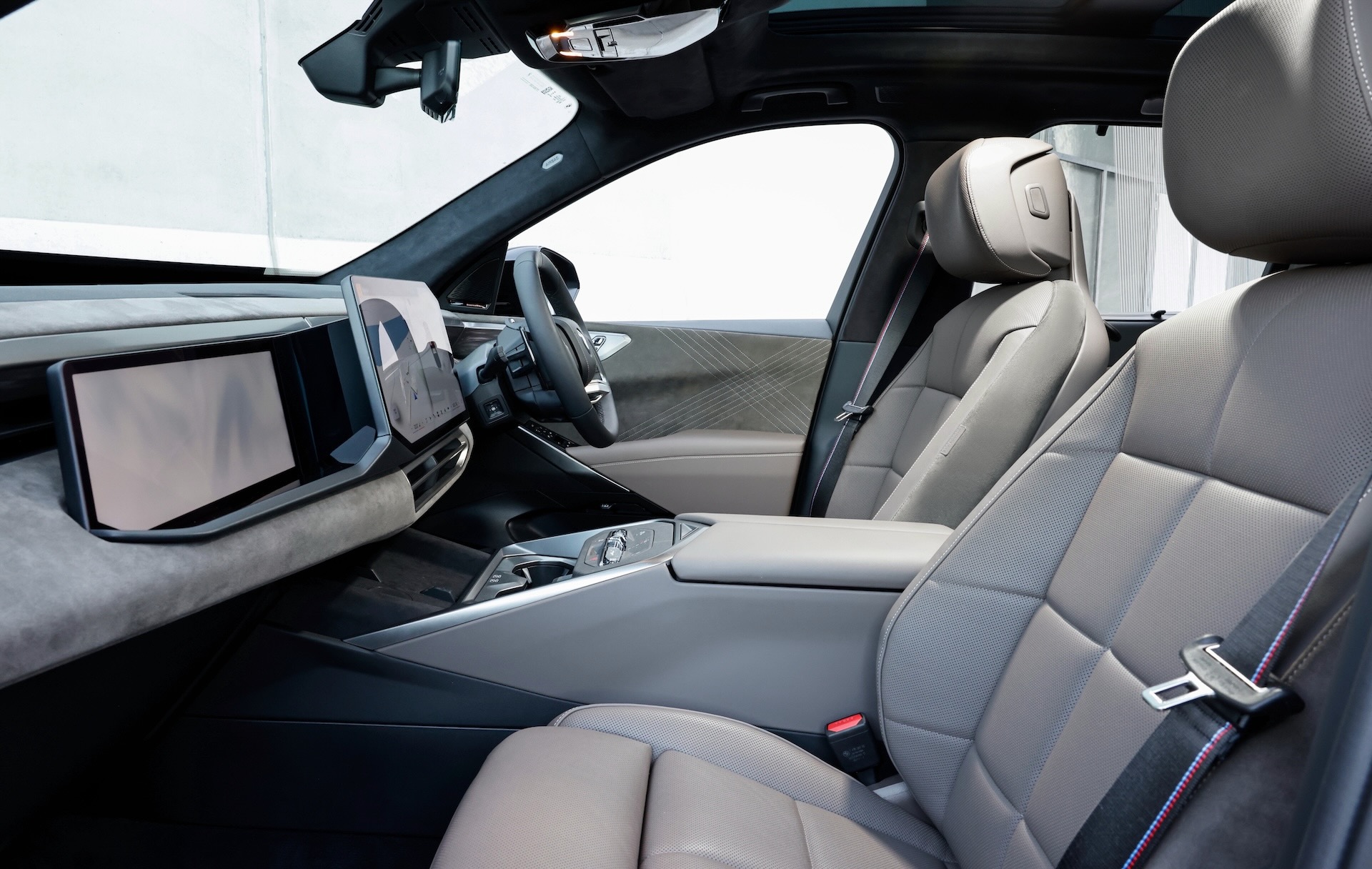
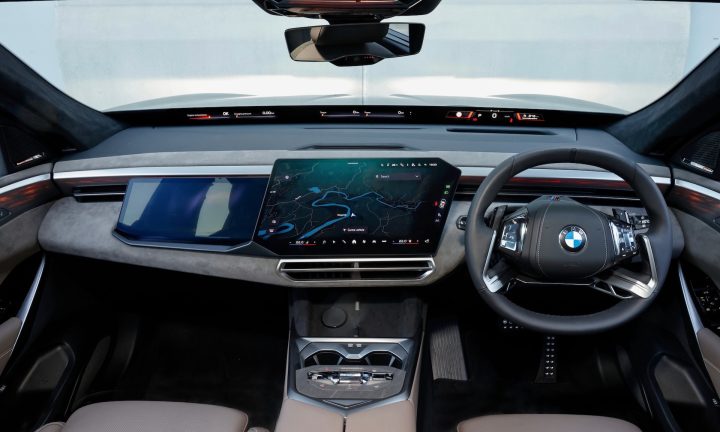
We have to commend BMW on the execution of this interior. In an era where many manufacturers seem to conflate minimalism with good ergonomics, BMW has managed to make a very futuristic interior that is actually quite intuitive to use.
The new steering wheel, while a bit odd in shape, is particularly nice in terms of both tactile feel and the positioning of its controls. There is something very satisfying about running your fingers across the optional textured slate on the console as well, particularly when you consider the prevalence of piano black plastic in modern car interiors. The seats are superb, as is the massage function, which even has a random setting.
There are some clever touches throughout the cabin. Magnetic mounting points on the backs of the front seats allow rear occupants to attach their devices, while the magnetic wireless phone charger up front incorporates cooling to mitigate overheating. We’d love to see a second one of these for the front passenger.
Even the mechanical emergency door releases are intuitively positioned and easily accessible – something not all manufacturers seem to have given adequate consideration to of late.
BMW’s new Panoramic iDrive consists of a 17.9-inch central touch-screen, a display spanning the base of the windscreen and a 3D head-up display, all running BMW Operating System X.
One criticism we have is the lack of numerals on the bar-graph tachometer. In a BMW of all cars, surely being able to ascertain engine speed at a glance isn’t too much to ask? We also didn’t get to establish during our time with the car whether augmented reality navigation is available through the head-up display.
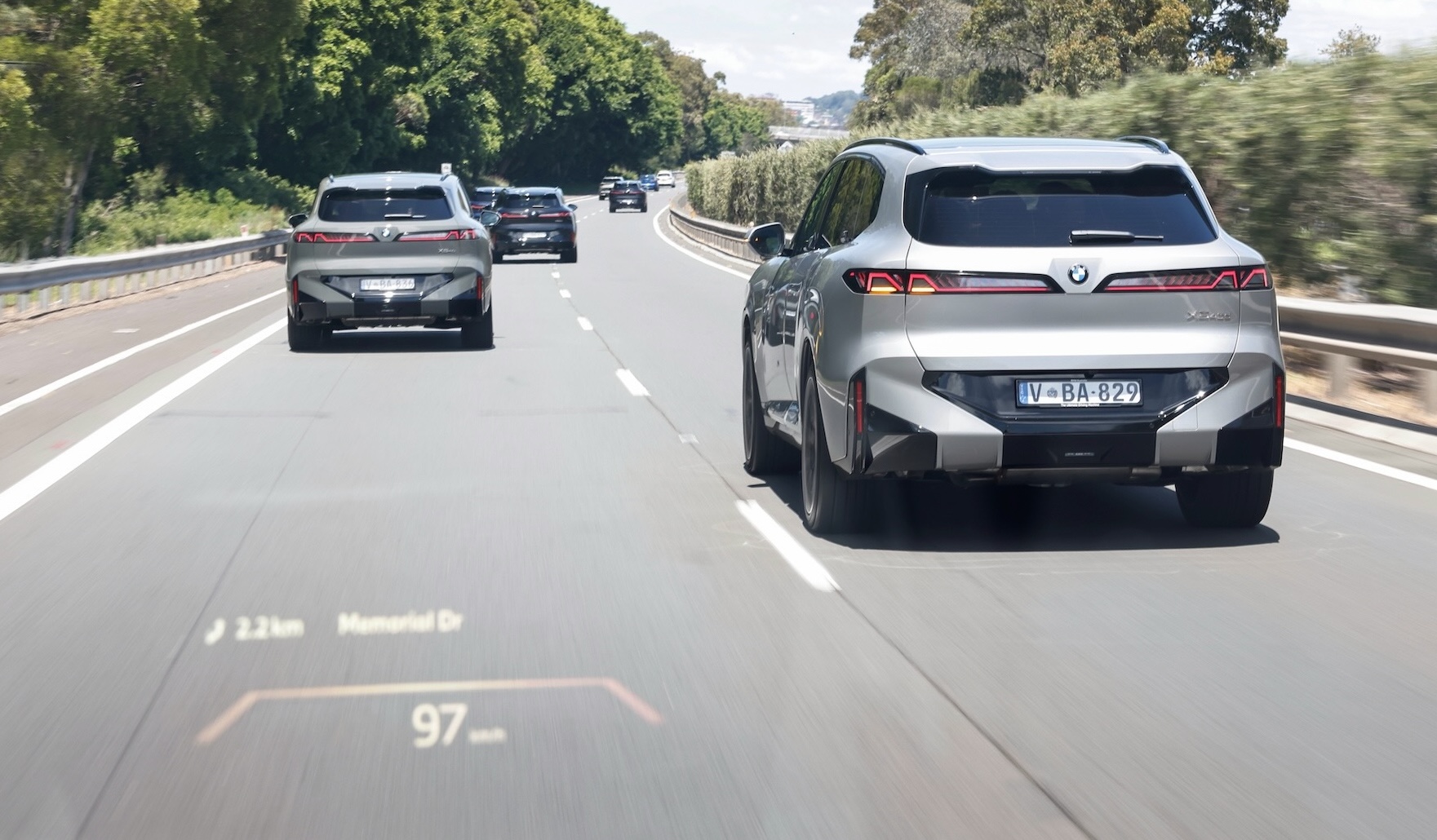
Perhaps the highest compliment we can pay the X5’s suite of advanced driver assistance systems (ADAS) is that we didn’t feel compelled to turn any of them off. The driver monitoring system (DMS) is particularly unobtrusive – a far cry from some of the cars we’ve tested recently.
2027 BMW X5: Powertrain & handling
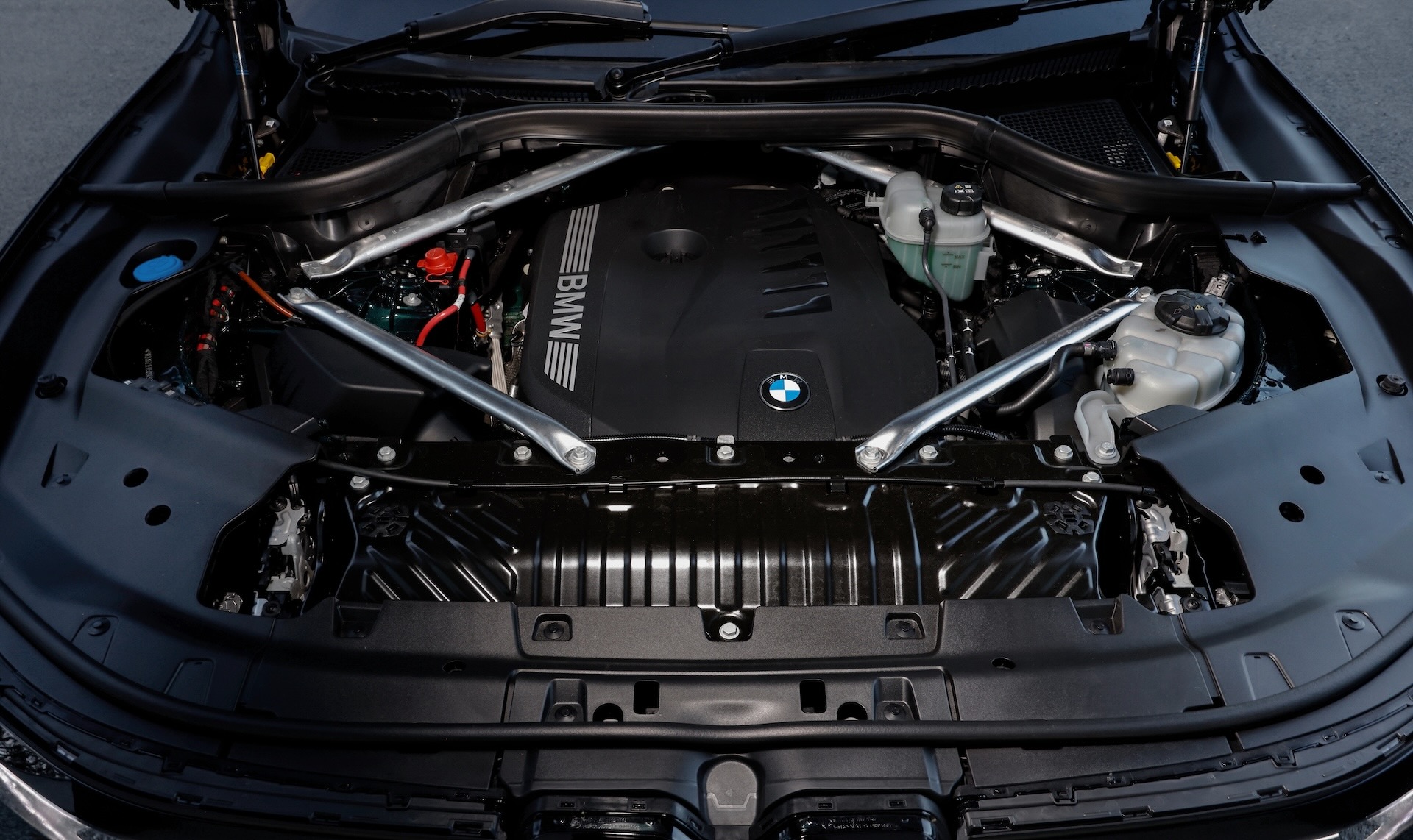
Both launch variants feature 3.0-litre turbocharged inline-six engines, ZF eight-speed automatic transmissions and xDrive all-wheel drive, with a 48-volt mild-hybrid system incorporating a 13kW/200Nm electric motor. Braked towing capacity is rated at 3000kg, with provision to increase this to 3500kg via a $2500 option.
BMW’s B58 petrol six is as delightful as ever. With 294kW on tap, the 40 xDrive dispatches the 0-100km/h sprint in a claimed 5.3 seconds. It’s a beautifully smooth and free-revving engine with a great soundtrack. We saw indicated fuel consumption figures in the 9L/100km region during our launch drive, which is quite respectable and not far removed from the official WLTP figure of 8.6-9.3L/100km.
As enamoured as we are with the B58, the 230kW/670Nm diesel is actually our pick of the two. The effortless tractability of the B57 is well suited to a vehicle of this ilk. What’s more surprising is how good it sounds. There’s precious little in the way of agricultural diesel noises, with a deep, cultured six-cylinder note emanating from under the bonnet when you give it a bootful.
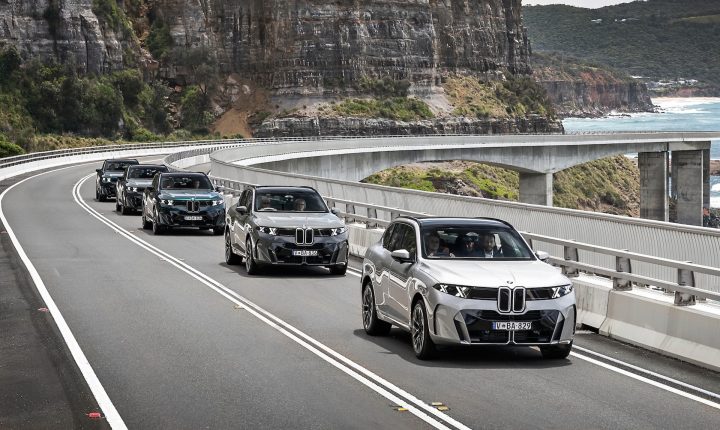
BMW quotes a 0-100km/h time of 6.1 seconds for the diesel. We’ll reserve judgement on real-world fuel consumption until we’ve had the opportunity to spend a week with one, but the diesel is likely to consume less with its official average of 7.0-7.3L/100km.
Cabin refinement is excellent in both models, especially considering the absence of (heavy) acoustic glass. Most of the cars on hand at the launch were fitted with the optional air suspension, which does a phenomenal job of isolating occupants from some fairly ordinary road surfaces. The manner in which it deals with sharp-edged potholes is very impressive for an SUV wearing 22-inch alloy wheels.
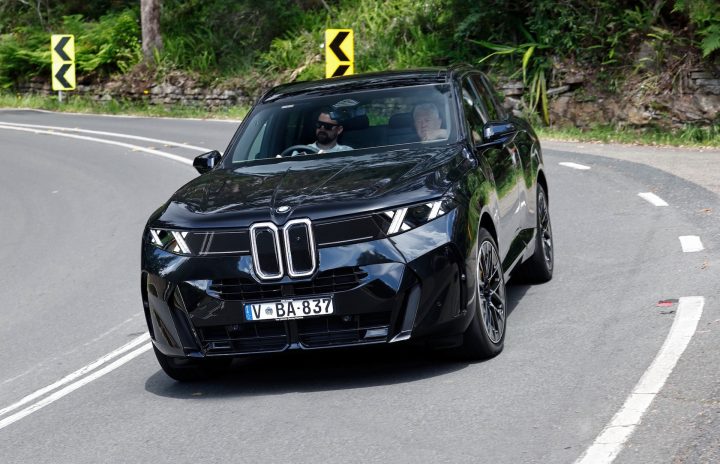
Is it worth $7000, though? Having also sampled the conventional coil-sprung setup with adaptive dampers, you still get an exceptionally well-sorteed ride. It just depends if you want to go the extra step for absolute comfort and versatility.
Neither is a particularly light vehicle, with kerb weights of 2290kg and 2355kg for the petrol and diesel, respectively. Nevertheless, there’s still a satisfying degree of immediacy to the steering just off centre in Sport mode, without it feeling artificially heavy or overly nervous.
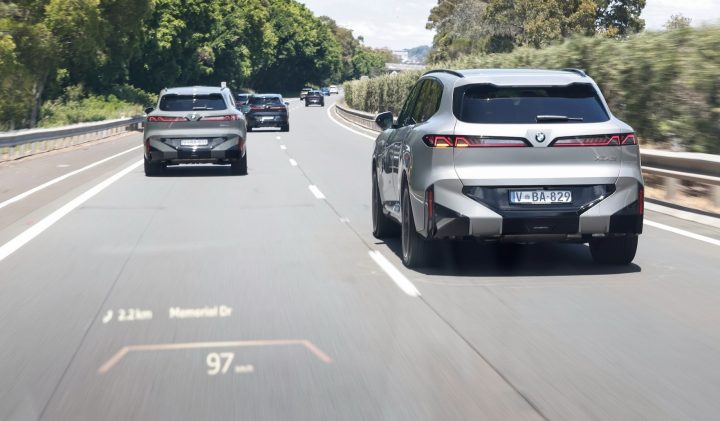
2027 BMW X5: First impressions
For all the technological advancements of the G65, it’s the fundamentals that BMW has got so right. The ride quality, ergonomics, powertrain refinement and calibration of the safety systems are all areas where some of its newer rivals still have a bit to learn.
It’s not cheap, and the deletion of the split tailgate and 7-seat option is a shame, but the standard equipment levels and relatively modest price increases are commendable.
The 40d would be our pick, with the standard suspension and perhaps a few choice interior options. It’s a testament to just how good that diesel is that we’d favour it over one of our favourite petrol engines.
On the strength of our initial drive, the X5 remains the benchmark in this segment, in our view. It’ll be interesting to see if the G65 finds its way into Australian highway patrol fleets. Whether that adds to or detracts from its desirability probably depends on your driving history.
2027 BMW X5: Video