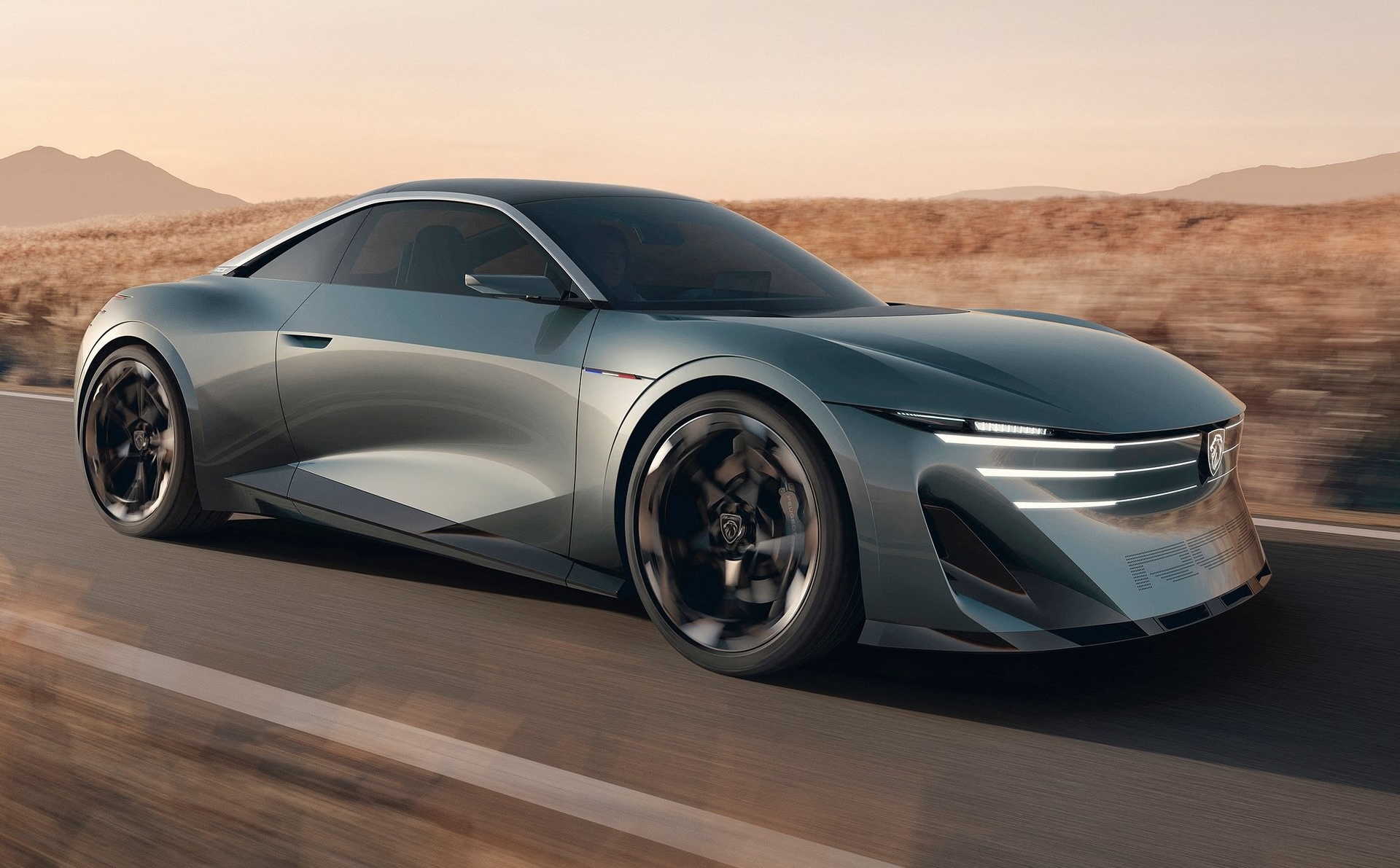
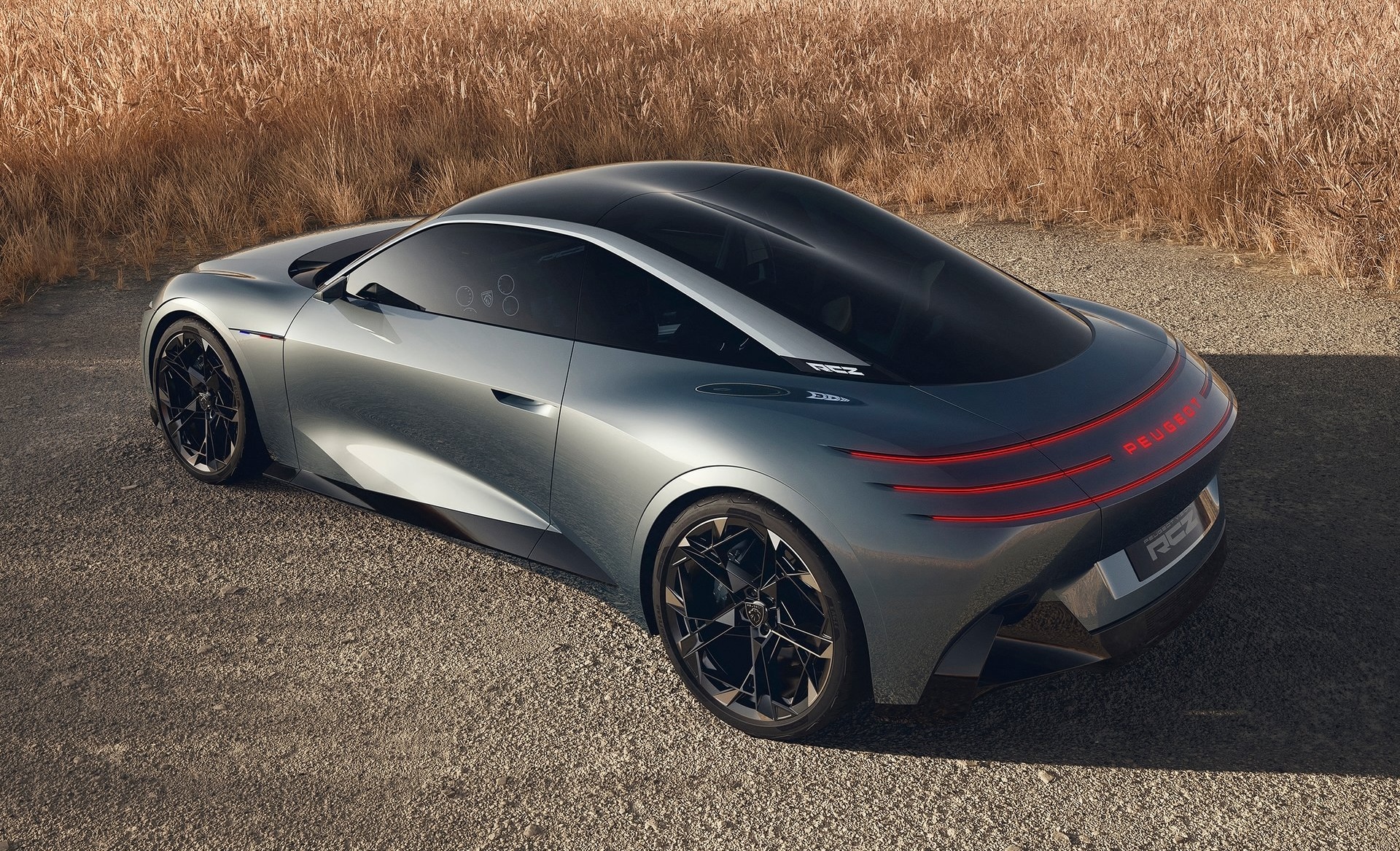
Peugeot has unveiled the RCZ Vision concept at the 2026 Paris Motor Show, previewing the brand’s next-generation electric vehicle architecture and ‘X-by-wire’ technologies.
Reimagining the original 2009-2015 RCZ coupe, the new concept shifts to a four-seat configuration with folding rear seat backs to expand luggage capacity. The vehicle is built on parent company Stellantis’s upcoming STLA One platform, an architecture slated for production debut in 2027 under models including the next-generation E-208.
The RCZ Vision is powered by an all-electric powertrain producing 373kW (500hp). Energy is supplied by a slim, 110mm-tall solid-state battery pack operating on a 1000-volt electrical architecture. Peugeot claims a driving range of up to 600km based on a stated energy consumption figure of 11.5kWh/100km, yielding an estimated 69kWh total battery capacity. The 1000-volt system enables claimed DC fast-charging times from 10-80 per cent in under 10 minutes.
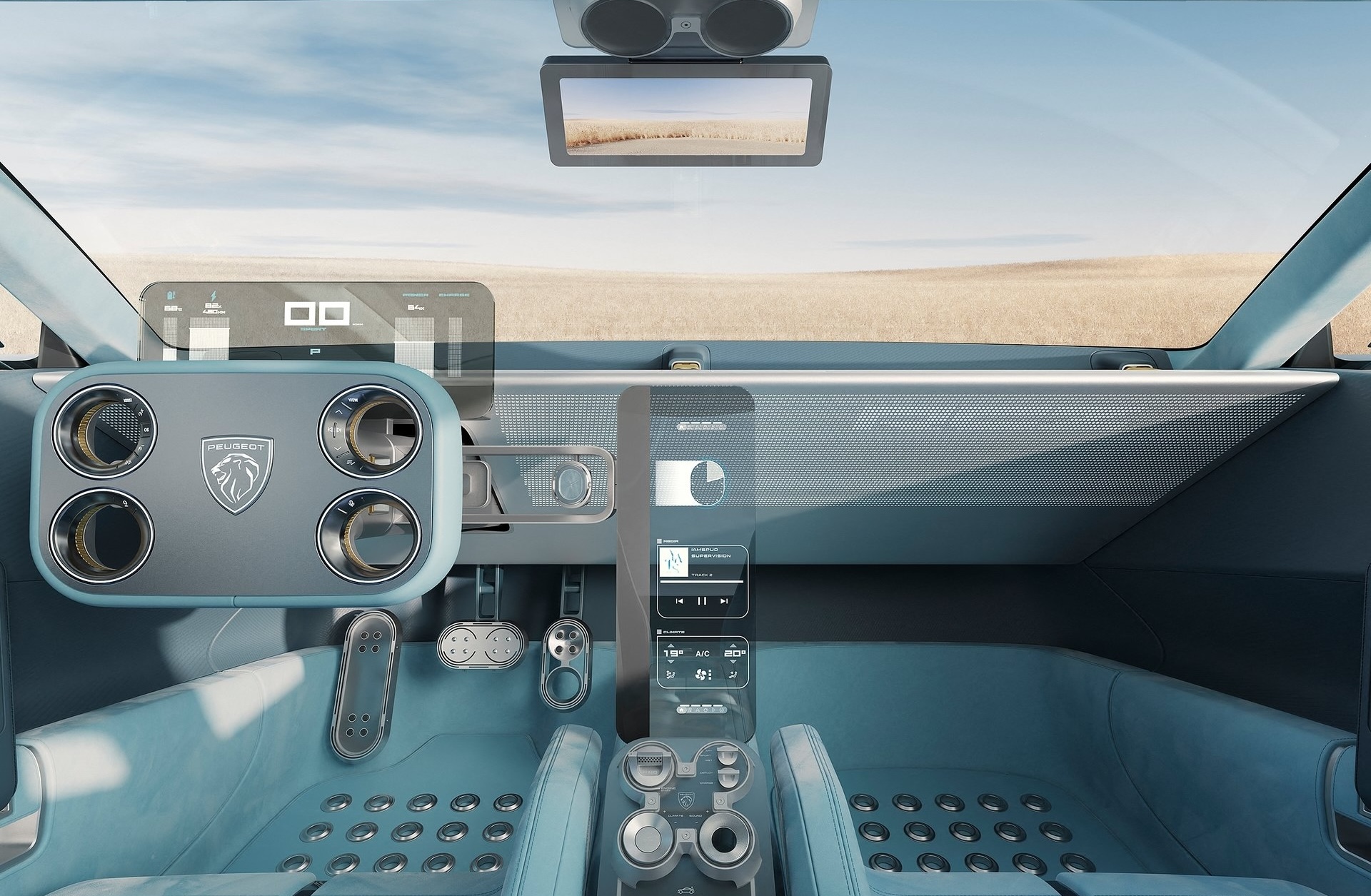
Mechanical linkages for both steering and braking have been eliminated in favour of electronic systems. The steer-by-wire setup uses variable steering ratios for quicker low-speed inputs and relies on a rectangular ‘Hypersquare’ control unit instead of a traditional steering wheel. Brake-by-wire technology is also integrated to improve modulation and transition states with the regenerative braking system.
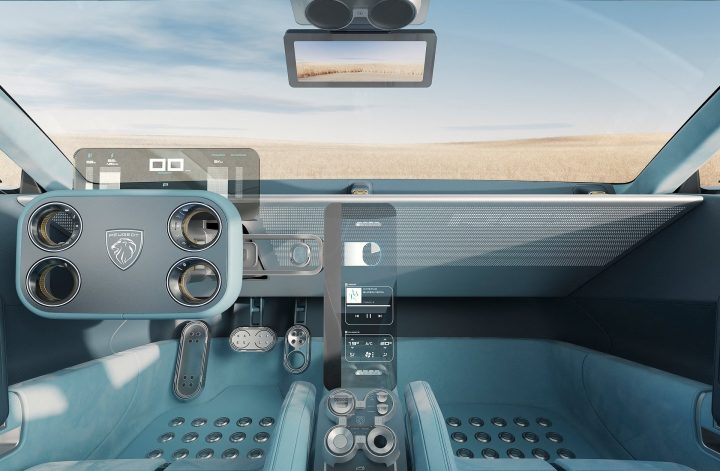
Cabin instrumentation utilises transparent displays that can be switched off entirely, routing main function controls directly to the Hypersquare unit. The concept also integrates Level 2++ automated driving hardware, enabling hands-free functionality.
While the RCZ Vision remains a concept without confirmed production plans for a standalone sports coupe, its STLA One platform, steer-by-wire hardware, and solid-state battery integration serve as the mechanical baseline for Peugeot’s upcoming series production vehicles.