We are always excited to hear a new small hatch has landed on Australia’s shores, as many have sadly faded into thin air. One that has not given up the fight from SUV equivalents and EVs alike is the Kia K4. You would have previously known it as the Kia Cerato, before its rebranding aligned with an upshift in premium feel and size. The K4 sedan arrived earlier than the hatch at the beginning of 2025. You can read our full review here. Now it’s the hatch’s turn.
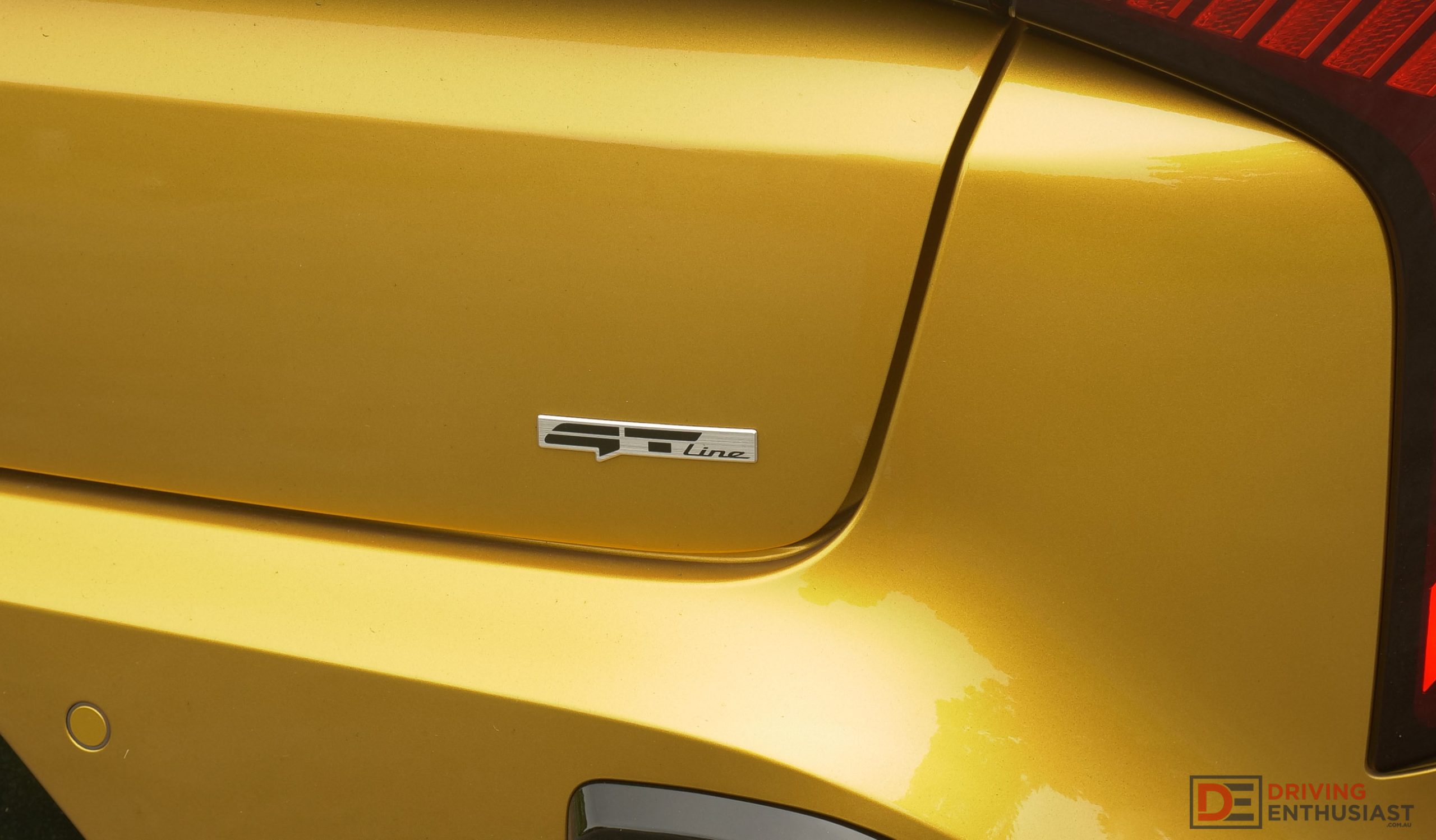
Arguably, in hatch form, it becomes the more visually cohesive option; with proportions and design elements that feel better resolved in this body style. And blending sporty intent with everyday usability at the top of the range is the GT-Line. After spending a week with one, here, in no particular order, are our top five pros and cons.
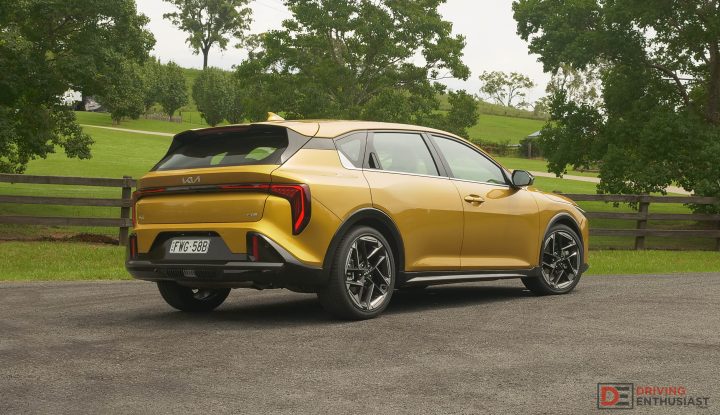
2026 Kia K4 GT-Line hatch: Pros
1. Striking design
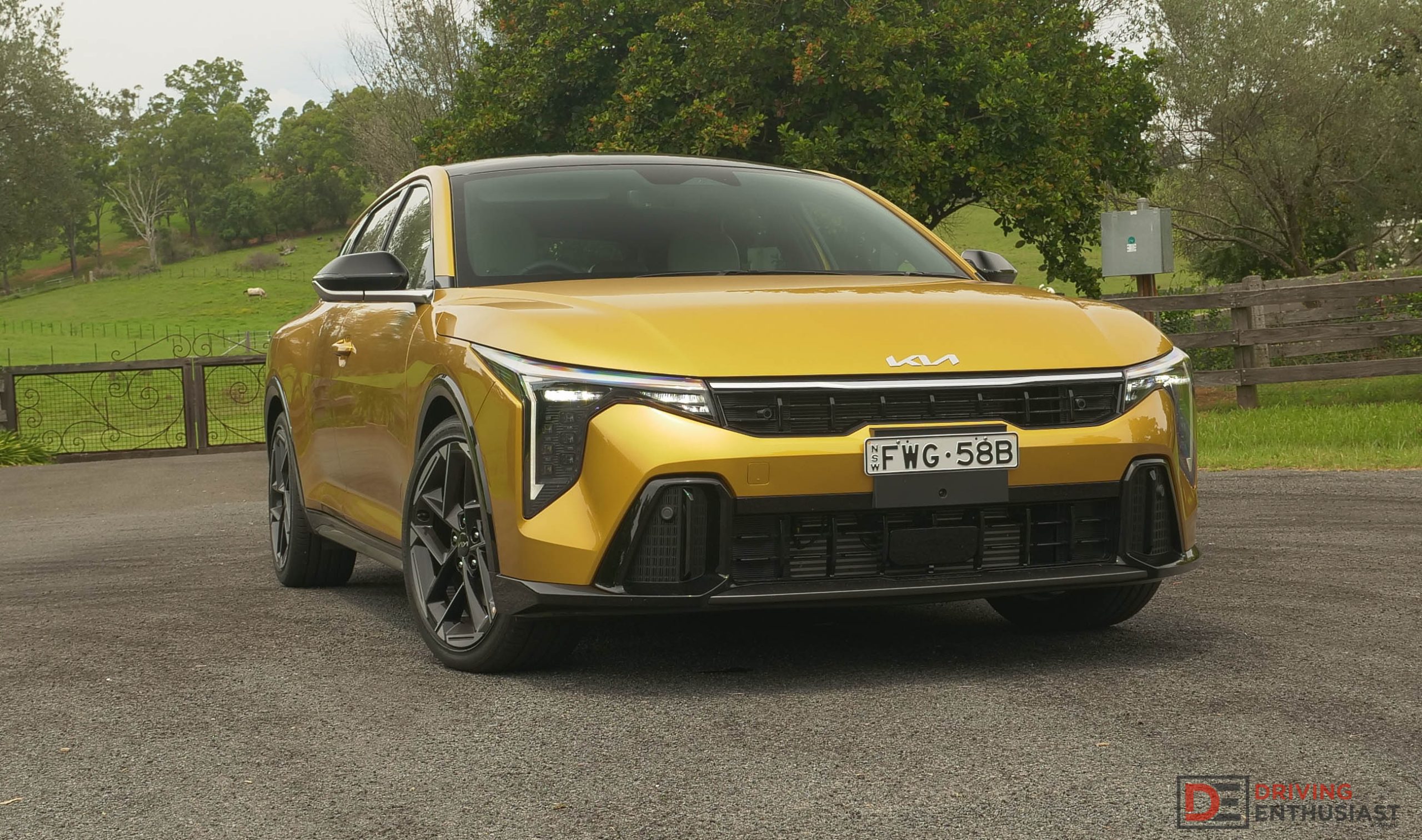
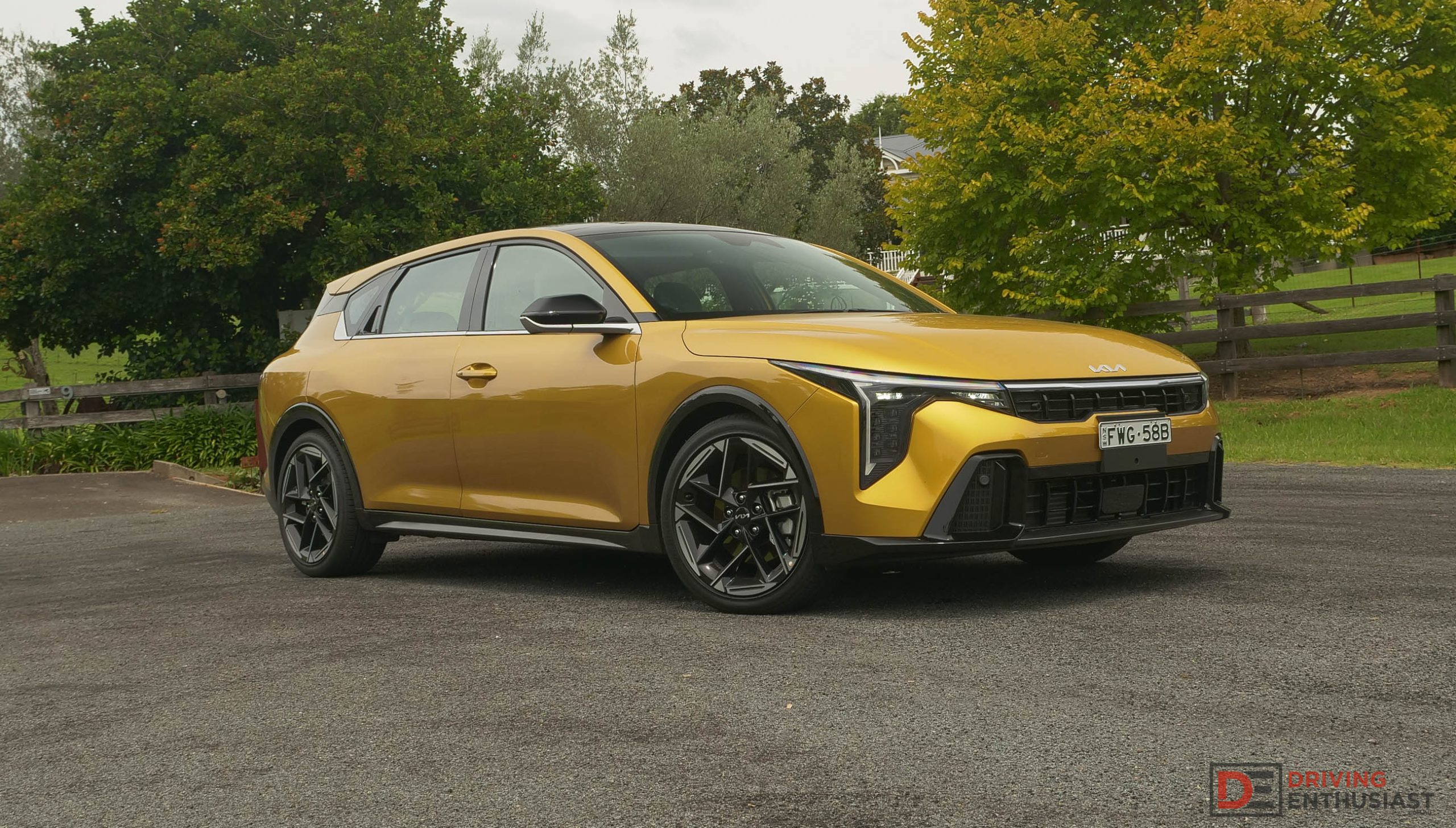
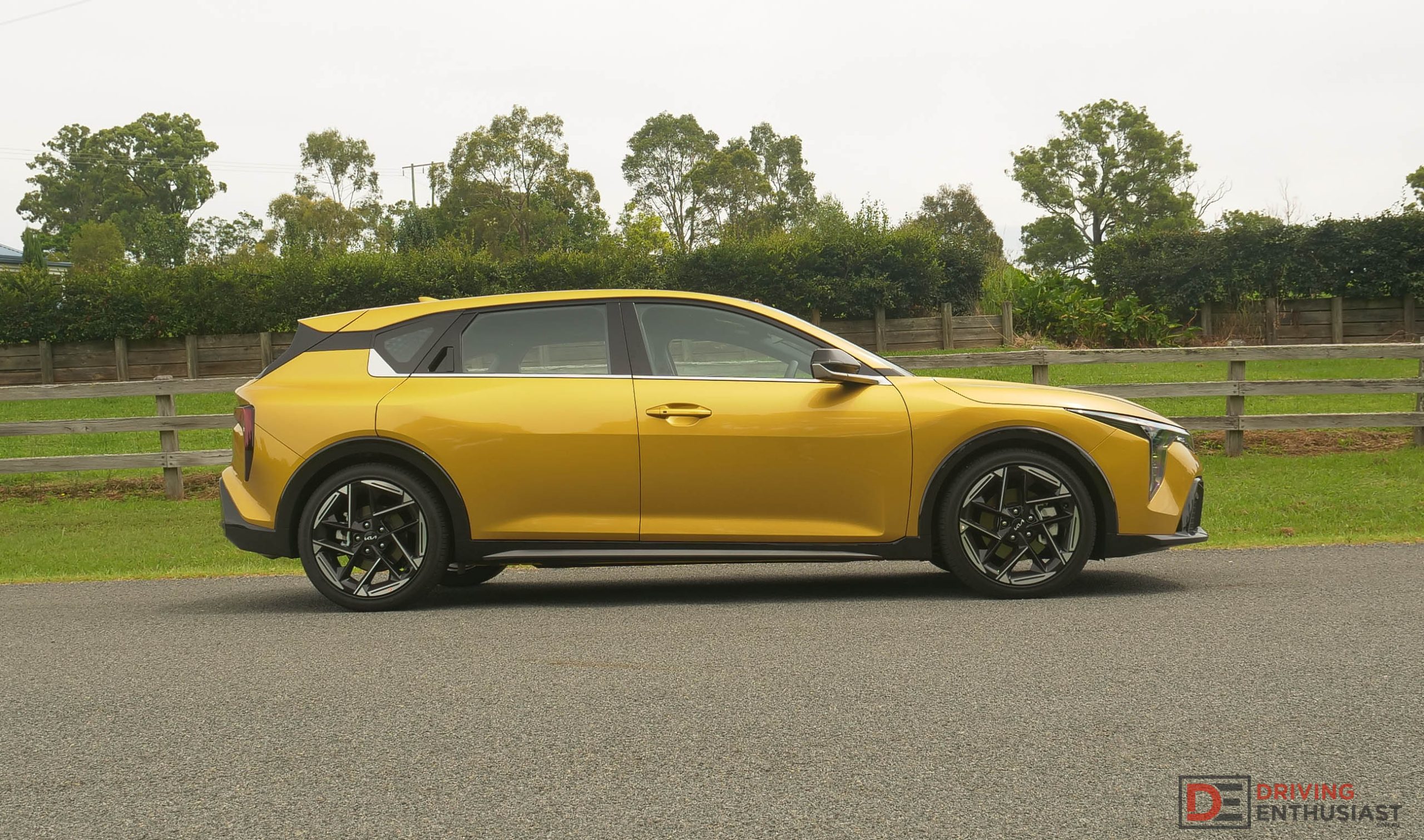
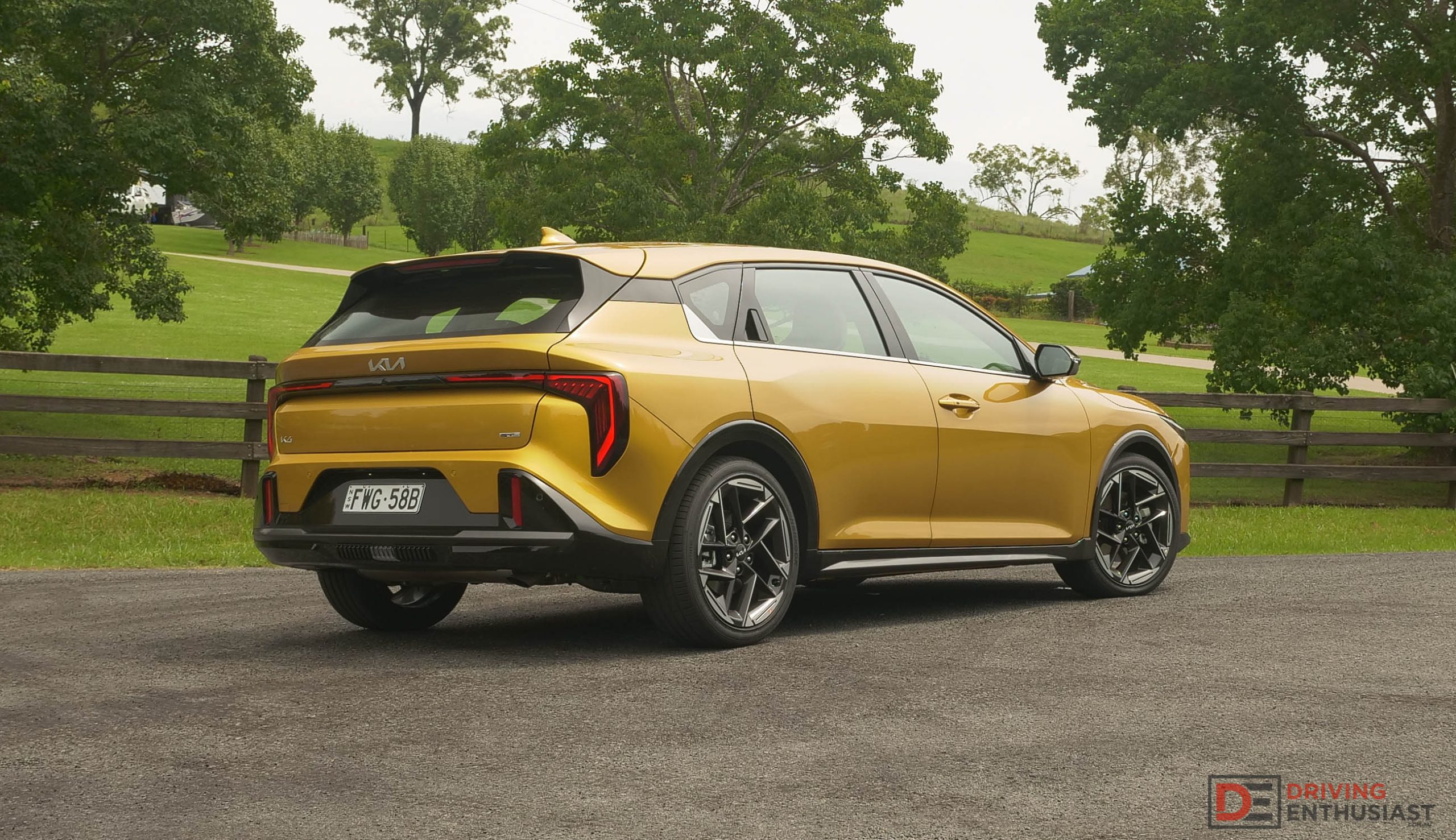
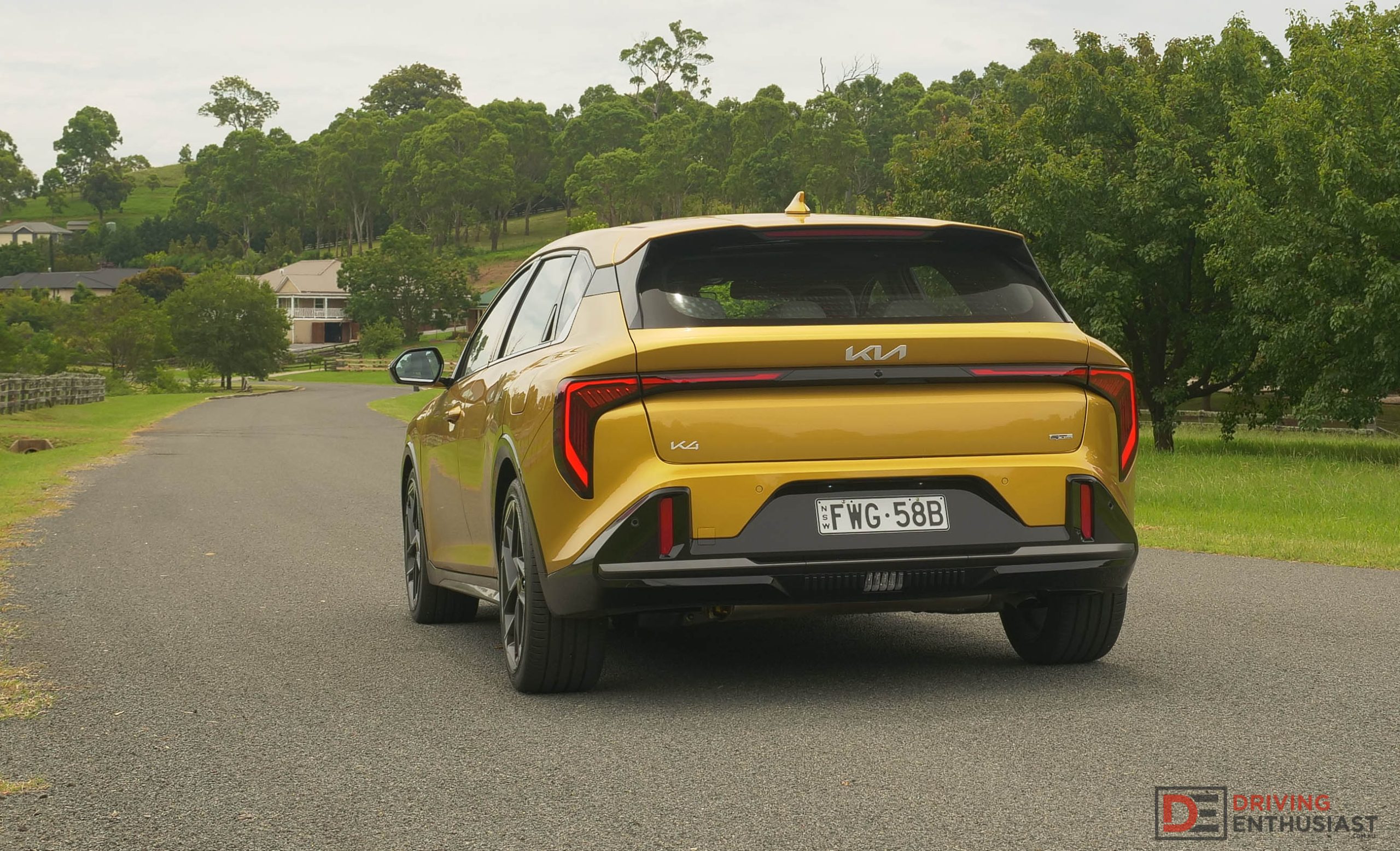
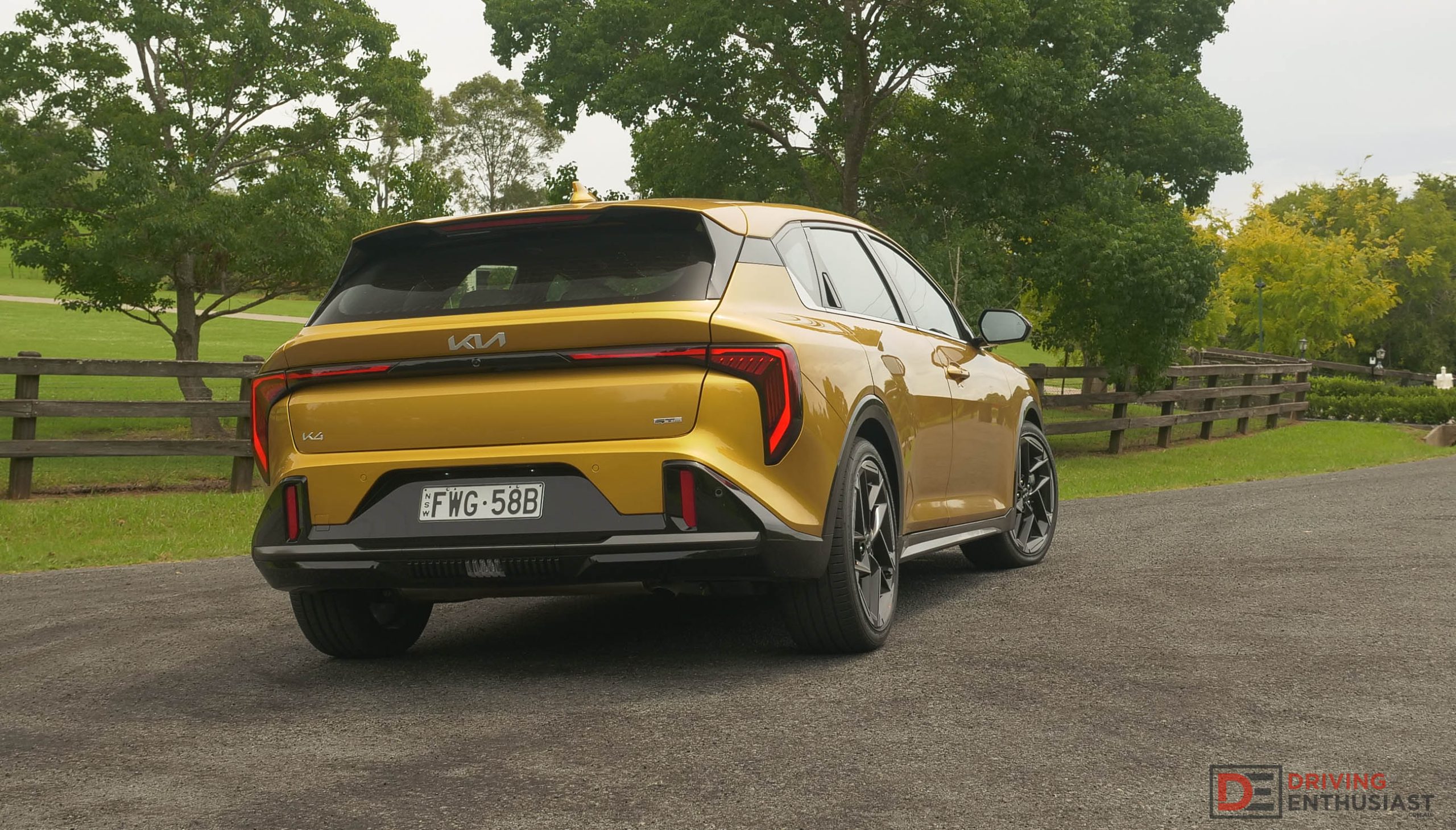
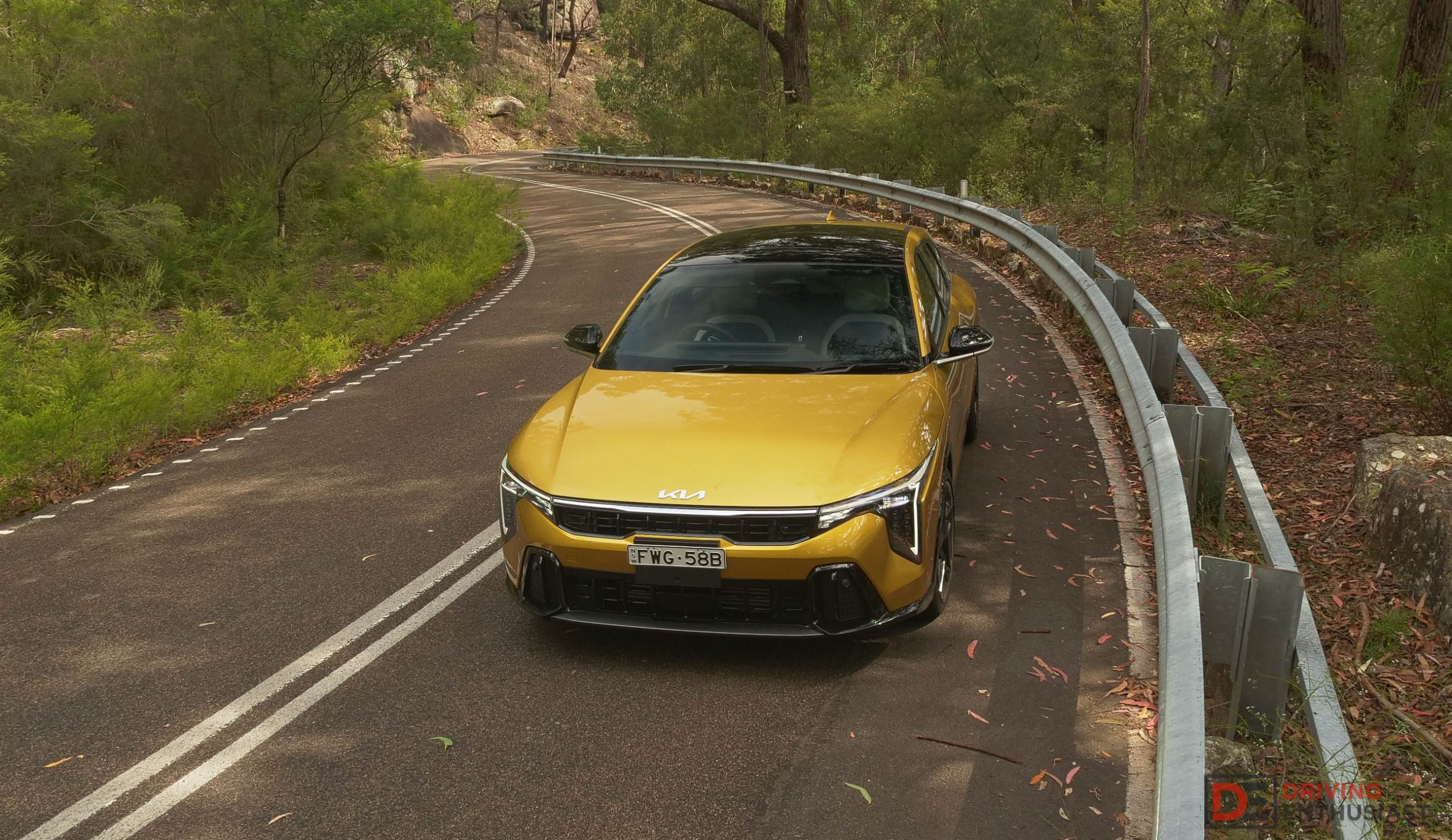
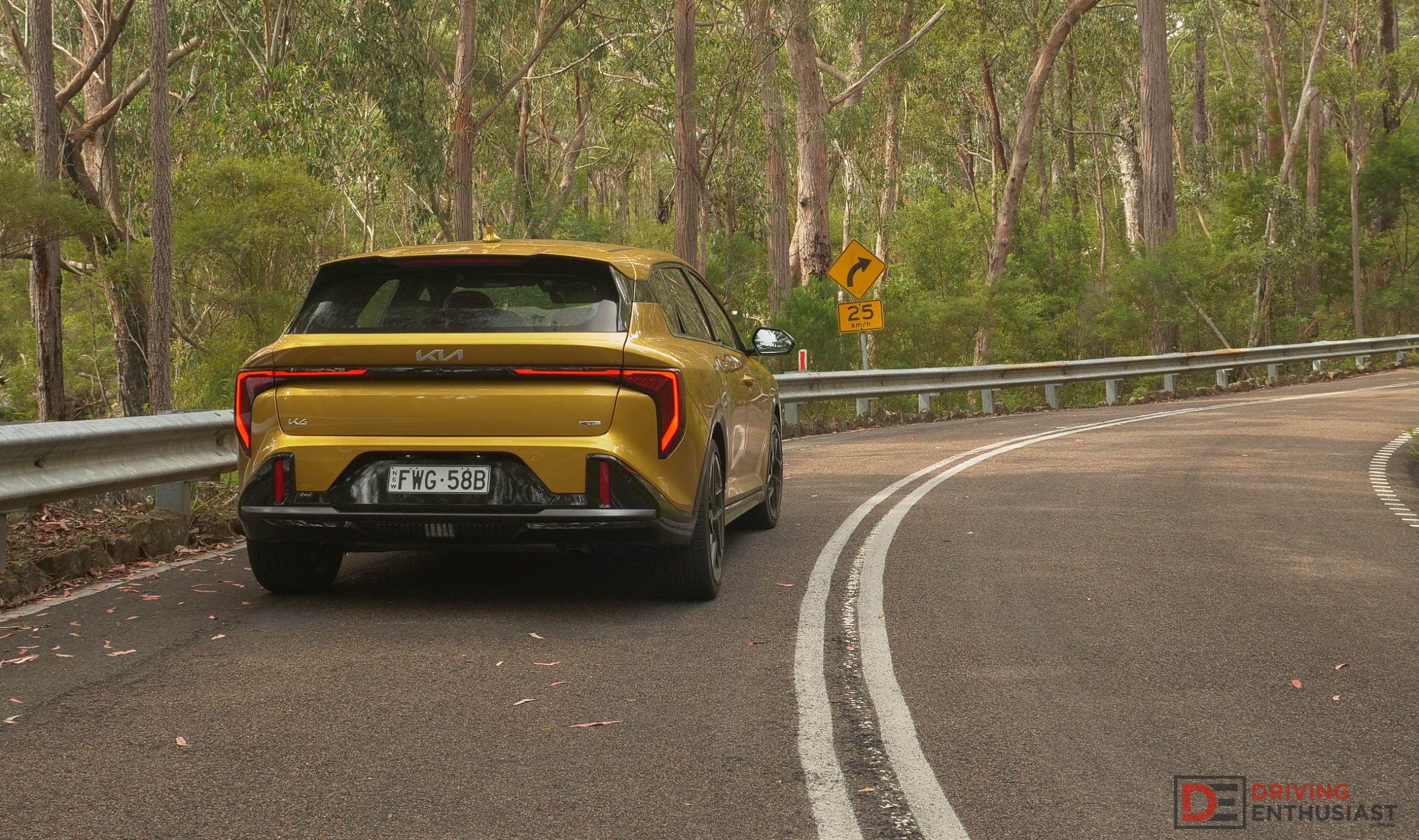
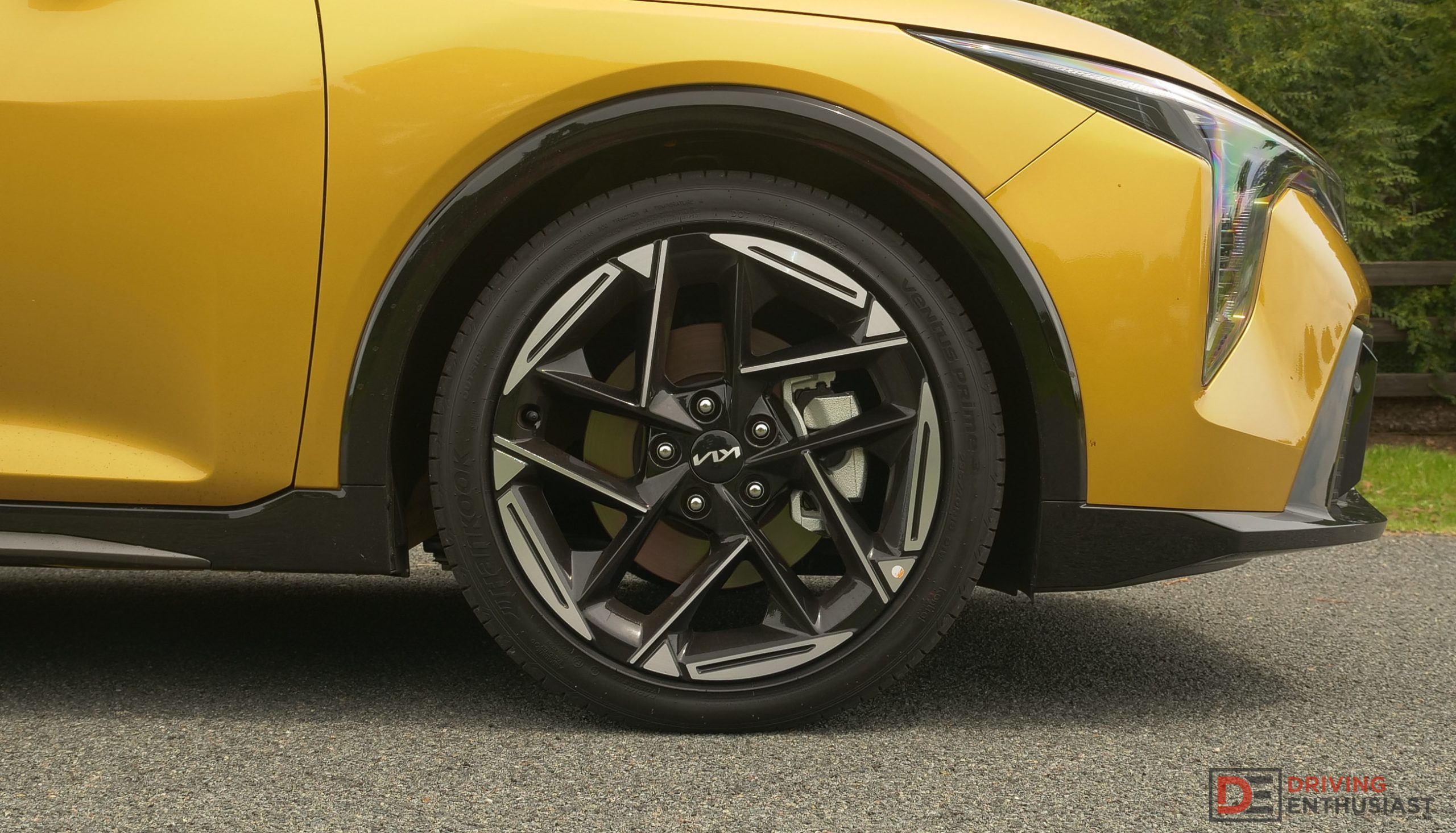
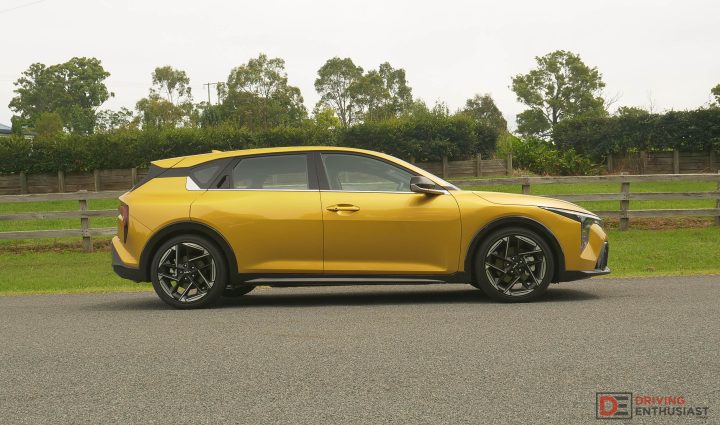
The K4 GT-Line hatch is, subjectively, the sportier-looking version compared with the sedan. The shorter rear overhang and more cohesive proportions give it a sportier, more balanced stance. Kia’s modern design language translates well here, with clean surfacing and sharp lighting elements that elevate its presence beyond what you’d typically expect in the small car segment. We think Kia’s design team have succeeded in bringing the K4 up a class.
2. Refined and well-appointed interior
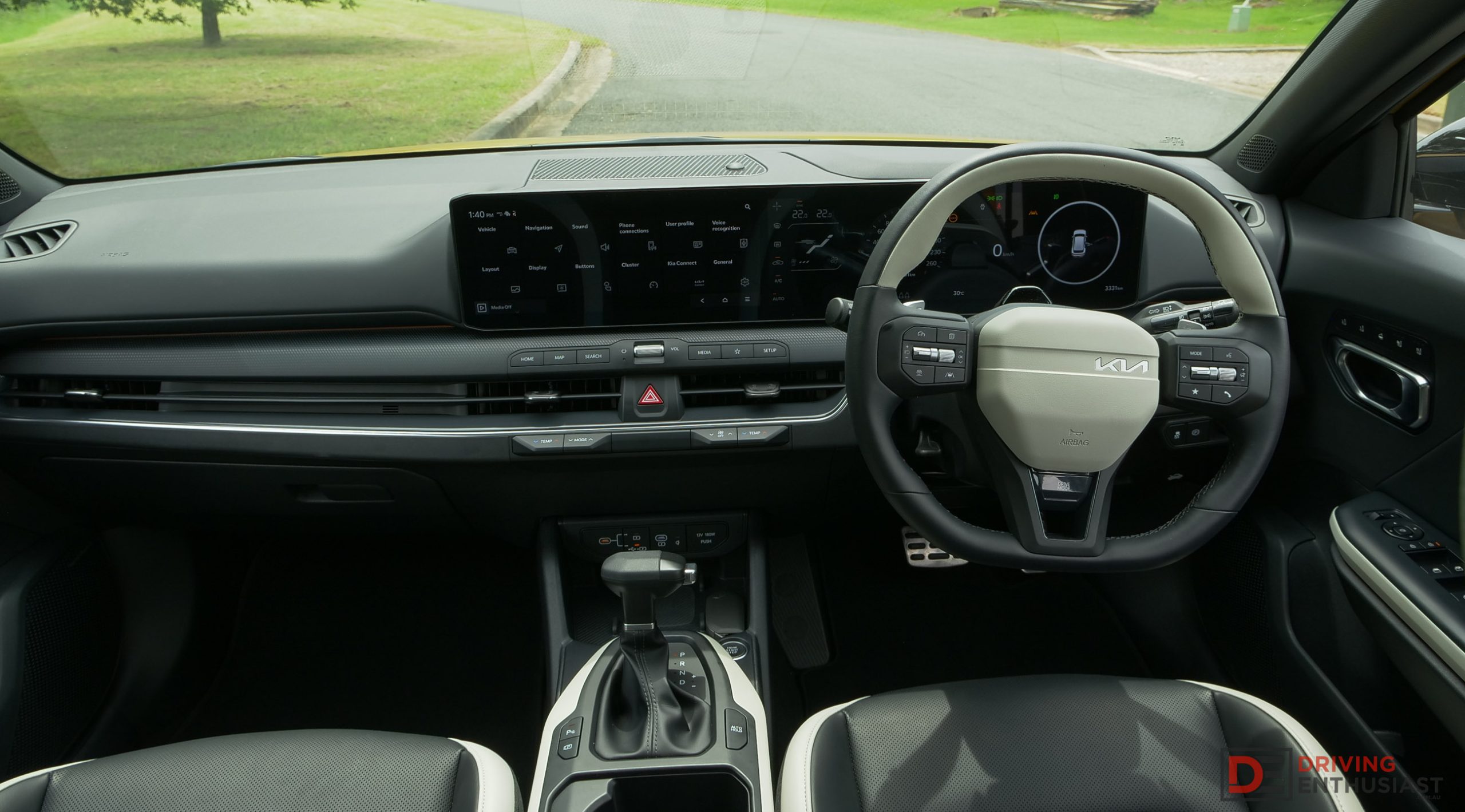
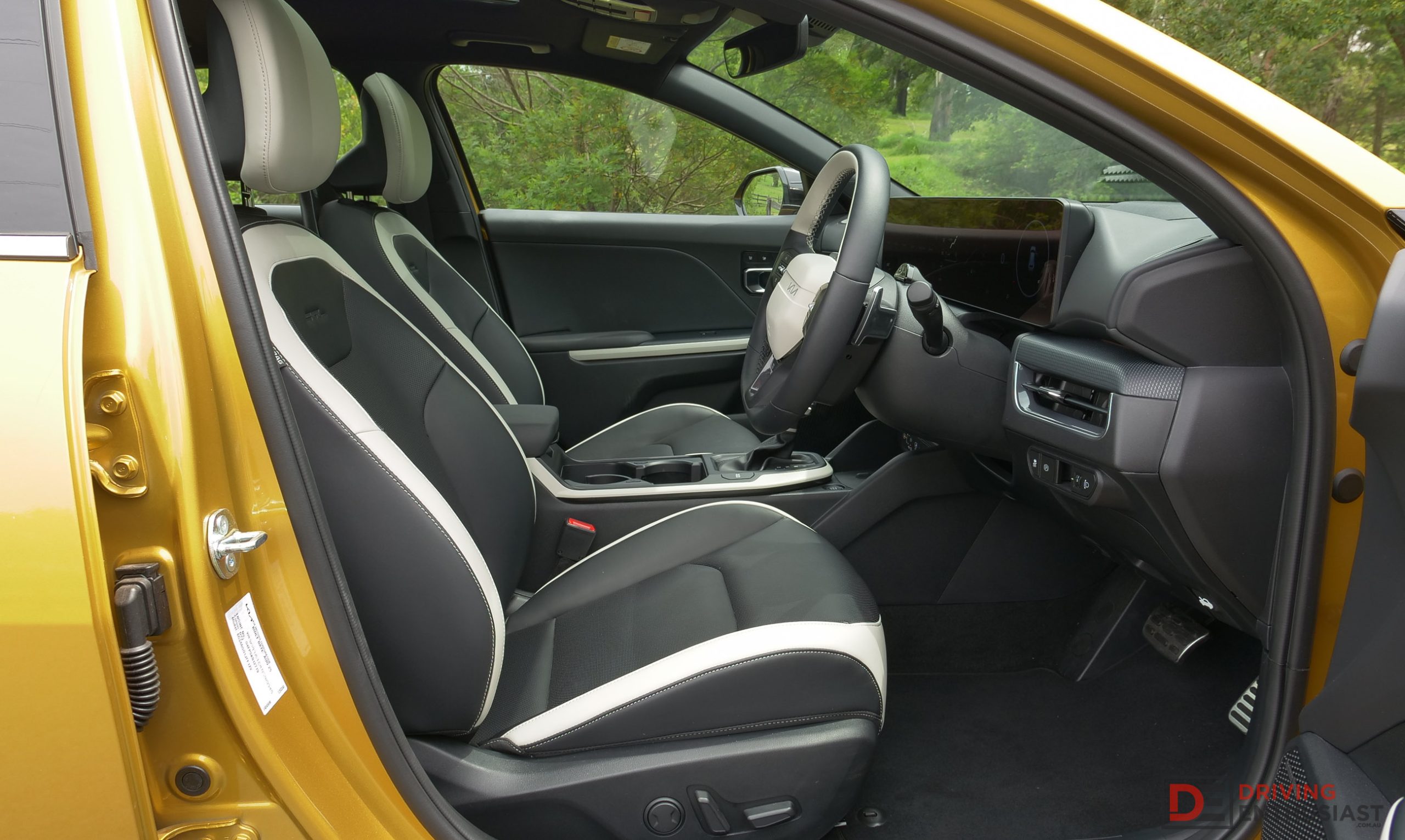
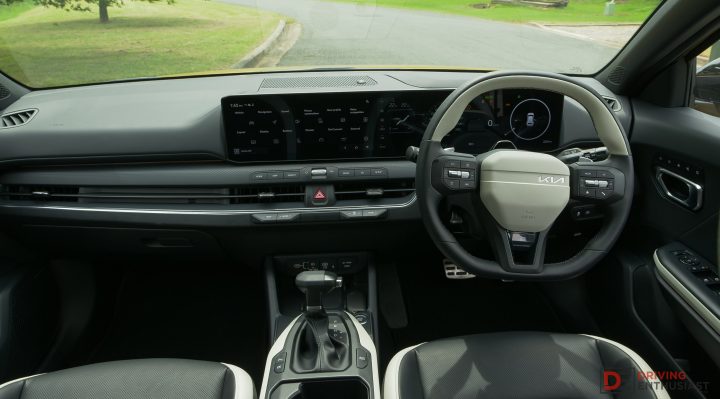
Inside, the K4 GT-Line strikes a strong balance between modern design and everyday usability. There’s a noticeable lift in perceived quality, with plenty of soft-touch materials and a solid, well-assembled feel throughout. The use of lighter, white-toned trim elements adds visual contrast and helps avoid the all-black monotony common in this class. At night, the customisable ambient lighting gives the cabin a more premium atmosphere.
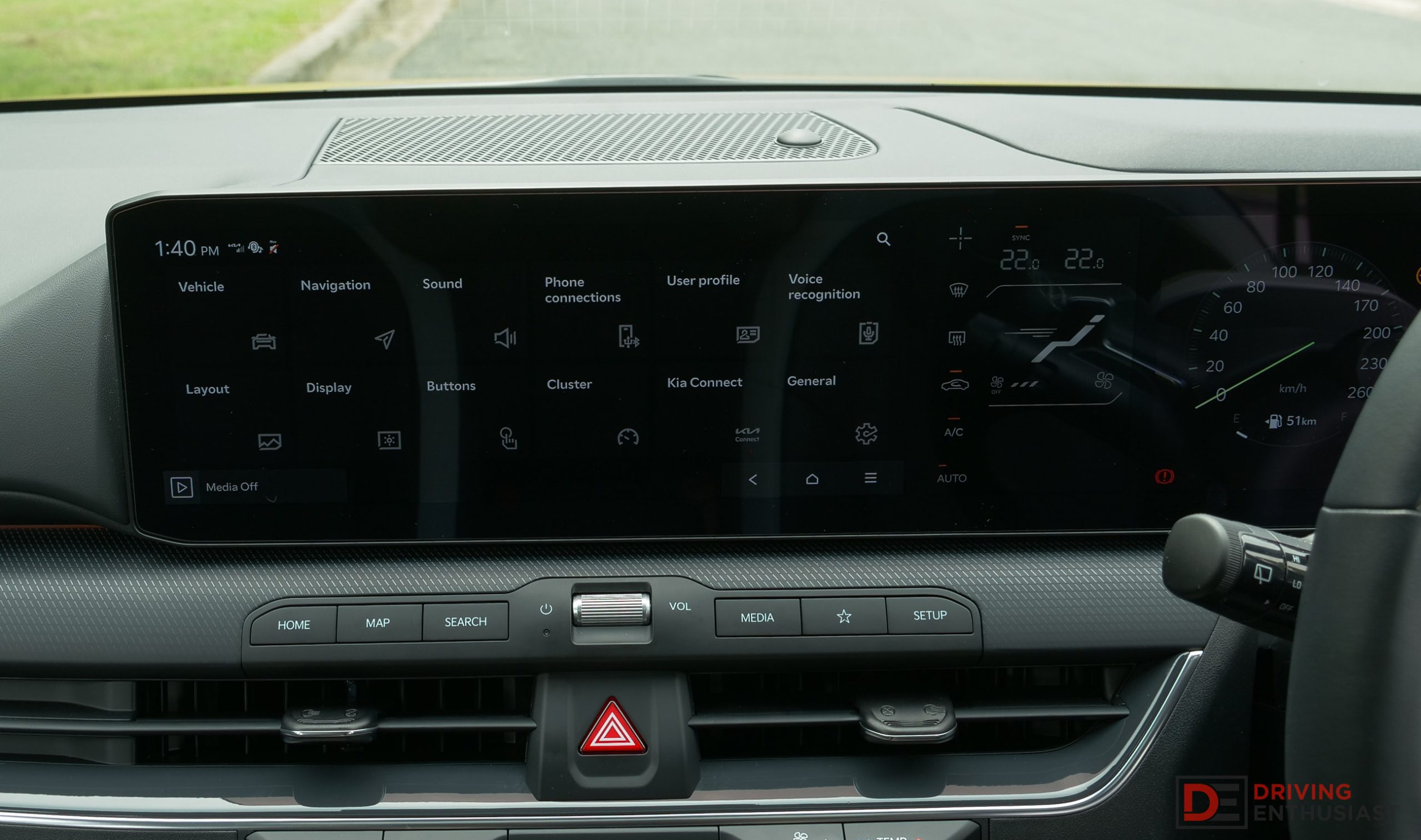
The layout is also thoughtfully executed, as per typical of Kia vehicles. The dual-screen setup is crisp and easy to read; and the separate air-conditioning control panel makes frequent adjustments quick. There is a section of dashboard trim between the passenger vents that looks slightly unfinished, but overall, the presentation is cohesive and sophisticated.
3. Practical packaging with hatchback versatility
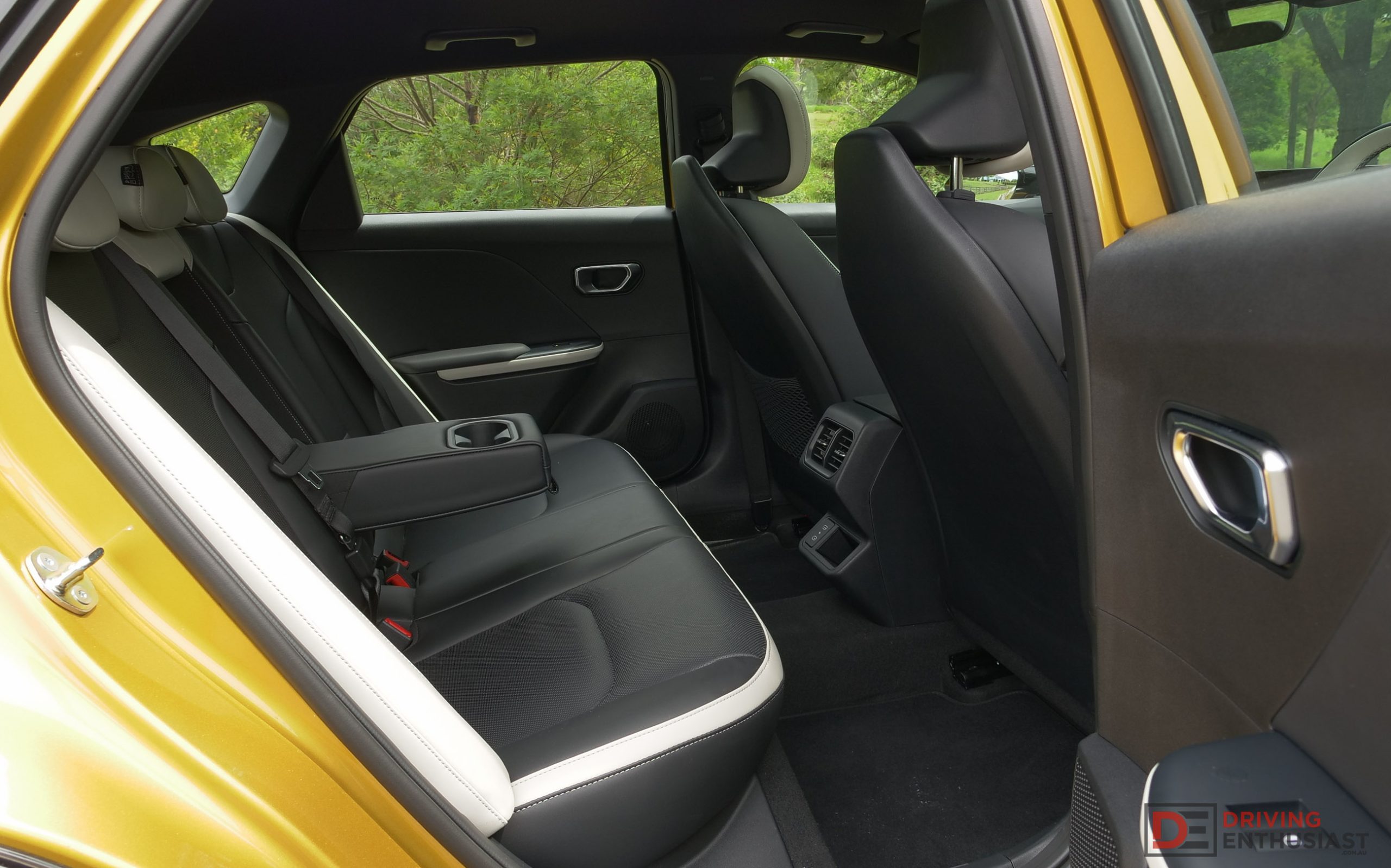
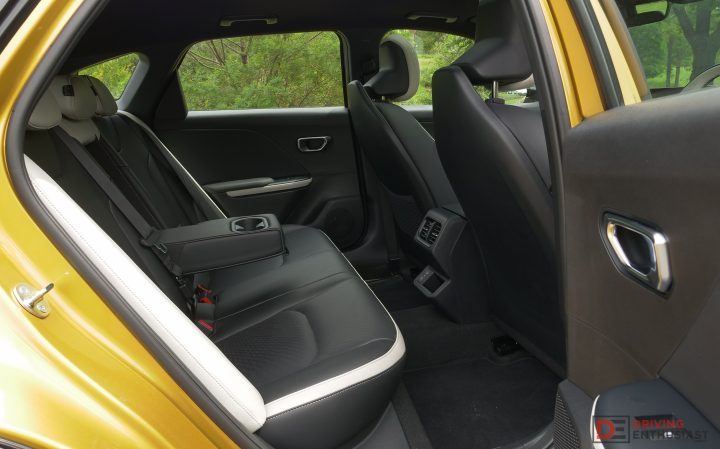
Beyond aesthetics, the K4 hatch delivers where it matters in day-to-day usability. Cabin space is commendable for a vehicle in this class, with comfortable seating across all, including ample legroom for rear passengers. Being lower to the ground than the SUV alternatives dominating the market, entry and exit requires a bit more care, particularly for head clearance, but the trade-off is a more engaging driving position.
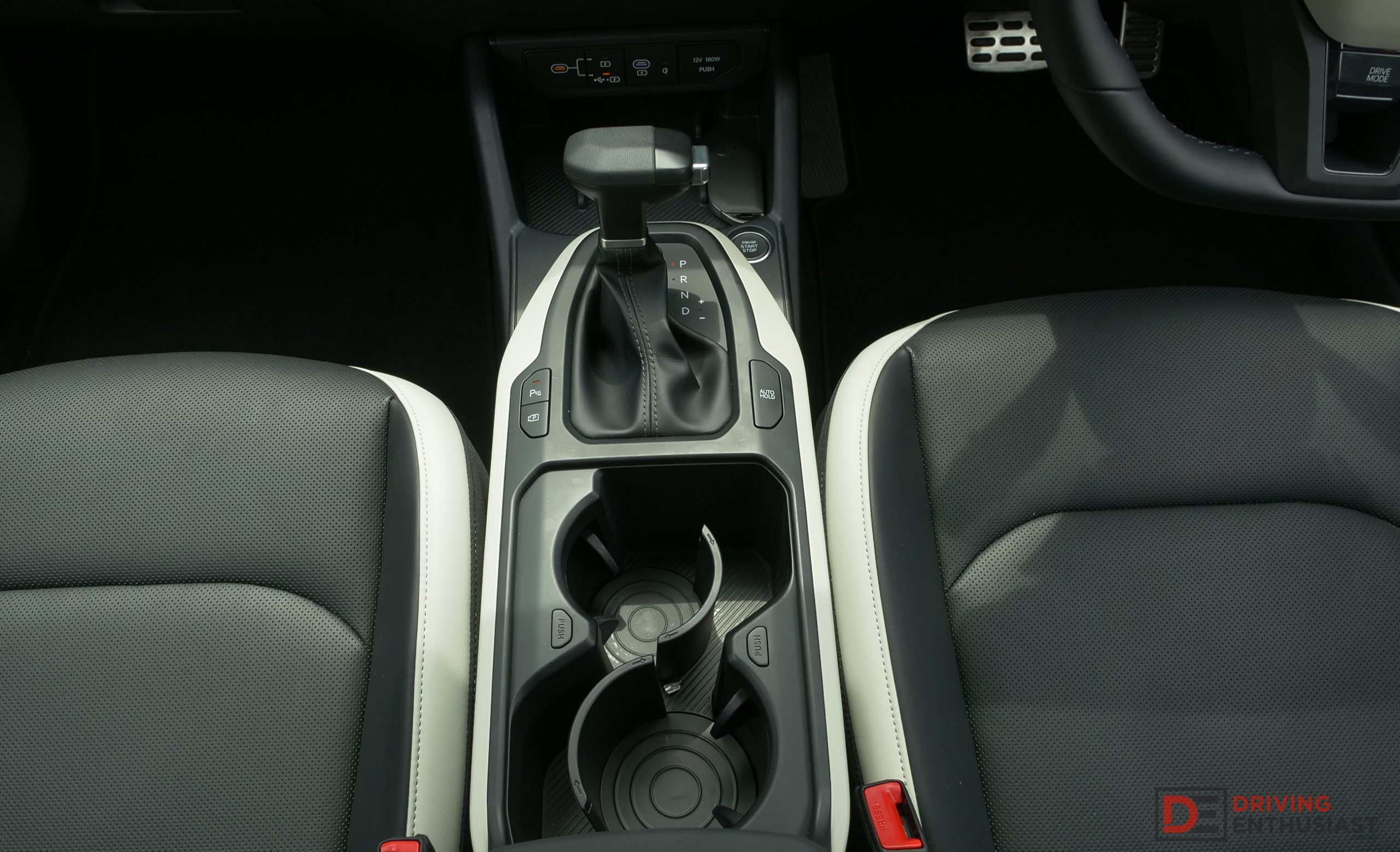
Storage solutions are well considered as well. The centre console and door pockets are a decent size, and the cup holders can be spun away to create a larger central storage area. Rear passengers are also catered for with USB-C charging ports and rear air vents.
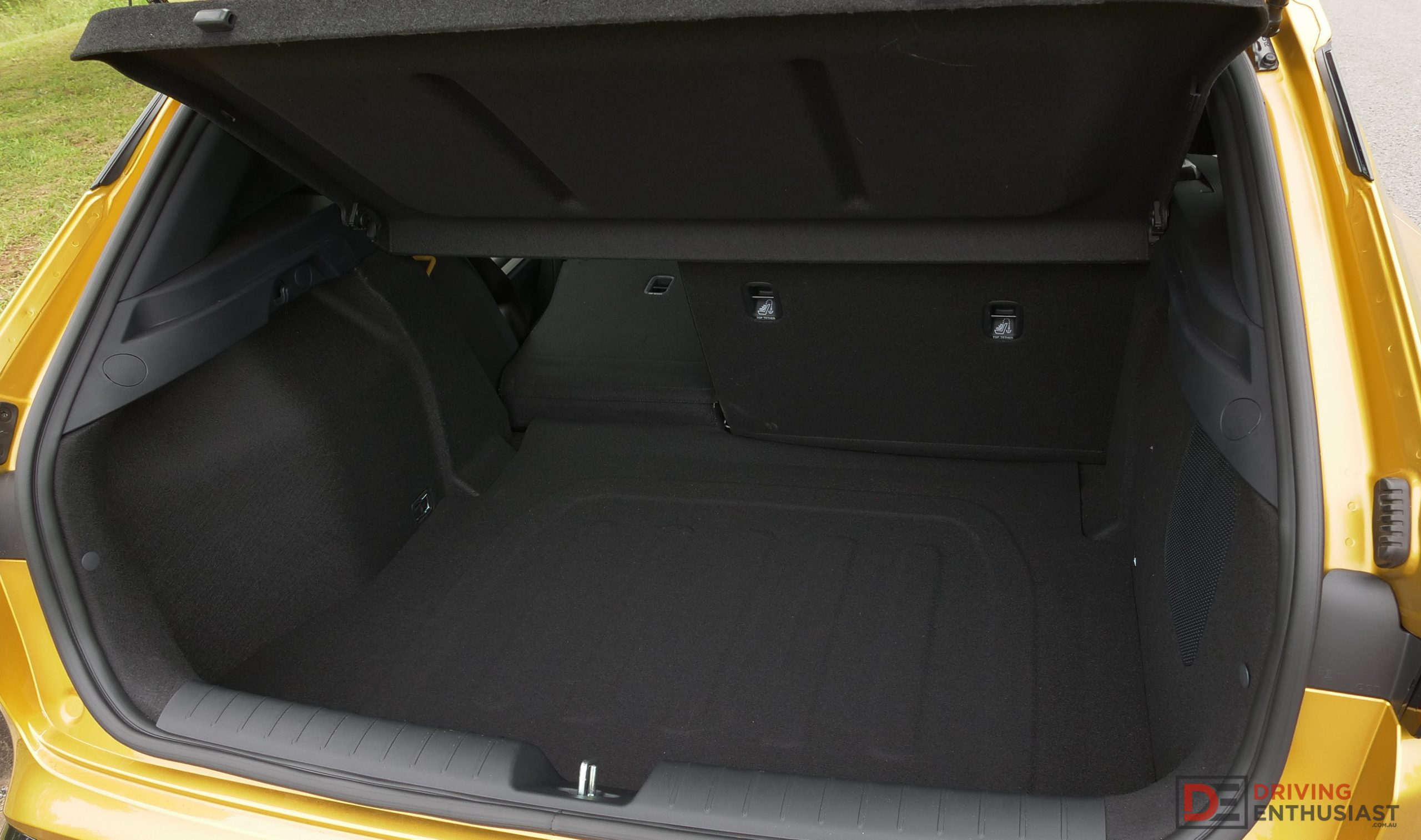
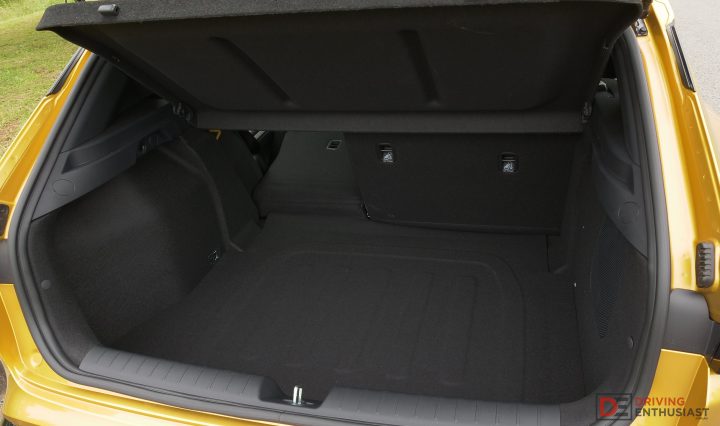
Meanwhile, the boot offers a deep and usable cargo area that reinforces the hatch’s practicality credentials. Although the sedan’s boot is 70L bigger (508L vs 438L), the hatch offers a wider opening to fit larger items inside. And you can fold down the rear seats to provide a wagon-like experiences, totalling 1217L.
4. Comfortable ride with confident grip
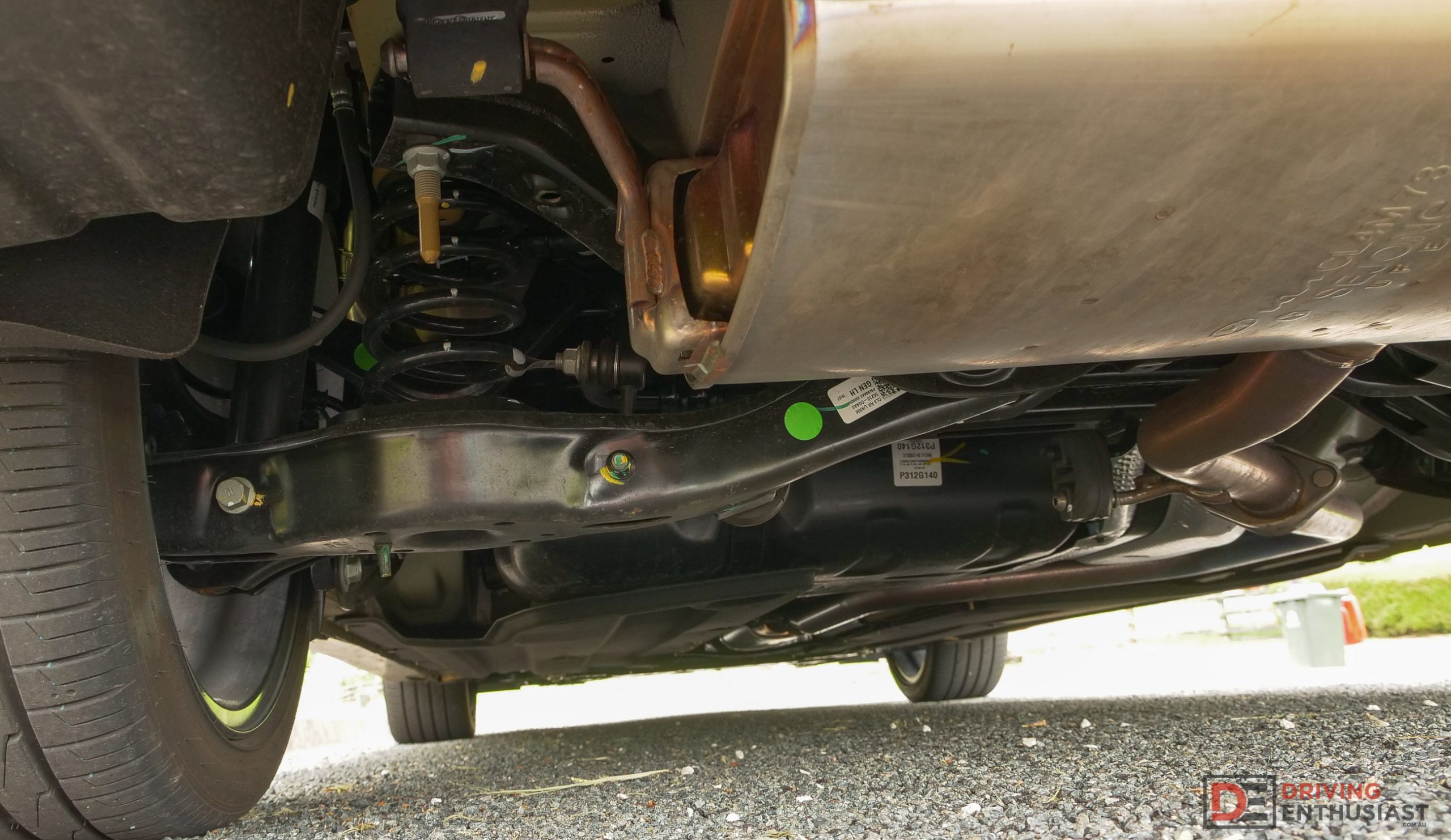
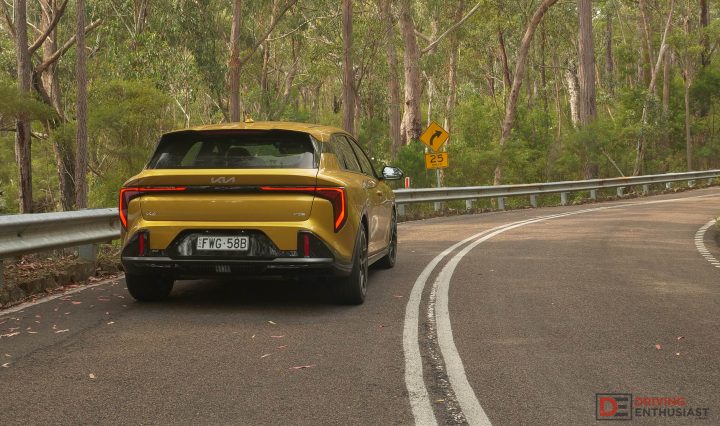
The suspension tuning leans more towards comfort than outright sportiness, and that works in the K4’s favour for everyday driving. It absorbs bumps impressively well, smoothing out rough surfaces without feeling loose or disconnected. At the same time, there’s enough composure to maintain confidence through corners, helped by a set of 235/40 Hankook tyres that provide dependable grip and good response.
Compared with the previous-generation GT-Line, the edge has been softened slightly; the ride is quieter, more compliant, and less aggressive in its responses. While enthusiasts might notice the difference, most buyers will appreciate the improved comfort.
5. Strong feature set with everyday usability in mind
The GT-Line brings a generous level of equipment, including heated and ventilated front seats, large 12.3-inch digital displays, a Harman/Kardon sound system, Kia Connect telematics, and Kia’s usual array of practical-focused physical controls.
In terms of safety, you get all the good stuff, including safe exit warning, driver monitoring, blind-spot detection and avoidance, lane keep and follow assist, highway driving assist with lane change, and emergency braking with car, pedestrian, cyclist and junction turning detection. It’s a well-rounded package that more than meets current market expectations in this segment.
2026 Kia K4 GT-Line hatch: Cons
1. Inconsistent power delivery under load
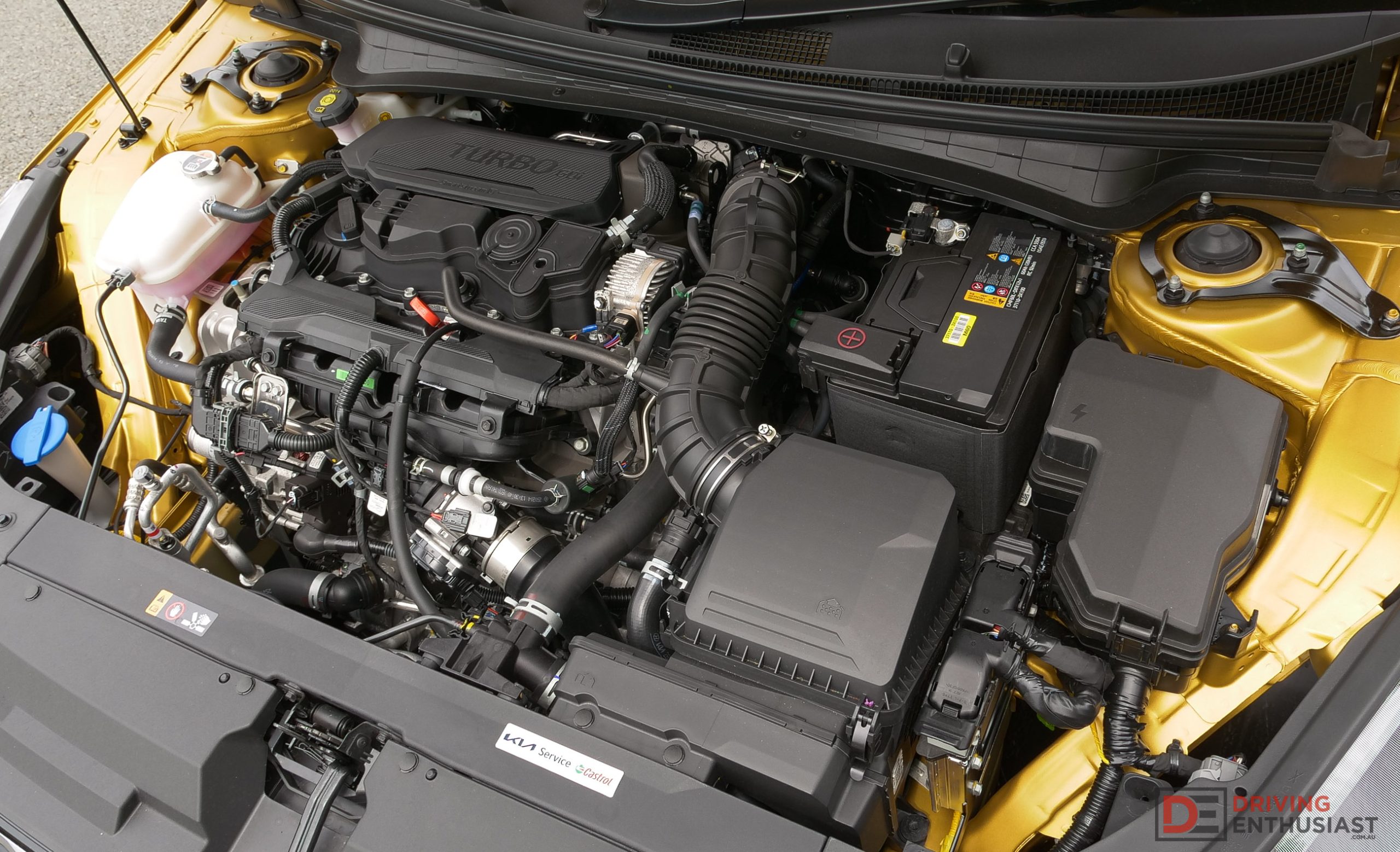
While the turbocharged engine offers a noticeable step up from the standard K4 variants, it’s not without its quirks. There’s a slight lag or flat spot when rolling and attempting to accelerate, such as when exiting a corner or merging into traffic. The drivetrain tends to hold a higher gear longer than desired, requiring heavier throttle input to trigger a downshift. This makes responses feel momentarily hesitant, detracting from what should otherwise be a more engaging driving experience from Kia.
2. Sporting GT-Line edge has been softened
For those who experienced its ‘GT’ predecessor, the GT-Line feels a touch more subdued in terms of sportiness. Power delivery is slightly less punchy (8kW less power), engine programming feels lazier to provide more efficiency and comfort than performance, and the suspension feels a fraction softer. While this improves refinement, it also means the GT-Line badge carries less dynamic distinction than before. Buyers that choose the GT-Line to differentiate from the lower spec variants with a sportier experience may find it a little restrained. However, does this leave room for a future GT variant?
Additionally, with the market flooding with more efficient hybrid alternatives, the official consumption rate of 6.7L/100km is beginning to slip below industry standards. Our average was 8.2L/100km.
3. No proximity key locking
In a top-spec variant, the absence of proximity sensor locking stands out. It’s a feature that has become increasingly common across competitors, and its omission here feels like a small but noticeable oversight in what is otherwise a well-equipped package everywhere else.
4. Low-slung design affects ease of entry
The hatchback’s 140mm ground clearance contributes to its zippy driving dynamics, but it also means getting in and out requires more care compared to the SUV alternatives that dominate the market. It’s not a deal breaker, but it’s something many buyers are moving away from.
5. GT-Line more expensive to service
Compared with the other variants with a 2.0-litre non-turbo engine, the 1.6T fitted to the GT-Line requires servicing more frequently; 10,000km vs 15,000km, and the first seven services cost $470 more in total.
2026 Kia K4 GT-Line hatch: Specifications
Engine: 1.6-litre turbo four-cylinder
Output: 142kW@6000rpm / 265Nm@1700-4750rpm
Gearbox: Eight-speed auto
Drive type: Front-wheel drive
Wheels: F & R: 18×8.0, 235/40
ANCAP: Five stars
Tare weight: 1415kg
Power-to-weight: 9.96:1 (kg:kW)
Official consumption: 7.4L/100km
Our consumption: 8.2L/100km
Fuel tank/Fuel type: 47L/91 RONPower efficiency: 19.18kW:L/100km
0-60km/h: 3.80 seconds*
0-100km/h: 7.66 seconds*
60-110km/h: 5.07 seconds*
1/4 mile: 15.75 seconds at 148.4km/h*
Max acceleration: 0.724g*
100-0km/h braking: 38.18m in 3.00 seconds*
Max deceleration: -1.229g*
Decibel at idle: 39*
Peak decibel at 60-100km/h: 79*
Starting price: $43,790
*Figures as tested by Driving Enthusiast on the day. Manufacturers’ claims may be different
2026 Kia K4 GT-Line hatch: Video