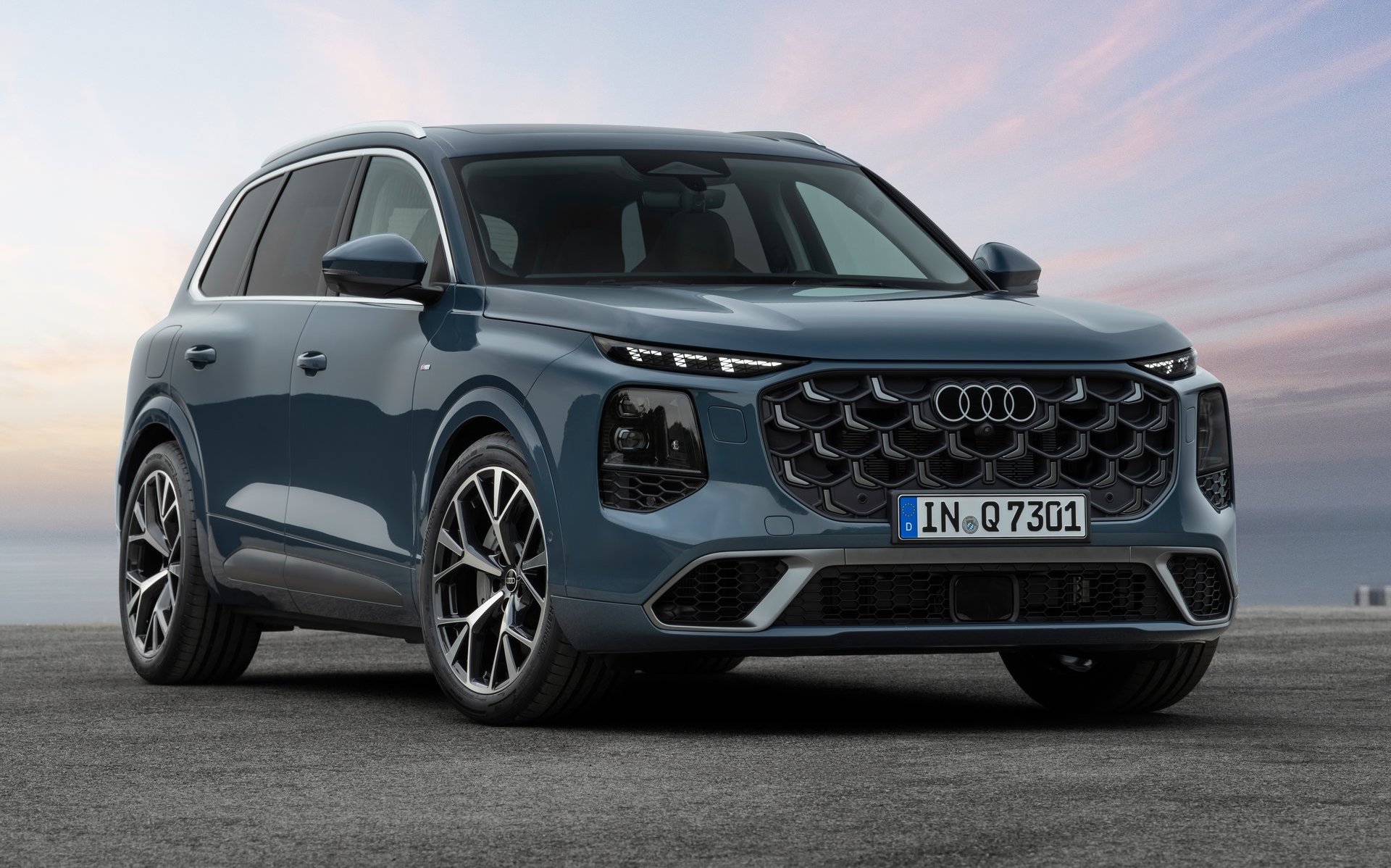
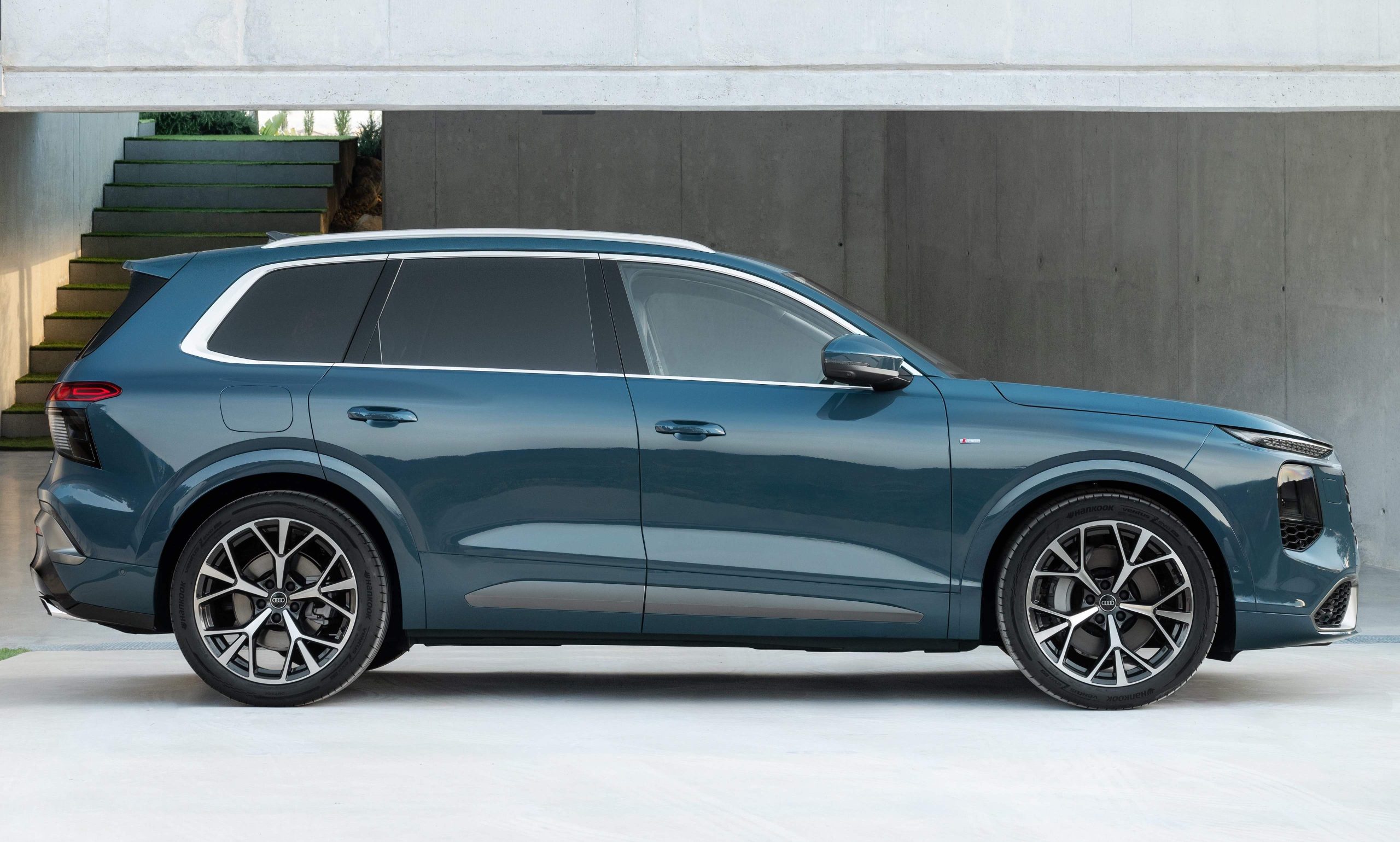
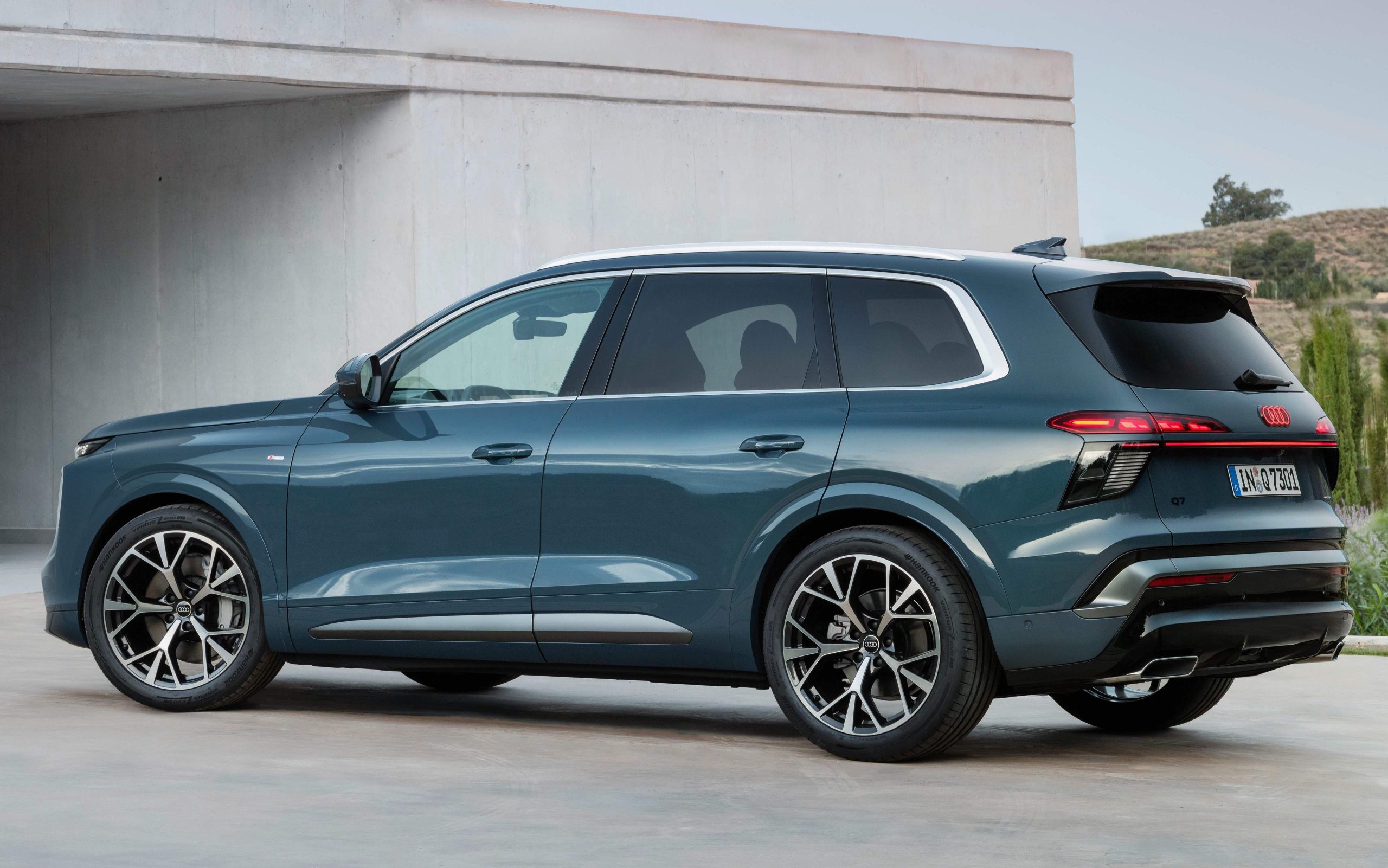
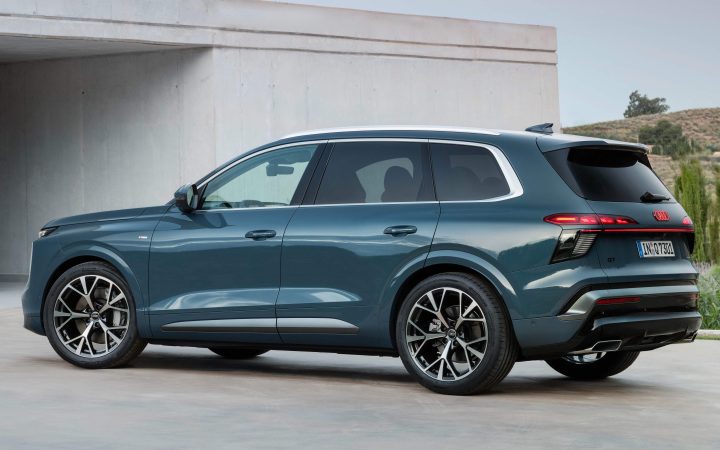
Audi has officially torn up its own design playbook, revealing the third-generation Q7 for 2027. Trading the carved-out, station-wagon proportions of the outgoing model for a striking, curvier two-box silhouette – interestingly similar to the previous-gen Hyundai Santa Fe – to take on the likes of the Volvo XC90 and BMW X5.
Moving onto Audi’s latest Premium Platform Combustion architecture, the new Q7 makes a highly unapologetic statement beneath the bonnet. Defying the industry rush toward mandated electrification, the Mk3 will launch exclusively with a heavy-hitting 3.0-litre V6 diesel engine.
Offered in two states of tune and mated to a 48V mild-hybrid system, the base setup delivers a solid 180kW and 500Nm. However, the flagship variant cranks those outputs up to a formidable 220kW and 630Nm.
The core engineering triumph is a new electrically-driven compressor that can spool the turbo to 90,000rpm in just 250 milliseconds, effectively eliminating turbo-lag and providing the seamless torque delivery typically reserved for high-end EVs. The 48V system also adds an extra 18kW and 370Nm of punch under hard acceleration.
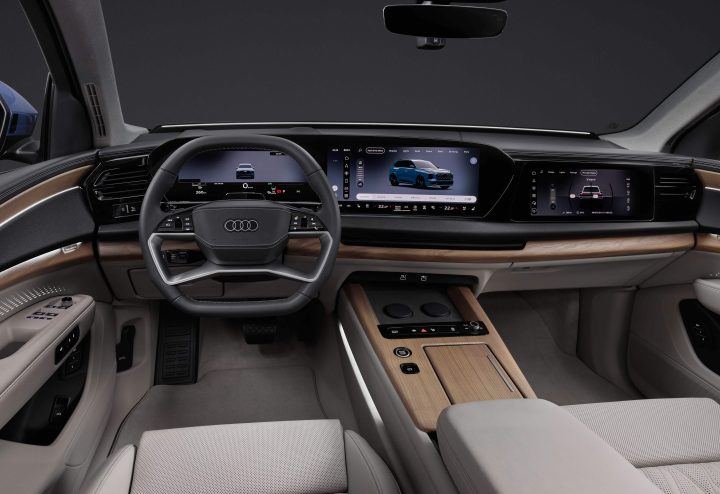
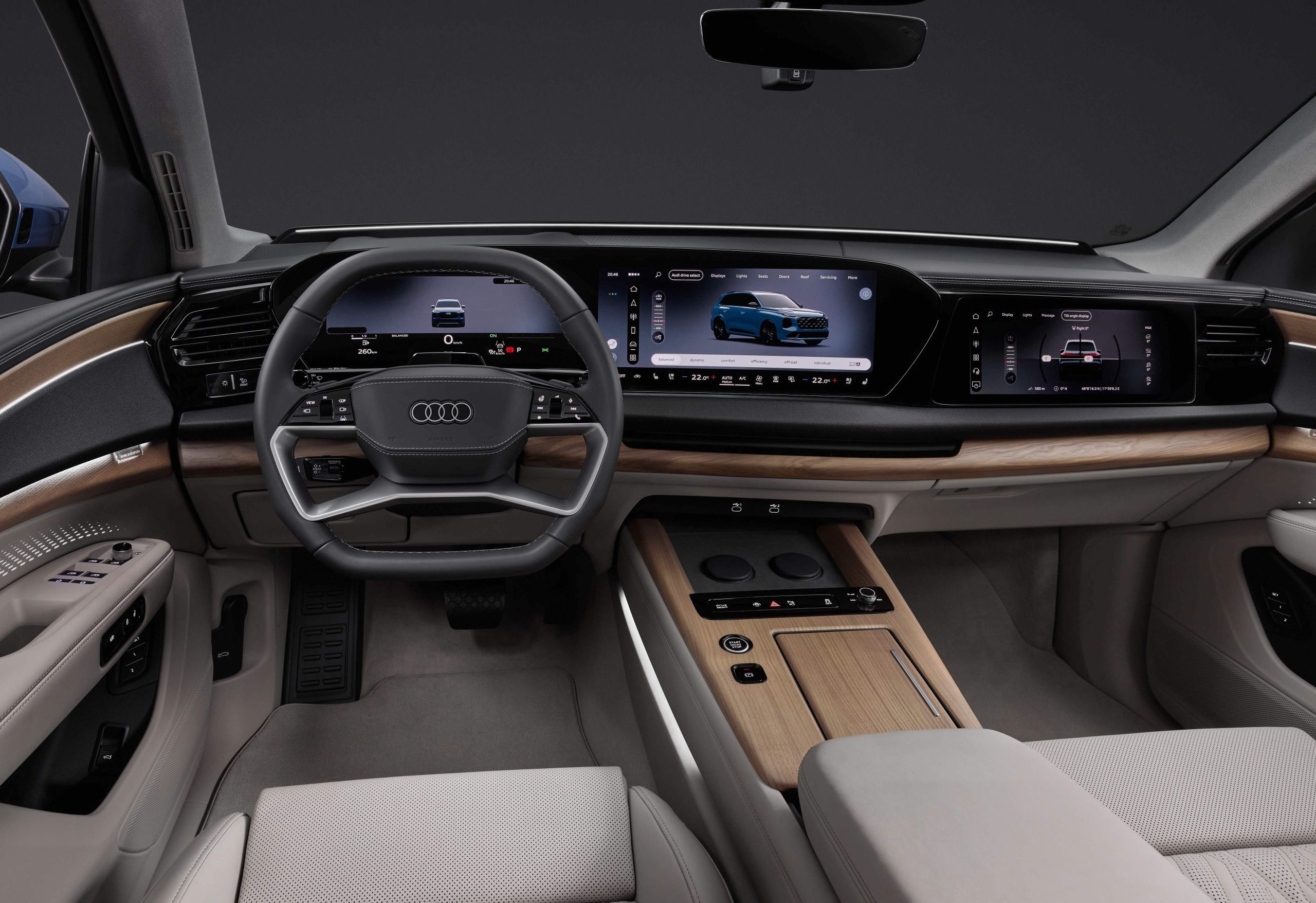
Inside, the 2027 Audi Q7 adopts the same sweeping, full-width infotainment architecture seen on recent Audi models, complete with a self-learning voice assistant backed by ChatGPT integration. The technology focus extends throughout the interior with electrically adjustable air vents, cooled magnetic charging pads, and a 4D sound system featuring headrest-mounted speakers.
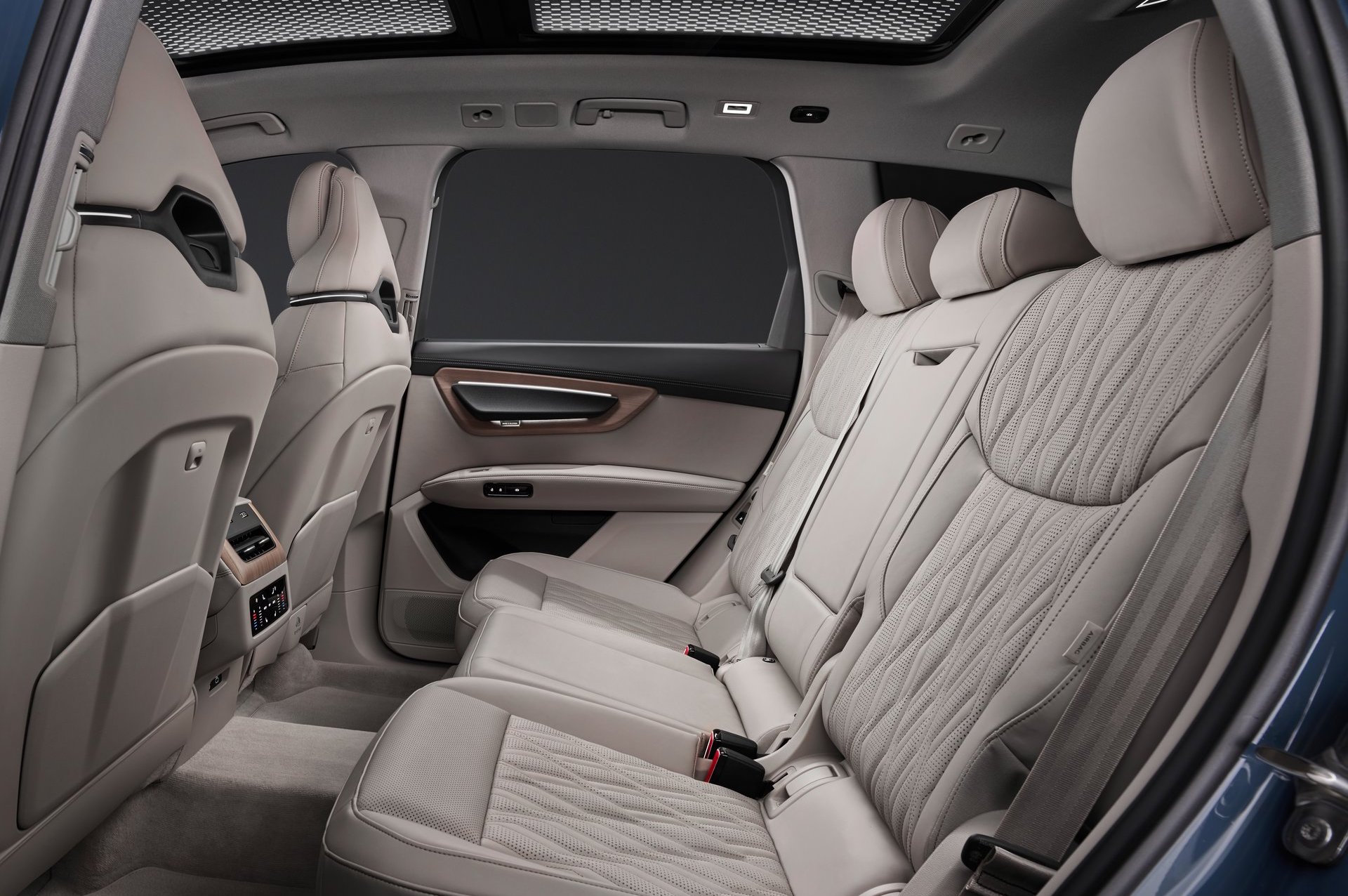
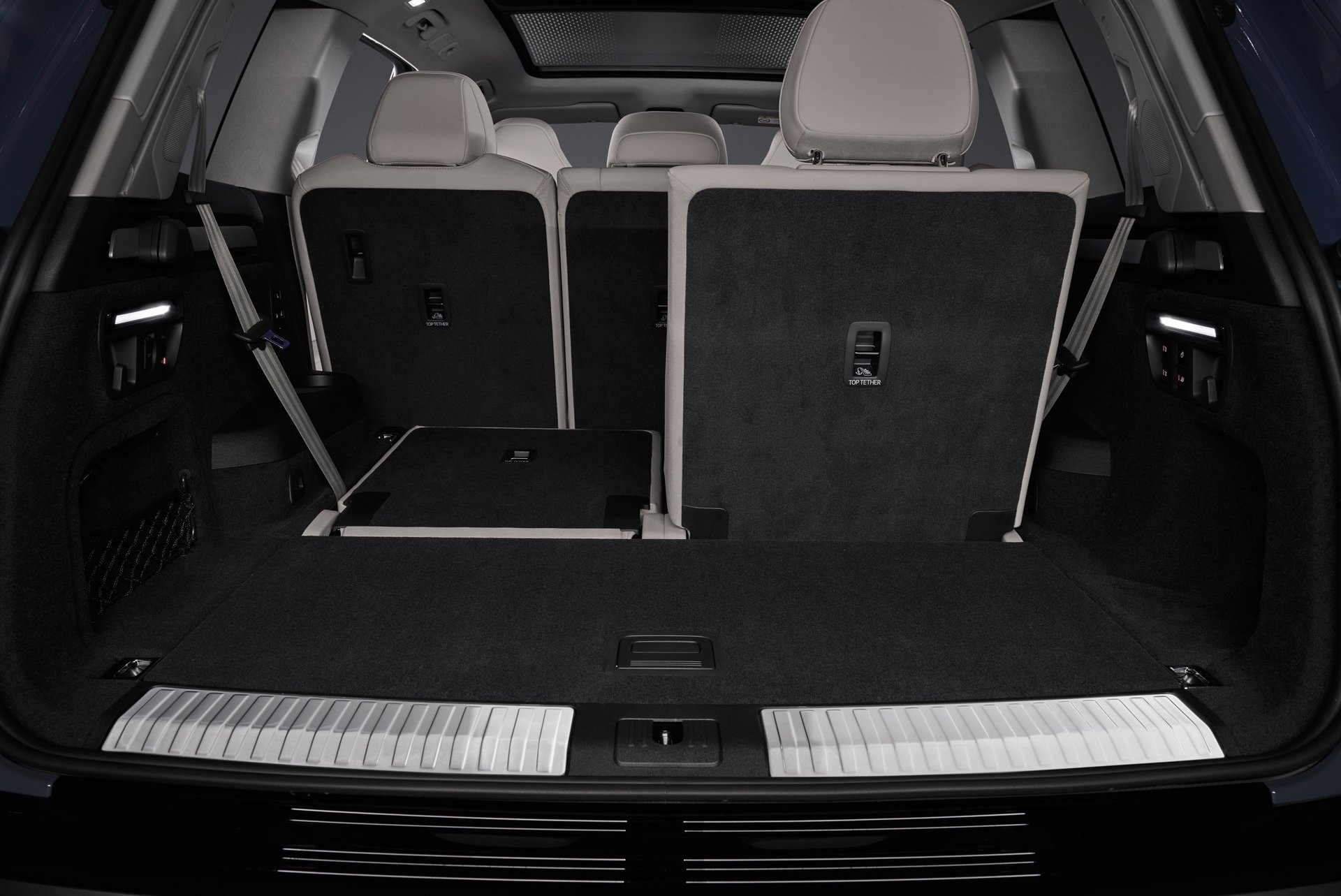
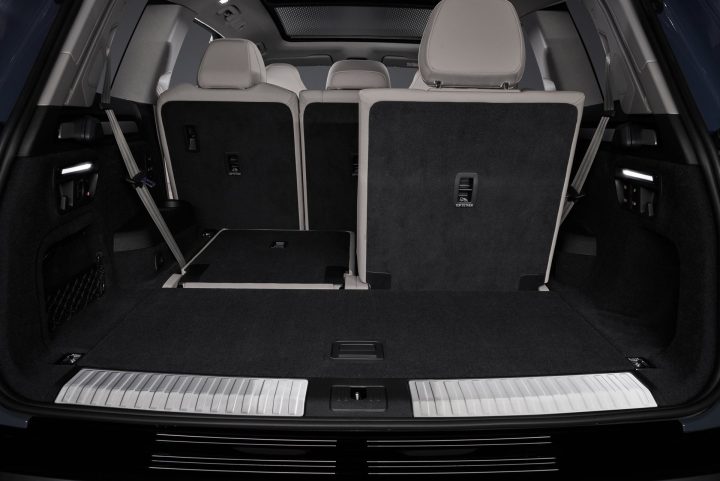
In a first for the Q7, buyers will be able to specify the cabin in five-, six-, or seven-seat configurations, with boot space expanding to an immense 2075 litres with the rear rows stowed flat.
Dynamically, the massive SUV continues to offer highly advanced chassis hardware. While steel springs are standard, buyers can option a ‘sport’ adaptive air suspension setup that drops the ride height by 30mm for sharper agility. Both air suspension options can be paired with rear-wheel steering to shrink the turning circle around town and anchor high-speed stability on the freeway.
While full performance metrics and Australian specifications are yet to be finalised, the 2027 Q7 represents a highly pragmatic, diesel-powered anchor point in a segment rapidly pivoting toward plug-in hybrids.