There comes a point where simply adding more luxury stops impressing. Any cheap newcomer can do that now. Once you’ve already got acres of leather, whisper-quiet refinement and enough technology to rival a small apartment, the next challenge isn’t making a flagship SUV feel more premium. It’s making two-and-a-half tonnes of luxury feel better to drive without compromising the capability that earned it its reputation in the first place.
That’s exactly the task facing the new Lexus LX 700h. Sitting at the very top of the LX range, it introduces hybrid power to Lexus’s flagship off-roader for the first time; becoming not only the most powerful hybrid Lexus ever built, but also the most powerful Lexus currently on sale. The promise isn’t just lower fuel bills. It’s sharper response and greater refinement, while retaining the full off-road credentials and 3.5-tonne towing capacity buyers expect. But with a price tag nudging beyond $200,000, has Lexus done enough to justify making its flagship even more expensive?

2026 Lexus LX 700h F Sport: Specifications
Engine: 3.4-litre twin-turbo V6 petrol hybrid
Output: 341kW / 790Nm
Gearbox: 10-speed auto
Drive type: Four-wheel drive
Wheels: F & R: 22×8.0, 265/50
ANCAP: Not tested
Tare weight: 2775kg
Power-to-weight: 8.13:1 (kg:kW)
Official consumption: 10L/100km
Our consumption: 13.3L/100km
Fuel tank/Fuel type: 98L/95 RONPower efficiency: 34.1kW:L/100km
0-60km/h: 3.17 seconds*
0-100km/h: 6.33 seconds*
60-110km/h: 4.10 seconds*
1/4 mile: 14.57 seconds at 159.2km/h*
Max acceleration: 0.952g*
100-0km/h braking: 41.89m in 3.33 seconds*
Max deceleration: -1.244g*
Decibel at idle: 37*
Peak decibel at 60-100km/h: 76*
Starting price: $202,000
*Figures as tested by Driving Enthusiast on the day. Manufacturers’ claims may be different
2026 Lexus LX 700h F Sport: How much does it cost?
The LX700h is available in two variants. The 5-seat Sports Luxury starts from $196,000, and $3800 extra for 7 seats. While the flagship 5-seat F Sport we’re testing here commands $202,000 (both before on-road costs). There is no 7-seat option with the F Sport.
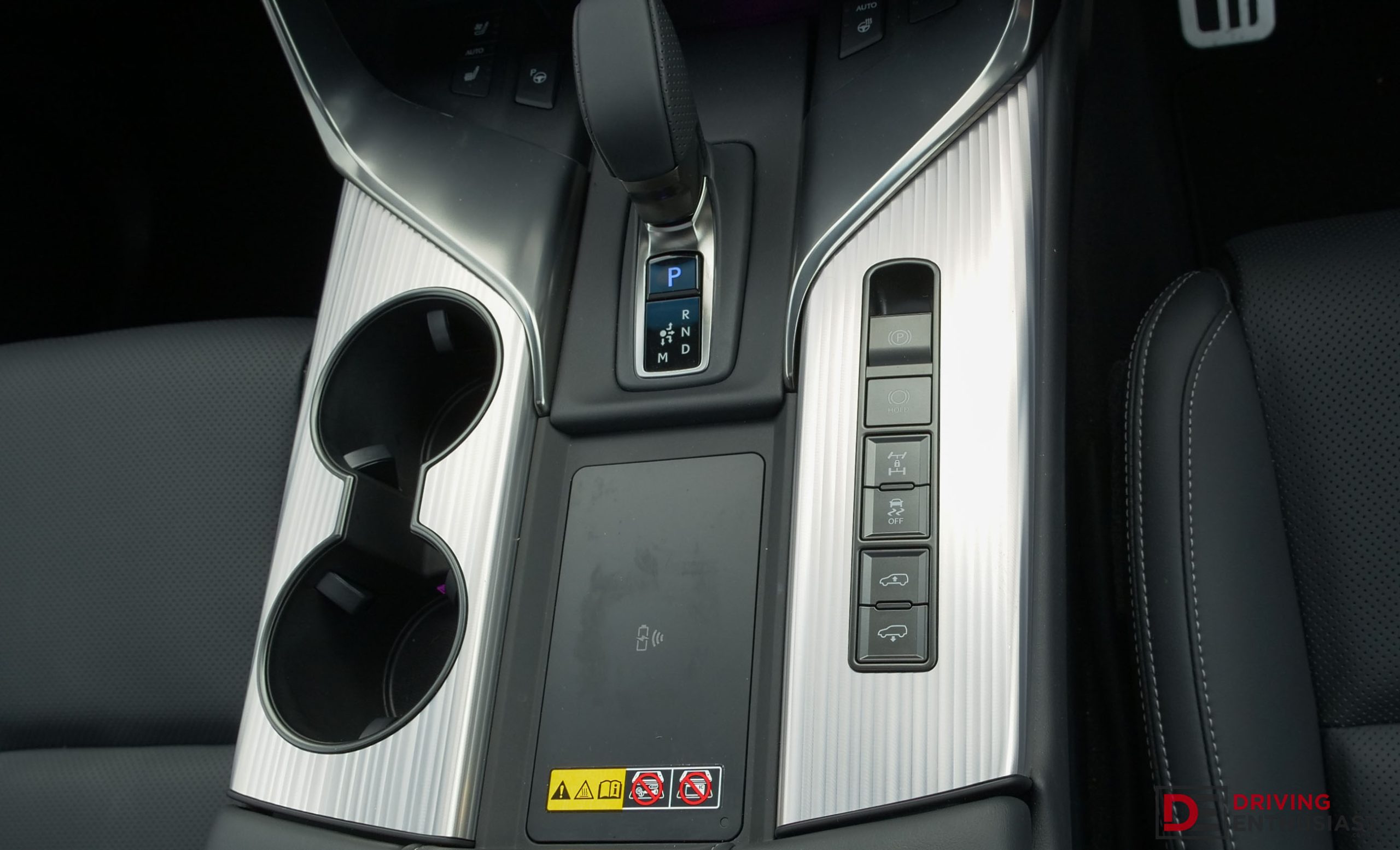
That’s around $20,000 more than an equivalent LX 500d F Sport in diesel, making hybrid power a meaningful premium rather than a token addition. However, Lexus isn’t simply asking buyers to pay for better fuel economy. The LX 700h becomes the most powerful model in the range, adds additional safety equipment, introduces a 1500W inverter for powering appliances or accessories, and incorporates a revised shift-by-wire transmission interface.
Buyers will inevitably cross-shop the Range Rover P460e HSE PHEV (from $284,900), Mercedes-Benz GLS 450 d (from $189,100), BMW X7 xDrive40i (from $174,400), and even the Land Rover Defender (from $99,500) if outright off-road ability is a priority. Its closest relative remains the mechanically similar Toyota LandCruiser 300 Series (from $156,060 with the same powertrain).
Ownership is one of Lexus’s strongest cards. Buyers receive a 5-year/unlimited kilometre warranty. Service intervals are more often than usual, at every 6 months or 10,000km, and ownership is further enhanced through the Lexus Encore program, which includes complimentary loan vehicles, vehicle collection and delivery, roadside assistance, and a range of lifestyle benefits rarely matched by competitors. Servicing costs are capped at a reasonable $695 each for the first 10 visits.
2026 Lexus LX 700h F Sport: Interior & packaging
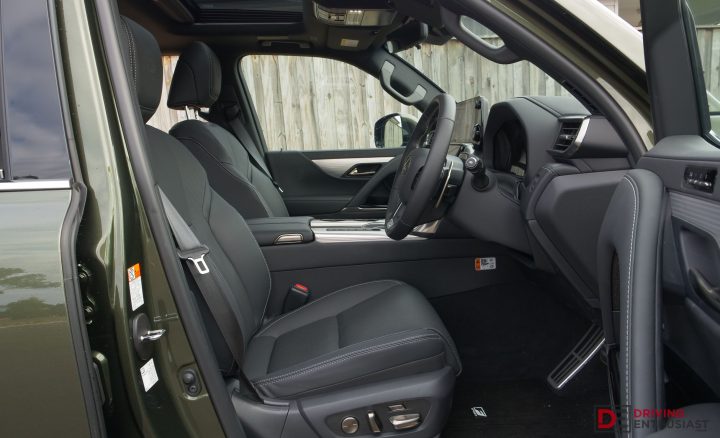
Stepping into the LX 700h immediately reminds you why Lexus has built a loyal following among luxury buyers. Rather than chasing visual drama, the cabin delivers understated confidence. It feels expensive without trying too hard.
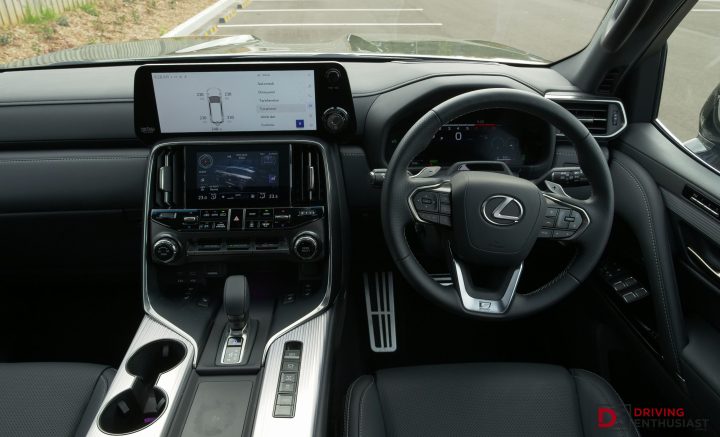
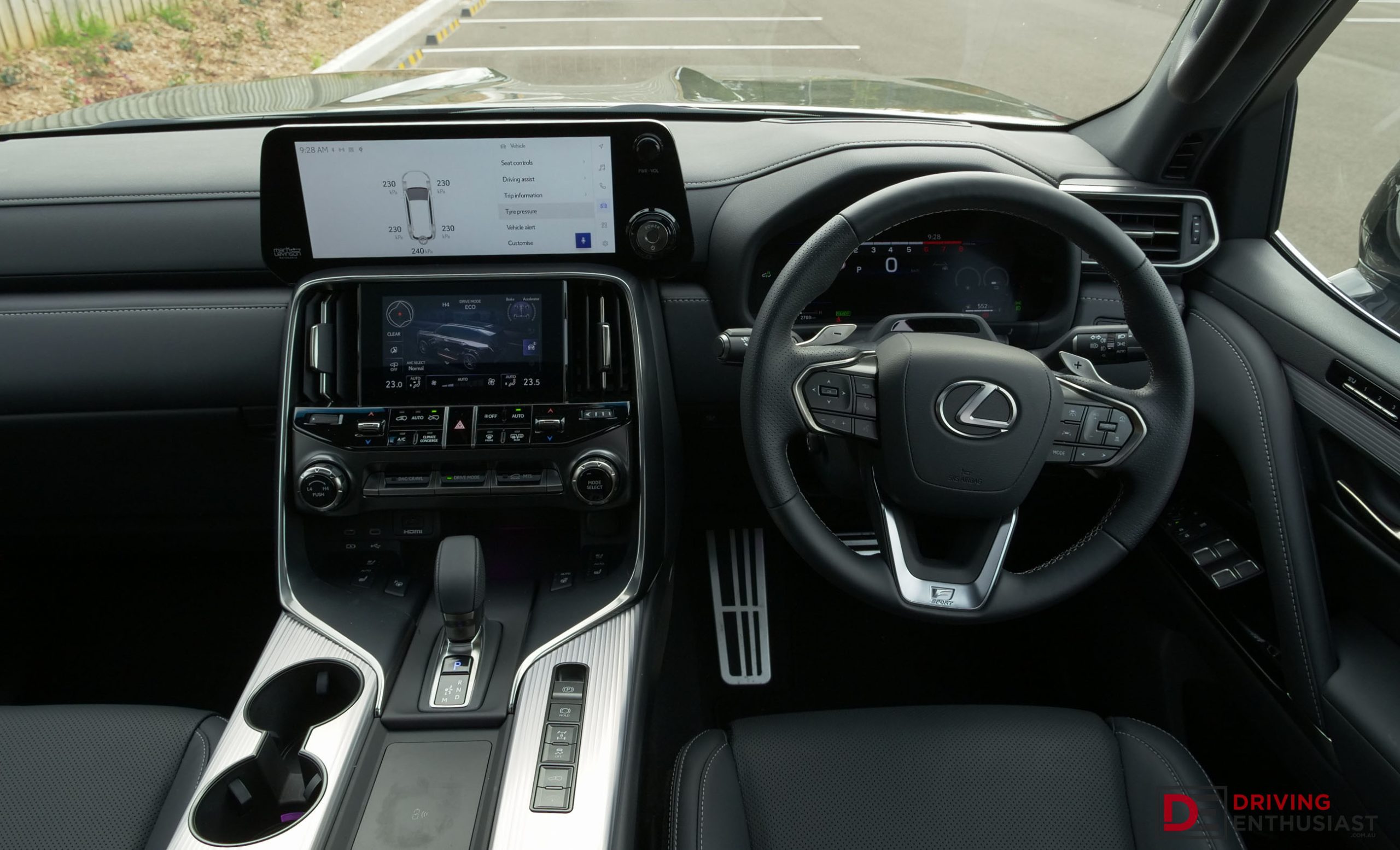
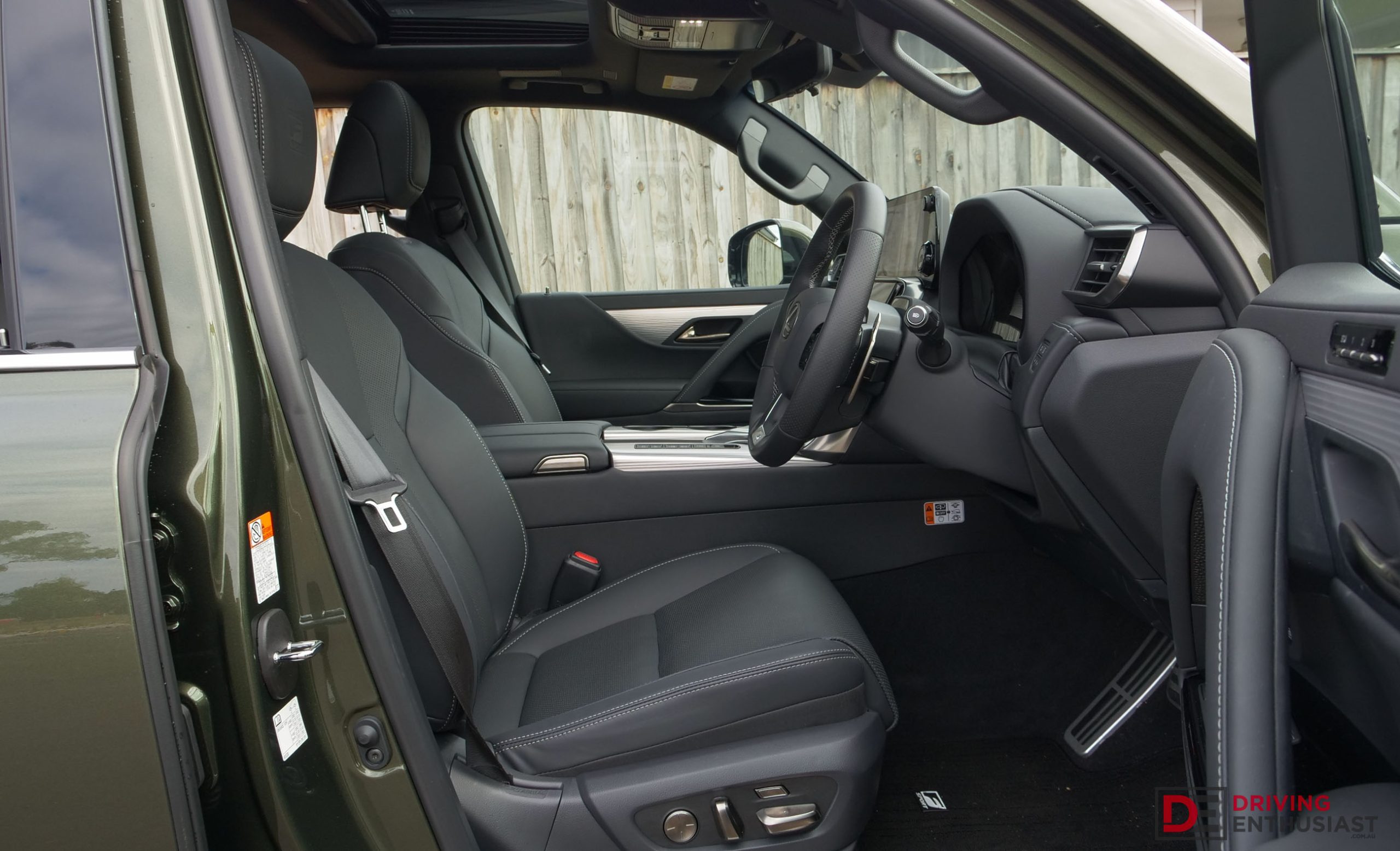
The F Sport takes a slightly sportier approach than the Sports Luxury, featuring unique leather-accented seats, aluminium finishes and exclusive detailing. Yet it still feels unmistakably Lexus. Thick carpeting, beautifully damped switchgear (and a lot of switchgear), soft-touch materials and subtle ambient lighting combine to create an environment that’s relaxing rather than overwhelming.
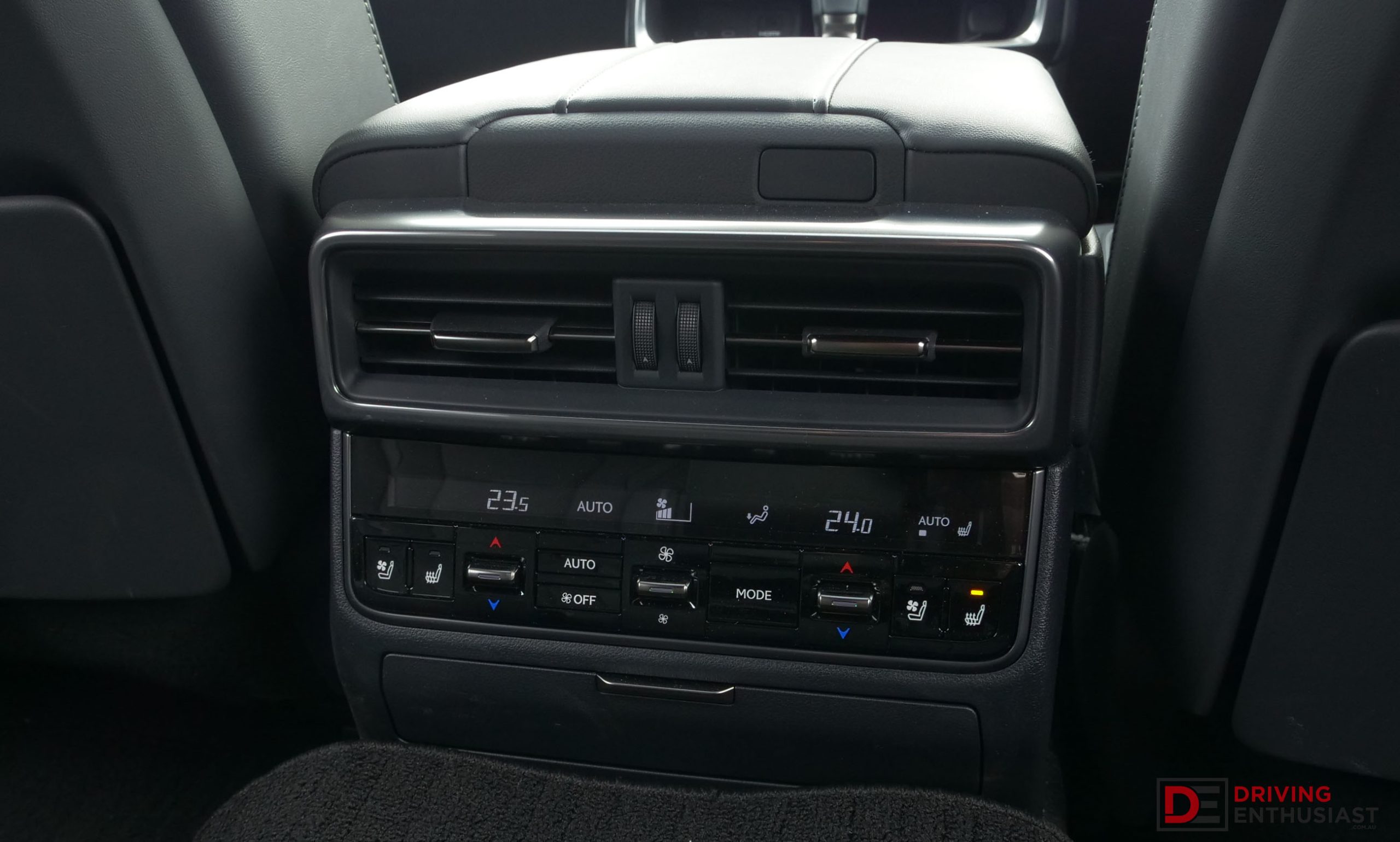
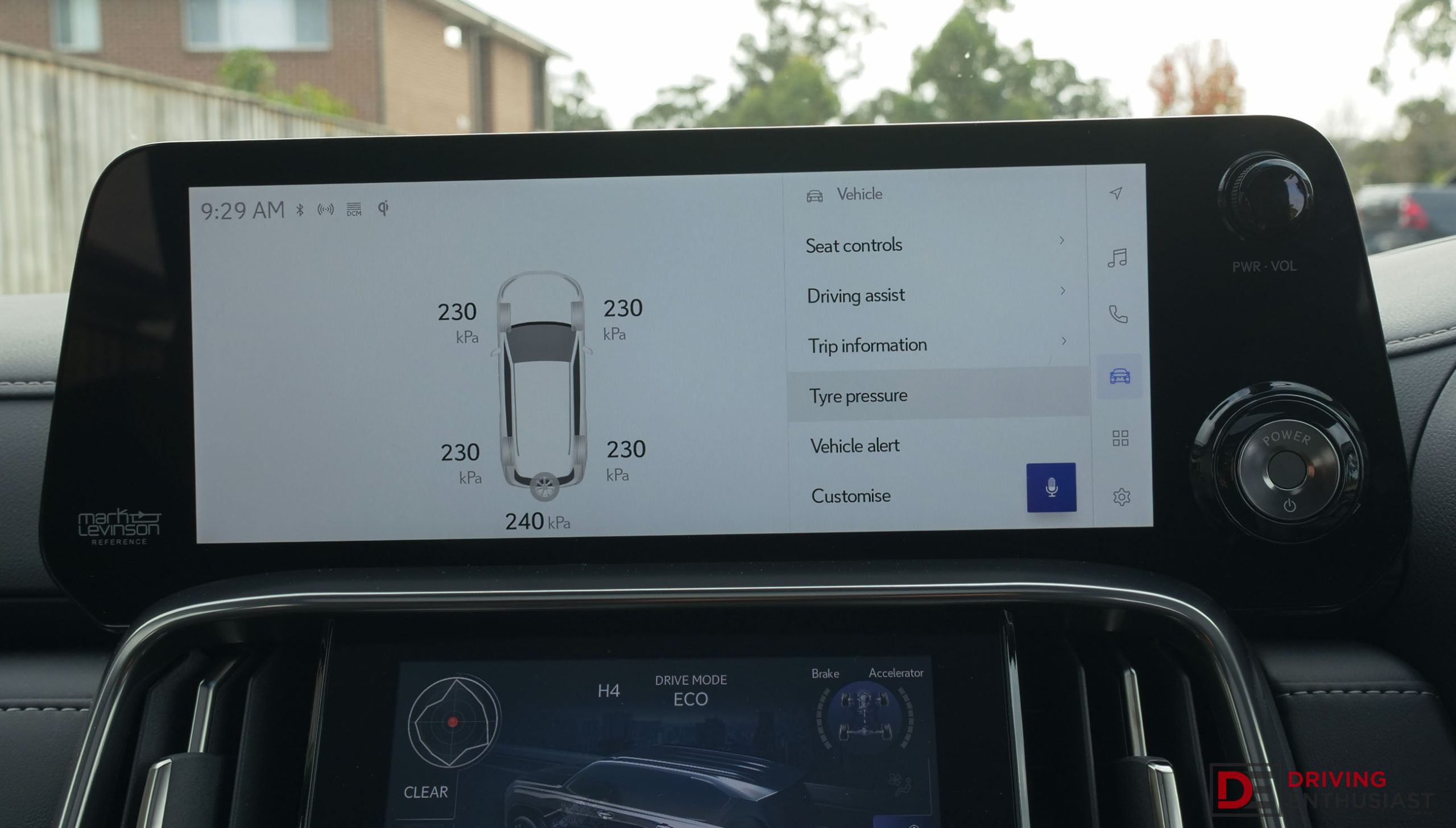
Perhaps the greatest strength is usability. Despite the abundance of technology, virtually everything operates exactly as you’d expect. The twin-screen infotainment layout is logical, climate controls retain dedicated physical buttons (in conjunction with a 7-inch display), and important functions are never buried beneath multiple touch-screen menus. If anything, so many buttons from so many features can take a little while to locate without concentrating. More digital instrument cluster layouts would be nice as well.
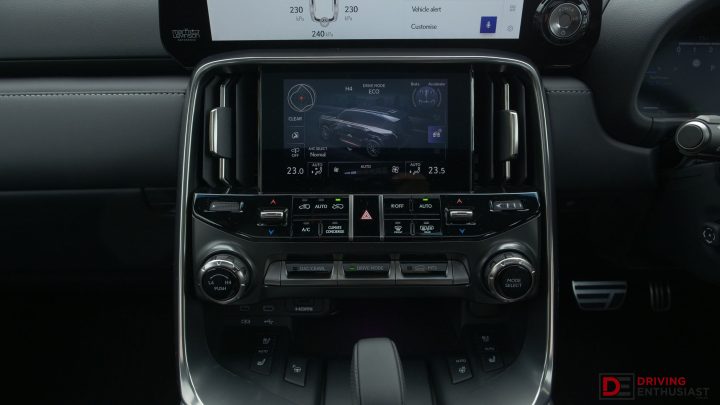
Equipment levels leave little wanting. Exquisitely comfortable heated and ventilated leather seats all-round, front massaging seats, a panoramic sunroof, ‘nanoeX’ 4-zone climate control with a separate rear passenger display panel, rear sunshades, wireless Apple CarPlay and Android Auto, head-up display, premium 25-speaker Mark Levinson audio, soft close doors, key card entry and fingerprint start, and Lexus Connected Services all come standard.
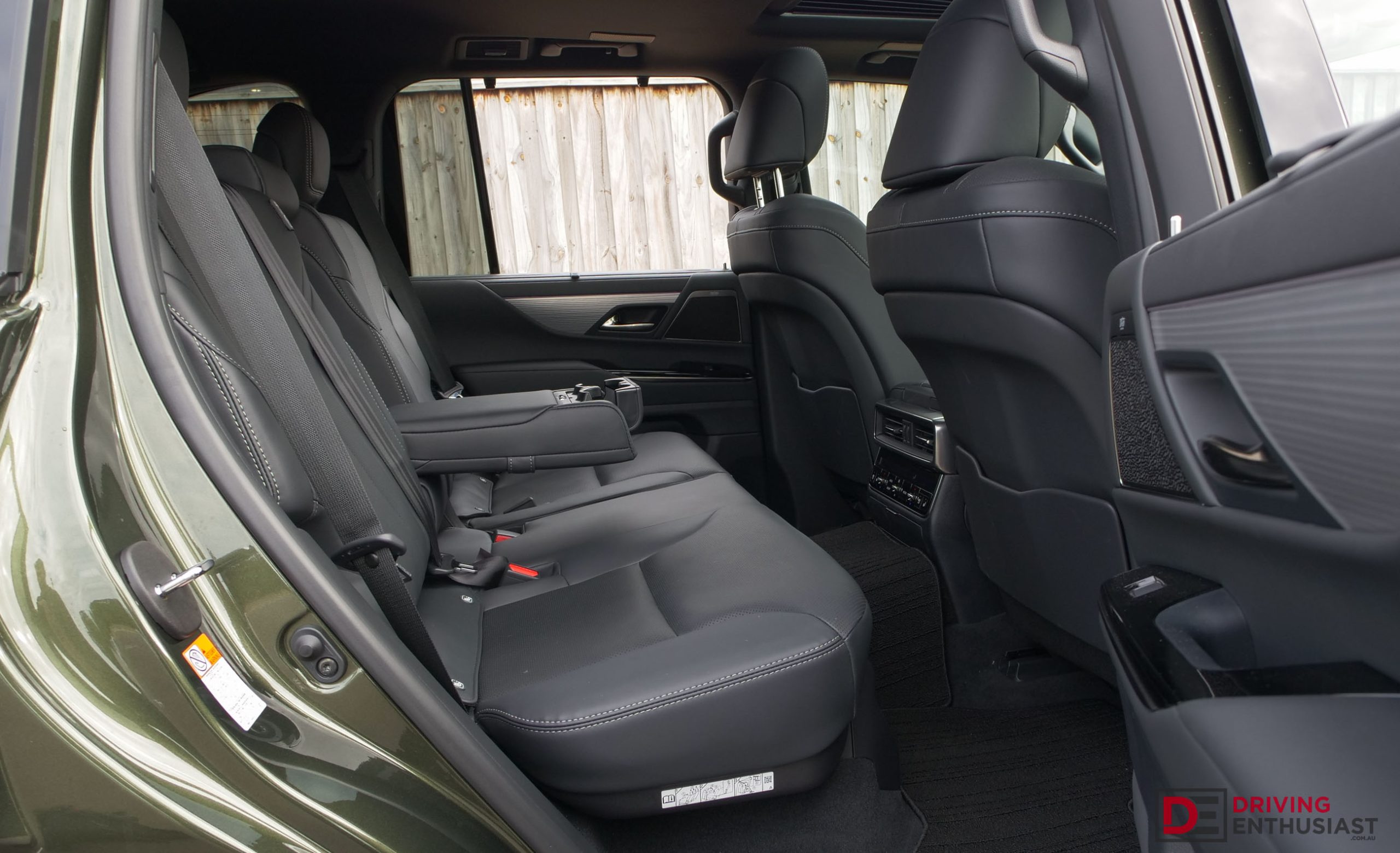
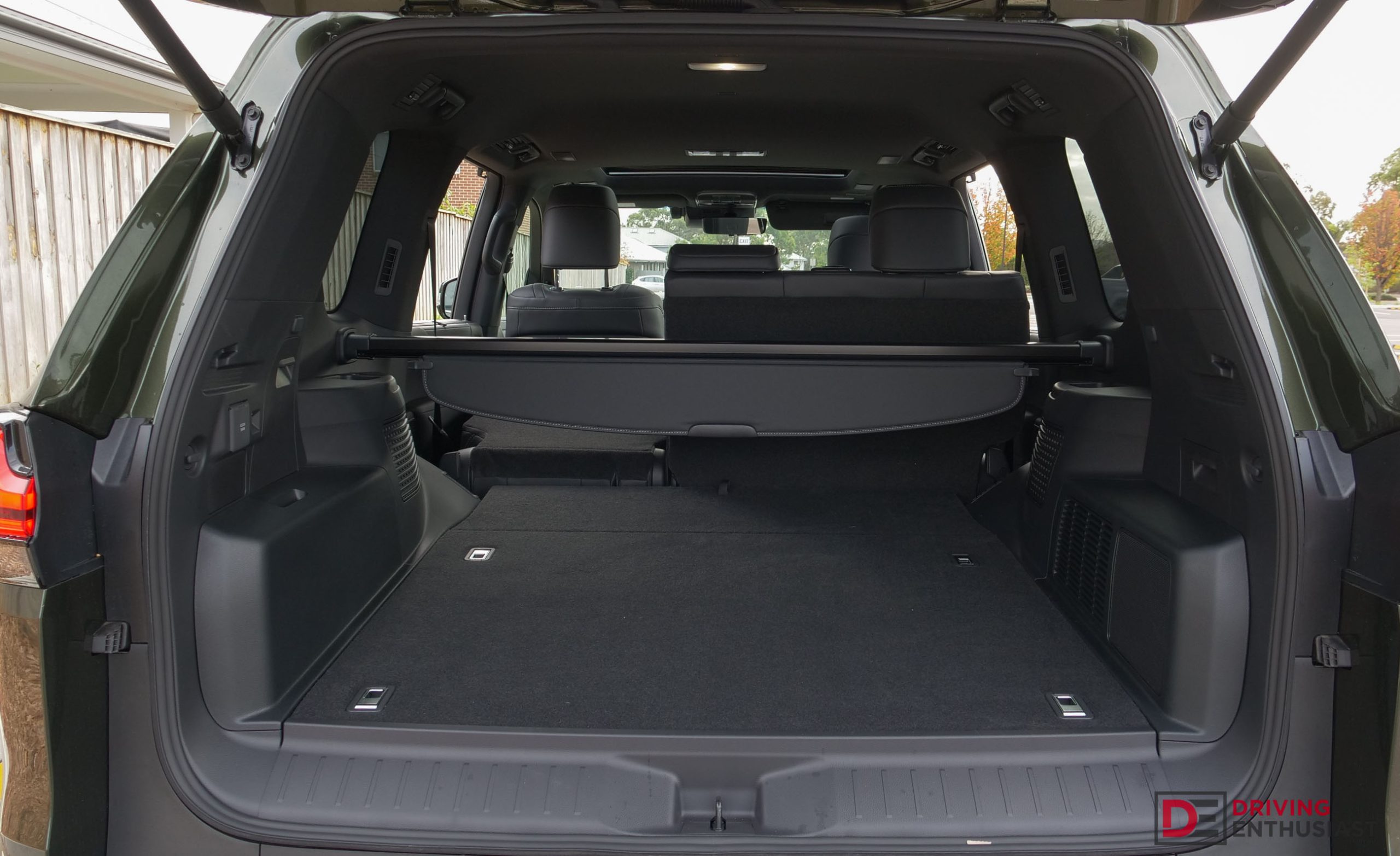
Storage throughout the cabin is generous. The centre console is enormous, door bins easily accommodate large drink bottles, while rear occupants benefit from limousine-like legroom and reclining seats. Although the F Sport is offered only as a 5-seater, that decision actually enhances practicality for buyers who rarely require a third row, because the boot is massive. There are heaps of handles and handy side steps to assist entering and leaving.
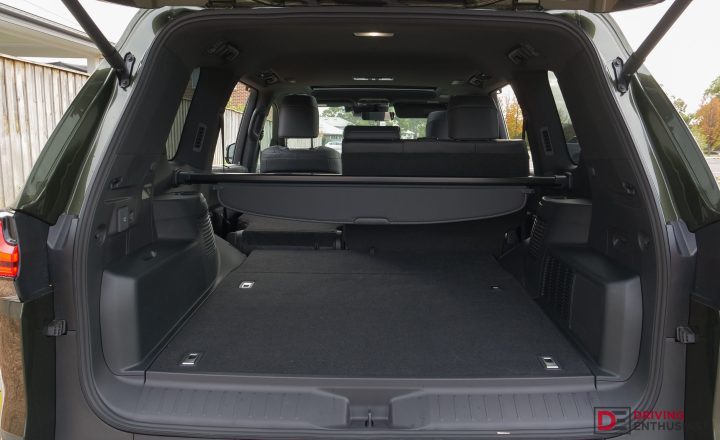
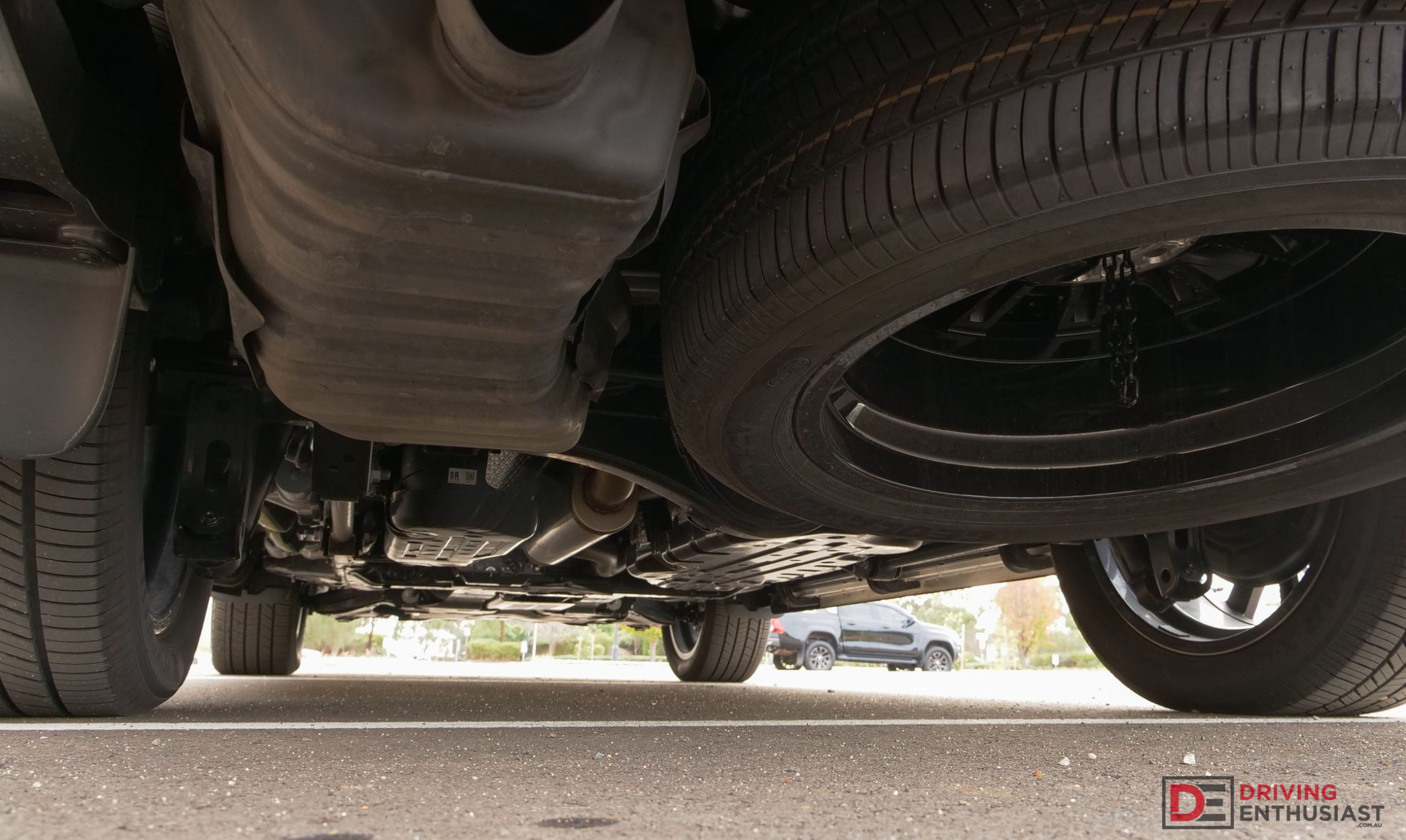
Cargo space does take a slight hit compared with the non-hybrid LX 600. Packaging the hybrid battery reduces luggage capacity from 1109 litres to 889 litres. That’s still substantial by any standard, but worth noting if maximum load space is a priority. On the plus side, you gain a 1500-Watt power socket back there. Brilliant if you’re off grid camping.
Safety continues to sit at the top of the class. Along with Lexus Safety System+, the LX 700h adds intelligent park assist and vehicle approach notification. All the usual stuff like adaptive cruise control, lane tracing assist, intersection assist, surround-view cameras, safe exit assist, driver monitoring and trailer sway control are all standard inclusions.
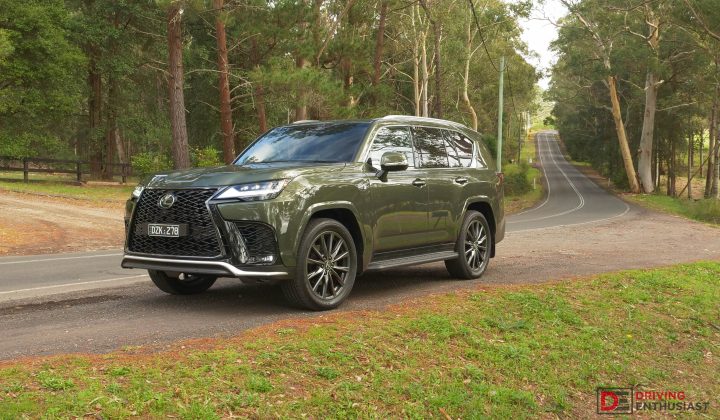
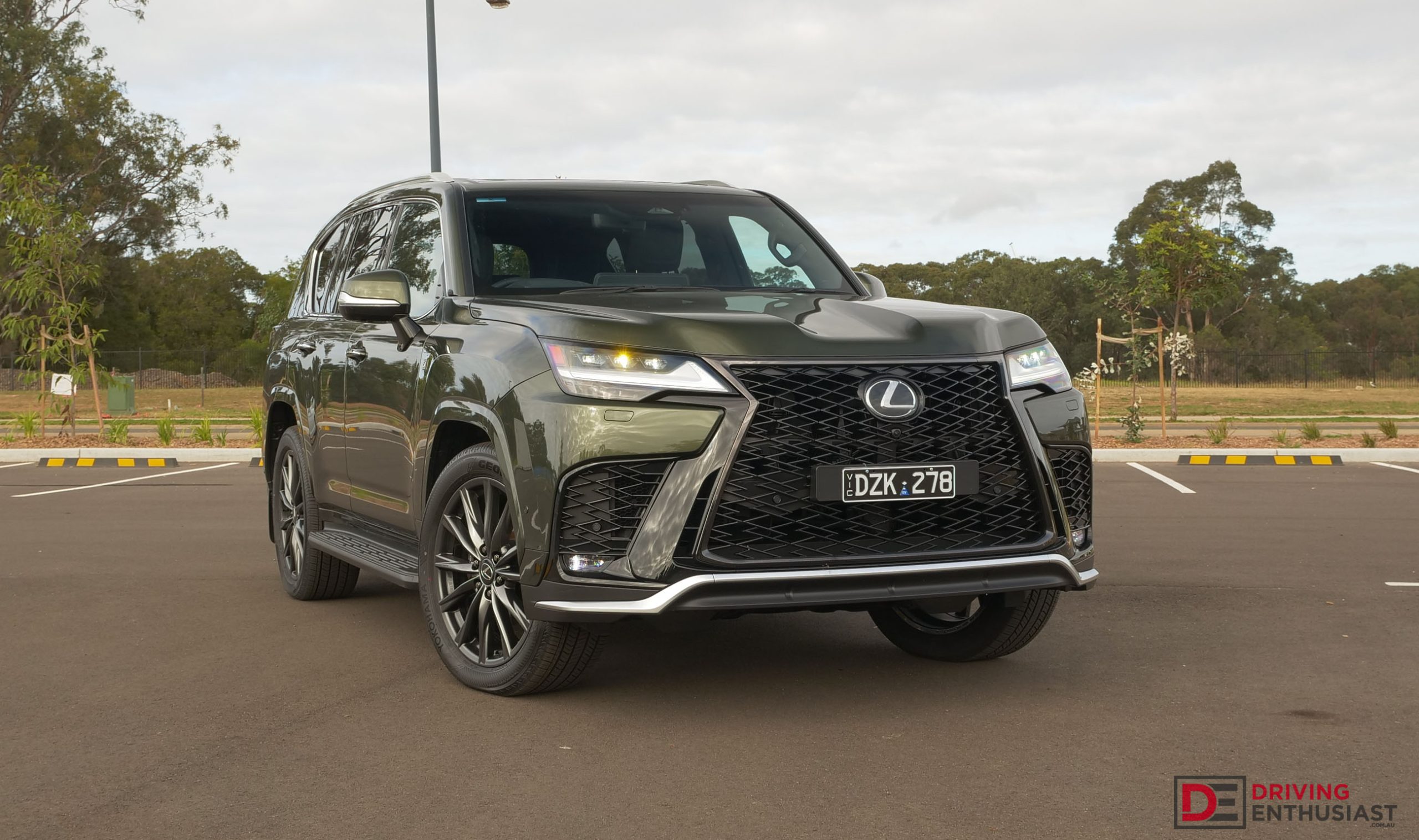
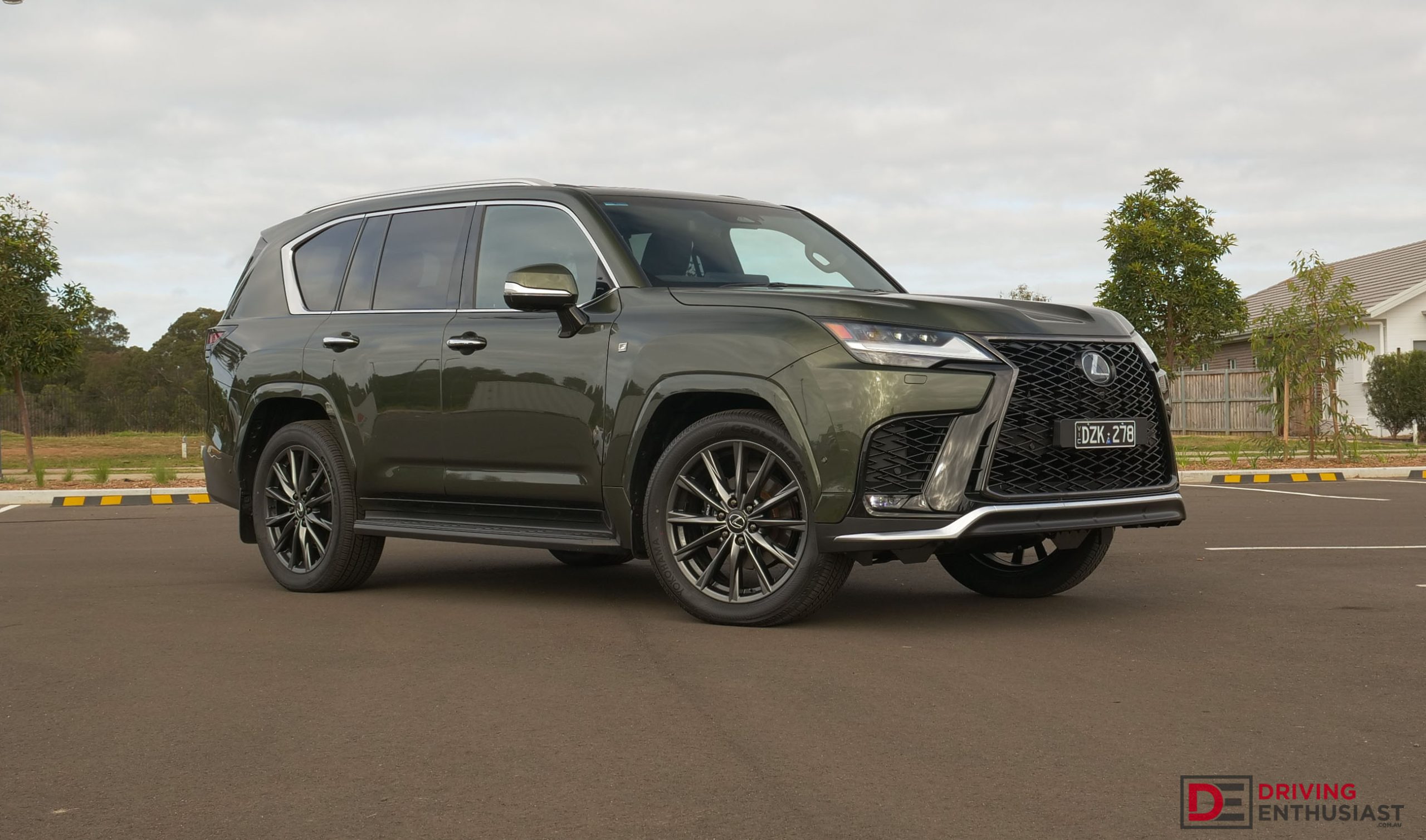
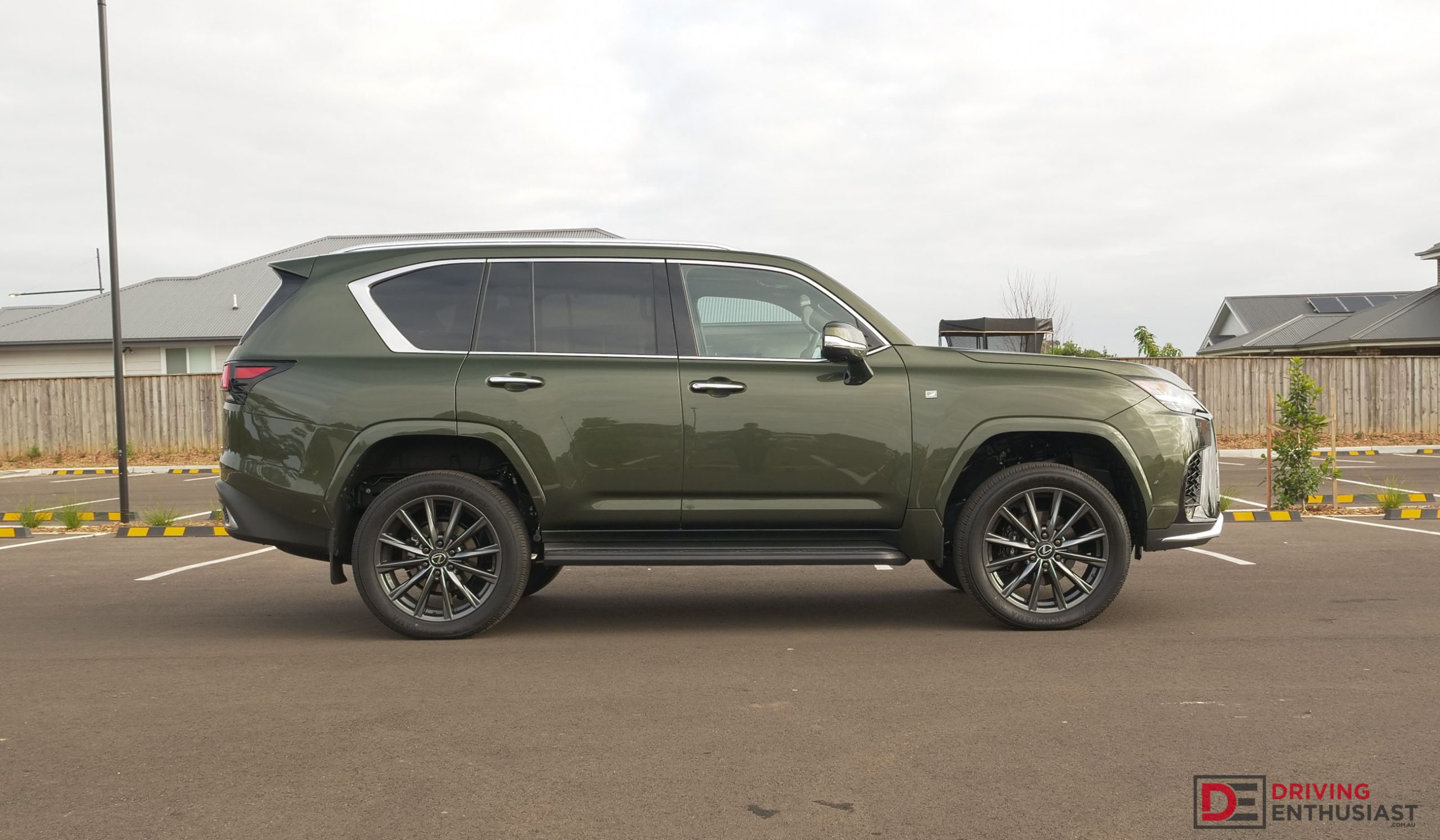
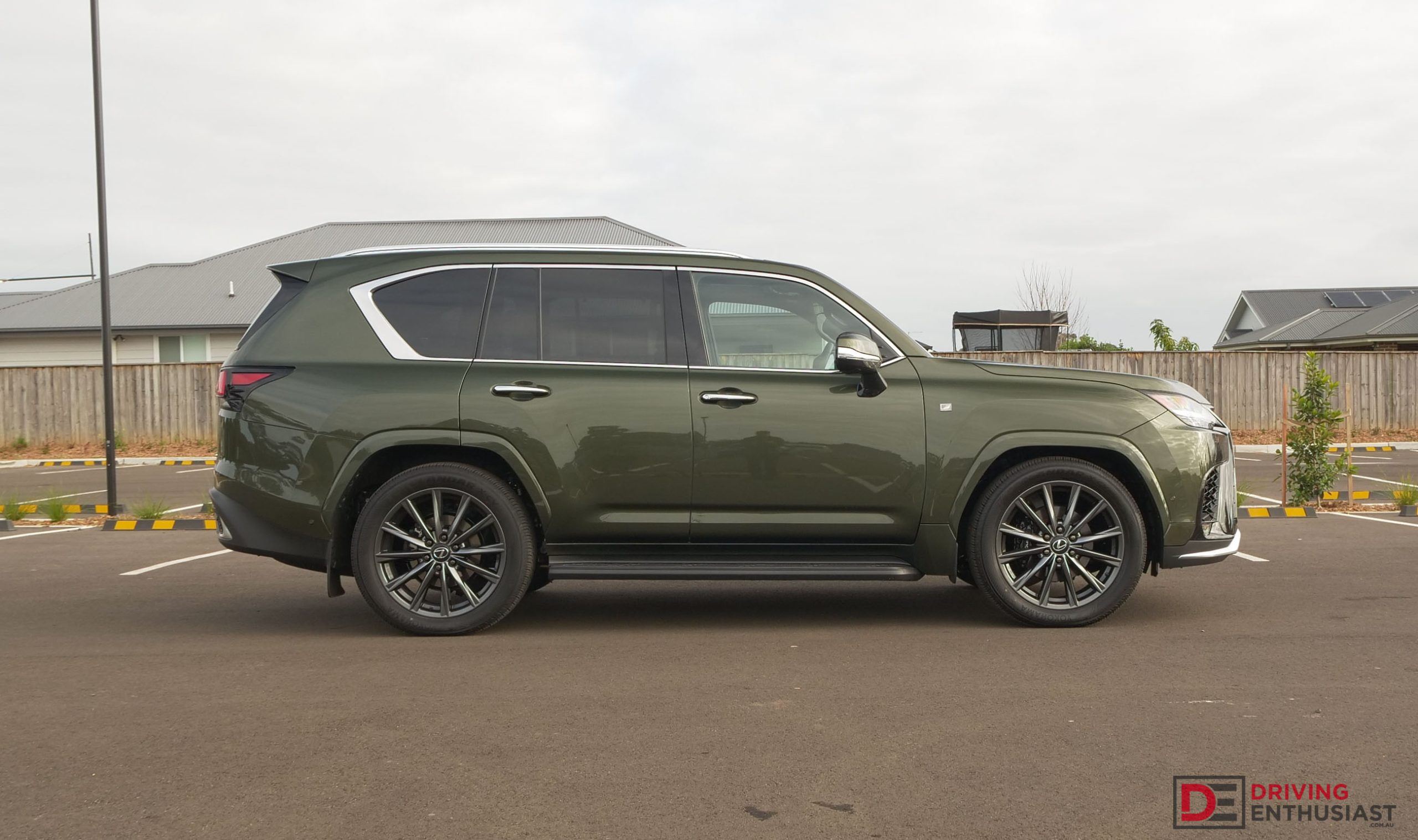
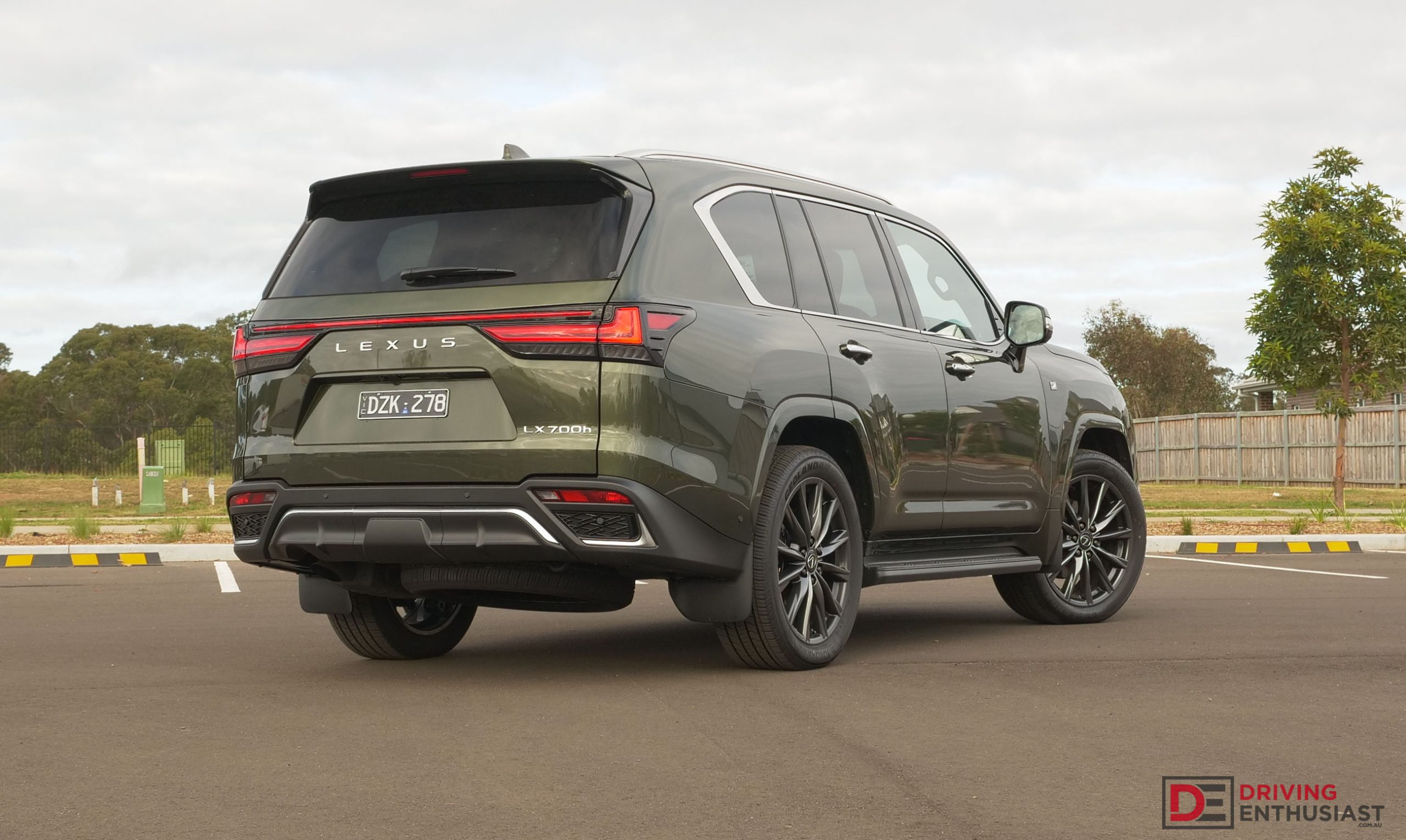
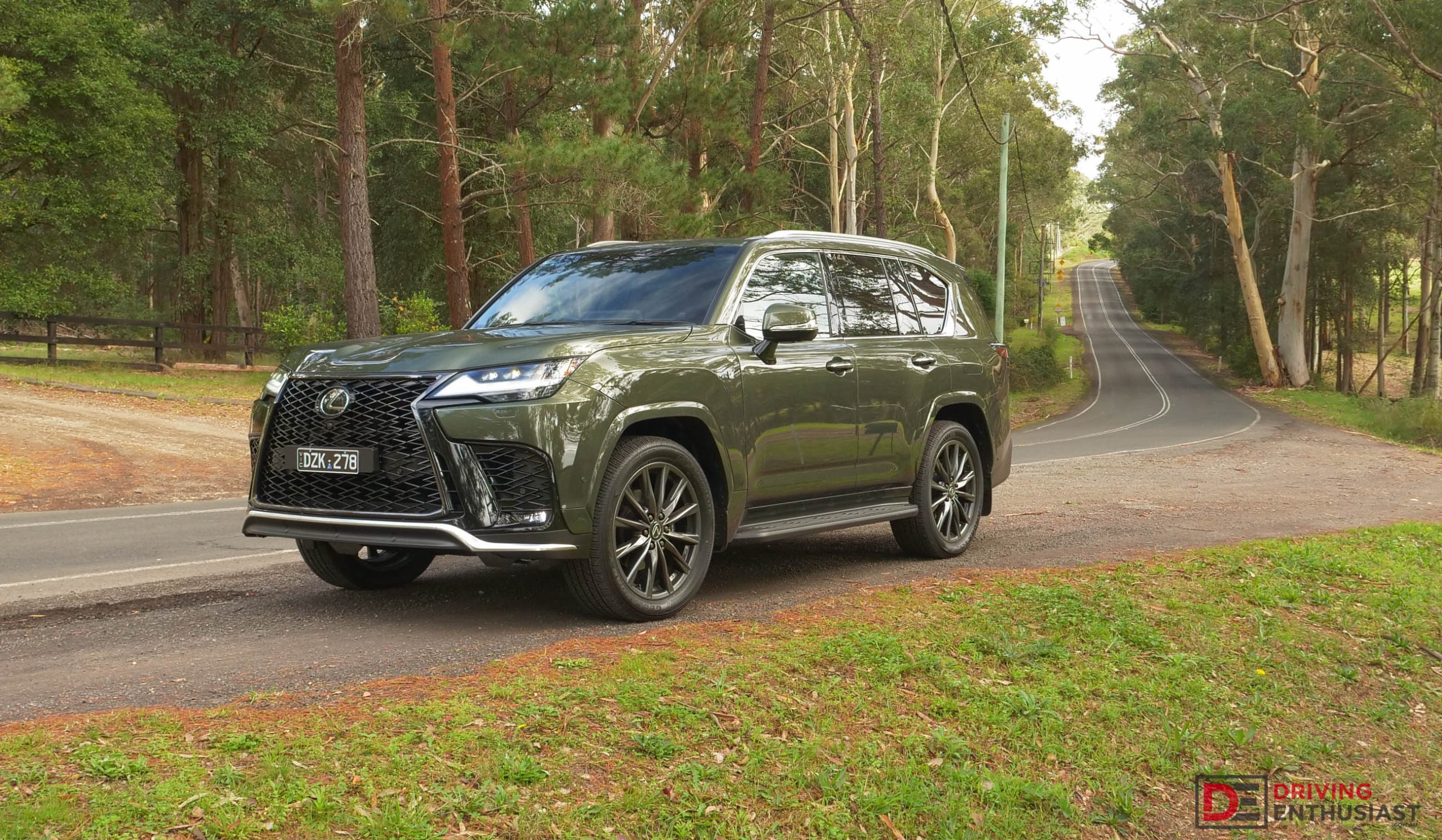
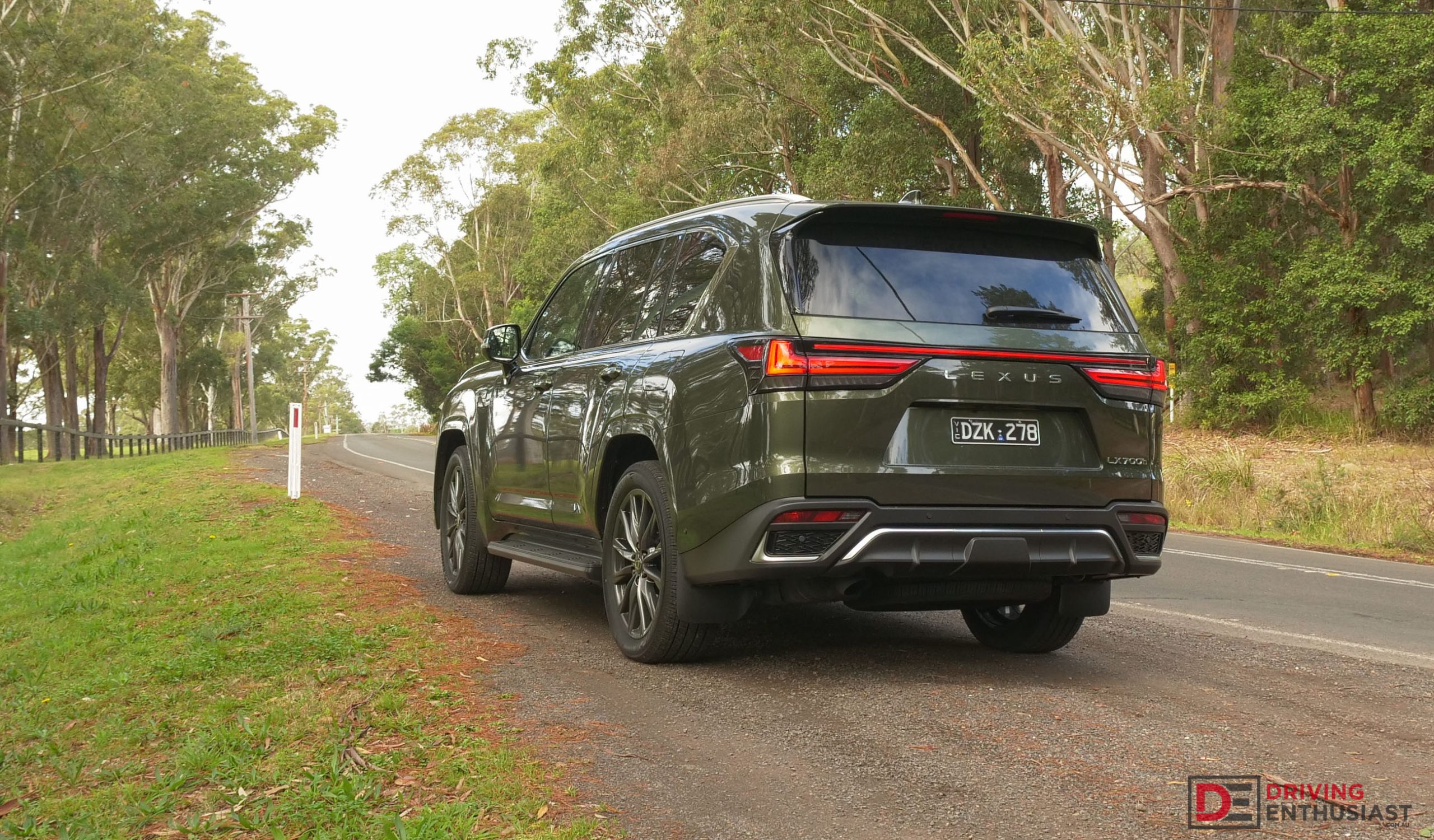
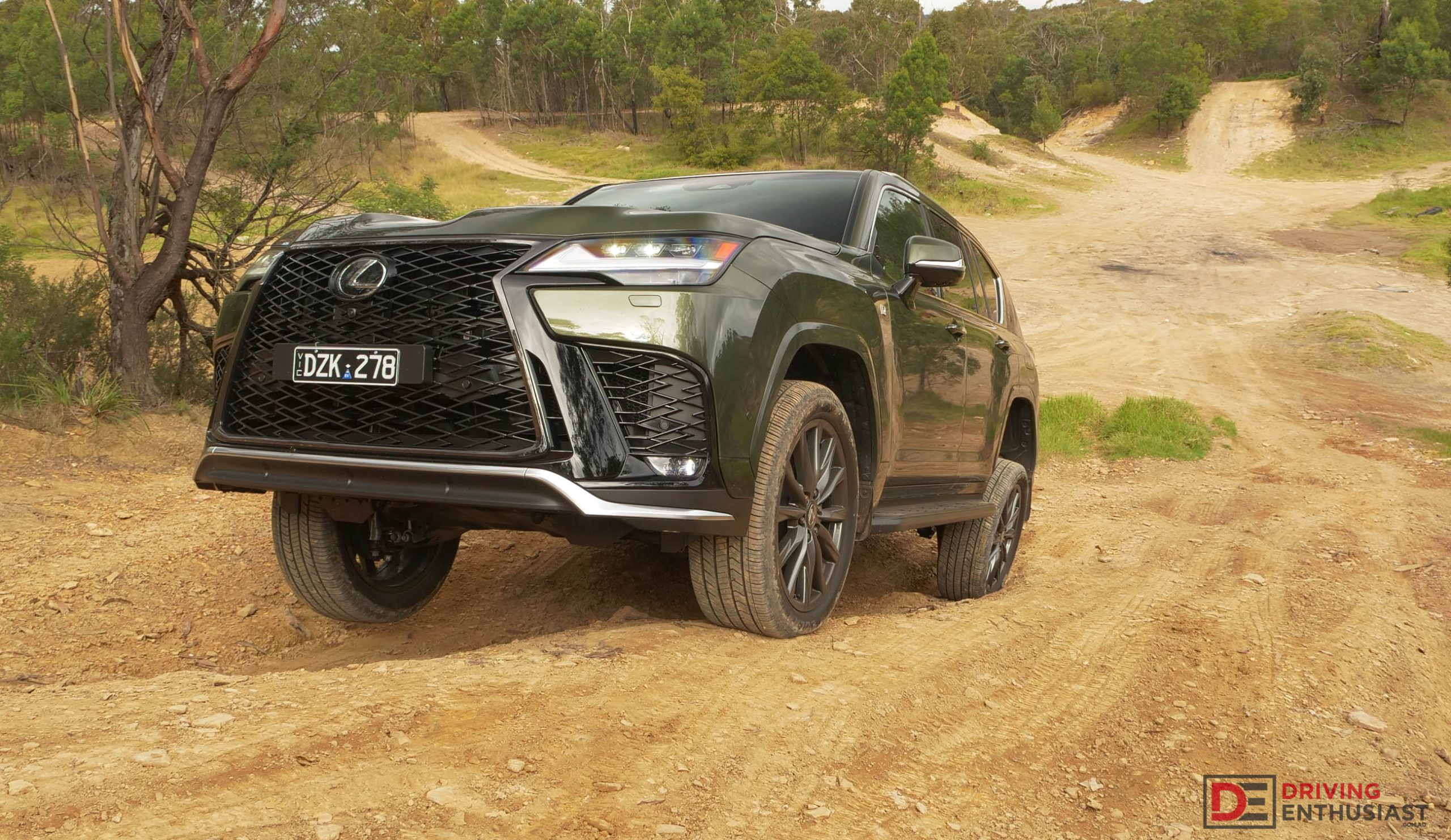
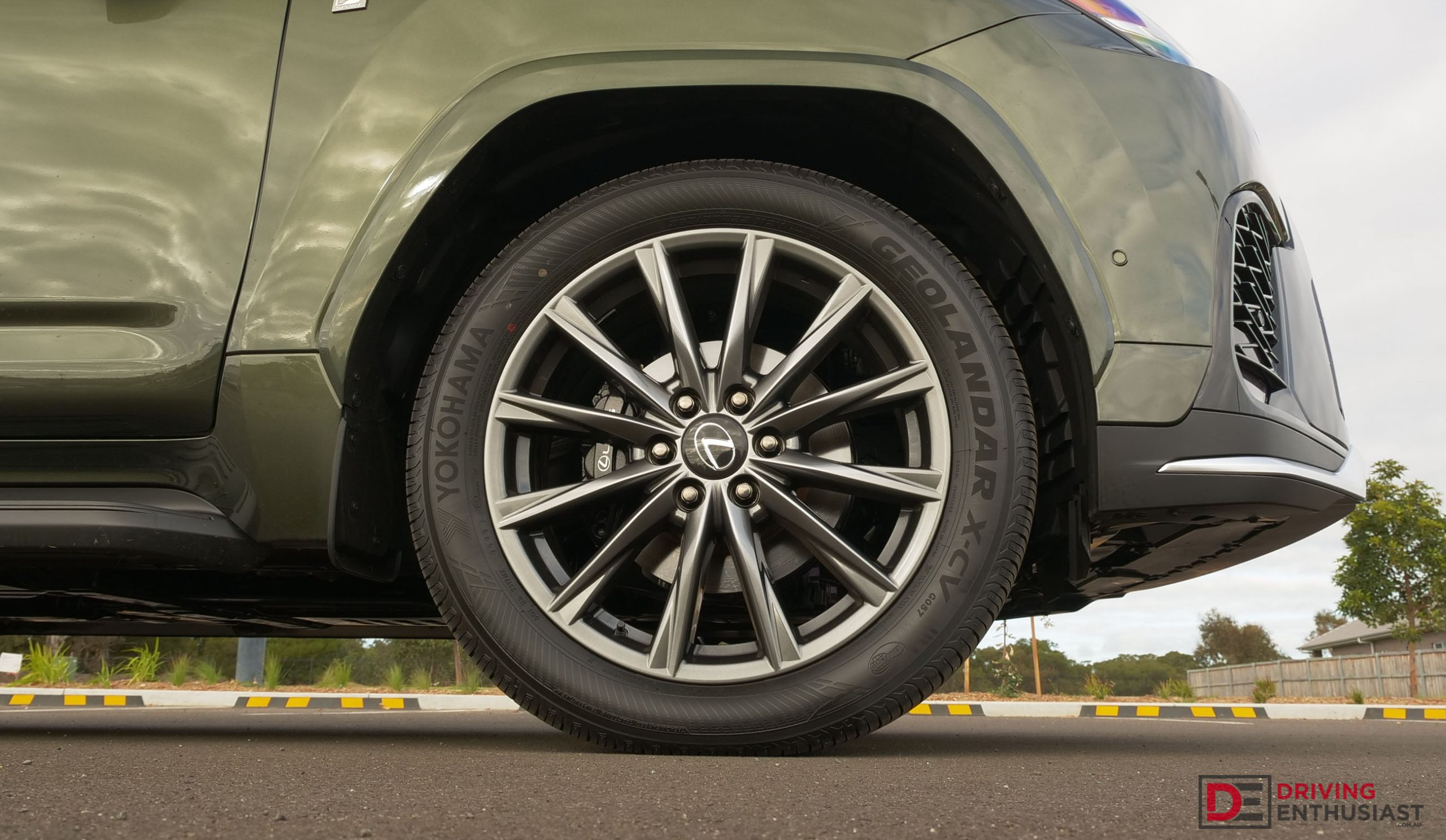
Externally, the F Sport subtly distinguishes itself without becoming ostentatious. Unique front and rear bumper treatments move it away from the LandCruiser, and exclusive alloy wheels, black exterior detailing and its distinctive spindle-inspired front grille give the flagship a slightly more purposeful appearance. It’s still unmistakably an upright box-shaped LX, carrying the commanding road presence expected of a body-on-frame luxury SUV.


2026 Lexus LX 700h F Sport: Powertrain & handling
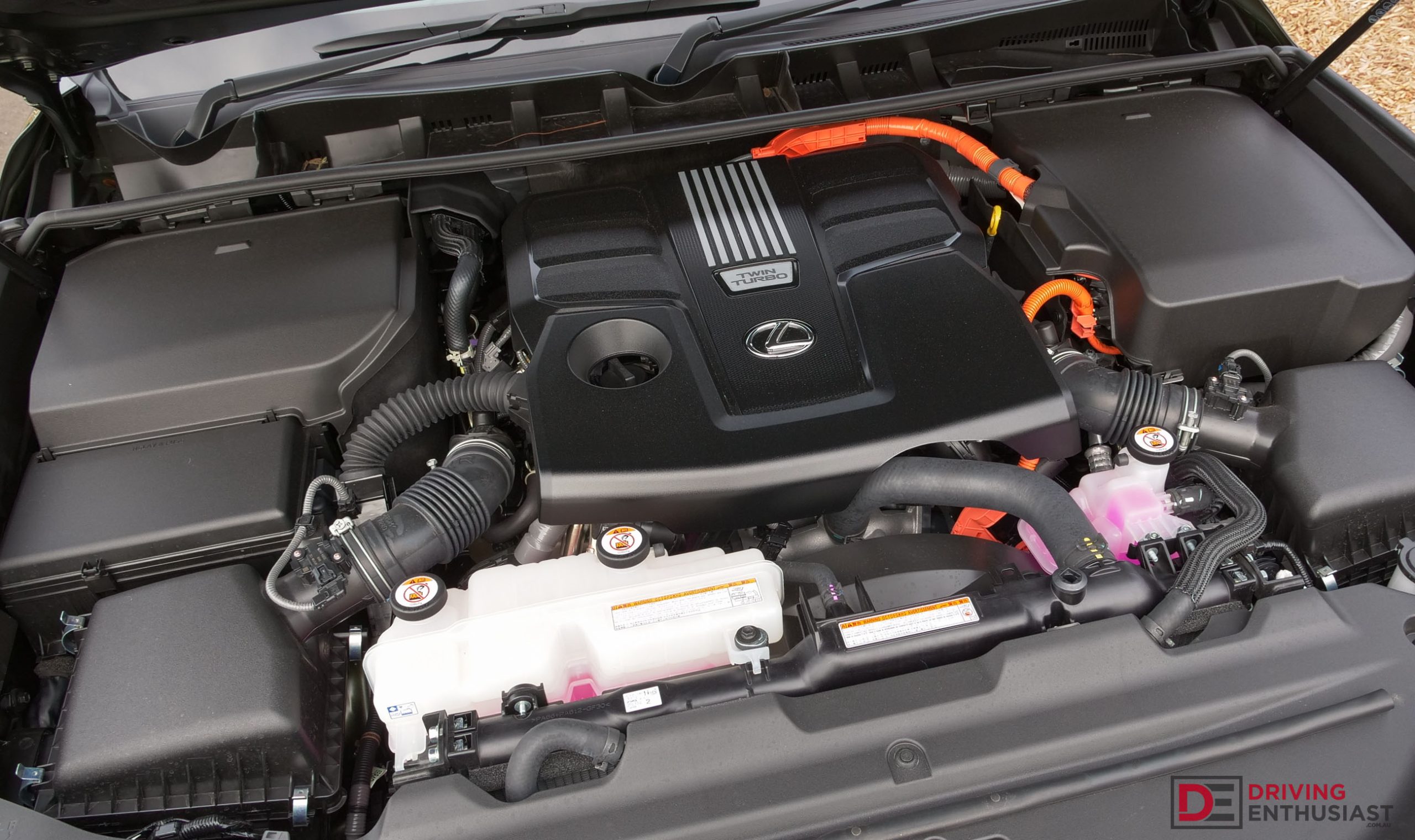
The biggest news sits beneath the bonnet. Power comes from the familiar 3.4-litre twin-turbo V6 petrol engine, now joined by a permanent-magnet electric motor integrated between the engine and the 10-speed automatic transmission. Combined output climbs to a beefy 341kW, while torque reaches an enormous 790Nm, making this the most powerful Lexus currently on sale.
Unlike many plug-in hybrids chasing laboratory fuel figures, the LX 700h’s hybrid system also exists to enhance responsiveness and performance. The electric motor fills the gaps before the turbochargers reach full boost, providing immediate torque the instant your foot touches the accelerator.
The result is noticeable. For something weighing 2775kg (tare), the LX steps away from traffic lights with surprising urgency. Throttle response feels significantly more immediate than the petrol-only LX 600, while overtaking manoeuvres require very little planning. We clocked 0-100km/h in just 6.33 seconds.
Yet, Lexus hasn’t transformed the LX into a performance SUV. Despite the impressive outputs, acceleration remains smooth, progressive and entirely in keeping with the vehicle’s luxury character. It doesn’t feel frantic or aggressive. In fact, it’s hard to believe the figures. Instead, everything happens with an effortless calmness that’s entirely appropriate for a vehicle of this size and stature.
Equally important is what Lexus hasn’t sacrificed. Unlike many electrified SUVs that lose capability in the pursuit of efficiency, the hybrid system retains low-range gearing, full-time four-wheel drive, locking centre differential and the full 3500kg braked towing capacity. Additional waterproofing also allows the hybrid components to maintain the LX’s 700mm water-fording capability. Lexus explains should part of the hybrid system experience a fault, conventional starter and charging systems allow continued operation – a thoughtful piece of engineering for buyers venturing well beyond civilisation.
Fuel consumption improves over the LX 600, though expectations should remain realistic. Lexus quotes a combined figure of 10.0L/100km, representing around a 16 per cent improvement over the LX 600 petrol. For a vehicle this large, powerful and capable, that’s an impressive achievement, even if it remains well above what Lexus’s smaller hybrids routinely achieve. But that official figure seems difficult to achieve, as our testing over mixed journey types averaged 13.3L/100km. It also requires the more expensive 95 RON premium fuel.
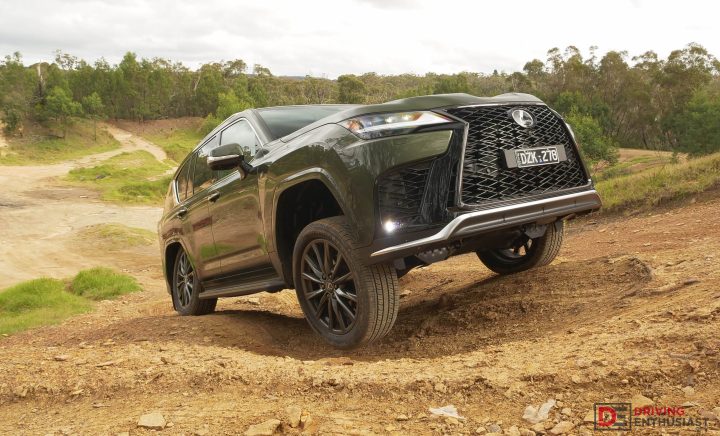
Ride comfort is exceptional. Adaptive suspension irons out broken Australian roads with superb composure, while the body-on-frame construction rarely feels unsettled for its class. But it can feel cumbersome. The F Sport’s suspension calibration reins in body movement compared with softer variants, but it’s certainly still there. It’s difficult to eliminate the lean through cornering with such mass and size. Especially when comfort remains the overarching priority, and it still needs to offer good wheel travel and articulation off road.
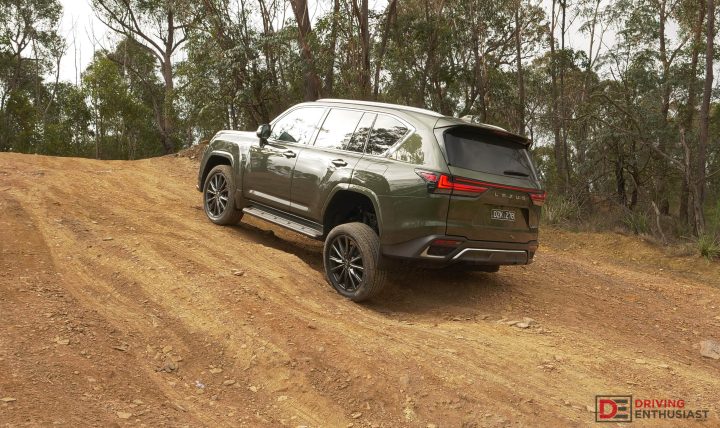
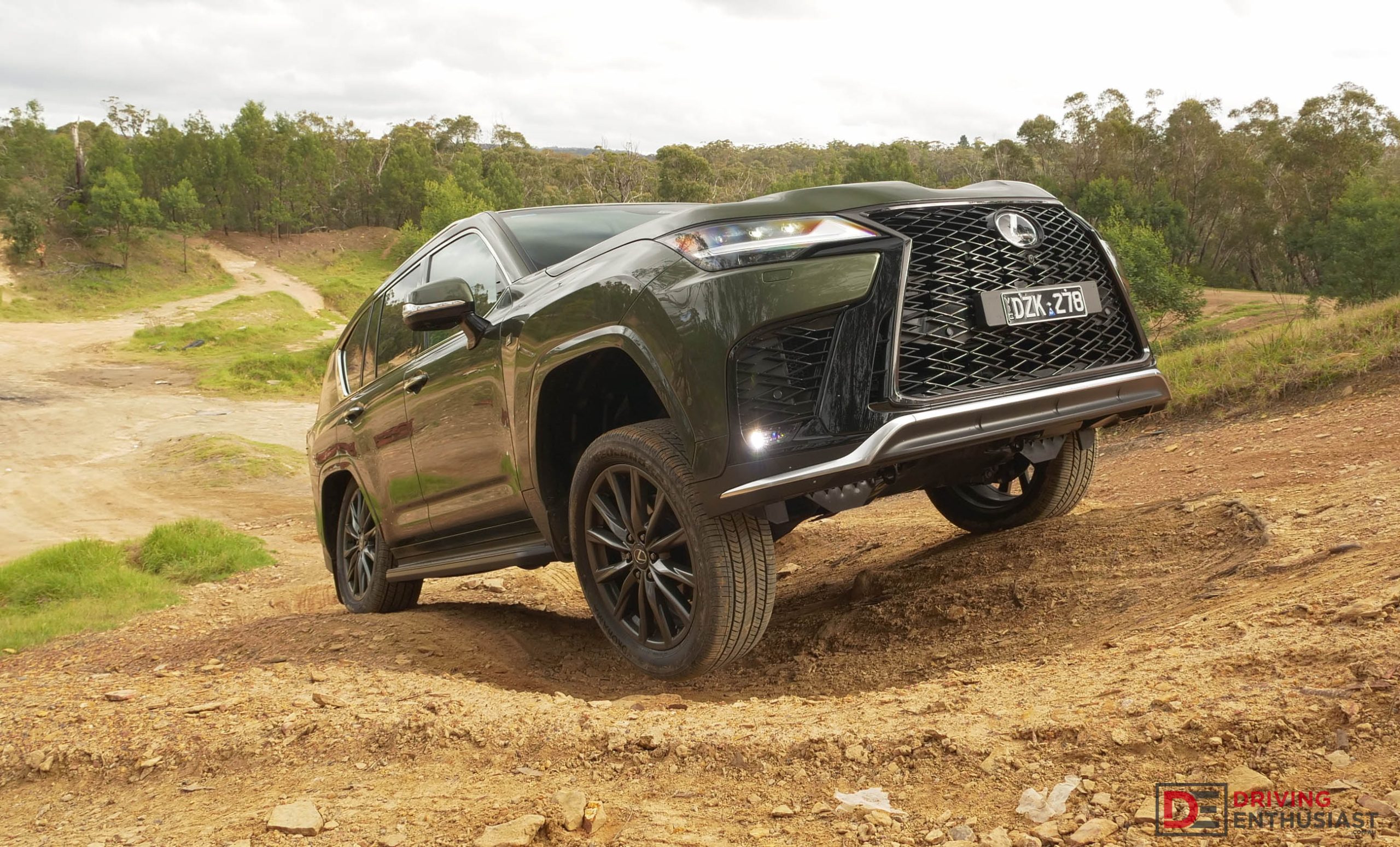
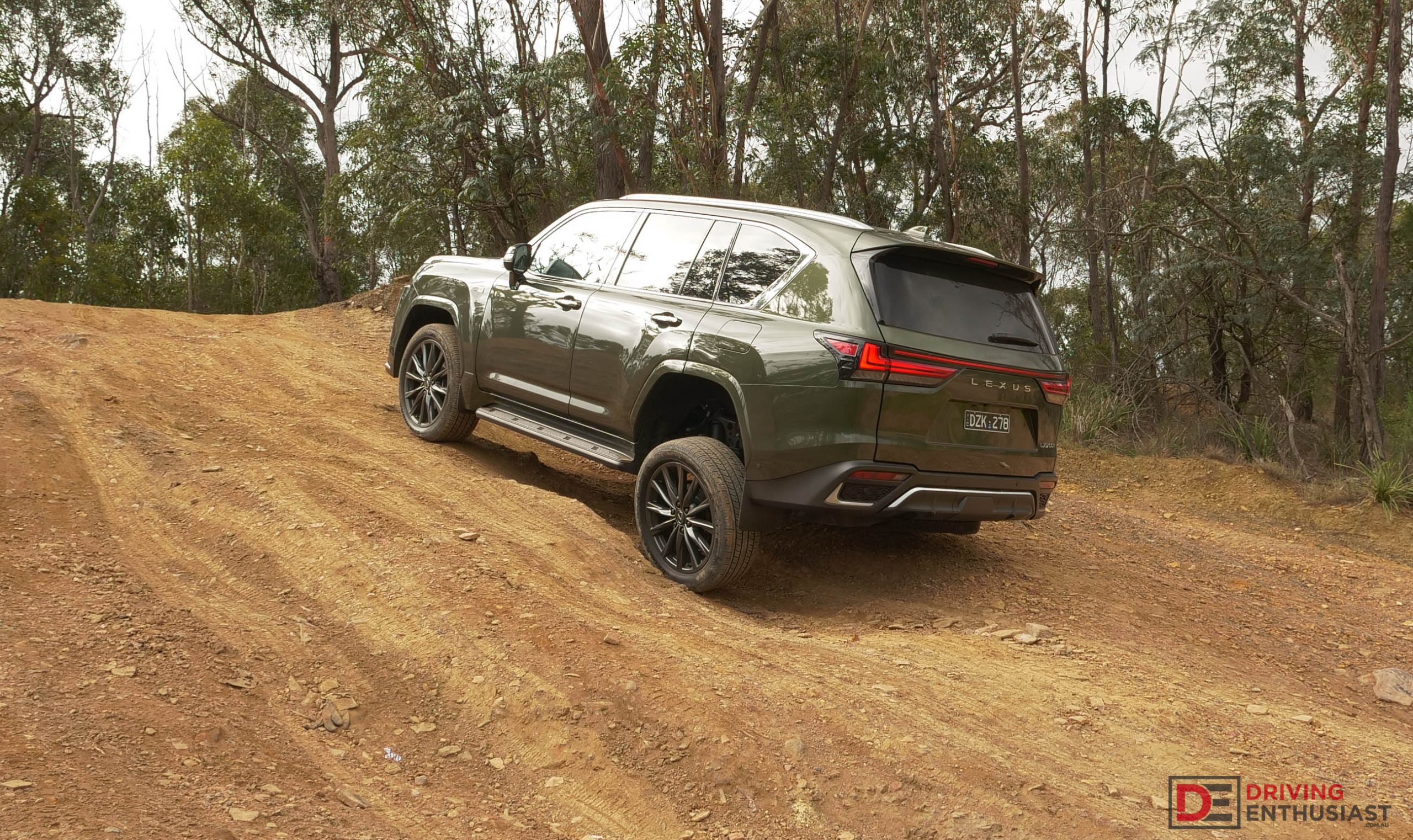
Despite its size, the steering feels lighter and more accurate than expected, making urban manoeuvring less intimidating than the dimensions suggest. Off-road, the sophisticated Multi-Terrain Select system, Crawl Control, downhill assist, and hybrid-assisted low-speed torque delivery provide excellent confidence over difficult terrain. We took on our usual hill climb tests and it passed with flying colours. It’s only limitation would be the 22-inch wheels and low-profile tyres (265/50), and the shiny bodywork. The hardware will keep going.
The hybrid system actually complements off-road driving, too, with the electric motor providing smooth, immediate torque when carefully negotiating rocks, ruts and steep climbs. And as described, the hybrid system does not interfere with the fundamental underpinnings or hardware in any way.
2026 Lexus LX 700h F Sport: Key attractions/reasons to buy
- Most powerful Lexus on sale: The hybrid-assisted twin-turbo V6 delivers effortless performance with exceptional throttle response.
- Luxury without complexity: Controls remain intuitive and easy to operate despite the abundance of technology.
- Serious off-road capability not lost: Low-range gearing, locking differentials, full-time four-wheel drive, Multi-Terrain Select, and 3500kg towing capacity are all retained.
- Outstanding long-distance refinement: Ride comfort, cabin isolation and seating comfort make enormous distances feel remarkably relaxing.
- Excellent ownership proposition: Lexus Encore, strong warranty coverage, decent capped-price servicing, and proven hybrid technology provide reassuring long-term ownership.
2026 Lexus LX 700h F Sport: Key considerations before you buy
- The asking price is significant: At more than $200,000 before on-road costs, buyers are firmly in flagship luxury territory.
- Hybrid packaging reduces boot space: The battery sacrifices some cargo capacity compared with the LX 600, although it is still a massive boot.
- Fuel economy not as reflective in the real world as advertised: While improved over other powertrains, 10.0L/100km is realistically closer to 13.3L/100km.
- Size can intimidate: Its sheer dimensions demand consideration if frequently parking or navigating tight urban streets.
- F Sport isn’t genuinely sporty: Buyers expecting Range Rover Sport or BMW X7 M-style dynamics may find the handling prioritises comfort and off-road capability over excitement.
2026 Lexus LX 700h F Sport: Video


How does it rate against its rivals
-
Price
-
Interior tech
-
Powertrain performance
-
Ride & handling
-
X-factor (does it stand out in its class?)
Final word
The 2026 Lexus LX in 700h form doesn’t ruin the LX formula. For those nervous it would, the hybrid assistance brings stronger response and performance, greater refinement and worthwhile efficiency gains without compromising such a respected luxury off-roader. Could Lexus have chased sharper handling or more dramatic performance? Certainly. But then it wouldn’t be a true LX.