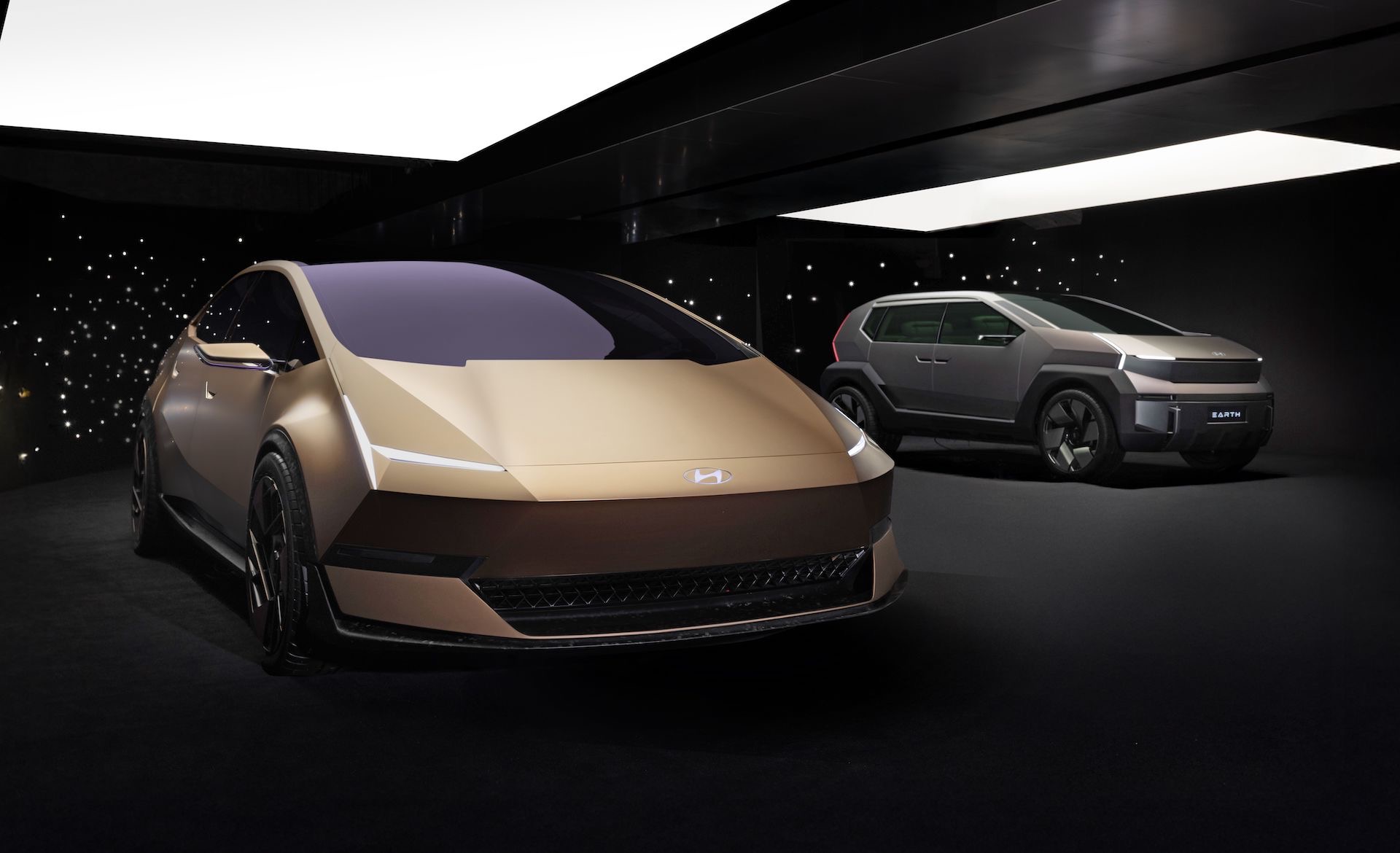
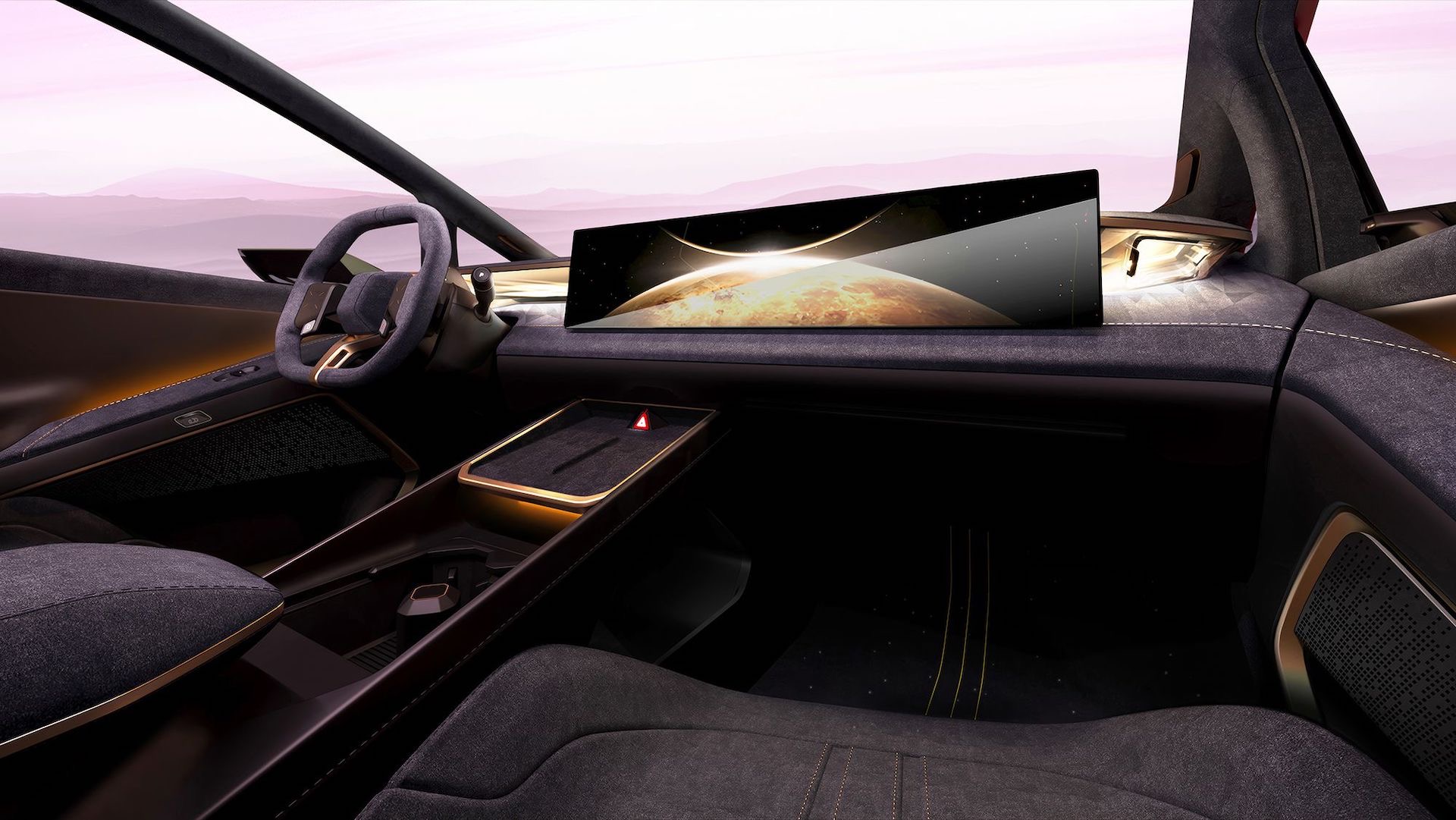
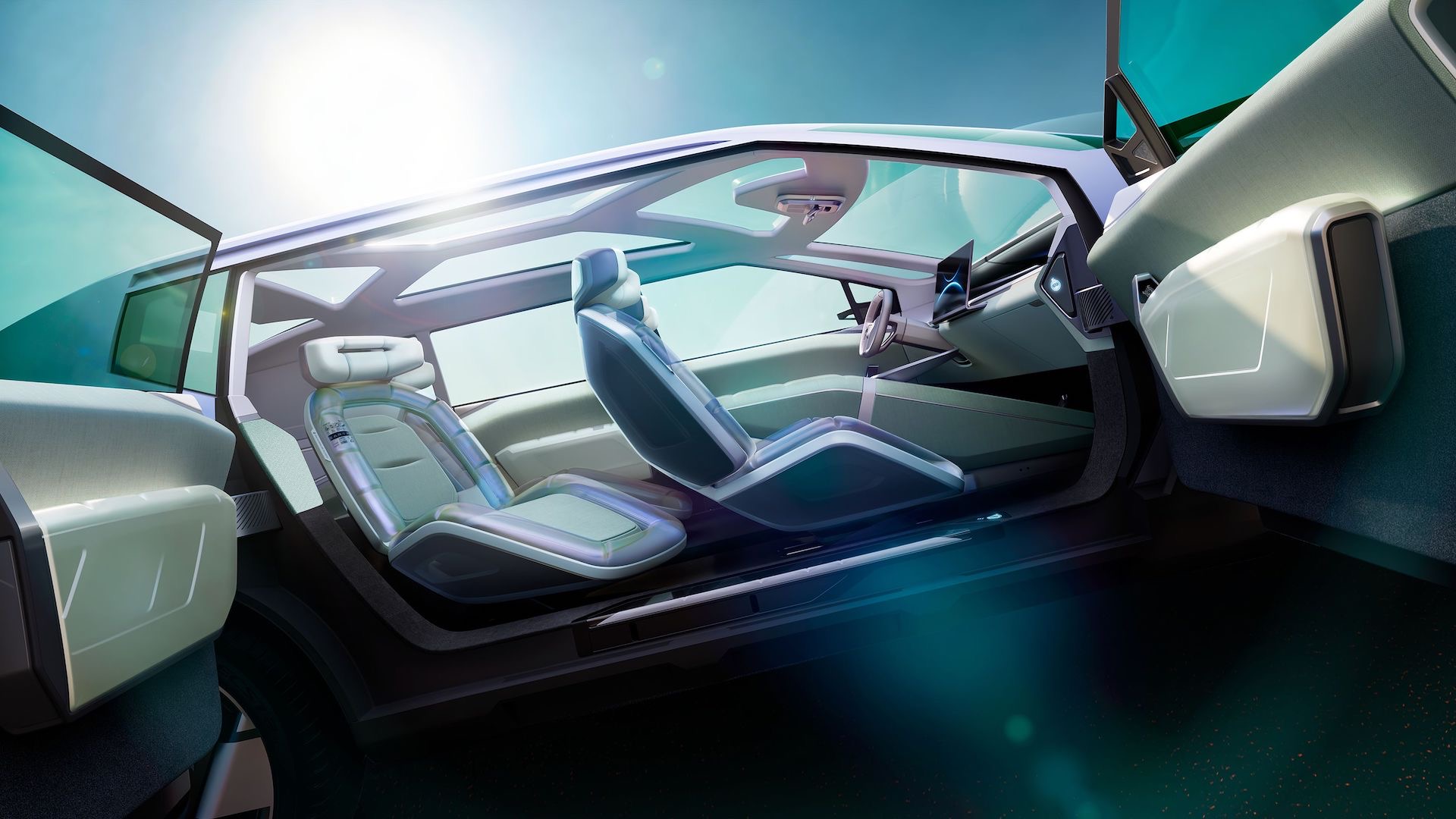
Hyundai has just dropped a massive hint about the future of its IONIQ electric sub-brand, and if you liked the retro-futuristic pixel-art vibes of the current IONIQ 5 and IONIQ 6, you might want to sit down. The Korean giant is completely resetting its design playbook, using the recent “IONIQ in China” launch event to debut two radical new concepts; the VENUS and the EARTH.
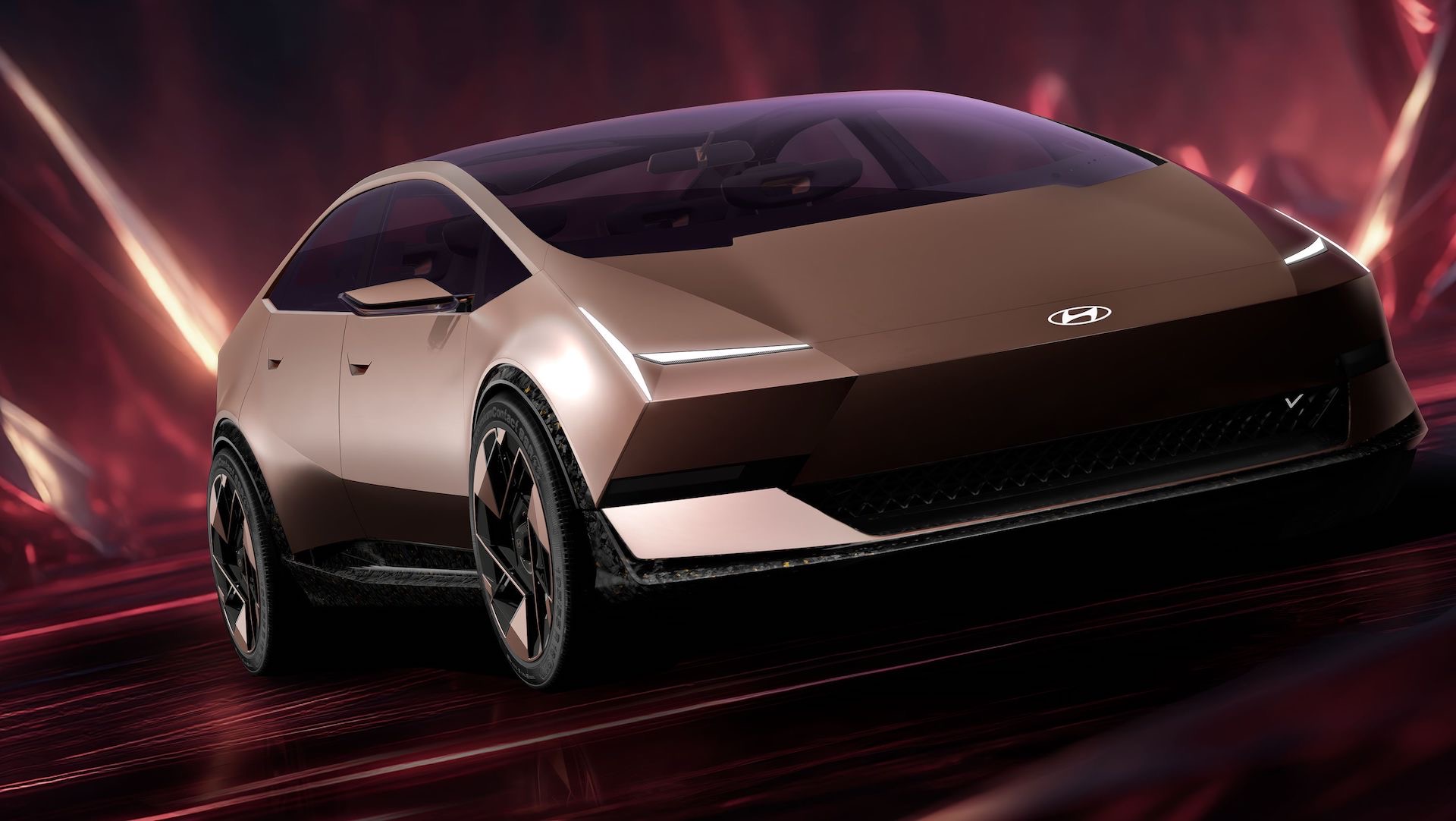
Let’s cut to the chase and look at the cars. The VENUS concept is a low-slung, fastback-style sedan finished in a bold gold coat. It features a sweeping, aerodynamic roofline, ultra-slim horizontal LED taillights, and an integrated ducktail spoiler. It’s clearly aiming at the premium performance segment.

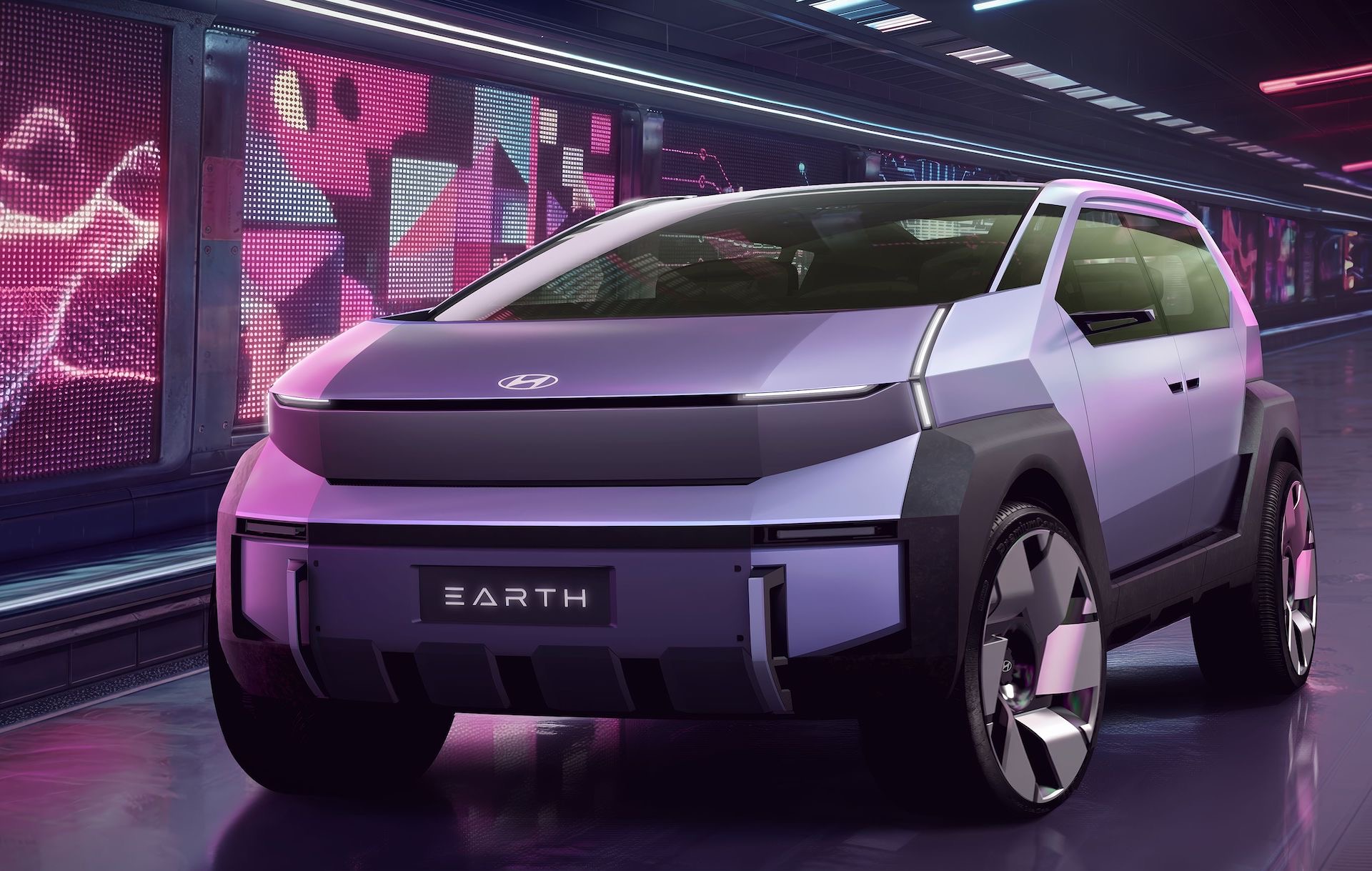
The EARTH concept, on the other hand, is a muscular, boxy SUV aimed at families but styled like a lunar rover. It rocks a silver finish, jagged Y-shaped LED lighting, a stubby cab-forward bonnet, and aggressive, squared-off wheel arches heavily clad for rugged use.
In the promotional videos it’s clear to see a cosmic, sci-fi theme; crashing meteorites, glowing purple crystals, and deep-space aesthetics. But the real takeaway is the underlying design language. Hyundai is ditching the famous “Parametric Pixel” lights in favour of an edgier, gemstone-inspired aesthetic.

Think precision-cut surfaces, sharp geometric creases, and supercar-esque lighting signatures. It’s aggressive, modern, and completely abandons the eighties retro nostalgia.
What does this mean for the company? It’s a massive pivot. Hyundai is targeting the hyper-competitive Chinese New Energy Vehicle (NEV) market, using this planetary naming convention to launch a localised EV ecosystem.
But make no mistake, this new design language will dictate IONIQ’s global direction for the next decade. They’re moving away from quirky, standalone styling toward a unified, hard-edged look meant to convey serious tech and aerodynamic efficiency.
While these are concepts for now, expect this “Art of Steel” DNA to define production models by 2027.