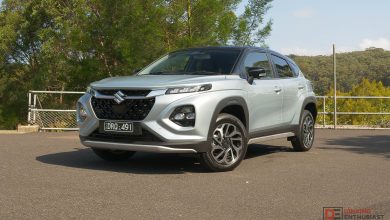
Small cars have quietly become a rarity in Australia, pushed aside by the relentless rise of SUVs and increasingly complex technology. Yet the 2026 Suzuki Swift Hybrid GLX is a reminder that simplicity, efficiency and light weight can still appeal.
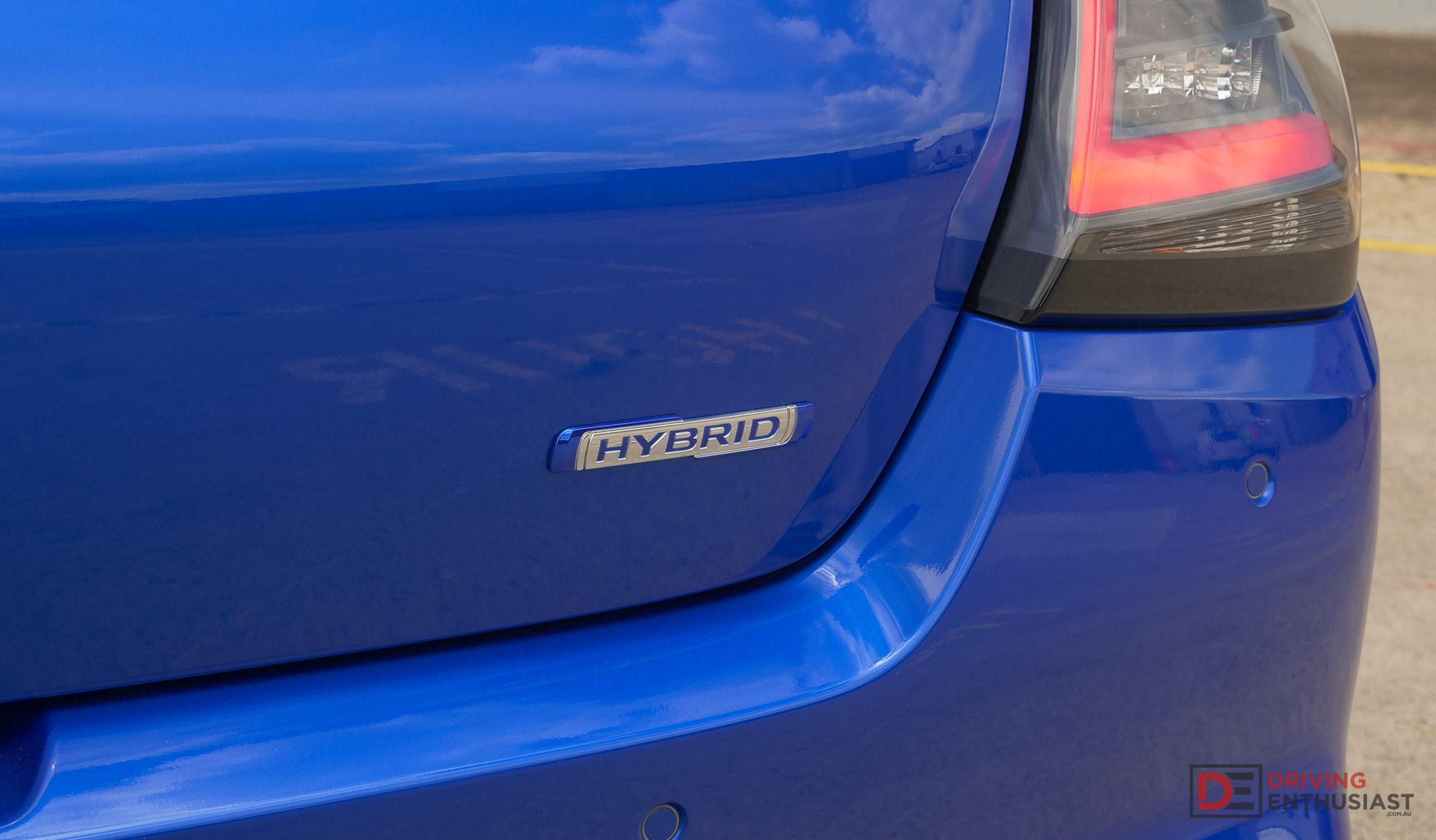
This latest generation introduces mild-hybrid assistance for the first time locally, pairing a tiny 1.2-litre petrol engine with a relatively small battery system to help reduce fuel consumption and emissions. But beyond the hybrid badge, the Swift remains very much a Swift; compact, approachable and unmistakably familiar in its design and operational philosophy.
2026 Suzuki Swift Hybrid GLX: Specifications
Engine: 1.2-litre three-cylinder mild-hybrid
Output: 61kW@5700rpm / 112Nm@4500rpm
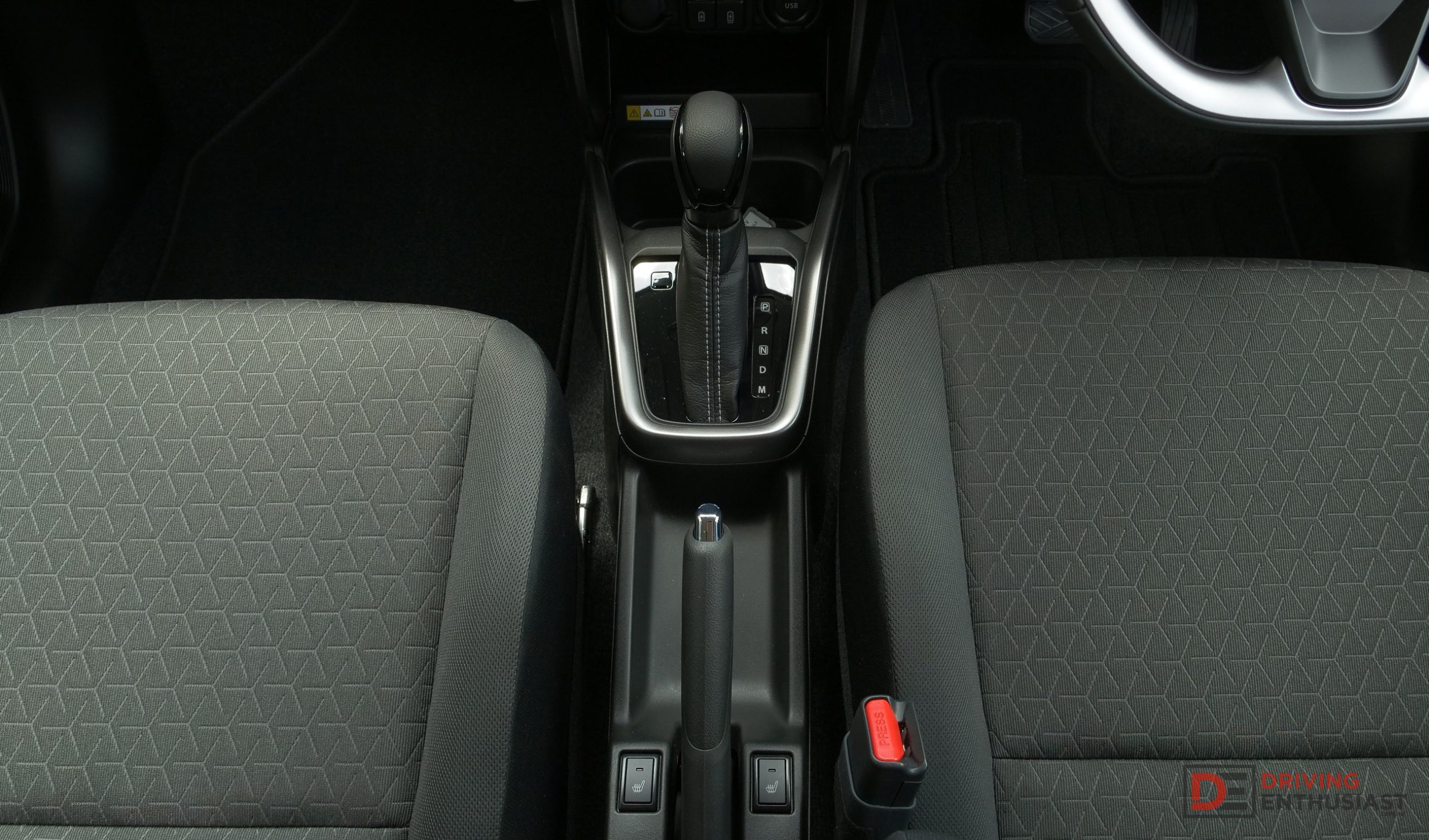
Gearbox: CVT auto
Drive type: Front-wheel drive
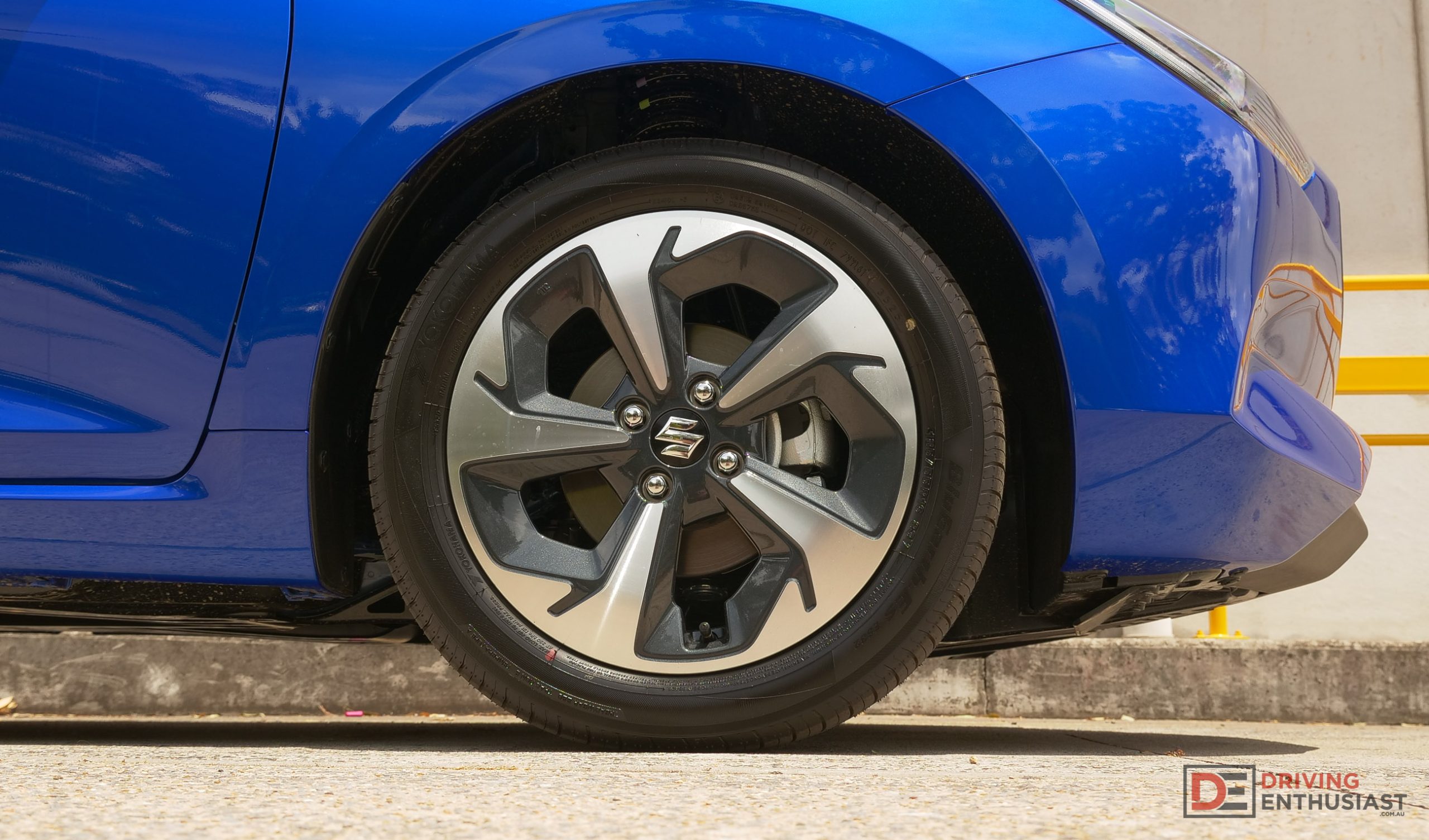
Wheels: F & R: 16×6.0, 185/55
ANCAP: Three stars
Tare weight: 929kg
Power-to-weight: 15.22:1 (kg:kW)
Official consumption: 4.0L/100km
Our consumption: 5.2L/100km
Fuel tank/Fuel type: 37L/95 RONPower efficiency: 15.25kW:L/100km
0-60km/h: 5.69 seconds*
0-100km/h: 12.26 seconds*
60-110km/h: 8.46 seconds*
1/4 mile: 18.79 seconds at 121.8km/h*
Max acceleration: 0.591g*
100-0km/h braking: 41.94m in 3.17 seconds*
Max deceleration: -1.142g*
Decibel at idle: 38*
Peak decibel at 60-100km/h: 78*
Starting price: $29,490*Figures as tested by Driving Enthusiast on the day. Manufacturers’ claims may be different
2026 Suzuki Swift Hybrid GLX: How much does it cost?
All Swifts come with the mild-hybrid setup. The range opens from $24,990, and the flagship GLX we spent a week with peaks at $29,490 (excluding on-road costs). That pricing positions it as one of the most affordable vehicles on sale.
The MG3, Hyundai Venue, BYD ATTO 1, Chery Tiggo 4, Mahindra XUV3XO, and the smaller Kia Picanto all have a lower starting price than the base Swift. But the Swift undercuts popular competitors like the Mazda2 and Toyota Yaris. Though, the Yaris is a full hybrid rather than a mild one.
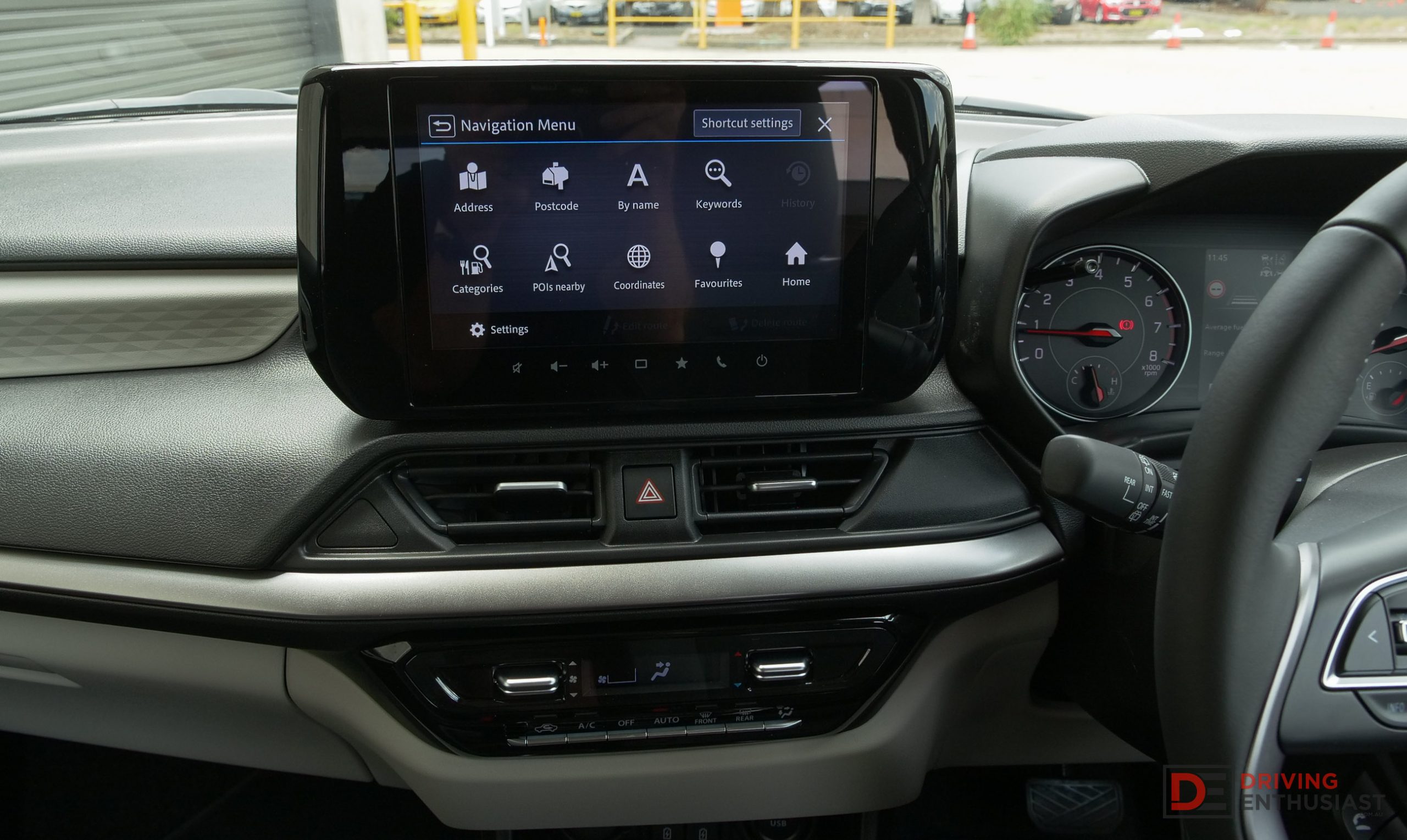
We also know that value isn’t solely determined by price. While the top spec GLX includes features such as climate control, wireless phone charging, heated front seats and blind-spot monitoring, some omissions of the fundamentals – like rain-sensing wipers, wireless Android Auto and proximity locking – create an unusual equipment mix that buyers will want to assess carefully against their priorities.

Surprisingly, it is also one of the few cars that remains available on the market with a manual gearbox. Going auto adds $1000 to the base variant’s price, but it is standard through the rest of the range.
Ownership costs are a little steep for a budget hatch. The first seven services at a Suzuki service centre cost $319, $429, $409, $449, $349, $649, then $569. That’s $3173 over the seven services. In comparison, luxury German brand, Audi, charges a close $3250 for the same number of services on its bigger A3 model. Suzuki offers a five-year/unlimited kilometre warranty, and the service intervals are 12 months or 15,000km. There is also a free 60-day/2000km inspection-only service thrown in.

2026 Suzuki Swift Hybrid GLX: Interior & packaging
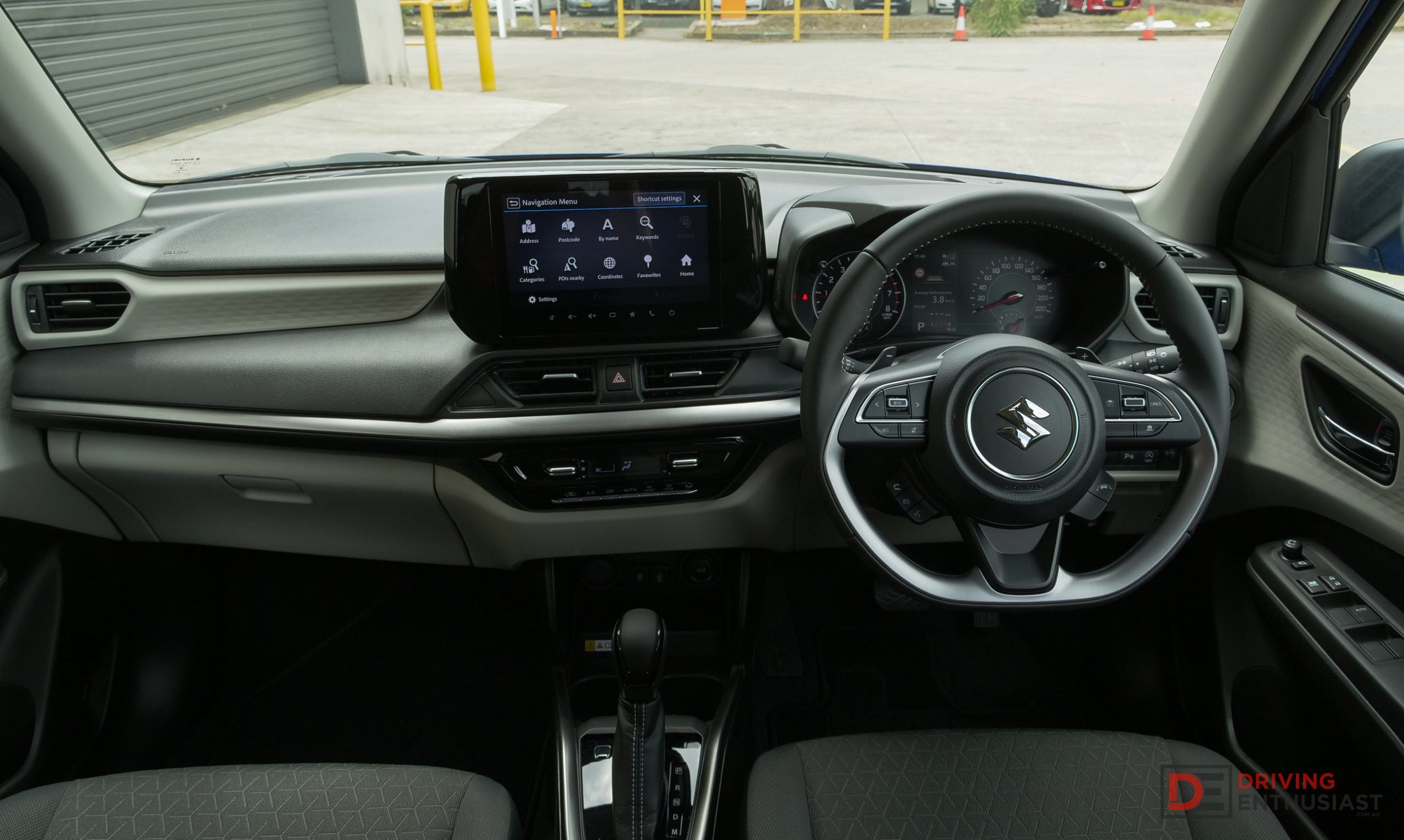
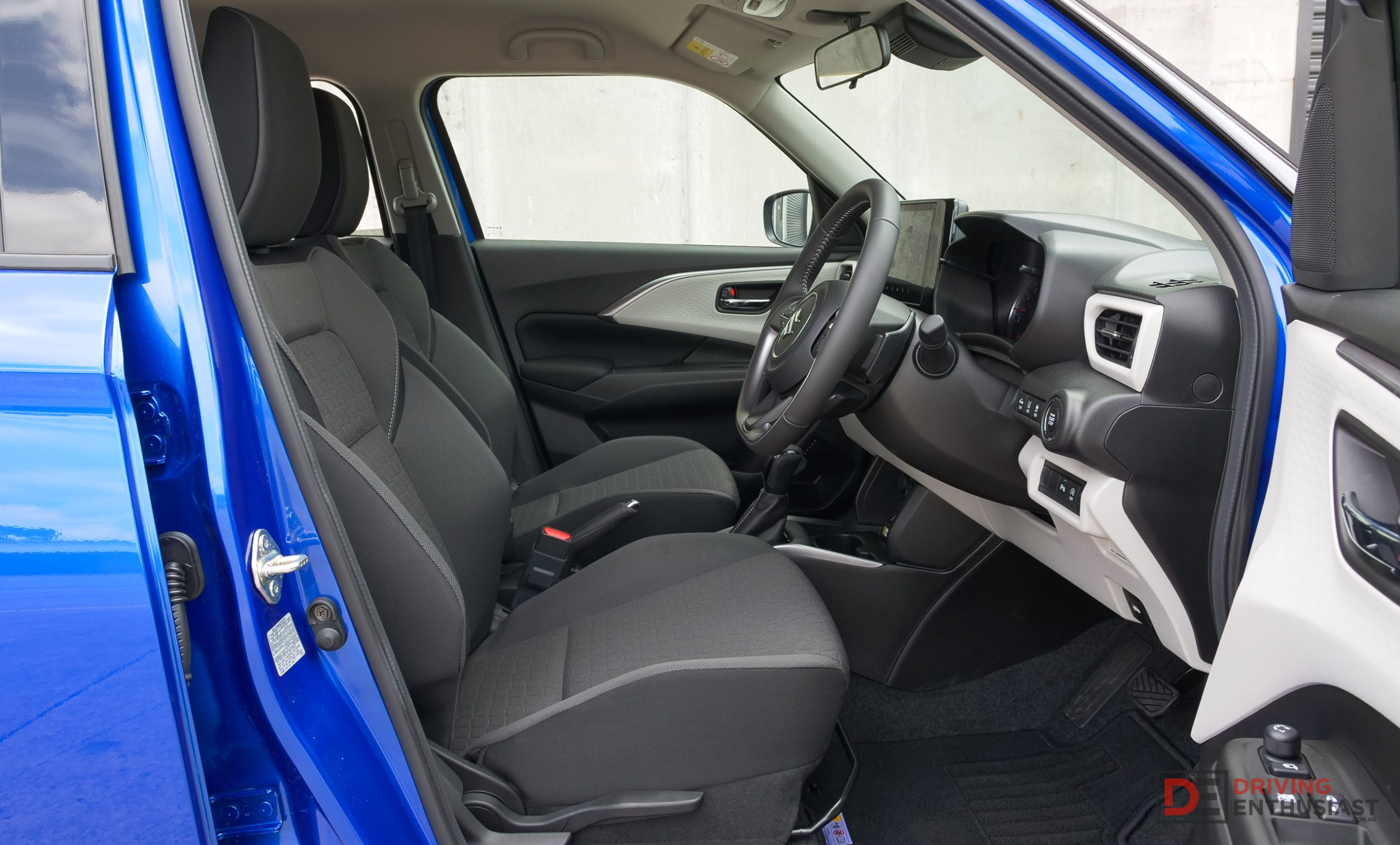
It’s a cabin that goes with primitive function over flair. The dashboard layout is straightforward and easy to interpret with its analogue dials. You get physical buttons and knobs for key functions (including a mechanical handbrake), a basic four-speaker sound system, and a 9.0-inch infotainment touch-screen providing wireless Apple CarPlay but no wireless Android Auto.
There’s little sense of visual drama or fancy interior mood lighting, but the simplicity makes daily operation intuitive, particularly for buyers who prefer familiar ergonomics over layered digital menus.

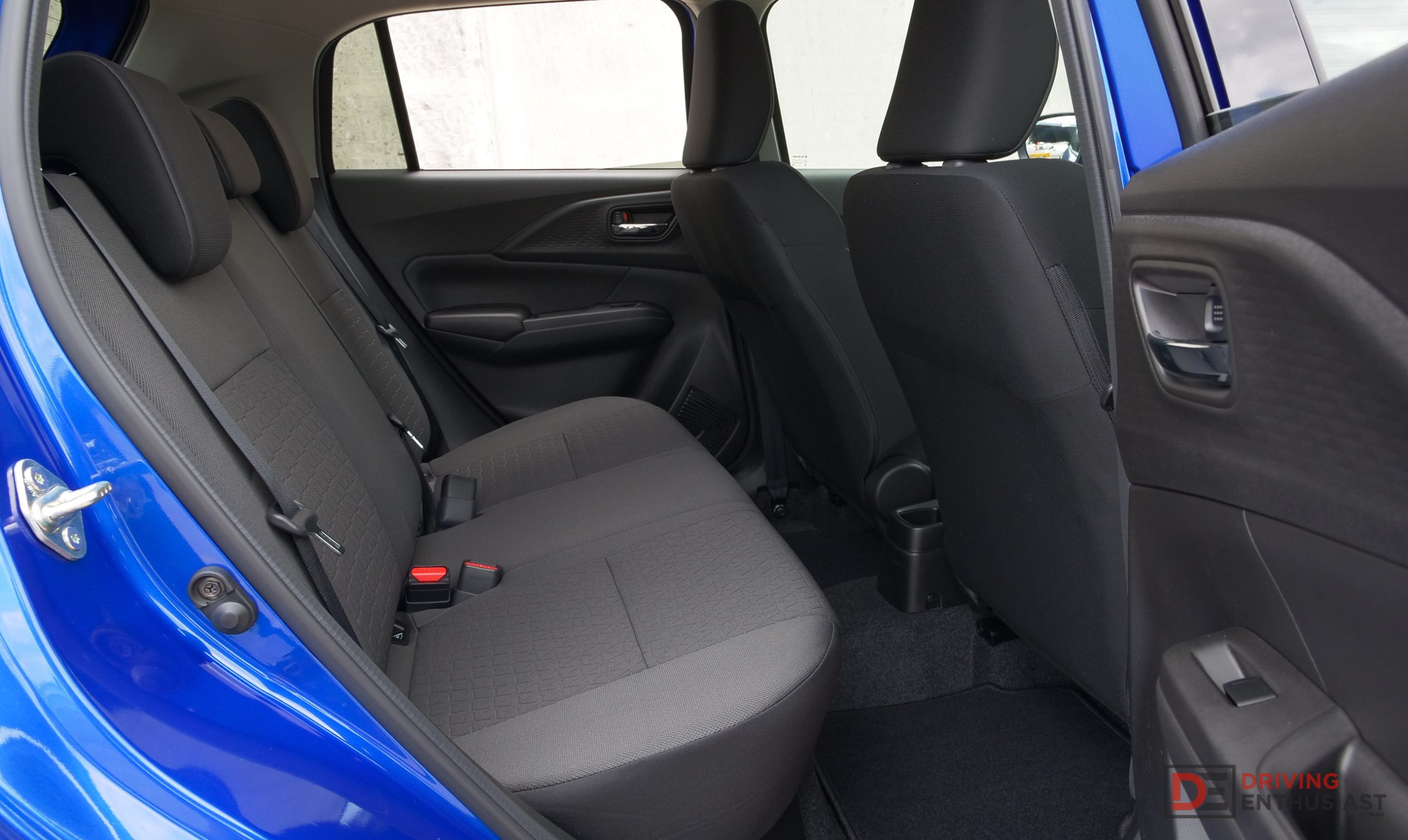
Material quality reflects the car’s positioning. Hard plastics dominate most surfaces, creating a somewhat plain atmosphere compared with newer rivals. Though, we do appreciate the variation of some cream-coloured areas on the door and dash. As with many rivals, there’s no centre console or armrest with cup holders, or console-mounted climate vents.
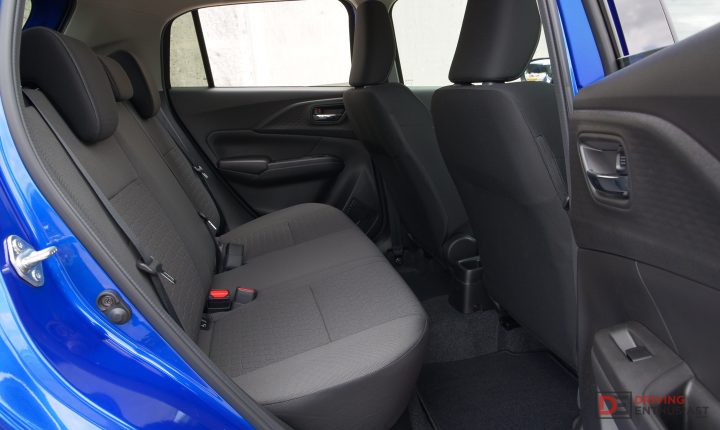
Space utilisation remains respectable given the car’s footprint. Front occupants benefit from good headroom and an upright seating position, while rear space is best suited to shorter journeys or smaller passengers. As expected, the seats feel a little hollowed out in the lumbar area, and you don’t get a huge amount of adjustment. This becomes noticeable on longer trips but is fine for zipping around town.
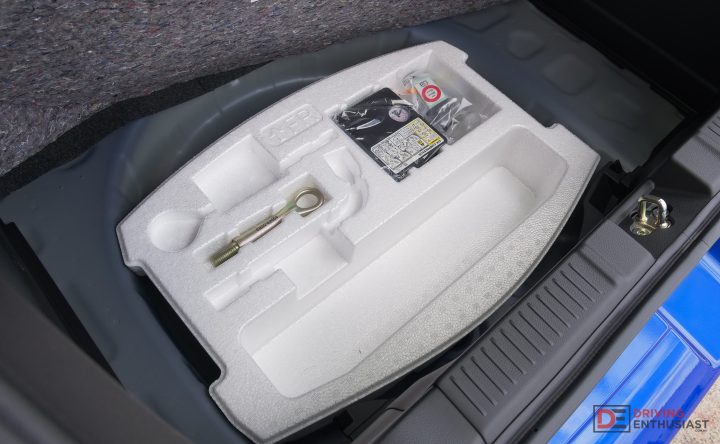
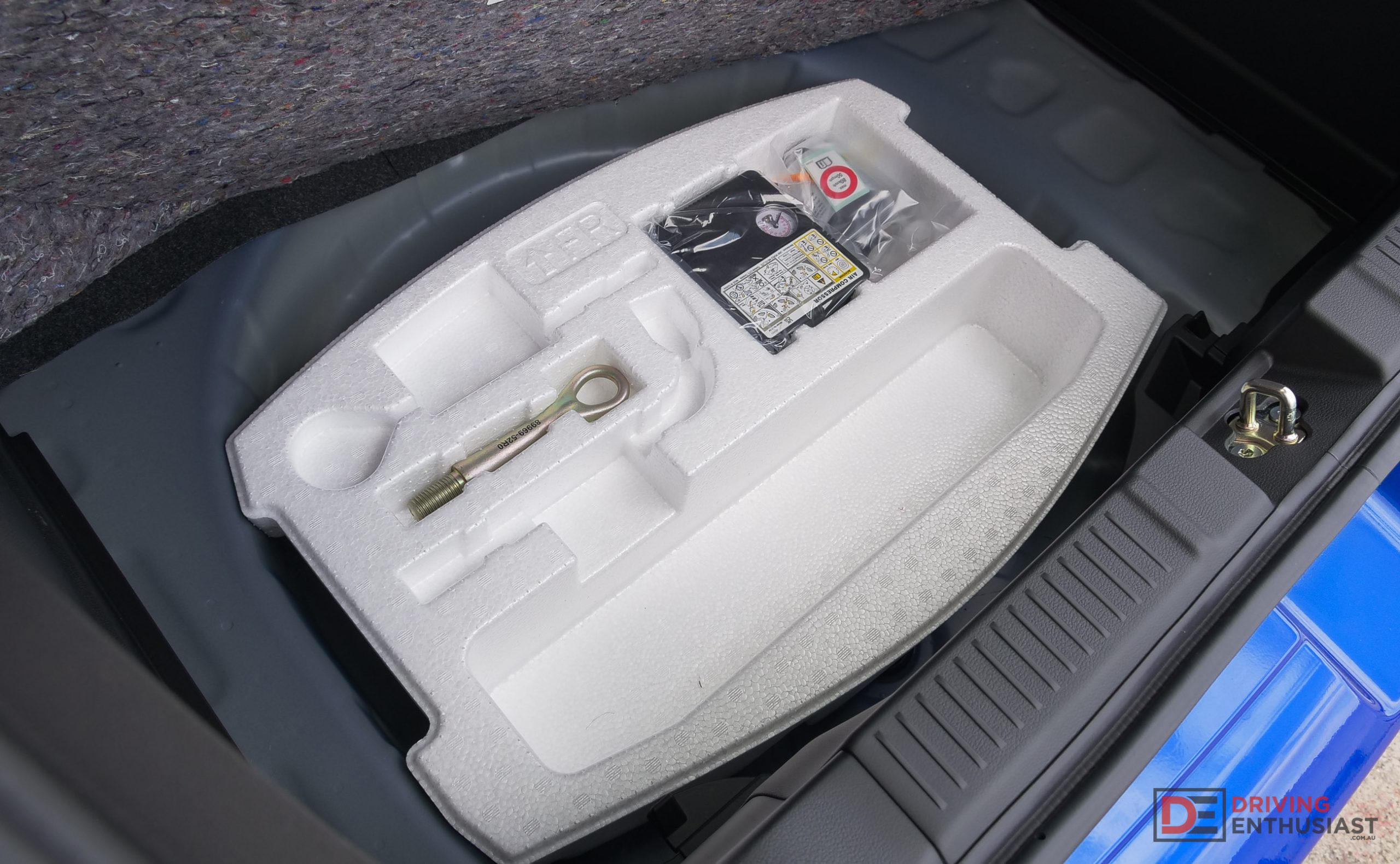
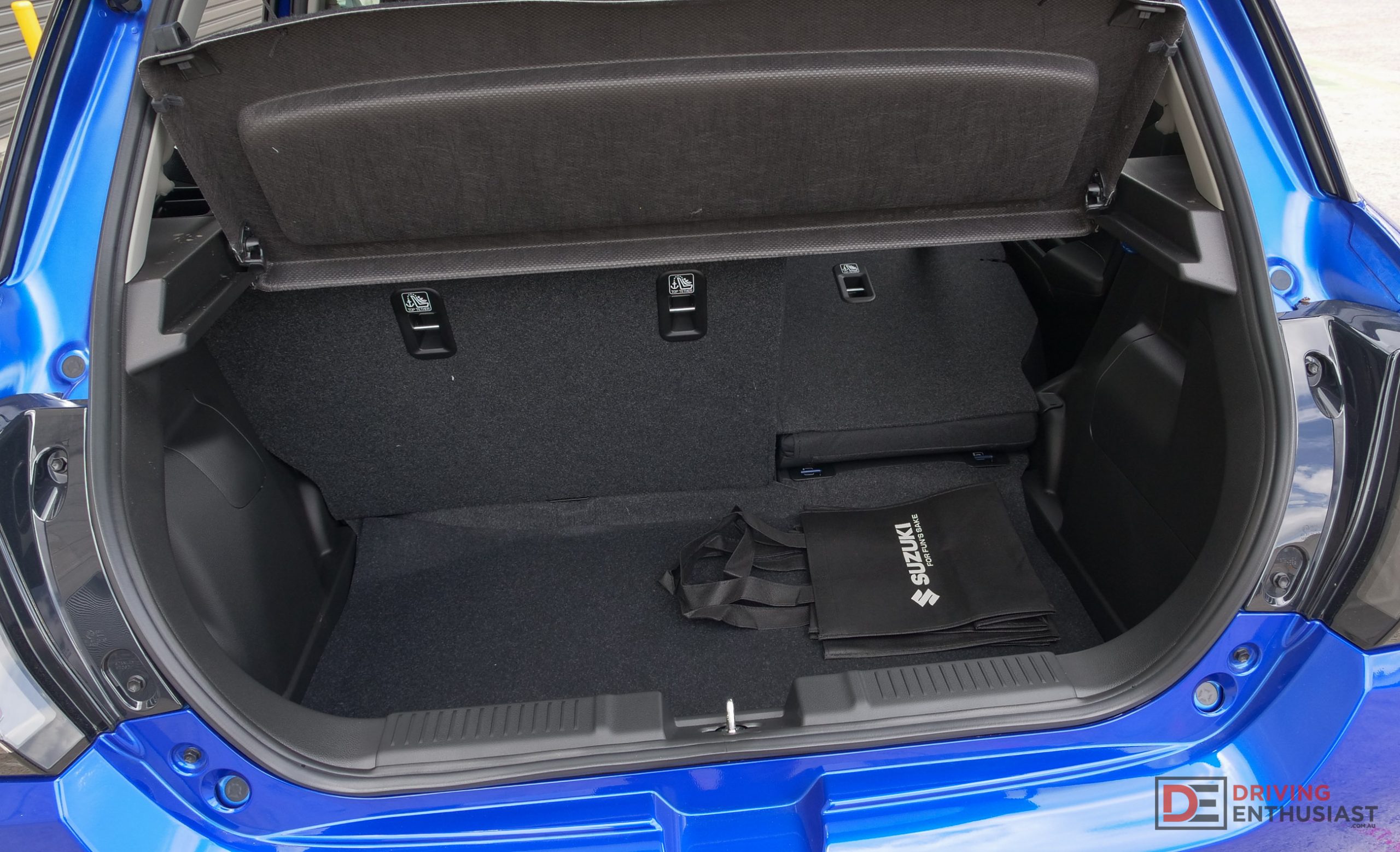
Boot capacity is adequate for a few bags of groceries rather than bulky cargo, consistent with expectations for the segment. It offers 265 litres of volume or 980L when you fold the rear seats down. There is no spare wheel back there, just a tyre repair kit.
Standard safety equipment in the GLX includes autonomous emergency braking via Suzuki’s dual camera brake support, lane departure warning and prevention, traffic sign recognition, six airbags, weaving alert, blind-spot monitoring and rear cross-traffic alert.

However, those items are not enough for ANCAP to score it kindly. With just three stars awarded, it only scored 67 per cent in adult occupant protection, 65 per cent in child occupant protection, and 55 per cent in the safety assist category. Points were missed by not offering rear pedestrian emergency braking, seat belt reminders for some seats, a centre airbag, limited driver monitoring inputs, and the lack of autonomous emergency steering.
At least it’s an improvement over models built between June 2024 and September 2025, which only scored one star. Beware of those if you’re in the used car market. Suzuki quickly revised certain structural elements in line with European models and had it retested.
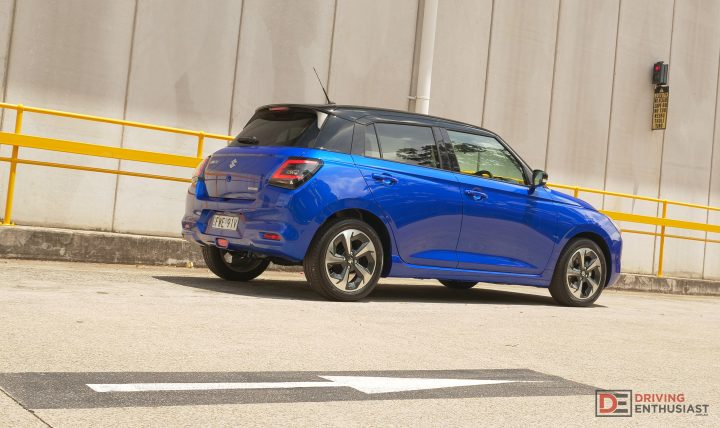
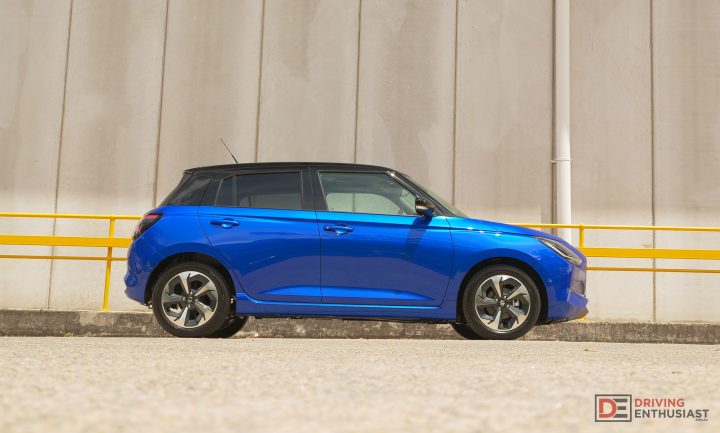
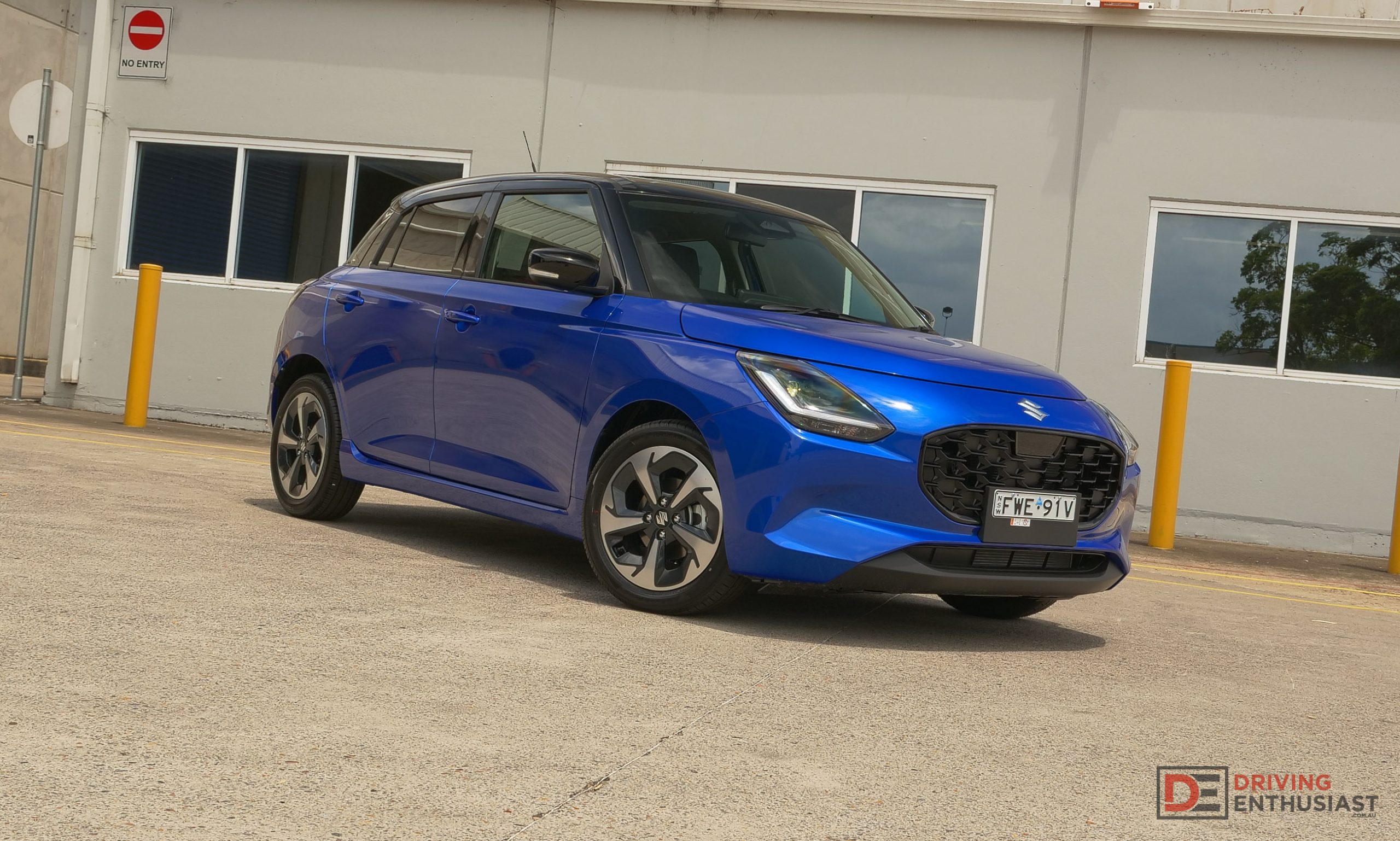
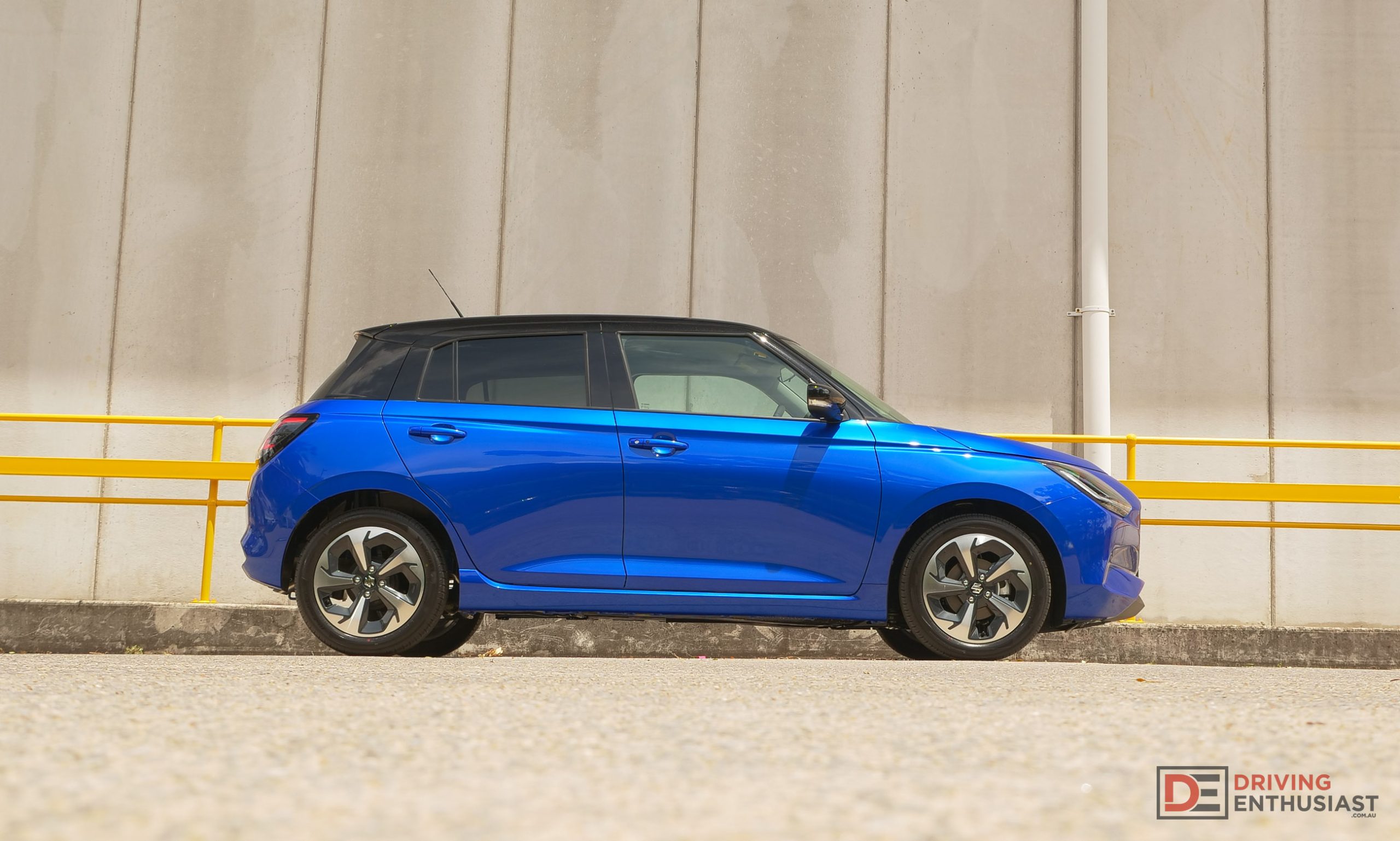
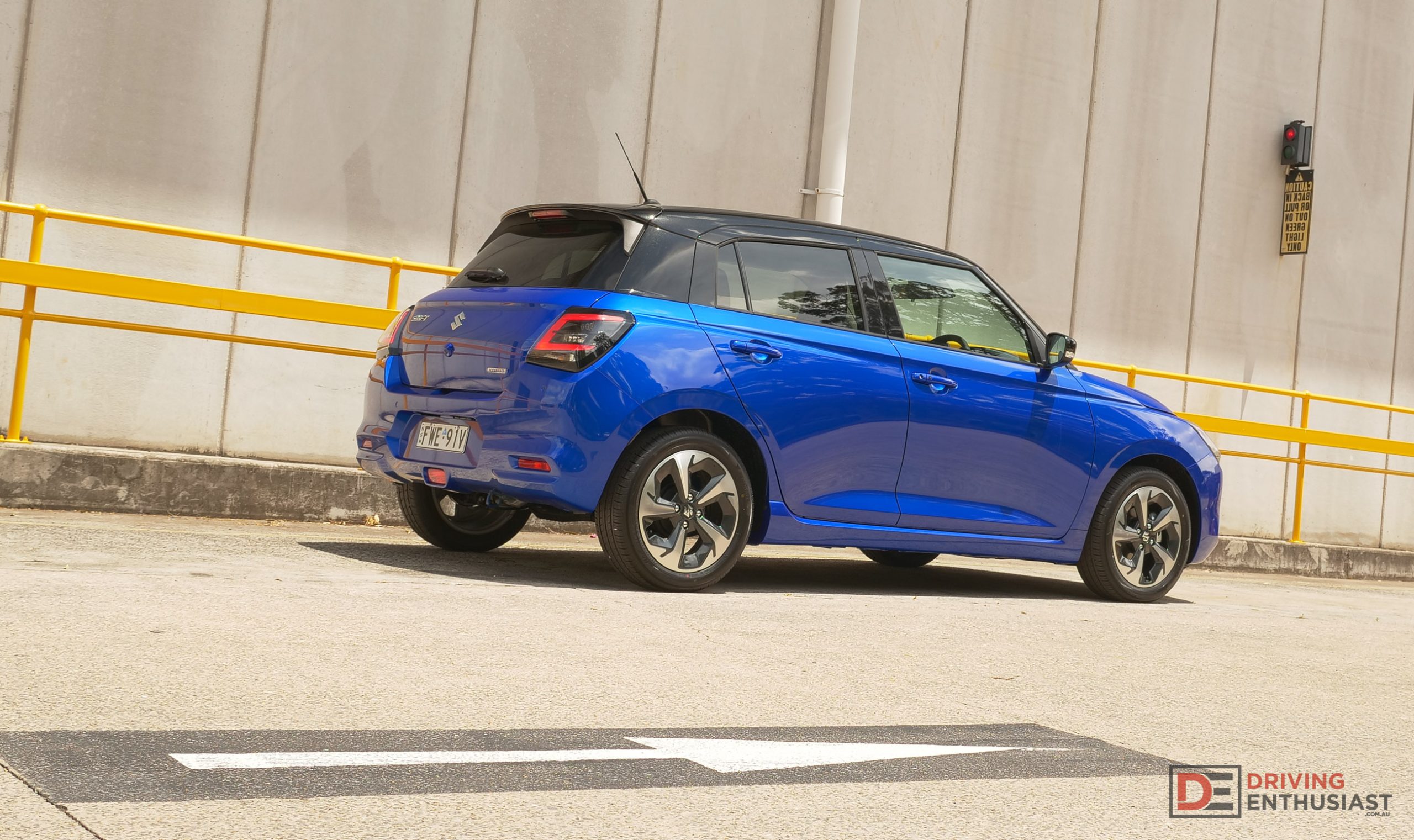
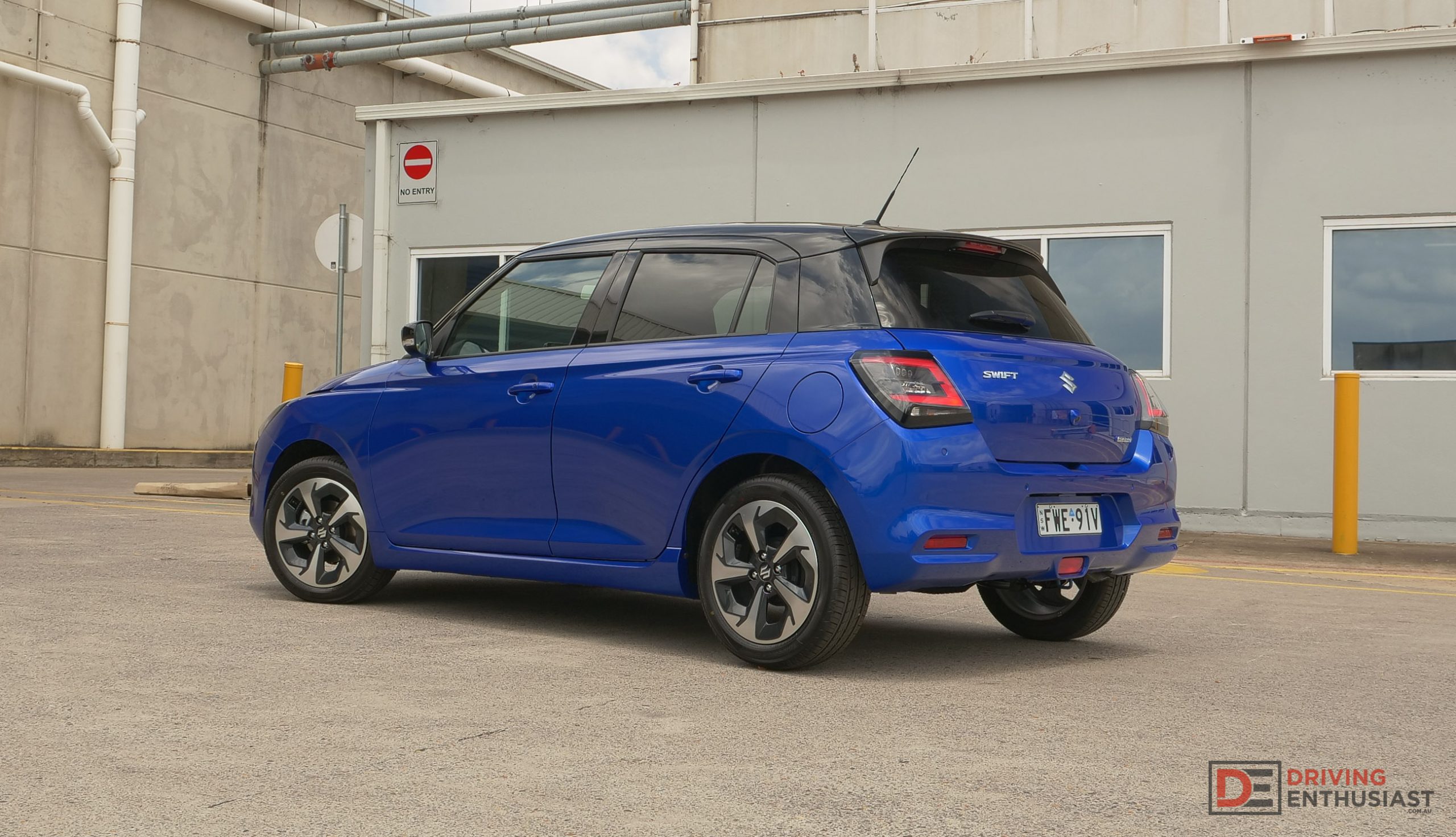
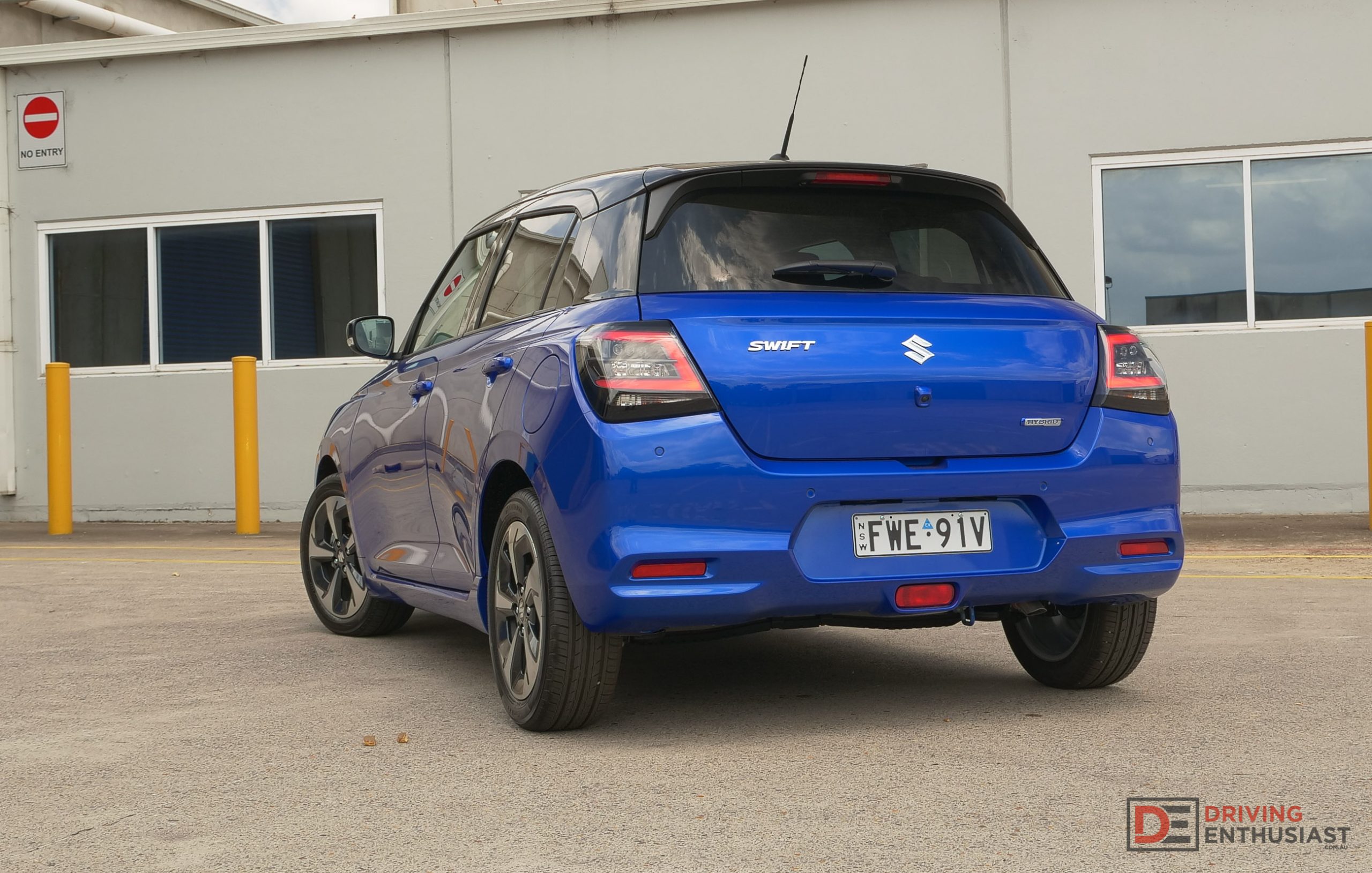
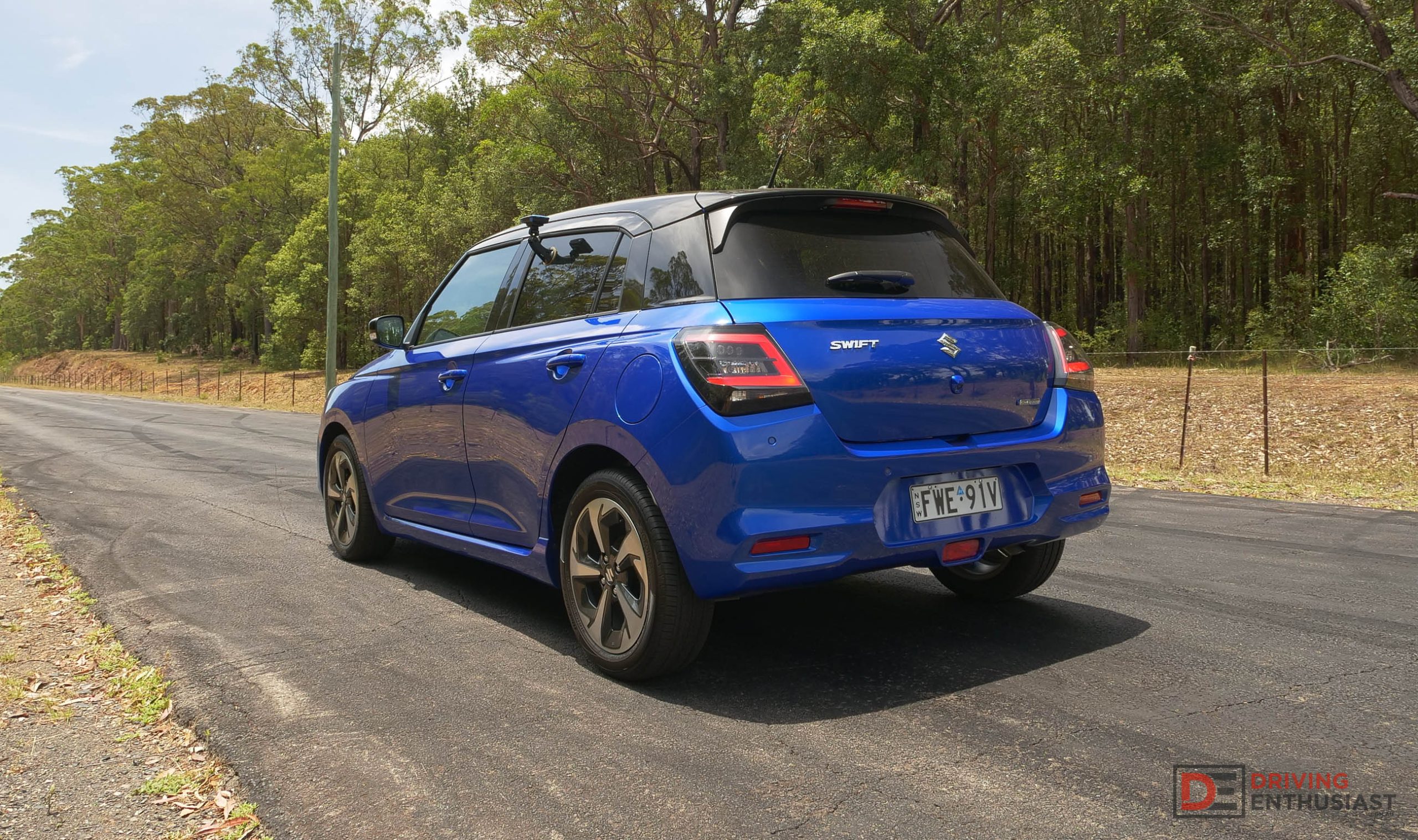
Externally, the Swift continues its long-standing design evolution rather than revolution. The rounded silhouette, floating roof treatment and compact proportions remain immediately recognisable; and while this familiarity contributes to strong brand identity, some may wish for a more dramatic visual design. Still, subtle tweaks to lighting and surfacing help keep it contemporary without abandoning the model’s heritage.
2026 Suzuki Swift Hybrid GLX: Powertrain & handling
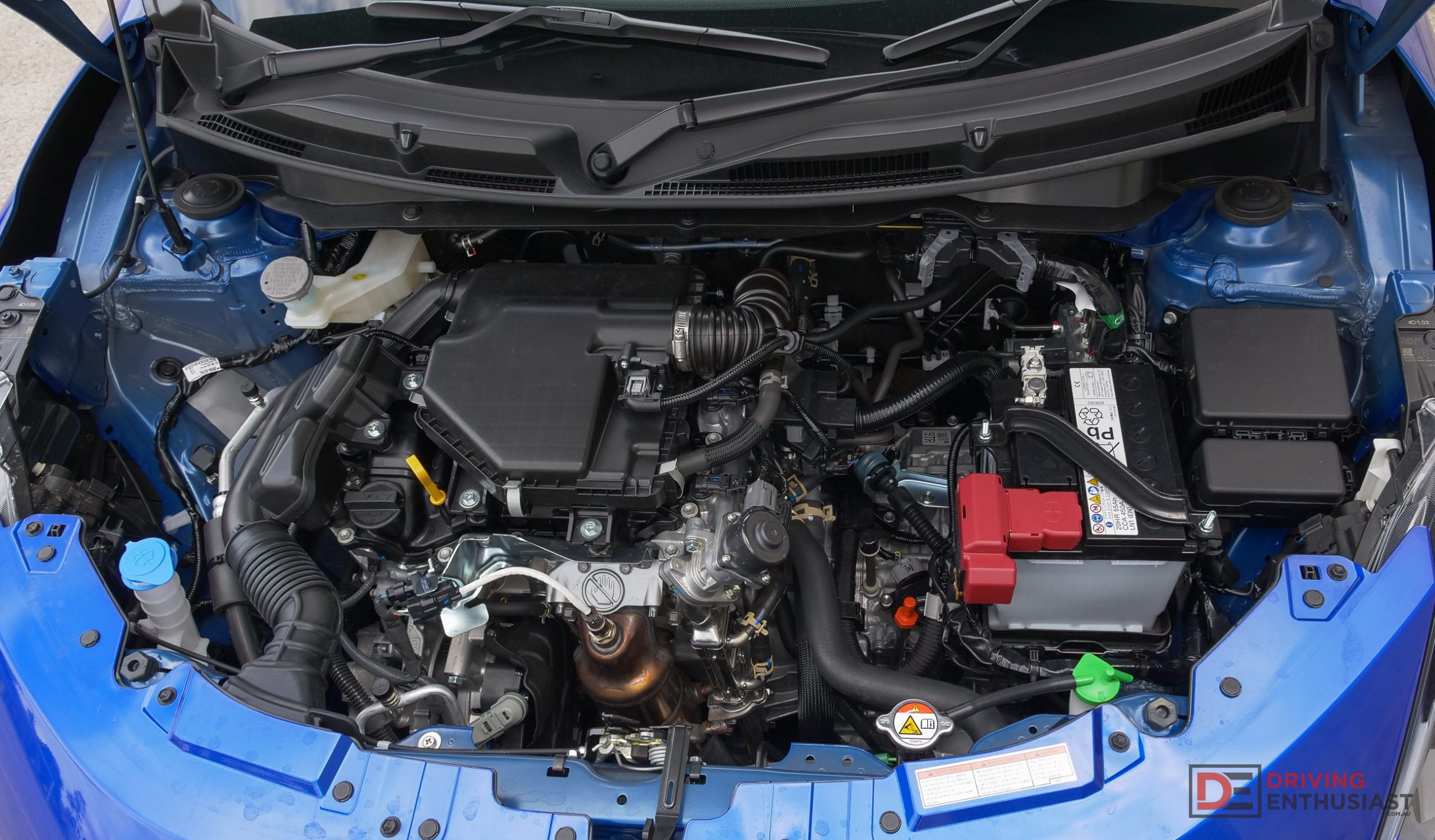
Pushing this little Japanese-built hatch along is a 1.2-litre three-cylinder naturally aspirated petrol engine paired with Suzuki’s mild-hybrid system, producing 61kW/112Nm, driving the front wheels through a CVT automatic. That output is modest, but context is everything; the Swift’s 929kg kerb weight means performance feels more energetic than numbers alone suggest.
Zipping around town is where the Swift feels at home. Getting up to speed is fast enough to keep up with the flow of traffic. But overtaking or climbing a hill with a load will see it struggle. Without a turbo, the best performance happens higher in the rev range. We tested 0-100km/h in 12.26 seconds. It’s not quick but fair against its rivals, and the three-cylinder thrum can be enjoyable.

The hybrid component is deliberately lightweight, centred around a small 3.0Ah battery that primarily supports accessory operation and engine stop-start events rather than providing meaningful propulsion assistance. Because there are only three cylinders firing away, start/stop of the engine is lumpier than the average mild-hybrid. You feel the vibrations, and it takes a fraction longer to settle into a smooth idle.
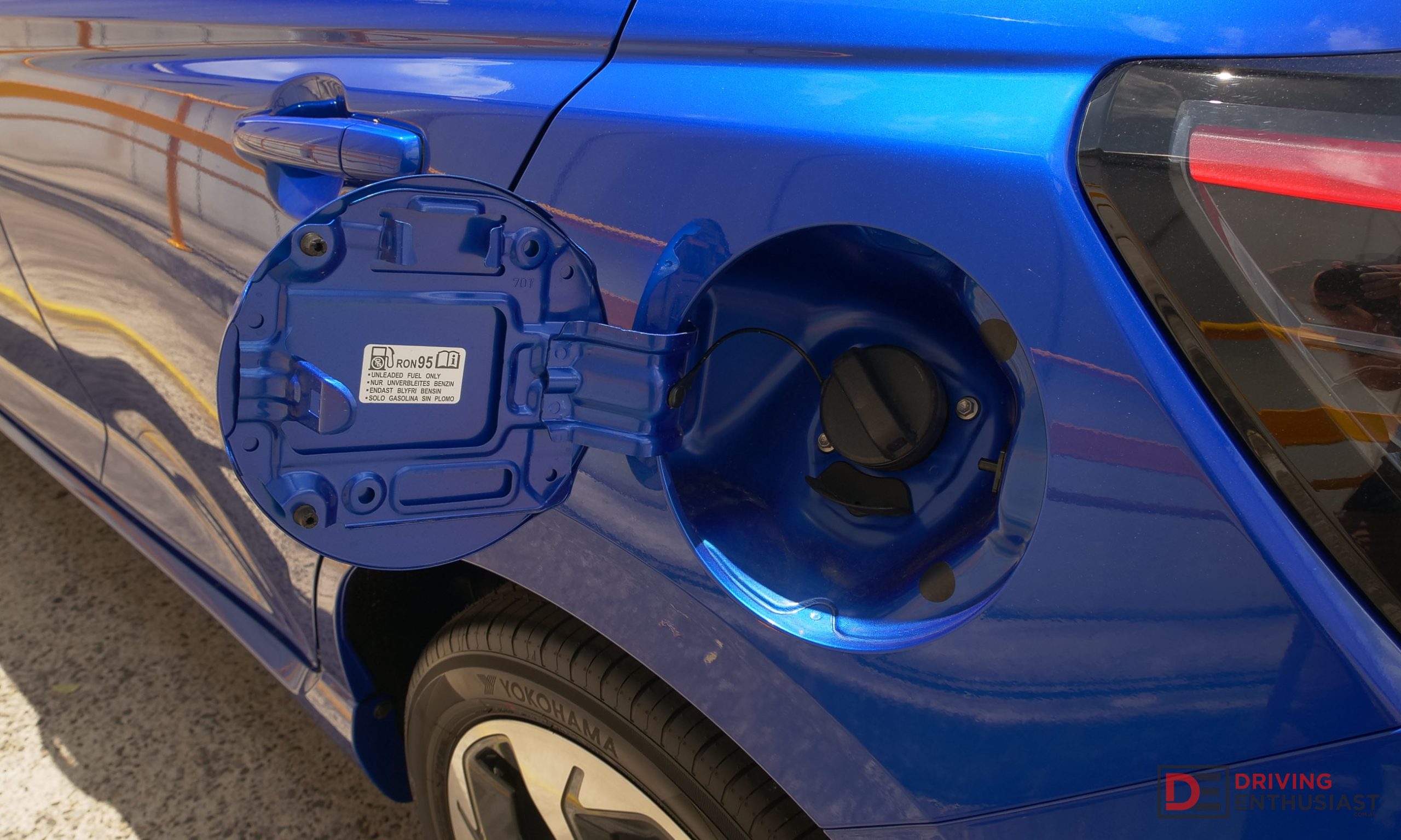
Official fuel consumption sits around 4.0L/100km, which is a fantastic result. Our week of driving resulted in a higher average of 5.2L/100km. It would be interesting to know what the fuel consumption would be without the electric side to truly know how much you’re saving. It also requires a minimum of 95 RON petrol, which adds a tad more to your fuel bill.
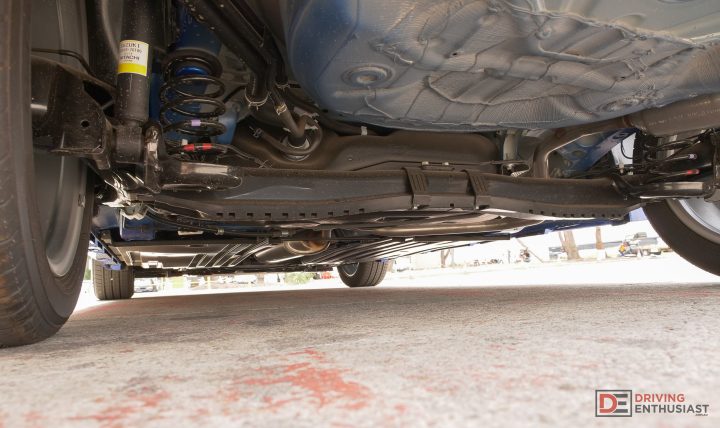
The Swift excels in urban driving environments because its compact dimensions, light controls and tight 9.6-metre turning circle make manoeuvring effortless, whether navigating car parks or weaving through congested city streets. Steering is light yet predictable, reinforcing the car’s approachable nature.
Ride quality is generally compliant at moderate speeds, absorbing road imperfections well when there is less load in the car. Push the Swift harder through corners and its limitations become apparent, as grip levels taper off and body movement increases. But it is fun to zip around in.
There is a certain charm to the driving experience. The combination of light weight, modest power and approachable handling creates a car that feels easy to exploit without requiring high speeds or aggressive inputs. For many owners, that accessibility will prove more valuable than outright performance.
2026 Suzuki Swift Hybrid GLX: Key attractions/reasons to buy
- Affordability: Starting from $25k and staying under $30k for the highest spec GLX, the Swift Hybrid stands as one of Australia’s cheapest cars.
- Light and easy to drive: Its sub-tonne weight contributes to nimble urban manners, effortless parking and an approachable driving experience suited to new or city-based drivers.
- Fuel efficiency: The mild-hybrid system, tiny engine and light weight helps it deliver a competitive official consumption average of 4.0L/100km.
- Simple, user-friendly cabin layout: Physical controls and straightforward infotainment operation avoids the complexity seen in many modern vehicles. There’s even a manual gearbox option.
- Established reputation for reliability: Suzuki’s long-standing approach of keeping things basic will appeal to buyers seeking dependable, no-nonsense transport.

2026 Suzuki Swift Hybrid GLX: Key considerations before you buy
- 3-star ANCAP safety rating: The Swift’s rating reflects weaker scores in areas such as vulnerable road user protection, side impact performance and some advanced driver monitoring capabilities.
- Basic interior presentation and materials: Hard plastics, minimal colour variation and missing comfort features like centre armrests reduce comfort and perceived cabin quality.
- Unusual equipment choices: Heated seats and a wireless phone charger are included, yet, staple features like rain-sensing wipers, proximity locking, and wireless Android Auto are absent.
- Modest capability when pushed: While easy to drive and sometimes fun, power outputs are low, and grip levels and composure diminish during enthusiastic cornering. Some rivals do better.
2026 Suzuki Swift Hybrid GLX: Video
How does it rate against its rivals?
-
Price
-
Quality look & feel
-
Interior tech
-
Powertrain performance
-
Ride & handling
-
X-factor (does it stand out in its class?)
Final word
This doesn’t attempt to redefine the light car formula. Instead, it refines a familiar recipe that has resonated with buyers for decades. Its blend of affordability, efficiency, and compact practicality remains compelling in an increasingly complex landscape. Though, trade-offs are; you don’t get all the latest tech, a plainly executed cabin, and a modest safety rating.