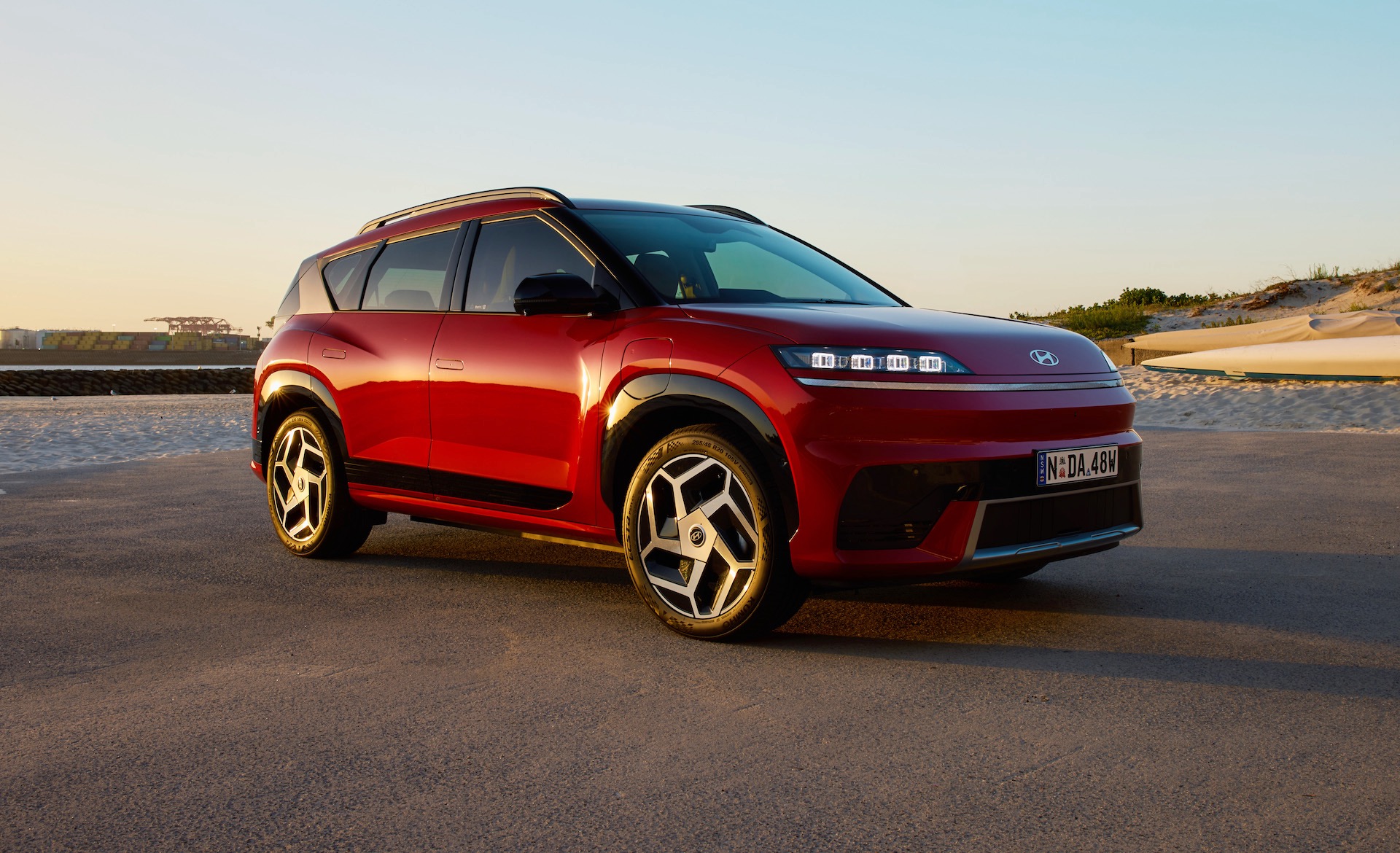
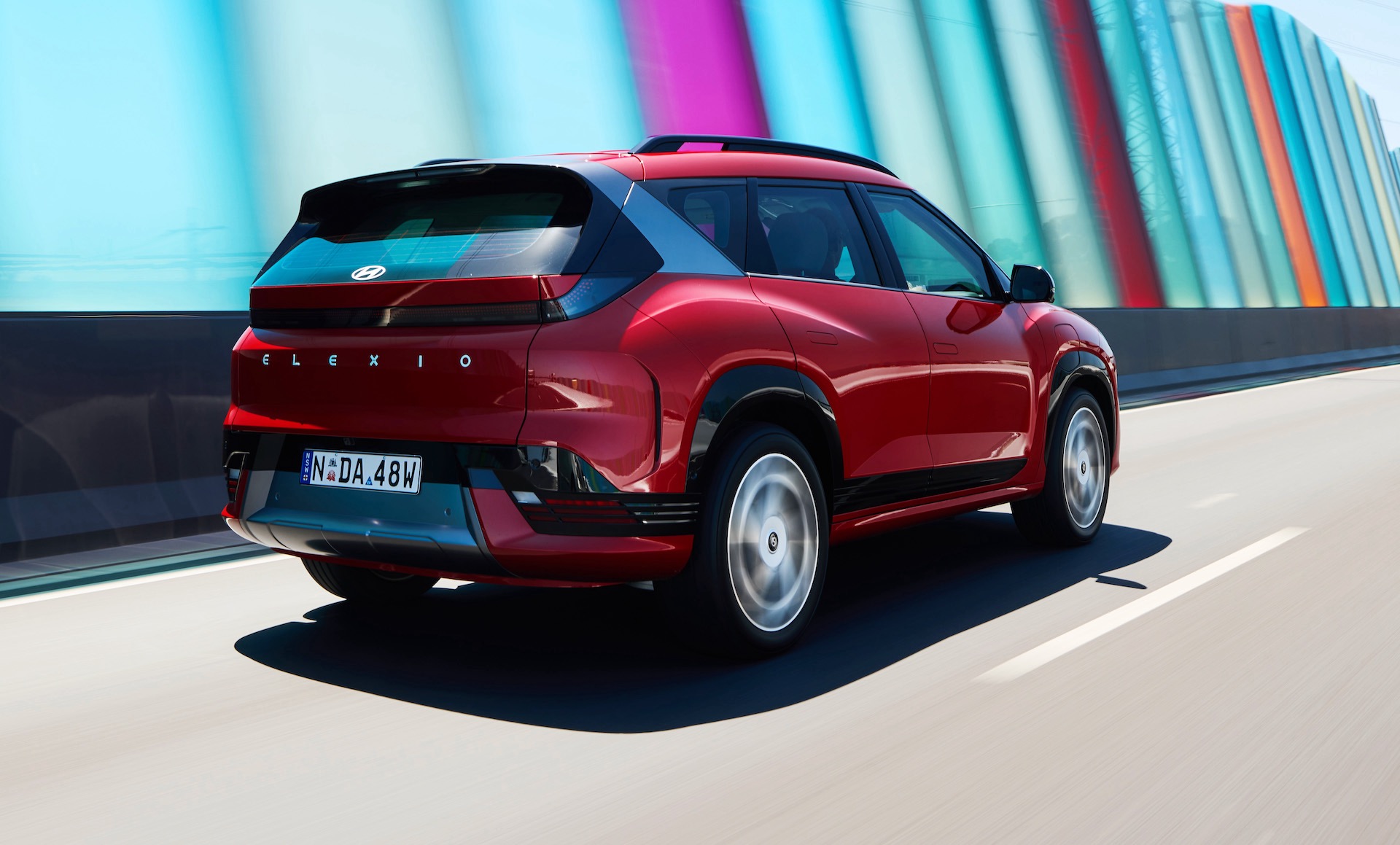
Slotting between the Kona Electric and IONIQ 5, the new Hyundai Elexio is positioned as a family-focused medium SUV and rival to the Kia EV5, offering generous space, long range and a strong emphasis on technology.
It’s also the first Chinese-built Hyundai passenger vehicle to be sold locally. While that may raise eyebrows with some loyal fans, what will matter most to buyers is how it stacks up on value, usability and driving experience in this competitive EV segment. It takes on the very popular Tesla Model Y, for example.

2026 Hyundai Elexio: Specifications
Electrical: 88.1kWh battery, 1x electric motor
Output: 160kW/ 310Nm
Gearbox: Single-speed auto
Drive type: Front-wheel drive
Wheels: F & R: 18×6.5in, 225/60
Weight: 2105kgPower-to-weight: 13.15:1 (kg:kW)
Official range (WLTP): 562km (base), 546km (Elite)
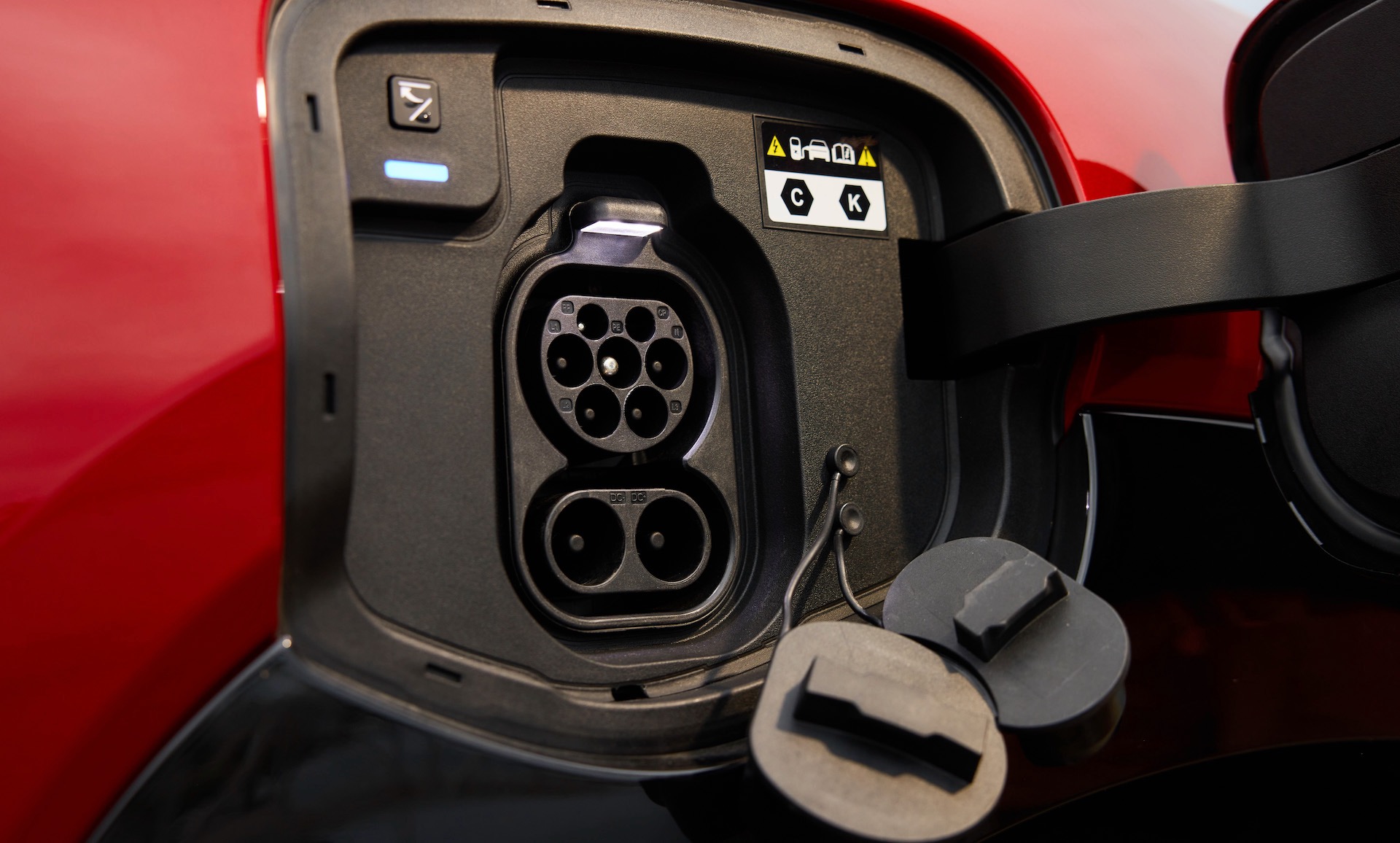
Max charge AC/DC: 11kW/150kW
0-100km/h: 8.86 seconds*
Starting price: $58,990
*Figures as tested by Driving Enthusiast on the day. Manufacturers’ claims may be different
2026 Hyundai Elexio: How much does it cost?
Two variants on hitting the market in Australia, including the base Elexio and the Elexio Elite. Both feature the same powertrain and single front-mounted electric motor.
Prices start from $59,990 drive-away for the Elite but only for the launch period. Regular retail prices start from $58,990 for the base and $61,990 for the Elite (excluding on-road costs).
That means it’s not exactly the most affordable electric SUV in this class. For example, the base Kia EV5 starts from $56,770, the base Tesla Model Y starts from $54,900, and the base BYD Sealion 7 starts from $54,990 (excluding on-roads).
However, with the Hyundai you are getting access to its longer-running local footprint, so, in theory, dealings relating to service, parts, and warranty are likely to be streamlined quicker than similar experiences in those rivals that don’t have such a large and lasting local footprint.

2026 Hyundai Elexio: Interior & packaging
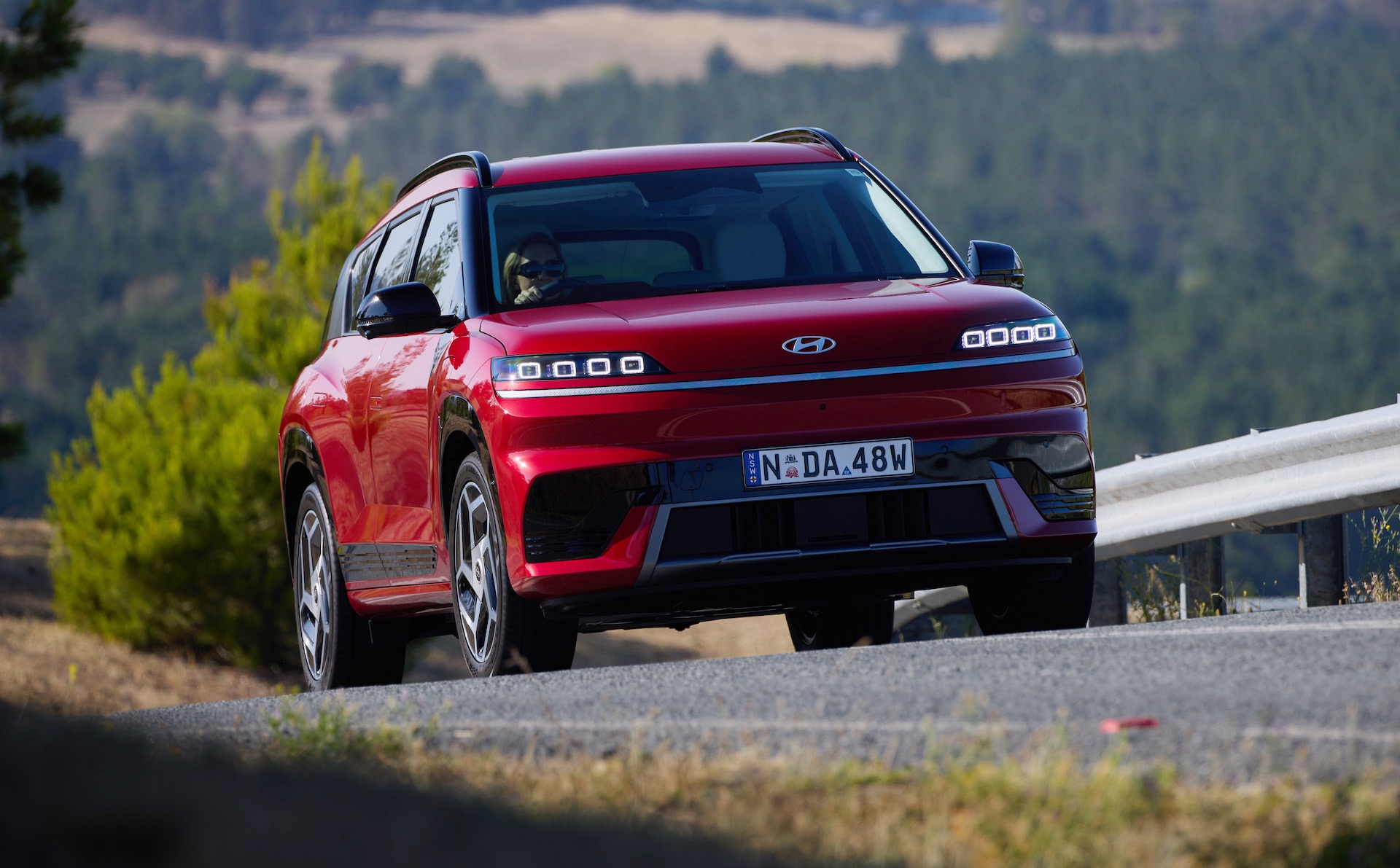
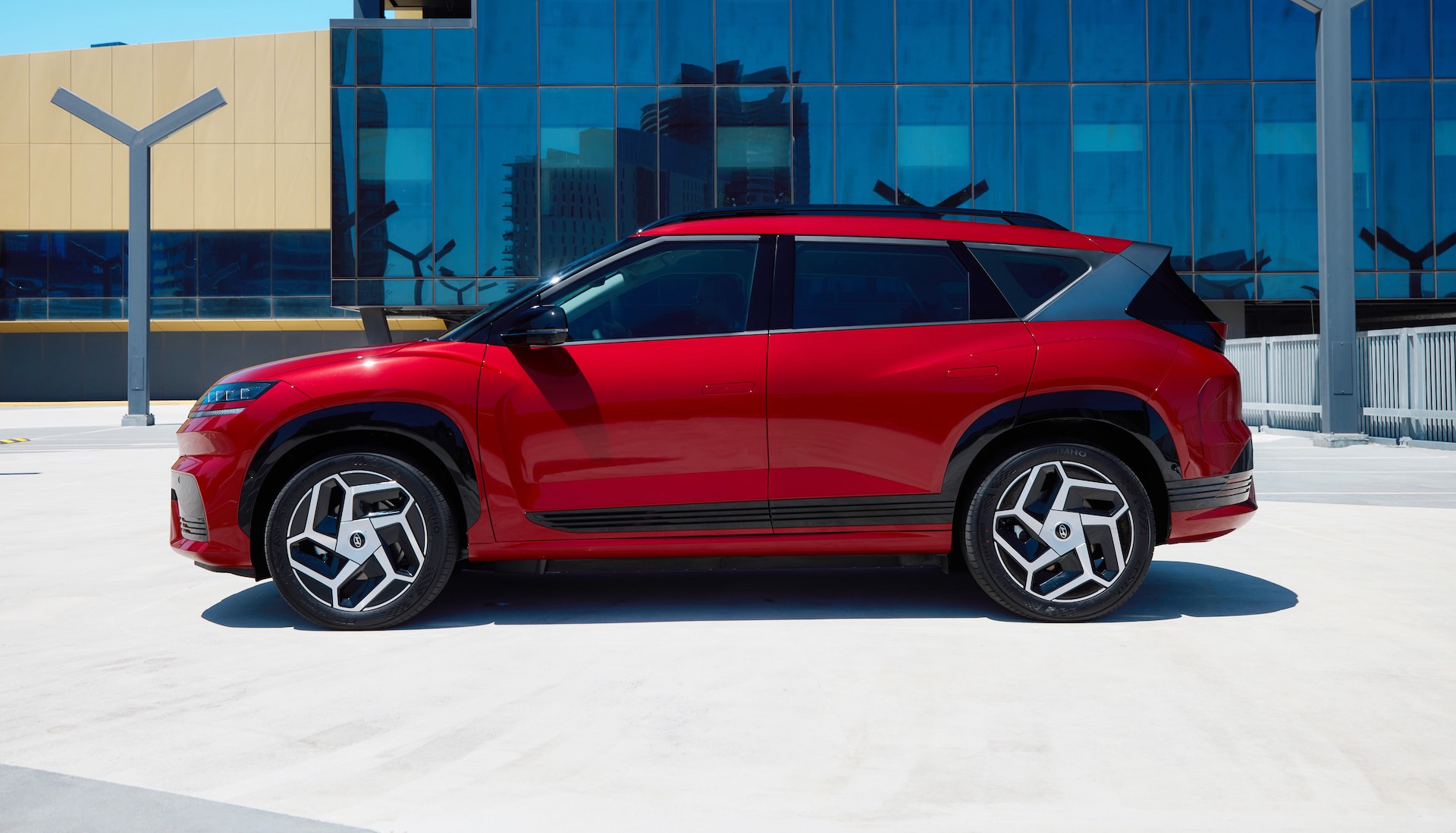
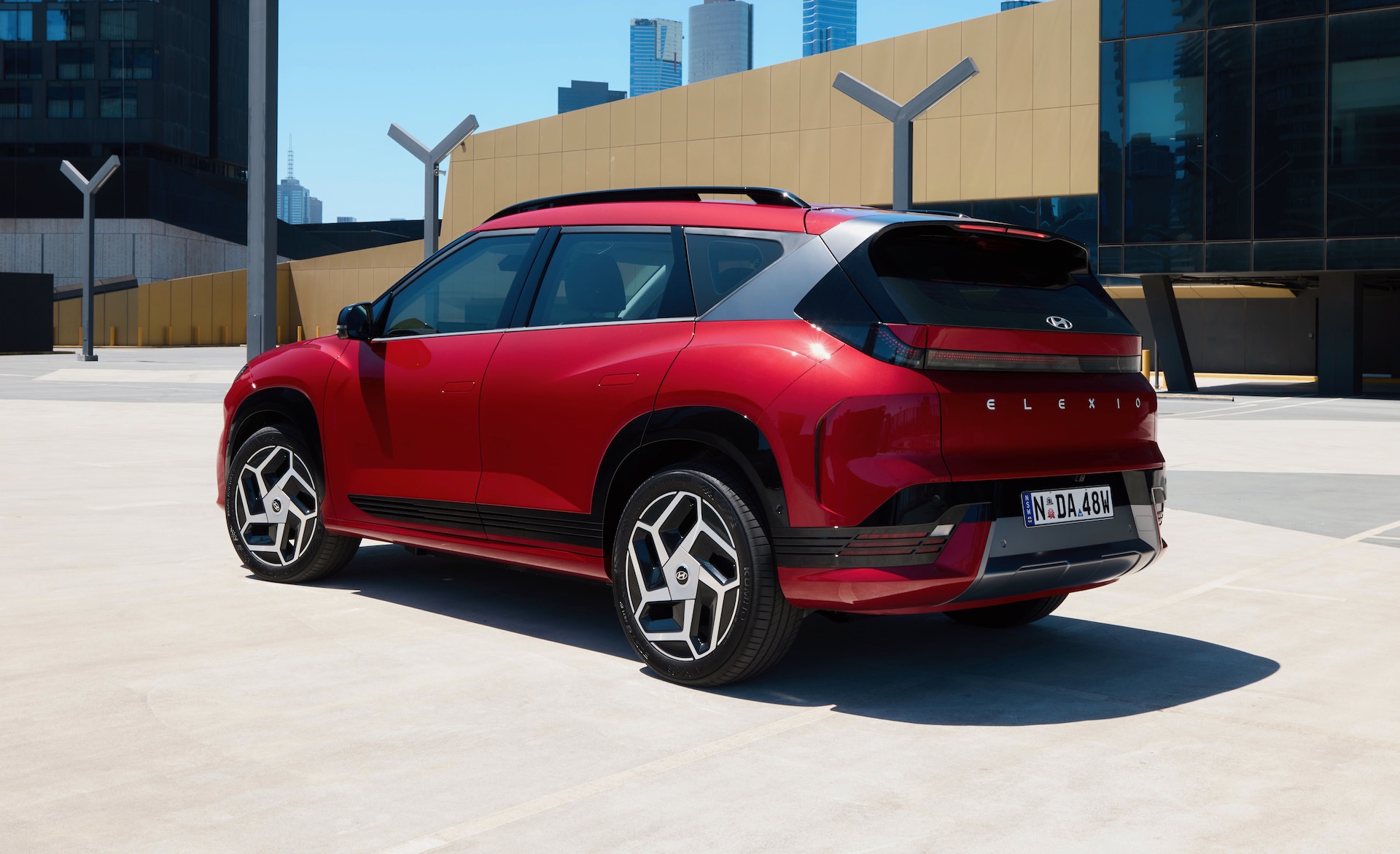
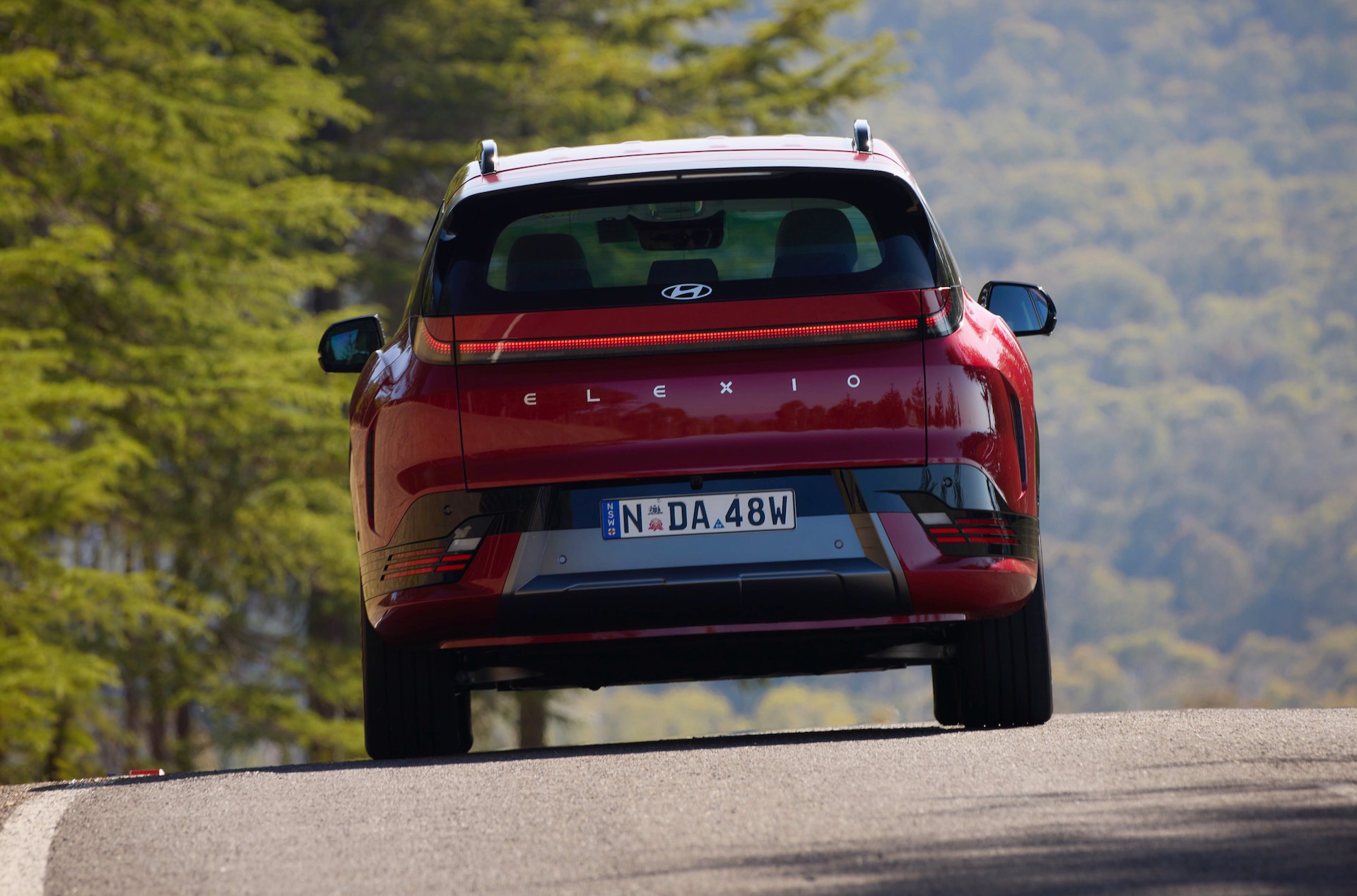
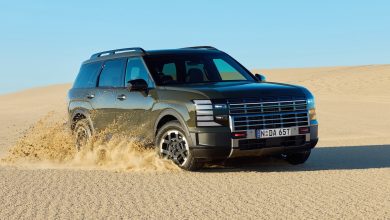
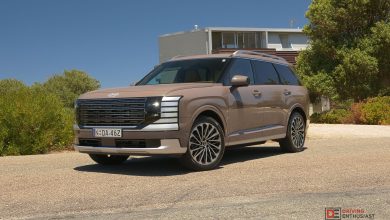
Visually, the Elexio signals a bold new design language for Hyundai. The layered front fascia, distinctive lighting signatures and rounded surfacing ensure it stands out. That said, the overall look may divide opinion. In my view, it appears slightly awkward from certain angles. Futuristic, certainly, but not exactly sexy or seductive.
At roughly the same size as the Tucson (the wheelbase is actually 5mm shorter in this), its proportions are familiar, yet the detailing pushes it into more experimental territory. Whether that’s a positive or negative will depend entirely on buyer taste.

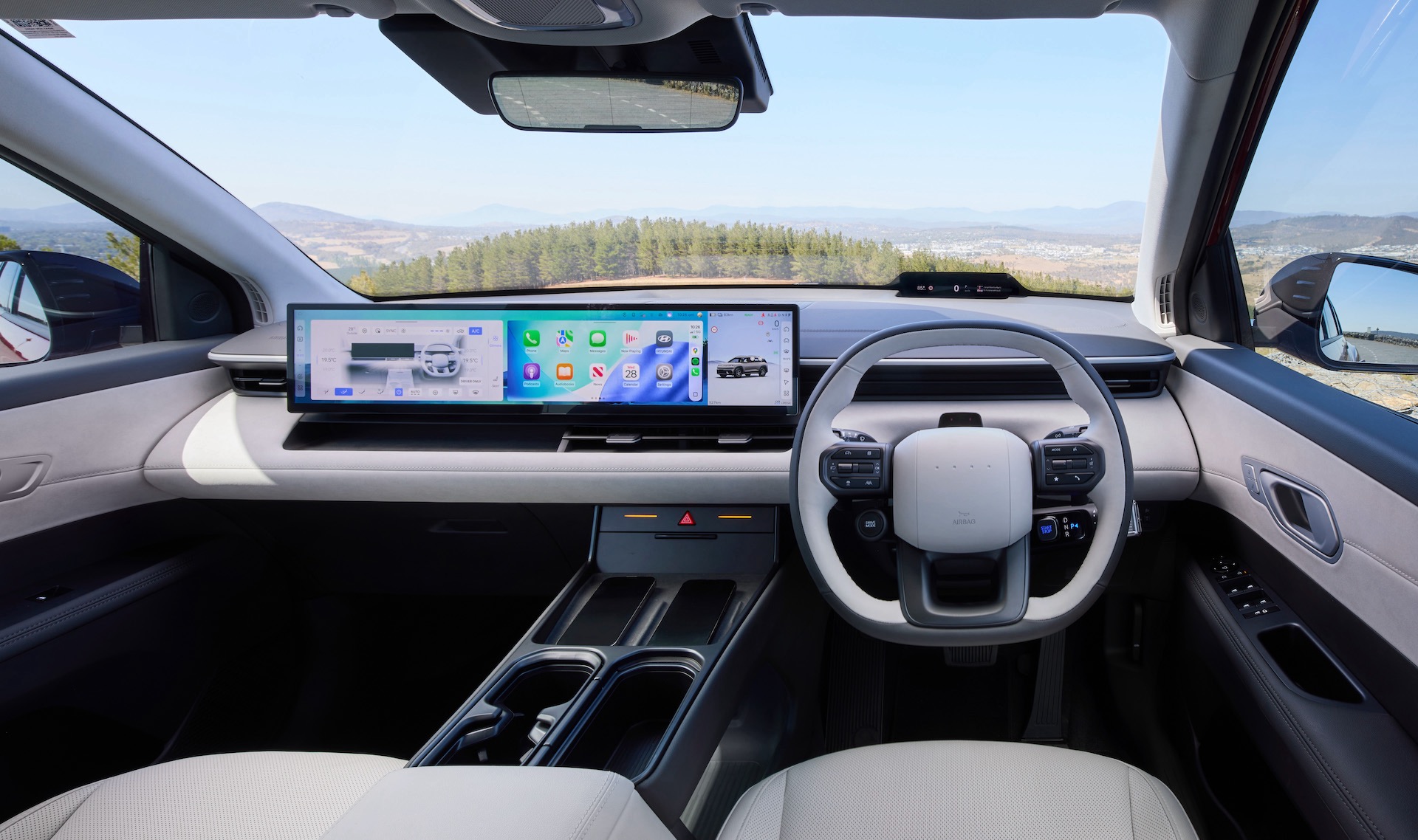
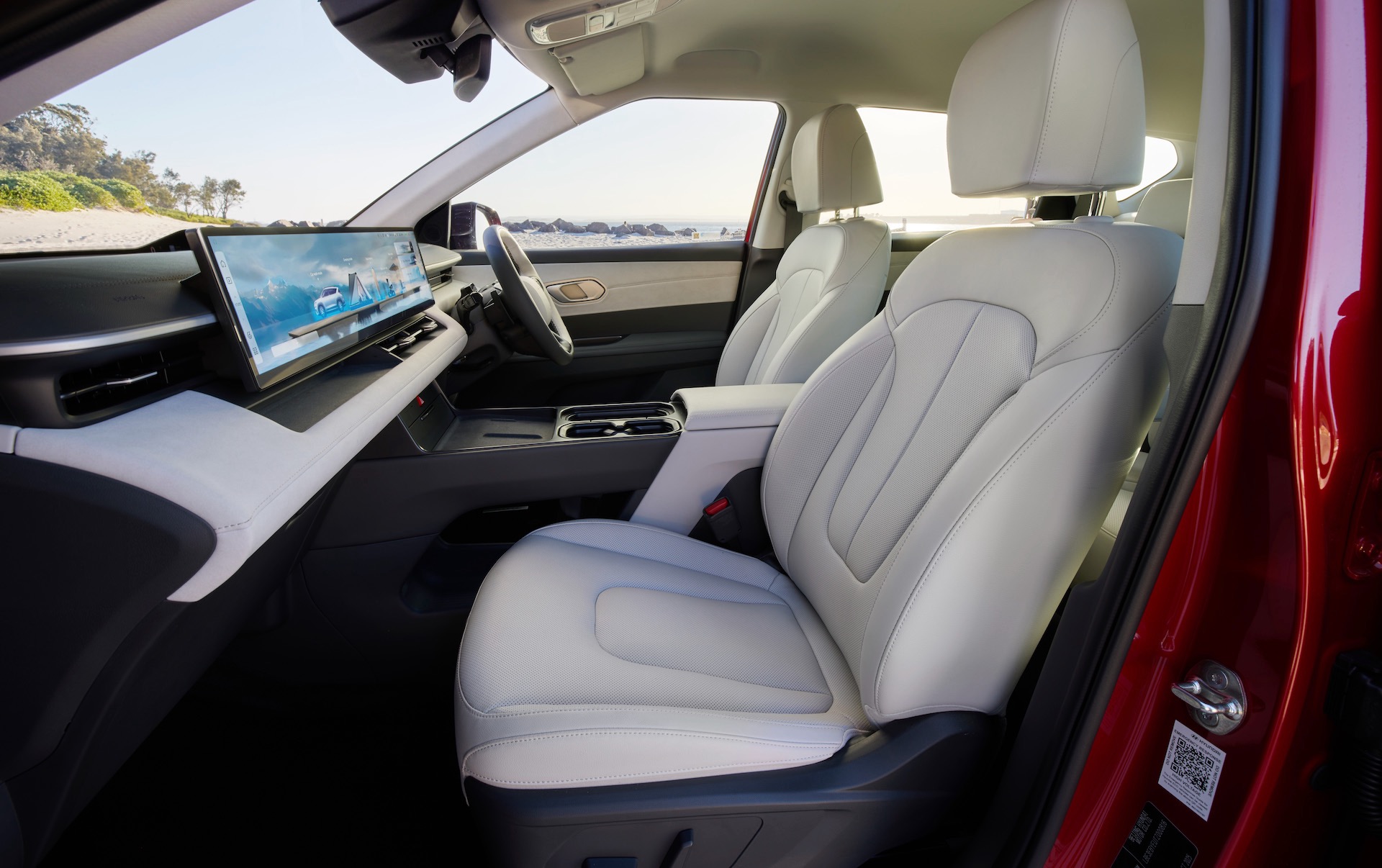
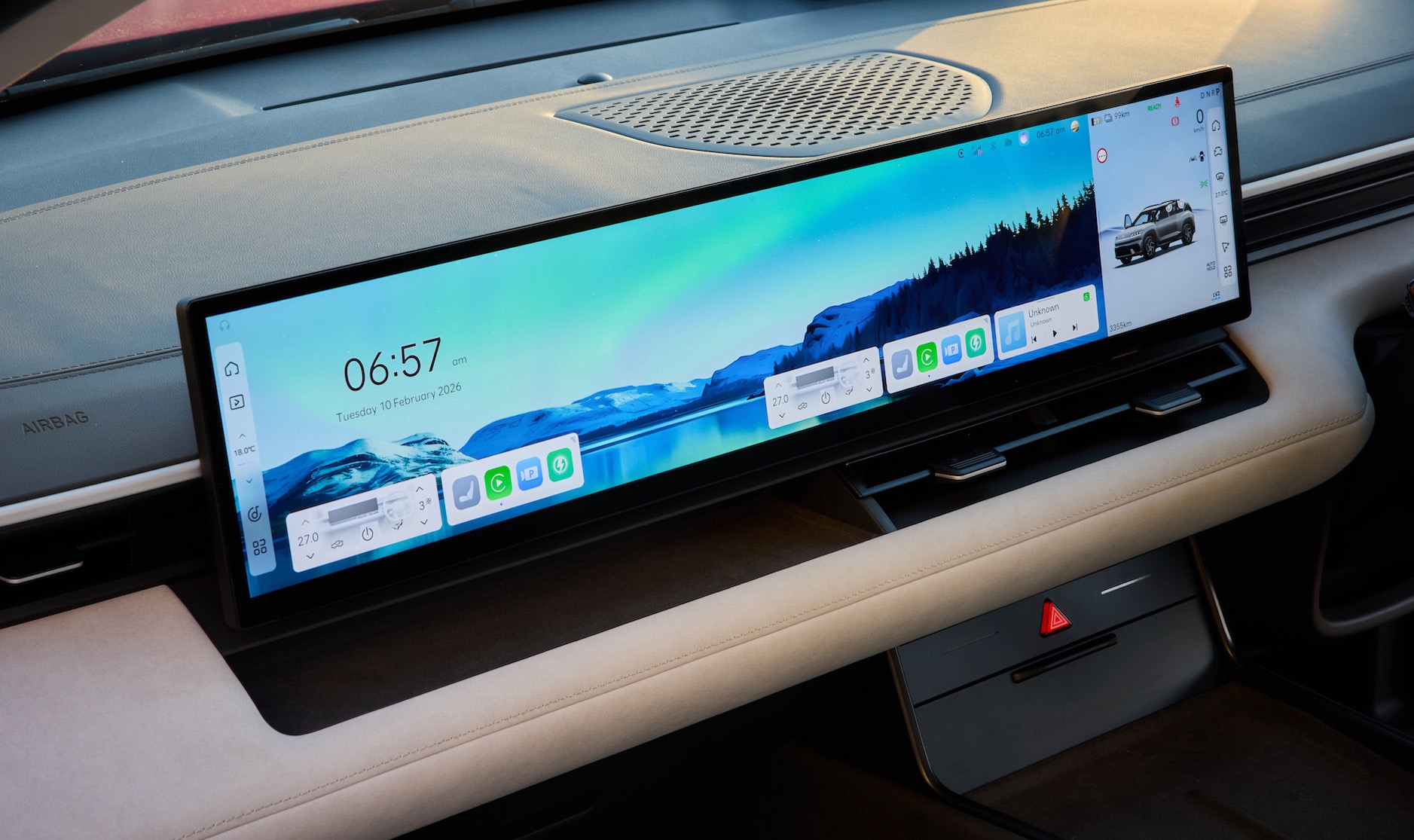
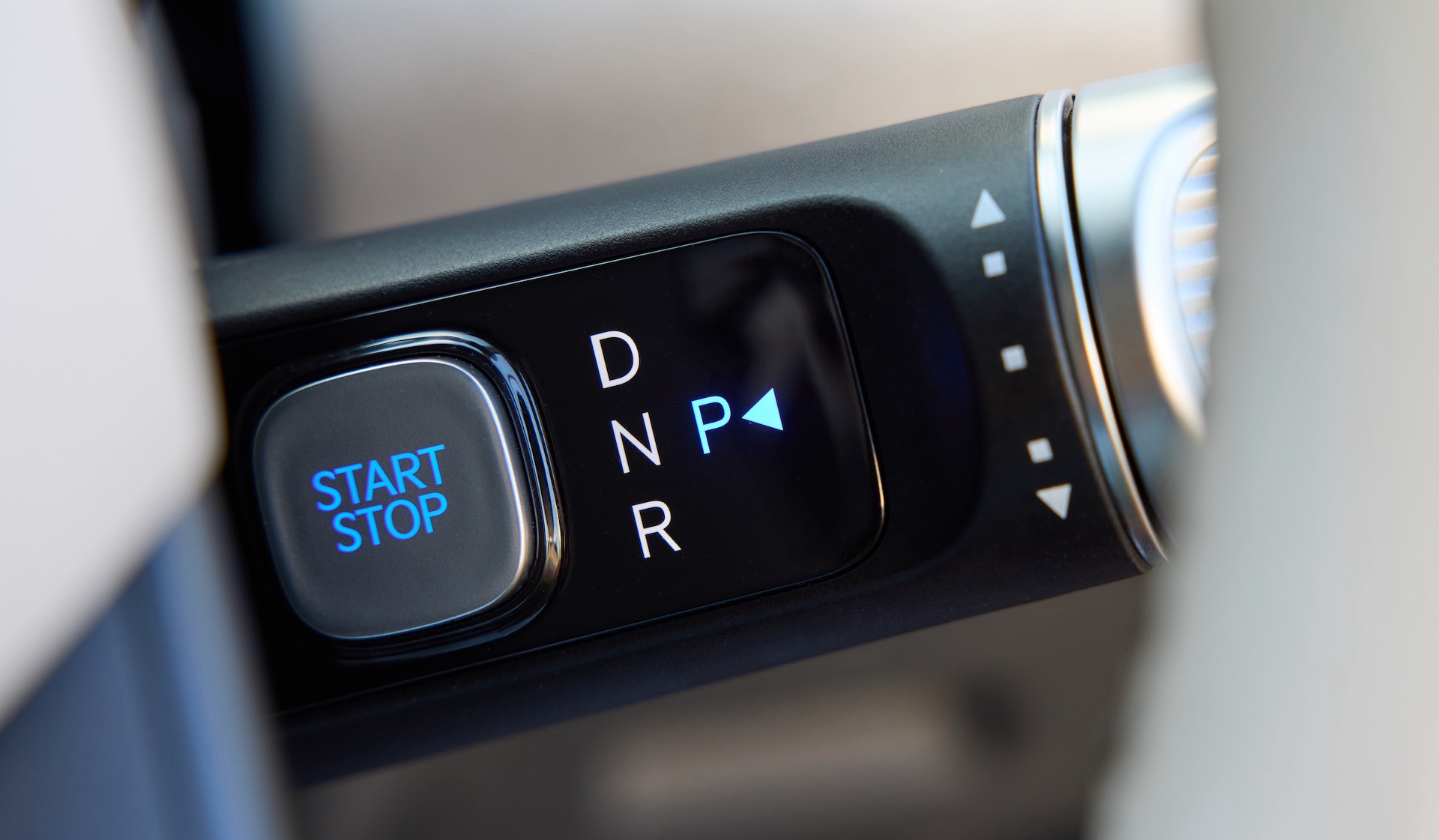
Similarly, the Elexio’s interior introduces a completely new design theme for Hyundai as well. The cabin is minimalist and screen-dominated, headlined by a sweeping 27-inch display that stretches across from the middle to the passenger-side of the dashboard. Yes, the passenger side. It certainly delivers wow factor at first glance.
However, its layout takes some getting used to. Being biased toward the passenger is an unusual choice, and the lack of physical climate controls means most adjustments require interaction with the touch-screen. Combined with relatively small on-screen icons, it can be fiddly to operate while driving and occasionally distracting – it’s a reminder that visual minimalism doesn’t always translate to functional simplicity.

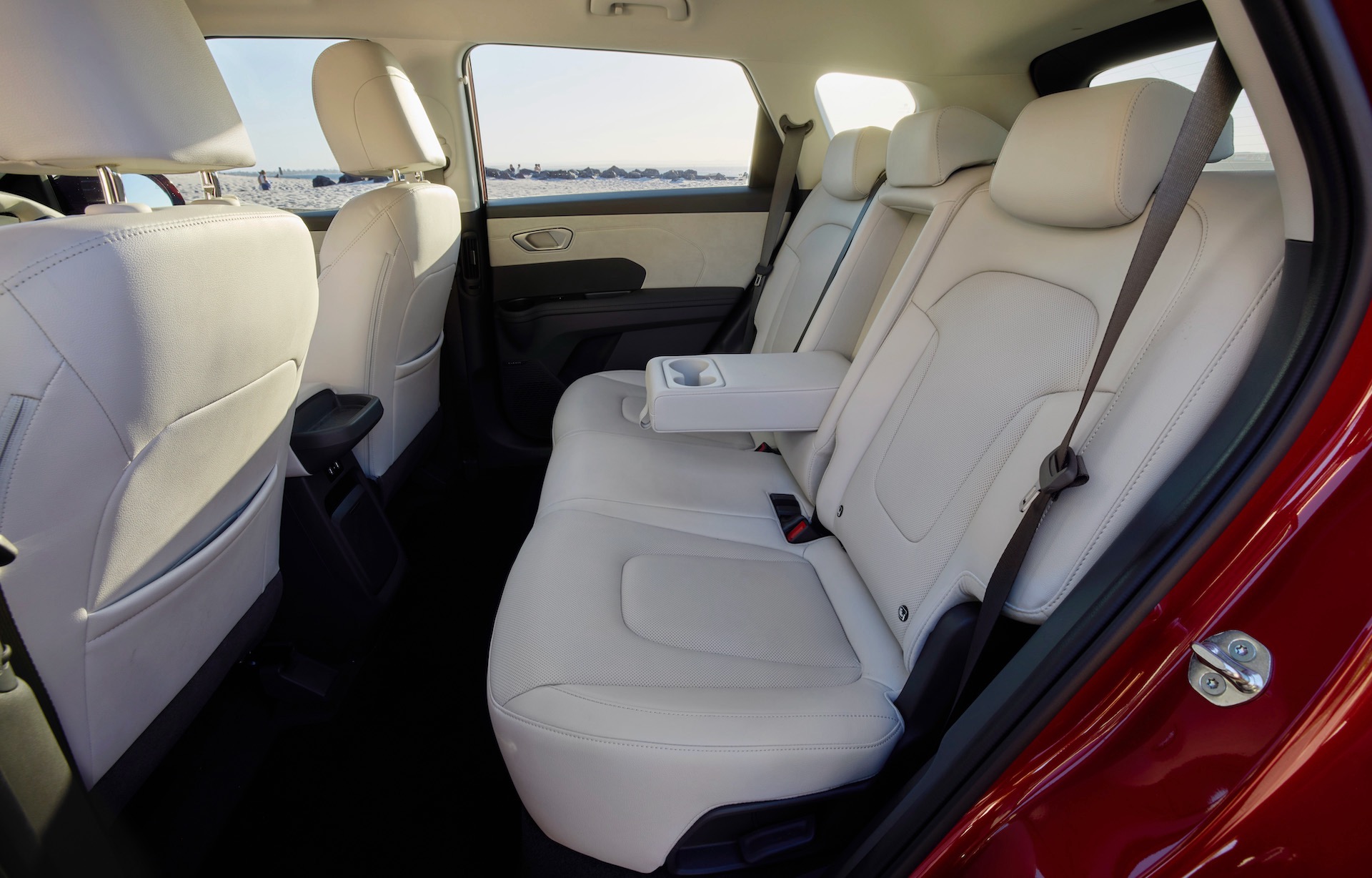
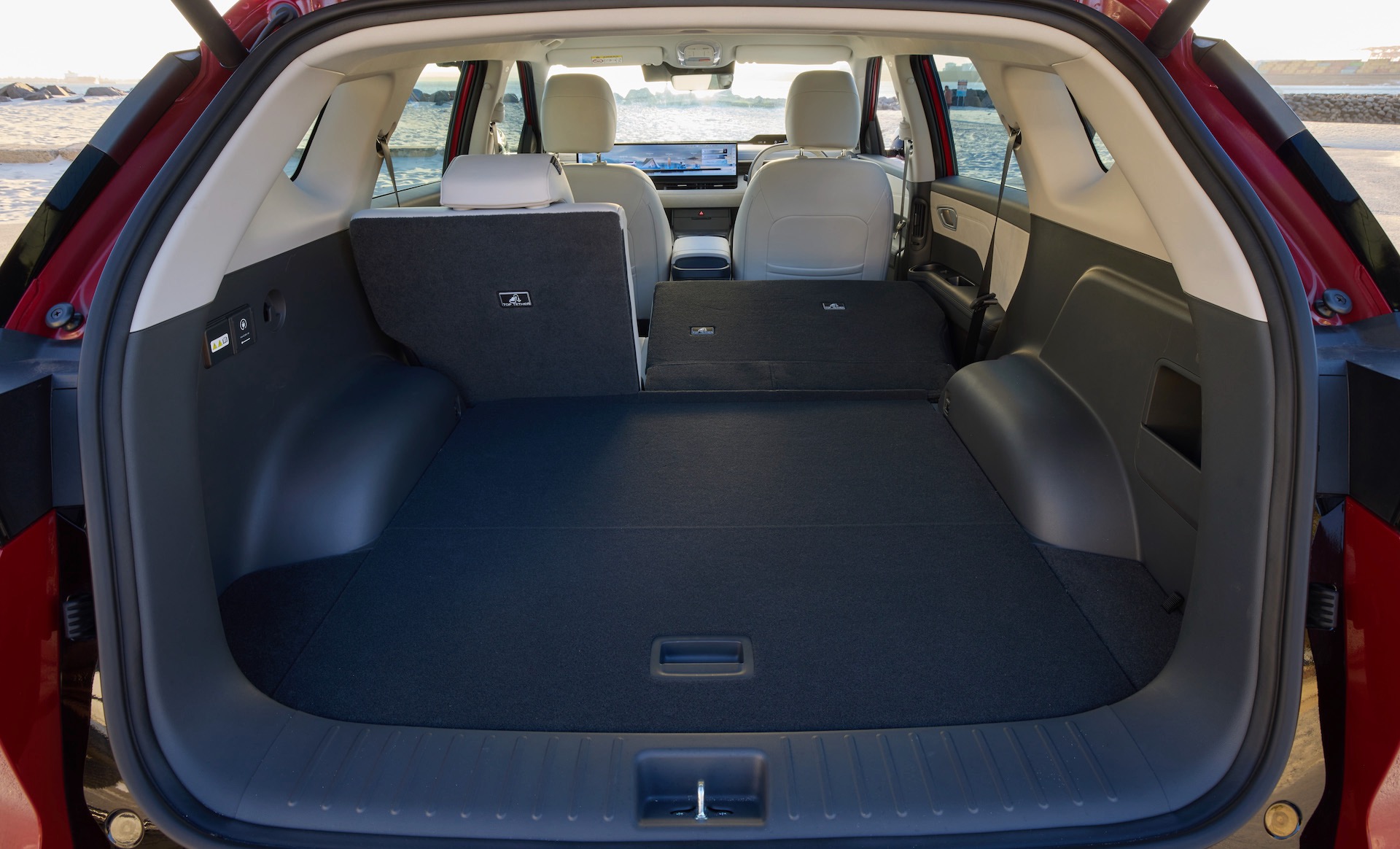
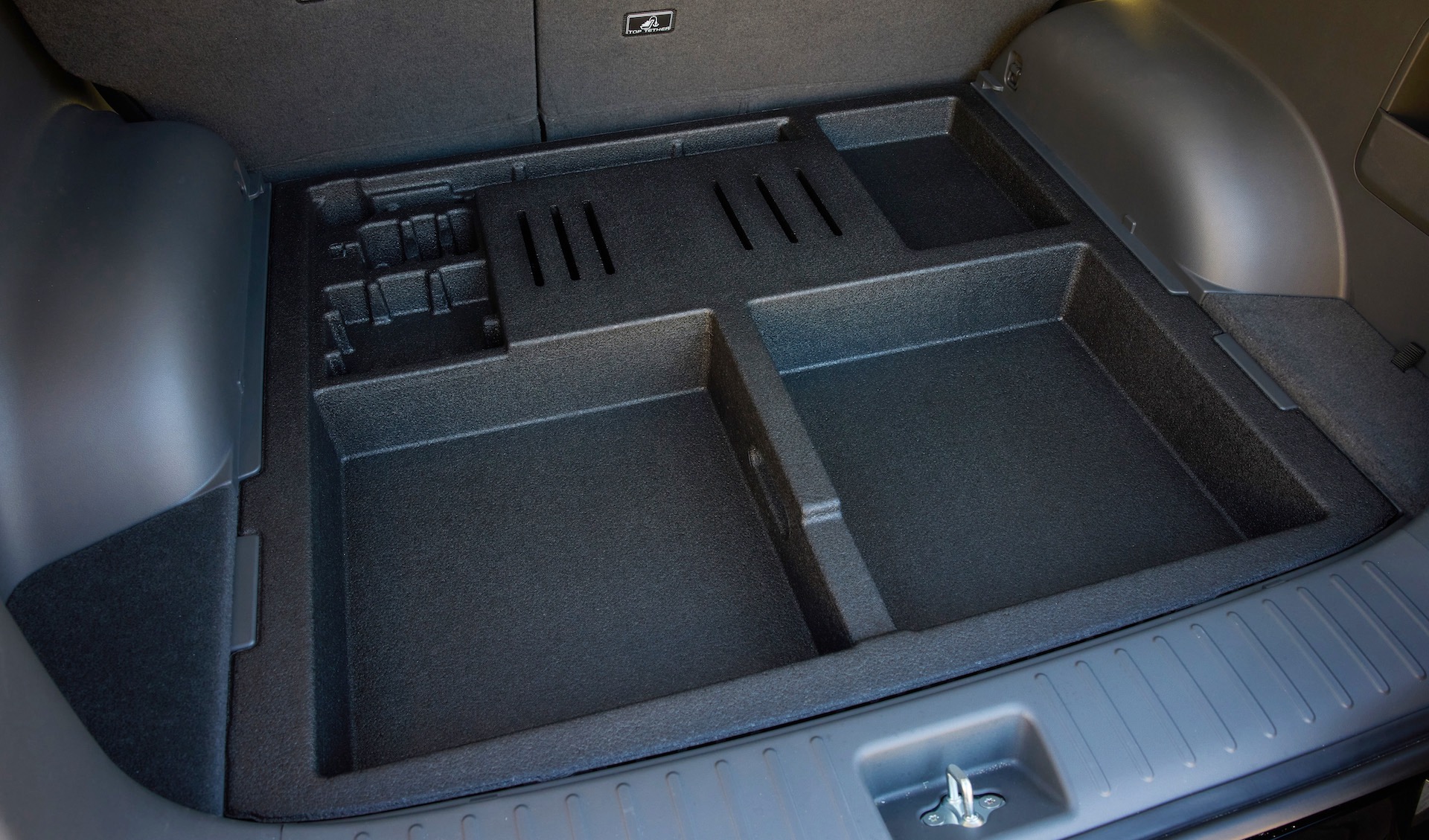
Space, on the other hand, is a clear strength. The Elexio benefits from EV packaging advantages, so passenger room is excellent front and rear, and the flat rear floor improves comfort for middle-seat occupants. Practicality measures are plentiful, too, with generous storage areas, multiple USB-C ports, twin wireless charging pads and well-designed cupholders throughout.
Boot capacity stands at 506 litres, expanding to 1540L with the rear seats folded. That’s pretty competitive for the class and easily sufficient for family duties. Overall material quality is solid, with leather-appointed seating for the Elite, a synthetic suede dash finish, and heated and ventilated front seats contributing to a premium ambience.

Some attention to detail also helps justify the price, such as felt-like lining for some pockets and shelves, and nice button feel for most controls. The fundamentals are strong, it’s the user interface that feels like it needs refinement.

2026 Hyundai Elexio: Powertrain & handling
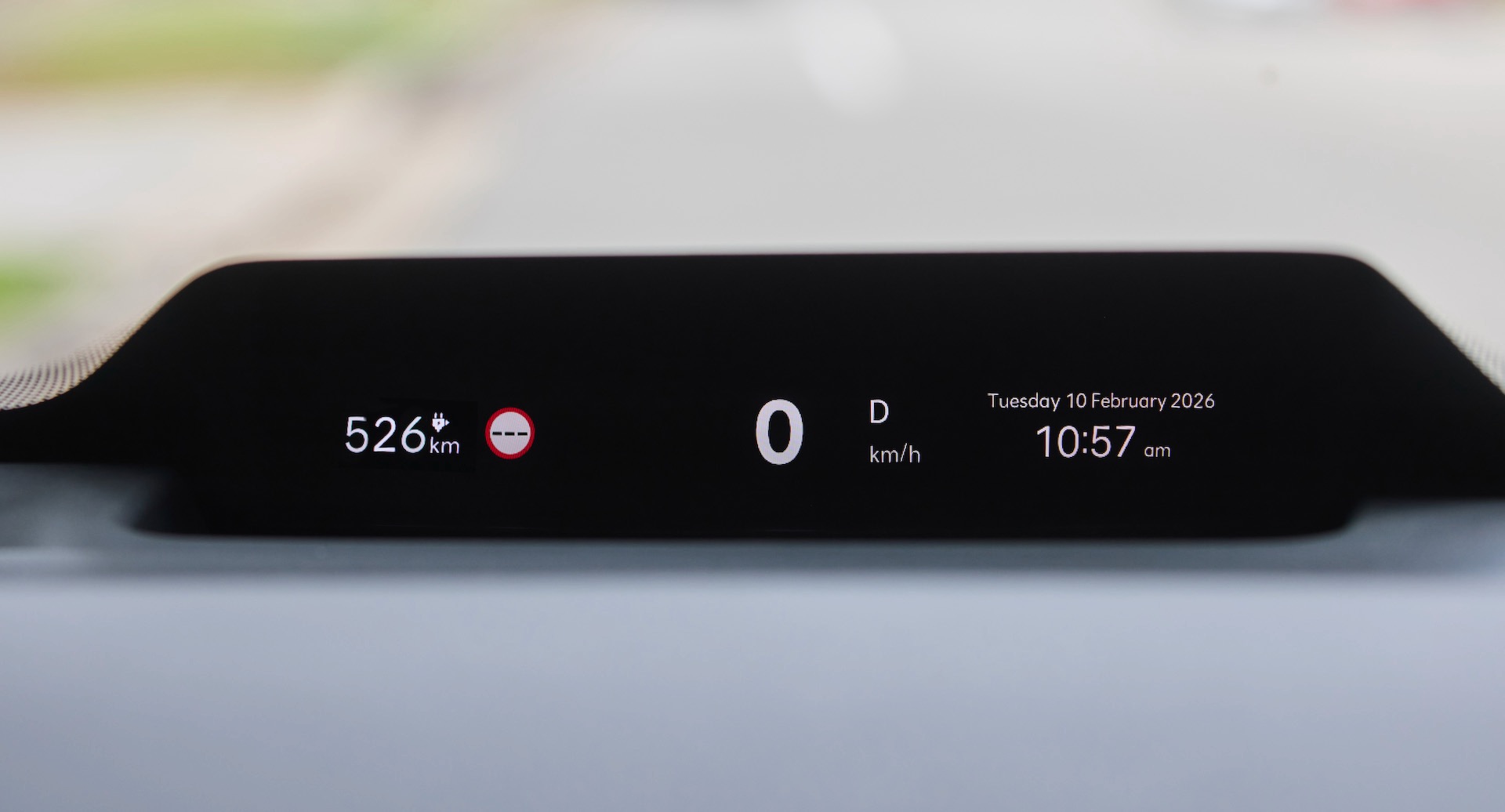
The Elexio rides on Hyundai’s E-GMP platform and is powered by a single front-mounted electric motor producing 160kW and 310Nm, using an 88.1kWh BYD-based LFP Blade battery. Claimed range is 562km for the base and 546km for the Elite (WLTP). The difference is mainly due to 18-inch wheels on the base and 20in on the Elite.
While DC fast-charging from 10-80 per cent is quoted at 38 minutes in ideal conditions, max charging is just 150kW. That’s due to the Elexio’s 400V platform rather than Hyundai’s 800V layout as used on the IONIQ 5. At 150kW, it does fall short of some rivals.

On the road, it’s clear Hyundai has invested effort into local tuning. The suspension and steering calibration delivers a composed and comfortable ride, with good body control and reassuring stability on uneven surfaces. For this type of vehicle, it drives nicely; settled at highway speeds and compliant along Aussie country roads. Certainly better than some of the newcomers from China that haven’t been locally tested.
Performance, however, is less impressive than the numbers suggest. While 160kW has become the de facto standard in this segment, the Elexio is slower than many rivals with similar outputs. We tested 0–100km/h in 8.86 seconds using a Vbox, with most comparable EVs dipping into the low-to-mid 7.0-second range.

It’s not lacking in everyday usability, as there’s adequate torque for merging and initially getting off the line, but it doesn’t deliver the punchy acceleration buyers often expect from an EV at this price point. Top-end grunt tappers off, making highway overtaking more of a task than some rivals.
For reference, the power-to-weight ratio is 76kW:1000kg, with a kerb weight of 2105kg, while the similarly-priced Hyundai Tucson Hybrid Premium N Line (from $59,850) offers a ratio of 96.9kW:1000kg.
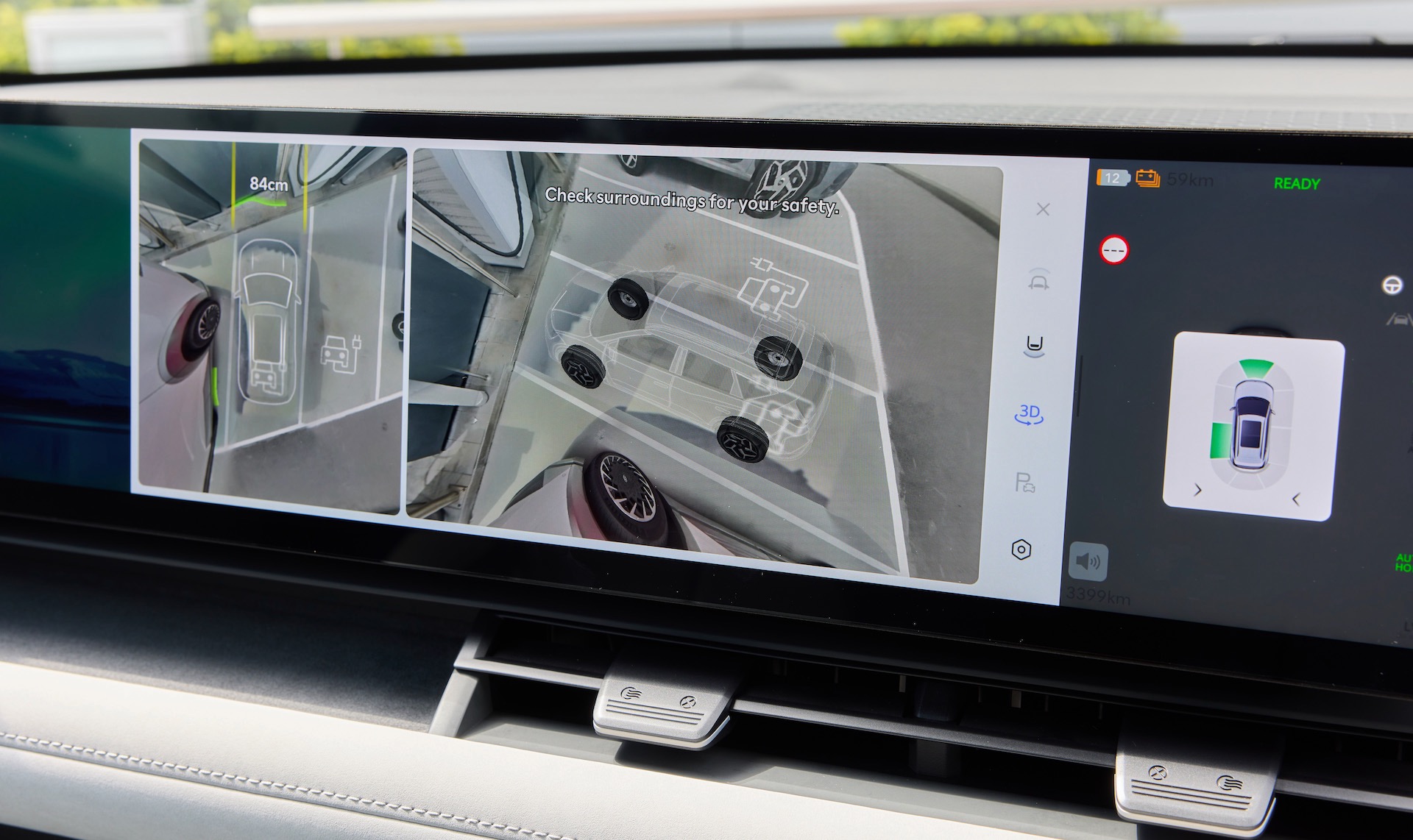
Overall, the driving character is suited to commuting on Aussie roads. It’s smooth and obviously very quiet, so it is more luxurious than the equivalent Tucson. Although a bit awkward in exterior design, the outward visibility is good and you have a comprehensive and highly-detailed surround-view camera system to help you out during parking.

2026 Hyundai Elexio: First impressions
The 2026 Hyundai Elexio is a spacious and comfortable electric SUV that gets many of the fundamentals right. Its Australian-tuned ride quality is commendable, interior space is excellent, and the large battery delivers competitive range.
However, its touch-screen-heavy interface compromises usability, and real-world performance feels underwhelming relative to its output. And starting from $58,990, it faces stiff competition from newer rivals offering sharper value propositions.
2026 Hyundai Elexio: Video