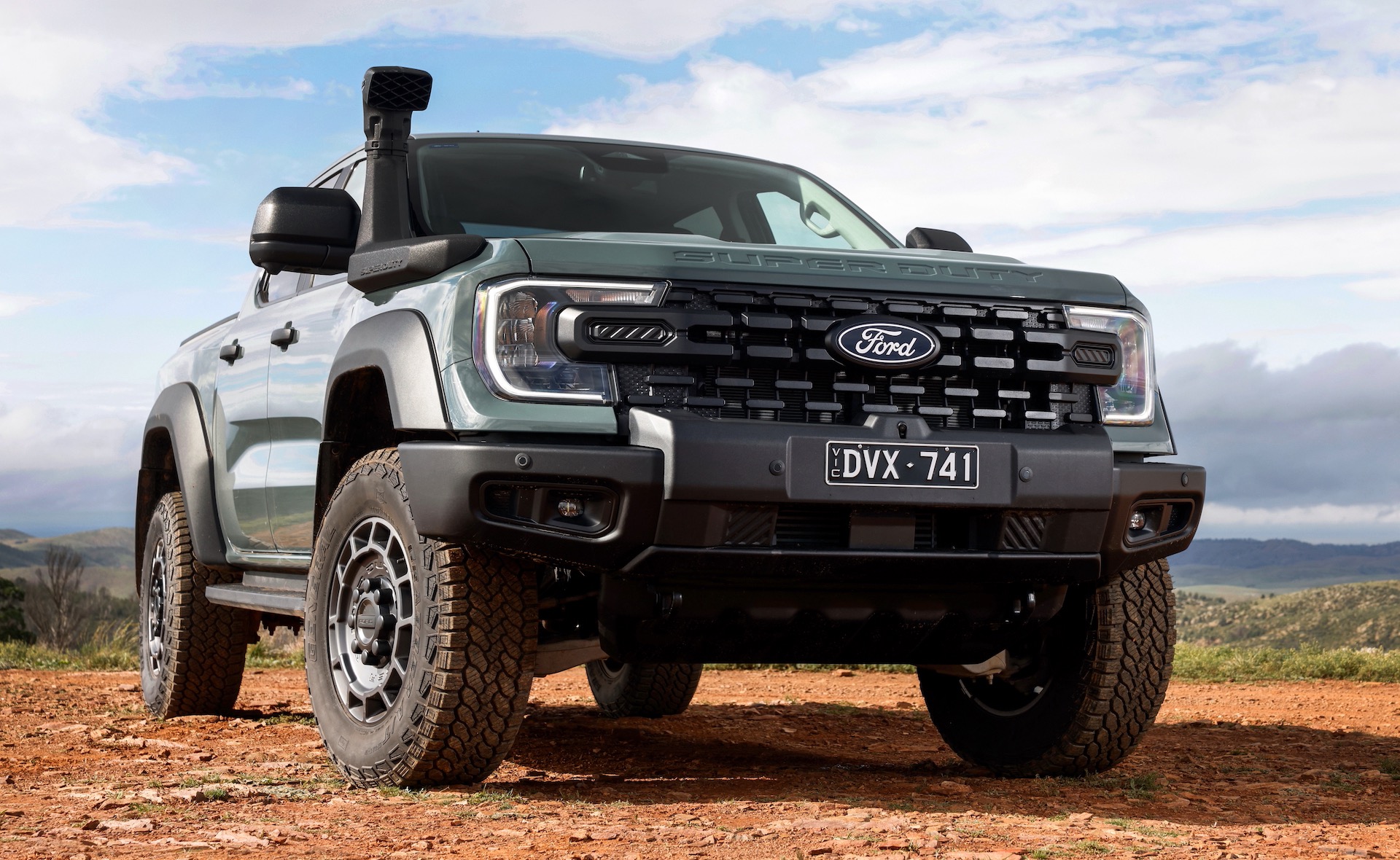
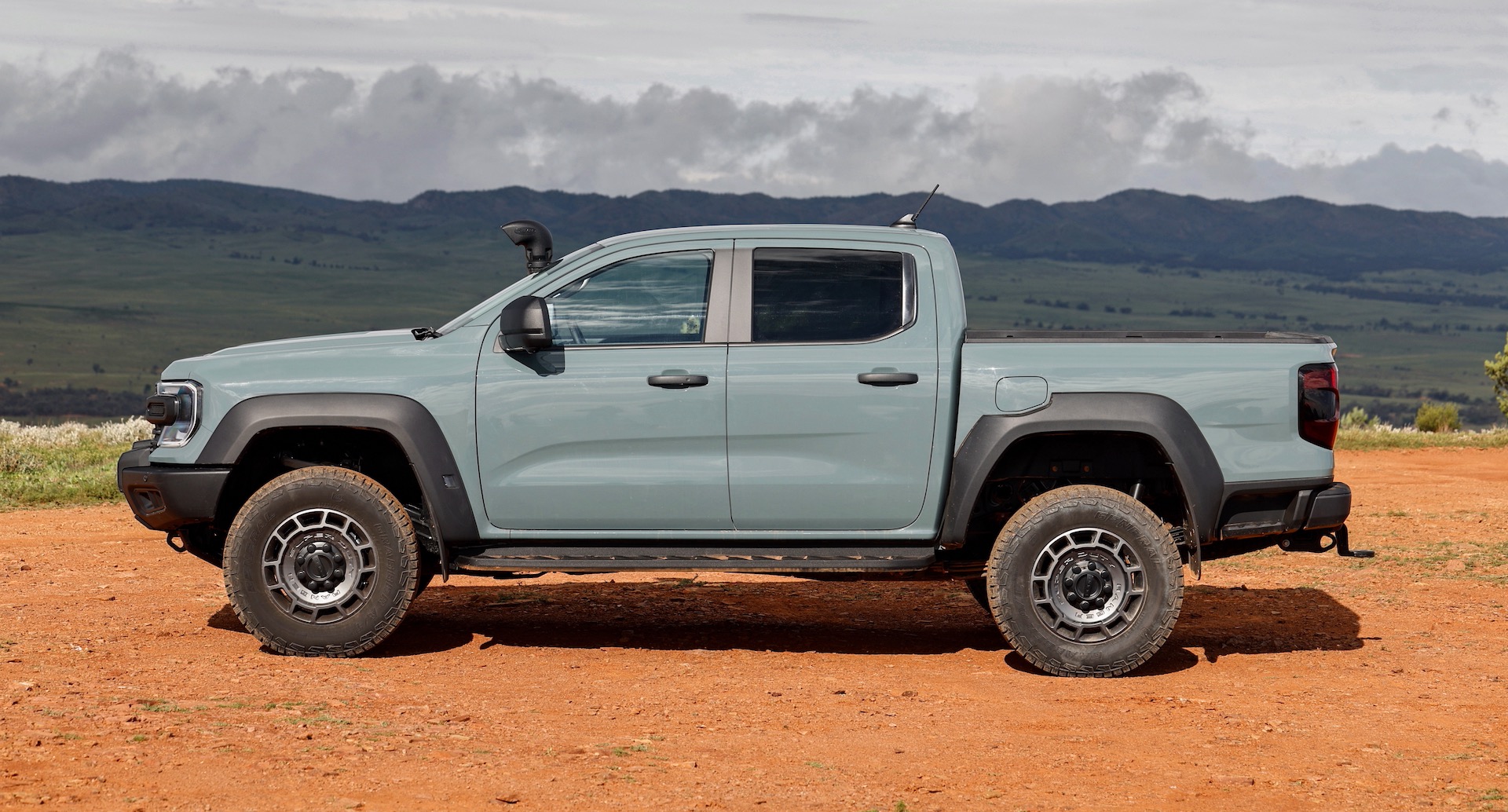
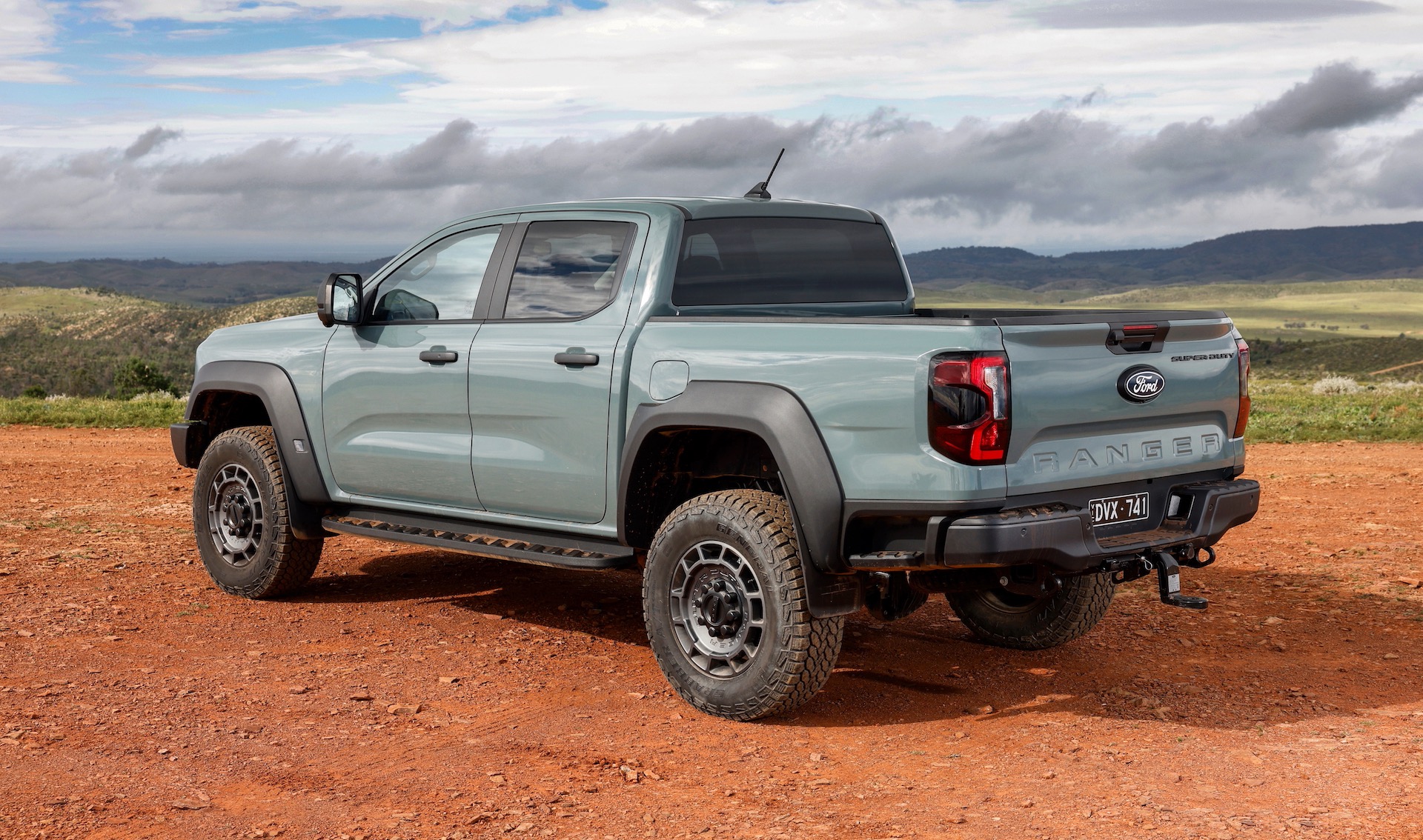
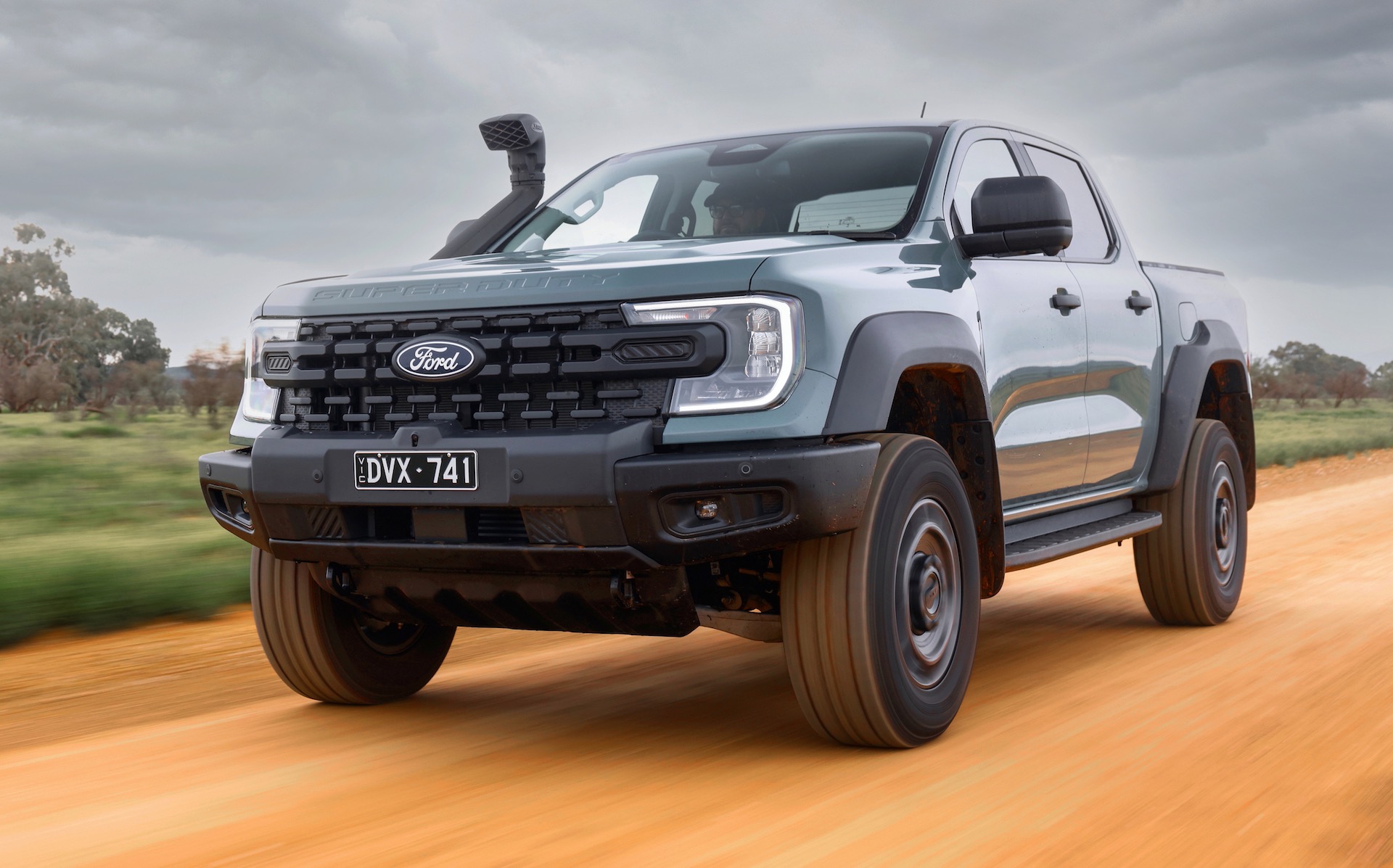
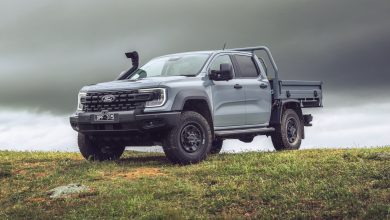
While the regular Ford Ranger Super Duty models are unapologetically focused on commercial and fleet buyers, the new XLT broadens the appeal by adding a layer of comfort and convenience that makes it far easier to justify as an everyday vehicle.
That’s important because the Ranger Super Duty itself is a fairly unique proposition. With a 4500kg towing capacity, 4500kg GVM, and 8000kg GCM, it pushes beyond what most conventional dual-cab utes can achieve. Yet unlike a light truck, it still looks and feels like a regular Ranger.
For those spending long hours behind the wheel towing caravans, horse floats, big boats, machinery or large trailers across Australia, a little extra comfort can make all the difference.

2026 Ford Ranger Super Duty XLT: Specifications
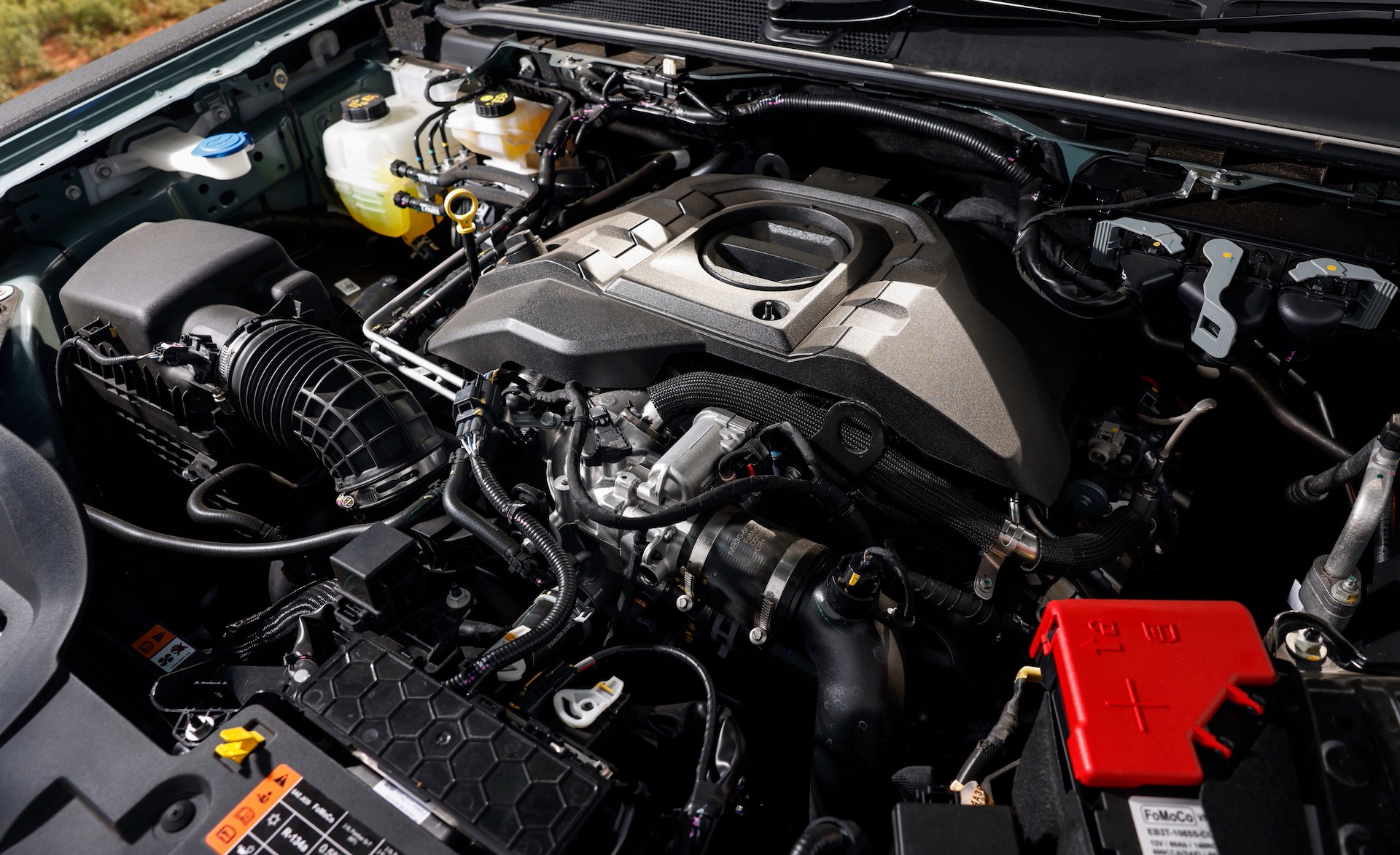
Engine: 3.0-litre turbo-diesel V6
Output: 154kW@3250rpm / 600Nm@1750rpm
Gearbox: 10-speed auto
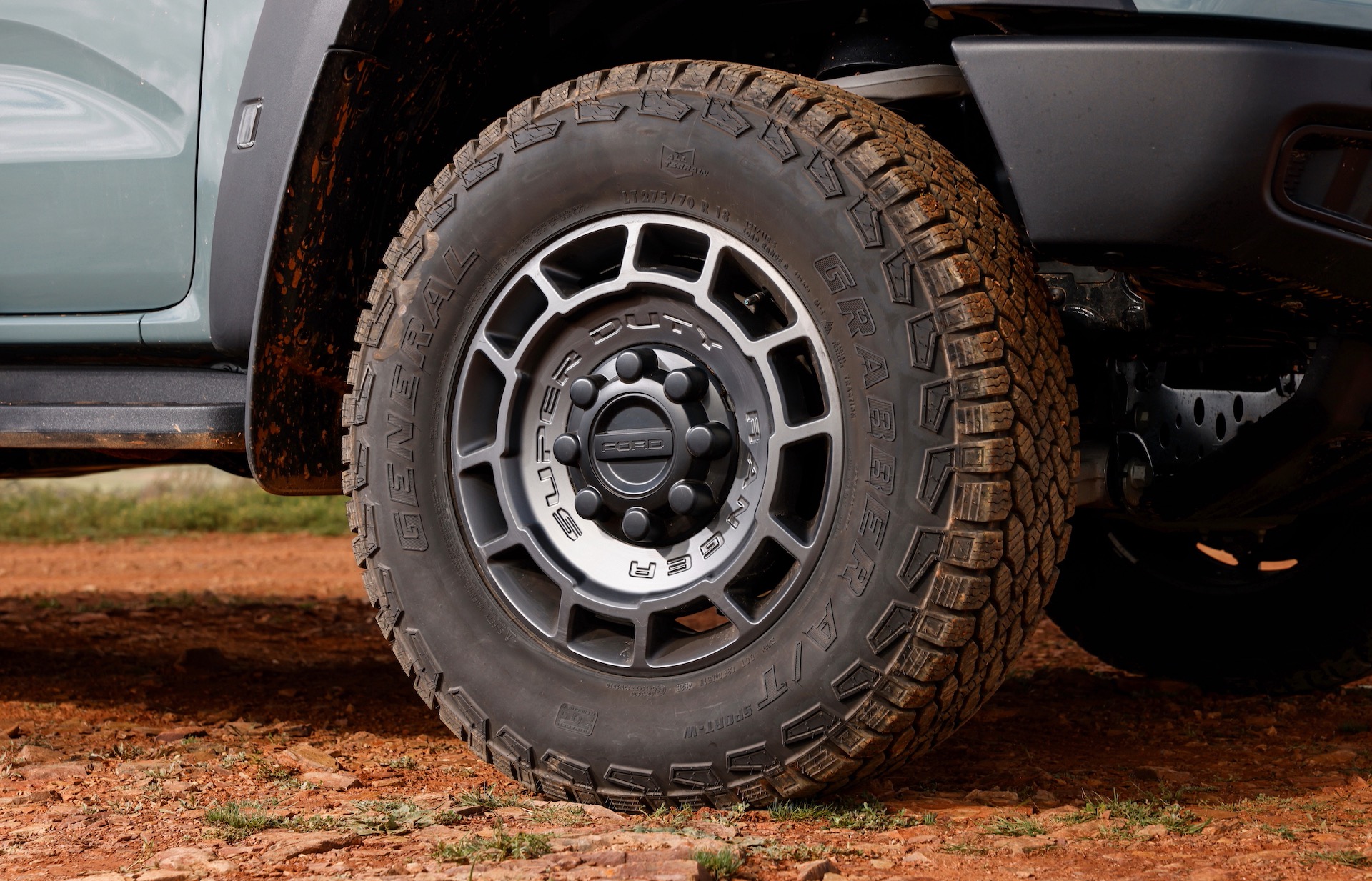
Drive type: Four-wheel drive, dual-range, front & rear diff lockWheels: F & R: 18×8.5, 275/70
Tare weight: 2803kg
Power-to-weight: 18.20:1 (kg:kW)
Fuel tank/Fuel type: 130L/Diesel
0-100km/h: 12.19 seconds*
Starting price: $99,990 (flagship)
*Figures as tested by Driving Enthusiast on the day with a Racelogic Vbox. Manufacturers’ claims may be different
2026 Ford Ranger Super Duty XLT: How much does it cost?
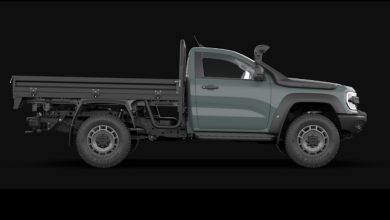
It’s not cheap, starting from $88,990 for the entry single-cab XLT, $92,490 for the super-cab chassis, $95,990 for the dual-cab chassis, and $99,990 for the flagship XLT dual-cab style-side package with a tub replacing the tray.
That makes it slightly more affordable than the big American pickup trucks, which also offer 4500kg towing, but quite a bit more than the regular run of four-cylinder diesel dual-cab 4×4 utes currently on sale in Australia. All Super Duty variants are powered by a turbo-diesel V6 producing 154kW and 600Nm, with full-time four-wheel drive.
2026 Ford Ranger Super Duty XLT: Interior & packaging
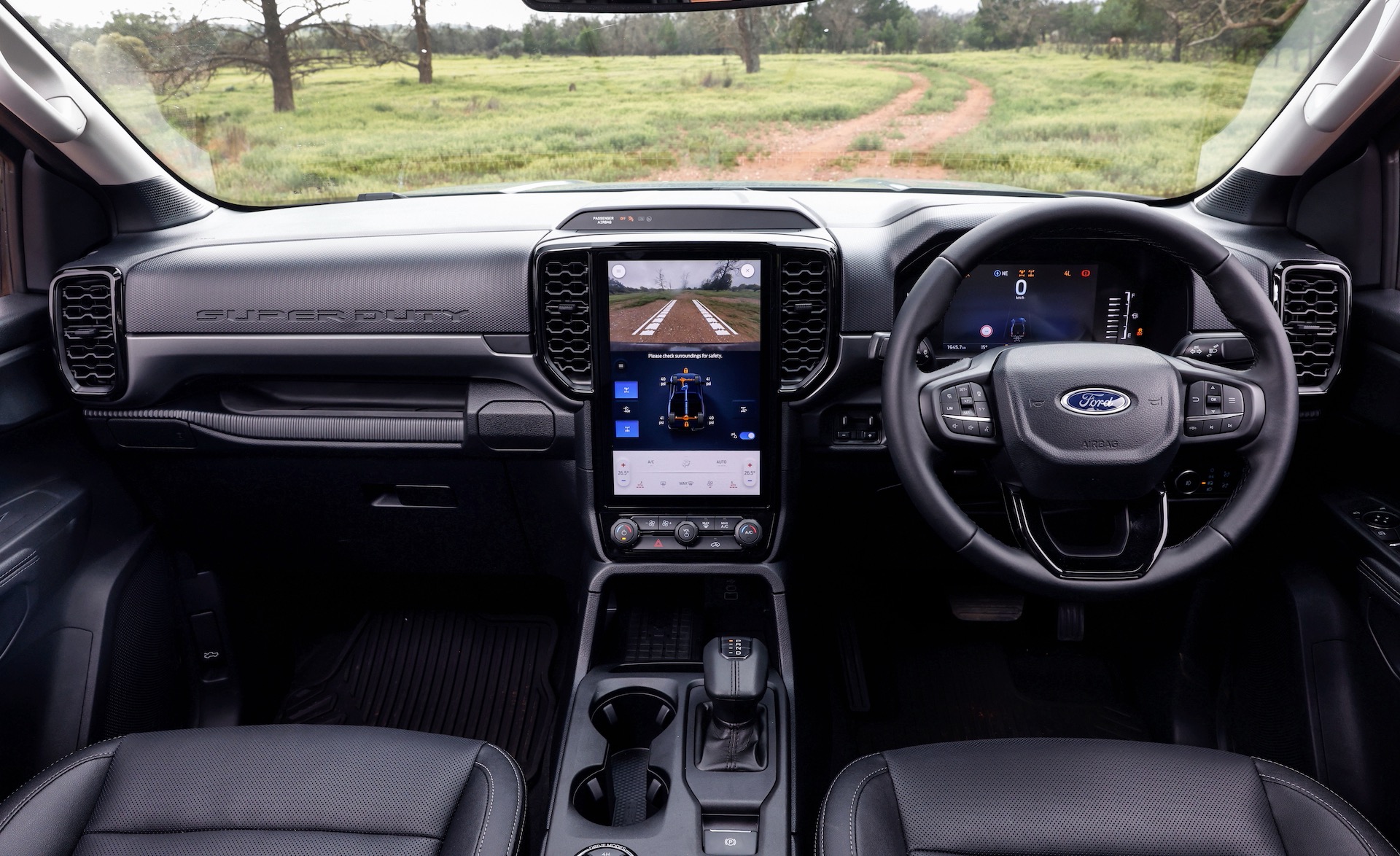
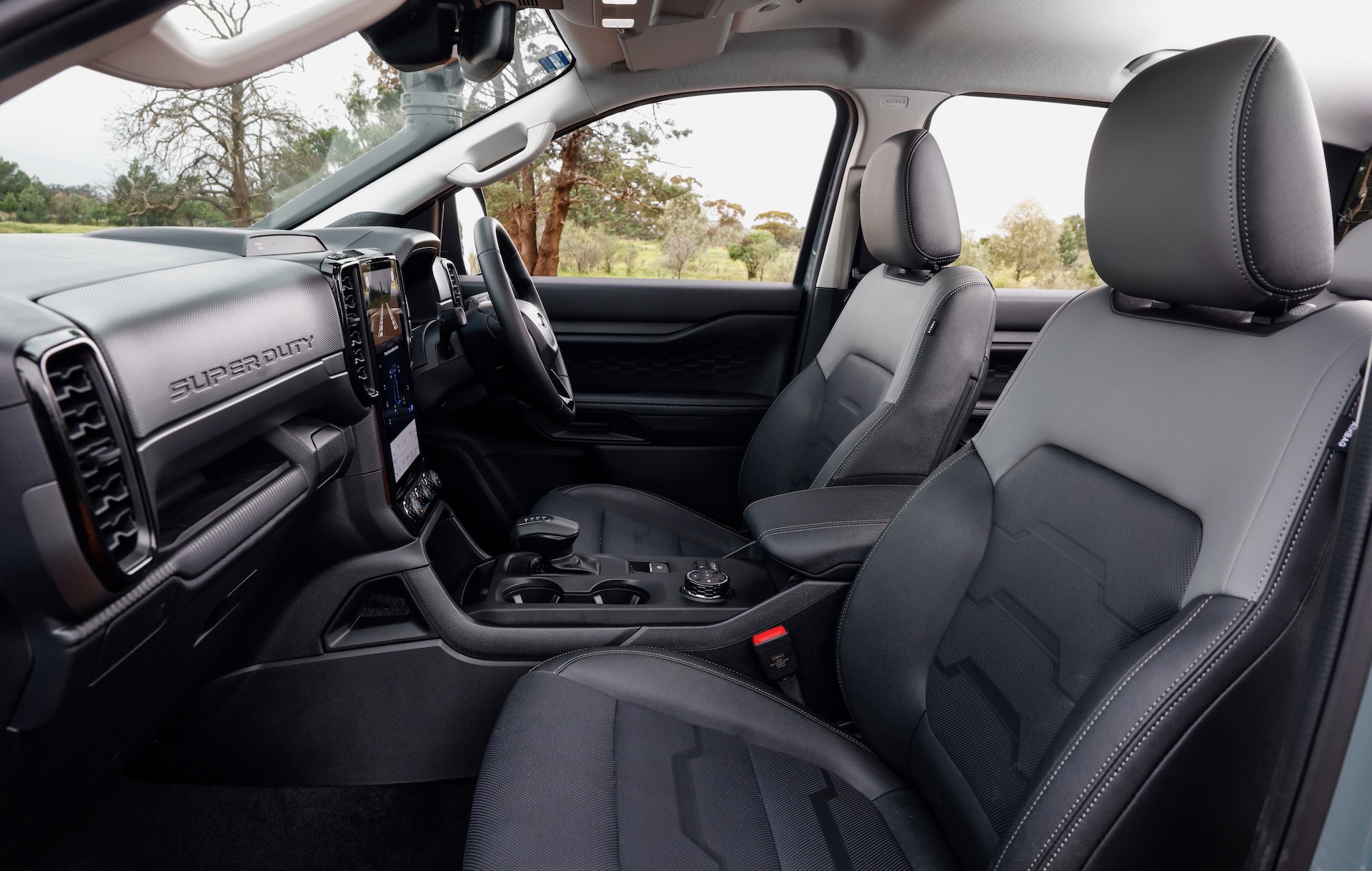
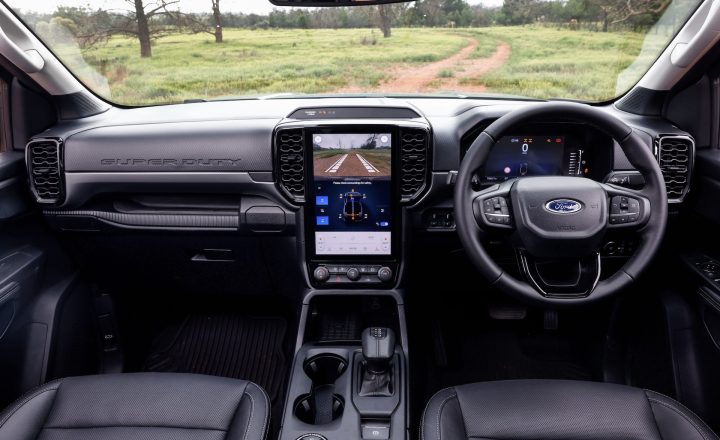
The XLT’s cabin upgrades might appear relatively minor on paper, but they make a meaningful difference in day-to-day use. You get heated and ventilated front seats, immediately lifting the touring credentials. Likewise, carpet flooring creates a warmer, more welcoming environment compared with the vinyl flooring fitted to non-XLT Super Duty grades.
Ford says it has also applied additional noise-insulating materials around the dashboard and A-pillar. Paired with the carpet floor, on-road refinement is enhanced compared with the non-XLT Super Duty. It’s quieter at highway speeds, with a slight reduction in vibrations and harshness coming through.

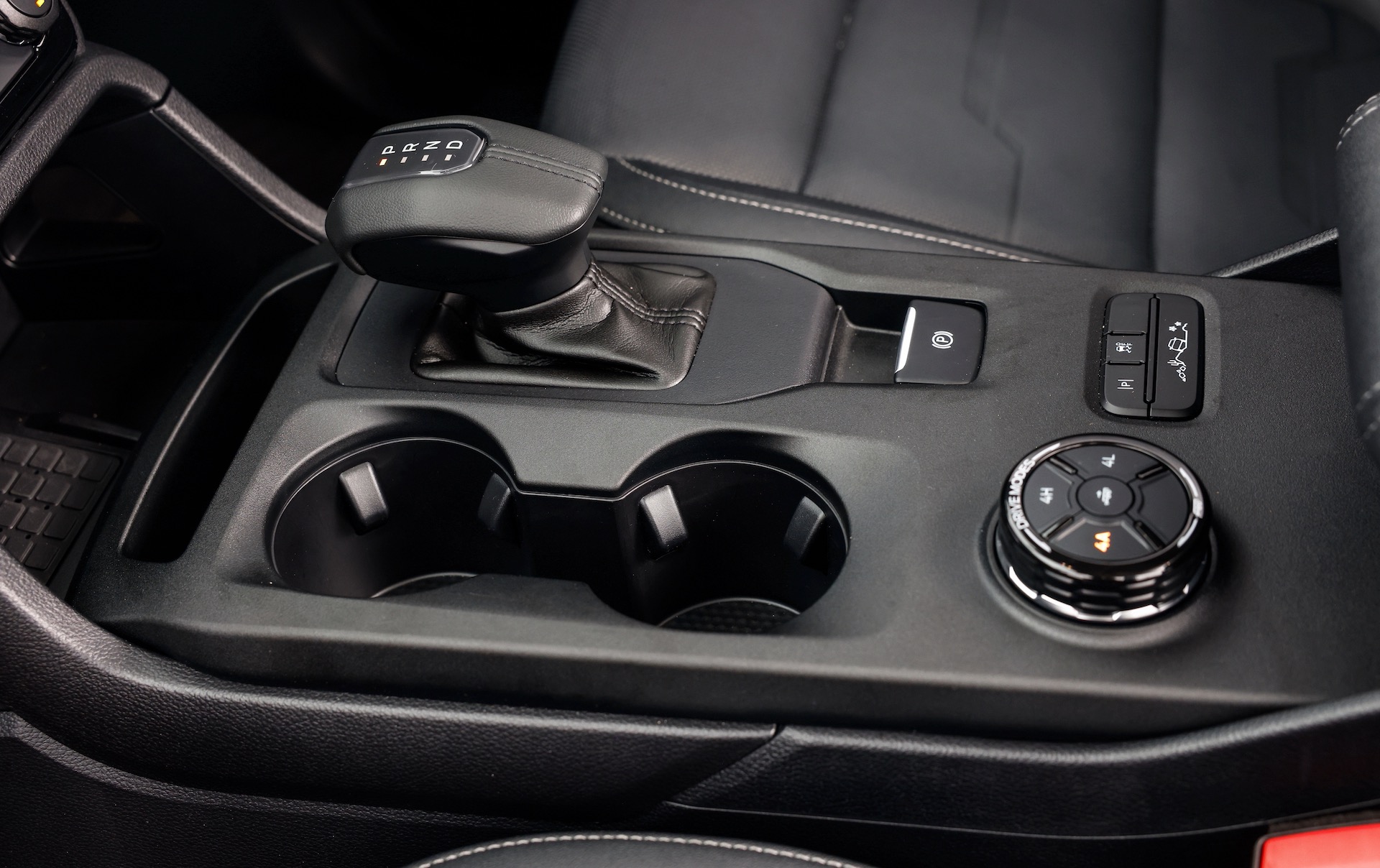
It’s still recognisably a Ranger inside, which means ergonomics remain strong and the driving position is excellent. Visibility is commanding, and the controls are easy to reach, with plenty of physical buttons and knobs to push and spin for the main climate settings. A 12-inch vertical-style touch-screen contains everything else.
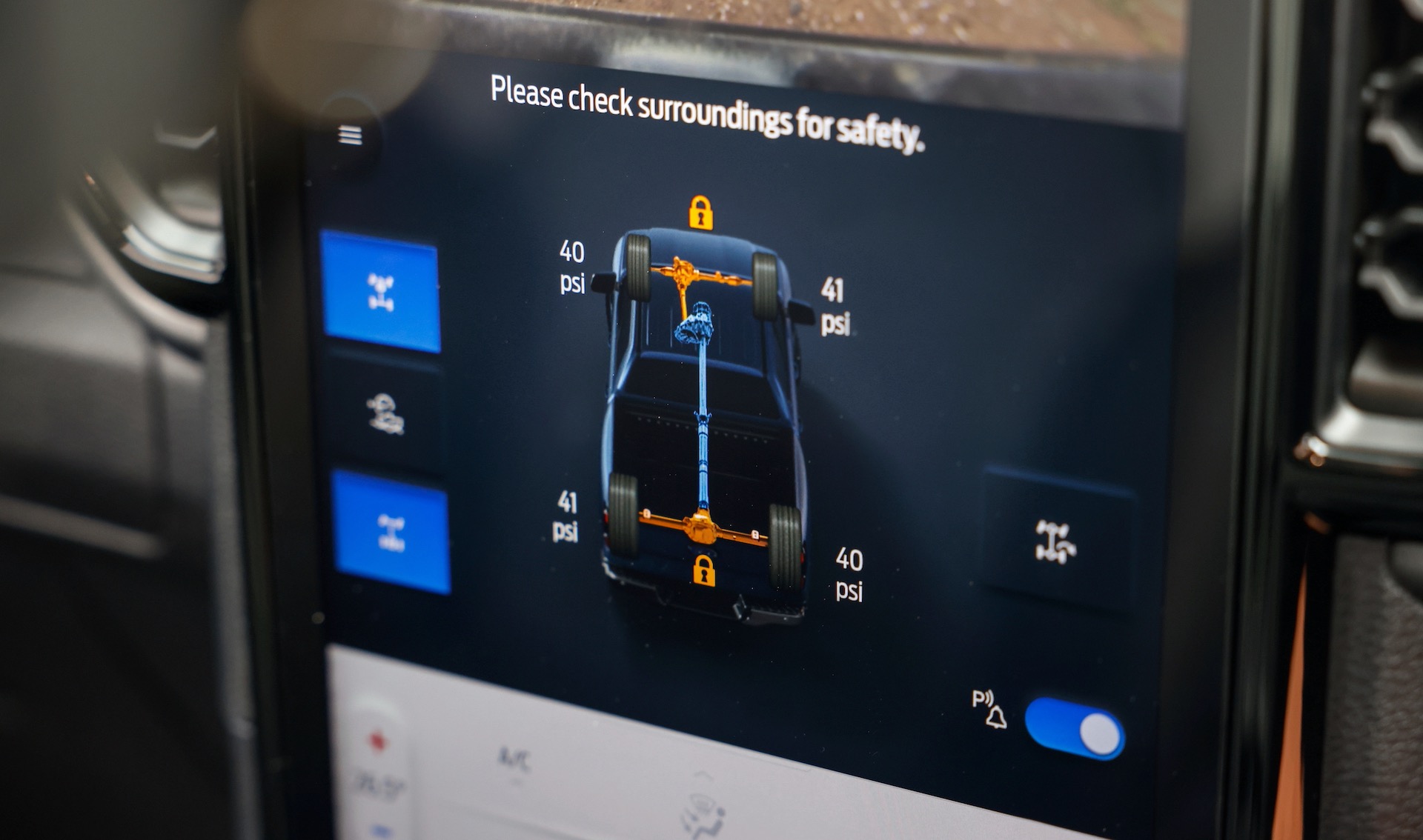
Android Auto and Apple CarPlay are available (wireless and wired), and there’s a wireless phone charger as standard, climate vents in the back for the dual-cab models, and a digital gauge cluster with configurable displays and themes – including an off-road page with real-time angle readouts and drive status monitor.
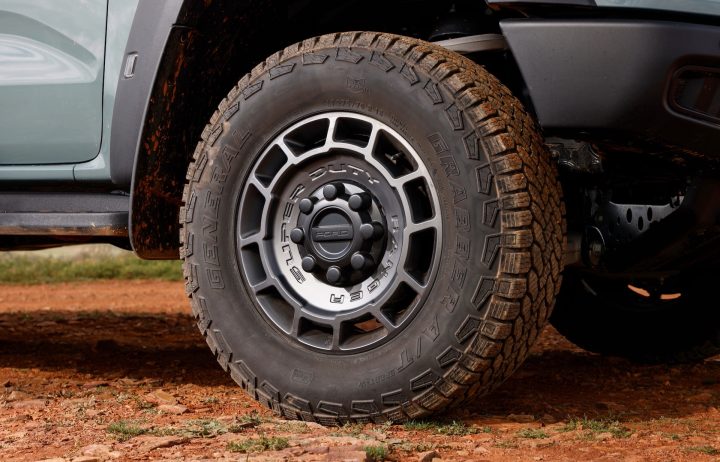
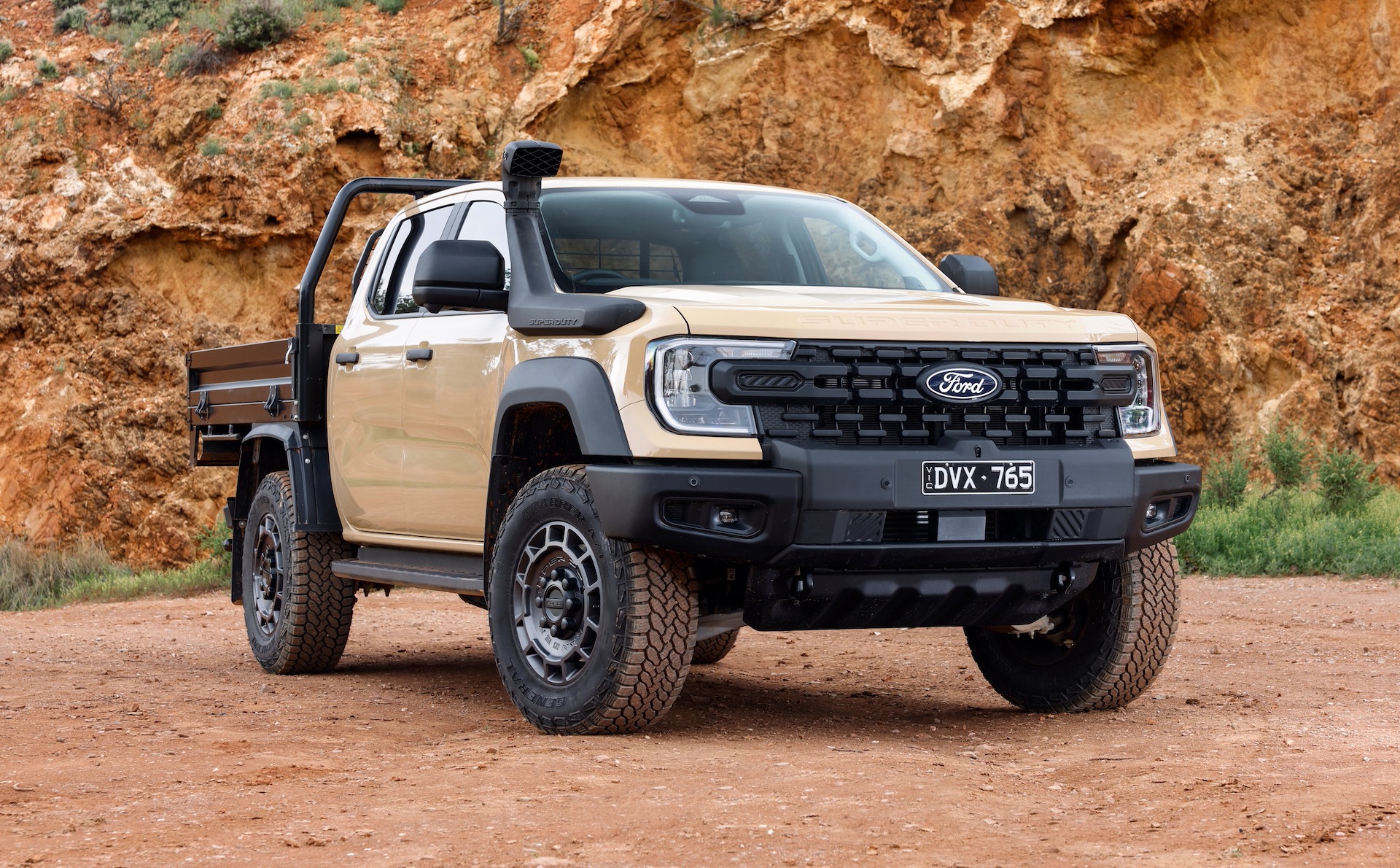
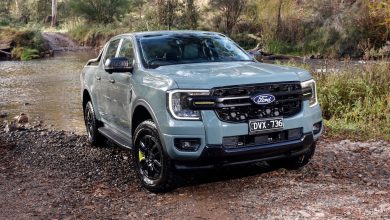
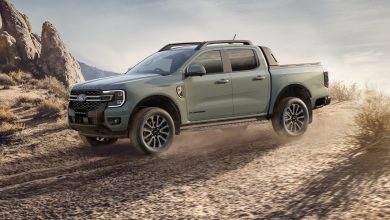
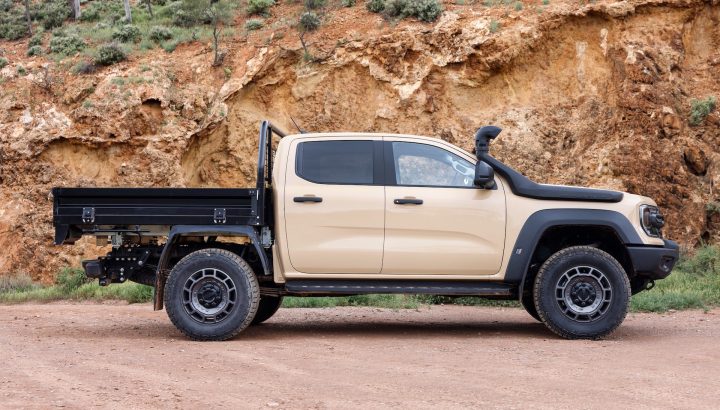
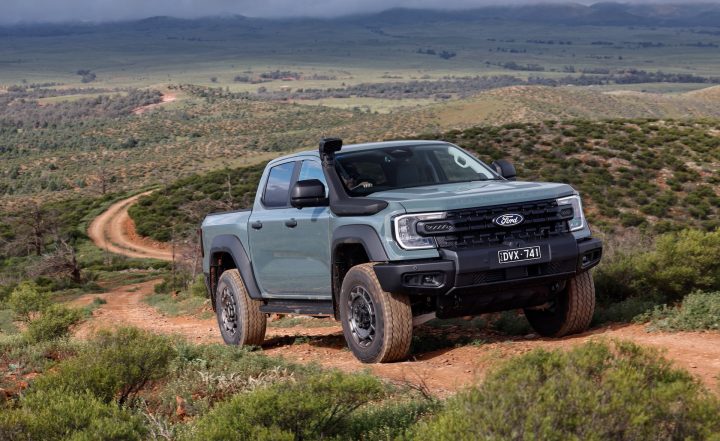
For touring buyers, the new style-side dual-cab body also broadens the vehicle’s appeal. The internal tub dimensions are identical to the regular Ranger, which means aftermarket accessories such as canopy options are interchangeable. However, the body is wider, with big wheel arch flares accommodating the General Grabber 275/70 all-terrain tyres, and XLT-specific 18-inch alloy wheels.
Payload is rated at 1697kg in the flagship dual-cab body-style tub. The same 8000kg gross combination mass (GCM) carries over from the regular Super Duty, along with a 4500kg GVM and 4500kg braked towing capacity. If you hook up a 4500kg trailer, you’ll have 1247kg GVM leftover by the time you subtract the 2803kg kerb weight and 450kg download. However, you’ll run into the GCM first, with 697kg leftover once the kerb weight and 4500kg trailer are subtracted from the 8000kg limit.
Going with the dual-cab chassis and genuine steel tray adds about 130kg. As in, the body-style tub is 130kg lighter than the steel tray. However, kerb weighs are different and are rated without a tray, which makes it difficult to calculate leftover GVM and GCM ratings. But it is going to be pretty similar nonetheless. Single-cab and super-cab XLT versions are coming later this year as well.
2026 Ford Ranger Super Duty XLT: Powertrain & handling
Under the bonnet sits Ford’s familiar 3.0-litre V6 turbo-diesel, derated to produce 154kW and 600Nm specifically for the Super Duty. This is down from 184kW in the regular V6 Ranger, and is the result of unique emissions calibrations that are required for this vehicle type (heavier duty standards). Torque remains unchanged from the regular Ranger V6. We timed 0-100km/h in a yawn-inducing 12.19 seconds with our Vbox.
While there’s no shortage of pulling power at low engine speeds, outright performance feels underwhelming considering the vehicle’s increased weight and capability. In saying that, the V6 remains very smooth and refined. In fact, it would be easy to fool a passenger into believing it is a petrol engine, because it is that quiet. No clunky or clattering diesel character here.

Given the Super Duty’s role as a heavy hauler, a modest power increase over the standard Ranger V6 would have been welcome. The abundant torque means it never feels strained in normal driving, yet there are moments where more power would improve overtaking performance and overall drivability, particularly when towing near its limits.
What the Super Duty might lack in straight-line pace, it more than makes up for with its chassis. The suspension setup is arguably one of the vehicle’s greatest achievements. It absorbs poor-quality Australian roads with remarkable composure, smoothing out corrugations, potholes and broken bitumen while maintaining a reassuringly planted feel. More impressive is that it achieves this while retaining the load-carrying and towing capability expected of a vehicle designed to haul serious weight.

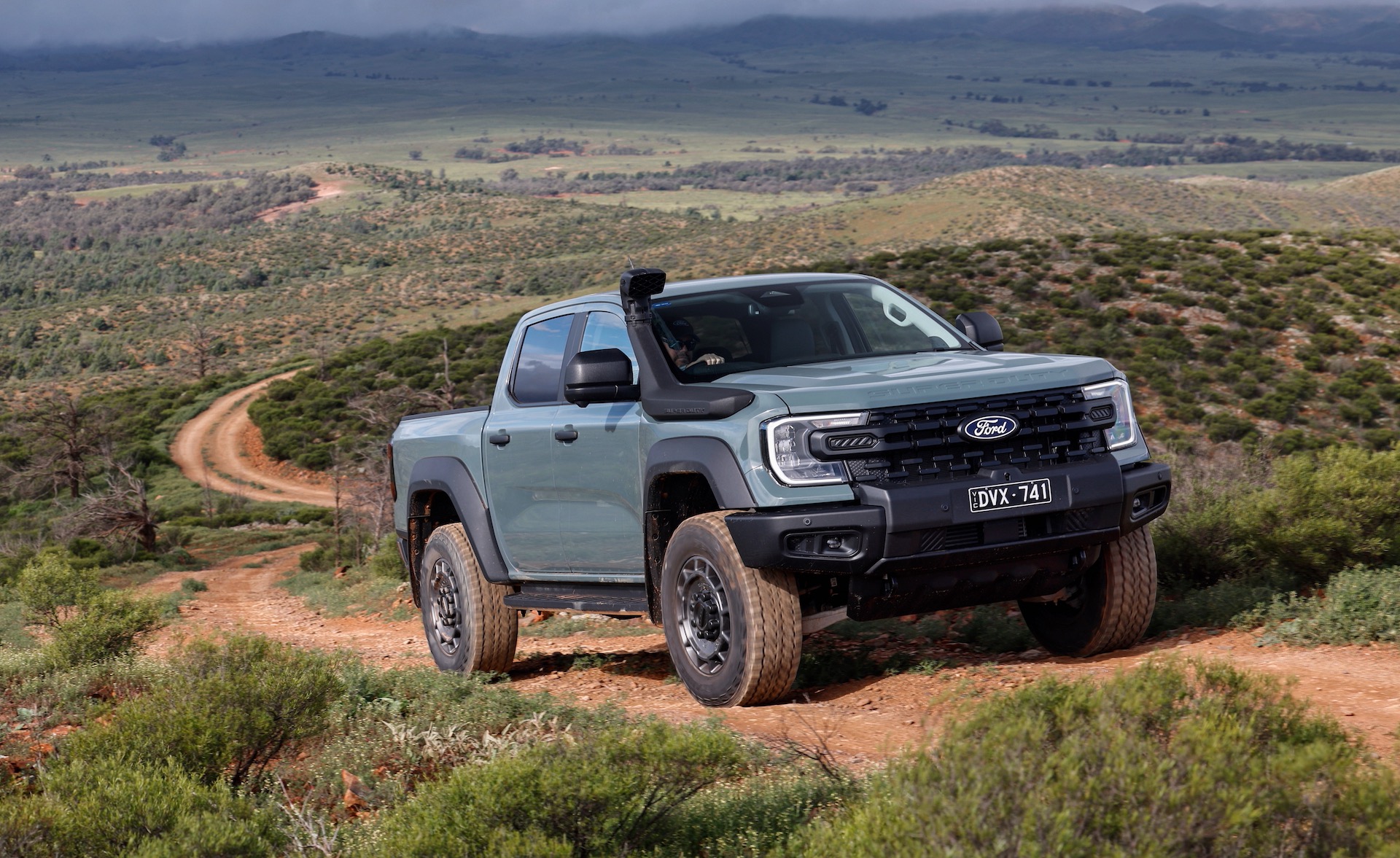
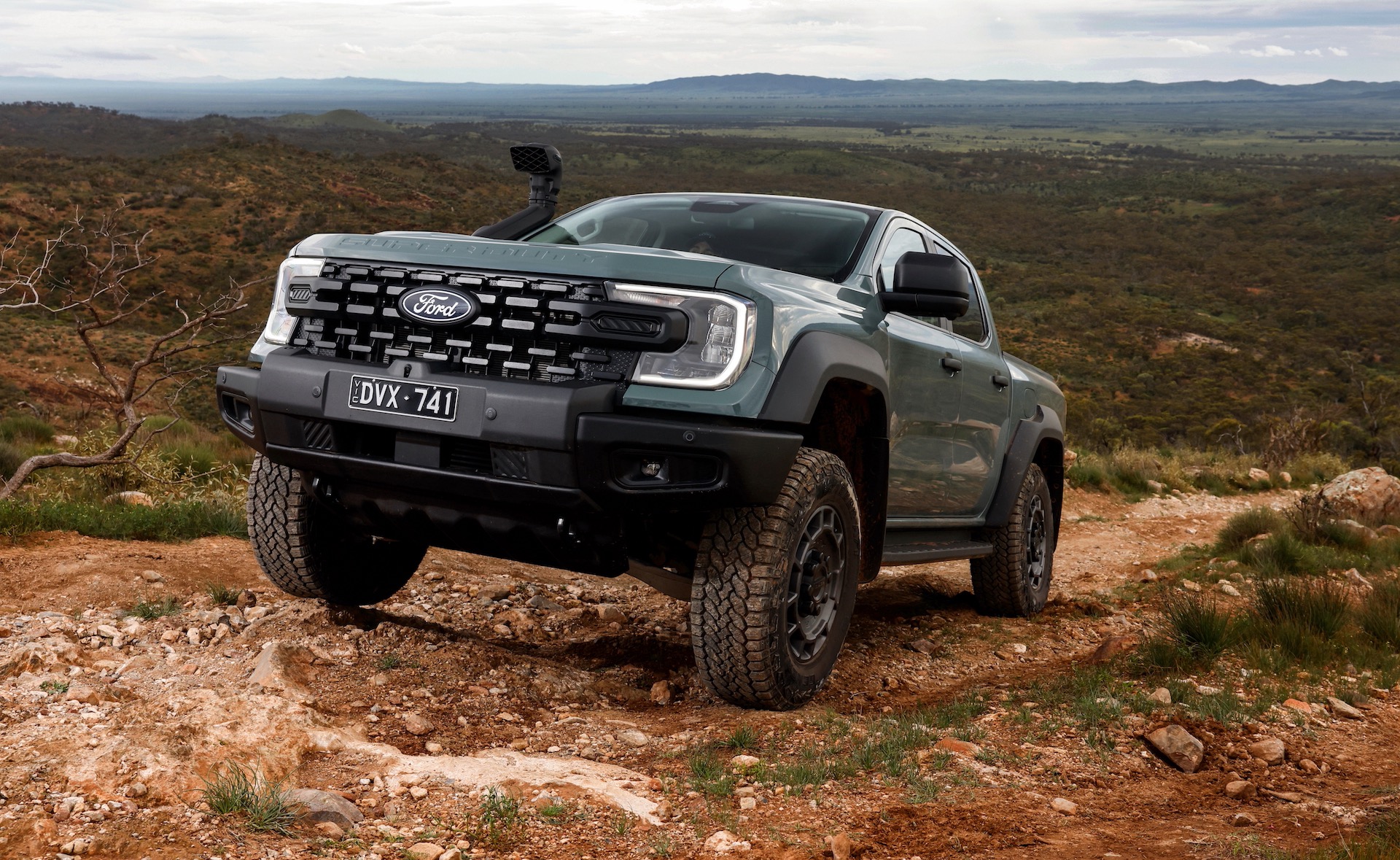
Off road, the Super Duty borders on unstoppable. Front and rear locking differentials, close to 300mm of ground clearance, substantial wheel travel and robust underbody protection allow it to tackle terrain that would stop many standard dual-cab 4×4 utes in their tracks.
Even during challenging off-road sections during this launch event at Bendleby Ranges, near Flinders Ranges, the level of engineering was immediately evident. It hardly touched the underbody, and when it did, it was just the optional rock sliders. We all ran the tyres pressured down to around 25psi to help them flex around jagged rocks and to minimise the chance of a puncture.
There is no doubt, this is one of the very best factory off-road vehicles money can buy right now. And you don’t need to customise this at all. It’s ready to go straight out of the box. Ford does offer a range of genuine accessories if you do want to add your own personality and these are all covered by the factory warranty. Of course, there are endless aftermarket options as well.
2026 Ford Ranger Super Duty XLT: First impressions
The Ranger Super Duty XLT successfully bridges the gap between a commercial-grade workhorse and a long-distance touring vehicle. The additional comfort features may seem modest, but they transform the living experience, especially handy for those spending significant time on the road. And how’s that design? Especially in top-spec dual-cab style-side form, it is an absolute beast.
Its biggest weakness in our opinion is the powertrain. While the 3.0-litre V6 diesel delivers excellent torque and smooth refinement, the reduced power output leaves the Super Duty feeling slower than its capability suggests. Even the trusty old Toyota LandCruiser 70 Series is quicker than this by a good 2.0 seconds across 0-100km/h, according to our Vbox tests (we recorded 10.10 seconds in the dual-cab auto). Not only that, look at any model from America that wears the Super Duty badge – none of them would be described as offering weak grunt.
2026 Ford Ranger Super Duty XLT: Video