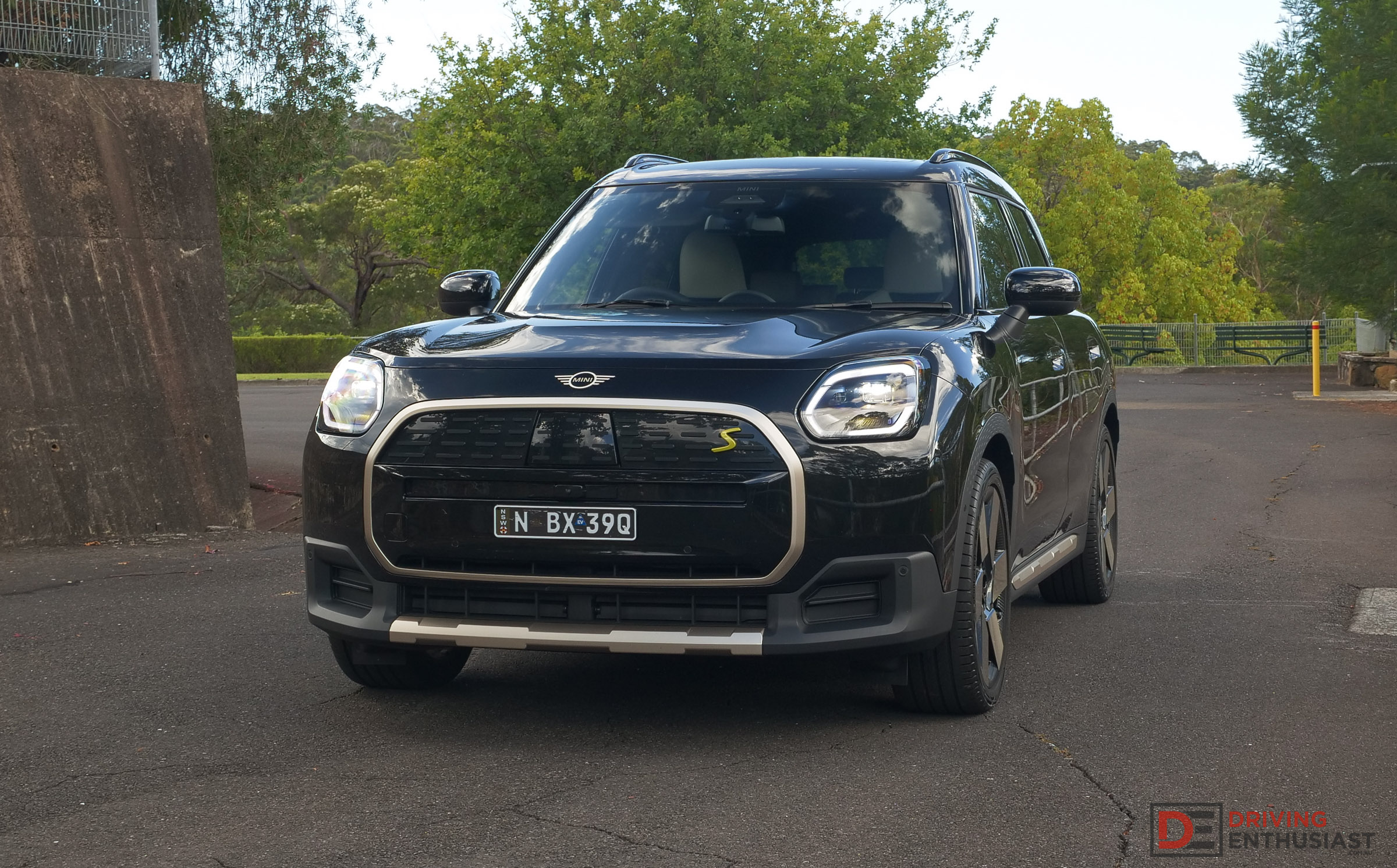
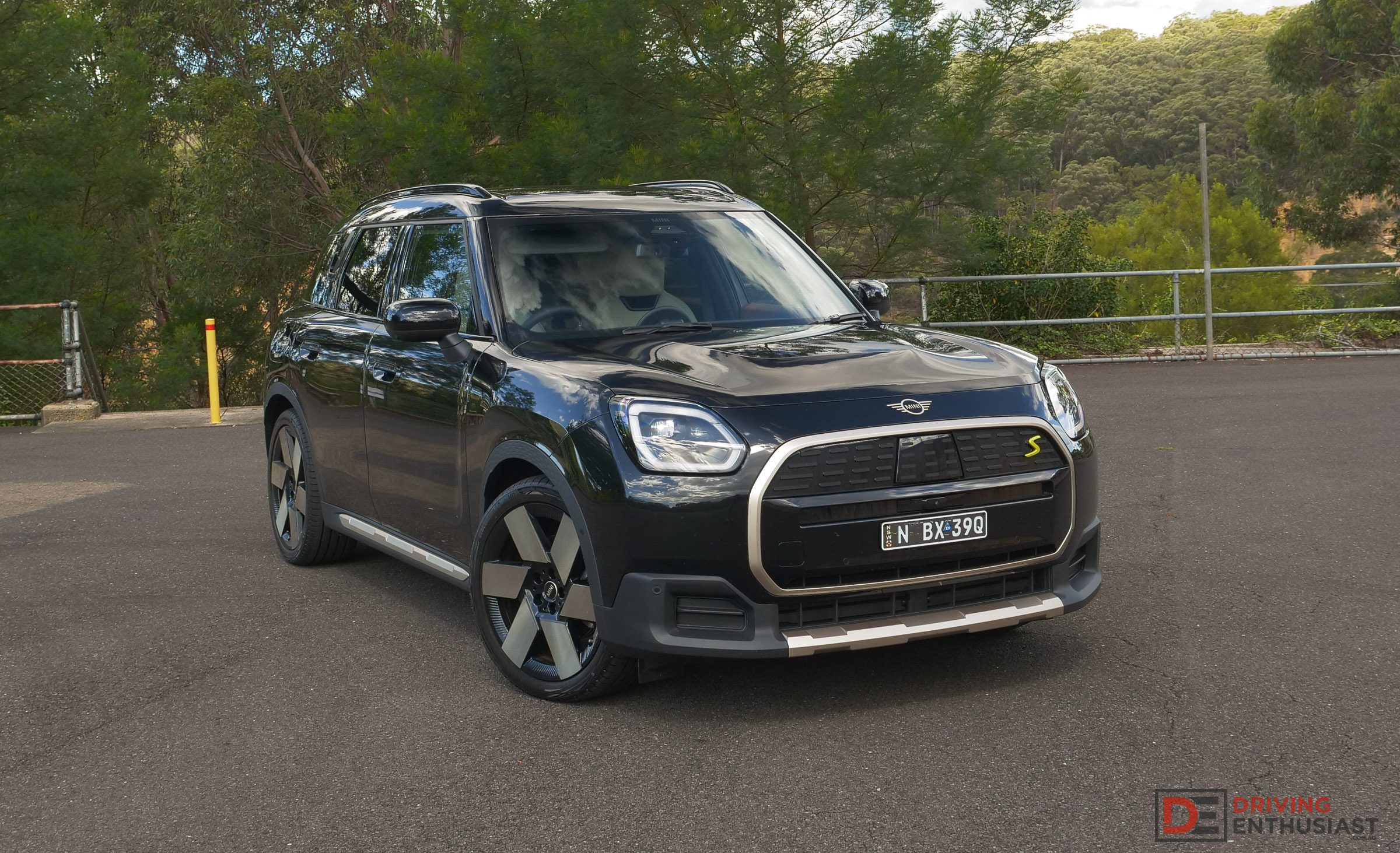
MINI has fundamentally repositioned the Countryman for its third generation. No longer a peripheral player in the compact segment, the 2026 Countryman SE (U25) has grown significantly in all dimensions to compete directly in the premium mid-size SUV category. This growth is a deliberate move to transition the brand’s traditional enthusiast base toward electrification while capturing families who previously found the brand’s offerings too restrictive for a primary vehicle.
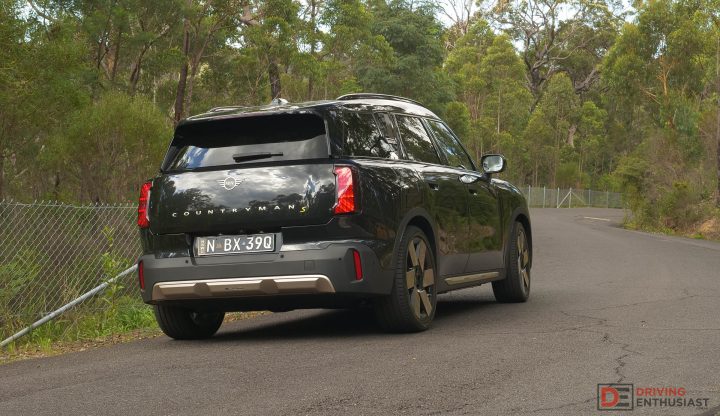
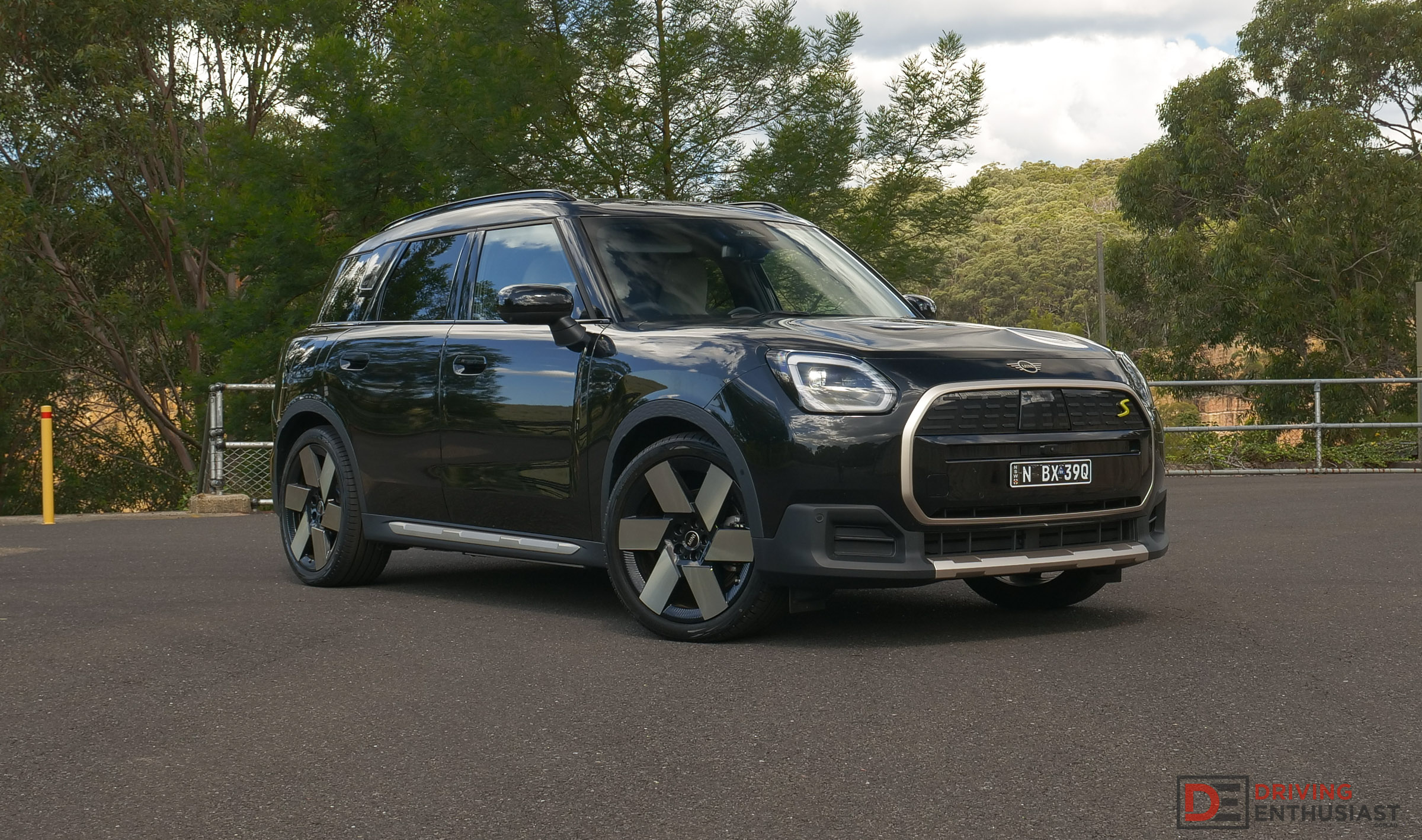
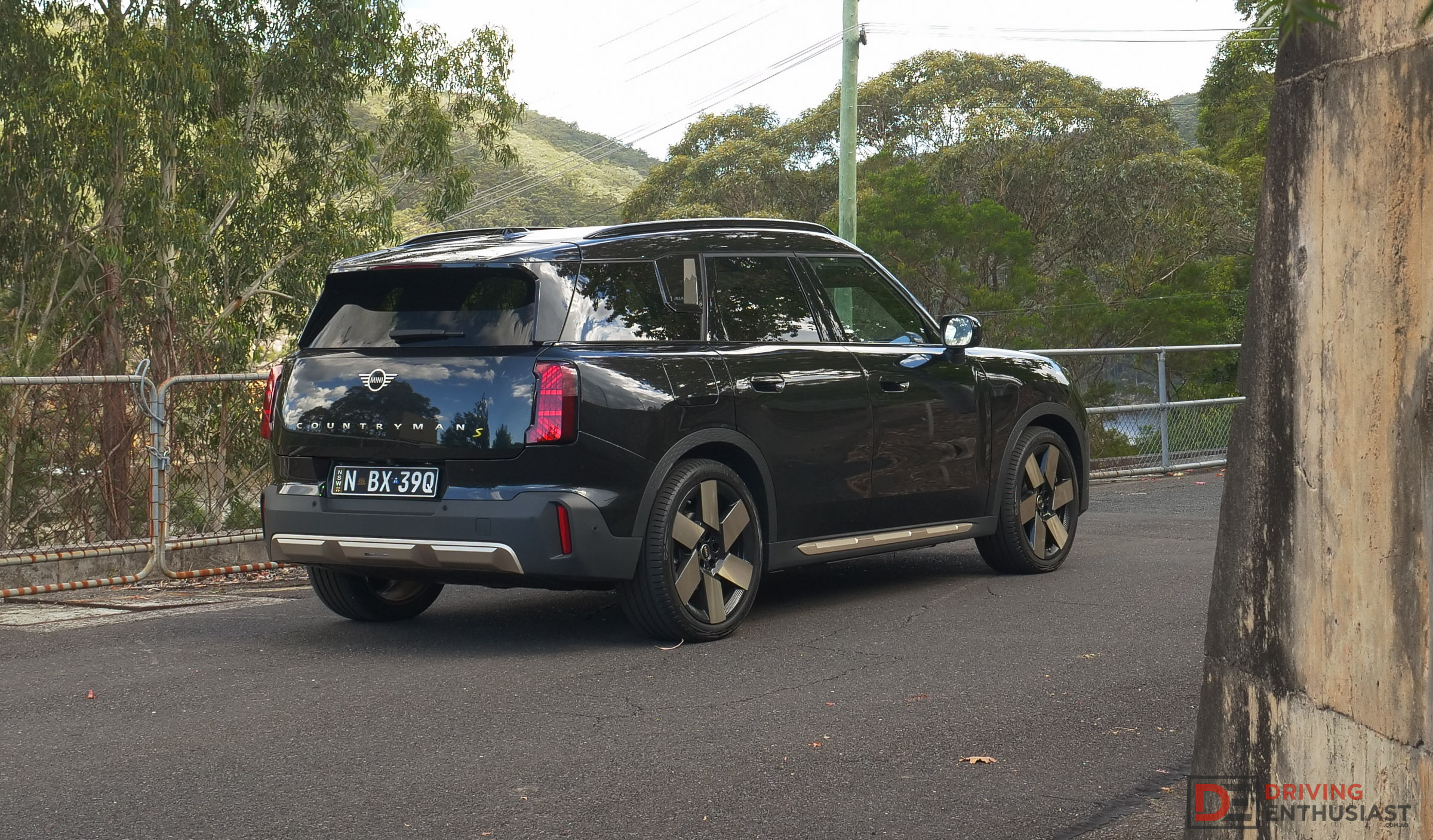
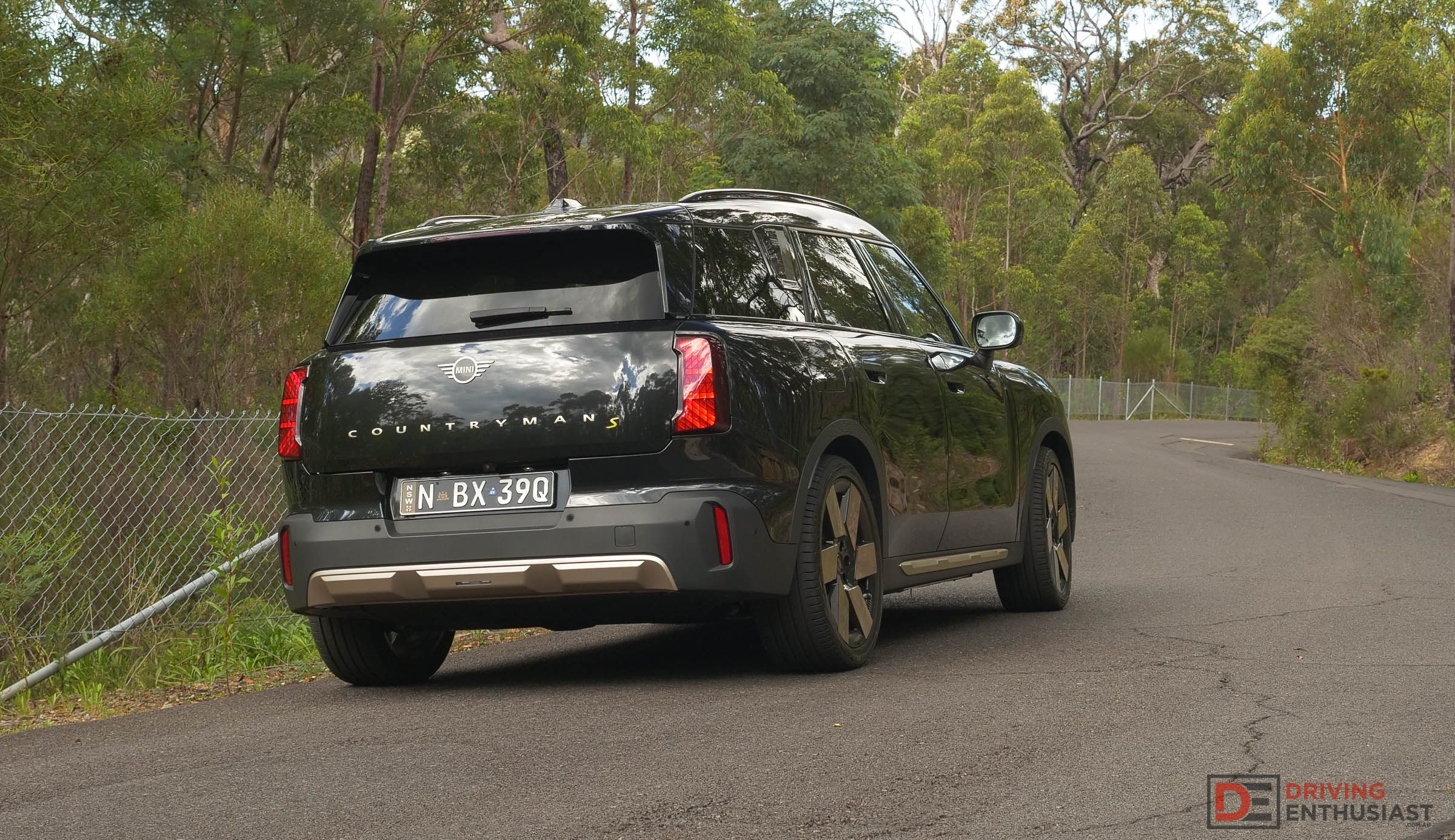
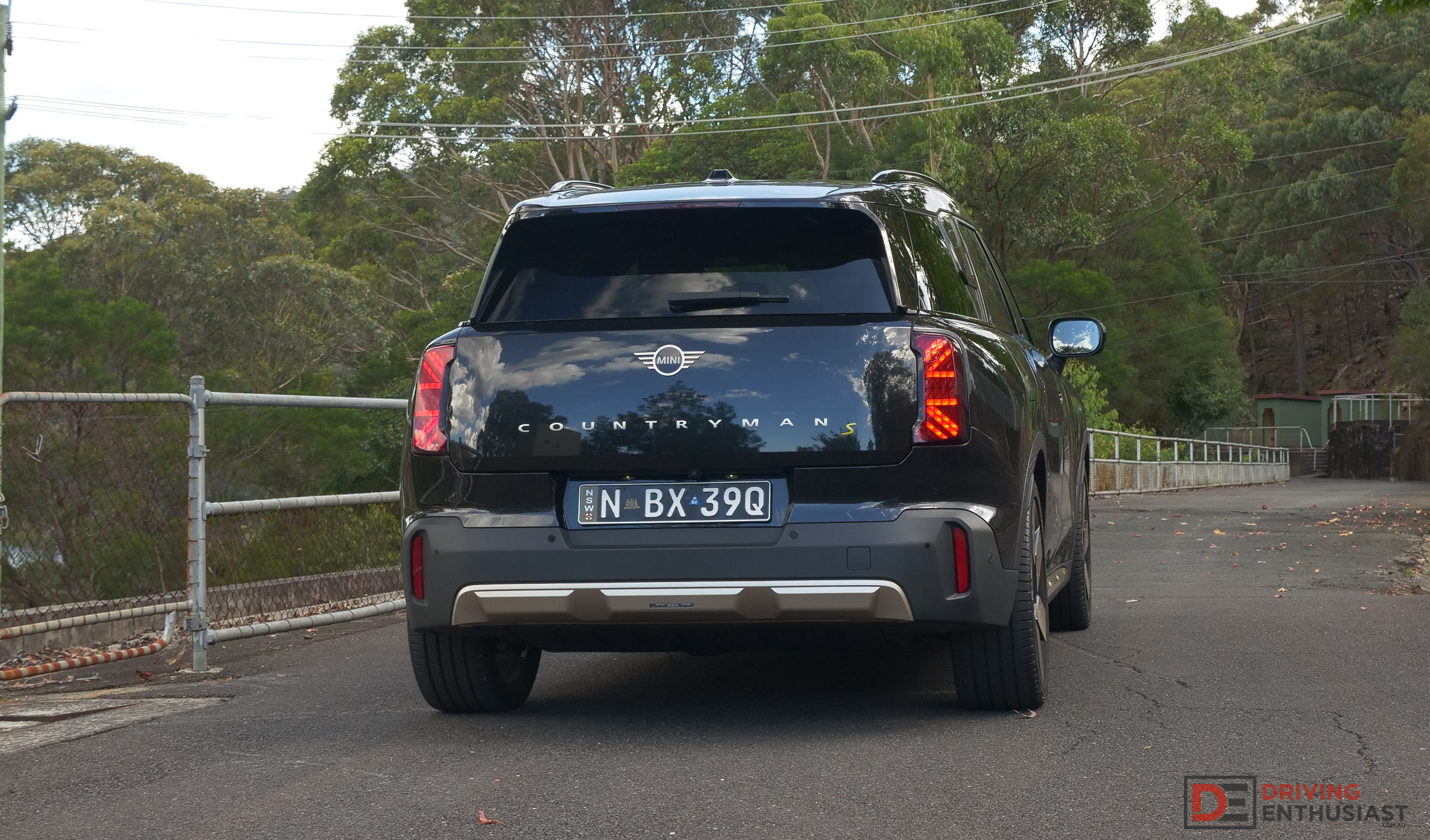
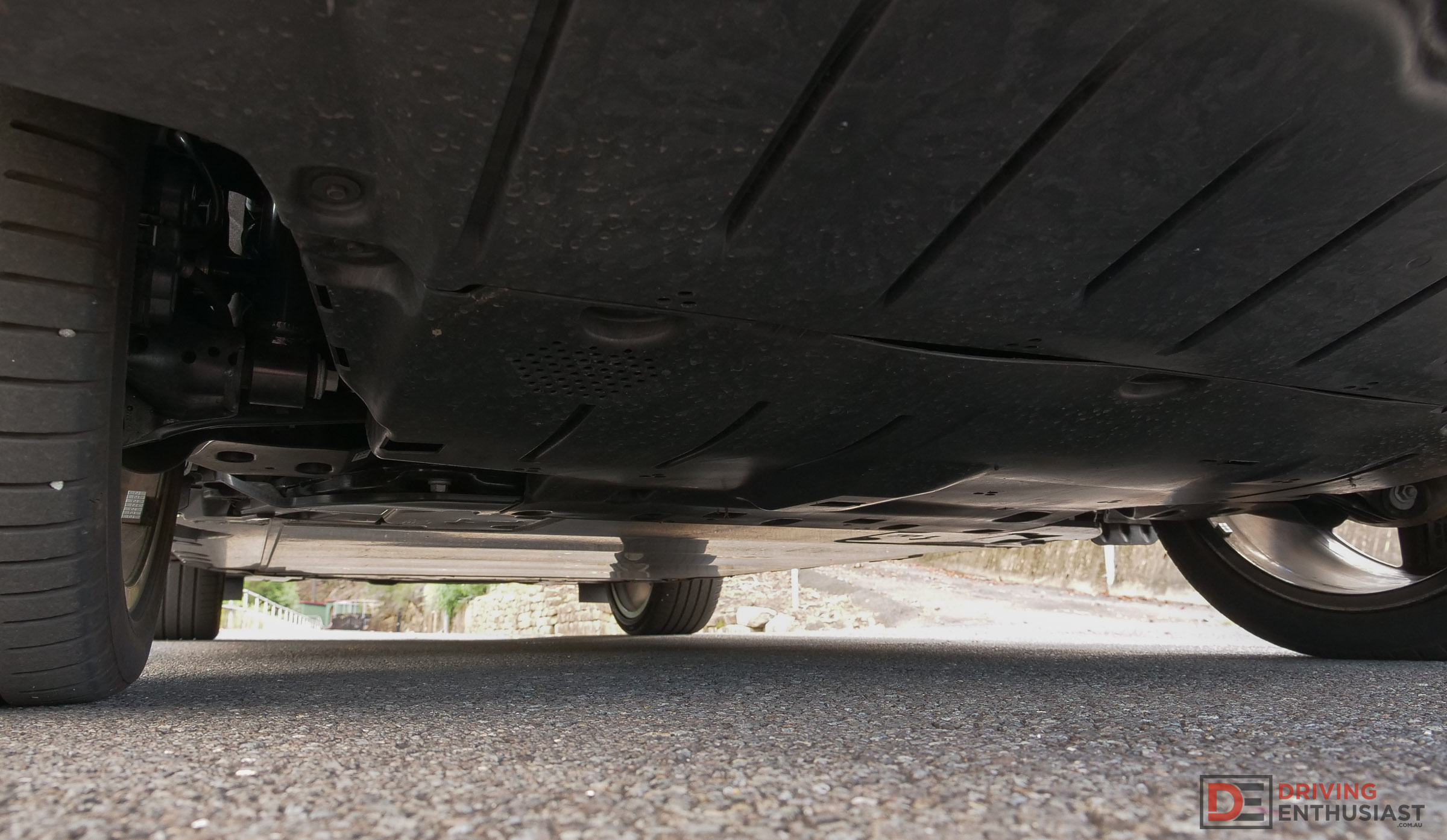
The Countryman SE shares its underlying FAAR architecture and electric powertrain with the BMW iX1. In fact, if you park the new Countryman next to an iX1, the shared hardpoints become immediately obvious, which makes sense given both are now manufactured side-by-side at the BMW Group plant in Leipzig, Germany. Measuring 4433mm in length, 1843mm in width, and 1656mm in height, it is 130mm longer and 60mm taller than the model it replaces.
For buyers transitioning from internal combustion, the SE represents the performance-oriented peak of the local range, utilising a dual-motor, all-wheel drive configuration. Having this vehicle parked in the driveway during the recent petrol price shocks was incredibly timely; while my Ford Falcon G6E Turbo was parked up to avoid the pumps, the electric MINI proved to be a highly functional and amusing daily substitute.
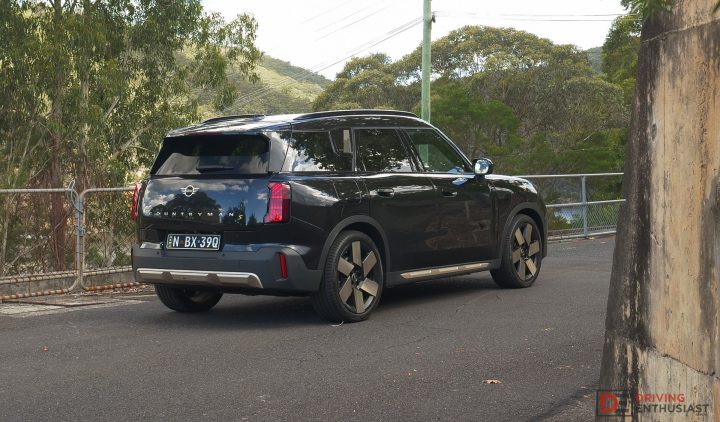
2026 MINI Countryman SE Favoured: Specifications
Electrical: 66.5kWh NMC battery, 2x e-motors
Output: 230kW / 494Nm
Gearbox: Single-speed auto
Drive type: All-wheel drive
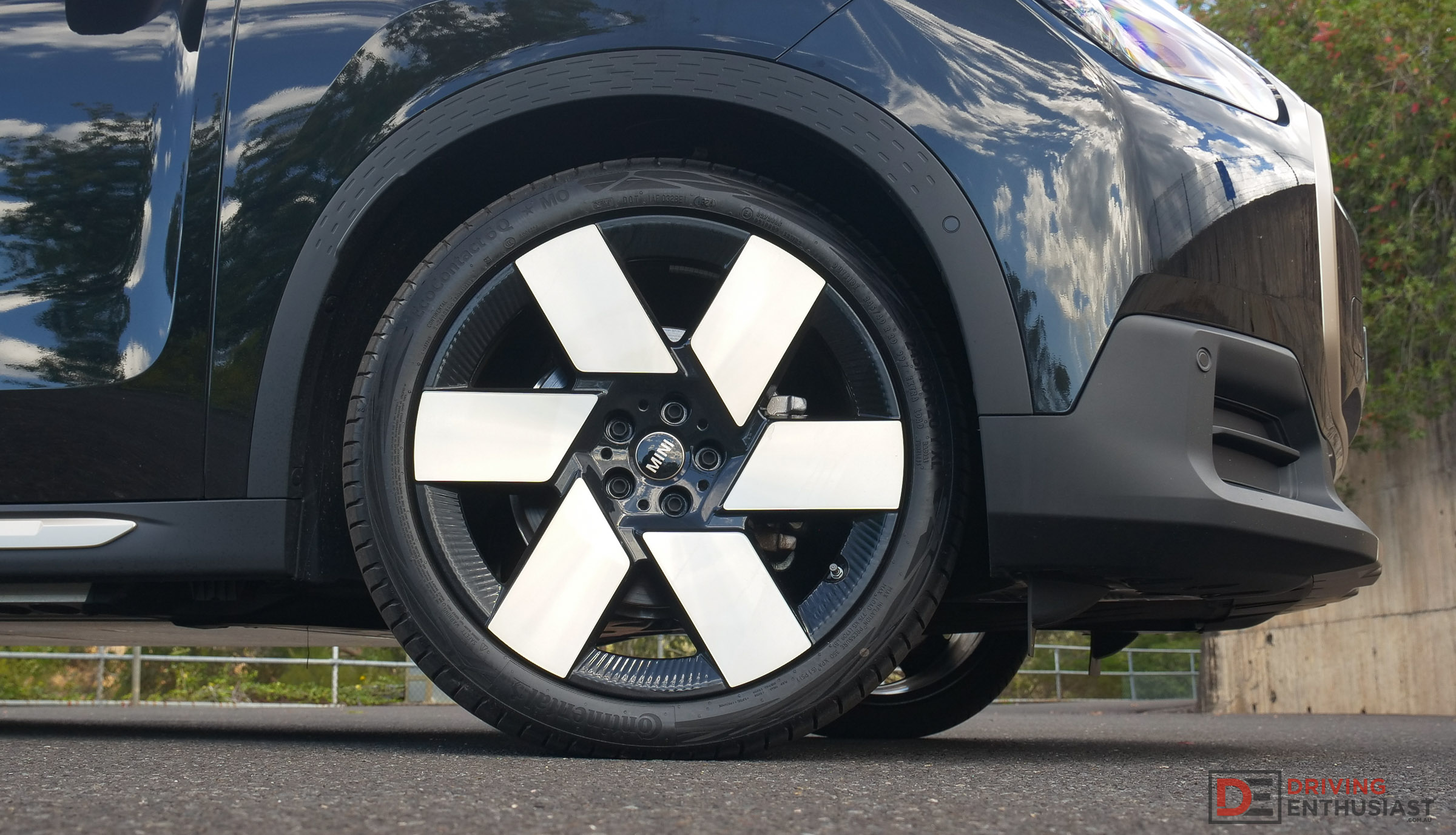
Wheels: F & R: 19×8.0, 245/45
ANCAP: Five stars
Kerb weight: 2000kg
Power-to-weight: 8.69:1 (kg:kW)
Official range (WLT): 433kmMax charging AC/DC: 22kW/130kW
0-60km/h: 2.71 seconds*
0-100km/h: 5.38 seconds*
60-110km/h: 3.56 seconds*
1/4 mile: 13.80 seconds at 165.8km/h*
Max acceleration: 0.922g*
100-0km/h braking: 39.01m in 3.19 seconds*
Max deceleration: -1.420g*
Starting price: $76,990
*Figures as tested by Driving Enthusiast on the day. Manufacturers’ claims may be different
2026 MINI Countryman SE Favoured: How much does it cost?
The 2026 Mini Countryman SE ALL4 is priced from $76,990 before on-road costs. In the context of the Australian market, this pricing is strategically positioned to navigate the complex landscape of electric vehicle incentives and taxation.
For buyers switching to an EV, several fiscal metrics are more relevant than the sticker price alone. Firstly, the Countryman SE sits comfortably below the Luxury Car Tax (LCT) threshold for fuel-efficient vehicles, which for the 2025-26 financial year stands at $91,387. Furthermore, for those utilising a novated lease, the SE remains eligible for the Federal Government’s FBT exemption on electric vehicles. Given the $76,990 RRP, this can translate to a monthly take-home pay saving of several hundred dollars compared to a similarly-priced petrol SUV, effectively lowering the Total Cost of Ownership (TCO).
MINI Australia offers a five-year, unlimited-kilometre warranty on the vehicle, while the high-voltage battery is covered by an eight-year or 160,000km warranty. Maintenance for the Countryman SE is condition-based, but MINI offers a ‘Service Inclusive’ package. For the electric model, a six-year, unlimited-kilometre service plan is priced at $1765. This averages out to roughly $294 per year. Given there are no oil changes or complex transmission fluids to manage, the routine maintenance is significantly cheaper than the equivalent petrol Countryman S, which costs approximately $2600 over the same period.
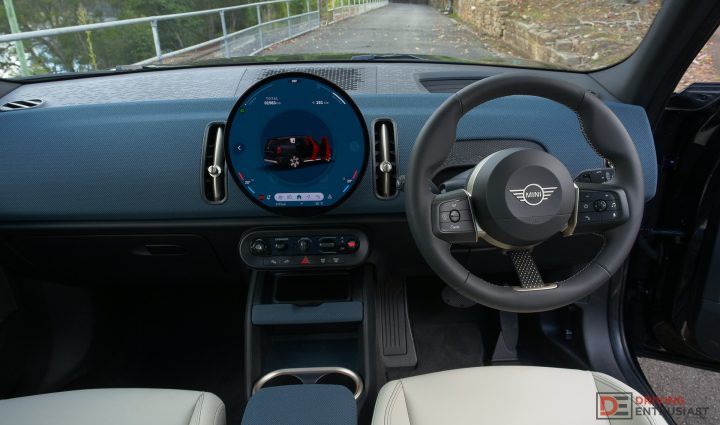
2026 MINI Countryman SE Favoured: Interior & packaging
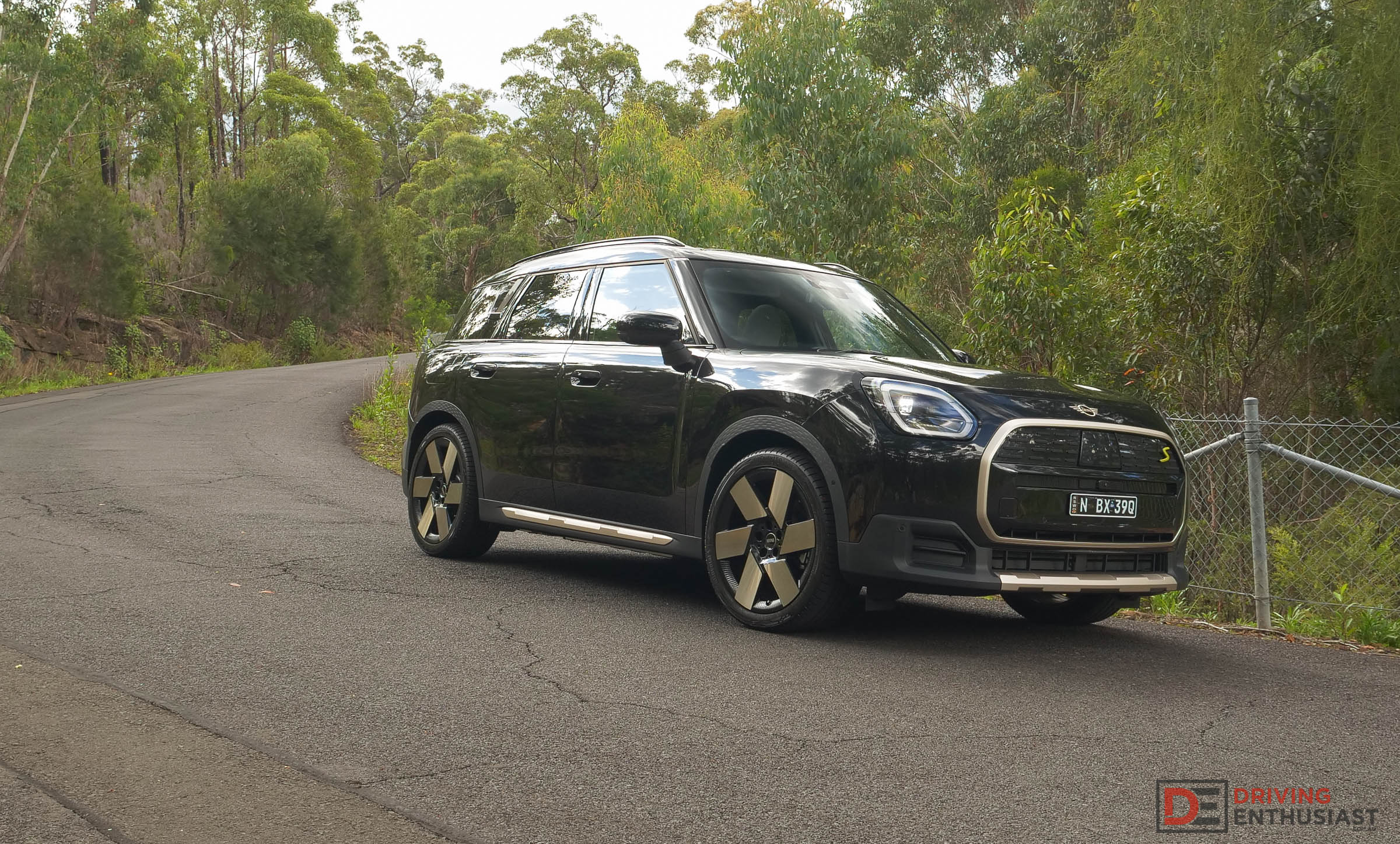
Standard equipment is extensive, as MINI has moved to a fixed-specification model to simplify the transition for buyers, with Classic, Favoured, and JCW Sport trim lines packaging a unique set of standard kit. The Favoured variant features 19-inch ‘Kaleido’ alloy wheels, adaptive LED headlights, a panoramic glass sunroof, and a 12-speaker Harman Kardon premium audio system.
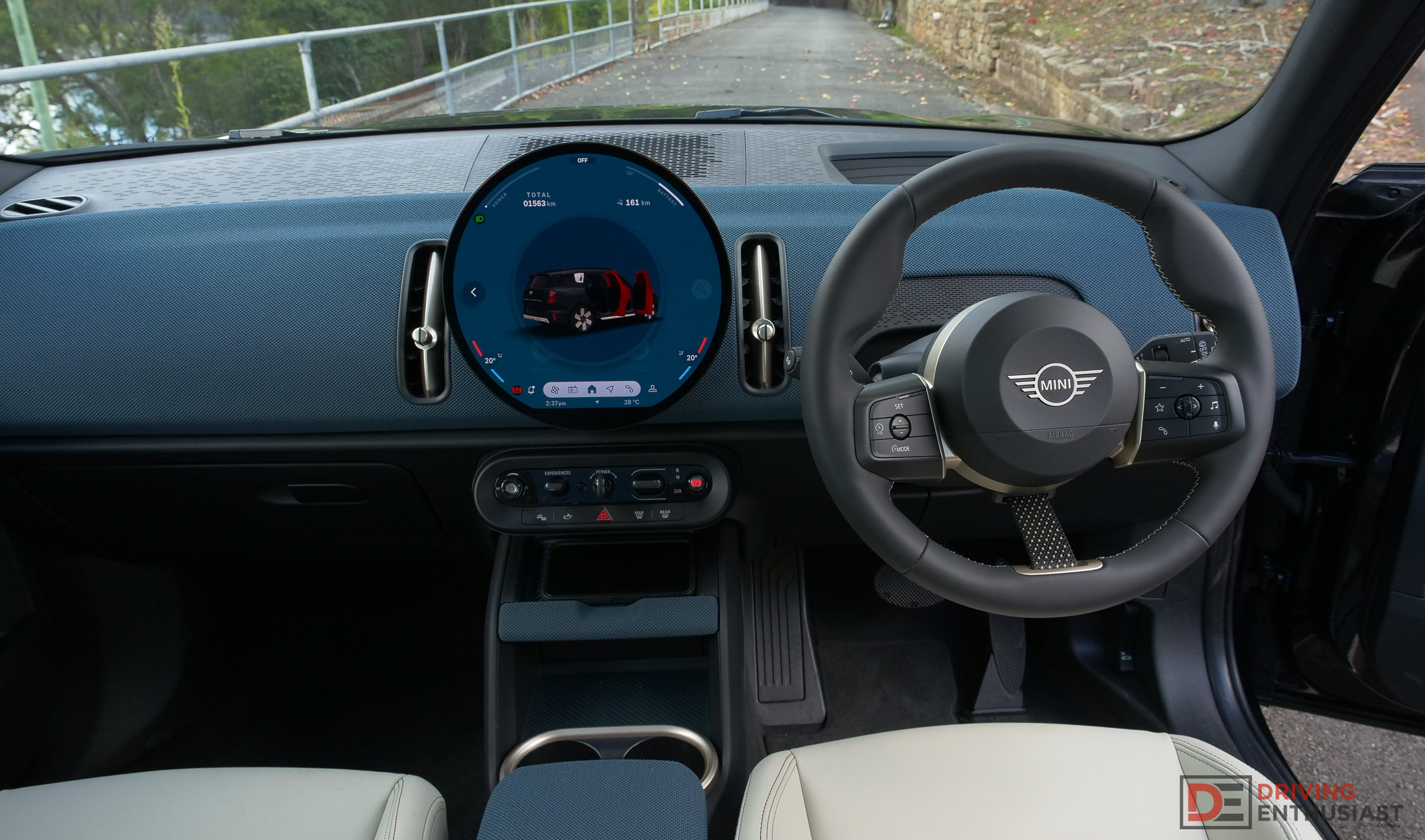
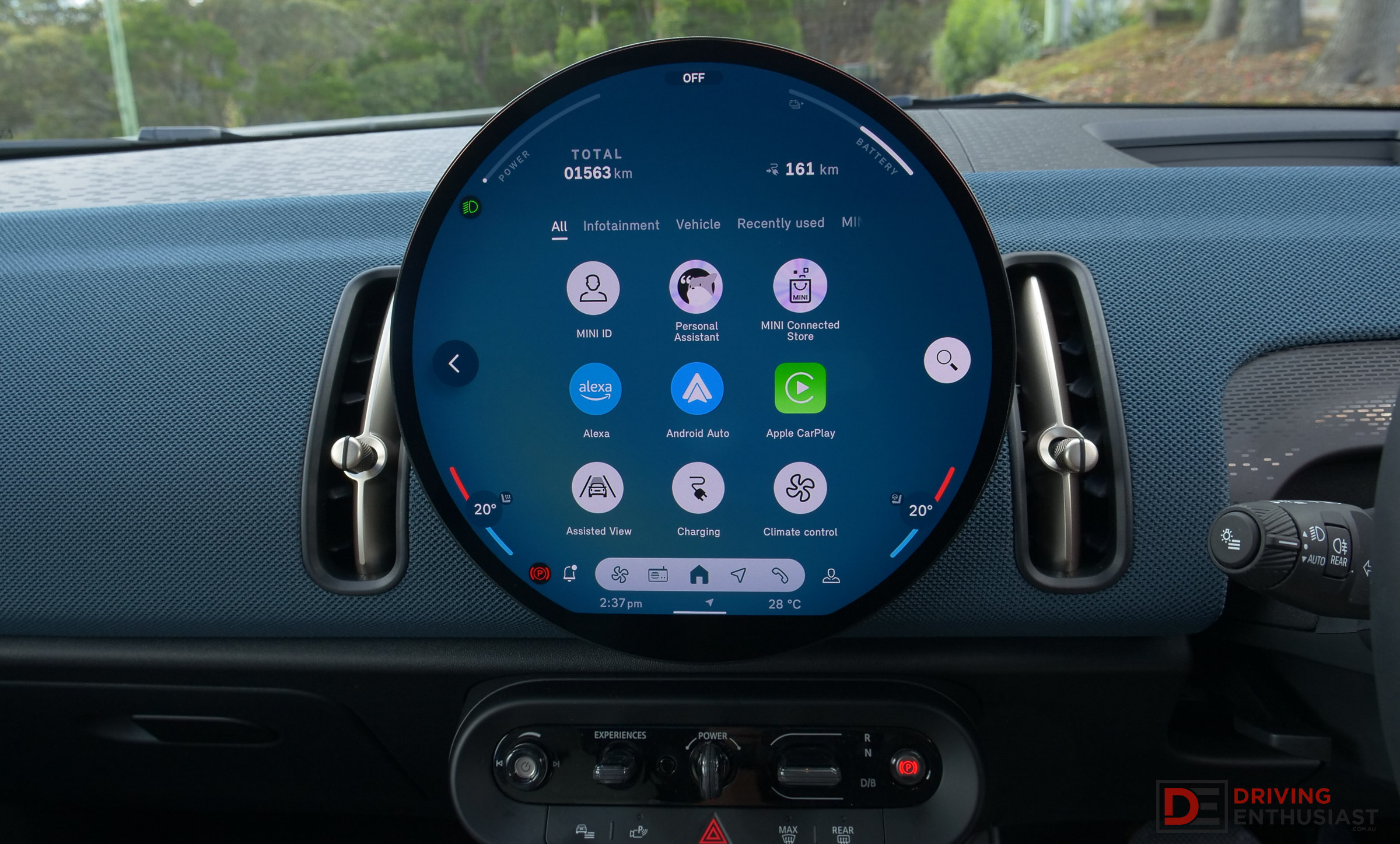
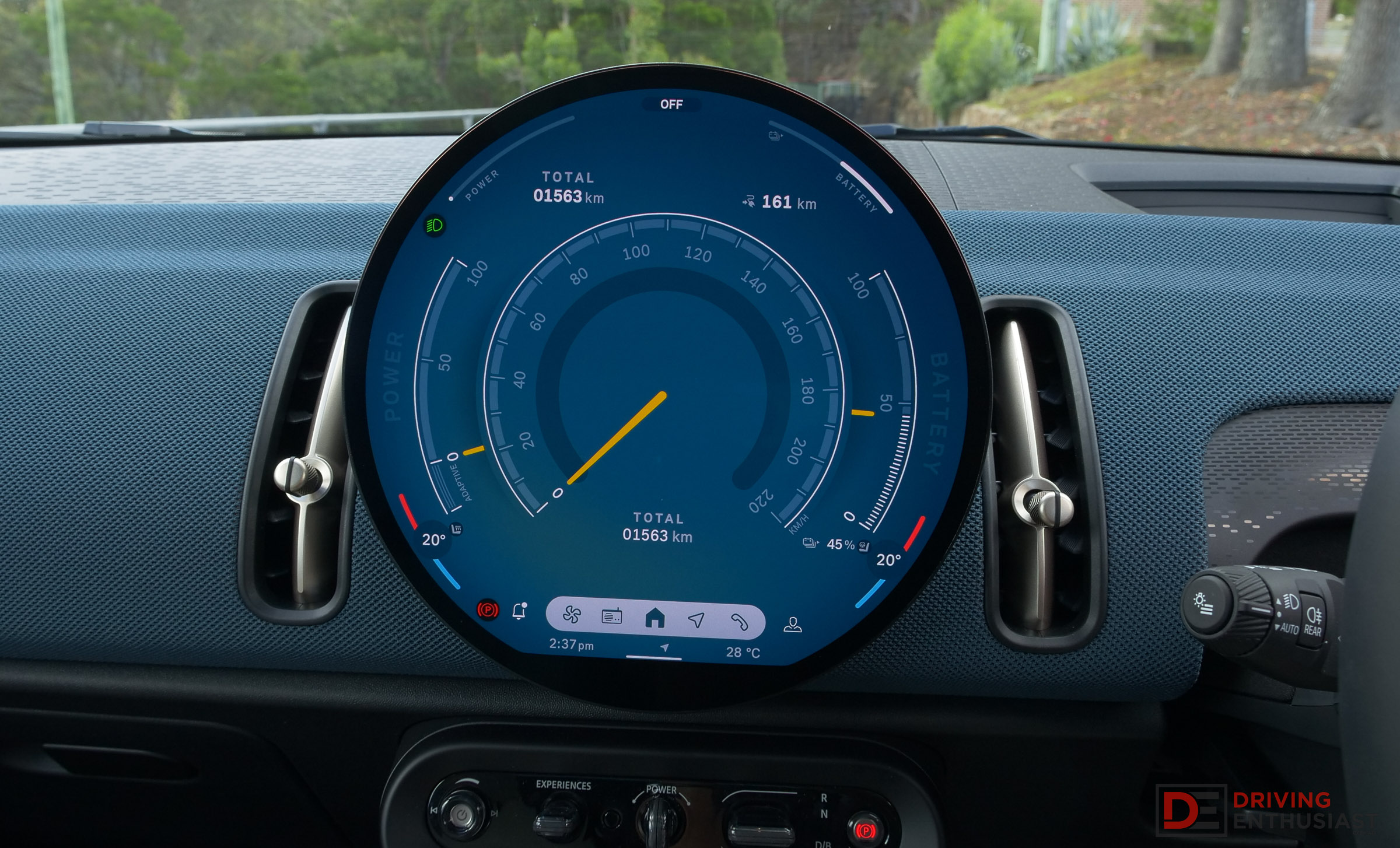
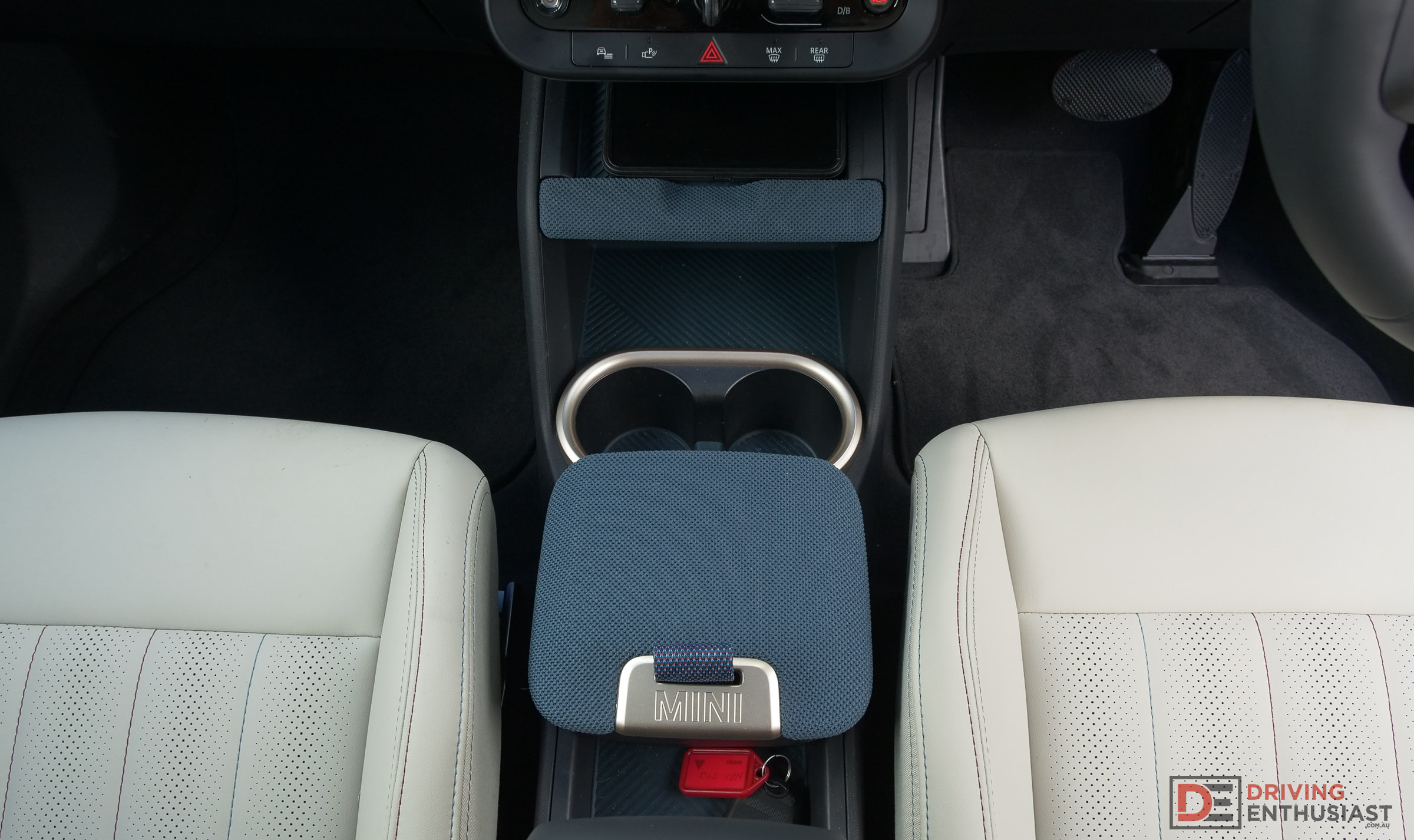
The interior design of the Countryman SE has a funky personality and completely deviates from traditional automotive layouts. It is dominated by a 240mm circular OLED display. This high-resolution panel functions as both the instrument binnacle and the infotainment hub. The way wireless Apple CarPlay and Android Auto are contained within the circular bezel is incredibly pretty; it heavily reminds me of the classic Philips Discoverer novelty television that looked like an astronaut helmet.
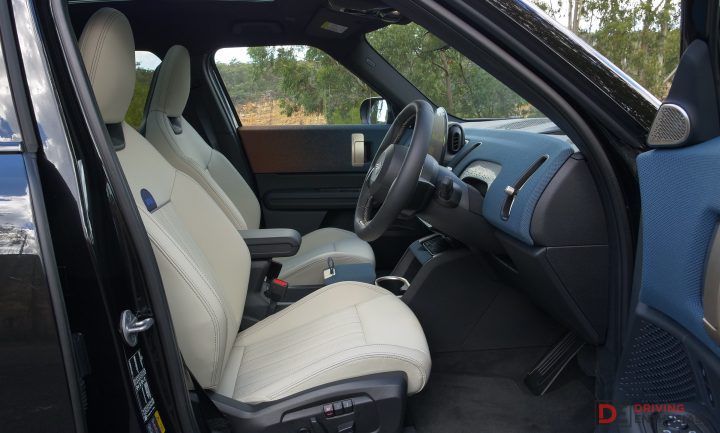
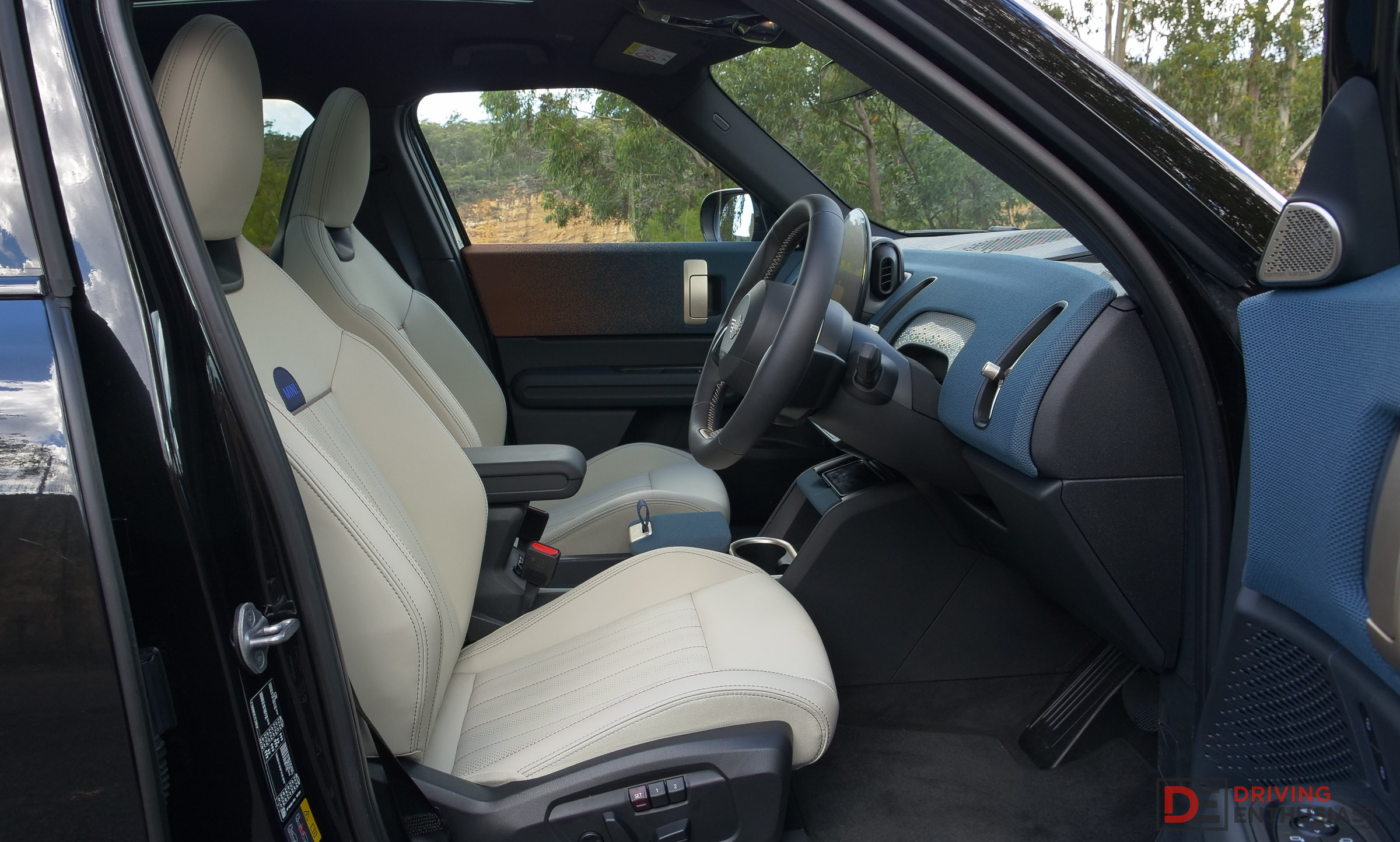
The dashboard and door cards are wrapped in a 2D-knitted recycled polyester textile. MINI has integrated ambient lighting that actively ‘breathes’ through this fabric, which looks fantastic at night. Audio fidelity from the Harman Kardon stereo is absolutely cracking, filling the cabin with a rich soundstage.
However, MINI has leaned heavily into form over function in some areas. Moving almost all physical buttons to the screen means it is impossible to adjust the HVAC on the move without significant distraction in our view. Similarly, while the front seats are comfortable, they lack extendable thigh support and a massage function – features you might expect at the near-$80,000 mark. Furthermore, the head-up display (HUD) utilises a pop-up plastic combiner panel rather than projecting directly onto the windscreen. Depending on your seating position, this panel frequently falls out of your natural eyeline, and is the ‘cheaper’ way to do this tech – but, again, near-$80k vehicle?
The digital experience is fronted by ‘Spike’; the MINI Intelligent Personal Assistant. While the animated creature is cute and its on-screen text looks exactly like the font from an Optus commercial, the voice recognition requires patience. After several frustrating, misunderstood attempts to change the audio source, a sharply enunciated, “I want to f***ing listen to Triple J” finally saw it oblige.
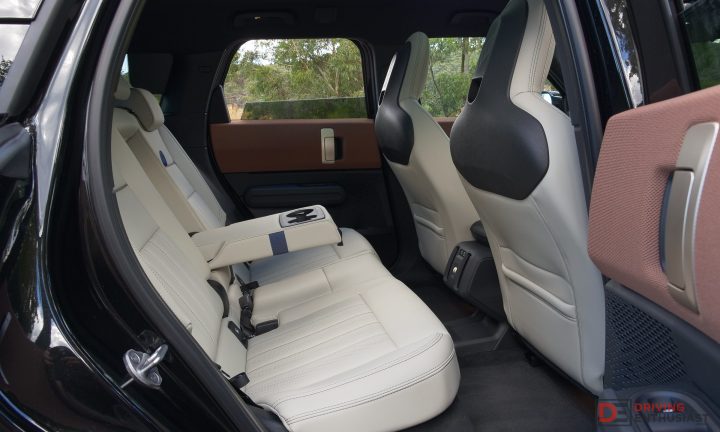
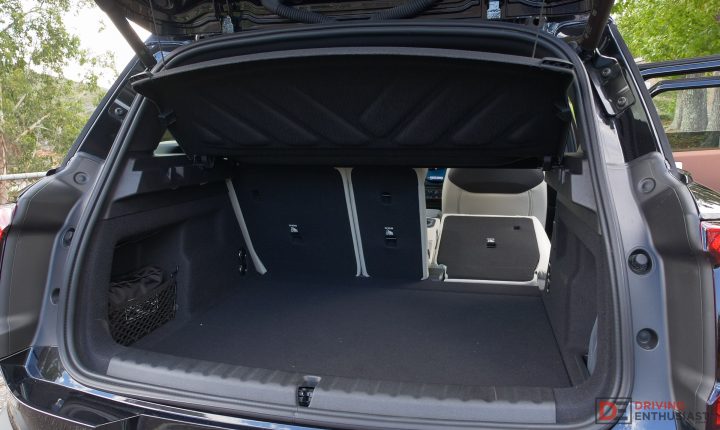
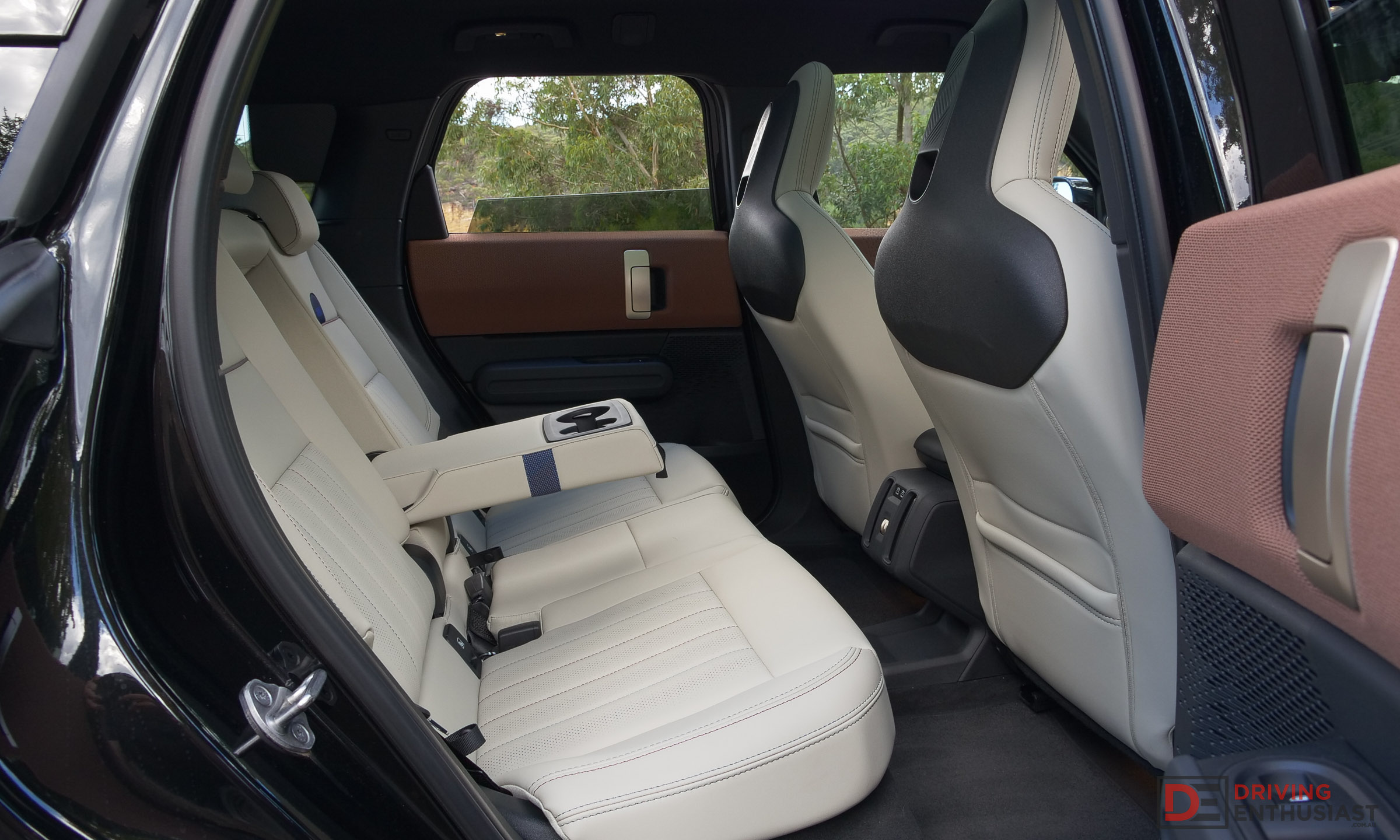
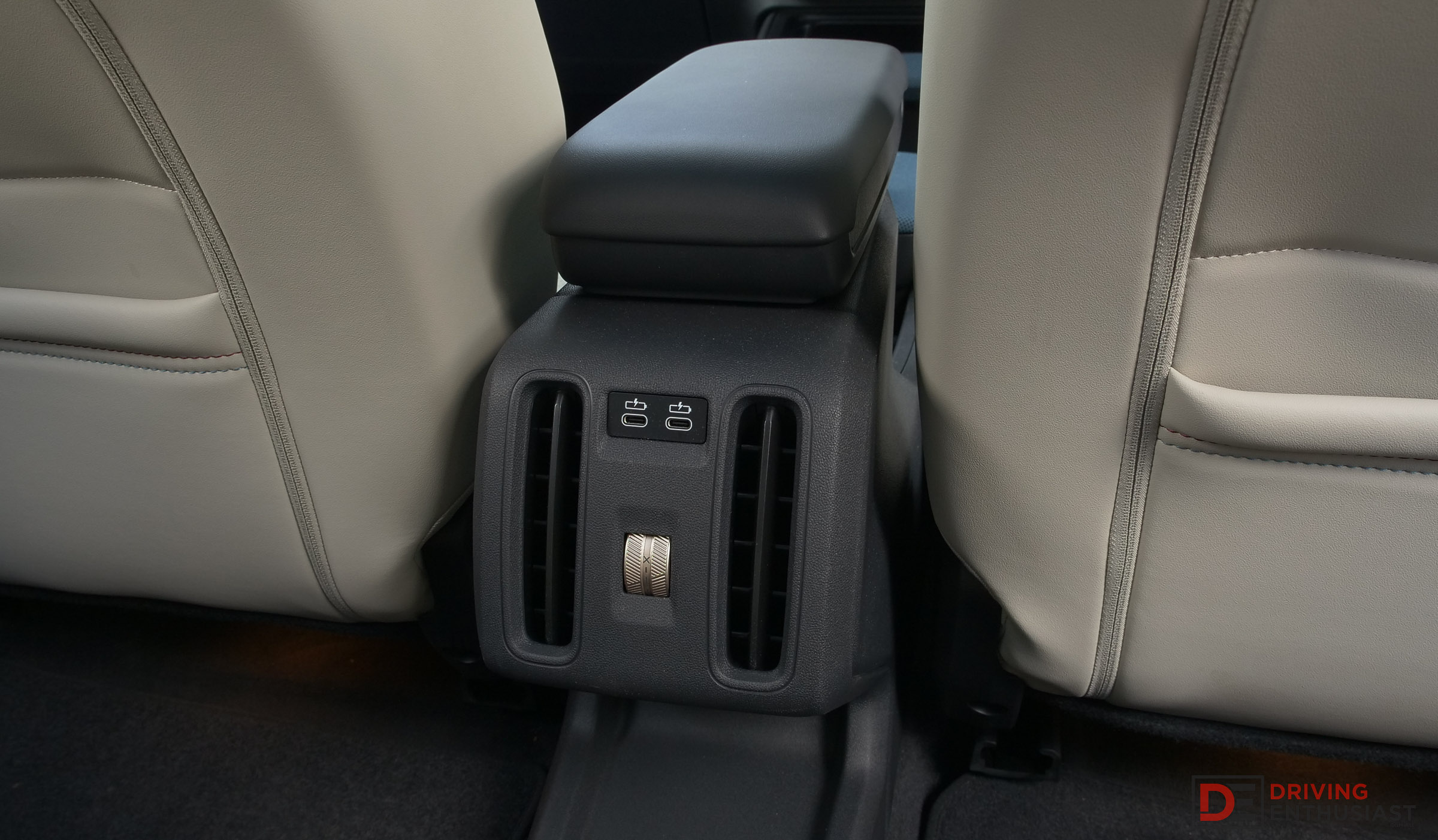
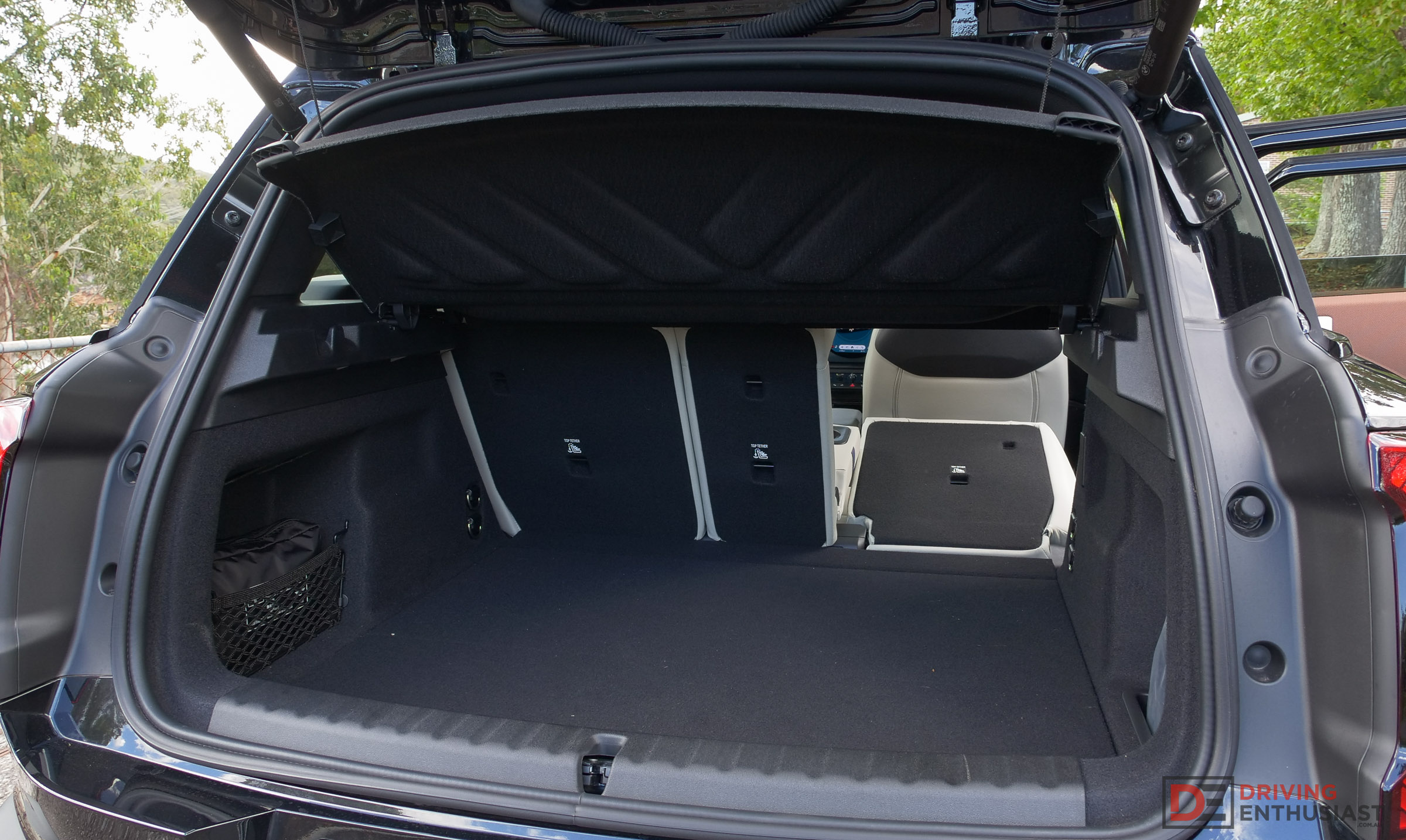
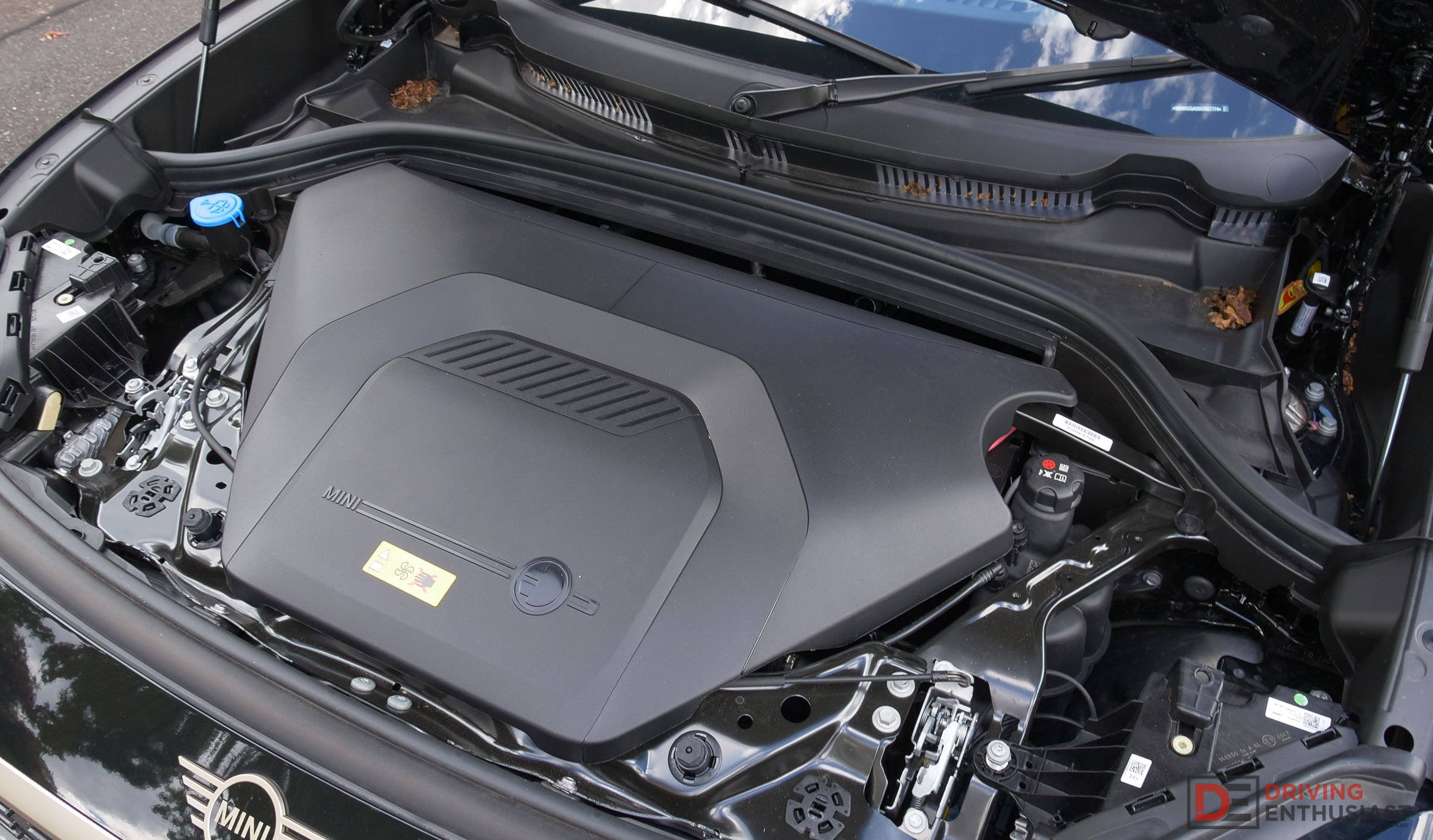
The packaging benefits of the U25’s increased dimensions are most evident in the rear. The 2692mm wheelbase allows for genuine adult legroom, and the rear seats can slide fore and aft by 130mm. Boot capacity is rated at 460 litres with the rear seats in place, expanding to 1450L when folded. There is a dedicated under-floor storage compartment for charging cables, though the Countryman SE lacks a ‘frunk’ under the bonnet.
2026 MINI Countryman SE Favoured: Powertrain & handling
The Countryman SE ALL4 utilises a dual-motor setup, providing a combined output of 230kW and 494Nm. It is powered by a 66.5kWh lithium-ion battery pack. MINI claims a 0-100km/h sprint time of 5.6 seconds, and behind the wheel, it genuinely feels powerful – we timed 0-100km/h in 5.38 seconds. The delivery of torque is instantaneous, allowing the SE to build speed with an urgency that the brand’s petrol models cannot match.
MINI has heavily ‘gamified’ the driving experience with its various ‘Experiences’ modes, adding a unique point of difference to an otherwise silent powertrain. Flicking into Go-Kart mode triggers an amusing faux-Mario Kart sound effect, while switching modes introduces DJ record-scratch audio cues. There is also a psychological trick at play on the dash; the digital readout calculates and rewards you with ‘bonus’ kilometres of range gained through efficient driving, which subtly encourages you to drive smoothly.
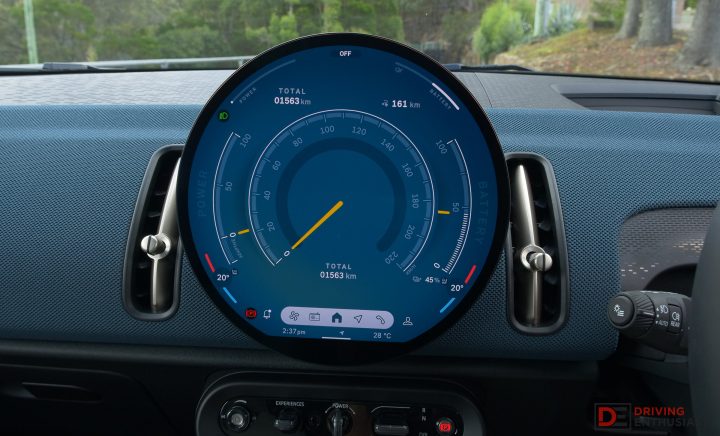
I spent the majority of the test driving in ‘B’ mode, which engages maximum regenerative braking for true one-pedal driving. It is aggressive, but if you prefer a traditional feel, leaving the gear selector in standard ‘D’ allows the vehicle to coast smoothly off-throttle, relying on adaptive regeneration only when it detects traffic ahead.
However, the dynamic reality of the SE is that the steering and chassis do not feel like they have anything to do with the traditional MINI brand. Stripping away the brand’s marketing terminology, the Countryman SE weighs a hefty 2000kg. As a result, the steering is vague and feels artificially, overly heavy. While it maintains a flat stance through corners and offers immense all-wheel-drive grip, it has entirely lost the lightweight, darty agility that used to define a Mini.
Regarding efficiency, MINI claims a WLTP driving range of up to 433km. On test, operating in a mix of urban traffic and highway corridors, we recorded an energy consumption rate of 18.4kWh/100km, translating to a real-world range of approximately 360km, with climate control running. However, we didn’t take it right down to 0km to know for sure.
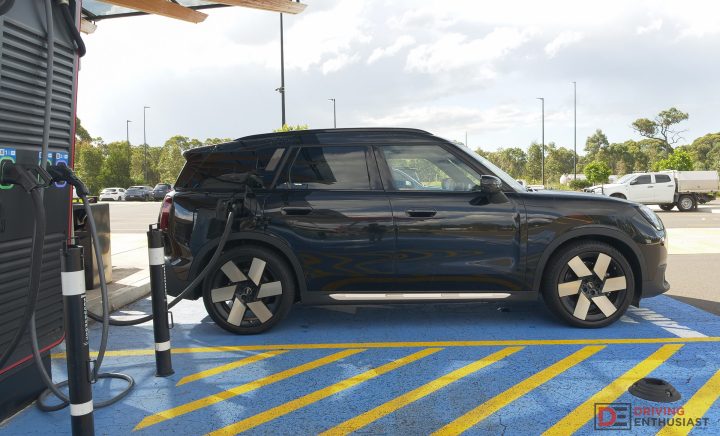
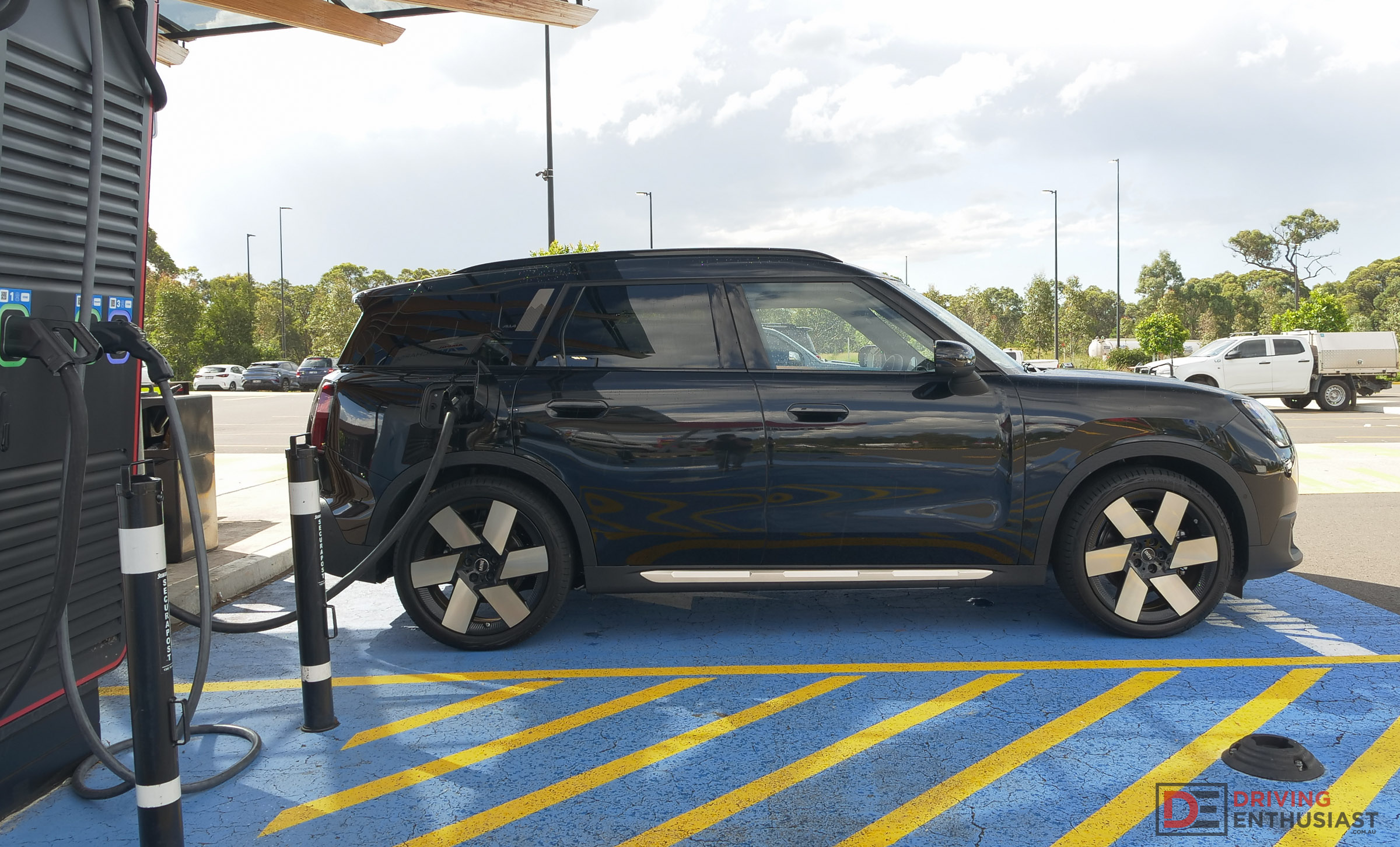
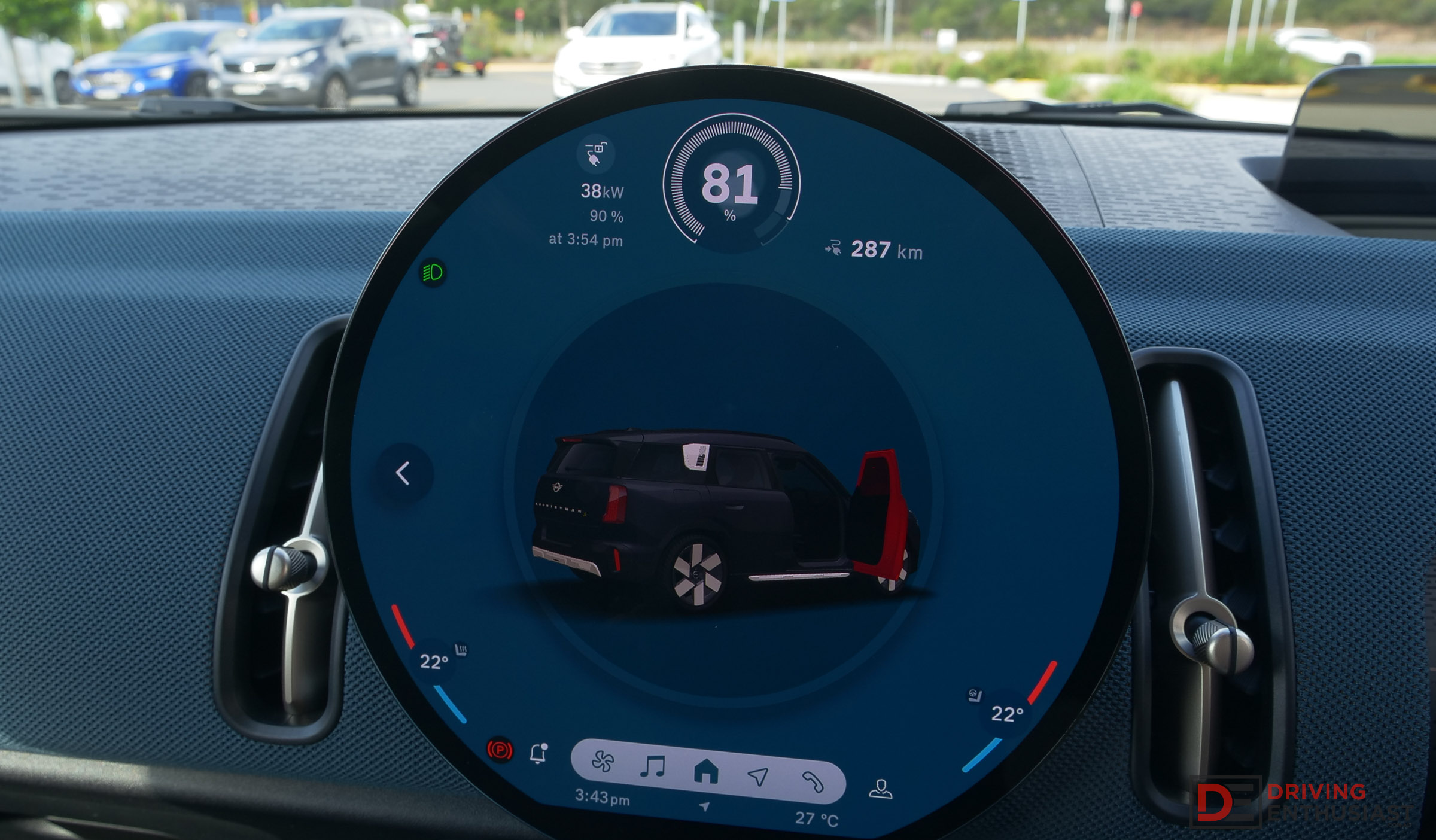
Crucially, my time with the vehicle proved that owning an EV without a dedicated home wallbox is entirely viable. I exclusively charged the SE using a standard 10-amp (240V) regular household power point. Left overnight, this ‘granny charging’ method was more than sufficient to cover my 76km daily round commute, with range to spare. It highlights that as long as you have access to a plug, a lot of standard commuter use cases do not require expensive electrical upgrades. It is compatible with up to 22kW AC charging or 130kW DC charging as well.
2026 MINI Countryman SE Favoured: Key attractions/reasons to buy
- Funky interior personality: The ambient lighting breathing through the knitted textile dashboard and the astronaut-helmet circular display give the cabin a unique, highly characterful execution.
- Gamified driving experience: The various Experience modes, DJ scratch audio cues, faux-Mario Go-Kart sounds, and ‘bonus’ range counters make commuting genuinely entertaining.
- Punchy dual-motor performance: With 230kW and 494Nm, the dual-motor powertrain provides instantaneous, authoritative acceleration that easily manages the vehicle’s mass.
- Accessible charging requirements: The ability to comfortably manage a 76km daily commute using only a standard 10A power point proves a wallbox is not strictly necessary for average use.
- Tax and leasing benefits: Sitting below the $91,387 fuel-efficient LCT threshold ensures the SE is highly tax-effective for novated lease buyers.
2026 MINI Countryman SE Favoured: Key considerations before you buy
- Vague and heavy steering: The 2000kg kerb weight blunts the dynamics; the steering lacks feedback and the chassis no longer feels like a traditional, agile Mini.
- Distracting climate controls: Moving all HVAC functions to the central OLED screen is a clear case of form over function, requiring the driver to look away from the road.
- Compromised head-up display: The HUD relies on a pop-up plastic combiner screen rather than projecting onto the windscreen, frequently falling out of the driver’s natural eyeline.
- Inconsistent voice recognition: The ‘Spike’ digital assistant can be slow to comprehend basic commands, often requiring repeated, enunciated instructions to execute simple tasks.
2026 MINI Countryman SE Favoured: Video
How does it rate against its rivals?
-
Price
-
Quality look & feel
-
Interior tech
-
Powertrain performance
-
Ride & handling
-
X factor (does it stand out in its class?)
Final word
Is it a fun-loving compact car representative of traditional Mini values? No, this is a 2000kg SUV. Design and interaction levels are very high, though, and it is fun to drive and alive with personality. Performance is good if compared to a petrol vehicle but average for an electric one, and the steering misses that classic charm of previous models. Overall, we think it does exactly what it should do; attract new buyers via funky design themes and cool technology, while blending some traditional traits. It’s fresh and cute.