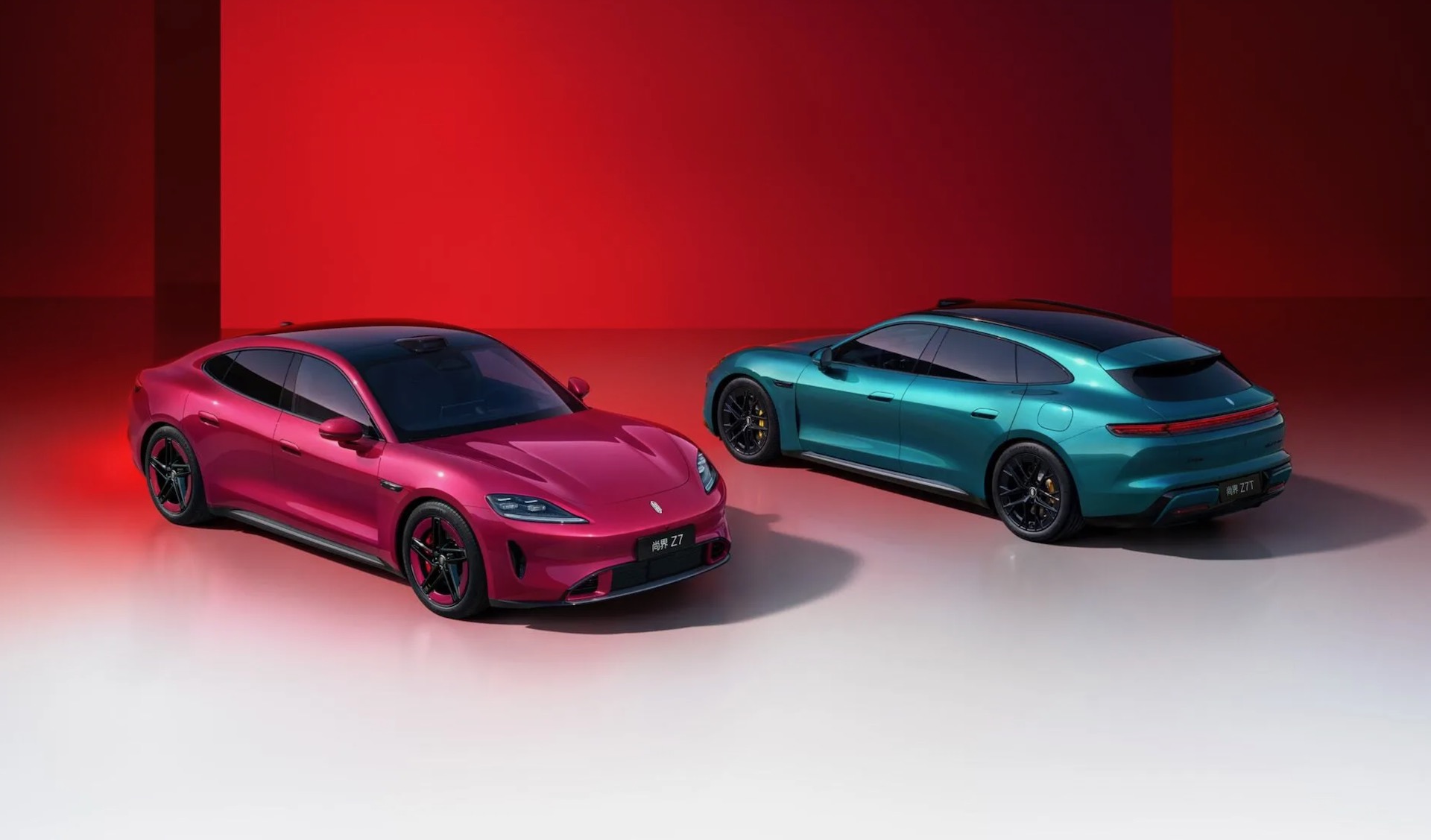
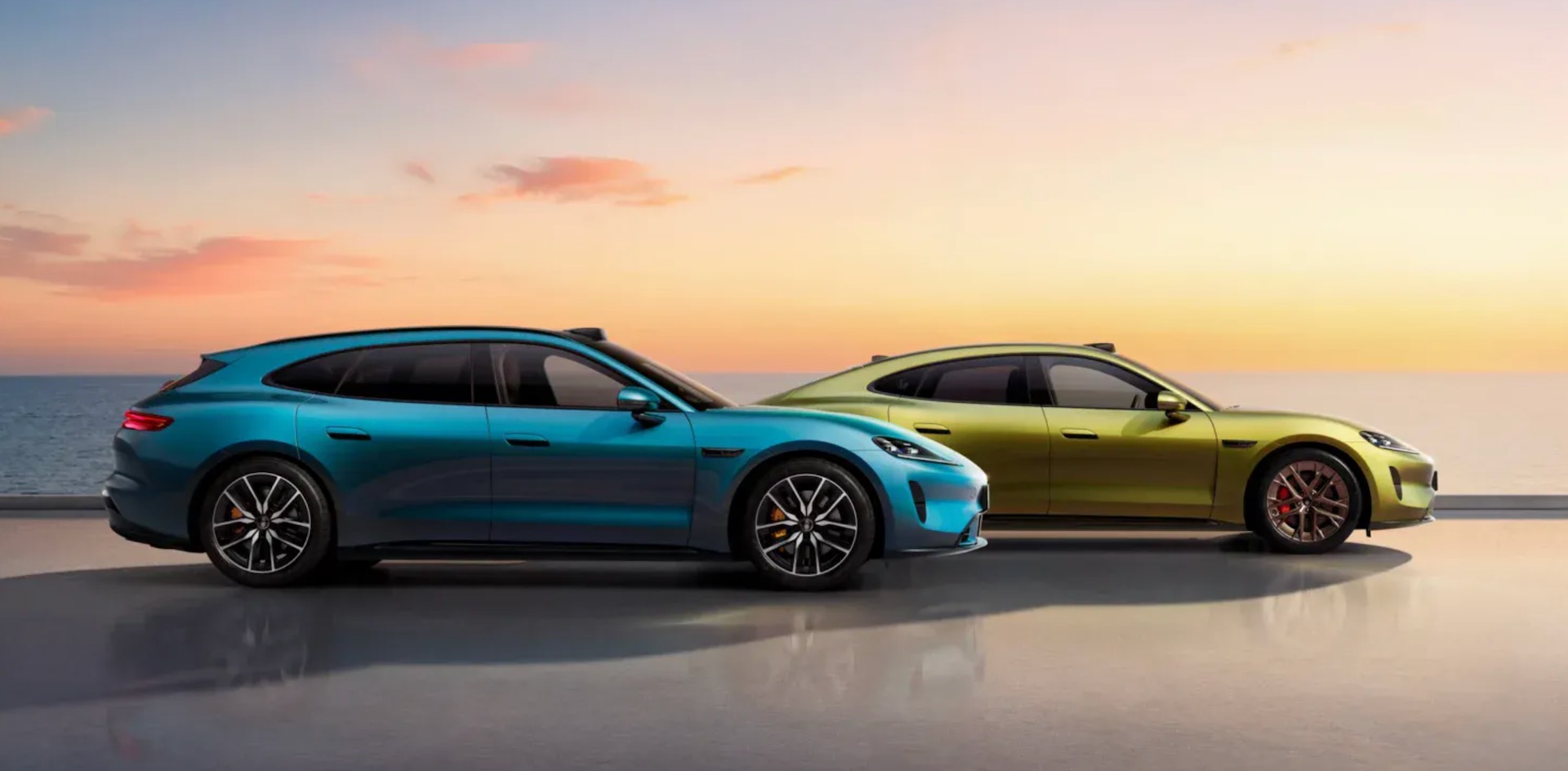
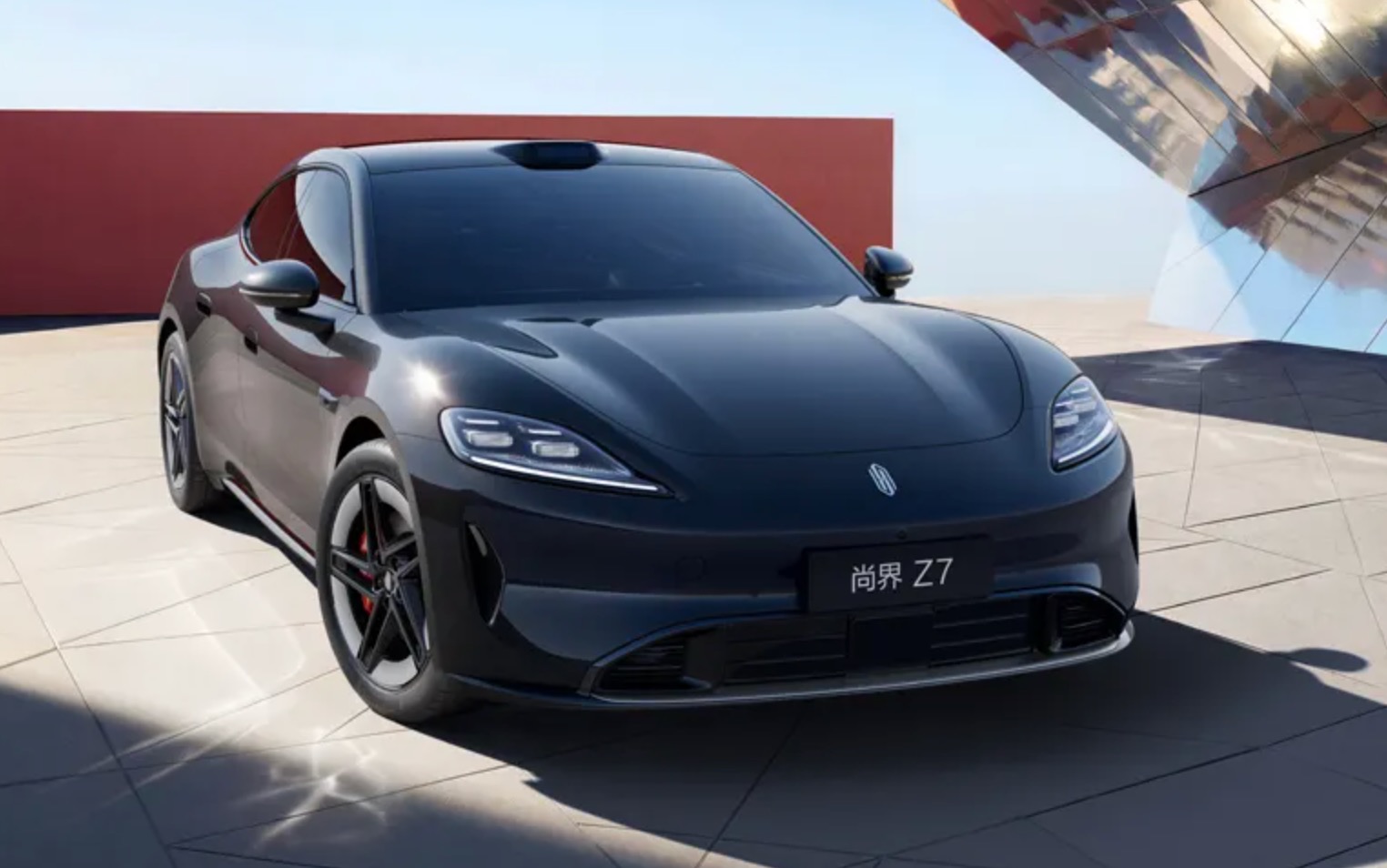
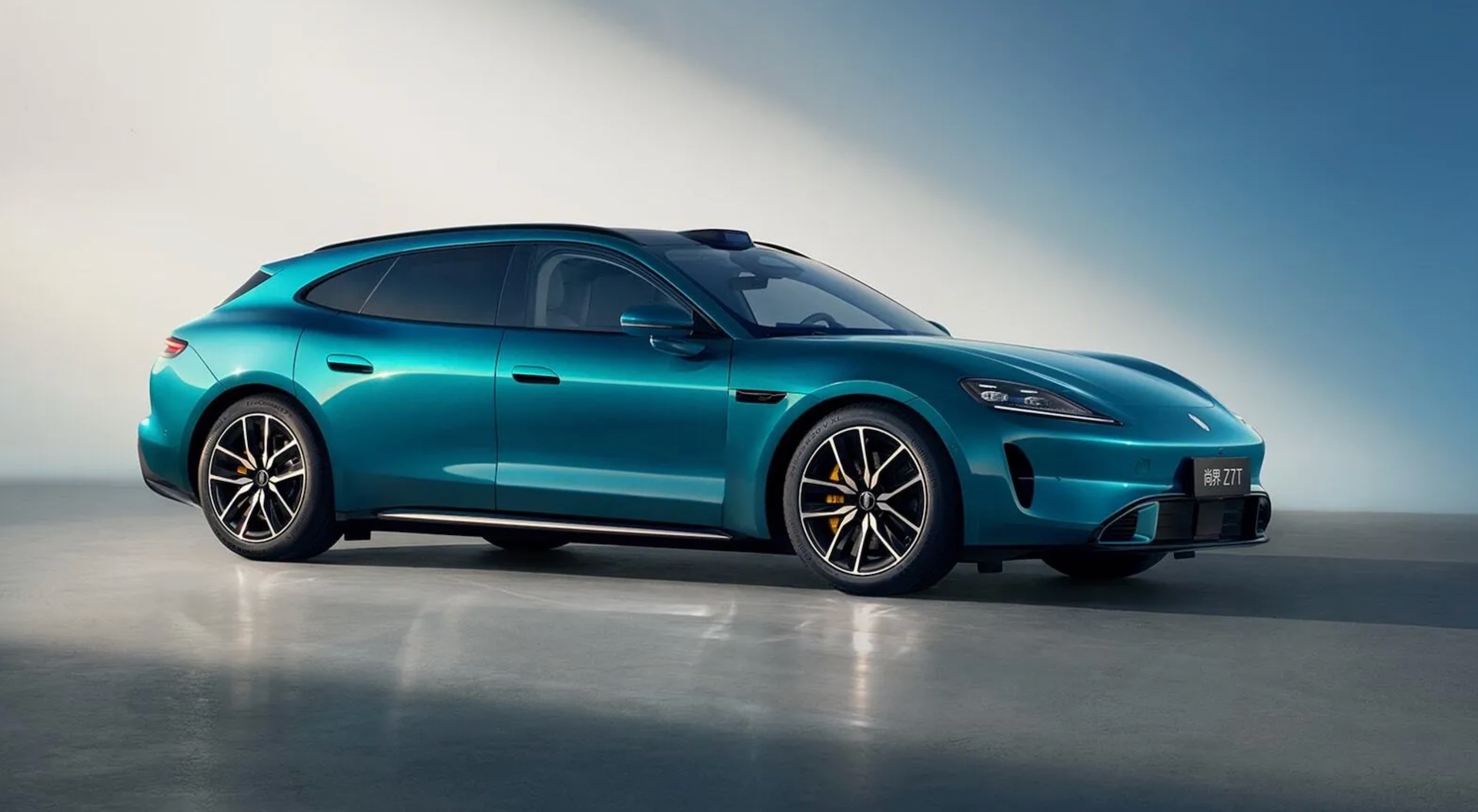
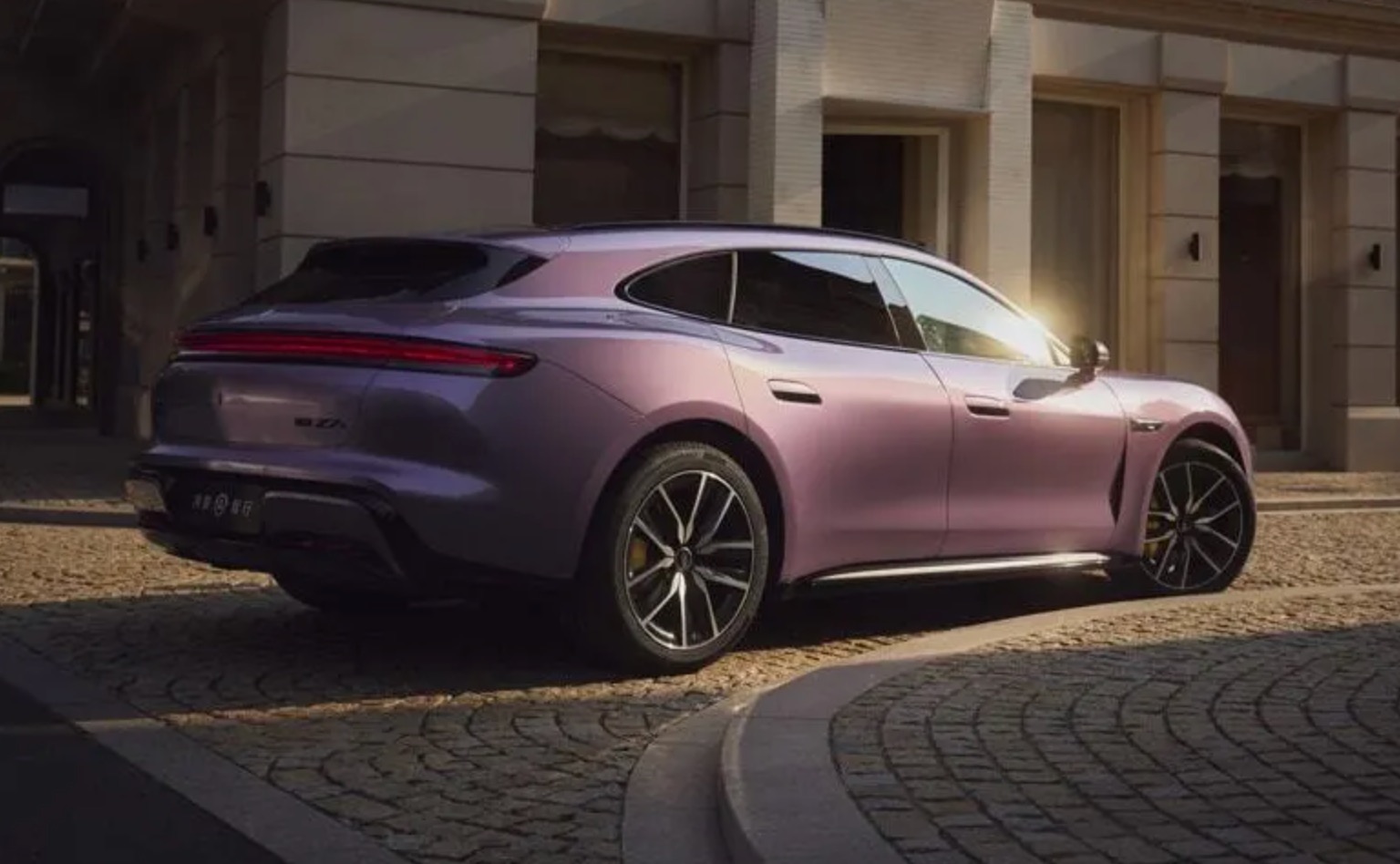
If imitation is the sincerest form of flattery, the designers in Stuttgart should be absolutely thrilled right now. But something tells us Porsche executives aren’t laughing. At the 2026 Beijing Auto Show, China’s SAIC Motor officially took the covers off the Z7. It is, in our opinino, a blatant, unabashed clone of the Porsche Taycan, that will hit the market at a fraction of the price.
Available as a traditional sedan (Z7) and a “Cross Turismo” mimicking shooting brake (Z7T), this Huawei-backed EV is a brutal reality check for the European establishment. While the real-deal Taycan demands a starting price of over US$134,000 in China, the base rear-wheel drive Z7 kicks off from just US$32,200. For the price of a mid-spec Toyota Camry, SAIC is offering a 5036mm luxury fastback.
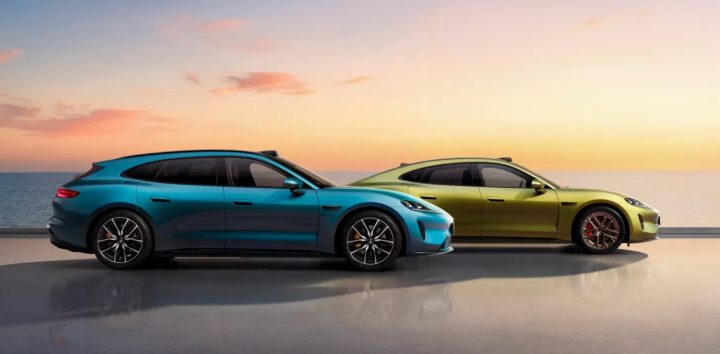
The spec sheet is definitely not a joke, either. The flagship dual-motor Z7 Ultra packs a 100kWh battery, an 800-volt electrical architecture, and a combined 434kW. It can sprint from 0-100 km/h in a Taycan-baiting 3.44 seconds. Thanks to Huawei’s advanced Tuling Platform, it also boasts a claimed maximum range of up to 905km on a single charge.
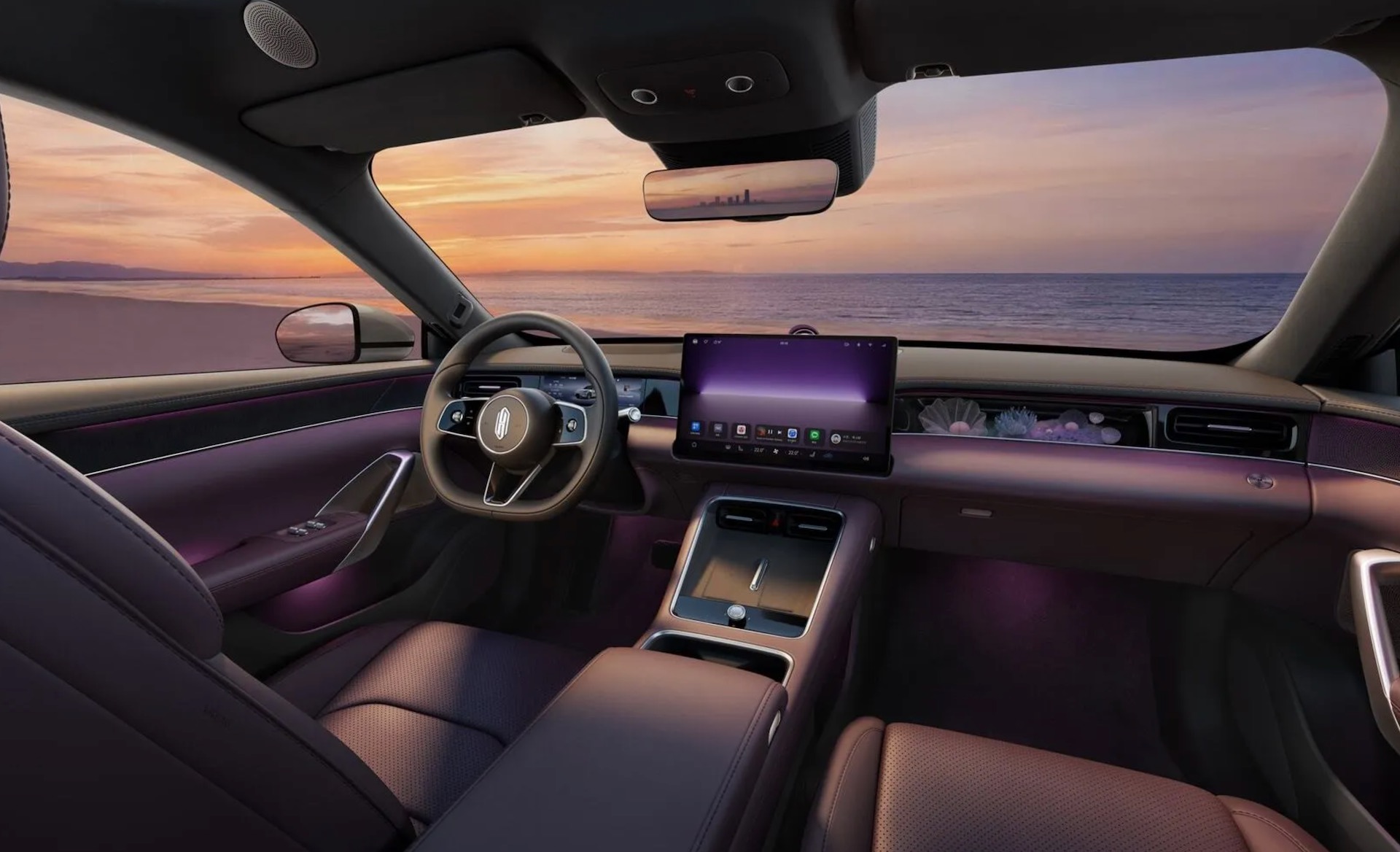
Inside, however, SAIC has fully surrendered to the digital takeover. There are no proper, tactile physical buttons to be found. Instead, the dash is dominated by a ‘4D Sunflower’ central display that mechanically swivels to face the driver or passenger. While the tech-obsessed crowd will undoubtedly froth over the roof-mounted LiDAR and heavy screen integration, it leaves those of us who appreciate genuine mechanical feedback and analogue controls completely out in the cold.
With Porsche already facing a severe sales slump in China, this cut-price doppelgänger couldn’t come at a worse time. While the SAIC Z7 is currently limited to its domestic market and highly unlikely to see Australian shores anytime soon, the sheer pace of Chinese engineering and aggressive pricing means the traditional heavyweights can no longer rest on their heritage. Let’s just hope the European brands continue to build proper driver’s cars before they are entirely priced out of the game.