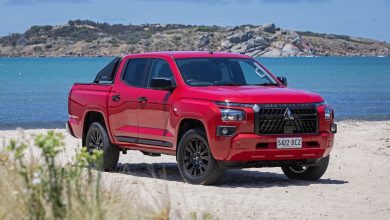
There’s a certain level of expectation that comes with a nameplate like the ASX. For an incredible 15 years, the same generation ASX was eked out with minor facelifts as it served as Mitsubishi’s dependable small SUV offering; simple, affordable, and largely unchanged for far longer than most competitors could get away with. And it was often the best-selling vehicle in its class.
By the end of 2024, it was finally discontinued due to safety regulatory changes that came into effect on March 1, 2025. After almost a year-long hiatus, a new-generation has arrived as a complete reset. Built on the Renault-Nissan-Mitsubishi Alliance CMF-B platform and effectively sharing its underpinnings with the Renault Captur, the 2026 ASX is less an evolution and more a reinvention. In many ways, it feels like Mitsubishi needed a quick and credible way back into a segment it briefly exited, and this is the result.
But it also means you need to forget everything you knew about the old ASX as this shift brings modern technology, a more efficient turbocharged powertrain, a noticeably more contemporary design, and a heftier price tag. Which raises a different question; will this reborn ASX be accepted as a cohesive Mitsubishi product, or more like a well-disguised substitute filling a gap in the lineup?

2026 Mitsubishi ASX Aspire: Specifications
Engine: 1.3-litre turbo-petrol four-cylinder
Output: 113kW@6000rpm / 270Nm@1800rpm
Gearbox: Seven-speed dual-clutch auto
Drive type: Front-wheel drive
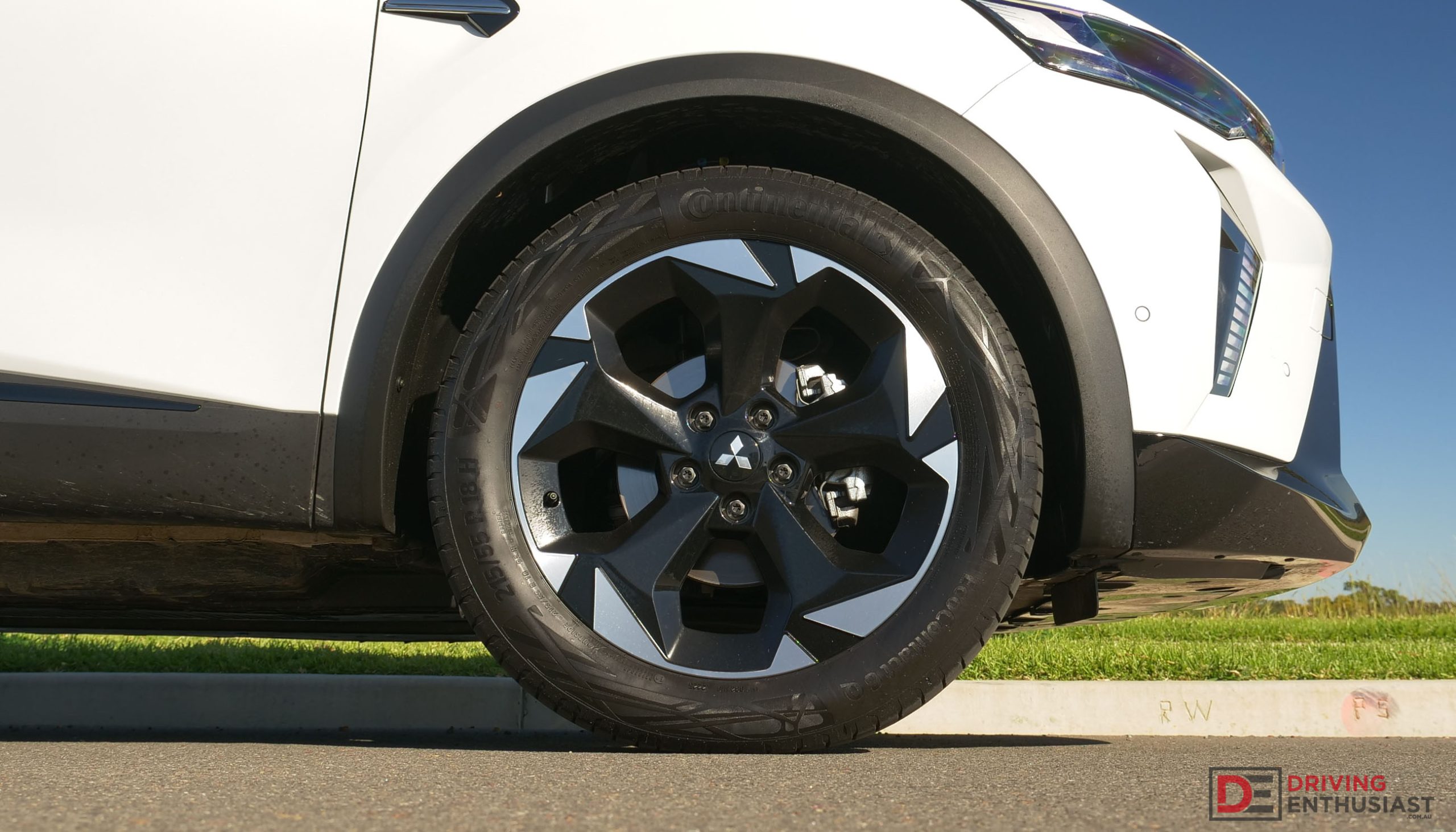
Wheels: F & R: 18×7.5, 225/40
ANCAP: Four stars
Tare weight: 1270kg
Power-to-weight: 11.23:1 (kg:kW)
Official consumption: 6.4L/100km
Our consumption: 6.4L/100km
Fuel tank/Fuel type: 48L/91 RONPower efficiency: 17.65kW:L/100km
0-60km/h: 4.44 seconds*
0-100km/h: 8.77 seconds*
60-110km/h: 6.17 seconds*
1/4 mile: 16.67 seconds at 142.4km/h*
Max acceleration: 0.678g*
100-0km/h braking: 38.95m in 2.98 seconds*
Max deceleration: -1.178g*
Decibel at idle: 40*
Peak decibel at 60-100km/h: 82*
Starting price: $42,690
*Figures as tested by Driving Enthusiast on the day. Manufacturers’ claims may be different
2026 Mitsubishi ASX Aspire: How much does it cost?
The ASX Aspire sits between the base LS and flagship Exceed, priced from $42,690 (before on-road costs). That positions it toward the upper end of the mainstream small SUV segment, especially considering this is still a front-wheel drive, petrol-only offering.
In its cheapest LS form, it retails from $37,740. Entry-level rivals such as the Toyota Yaris Cross GX ($31,790), Mazda CX-30 Pure ($34,360), Kia Seltos ($31,250), and Hyundai Kona ($33,700) undercut it by a big margin. Even within Mitsubishi’s own showroom history, that’s a substantial jump from the outgoing ASX, which remained one of the cheapest SUVs on sale until its departure.
However, context matters here. The previous ASX was based on an old platform that dated back over 16 years, and bringing a modern, safety-compliant, tech-laden replacement inevitably comes with higher costs. In that sense, we think most of the new pricing reflects the reality of today’s market rather than any dramatic overreach.
Where Mitsubishi strengthens its case is ownership. The ASX is backed by the brand’s 10-year/200,000km warranty under its Diamond Advantage program, along with 10 years of capped-price servicing and up to four years of roadside assistance. The first 10 services cost $399, $399, $399, $999, $449, $699, $449, $1099, $449, and $445, totalling $5786. That remains one of the strongest aftersales packages in the segment if you service it at a Mitsubishi dealership. Otherwise, you get a five-year/100,000km warranty.

2026 Mitsubishi ASX Aspire: Interior & packaging
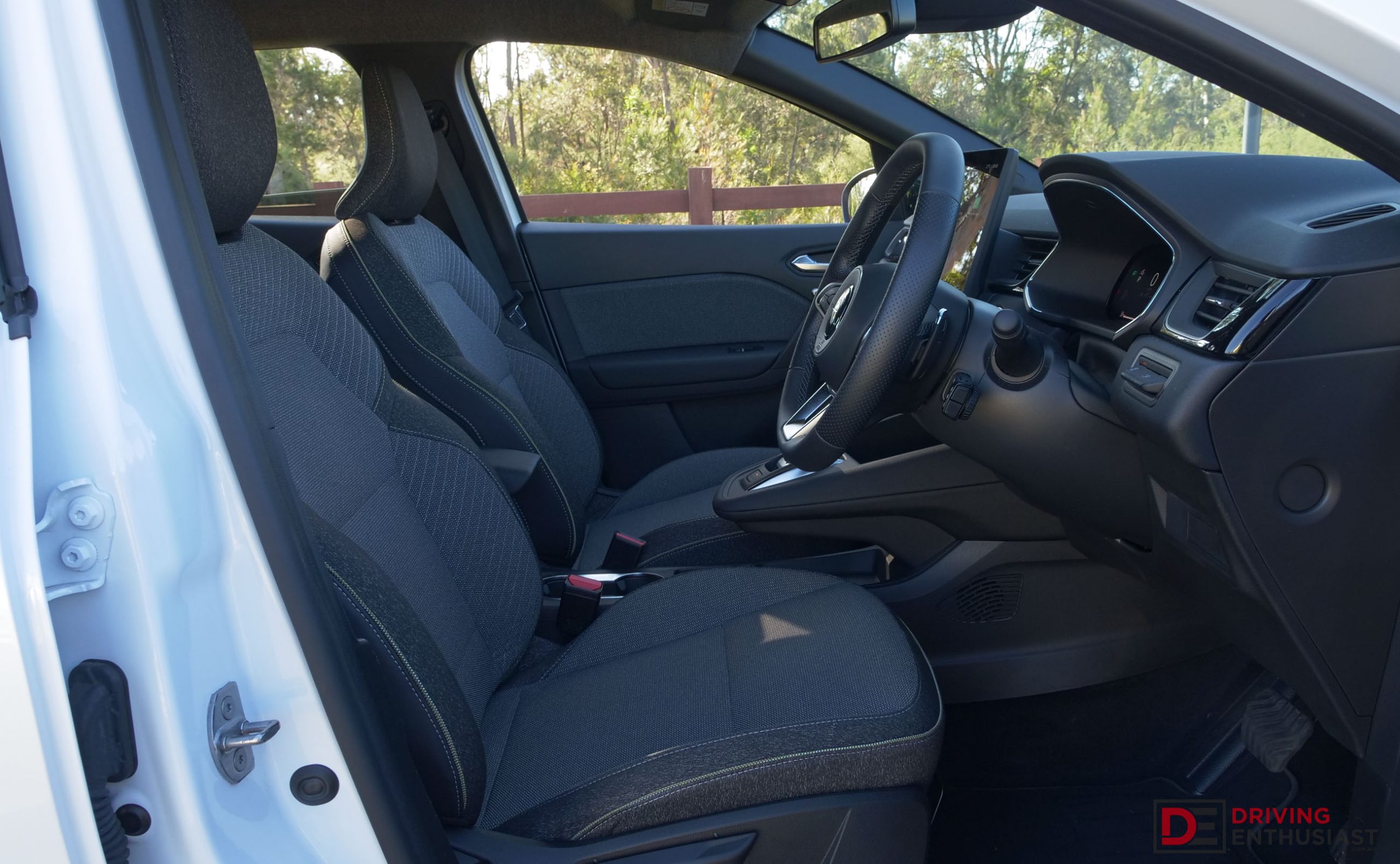
Climb inside and the ASX Aspire presents a cabin that appears far more fresh, functional, and still straightforward. There’s a clear focus on usability, with a sensible layout that avoids overcomplication – something that’s becoming increasingly rare. Material quality is appropriate for the price point. There are enough soft-touch surfaces across key areas to prevent it from feeling budget-focussed, while the overall fit and finish feel solid. It doesn’t try to be flashy, but it avoids feeling cheap.
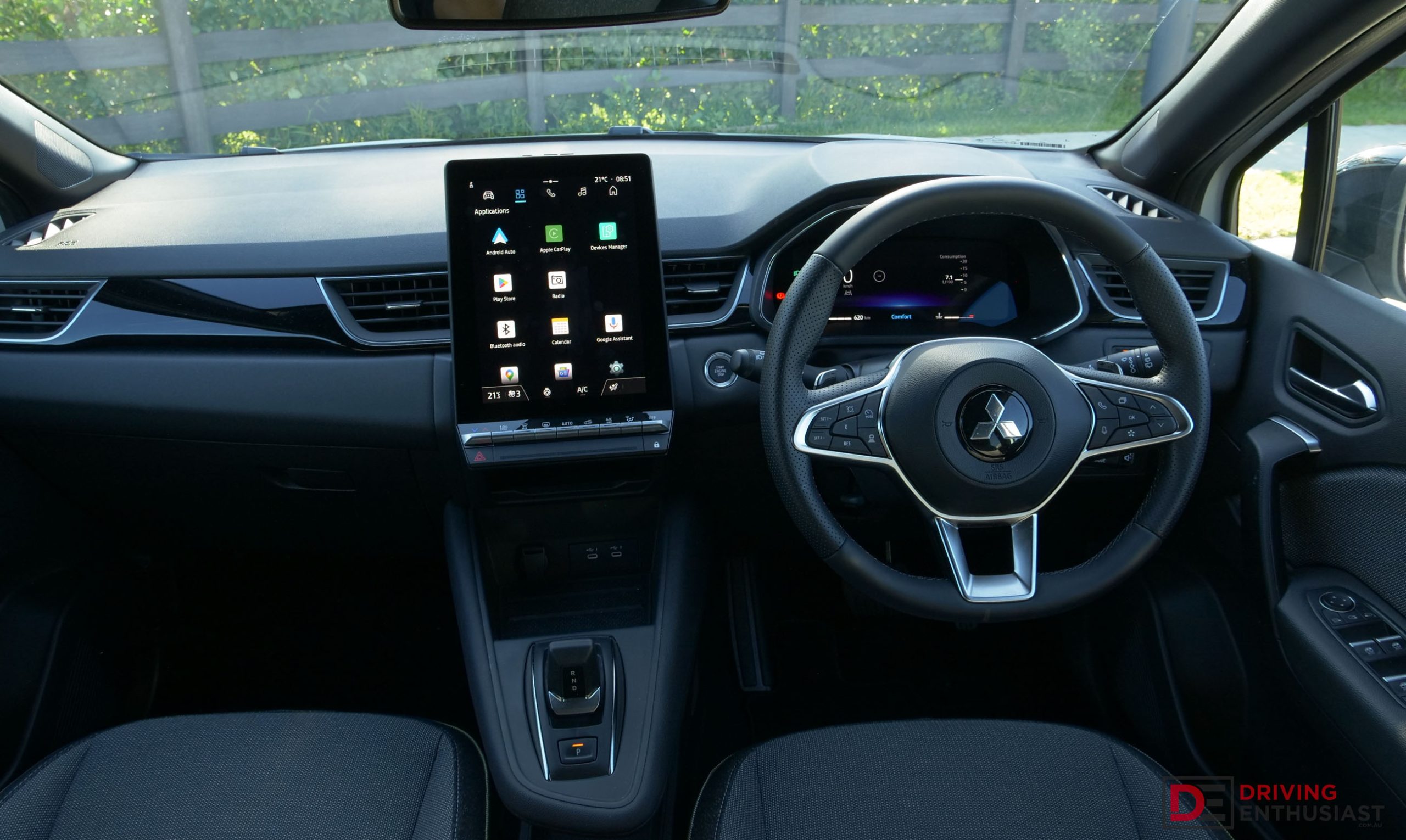
In the way of practicality, one standout feature is the clever double-layer centre console, which creates additional storage space in a compact footprint. Combined with door bins, cupholders and other small-item storage areas, the cabin is an easy space to live with. That said, the centre console is smallish, and the separate audio control stalk feels a little outdated and clunky.
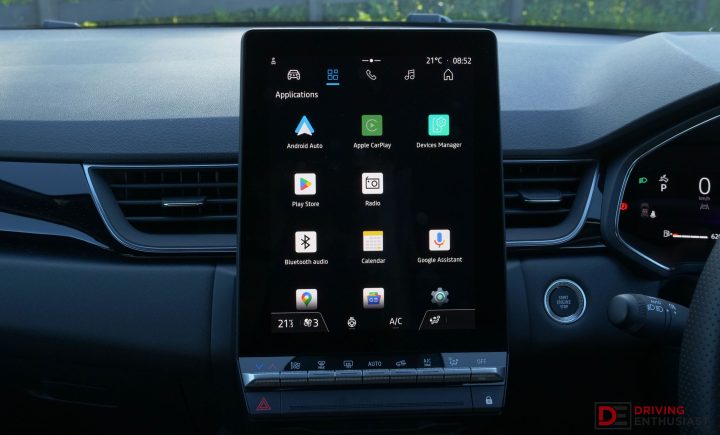
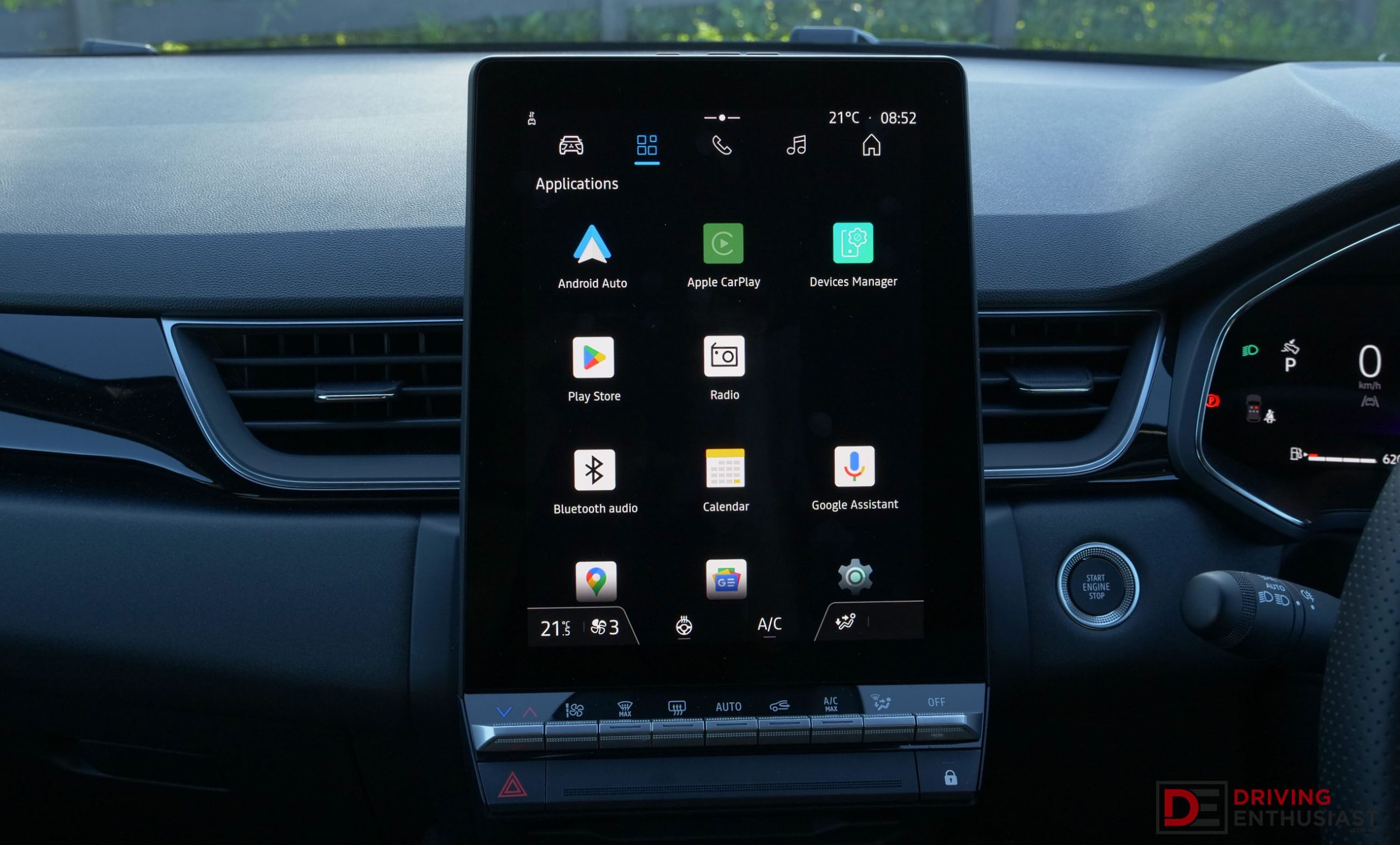
Tech is led by a 10.4-inch portrait-oriented touch-screen, which is clear and easy to read. Importantly, Renau… err… Mitsubishi has retained dedicated physical air-conditioning controls – a big win for usability. The 10-inch fully digital instrument cluster follows a minimalist design philosophy, offering a few layout options, though none provide a traditional dial-based display with clear numerical readouts. It is an upgrade from the 7-inch combination cluster seen in the base LS spec. The Aspire also gains navigation and Google built-in, featuring Google Assistant, Google Maps, and Google Play.
The sound system is seriously a weak point, with poor bass response that distorts easily at higher volumes. But the feature list is strong for a mid-range grade. It scores proximity locking, a small stripe of ambient lighting in the front doors, a heated steering wheel, wireless phone charging pad, wireless Android Auto and Apple CarPlay, a smart card, front, rear and side parking sensors, ‘Mi-Pilot’ with lane keep assist, adaptive cruise, and traffic jam assist capable of fully stopping the car, safe exit assist, and blind-spot warning.
With respect to safety, the ASX does not score a five-star ANCAP safety rating. It slips to four stars due to missing reverse auto emergency braking. It also misses out on 360-degree cameras.
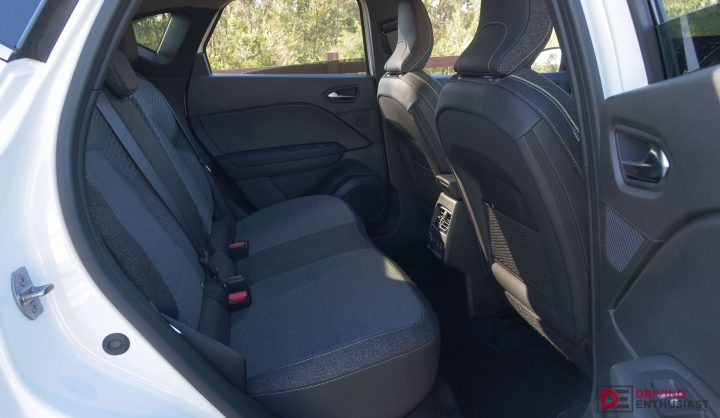
Rear seat accommodation is surprisingly generous. There’s respectable legroom for this segment, and the seats are mounted on rails, allowing them to slide as a single unit to prioritise either passenger space or boot capacity. Rear passengers also benefit from air vents, two USB-C ports, and a 12-volt outlet. Though, we noticed the absence of a centre folding armrest and ceiling grab handles.

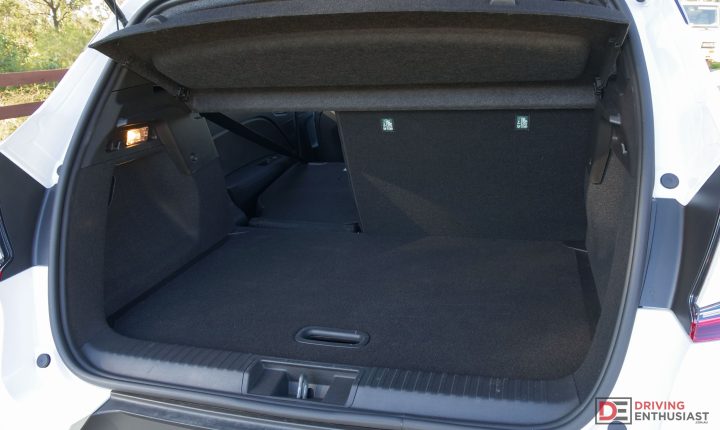
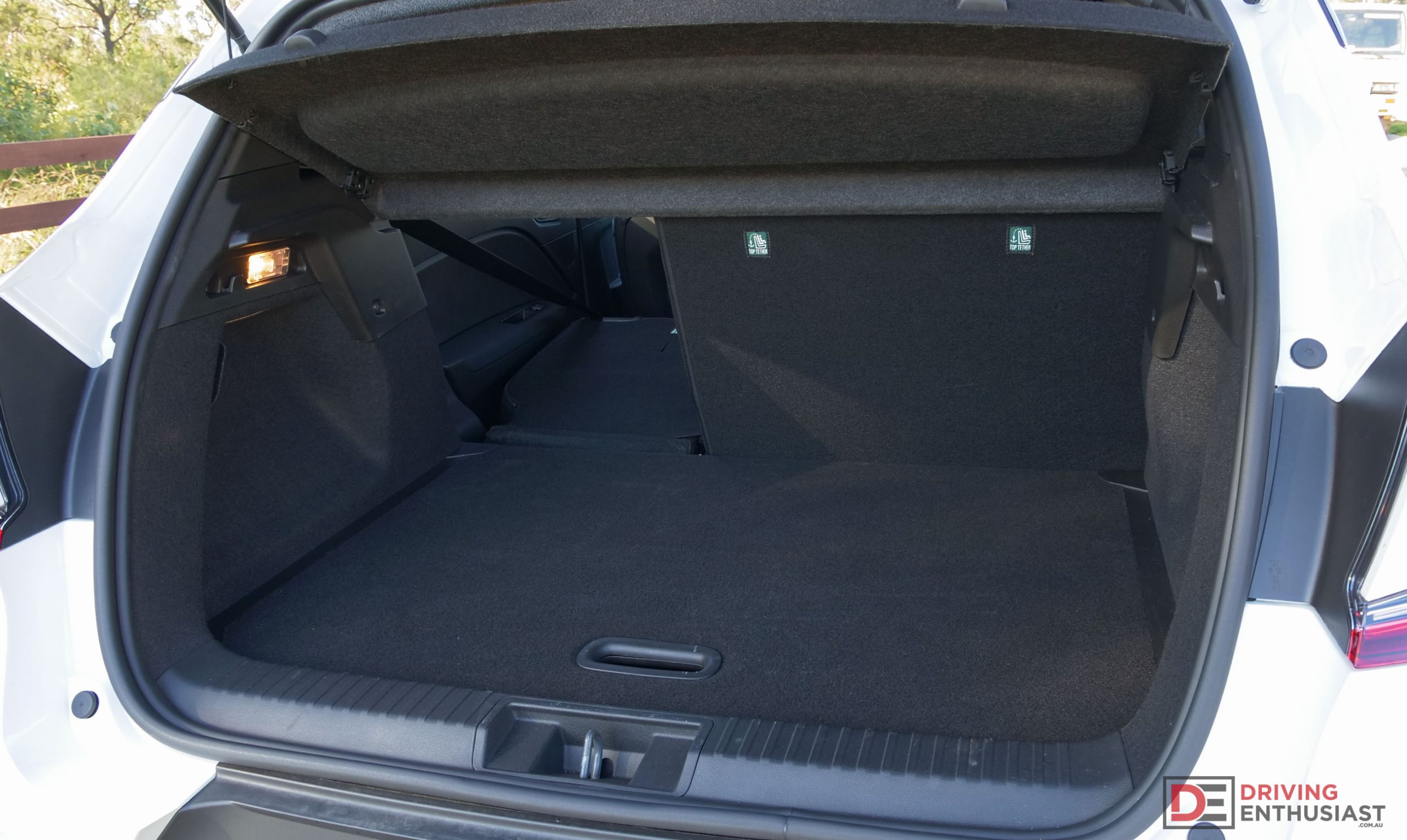
Boot space appears modest at first glance, but lifting the floor reveals additional hidden storage, effectively increasing usable capacity. It’s a practical solution, though some owners may prefer to keep the floor removed permanently to maximise space. You get 484 litres, or 1596L with the rear seats folded down.
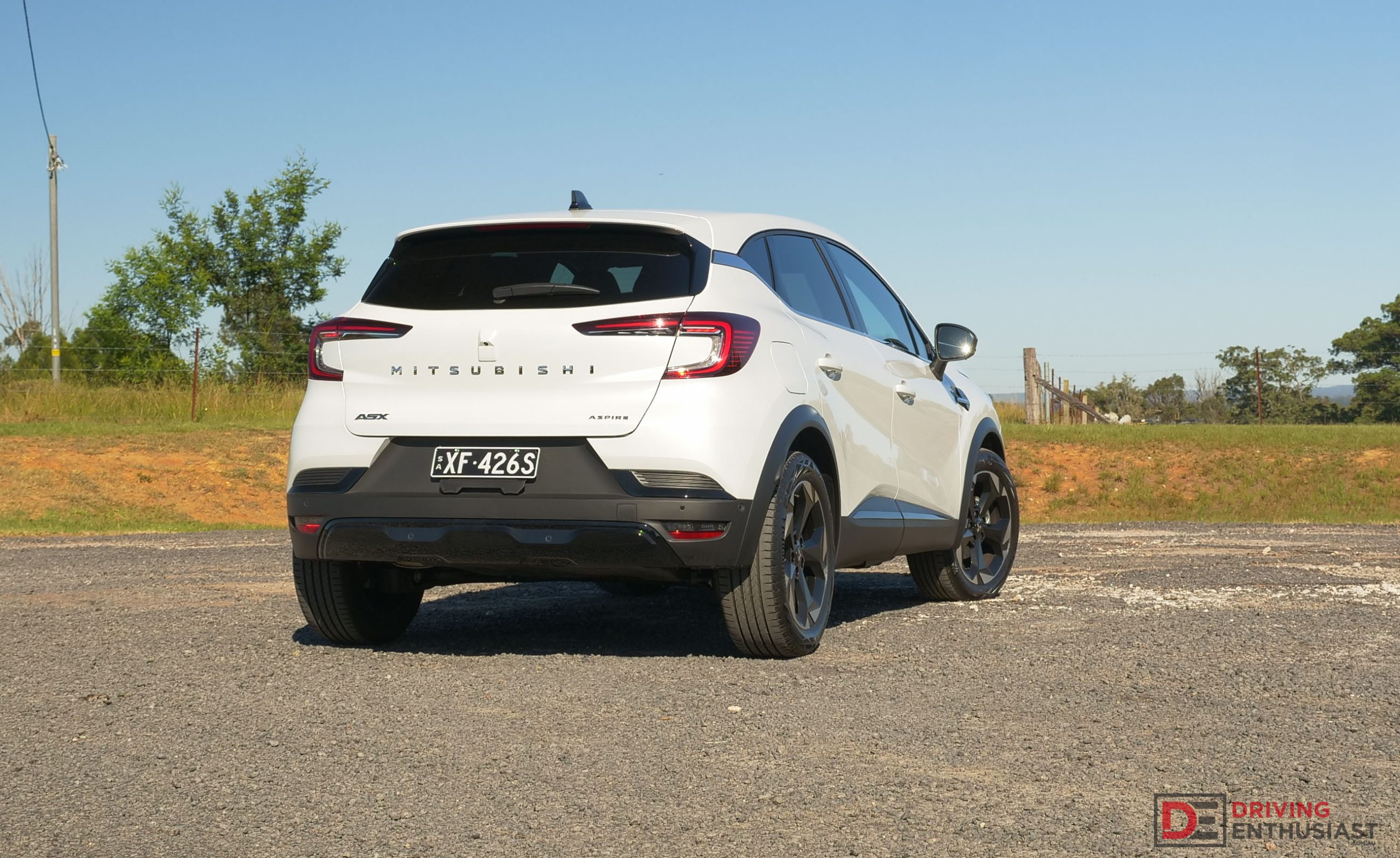
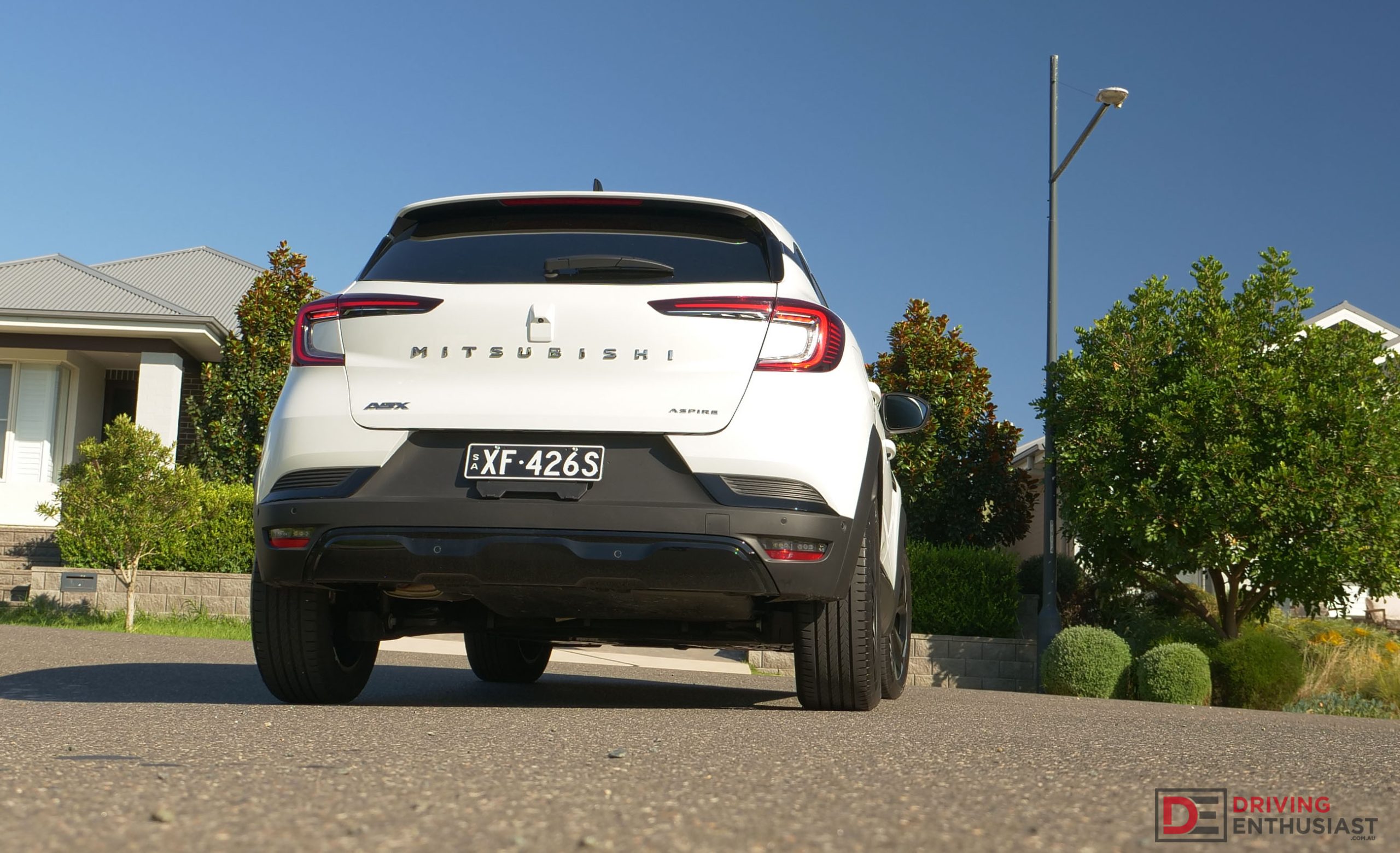
On the outside, the ASX adopts a more modern and assertive design. The flared rear wheel arches and upward sloping contours towards the rear give it a stronger stance. The only distinction from the Renault Captur is Mitsubishi’s ‘Dynamic Shield’ front grille and emblems.
2026 Mitsubishi ASX Aspire: Powertrain & handling
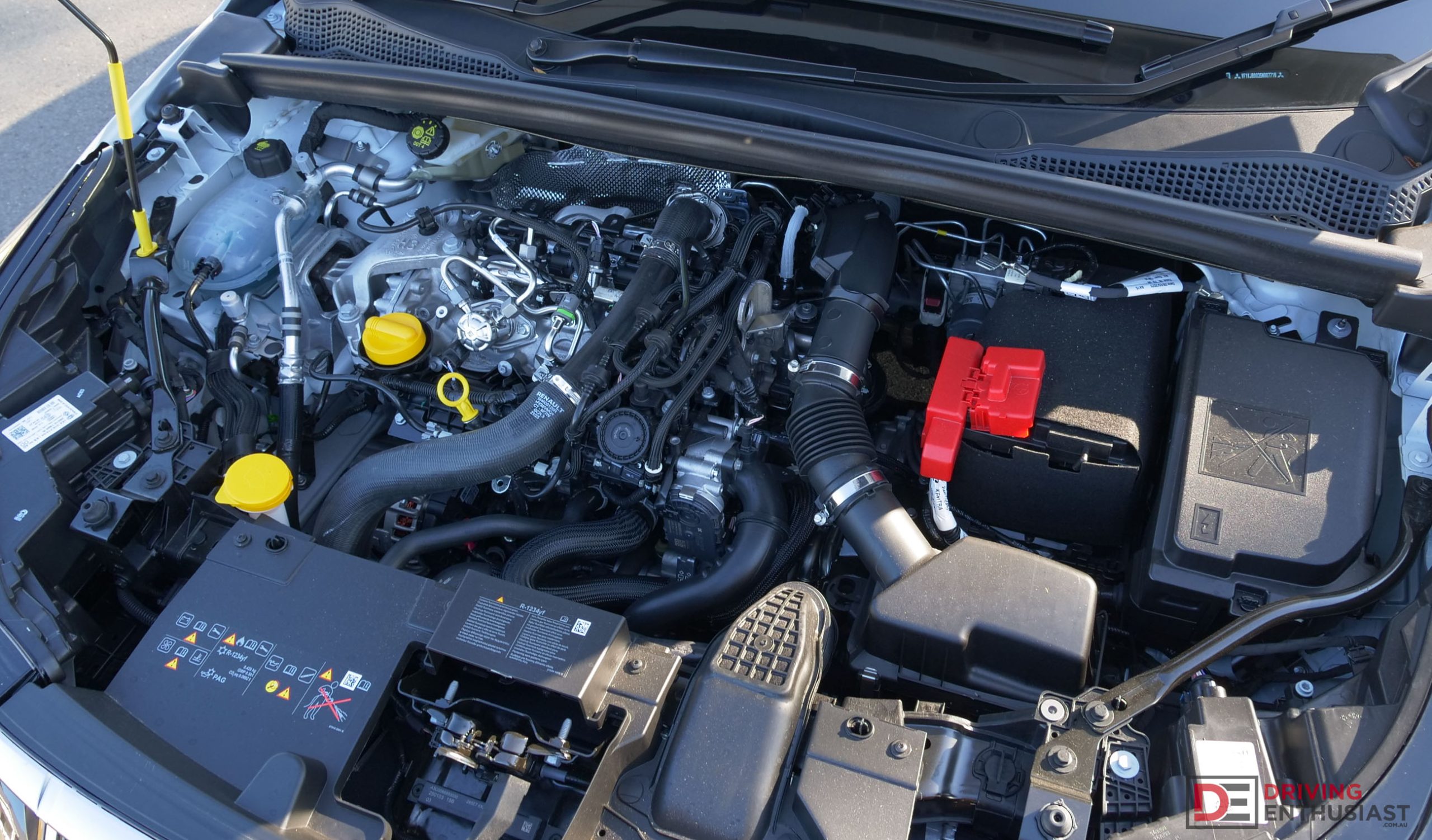
Powering all ASX models in Australia is a 1.3-litre turbocharged four-cylinder petrol engine, producing 113kW and 270Nm, paired with a 7-speed dual-clutch automatic transmission with front-wheel drive. Compared with the previous model’s naturally aspirated engine, this is one of the most significant improvements.
Performance feels noticeably more energetic, with the turbo torque delivering a stronger surge in acceleration and a more responsive character. Around town, it has a zippy, eager nature, helped by short gear ratios that get it moving briskly from a standstill. We tested 0-100km/h with a Vbox on a private road, and it did a best time of 8.77 seconds.
It also sounds more refined than before, moving away from the dull, breathless note of the old engine. There’s a bit more character here, which helps lift the overall driving experience. However, the dual-clutch transmission undermines some of that progress. It can feel spasmodic at low speeds, particularly during take-off, where hesitation and abrupt engagement become noticeable. In stop-start traffic, this behaviour can become frustrating, detracting from what is otherwise a lively drivetrain.

Fuel efficiency is respectable when compared with other full combustion engines and the amount of power offered. But the absence of any electric assistance in the form of hybrid or mild-hybrid is starting to compare badly. Official consumption sits at 6.4L/100km, and our average in the real-world was exactly the same. Though, some energy is saved by being front-wheel drive only – there is no AWD option at the time of writing. Surprisingly, for a European-built car (built in Spain), it is happy to run on cheaper 91 RON fuel.
On the road, the ASX leans toward comfort. The suspension is compliant and absorbs bumps marvellously, particularly over sharper imperfections. But that softness comes with a trade-off; the ride can feel slightly springy, and as a passenger, it can translate into a bouncier, more unsettled experience over speed humps and big undulations. Handling is predictable and safe, and it is very light in weight, with a tare figure of just 1270kg, so it feels nimble. It’s tuned for everyday usability rather than sheer driver involvement, which suits the target audience.

2026 Mitsubishi ASX Aspire: Key attractions/reasons to buy
- Stronger, more modern performance: The turbocharged engine delivers a noticeable uplift in torque and responsiveness compared with the old ASX, making it feel far more capable in everyday driving.
- Practical and well-thought-out cabin: Clever storage solutions, a sliding rear bench, and usable technology make it easy to live with day-to-day.
- Competitive ownership package: Mitsubishi’s 10-year warranty and capped servicing remain standout advantages in this segment.
- User-friendly controls: Retaining physical air-conditioning buttons alongside a clear touch-screen menu improves ease of use while driving.
- Contemporary exterior design: Flared wheel arches and clean LED lighting give it a more contemporary and confident presence.
2026 Mitsubishi ASX Aspire: Key considerations before you buy
- Pricey: The new ASX sits at the upper end of the small SUV segment, and is a significant jump from the previous generation’s budget-friendly positioning, which may shock returning buyers expecting the same value equation. And this price still does not earn it a 5-star ANCAP safety rating.
- Jerky dual-clutch transmission: Hesitation and abrupt engagement at low speeds can make urban driving less smooth than expected.
- Poor audio system: Weak bass and distortion at higher volumes detract from the in-car experience.
- Identity questions: Being closely related to a Renault Captur may leave some buyers questioning its authenticity as a Mitsubishi product.
2026 Mitsubishi ASX Aspire: Video




How does it rate against its rivals?
-
Price
-
Quality look & feel
-
Interior tech
-
Powertrain performance
-
Ride & handling
-
X factor (does it stand out in its class?)
Final word
The 2026 Mitsubishi ASX Aspire represents a necessary and long-overdue reset for one of the brand’s most recognisable nameplates. It brings modern technology, improved performance and refinement, and a far more up-to-date package into a segment that has moved on significantly in recent years. But it also feels like a product of circumstance; a solution to fill a gap rather than something developed entirely from the ground up with a singular identity. And this comes at the cost of a big price jump over the predecessor.