Renault Australia is introducing the first completely redesigned Master since 2014, bringing substantial improvements across almost every area. While commercial vans have traditionally focused on payload and practicality above all else, the new Master places far greater emphasis on driver comfort, technology and refinement.
Available in multiple wheelbase and roof configurations, with diesel and electric powertrains, Renault has also ensured there’s no shortage of choice. Whether you’re a sole trader, fleet operator or camper conversion specialist, there’s likely to be a version that fits the brief. Renault has even confirmed a single-cab pickup-style interpretation is coming soon.

2026 Renault Master: Specifications
Engine: 2.0-litre turbo-diesel four-cylinder
Output: 125kW@3500rpm / 380Nm@1500rpm
Gearbox: Nine-speed auto
Drive type: Front-wheel drive
Wheels: F & R: 16×6.0, 205/75
Tare weight: 2000kg
Power-to-weight: 16:1 (kg:kW)
Official consumption: N/A
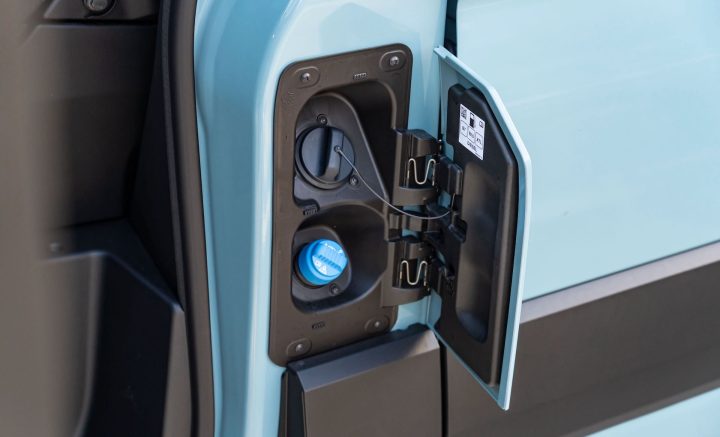
Our consumption: 8.5L/100kmFuel tank/Fuel type: 80L/Diesel (Adblue)
0-60km/h: 5.92 seconds*
0-100km/h: 12.58 seconds*
60-110km/h: 9.14 seconds*
1/4 mile: 18.18 seconds at 124.4km/h*
Max acceleration: 0.562g*
100-0km/h braking: 43.64m in 3.42 seconds*
Max deceleration: -1.021g*
Starting price: $55,490
*Figures as tested by Driving Enthusiast on the day. Manufacturers’ claims may be different
2026 Renault Master: How much does it cost?
Pricing depends on what configuration you’re after, but essentially the entry, smallest standard roof mid-wheelbase version starts from a reasonable $55,990 and the biggest, high-roof long-wheelbase diesel model starts from $65,990.
Going for the full electric E-Tech models, prices start from $77,990 for the mid-wheelbase standard roof, and from $79,990 for the standard roof long-wheelbase model. (All prices exclude on-road costs.)
That’s a decent price range for a proper work tool of this size and capability. All variants are covered by a five-year, unlimited kilometre warranty. Service intervals are every 12 months or 30,000km, with capped-pricing for the first five, resulting in $4125 for five years or 150,000km. Some rivals offer a cheaper servicing plan.
2026 Renault Master: Interior & packaging
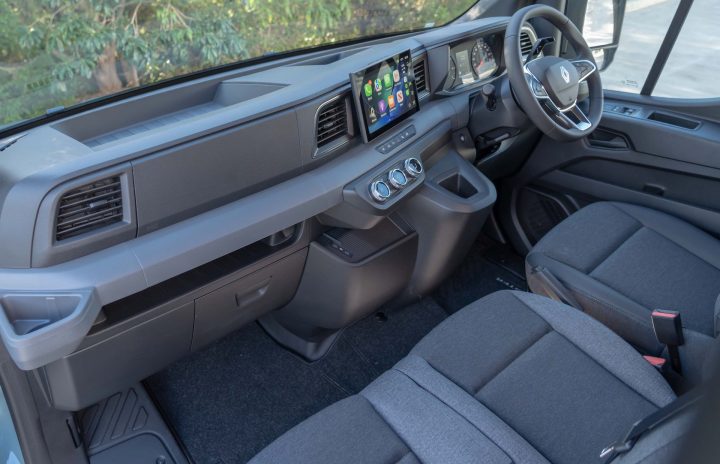
One of the biggest surprises is just how welcoming the cabin feels. Rather than resembling a commercial vehicle, it has more in common with a modern SUV. The dashboard design is clean, the materials have a warm, inviting feel, and the overall ergonomics are ideal for spending an entire working day inside.
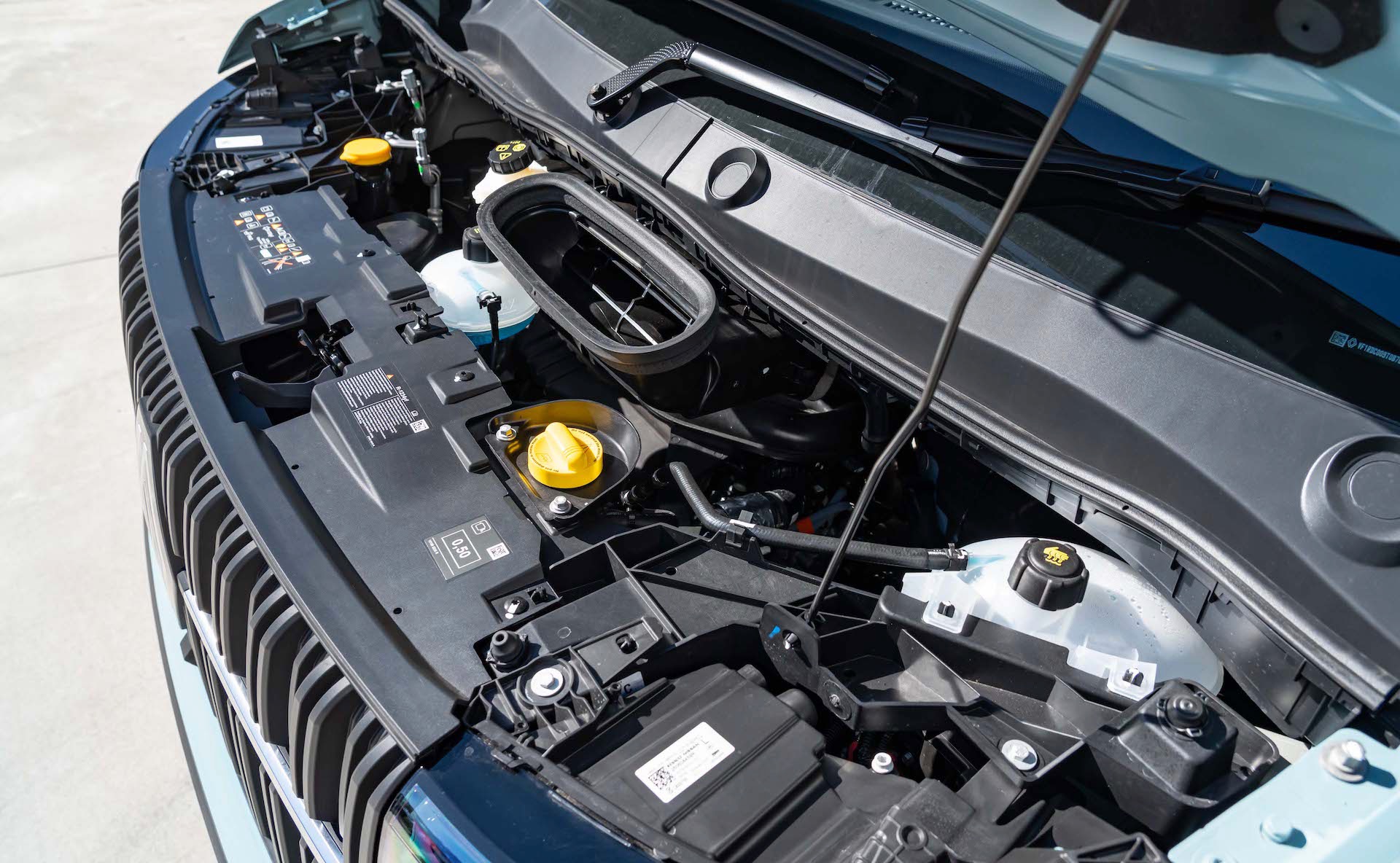
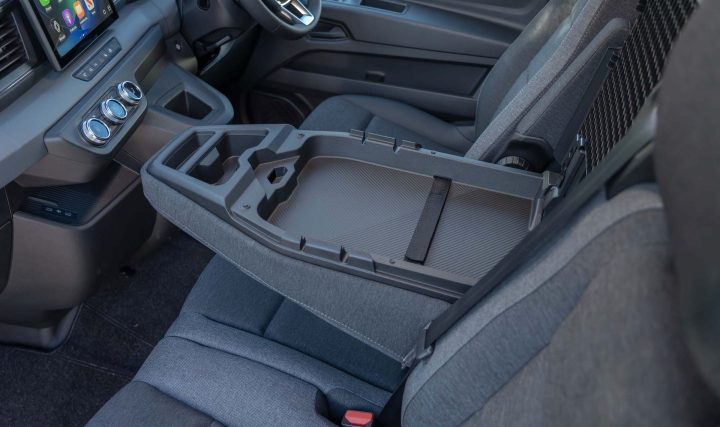
Renault has also packed the cabin with clever ideas. There’s generous under-seat storage beneath the passenger bench, huge overhead storage pockets for paperwork and equipment, and numerous other cubbies throughout the cabin. Even the front bumper incorporates integrated steps so you can clean bird poo off the windscreen or refill the washer bottle with ease, despite the vehicle undergoing extensive aerodynamic development and wind-tunnel testing.
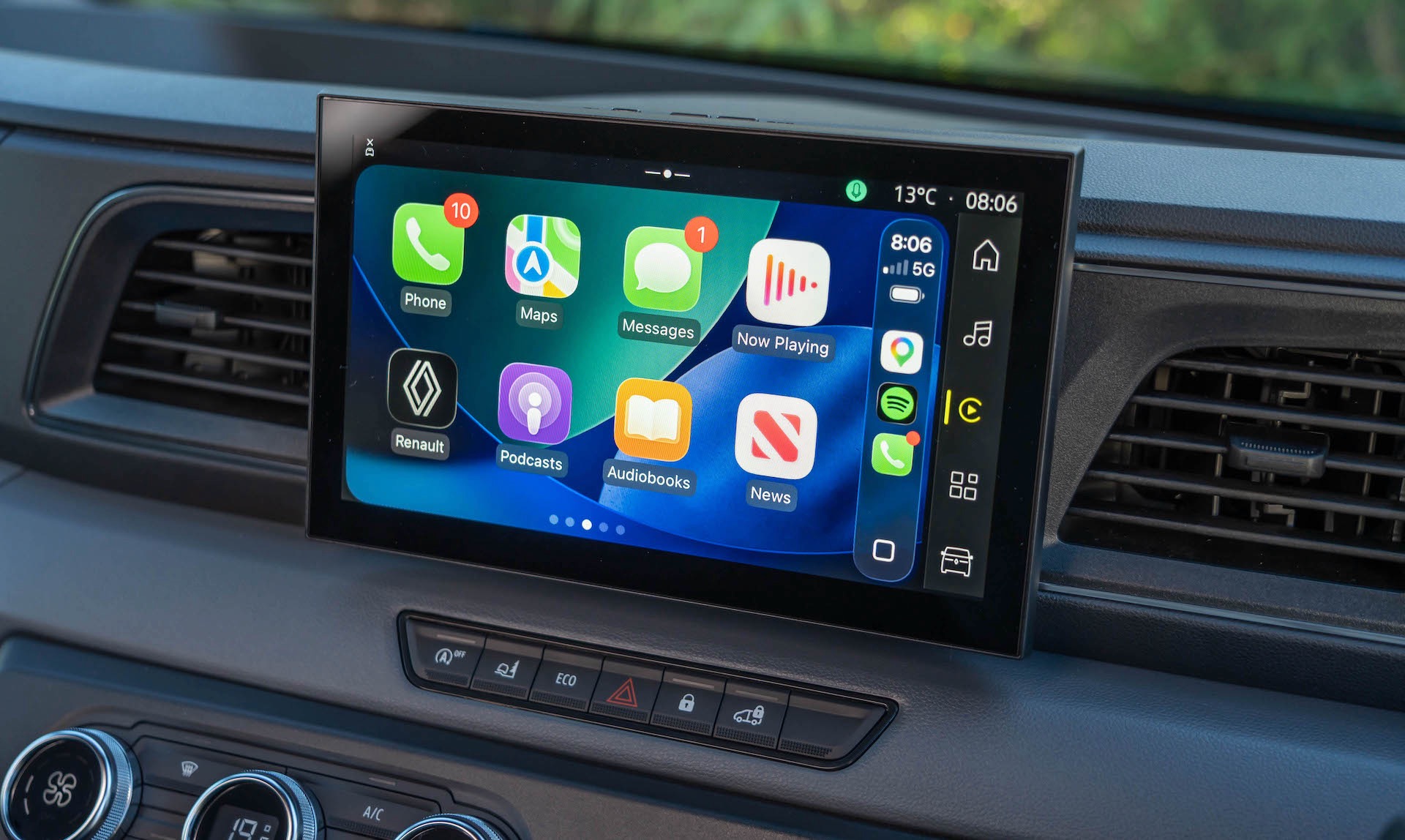
Technology has taken a big step forward as well. There’s a new 10-inch infotainment system that supports both wired and wireless Android Auto and Apple CarPlay, while physical buttons remain for key functions, helping reduce distraction while driving. Renault has also installed its ‘Perso’ safety systems button on the right of the steering wheel.
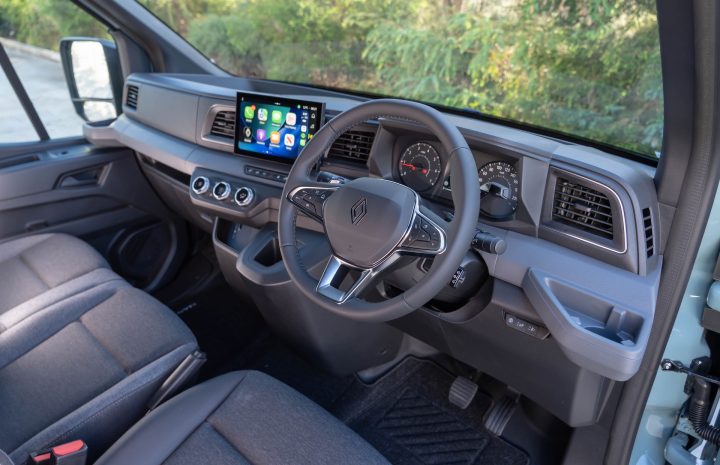
Basically, set up all of your favourite ADAS settings in the main screen, then every time you jump into the vehicle, just tap the Perso button twice and it’s quickly configured into your settings. No stuffing around swiping things off and digging around in menus. Every vehicle should have something like this in our opinion, because not everyone wants or likes driver monitoring cameras and lane-keep assisting functions.
Businesses with specific requirements are also well catered for. Renault offers an extensive list of factory configurations, option packs and accessories, while fleet operators can even specify customised exterior colours to suit corporate branding.
Another welcome inclusion is a full-size spare wheel across the range; something that’s becoming increasingly rare but could prove invaluable for regional operators. It’s mounted externally under the rear end, behind the rear axle.
As for cargo-carrying capability, all diesel models offer a GVM of 4000kg, with payloads ranging from 1811kg and up to 1973kg, depending on the configuration. In electric form, the payloads range from 1084kg to 1164kg, with a GVM of 3500kg. Braked towing capacity is 2000kg across the board.

2026 Renault Master: Powertrain & handling
Power comes from a revised 2.0-litre turbo-diesel producing 125kW and 380Nm, paired with a conventional nine-speed torque-converter automatic transmission, sending power to the front wheels for front-wheel drive.
The move away from the previous dual-clutch automatic is immediately noticeable, and welcoming. Gear changes are smoother, low-speed manoeuvring is easier, and the whole driving experience feels far more polished. Around town and on the highway, the transmission is one of the Master’s standout improvements.
As for the engine itself, it is impressively quiet and refined, helping the Master feel more like a large passenger vehicle than a commercial van. It doesn’t clatter and rattle about like some commercial products, and performance is adequate when unladen, although another 30 or 40Nm of torque would probably make it feel more effortless, particularly once the cargo area is carrying close to its maximum payload.

Fortunately, the chassis complements the powertrain well. Steering is predictable, body control is tidy for such a large van, and overall dynamics are among the best in the class. They say ‘European handling’ and it is true, this feels good even on twisty backroads. Solid Continental tyres measuring 205/75 really help, too – some vans come with rubbish tyres.
Long highway journeys are particularly relaxing, with little of the commercial-vehicle harshness often associated with large vans. Flip down the driver armrest – which leaves your hand resting perfectly on the steering wheel – and sit back and relax while you get to where you need to go.
2026 Renault Master: Key attractions/reasons to buy
The new Renault Master represents a substantial step forward. With an SUV-like cabin, thoughtful storage solutions, vastly improved nine-speed automatic transmission and impressive overall refinement, it is one of the easiest large vans to live with. Renault has also backed it up with an extensive range of body styles, option packs and customisation possibilities.
Although the engine could benefit from a little more torque, particularly for operators who regularly carry heavy payloads, it is a relatively minor criticism in what is otherwise a thoroughly modern and pleasant-to-drive commercial vehicle.
2026 Renault Master: Video