The Australian new-car market has been crying out for a practical, affordable wagon for years. SUVs have steadily replaced them, leaving buyers with few choices if they wanted the driving manners of a passenger car but the cargo capacity of something more versatile.
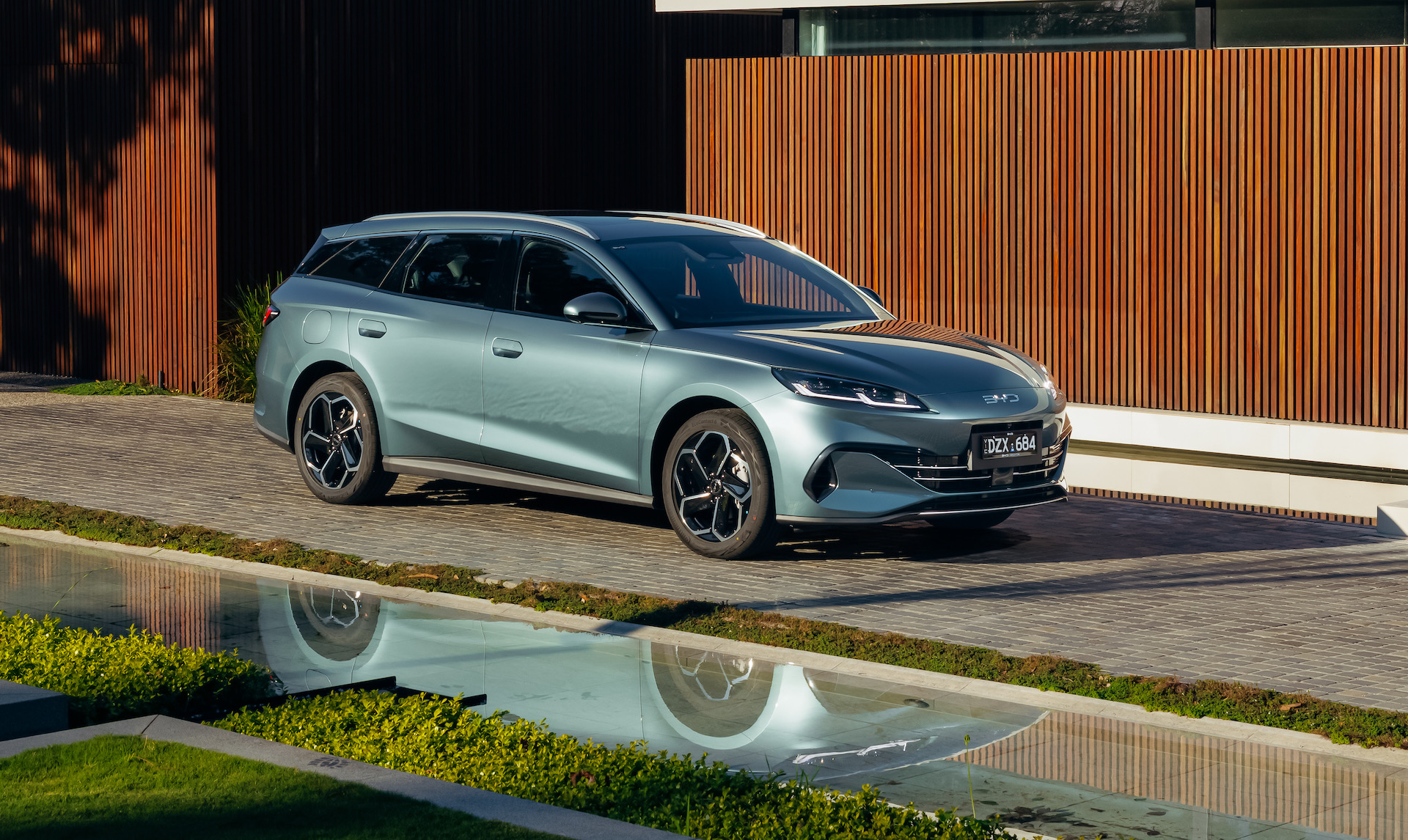
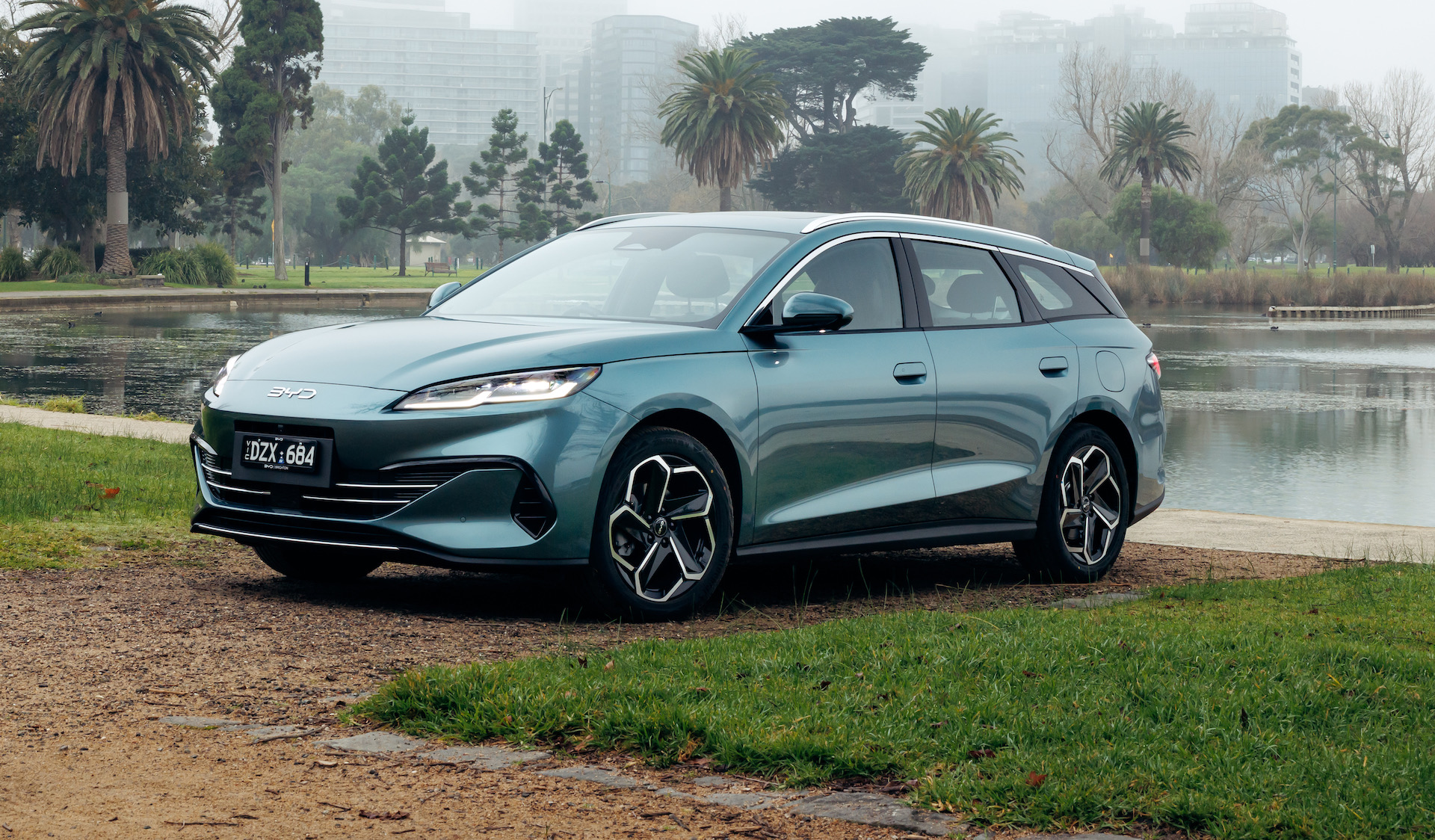
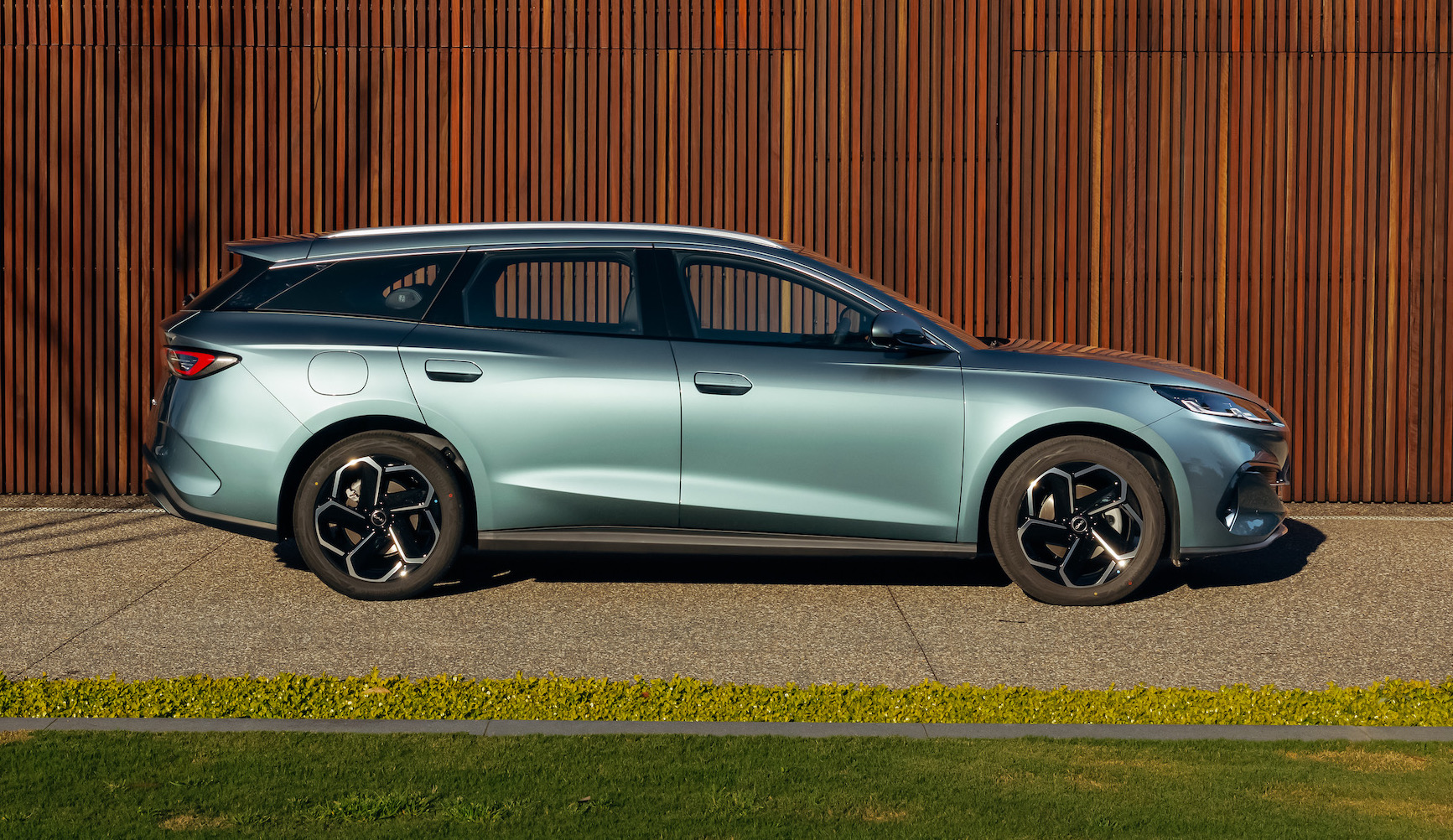
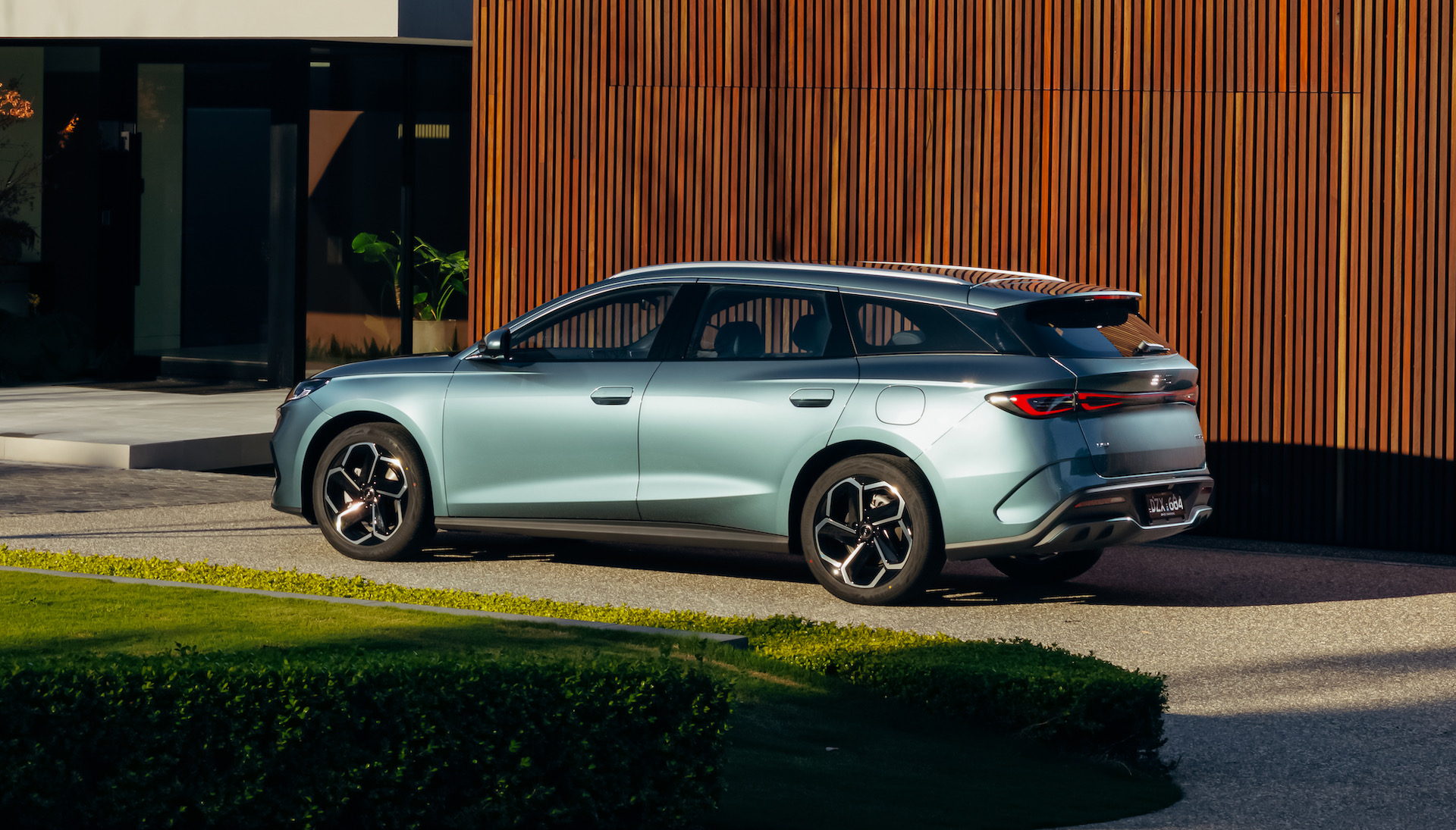
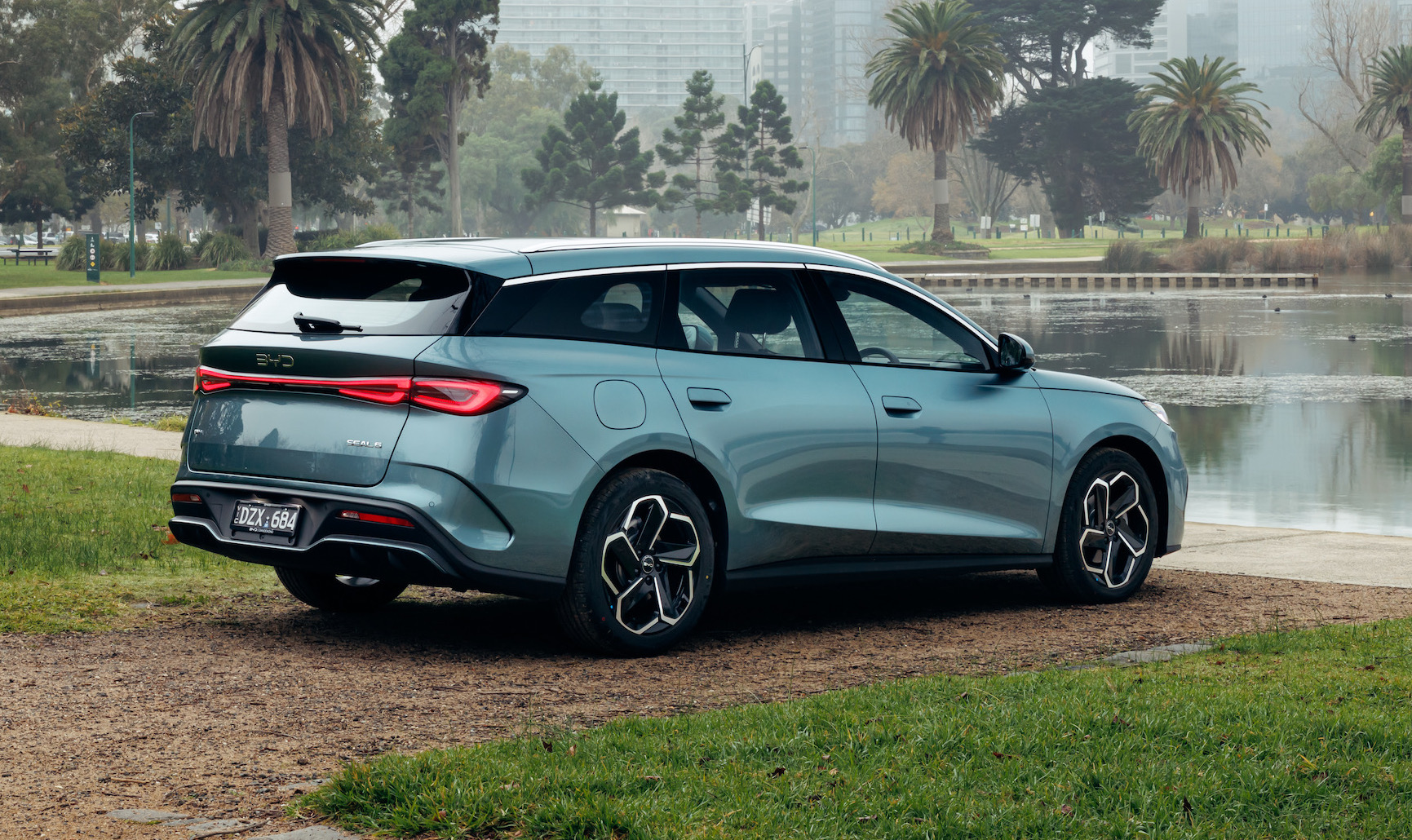
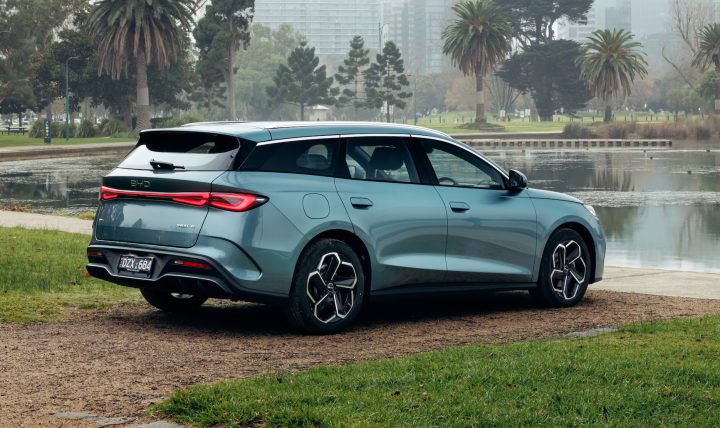
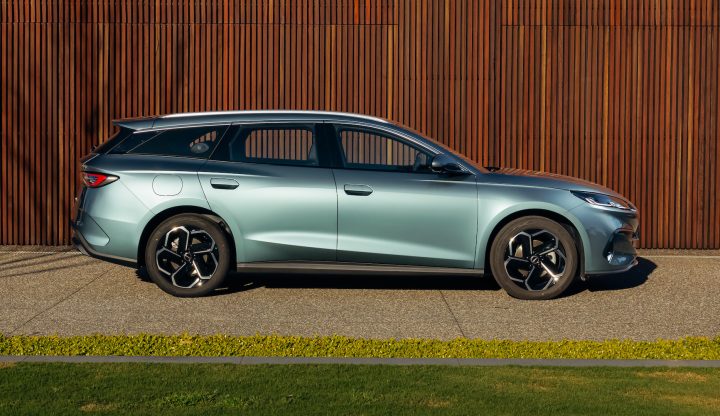
Enter the BYD Seal 6 Touring. Rather than reinventing the wheel, BYD has simply taken its latest plug-in hybrid technology and wrapped it in a handsome wagon body, creating a vehicle that could tempt buyers away from both medium SUVs and traditional sedans.
At under $40,000 retail price, it also arrives with one of the strongest value propositions in the segment.
2026 BYD Seal 6 Touring: Specifications
Engine: 1.5-litre four-cylinder petrol PHEV
Electrical: 19kWh battery, 1x electric motor
Output: 163kW / 260Nm
Gearbox: Single-speed auto
Drive type: Front-wheel drive
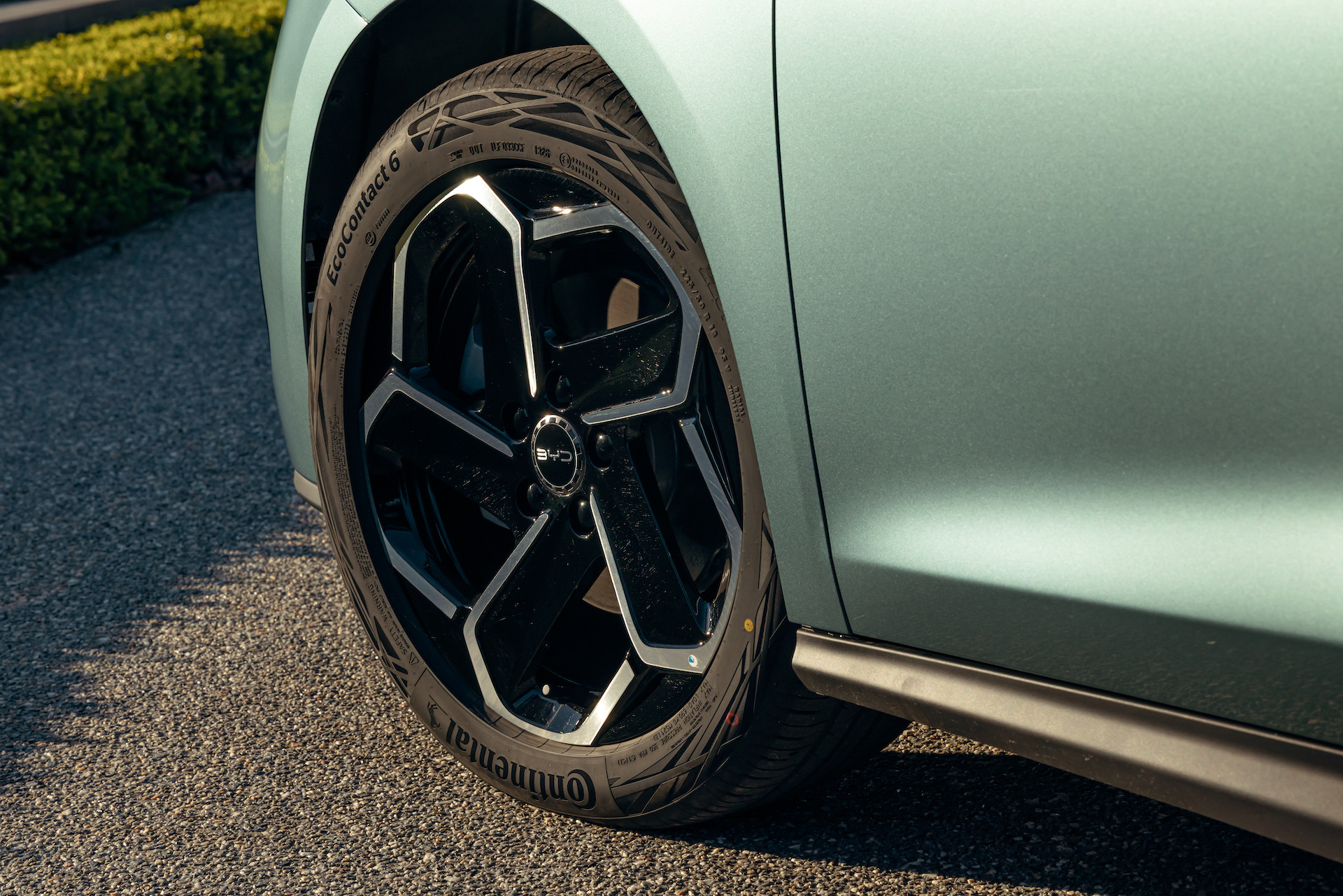
Wheels: F & R: 18×7.0, 225/50
ANCAP: Five starsKerb weight: 1800kg
Power-to-weight: 11.04:1 (kg:kW)
Official consumption: 0.8L/100km
Our consumption: 4.3L/100km
Fuel tank/Fuel type: 65L/91 RON
0-100km/h: 7.28 seconds*
Starting price: $39,990
*Figures as tested by Driving Enthusiast on the day. Manufacturers’ claims may be different
2026 BYD Seal 6 Touring: How much does it cost?
Priced from $39,990, the Seal 6 Touring undercuts many medium SUVs while offering equipment levels and technology that often exceed more expensive rivals.
It’s also one of the very few affordable wagons currently available, giving buyers an appealing alternative if they don’t want to follow the SUV trend. Combined with BYD’s generous 6-year/150,000km warranty coverage (8 years/160,000km for the battery), the value proposition is difficult to ignore.
Strangely, servicing intervals are split between the petrol engine and the electric side of things. Basically, servicing is every 20,000km or 12 months, but if the petrol engine reached 10,000km/1 year first, it needs to be serviced then. It could get very confusing but the main thing to worry about is getting the petrol engine serviced every 10,000km.
Over five years, scheduled services cost $305, $636, $305, $1225, $306, again, whichever comes first the petrol engine reaching 10,000km or the vehicle reaching 20,000km or 12 months. This is going to be dependent on how much you drive using the electric motor and charging. It is, essentially, cheaper to run if you charge it regularly.
2026 BYD Seal 6 Touring: Interior & packaging
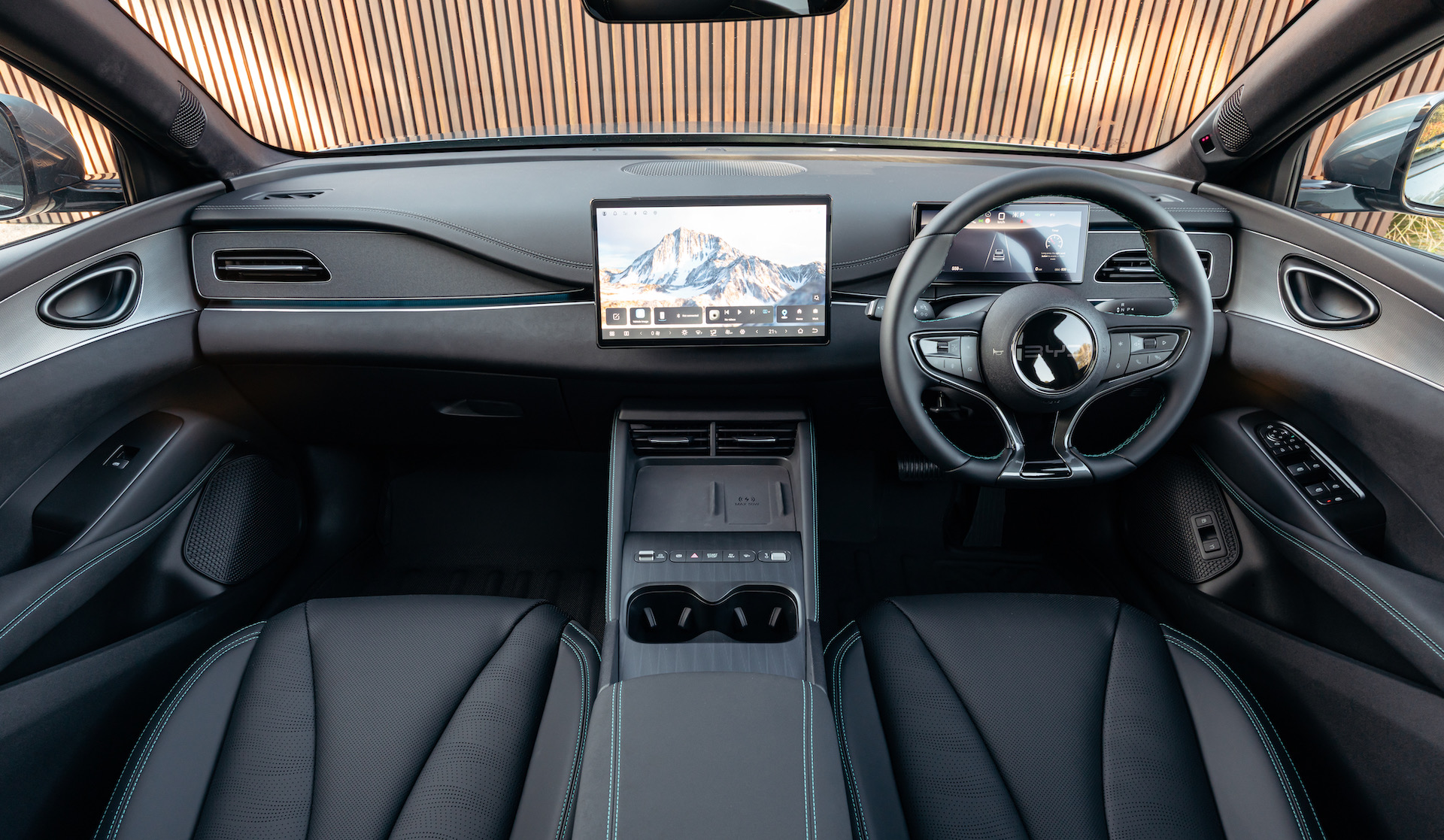
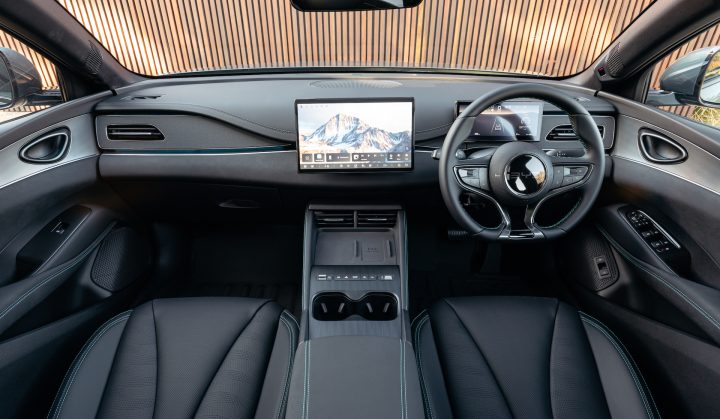
One of the Touring’s biggest strengths is how efficiently it uses its footprint. Despite being relatively easy to manoeuvre around town and slot into tight parking spaces, the cabin is genuinely spacious. There’s an open and airy frontal area with the fashionable split centre console, a wireless charging pad and big centre storage box and arm rest.
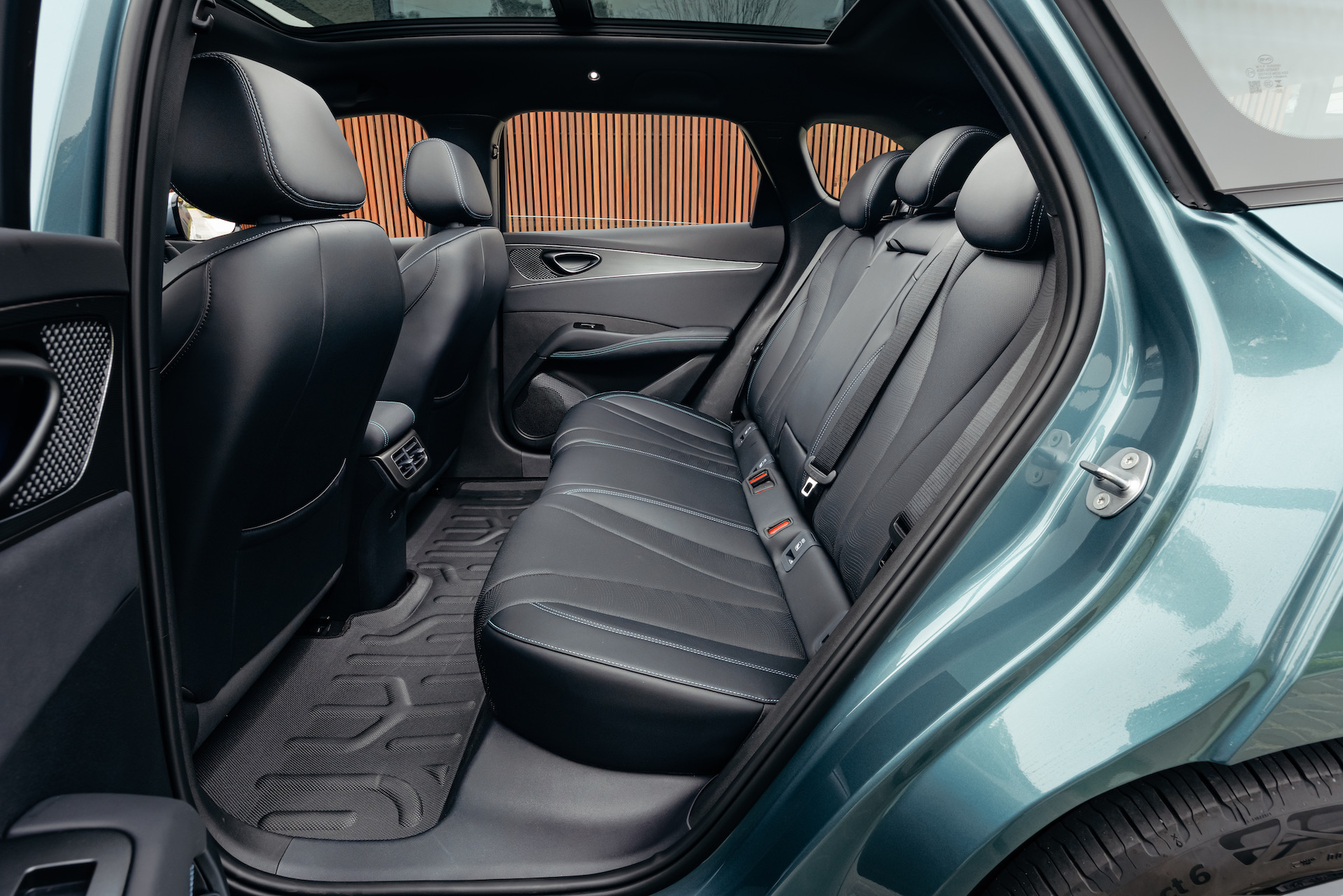
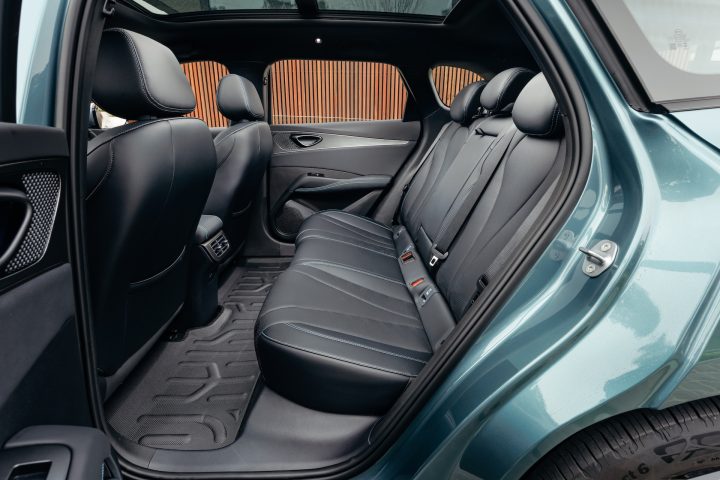
Rear-seat accommodation is generous as well, with enough legroom available to keep the average-size adult happy. A flat floor also helps to keep the middle-seat passenger quiet, with twin climate vents and USB-A and -C ports at the ready.
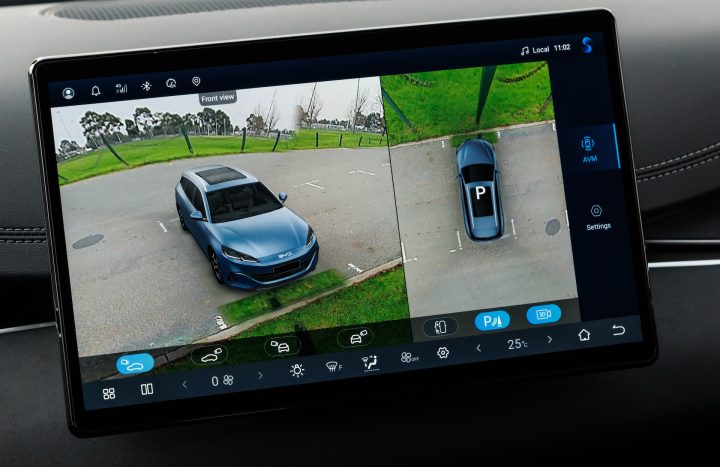
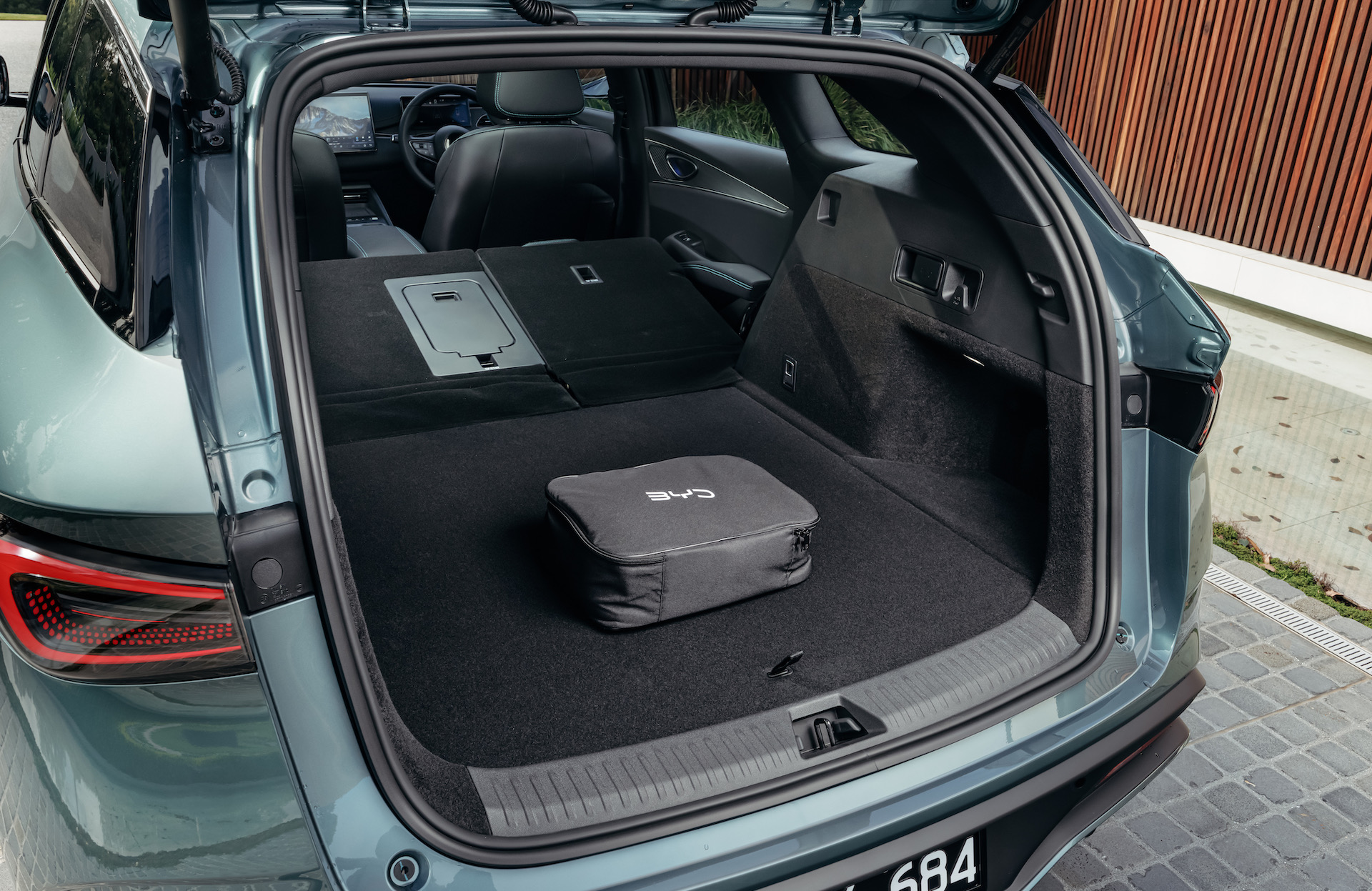
Having the wagon body unlocks an impressive 670 litres of boot space (measured to the ceiling), expanding to 1535L with the rear seats folded – and you can fold the seats from pull-tabs in the boot area. That’s enough room for family holidays, sporting equipment or bulky shopping trips without the compromises often associated with sedans.
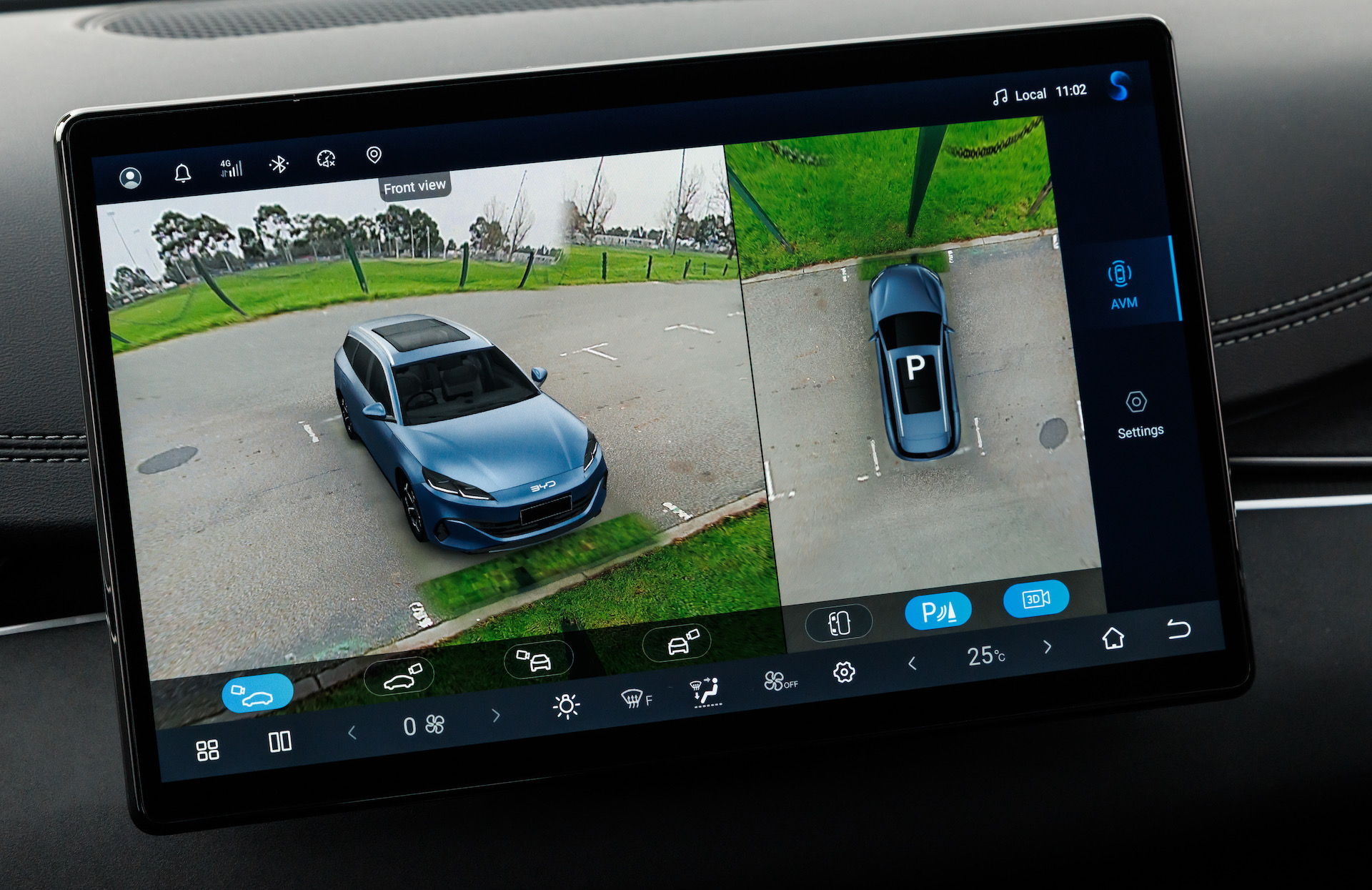
The cabin adopts BYD’s now familiar minimalist approach, with a large rotating touch-screen dominating the dashboard. Wireless Apple CarPlay and Android Auto are standard, while the overall presentation feels modern and well-finished for the price, with oceanic themes and even wetsuit-like material across the doors and dash providing a refined and acoustic setting.
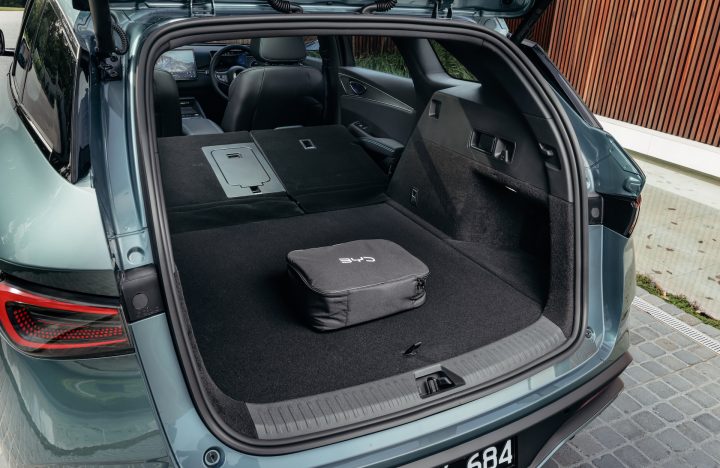
However, the reliance on the touch-screen does come with drawbacks. Most vehicle functions require navigating through menus, and some of the on-screen icons are quite small, making them difficult to accurately press while driving. A handful of physical shortcut buttons for commonly used functions such as climate control would improve usability considerably in our opinion.
The sound system is another area that doesn’t quite live up to the rest of the package. Audio quality is acceptable, but maximum volume seems unusually limited, never delivering the richness or output expected from a modern family car. There’s also no spare wheel, only a repair kit – as per typical of EVs and PHEVs – which means long-distance touring could become problematic.
2026 BYD Seal 6 Touring: Powertrain & handling
Under the skin is BYD’s latest DM-i 5.0 plug-in hybrid system, pairing a naturally-aspirated 1.5-litre petrol engine running a diesel-like 16:1 compression ratio (no wonder it needs 10,000km services), with an electric motor and a 19kWh Blade Battery.
The philosophy differs from many conventional hybrids, with the electric motor doing the majority of the work while the petrol engine steps in only when required and, most of the time, working just as a generator; not actually powering the front wheels. The petrol engine can send twisting force directly to the wheels under serious demands and above 70km/h. The transition between the two is seamless, with no intervention needed from the driver.
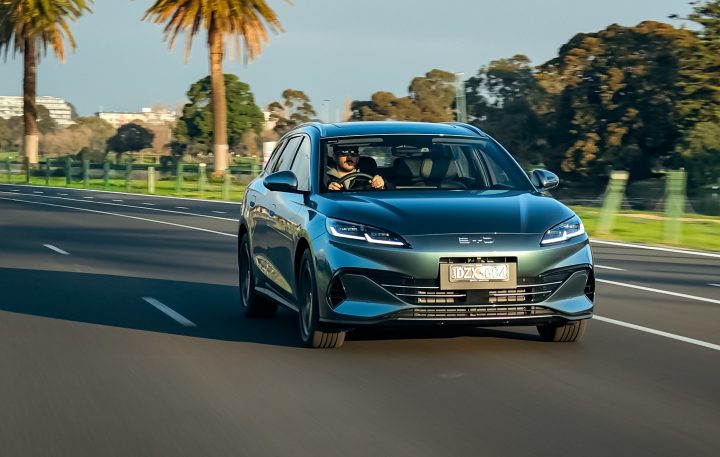
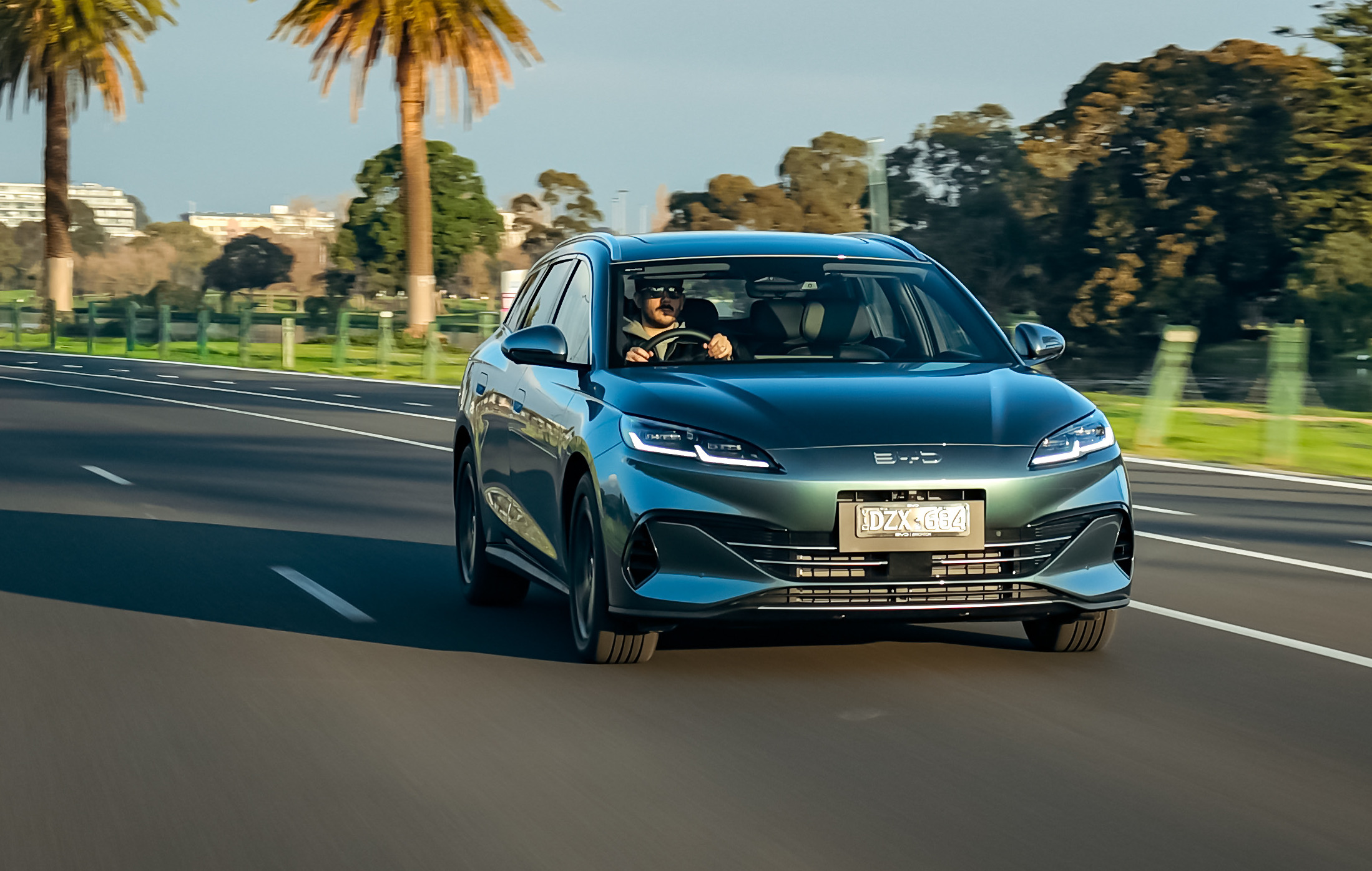
Performance is stronger than the official figures might suggest. BYD claims 0-100km/h in 8.1 seconds, but our testing with a Vbox revealed a quicker 7.28 seconds, putting it comfortably alongside the latest 170kW Toyota Camry Hybrid. And that was with the battery down at around 20 per cent SoC. It’s not a sports wagon, but there’s more than enough grunt here for everyday driving and safe highway overtaking.
Handling is a pleasant surprise. Body control is tidy, the suspension absorbs bumps confidently, and the Touring feels well balanced through corners. The steering doesn’t communicate a great deal about what the front tyres are doing, but that’s unlikely to trouble most buyers in this class. Instead, the overall setup prioritises comfort and confidence, which suits the vehicle’s intended role perfectly.
Perhaps the biggest achievement, however, is efficiency. BYD claims the Touring can travel more than 1000km on a full battery and fuel tank, and based on our experience, driving from Sydney to Melbourne, that appears entirely realistic.
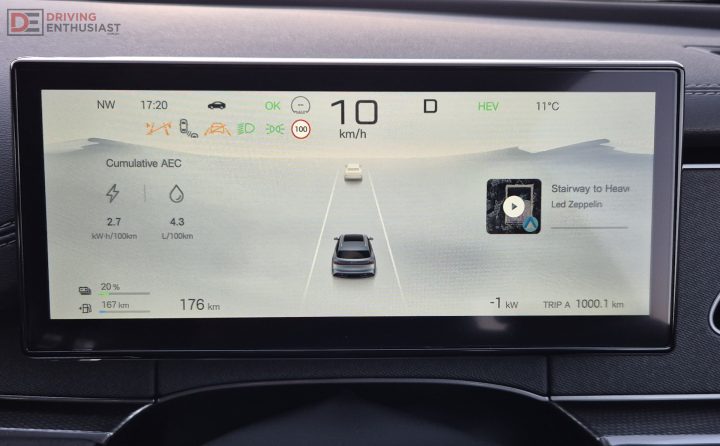
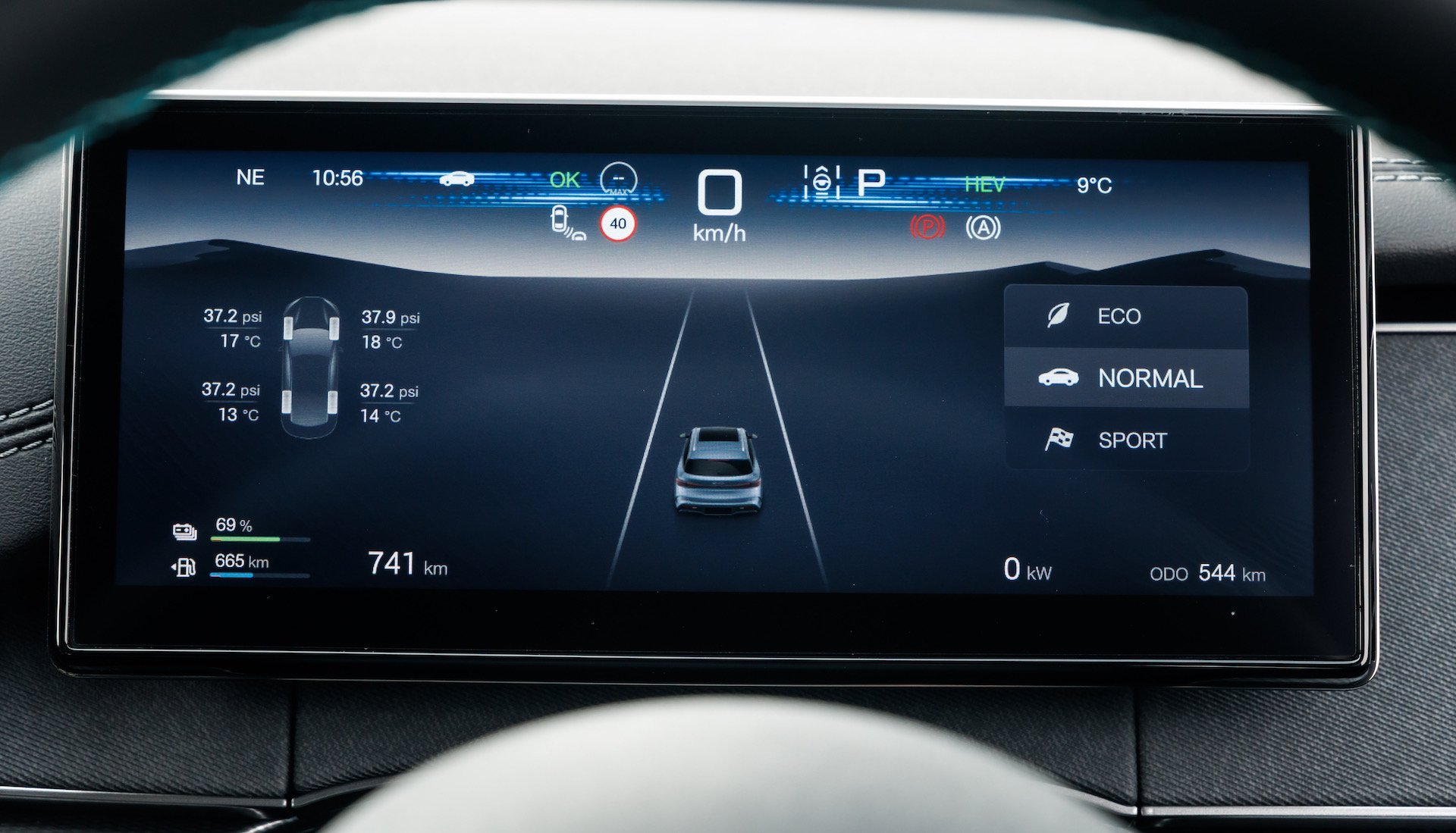
Even during extended highway driving, typically the least efficient environment for a plug-in hybrid, the range is remarkably impressive. We saw average figures of 4.3-5.1L/100km during this trip. And that was running with the air-con on the entire time, in Normal mode, and not at all driving with efficiency in mind. In other words, it would be possible to see even lower figures than this.
For many owners, daily commuting could be completed almost entirely on electric power. But, it is good to see it performs very well when driven like a regular hybrid.
2026 BYD Seal 6 Touring: First impressions
The Seal 6 Touring demonstrates that practical family wagons can be very appealing in today’s world of SUVs. It offers excellent packaging, a comfortable and composed driving experience, properly impressive real-world efficiency, and enough performance to satisfy everyday driving, all wrapped up in a package that’s very affordable. For buyers wanting SUV practicality without SUV bulk, it’s arguably one of the smartest alternatives currently available.
There are areas that could be improved in our opinion, as with any vehicle. The touch-screen-heavy interface could benefit from more physical controls, the audio system sounds fairly ordinary, and the steering lacks feel. Even so, those are relatively minor criticisms when weighed against everything else the Touring delivers.
2026 BYD Seal 6 Touring: Video