At a technology event in Shenzhen, BYD unveiled its second-generation ‘Blade Battery 2.0’, capable of charging from 10 to 70 per cent in around five minutes and reaching roughly 97 per cent in about nine minutes under ideal conditions.
Those figures are only possible with the company’s new ‘Flash Charging’ system; a high-power DC network capable of delivering up to 1500kW through a single connector, several times more powerful than most public ultra-rapid chargers currently deployed around the world.

However, the big news is the infrastructure plan behind it. BYD says it intends to build around 20,000 flash-charging stations across China by the end of 2026, with around 2000 of those located along major highways to support long-distance travel.
Unlike conventional DC fast chargers that draw directly from the grid, many of these stations will incorporate integrated battery storage. The system allows the station to slowly store energy from the grid and then discharge it rapidly into vehicles when required, reducing strain on local electricity infrastructure while still enabling extremely high charging rates.
BYD has already installed more than 4000 flash-charging stations in China, with the broader rollout expected to expand rapidly over the next two years.
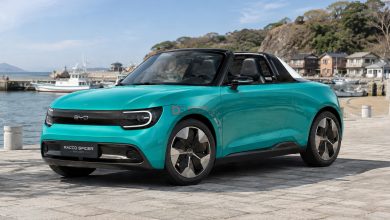
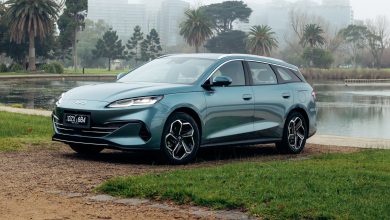
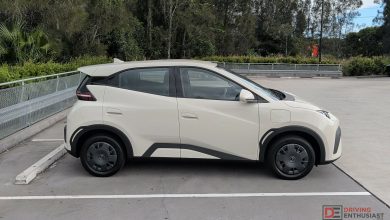
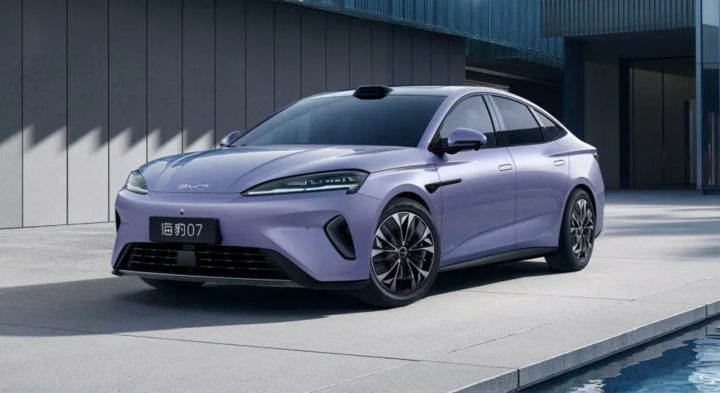
The new battery technology is expected to appear in more than 10 upcoming EV models, including vehicles capable of more than 1000km of claimed driving range under Chinese testing standards. One such model is the new BYD Seal 07, offering a range of just over 700km.
While the technology has been developed primarily for the Chinese market, BYD has indicated its Flash network and compatible vehicles will eventually expand internationally, potentially bringing megawatt-level EV charging to markets including Europe and beyond.
If delivered at scale, the combination of ultra-fast charging and a dense charging network could significantly narrow one of the biggest remaining gaps between electric cars and traditional ICE cars; time. Sadly, the Australian infrastructure is unlikely to catch up any time soon.