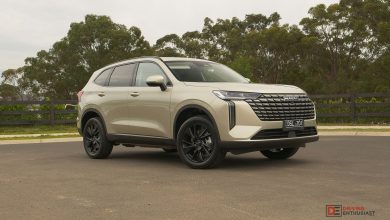
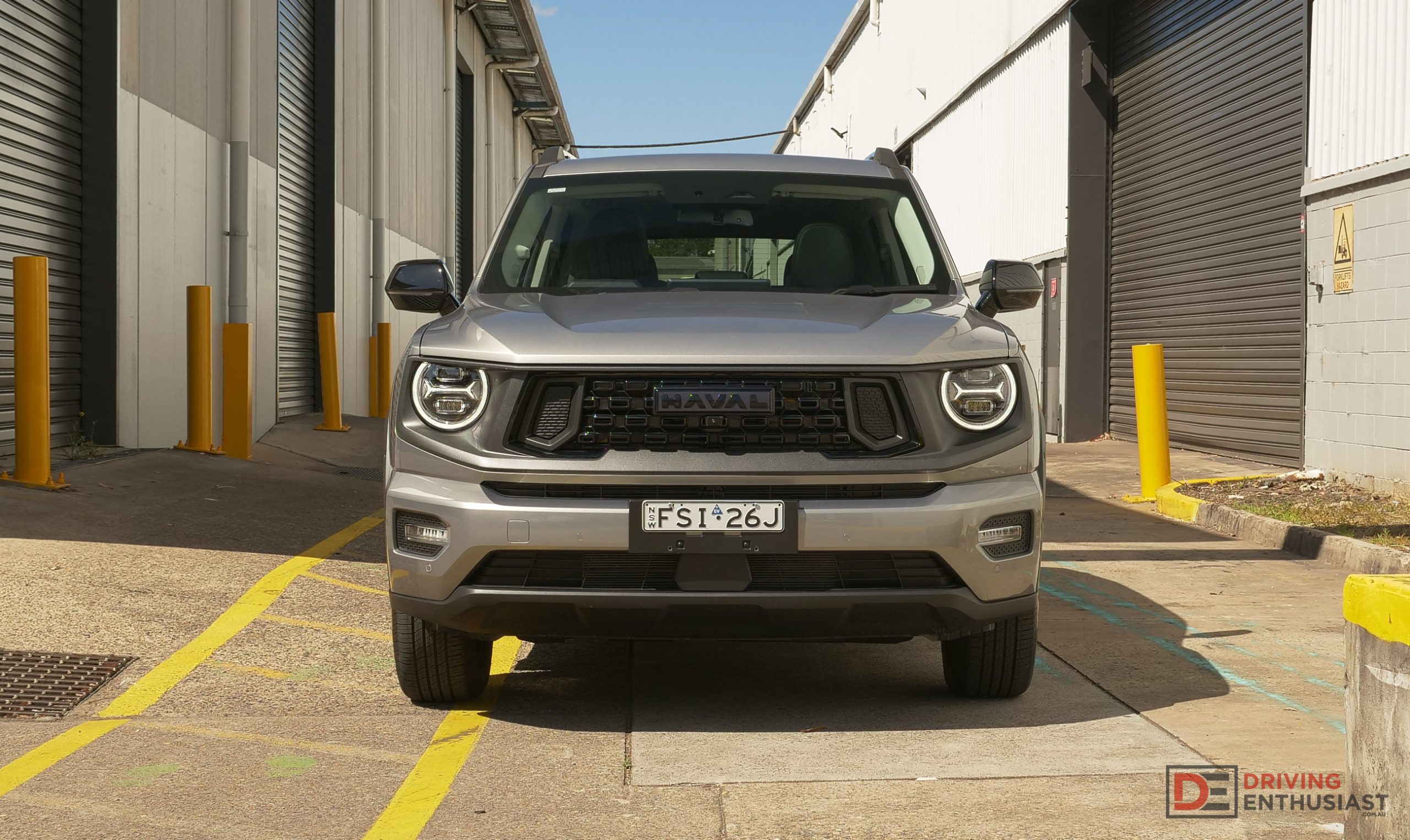
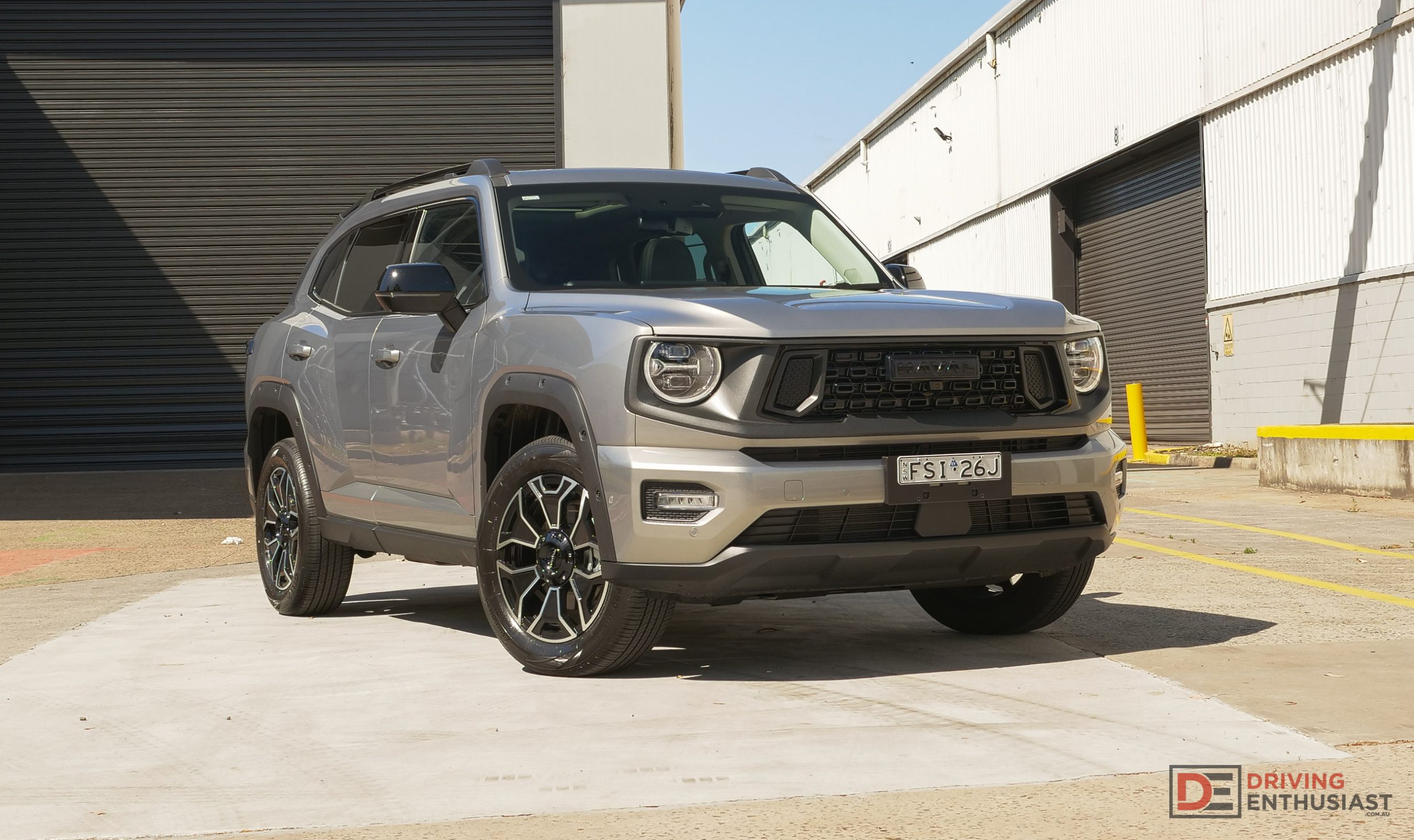
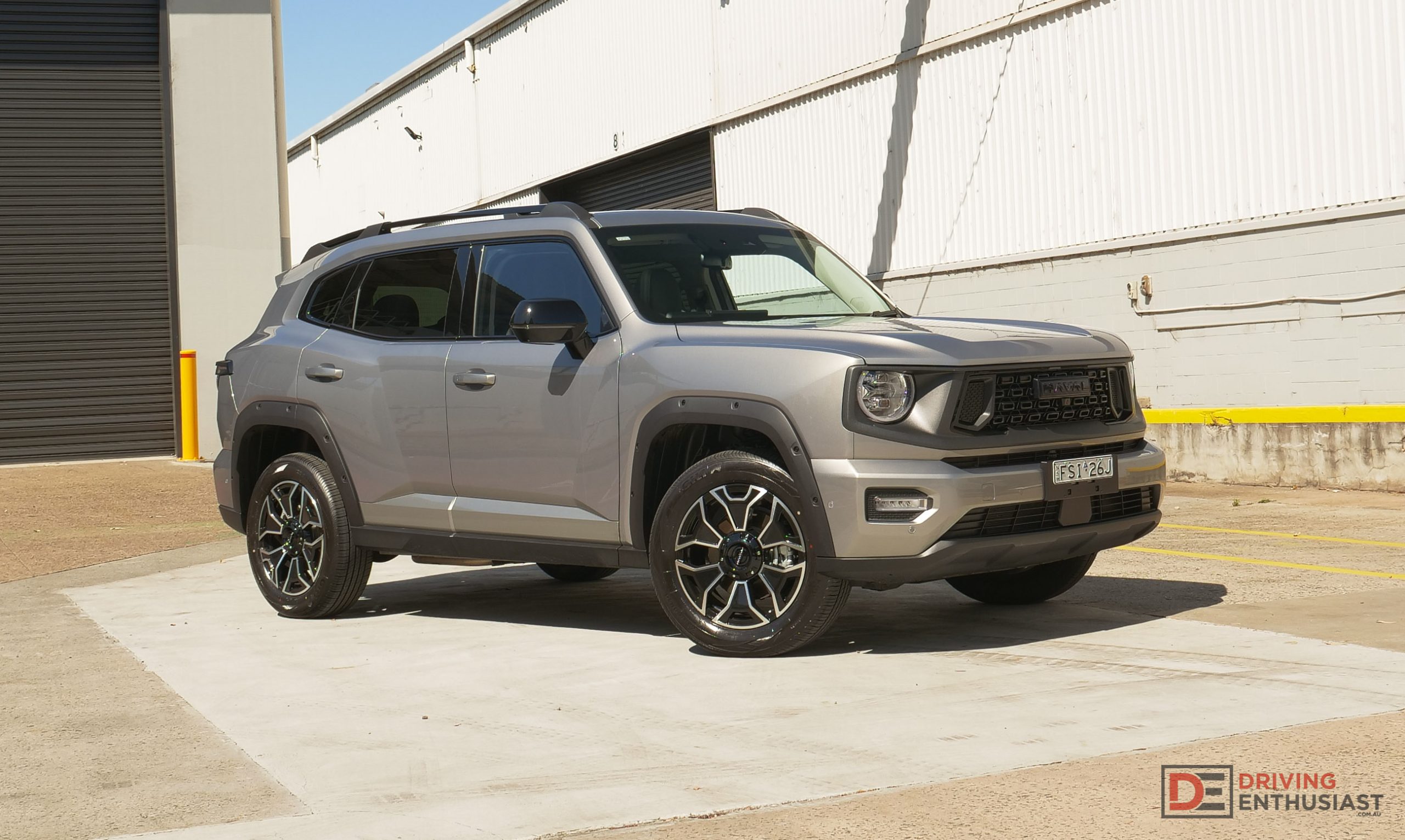
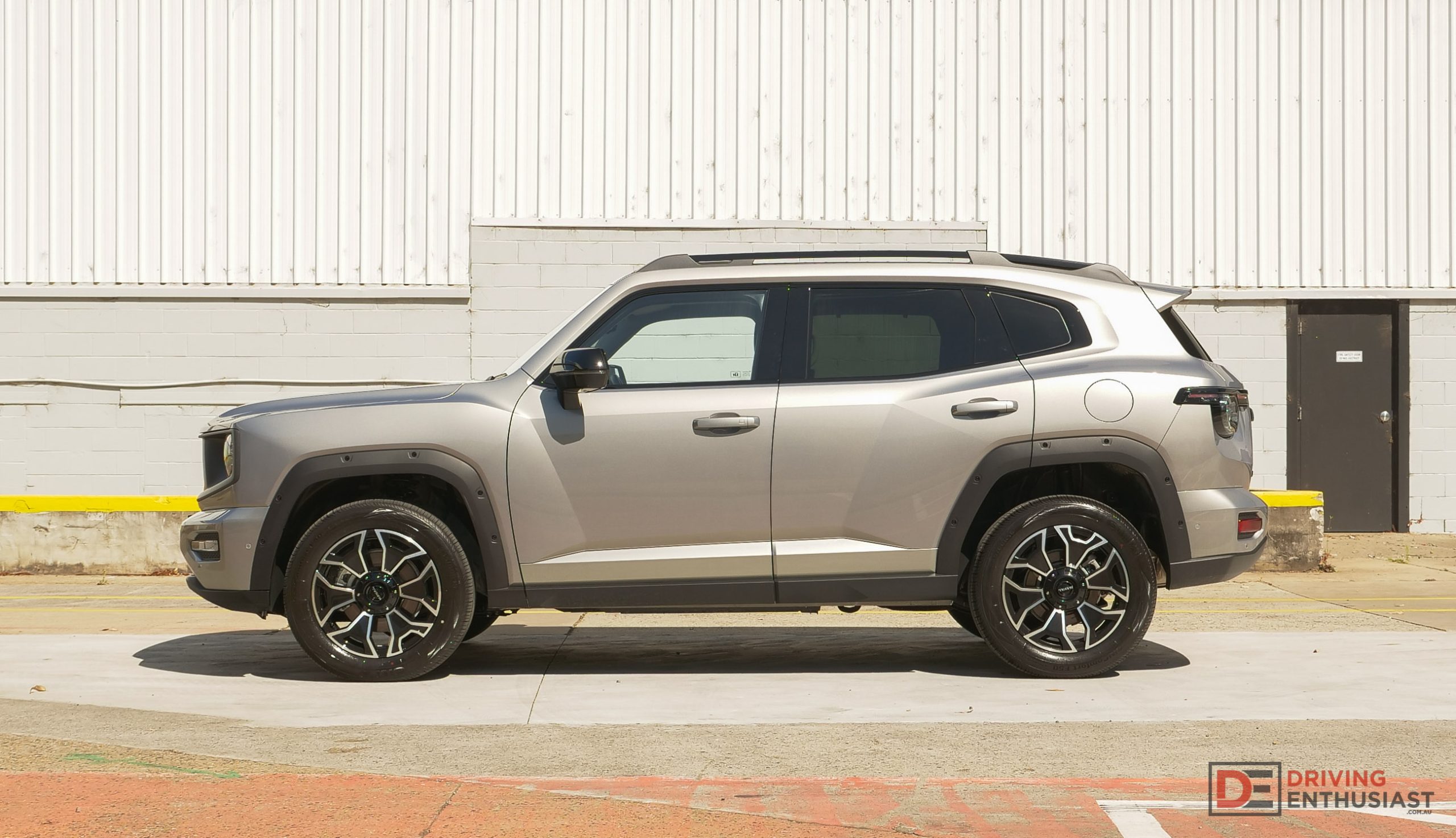
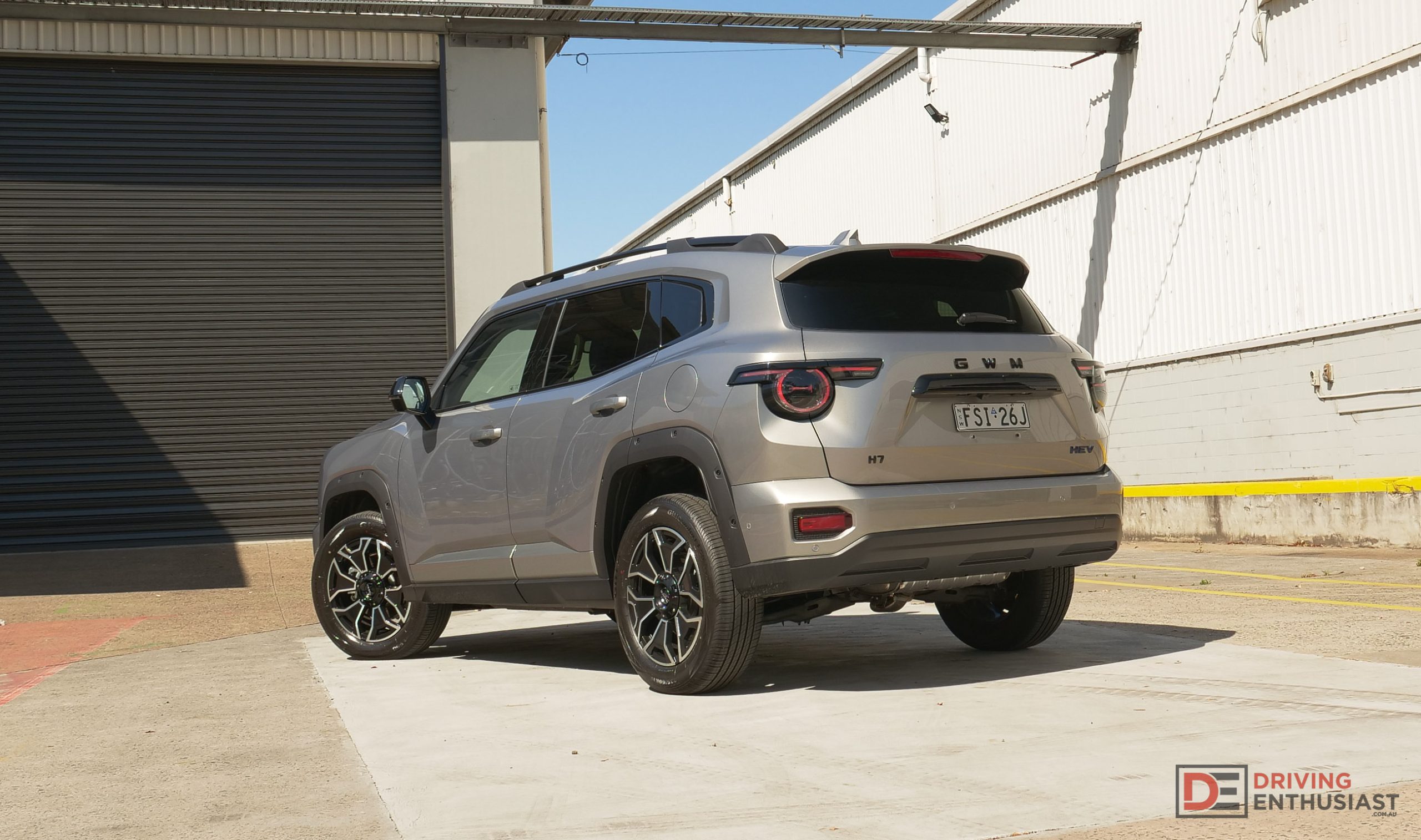
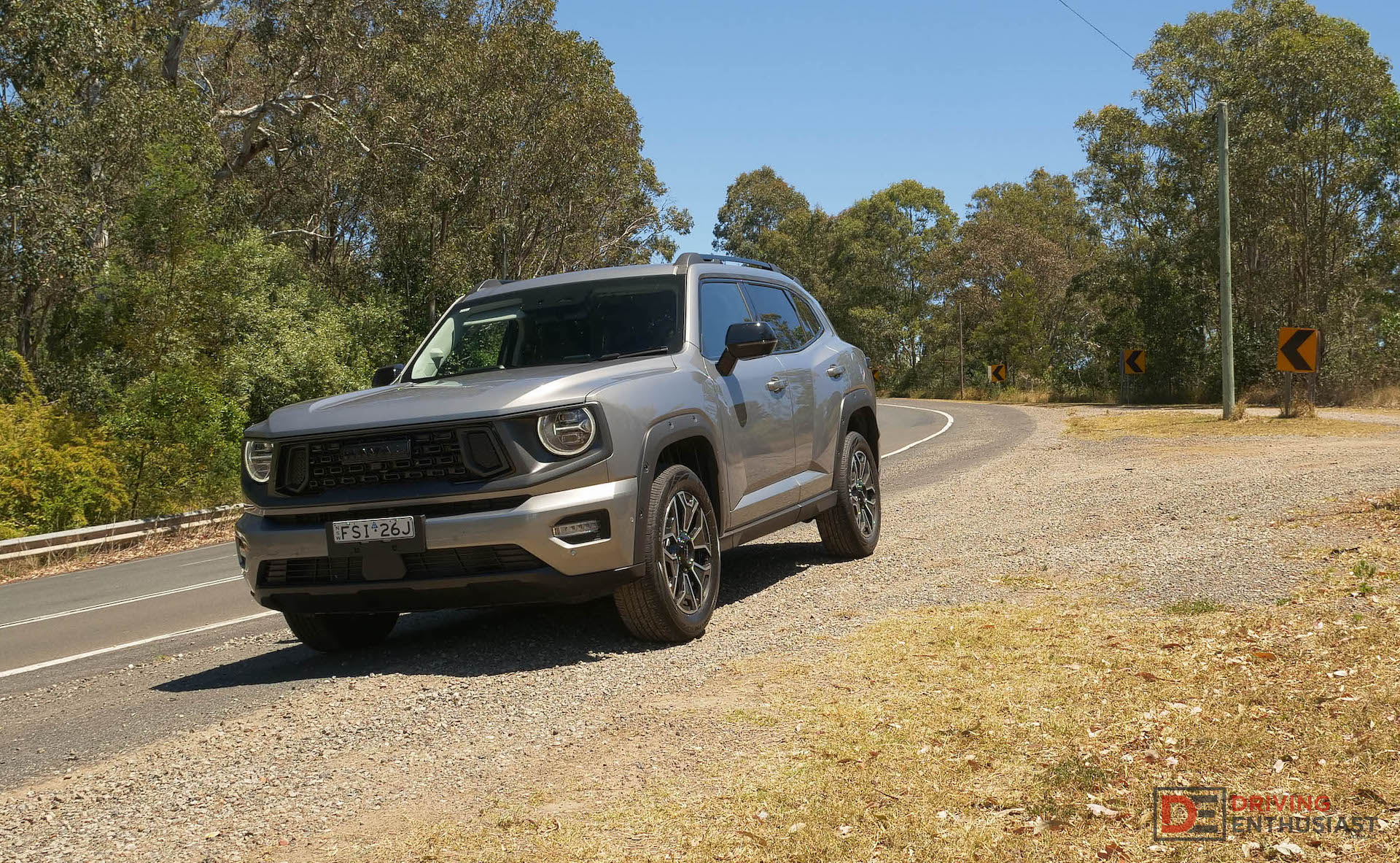
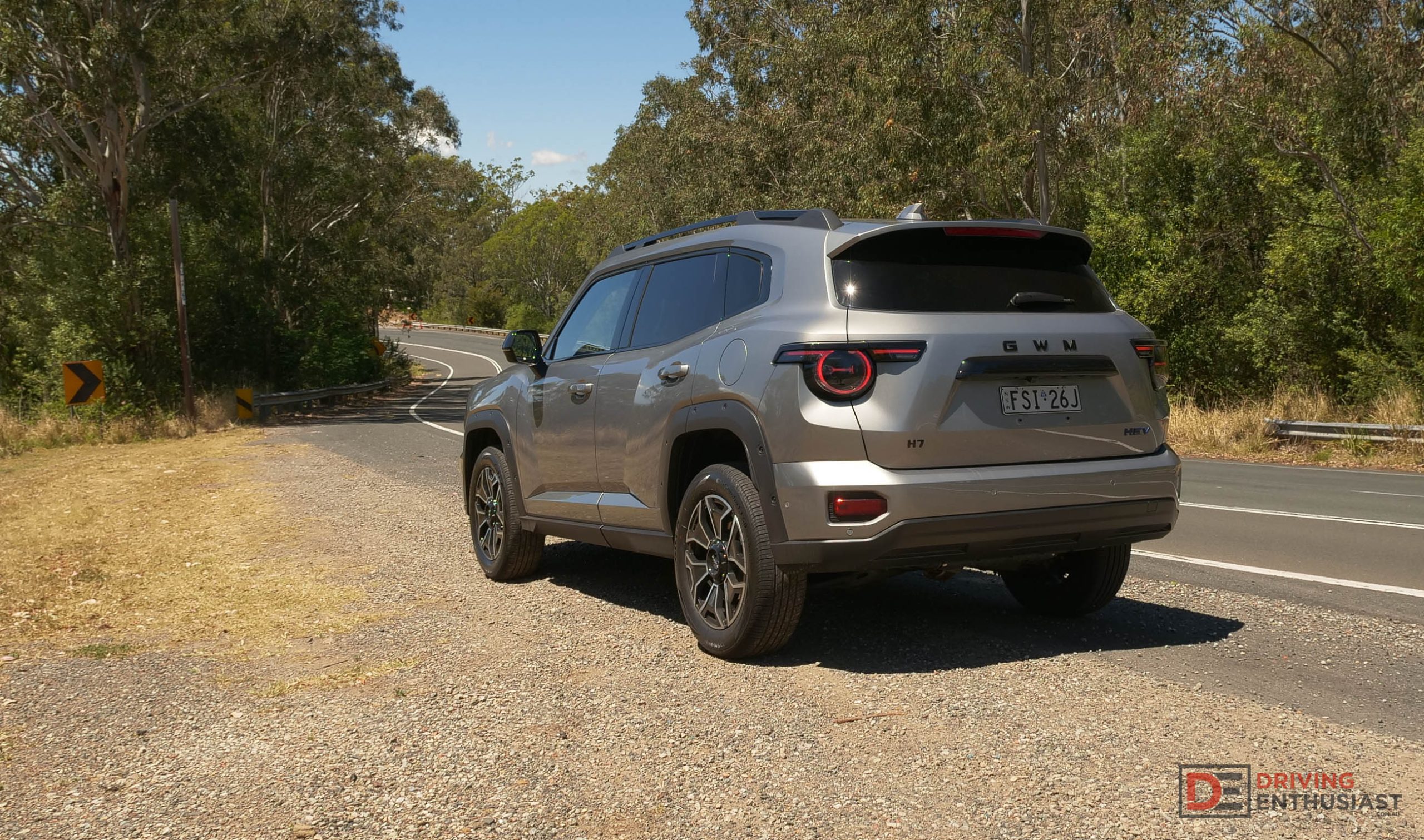
SUV design is essentially split into two camps; sleek, city-focussed crossovers that prioritise refinement, and rugged wagons that trade finesse for character and capability. The new GWM Haval H7 Vanta Hybrid plants itself firmly in the latter camp. Squared-off, upright, and visually bulky, it presents itself as something tougher and more adventurous than the average mid-size SUV, even before you notice the blacked-out Vanta treatment and industrial design cues.
Positioned between the softer Haval H6 and the Tank 300 off-roader, the H7 is meant to bridge the gap between family practicality and outdoorsy intent. And with hybrid power under the bonnet, it also promises efficiency alongside that rugged aesthetic. But bold looks can be deceiving. With front-wheel drive only, road-biased tyres, and a clear focus on urban usability, does it live up to its tough visual promise? After spending a week with one, here is our take.

2026 GWM Haval H7 Vanta Hybrid: Specifications
Engine: 1.5-litre turbo four-cylinder hybrid
Output: 179kW / 530Nm
Gearbox: Three-speed CVT hybrid auto
Drive type: Front-wheel drive
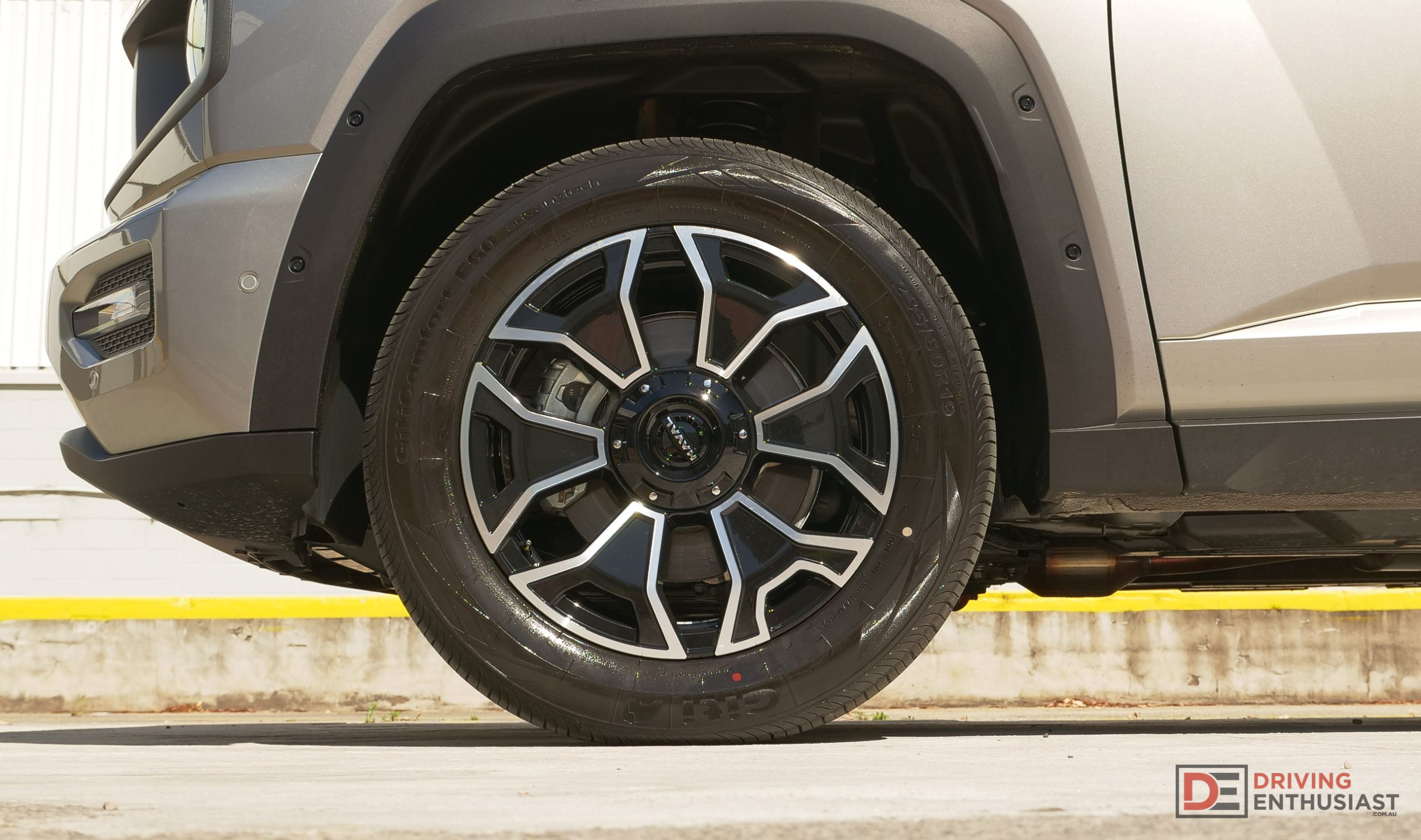
Wheels: F & R: 19×7.0, 235/60
ANCAP: Five stars
Tare weight: 1775kg
Power-to-weight: 9.91:1 (kg:kW)
Official consumption: 5.7L/100km
Our consumption: 6.5L/100km
Fuel tank/Fuel type: 61L/91 RONPower efficiency: 31.40kW:L/100km
0-60km/h: 4.28 seconds*
0-100km/h: 8.58 seconds*
60-110km/h: 5.71 seconds*
1/4 mile: 16.31 seconds at 147.1km/h*
Max acceleration: 0.468g*
100-0km/h braking: 41.06m in 3.19 seconds*
Max deceleration: -1.160g*
Peak decibel at 60-100km/h: 76*
Starting price: $46,990
*Figures as tested by Driving Enthusiast on the day. Manufacturers’ claims may be different
2026 GWM Haval H7 Vanta Hybrid: How much does it cost?
The Haval H7 Vanta Hybrid in its sole variant, is on sale in Australia from $46,990 drive-away, undercutting some mainstream hybrid SUVs while offering a larger footprint and a longer standard equipment list. In the context of the medium SUV segment, that pricing is not that aggressive.
A base GX Toyota RAV4 Hybrid 2WD asks for $42,260, but comes with fewer standard features. The Leapmotor C10 REEV Ultra Hybrid Style is priced from $43,888 before on-road costs. And there is the Nissan X-Trail’s e-POWER starting its pricing off from $47,765. Against that backdrop, the H7’s value proposition is average when factoring in its size, features, and hybrid output figures. But it cheats out on significant costs by being a front-wheel drive only. Be sure to compare apples with apples.
Ownership costs are another area where GWM has tried to be more up front than most. The H7 is covered by a 7-year, unlimited-kilometre warranty, paired with an 8-year, unlimited-kilometre battery warranty. Five years of roadside assistance is included, along with five years of capped-price servicing.
Pricing on the first five services ($235, $335, $510, $650, and $330) totals a reasonable $2060. The Chinese manufacturer also goes down to the finer details to spell out exactly what is covered in each service event. However, watch out for a new “Severe Duty Driving Conditions” clause to ensure you don’t face any unexpected costs. Our glance through reveals it doesn’t take all that much to fall into this category.

2026 GWM Haval H7 Vanta Hybrid: Interior & packaging
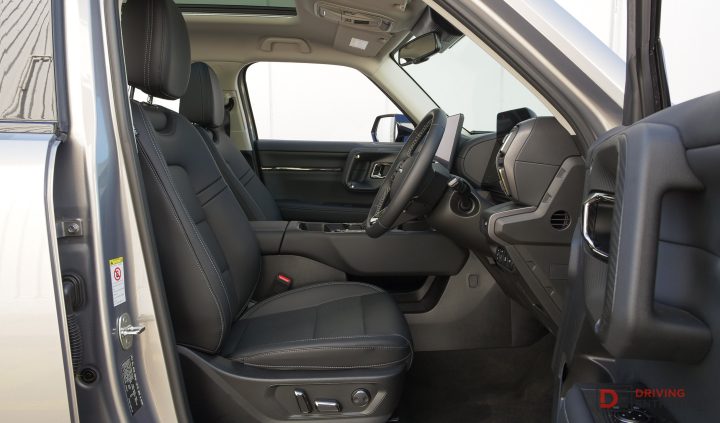
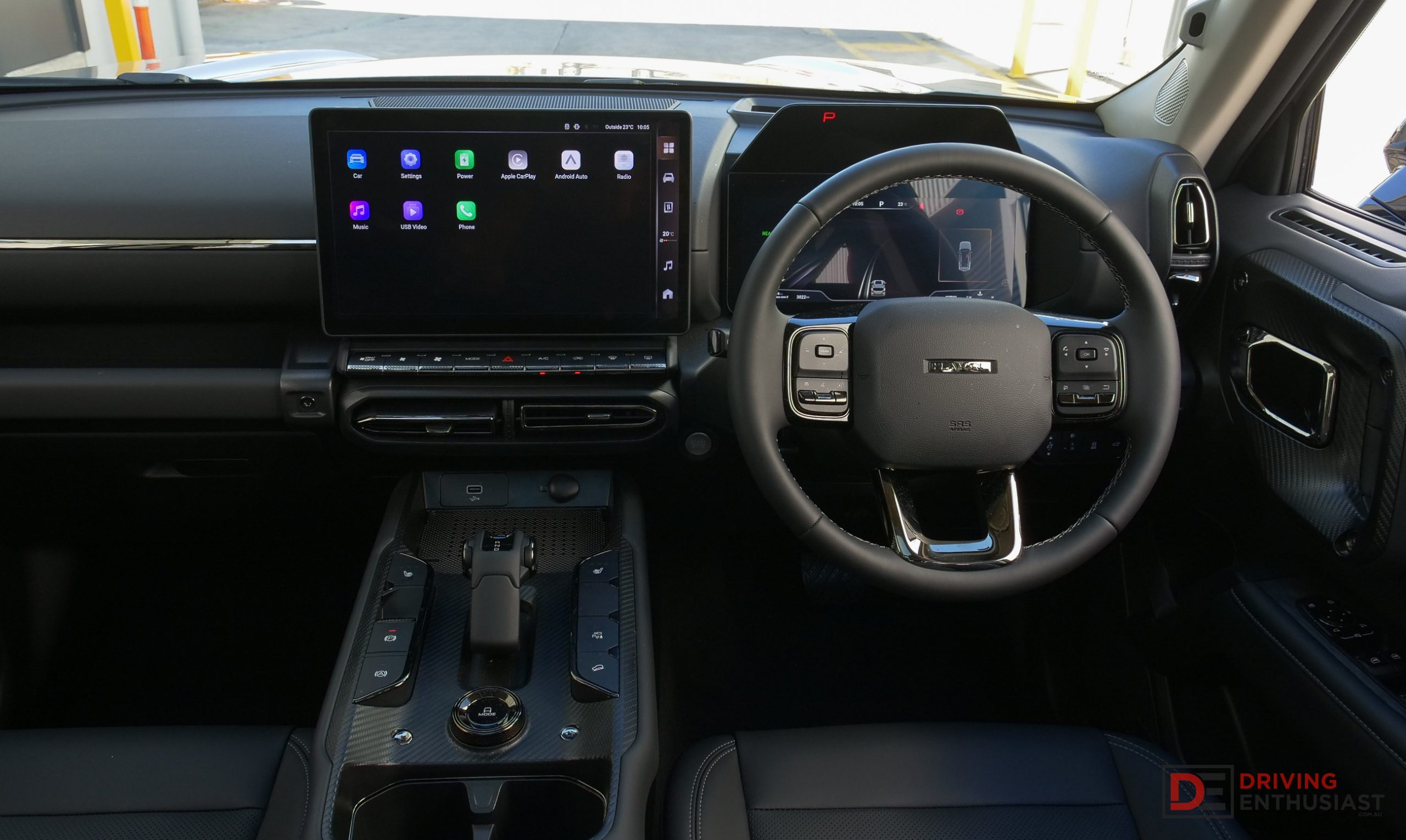
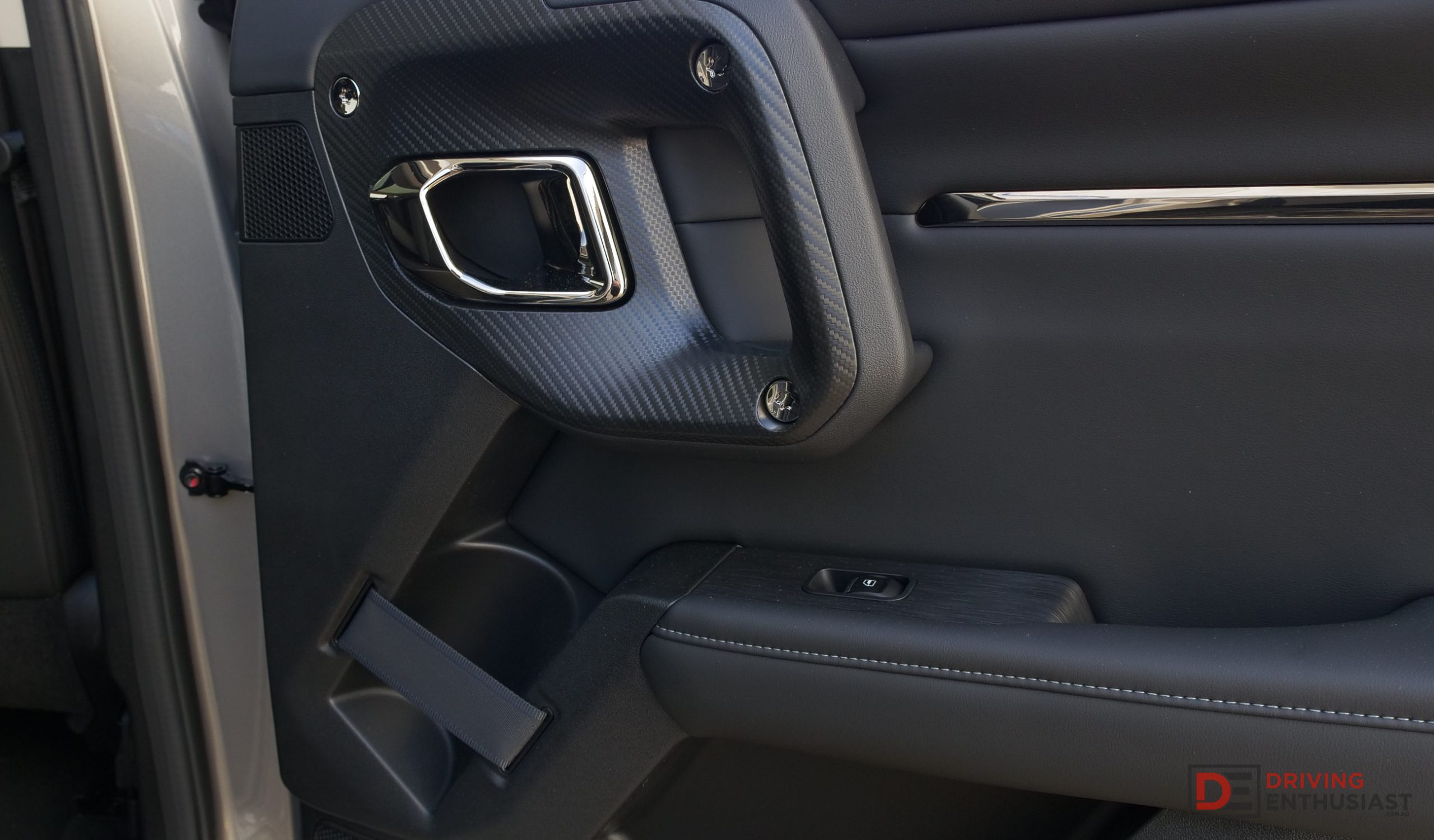
Step inside the H7 and its rugged theme continues – sometimes successfully, sometimes less so. The design leans heavily into a utilitarian, adventure-inspired aesthetic. There are raw-looking textures, carbon-fibre-like highlights, imitation hex screws dotted through the cabin, exposed strap-style bottle holders, and a chunky grab handle mounted proudly on the passenger side of the dash. It’s all very deliberate, evoking Jeep Wrangler toughness rather than soft-road sophistication.
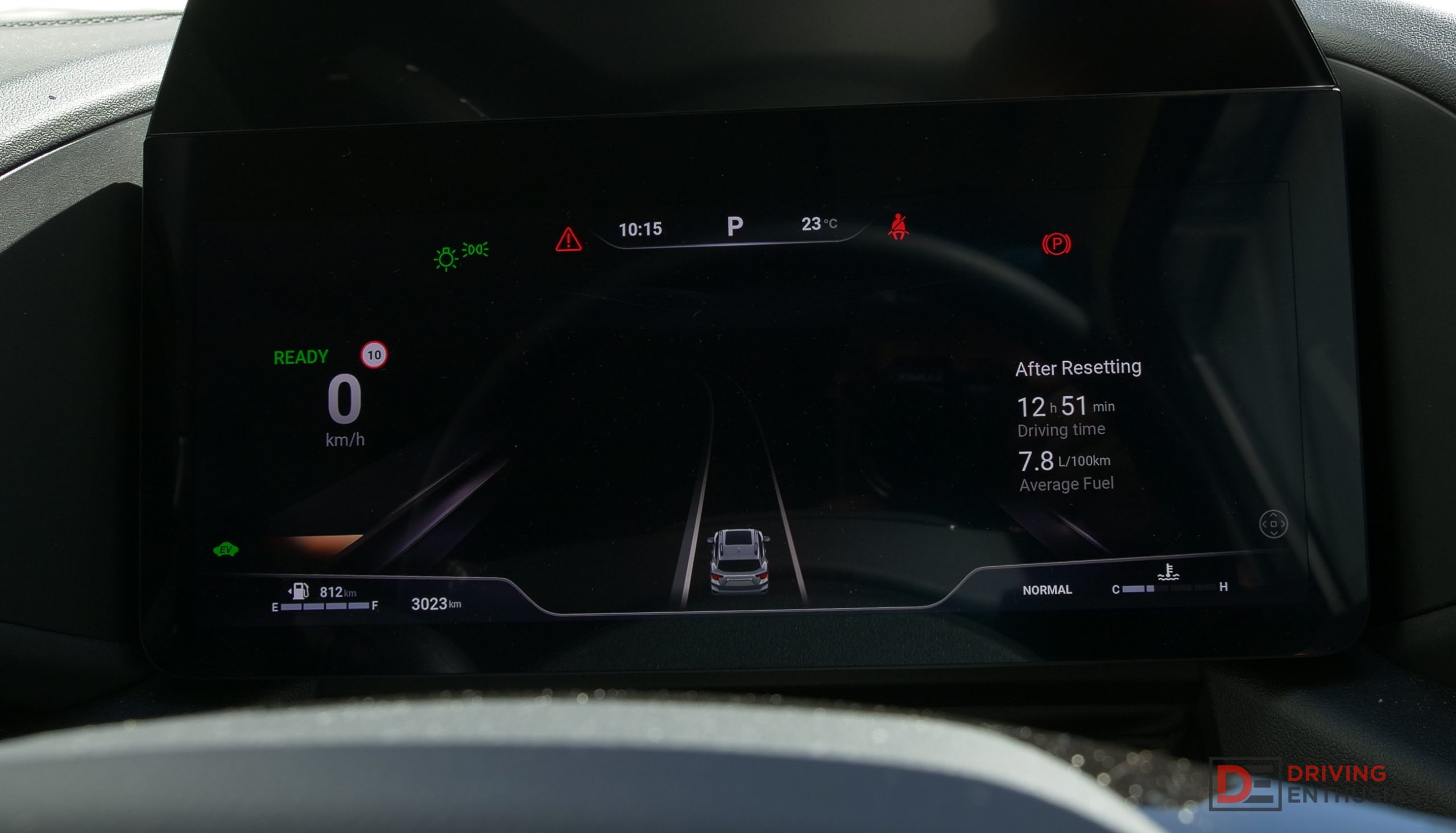
The centrepiece is the massive 14.6-inch infotainment screen, which impresses immediately with its sheer size and clarity. It stretches generously across the dash and offers sharp resolution and quick responses, making it one of the better screens among Chinese-brand SUVs. However, the digital instrument cluster doesn’t match that ambition. It’s limited in customisation, with only a handful of layouts and minimal ability to prioritise different information streams – a missed opportunity given the rest of the cabin’s tech-forward approach.
Climate control usability is another area that needs work. While there are physical shortcut buttons, adjusting temperature up or down isn’t quick enough. We’ve said it over and over that given how frequently drivers tweak temperature, this should be a primary control rather than something that requires multiple steps through the screen.
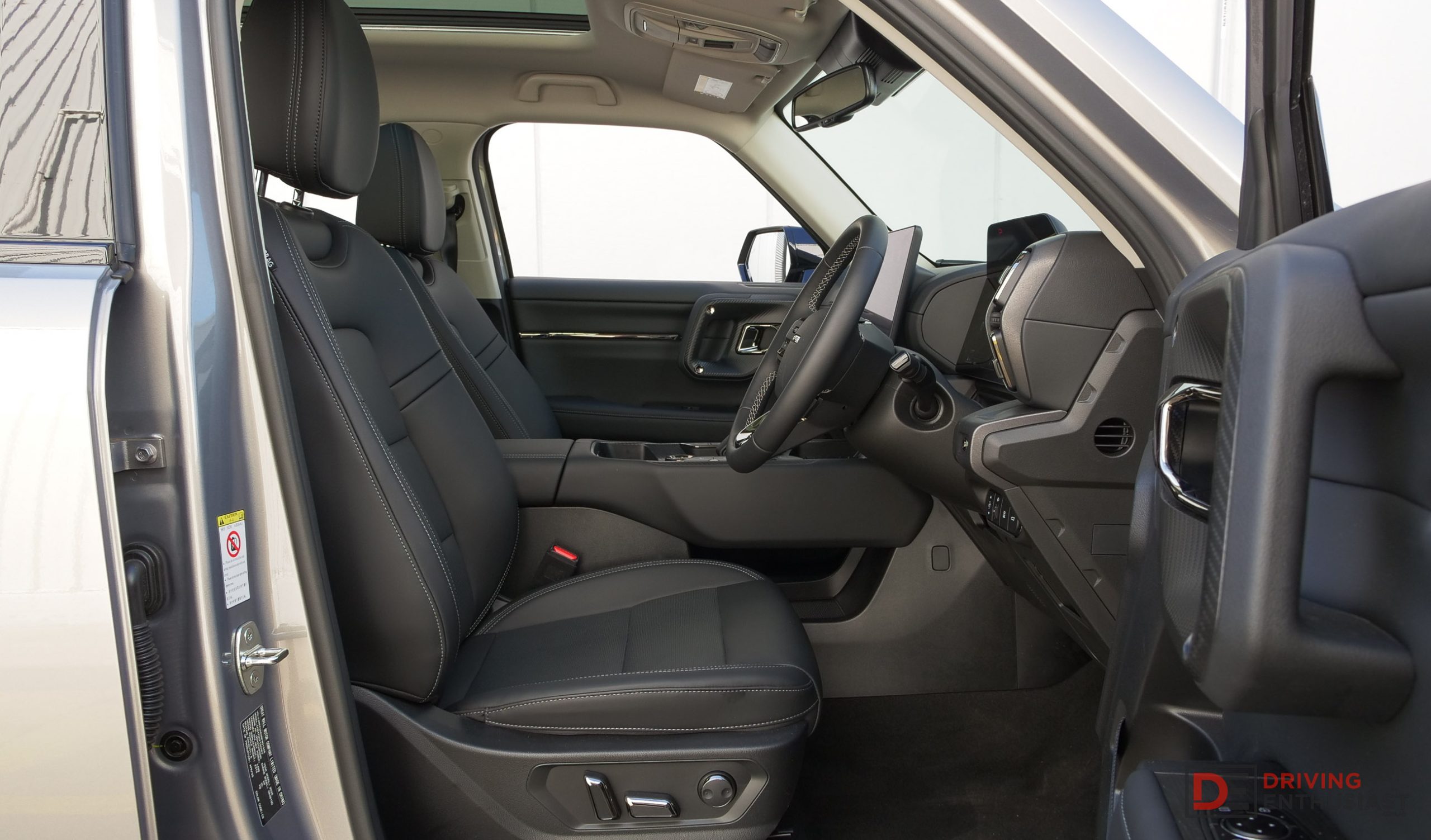
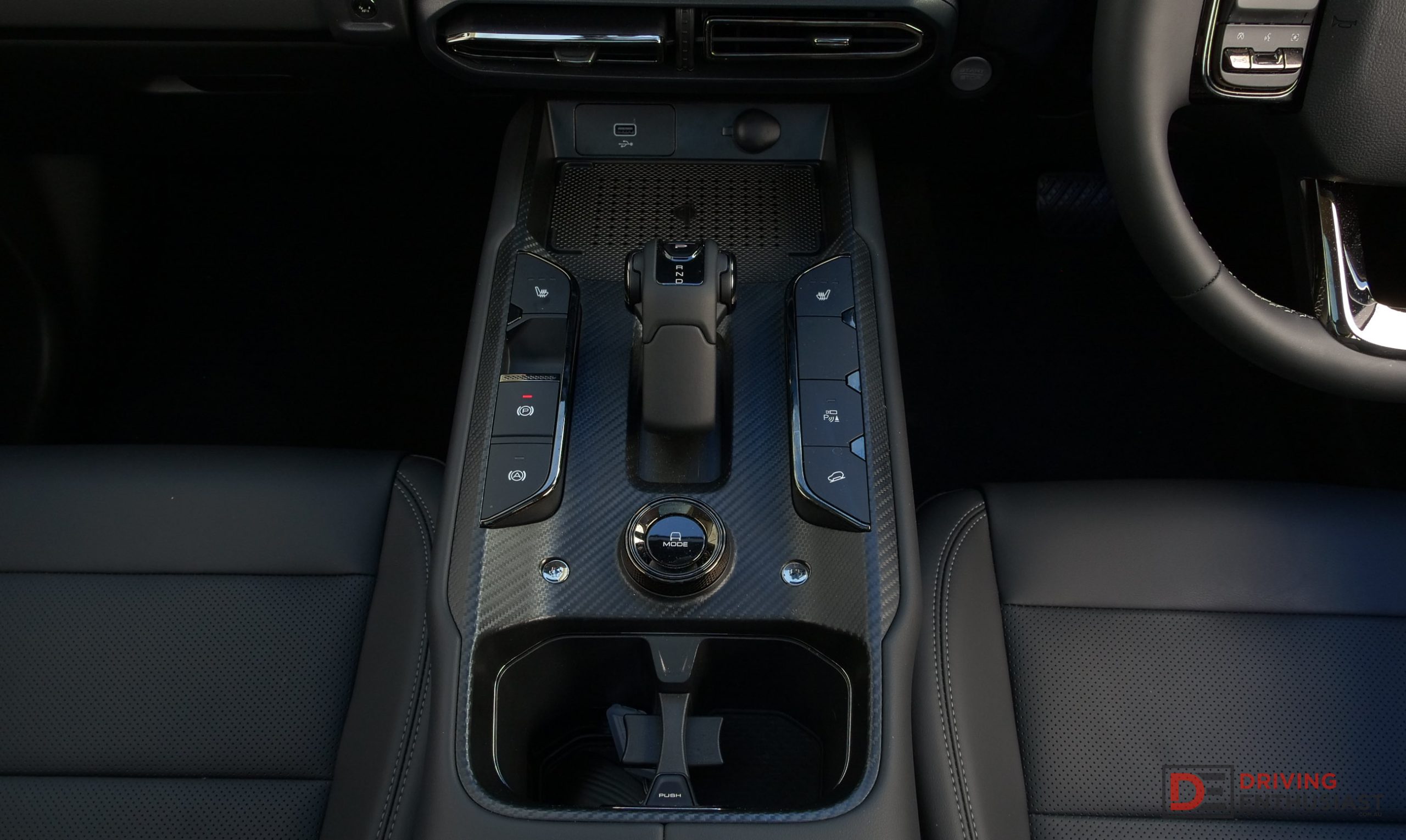
Practicality is mostly a strong point. The centre console is large and deep, with an under-shelf storage solution that’s genuinely useful. That said, accessing the full depth requires lifting out a removable shelf, which becomes fiddly in daily use. Door bins, cupholders, and general storage are otherwise generous, and the cabin feels wide and open thanks to the upright glasshouse.
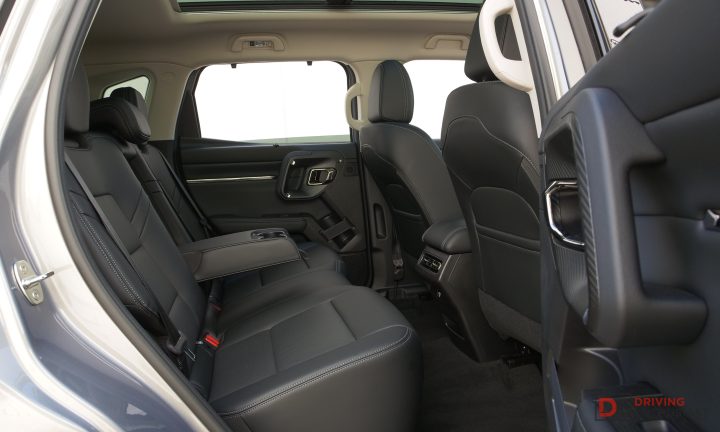
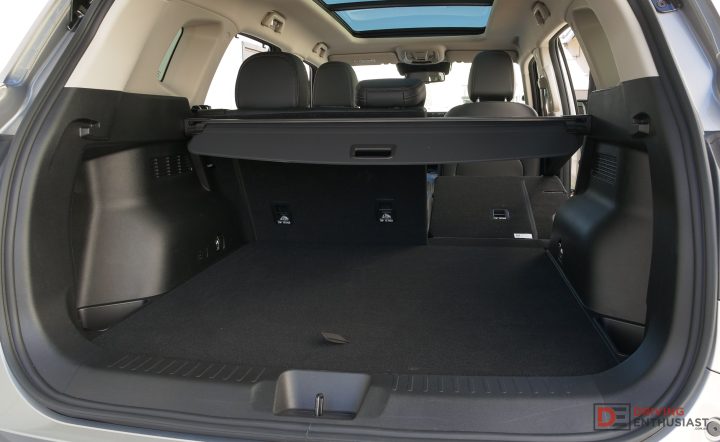
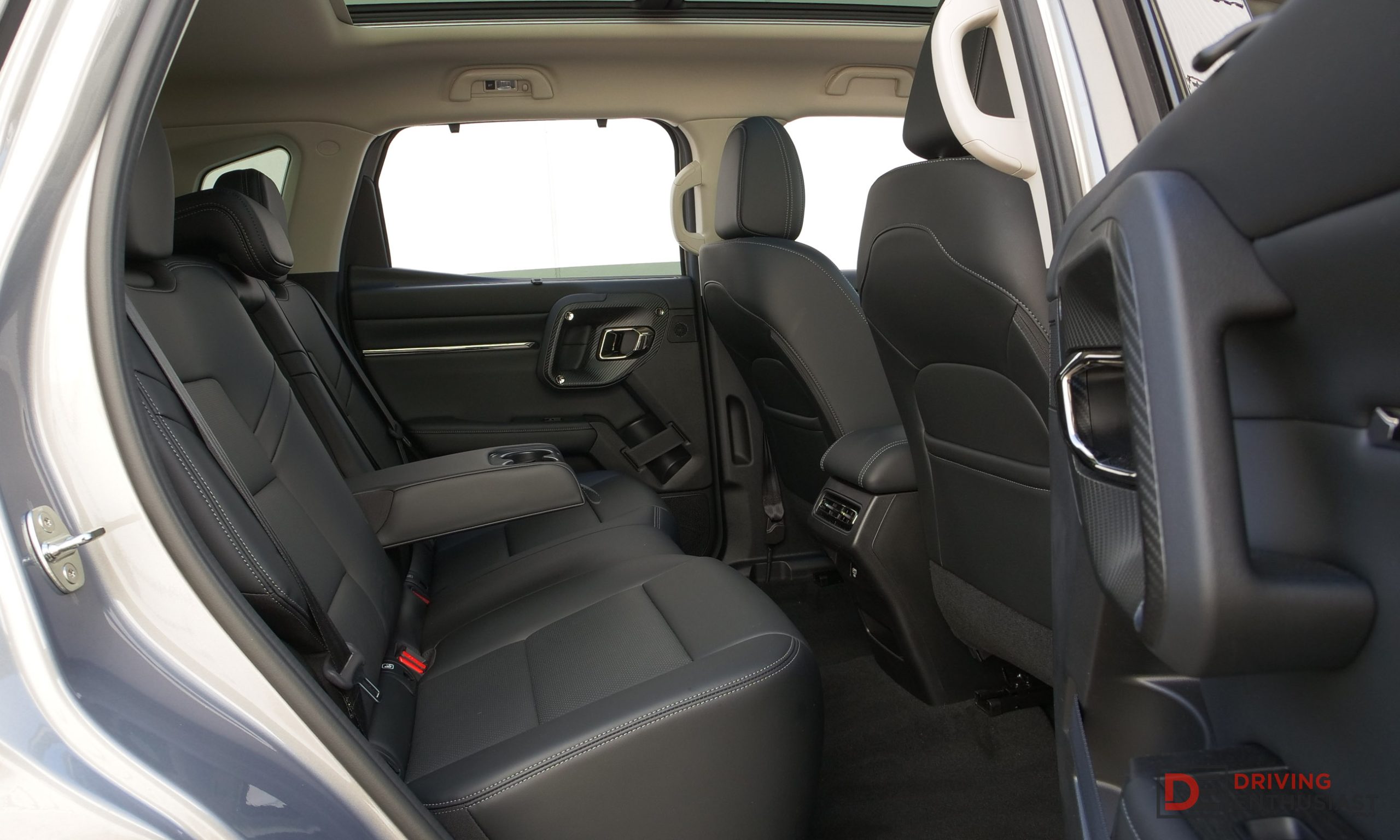
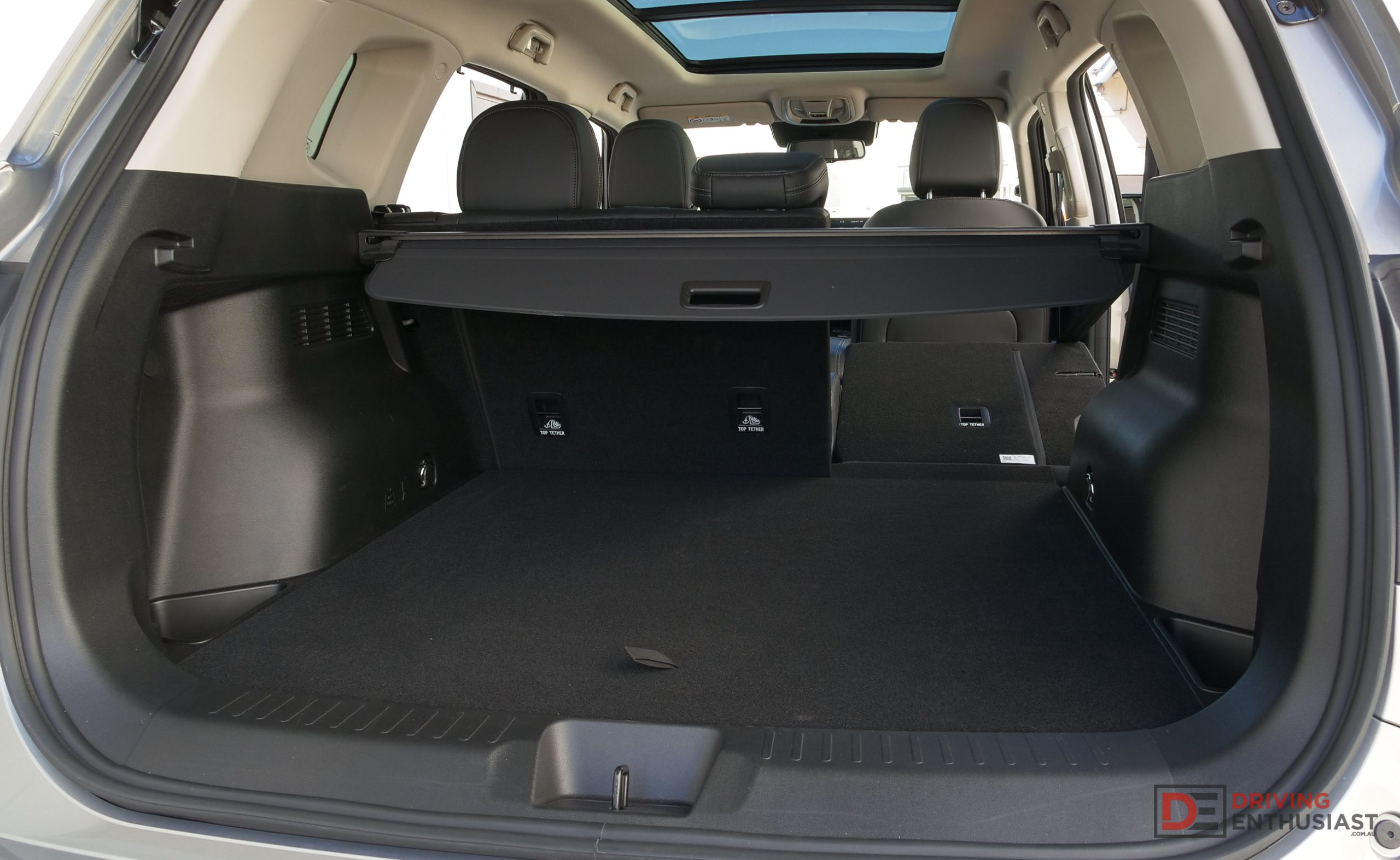
Rear seat space is excellent. Adults fit comfortably behind tall drivers, with good headroom and kneeroom, making it family-friendly. With 483L litres or 1362L with the rear seats folded, boot space is competitive too – aided by that boxy rear profile. The lack of a 12-volt outlet in the cargo area feels like an oversight for a vehicle pitched at outdoor lifestyles.
Some standout features include a kick-sensing powered tailgate, side door exit warning, 360-degree cameras, automated steering park assist, heated and cooled front seats, a sunroof with a powered sun blind, and all the latest driver-assist and safety features to earn it a five-star ANCAP safety rating.
2026 GWM Haval H7 Vanta Hybrid: Powertrain & handling
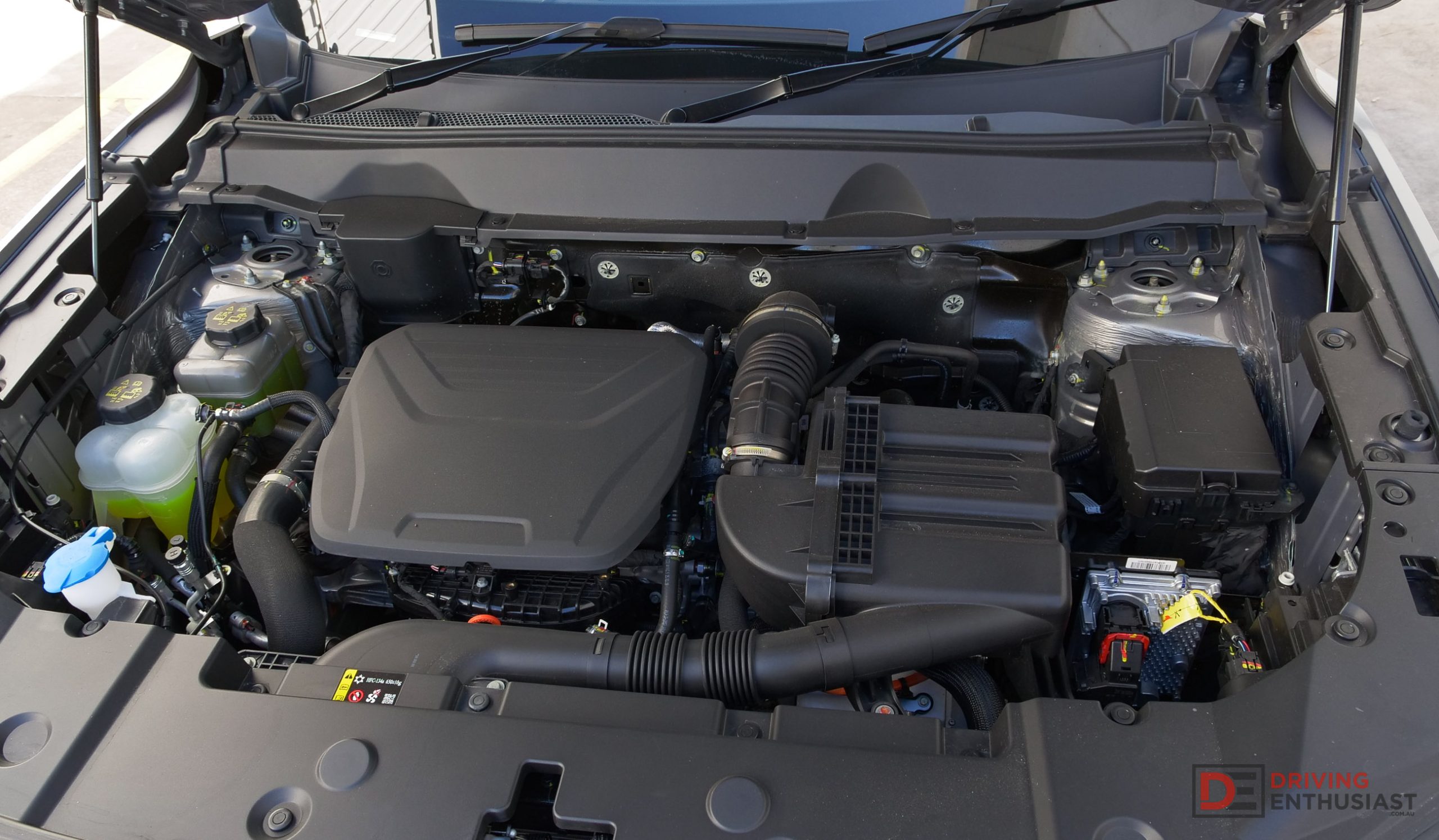
Spec-wise, the H7’s hybrid system is one of its biggest strengths. The combination of a 1.5-litre turbocharged petrol engine and an electric motor delivers a hefty combined output of 179kW and 530Nm. These numbers comfortably eclipse many rivals. GWM is secretive on battery capacity. When the battery is sufficiently charged, the H7 feels genuinely strong, with immediate torque and confident acceleration that suits highway merging and overtaking with ease.
The issue is consistency. That performance advantage is heavily dependent on battery charge. Once the system leans more heavily on the petrol engine, when the battery level drops, the sense of urgency fades, and the vehicle feels noticeably less punchy. It’s not underpowered, but the contrast between electric-assisted thrust and engine-only effort is obvious. With plenty of charge, our 0-100km/h testing revealed a sprint time of 8.58 seconds, which is only average for this segment, and less-than-average considering its 179kW output.

Fuel efficiency is officially rated at 5.7L/100km, and our real-world consumption revealed a respectable 6.5L/100km. However, once the battery level drops, such as after driving up a long hill, fuel consumption can quickly spike and hold until you eventually drive back down a long hill.
Ride comfort is tuned firmly toward everyday usability. The suspension copes well with urban bumps and speed humps, delivering a pliant, comfy ride that suits family duties. However, that softness combined with the H7’s 1810kg kerb weight means body control isn’t a strong point. There’s noticeable weight transfer through corners, and the H7 never feels particularly tied down when pressing on compared with some rivals.
The steering compounds that issue. It’s light and easy, but largely numb, offering little feedback about what the front tyres are doing. Direction changes feel remote rather than intuitive, and the steering doesn’t inspire confidence when driving briskly on winding roads.

Braking is yet another weak link. Pedal response is inconsistent, lacking the progressive build-up expected in a modern hybrid. Instead, it encourages a jerky driving style, especially in stop-start traffic, where smooth modulation should be the strength of electric power at low speed. We timed 100-0km/h in just over 41 metres, and that’s behind most rivals that do it in under 40m.
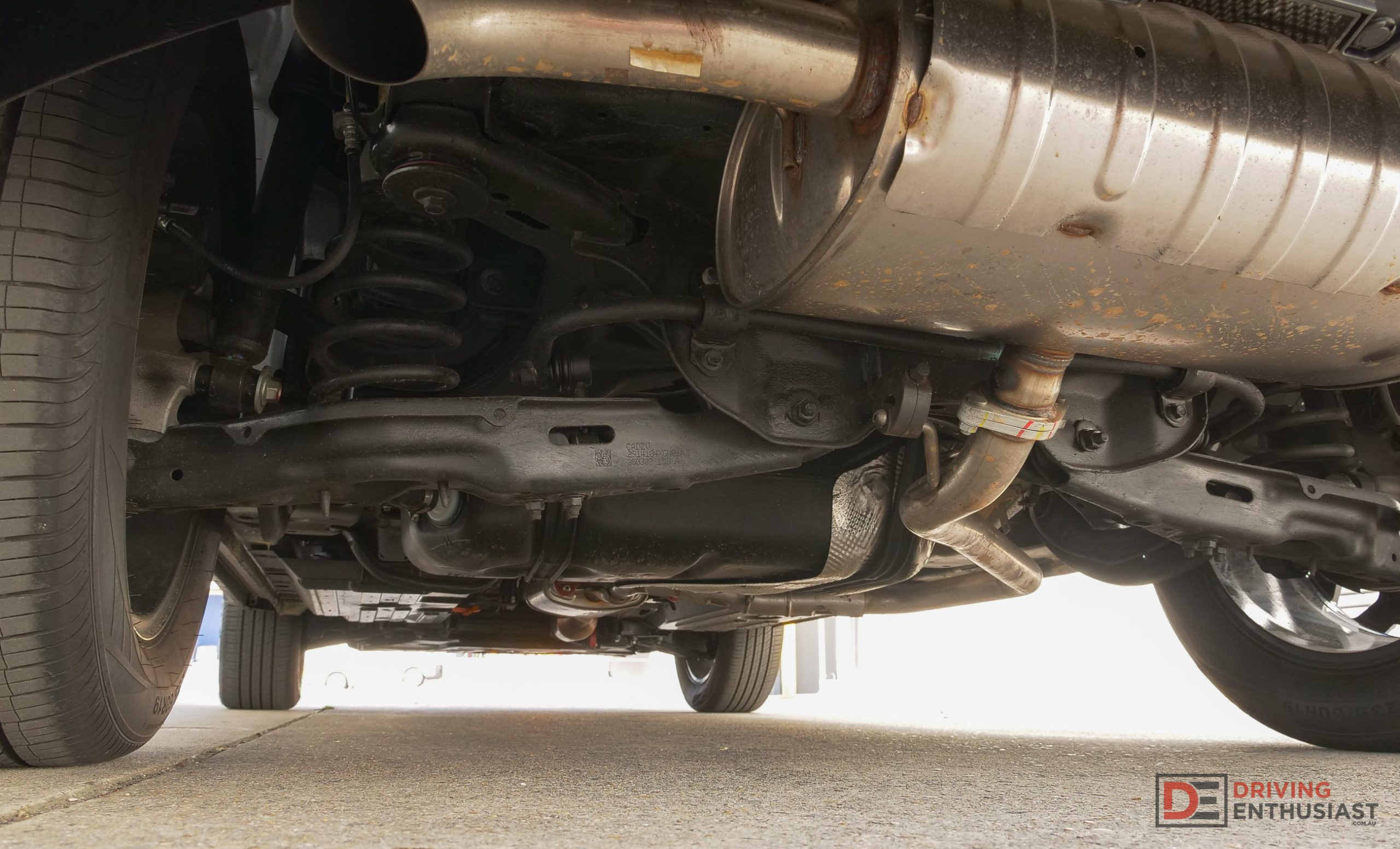
While the H7 adopts the look of a capable off-road wagon, its hardware places it in the soft-roader end of the spectrum. It runs a front-wheel drive layout rather than a true four-wheel-drive system. Let alone low-range gearing or a locking differential. Towing capacity is also rated at a subpar 1500kg (braked), if towing matters to you.

That said, GWM has built in some useful tools for light off-road use. Ground clearance is generous, at 200mm, approach and departure angles are respectable, and the 360-degree camera with transparent chassis view could be helpful when negotiating uneven campsites, or tight trails.
The softer suspension tuning also works in its favour on corrugations and loose surfaces when driving slowly, absorbing bumps without excessive harshness. A tyre repair kit may be acceptable for urban driving, but for regional travel or remote touring, the absence of a full-sized spare wheel is an omission that undermines the H7’s adventure-focussed positioning.

2026 GWM Haval H7 Vanta Hybrid: Key attractions/reasons to buy
- Bold, rugged design with character: Boxy proportions, upright stance, blacked-out Vanta treatment, and industrial interior details give it standout presence in a sea of soft-looking SUVs.
- Strong hybrid power when charged: High combined power and torque provides confident acceleration and effortless highway performance when the battery has enough juice to work with the petrol engine.
- Excellent interior space: Roomy front and rear seating, wide cabin feel, and a practical boot make it well suited to families and long trips.
- Large, high-quality infotainment screen: Sharp resolution, fast response, and generous real estate make it one of the better systems in its class.
- Competitive value and ownership coverage: Aggressive drive-away pricing backed by long warranties and capped servicing adds peace of mind.
2026 GWM Haval H7 Vanta Hybrid: Key considerations before you buy
- Rugged looks don’t equal off-road capability: Don’t be fooled by its looks. Front-wheel drive only, road tyres, no low-range, and no full-size spare wheel means it’s more of a lifestyle thing than genuinely adventurous.
- Unrefined braking and steering feel: Inconsistent brake modulation and numb steering reduce driver confidence and smoothness compared with many rivals.
- Driver assistance calibration is uneven: Some systems are improved over previous GWM products, but adaptive cruise remains abrupt and the driver monitor is overly sensitive.
- Hybrid performance inconsistency: Feels strong with battery charge, but noticeably flatter once the system relies more heavily on the petrol engine.
- Interface quirks: Climate controls aren’t as intuitive as they should be, and fuel consumption data is poorly presented.
2026 GWM Haval H7 Vanta Hybrid: Video
How does it rate against its rivals?
-
Price
-
Quality look & feel
-
Interior tech
-
Powertrain performance
-
Ride & handling
-
X-factor (does it stand out in its class?)
Final word
The H7 is a refreshingly different take on the medium SUV formula, with its bold design, strong hybrid numbers, generous space, and compelling value. However, beneath that tough exterior lies a vehicle that’s more urban lifestyle SUV than true adventure wagon. Steering feel, braking refinement, and hybrid inconsistencies all remind you where compromises have been made. For buyers drawn to perceived character, space, and value, the H7 Vanta Hybrid makes a persuasive, if imperfect, case.