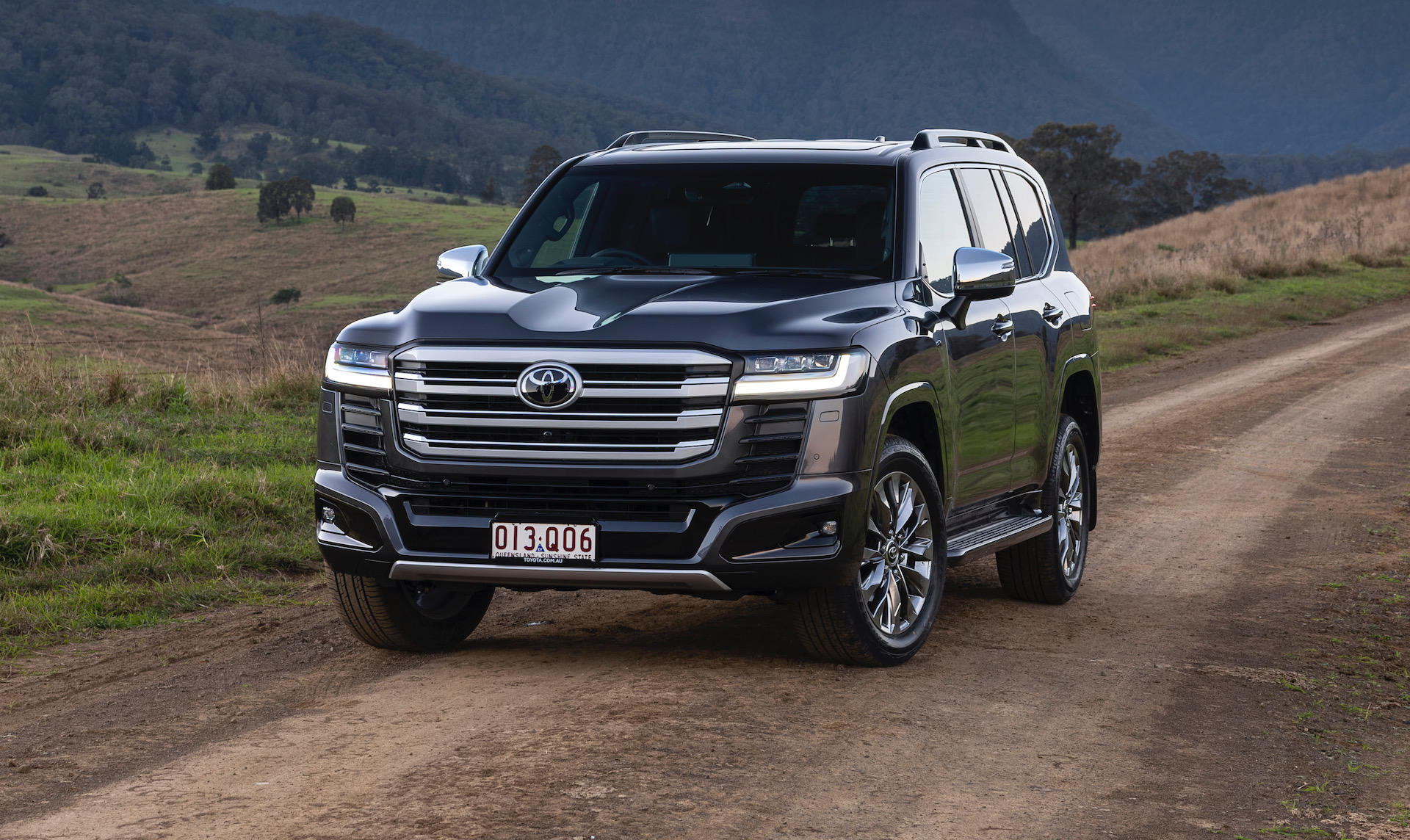
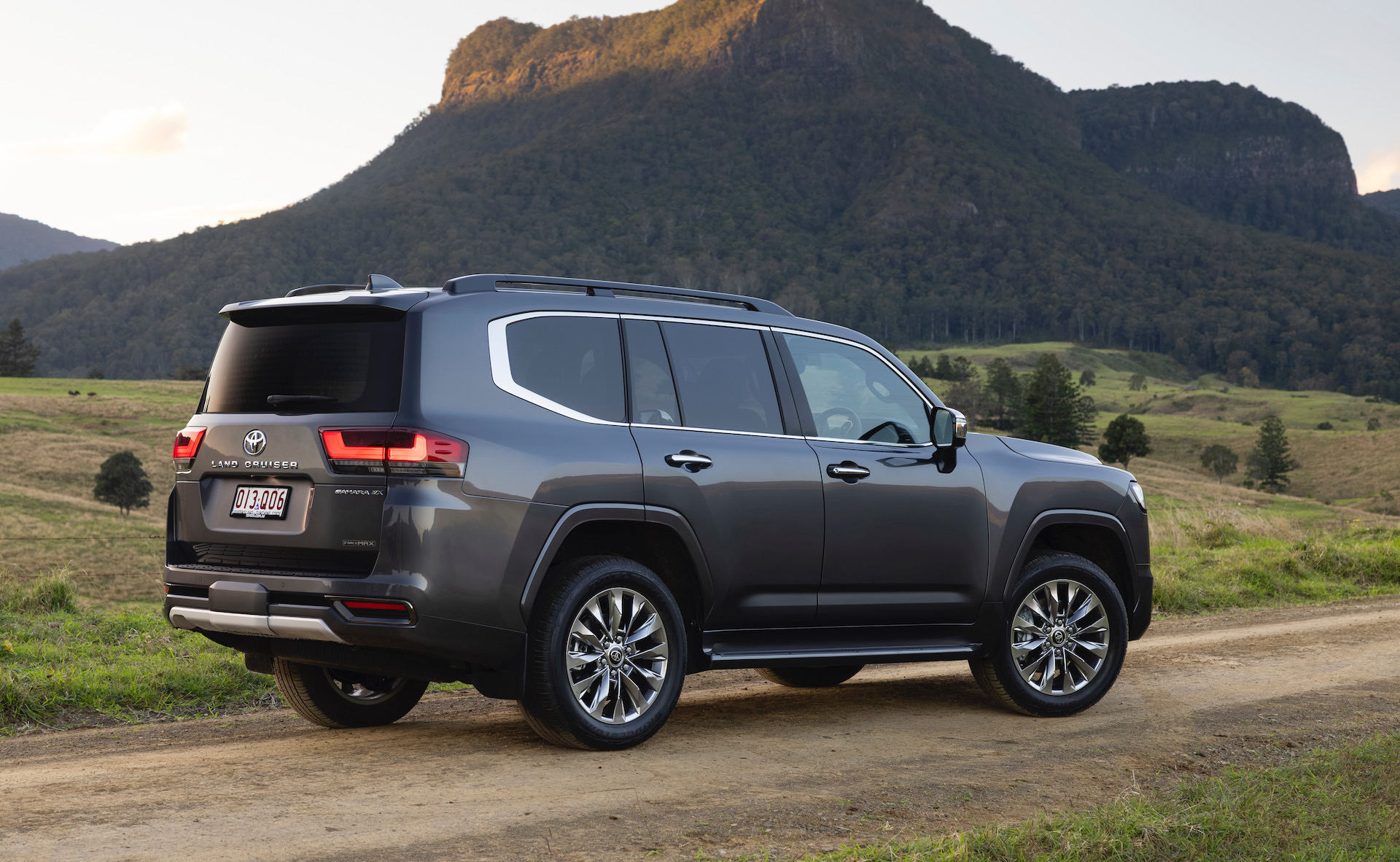
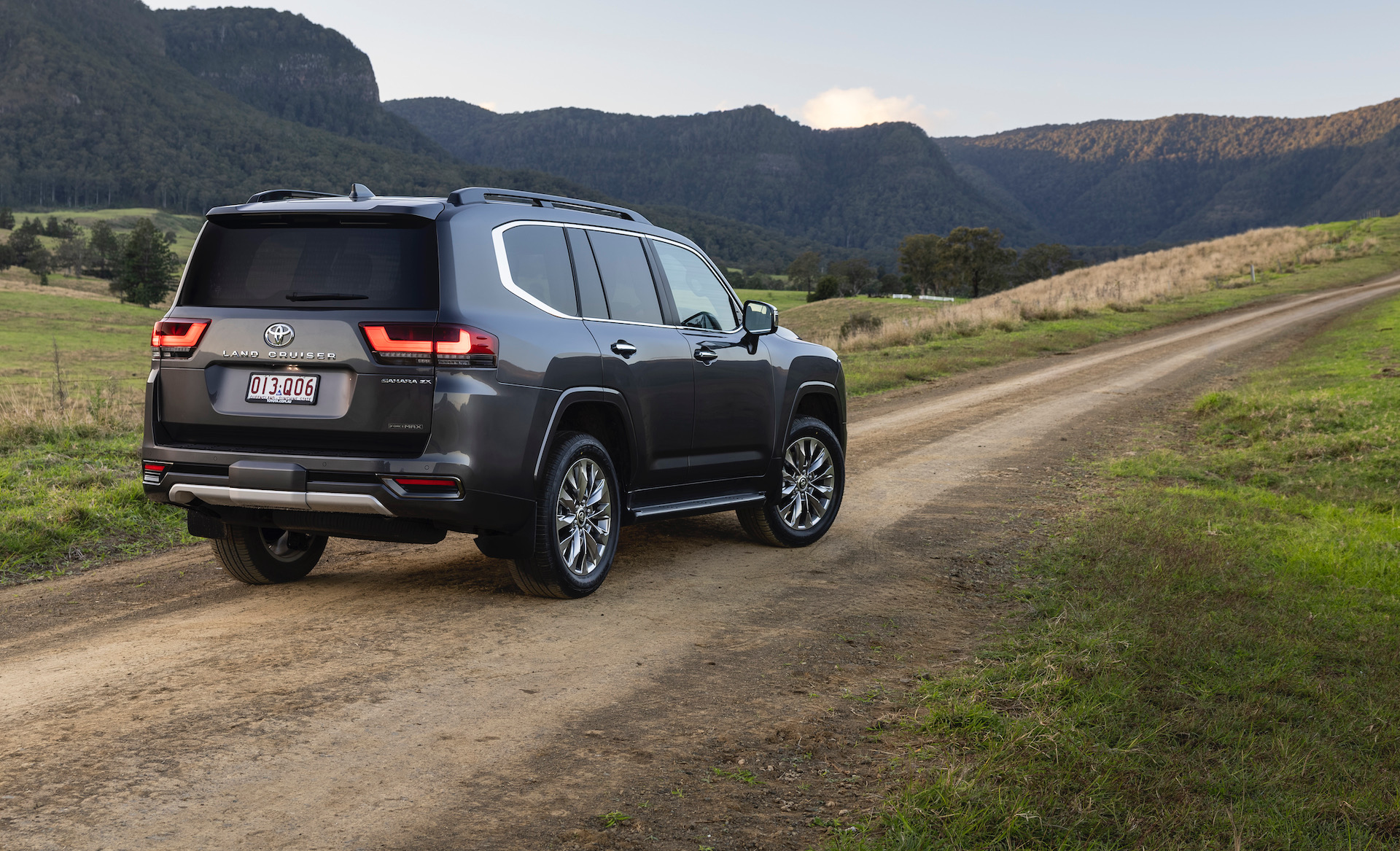
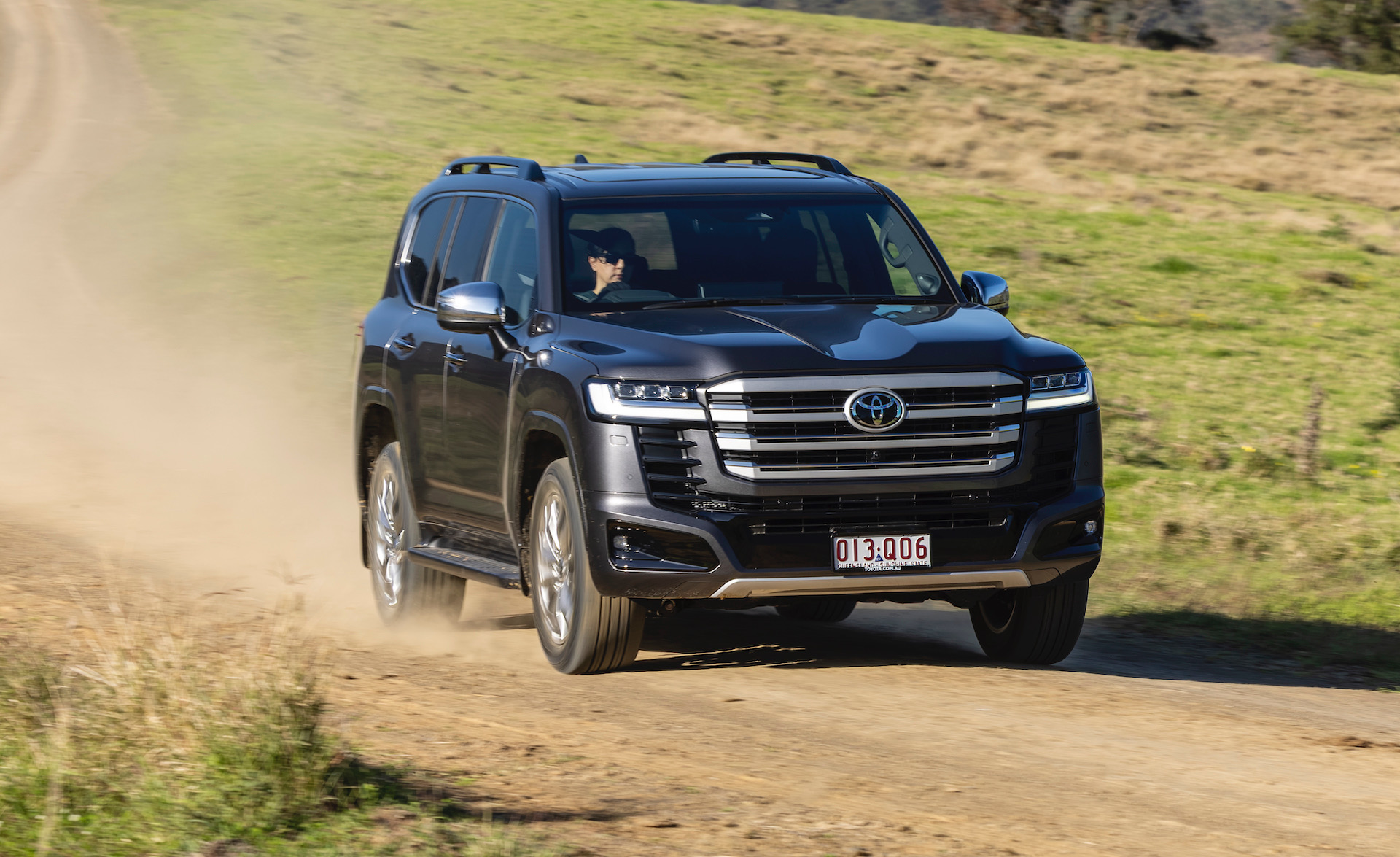
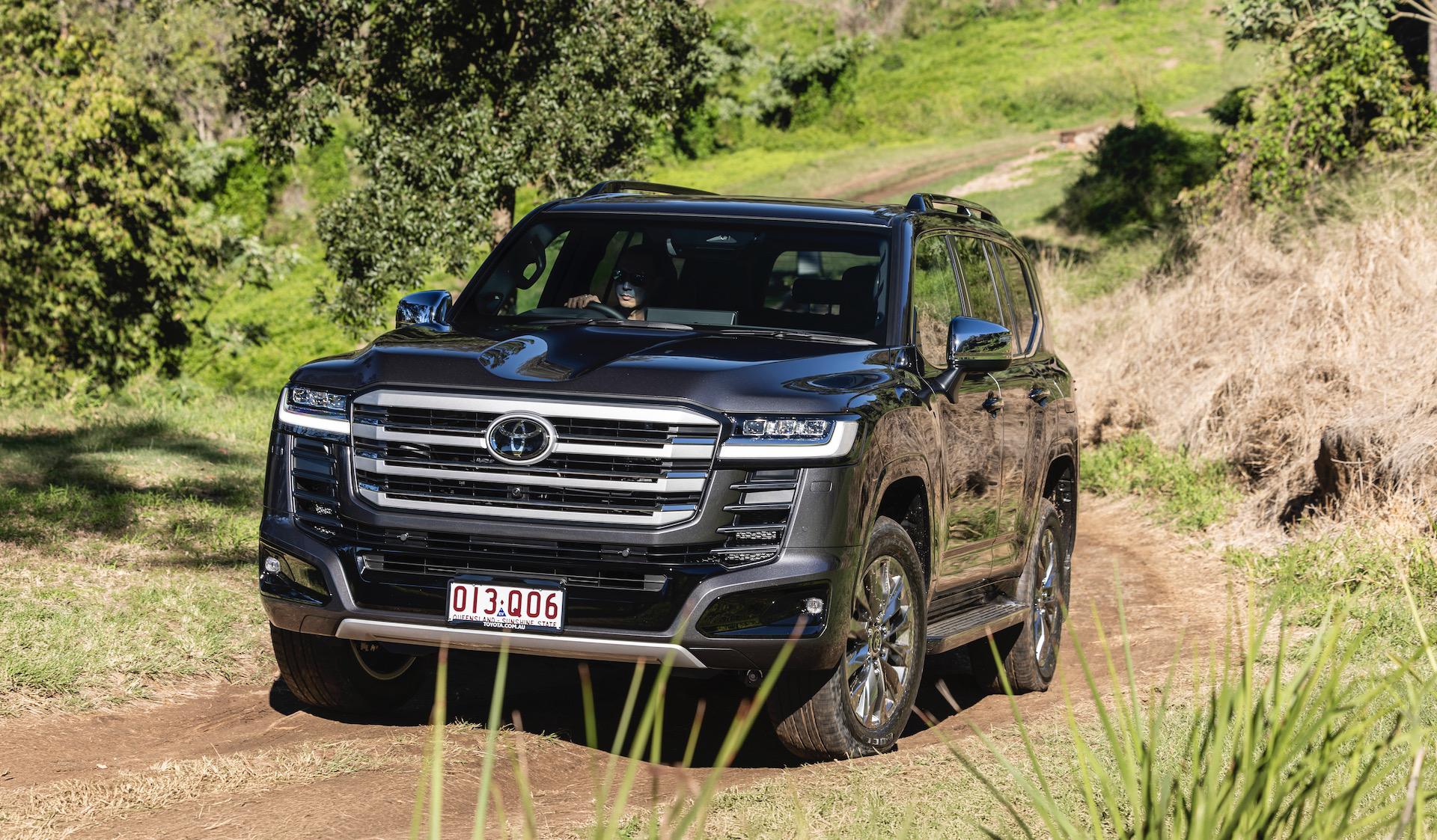
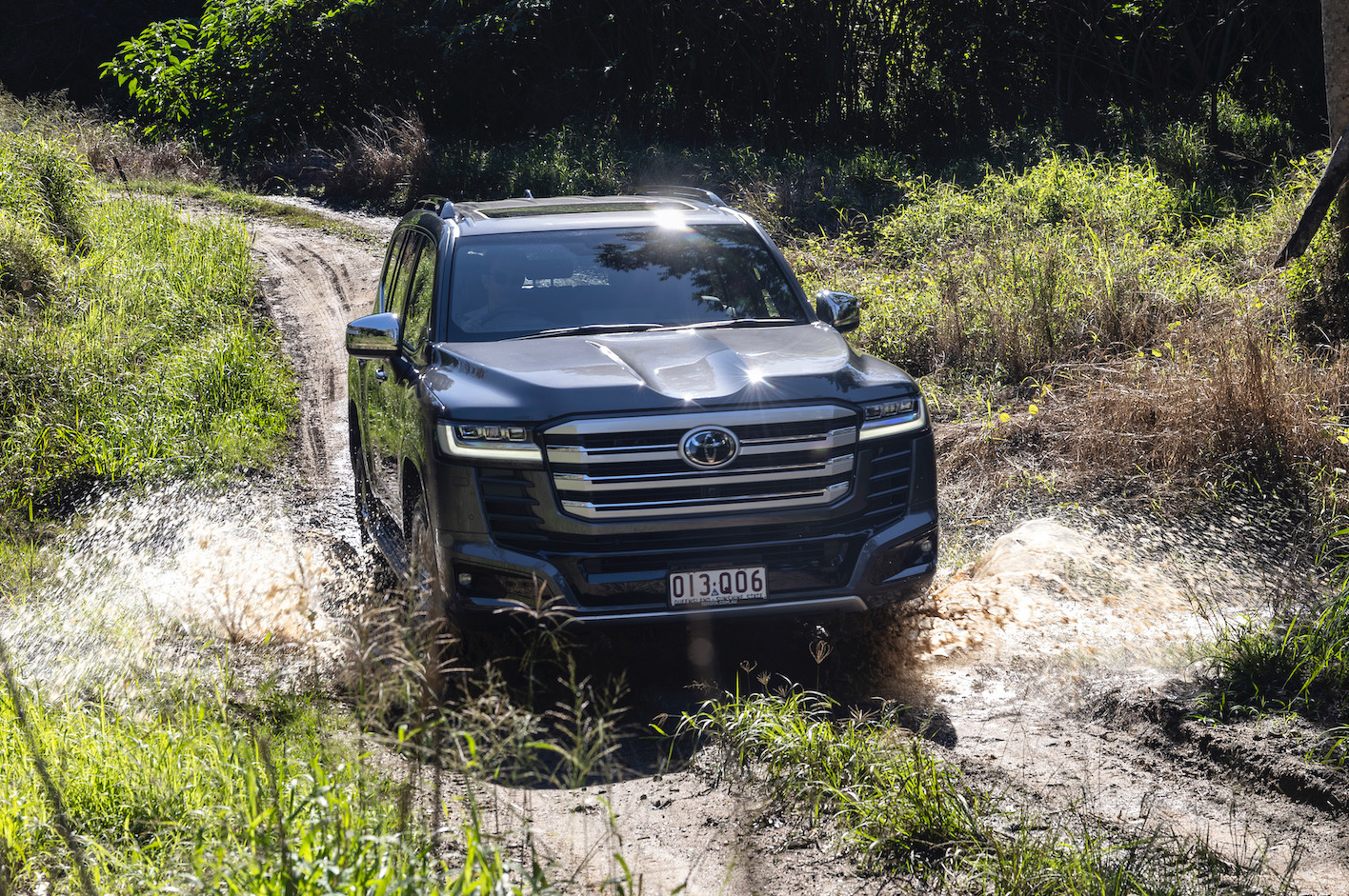
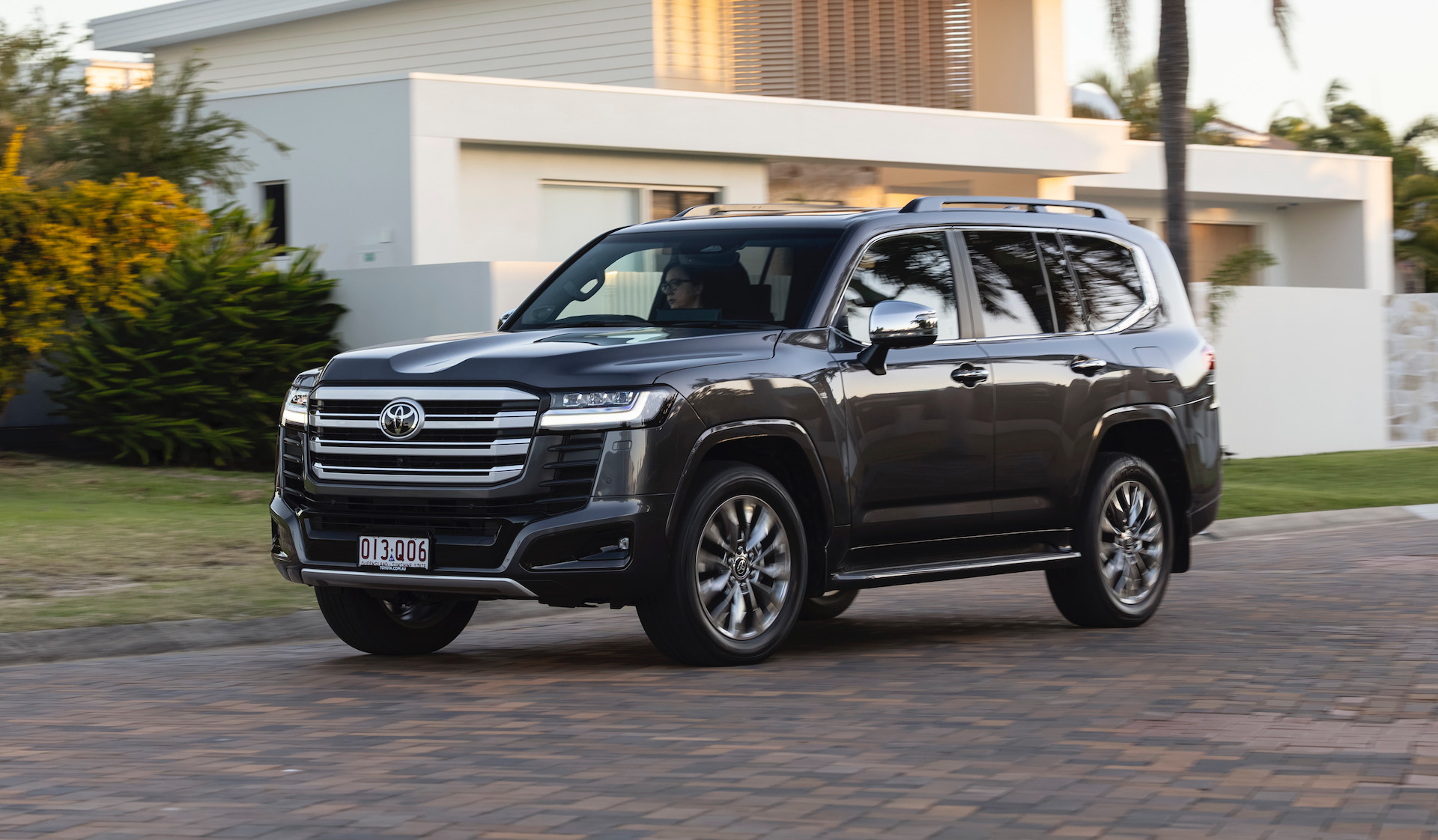
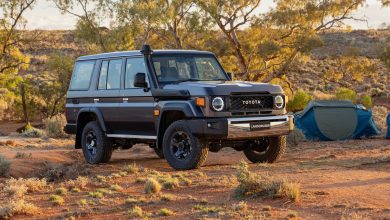
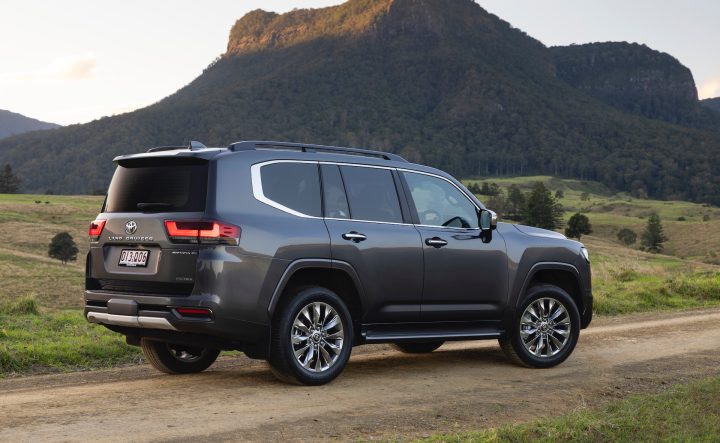
It’s a new chapter for one of Australia’s most iconic 4×4 SUVs, with the introduction of the Toyota LandCruiser 300 Performance Hybrid. Rather than chasing outright fuel economy like most of Toyota’s hybrid models, this system has been developed with performance in mind, adding more power and torque to a vehicle that’s expected to tow, tour and tackle difficult terrain.
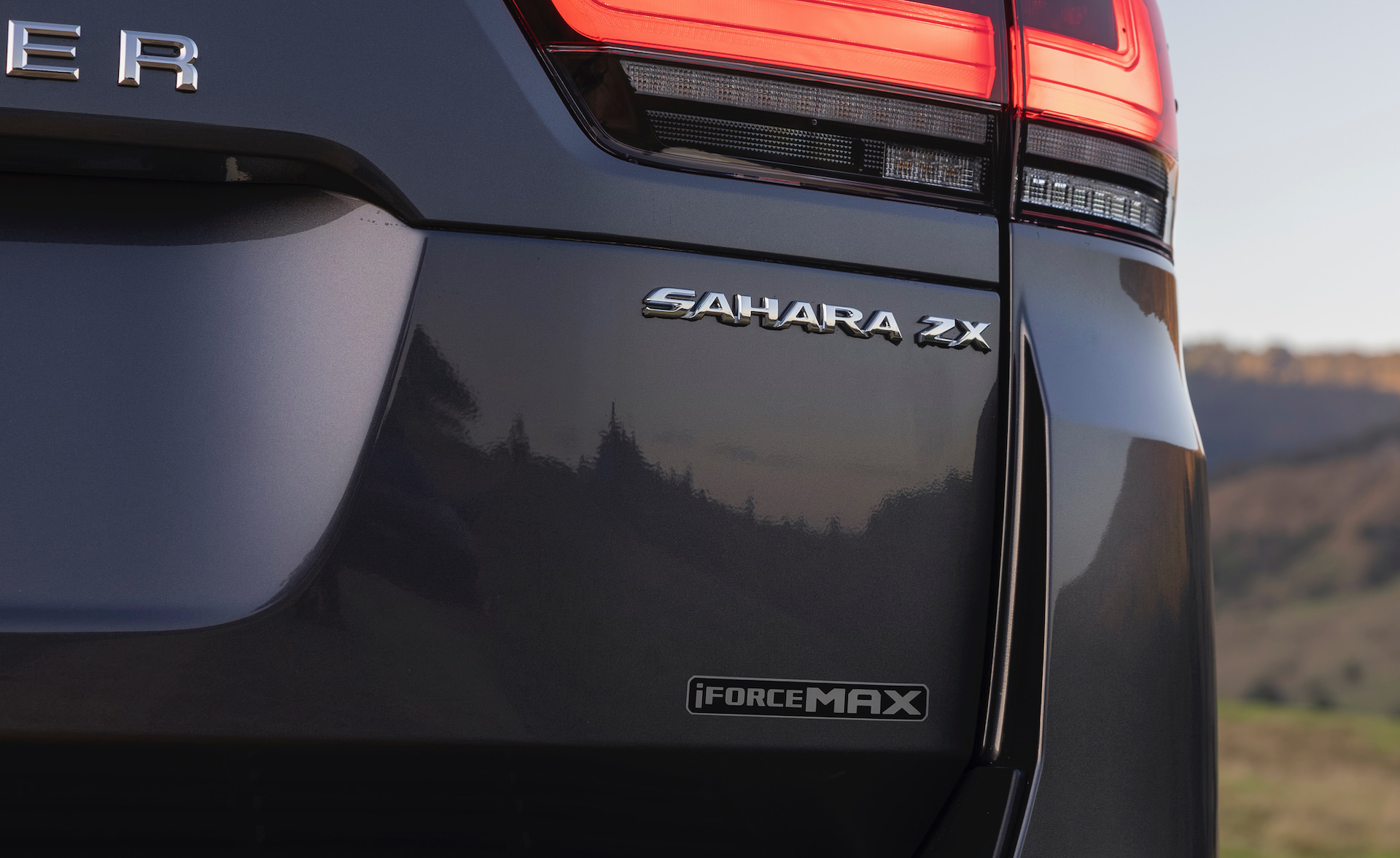
Available exclusively in the flagship GR Sport and Sahara ZX grades, the hybrid becomes the most powerful LandCruiser Toyota has ever offered. While that exclusivity helps position it as a premium halo model, it does feel like a missed opportunity not to offer the powertrain in more affordable variants, where it could appeal to a broader range of buyers.
2026 Toyota LandCruiser Hybrid: Specifications
Engine: 3.4-litre twin-turbo V6 hybrid
Output: 341kW / 790Nm
Gearbox: 10-speed auto
Drive type: Four-wheel drive
Kerb weight: 2715kg
Power-to-weight ratio: 7.96:1(kg:kW)Official consumption: 10.0L/100km
Fuel tank/Fuel type: 98L/95 RON
Power efficiency: 34.1kW:L/100km
0-100km/h: 6.23 seconds*
Starting price: $156,740 (Sahara ZX), $156,990 (GR Sport)
*Figures as tested by Driving Enthusiast on the day. Manufacturers’ claims may be different
2026 Toyota LandCruiser Hybrid: How much does it cost?
The 300 Series hybrid is available exclusively in the two flagship grades, with the GR Sport priced from $156,060 and the Sahara ZX from $156,810. That positions it firmly at the top end of the LandCruiser range, and about $10,000 more than the diesel counterparts.
Compared with its nearest rivals, the Nissan Patrol Y62 is the value king with brute V8 power, while the Denza B8 goes even more advanced thanks to plug-in hybrid tech with the possibility of full electric driving. However, neither of those offer the same reputation for reliability, servicing network, or resale value, they are considerably less.
2026 Toyota LandCruiser Hybrid: Interior & packaging
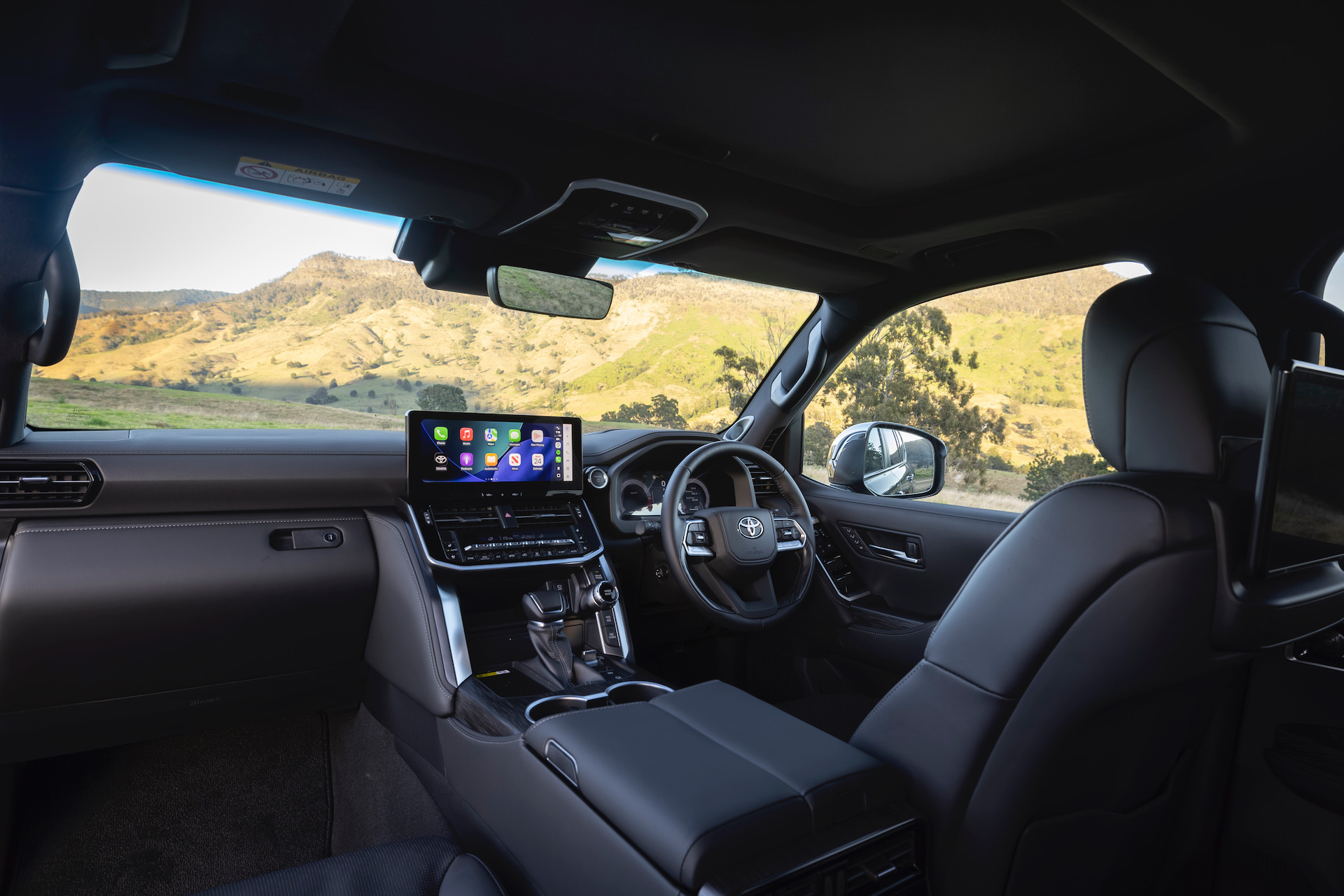
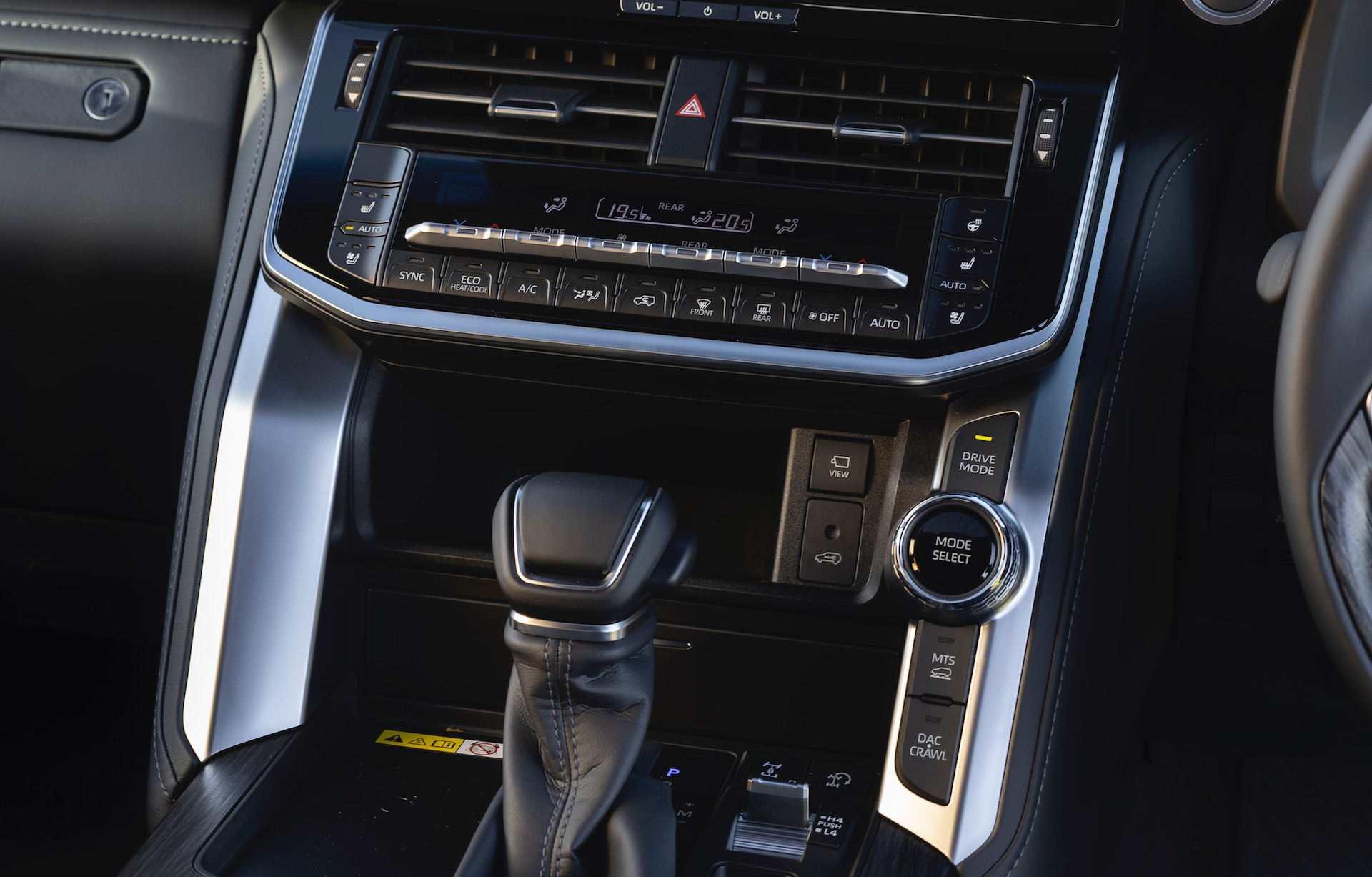
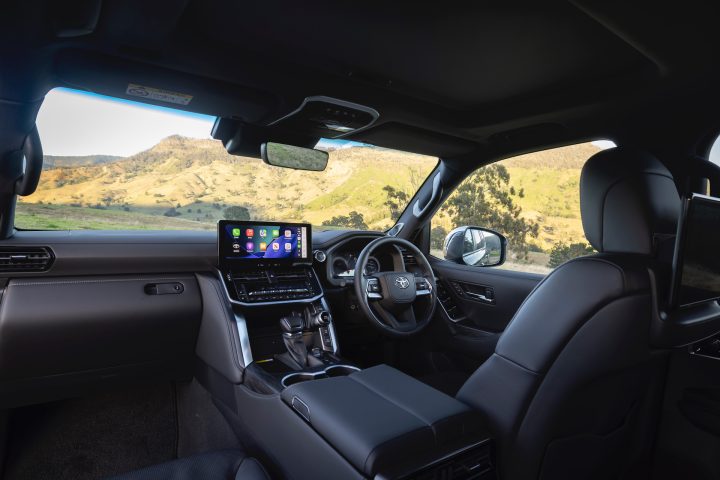
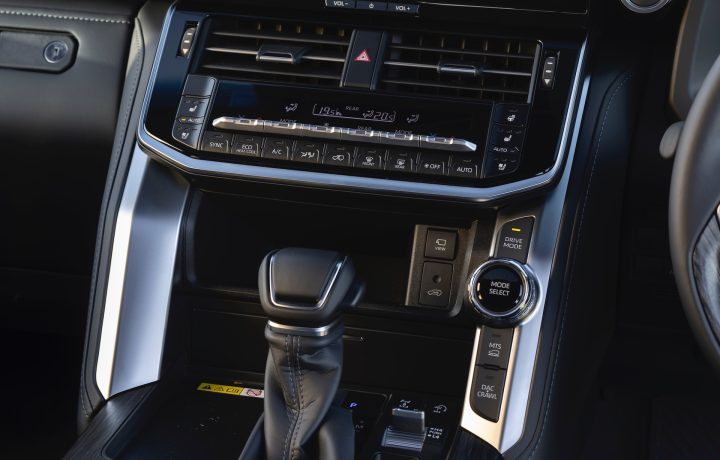
Inside, the LandCruiser remains reassuringly familiar. Toyota has resisted the temptation to bury every function inside a touch-screen, instead retaining plenty of physical buttons, switches and rotary knobs for commonly used controls. It’s a layout that suits the LandCruiser’s customer base perfectly, allowing drivers to make adjustments without taking their eyes too far from the road.
And, perhaps just as importantly, every mode and function remains in the same position, unlike fiddly screen menus and tiny on-screen toggles. When you’re out exploring off road, or dealing with a busy family, sometimes having simple things you can depend on can help reduce stress.
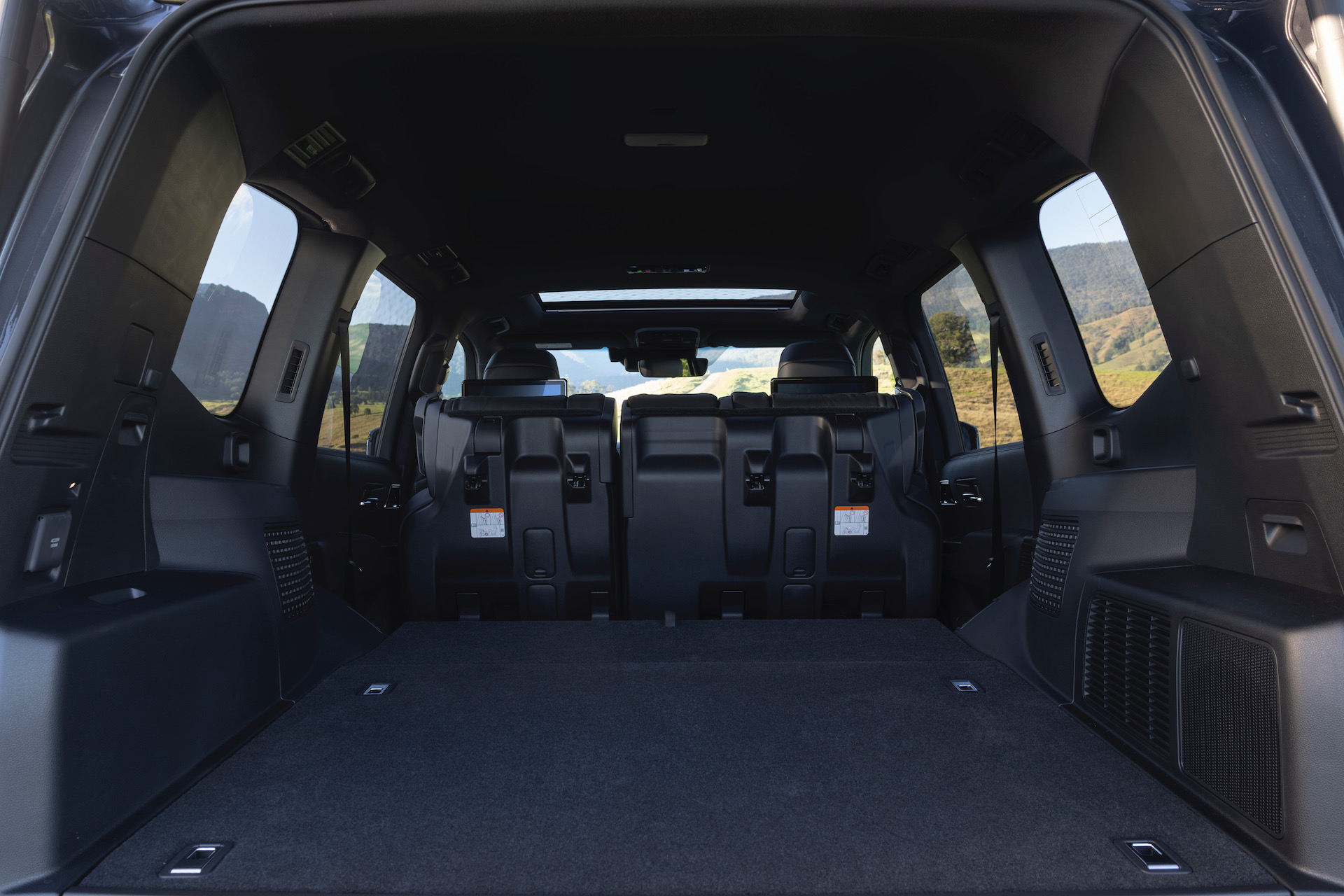
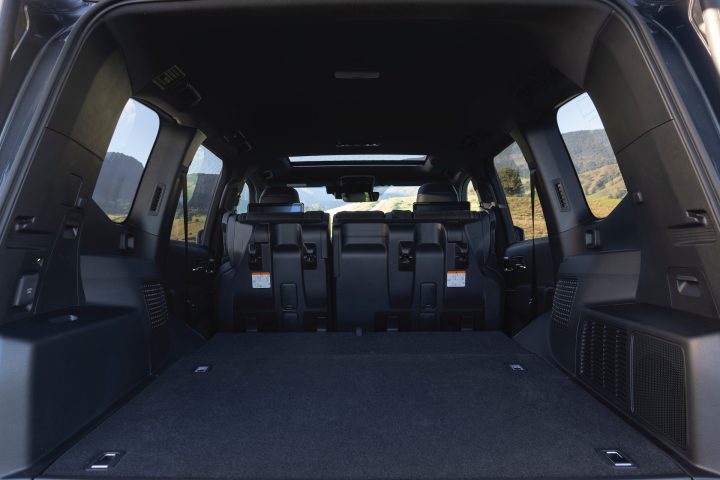
The hybrid system has very little impact on practicality. Unlike some hybrid SUVs, where packaging compromises can be significant, the 6.5Ah battery installation here only appears to raise the boot floor slightly, leaving 910L/1842L. The difference is barely noticeable in everyday use, although the hybrid is offered exclusively as a five-seater rather than the seven-seat layout available elsewhere in the LandCruiser range.
And one of the other critical aspects of packaging is the spare wheel. It remains a full-size alloy item, just like the ones on the vehicle, and it’s mounted externally under the rear end. Although that position isn’t as convenient as being mounted on the tailgate like some, it is better than an internal position that requires unloading and loading the contents of the boot to access. Being a muddy flat tyre doesn’t matter, either.
Material quality remains appropriate for a Toyota, with an emphasis on durability alongside some added comfort and flair. Harder plastics are used to shield against wear and tear in high-traffic areas, such as the lower door trims, while finer and/or softer trimmings decorate less sensitive areas for amplified luxury.
2026 Toyota LandCruiser Hybrid: Powertrain & handling
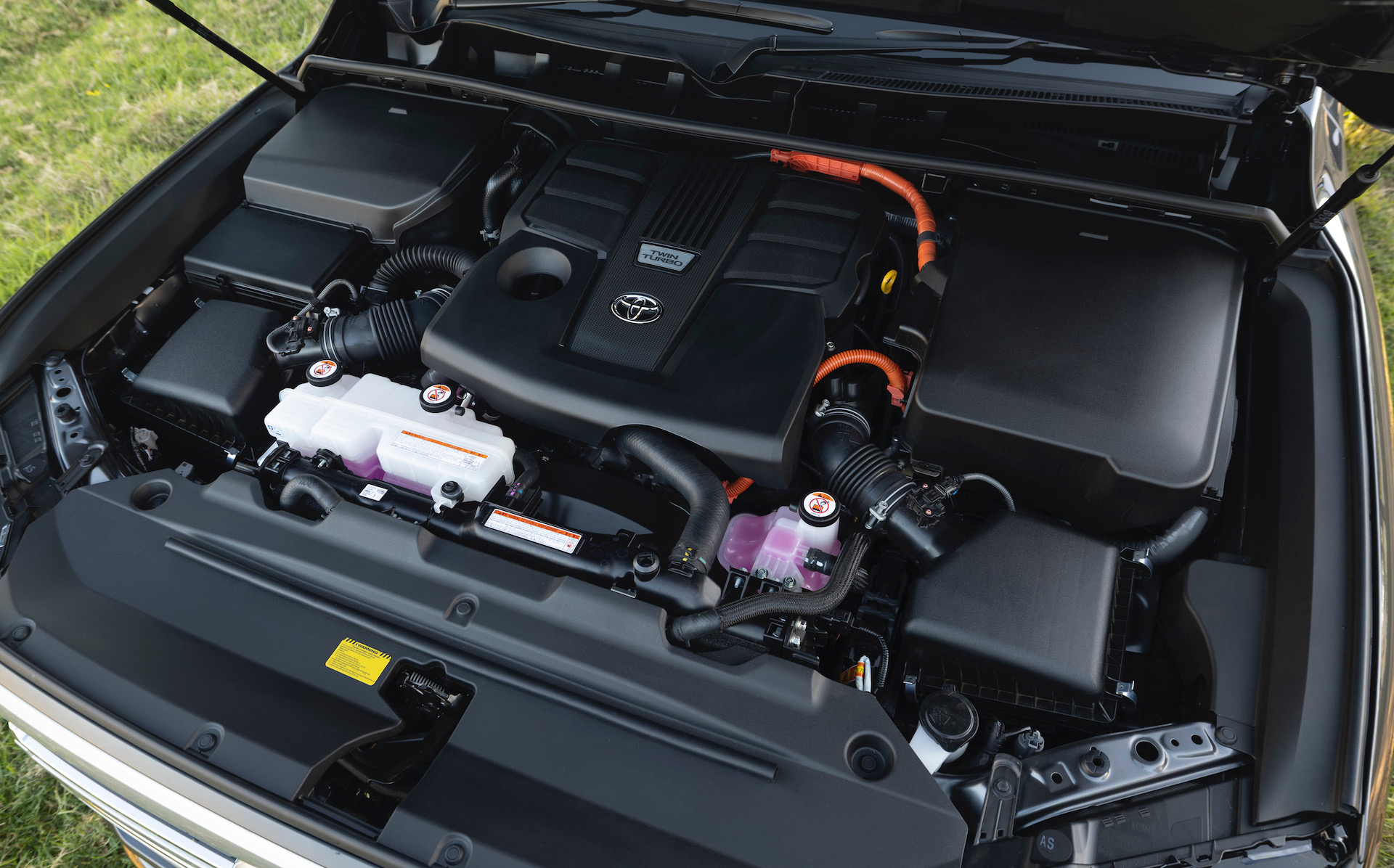
The headline figures certainly grab attention. The twin-turbo petrol V6 hybrid produces a combined 305kW and 650Nm on it own, comfortably making it the most powerful LandCruiser ever sold. Add a 36kW/250Nm electric motor in between the transmission and engine and you’ve got yourself a whopping 341kW and 790Nm of combined output to play with. It is officially the quickest LandCruiser ever offered, covering 0-100km/h in a claimed 6.5 seconds. We timed the sprint in 6.23 seconds with our Vbox.
More importantly, you can actually feel the difference. Acceleration is noticeably stronger than the diesel, with a sharper throttle response and a more eager personality that makes overtaking and highway merging almost effortless. The petrol engine also delivers a more appealing soundtrack, adding a welcome layer of character without becoming intrusive.
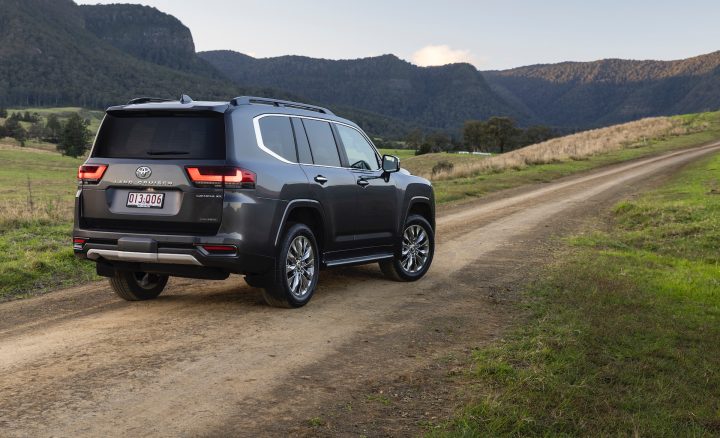
Yet despite the additional performance, it still feels unmistakably like a LandCruiser. Here, the electric motor system operates quietly in the background without constantly reminding you it’s there, seamlessly adding boosts of torque when it can. It’s safe to say this offers the most refined and effortless driving experience of any LandCruiser ever, in our view.
Despite its benefits, mainly with power, smoothness and response, this still runs a heavy-duty dual-range transfer case and a locking centre diff (front, centre and rear diff lock in the GR Sport). That’s likely to be appreciated by long-time LandCruiser owners who don’t necessarily want a radical departure from what they already know.
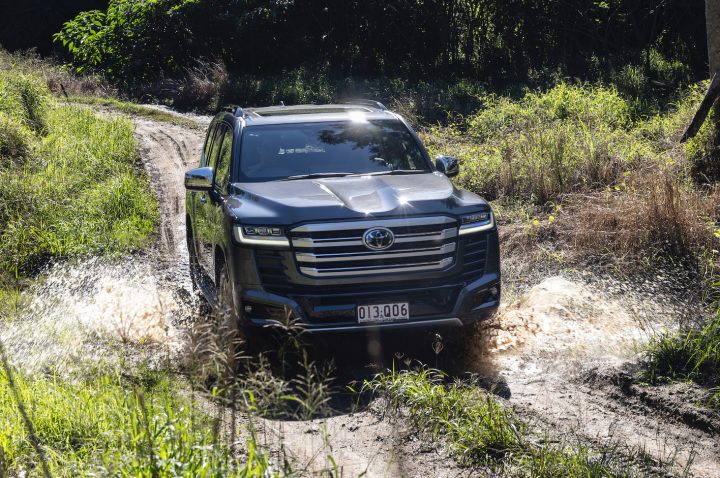
While we didn’t get a chance to proper test the off-road ability during this launch event, we see no reason why it wouldn’t perform just like the diesel options – it runs the same hardware. In Sahara ZX form you have adjustable suspension so you have an added layer of versatility over the GR Sport, in terms of on-road dynamics. But then keep in mind the ZX does feature 20-inch shiny wheels with lower-profile 265/55 tyres, compared with the GR’s 265/65 tyres on an 18-inch wheel. So, in that respect, it’s probably wise to choose a variant according to your common driving scenarios.
2026 Toyota LandCruiser Hybrid: First impressions
Toyota has managed to do something quite clever with the LandCruiser Hybrid. Rather than fundamentally changing the character of its flagship four-wheel drive, it has simply made it stronger, smoother and faster. The additional power transforms highway performance, the petrol engine is more enjoyable to listen to than the diesel, and the hybrid system integrates so seamlessly that most owners will barely notice it’s there. Add Toyota’s traditional physical controls, minimal packaging and uncompromised off-road hardware, and this still feels every bit like a proper LandCruiser.
The biggest limitation is availability. Restricting the hybrid to only the two most expensive grades means many buyers will never have the opportunity to experience it, despite it arguably being the best powertrain for urban drivers. Some may also miss the availability of a seven-seat configuration.
2026 Toyota LandCruiser Hybrid: Video