Volkswagen’s Tiguan has long been a steady performer in the medium SUV segment in Australia, known more for solid engineering and understated design than outright excitement. With the introduction of the 2026 VW Tiguan 195TSI R-Line, that formula takes a conspicuous step in a different direction.
As the most powerful version in the lineup, and blazing in with a huge boost from its predeceased 162TSI, the 195TSI R-Line aims to deliver a more exhilarating experience without compromising the practicality that has defined the nameplate. As newcomers continue to flood the market, we examine how the new Tiguan attempts to cover more ground than ever before.
2026 Volkswagen Tiguan 195TSI R-Line: Specifications
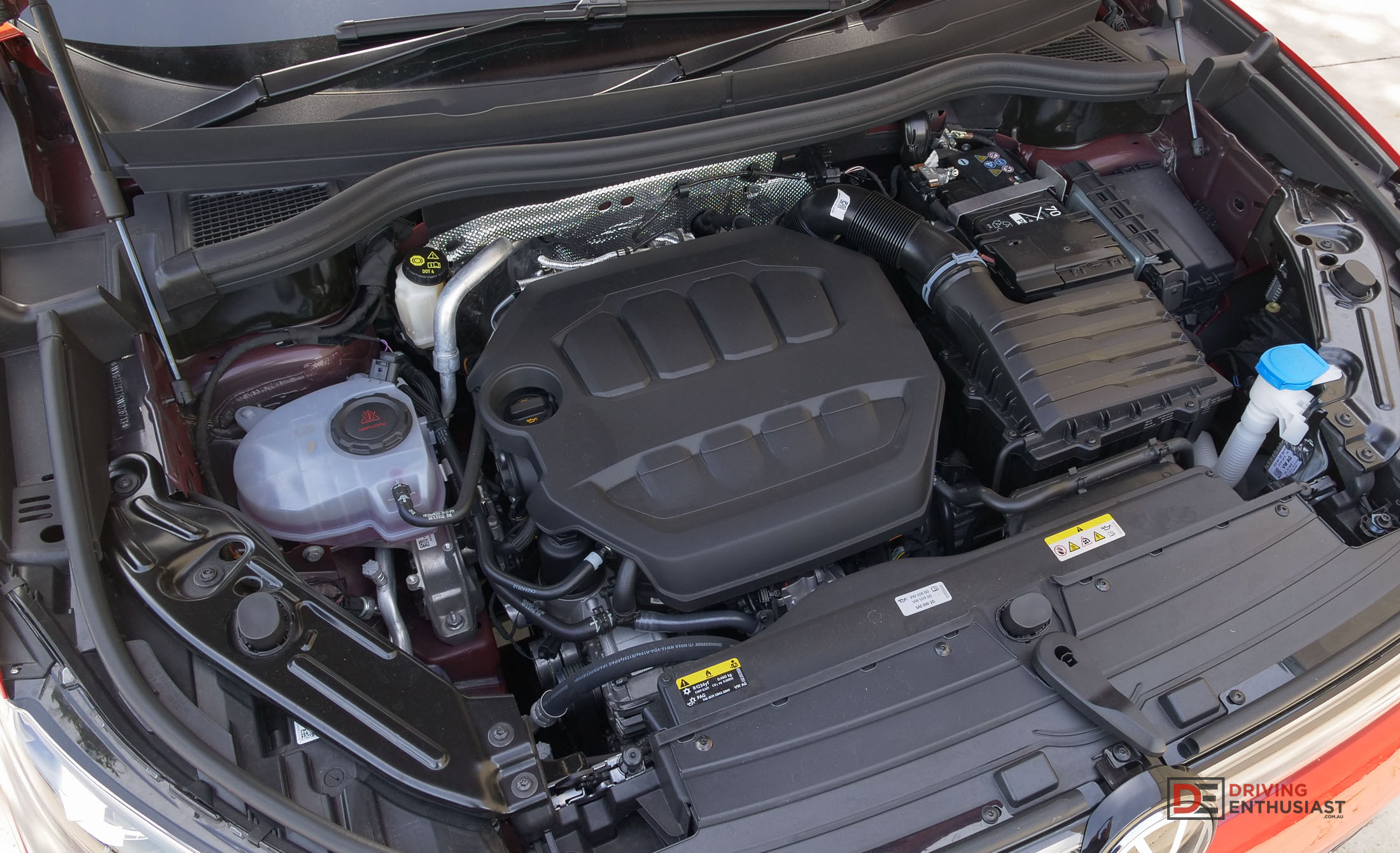
Engine: 2.0-litre turbo four-cylinder
Output: 195kW@6500rpm / 400Nm@1650rpm
Gearbox: Seven-speed dual-clutch auto
Drive type: All-wheel drive
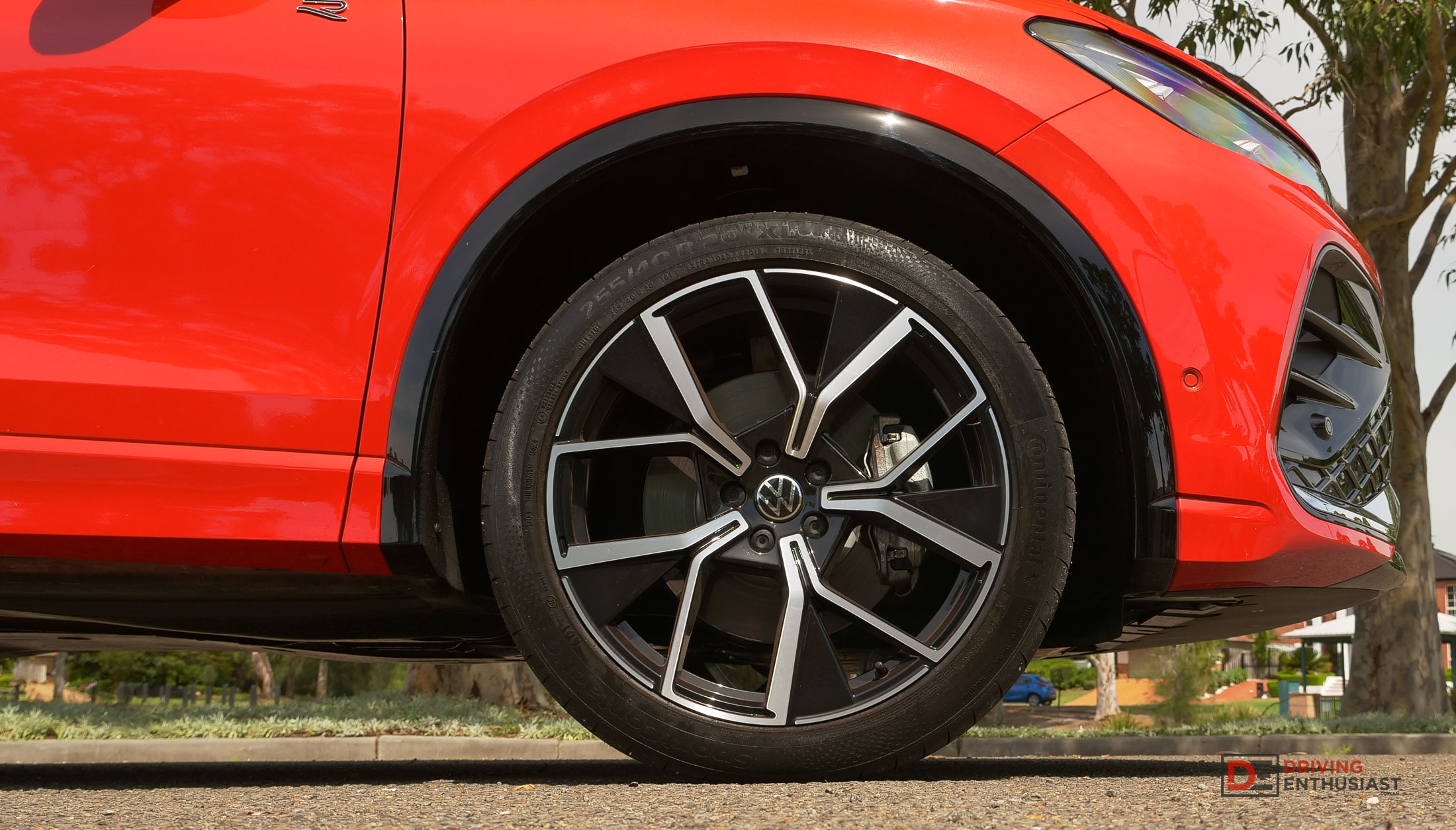
Wheels: F & R: 20×8.5, 255/40
ANCAP: Five stars
Tare weight: 1744kg
Power-to-weight: 8.94:1 (kg:kW)
Official consumption: 8.5L/100km
Our consumption: 9.2L/100km
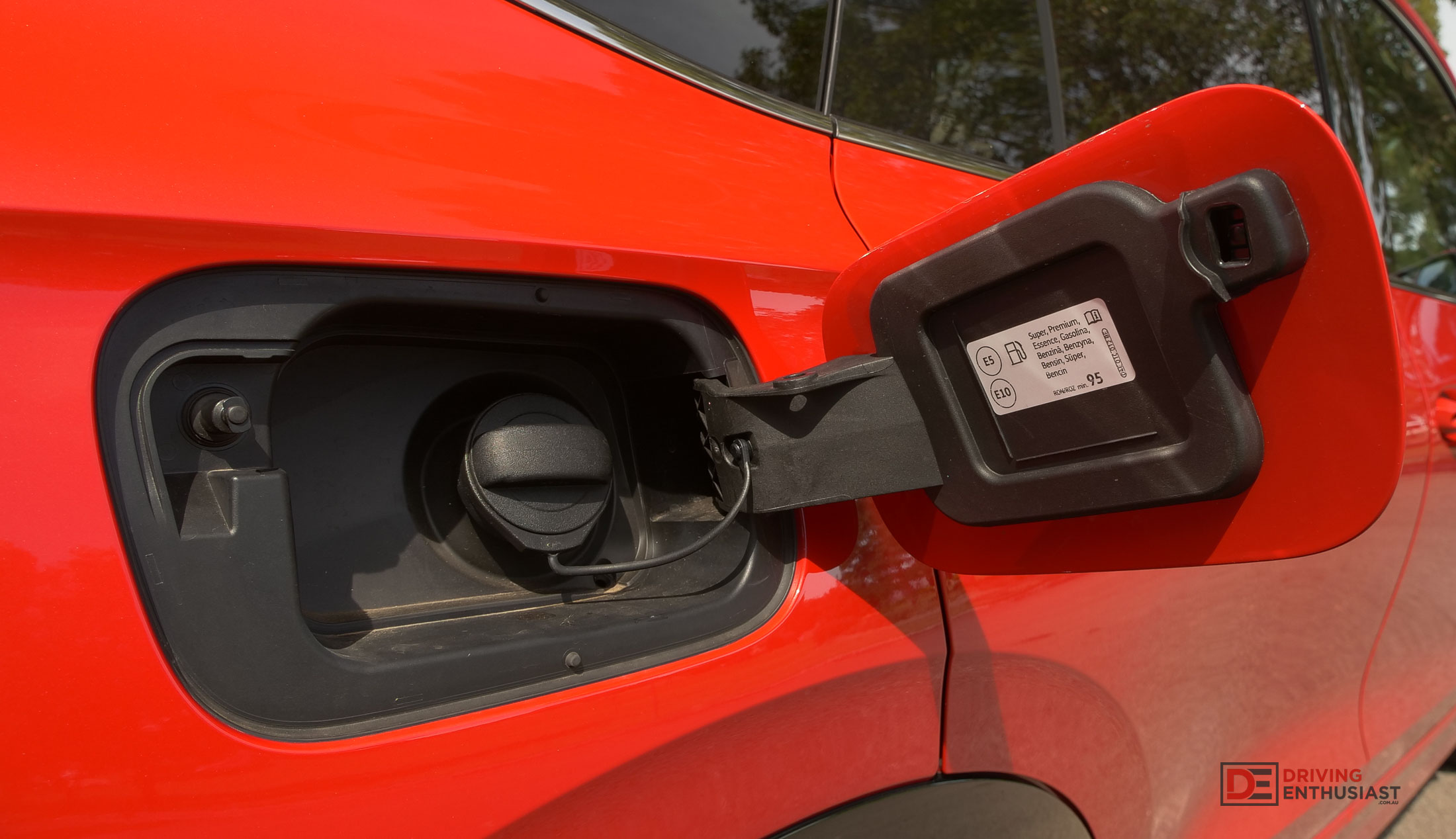
Fuel tank/Fuel type: 58L/95 RONPower efficiency: 22.94kW:L/100km
0-60km/h: 2.67 seconds*
0-100km/h: 5.77 seconds*
60-110km/h: 4.13 seconds*
1/4 mile: 14.08 seconds at 158.1km/h*
Max acceleration: 0.888g*
100-0km/h braking: 35.45m in 2.90 seconds*
Max deceleration: -1.603g*
Decibel at idle: 42*
Peak decibel at 60-100km/h: 83*
Starting price: $71,550
*Figures as tested by Driving Enthusiast on the day. Manufacturers’ claims may be different
2026 Volkswagen Tiguan 195TSI R-Line: How much does it cost?
The flagship Tiguan 195TSI R-Line is priced from $71,550 (before on-road costs), placing it decisively at the upper end of the mainstream medium SUV segment.
That’s a noticeable step above the top variants of volume players like the Toyota RAV4 Hybrid Cruiser ($60,340), the Mazda CX-5 Akera ($56,150), the Hyundai Tucson Hybrid Premium N Line ($59,850), and the Kia Sportage HEV GT-Line ($60,370). But, none of those match the Tiguan’s outright performance figures.
On the other hand, its price is comfortably lower within luxury territory. Think BMW X1 M35i asking for $93,900 or the Audi Q3 TFSI 195kW retailing for $84,400. The Volvo XC40 Ultra B4’s $61,990 price tag is lower, but that now only has a base 145kW engine available. Then the Cupra Terramar VZ and the larger Skoda Kodiaq RS cousins – both with the same engines as the 195TSI – hover around the same price.
Volkswagen backs the Tiguan with a standard 5-year, unlimited kilometre warranty. But only 12 months of roadside assistance. Servicing intervals are set at 12 months or 15,000km, with capped pricing advertised at $478, $950, $478, $1274, and $478 for the first five services. That totals $3658, which is above industry average. You can order a 5-year pre-paid care plan for $3461, saving $197, or a 3-year plan for $1898, saving just $8.
2026 Volkswagen Tiguan 195TSI R-Line: Interior & packaging
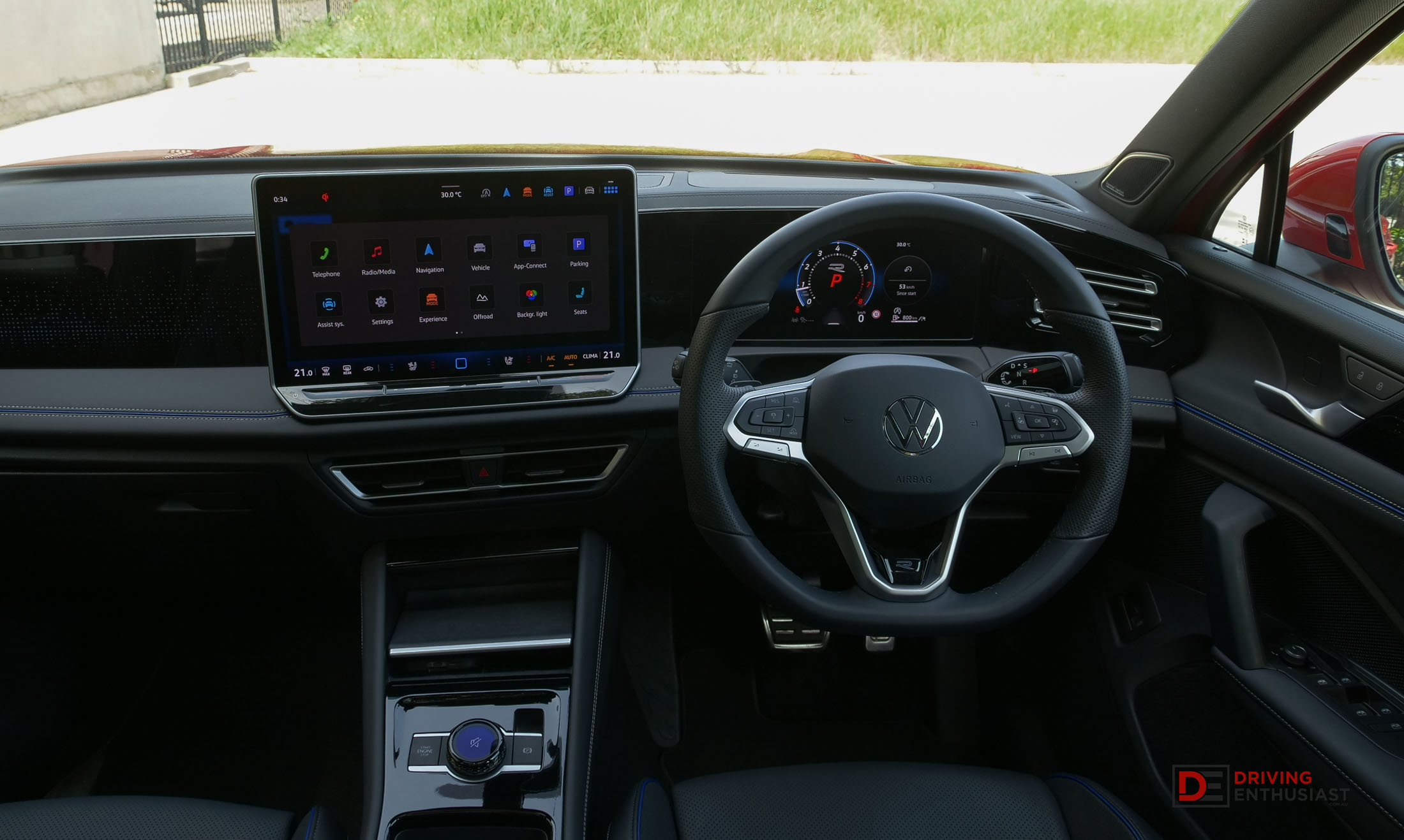
Rather than reinventing the wheel, Volkswagen has taken a familiar formula and elevated it. And the result is a cabin that feels both practical and quietly premium.
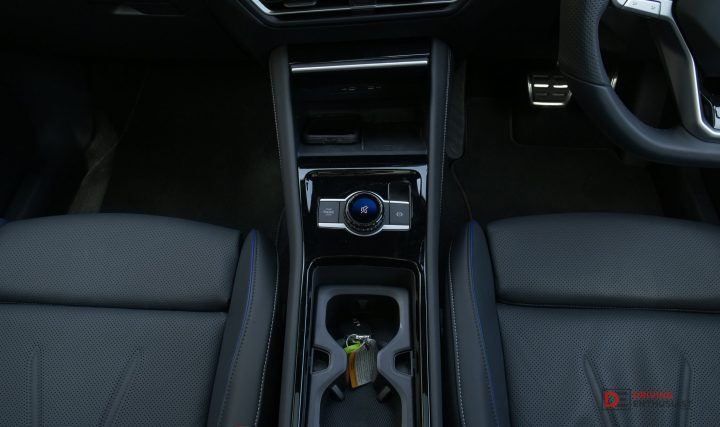
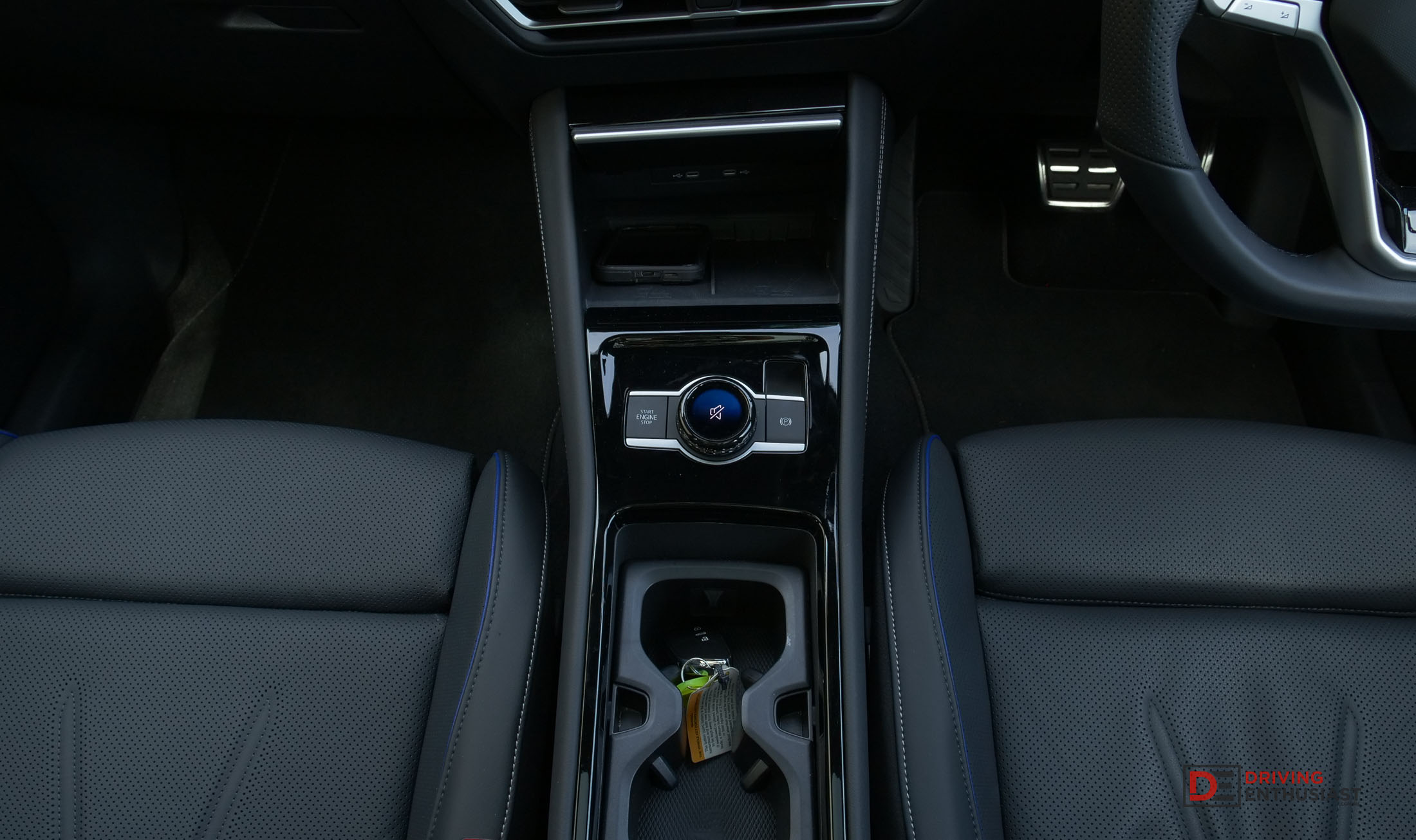
Material quality is strong throughout, with thoughtful touches that go beyond the obvious. Carpeted door pockets, for example, help prevent loose items from rattling around – a small detail, but one that reinforces the sense of refinement. The centre console is equally well considered, featuring a height-adjustable armrest like previous generations, and not one but two wireless charging pads. There’s even a clever flip-up tray so you can still use the space without stacking items directly on your phones.
That said, the German-built SUV is not entirely flawless. Our test vehicle exhibited a few squeaks, notably from the driver’s headrest and the left side mirror when folding in and out, which raises some questions around build quality control measures.
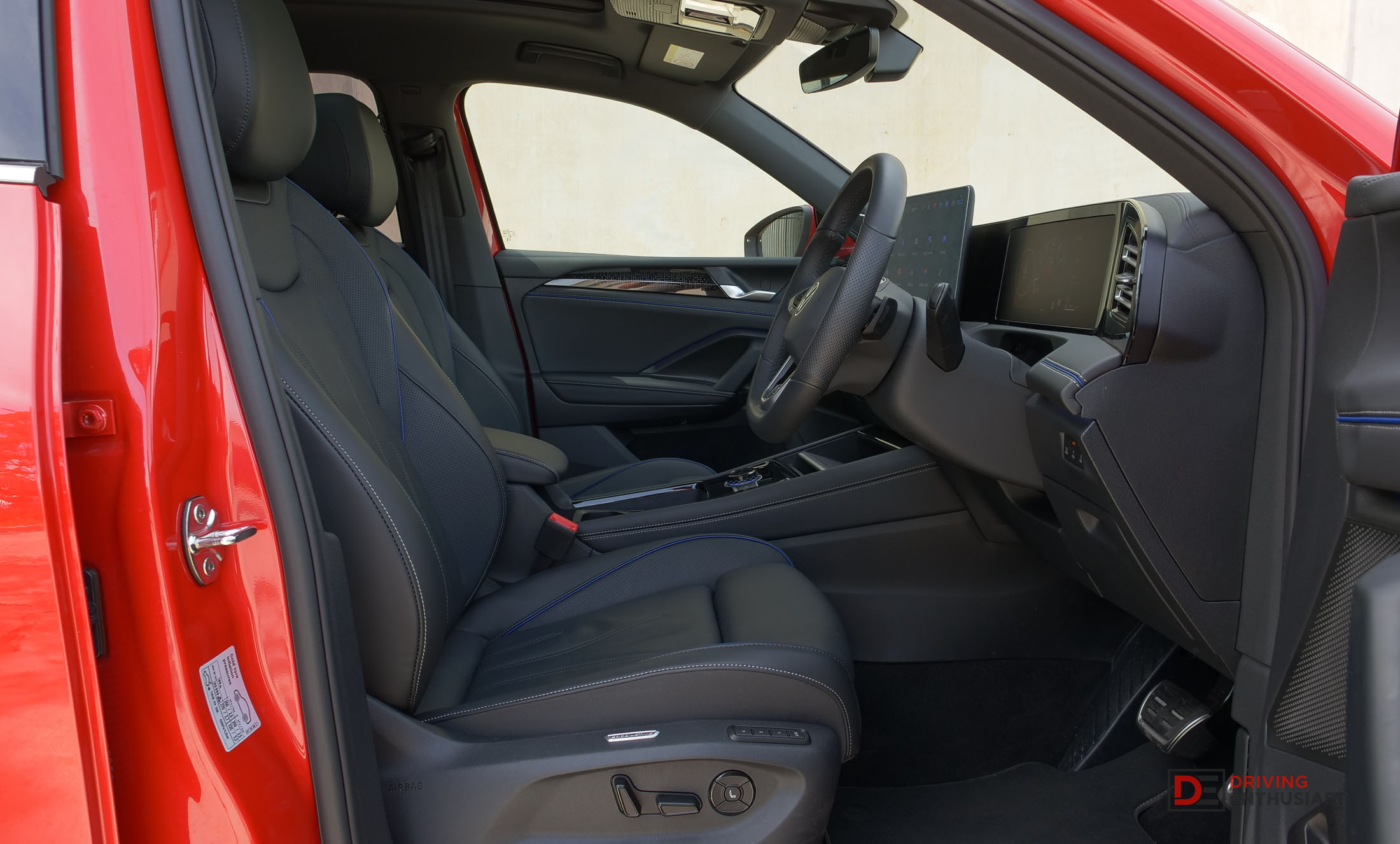
Seating comfort is a highlight. Despite the R-Line badge, the seats aren’t overly aggressive with a bucketed shape. Instead, they strike a great balance between support and long-distance comfort, using Varenna leather upholstery. Up front, you’re treated to heating, ventilation and even a massage function; features usually reserved only for luxury SUVs.
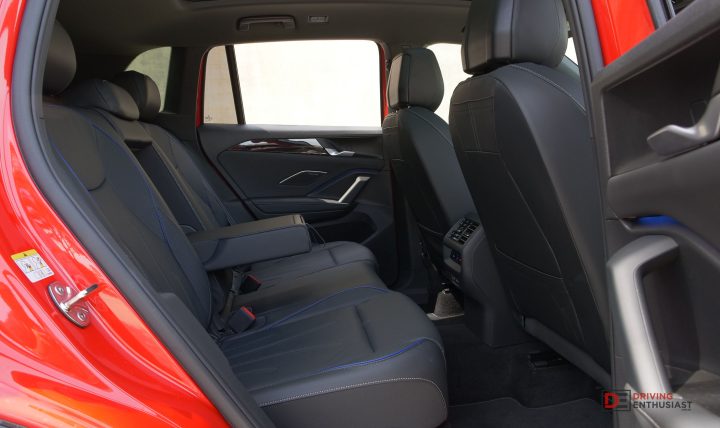
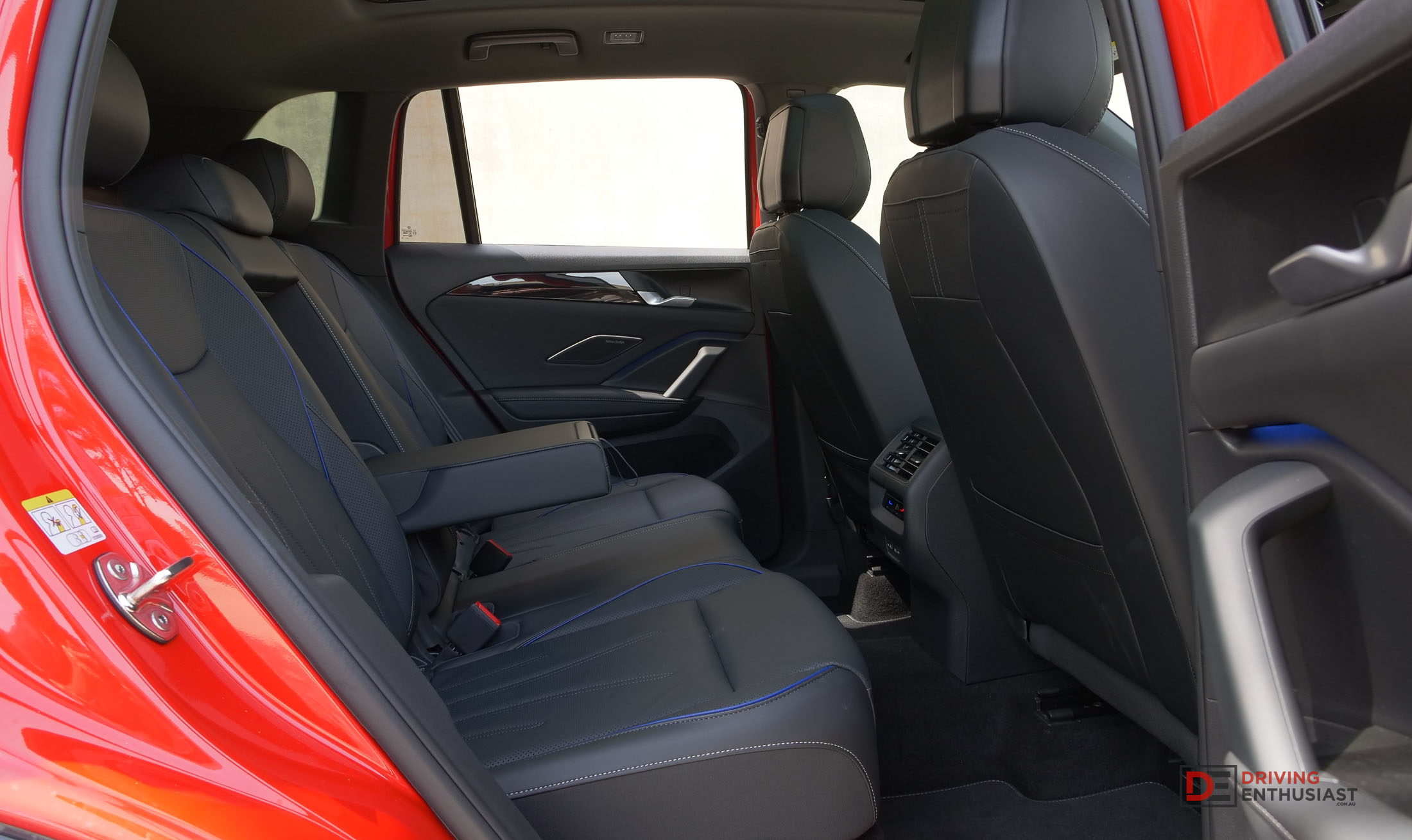
With every dimension increasing over the previous generation except height, rear seat accommodation is particularly impressive. There’s generous legroom and excellent under-seat foot space, making it easy for passengers to stretch out. The rear bench slides on rails and offers adjustable reclining, adding flexibility depending on whether you prioritise passenger or boot space. There’s also a centre armrest with pivoting cupholders and a clever phone/tablet rest, plus rear climate controls with their own display. It’s class-leading accommodation back here.
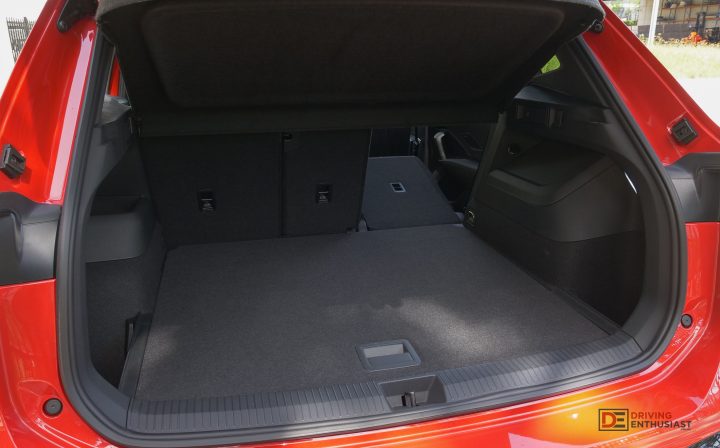
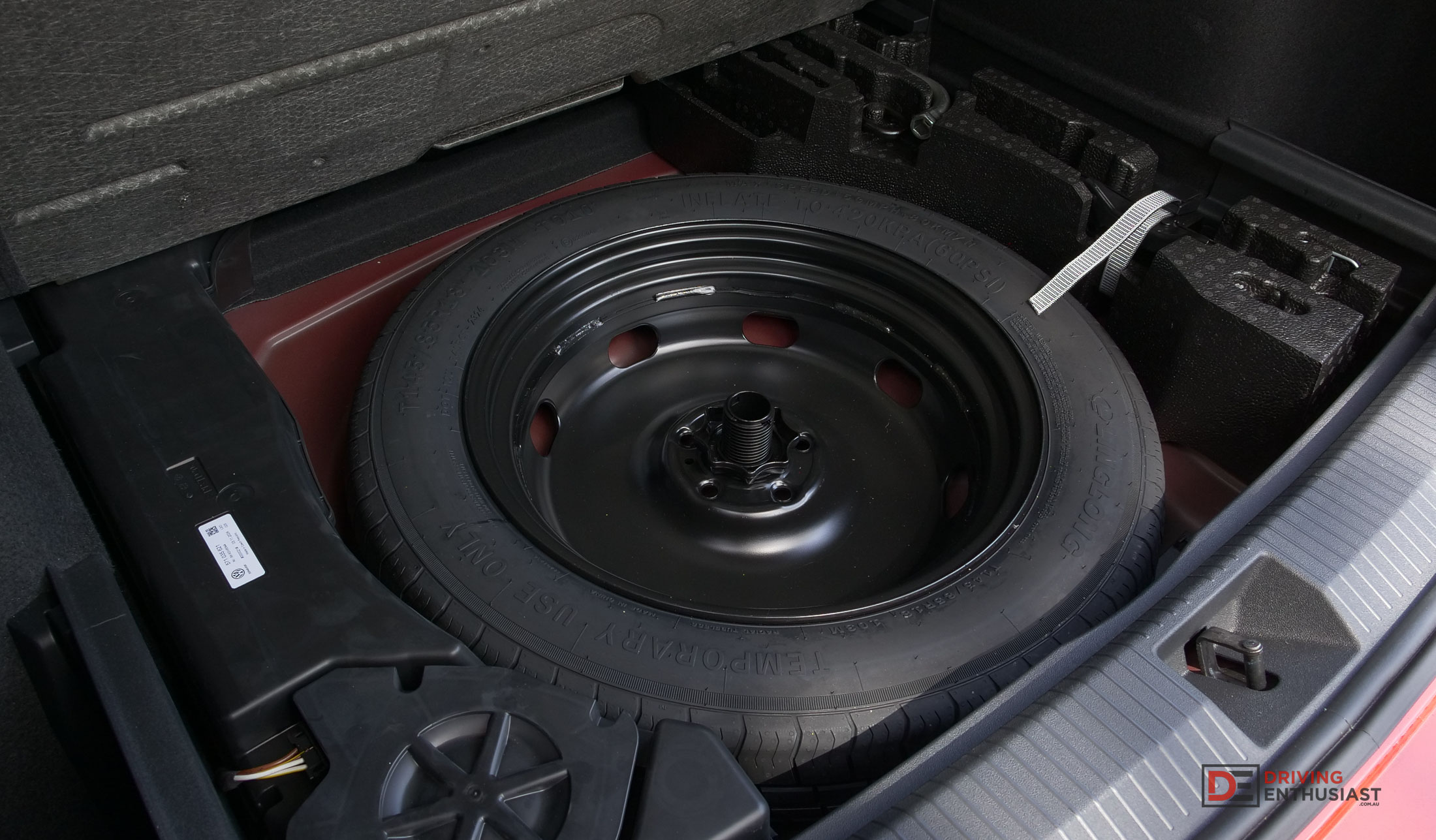
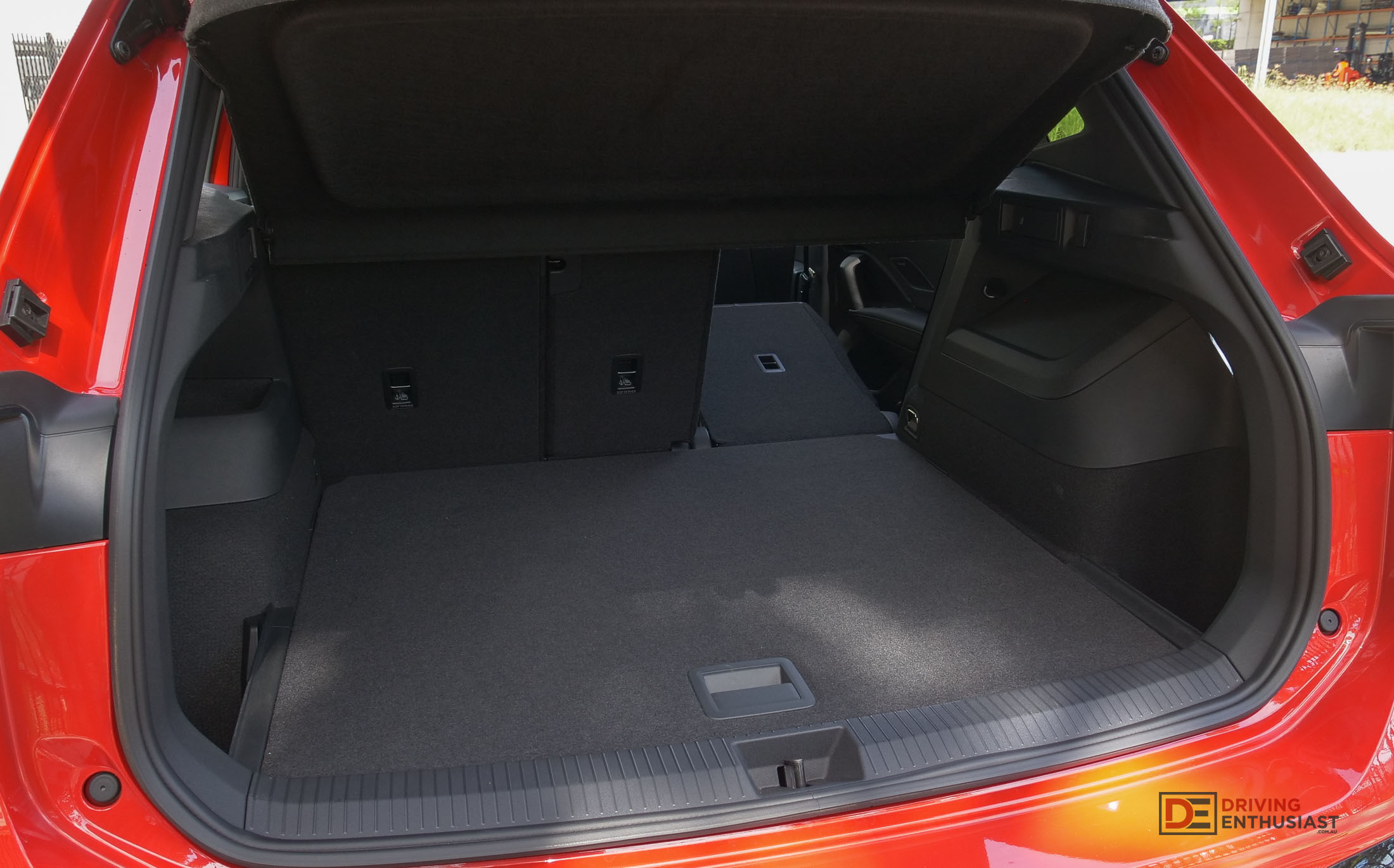
Storage is abundant, too, with multiple seatback pockets (three in the back of each front seat), large door bins and a well-sized centre console. Around the back, the boot is noticeably larger than previous generations. It grows from 615 litres to 652L, and complete with tie-down points and another 12-volt outlet for added practicality. If you need more space, the 40/20/40 split seats fold easily to make 1650L. A space-saver spare sits under the floor.
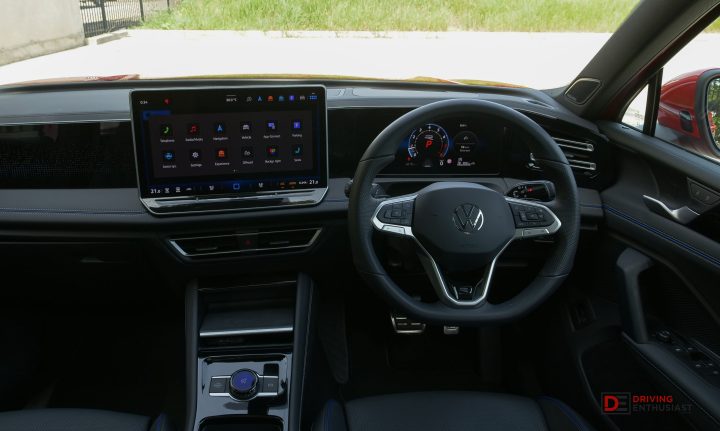
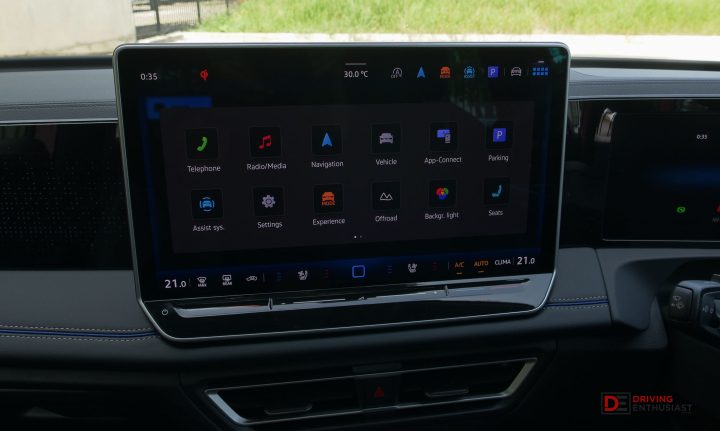
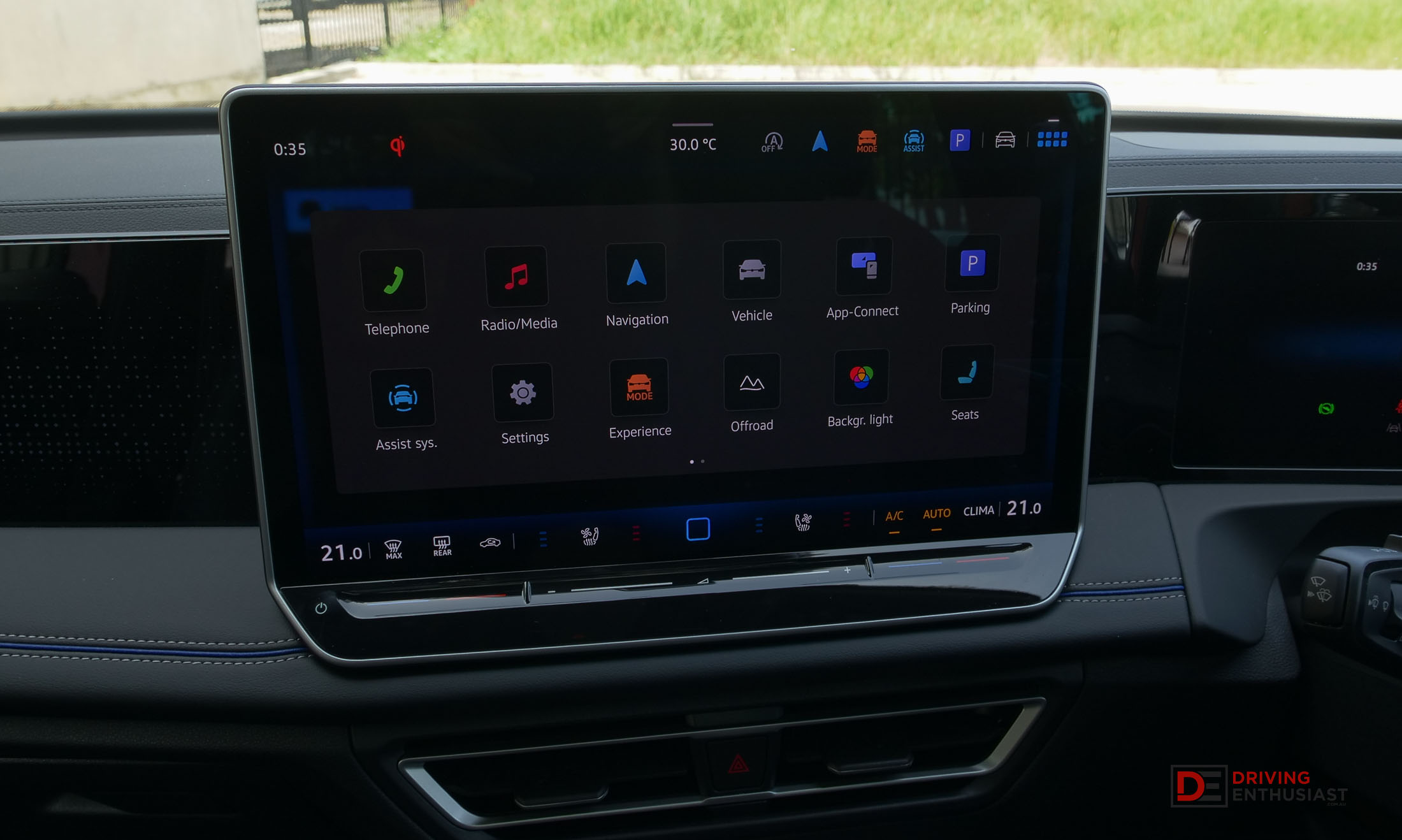
Technology is headlined by a massive 15-inch central touch-screen, with climate controls permanently anchored at the bottom for quick access – an extremely handy design choice. A rotary controller on the centre console toggles between volume and drive modes with a press, adding a tactile layer to an otherwise screen-heavy interface. Ambient lighting is highly customisable, adding a bit of theatre at night, while the 10.25-inch digital instrument cluster is clean and configurable. Being a top-spec variant, you also get head-up display and a ripper 700W 10-speaker and sub-woofer, Harman Kardon sound system.
Captured in what Volkswagen calls ‘IQ.DRIVE’ is a comprehensive suite of safety features standard across all variants. It includes items like advanced driver attention monitor, 360-degree view cameras, side exit warning, semi-auto parking assist, travel assist, and loads more.
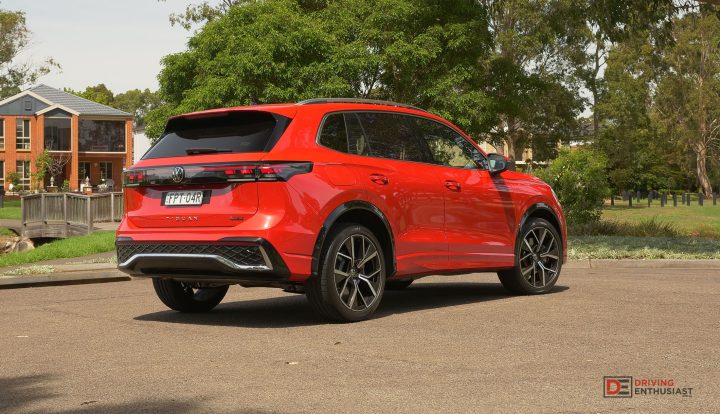
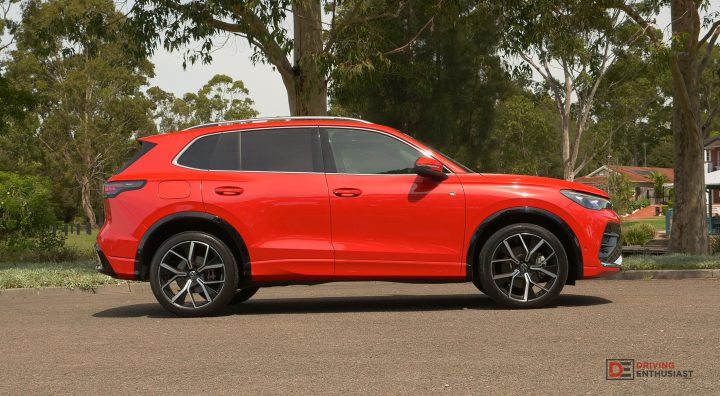
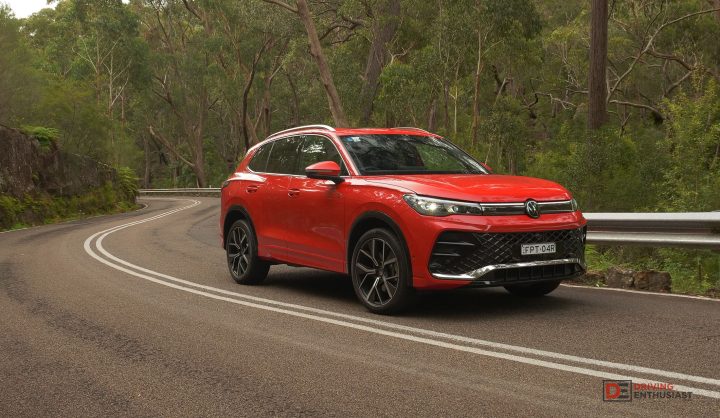
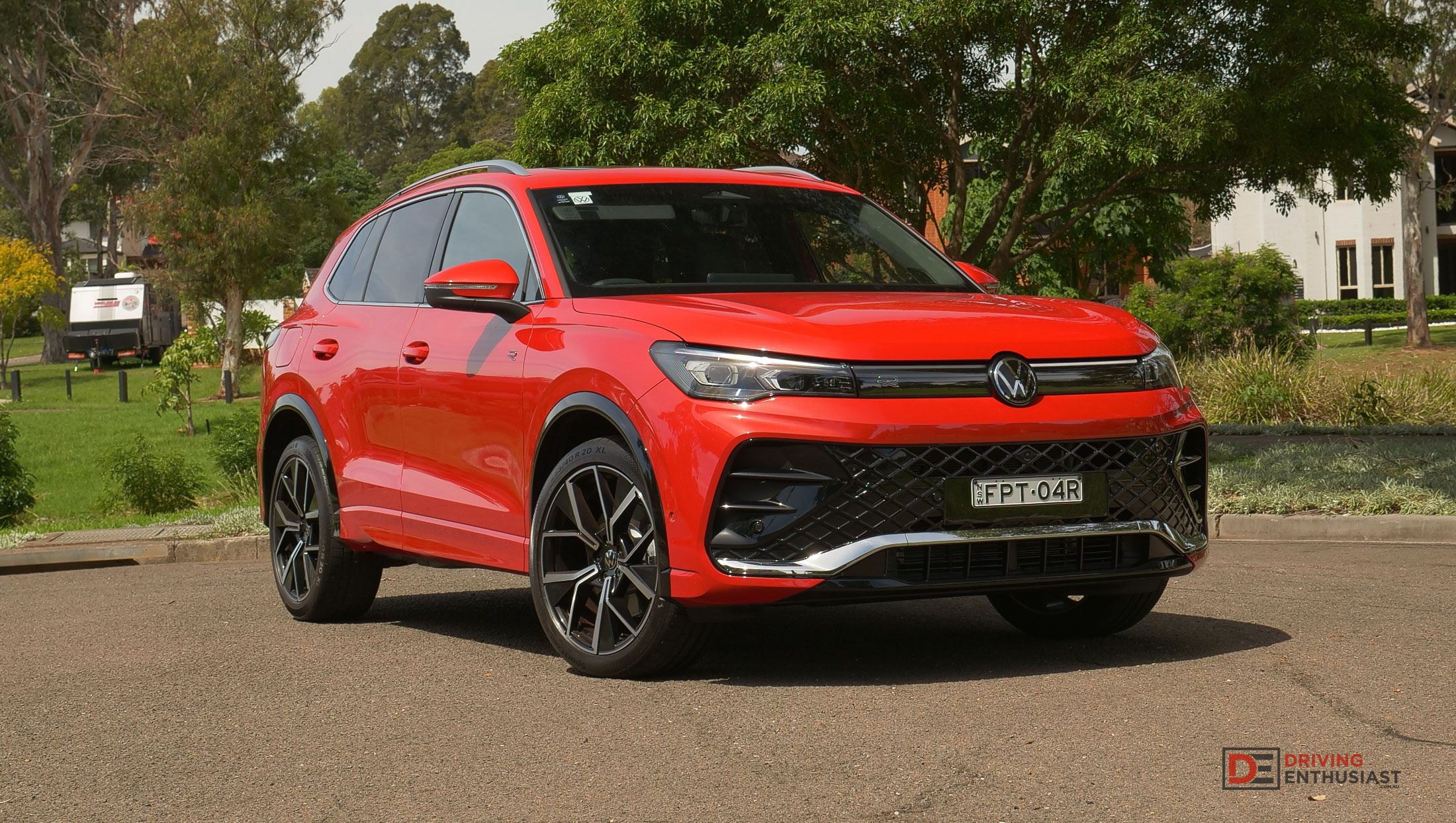
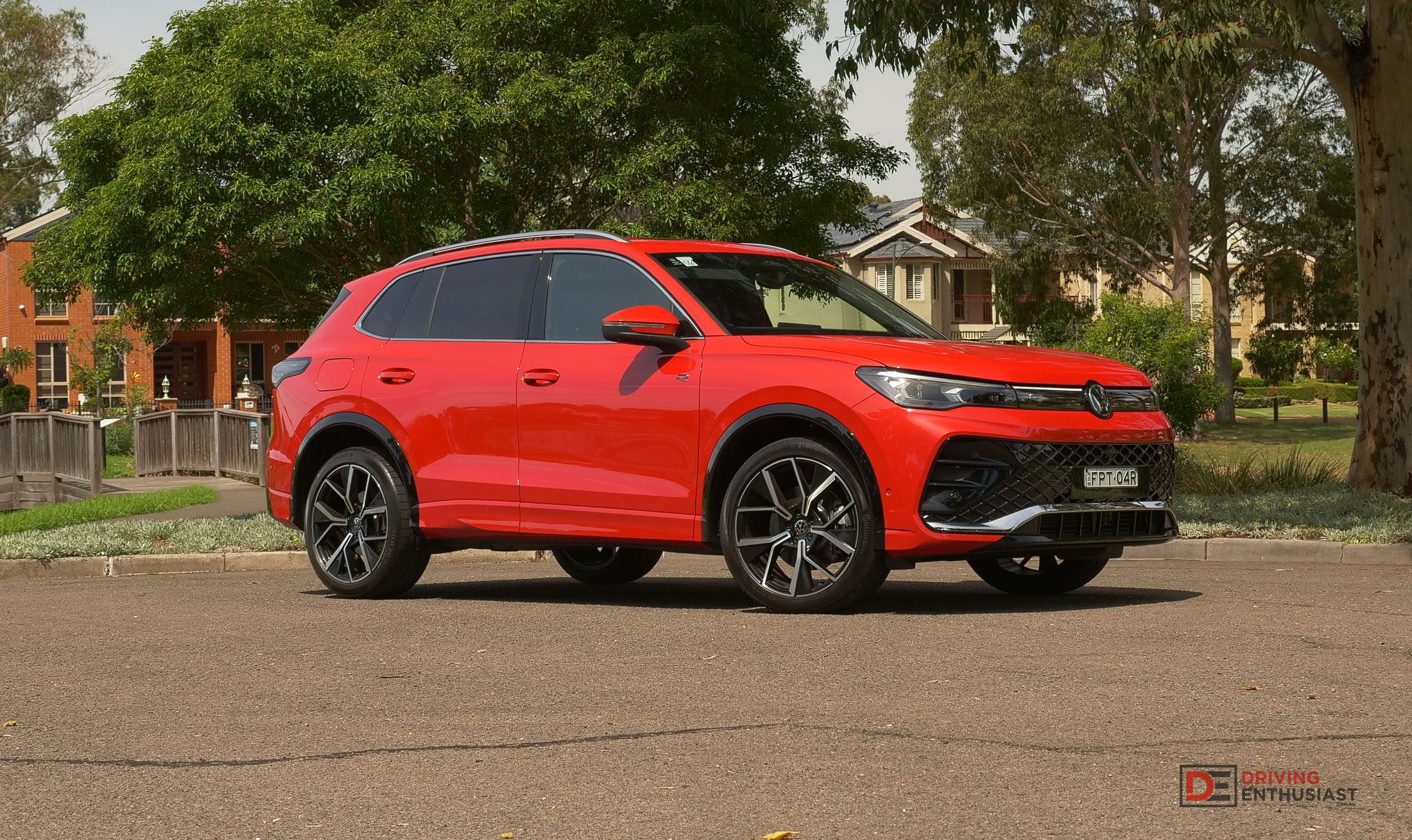
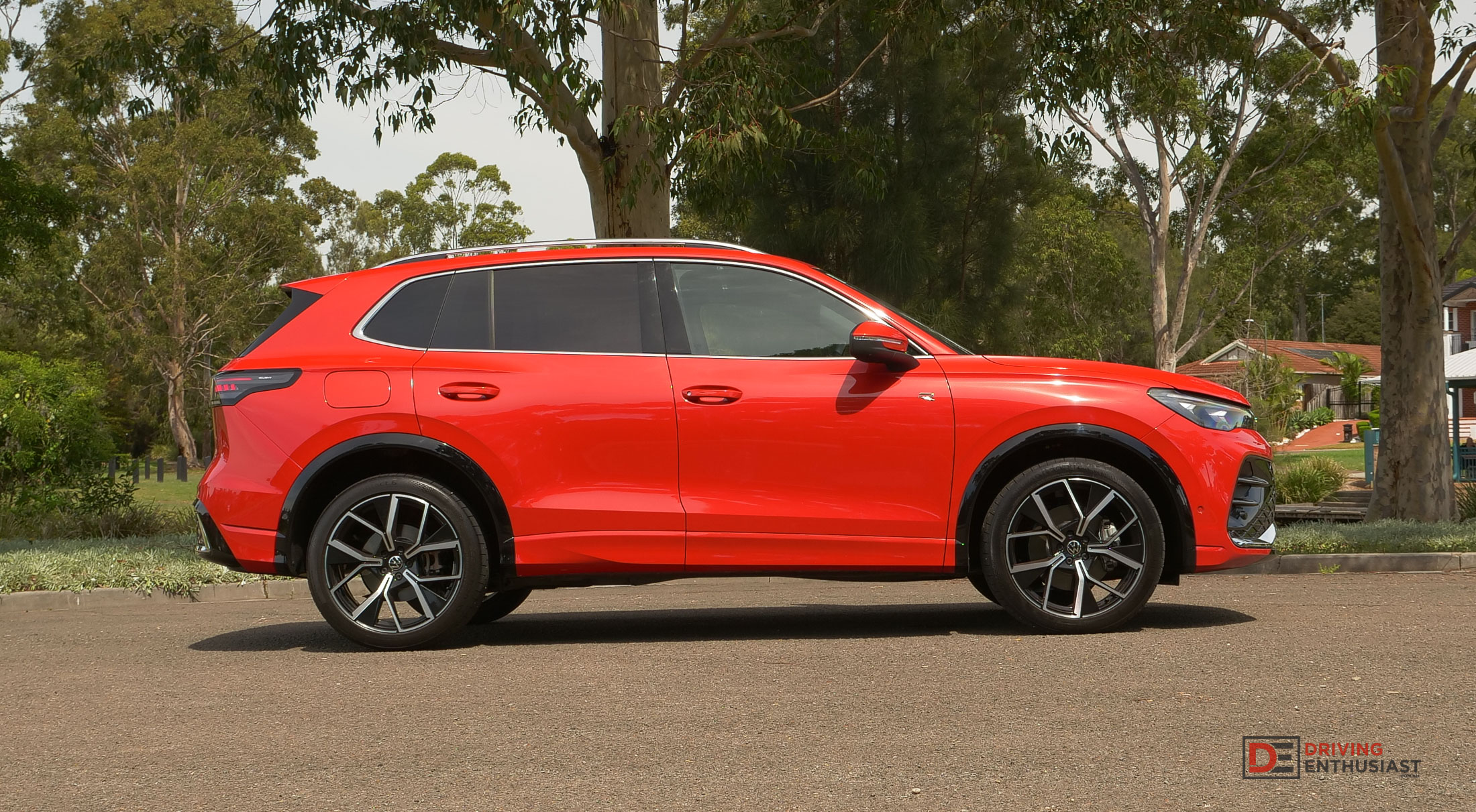
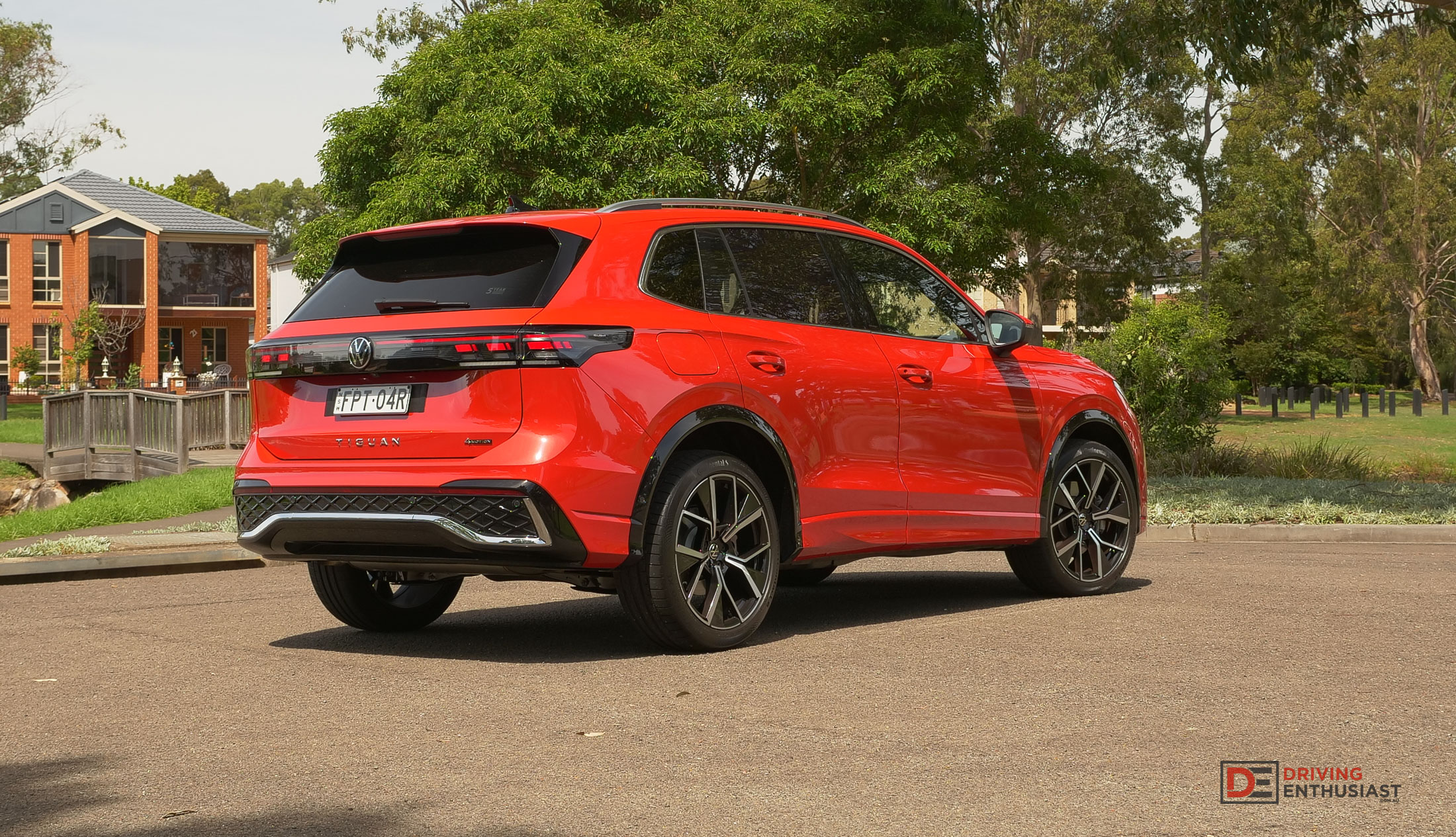
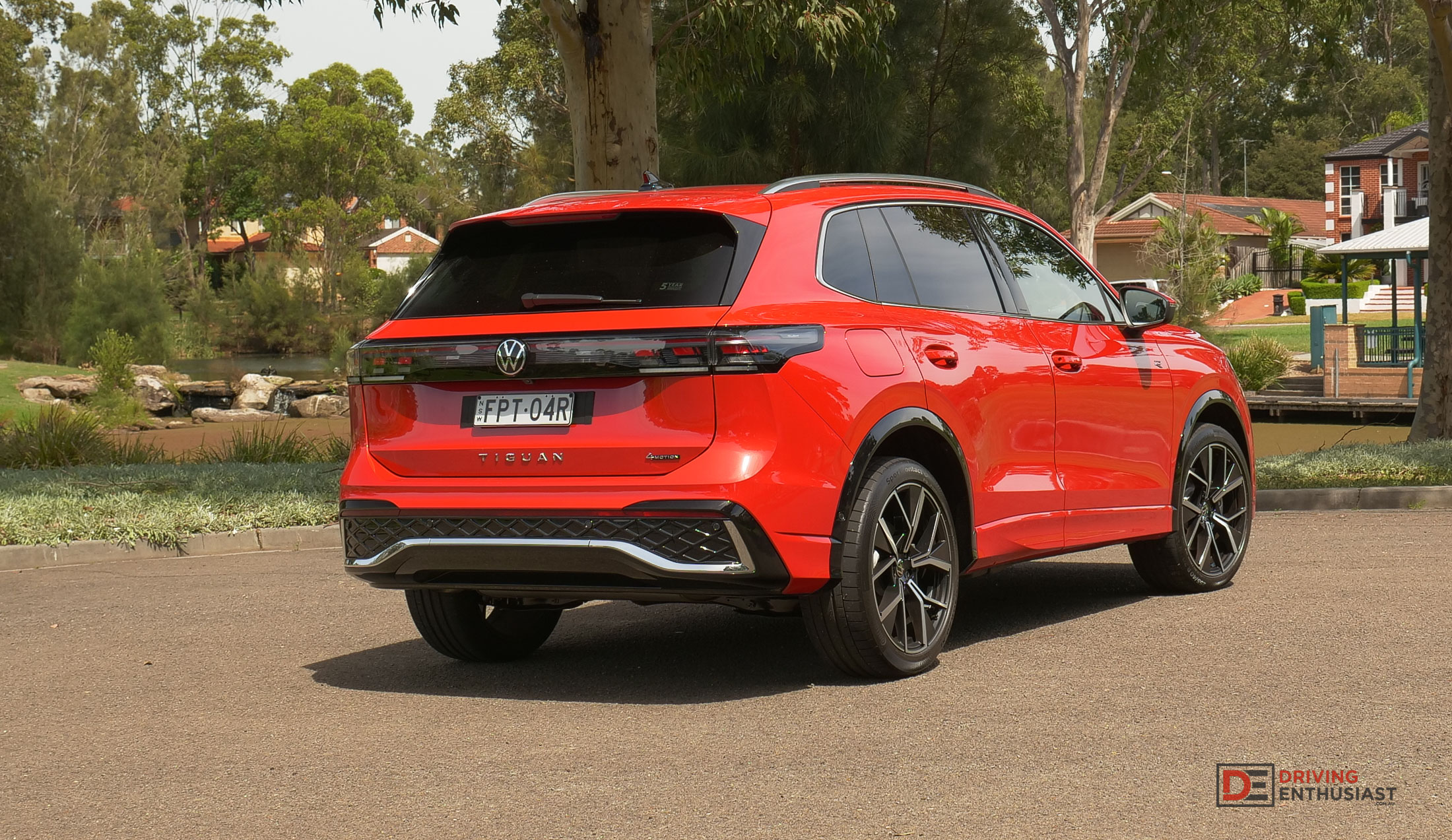
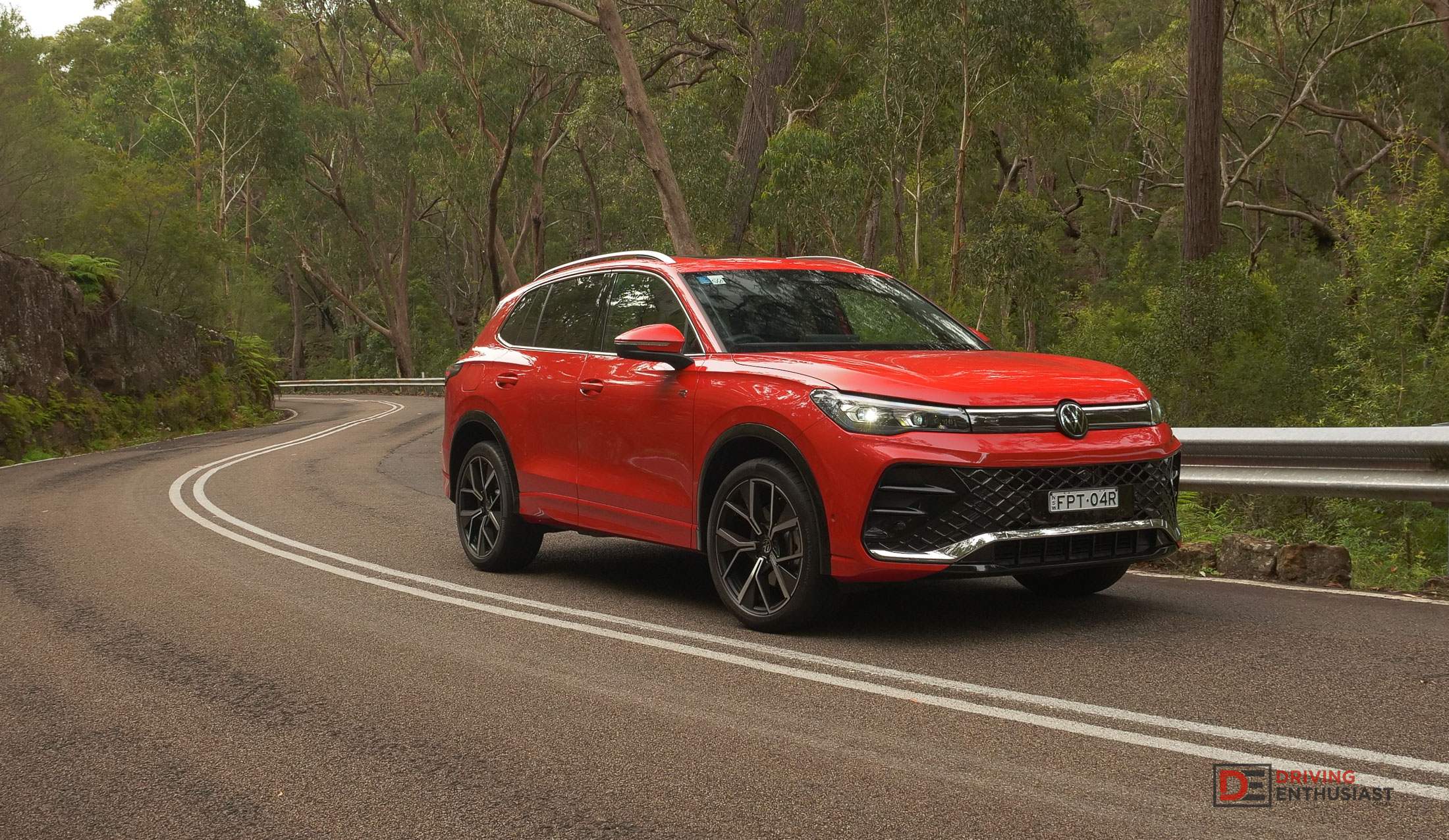
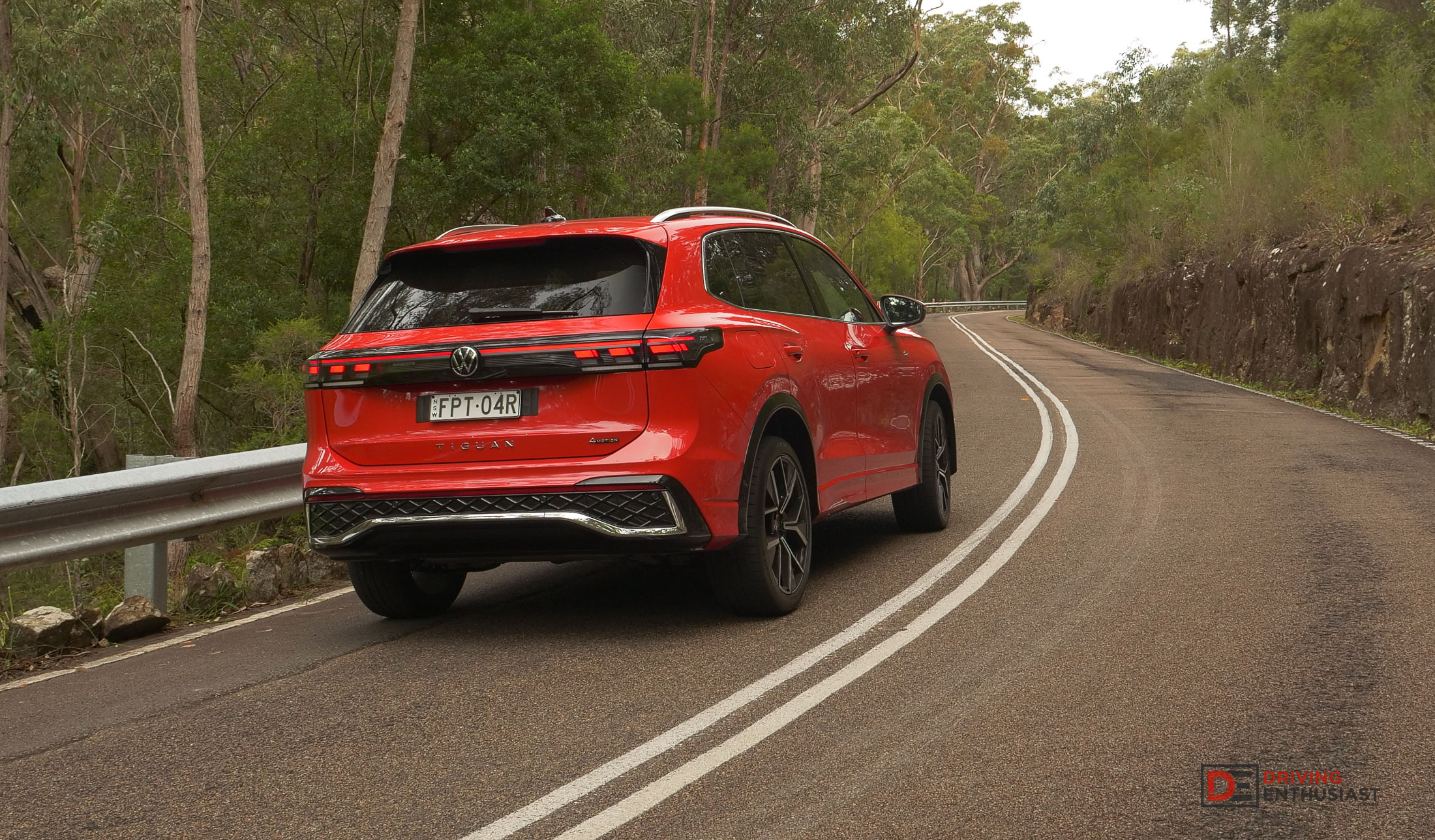
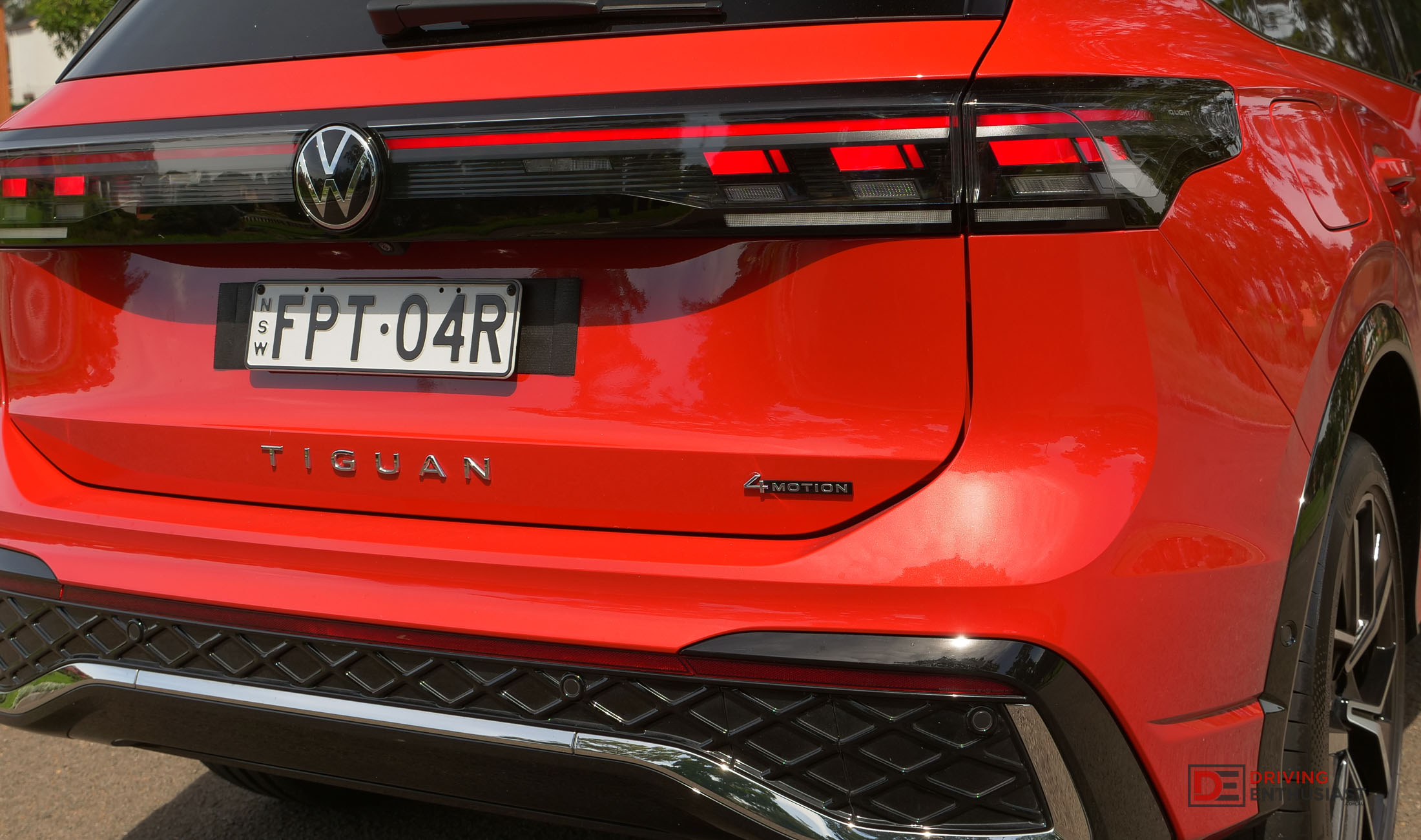
On the outside, we think the design of the third generation Tiguan is not exactly trendsetting. It is kept rather conservative with its simple, upright shape, smooth contours and familiar design cues from the wider Volkswagen family. But that’s not to say it’s unattractive. In fact, for those who don’t like bold, centre-of-attention designs, the Tiguan quietly invites you. Only the one-piece LED lighting across the front and rear reveal something of a modern twist.
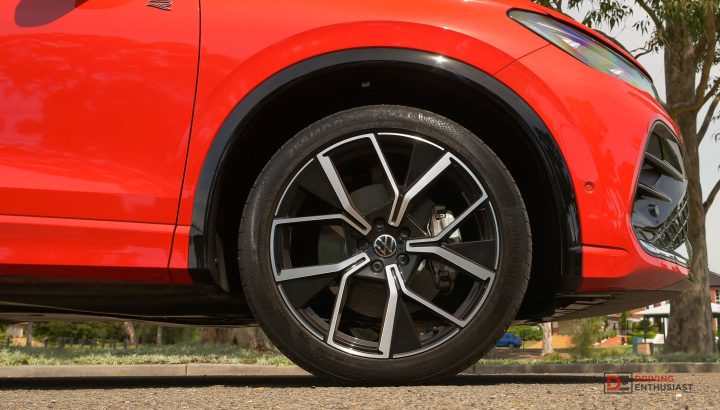
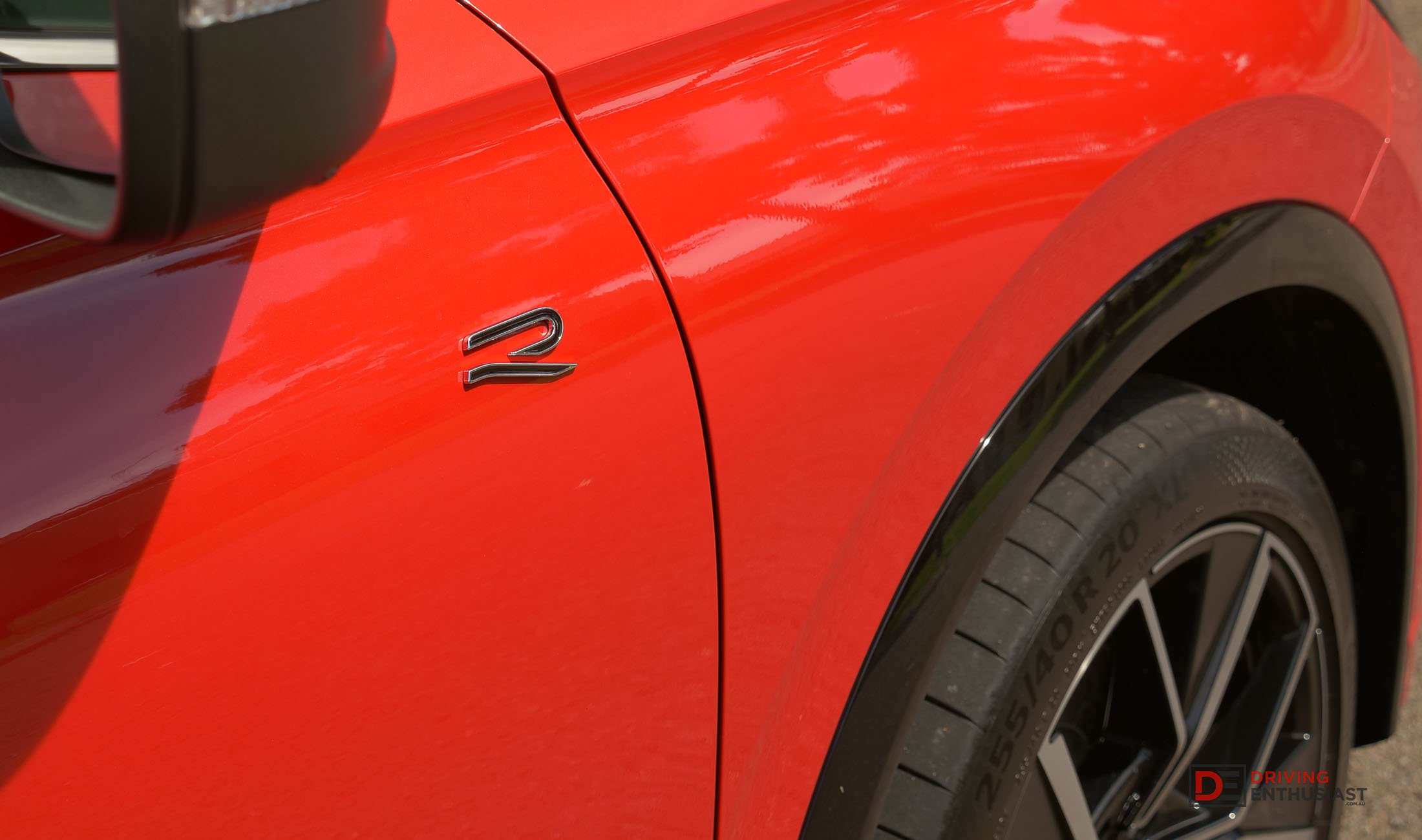
Of course, the R-Line adds some vigour with prominent black front and rear trimmings, body-coloured lower sills, contrasting painted black wheel arches instead of black plastic, R-Line badging, and distinctive 20-inch alloy wheels.
2026 Volkswagen Tiguan 195TSI R-Line: Powertrain & handling
At the core of the 195TSI R-Line is a 2.0-litre turbocharged four-cylinder engine producing 195kW and 400Nm. Performance is effortlessly accessible and delights right through the rev range. Even during relaxed driving, the Tiguan builds speed with minimal effort. There’s very little hesitation, and the engine feels lively without needing to be pushed hard.
With all that torque coming in full as early as 1650rpm, you feel less of a need to give it a serve. If you do put your foot down, it responds with genuine resolve – enough to remind you this is one of the quickest combustion SUVs in its class. Volkswagen lists the 0-100km/h sprint in just 5.9 seconds. Our testing recorded it in 5.77 seconds with the standard launch control function, and 6.82 without it.
The seven-speed dual-clutch transmission, however, isn’t without its idiosyncrasies. At lower speeds and during throttle changes, it can feel a little springy in its response, making it difficult to finesse a smooth take-off. It’s not a showstopper, but it does slightly detract from the otherwise refined driving experience. On the flip-side, it results in stunningly quick gear shifts under load when performance is commanded; and is loads more thrilling than any CVT auto. It pairs with Volkswagen’s solid 4MOTION all-wheel drive system.
Around town, the Tiguan 195TSI’s fuel consumption can climb if your routine is mostly urban. We recorded an average of 10.7L/100km in suburban driving. On the freeway, that figure dropped significantly to around 6.4L/100km, aided by a coasting function in ‘Eco’ mode that disengages the gearbox and allows the engine to idle when under no load. Even though its official average is 8.5L/100km, it’s one of those sporty engines that has a vast fuel usage range that depends on your situation. It’s not like a Camry where your average is effectively constant no matter how much you hammer it. Expectedly, the Tiguan also has a rich appetite of 9 RON petrol or above.
On the ride quality verdict, it is a standout. The suspension does an excellent job with absorbing bumps – even at higher speeds – maintaining composure without feeling flimsy. There is a very slight initial firmness from the low-profile tyres on the 20-inch alloys, but it is minor. It also comes with adaptive dampers under the ‘Dynamic Chassis Control Pro’ system, allowing for softer and harder cushioning. It would be good to have comfort mode offering softer settings, but we’re still thankful as it is a feature rarely offered in this class. And it is a sports variant after all. The DCC-Pro also allows for tweaking of steering, throttle response and driver assistance settings.
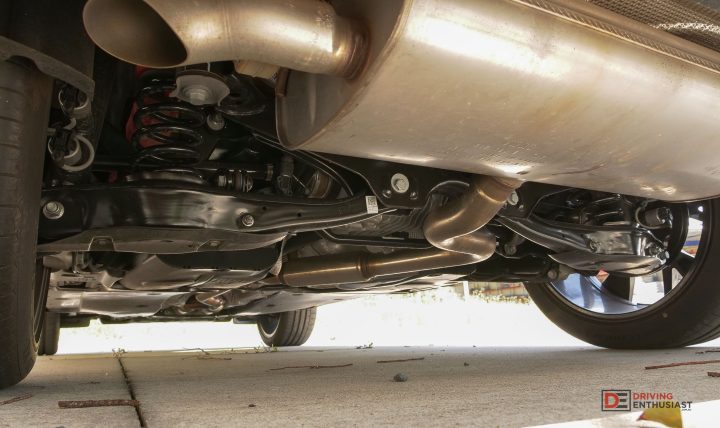
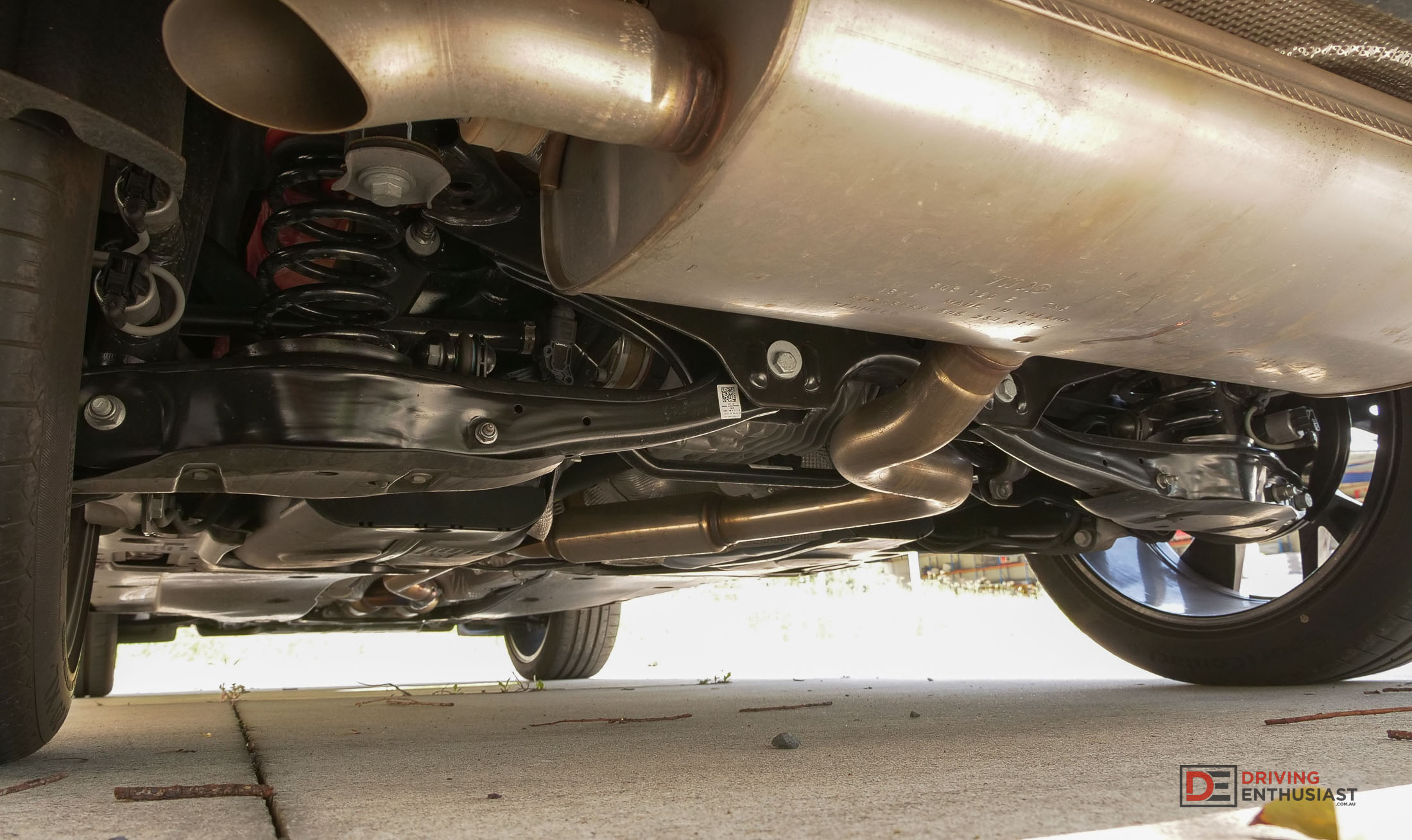
Push it through corners fast and the Tiguan reveals a more dynamic side. Body control is strong for an SUV of this type; and there’s a noticeable resemblance to Volkswagen’s hatchback DNA in the way it grips and changes direction. It feels planted, predictable and splendidly engaging. Independent, MacPherson struts with lower A-arms and an anti-roll bar lead the front suspension, and an independent, four-link setup with coil springs and an anti-roll bar make up the rear axle.
In the pilot seat, steering feels well-weighted, and overall confidence levels are high. Though, the adaptive cruise control system is a little conservative. Even in its closest setting, it leaves a larger-than-expected gap from the car ahead, which can be frustrating in traffic. Additionally, the gear selector is now mounted on the steering column. It works fine once you get used to it, but it does take a bit of time to build that muscle memory.
2026 Volkswagen Tiguan 195TSI R-Line: Key attractions/reasons to buy
- Strong performance credentials: With 195kW and all-wheel drive, the fastest Tiguan (for now – a new Tiguan R is apparently in the works) delivers genuinely quick acceleration that stands out in the segment.
- Excellent ride and handling balance: Comfortable over bumps yet composed and confident through corners, with a hint of Golf-like agility. The inclusion of Dynamic Chassis Control is a highlight for this class.
- Premium interior touches: Features like massaging seats, dual wireless chargers and carpeted storage areas elevate the cabin experience.
- Practical cabin and user-friendly technology: Sliding rear seats, abundant storage and a large boot make it well suited to family duties, with large, clear displays and always-accessible climate controls maintaining everyday usability.
2026 Volkswagen Tiguan 195TSI R-Line: Key considerations before you buy
- Urban fuel consumption: Expect double-digit figures in city driving, or if you have a twitchy right leg.
- Dual-clutch gearbox quirks: Can feel slightly springy and less smooth at low speeds or during frequent throttle changes than conventional torque converter setups.
- Minor build quality questions: Some interior squeaks in our test car were unexpected from the German-built SUV.
- Conservative exterior design: Clean and modern to some, but lacking the visual excitement of new models coming out others might be swayed by.
2026 Volkswagen Tiguan 195TSI R-Line: Video
How does it rate against its rivals?
-
Price
-
Quality look & feel
-
Interior tech
-
Powertrain performance
-
Ride & handling
-
X factor (does it stand out in its class?)
Final word
It retains the practicality and comfort that has made the Tiguan a staple in Australian driveways, but layers on a delicious level of performance that changes its character. It’s not just a slapped-on badge. You get a thrillingly zippy engine and dynamics not dissimilar to its Golf hot hatch sibling. Fuel consumption in the city, and a few refinement quirks are questionable. But as an all-rounder with a performance edge, this one is hard to ignore.