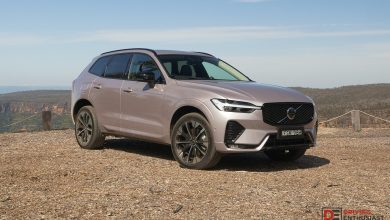
The shift to electric luxury SUVs is no longer a distant future. It’s happening right now. And Volvo, a brand once associated with sensible wagons and understated Scandinavian style, has stepped right into the limelight with its flagship EV, the new EX90. This is not only the most powerful and most luxurious vehicle Volvo has ever made, but also the model that carries the highest expectations for the Swedish brand. No pressure, Volvo.
The ‘Ultra Twin Motor Performance’ variant promises near-supercar thrust in a seven-seat package while also holding true to Volvo’s core values of safety, sustainability, and simplicity. On paper, it looks like a genuine rival to the Audi Q8 e-tron, BMW iX M60, and Mercedes-Benz EQS SUV. We spent a week in one to see how it shapes up.
2026 Volvo EX90 Ultra Twin Motor Performance: Specifications
Electrical: 111kWh NMC battery
Output: 380kW / 910Nm
Gearbox: Single-speed auto
Drive type: All-wheel drive
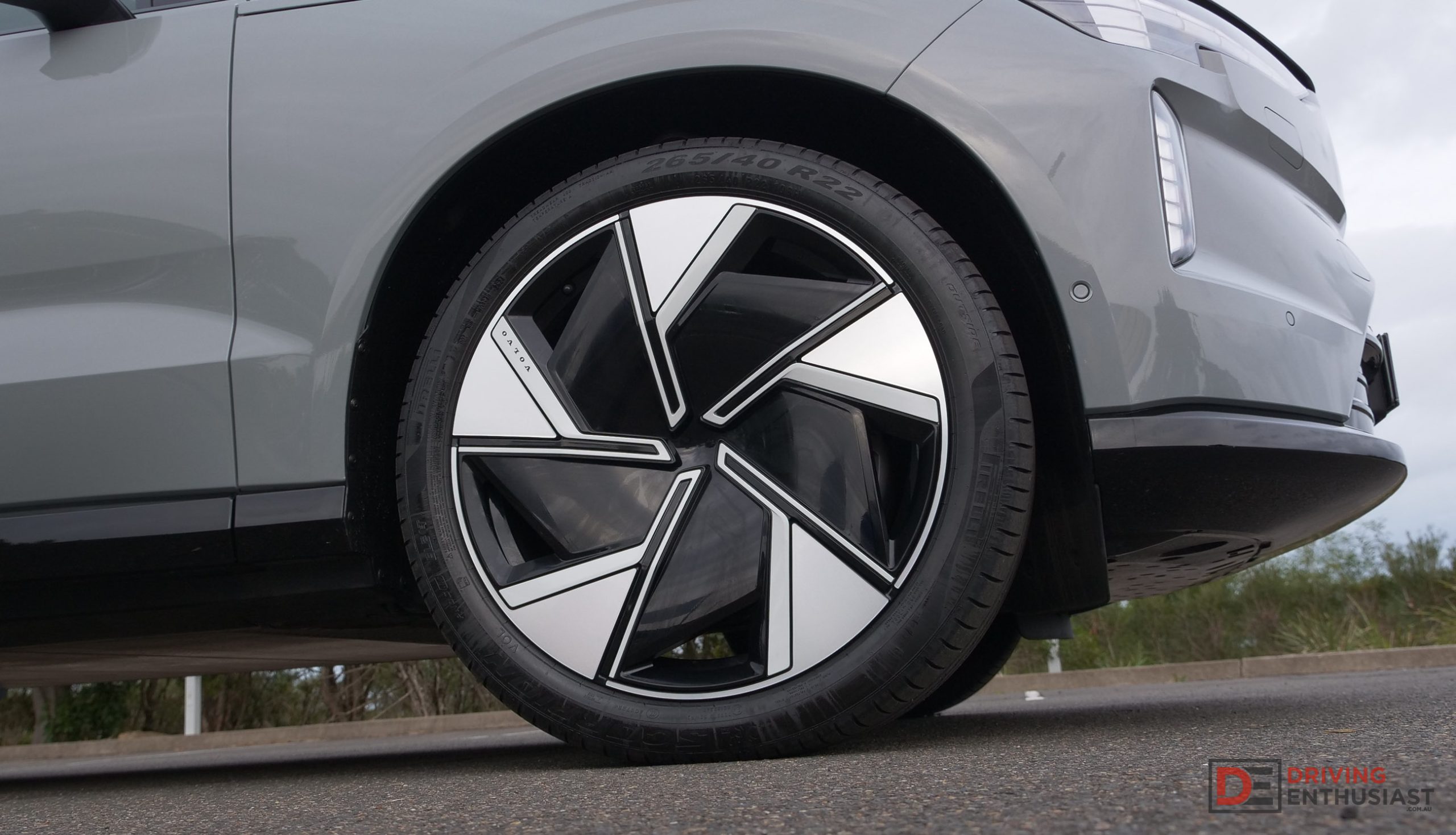
Wheels: F & R: 22×10, 265/60, 295/35
ANCAP: Five stars
Tare weight: 2689kg
Power-to-weight: 7.07:1 (kg:kW)
Official average range (WLTP): 521km0-60km/h: 2.56 seconds*
0-100km/h: 4.68 seconds*
60-110km/h: 2.86 seconds*
1/4 mile: 13.09 seconds at 174.5km/h*
Max acceleration: 0.847g*
100-0km/h braking: 37.09m in 3.07 seconds*
Max deceleration: -1.209g*
Starting price: $134,990
*Figures as tested by Driving Enthusiast on the day. Manufacturers’ claims may be different
2026 Volvo EX90 Ultra Twin Motor Performance: How much does it cost?
Volvo has priced the EX90 Ultra Twin Motor Performance from $134,990, before on-road costs. That might sound steep, but when you break it down, there is some extra value baked in. And the figure doesn’t look so high when you stack it up against those equivalent rivals.
For starters, a five-year/75,000km service plan is included – a rarity in the luxury SUV market, where servicing packages can easily add several thousand dollars. A comprehensive five-year, unlimited kilometre warranty and roadside assistance program also come standard.
Comparing the price to rivals, the BMW iX and Audi Q8 e-tron start their range from $140k, and the Mercedes EQS SUV is closer to $200k. By that measure, the EX90 comes across as the value-conscious option. Looking from the other end, it is only about $15k away from the best Kia EV9 and Hyundai IONIQ 9.

2026 Volvo EX90 Ultra Twin Motor Performance: Interior & packaging
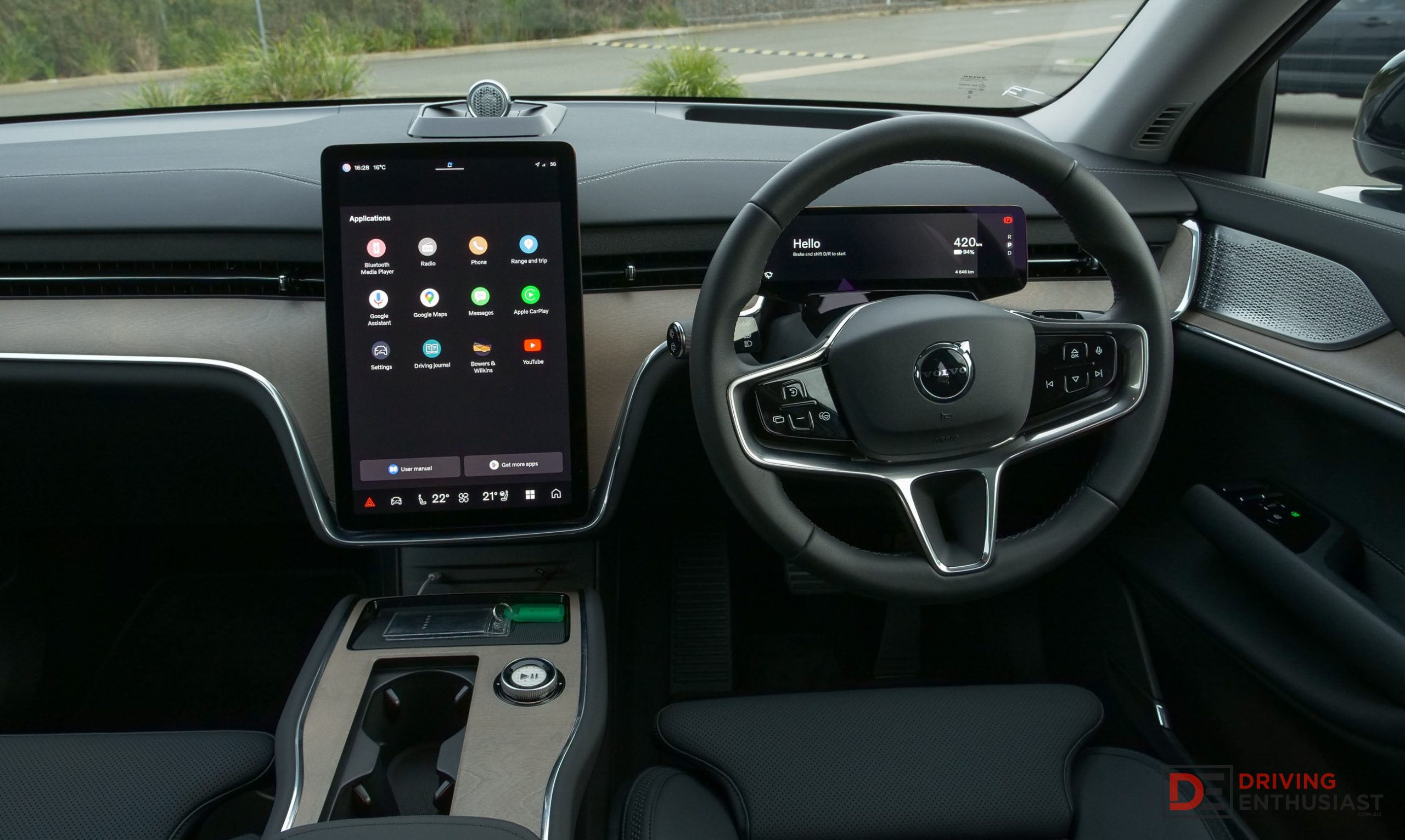
Hop into the EX90 and you’ll immediately understand Volvo’s take on luxury. It isn’t about flashy excess but about calm, minimalist precision. The soft woodgrain facia that runs across the dash feels genuinely premium, with a unique speckled glow at night that elevates the ambience. Paired with polished aluminium speaker grilles and subtle chrome surrounds, it achieves an atmosphere that feels handcrafted rather than mass-produced.
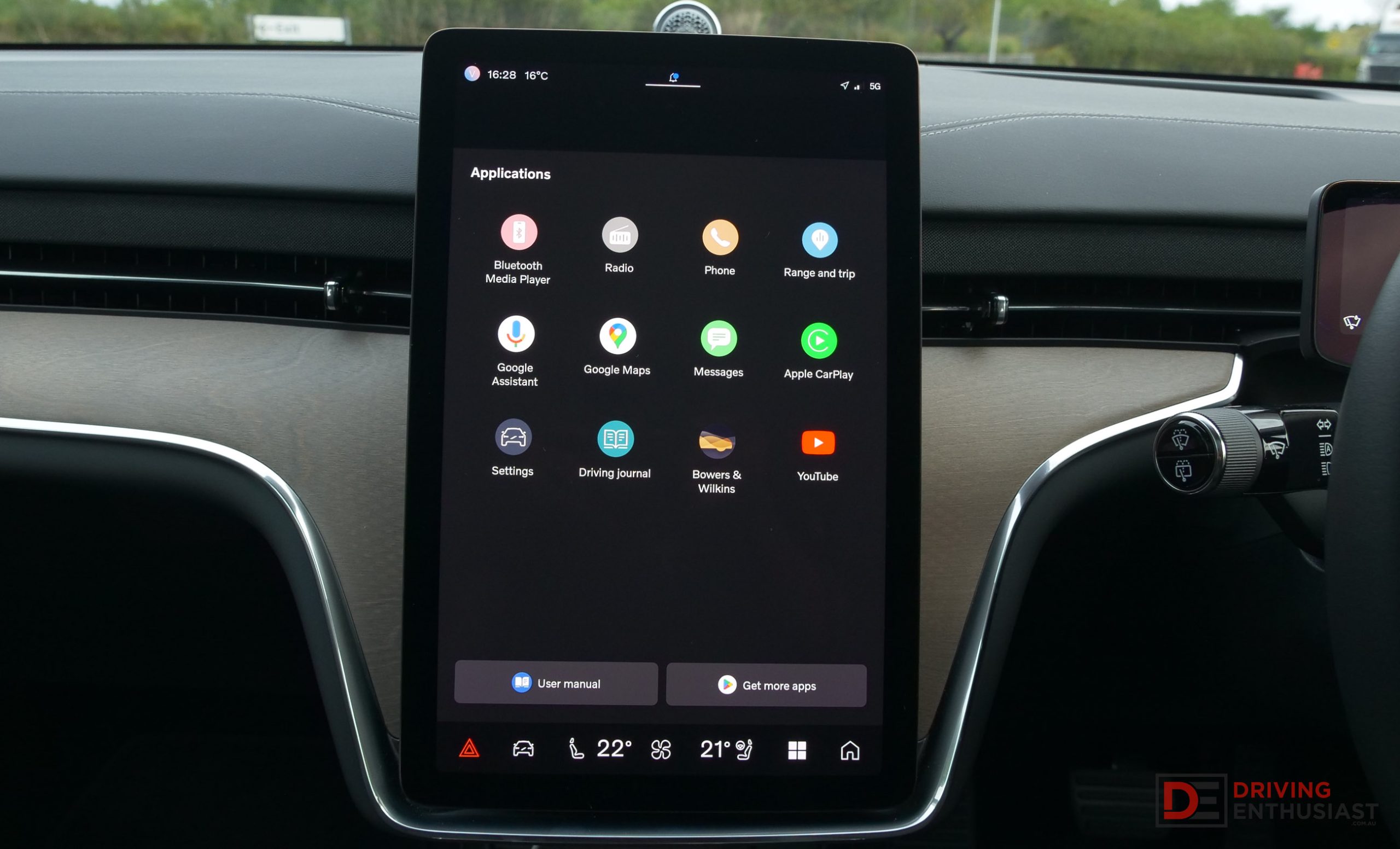
Minimalism is the central theme. There are very few physical buttons, with most functions controlled through the 14.5-inch portrait touch-screen. Even basics like mirror adjustment or opening the glovebox are digital experiences. Only two power window switches are fitted – front and rear windows are toggled via the same pair of buttons. It’s modern, and it won’t be to everyone’s taste, especially those who like intuitive knobs and switches.

To help, the menu layout is one of the more intuitive and customisable ones out there. And it runs a full Google integration so you can simply say, ‘Hey, Google’ and it will respond and provide answers or change vehicle settings as requested.
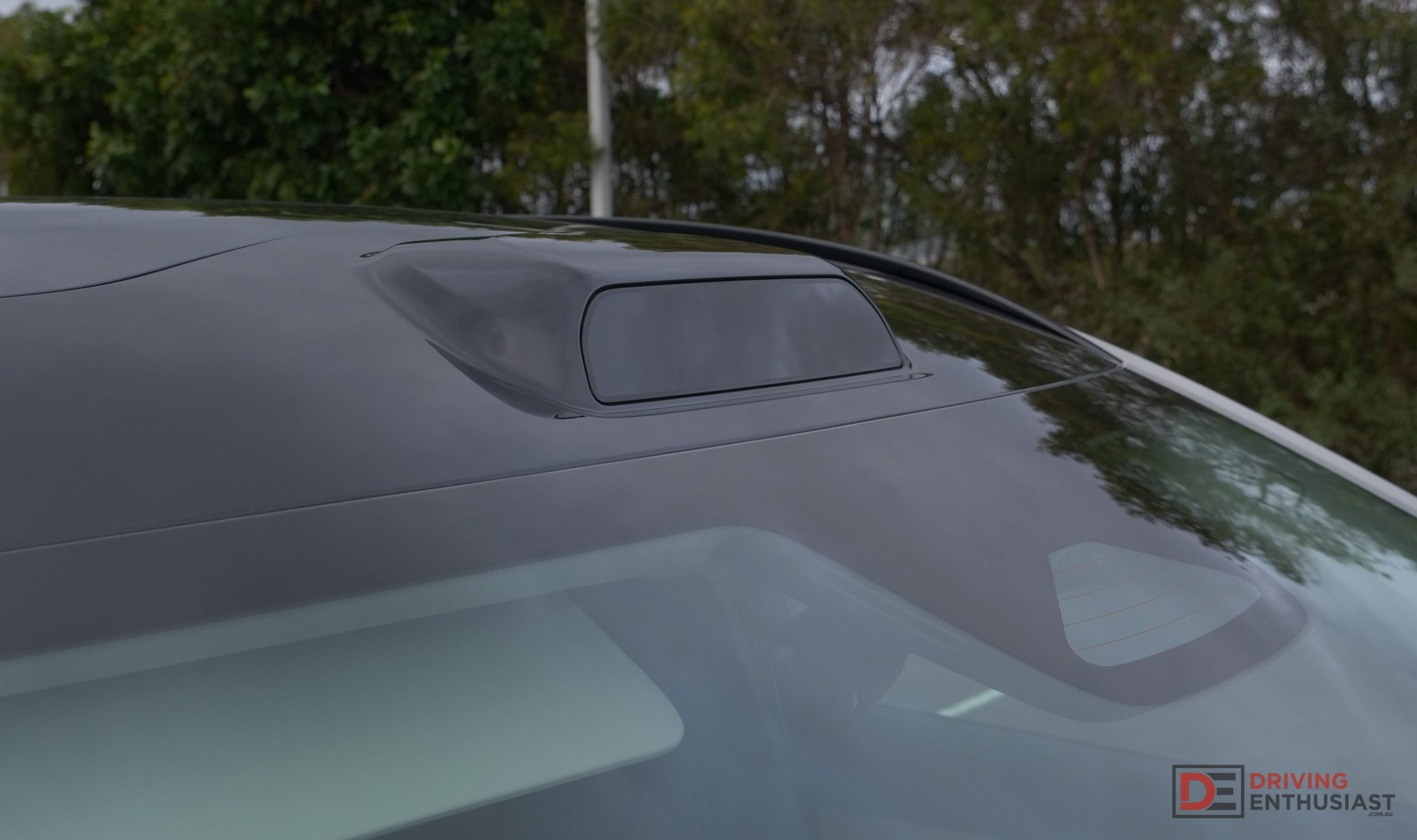
Behind the wheel, 9.0-inch cluster screen only provides vital data (speed, range, navigation cues) keeping distraction to a minimum. It is mounted closer to your eyes on the steering column, which seems to minimise the issue of the steering wheel blocking your vision. While a 13.2-inch head-up display projects detailed driving data directly onto the windscreen. This dual setup reduces clutter and keeps your eyes focused where they should be.

And then there’s the 25-speaker Bowers & Wilkins 3D audio system, which is nothing short of phenomenal. It transforms the cabin into a concert hall or recording studio, depending on the mode you select. Few systems at any price point can compete with it in our opinion. It also helps that the outside world is better muted with heavy soundproofing and laminated windows.
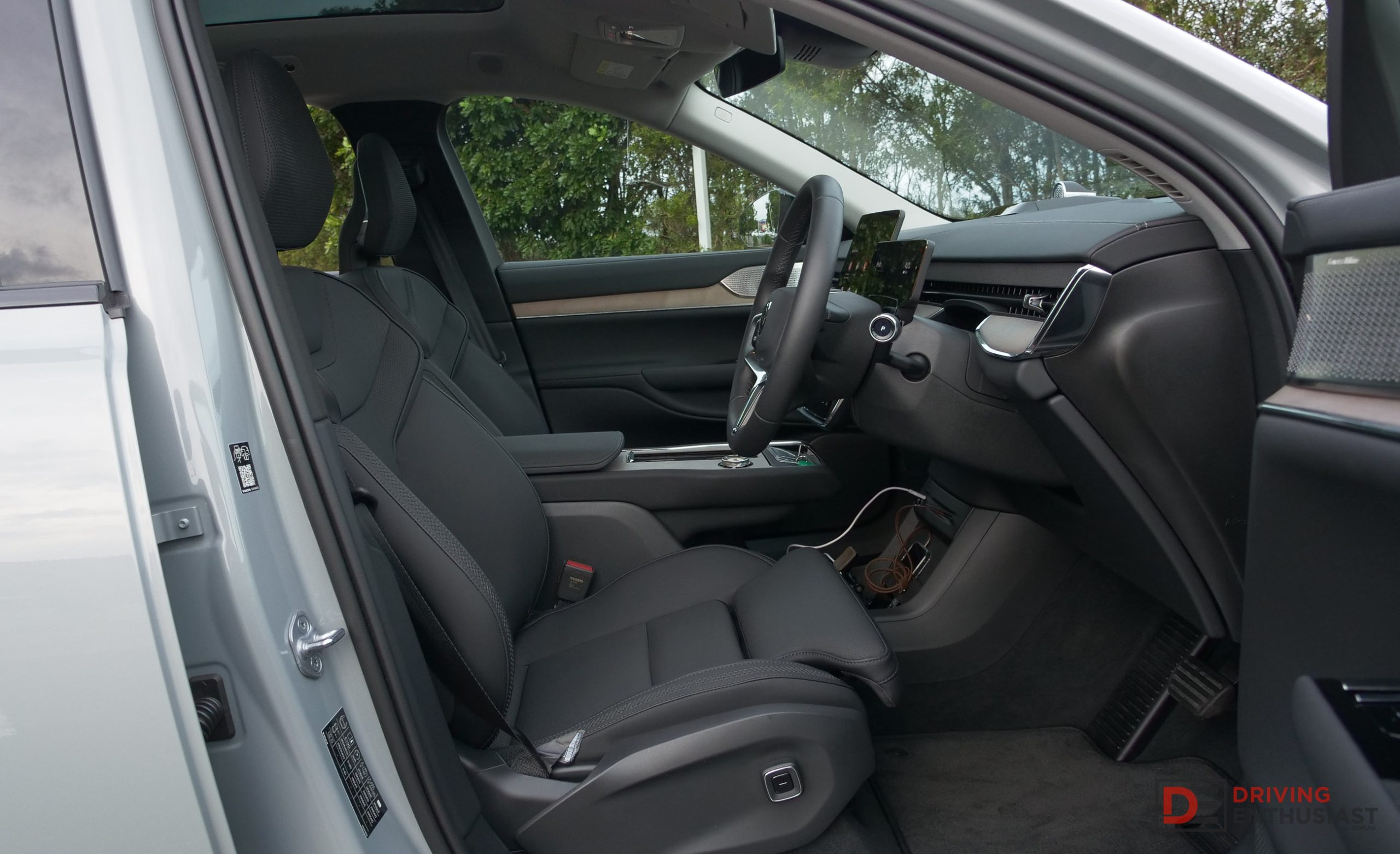
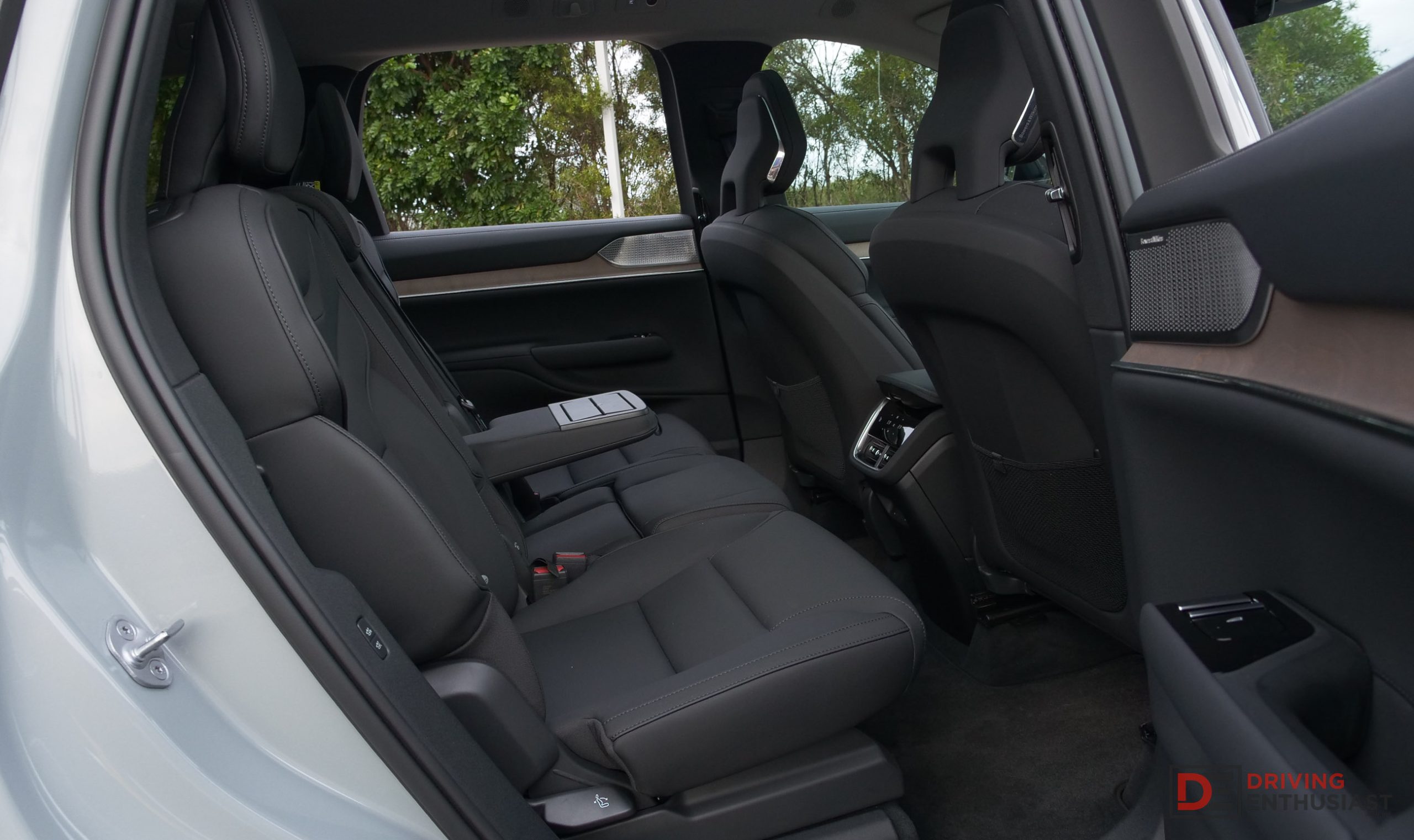
While you enjoy your favourite tunes, the seats are as advanced as they come. You get every adjustment possible, including extendable thigh supports, adjustable bolsters, lumbar adjustment that also adjusts in height, and even massaging. Comfort is outstanding.

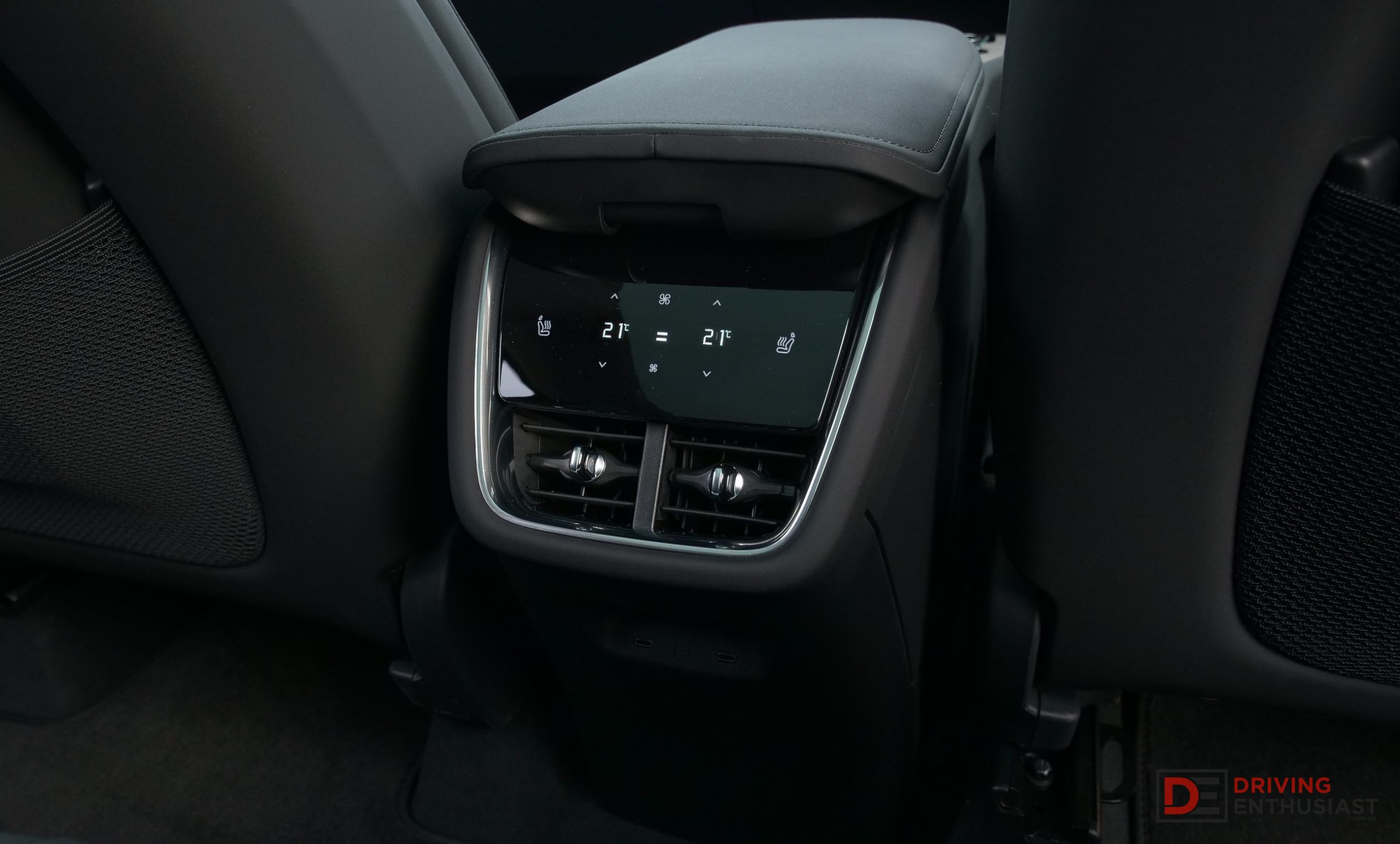
Rear passenger creature comforts aren’t forgotten either; climate controls, heated seats, and air vents are provided both at floor level and on the B-pillar, ensuring comfort in all conditions. The panoramic glass roof makes the cabin feel even more expansive. The only odd omission? No roof grab handles – a quirk that we noticed missing when climbing into the third row.
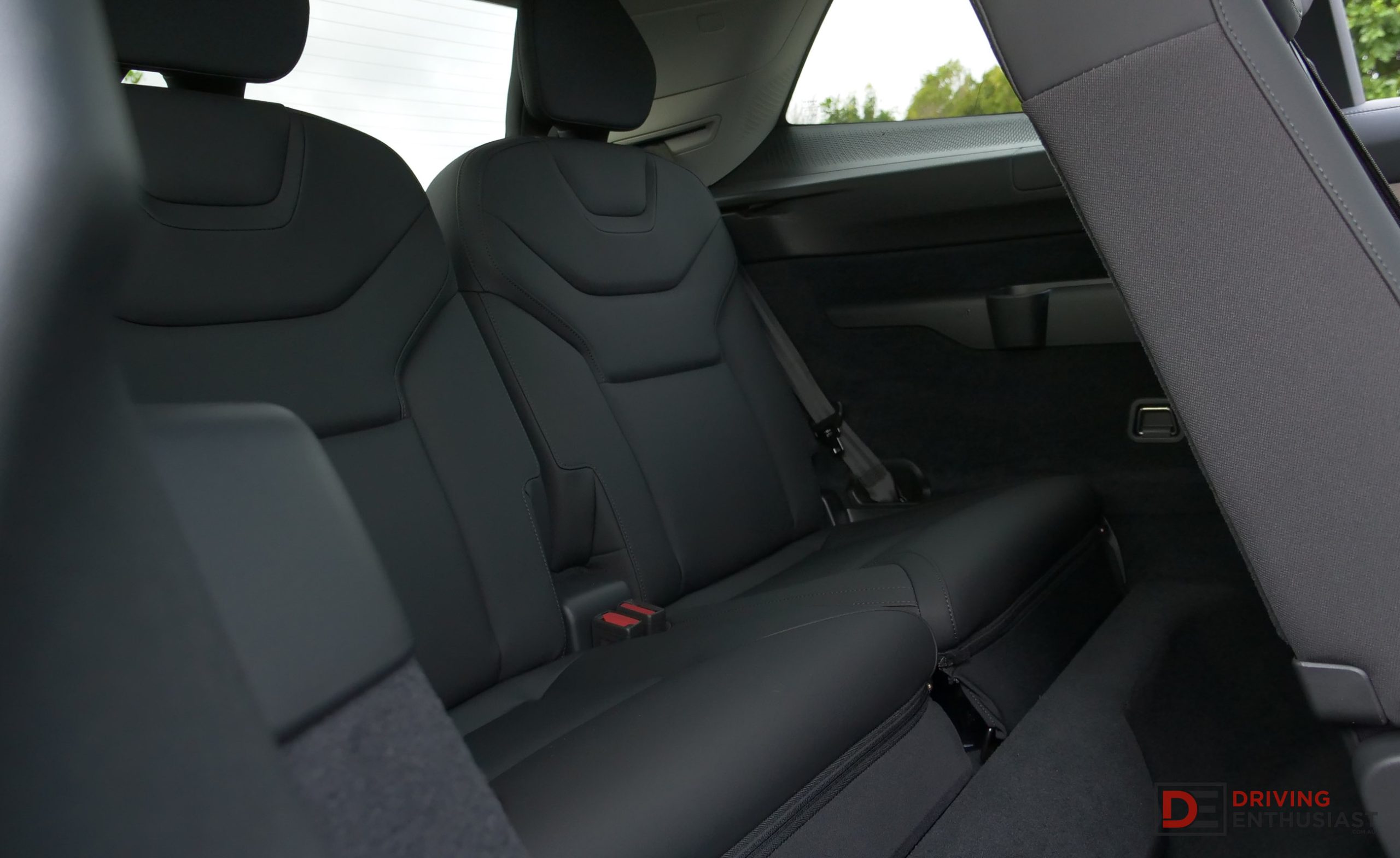
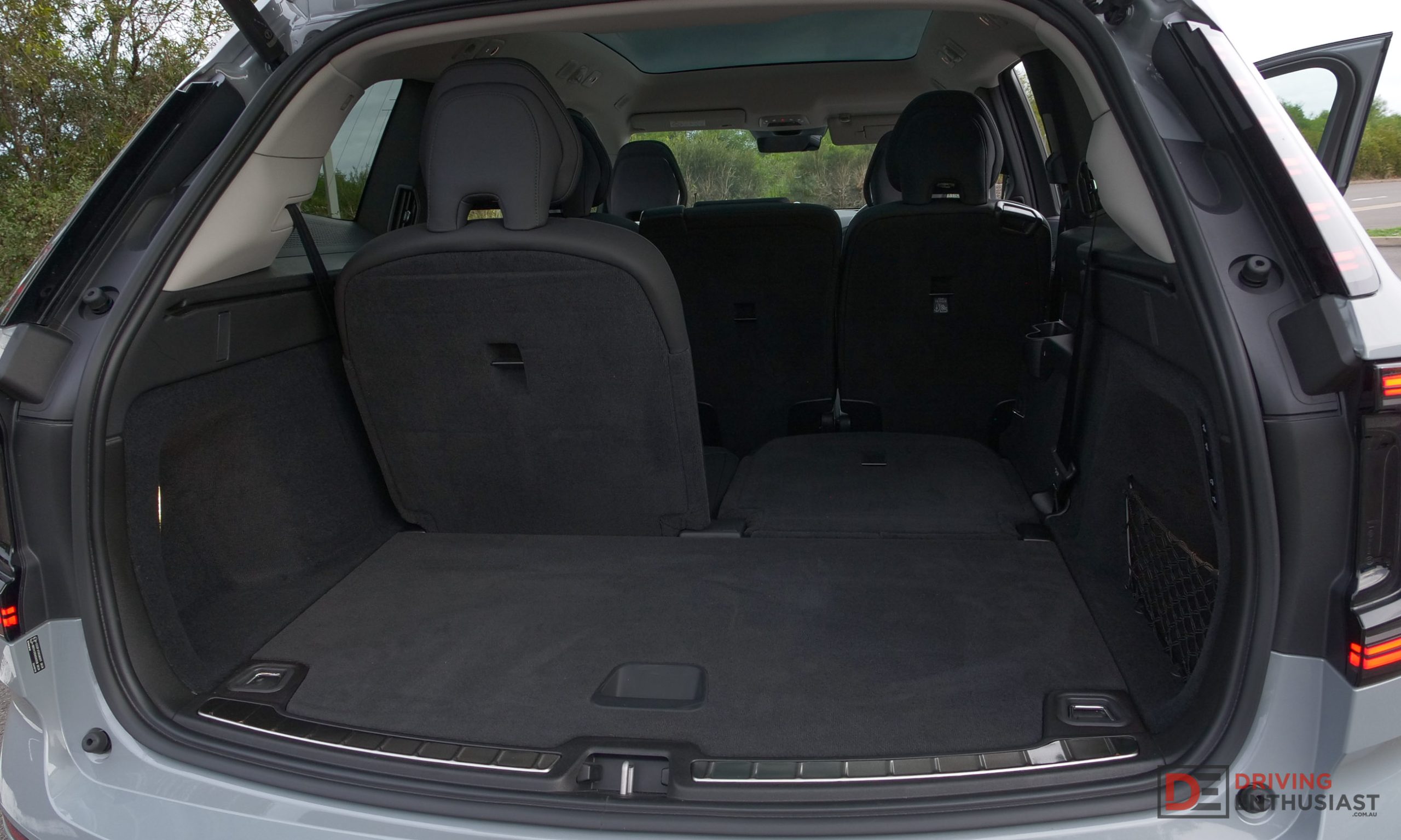
Practicality is strong across all three rows. The second-row seats fold forward with a single lever, making access to the third row impressively easy. The third-row seats fold electrically at the touch of a button. Once seated, there’s genuinely usable space. The massive centre storage void between the front seats can swallow bags, laptops, or even a small backpack, while compartments throughout the cabin are well lit and thoughtfully placed.

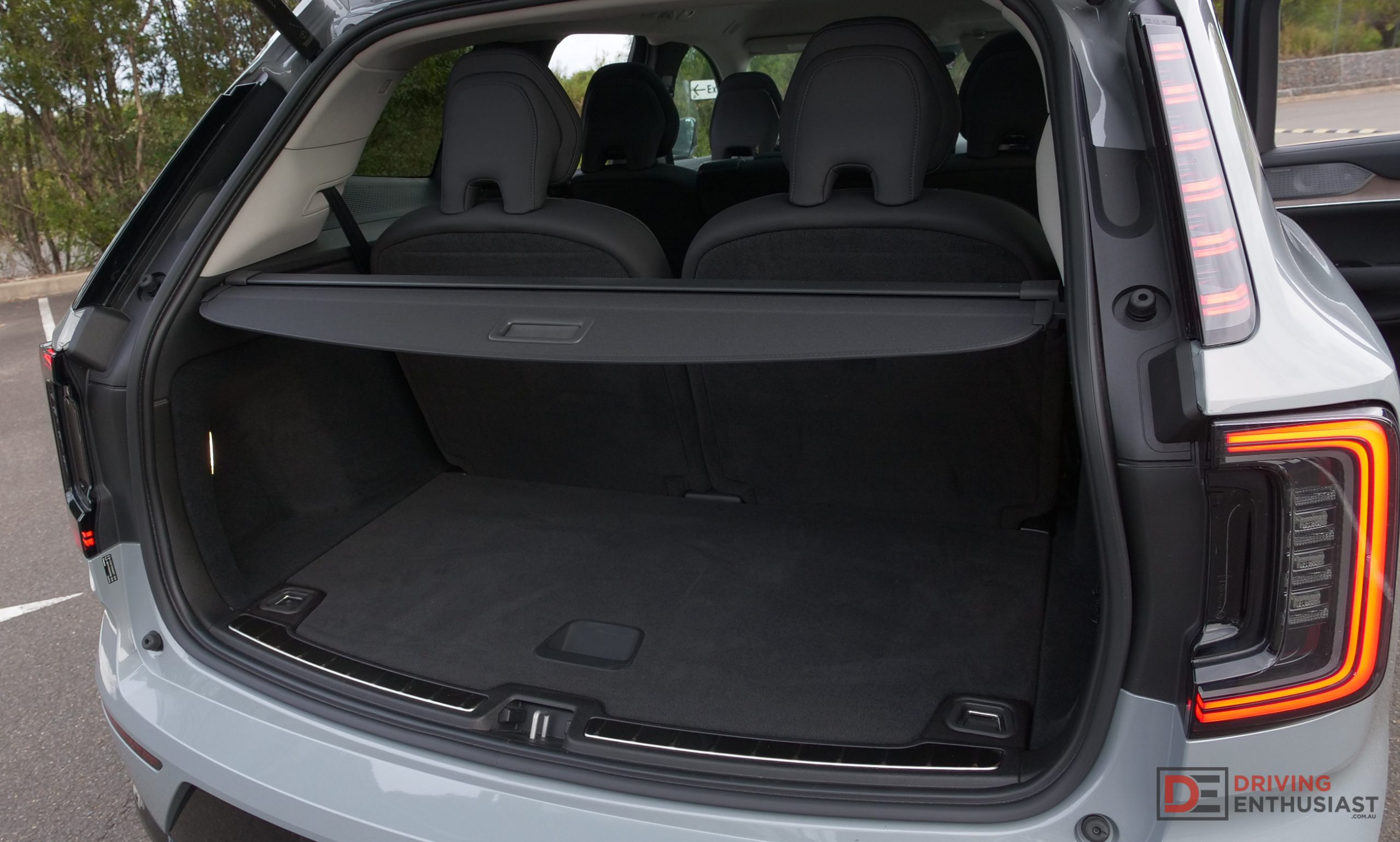
Even with all seven seats up, there’s still a useful 324 litres of boot space, expanding to 697L with the third row folded. A further 72L sits under the floor, while folding all two rows creates a completely flat and very generous load area that swallows up to 2135L. There’s also a useful frunk front storage compartment for items like charging cables.
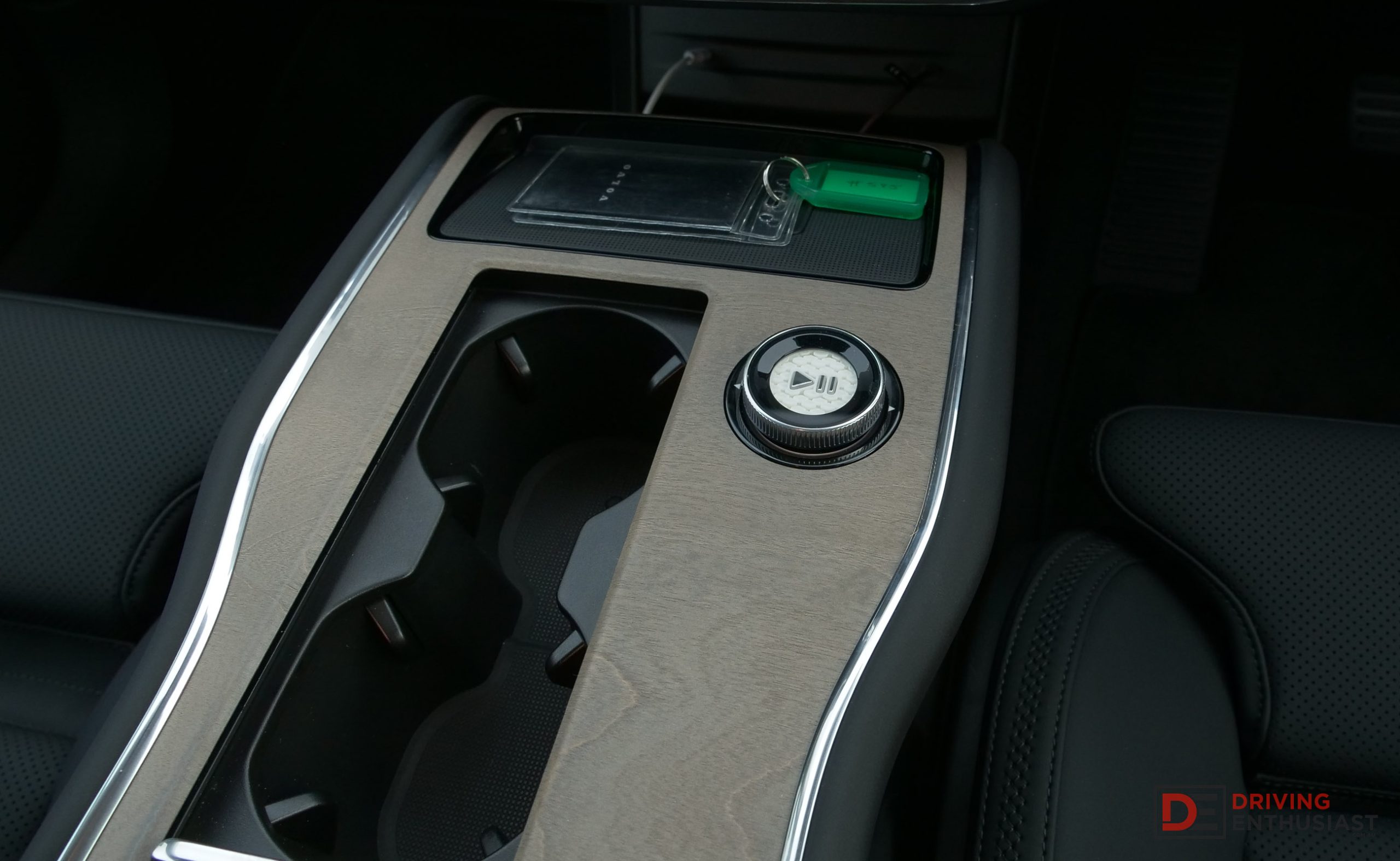
Access is simplified with Volvo’s new digital key system, which allows you to unlock and start the car using your smartphone or a dedicated access card. Once you dedicate the time to set it all up, the mobile app cleverly lets you check vehicle and charging status, pre-condition the climate, and even locate the car remotely.

Where we see the EX90 really separate itself from rivals is in its next-generation safety technology. Volvo has introduced what it calls ‘Driver Understanding’. A system that uses inward-facing sensors and a touch-sensitive steering wheel to monitor the driver’s eyes, head movements, and general driving behaviour. It isn’t intrusive like so many others on the market. It acts as a quiet guardian. If the car senses you’re distracted, drowsy, or not responding appropriately, it gradually escalates its warnings. A gentle prompt might first suggest a break; if ignored, the alerts grow more persistent, and in extreme cases, the EX90 can bring itself safely to a halt and activate the hazard lights.
Complementing this is a clever ‘Occupant Sensing’ system, which uses radar technology to detect even the slightest movements inside the cabin. If a person, or even a pet, is inadvertently left behind, the car will notify the driver, remain unlocked, and keep the climate system running to avoid dangerous conditions. It’s a thoughtful touch, particularly in hot Australian summers.

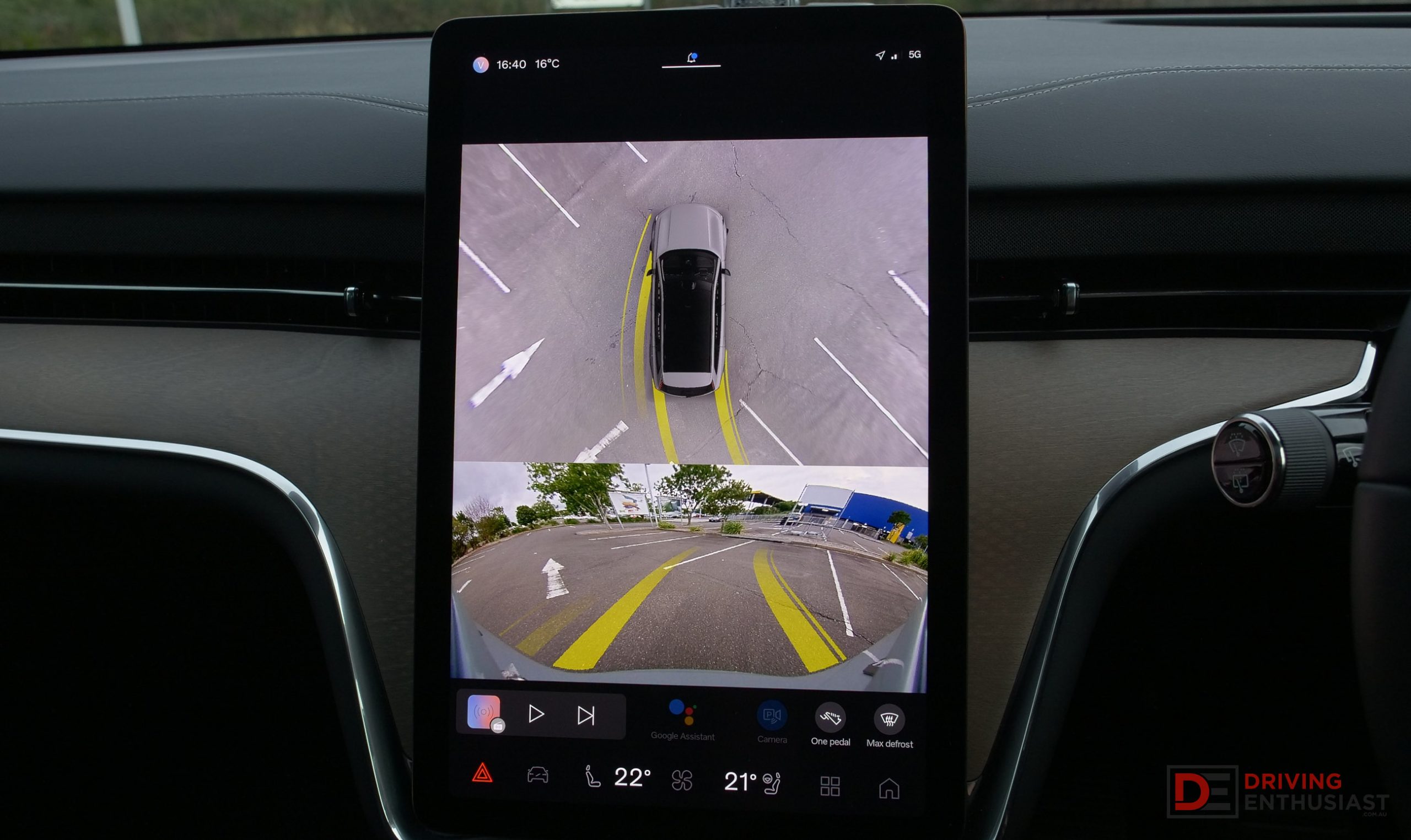
Externally, a suite of high-tech aids enhances driver confidence. High-definition pixel headlights adapt their beam pattern with incredible precision, reducing glare for oncoming drivers while maximising illumination elsewhere. The 360-degree camera system provides crisp, clear visibility around this large SUV, making parking and tight manoeuvres far less daunting. Meanwhile, the latest generation of Pilot Assist offers smoother, more natural corrections than many competitors, lending a hand with lane-keeping and adaptive cruise in a way that feels supportive rather than overbearing.
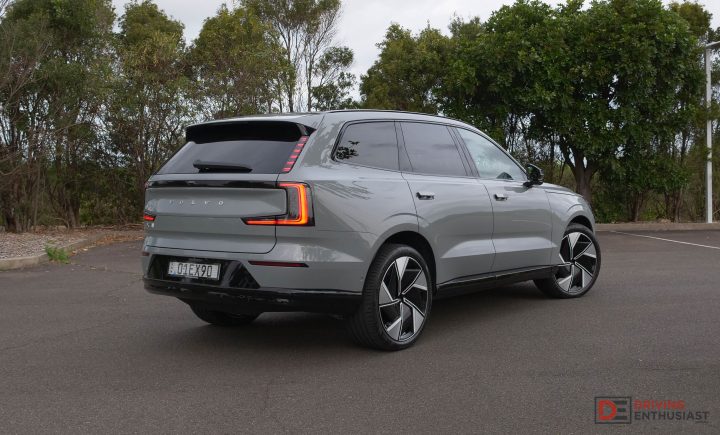
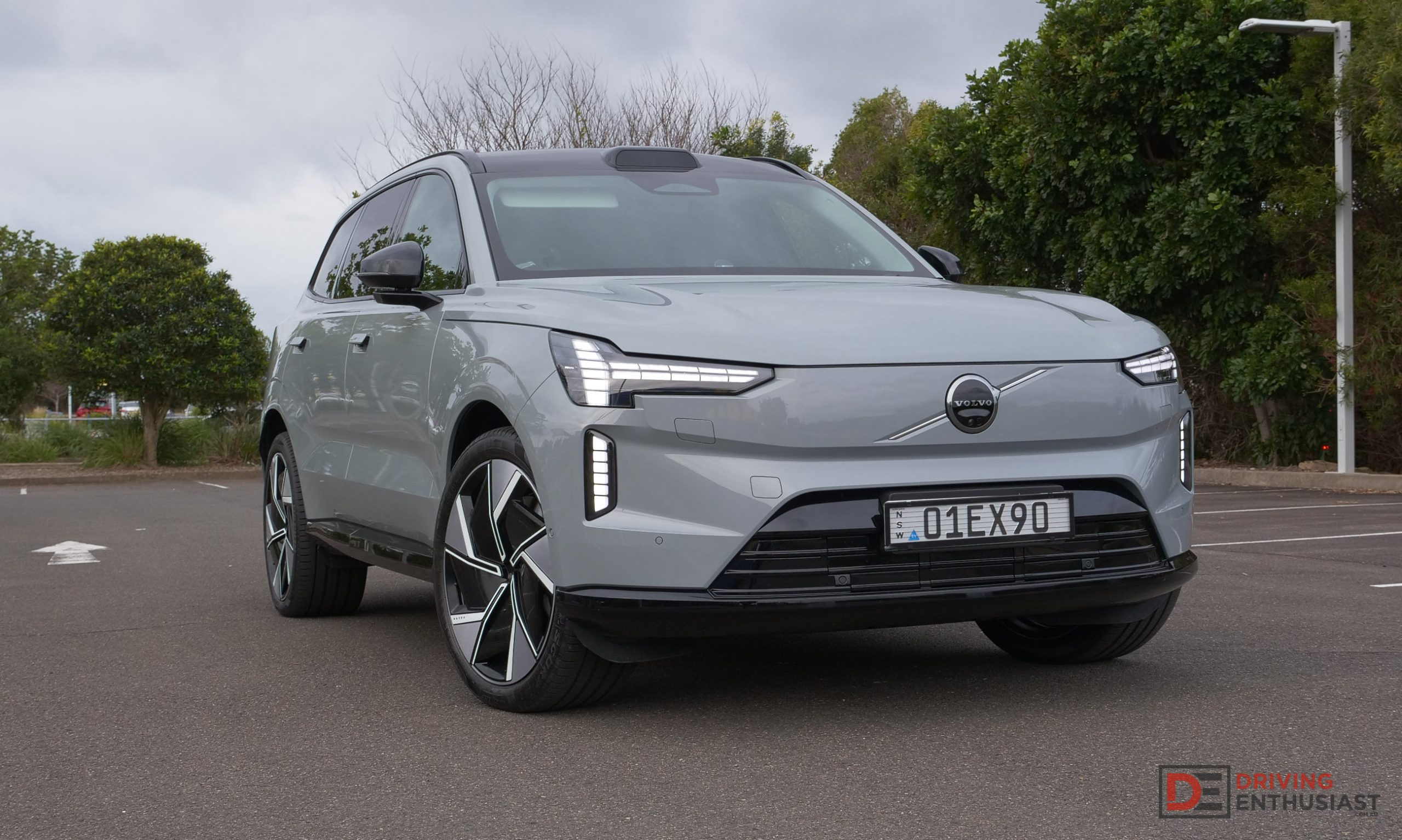
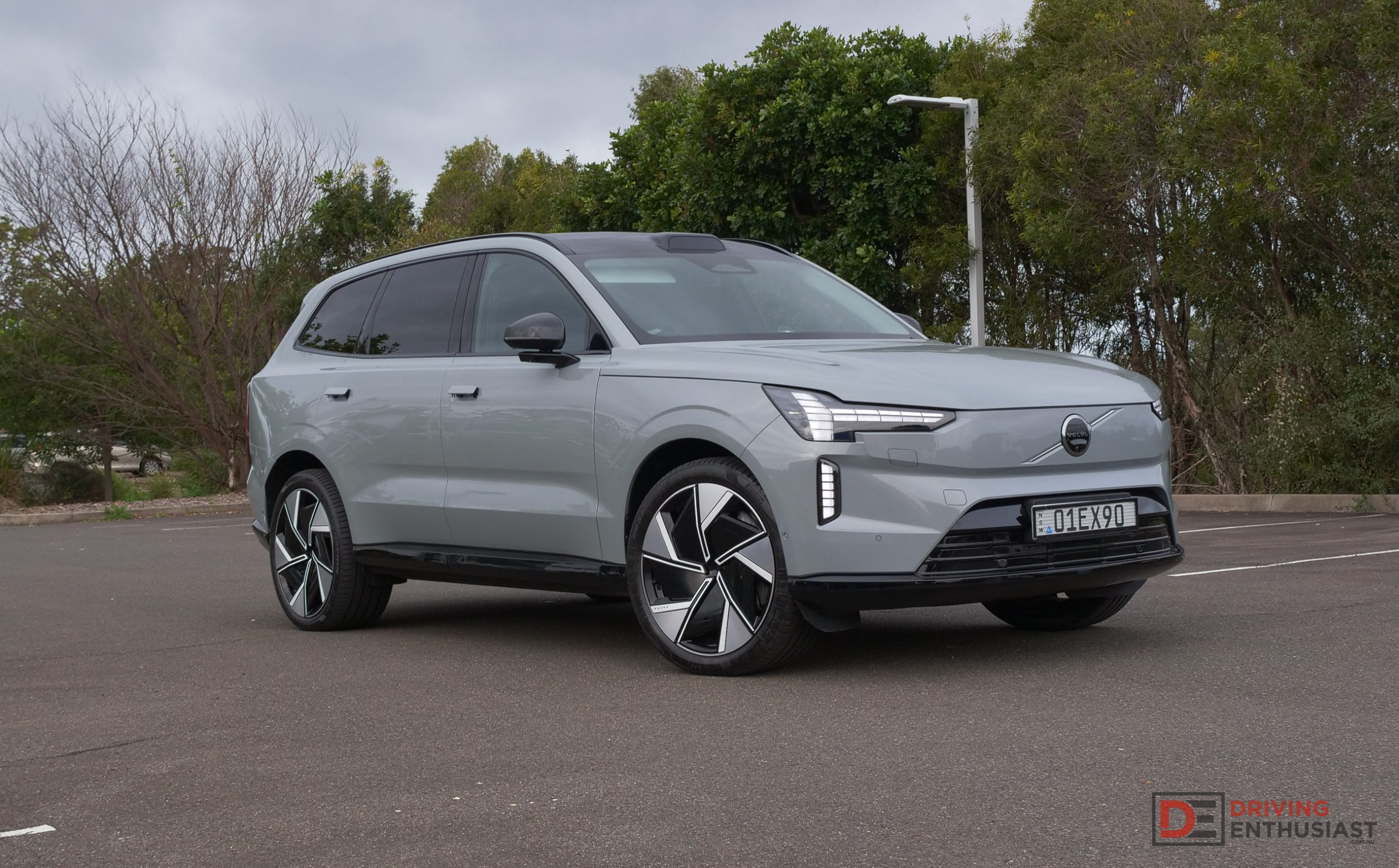
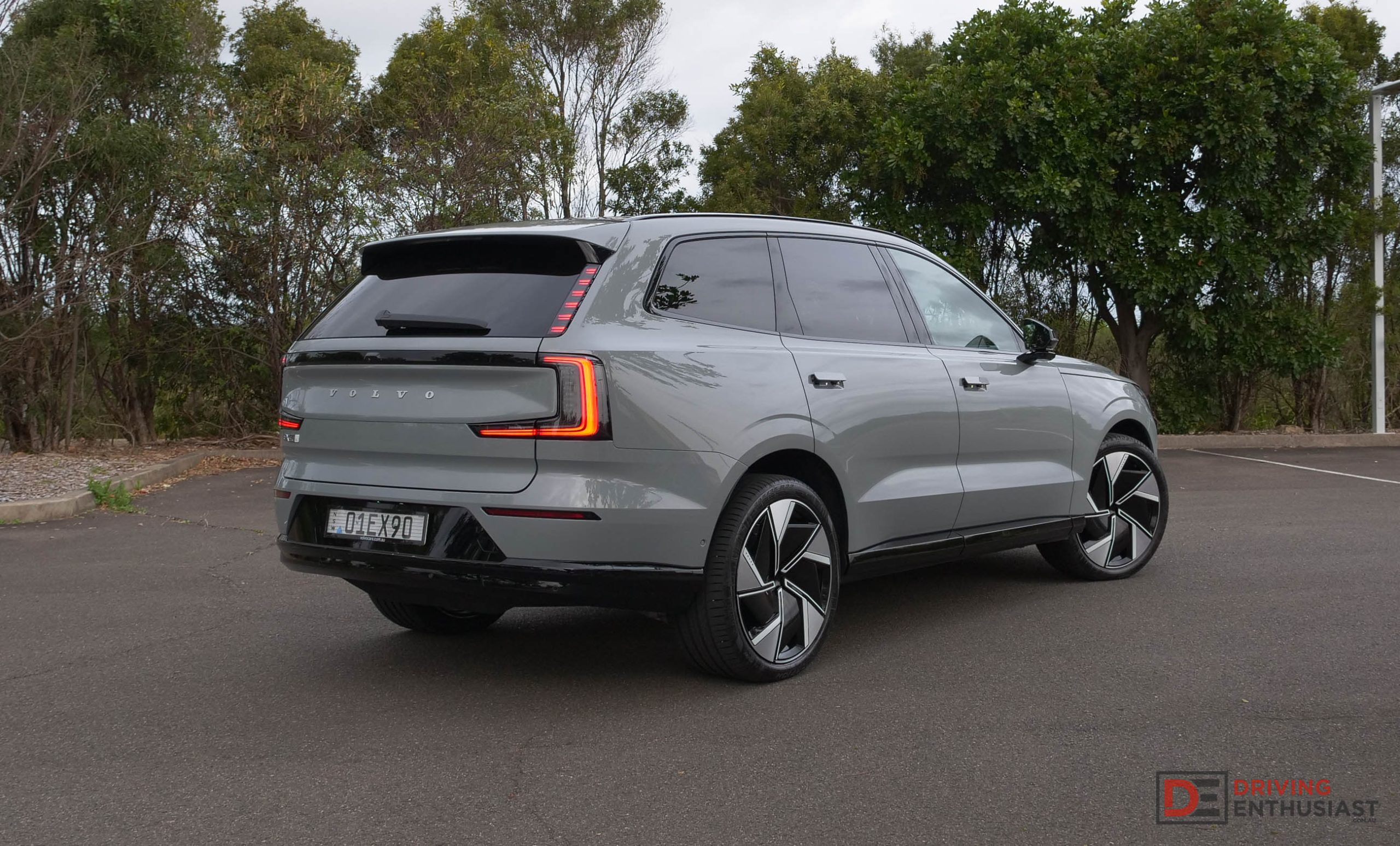
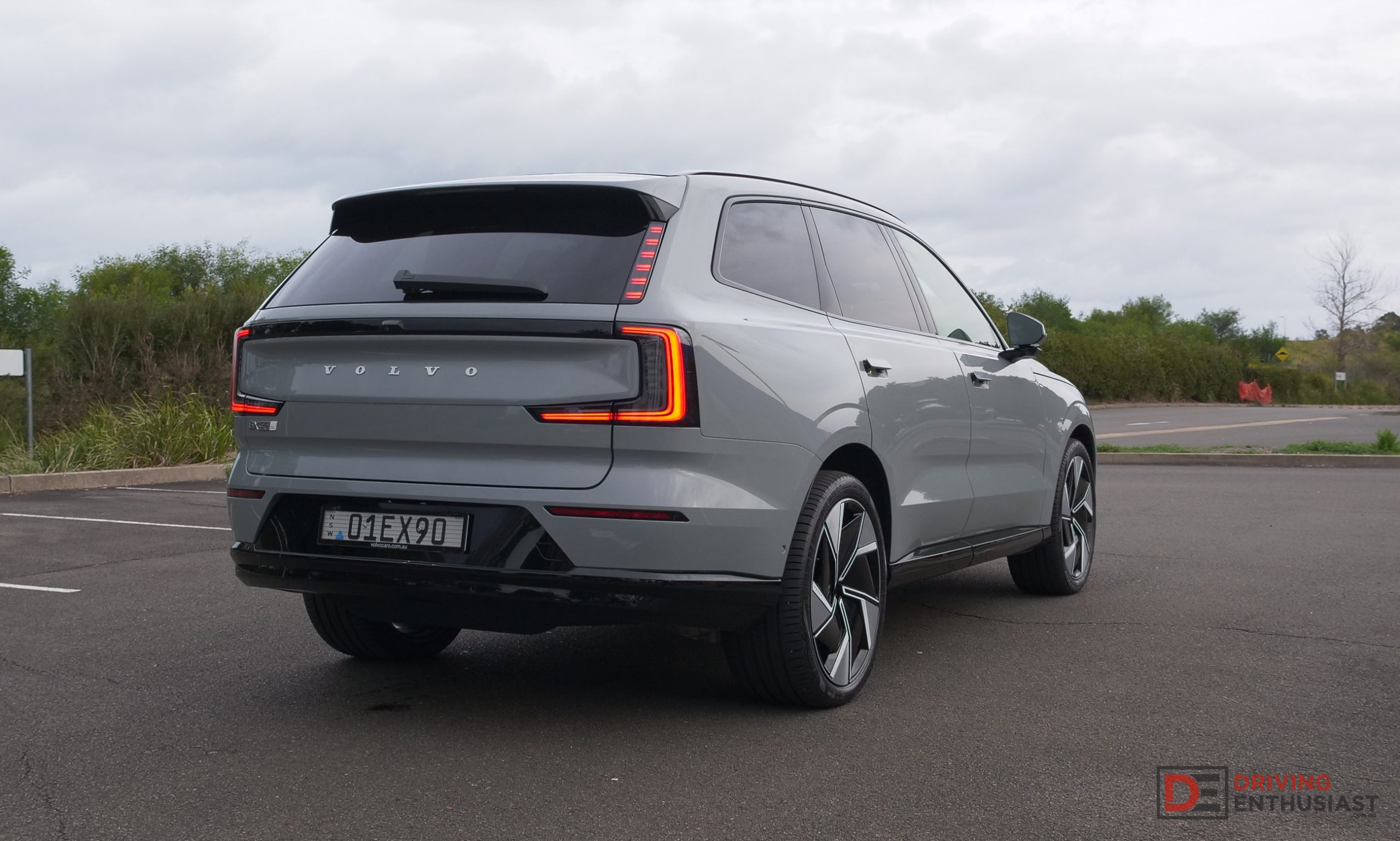
From the outside, the EX90 doesn’t shout for attention in the way some luxury EVs do. Instead, it carries a restrained, modern Scandinavian elegance. The bodywork is clean and uncluttered, with flush-fitting panels, a smooth roofline, and Volvo’s signature “Thor’s Hammer” lighting elements that look especially sharp with the new pixel LED technology. Compared with rivals like the BMW iX or Mercedes-Benz EQS SUV – both of which lean into more polarising or futuristic shapes – the EX90’s design looks timeless and understated.

2026 Volvo EX90 Ultra Twin Motor Performance: Powertrain & handling
Underneath its sleek Scandinavian styling, the EX90 Ultra Twin Motor Performance packs a serious punch, not historically associated with a 7-seat SUV. Two permanent magnet synchronous motors – one on each axle – combine to produce a colossal 380kW and 910Nm. That’s more torque than many high-performance V8s, and in a 2.8-tonne SUV, it translates to a surprisingly urgent experience. Volvo quotes 0–100km/h in just 4.9 seconds. Our testing revealed 4.68 seconds. But in today’s EV age, that power is really nothing special for a flagship variant; it’s on par with the rest.
The 111kWh nickel-manganese-cobalt battery underpins the EX90 and delivers up to 570km of claimed range. In practice, we were able to nudge into the low 500s, but it depends on your load, air-con use, and driving style. The Ultra supports 250kW DC charging, allowing a 10-80 per cent top-up in about 30 minutes, and 11kW AC charging at home in about 10 hours. While those numbers are decent, it’s worth noting rivals like the Kia EV9 and Hyundai IONIQ 9 are pushing 350kW charging speeds.

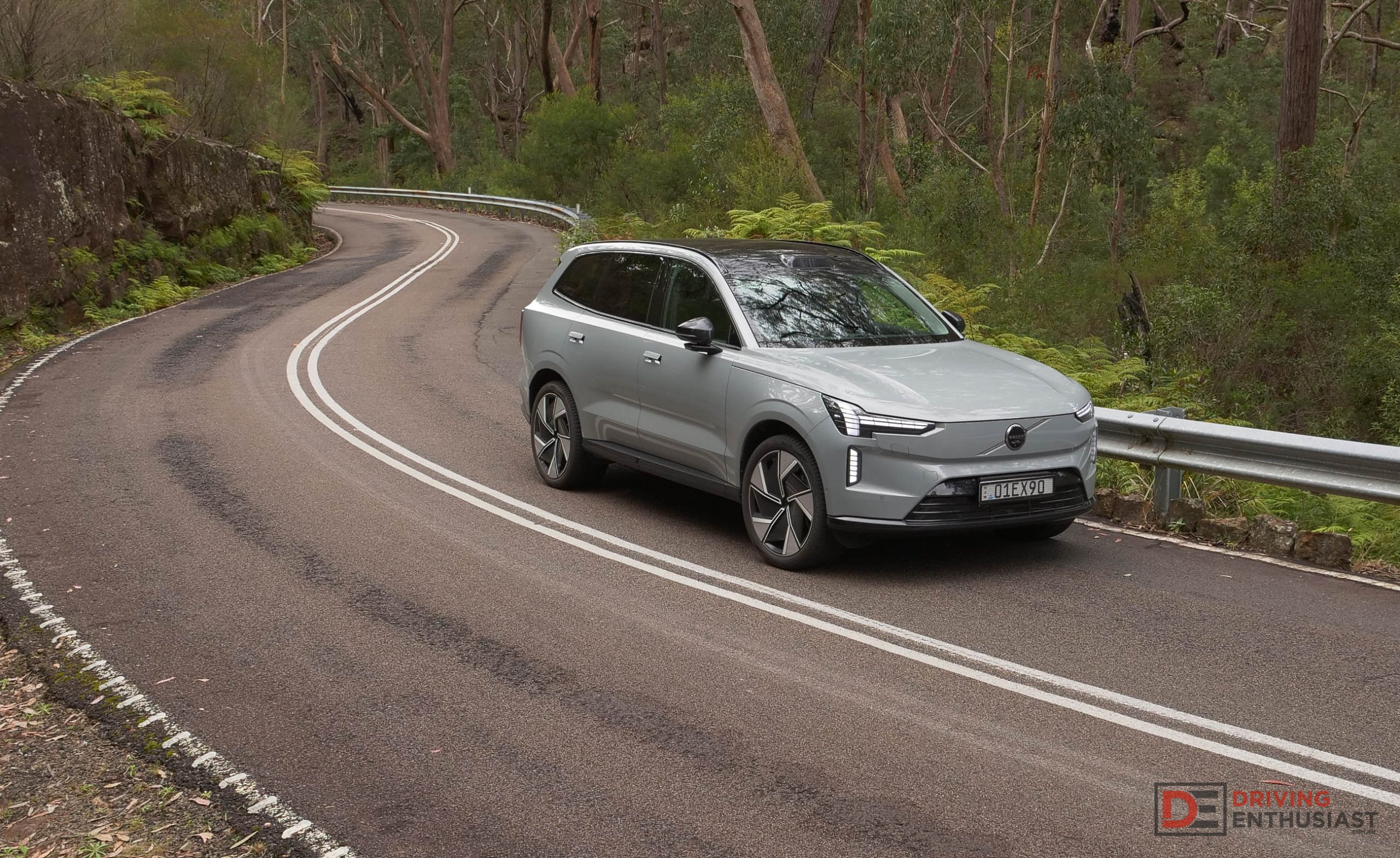
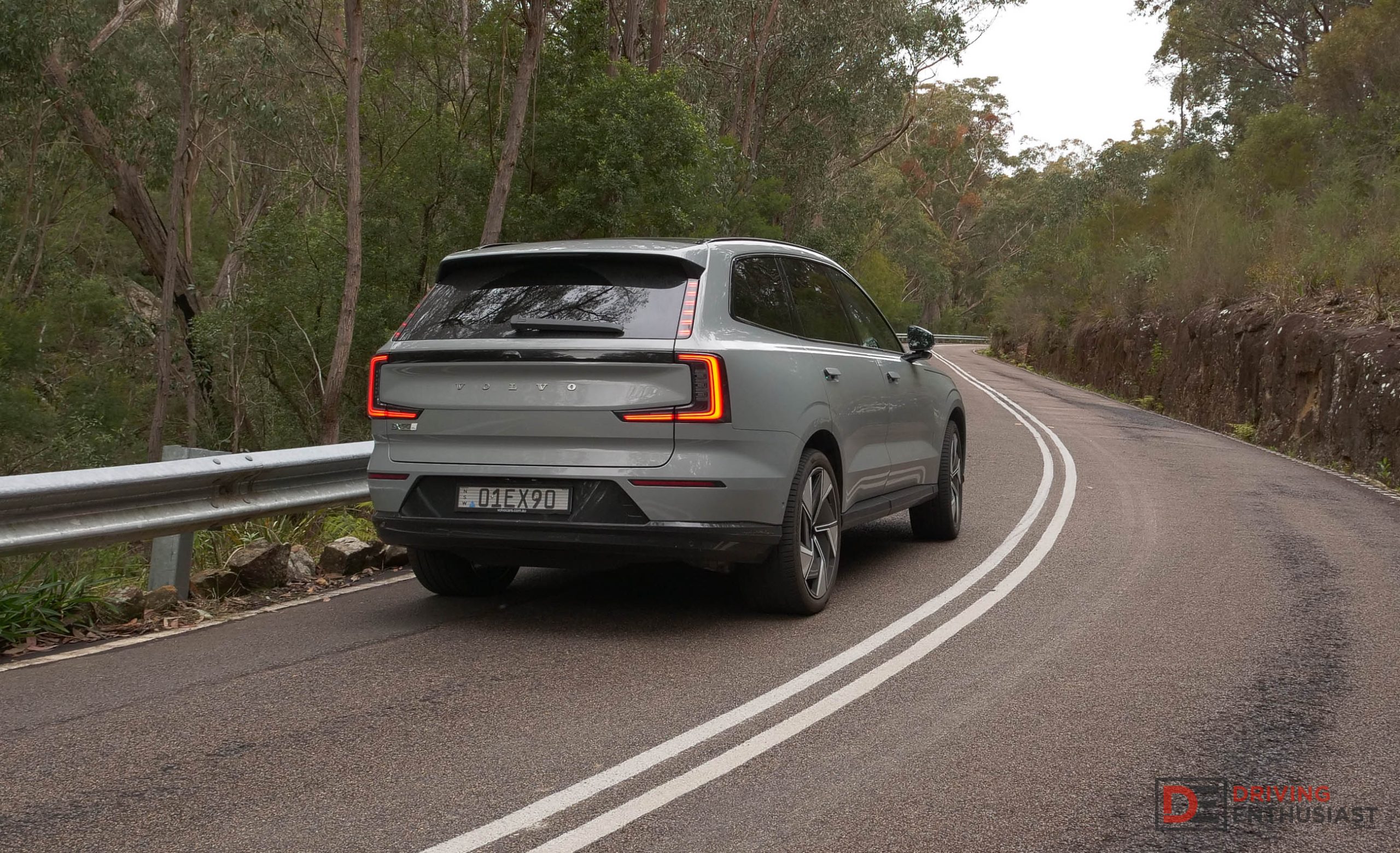
On the road, the EX90 feels more agile than its bulk would suggest. The air suspension system offers height adjustability, improving aerodynamics on the highway and raising for rougher surfaces. Grip levels are excellent thanks to dual-motor all-wheel drive, and body control is tidy in most conditions. But physics can’t be ignored – the EX90 weighs close to three tonnes once loaded, and you do feel that when hustling through corners or braking hard.
The steering feels light but accurate, typical of modern Volvos. It doesn’t have a huge amount of feel, but it doesn’t need to be as it isn’t meant to carve canyons. Instead, it excels in delivering a sense of unshakeable stability and control, whether on the school run or hammering down the motorway.

The ride quality is sturdy and braced. At its best, the suspension delivers confident composure and superb highway stability. However, large bumps and sharper edges reveal a thudding firmness, reminding you of the weight being managed. It is more sporty than outright comfort-skewed. But it should be as it does have to contain 390kW of power.
Regenerative braking is one area where the EX90 stands out. The one-pedal driving system is more advanced than most, as it adapts its braking pressure based on the distance to vehicles or objects ahead. It feels predictive and intuitive rather than abrupt, making city driving smoother and reducing reliance on the physical brake pedal. For those who prefer a more traditional setup, the regen levels can be adjusted or even switched off.
Towing capacity is rated at 2200kg (braked), which is reasonable for an EV, but not class-leading. And then fossil-fuelled SUVs can pull up to 3500kg.

2026 Volvo EX90 Ultra Twin Motor Performance: Key attractions/reasons to buy
- Minimalist Scandinavian luxury: The EX90’s cabin isn’t about glitz – it’s about calm, premium materials and subtle design cues. It feels genuinely special.
- Massive performance for a 7-seat SUV: 380kW and 910Nm is more than enough to embarrass many performance V8s.
- Bowers & Wilkins sound system: Quite simply one of the best audio systems on the market, with concert-hall clarity.
- Safety leadership: With LiDAR, radar, cameras, and advanced driver monitoring, this is arguably the safest car Volvo has ever built. Unlike rivals, the systems aren’t overbearing or nannying. They feel like they have been well tested in the real world.
- Practical seven-seat layout: All three rows are spacious, easy to access, and equipped with comfort features.
2026 Volvo EX90 Ultra Twin Motor Performance: Key considerations before you buy
- Max charging: The EX90 supports 250kW DC rapid charging, which isn’t at the top of the class. Some rivals support 350kW, and even 22kW AC charging (11kW AC here).
- Ride not perfect: Despite air suspension, sharp bumps and road imperfections expose the SUV’s sheer weight.
- Minimalist controls won’t suit everyone: Relying on the touch-screen for basic functions takes adjustment and can frustrate traditionalists.
- Towing and long-haul practicality: With a maximum of 2200kg and significant range reduction when towing, it’s not as versatile as a diesel LandCruiser or Audi Q7 for Aussie trips.
2026 Volvo EX90 Ultra Twin Motor Performance: Video
How does it rate against its rivals?
-
Price
-
Quality look & feel
-
Interior tech
-
Powertrain performance
-
Ride & handling
-
X factor (does it stand out in its class?)
Final word
A luxury SUV that delivers blistering performance, state-of-the-art safety, and one of the most calming, minimalist cabins in the segment. It’s a car that proves Volvo can compete at the highest level of the luxury EV market while retaining its own distinct personality. But it isn’t perfect. It can’t fully hide its weight over bumps, Australia’s charging network still limits long-distance usability, and its reliance on screens for nearly everything will not suit some buyers.