

News out of Japan is suggesting that the next-generation of the Toyota GR86 and ‘NE’ Mazda MX-5 will be developed collaboratively, sharing platforms and other fundamental components.
Best Car magazine and Forbes have reported the new twins will debut around 2028, sharing all underpinnings except powertrains. It’s understood the GR86 will get Toyota’s upcoming ‘G20E’ 2.0-litre four-cylinder, while the MX-5 will receive the ‘Skyactiv-Z’ donk currently in development in Hiroshima.
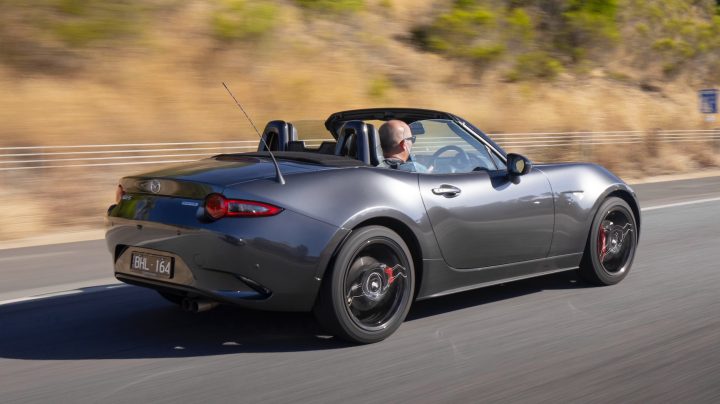
The Japanese publication also claims the Toyota version will receive some form of hybridisation, but not the MX-5. Remarkably, it is also claims the starting point will be the ND’s chassis – more specifically, the JDM ‘990S’ version, named for its 990kg kerb weight. Although there is no official confirmation on that.
The two carmarkers signed a Memorandum of Understanding (MOU) in 2015, which has yielded some collaboration on hybrid technology and may also include a larger sports car in the form of the next Supra and RX-9.
Toyota CEO Akio Toyoda is a renowned racing car driver, famously competing in the Nurburgring 24 Hours and many other races, under the pseudonym ‘Morizo’. Less well-known is that Mazda’s CEO Masahiro Moro is also no stranger to the helmet and overalls, making a yearly appearance at the MX-5 Media 4-hour race for the last 10 years. This means the development of both cars – if these reports come to pass – will be overseen by true enthusiasts.
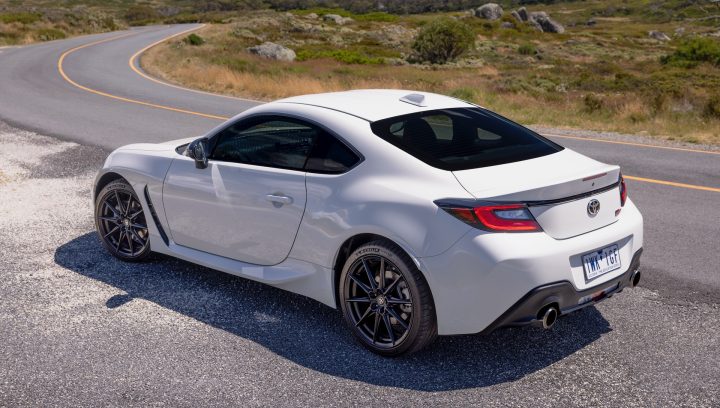
Both the MX-5 and GR86 in their current incarnations are twinned with other models themselves; the GR86 with the Subaru BRZ, and the ND MX-5 with the now-defunct Fiat/Abarth 124 Spider. Subaru may be left by the wayside with this forthcoming generation. Could we finally get the turbo version enthusiasts have been crying out for as a parting gift?
Best Car claims Mazda has already sent its best chief engineers to Toyota City to ensure it has the chassis balance and characteristics that have always made the two-seater roadster so desirable. Toyota, meanwhile, will have to accommodate two additional seats but also maintain the low centre-of-gravity and drift-ability of the outgoing model.


