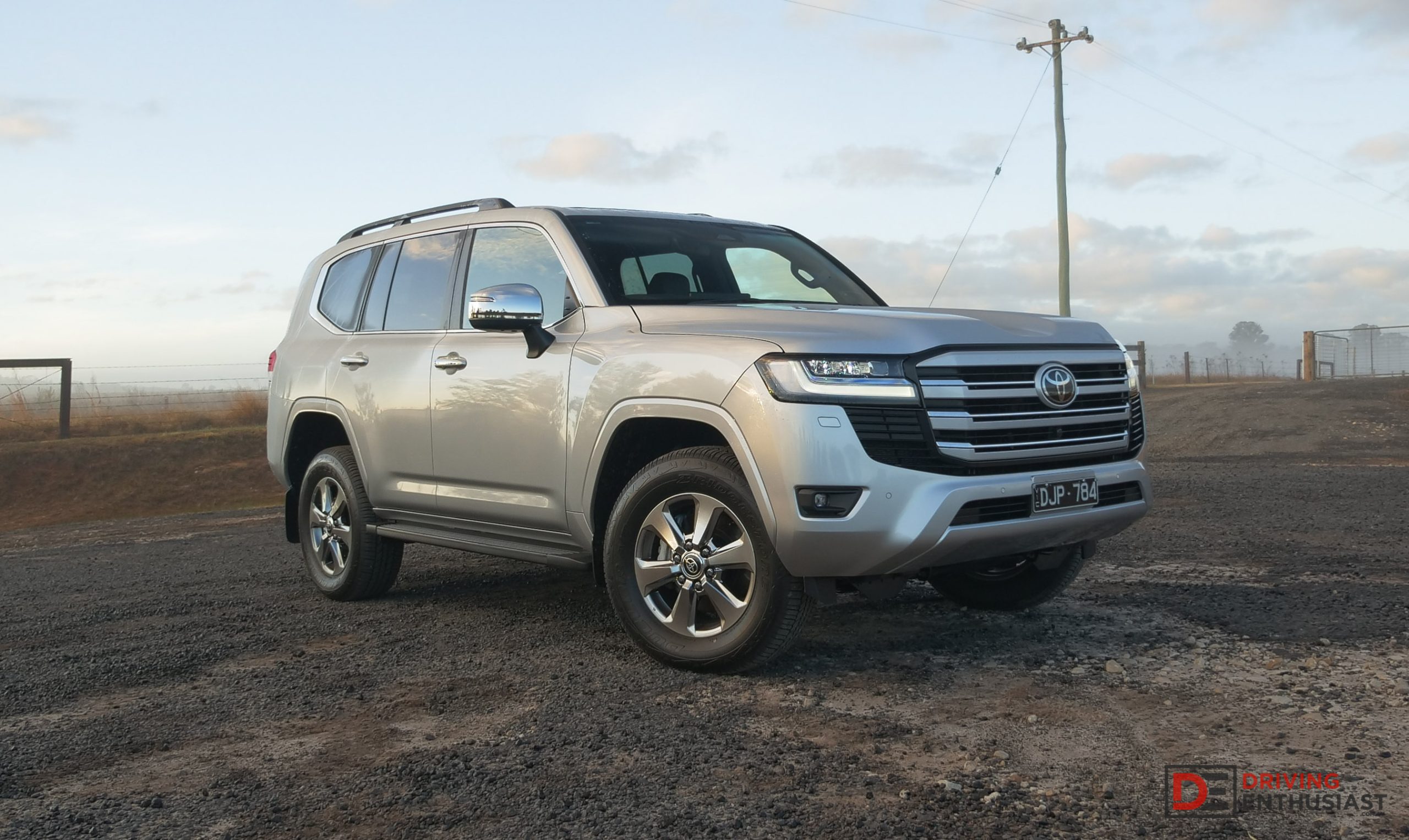
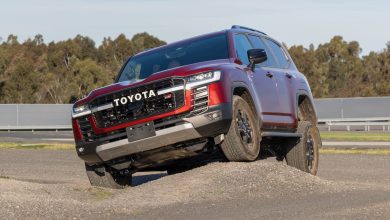
Few names carry as much weight in Australia as the Toyota LandCruiser. For decades, it has been the vehicle of choice for farmers, remote travellers, grey nomads, and families who want an SUV that can take them across the continent without breaking a sweat. The 300 Series, introduced in 2021, marked a big step forward in refinement and technology while holding onto the rugged DNA that makes the LandCruiser an icon. Now, in 2025, we see a model update across the range.
The Sahara variant sits close to the top of the 300 Series range – only the Sahara ZX tops it for outright luxury. While the VX and GXL trims are popular choices for families, the Sahara aims squarely at those who want all the off-road toughness combined with a genuine luxury car feel. Think heated and ventilated second-row seats, a dual rear-seat entertainment system, JBL premium audio, a heated steering wheel, and power-operated third-row seats, on top of Toyota’s long list of safety and multimedia upgrades for 2025.
At $139,310 before on-road costs, the Sahara isn’t cheap – but the LandCruiser badge carries a lot of trust in Australia. Buyers know they’re getting not just a vehicle but a tool for life, backed by Toyota’s enviable reputation for durability and resale strength.
The question is, in 2025, with rivals like the Land Rover Defender, Nissan Patrol Warrior, and even some of th e newcomers from China offering their own credibility in luxury and off-road promise, does the Sahara still deliver enough comparable capability and breadth to justify its price tag? We have summarised our answer into top five pros and cons to help you decide.

2025 Toyota LandCruiser Sahara: Pros
1. Twin-turbo V6 diesel:
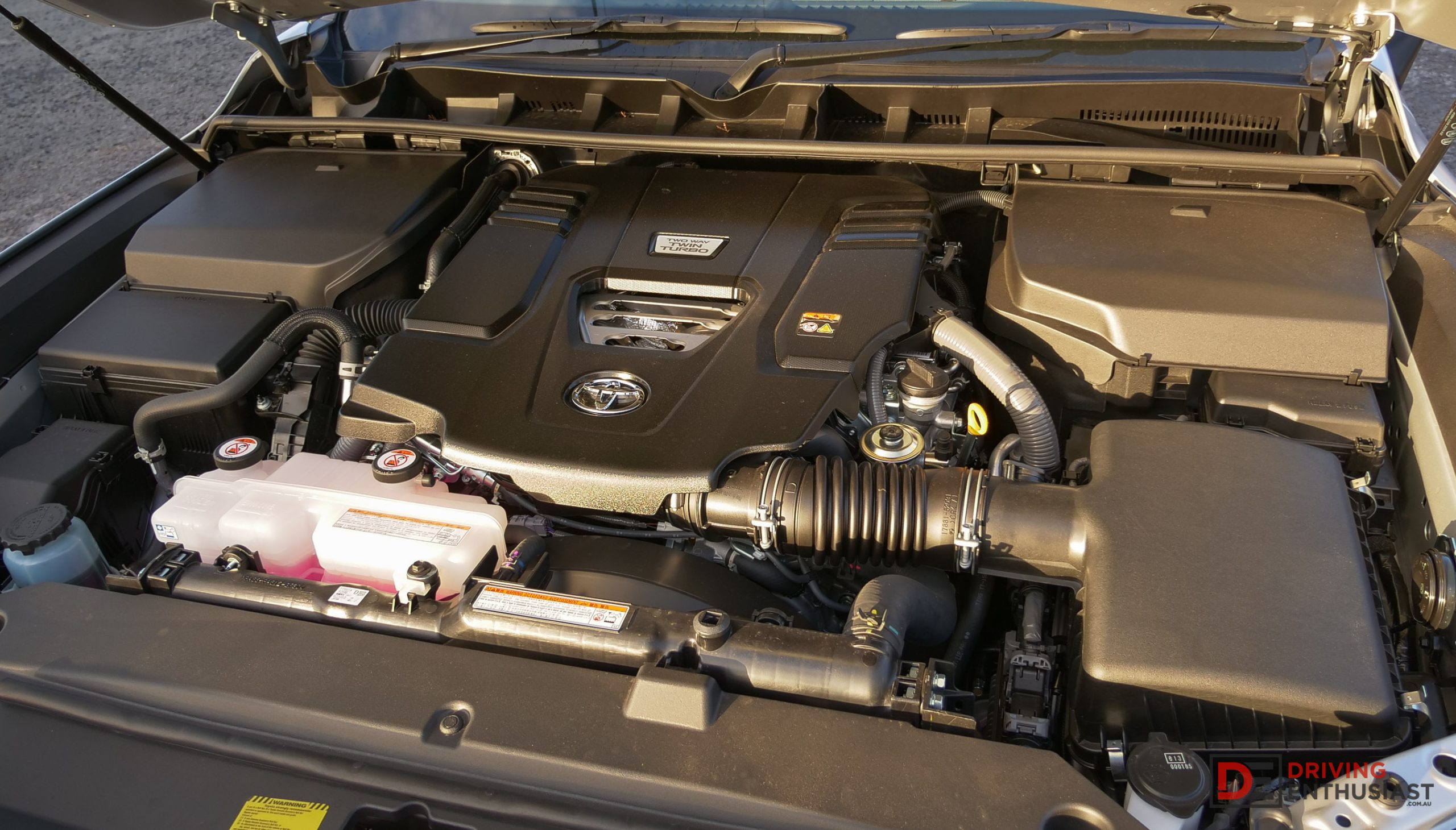
Under the bonnet, every LandCruiser 300 Series comes with Toyota’s latest 3.3-litre twin-turbo V6 diesel. It produces 227kW and a huge 700Nm of torque, delivered through a 10-speed automatic transmission and full-time four-wheel drive system.
This engine may be downsized from the legendary V8 of the 200 Series, but in practice it’s more powerful, develops more torque, is smoother, and more efficient. Towing up to 3500kg is still on the scorecard, and whether you’re overtaking on the highway or climbing a steep track, the Sahara never feels short of grunt. It’s refined, too – Toyota has done well to keep diesel clatter muted, even when working hard.
2. Luxury-grade comfort:
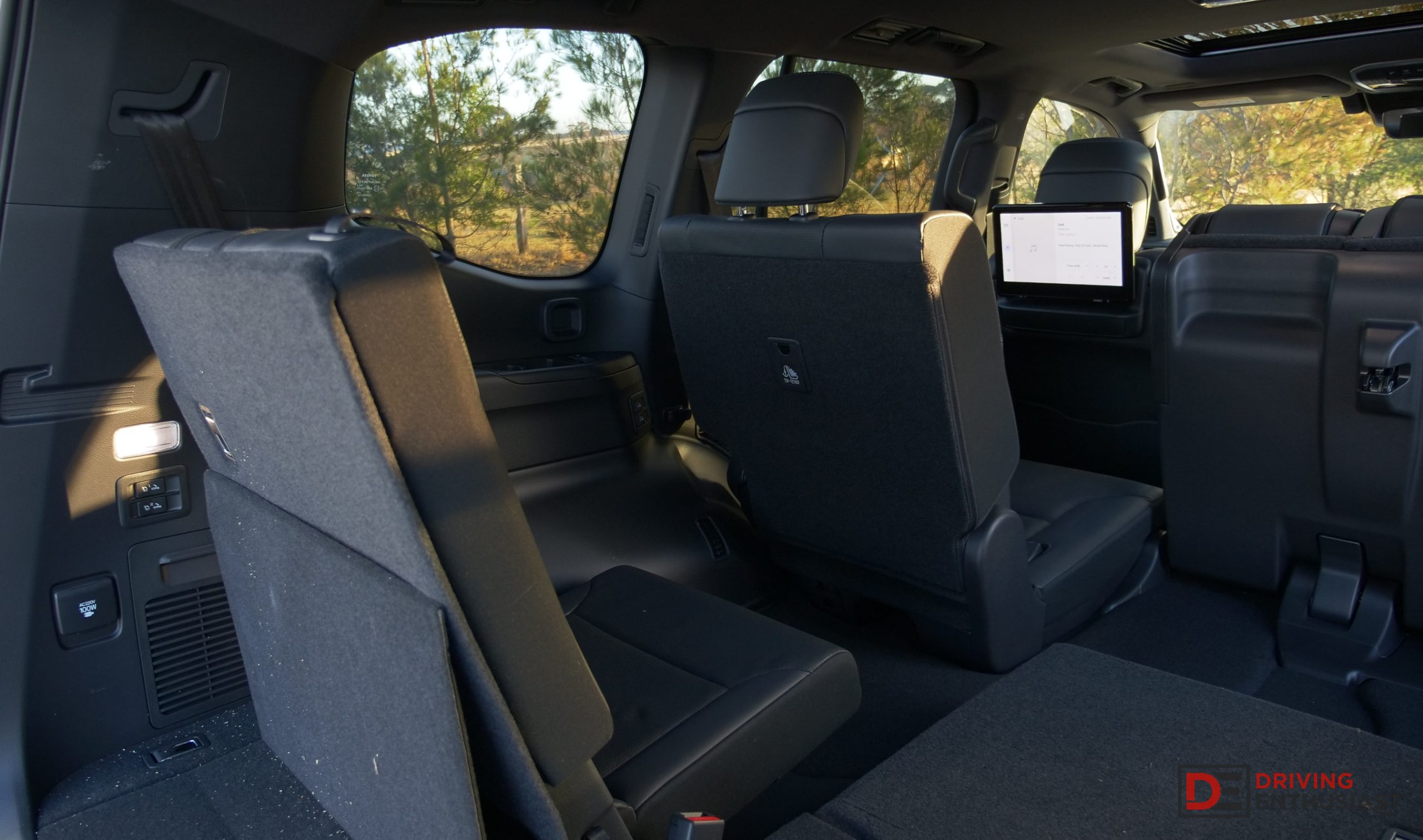
This is where the Sahara sets itself apart from its cheaper variants. Leather-accented upholstery comes standard, and both front and second-row outboard seats are heated and ventilated. Long road trips are made more pleasant with the 14-speaker JBL premium audio system, while rear passengers can enjoy a dual entertainment system with individual screens.
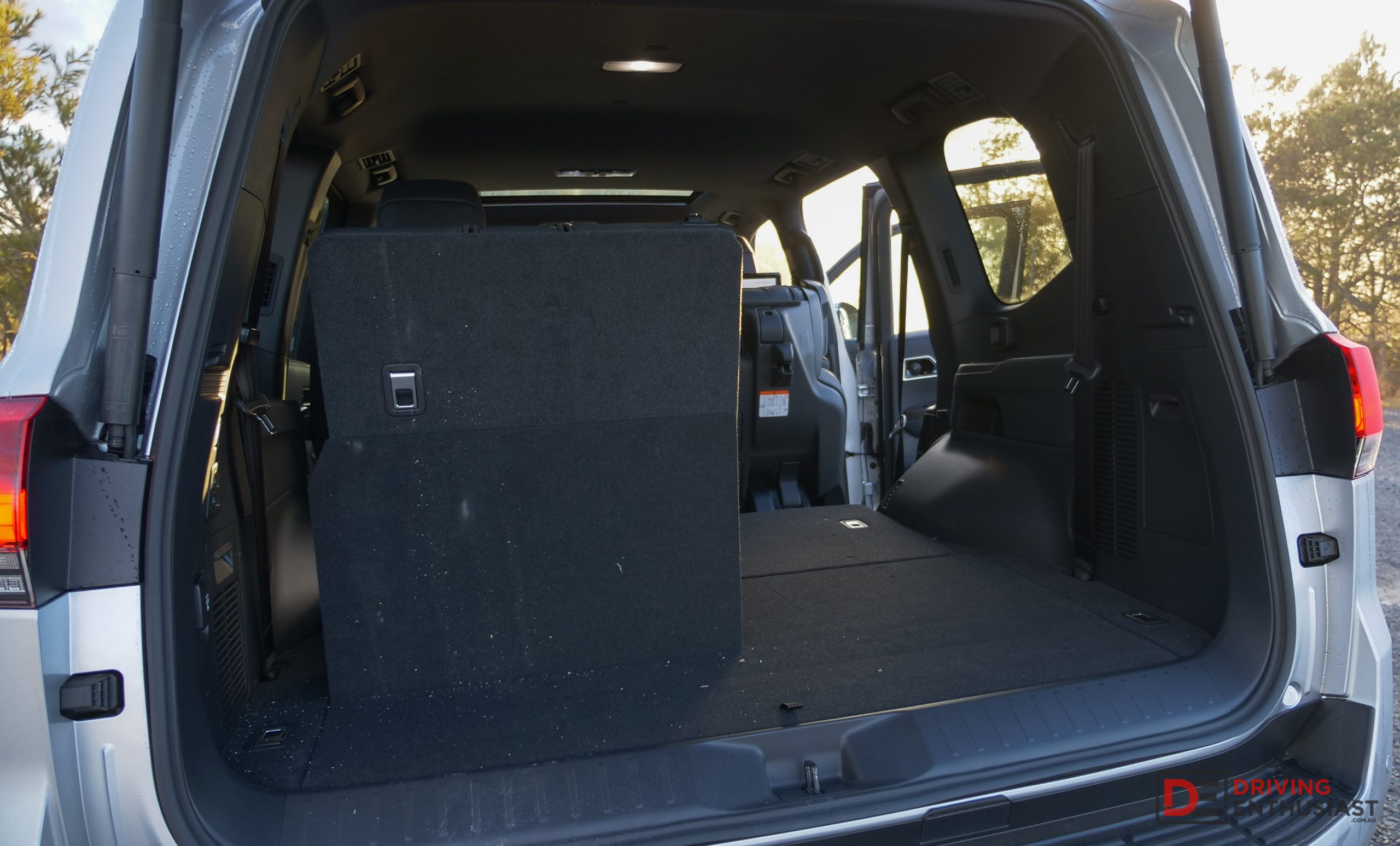
The third row is power-operated for easy access and storage flexibility, and the driver benefits from a heated steering wheel and head-up display. It feels more like a Lexus than a rugged off-roader in many respects, especially on long highway journeys where the suspension tune provides a plush ride for such a big, body-on-frame SUV.

3. Comprehensive safety and tech:
Toyota has rolled out its latest suite of Toyota Safety Sense features across the LandCruiser range. The Sahara includes lane trace assist, adaptive cruise control, blind-spot monitoring, rear cross-traffic alert, emergency steering assist, and an emergency driving stop system.
The infotainment side has also been upgraded, with a 12.3-inch touch-screen, wireless Apple CarPlay and Android Auto, and Toyota Connected Services offering live traffic, navigation, and even the ability to remotely cool the cabin before you step inside.
4. Off-road heritage intact:
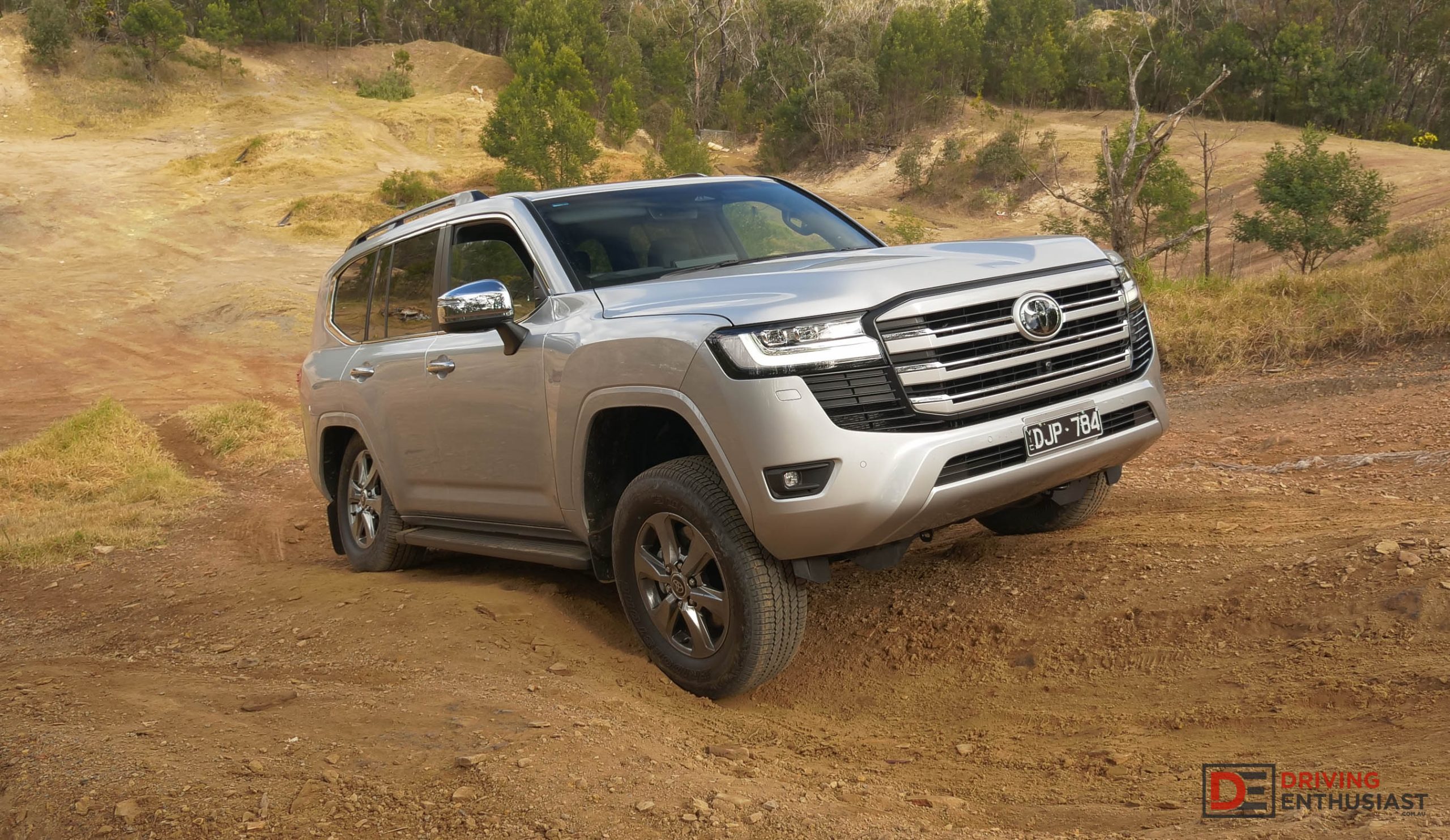
Despite all the leather and technology, the Sahara is still a true LandCruiser at heart. It comes with a centre diff lock, low-range transfer case, crawl control, downhill assist, and Toyota’s Multi-Terrain Select system to adjust traction settings depending on the surface.
While not all Sahara buyers will take their six-figure SUV deep into the outback, the fact that it can still handle rugged conditions is important. It’s reassuring to know that if your weekend plans involve sand dunes, muddy fire trails, or rocky climbs, the Sahara is as capable as the more utilitarian GX or GXL models.

5. Strong resale and reliability reputation:
The LandCruiser has long been one of the safest places to park your money in the SUV market. Demand remains sky-high in Australia, and resale values reflect that – even high-kilometre used examples command big premiums. Pair that with Toyota’s five-year/unlimited-kilometre warranty, capped-price servicing, and a nationwide dealer network that can look after you whether you’re in the suburbs or the bush, and the Sahara is almost like a long-term investment.

2025 Toyota LandCruiser Sahara: Cons
1. Hefty price tag:
At $139,310 before on-road costs, the Sahara sits firmly in premium territory. That puts it up against prestige European SUVs like the BMW X5/X7, Audi Q7, and Land Rover Defender, many of which offer hybrid or plug-in hybrid options, plus more cutting-edge cabin designs. For buyers shopping purely on luxury, Toyota’s brand may not carry quite the same prestige as these premium badges.
2. Big dimensions:
At just under five metres long and almost two metres wide, the Sahara is a beast to manoeuvre in tight city streets or shopping centre car parks. Parking sensors and surround-view cameras help, but this is still a vehicle best suited to open country roads and long-distance touring.

3. Fuel economy:
Yes, the V6 diesel is more efficient than the old V8, but at 8.9L/100km in mixed driving, it’s still thirsty compared to newer electrified rivals. Our testing revealed a much higher 11.5L/100km. Long-distance highway runs with a light foot will improve economy, but around town it’s not difficult to push into the low teens. Toyota Australia is launching a hybrid option in 2026, which could be the pick if this area is important to you.
4. Interior lacks character and refinement:
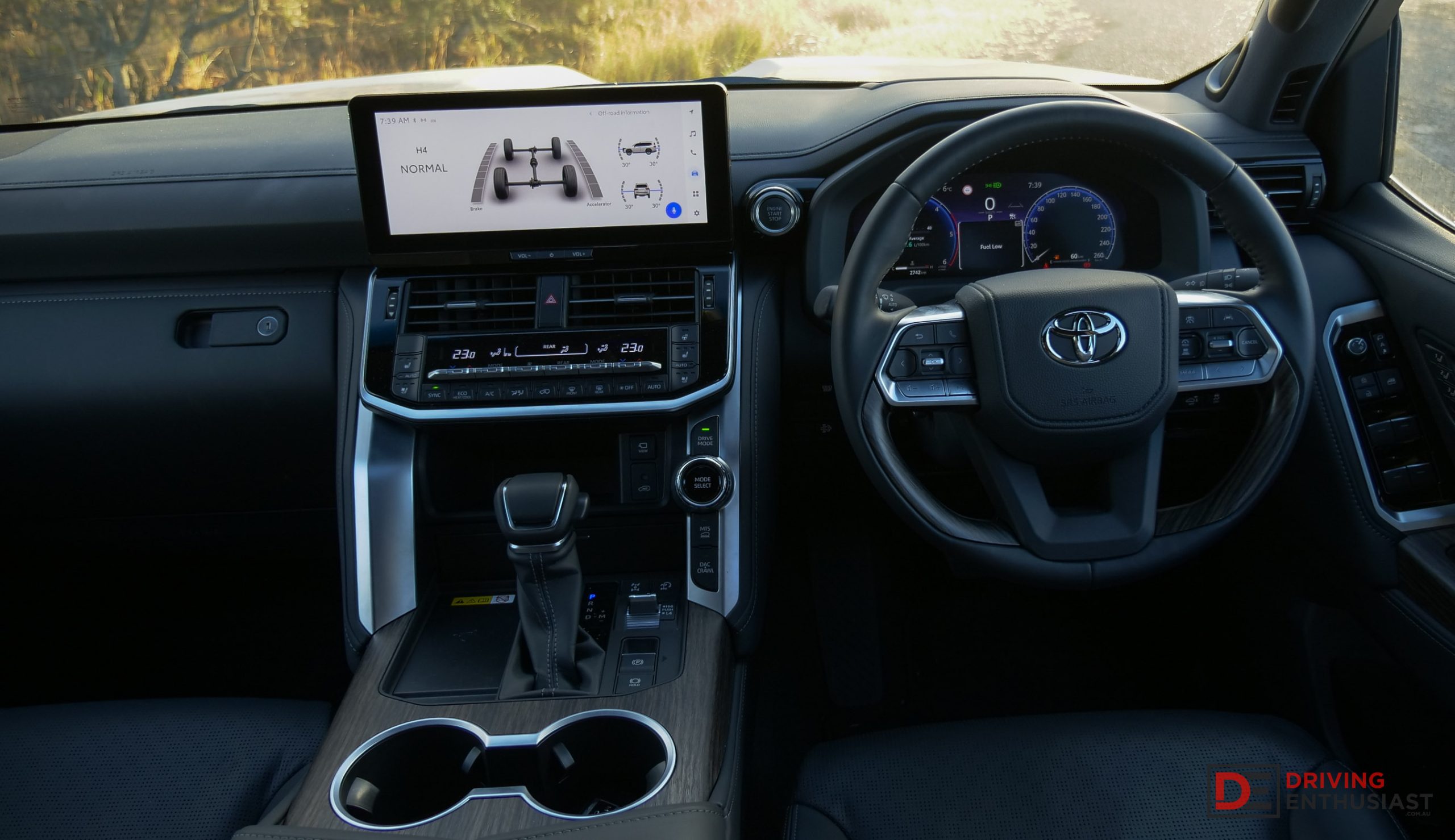
While the Sahara is packed with features, the overall interior design feels a little old-school in 2025. The dashboard layout is functional but not especially modern. And while materials feel sturdy and durable, they don’t quite have the wow factor of other SUVs in this price range. Toyota’s focus has clearly been on practicality and usability.

5. 10-speed auto:
This new transmission obviously helps improve economy in the lab and it could help in the real world. It can also divide up the engine’s torque into more sections than a six- or eight-speed auto. However, there are some moments where the gearbox feels like it is slipping, so you don’t get that direct and responsive feel of an older auto. It is likely put in there on purpose, but it can feel a bit unusual.
2025 Toyota LandCruiser Sahara: Specifications
Engine: 3.3-litre twin-turbo V6 diesel
Output: 227kW@4000rpm / 700Nm@1600-2600rpm
Gearbox: 10-speed auto
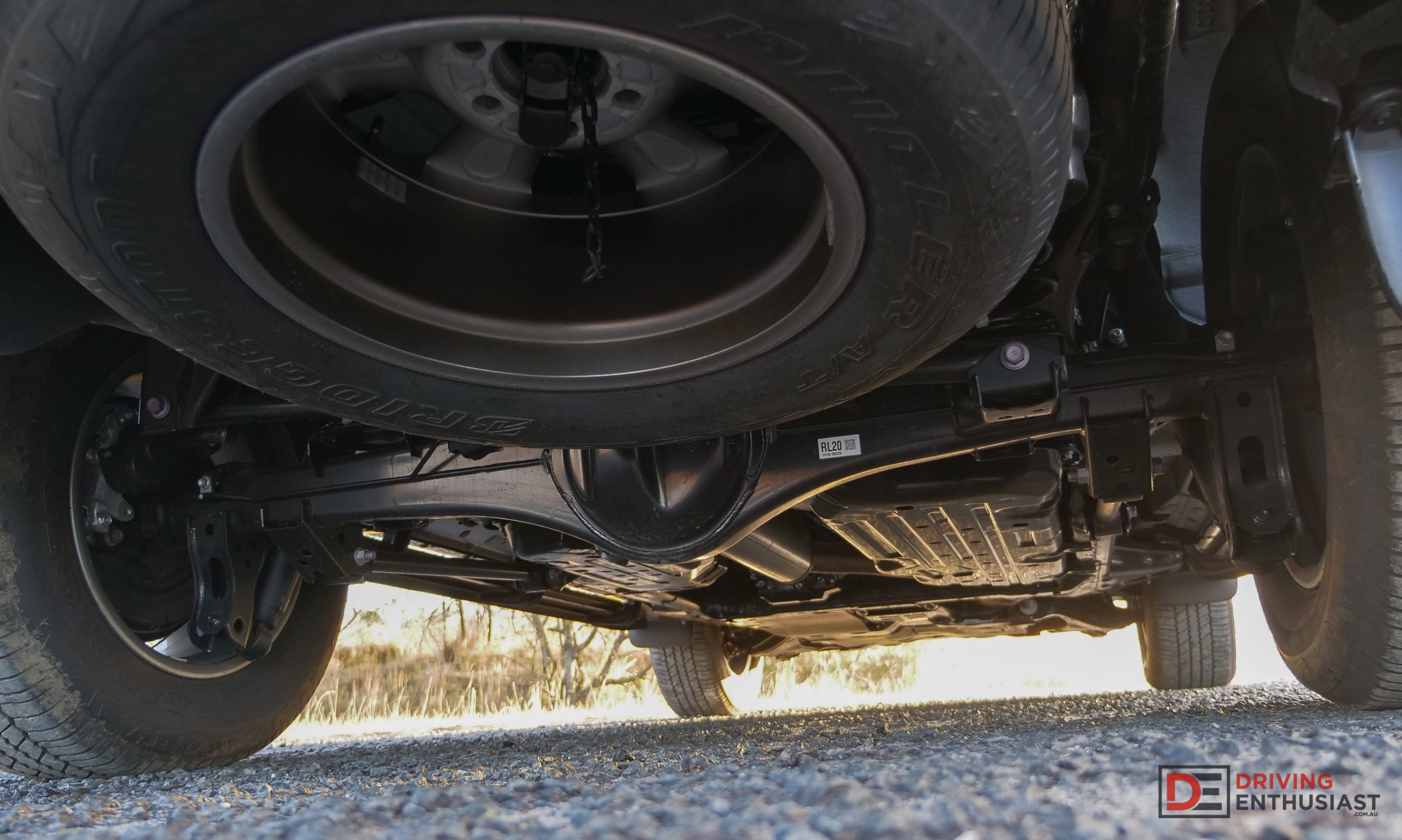
Drive type: Four-wheel drive, centre diff lock
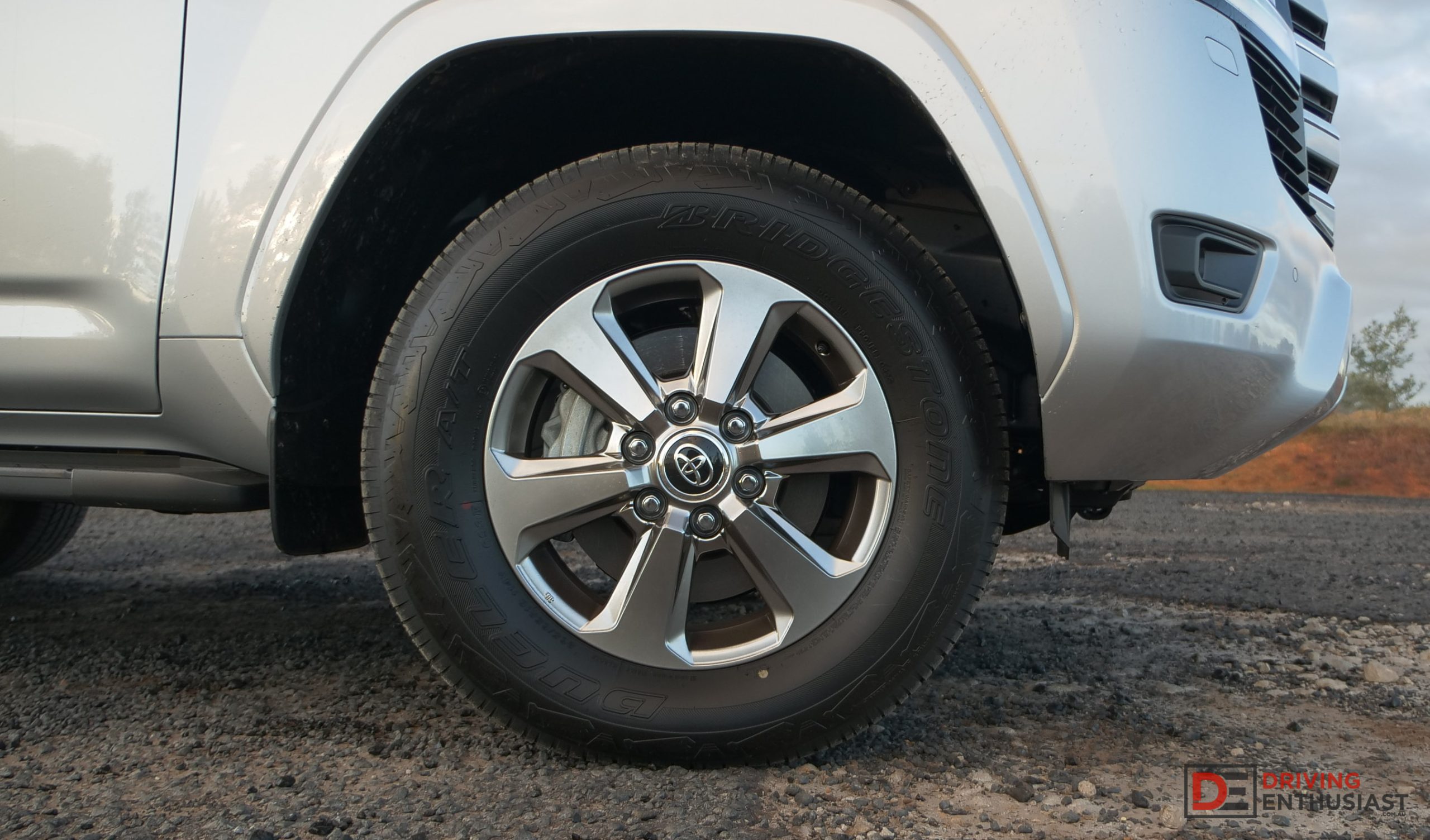
Wheels: F & R: 18×7.5, 265/65
ANCAP: Five stars
Tare weight: 2535kg
Power-to-weight: 11.16:1 (kg:kW)
Official consumption: 8.9L/100km
Our consumption: 11.5L/100km
Fuel tank/Fuel type: 110L/DieselPower efficiency: 25.71kW:L/100km
0-60km/h: 4.18 seconds*
0-100km/h: 7.90 seconds*
60-110km/h: 5.24 seconds*
1/4 mile: 16.06 seconds at 151.7km/h*
Max acceleration: 0.780g*
100-0km/h braking: 42.62m in 3.19 seconds*
Max deceleration: -1.204g*
Decibel at idle: 48*
Peak decibel at 60-100km/h: 82*
Starting price: $139,310
*Figures as tested by Driving Enthusiast on the day. Manufacturers’ claims may be different
2025 Toyota LandCruiser Sahara: Video